Showing posts with label fish. Show all posts

Tuesday, November 14, 2017

Scientists Shocked As Fisheries Collapse On West Coast: "It"s The Worst We"ve Seen"

Authored by Mac Slavo via SHTFplan.com,


The Gulf of Alaska cod populations appears to have taken a nose-dive. Scientists are shocked at the collapse and starving fish, making this  the “worst they’ve ever seen.”


“They [Alaskan cod] get weak and die or get eaten by something else,” said NOAA’s Steve Barbeaux.


The 2017 trawl net survey found the lowest numbers of cod on record forcing scientists to try to unravel what happened. A lot of the cod hatched in 2012 appeared to survive, but by 2017, those fish were largely gone for the surveys, which also found scant evidence of fish born in subsequent years. Many of the cod that have come on board trawlers are “long skinny fish” according to Brent Paine, executive director of United Catcher Boats.


“This is a big deal,” Paine said. “We just don’t see these (cod) year classes disappear from one year to the next.”


The decline is expected to substantially reduce the gulf cod harvests that in recent years have been worth — before processing — more than $50 million to Northwest and Alaska fishermen who catch them with nets, pot traps, and baited hooks set along the sea bottom.


Barbeaux says the warm water, which has spread to depths of more than 1,000 feet, hit the cod like a kind of a double-whammy. Higher temperatures sped up the rate at which young cod burned calories while reducing the food available for the cod to consume. And many are blaming “climate change” for the effects on the fish, although scientists aren’t directly correlating the two events. “They get weak and die or get eaten by something else,” said Barbeaux, who in October presented preliminary survey findings to scientists and industry officials at an Anchorage meeting of the North Pacific Fishery Management Council.


The 2017 trawl net survey found the lowest numbers of cod on record, more than 70 percent lower than the survey found two years earlier.


Barbeaux said the cod decline likely resulted from the blob, a huge influx of warm Pacific Ocean water that stretched — during its 2015 peak — from the Gulf of Alaska to California’s offshore waters.


Biologists tracked increases in bird die-offs, whale strandings, and other events such as toxic algae blooms.


Even today, its effects appear to linger, such as in the dismal survey results for salmon last summer off Washington and Oregon.


The Olympian


The blob began to take hold in 2014, and within a year had raised temperatures as much as 7 degrees Fahrenheit in some surface waters of the Gulf of Alaska. In deeper waters, where cod feed, the temperature rose by more than 1 degree Fahrenheit. The surface temperatures recorded during the blob’s peak could be close to the average at century’s end, according to a recent report on climate change by the U.S. Global Change Research Program. Thus, future blobs could push temperatures much higher than the most recent event.


“They may not necessarily be more frequent, but they will be more intense,” said Nicholas Bond, a University of Washington climate scientist who assisted in the Gulf of Alaska cod research. “This is really going to be uncharted territory.”


Monday, November 13, 2017

Scientists Shocked As Fisheries Collapse On West Coast: ‘It’s The Worst We’ve Seen”

pacific-cod


Photo Credit: Alaska Outdoors Supersite


The Gulf of Alaska cod populations appears to have taken a nose-dive. Scientists are shocked at the collapse and starving fish, making this  the “worst they’ve ever seen.”


“They [Alaskan cod] get weak and die or get eaten by something else,” said NOAA’s Steve Barbeaux. The 2017 trawl net survey found the lowest numbers of cod on record forcing scientists to try to unravel what happened. A lot of the cod hatched in 2012 appeared to survive, but by 2017, those fish were largely gone for the surveys, which also found scant evidence of fish born in subsequent years. Many of the cod that have come on board trawlers are “long skinny fish” according to Brent Paine, executive director of United Catcher Boats.


“This is a big deal,” Paine said. “We just don’t see these (cod) year classes disappear from one year to the next.” The decline is expected to substantially reduce the gulf cod harvests that in recent years have been worth — before processing — more than $50 million to Northwest and Alaska fishermen who catch them with nets, pot traps, and baited hooks set along the sea bottom.


Barbeaux says the warm water, which has spread to depths of more than 1,000 feet, hit the cod like a kind of a double-whammy. Higher temperatures sped up the rate at which young cod burned calories while reducing the food available for the cod to consume. And many are blaming “climate change” for the effects on the fish, although scientists aren’t directly correlating the two events. “They get weak and die or get eaten by something else,” said Barbeaux, who in October presented preliminary survey findings to scientists and industry officials at an Anchorage meeting of the North Pacific Fishery Management Council.


The 2017 trawl net survey found the lowest numbers of cod on record, more than 70 percent lower than the survey found two years earlier.


Barbeaux said the cod decline likely resulted from the blob, a huge influx of warm Pacific Ocean water that stretched — during its 2015 peak — from the Gulf of Alaska to California’s offshore waters.


Biologists tracked increases in bird die-offs, whale strandings, and other events such as toxic algae blooms. Even today, its effects appear to linger, such as in the dismal survey results for salmon last summer off Washington and Oregon. – The Olympian


The blob began to take hold in 2014, and within a year had raised temperatures as much as 7 degrees Fahrenheit in some surface waters of the Gulf of Alaska. In deeper waters, where cod feed, the temperature rose by more than 1 degree Fahrenheit. The surface temperatures recorded during the blob’s peak could be close to the average at century’s end, according to a recent report on climate change by the U.S. Global Change Research Program. Thus, future blobs could push temperatures much higher than the most recent event.


“They may not necessarily be more frequent, but they will be more intense,” said Nicholas Bond, a University of Washington climate scientist who assisted in the Gulf of Alaska cod research. “This is really going to be uncharted territory.”

Friday, September 29, 2017

10 Brain-Boosting Foods That Just Might Make You Smarter (You’re Gonna Love No. 6)

10 Brain-Boosting Foods That Just Might Make You Smarter (Our Favorite: No. 6)

Image source: Pixabay.com


We have all heard the phrase, “you are what you eat,” but did you know you that what you eat can make you smarter?


In addition to helping your body stay healthy and strong, certain foods can help your brain work better and even protect against mental disorders.


“Food is like a pharmaceutical compound that affects the brain,” said Fernando Gómez-Pinilla, a UCLA professor of neurosurgery and physiological science who has researched the effects of food on the brain. “Diet, exercise and sleep have the potential to alter our brain health and mental function. This raises the exciting possibility that changes in diet are a viable strategy for enhancing cognitive abilities, protecting the brain from damage and counteracting the effects of aging.”


The food we eat can affect everything from our mood to our memory. Nutrient-dense whole foods can do more than just fuel our bodies; they can help us think more clearly.


According to Cynthia Green, PhD, an expert on memory and brain health, key nutrients — along with exercise and daily brain stimulation – help keep brain cells healthy and prevent inflammation. Green writes that a person’s memory, attention span and ability to learn all benefit from the right food choices.


Here are 10 brain-boosting foods to make a part of your diet.


1. Fish — Salmon, mackerel, albacore tuna, trout and sardines are packed with omega-3 fatty acids, which experts believe are essential for healthy brain function.


Nearly 40 percent of the fatty acids found in brain cell membranes are the DHA variety, which are found in fish oil. Scientists have discovered that DHA helps the brain transmit signals between its cells. The body cannot manufacture fatty acids, so they must be gained through diet.


Just 30 Grams Of This Survival Superfood Provides More Nutrition Than An Entire Meal!


Tufts University researchers found that people who ate oily fish three times a week and therefore had the highest levels of DHA in their blood reduced their risk of Alzheimer’s disease by almost 40 percent.


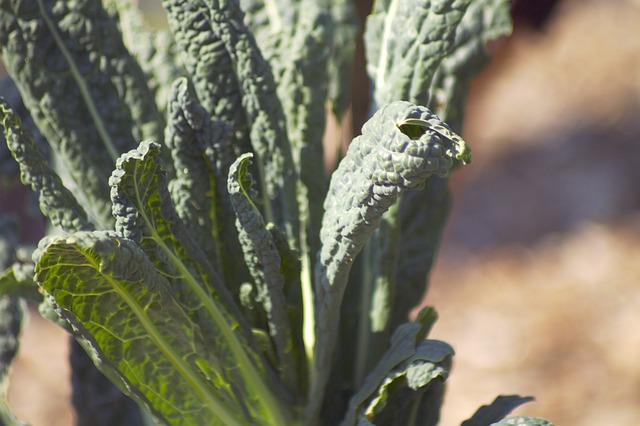
10 Brain-Boosting Foods That Just Might Make You Smarter (Our Favorite: No. 6)2. Dark green leafy vegetables – Dark green vegetables, such as kale, collard greens and spinach, are excellent sources of vitamin E and folate. Folate may protect the brain by lowering levels of an amino acid known as homocysteine in the blood. Nitrates in spinach help increase blood flow to the brain and thereby improve mental performance.


Broccoli is a great source of vitamin K, which enhances cognitive function and improves memory. Leafy greens also contain carotenoids, which help protect the brain from damage from free radicals, the waste products the body makes when its cells create energy.


3. Nuts and seeds — As sources of omega 3 and omega 6 fatty acids, and vitamin B6 and vitamin E, nuts (especially walnuts) and seeds are good for the brain and the nervous system.


Sunflower and pumpkin seeds contain omega fatty acids, protein and B vitamins, which all can help provide you with an energy boost. These seeds also contain tryptophan, a substance the brain converts into serotonin to elevate your mood.


Eating a handful of seeds also can provide you with the daily recommended amount of zinc, which helps enhance thinking skills and memory.


4. Berries – Dark berries, such as blueberries, cherries and blackberries, are both good to eat and good for your brain. They contain anthocyanins and other flavonoids that improve memory function and cognitive function.


Research indicates that berries help protect the brain from oxidative damage and stress that can contribute to premature aging, Alzheimer’s disease and dementia.


5. Avocados — Avocados are a good source of monounsaturated fats, omega 3 and omega 6 fatty acids, potassium, vitamin K and vitamin E.


Consuming these nutritional powerhouses helps increase blood flow to the brain, lower “bad” cholesterol levels and absorb antioxidants. Avocados are delicious but high in calories, so consider adding just one quarter to one-half of an avocado to your daily diet.


10 Brain-Boosting Foods That Just Might Make You Smarter (Our Favorite: No. 6)

Image source: Pixabay.com


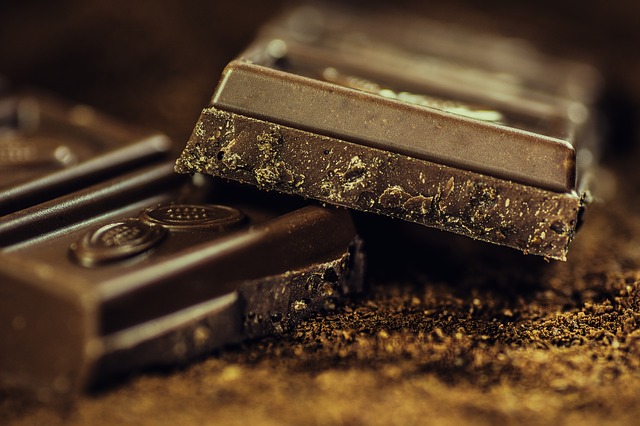
6. Dark chocolate – Dark chocolate – the kind that contains at least 70 percent cocoa – can be a powerful brain booster. It contains important antioxidants as well as natural stimulants, such as caffeine, which help improve concentration.


The flavonoids in dark chocolate also help blood vessel function, which enhances cognitive function and memory skills.


7. Bone broth — When you sip a homemade stock made from animal bones, you can help nourish your brain.


Bone broth contains collagen, which helps keep cells, bones, ligaments and the brain healthy. Additionally, the glycine in bone broth helps improve sleep and memory.


8. Whole grains – The complex carbohydrates, fiber and omega-3 fatty acids found in whole grains help protect the heart and brain from cholesterol, blood clots and sugar spikes.


Whole grains – such as oatmeal, oat bran and brown rice — also contain B vitamins that enhance blood flow to the brain and improve mood and concentration.


9. Beets — Beets as brain food? You had better believe it. Beets are high in vitamin B9 and in nitrites, which help increase blood flow in the areas of the brain related to cognitive functioning.


They also are rich in carotenoids, which help boost brain functioning and improve mood.


10. Beans and legumes – An excellent source of complex carbohydrates and fiber, beans and legumes also offer a steady supply of glucose for the brain without the risk of potentially harmful sugar spikes.


Beans and legumes also contain omega fatty acids and an abundance of folate, both of which boost brain function.


Finally, don’t underestimate the role hydration plays in good brain health. Be sure to drink plenty of water each day to keep your body and your brain working at optimal levels.


The brain is approximately 85 percent water, and brain function – including thought and memory processes — depends on you staying hydrated. So drink up this summer!


Sources:


www.nature.com/nrn/journal/v9/n7/abs/nrn2421.html


http://www.wfm.noaa.gov/pdfs/GetSmartBrainHealth_Handout1.pdf


http://www.nutritionletter.tufts.edu/issues/11_10/current-articles/New-Dietary-Approach-Against-Alzheimers_1815-1.html


https://www.psychologytoday.com/blog/you-illuminated/201010/why-your-brain-needs-water


Harness The Power Of Nature’s Most Remarkable Healer: Vinegar

Monday, September 4, 2017

Norway’s Big Fish Story

Submitted by Nick Kamran – Letters from Norway


Decision Season


With Parliamentary elections looming, more Norwegians than usual are asking themselves the tough questions. It is now apparent that the slump in oil is not a temporary one. What will the country do now? Time for the lottery winner, after receiving the last annuity, to get a job before burning out the savings. Many are looking towards the sea, fishing and exploiting underwater natural resources. Others are looking to blast open the mountains to do the same.


However, commodity based economies, third-world in nature, are subject to mother nature’s whims, innovation, and ruthless competition.  Moreover, it creates complacency, catching the nation off guard when there is a shift in the supply curve (instead of hitting peak oil, the opposite happened). Hence, the decisions or lack thereof, made during the next four years will impact future generations. Two generations of Norwegians grew up on the delusion that their society, built on pre-socialist values and high oil prices, can endure any challenge. 


The
Fund’s withdraws could accelerate amid a global financial crisis: politicians burning cash to shore up the economy and secure votes.


Burn Rate


Taking the sovereign wealth fund (The Fund) for granted, many fail to realize that the underlying investments are all pinned to the prevailing low-interest rate climate. If inflation gets out of control and rates must be pushed up to cut it off, the effect on stock and bond values could be substantial.


Norwegian GDP growth correlates to oil prices.


Currently, assuming constant tax revenues, budget and oil fund value, Norway is in great shape: able to fill the budget gap for the next 30 years. But then what? Also, one must ask, how often do assumptions, which depend on everything remaining constant, endure the test of time? Is it possible to dodge a decade’s worth of black swans, some of which haven’t even been born yet? Based on observation, most believe that a miracle will happen, like it did in the past (stumbling onto one of the largest oil reserves just offshore), or the situation will just work itself out.


The New Normal


Yesterday’s lows are today’s highs: far off the $70/barrel required to balance the budget.  Technology turned oil, a once scarce resource, into an abundant commodity.


Rising rig counts rose, in the latest months, despite flat to downward trending oil prices, indicate lower break-even prices.


The technology from the American Energy Renaissance, is going global, offering all nations additional options, regarding energy sources. In addition to continuously improving fracking technology, clean coal, natural gas, wind, and geo-thermal sources, further reducing the need for imported hydrocarbons.   


The Fish Story vs. Reality


Although many Norwegian leaders believe that the nation can switch from one commodity to another, fish cannot replace oil.  However, the Norwegian Salmon’s strong brand equity could be diminished by increased on production on the back of industrial techniques. Moreover, commodity production, especially this kind, can be replicated worldwide.


The coastlines of the UK, Iceland, Greenland, Canada, Chile, Maine, Alaska, Japan, and Russia offer similar habitats, suitable for fish farming, like those of coastal Norway.  Moreover, fish farming is not rocket science. The required equipment is available on Alibaba.  Perhaps that’s where Salmar bought their latest system.


Sources: Statistics Norway: SSB.no and Fish Information and Services (FIS.com)


In addition to the law of supply and demand realities, new entrants joining the marketplace as long as profit opportunity exists, industrial fish farming offers a new set of problems:


  • Sea Lice poses one of the greatest challenges. Concentrated and congested in relatively small pens, the critters spread quickly, contaminating entire batches. Although the lice itself is not harmful to humans, it kills the fish. Currently, the Norwegian Ministry of Food and Industry states that there is a high risk of fish dying from lice between Karmøy and Sotra. Sometime soon, they will have a color code system (red, yellow, or green), overlaying a map of the nation’s coastlines, indicating risk levels.

  • Escapes post a major environmental hazard similar to that of Kudzu in the American South. When the genetically engineered (GMO) fish find their way into the open seas, they inevitably breed with the wild fish, weakening and mutating them. Based on a recent study, the problem is widespread.

Scientists tested half the rivers in Norway and found that every wild Atlantic Salmon population contains significant “Frankenstein” genes, introduced by the GMOs.  Escapes happen when storms tear open the containment nets, freeing hundreds of thousands of Salmon. Also, sloppy handlers and smolt (baby salmon) can slip out of containment system. The problem was so widespread in 2013 after a major “jailbreak”, which freed 127,000 fish, that a major fish producer offered a bounty: $90 per recaptured fish.


Nutritional differences exist between farm raised and natural salmon. Source:
Alexandra Morton – an activist in Canada. Norwegian salmon distinguishes and defines itself on quality. Mass production could diminish that advantage. 


Fish, especially Salmon, are an important component to the Norwegian economy but considering the public expenditure, marketplace competition, and industry risks outlined above, it will not carry the country forward.


Debt Fueled Economy


Nevertheless, Norway continues to party on.  The nearly trillion-dollar sovereign wealth fund can carry the nation forward until they find a strategic replacement to oil: but for how long?


Norwegian consumers are some of the most indebted in the world while the national government runs accelerating deficits in the face of a declining oil industry.  Source: SSB.no and the Norwegian Ministry of Finance


There are risks that could shorten that ability. Consumer debt, fueled by excessively low interest rates and rapidly growing money supply as well as a widening budget gap, could stoke a crisis. Such a crisis, generally international in nature, could also hit asset prices in a time of need, reducing the lead time from 30 years to perhaps 10. Imagine withdrawals accelerate while The Fund’s value takes a hit from a major stock market pullback and bursting of the bond bubble?


Source: SSB.no M1 ,M2 & M3 Money Supply Aggregates. It is quite apparent that once issued, currency is hard to take back. Norwegians are not supposed to discuss this but rather just trust in Norges Bank.


Sadly, very few Norwegians understand the underlying economics tied to their prosperity, blindly believing the headlines and Central Bank headline statements.  Who is richer, the guy with a new BMW bought on credit or the used Chevy bought with cash? Culturally, there is a lot of public trust in Norges Bank (The Norwegian Central Bank) and the mainstream media.  No one appears to question the consequences of simultaneously persistent negative real interest rates and rising in money supply (systematic currency destruction and standard of living degradation).


Based on street level observations and conversations with the politicians, campaigning for the September 11, 2017 general election, it appears that “kick the can down the road” is the way to go.  Politics is the art of delaying a decision until it is no longer relevant. Hence, they could burn this fund out, trying to buy votes for the next elections, taking place every two years (alternating national and local elections every two years).


The Critical Need for Leadership vs. Management


Generally, Norwegians are overly skeptical, unimaginative, and cautious, hindering their ability to innovate and invent on a grand scale.  Letting a generation slide by without thinking about the future affirms that. There is no industry stepping in to cover oil, revealed in the trade figures above.


Instead of investigating the facts about the Paris Agreement, Norwegian leaders jumped on the bandwagon, signing the speculative and flawed agreement because everyone else did.


Europeans love per-capita statistics. Very few nations can compete with Minnesota in innovation.


Instead, they should have used their influential position, regarding environmental issues, to question the underlying science.  The agreement is based on speculation and voluntary compliance by third-world nations, still struggling with human rights and corruption. If Trump had not withdrawn from the Paris Agreement, the world would have become complacent, believing the environmental crisis was solved.  Essentially, they would have falsely believed that India could enforce the rules.


On paper and at the UN, such nations can say anything. However, the reality on the ground is very different.  Considering India’s massive population and the public sector pay scale, individual factories will operate “business as usual,” paying bribes to the uninterested civil servants, getting them off their back. It is naïve to think otherwise. 


Living in Northern Brazil for a brief time, I personally witnessed farmers and ranchers blatantly cut down rain forest, despite the rules, to expand grazing land. Hence, Russia and China will outright lie.  Then, twenty years from now, we will be in the midst of an environmental disaster, caused by unaccounted third-world development.


Remember, that Hitler’s Germany, built up a military in secret, unleashing it on the world by surprise. The solution to climate change and environmental havoc requires much more than a piece of paper designed to crippled American development to the benefit of third world nations.


Therefore, the Paris Agreement would have doomed the planet, offering a delusion that problem had been “solved” after signing. Much needed attention to the environment would have been diverted to something trivial like removing offensive statues.  Environmental issues go far beyond emissions. It also includes plastic in the oceans, clean drinking water, and deforestation in India, Africa, and South America.  


The Paris Agreement forgot those issues. Our allies should have seen through this fallacy and expressed interest in real solutions, especially the Norwegians.


Thor’s Hammer


Hence, Norwegians need to elect a decisive “Viking like leader.” Someone with lofty ambitions and ideals who is daring, seizing the opportunity with Thorium. The land of fire and ice not only holds around 15% of the world’s thorium supply but also leads in reactor technology development. Thor Energy (Halden, Norway) is in the second phase of a five-year trial, validating the viability as a commercial energy source.


This technology offers the basis to a comprehensive environmental solution that would not only cover emissions but also take care of ocean plastic, deforestation, and chronic poverty. Integrating it with other existing Norwegian technologies: shipbuilding (Aker), automated garbage sorting (Tomra Systems), autonomous systems (Kongsberg Defense) and heavy engineering (Kongsberg Maritime) and working with North African leaders, Norwegian industry could fill the massive Sahara Desert with water, terraforming it into a lush rain forest and vast fields.


The Genesis of New Greenland


Running massive Thorium powered desalinization plants, pumping water into the dessert underground over the next 100+ years, vegetation and eventually forests could take root. A new society would emerge, built on green values and sustainable technologies. That concept would do more to ensure our planets survival than a piece of paper, written by professional politicians intended to upend America. 


But how could we make this happen? It would require the massive integration of existing technologies and proven concepts:


The massive dessert, larger than the United States, was once a rain forest, recycling massive amount of CO2. Thorium technologies could restore that quicker than the Paris Agreement could lower temperatures by .5 degrees over the same time period.


  • Ship Building: Norway is already a leader in specialty ships and the floating nuclear reactor concept has been around for over 50 years. Once the people in Halden industrialize the Thorium concept, they can mount the reactors onto highly automated ships, ensuring safety, security, efficiency. 

Two types of ships are needed. The first would be one that generates electricity and desalinizes seawater. The second type would collect ocean plastic, turning into drip irrigation equipment.  


  • Electricity created by the onboard powerplant could be delivered from ship to shore by undersea cable, directly into a modern grid.

  • Desalinization technology, using excess heat generated by nuclear powerplants, already exists. For the past 20+ years, India, Japan, and Kazakhstan have been doing this on an industrial scale. 

  • Drip Irrigation tubing, pipes, and other fixtures can be made from recycled ocean plastic onboard a thorium powered ship as it collects plastic from the massive Pacific Ocean plastic patch (it is the size of Mexico). Water would be delivered by pipeline from the shipboard plant to shore, distributed underground and directly to the plant root systems.

Israel has already proven that drip irrigation works: growing crops in the dessert with almost 90% less water than by open air.


Drip Irrigation in Libya, sourcing water from an underground aquifer. It would be better to use purified seawater, preserving the underground systems. Therefore, It is already possible to
grow forests in the desert with this technology.


  • Modular Housing Components, also made from ocean plastic onboard the Thorium powered collections ships, could provide a place to live for many of the worlds displaced people and SJW’s. The houses could be covered in Earth and vegetation protecting residents from the elements in a cost-efficient manner.  Those same people could also work in the field cultivating various crops for export and consumption, making this model sustainable.


Dirt prefabricated homes – Green Magic Homes Over time, the dessert above in Libya could look like this. Eventually a rainforest canopy could take root, furthering the reduction of carbon-dioxide.


The rainforests throughout the world act as our planet’s lungs, cycling carbon dioxide into oxygen.  Hence, this concept would not only clean up the ocean but also turn the dessert into a rain forest over the next few hundred years, permanently and naturally balancing carbon dioxide instead of depending on human compliance.


The question is who would pay for it and what would be the return?


  • National government funds in Europe set aside for refugees could be spent on making them a new nation, which they will have a part in building and take pride in.

  • Bored billionaires like Mark Zuckerberg, Bill Gates, Warren Buffet, Elon Musk, Richard Branson, and George Soros who supposedly want to do some good in the world.

  • Multi-National Corporations that supported the Paris Agreement and oppose President Trump.

  • The return would be from crop and electricity exports as well as tourism.  In addition, this new nation would be leaders in ocean plastic recycling innovation, selling housing solutions throughout the world. Norway could be at the forefront as an investor and benefactor.  

Conclusion


The greatest consequences of Nordic socialism are how it instills a lack of courage and imagination when facing global problems. For such a system to work, people must be mostly compliant and amicable. Currently, Norway can manage the economic shift by drawing from The Fund but I would hope that they want to do more than just get by. It is obvious that betting on fish is a bad idea.


However, culture of modesty and skepticism holds them back. Norway needs to think big if it wants to maintain the standard of living for future generations. They need to move beyond apps and electronic gadgets to true innovation: the kind that changes the world.  


Think about that when voting on September 11, 2017!

Friday, July 28, 2017

5 Easy-To-Catch Freshwater Creatures That Resourceful Off-Gridders Eat

5 Easy-To-Catch Freshwater Creatures That Off-Gridders Often Eat

Image source: Pixabay.com


Check your local regulations for fishing methods, times and limits. Please make sure also to have your fishing license, too!


1. Crayfish


Where to find: On hot days, you can see them gliding across the rocky bottoms of creeks, lakes and ponds. They like to hide under logs and roots that grow along the banks, as well.


How to catch: Crayfish can be caught in a variety of methods: by trap, hook, net or by hand. Put them in a bucket without water or they will drown. I am a fan of looking under rocks. I can get 50 in less than two hours on a good day. Traps seem to work OK if you have a bunch out, but depending where you are, it may not be that successful. With a hook and bait, you can just drop the bait in front of them, and then lift your bait and shake off the “mud bug.” Nets may work if you put the net behind the crayfish and use a stick to tease it into your net.


How to clean: After catching your crayfish, sort through them. You don’t want to eat a dead crayfish — it could make you sick. Then just rinse them 3-4 times with a garden hose. Try to get off as much dirt as possible.


How to cook: Cooking crayfish can be as simple as sautéing in butter, shell and all. Some people like to make a “mud bug boil.” This means boiling your crayfish with Cajun seasonings. You also can peel the tail and use the meat as you would shrimp. After cooking, try tearing the heads off and sucking all the stuff inside. That is known as the crayfish butter. Yum!


2. Frogs


Where to find: Frogs can be found in the day, hiding in tall grasses and under banks. It’s much easier to find them at night. Best time is usually in the warmer months because the frogs are a little larger than in spring. Using a spotting light (red lenses can be used so frogs won’t see it), just shine along the water banks. They will signal you with shining eyes or by guiding you to them with their croaking call.


How to catch: Catching frogs is usually done with a gig. A gig is a spear with points to impale the frogs, then dump them into a covered bucket or net. As kids, we would just take hot-dog pokers and tape them to a long branch. You can buy commercially made frog gigs now. A few more ways to get them are with nets (nice because you can keep them alive to butcher in the morning), slingshot, 22 rifles with shot shell, bow and arrow, teasing with a spinner on fishing line or by hand.


Get The Essential Secrets Of The Most Savvy Survivalists In The World!


How to clean: Frogs do not need to be cleaned, just skinned. Up north, we only eat the rear legs.


  1. Make a shallow slit around the waste.

  2. Use pliers to grab the skin.

  3. Peel down like you’re taking off his pants.

  4. Cut through the spine where you made the initial cut.

  5. Cut off the feet.

  6. Dump the legs into a pail of ice water.

  7. Cook

5 Easy-To-Catch Freshwater Creatures That Off-Gridders Often Eat

Image source: Pixabay.com


How to cook: Most people like to bread and fry like you would chicken or fish. It’s also good in just about any soup or stew. Treat them like chicken wings.


3. Turtles


Where to find: Many people find turtles, specifically snapper turtles, to be a delicacy. You can find these guys in just about any body of water. Ponds are a favorite, so ask some pond owners, who will probably be glad to be rid of them. Rivers and creeks also hold snappers, so give them a try, too.


How to catch: The main way to catch snappers is with 3-inch turtle hooks and line, but you can also build a turtle trap. Turtle traps are just cages with a spring door. They check in but don’t check out. Hook and line is the preferable method. All you need is the 3-inch turtle hooks on the cord (I also use the cheap nylon) and some bait. Bait can be pieces of fish, liver or rotting meat. I know a few people who use road-killed groundhog chunks. I like to take some stocking material, put some liver in it, and then run my hook through the stocking material. This helps keep the bait on the line so fish won’t pick it off.


Basic turtle line uses about 10 feet of cord hook on one end and a stake or piece of rebar to anchor to the ground. In my state, I must tag each line with all my personal information, so check for your local regulations.


How to clean: I always leave turtles to sit in a tub of clean water for a week. I change it daily; you will get rid of that swampy muddy flavor turtle can have. Every time you butcher a turtle, you will get a little better.


Get the turtle out of the tank and on its back. Have someone pull the cord so that its head is pulled out. Separate the head from the body using a hatchet. Then, separate the bottom shell from the top with a hacksaw. Using a knife, separate the meat and skin.


You can find many other ways (air pressure or a water hose) to help skin your turtle. Just check online and you will see many other ways to get that precious meat out of that shell.


How to cook: Turtle can be used just like chicken. Soup is a good way to eat it, but breaded and fried will trick most into believing you are serving them chicken.


4. Eels


Where to find: You can find eels in rivers and creeks. As a child in Pennsylvania, I found them easily, but it’s been harder as time has passed. The Delaware river water gap still has a healthy stock of eel.


How to catch: Eels can be trapped in eel traps (commercially made) with a gig, such as the one for frogs and hook and line. I prefer hook and line with at least 20-pound fishing line. Not many freshwater fish can fight like eels. Once you have one on the line, get it in as quick as possible or it will tangle into rocks or sunken trees. They will eat just about anything from worms to cut-up fish.


How to clean:


  1. Get a 55-gallon drum and let them soak for a few days.

  2. Make sure they can’t get out of the tank.

  3. Take an eel out with the help of a towel for traction.

  4. Hammer a nail through its head into a post or tree.

  5. Put a small slit all around its neck.

  6. Use pliers to just pull down to strip it.

  7. Now you can gut it and use pruners to decapitate it.

How to cook: Eels are fantastic smoked; cut into chunks and breaded and fried is good enough for most people. Just don’t overcook or it will be tough as leather.


5. Water snails


5 Easy-To-Catch Freshwater Creatures That Off-Gridders Often Eat

Image source: Pixabay.com


Where to find: Freshwater snails can be found in most lakes and clean bodies of water. Just look close and you will be able to pick until your heart’s content!


How to catch: Just a hand is needed for these little guys.


How to clean:


  1. Boil them in water for 15 minutes.

  2. Rinse them in cold water.

  3. Repeat two other times for a total of 45 minutes of boiling.

How to cook: Just toss the boiled snails into some butter and garlic till warm. Season to taste using any herbs you like. Enjoy!


What creatures would you add to our list? What advice would you add on catching or cooking? Share your tips in the section below:

Thursday, July 20, 2017

Nuclear Waste From Fukushima to be Dumped into the Sea

Waste water produced by the 2011 Fukushima nuclear accident will be dumped into the sea, the head of TEPCO – the Japanese company responsible for cleaning up the mess – says. As you can imagine, fishermen and environmentalists are spitting mad. [1]


The Pacific Ocean will become home to about 580 barrels of water tainted with tritium, a radioactive form of hydrogen, which was used to cool the nuclear power plant’s damaged reactors. That’s nearly 770,000 tons of waste.


Local residents had no say in the matter, and they’ve expressed outrage at the plan.


Takashi Kawamura, chairman of the Tokyo Electric Power Company (TEPCO), said:


“The decision has already been made.”


Before TEPCO can dump the radioactive material, the government must first approve the decision.


Said Kawamura:


“We cannot keep going if we do not have the support of the state.”


Local fishermen are concerned the negative publicity over the proposed waste dump will harm their livelihoods.


Kanji Tachiya, head of a local fishermen’s cooperative, explained:


“Releasing (tritium) into the sea will create a new wave of unfounded rumors, making our efforts all for naught.” [2]


The European Union (EU) as well as dozens of other countries banned certain fish imports from Japan in the wake of the disaster, which occurred after a massive earthquake and tsunami struck Japan. The Fukushima Daiichi plant suffered multiple meltdowns, and reactor No. 1 spewed radiation that has plagued the region ever since. As of March 2017, 33% of the countries that originally banned fish imports still blocked shipments of certain seafood from Japan.


Read: 2012: Fukushima Fish Have 258 Times “Safe” Level of Radiation


Generally speaking, tritium isn’t dangerous to humans, unless they are exposed to high levels of the isotope. Shunichi Tanaka, chairman of the Nuclear Regulation Authority (NRA), claims that tritium is “so weak in its radioactivity it won’t penetrate plastic wrapping.” [1]


According to oceanographer Simon Boxall, the waste “will have a minimal effect on an ocean basin scale.” [2]


Read: Fukushima Radiation Detected on U.S. West Coast


But environmental activists don’t want nuclear-waste dumping to become the norm.


Aileen Mioko-Smith of Green Action Japan said:


“They say it will be safe because the ocean is large so it will be diluted, but that sets a precedent that can be copied, essentially permitting anyone to dump nuclear waste into our seas.”


She added:


“This accident happened more than 6 years ago, and the authorities should have been able to devise a way to remove the tritium instead of simply announcing that they are going to dump it in the ocean.” [1]


Unfortunately, the technology to remove tritium from water does not exist.


Sources:


[1] Newsweek


[2] Independent


Storable Food


About Mike Barrett:


Author Image
Mike is the co-founder, editor, and researcher behind Natural Society. Studying the work of top natural health activists, and writing special reports for top 10 alternative health websites, Mike has written hundreds of articles and pages on how to obtain optimum wellness through natural health.

Friday, May 19, 2017

Fishing Skills Of The Native Americans: No Hooks, No Reels, No Problem!

Fishing Skills Of The Native Americans: No Hooks, No Reels, No Problem!


If you love to fish, you might have wondered how the indigenous people of the Americas managed to fish without all that expensive equipment so many people seem to use today.


When you think about it, many native tribes relied on fish as one of their main food sources, but without metal hooks, reels, rods or sonar devices, how did they manage to catch enough fish to not only survive, but to thrive?


My father was an avid fisherman, and although he liked his expensive reels, when he took my brothers and me camping, we rarely used any type of equipment other than the occasional net, which we actually brought for frogs. (I will tell you about my father’s favorite fishing method, the one he learned from his grandfather, later on.)


Let’s take a look at some of the forgotten or little-known ways that native people caught fish and other aquatic foods.


Spears and Other Obvious Methods


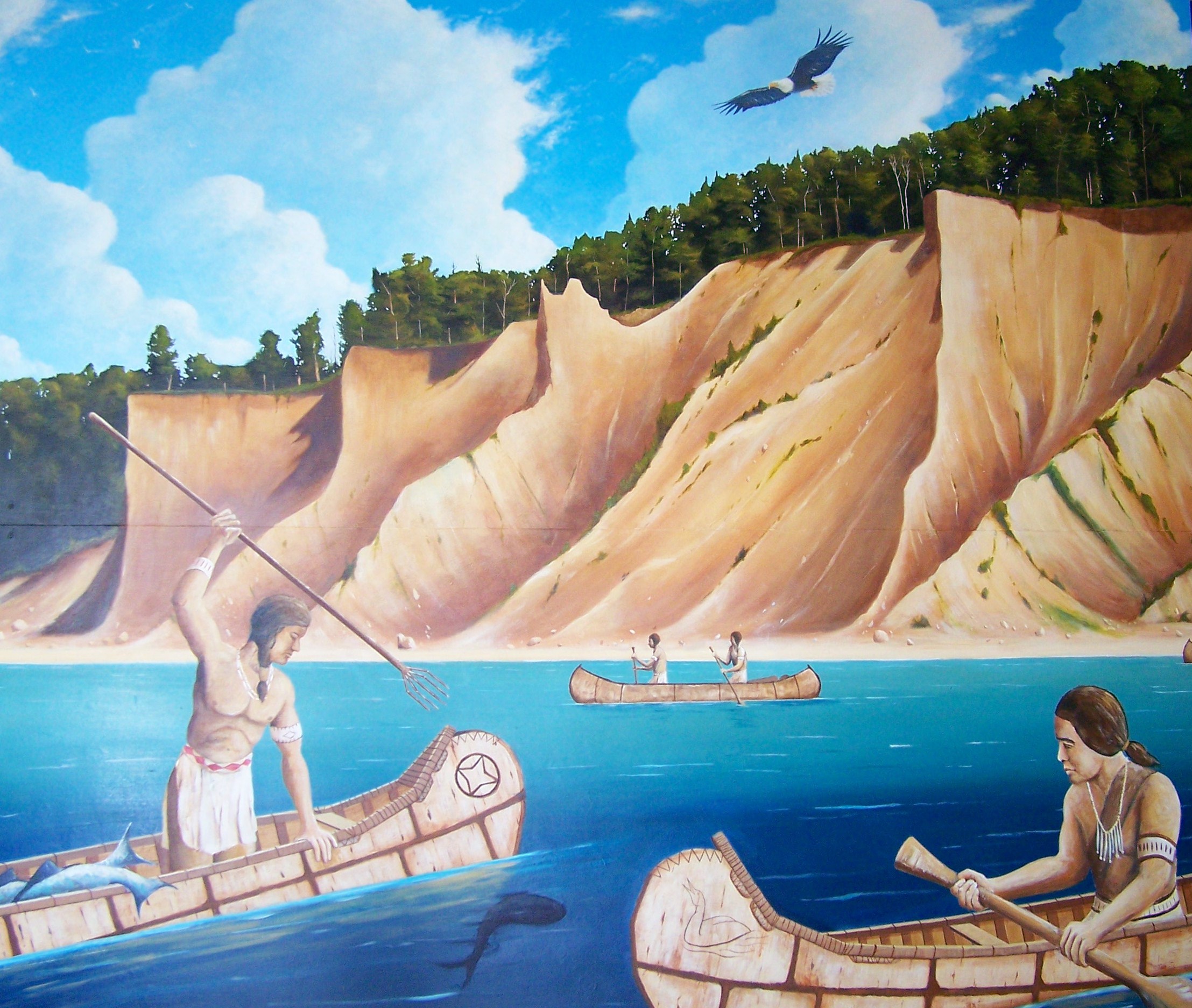
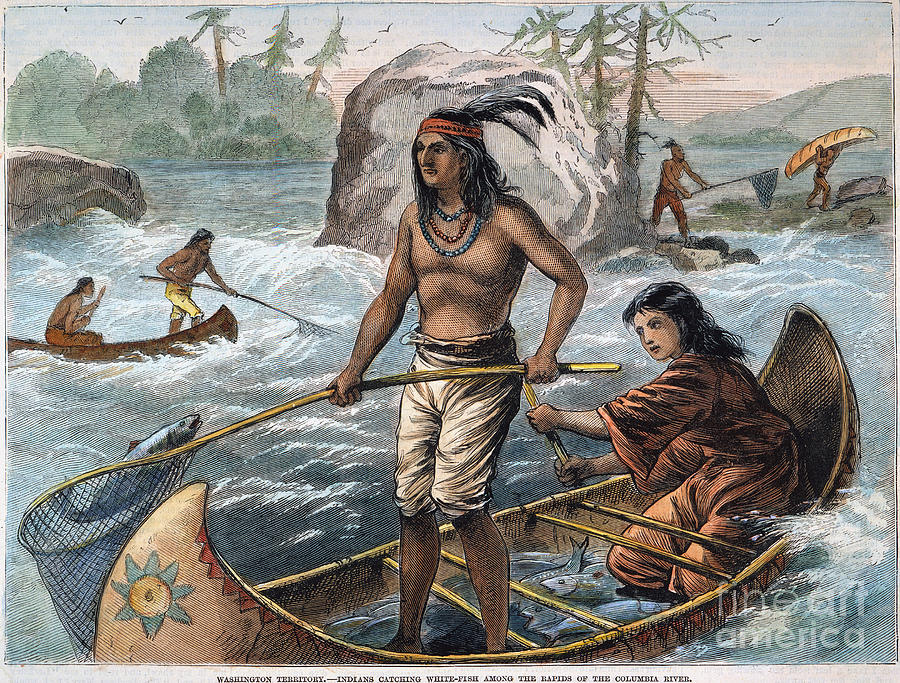
Most people think of spears as a means of catching fish — like Tom Hanks in the movie Castaway. While native people certainly did use this method, it isn’t always as easy as old Tom Hanks made it look like in the middle of the movie. If one was lucky, rocks provided a good platform from which to stand and wait for a fish, or a school of fish to pass. Canoes also were used, with one person navigating the canoe and holding it steady when they needed to, while two or more other persons would spear fish.


In a pinch, even the old bow and arrow could be used in shallow water. If the water was too deep, you could easily lose the fish, and your arrow, in the depths. A few tribes, such as the Powhatan, did make a type of line, called a “pemmenaw,” which was attached to arrows so they could be retrieved, along with the fish.


Get The Essential Secrets Of The Most Savvy Survivalists In The World!


During the winter, a common method to catch fish was the lure and spear method. A hole was cut in the ice, and then a white piece of bone was lowered into the hole on a piece of sinew. Fish would follow this “shiny” bone to the surface, then speared.


Nets or Obstruction Techniques


These methods remind me of my father’s favorite fishing method. He often referred to it as “the lazy way to eat.” Native people were known for making obstructions that worked like a net that they placed across the opening of streams or channels. These were made from woven reeds or other types of tough grasses, tied to stakes. These stakes were then placed on either side of a channel or part of a fast running stream, very much like a fence. Fish were held fast to this “fence” by the swift moving current.


Native people used similar types of traps as well. One method involved putting reeds or small twigs in the water, making a giant V. Rather than trying to swim back the way they came, the fish would congregate at the small part of the V, trying to find an exit. Fish could simply be pulled out by hand.


Fishing Skills Of The Native Americans: No Hooks, No Reels, No Problem!

Image source: FineArtAmerica


Another common trap, called a weir, was made from reeds. It formed a type of funnel that fish would swim in to, but found they could not escape due to either a fast current or multitude of fish behind them. These weirs were quite large, sometimes being three feet wide at the opening and about 10 feet in length!


Still other tribes used nets made from plant fibers. These large nets were then suspended between people standing in two canoes stationed on either side of a river. Once a few fish were caught, they were placed in the boat, then the net replaced in the water. Since the nets were not strong like nylon nets, they could only hold a few pounds of fish before they needed to be pulled in. Over the course of a day, however, this resulted in a bounty of fish. This also ensured that plenty of fish were left to replenish the waters.


Another type of net involved using a tree branch that made a large Y. Reeds or plant fibers were then tied and woven between the Y, making something like a very loosely woven basket. A person could stand in the river or ocean, or on a rock or in a canoe and scoop up fish, or wait patiently until the fish swam over the net, and then quickly pull up the net.


New Solar Oven Is So Fast It’s Been Dubbed “Mother Nature’s Microwave”


My father would employ us kids to get sticks for firewood. He would then select a few dozen sticks about 2 inches in diameter. He used these sticks to make a large U in the water, usually in front of a swift moving part of the stream. The fish we caught, usually rainbow trout, would become trapped in the U, unable to swim out due to the strong current. This worked remarkably well and we often had fish for dinner each night, as well as fish to take home to our mother.


Seasons and Tides


Native people understood the cycles of nature. Pacific Northwest tribes knew when the salmon were returning to spawn, and would wait for them to finish spawning, before taking their dead or dying bodies as meat. In the fall, tribes could collect, literally, thousands of salmon. Drying the meat would ensure that they would always have something to eat, no matter what happened that winter.


Atlantic salmon will return again and again to spawn, so native people would make traps or use nets to catch them on their return route, after they had spawned and lay eggs. Indigenous tribes knew that if they took salmon before they spawned, there would soon be no more salmon to catch.


Those who lived near the seas quickly learned to catch fish, crabs and other sea life in tide pools. Tide pools make natural traps for fish, leaving them in very shallow pools after the tide goes out. Some tribes would take nothing more than baskets to the tide pools and pull out fish and crabs by hand.


Native people learned to find other food sources by watching nature at work. They knew when they could collect turtle eggs, birds’ eggs, clams, frogs, crayfish, sea otters, seals and basketfuls of migrating anchovies.


What alternative fish-catching methods have you used? Share your tips in the section below:


Learn How To ‘Live Off The Land’ With Just Your Gun. Read More Here.

Monday, May 15, 2017

Eco Artists Build Interactive Dive Site that Doubles as Artificial Coral Reef

A group of artists, environmentalists, entrepreneurs, and locals gathered in mid-April along the Virgin Gorda in the British Virgin Islands to witness an exciting moment: The sinking of the Kodiak Queen, 1 of 5 boats that survived Pearl Harbor. But this wasn’t for entertainment purposes. The ship had been transformed by the group months before into both a tourist attraction, and a way of drawing attention and conservation efforts to the region’s dying coral reef populations. [1]


Source: Inhabitat

The volunteers gave the boat a thorough cleaning and transformed its chambers into a sort-of interactive art piece, including a hollow rebar and mesh kraken with 80-foot tentacles that extend along the length of the deck. Once the Kodiak Queen reached the ocean floor, it would become the Project YOKO BVI Art Reef, an interactive dive site.


The project is now the world’s largest underwater art installation.


There was a tense moment on the shore, when the audience thought the boat might tip over, compromising much of the artists’ work. Fortunately, the Kodiak Queen remained upright for her journey, drawing cheers from the crowd.


Aydika James, the art director at Secret Samurai Productions, a collective of artists working toward solving real-world problems through art, said:


“Watching this ship, which has so much history and so many hours put into it, go down was a joyful thing. It felt like a beginning.”


James is also a member of Maverick1000, a group of entrepreneurs who meet annually on Sir Richard Branson’s private Necker Island in the British Virgin Islands.


Read: Great Barrier Reef in Bad Shape, but not Dead yet


In addition to being a symbol of artistic expression and entertainment for divers, Project YOKO also serves as a new artificial reef that provides a foundation for corals and sponges to grow upon, that will also house fish, such as the threatened Goliath groupers. [2]


A Goliath grouper swims with other fish

BVI Art Reef’s goal is to “mobilize a network of researchers, philanthropists, and artists to solve marine health problems through the Power of Play.”


The downed ship is furbished with “an emerging technology called environmental DNA, or eDNA, to collect data on the entire marine ecosystem around the vessel.”


Now that the Kodiak Queen rests at the bottom of the ocean, the project’s organizers have started working with local BVI dive operators to ensure divers submit a $10 donation that will go to marine health research and children’s swim education.


Sources:


[1] Fast Company


[2] Collective Evolution


Images Source:


Inhabitat


Storable Food


About Julie Fidler:


Author Image
Julie Fidler is a freelance writer, legal blogger, and the author of Adventures in Holy Matrimony: For Better or the Absolute Worst. She lives in Pennsylvania with her husband and two ridiculously spoiled cats. She occasionally pontificates on her blog.

Thursday, May 11, 2017

Are Food Allergies Increasing? Experts Say They Just Don’t Know

More Americans claim to have food allergies than ever before, but a report published in 2016 from the National Academy of Sciences says that it’s hard to know how many people in the U.S. actually have food allergies. Although many healthcare professionals involved in patient care agree that an increase has occurred, specifying its actual extent is complicated by factors such as inconsistent data or studies that use variable methods.


Part of the problem is that many people self-diagnose and can easily misinterpret their symptoms. Food allergies can be mistaken for gluten sensitivity or lactose intolerance, e.g., neither of which fits the medical definition of an allergy. [1]


Dr. Virginia Stallings, a board-certified nutrition pediatrician at the Children’s Hospital of Philadelphia and the chair of the committee that wrote the report, said:


“There are a lot of misconceptions about what a food allergy is.”


One of the ways in which a misinterpretation arises is when parents introduce milk or another new food into their child’s diet, and then see that the child has an upset stomach or other gastrointestinal symptoms. These symptoms could indicate lactose intolerance, but the parents may suspect a food allergy. In reality, food intolerance and food allergy are two different conditions.


Stallings said:


“The reason food allergy symptoms are often confused with other [conditions] such as lactose intolerance is because there’s an overlap in some of the symptoms.”


The panel estimated that about 5% of U.S. children have legitimate food allergies, and wrote that:


“Eight food groups are considered to be major allergens. These are milk, egg, peanut, tree nuts, wheat, soy, fish, and crustacean shellfish.” [2]


Stallings added:


“Questions persist about whether food allergy prevalence has been on the rise within the past two decades and why. The current data do not unequivocally support the occurrence of such a rise.”


The Definition of a Food Allergy


Allergies are caused by an immune response to a normally-harmless food or other substance. Allergies typically cause hives and swelling or gastrointestinal distress. Severe food allergies can be life-threatening. In contrast, someone with lactose intolerance can’t easily digest the natural sugar in milk, and the condition is not life-threatening – just highly uncomfortable. [1]


Source: Personal Health News

As the American Academy of Pediatrics points out, “while lactose intolerance can cause a great deal of discomfort, it will not produce a life-threatening reaction such as anaphylaxis.” [1]


Anaphylaxis (severe allergic reaction) can cause someone to go into shock within seconds or minutes of contact with the food or substance (latex, e.g.) that he or she is allergic to. A sudden drop in blood pressure occurs; and the airways narrow, which blocks normal breathing. Other symptoms of anaphylactic shock can include a rapid, weak pulse a skin rash, and nausea and vomiting. [3]


Read: 18 Million Americans Suffer from Gluten Intolerance


Another problem making it difficult to determine how many people have food allergies is the fact that diagnosing food allergies can be complicated. Stallings said that there’s no single skin or blood test that lets physicians accurately determine whether a person has an allergy to a specific food. [1]


Advice for Parents


Parents should seek immediate medical attention if their child’s lips swell or the child has difficulty breathing. When the symptoms are milder, parents should see an expert, such as a pediatric allergist, instead of declaring that the child has an allergy.


Bruce Lanser, who directs the pediatric food allergy program at National Jewish Health in Denver, said:


“We unfortunately see kids avoiding a food unnecessarily because of some fear of a potential allergy.”


The best diagnostic tool at experts’ disposal is an oral food challenge, according to Lanser. Under medical supervision, patients eat small amounts of the food they are suspected of being allergic to. Lanser explained:


“We start with a small amount of food and slowly give increasing doses up to a full serving.”


If the patient has a reaction during the test, “obviously we stop and treat,” he said.


The authors of the report wrote:


“The patient’s medical history and other test results, such as from a skin prick test, can suggest the likelihood of a food allergy, but in some cases an oral food challenge – which involves a gradual, medically supervised ingestion of increasingly larger doses of the food being tested as a possible allergen – is needed to confirm diagnosis. ” [2]


That’s a lot of work to confirm an allergy, so people often just go on a hunch.


Lanser said he tests his patients once a year to see if they’ve outgrown their food allergies. And they often have. Said Lanser:


“Milk and egg allergy are commonly outgrown. About 1 in 5 people outgrow their peanut allergy.” [1]


Food Allergy Safety – 4 Recommendations


The authors of the new report recommend more research to determine the prevalence of food allergies. The report also includes many recommendations for addressing food-allergy safety:


  • 1. Kids who have severe symptoms of a food allergy may require an epinephrine injection. In many schools, only a school nurse is trained to give shots. The report recommends that other administrators and teachers also be trained to administer epinephrine in case of emergency.

  • 3. Health professionals and the public should receive better education concerning differences between true food allergies and other disorders (lactose intolerance and gluten sensitivity, e.g.) that are often mistaken for allergies.

  • 4. Restaurant workers, first responders, and others should receive better training in helping people avoid foods they’re allergic to, and in treating severe allergic reactions with epinephrine, often sold as an EpiPen. [4]

Sources:


[1] NPR


[2] NBC News


[3] Mayo Clinic


[4] The Boston Globe


Personal Health News


Storable Food


About Mike Barrett:


Author Image
Mike is the co-founder, editor, and researcher behind Natural Society. Studying the work of top natural health activists, and writing special reports for top 10 alternative health websites, Mike has written hundreds of articles and pages on how to obtain optimum wellness through natural health.

Wednesday, April 19, 2017

How To Make Sure Your Pond Never Dries Up, Freezes Or Gets Algae

How To Make Sure Your Pond Never Dries Up, Freezes Or Gets Algae

Image source: Pixabay.com


A fish pond can be an attractive and rewarding addition to your land that helps to attract wildlife, stores water in times of drought, and provides a swimming hole for your kids — all while producing fish for your table.


Raising your own fish give you the peace and serenity of private access to your own fishing hole, and it also can provide a unique opportunity to encourage a fishing hobby in your children, since they’re much more likely to make a catch in a stocked private pond.


Whether you have a pond on your land already, or are considering constructing one, it’s important to consider that a pond will require maintenance to stay attractive, healthy and productive. To take proper care of a fish pond, you’ll need to maintain a depth, prevent chemical contamination, and minimize algae growth.


Pond Size and Depth


While it may be tempting to hand dig and stock a miniature pond in your backyard, ponds under half an acre of surface area have trouble supporting stocked fish in the long term. Below half an acre, the pond just doesn’t have enough space to keep a thriving population alive, and it is likely to dry out in the summer or freeze solid to the bottom in the winter.


“The Big Book Of Off The Grid Secrets” — Every Homesteader Needs A Copy!


Deep water ponds are the only type capable of reliably maintaining a stable ecosystem for your fish year-round. Ponds with 25 to 50 percent of their area at least 10 feet deep are considered “deep-water ponds.” Depending on your climate, your pond may need to be significantly deeper than 10 feet to prevent winter kill of fish, or to prevent summer overheating for cold water species such as trout. Different fish species have different temperature requirements.


Minimizing Sediment & Evaporation


To maintain depth in a stream-fed pond, include a small sediment settling pond to slow the water and allow fine sediment to drop out before the water enters the main pond. Water should flow slowly out of the sediment pond into the main pond, and if designed correctly, should enter the main pond clear.


How To Make Sure Your Pond Never Dries Up, Freezes Or Gets Algae

Image source: Pixabay.com


Ponds not fed by a stream have less concerns about sediment, but are more likely to lose depth in times of drought. Minimize surface area where evaporation occurs by having a round or oval pond shape with relatively steeply sloping sides. An irregular pond edge means more surface area, but also more shallow edge space that encourages evaporation without providing deep habitat for fish.


Preventing Chemical Contamination 


It’s important to prevent chemical contamination of your pond, because what goes into your fish pond will eventually land on your family’s table. Ideally, avoid synthetic pesticides and fertilizers on your land, but if that’s not an option, do not use them within 100 feet of the pond or the stream that feeds the pond. Avoid mowing or excessively trimming vegetation within 100 feet of the pond, as well. This vegetation buffer zone helps to filter out contaminants and keeps your pond cleaner in the long run.


Preventing Algae Overgrowth


Excess algae growth in a pond can lower oxygen levels and suffocate fish, and certain types of algae can be toxic to both humans and fish. Algae blooms are caused by a number of complicated ecological factors, but the best way to prevent them is to limit or eliminate excess nutrients entering the pond. Abundant vegetation near the pond edge helps to absorb nutrients that would enter in run-off. Preventing runoff from agricultural areas, and keeping pets and livestock as far from the pond as possible, prevents their wastes from entering the pond to feed the algae.


Weird Gadget Can Jump-Start Your Car — And Charge Your Smartphone!


How To Make Sure Your Pond Never Dries Up, Freezes Or Gets AlgaeAnother way to prevent algae in a home pond is to add a small amount of hardwood ash to the pond. Hardwood ash promotes native vegetation by adding soluble minerals to the pond. When these minerals are lacking, algae can out-compete vegetation for the nutrients in fertilizer runoff. The minerals in hardwood ash help give vegetation a leg up over the algae and can prevent harmful algae blooms. It doesn’t take a lot to have a big impact, and it’s suggested that ash be added slowly, as too much can do more harm than good. The suggested rate of application is only 1 tablespoon per 1,000 gallons of water.


Choosing Fish Species


The type of fish will depend on your family’s tastes, your location and your pond’s specific ecosystem.  Trout are a cold-water fish, and require deeper water (12 feet minimum) to stay cool in the summer months.


Other fish species, such as bass, thrive in warmer water, but require the addition of a prey species for food. With a predator and prey species in a pond, it’s important to maintain the right ratio of predator to prey to ensure the survival of the larger predator fish you intend to harvest.


To choose your fish species and stocking density, it’s important to talk to your local extension or to consult a fishery biologist, as pond ecology varies by region.


What advice would you add on maintaining a pond long-term? Share your tips in the section below:

Monday, April 10, 2017

4 High-Fat Foods You Should Eat Every Single Day

4 Fattening Foods You Should Eat Every Single Day

Image source: Pixabay.com


Just the mention of “fat” turns off people, but some fats are good for your health and are part of an essential diet.


Better yet, they can lower cholesterol, prevent heart disease, improve immune function, aid in liver and kidney functions, and keep our bodies fit and trim.


The key to using these fats is to learn how to cook with them while using the most desirable options.


Ready to learn what fattening foods you should add to your diet?


1. Avocados


Avocados are crammed with heart-healthy monounsaturated fat as well as antioxidants. A potent amount of monounsaturated fat aids in the reduction of low-density lipoproteins, otherwise known as “bad” cholesterol. Hence, eating avocados increases high-density lipoproteins or “good” cholesterol levels. Additionally, this incredible green fruit is full of vitamins, plant nutrients, and minerals which support the liver’s overall health. It also contributes to breaking down other kinds of fats.


It gets even better!


Avocados have a smooth, silky, texture that can be used as butter or an oil substitute. In fact, if you mash avocados good enough, you can use the paste as a substitute in recipes that call for mayo. Avocado paste can make any recipe calling for mayo, butter or oil that much healthier without the worry of unhealthy fats clogging your arteries.


The key to using avocados as a delicious mayo, butter or oil substitute is in knowing how to pick out the best avocados! While shopping, you will want to look for avocados without blemishes. Plus, make sure they don’t have dents in them, either. They should be all the same color — a greenish-black — if you are going to use them right away. This color indicates ripeness, which makes them easier to mash. Using ripe avocados will add the most enriched flavor to your dishes. However, if you are not going to be using the avocados right away, pick out the more greenish ones. This will give you a couple of days before you need to use them. If they do not ripen quickly enough, you can put them in a brown paper bag for about 12 hours.


2. Nuts


All nuts contain fat and oils that fringe with elegant, but robust, toasty flavors. Plus, nuts are perfect for adding texture and taste to any recipe.


Nuts contain “good” cholesterol and contribute to lowering “bad” cholesterol levels in the blood. Further, nuts contain protein and carbohydrates. Some variety of nuts are high in calories, but if you think you need to avoid them to maintain your weight, think again. Nuts actually make you feel full quicker than eating other foods with the same amount of calories because they contain dense calories. This means you eat less and feel fuller. This is perfect for those on a diet!


Weird Gadget Can Jump-Start Your Car — And Charge Your Smartphone!


Walnuts contain a high level of amino acid l-arginine, which aids the liver in detoxifying ammonia and the kidneys in removing waste. Walnuts also include omega-3 fatty acids and glutathione, which contribute to natural liver-cleansing methods.


4 High-Fat Foods You Should Eat Every Single Day

Image source: Pixabay.com


There are several ways to extract oil from nuts to use for cooking. The easiest for home use might be by using an oil press. Oil from nuts can go bad quickly, so keep it in a tightly sealed jar, and in a cool, dry place.


You also can mash up nuts to use as a flour or filler substitute. Additionally, nuts are great roasted, on salads, and mixed with veggies, as well


3. Fish and shellfish


The fats in fish are extremely healthy for your heart. Salmon, mackerel, tuna and sardines are all excellent sources of omega-3s. Further, fish and shellfish are high in protein and low in bad fats. Omega-3 fatty acids are crucial to keeping your arteries clean and free-flowing. Otherwise known as polyunsaturated fatty acids (PUFA), omega-3 fatty acids play an essential role in brain function. Omega-3s may reduce the risk of heart disease, as well.


The key is to buy high-quality fish and shellfish. First, find a trustworthy seafood merchant. Then, when choosing fish fillets, make sure that they are clear and have no slits in the flesh. If you can, buy the fish whole as opposed to cuts, as a whole fish is usually of a better quality. When buying a whole fish, check the gills to make sure they are red and the scales to make sure they are shiny. The eyes should be clear and bulging.


4. Extra virgin olive oil


Olive oil adds refined flavoring, texture and aroma to almost anything. It’s the perfect medium for sautéing and isn’t overpowering.


Olive oil that is truly extra virgin has a distinguishing taste and is potent in phenolic antioxidants, the primary reason why (real) olive oil is extremely valuable to your health.


Extra-virgin olive oil can be your go-to for finishing and as a salad oil. Pure olive oil should have excellent clarity, and it should also contain a tinge of green to show that it was prepped when the olives were fresh and ripe. Light can damage olive oil, so store it in a dark bottle.


What foods would you add to our list? Share your thoughts in the section below:


Sources:


http://www.heart.org/HEARTORG/Conditions/Cholesterol/AboutCholesterol/Good-vs-Bad-Cholesterol_UCM_305561_Article.jsp#.WNV2pfnyuUk


http://www.webmd.com/heart/arginine-heart-benefits-and-side-effects#1


http://bodyecology.com/articles/6_benefits_monosaturated_fats.php


https://authoritynutrition.com/extra-virgin-olive-oil/


http://umm.edu/health/medical/altmed/supplement/omega3-fatty-acids


http://www.heart.org/HEARTORG/HealthyLiving/HealthyEating/Nutrition/Polyunsaturated-Fats_UCM_301461_Article.jsp#.WNV2WvnyuUk


https://medlineplus.gov/antioxidants.html


http://pubs.acs.org/doi/abs/10.1021/jf8002174