Showing posts with label omega 6. Show all posts

Friday, September 29, 2017

10 Brain-Boosting Foods That Just Might Make You Smarter (You’re Gonna Love No. 6)

10 Brain-Boosting Foods That Just Might Make You Smarter (Our Favorite: No. 6)

Image source: Pixabay.com


We have all heard the phrase, “you are what you eat,” but did you know you that what you eat can make you smarter?


In addition to helping your body stay healthy and strong, certain foods can help your brain work better and even protect against mental disorders.


“Food is like a pharmaceutical compound that affects the brain,” said Fernando Gómez-Pinilla, a UCLA professor of neurosurgery and physiological science who has researched the effects of food on the brain. “Diet, exercise and sleep have the potential to alter our brain health and mental function. This raises the exciting possibility that changes in diet are a viable strategy for enhancing cognitive abilities, protecting the brain from damage and counteracting the effects of aging.”


The food we eat can affect everything from our mood to our memory. Nutrient-dense whole foods can do more than just fuel our bodies; they can help us think more clearly.


According to Cynthia Green, PhD, an expert on memory and brain health, key nutrients — along with exercise and daily brain stimulation – help keep brain cells healthy and prevent inflammation. Green writes that a person’s memory, attention span and ability to learn all benefit from the right food choices.


Here are 10 brain-boosting foods to make a part of your diet.


1. Fish — Salmon, mackerel, albacore tuna, trout and sardines are packed with omega-3 fatty acids, which experts believe are essential for healthy brain function.


Nearly 40 percent of the fatty acids found in brain cell membranes are the DHA variety, which are found in fish oil. Scientists have discovered that DHA helps the brain transmit signals between its cells. The body cannot manufacture fatty acids, so they must be gained through diet.


Just 30 Grams Of This Survival Superfood Provides More Nutrition Than An Entire Meal!


Tufts University researchers found that people who ate oily fish three times a week and therefore had the highest levels of DHA in their blood reduced their risk of Alzheimer’s disease by almost 40 percent.


10 Brain-Boosting Foods That Just Might Make You Smarter (Our Favorite: No. 6)2. Dark green leafy vegetables – Dark green vegetables, such as kale, collard greens and spinach, are excellent sources of vitamin E and folate. Folate may protect the brain by lowering levels of an amino acid known as homocysteine in the blood. Nitrates in spinach help increase blood flow to the brain and thereby improve mental performance.


Broccoli is a great source of vitamin K, which enhances cognitive function and improves memory. Leafy greens also contain carotenoids, which help protect the brain from damage from free radicals, the waste products the body makes when its cells create energy.


3. Nuts and seeds — As sources of omega 3 and omega 6 fatty acids, and vitamin B6 and vitamin E, nuts (especially walnuts) and seeds are good for the brain and the nervous system.


Sunflower and pumpkin seeds contain omega fatty acids, protein and B vitamins, which all can help provide you with an energy boost. These seeds also contain tryptophan, a substance the brain converts into serotonin to elevate your mood.


Eating a handful of seeds also can provide you with the daily recommended amount of zinc, which helps enhance thinking skills and memory.


4. Berries – Dark berries, such as blueberries, cherries and blackberries, are both good to eat and good for your brain. They contain anthocyanins and other flavonoids that improve memory function and cognitive function.


Research indicates that berries help protect the brain from oxidative damage and stress that can contribute to premature aging, Alzheimer’s disease and dementia.


5. Avocados — Avocados are a good source of monounsaturated fats, omega 3 and omega 6 fatty acids, potassium, vitamin K and vitamin E.


Consuming these nutritional powerhouses helps increase blood flow to the brain, lower “bad” cholesterol levels and absorb antioxidants. Avocados are delicious but high in calories, so consider adding just one quarter to one-half of an avocado to your daily diet.

10 Brain-Boosting Foods That Just Might Make You Smarter (Our Favorite: No. 6)

Image source: Pixabay.com


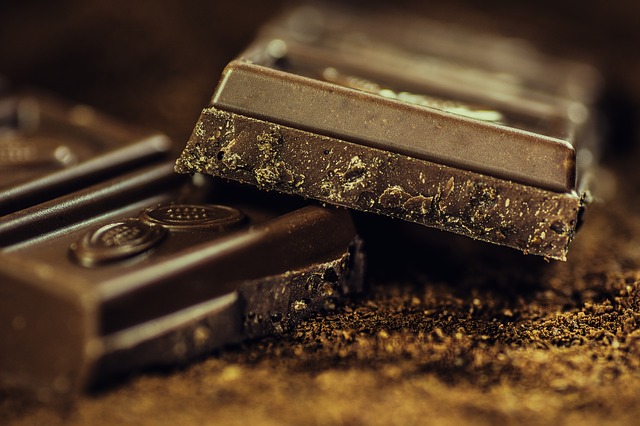
6. Dark chocolate – Dark chocolate – the kind that contains at least 70 percent cocoa – can be a powerful brain booster. It contains important antioxidants as well as natural stimulants, such as caffeine, which help improve concentration.


The flavonoids in dark chocolate also help blood vessel function, which enhances cognitive function and memory skills.


7. Bone broth — When you sip a homemade stock made from animal bones, you can help nourish your brain.


Bone broth contains collagen, which helps keep cells, bones, ligaments and the brain healthy. Additionally, the glycine in bone broth helps improve sleep and memory.


8. Whole grains – The complex carbohydrates, fiber and omega-3 fatty acids found in whole grains help protect the heart and brain from cholesterol, blood clots and sugar spikes.


Whole grains – such as oatmeal, oat bran and brown rice — also contain B vitamins that enhance blood flow to the brain and improve mood and concentration.


9. Beets — Beets as brain food? You had better believe it. Beets are high in vitamin B9 and in nitrites, which help increase blood flow in the areas of the brain related to cognitive functioning.


They also are rich in carotenoids, which help boost brain functioning and improve mood.


10. Beans and legumes – An excellent source of complex carbohydrates and fiber, beans and legumes also offer a steady supply of glucose for the brain without the risk of potentially harmful sugar spikes.


Beans and legumes also contain omega fatty acids and an abundance of folate, both of which boost brain function.


Finally, don’t underestimate the role hydration plays in good brain health. Be sure to drink plenty of water each day to keep your body and your brain working at optimal levels.


The brain is approximately 85 percent water, and brain function – including thought and memory processes — depends on you staying hydrated. So drink up this summer!


Sources:


www.nature.com/nrn/journal/v9/n7/abs/nrn2421.html


http://www.wfm.noaa.gov/pdfs/GetSmartBrainHealth_Handout1.pdf


http://www.nutritionletter.tufts.edu/issues/11_10/current-articles/New-Dietary-Approach-Against-Alzheimers_1815-1.html


https://www.psychologytoday.com/blog/you-illuminated/201010/why-your-brain-needs-water


Harness The Power Of Nature’s Most Remarkable Healer: Vinegar

Monday, June 19, 2017

The Ideal Ratio Of Omega 6:3 Fats – And How Both Can Stop Cancer

The Ideal Ratio Of Omega 6:3 Fats – And How Both Can Stop Cancer | omega-6-cancer-cure-preventer | Natural Medicine Special Interests


We’ve been told why omega 3 fats are important, but healthy omega 6 fats are more crucial. Learn the correct ratio of omega 6:3, and how they can both stop cancer.


Omega 6 fats, derived from natural healthy sources, have been somewhat demonized or at least forgotten in the world of natural health and nutrition. A lot of focus has gone towards highlighting the importance of omega 3 fats – and rightly so, because omega 3 fats do play a vital role in boosting the health of your heart and brain, and preventing inflammation and diseases like arthritis, Crohn’s, ADHD and cancer. However, the downside has been that people have over-compensated for this by taking excess omega 3 supplements (usually fish oils) and have thrown their omega 6:3 ratio – and body – out of balance. However, both omega 6 and omega 3 fatty acids offer potent health benefits which are so powerful that they actually act as a cancer preventer and/or cancer cure.


The Ideal Ratio of Omega 6:3 Fatty Acids in the Body


So what then is the best ratio of omega 6:3 fats for optimal health? For this answer we turn to Professor Brain Peskin, one of the true experts in this field of nutrition. Peskin is a scientist who specializes in studying parent EFAs (Essential Fatty Acids). He noticed that the term “EFA” was being widely misused – people were using it to describe secondary derivatives of EFAs such as EPA, DHA and GLA. To counter this, Peskin actually coined a new term (Parent Essential Oils or PEOs) to describe the 2 true essential or critical fatty acids which are the foundations of all the others. These 2 are LA or linoleic acid (another name for omega 6 fatty acid) and ALA or alpha-linoleic acid (another name for omega 3 fatty acid). Your body can make all the other fatty acids from these 2 “parent” oils.


To determine the ideal omega 6:3 ratio for the human diet, Peskin studied the composition of fat inside human tissue. He found that the ratio of omega 6 to omega 3 was much higher in the body than you might believe. In the brain and nervous system, it is 100:1; in the skin, 1000:1; in the organs, 4:1; in the adipose tissue (fat), 22:1; and in muscles, 6.5:1. Most of the human body is made of fat and muscle, so you could say the average ratio – as found in the composition of the human body – is around 10:1. Much higher than you may have thought!


Based on this, Peskin recommends “a ratio of greater than 1:1 up to 2.5:1 of parent omega-6 to parent omega-3. With this ratio, a suggested use is 725 mg per 40 lb of body weight (e.g. a 160-lb person requires 3 g on a daily basis).”


But Weren’t We Told We Were Eating Too Much Omega 6?


Yes, we were told that, but you have to look at the type of fat or oil. I have previously written about the dangers of plastic oils or plastic fats, and how we must learn to differentiate between healthy fats (that come from a farm or field and have not been adulterated) and hydrogenated fats (the plastic fats which Big Pharma and Big Agra chemical companies have been pushing). One of the main problems with eating too much omega 6 is that, for the average person, the omega 6 they are getting are trans fats or hydrogenated fats; they are part of margarine, Crisco or some other adulterated vegetable oil, rather than raw olive oil, walnuts or sunflower seeds. We are not necessarily eating too much omega 6; we are eating too much unhealthy omega 6.


Epigenetics, the Environment of the Cell, is Far More Reponsible for Health/Disease than Genetics


Another thing I like about Peskin is how he has sought to scientifically prove that the state of health (or disease) of a cell or body is overall not due to genetics. This busts the Big-Pharma promoted propaganda that people are destined to get disease due to their genes, and there’s nothing they can do about it. The idea that you are completely controlled by your genes is an insidious, disempowering lie which can strip you of your confidence, will and responsibility. It can also lead you to undergo insane operating procedures, such as Angelina Jolie’s decision to have her breasts cut off because they might – might – one day develop a malignant tumor. Yet in today’s upside-down world, such as decision was greeted with admiration and painted by mainstream women talkshow hosts as “brave”, when “insane” or “masochistic” may be better adjectives to describe it.


Epigenetics is the new field of science that explores why some genes are expressed and some are not. We now know that every cell membrane has receptors that pick up environmental signals. In other words, your cells can choose whether or not to read their genetic blueprint, depending upon the signals they get from the environment. Even if you do have a so-called “cancer gene”, if there is definitively such a thing, it does not necessarily have to get expressed. You are not controlled by your genes; which genes are turned on or off, expressed or not expressed, is primarily determined by your thoughts, attitudes and perceptions!


Peskin wrote an article in 2011 entitled “Good News: It’s Not Genetic“. In it he shows the science of why “your DNA sequence does not determine your entire genetic fate” and why “mutations are caused by epigenetic adulteration (environmental causes altering the behavior of genes but not necessarily the structure).” To those who have always intuitively felt that we humans are more powerful than we generally think or have been taught to believe, it provides scientific evidence showing why genes can be overcome and why free will can be more powerful than determinism.


Both Omega 6 and 3 Are Cancer Preventers and Cancer Cures


Coming back to omega 6 and omega 3 fats, Peskin has also extensively studied the direct relationship of EFAs and PEOs to cancer and cardiovascular disease, the 2 leading causes of death in the US. His research shows that both omega 6s and omega 3s can actually act as cancer preventers and cancer cures. Remember the 1931 Nobel Prize winner Otto Warburg, who discovered that hypoxia (lack of oxygen reaching the tissues) could result in cancer? And conversely that cancer could be cured by getting enough oxygen to the weakened cells? Many healing protocols and products (such as Vital Ion) are based on the idea of deep oxygenation of the body – of getting enough oxygen into the cells, knowing that parasites cannot survive in an oxygen-rich environment.


Healthy PEO omega 6 and omega 3 fats can solve the oxygen problem, and thus the cancer problem. They both build cells and contain powerful anti-inflammatory compounds, such as precursors like prostaglandin and the body’s powerful “natural blood thinner” prostacyclin (a platelet anti-aggregate and anti-adhesive). In Peskin’s report Anti-Aging Therapeutics Volume XII, he explains how he conducted an experiment by feeding mice a PEO blend (comprised of healthy omega 6 and omega 3 fats). The mice fed the most PEO fats faed the best, with highly significant tumor reduction. Peskin concludes that “my experiment conclusively shows that PEO-based oils are able to modify the internal structure of cells in an epigenetic fashion, thus making them more cancer resistant; the desired anti-cancer/increased cellular oxygenation solution is accomplished per Warburg’s findings.”


Sources:


http://www.brianpeskin.com/BP.com/reports/PEO-Info.pdf


http://www.brianpeskin.com/BP.com/reports/NotGeneticCAMB.pdf


http://www.brianpeskin.com/BP.com/publications/2011-anti-aging-therapeutics,pdf.pdf