Showing posts with label nuts. Show all posts

Wednesday, November 8, 2017

8 Wild Nuts You Can Forage For Each Fall

8 Wild Nuts You Can Forage For Each Fall

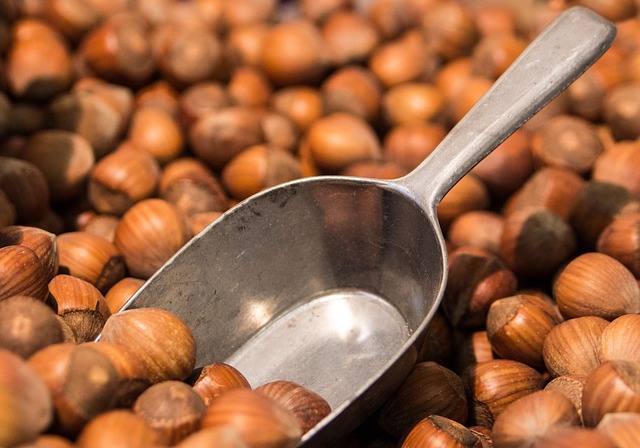
Hazelnuts. Image source: Pixabay.com


If you enjoy foraging, nuts are one of the easiest ways to harvest a lot of protein in a very short time. Many other foraged foods contain mostly sugars and complex carbohydrates, which provide good fuel, but are not enough to sustain us in the long run.


Unlike meat, foraged nuts will keep at room temperature for months without deteriorating. In a survival situation, knowing which nuts are available in your area could help keep you nourished through the winter months.


1. Black walnuts


Notoriously difficult to crack, black walnuts hide a valuable prize. You can literally harvest them by the bucket full in the fall. (But wear gloves!) Start by de-hulling the nuts either by hand, or by driving over the nuts to pulp the hull off the outside. Nuts tend to hull easier when they’re a few days old, so if you can’t get them off, take a break for a few days.


Once the hull is removed, wash the nuts with a hose and pressure nozzle and allow them to dry in the sun for a few days. Black walnuts, like most nuts, store best in their shell to prevent oxidation. Keep them in a cool, dark place or if you have the space, they can be stored in bags in the freezer.


Properly prepared, black walnuts can be just as tasty as commercial walnuts. Try them fresh out of hand, or get creative and bake them into a black walnut pie.


2. Beechnuts


Though they produce every year, once every 3 to 5 years is known as a mast year for beech nuts and they’ll produce extraordinary harvests. Individual nut masts are inside a husk that cracks itself open when they’re ripe and fall from the tree.


It’s difficult to husk beechnuts when they’re fresh, but they easily come from the shell once they’ve been roasted. Roast them in a low oven or over a fire until they’re toasted and then rub them between two towels until the husk comes free.


3. Acorns


If you know a thing or two about history, you know that acorns were a staple food source for Native Americans for centuries. They’ve fallen out of favor as European nuts and grains came to America, but acorns are still plentiful if you know where to look. They’re especially high in omega fats, and they’re commonly touted as a survival grain for making tasty cookies in the absence of modern grains.


Learn Unordinary Uses For Ordinary Stuff In “The Big Book Of Off The Grid Secrets”!


8 Wild Nuts You Can Forage For Each FallAs any squirrel will tell you, acorns keep well all on their own. Just keep undamaged acorns in a cool dry place until you’re ready to process them.


But before you eat acorns, you must remove the tannic acid. The fundamental process involves either a boiling water bath or cold-water bath (perhaps multiple times). This process can take a couple of days up to a week or more, depending on the amount of tannins in the acorns.


4. Hop hornbeam


Often overlooked as a food source, hop hornbeam tree produce hop-like catkins that contain edible nutlets that are about the size of a sunflower seed. Though each individual seed is small, they’re produced in papery husks containing many seeds in a group. In heavy production years, trees produce large amounts, meaning that they can be a meaningful food source.


Hornbeam tends to grow in the understory, and in areas with wet soil that are not suitable for oak trees. If you don’t have acorns in your area, you may have hornbeam. When foraging hop hornbeam, look for the green hop-like seed clusters anytime during the summer. They’ll be ready for harvest around October.


Store the dried catkins in a cool dark place until you’re ready to husk them and eat.


5. Butternuts


Buttery and mild, they’re the perfect substitute for pine nuts in a pesto or eaten straight out of hand. The butternut canker is causing the trees to decline, but tolerant trees and resistant hybrids still linger on in the wild throughout the northern latitudes.


They’re easier to crack than black walnuts, and well worth the effort to find. They keep best in the shell in a cool dark place all winter long.


6. Hickory nuts


The nuts of shagbark hickory and smooth bark hickory (pignuts) are tasty and sweet. The trees are common throughout the northeast, and bear heavily, especially when they’re along roadsides in full sun.


As foraged nuts go, hickories are relatively easy to crack. Leave them out in the sun for a few days to allow them to dry a bit so that the nut meat pulls away from the shell easier, and then they should come apart with a nutcracker, or lacking that, a moderate blow from a rock.


7. Hazelnuts


Growing in dense thickets in many parts of the country, hazelnuts provide a readily accessible food source. They’re easy to pick, and they naturally store longer than any other nut. Hazelnuts can be good for 9-12 months after harvest if stored in a cool place. Pick them by the bucketload, and remember that your biggest risk is an invasion of your stock by rodents, so protect your harvest accordingly.


8. Sweet chestnut


If you’ve ever tried to pick up a chestnut husk, you’ll remember your mistake. They’re exceptionally spiky inside the husk, but those spikes are guarding a delicious high calorie prize.  Immature nuts fall early, but the fully ripe fruit won’t be ready until sometime in mid to late fall.


Score the shells to open them, then blanch or roast them before you peel them.


What would you add to our list? Share your tips in the section below:

Saturday, September 9, 2017

4 ‘Survival Nuts’ Your Great-Grandparents Foraged For Each Fall

4 ‘Survival Nuts’ Your Great-Grandparents Foraged For Each FallNot that long ago, foraging for nuts was a staple of homesteaders and survivalists – a skill that nearly everyone, no matter their background, practiced. Today, though, few people forage for nuts … even though the food is plentiful and free.


But plenty of modern-day homesteaders are re-discovering this lost art, and on this week’s edition of Off The Grid Radio we talk to one of the nation’s top foraging experts — Mark “Merriweather” Vorderbruggen, the author of Foraging.


Merriweather learned about foraging at a young age, and he tells us about four nuts that every homesteader and survivalist should know.


Merriweather shares with us:


  • How to know if a wild nut is ready to eat.

  • Which nuts are most prominent and easy to find.

  • How to easily get rid of the bitter taste in the most popular wild nuts.

  • Which popular nut is poisonous and should never be eaten.

  • How to crack and process even the toughest of nuts.

Finally, Merriweather tells us the simple trick you can use to discover if a nut is ripe or ruined – without even cracking it! Don’t miss this educational-but-practical show that will transform how you view fall foraging!


Wednesday, August 30, 2017

Hickory Nuts: The Wild-And-Abundant Fall Food You Better Grab Before They’re Gone

Hickory Nuts: The Wild-And-Abundant Fall Food You Better Grab Before They’re Gone

Image source: suburbanforagers.com


If you are looking for a tasty, calorie-dense wild food, you can’t go wrong with hickory nuts. The sweet, fatty raw meat of a hickory nut can be eaten right out of its hard shell or cooked. The nuts will keep in a cool dry spot for several months, or you can freeze them for later use.


Hickory nuts come from deciduous hardwood trees that are found in North America and Asia. The Audubon Society Field Guide to North American Trees lists 10 different varieties of hickory trees. A few varieties produce bitter-tasting nuts, but the shagbark and shellbark trees are known for their good taste.


Our seventh president, Andrew Jackson, famously was nicknamed “Old Hickory” due to his tough nature, although the real-life hickory nuts are easily crack-able. He also had quite a few shagbarks surrounding his home, the Hermitage.


The shagbark hickory (Carya ovata), found in the eastern United States, has a shaggy bark that easily peels away in strips. Other varieties include the pecan (the Carya illinoinensis), the shellbark or kingbark (the Carya laciniosa), the mockernut (the Carya tomentosa), the sand hickory (the Carya palida) and the red hickory (the Carya ovalis).


The shell of the hickory nut is encased in a green or greenish-brown husk that you can easily peel off after the fruit has fallen from the tree. The nuts begin to drop from hickory trees in early fall, and since you will face some stiff competition from squirrels, it is a good idea to gather your supply as soon as possible.


Gather hickory nuts in a bucket or sack, removing the husk as you go. Consider saving the husks for use as mulch in your garden.


‘Miracle Oil Maker’ Lets You Make Fresh Nut Oils Within Minutes!


At home, sort through your collection, discarding any nuts that have a dry, wrinkled appearance or that have discoloration or holes in their shells. Holes are an indication of insect infestation in the nut.


Shelling the Nuts


There are many ways to crack open the tough hickory shell, ranging from the use of a heavy-duty v-shaped hinged nutcracker to the use of a rock or a hammer. Avoid using a standard lever-type nutcracker, however, because it might crunch the tender nutmeat into fragments. Also, do not use your teeth!


Story continues below video


Before cracking, soak the nuts in warm water for about an hour. This process causes the shell to flex and/or split, making the cracking process easier. The amount of pressure you exert to crack the nut properly will vary, and it may take a while to get your technique down. To prevent shell pieces from flying around, cover the nut with a cloth before hitting it with a hammer or rock.


Use a nut pick to extract the meat from the broken shell. You can save shell fragments for your bird feeder. Birds are good at finding small fragments of meat left on broken shell pieces.


Eating the Nutmeat


You can enjoy hickory nuts fresh from the shell as a satisfying snack. Nine hickory nuts, or about one ounce, provide 186 calories, 3.6g protein, 5.2g carbohydrates, 18.2g fat, 1.8g fiber, as well as traces of magnesium and thiamine.


There are other ways to enjoy the nuts:


Roasting. Spread the nutmeats in a cookie sheet or shallow pan and place them in a 200-degree Fahrenheit oven. Roast the nuts until they are a golden color.


Nut butter. Grind the roasted nutmeats in a blender, along with enough safflower oil and salt to achieve the desired consistency and taste.


Baking. You can substitute hickory nuts for pecans or walnuts in dessert and bread recipes.


Here is a hickory nut pie recipe to try:


Ingredients


  • 3 eggs, slightly beaten

  • 3/4 cup sugar

  • 1 cup white Karo syrup

  • 1 teaspoon vanilla

  • 2 tablespoons butter

  • 1 cup hickory nuts, chopped

  • 1 unbaked pie shell

Directions


Mix the eggs, vanilla, sugar, syrup and butter together. Fold in the nuts. Pour the batter into the pie shell and bake in a 400-degree Fahrenheit oven for 10 minutes. Reduce the heat to 350 degrees and bake for 40 more minutes.


What advice would you add on harvesting and using hickory nuts? Share your thoughts in the section below:


If You Like All-Natural Home Remedies, You Need To Read Everything That Hydrogen Peroxide Can Do. Learn More Here.

Friday, August 18, 2017

Poor Diet Caused Nearly Half of All Deaths in the U.S. in 2012

A study released earlier this year reveals that some 45% of all deaths in the U.S. in 2012 were due to “cardiometabolic disease,” or CMD – all because of the average diet. CMD encompasses heart disease, stroke, and type 2 diabetes. [1]


Researchers say that the largest number of diet-related CMD deaths are due to high consumption of sodium, processed meats, and sugar-sweetened drinks, and low intake of nuts and seeds, seafood omega-3 fats, and fruits and vegetables.


Related: Drinking ANY Sugar Increases Your Risk of Diabetes


Says first author Renata Micha, R.D., Ph.D., assistant research professor, Tufts Friedman School of Nutrition Science & Policy in Boston, Massachusetts:


“These results should help identify priorities, guide public health planning, and inform strategies to alter dietary habits and improve health.


Increased intakes of specific minimally processed foods, such as fruits, vegetables, nuts, whole grains, fish, vegetable oils, and decreased intakes of salt, processed meats and sugar-sweetened beverages appear to be key relevant priorities for dietary and policy recommendations. Future studies should evaluate the potential effects of specific interventions to address the diet-related cardiometabolic mortality and reduce disparities.” [2]


Published on 7 March 2017 in JAMA, the study found that more men than women die from diet-related causes. The researchers say that, generally speaking, the findings are consistent with the fact that men tend to have unhealthier eating habits. Additionally, there were a greater number of diet-related deaths among African-Americans and Hispanics compared with non-Hispanic whites. [1], [3]


According to Micha, the estimated number of deaths that were linked to not getting enough of the healthy foods listed was at least as substantial as the number of deaths associated with eating too much of the unhealthy foods listed.


Researchers report that the highest number of deaths was linked to high sodium intake; about 66,500 CMD deaths in 2012 were linked to eating too much salt, followed by (in order):


  • Not eating enough nuts and seeds (59,000 deaths)

  • Eating too much processed meats (58,000 deaths)

  • Eating too little seafood omega-3s (55,000 deaths)

  • Not eating enough vegetables (53,000 deaths)

  • Not eating enough fruits (52,500 deaths)

  • Drinking too many sugar-sweetened beverages (52,000 deaths) [1]

Read: Omega-3 Fatty Acids May Be the Key to Preventing Most Disease


The study did have its limitations. For instance, the studies the researchers used were observational, which don’t prove cause-and-effect. In addition, other dietary factors may have been at play, such as saturated fat and added sugar. And some dietary factors are potentially linked, like sodium and processed meats.


On a positive note, the researchers say that from 2002 to 2012, there were fewer diet-related CMD deaths due to insufficient polyunsaturated fats, nuts and seeds, and to excess sugary drinks. [1]


Sources:


[1] Live Science


[2] Medscape


[3] CNN


Storable Food


About Julie Fidler:
Author Image
Julie Fidler is a freelance writer, legal blogger, and the author of Adventures in Holy Matrimony: For Better or the Absolute Worst. She lives in Pennsylvania with her husband and two ridiculously spoiled cats. She occasionally pontificates on her blog.

Sunday, April 23, 2017

6 Healthy Foods that Cause Inflammation

6 Healthy Foods that Cause Inflammation | raspberries-and-yogurt | General Health Special Interests


Most of us try to incorporate healthy foods into our diet. Lean proteins and healthy fats are good additions; added sugar, and processed foods are best avoided. Although the nutritional value of food, in that respect, is important, it’s also important to understand that different foods contain different compounds that can cause other results within our bodies beyond the typical conversion to energy. Specifically, inflammation can be caused by a number of foods. Although it may not surprise you to know that “unhealthy” food can cause inflammation, it might shock you to learn that a number of healthy foods can be inflammation-causing-culprits as well.


1. Yogurt


Yogurt is often thought of as a healthy breakfast option, and it certainly can be, but it’s important to check the label. Many yogurts are nutritionally equivalent to ice cream and full of fat with lots of sugar. Sugar can cause inflammation and other obvious health consequences such as weight gain. Choose a yogurt that doesn’t have added sugar. Greek yogurt tastes great and can be a good choice, although it tends to have less calcium. Also consider yogurts with probiotics, as these can have digestive benefits.


2. Tomatoes


What? Really? Well, sometimes. Tomatoes belong to a group of plants known as nightshades, which also includes white potatoes and red and green peppers. Tomatoes are a beautiful, delicious, and seemingly harmless fruit, unless you have a sensitivity to solanine. For those folks, eating tomatoes can lead to inflammation that makes arthritic joints sore, encourages the growth of tumors, and increases the risk of developing heart disease.


3. Wheat


It’s been hammered into our lexicon that wheat is the healthy alternative to white bread, and that can be true, but usually isn’t. Wheat comes with its own set of health concerns. Why? Because it’s been engineered that way. In an effort to increase wheat production, scientists have genetically modified the wheat we eat so that 5 percent of its proteins are completely unique. Consequently, this unnatural tampering with nature has resulted in many people suffering from wheat allergies and associated inflammation.


4. Citrus fruits


Most people don’t have a problem with citrus fruits; in fact, they enjoy their many benefits. However, for those who have what’s known as a citrus allergy, citrus fruits can cause inflammation and contribute to the development of chronic diseases. If citrus allergies affect you, try tart cherries instead, which have the highest anti-inflammatory content of any food, according to research from the Oregon Health & Science University [1].


5. Nuts


Nuts are full of good fats and can be one of the healthiest and most nutritious food choices available. But if you suffer from osteoarthritis, the histamine in nuts can actually attack your joints and cause painful inflammation. If you find yourself hurting while doing simple tasks after eating nuts, you may want to cut them out of your diet!


6. Rice


A number of varieties of rice are extremely healthy and offer many benefits. However, highly processed white rice, and refined carbohydrates in general, is void of nutrition and can cause inflammation since it quickly turns into sugar within the body.


References:


  1. Oregon Health & Science. Researchers say tart cherries have the highest anti-inflammatory content of any food. PR Newswire. 2012 May 30.

Saturday, April 22, 2017

6 Healthy Foods that Cause Inflammation

6 Healthy Foods that Cause Inflammation | raspberries-and-yogurt | General Health Special Interests


Most of us try to incorporate healthy foods into our diet. Lean proteins and healthy fats are good additions; added sugar, and processed foods are best avoided. Although the nutritional value of food, in that respect, is important, it’s also important to understand that different foods contain different compounds that can cause other results within our bodies beyond the typical conversion to energy. Specifically, inflammation can be caused by a number of foods. Although it may not surprise you to know that “unhealthy” food can cause inflammation, it might shock you to learn that a number of healthy foods can be inflammation-causing-culprits as well.


1. Yogurt


Yogurt is often thought of as a healthy breakfast option, and it certainly can be, but it’s important to check the label. Many yogurts are nutritionally equivalent to ice cream and full of fat with lots of sugar. Sugar can cause inflammation and other obvious health consequences such as weight gain. Choose a yogurt that doesn’t have added sugar. Greek yogurt tastes great and can be a good choice, although it tends to have less calcium. Also consider yogurts with probiotics, as these can have digestive benefits.


2. Tomatoes


What? Really? Well, sometimes. Tomatoes belong to a group of plants known as nightshades, which also includes white potatoes and red and green peppers. Tomatoes are a beautiful, delicious, and seemingly harmless fruit, unless you have a sensitivity to solanine. For those folks, eating tomatoes can lead to inflammation that makes arthritic joints sore, encourages the growth of tumors, and increases the risk of developing heart disease.


3. Wheat


It’s been hammered into our lexicon that wheat is the healthy alternative to white bread, and that can be true, but usually isn’t. Wheat comes with its own set of health concerns. Why? Because it’s been engineered that way. In an effort to increase wheat production, scientists have genetically modified the wheat we eat so that 5 percent of its proteins are completely unique. Consequently, this unnatural tampering with nature has resulted in many people suffering from wheat allergies and associated inflammation.


4. Citrus fruits


Most people don’t have a problem with citrus fruits; in fact, they enjoy their many benefits. However, for those who have what’s known as a citrus allergy, citrus fruits can cause inflammation and contribute to the development of chronic diseases. If citrus allergies affect you, try tart cherries instead, which have the highest anti-inflammatory content of any food, according to research from the Oregon Health & Science University [1].


5. Nuts


Nuts are full of good fats and can be one of the healthiest and most nutritious food choices available. But if you suffer from osteoarthritis, the histamine in nuts can actually attack your joints and cause painful inflammation. If you find yourself hurting while doing simple tasks after eating nuts, you may want to cut them out of your diet!


6. Rice


A number of varieties of rice are extremely healthy and offer many benefits. However, highly processed white rice, and refined carbohydrates in general, is void of nutrition and can cause inflammation since it quickly turns into sugar within the body.


References:


  1. Oregon Health & Science. Researchers say tart cherries have the highest anti-inflammatory content of any food. PR Newswire. 2012 May 30.

Monday, April 10, 2017

4 High-Fat Foods You Should Eat Every Single Day

4 Fattening Foods You Should Eat Every Single Day

Image source: Pixabay.com


Just the mention of “fat” turns off people, but some fats are good for your health and are part of an essential diet.


Better yet, they can lower cholesterol, prevent heart disease, improve immune function, aid in liver and kidney functions, and keep our bodies fit and trim.


The key to using these fats is to learn how to cook with them while using the most desirable options.


Ready to learn what fattening foods you should add to your diet?


1. Avocados


Avocados are crammed with heart-healthy monounsaturated fat as well as antioxidants. A potent amount of monounsaturated fat aids in the reduction of low-density lipoproteins, otherwise known as “bad” cholesterol. Hence, eating avocados increases high-density lipoproteins or “good” cholesterol levels. Additionally, this incredible green fruit is full of vitamins, plant nutrients, and minerals which support the liver’s overall health. It also contributes to breaking down other kinds of fats.


It gets even better!


Avocados have a smooth, silky, texture that can be used as butter or an oil substitute. In fact, if you mash avocados good enough, you can use the paste as a substitute in recipes that call for mayo. Avocado paste can make any recipe calling for mayo, butter or oil that much healthier without the worry of unhealthy fats clogging your arteries.


The key to using avocados as a delicious mayo, butter or oil substitute is in knowing how to pick out the best avocados! While shopping, you will want to look for avocados without blemishes. Plus, make sure they don’t have dents in them, either. They should be all the same color — a greenish-black — if you are going to use them right away. This color indicates ripeness, which makes them easier to mash. Using ripe avocados will add the most enriched flavor to your dishes. However, if you are not going to be using the avocados right away, pick out the more greenish ones. This will give you a couple of days before you need to use them. If they do not ripen quickly enough, you can put them in a brown paper bag for about 12 hours.


2. Nuts


All nuts contain fat and oils that fringe with elegant, but robust, toasty flavors. Plus, nuts are perfect for adding texture and taste to any recipe.


Nuts contain “good” cholesterol and contribute to lowering “bad” cholesterol levels in the blood. Further, nuts contain protein and carbohydrates. Some variety of nuts are high in calories, but if you think you need to avoid them to maintain your weight, think again. Nuts actually make you feel full quicker than eating other foods with the same amount of calories because they contain dense calories. This means you eat less and feel fuller. This is perfect for those on a diet!


Weird Gadget Can Jump-Start Your Car — And Charge Your Smartphone!


Walnuts contain a high level of amino acid l-arginine, which aids the liver in detoxifying ammonia and the kidneys in removing waste. Walnuts also include omega-3 fatty acids and glutathione, which contribute to natural liver-cleansing methods.


4 High-Fat Foods You Should Eat Every Single Day

Image source: Pixabay.com


There are several ways to extract oil from nuts to use for cooking. The easiest for home use might be by using an oil press. Oil from nuts can go bad quickly, so keep it in a tightly sealed jar, and in a cool, dry place.


You also can mash up nuts to use as a flour or filler substitute. Additionally, nuts are great roasted, on salads, and mixed with veggies, as well


3. Fish and shellfish


The fats in fish are extremely healthy for your heart. Salmon, mackerel, tuna and sardines are all excellent sources of omega-3s. Further, fish and shellfish are high in protein and low in bad fats. Omega-3 fatty acids are crucial to keeping your arteries clean and free-flowing. Otherwise known as polyunsaturated fatty acids (PUFA), omega-3 fatty acids play an essential role in brain function. Omega-3s may reduce the risk of heart disease, as well.


The key is to buy high-quality fish and shellfish. First, find a trustworthy seafood merchant. Then, when choosing fish fillets, make sure that they are clear and have no slits in the flesh. If you can, buy the fish whole as opposed to cuts, as a whole fish is usually of a better quality. When buying a whole fish, check the gills to make sure they are red and the scales to make sure they are shiny. The eyes should be clear and bulging.


4. Extra virgin olive oil


Olive oil adds refined flavoring, texture and aroma to almost anything. It’s the perfect medium for sautéing and isn’t overpowering.


Olive oil that is truly extra virgin has a distinguishing taste and is potent in phenolic antioxidants, the primary reason why (real) olive oil is extremely valuable to your health.


Extra-virgin olive oil can be your go-to for finishing and as a salad oil. Pure olive oil should have excellent clarity, and it should also contain a tinge of green to show that it was prepped when the olives were fresh and ripe. Light can damage olive oil, so store it in a dark bottle.


What foods would you add to our list? Share your thoughts in the section below:


Sources:


http://www.heart.org/HEARTORG/Conditions/Cholesterol/AboutCholesterol/Good-vs-Bad-Cholesterol_UCM_305561_Article.jsp#.WNV2pfnyuUk


http://www.webmd.com/heart/arginine-heart-benefits-and-side-effects#1


http://bodyecology.com/articles/6_benefits_monosaturated_fats.php


https://authoritynutrition.com/extra-virgin-olive-oil/


http://umm.edu/health/medical/altmed/supplement/omega3-fatty-acids


http://www.heart.org/HEARTORG/HealthyLiving/HealthyEating/Nutrition/Polyunsaturated-Fats_UCM_301461_Article.jsp#.WNV2WvnyuUk


https://medlineplus.gov/antioxidants.html


http://pubs.acs.org/doi/abs/10.1021/jf8002174

Thursday, January 12, 2017

3 ‘Survival Crops’ That Store (Naturally) More Than 1 Year

3 ‘Survival Crops’ That Store (Naturally) More Than 1 Year

Image source: Pixabay.com


If you’re growing or foraging your own food for winter storage, there are plenty of options for keeping your family fed in the early days of winter. Many root crops, fruits and greens can keep for a few months cool and out of direct sun, even without a proper root cellar.


As the winter presses on, though, options start to dwindle and there are fewer and fewer choices in dependable home-raised crops that will take you all the way through the hunger gap into the first productive days of late spring and early summer. Nonetheless, humans survived millennia without refrigeration and long-term food shipments, so there’s plenty to get your family by.


There are multiple reasons you should look into long-term storage crops. What if spring and early summer crops fail? What happens when a full summer’s worth of crops fail and you’re heading into winter again, with just what you still have on hand?


In 2013 the Northeast experienced record rainfall and cloud cover in June, meaning that the growing conditions were more like an average northeast November. Crops rotted in the ground, and normally dependable summer and long-season fall crops were delayed by months or could not be grown at all. Looking back further, the year 1816 was dubbed “the year without a summer” because a volcanic eruption caused widespread climate problems, and many areas experienced blizzards and hard frosts literally every single month of the year.


Looking For Non-GMO Seeds? Get Them From A Company You Can Trust!


Of course, you also could pressure can, salt cure or dehydrate food to increase storage life, all of which require either special equipment or considerable time and effort to ensure that a food that would otherwise spoil stays palatable for longer than it would on its own.


There is a better way. By selecting foods that naturally store for extended periods of time without specialized effort or processing, you ensure survival and food security with minimal extra effort and in general minimize your consumption of processed foods of any sort. There’s something to be said for providing your own home grown, long-term food security, all without the need of special equipment or elaborate processing.


1. Nuts


3 ‘Survival Crops’ That Store (Naturally) More Than 1 Year

Image source: Pixabay.com


While annual gardens and fruit orchards tend to get a lot of attention for providing food self-sufficiency, nut trees are a great investment to provide a stable fat and protein source to balance out your family’s diet. They have the added benefit of a long storage life, especially at cool temperatures.   All nuts keep best unroasted and left in the shell.


Hazelnuts, a high-yielding, easy-to-grow home crop, can keep up to two years held between 32 and 50 degrees Fahrenheit (in a cool unheated basement), or for just over a year at 50-60 (F) degrees in a back closet on the north side of your house in cooler regions. They have the added benefit of being one of the most versatile nuts, because they can be grown anywhere between zone 4 and 9 successfully. There are even some zone 3 cultivars.


Pecans come in second place in nut shelf life, and can keep just over a year at cool, unheated basement temperatures. Very high fat nuts such as walnuts don’t keep quite as well as the others, but remain good for 9-12 months at cool temperatures.


Be sure to check your nuts for rancidity by smell before eating them. Nevertheless, rancid or not, it won’t harm you to eat them during an emergency situation as long as they don’t have visible mold or pest infestation.


2. Dried corn and beans


3 ‘Survival Crops’ That Store (Naturally) More Than 1 Year

Image source: Pixabay.com


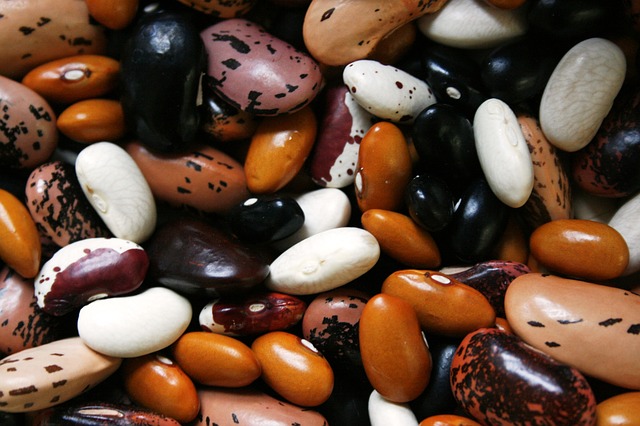
While many forms of grain and staple legumes store for extended periods of time, dry corn and beans are the most practical for growing and processing at home without equipment. Beans and corn can be harvested, cleaned, dried and stored all by hand without specialized equipment, unlike other grains such as wheat. If dried thoroughly to a low moisture content and kept cool, home dried corn and beans can last 2-3 years, without the need to invest in long-term storage options like vacuum sealing and oxygen absorbers. With the additional investment to reduce or eliminate oxygen, corn and beans can hold successfully for up to 10 years.


3. Honey and maple


Natural sweeteners like honey and maple are full of beneficial enzymes and micro-nutrients, not to mention a ready source of calories, and they boast considerable shelf lives. Honey, if kept uncontaminated and well-sealed from moisture, can last at room temperature indefinitely. Maple syrup, packaged very hot into glass jars such Mason jars, has very long shelf life potential – upwards of 50 year or more. Maple manufacturers recommend a storage life in glass of no more than four years for optimum flavor, assuming the jar is unopened. Maple stored in plastic jugs should not be kept more than 1-2 years, and metal jugs are only rated for six months of storage life.


What would you add to our list? Are there other foods you grow and store for long-term survival? Share your tips in the section below:


Bust Inflation With A Low-Cost, High-Production Garden. Read More Here.