As far back as 1954, reports of the full or partial resolution of schizophrenia following a gluten free diet began to surface in the medical literature. We covered this remarkable pattern of associations in a previous article titled, “60 Years of Research Links Gluten Grains to Schizophrenia.” While the explanation for this intriguing connection has remained focused on the disruption of the gut-brain axis and the presence in wheat of a wide range of pharmacologically active and mostly opioid receptor modulating polypeptides, a new and possibly more disturbing explanation is beginning to surface: wheat consumption cuts off blood flow to the brain.
Starting with a 1997 case study published in the Journal of Internal Medicine involving a 33-year-old patient, with pre-existing diagnosis of ‘schizophrenic’ disorder, who first came to medical attention for severe diarrhea and weight loss (classical symptoms of gluten intolerance), brain scan technology determined that cerebral hypoperfusion (decreased blood flow to the brain) was occurring within the patient’s frontal cortex.[i] A gluten free diet resulted not only in the normalization of intestinal damage and autoantibodies, but the return of blood flow to the frontal cortex, and the resolution of schizophrenic symptoms.
Then, in 2004, a follow up study was performed to verify if the 1997 case study was just a fluke, or perhaps a widespread effect of untreated celiac disease. Published in the American Journal of Medicine, researchers from the Institute of Internal Medicine, Catholic University, Rome, Italy, compared 15 untreated celiac patients without neurological or psychiatric disorders other than anxiety or depression, with 15 celiac patients who were on a gluten-free diet for almost 1 year, and 24 healthy volunteers of similar sex and age. All subjects underwent cerebral single photon emission computed tomography examination.
The results were remarkable, with dramatically increased incidence of impaired brain blood flow in untreated celiac patients, reported as follows:
“Of the 15 untreated celiac patients, 11 (73%) had at least one hypoperfused brain region, compared with only 1 (7%) of the 15 celiac patients on a gluten-free diet and none of the controls (P = 0.01). Cerebral perfusion was significantly lower (P <0.05) in untreated celiac patients, compared with healthy controls, in 7 of 26 brain regions. No significant differences in cerebral perfusion were found between celiac patients on a gluten-free diet and healthy controls.”
They concluded: “There is evidence of regional cerebral blood flow alteration in untreated celiac patients.”
Discussion
So, let’s take a closer look at what cerebral (brain) hypoperfusion means.
Hypoperfusion is simply decreased blood flow through an organ. Whether it is an internal organ like the kidney, a muscle or the brain, the organ will experience lower availability of oxygen (hypoxia) and nutrients, and will therefore function at a suboptimal level. Cerebral hypoperfusion, therefore, is decreased blood flow to the brain – an organ with extremely high energy demands, and upon which our entire consciousness depends.
Dr. David Perlmutter, author of the #1 New York Times bestselling book Grain Brain, has made great strides in introducing the concept to the world that grains adversely affect brain health. We know that the carbohydrate content of grains alone contribute to disrupting insulin-mediated glucose homeostasis within neurons, ultimately contributing to their suboptimal functioning and in some cases demise, but the discovery that wheat in particular has blood flow disrupting properties to the frontal cortex of the grain, has profound implications.
For example, it is know that the frontal lobe house the ‘executive functions‘ of the brain, including:
Recognizing future consequences resulting from current actions
Choosing between ‘good’ and ‘bad’ actions
Overriding and suppressing socially unacceptable responses
Retaining longer term memories which are not task-based.
Determine similarities and differences between things or events.
If wheat consumption, through some as of yet unknown mechanism, interferes with blood flow to the brain in susceptible individuals, and as a result disrupts the executive functions of the brain, abstaining from it should be considered a reasonable precautionary behavior, assuming we wish to retain these critical functions related to morality, cognizance, and social responsibility.
One of the newest and deadliest drugs is also one of the cheapest. Dubbed “KD” or “Katie” or “Zombie”, the drug turns users into strange crazed zombies reminiscent of the effect of the bath salts drug.
This drug may contain different ingredients, but the common denominator is always bug spray. According to Natural News, the users take marijuana, banana leaves, tobacco, or spice and lace it with a bug spray, most often Raid. This concoction is then smoked, giving users a 45-minute high that leaves them virtually unconscious and crazed zombies.
While some people choose to make their own drugs, other users simply buy it for around $20 a bag on the black market. Irrespective of where they get it, however, it is incredibly addictive and can be absolutely lethal. In recent weeks, the use of bug spray enhanced drugs has risen dramatically. Since the cost of this drug is so low, expectations that its popularity will fizzle out are also low.
In short, while in the throes of a high, KD users become totally unaware of and utterly unable to control their actions. “We find them with their clothes off, eating the grass, pulling dirt out of the ground and trying to put it in their mouth,” Fire Department Captain Chris Major told CBS-affiliate WTTV. “You look at what it does to a bug,” firefighter Scott Lebherz told the Indy Star, “and then you got to think what it’s doing to your brain, and your body and everything else.”
Inquisitr reported that these sprays generally contain piperonyl butoxide, permethrin, cypermethrin, and imiprothrin, among others – all of which are incredibly harmful chemicals to the human body. And, when mixed with other ingredients and smoked, this cocktail becomes even more toxic.
Health officials have already warned that smoking this particular “zombie” bug spray laced drug carries an “extreme risk of fatality,” but users become addicted to it so quickly that very few have heeded any of the warnings. One fire department reported that the drug is so fast-acting that many overdose victims are found writhing like a zombie with the drug still in their hands.
Although this may seem obvious to many, smoking bug spray is extremely dangerous, harmful to your health, and could be lethal.
(The Real Agenda News) An unbalanced broken brain is responsible for many mental diseases.
The result of those diseases in children, teenagers, adults and the elderly are usually untreated or not even discovered by mainstream medicine.
Most doctors aren’t capable of diagnosing most brain-related diseases, much less treat them or cure them.
Perhaps the main reason why mental disease is wrongfully treated or not treated at all is that brain health does not necessarily start from the brain itself, but from outside of it.
The lack of proper diagnosis and treatment causes the number of people with mental disabilities to rise out of control.
Broken brain count surpasses 1 billion
Today, that number stands at 1.1 billion patients. From those millions of people who are mentally ill, 1 in 6 are children who suffer from mental disorders.
Estimates show that 1 in 2 elderly are most likely suffering from mental disease and along with them, the global average is 1 in 4 people.
The current epidemic of brain disorders is what Dr. Mark Hyman calls the Epidemic of Broken Brains.
Hyman is a practicing physician with 10+ best selling books. His documentary shows how humanity, at least western populations arrived at the current state of mental imbalance.
During the documentary series, Hyman shows the assessment of several medical doctors who explain how normal-looking people are actually mentally ill and they got there.
More importantly, they explain how to attack and overcome the current epidemic of broken brains.
The documentary series promises to show how Alzheimer’s, Dementia, ADHD, Autism, Depression, Anxiety, and Brain Fog have common origins.
In its preview, Dr, Hyman also promises to show people steps to “optimize” their brain function and “reclaim” their mental health, energy and mental clarity.
If you are interested in learning more about brain function and how to keep it sharp, make sure to watch the preview below and then subscribe to watch the complete documentary series.
Fill out the form and subscribe to watch the documentary series here.
The connection between the brain and the immune system
In a stunning discovery that overturns decades of textbook teaching, researchers at the University of Virginia School of Medicine have determined that the brain is directly connected to the immune system by vessels previously thought not to exist.
The fact that such vessels could have escaped detection when the lymphatic system has been so thoroughly mapped throughout the body is surprising on its own, but the true significance of the discovery lies in the effects it could have on the study and treatment of neurological diseases ranging from autism to Alzheimer’s disease to multiple sclerosis.
“Instead of asking, ‘How do we study the immune response of the brain?’ ‘Why do multiple sclerosis patients have the immune attacks?’ now we can approach this mechanistically.
Because the brain is like every other tissue connected to the peripheral immune system through meningeal lymphatic vessels,” said Jonathan Kipnis, PhD, professor in the UVA Department of Neuroscience and director of UVA’s Center for Brain Immunology and Glia (BIG).
“It changes entirely the way we perceive the neuro-immune interaction. We always perceived it before as something esoteric that can’t be studied. But now we can ask mechanistic questions.”
“We believe that for every neurological disease that has an immune component to it, these vessels may play a major role,” Kipnis said.
“Hard to imagine that these vessels would not be involved in a [neurological] disease with an immune component.”
The unexpected presence of the lymphatic vessels raises a tremendous number of questions that now need answers, both about the workings of the brain and the diseases that plague it. For example, take Alzheimer’s disease.
“In Alzheimer’s, there are accumulations of big protein chunks in the brain,” Kipnis said. “We think they may be accumulating in the brain because they’re not being efficiently removed by these vessels.”
He noted that the vessels look different with age, so the role they play in aging is another avenue to explore. And there’s an enormous array of other neurological diseases, from autism to multiple sclerosis, that must be reconsidered in light of the presence of something science insisted did not exist.
Do you ever listen to music and feel the hairs on your arm or neck standing up? Perhaps it makes you feel like crying? It may mean that you have a strong connection between specific parts of your brain.
Right now I’m listening to one of my favorite songs as I write this. I tend to get either joyous waves or chills depending on what I may be relating the song to as I listen. More on this below.
Matthew Sachs, a former undergraduate at Harvard, decided he wanted to find out why people got chills when they would listen to music and what might be triggering this feeling.
His research experiment took a look at 20 students and their feelings when listening to music. 10 students admitted to feeling chills or having goosebumps when they hear music. The other 10 did not. Brain scans were taken of all 20 students and the results were analyzed.
Of the 10 who had stated they experience strong emotional connection to music and felt ‘chills’ when listening, displayed a different brain structure than those who claimed to not experience ‘chills’ when listening to music.
The area of the brain in question here is that of the auditory cortex and those that process emotions. What was found was that those who experienced the feeling of ‘chills’ while listening to music had denser or stronger fibres connecting the areas of the brain in question. This means that the two areas can communicate better.
“The idea being that more fibers and increased efficiency between two regions means that you have more efficient processing between them.”
In audio engineering school I learned fibres, cables, or wiring is like having a thick smoothie in front of you and having different straw choices. You have a thin straw or a thick one, which one can you more easily drink the smoothie from? This is the same with audio cables sending data or sound. The same seems to be in the theory discussed above. The denser the fibre, the easier it is to send the energy, or data, from one area of the brain to the other.
What Do The Chills Mean?
While it’s not 100% clear, they may mean you have a more intense connection to feeling emotions. It may also mean that your memories linked to a certain songs may be strong.
All in all, our emotions are physical experiences triggered by something our mind believes. Often times it is a belief system or program we have associated with an experience or how to feel about it that triggers a specific emotion. Thus, different people can feel different emotions about the same experience, as it’s based on a belief about the experience.
Although Sachs’ study was very small in size, he is currently working to conduct further research to explore the brains activity when listening to songs that register certain reactions. He hopes to physically discover what causes these reactions and potentially determine treatment for psychological disorders based on these findings.
Because depression causes an inability to experience pleasure of everyday life, music can be used to help provide therapy to those suffering.
Even if you do not experience strong emotions from listening to music, the exploration into connecting to our emotions and understanding them is key. Emotions simply tell us more about ourselves inside. And while we may experience a certain emotion about something at one time, this doesn’t mean we will always experience that emotion, or any at all, about that experience.
In fact, beyond emotions is a state of peace that we sometimes can confuse for emotions. I have found that when I am feeling my absolute best, I am experiencing a state of being that is pure peace, pure love and beyond emotions. This isn’t to say I don’t feel emotions in those times, but it’s a connection into knowing what’s beyond the physical experience of an emotion.
I have always found that emotions are a reference point that allow us to experience something more deeply and intently. And when we examine what that means about ourselves, we gain a greater sense of self awareness.
Given that some of us often feel very disconnected in our lives and given how much of the population experiences depression, it’s not all that surprising that even in a small group that Sachs studied, 50% did not report experiencing that connection with music.
What would come from humanity having greater connection to our emotions and understanding them? Would they not drive us and take over as much when we did experience them? Might we be able to understand why we get angry at times and perhaps explore how to move past those triggers and lessen suffering? After all, why do some of us get mad at an experience while another doesn’t? Why do some of us feel upset at being called a name while others don’t? And do you notice those who don’t get upset rarely get called names? Do we attract the experiences that can help us learn more about ourselves?
These are all deeper questions that I believe can help move us beyond suffering induced by our lack of awareness of our emotions and why they can be triggered. That said, emotions are not a bad thing by any means, they are incredible. They allow us to enrich our experience ten fold at times. I simply feel we are being challenged to not be driven so intensely by our emotions.
In prepper lore, there is a theory about how badly desperate people are likely to behave.
Many folks outside the community scoff at this theory. They believe that we have become more civilized than to utilize violent measures when hunger strikes.
But an incident in Morocco the other day showed us exactly how hungry people behave.
And it isn’t pretty.
Food was being distributed in a rural market in Sidi Boulaalam, a poor village. Women had come to the market with baskets to get food for their families, when suddenly, what could only be described as a stampede erupted.
At least 15 women died and five were wounded in a stampede during a food distribution operation on Sunday morning in rural Morocco, government officials said.
The victims were crushed as hundreds of people, mostly women, gathered to collect baskets of food at the market…
…In the aftermath of the stampede, clothes and other personal items were left scattered across the ground. (source)
That number was later updated to 40 people who were injured in the crush.
Witnesses told local media that this year’s annual food aid distribution at a local market in Sidi Boulaalam, an impoverished town with just over 8,000 inhabitants, attracted a larger crowd than usual.
“This year there were lots of people, several hundred people,” a witness who asked to remain anonymous told AFP news agency.
“People shoved, they broke down the barriers,” he said, adding that the injured had been evacuated to a hospital in Marrakesh. (source)
Here’s a video of the aftermath in this Tweet. (If it won’t play for you, go here.)
Food delivery was supposed to bring relief. Instead, it caused a deadly stampede in drought-stricken Morocco. pic.twitter.com/QslXgLZEfu
15 families were left without mothers over $16 of food. To be fair, villagers in that part of the world live on about $3 per day, but still – this shows what desperation can do.
It’s not just Morocco.
It happens somewhere in the world every day. Here are some acts of desperation that have happened just in recent months.
On St. Martin, people were “fighting on the streets” for what food was left after Hurricane Irma.
When you are desperate, the normal rules do not apply.
Every year, we get a glimpse of this kind of insanity in America
Every year, on “Black Friday” we get a glimpse of the kind of behavior that causes people to be crushed to death and assaulted. The day after Thanksgiving (ironically) people get up before daylight, stand in line, and shove their way through a crowd to get the best deals. (Stay tuned this weekend for the 2017 Black Friday Hall of Shame.)
And they aren’t even hungry.
People climb all over each other for cheap electronics. Fistfights erupt over vegetable steamers. People are ready to throw down and do battle for sale priced bath towels and televisions.
I’d hazard a guess that folks who spend time and money fighting over electronics are not the kind of people who prep. That means that these are the people who will be hungry in a long-term disaster. Look at those people, stampeding to get to a sale on things that they don’t actually need to survive. Their inhibitions are loosened because those around them are behaving in the same way.
You have to look at the psychology of this.
People can justify pretty much anything when they or their children are starving. And I can understand that to a large degree – who could stand to watch their babies suffering? But if someone can devolve to the above degree just to because everyone else is doing it, the chaos we saw above is only a tiny sample of what could come if people were truly hungry.
The line between civilization and THIS is very thin.
Desperate people do desperate things.
We need to be prepared by having the essential supplies on hand to keep us from becoming one of those desperate people in the middle of a stampede for a few days’ worth of food, but what’s more, we need to be prepared for the prospect of those desperate people. Keeping a low profile is the best defense but sometimes it’s not enough.
In a desperate situation, you have to be ready for desperate people to behave in a desperate manner. It happens in real life all the time. Somewhere on this planet, someone is desperate and they will do anything to meet their needs.
It only takes one person to start the charge in a tense scenario, and when that happens, the others will follow.
Don’t count on the rules of “civilization” to save you.
The right foods will help you use your brain to the max, and the more you use it, the more you’ll challenge your brain to grow new cells, create new connections, and improve your problem-solving and memory functions.
Before I tell you about the many great foods that will keep your brain performing at its peak, remember — eat organic foods that are fresh and as close to their natural state as possible. Also, drink plenty of pure, clean water, which is 85% of your brain’s weight.
Did you know that water can actually increase your alertness? When you’re feeling sluggish in the afternoon, instead of grabbing a caffeinated, carbonated drink, pour yourself a tall glass of purified water.
Finally, pick foods your great, great grandparents would have eaten, and stay away from so-called modern, highly processed foods that are filled with nasty chemicals. Many foods today are genetically modified. So, they are not as nutritious as organic, natural foods. And even worse, they can be dangerous to your health.
Foods that Boost Your Brain Power
Research suggests that diets rich in berries reduce, or even reverse, declining brain function. Blueberries, in particular, have been shown to have the ability to improve memory and keep your brain “young.” They can also help you improve your balance and coordination.
Berries are rich in antioxidants which protect your brain cells from oxidation and free radical damage [1]. This means antioxidants may slow down brain aging and prevent disease, while promoting the growth of healthy brain cells. Berries are also some of the most colorful foods you can eat!
The South American Acai Berry has more antioxidants than any other berry. Plus, it contains Omega Fatty Acids and is high in protein. Stick to bright colors when choosing other fruits and vegetables, too. Yellow, orange, and green vegetables are rich in beta-carotene, a powerful antioxidant that converts to vitamin A in your body. Dark leafy green vegetables and citrus fruits are packed with vitamin C.
Both vitamins are linked to improving your memory and reasoning powers and keeping your arteries functioning properly.
Foods High in Beta-Carotene & Vitamin C:
Mangos
Oranges
Carrots
Broccoli
Tomatoes
Cantaloupe
Rainbow chard
Green, Red & Yellow Peppers
Vegetables and fruits also contain natural sugars that keep you alert. Your brain needs natural sugars to function at its best. Avocados are rich in good fat and vitamin E, while whole and sprouted grains are rich in fiber. Both are good for your circulatory system. And what’s good for your blood flow, is great for your brain.
The Importance of Essential Fatty Acids
Essential fatty acids are also necessary for maximum brain power, as well as promoting normal brain growth and development. Studies show that eating foods that are high in Omega Fatty Acids can reduce the risk of some disease, too. These fatty acids also help boost memory and your ability to learn new things!
Other sources of good Omega fatty Acids are marine plants, such as blue-green algae, and nut or seed oils.
All nuts, particularly walnuts, “feed your brain” because they keep your arteries clear and boost serotonin levels. Serotonin is a neurotransmitter that controls sleep, depression, memory, and other neurological processes. Raw unprocessed Organic Olive oil, Coconut Oil and hempseed oil also contain brain healthy fats, fibers, and proteins. I recommend 1-2 tablespoons daily.
Foods High in Folic Acid
Okra
Spinach
Lentils
Collards
Asparagus
Black Beans
Garbanzo Beans
Romaine Lettuce
Black-Eyed Peas
Sunflower Seeds
Did you know that flaxseed, and real organic chocolate are brain food, too! They’re filled with vitamin E which keeps your brain healthy later in life. Real chocolate also releases dopamine, to enhance cognition and mood.
Be sure to eat chocolate that is minimally processed and retains the most pure cacao bean. That means either 100% organic cocoa powder or a dark chocolate bar with at least 75% cacao content. You’ll need to be careful of the chocolate you buy because some chocolate manufacturers use unhealthy and unethical practices.
Vitamins & Herbs that Boost Your Brain Power
These vitamins and minerals help your memory and reasoning powers while slowing down the signs of aging.
Some researchers suggest that the herbs ginseng and gingko have a positive impact on your brain, keeping you alert and improving memory.
Did you know? Body cleansing can help boost your brain power, too. By eliminating the toxic chemicals and heavy metals that build up in your body from your environment and diet, you can rid your brain of dangerous free radicals that may contribute to disease and poor health.
Eating the proper foods enhances your brain functions. And, using your brain for reading and learning new skills, such as a musical instrument, a new language, or computer skills — even conquering crossword puzzles regularly will keep your brain quick and nimble.
Note: Processed foods are often too starchy, fatty, and sugary and will do more harm than good for your body and brain. You want raw, organic fruit and vegetables as often as possible. Live foods present your body with beneficial energy as well as their natural nutrients.
I also recommend getting a cellphone protector for your phone to reduce any harmful radiation leaking into your brain tissue.
We have all heard the phrase, “you are what you eat,” but did you know you that what you eat can make you smarter?
In addition to helping your body stay healthy and strong, certain foods can help your brain work better and even protect against mental disorders.
“Food is like a pharmaceutical compound that affects the brain,” said Fernando Gómez-Pinilla, a UCLA professor of neurosurgery and physiological science who has researched the effects of food on the brain. “Diet, exercise and sleep have the potential to alter our brain health and mental function. This raises the exciting possibility that changes in diet are a viable strategy for enhancing cognitive abilities, protecting the brain from damage and counteracting the effects of aging.”
The food we eat can affect everything from our mood to our memory. Nutrient-dense whole foods can do more than just fuel our bodies; they can help us think more clearly.
According to Cynthia Green, PhD, an expert on memory and brain health, key nutrients — along with exercise and daily brain stimulation – help keep brain cells healthy and prevent inflammation. Green writes that a person’s memory, attention span and ability to learn all benefit from the right food choices.
Here are 10 brain-boosting foods to make a part of your diet.
1. Fish — Salmon, mackerel, albacore tuna, trout and sardines are packed with omega-3 fatty acids, which experts believe are essential for healthy brain function.
Nearly 40 percent of the fatty acids found in brain cell membranes are the DHA variety, which are found in fish oil. Scientists have discovered that DHA helps the brain transmit signals between its cells. The body cannot manufacture fatty acids, so they must be gained through diet.
Tufts University researchers found that people who ate oily fish three times a week and therefore had the highest levels of DHA in their blood reduced their risk of Alzheimer’s disease by almost 40 percent.
2. Dark green leafy vegetables – Dark green vegetables, such as kale, collard greens and spinach, are excellent sources of vitamin E and folate. Folate may protect the brain by lowering levels of an amino acid known as homocysteine in the blood. Nitrates in spinach help increase blood flow to the brain and thereby improve mental performance.
Broccoli is a great source of vitamin K, which enhances cognitive function and improves memory. Leafy greens also contain carotenoids, which help protect the brain from damage from free radicals, the waste products the body makes when its cells create energy.
3. Nuts and seeds — As sources of omega 3 and omega 6 fatty acids, and vitamin B6 and vitamin E, nuts (especially walnuts) and seeds are good for the brain and the nervous system.
Sunflower and pumpkin seeds contain omega fatty acids, protein and B vitamins, which all can help provide you with an energy boost. These seeds also contain tryptophan, a substance the brain converts into serotonin to elevate your mood.
Eating a handful of seeds also can provide you with the daily recommended amount of zinc, which helps enhance thinking skills and memory.
4. Berries – Dark berries, such as blueberries, cherries and blackberries, are both good to eat and good for your brain. They contain anthocyanins and other flavonoids that improve memory function and cognitive function.
Research indicates that berries help protect the brain from oxidative damage and stress that can contribute to premature aging, Alzheimer’s disease and dementia.
5. Avocados — Avocados are a good source of monounsaturated fats, omega 3 and omega 6 fatty acids, potassium, vitamin K and vitamin E.
Consuming these nutritional powerhouses helps increase blood flow to the brain, lower “bad” cholesterol levels and absorb antioxidants. Avocados are delicious but high in calories, so consider adding just one quarter to one-half of an avocado to your daily diet.
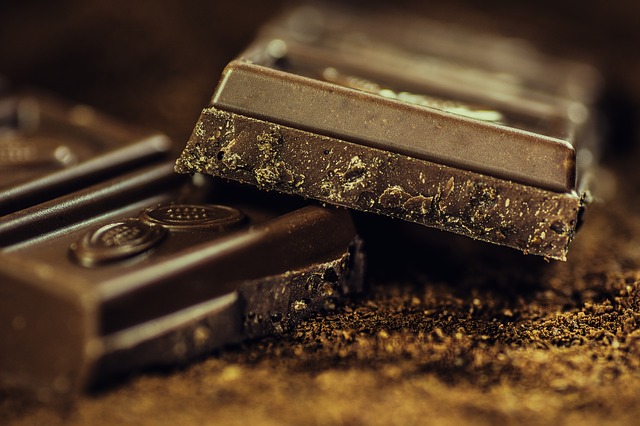
Image source: Pixabay.com
6. Dark chocolate – Dark chocolate – the kind that contains at least 70 percent cocoa – can be a powerful brain booster. It contains important antioxidants as well as natural stimulants, such as caffeine, which help improve concentration.
The flavonoids in dark chocolate also help blood vessel function, which enhances cognitive function and memory skills.
7. Bone broth — When you sip a homemade stock made from animal bones, you can help nourish your brain.
Bone broth contains collagen, which helps keep cells, bones, ligaments and the brain healthy. Additionally, the glycine in bone broth helps improve sleep and memory.
8. Whole grains – The complex carbohydrates, fiber and omega-3 fatty acids found in whole grains help protect the heart and brain from cholesterol, blood clots and sugar spikes.
Whole grains – such as oatmeal, oat bran and brown rice — also contain B vitamins that enhance blood flow to the brain and improve mood and concentration.
9. Beets — Beets as brain food? You had better believe it. Beets are high in vitamin B9 and in nitrites, which help increase blood flow in the areas of the brain related to cognitive functioning.
They also are rich in carotenoids, which help boost brain functioning and improve mood.
10. Beans and legumes – An excellent source of complex carbohydrates and fiber, beans and legumes also offer a steady supply of glucose for the brain without the risk of potentially harmful sugar spikes.
Beans and legumes also contain omega fatty acids and an abundance of folate, both of which boost brain function.
Finally, don’t underestimate the role hydration plays in good brain health. Be sure to drink plenty of water each day to keep your body and your brain working at optimal levels.
The brain is approximately 85 percent water, and brain function – including thought and memory processes — depends on you staying hydrated. So drink up this summer!
The science is in: Processed food is addictive, can make you extremely unhappy and will prematurely kill you. How did this happen? And how have food manufacturers been able to deceive the world about these facts? Dr. Robert Lustig has written a new book, “The Hacking of the American Mind: The Science Behind the Corporate Takeover of Our Bodies and Brains,” in which he explains how and why this occurred.
He is perhaps most well-known for his brilliant research into sugar and obesity, and his previous book, “Fat Chance: Beating the Odds Against Sugar, Processed Food, Obesity and Disease,” was a New York Times Best Seller. Lustig is an emeritus professor of pediatrics in the division of endocrinology at the University of California, San Francisco, and a member of the Institute for Health Policy Studies. Since the last time I interviewed him, he’s also completed a master’s in public health law.
The Genesis of ‘Hacking of the American Mind’
The motivation for “The Hacking of the American Mind” began some 30 years ago, while still a postdoctoral fellow in neuroscience at Rockefeller University. There, he learned about the interaction between dopamine and serotonin in the brain. At the time, only basic correlational data existed, but there appeared to be a very specific interaction going on between these two neurochemicals.
“As I was researching the data for ‘Fat Chance,’ four years ago, it became very clear that the data had come in on the role of diet and behavioral health,” Lustig says. “In addition, we also now had neuroimaging studies. I realized everything was falling into place — that this issue, dopamine and serotonin, was actually at the core of what had now become our depression and opiate crises.
At the same time, I was giving Psychiatry Grand Rounds at a U.S. medical school in 2014. The woman who ran their outpatient treatment program took me on a tour of their facility. She was a recovered addict herself. She said something to me that was so jarring. She said, ‘When I was shooting up, I was happy. What my new life has brought me is pleasure.’
I thought to myself, ‘That’s wrong. That’s exactly turned around.’ But I didn’t say anything to her. I went home and talked to some psychiatry friends. They said, ‘Oh yeah, a lot of people seem to get addicted with this concept in mind.’ I said, ‘Well, there’s a book there.’ That was the genesis of this book.”
Why Processed Food Diets Fuel Depression
Tryptophan, which is the precursor for serotonin, is one of the rarest amino acids in our diet. But it’s a mistake to think the answer to depression is as simple as taking tryptophan to boost serotonin. The reason for this is because most of the tryptophan is converted to serotonin in your gut, and it does not freely travel into your brain. Lustig explains:
“Tryptophan is the only amino acid that can be converted into serotonin. Tryptophan is the rarest amino acid in our diet. Eggs have the most. Certain poultry and other avian species have some [tryptophan]. There’s very little in vegetables. Obviously, carbohydrates have virtually no tryptophan whatsoever.
It’s actually pretty hard to get tryptophan into your body to start with. Take processed food on top of that, then it’s even harder because it tends to be tryptophan-depleted. [Moreover], 99.9 percent of the tryptophan you ingest either gets turned into serotonin in the gut for your gut’s purposes, or it goes into your platelets to help your platelets help you clot. [So] very little tryptophan actually gets to the brain.
Top that off with the fact that tryptophan has to share an amino acid transporter with two relatively common amino acids: phenylalanine and tyrosine, which, by the way, are the precursors for dopamine. You can see that the more processed food you eat, the more dopamine you will make because you will have the precursors for that.
They will actually crowd out the ability to get tryptophan across the blood-brain barrier … Yet, serotonin is the nidus of contentment, of happiness. It explains why diet is so problematic … “
Face-to-Face Interaction Has Neurochemical Effects
Many try to bolster their happiness through certain food choices, but this actually does not work, and Lustig provides compelling arguments that the foods you crave drive up dopamine and drive down serotonin. Rather, it’s experiences that make you happy. People can make you happy. You can make yourself happy. In his book, Lustig outlines a number of different strategies to become happier.
“Ultimately, the goal is [to increase] your serotonin,” he says. There are four ways to boost your serotonin, and they’re all free. They’re also things your grandmother likely told you to do. First and foremost is making human connections.
“Turns out that Facebook does not count as connection. When we’re talking about interpersonal connection, we’re talking about eye-to-eye,” Lustig says. “The facial emotions of the person you’re talking with activate a set of neurons in your brain called ‘mirror neurons,’ which are the drivers of empathy and specifically linked to serotonin.
To be able to generate a feeling of empathy, which ultimately turns into contentment/happiness, you actually have to connect. You can’t do it over the internet. You can’t have a connection with ‘anonymous.’ It just doesn’t work.”
On the contrary, social media generate dopamine, associated with pleasure, and hence can drive addiction. The main problem is that when dopamine goes up, serotonin goes down. So, online communication is actually a major causative factor of unhappiness.
Lustig also elaborates on how companies — both food manufacturers and electronics companies — capitalize on the biology of dopamine versus serotonin to get us addicted to their products. There’s even a book on this topic written by Nir Eyal, called, “Hooked: How to Build Habit-Forming Products.”
Dopamine Versus Serotonin
It’s important to realize that the dopamine (or reward-generating) pathway is the same no matter what your source of pleasure is. It can be a substance, such as nicotine, alcohol, heroin or junk food; or it can be behavior, such as internet surfing, shopping or pornography. The problem, in a nutshell, is that dopamine is an excitatory neurotransmitter, and in excess is neurotoxic.
When dopamine is released, and the neuron on the other side accepts the signal, it can damage that neuron. Over time, excitatory neurotransmitters can cause cell death. To protect itself from damage, the postsynaptic neuron employs a self-protective mechanism — it downregulates its receptors.
By having fewer receptors, the dopamine cannot do as much damage. So, each time you get a “hit” or rush of dopamine, the number of receptors decrease. As a result, you need increasingly larger doses or “hits” to get the same rush. Eventually, you end up with tolerance, a state where even a large dose produces no effect. Once the neurons start to actually die off, you’re a full-blown addict.
“The point that you need to know is that it takes three weeks for the receptors to repopulate. The cravings can go on for upwards of a year when you’re addicted. This is a long-term process that sometimes requires medical intervention and medical management by physicians who understand addiction medicine,” Lustig says.
Serotonin, on the other hand, is not an excitatory neurotransmitter. When it acts on the serotonin-1a receptor (the “contentment” receptor), no damage occurs. Hence, happiness does not lead to addictive behavior. Keep in mind that dopamine downregulates serotonin, so it’s basically impossible to achieve happiness (related to serotonin) through pleasure-seeking behavior (related to dopamine).
One of the cheapest pleasures that stimulates dopamine is sugar. Many reach for sweet junk food when they feel down, thinking it’ll help them feel better, but neurochemical science reveals this simply cannot happen. Add the stress hormone cortisol to the mix, which downregulates the serotonin-1a receptor, and you have a recipe for both addiction and depression. “That’s what we’re seeing throughout all of civilized society, not just in America, but around the world,” Lustig says.
Other Serotonin Boosters
There are three other ways, besides connecting, that boost serotonin and happiness. The remaining three of the four Cs are:
1.Contribute: Meaning the act of contributing to something greater than yourself; making a contribution to society. “You can get happiness and contentment from your job, but there are certain criteria that have to be met,” Lustig says. “Most people, unfortunately, have a boss who is not contributing to their happiness. The workplace is not usually the best place to achieve meaningful contentment.”
2.Cope: Lack of sleep, insufficient exercise and multitasking are all causes of unhappiness. Sleep is extremely important for healthy serotonin production. Here, avoiding exposure to electronic screens is important, as blue light inhibits melatonin production, thereby making sleep more elusive. Electronics will also disrupt your sleep and deteriorate your health by exposing you to unnecessary microwaves, discussed in this recent article on depression.
3.Cook: If you cook, you’re likely going to increase your tryptophan, reduce your refined sugar intake and increase your omega-3 fats (anti-inflammatory) and fiber. Overall, this will result in improved gut health, which has tremendous impact on your mood and mental health.
“Numerous investigators … have shown that your gastrointestinal flora tell your brain what they want through signals that go through the bloodstream, and potentially even neural ones as well. If you do not feed your bacteria, you cannot get happy. Eating real food you prepare yourself is super important,” Lustig says.
Eating Real Food Helps Optimize Tryptophan and Other Vital Brain Nutrients
As mentioned, a big part of the happiness equation is to increase serotonin by optimizing tryptophan. However, the dilemma is that most of the serotonin produced in the gut is used there locally. It does not enter your brain. Lustig explains:
“There are many diversions for tryptophan away from the brain. It can be metabolized in the intestine itself. It can be metabolized in the platelets. It can be turned into kynurenine, which is a secondary metabolite in the liver. It may not be transported across the blood-brain barrier because of phenylalanine and tyrosine taking up the aromatic amino acid transporter.
In addition, of course, your serotonin neurons must be functional. There are things that will kill off serotonin neurons, including party drugs. For instance, MDMA, or Ecstasy, is a famous dopamine and serotonin killer … Once you’ve lost those serotonin neurons, it’s pretty hard to get any sort of happiness signal.”
So, how do you boost systemic tryptophan? One of the keys is to eat real food, and to make sure you include high-tryptophan foods, the highest of which is egg whites. You also need omega-3 fatty acids, especially DHA, which is a component of every cell in your body. More than 90 percent of the omega-3 fat found in brain tissue is DHA.
“Omega-3s are probably the single most beneficial thing you can put in your body. They are anti-inflammatory. They are anti-Alzheimer’s. They increase membrane fluidity. Therefore, they increase neuronal distensibility, which means it’s less likely that any given neuron will die,” Lustig says.
“The problem, of course, is that when we took the fat out of the food, we took ALL the fat out of the food. It’s been a real chore to get the medical cognoscenti to turn around on this. I do want to do a shoutout to the American Heart Association, because they have now debunked their long-standing cholesterol-fat hypothesis.
They now recognize that saturated fat was not the demon they made it out to be, and that there are seven classes of fats, and that you actually have to consume omega-3s. You have to consume monounsaturated fats. In fact, you do have to consume some saturated fat because it’s a major component of membranes.”
The Corporate Takeover
So, how have food companies contributed to the problems of food and drug addiction? According to Lustig, “If you look at the Supreme Court decisions that took place between the mid-’70s and mid-’80s, they took away individual rights and loaded up corporate rights in a very distinct fashion.” In his book, he describes four specific Supreme Court decisions, one of which basically deregulated corporate speech.
Corporations can say anything they want, whenever they want, regardless of whether it’s actually true. Our current epidemics of opioid and food addiction are outgrowths of corporate dishonesty.
“We are now seeing the advent of the post-truth society because of how the Supreme Court chipped away at our own individual rights,” Lustig says. “By doing so, corporations have affected our ability to experience pleasure and happiness. They’ve actually inserted propaganda into our limbic system, our reward generating system, so that we constantly seek reward at the expense of our own happiness.
This is why we currently live in the world we live in. The late political philosopher from Princeton, Sheldon Wolin, wrote a poignant book called ‘Democracy Incorporated: Managed Democracy and the Specter of Inverted Totalitarianism,’ [in which] he envisioned that corporations and government … would become one and the same.
If you look at what’s going on in the White House today, you can see that Wolin’s nightmare scenario has been realized. It’s fascism in the sense that we don’t seem to have a voice of our own. It’s not fascism in the sense that it’s corporations that’s told us what to do. It’s that we’ve basically abdicated our own responsibility for our own health and safety.”
The EatREAL Trust Mark
Speaking of living in a post-truth society, you might not realize there’s no regulation against restaurants blatantly lying about what they’re serving you. Larry Olmsted, in his book “Real Food/Fake Food: Why You Don’t Know What You’re Eating and What You Can Do About It,” addresses this. There are no consequences, no regulatory action, for lying to customers. The deception will only enrich them — until or unless they’re publicly outed and perhaps boycotted.
One way to protect your interests when eating out is to make sure the restaurant is affiliated with Responsible Epicurean and Agricultural Leadership, better known as EatREAL, a nonprofit Lustig helped create. It teaches restaurants what they “should be doing,” and provides a trust mark to the public — a green fork.
The High Cost of Added Sugar
Processed fructose, mostly in the form of corn syrup, has become a major contributor to the $3 trillion health care budget in the United States, and there’s clear data linking sugar consumption to de novo lipogenesis — a disease process associated with fat accumulation in the liver, causing insulin resistance, hyperinsulinemia, metabolic syndrome and associated diseases. That includes Type 2 diabetes, hypertension, lipid problems, cardiovascular disease, cancer and dementia.
“We have the mechanism by which this occurs. In fact, our paper in Gastroenterology1 demonstrates that if you take sugar out of the diet of children with metabolic syndrome and substitute starch — calorie for calorie exchange, glucose for fructose exchange with no change in calories … — in 10 days, you can reverse metabolic syndrome.
You can reverse the insulin resistance. You can reverse the liver fat. You can reverse the burden on the pancreas. Basically, all of the metabolic perturbations go away. This is the smoking gun,” Lustig says. “In addition, we have a paper in BMJ Open2 which models what could happen in terms of health care expenditures and disease rates if we reduced our sugar consumption by 20 percent, which is what taxes would do.
Or if we reduce sugar consumption by 50 percent (which is what the United States Department of Agriculture suggested we do), for nonalcoholic fatty liver disease alone … the United States, over the next 20 years, could save $103 billion, just on that disease alone. Ultimately, this is where the money goes. This is why health care will be defunct. This is why Medicare will be broke by the year 2026 …
We have to deal with health. Health is going down the tubes. There’s no amount of health care that can fix what’s wrong with our diet, unless we fix the diet first … The bottom line is we are in trouble. But you can’t fix a problem until you recognize what the problem is. This book, ‘The Hacking of the American Mind,’ demonstrates how the science, how the biology, ultimately has influenced not just our health, but in fact, our policy.”
More Information
In the past, people had a much better understanding of happiness and pleasure. Lustig’s book describes how these terms have been purposely conflated and confused by businesses and governments because it helped sales. To turn the trends of addiction around, you have to understand the difference between the two.
“So, what’s the difference between pleasure and happiness? There are seven differences: Pleasure is visceral; happiness is ethereal. Pleasure is short-term; happiness is long-term. Pleasure is usually achieved alone; happiness is usually achieved in social groupings. Pleasure is taking; happiness is giving. Pleasure can be achieved with substances; happiness cannot be achieved with substances.
The extremes of pleasure all lead to addiction, whereas there is no such thing as being addicted to happiness. Finally, pleasure is dopamine and happiness is serotonin.
Understanding the difference between the two is something, for some reason, that the American public just never got. We have to make them get it in order to turn this problem around. Academics don’t get it. Businesses don’t get it. The federal government certainly doesn’t get it. We have to make them get it. That’s why this book is so crucial.”
“The bottom line is it’s about the science,” Lustig says. “There will be detractors who will say this is garbage. But the bottom line is there are 600 references to the primary literature to demonstrate that this is not gobbledygook. The science actually predicts the phenomena that we see and the society we’ve become.”
The science is in: Processed food is addictive, can make you extremely unhappy and will prematurely kill you. How did this happen? And how have food manufacturers been able to deceive the world about these facts? Dr. Robert Lustig has written a new book, “The Hacking of the American Mind: The Science Behind the Corporate Takeover of Our Bodies and Brains,” in which he explains how and why this occurred.
He is perhaps most well-known for his brilliant research into sugar and obesity, and his previous book, “Fat Chance: Beating the Odds Against Sugar, Processed Food, Obesity and Disease,” was a New York Times Best Seller. Lustig is an emeritus professor of pediatrics in the division of endocrinology at the University of California, San Francisco, and a member of the Institute for Health Policy Studies. Since the last time I interviewed him, he’s also completed a master’s in public health law.
The Genesis of ‘Hacking of the American Mind’
The motivation for “The Hacking of the American Mind” began some 30 years ago, while still a postdoctoral fellow in neuroscience at Rockefeller University. There, he learned about the interaction between dopamine and serotonin in the brain. At the time, only basic correlational data existed, but there appeared to be a very specific interaction going on between these two neurochemicals.
“As I was researching the data for ‘Fat Chance,’ four years ago, it became very clear that the data had come in on the role of diet and behavioral health,” Lustig says. “In addition, we also now had neuroimaging studies. I realized everything was falling into place — that this issue, dopamine and serotonin, was actually at the core of what had now become our depression and opiate crises.
At the same time, I was giving Psychiatry Grand Rounds at a U.S. medical school in 2014. The woman who ran their outpatient treatment program took me on a tour of their facility. She was a recovered addict herself. She said something to me that was so jarring. She said, ‘When I was shooting up, I was happy. What my new life has brought me is pleasure.’
I thought to myself, ‘That’s wrong. That’s exactly turned around.’ But I didn’t say anything to her. I went home and talked to some psychiatry friends. They said, ‘Oh yeah, a lot of people seem to get addicted with this concept in mind.’ I said, ‘Well, there’s a book there.’ That was the genesis of this book.”
Why Processed Food Diets Fuel Depression
Tryptophan, which is the precursor for serotonin, is one of the rarest amino acids in our diet. But it’s a mistake to think the answer to depression is as simple as taking tryptophan to boost serotonin. The reason for this is because most of the tryptophan is converted to serotonin in your gut, and it does not freely travel into your brain. Lustig explains:
“Tryptophan is the only amino acid that can be converted into serotonin. Tryptophan is the rarest amino acid in our diet. Eggs have the most. Certain poultry and other avian species have some [tryptophan]. There’s very little in vegetables. Obviously, carbohydrates have virtually no tryptophan whatsoever.
It’s actually pretty hard to get tryptophan into your body to start with. Take processed food on top of that, then it’s even harder because it tends to be tryptophan-depleted. [Moreover], 99.9 percent of the tryptophan you ingest either gets turned into serotonin in the gut for your gut’s purposes, or it goes into your platelets to help your platelets help you clot. [So] very little tryptophan actually gets to the brain.
Top that off with the fact that tryptophan has to share an amino acid transporter with two relatively common amino acids: phenylalanine and tyrosine, which, by the way, are the precursors for dopamine. You can see that the more processed food you eat, the more dopamine you will make because you will have the precursors for that.
They will actually crowd out the ability to get tryptophan across the blood-brain barrier … Yet, serotonin is the nidus of contentment, of happiness. It explains why diet is so problematic … “
Face-to-Face Interaction Has Neurochemical Effects
Many try to bolster their happiness through certain food choices, but this actually does not work, and Lustig provides compelling arguments that the foods you crave drive up dopamine and drive down serotonin. Rather, it’s experiences that make you happy. People can make you happy. You can make yourself happy. In his book, Lustig outlines a number of different strategies to become happier.
“Ultimately, the goal is [to increase] your serotonin,” he says. There are four ways to boost your serotonin, and they’re all free. They’re also things your grandmother likely told you to do. First and foremost is making human connections.
“Turns out that Facebook does not count as connection. When we’re talking about interpersonal connection, we’re talking about eye-to-eye,” Lustig says. “The facial emotions of the person you’re talking with activate a set of neurons in your brain called ‘mirror neurons,’ which are the drivers of empathy and specifically linked to serotonin.
To be able to generate a feeling of empathy, which ultimately turns into contentment/happiness, you actually have to connect. You can’t do it over the internet. You can’t have a connection with ‘anonymous.’ It just doesn’t work.”
On the contrary, social media generate dopamine, associated with pleasure, and hence can drive addiction. The main problem is that when dopamine goes up, serotonin goes down. So, online communication is actually a major causative factor of unhappiness.
Lustig also elaborates on how companies — both food manufacturers and electronics companies — capitalize on the biology of dopamine versus serotonin to get us addicted to their products. There’s even a book on this topic written by Nir Eyal, called, “Hooked: How to Build Habit-Forming Products.”
Dopamine Versus Serotonin
It’s important to realize that the dopamine (or reward-generating) pathway is the same no matter what your source of pleasure is. It can be a substance, such as nicotine, alcohol, heroin or junk food; or it can be behavior, such as internet surfing, shopping or pornography. The problem, in a nutshell, is that dopamine is an excitatory neurotransmitter, and in excess is neurotoxic.
When dopamine is released, and the neuron on the other side accepts the signal, it can damage that neuron. Over time, excitatory neurotransmitters can cause cell death. To protect itself from damage, the postsynaptic neuron employs a self-protective mechanism — it downregulates its receptors.
By having fewer receptors, the dopamine cannot do as much damage. So, each time you get a “hit” or rush of dopamine, the number of receptors decrease. As a result, you need increasingly larger doses or “hits” to get the same rush. Eventually, you end up with tolerance, a state where even a large dose produces no effect. Once the neurons start to actually die off, you’re a full-blown addict.
“The point that you need to know is that it takes three weeks for the receptors to repopulate. The cravings can go on for upwards of a year when you’re addicted. This is a long-term process that sometimes requires medical intervention and medical management by physicians who understand addiction medicine,” Lustig says.
Serotonin, on the other hand, is not an excitatory neurotransmitter. When it acts on the serotonin-1a receptor (the “contentment” receptor), no damage occurs. Hence, happiness does not lead to addictive behavior. Keep in mind that dopamine downregulates serotonin, so it’s basically impossible to achieve happiness (related to serotonin) through pleasure-seeking behavior (related to dopamine).
One of the cheapest pleasures that stimulates dopamine is sugar. Many reach for sweet junk food when they feel down, thinking it’ll help them feel better, but neurochemical science reveals this simply cannot happen. Add the stress hormone cortisol to the mix, which downregulates the serotonin-1a receptor, and you have a recipe for both addiction and depression. “That’s what we’re seeing throughout all of civilized society, not just in America, but around the world,” Lustig says.
Other Serotonin Boosters
There are three other ways, besides connecting, that boost serotonin and happiness. The remaining three of the four Cs are:
1.Contribute: Meaning the act of contributing to something greater than yourself; making a contribution to society. “You can get happiness and contentment from your job, but there are certain criteria that have to be met,” Lustig says. “Most people, unfortunately, have a boss who is not contributing to their happiness. The workplace is not usually the best place to achieve meaningful contentment.”
2.Cope: Lack of sleep, insufficient exercise and multitasking are all causes of unhappiness. Sleep is extremely important for healthy serotonin production. Here, avoiding exposure to electronic screens is important, as blue light inhibits melatonin production, thereby making sleep more elusive. Electronics will also disrupt your sleep and deteriorate your health by exposing you to unnecessary microwaves, discussed in this recent article on depression.
3.Cook: If you cook, you’re likely going to increase your tryptophan, reduce your refined sugar intake and increase your omega-3 fats (anti-inflammatory) and fiber. Overall, this will result in improved gut health, which has tremendous impact on your mood and mental health.
“Numerous investigators … have shown that your gastrointestinal flora tell your brain what they want through signals that go through the bloodstream, and potentially even neural ones as well. If you do not feed your bacteria, you cannot get happy. Eating real food you prepare yourself is super important,” Lustig says.
Eating Real Food Helps Optimize Tryptophan and Other Vital Brain Nutrients
As mentioned, a big part of the happiness equation is to increase serotonin by optimizing tryptophan. However, the dilemma is that most of the serotonin produced in the gut is used there locally. It does not enter your brain. Lustig explains:
“There are many diversions for tryptophan away from the brain. It can be metabolized in the intestine itself. It can be metabolized in the platelets. It can be turned into kynurenine, which is a secondary metabolite in the liver. It may not be transported across the blood-brain barrier because of phenylalanine and tyrosine taking up the aromatic amino acid transporter.
In addition, of course, your serotonin neurons must be functional. There are things that will kill off serotonin neurons, including party drugs. For instance, MDMA, or Ecstasy, is a famous dopamine and serotonin killer … Once you’ve lost those serotonin neurons, it’s pretty hard to get any sort of happiness signal.”
So, how do you boost systemic tryptophan? One of the keys is to eat real food, and to make sure you include high-tryptophan foods, the highest of which is egg whites. You also need omega-3 fatty acids, especially DHA, which is a component of every cell in your body. More than 90 percent of the omega-3 fat found in brain tissue is DHA.
“Omega-3s are probably the single most beneficial thing you can put in your body. They are anti-inflammatory. They are anti-Alzheimer’s. They increase membrane fluidity. Therefore, they increase neuronal distensibility, which means it’s less likely that any given neuron will die,” Lustig says.
“The problem, of course, is that when we took the fat out of the food, we took ALL the fat out of the food. It’s been a real chore to get the medical cognoscenti to turn around on this. I do want to do a shoutout to the American Heart Association, because they have now debunked their long-standing cholesterol-fat hypothesis.
They now recognize that saturated fat was not the demon they made it out to be, and that there are seven classes of fats, and that you actually have to consume omega-3s. You have to consume monounsaturated fats. In fact, you do have to consume some saturated fat because it’s a major component of membranes.”
The Corporate Takeover
So, how have food companies contributed to the problems of food and drug addiction? According to Lustig, “If you look at the Supreme Court decisions that took place between the mid-’70s and mid-’80s, they took away individual rights and loaded up corporate rights in a very distinct fashion.” In his book, he describes four specific Supreme Court decisions, one of which basically deregulated corporate speech.
Corporations can say anything they want, whenever they want, regardless of whether it’s actually true. Our current epidemics of opioid and food addiction are outgrowths of corporate dishonesty.
“We are now seeing the advent of the post-truth society because of how the Supreme Court chipped away at our own individual rights,” Lustig says. “By doing so, corporations have affected our ability to experience pleasure and happiness. They’ve actually inserted propaganda into our limbic system, our reward generating system, so that we constantly seek reward at the expense of our own happiness.
This is why we currently live in the world we live in. The late political philosopher from Princeton, Sheldon Wolin, wrote a poignant book called ‘Democracy Incorporated: Managed Democracy and the Specter of Inverted Totalitarianism,’ [in which] he envisioned that corporations and government … would become one and the same.
If you look at what’s going on in the White House today, you can see that Wolin’s nightmare scenario has been realized. It’s fascism in the sense that we don’t seem to have a voice of our own. It’s not fascism in the sense that it’s corporations that’s told us what to do. It’s that we’ve basically abdicated our own responsibility for our own health and safety.”
The EatREAL Trust Mark
Speaking of living in a post-truth society, you might not realize there’s no regulation against restaurants blatantly lying about what they’re serving you. Larry Olmsted, in his book “Real Food/Fake Food: Why You Don’t Know What You’re Eating and What You Can Do About It,” addresses this. There are no consequences, no regulatory action, for lying to customers. The deception will only enrich them — until or unless they’re publicly outed and perhaps boycotted.
One way to protect your interests when eating out is to make sure the restaurant is affiliated with Responsible Epicurean and Agricultural Leadership, better known as EatREAL, a nonprofit Lustig helped create. It teaches restaurants what they “should be doing,” and provides a trust mark to the public — a green fork.
The High Cost of Added Sugar
Processed fructose, mostly in the form of corn syrup, has become a major contributor to the $3 trillion health care budget in the United States, and there’s clear data linking sugar consumption to de novo lipogenesis — a disease process associated with fat accumulation in the liver, causing insulin resistance, hyperinsulinemia, metabolic syndrome and associated diseases. That includes Type 2 diabetes, hypertension, lipid problems, cardiovascular disease, cancer and dementia.
“We have the mechanism by which this occurs. In fact, our paper in Gastroenterology1 demonstrates that if you take sugar out of the diet of children with metabolic syndrome and substitute starch — calorie for calorie exchange, glucose for fructose exchange with no change in calories … — in 10 days, you can reverse metabolic syndrome.
You can reverse the insulin resistance. You can reverse the liver fat. You can reverse the burden on the pancreas. Basically, all of the metabolic perturbations go away. This is the smoking gun,” Lustig says. “In addition, we have a paper in BMJ Open2 which models what could happen in terms of health care expenditures and disease rates if we reduced our sugar consumption by 20 percent, which is what taxes would do.
Or if we reduce sugar consumption by 50 percent (which is what the United States Department of Agriculture suggested we do), for nonalcoholic fatty liver disease alone … the United States, over the next 20 years, could save $103 billion, just on that disease alone. Ultimately, this is where the money goes. This is why health care will be defunct. This is why Medicare will be broke by the year 2026 …
We have to deal with health. Health is going down the tubes. There’s no amount of health care that can fix what’s wrong with our diet, unless we fix the diet first … The bottom line is we are in trouble. But you can’t fix a problem until you recognize what the problem is. This book, ‘The Hacking of the American Mind,’ demonstrates how the science, how the biology, ultimately has influenced not just our health, but in fact, our policy.”
More Information
In the past, people had a much better understanding of happiness and pleasure. Lustig’s book describes how these terms have been purposely conflated and confused by businesses and governments because it helped sales. To turn the trends of addiction around, you have to understand the difference between the two.
“So, what’s the difference between pleasure and happiness? There are seven differences: Pleasure is visceral; happiness is ethereal. Pleasure is short-term; happiness is long-term. Pleasure is usually achieved alone; happiness is usually achieved in social groupings. Pleasure is taking; happiness is giving. Pleasure can be achieved with substances; happiness cannot be achieved with substances.
The extremes of pleasure all lead to addiction, whereas there is no such thing as being addicted to happiness. Finally, pleasure is dopamine and happiness is serotonin.
Understanding the difference between the two is something, for some reason, that the American public just never got. We have to make them get it in order to turn this problem around. Academics don’t get it. Businesses don’t get it. The federal government certainly doesn’t get it. We have to make them get it. That’s why this book is so crucial.”
“The bottom line is it’s about the science,” Lustig says. “There will be detractors who will say this is garbage. But the bottom line is there are 600 references to the primary literature to demonstrate that this is not gobbledygook. The science actually predicts the phenomena that we see and the society we’ve become.”