Showing posts with label Eggs. Show all posts

Monday, April 16, 2018

Massive Egg Recall: Are Your Store-bought Eggs on This List?

Massive Egg Recall: Are Your Store-bought Eggs on This List? | eggs-in-carton | General Health Special Interests US News


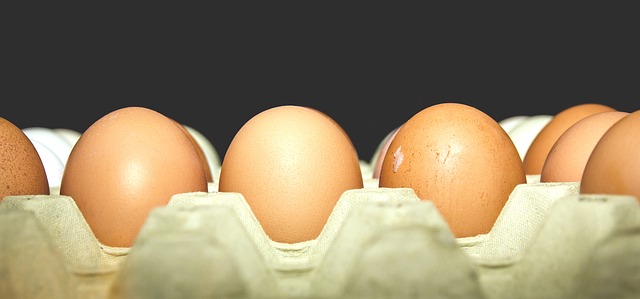
Is the carton of eggs in your refrigerator part of the biggest egg recall since 2010?  Rose Acre Farms has voluntarily recalled 206,749,248 eggs after 22 people became ill with salmonella after consuming their products. The eggs were delivered to grocery stores and restaurants (including Waffle House) in these states:


  • Colorado

  • Florida

  • New Jersey

  • New York

  • North Carolina

  • Pennsylvania

  • South Carolina

  • Virginia

  • West Virginia


Eggs laid by hens at the Hyde County, North Carolina facility have all been recalled due to the possibility of contamination with Salmonella Braenderup. The FDA is currently investigating by inspecting the facility and interviewing those who have become ill.


The Mayo Clinic notes. “While an egg’s shell may seem to be a perfect barrier to contamination, someinfected chickens produce eggs that contain salmonella before the shell is even formed.


The horrific conditions at some factory farms can contribute to infected hens. In fact, the risk of salmonella with factory-farmed hens is 5 times higher than with organic, free-range chickens. (source)


It’s important to note that not everyone is in a situation where they can raise their own hens. But if you can’t, you can look for eggs from reputable farms, local markets, and opt for organic, free-range to avoid the likelihood of illness. If your budget is too tight for organic eggs, be sure to cook them thoroughly before eating them and don’t sample cookie dough or make homemade sauces with raw eggs.


What is salmonella?


For most, salmonella isn’t a deadly infection, but for those with compromised immune systems, the very young, or the elderly, it can be fatal. The Mayo Clinic says:


Salmonella infection (salmonellosis) is a common bacterial disease that affects the intestinal tract. Salmonella bacteria typically live in animal and human intestines and are shed through feces. Humans become infected most frequently through contaminated water or food.


Typically, people with salmonella infection have no symptoms. Others develop diarrhea, fever and abdominal cramps within eight to 72 hours. Most healthy people recover within a few days without specific treatment.


Salmonella infection is usually caused by eating raw or undercooked meat, poultry, eggs or egg products. The incubation period ranges from several hours to two days. Most salmonella infections can be classified as stomach flu (gastroenteritis). Possible signs and symptoms include:


  • Nausea

  • Vomiting

  • Abdominal cramps

  • Diarrhea

  • Fever

  • Chills

  • Headache

  • Blood in the stool


Signs and symptoms of salmonella infection generally last two to seven days. Diarrhea may last up to 10 days, although it may take several months before bowels return to normal. (source)


Common foods that contain raw egg are cookie dough, homemade ice cream, eggnog, hollandaise sauce, and homemade mayonnaise.


These brands have been recalled.


Food Safety News has provided a list of the eggs that have been recalled:


COUNTRY DAYBREAK A LARGE X 30 DOZEN077236000302
COUNTRY DAYBREAK A LARGE X15 DOZEN077236000302
COUNTRY DAYBREAK A JUMBO X24 DOZEN077236000500
COUNTRY DAYBREAK A MEDIUM X30 DOZEN077236000203
COUNTRY DAYBREAK A XLARGE X30 DOZEN077236000401
COUNTRY DAYBREAK A JUMBO X12 DOZEN077236000500
FOOD LION A JUMBO X 12 DOZEN035826089618
FOOD LION A MEDIUM X15 DOZEN035826089649
FOOD LION A XLARGE X 15 DOZEN035826089625
FOOD LION A 18PK LARGE X15 DOZEN035826089601
FOOD LION A LARGE X15 DOZEN035826089588
FOOD LION A 6PK LARGE X 15 DOZEN035826089632
LOOSE A USDA SMALL X 30 DOZENN/A
LOOSE A USDA MEDIUM X 30 DOZENN/A
LOOSE A XLARGE X15 DOZENN/A
LOOSE A XLARGE X30 DOZENN/A
LOOSE A MEDIUM X 15 DOZENN/A
LOOSE A MEDIUM X30 DOZENN/A
LOOSE USDA AA XLARGE X30 DOZENN/A
LOOSE USDA AA XLARGE X15 DOZENN/A
LOOSE USDA AA LARGE X30 DOZENN/A
LOOSE USDA AA LARGE X15 DOZENN/A
LOOSE USDA AA MEDIUM X30 DOZENN/A
LOOSE AA XLARGE X30 DOZENN/A
LOOSE USDA AA LARGE PFG X 30 DOZENN/A
LOOSE USDA AA LARGE PFG X 15 DOZENN/A
LOOSE USDA A XLARGE X30 DOZENN/A
NELMS A JUMBO X24634181000018
WAFFLE HOUSE LOOSE USDA A LARGE X 30 DOZENN/A
CRYSTAL FARMS A MEDIUM X30077236000203
CRYSTAL FARMS A 18PK MEDIUM X 30077236000258
CRYSTAL FARMS A 2.5 DOZ MEDIUM X 25077236000124
COUNTRY DAYBREAK A XLARGE X15 DOZEN077236000401
COUNTRY DAYBREAK USDA GRADE A XLARGE X 240 DOZEN PULP077236700400
COUNTRY DAYBREAK USDA GRADE A LARGE RACK X 240 DOZEN PULP077236700301
COBURN FARMS A MEDIUM MP X 30 DOZEN051933182608
COBURN FARMS A LARGE X 30 DOZEN051933190801
COBURN FARMS A 18PK LARGE X 30 DOZEN051933182509
SUNSHINE FARMS A JUMBO X 12 DOZEN804879457336
GLENVIEW USDA AA LOOSE LARGE (6-2.5 FLATS) X 15 DOZENN/A
GLENVIEW USDA AA LOOSE LARGE (12-2.5 FLATS) X 30 DOZENN/A
GLENVIEW USDA AA LOOSE MEDIUM (6-2.5 FLATS) X 15 DOZENN/A
GLENVIEW USDA AA LOOSE XLARGE (6-2.5 FLATS) X 15 DOZENN/A
GLENVIEW USDA AA LOOSE MEDIUM (12-2.5 FLATS) X 30 DOZENN/A
GLENVIEW USDA AA LOOSE XLARGE (12-2.5 FLATS) X 30 DOZENN/A
GREAT VALUE GRADE A USDA 18PK XLARGE X 24 DOZEN RPC078742127132
GREAT VALUE GRADE A USDA 12PK XLARGE X 24 DOZEN RPC078742127128
GREAT VALUE GRADE A USDA TWIN 18PK LARGE X 24 DOZEN RPC078742127101
GREAT VALUE GRADE A USDA 6PK LARGE X 15 DOZEN078742127095
GREAT VALUE GRADE A USDA 12PK MEDIUM X 15 DOZEN078742127224
GREAT VALUE GRADE A USDA 12PK LARGE X 24 DOZEN RPC078742127071
GREAT VALUE GRADE A USDA 18PK LARGE X 24 DOZEN RPC078742127088
GREAT VALUE GRADE A 12PK JUMBO X 22 DOZEN RPC078742127149
GREAT VALUE GRADE A USDA 5DZ LARGE X 5 DOZEN078742127118

If you have these eggs, you can return them to where they were purchased for a full refund.


The post Massive Egg Recall: Are Your Store-bought Eggs on This List? appeared first on The Sleuth Journal.

Massive Egg Recall: Are Your Store-bought Eggs on This List?

Massive Egg Recall: Are Your Store-bought Eggs on This List? | eggs-in-carton | General Health Special Interests US News


Is the carton of eggs in your refrigerator part of the biggest egg recall since 2010?  Rose Acre Farms has voluntarily recalled 206,749,248 eggs after 22 people became ill with salmonella after consuming their products. The eggs were delivered to grocery stores and restaurants (including Waffle House) in these states:


  • Colorado

  • Florida

  • New Jersey

  • New York

  • North Carolina

  • Pennsylvania

  • South Carolina

  • Virginia

  • West Virginia


Eggs laid by hens at the Hyde County, North Carolina facility have all been recalled due to the possibility of contamination with Salmonella Braenderup. The FDA is currently investigating by inspecting the facility and interviewing those who have become ill.


The Mayo Clinic notes. “While an egg’s shell may seem to be a perfect barrier to contamination, someinfected chickens produce eggs that contain salmonella before the shell is even formed.


The horrific conditions at some factory farms can contribute to infected hens. In fact, the risk of salmonella with factory-farmed hens is 5 times higher than with organic, free-range chickens. (source)


It’s important to note that not everyone is in a situation where they can raise their own hens. But if you can’t, you can look for eggs from reputable farms, local markets, and opt for organic, free-range to avoid the likelihood of illness. If your budget is too tight for organic eggs, be sure to cook them thoroughly before eating them and don’t sample cookie dough or make homemade sauces with raw eggs.


What is salmonella?


For most, salmonella isn’t a deadly infection, but for those with compromised immune systems, the very young, or the elderly, it can be fatal. The Mayo Clinic says:


Salmonella infection (salmonellosis) is a common bacterial disease that affects the intestinal tract. Salmonella bacteria typically live in animal and human intestines and are shed through feces. Humans become infected most frequently through contaminated water or food.


Typically, people with salmonella infection have no symptoms. Others develop diarrhea, fever and abdominal cramps within eight to 72 hours. Most healthy people recover within a few days without specific treatment.


Salmonella infection is usually caused by eating raw or undercooked meat, poultry, eggs or egg products. The incubation period ranges from several hours to two days. Most salmonella infections can be classified as stomach flu (gastroenteritis). Possible signs and symptoms include:


  • Nausea

  • Vomiting

  • Abdominal cramps

  • Diarrhea

  • Fever

  • Chills

  • Headache

  • Blood in the stool


Signs and symptoms of salmonella infection generally last two to seven days. Diarrhea may last up to 10 days, although it may take several months before bowels return to normal. (source)


Common foods that contain raw egg are cookie dough, homemade ice cream, eggnog, hollandaise sauce, and homemade mayonnaise.


These brands have been recalled.


Food Safety News has provided a list of the eggs that have been recalled:


COUNTRY DAYBREAK A LARGE X 30 DOZEN077236000302
COUNTRY DAYBREAK A LARGE X15 DOZEN077236000302
COUNTRY DAYBREAK A JUMBO X24 DOZEN077236000500
COUNTRY DAYBREAK A MEDIUM X30 DOZEN077236000203
COUNTRY DAYBREAK A XLARGE X30 DOZEN077236000401
COUNTRY DAYBREAK A JUMBO X12 DOZEN077236000500
FOOD LION A JUMBO X 12 DOZEN035826089618
FOOD LION A MEDIUM X15 DOZEN035826089649
FOOD LION A XLARGE X 15 DOZEN035826089625
FOOD LION A 18PK LARGE X15 DOZEN035826089601
FOOD LION A LARGE X15 DOZEN035826089588
FOOD LION A 6PK LARGE X 15 DOZEN035826089632
LOOSE A USDA SMALL X 30 DOZENN/A
LOOSE A USDA MEDIUM X 30 DOZENN/A
LOOSE A XLARGE X15 DOZENN/A
LOOSE A XLARGE X30 DOZENN/A
LOOSE A MEDIUM X 15 DOZENN/A
LOOSE A MEDIUM X30 DOZENN/A
LOOSE USDA AA XLARGE X30 DOZENN/A
LOOSE USDA AA XLARGE X15 DOZENN/A
LOOSE USDA AA LARGE X30 DOZENN/A
LOOSE USDA AA LARGE X15 DOZENN/A
LOOSE USDA AA MEDIUM X30 DOZENN/A
LOOSE AA XLARGE X30 DOZENN/A
LOOSE USDA AA LARGE PFG X 30 DOZENN/A
LOOSE USDA AA LARGE PFG X 15 DOZENN/A
LOOSE USDA A XLARGE X30 DOZENN/A
NELMS A JUMBO X24634181000018
WAFFLE HOUSE LOOSE USDA A LARGE X 30 DOZENN/A
CRYSTAL FARMS A MEDIUM X30077236000203
CRYSTAL FARMS A 18PK MEDIUM X 30077236000258
CRYSTAL FARMS A 2.5 DOZ MEDIUM X 25077236000124
COUNTRY DAYBREAK A XLARGE X15 DOZEN077236000401
COUNTRY DAYBREAK USDA GRADE A XLARGE X 240 DOZEN PULP077236700400
COUNTRY DAYBREAK USDA GRADE A LARGE RACK X 240 DOZEN PULP077236700301
COBURN FARMS A MEDIUM MP X 30 DOZEN051933182608
COBURN FARMS A LARGE X 30 DOZEN051933190801
COBURN FARMS A 18PK LARGE X 30 DOZEN051933182509
SUNSHINE FARMS A JUMBO X 12 DOZEN804879457336
GLENVIEW USDA AA LOOSE LARGE (6-2.5 FLATS) X 15 DOZENN/A
GLENVIEW USDA AA LOOSE LARGE (12-2.5 FLATS) X 30 DOZENN/A
GLENVIEW USDA AA LOOSE MEDIUM (6-2.5 FLATS) X 15 DOZENN/A
GLENVIEW USDA AA LOOSE XLARGE (6-2.5 FLATS) X 15 DOZENN/A
GLENVIEW USDA AA LOOSE MEDIUM (12-2.5 FLATS) X 30 DOZENN/A
GLENVIEW USDA AA LOOSE XLARGE (12-2.5 FLATS) X 30 DOZENN/A
GREAT VALUE GRADE A USDA 18PK XLARGE X 24 DOZEN RPC078742127132
GREAT VALUE GRADE A USDA 12PK XLARGE X 24 DOZEN RPC078742127128
GREAT VALUE GRADE A USDA TWIN 18PK LARGE X 24 DOZEN RPC078742127101
GREAT VALUE GRADE A USDA 6PK LARGE X 15 DOZEN078742127095
GREAT VALUE GRADE A USDA 12PK MEDIUM X 15 DOZEN078742127224
GREAT VALUE GRADE A USDA 12PK LARGE X 24 DOZEN RPC078742127071
GREAT VALUE GRADE A USDA 18PK LARGE X 24 DOZEN RPC078742127088
GREAT VALUE GRADE A 12PK JUMBO X 22 DOZEN RPC078742127149
GREAT VALUE GRADE A USDA 5DZ LARGE X 5 DOZEN078742127118

If you have these eggs, you can return them to where they were purchased for a full refund.


The post Massive Egg Recall: Are Your Store-bought Eggs on This List? appeared first on The Sleuth Journal.

Tuesday, September 19, 2017

7 Clever Ways To Repurpose Egg Cartons On The Homestead

7 Clever Ways To Repurpose Egg Cartons On The Homestead

Image source: Pixabay.com


Egg cartons are a common item that are too often thrown away when we’re done using them. They have multiple uses, many of which are related directly to the homestead or survival.


The next time you run out of eggs in your carton, save that carton rather than tossing it. Here are 10 reasons why:


1. Starting seeds.


Fill up each space on your egg carton with soil and a little water, and then plant your seeds in there to germinate. When the seeds begin to grow into a plant, transport it to another bowl or container, or out in the garden.


2. Storage.


This is hopefully the most obvious alternative use for an egg carton. After it’s been used to store your eggs, what’s to stop it from being used to store small items: beads, jewelry, screws and nails, beans or grains? If it’s too unsightly for the homestead, then use it in the shed or barn.


3. Package padding.


If you have any small valuable items that need to be protected while being transported, a combination of bubble wrap and an egg carton is a great way to ensure that this can be done.


Discover More Than 1,100 Homesteading Tips And Tricks!


Wrap your item in bubble wrap and then place it inside the egg carton. Secure the carton shut for transportation.


4. Ice tray.


7 Clever Ways To Repurpose Egg Cartons On The Homestead

Image source: Pixabay.com


Styrofoam egg trays can double as ice trays for an off-gird shelter. It’s imperative that the egg tray is washed and cleaned before setting ice in it, or else the ice can stick and be nearly impossible to remove.


5. Firestarter.


Cardboard egg cartons make great fuel for a fire, especially when melted wax is poured on top.  It will be lighted up quickly and can hold a flame for a relatively long period of time. This can either be done in a wilderness survival situation or in your home.


6. Paint palette.


Each space in your egg carton can be used as a place to store individual colors for paint. It’s not a true survival use, but in the homestead, it can work wonders.


7. Eggs.


Finally, we’ll end with the most obvious use for an egg carton: reusing it as an egg carton! If you raise any chickens on your property, you’ll need to store the hens’ eggs somewhere. Reuse old and clean cartons for storing these new eggs.


What uses for egg cartons would you add to our list? Share your ideas in the section below:


Harness The Power Of Nature’s Most Remarkable Healer: Vinegar

Monday, September 11, 2017

WARNING: Resistant Head Lice On The Rise, Docs Urge Prescriptions Meds


lice


Head lice: a giant pain in the backsides of parents taking their children into public and an annoyingly itchy irritating parasite that must be eliminated. But the new super lice could present a problem with treatments and has become much more daunting over the past years. Yet, there’s a solution…


According to Today the effectiveness of over the counter preparations had declined to 25 percent, a level described as being “no better than placebo.” Even with “nit combing,” the process of removing some of the younger and recently hatched lice from the hair follicle, according to a  review article published in Pediatric Dermatology late last year found that the tedious process is as effective as a placebo. Worse, even higher doses of the over the counter product aren’t any more effective, researchers said.


But a prescription doesn’t necessarily equate to efficacy, and there is something that can help.  Doctors are now saying that the treatments are not effective because they aren’t done properly and with dedication.  They are done with lazy impatience making prescription medications the only avenue for frustrated parents.


Dr. Kenneth Polin became aware of the growing problem of “head lice” resistance more than two decades ago (20 years) when his 5-year-old daughter came home with lice. “We used the over-the-counter stuff and it didn’t work,” said Polin, a pediatrician at Lurie Children’s Hospital of Chicago. “When we called the company, they blamed us, saying that the patient just didn’t know how to use the product.” But it does appear that working thoroughly to rid your child of lice without prescription interference will work in a very vast majority of cases. But this isn’t something a doctor wants one to know.  They obviously make money when a parent succumbs to the prescription method.


“We used the over-the-counter stuff and it didn’t work,” said Polin, a pediatrician at Lurie Children’s Hospital of Chicago. “When we called the company, they blamed us, saying that the patient just didn’t know how to use the product.” As the percentage of resistant lice has increased, Polin has adapted his advice to patients. “I tell families not to bother with the over-the-counter stuff,” he said. “It’s not consistently effective. I recommend prescription medications.” The prescription medications are “very safe,” Polin said. “And they are all very effective. I’ve not seen any resistance personally and I’ve not seen anything about resistance in the medical journals either.”-Today


What most parents miss, however, is that cleaning of all bed sheets, clothes, and rugs should be done as well to ensure there is no passage of lice to other family members or visitors. A thorough treatment of all possibly infected areas will kill the lice. 


It’s also important to clean up all bed linens and coats, Polin said, adding that sometimes lice [is often]spread by jumping from one child’s coat to that of another. Another solution to the problem of lice that have jumped from the child onto household furniture and fabrics is to spend the night in a hotel. “Off the human body lice they can’t live more than a day,” he explained.


There may be some good news on the horizon, said Kyong Sup Yoon, an assistant professor in the department of biological sciences and environmental sciences at Southern Illinois University Edwardsville. Yoon was coauthor of a 2016 study showing that resistant strains had spread to nearly every state as well as the 2016 review. “Currently, several companies are in the process of developing new pediculicides,” Yoon said. “I hope this will give us some options to implement more efficient resistance management.” -Today


Doctors want parents dependent on the medical system to treat lice on children.  With diligence and a dedication to your child’s health, however, you should be able to help your child beat the odds and become lice free without medical interference.


Click here to subscribe: Join over one million monthly readers and receive breaking news, strategies, ideas and commentary.

Gas Masks, Filters, Body Suits, Anti Radiation Pills

Please Spread The Word And Share This Post


Author: Mac Slavo
Views: Read by 184 people
Date: September 11th, 2017
Website: www.SHTFplan.com


Copyright Information: Copyright SHTFplan and Mac Slavo. This content may be freely reproduced in full or in part in digital form with full attribution to the author and a link to www.shtfplan.com. Please contact us for permission to reproduce this content in other media formats.


Tuesday, September 5, 2017

Simple Tricks For Raising The Healthiest Backyard Eggs

Simple Tricks For Raising THE Healthiest Backyard Eggs

Image source: Pixabay.com


We’ve all heard it before: Dark yellow yolks are a sign of healthy, nutrient-rich, farm fresh eggs. If you’re raising chickens for eggs, you likely already know that just about any egg will taste better than its commercial equivalent, but how do you make sure your hens are producing the healthiest eggs possible for your family?


Here’s six ways to ensure your chickens are producing the healthiest eggs possible:


1. Put them out to pasture.


A 2007 study found that truly free-range chickens, raised in backyards and on small farms, produce eggs far more nutritious than the USDA’s standard for commercial eggs. Compared to an industrially farmed eggs, home-raised eggs from chickens allowed to forage naturally contained:


  • 1/3 less cholesterol

  • 1/4 less saturated fat

  • 2/3 more vitamin A

  • 2 times more Omega-3 fatty acids

  • 3 times more vitamin E

  • 7 times more beta carotene

What’s the difference? Home-raised chickens that are allowed to roam and forage freely have a leg up on commercially raised “free-range” competition. Eggs labeled free-range are legally required to be allowed outside space, but often that outside space is a fenced-in concrete slab with no forage and nothing to entice a chicken off its comfortable indoor perch. Eggs from chickens allowed to free range, even in a small backyard or chicken run, generally have access to bugs, and get an extra protein, calcium and trace mineral boost from a readily digestible source.


2. Provide fresh greens.


On a stale diet of commercial feed, chickens are receiving all of their nutrition from corn, soy and mineral powders. Corn and soy provide everything a chicken needs to survive, but baseline survival will not get you the best possible eggs. Science is just beginning to understand that all fat molecules are not created equally nutritionally, especially when it comes to omega fatty acids. Seed sources of omega fatty acids such as corn and soy provide omega-6, whereas grass sources provide a much harder-to-come-by form, omega-3.


Get Diatomaceous Earth Here! It’s The Time-Tested Way To Get Rid Of Bugs


As it turns out, the ratio of omega-3 to omega-6 in your diet is more important than the total quantity consumed, and it’s hard to keep that ratio in a healthy balance. By feeding your chickens green sources, rather than just seed sources of omegas, you’re enriching their eggs with a higher percentage of omega-3s and helping to balance out your family’s ratios through healthier fats in your egg yolks.


3. Supplement with herbs.


Simple Tricks For Raising THE Healthiest Backyard Eggs

Image source: Pixabay.com


Beyond fresh greens, incorporating fresh or dried herbs into your chicken’s diet can have profound results. Try these three for starters:


  • Its aromatic qualities naturally repel rodents, and mint contains compounds that naturally help keep both human and animals cool in hot weather. Growing mint in and around your chicken run can help keep fleas, ticks and disease-spreading rodents out while keeping your chickens naturally cooler in the summer as they graze on the leaves.

  • A natural antibiotic, oregano is used by commercial organic egg farmers to help keep their hens healthy. It’s currently being studied for its ability to combat diseases in poultry, including bronchitis, avian flu and coccidiosis. It’s also a natural source of antioxidants and vitamins E and K.

  • Fed as you would any fresh green, parsley contains a number of essential nutrients, including vitamins A, B C, E and K, as well as ample amounts of trace nutrients such as zinc magnesium, calcium and selenium. It also naturally encourages healthy blood vesicle development, which can mean better nutrient transfer from the chicken to your eggs inside the oviduct.

4. Keep a low-stress environment.


There’s a reason cowards are called “chicken” in our society. Chickens are naturally predisposed to the “flight” part of the “fight or flight” response. They don’t have a lot of natural defenses, and unfortunately for them, they’re quite delicious to just about any able-bodied predator. Environmental stressors such as neighborhood dogs, wild predators, extreme heat or cold can cause chickens to lay malformed eggs in the short term, and can make the chickens susceptible to disease in the long term.


5. Manage your sex ratios.


In many places in the country it’s illegal to keep roosters, which is a shame for the health and productivity or your layers. Many people believe that hens will put more nutrients into fertile eggs, but the science behind that is mixed. The real reason roosters are important (other than for making chicks) is that a gentle, well-behaved gentleman rooster keeps the ladies happier. He guards them and helps them feel safe to lower stress, and he has a specialized noise to call the ladies when he finds a particularly rich source of food out free-ranging. Roosters also help to naturally manage the flock hierarchy, breaking up fights between the hens, and preventing any one female from becoming too dominant over her sister hens. All of these things contribute to happier, healthier hens and as a result, more nutritious eggs.


6. Don’t wash your eggs.


Of course, no one wants a dirty egg, but the best way to prevent dirty eggs is with clean nesting boxes, not by erasing the dirt after the fact by washing them. Eggs have a natural coating on the outside of the shell that allows air in for the developing embryo, but keeps germs and spoiling bacteria out. When you wash eggs, you’re washing that protective coating off and allowing your eggs potentially to become contaminated by just about anything in their environment. Unwashed eggs can be kept at room temperature, sometimes for months at a time in cooler seasons, whereas washed eggs will rapidly spoil outside the fridge. If you truly want the healthiest eggs, keep bacteria out and nutrients in by either not washing your eggs, or only washing them right before use.


What advice would you add on helping chickens produce the healthiest eggs? Share your tips in the section below:


Harness The Power Of Nature’s Most Remarkable Healer: Vinegar

Tuesday, August 8, 2017

Investigation Brews over Insecticide-Tainted Eggs Distributed Throughout U.K.

Eggs contaminated with a potentially harmful insecticide were imported from Europe and have been distributed throughout the United Kingdom and other countries, according to England’s Food Standards Agency (FSA). [1]


The number of eggs containing the insecticide fipronil, used in flea and tick products, is thought to be very small, thank goodness, but grocers in Germany, the Netherlands, Belgium, Sweden, and Switzerland have had to pull millions of eggs from store shelves as a precaution.


It is believed that fipronil was used on chickens in Belgium.


The FSA claims the risk to human health is extremely low.


The agency said:


“The number of eggs involved represents about 0.0001% of the eggs imported into the UK each year.


Our risk assessment, based on all the information available, indicates that as part of a normal healthy diet this low level of potential exposure is unlikely to be a risk to public health and there is no need for consumers to be concerned.”


The FSA said that based on the findings of its investigation so far, the affected eggs are no longer available for purchase.


The contamination was kept a secret for weeks and did not trigger the European Union’s (EU) international food safety alert system, allegedly due to a fraud investigation.


Belgium’s agriculture minister said he had ordered the country’s food safety agency to explain why it waited until July 20, 2017 to inform neighboring countries of the problem, when it was aware of the problem back in June.


A criminal investigation has been launched.


Food security expert, professor Chris Elliott, said:


“The report indicated that it (fipronil) should not be used in any food-producing animal of any description, so the Belgian authorities are following a line of investigation to say that there was illegal use… it was actually some serious fraud that was happening somewhere between Belgium and the Netherlands.


All of the information from the food safety authorities right across Europe is that consuming the eggs is not going to endanger anybody’s health.


I’m confident wherever you are in Europe or in the UK, enjoy your eggs.”


Fipronil is considered by the World Health Organization (WHO) to be moderately toxic to humans. The pesticide can damage the kidneys, liver, and lymph glands, and may cause symptoms such as nausea, vomiting, and eye irritation. [2]


The FSA said on its website:


“The government has already taken action to prevent any risk to UK consumers by adding fipronil to its robust surveillance program in UK farms.


We have no evidence that eggs laid in the UK are contaminated or that fipronil has been used inappropriately in the UK. Eighty-five per cent of the eggs we consume in the UK are laid here.”


Several million hens may need to be killed at 150 companies in Belgium, a Dutch farming company has said. About 300,000 have already been put down. [1]


Sources:


[1] Sky News


[2] Independent


Storable Food


About Julie Fidler:
Author Image
Julie Fidler is a freelance writer, legal blogger, and the author of Adventures in Holy Matrimony: For Better or the Absolute Worst. She lives in Pennsylvania with her husband and two ridiculously spoiled cats. She occasionally pontificates on her blog.

Wednesday, May 17, 2017

How Eating Animal Products Could Make Blood More Likely to Clot

Researchers announced in April that they may have figured out how eating meat causes heart disease. The nutrient choline, an essential nutrient found in meat and eggs, may feed a certain gut bacteria which produce a compound that makes blood sticky and prone to form blood clots. These blood clots can lead to heart attacks and strokes. [1]


The study, led by Dr. Stanley Hazen of the Cleveland Clinic, was a small but intense one involving 18 participants – 8 who were either vegans or vegetarians and 10 who routinely ate meat, dairy, and eggs. Each volunteer was given a supplement of 500 mg of choline per day. The recommended daily choline intake for women is 425 mg, and for men it’s 550 mg.


After a month, the participants’ blood levels of a compound called trimethylamine N-oxide (TMAO) rose 10-fold. Tests showed that their blood became much more likely to form clots, leading the team to surmise that “TMAO supercharges platelet function.” Hazen added:


“What is clear from this study is if you increase the choline in your diet, the TMAO level goes up and that changes your platelet function.” [1]


Source: Scripps

Both the vegans and the vegetarians had significantly lower choline levels at the beginning of the study than the meat-eaters did. Their levels were still much lower than the meat-eaters’ after taking choline supplements.


Read: 5 Benefits of Reducing Meat Consumption


The researchers did not find, however, that the volunteers who took the choline supplements had an actual higher risk of heart disease. The study did not last long enough or include enough participants to demonstrate such a conclusion.


But they did discover that other compounds found in animal products had a similar effect on gut bacteria. The team wrote:


“We previously showed gut microbial production of trimethylamine N-oxide (TMAO) from dietary nutrients like choline, lecithin, and L-carnitine is linked to the development of cardiovascular diseases.” [1]


Source: VitaCholine

The scientists also found that taking low-dose aspirin seemed to reduce the stickiness of platelets and also reduced the choline-associated increases in TMAO and platelet clotting, although it didn’t completely eliminate them. The finding is of particular concern for people who are at an elevated risk for cardiovascular problems, whose increased risk of blood clots may not be overcome by low-dose aspirin. [2]


It also got the researchers to thinking that it might be worthwhile to study whether low-dose aspirin might help otherwise healthy people who have high levels of TMAO in their blood. First things first, though – they need to figure out why aspirin seems to lower TMAO before they can proceed. Besides, aspirin can cause its own slate of health problems.


So, what is the best way to avoid excess, clot-promoting choline? Well, the team isn’t recommending that people stop eating animal products, but they are urging people to avoid choline supplements. Hazen says:


“Foods that raise TMAO may increase your risk for clotting and thrombotic events. Unless prescribed by your doctor, avoid supplements with choline. A Mediterranean or vegetarian diet is reported to help reduce TMAO.” [1]


Mediterranean diets have a long history of being heart-healthy. There is no specific guide to follow when it comes to the eating pattern, but Mediterranean diets are rich in fruit, vegetables, beans, nuts, legumes, lean cuts of poultry and fish, and olive oil. Little to no red meat is included in the diet.


Previous studies have shown that olive oil consumption lowers the risk of heart disease. One study even showed that a Mediterranean diet may be more beneficial to people with high cholesterol than statin drugs.


Sources:


[1] NBC News


[2] Business Journal


Scripps


VitaCholine


Storable Food


About Julie Fidler:


Author Image
Julie Fidler is a freelance writer, legal blogger, and the author of Adventures in Holy Matrimony: For Better or the Absolute Worst. She lives in Pennsylvania with her husband and two ridiculously spoiled cats. She occasionally pontificates on her blog.

Thursday, May 11, 2017

Are Food Allergies Increasing? Experts Say They Just Don’t Know

More Americans claim to have food allergies than ever before, but a report published in 2016 from the National Academy of Sciences says that it’s hard to know how many people in the U.S. actually have food allergies. Although many healthcare professionals involved in patient care agree that an increase has occurred, specifying its actual extent is complicated by factors such as inconsistent data or studies that use variable methods.


Part of the problem is that many people self-diagnose and can easily misinterpret their symptoms. Food allergies can be mistaken for gluten sensitivity or lactose intolerance, e.g., neither of which fits the medical definition of an allergy. [1]


Dr. Virginia Stallings, a board-certified nutrition pediatrician at the Children’s Hospital of Philadelphia and the chair of the committee that wrote the report, said:


“There are a lot of misconceptions about what a food allergy is.”


One of the ways in which a misinterpretation arises is when parents introduce milk or another new food into their child’s diet, and then see that the child has an upset stomach or other gastrointestinal symptoms. These symptoms could indicate lactose intolerance, but the parents may suspect a food allergy. In reality, food intolerance and food allergy are two different conditions.


Stallings said:


“The reason food allergy symptoms are often confused with other [conditions] such as lactose intolerance is because there’s an overlap in some of the symptoms.”


The panel estimated that about 5% of U.S. children have legitimate food allergies, and wrote that:


“Eight food groups are considered to be major allergens. These are milk, egg, peanut, tree nuts, wheat, soy, fish, and crustacean shellfish.” [2]


Stallings added:


“Questions persist about whether food allergy prevalence has been on the rise within the past two decades and why. The current data do not unequivocally support the occurrence of such a rise.”


The Definition of a Food Allergy


Allergies are caused by an immune response to a normally-harmless food or other substance. Allergies typically cause hives and swelling or gastrointestinal distress. Severe food allergies can be life-threatening. In contrast, someone with lactose intolerance can’t easily digest the natural sugar in milk, and the condition is not life-threatening – just highly uncomfortable. [1]


Source: Personal Health News

As the American Academy of Pediatrics points out, “while lactose intolerance can cause a great deal of discomfort, it will not produce a life-threatening reaction such as anaphylaxis.” [1]


Anaphylaxis (severe allergic reaction) can cause someone to go into shock within seconds or minutes of contact with the food or substance (latex, e.g.) that he or she is allergic to. A sudden drop in blood pressure occurs; and the airways narrow, which blocks normal breathing. Other symptoms of anaphylactic shock can include a rapid, weak pulse a skin rash, and nausea and vomiting. [3]


Read: 18 Million Americans Suffer from Gluten Intolerance


Another problem making it difficult to determine how many people have food allergies is the fact that diagnosing food allergies can be complicated. Stallings said that there’s no single skin or blood test that lets physicians accurately determine whether a person has an allergy to a specific food. [1]


Advice for Parents


Parents should seek immediate medical attention if their child’s lips swell or the child has difficulty breathing. When the symptoms are milder, parents should see an expert, such as a pediatric allergist, instead of declaring that the child has an allergy.


Bruce Lanser, who directs the pediatric food allergy program at National Jewish Health in Denver, said:


“We unfortunately see kids avoiding a food unnecessarily because of some fear of a potential allergy.”


The best diagnostic tool at experts’ disposal is an oral food challenge, according to Lanser. Under medical supervision, patients eat small amounts of the food they are suspected of being allergic to. Lanser explained:


“We start with a small amount of food and slowly give increasing doses up to a full serving.”


If the patient has a reaction during the test, “obviously we stop and treat,” he said.


The authors of the report wrote:


“The patient’s medical history and other test results, such as from a skin prick test, can suggest the likelihood of a food allergy, but in some cases an oral food challenge – which involves a gradual, medically supervised ingestion of increasingly larger doses of the food being tested as a possible allergen – is needed to confirm diagnosis. ” [2]


That’s a lot of work to confirm an allergy, so people often just go on a hunch.


Lanser said he tests his patients once a year to see if they’ve outgrown their food allergies. And they often have. Said Lanser:


“Milk and egg allergy are commonly outgrown. About 1 in 5 people outgrow their peanut allergy.” [1]


Food Allergy Safety – 4 Recommendations


The authors of the new report recommend more research to determine the prevalence of food allergies. The report also includes many recommendations for addressing food-allergy safety:


  • 1. Kids who have severe symptoms of a food allergy may require an epinephrine injection. In many schools, only a school nurse is trained to give shots. The report recommends that other administrators and teachers also be trained to administer epinephrine in case of emergency.

  • 3. Health professionals and the public should receive better education concerning differences between true food allergies and other disorders (lactose intolerance and gluten sensitivity, e.g.) that are often mistaken for allergies.

  • 4. Restaurant workers, first responders, and others should receive better training in helping people avoid foods they’re allergic to, and in treating severe allergic reactions with epinephrine, often sold as an EpiPen. [4]

Sources:


[1] NPR


[2] NBC News


[3] Mayo Clinic


[4] The Boston Globe


Personal Health News


Storable Food


About Mike Barrett:


Author Image
Mike is the co-founder, editor, and researcher behind Natural Society. Studying the work of top natural health activists, and writing special reports for top 10 alternative health websites, Mike has written hundreds of articles and pages on how to obtain optimum wellness through natural health.

Wednesday, April 19, 2017

Just About Everything You’ve Heard About Eggs Is Wrong

Just About Everything You’ve Heard About Eggs Is Wrong

Image source: Pixabay.com


The American Egg Board launched “the incredible, edible egg” as its marketing slogan in 1976, and then five years ago it aired a new version in radio, TV and social media. Long maligned as a contributing cause of high cholesterol and heart disease, the egg actually is an incredible source of nutrition.


With no sugar and no carbs, the lowly chicken egg is an inexpensive source of high quality protein.


In addition to six grams of protein, an egg contains vitamin A, which is needed for the healthy cellular development; vitamin B12, which is important in the formation of red blood cells; all nine essential amino acids; and choline, which helps the body’s nerve, muscle and liver function. No wonder many nutritionists describe eggs as nature’s large vitamin pills.


Eating eggs boosts:


  1. Brain function.

  2. Bone development.

  3. Immune function.

  4. Memory

  5. Vision

Scientists also believe that pregnant mothers can boost the brain development of their babies by eating eggs.


New Capsule Protects You From Toxins And Pollutants!


Long-term studies have shown that the effect of regular egg consumption on blood cholesterol levels is minimal. Some studies also suggest that egg consumption actually may boost the amount of “good” cholesterol in healthy individuals and even help prevent some types of strokes.


According to the USDA, one large egg has about 186 mg of cholesterol — the entire amount of which is found in the egg yolk. If you are diabetic or have high cholesterol, you may want to eat only the egg whites. The white part of a large egg contains about 60 percent of the egg’s total protein content.


Healthy individuals, however, will benefit from the nutrition-dense egg yolk. The yolk contains fat-soluble nutrients like vitamins A. E, and D, choline and the carotenoids lutein/zeaxanthin.


The high-quality protein in an egg is important for building and maintaining lean body mass. It can reduce hunger, and, as a result, help in weight loss programs.


According to authors Karen Cicero and Colleen Pierre in their book The Giant Book of Kitchen Cures, athletes in heavy training can benefit from eating hard-boiled eggs. Research indicates the choline level in the blood can drop by as much as 450 percent after heavy exercise. The choline in eggs is a natural way of boosting blood choline levels.


The choline content in eggs also is beneficial to older adults in boosting memory retention.  Cicero and Pierre call eggs “single serving packages stuffed with easy-to-digest protein for maintaining muscle and building immunity against pneumonia and flu.”


Need more convincing about the benefits of eating eggs? Here are some other interesting facts:


1. Brown or white?


An egg’s shell color indicates the breed of the hen that laid it, and not its quality or nutritional value. White-feathered hens usually lay white eggs and hens with red feathered hens usually lay brown eggs.


2. Yolk color


Have you been tempted to throw away an egg with a yolk color different from what you are used to? Egg yolk color is determined by the hen’s diet and has nothing to do with nutritional value. A dark yellow yolk indicates a hen that ate green vegetables. A medium-yellow yolk reveals a diet of alfalfa and corn. A hen that lays an egg with a pale yellow yolk probably eats wheat and barley.


3. Shelf life


Just About Everything You’ve Heard About Eggs Is Wrong

Image source: Pixabay.com


Store-bought egg packages have a “sell by” date rather than an expiration date. Eggs usually are edible for up to four weeks after the “sell by” date. To gauge freshness, crack open an egg. If there is no unpleasant odor, it is OK to eat.


4. Label terms


  • Free-range hens have roamed outdoors at some point, but there is no regulation on how long they have been outside.

  • Cage-free eggs usually are from hens that roam a barn or warehouse. Actual living conditions can vary widely.

  • Certified organic eggs are from hens that have some outdoor access and that eat an organic vegetarian diet free of pesticides, animal by-products, or GMOs.

  • The USDA grades eggs as AA, A or B based on quality and appearance, not size or color. Grade AA eggs are nearly perfect with clean, uncracked shells, thick, firm whites and defect-free yolks. Grade A eggs are similar with slightly lower interior egg quality. Grade B eggs, which are not sold in supermarkets, may have slight stains and be irregular size or shape.

5. Refrigerate or not?


The USDA requires that eggs sold commercially in the U.S. must be power-washed. The washed eggs lose a natural membrane and therefore must be refrigerated. Eggs sold in much of the rest of the world are not power washed and thus, they retain a natural membrane that allows them to be stored at room temperature.


The average American eats 250 eggs per year, which adds up to a total consumption of 76.5 billion eggs. With their high nutritional value and their versatility as main courses, in salads and sandwiches and in myriads of recipes, eggs truly are incredible.


Sources


www.eggnutritioncenter.org


www.incredibleegg.org


Cicero, Karen. Giant book of kitchen counter cures. Jerry Baker publisher, 2001. Print.

Friday, February 3, 2017

The Easier-Than-Chicken, Egg-Laying Bird You Can Raise Indoors

The Easier-Than-Chicken, Egg-Laying Bird You Can Raise Indoors

Image source: Pixabay.com


Keeping backyard chickens is a great way to begin your journey toward self-sufficiency, but the term “backyard chickens” implies that you have a backyard. What if you’re living in a small apartment, hoping perhaps one day to move to land, but wishing you could get experience to try your hand at it before you commit?


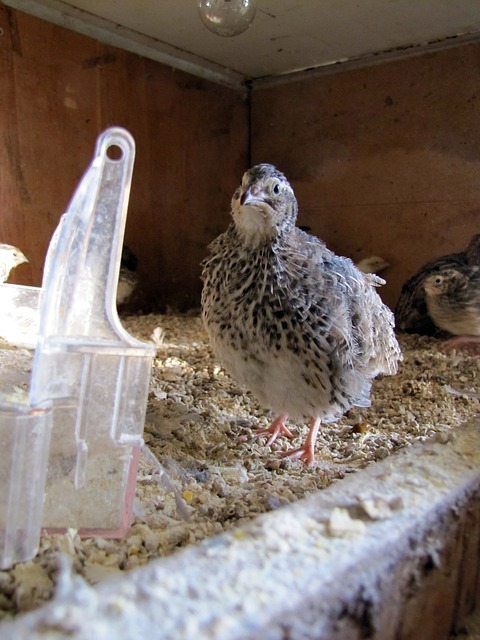
Quail are a great and easy way to get started with poultry and experience the independence of raising your own eggs and meat, without the need for anything more than a small bit of indoor space. Simple rabbit hutches with wire floors and solid trays beneath make excellent quail housing, and can be kept indoors anywhere you could keep either rabbits or a domestic bird such as a parakeet. There’s even the occasional story of a country farm kid keeping quail in their college dorm room because they missed the fresh eggs and company of poultry.


Housing & Space Requirements


Quail are very small animals, and the average bird is only 3.5 to 5.5 ounces (roughly 1/4 pound) and about five inches tall, though some commercial meat breeds can be as heavy as 12 ounces (3/4 pound). They’re mostly a ground foraging bird, and need floor space rather than high ceilings, which makes short but wide floored rabbit hutches an excellent housing choice. Shorter cages are actually preferred, as the low roof keeps them from trying to fly when startled, with may result in injury.


Wire floored cages with removable trays beneath are generally preferred because the droppings fall through the wire, keeping the quail clean and healthy. On solid floors, quail tend to stand in their feces and often eat them, spreading disease and parasites. To keep quail feet healthy, use no more than ¼-inch square wire for the floor. Quail are also often reluctant to use nesting boxes, so wire floors make it easier to find the eggs and keep them clean than with solid floors and bedding.


Diatomaceous Earth: The All-Natural Livestock De-Wormer


The Easier-Than-Chicken, Egg-Laying Bird You Can Raise Indoors

Image source: Pixabay.com


As a general rule, each quail needs 1 square foot of floor space, and should be kept at a ratio of 4-5 females to each male. Some people choose to keep their quail in lower ratios in smaller cages, and will put 3 females with 1 male in a standard 18 x 24-inch rabbit cage without issue. Keep in mind that at least 1 square foot is ideal, and smaller conditions could lead to stress for your birds.


Life Cycle


Quail egg incubation varies based on breed, but the most popular breed, the Coturnix, incubates for 16-18 days. Once hatched, the chicks reach maturity for meat or to begin laying eggs at 6-10 weeks. This compares to 21 incubation days for chicken eggs and no eggs laid until roughly 20 weeks. That means that your female quail will be laying for as many as 12 weeks while a chicken started at the same time is still growing and maturing.


It’s easy to see how they could be quickly reproduced to yield a large flock from just a small number of initial hatching eggs, with only roughly 12 weeks between generations.


Quail tend to live 2-4 years and can produce 200-250 eggs per year.


Feeding Quail


Quail are not common enough to have their own commercial food mix, but their nutritional requirements are similar to turkeys. They’re commonly fed turkey feed based on their life stage. Adult quail only need about 15-20 grams of food per day. Quail keepers commonly supplement their feed with small seeds (flax, etc.) and leafy greens to improve the nutritional quality of the eggs and encourage good health in the flock.


Egg Production


The Easier-Than-Chicken, Egg-Laying Bird You Can Raise Indoors

Image source: Pixabay.com


Quail tend to lay eggs at roughly the same rate as a heritage breed chicken, producing as many as 250 eggs per year starting at 6-10 weeks of age. They require 14-16 hours of daylight per day to lay, which is easy to provide indoors. While the main benefit of quail is the small size, which allows them to be kept indoors, it also means that their eggs are very small. It takes 5 quail eggs to equal 1 chicken egg in volume, although quail eggs are slightly more nutritious. Still, quail eggs peel easy as hard boiled eggs and make adorable deviled eggs or fried eggs on top of hamburger sliders. What they lack in size you’ll have to make up for in culinary creativity.


Meat Production 


Quail dress out at roughly 75 percent of their live weight, and the yield will depend on the size and breed of your original bird. Though they’re more attractive roasted with skin on, plucking is very time-consuming for the amount of meat produced; for small-scale home consumption it’s generally recommended to skin the birds rather than pluck them. Since they’re so small, a single serving is generally considered to be 2 birds per person. This may seem like a lot, but remember that they only take 6-8 weeks to reach harvesting size, meaning that even incubating eggs in small batches you’ll have plenty of meals.


Have you ever owned quail? Share your tips on raising them in the section below:


If You Like All-Natural Home Remedies, You Need To Read Everything That Hydrogen Peroxide Can Do. Find Out More Here.

Thursday, October 20, 2016

A Scientific First: Lab-Grown Eggs Produce Healthy Mice

The birth of baby mice made from eggs grown in a lab has sparked an ethical debate over whether the technique should ever be offered for humans by fertility clinics.

The experiment is a step up (or down, depending on how you look at it) from creating human organs from stem cells, which scientists at the University of Edinburgh successfully did for the first time in 2014.


Scientists created early-stage mouse eggs via 2 different experiments, 1 using stem cells, and 1 using skin cells from a mouse’s tail. These eggs were nurtured in the lab until they matured to the point that they could be fertilized by mouse sperm. [1]


Hundreds of embryos were made and implanted in female mice, leading to the birth of nearly a dozen healthy mouse pups. [2]


It will be many years before the procedure can be used in humans, but already researchers are looking to improve the process and make it safe enough to treat infertility, a problem affecting 1 in 6 couples.


Technologically speaking, it may someday be possible for fertility clinics to make viable eggs from the skin cells of an infertile woman.


The Experiments


science-research-embryo-stem-cell-680


According to Katsuhiko Hayashi at Japan’s Kyushu University, he and his colleagues first created some of the eggs from embryonic stem cells, and later from the skin tissue.


Out of 300 eggs, only 11 pregnancies ended in normal births. That’s just 3% of the embryos. [1]


Before the same process can be used to create human eggs and, later, human babies, scientists will have to overcome 2 major hurdles: the high failure rate, and potential risks to the young. [2]


When the team tested the artificial eggs made from stem cells, they found unusual patterns of gene expression in many of them, which suggests they did not develop the same way as normal eggs. Yet, more than 75% of the eggs made in the lab had the correct number of chromosomes. [1]


Creating mouse eggs in a petri dish is complicated work, and the team had to use ovary cells that support egg growth, Hayashi said. Originally, the scientists had reprogrammed stem cells to produce primordial germ cells, which give rise to eggs. However, they had to implant those cells into mice to finish developing into eggs in the ovary.


It’s not known how support cells in ovaries stimulate egg development. It may require something made by support cells or physical contact with them in order to fully mature.


Since scientists are not yet able to reproduce the supporting cells in a lab, so they need to get them from embryos. That could be another hurdle when trying to replicate the experiment in humans.


The (Far Off) Future


science-research-stem-cell-tissue-680


Azim Surani, a stem cell scientist at the Gurdon Institute at Cambridge University, who was not involved in the latest work, explained that it’s never too early to consider how this might be used to impregnate human females. [2]


He said:


“Ethically, this issue has yet to be discussed fully by scientists and society. This indeed is the right time to start a debate and involve the wider public in these discussions, long before, and in case, the procedure becomes feasible in humans.”


Some researchers warn that taking a crack at recreating a human embryo in the lab is a sure-fire way to omit important factors that have yet to be understood. Each lab-based manipulation introduces possible abnormalities, which make it a challenge to determine what factors are playing a crucial role. [1]


The report appears online in the October 17 edition of the journal Nature.


Yes, it will be years before lab-made eggs can be implanted in humans, but this takes humanity another step closer to creating “designer babies,” and the science behind this frightening prospect is developing rapidly.


In early 2016, scientists in Britain were cleared to start editing the genes of human embryos. Right now, the experiment is for the purpose of research. In the future, however, it could be used to create humans with certain genetic advantages over people born into the world with the help of nothing but nature.


And, just last month, scientists announced that the world’s first 3-parent baby was born in April.


Sources:


[1] Science Magazine (Featured image source)


[2] The Guardian


[3] Business Insider


Storable Food


About Julie Fidler:


Author Image
Julie Fidler is a freelance writer, legal blogger, and the author of Adventures in Holy Matrimony: For Better or the Absolute Worst. She lives in Pennsylvania with her husband and two ridiculously spoiled cats. She occasionally pontificates on her blog.