Showing posts with label vitamins. Show all posts

Tuesday, March 27, 2018

Police Mistook Her Vitamins For Drugs. She Then Spent 5 Months In Jail.

Police Mistook Her Vitamins For Drugs. She Then Spent 5 Months In Jail.

Image source: Pixabay.com


Rebecca Shaw spent five months in jail because a sheriff’s deputy conducted a field test that could not tell the difference between vitamins and oxycodone pills.


To make matters worse, it took a year for the state crime lab to test the pills and clear Shaw’s name.


“He does the field drug test and because it tests positive, nothing else mattered,” Shaw’s attorney, Patrick LeDuc, said of a Pasco County, Fla., deputy. “It didn’t matter she had no prior record, it didn’t matter she was out of gas.”


Shaw’s nightmare began in September 2015 when her car ran out of gas. A deputy received permission to search her vehicle, found the pills, ran the test and arrested her, The Miami Herald reported.


Discover How To Become Invisible In Today’s Surveillance State!


“He said, ‘They don’t look like vitamins. They look like oxycodone,’” Shaw said of the deputy, according to Fox 13 in Tampa.


She added, “It felt like my whole life was over. It was terrible. My kids were devastated. I was away for five months. I cried constantly.”


She was arrested on drug trafficking charges, and placed in jail for five months. She stayed there until her husband was able to raise $5,000 in bail money. It took another seven months for a Florida crime lab to retest the pills and discover they were vitamins. That caused prosecutors to finally drop the charges.


“We have men and women sitting in jail languishing if they cannot make bond awaiting that scientific testing that should be performed immediately,” Hillsborough Circuit Judge Gregory Holder told Fox 13.


Shaw is just one of many people who were jailed because of faulty field tests. Fox 13 went to a lab and had the kits themselves tested.


“We watched as aspirin, cough medicine, coffee and spices like oregano … tested positive for illegal drugs,” Fox 13 reporter Gloria Gomez reported. “These are the same kits used by law enforcement all over the country to make drug arrests.”


What is your reaction? Share it in the section below:

Saturday, December 16, 2017

Is Vitamin C Really As Effective As Exercise?

Is Vitamin C Really As Effective As Exercise? | orange-fruit-vitamin-c-735-350 | General Health Special Interests


Exercise is an inexpensive, natural preventative approach that you can implement into your daily schedule at your own pace. Hundreds of health benefits are associated with physical activity, ranging from weight loss to mood support. Even if you are eating a 100% organic, raw vegan diet, without exercise you’re missing an integral piece of the puzzle. A recent study presented at the American Physiological Society Conference is suggesting that taking vitamin C could promote similar heart effects as seen with exercise. [1] Those that shun exercise, however, may want to hold off their rejoicing.


Is Vitamin C as Effective as Exercise?


While certainly optimistic, the recent research comparing vitamin C supplementation to the benefits received from exercise are by no means conclusive. Researchers showed that while vitamin C could produce some cardiovascular benefits that are seen during and after exercise, it doesn’t offer the same metabolism-boosting, mind-supporting, and immune-boosting benefits that physical activity provides. Yes, vitamin C may produce these effects to some degree, but it’s exercise that shows a more noticeable shift toward these benefits. In fact, the combination of exercise plus a healthy diet maximizes the positive health effects.


Since this study merely looked at a single marker responsible for vascular health in obese people, it doesn’t show the wide-ranging metabolic benefits associated with vitamin C supplementation. Therefore, it’s highly unlikely that vitamin C can produce substantial weight loss benefits as seen in exercise, nor should vitamin C be seen as a substitute for physical activity. Researchers also didn’t examine the effects of vitamin C on blood pressure or cholesterol, two things that are naturally regulated by exercise. [2] Vitamin supplementation is a great insurance plan for your health but should never be seen as a replacement for anything a healthy diet and exercise routine can provide.


The Best Exercises for Heart Health


All exercise that increases your heart rate is going to benefit heart health, but walking, sprinting, and yoga are excellent heart-strengthening exercises you can enjoy regardless of your fitness level. Stress reduction is another “exercise” that you should practice daily in order to reap benefits for heart health. Since stress impacts the heart dramatically, it’s important to practice meditation or any other stress-management technique. Also, be sure you’re getting plenty of sleep and are exercising out in the sun to gain vitamin D-producing benefits. Vitamin D is another excellent vitamin that may protect the heart.


What are your thoughts about using supplements as a replacement for exercise and/or a healthy lifestyle? Give us your two cents in the comments.


References:


  1. American Physiological Society. Vitamin C: The Exercise Replacement? The American Physiological Society Press Release.

  2. Fagard RH, Cornelissen VA. Effect of exercise on blood pressure control in hypertensive patients. Eur J Cardiovasc Prev Rehabil. 2007 Feb;14(1):12-7.

The post Is Vitamin C Really As Effective As Exercise? appeared first on The Sleuth Journal.

Wednesday, November 22, 2017

99% Of The Vitamin B12 On The Market Contains Cyanide


99% Of The Vitamin B12 On The Market Contains Cyanide | pills-x | General Health Sleuth Journal Special Interests Toxins


Unknown to most consumers, cyanide is found in a wide range of vitamins and foods in a form known as cyanocobalamin.  Fortunately the cyanide has a very low potential to do harm because it is organically bound to cobalamin (vitamin b12) — that is, as long as everything is working correctly and that person hasn’t already been burdened with environmental chemical exposures from cyanide, and related xenobiotic compunds.


Cyanocobalamin is actually found in 99% of the vitamins on the market which contain B12, as it is relatively cheap (recovered from activated sewage sludge or produced through total chemical synthesis), and stable (non-perishable). Despite its wide usage, it is not an ideal form of vitamin b12, as the cyanide must be removed from the cobalamin before it can perform its biological indispensable roles within the body. While there is plenty of research on the potential value of cyanide-bound vitamin B12, it does have potential to do harm.


In fact, when a person is poisoned with cyanide, as sometimes happens following smoke inhalation, and they are rushed to the emergency room, what do they give them to remove the cyanide? Hydroxocobalamin — a natural form of vitamin b12 — which readily binds with the cyanide, becoming cyanocobalmin (which sequesters the cyanide and puts it into a form ideal for detoxification and elimination), which is then rapidly excreted from the body via the lungs and kidneys.


Those with a higher body burden or higher cyanide exposure, such as smokers, are less likely to be able to effectively detoxify the additional cyanide they consume through their diet or supplements, making the seemingly benign levels found in some vitamins and foods a real problem.


Indeed, this is not the first time the question of the potential toxicity of cyanocobalamin has been raised. As far back as 1992, a report was published in the Journal of the Royal Society of Medicine arguing for its withdrawal from use in vitamin therapy. Another study published in 1997 in the journal Blood, found that cyanocobalamin “antagonizes vitamin B12 in vitro and causes cell death from methionine deficiency.”


Cyanide in non-vitamin form, of course, is extremely toxic and a poster child of sorts, among poisons. It only takes 6.44 mg per kilogram, or 1.61 mg to kill 50% of your average-sized (500 gram) rats through the oral route of exposure. The margin of safety (as defined by the LD50) for cyanocobalamin, on the other hand, is approximately 1,000 times higher.


An entirely different approach to maintaining adequate vitamin B12 levels is through supporting the microflora in the gut, as these beneficial bacteria are proficient in producing this indispensable vitamin. Lactobacillus reuteri, for instance, has been studied for its vitamin B12-producing properties.


Other dietary sources of biologically active B12 include white button mushrooms, spirulina and chlorella. The ideal supplemental form of supplemental vitamin B12 is methylcobalamin, which while more expensive, is capable of absorbing efficiently sublingually and is cell-ready as a methyl donor. It should also be noted that the drug category known as proton pump inhibitors (acid blockers for reflux) prevent vitamin B12 absorption and microwaving food deactivates this vitamin, as well.


© November 22, 2017 GreenMedInfo LLC. This work is reproduced and distributed with the permission of GreenMedInfo LLC. Want to learn more from GreenMedInfo? Sign up for the newsletter here http://www.greenmedinfo.com/greenmed/newsletter.


The post 99% Of The Vitamin B12 On The Market Contains Cyanide appeared first on The Sleuth Journal.

Tuesday, October 31, 2017

Foods, Vitamins And Herbs That Boost Your Brain Power

Foods, Vitamins And Herbs That Boost Your Brain Power | blueberries | General Health


The right foods will help you use your brain to the max, and the more you use it, the more you’ll challenge your brain to grow new cells, create new connections, and improve your problem-solving and memory functions.


Before I tell you about the many great foods that will keep your brain performing at its peak, remember — eat organic foods that are fresh and as close to their natural state as possible. Also, drink plenty of pure, clean water, which is 85% of your brain’s weight.


Did you know that water can actually increase your alertness? When you’re feeling sluggish in the afternoon, instead of grabbing a caffeinated, carbonated drink, pour yourself a tall glass of purified water.


Finally, pick foods your great, great grandparents would have eaten, and stay away from so-called modern, highly processed foods that are filled with nasty chemicals. Many foods today are genetically modified. So, they are not as nutritious as organic, natural foods. And even worse, they can be dangerous to your health.


Foods that Boost Your Brain Power


Research suggests that diets rich in berries reduce, or even reverse, declining brain function. Blueberries, in particular, have been shown to have the ability to improve memory and keep your brain “young.” They can also help you improve your balance and coordination.


Berries are rich in antioxidants which protect your brain cells from oxidation and free radical damage [1]. This means antioxidants may slow down brain aging and prevent disease, while promoting the growth of healthy brain cells. Berries are also some of the most colorful foods you can eat!


The Healthiest Berries


  • Blueberries

  • Blackberries

  • Red Grapes


  • Strawberries

  • Raspberries

  • Cranberries


The South American Acai Berry has more antioxidants than any other berry. Plus, it contains Omega Fatty Acids and is high in protein. Stick to bright colors when choosing other fruits and vegetables, too. Yellow, orange, and green vegetables are rich in beta-carotene, a powerful antioxidant that converts to vitamin A in your body. Dark leafy green vegetables and citrus fruits are packed with vitamin C.


Both vitamins are linked to improving your memory and reasoning powers and keeping your arteries functioning properly.


Foods High in Beta-Carotene & Vitamin C:


  • Mangos

  • Oranges

  • Carrots

  • Broccoli


  • Tomatoes

  • Cantaloupe

  • Rainbow chard

  • Green, Red & Yellow Peppers

Vegetables and fruits also contain natural sugars that keep you alert. Your brain needs natural sugars to function at its best. Avocados are rich in good fat and vitamin E, while whole and sprouted grains are rich in fiber. Both are good for your circulatory system. And what’s good for your blood flow, is great for your brain.


The Importance of Essential Fatty Acids


Essential fatty acids are also necessary for maximum brain power, as well as promoting normal brain growth and development. Studies show that eating foods that are high in Omega Fatty Acids can reduce the risk of some disease, too. These fatty acids also help boost memory and your ability to learn new things!


Other sources of good Omega fatty Acids are marine plants, such as blue-green algae, and nut or seed oils.


All nuts, particularly walnuts, “feed your brain” because they keep your arteries clear and boost serotonin levels. Serotonin is a neurotransmitter that controls sleep, depression, memory, and other neurological processes. Raw unprocessed Organic Olive oil, Coconut Oil and hempseed oil also contain brain healthy fats, fibers, and proteins. I recommend 1-2 tablespoons daily.


Foods High in Folic Acid


  • Okra

  • Spinach

  • Lentils

  • Collards

  • Asparagus


  • Black Beans

  • Garbanzo Beans

  • Romaine Lettuce

  • Black-Eyed Peas

  • Sunflower Seeds

Did you know that flaxseed, and real organic chocolate are brain food, too! They’re filled with vitamin E which keeps your brain healthy later in life. Real chocolate also releases dopamine, to enhance cognition and mood.


Be sure to eat chocolate that is minimally processed and retains the most pure cacao bean. That means either 100% organic cocoa powder or a dark chocolate bar with at least 75% cacao content. You’ll need to be careful of the chocolate you buy because some chocolate manufacturers use unhealthy and unethical practices.


Vitamins & Herbs that Boost Your Brain Power


These vitamins and minerals help your memory and reasoning powers while slowing down the signs of aging.


  • Vitamin E

  • Folic Acid


Some researchers suggest that the herbs ginseng and gingko have a positive impact on your brain, keeping you alert and improving memory.


Did you know? Body cleansing can help boost your brain power, too. By eliminating the toxic chemicals and heavy metals that build up in your body from your environment and diet, you can rid your brain of dangerous free radicals that may contribute to disease and poor health.


Eating the proper foods enhances your brain functions. And, using your brain for reading and learning new skills, such as a musical instrument, a new language, or computer skills — even conquering crossword puzzles regularly will keep your brain quick and nimble.


Note: Processed foods are often too starchy, fatty, and sugary and will do more harm than good for your body and brain. You want raw, organic fruit and vegetables as often as possible. Live foods present your body with beneficial energy as well as their natural nutrients.


I also recommend getting a cellphone protector for your phone to reduce any harmful radiation leaking into your brain tissue.


References:


  1. Leigh Erin Connealy MD. The importance of antioxidants in fruits and vegetables. Natural News. 2008 Novermber 05.

The post Foods, Vitamins And Herbs That Boost Your Brain Power appeared first on The Sleuth Journal.

Friday, October 20, 2017

Plant-Based Supplements: The New Frontier of Supplements

Plant-Based Supplements: The New Frontier of Supplements | plant-pills-vitamins | General Health Special Interests


Not all vitamins and minerals are created equal, and your body can tell the difference between synthetic and plant-based supplements. If you have ever taken a cheap, synthetic vitamin or mineral and failed to notice a change in how you look or feel, there is a reason. Artificial vitamins often pass through your body without being absorbed. Just like when selecting food to eat, taking the time to study the labels and ingredients can make the difference between achieving the health you want or wasting your time and money.


A lot of the same rules you probably already use for choosing food also apply to choosing the right supplements. Study the nutrition facts label and look for ingredients that are plant-based, organic, and come from whole-food sources. Likewise, steer clear of synthetic chemicals or other artificial ingredients, sweeteners, and fillers.


What Are Plant-Based Supplements?


Plant-based supplements are made from fruits, vegetables, nuts, seeds, spices, bark, flowers, leaves, and other botanical ingredients. The exact source depends on which vitamin or mineral is needed. Typically, the process starts with a plant that is already naturally high in the desired nutrient. From there, supplement manufacturers use a variety of methods to extract the desired nutrient and create a plant-based supplement that can provide the full Recommended Dietary Allowance (RDA) of a wide variety of vitamins and minerals.


Examples of Nutrients and Their Plant Source


If you are not familiar with the existence of plant-based supplements, then it’s easy to think that every vitamin on the shelf is the same. This could not be further from the truth. To give you a better idea, here are some common vitamins and minerals with their preferred plant-based source next to their synthetic or animal-sourced alternative.


SupplementPlant-based SourceNon-plant-based Source
Vitamin CFruit and BerriesAcetone
Vitamin DMushroomsLanolin (Sourced From Sheep’s Wool)
IronMurraya Koenigii LeavesSulphuric Acid
Omega 3AlgaeFish Guts

What Are the Benefits of Plant-Based Supplements?


Minimally-processed, plant-based supplements offer several advantages over synthetic vitamins and minerals. Here are the top benefits of plant-based supplements.


Better Bioavailability


Bioavailability is how easily your body can absorb a given nutrient. An overwhelming amount of evidence indicates that healthy, whole plant foods are the foundation of a nutritionally complete diet.[1] This includes the supplements you use to maintain your health. The best supplements are those that your body is equipped to handle, in other words—they’re plant-based. This is because your body evolved to recognize and use nutrients that come from the plant sources that our ancestors found in nature.


Lower Toxicity Risk


Proper absorption is not just about getting more. In some cases, taking too much of a particular mineral can be toxic. Plant-based supplements typically carry a lower risk of mineral toxicity than their synthetic or animal-sourced counterparts. For example, the risk of toxicity from a plant-based iron supplement is less than that of animal-sourced iron supplements.[2]


Additional Cofactors & Conutrients


Plants contain a complete spectrum of vitamins, minerals, aromatic oils, and phytonutrients.[3] In many cases, these nutrients work together. When you isolate specific compounds, you may get the star of the team, but you leave all the supporting players behind. These supporting players are the cofactors and conutrients that are only available in plant-based supplements. Here are just a few things that synthetic and lab-made supplements might leave out.


  • Plant pigments: chlorophyll, curcumin, flavonoids, carotenoids, lutein, anthocyanins

  • Flavonoids: catechins, quercetin, polyphenols

  • Aromatic compounds: allicin, sulforaphane, carvacrol, thymol

  • Alkaloids: caffeine, quinine, theobromine, piperine

  • Enzymes: protease, cellulase, amylase, nattokinase, lipase

  • Terpenoids: saponins, limonene, phytosterols, oleanolic acid

  • Polysaccharides: cellulose, acemannan, pectin, hemicellulose

Natural Smell & Taste


One of the most desirable traits of plant-based supplements is that you know what you are getting. Plant-based supplements typically don’t have the synthetic fillers, toxic chemicals, and artificial sweeteners that are far too common in other supplements. Plants include oils and other constituents that provide the natural smells and tastes absent in lab-grown vitamins. If you want to check the quality of a plant-based supplement, open it up and check the smell and taste. You should be able to recognize some of the natural odors of the organic ingredients.


They Are Vegan


Relying on plants is better for your health and better for the environment. While the majority of plant-based supplements are also vegan, it is still possible that unscrupulous manufacturers will sneak in some animal byproducts or use non-vegan, gelatin capsules to hold the otherwise vegan ingredients. More often than not, plant-based supplements are vegan but check the label carefully to be sure.


Questions to Ask When Selecting Plant-Based Supplements


Buying plant-based supplements is always the smarter option, but how do you know you are getting the best? Look for a brand you can trust that pays attention to how and where each plant-based ingredient is grown and processed.


How Are the Plants Grown?


Make sure the plants used are grown using sustainable practices. Organic and wildcrafted sources are best, and reduce the likelihood of it being tainted by industrial farming chemicals and pesticides.


How Are the Plants Processed?


As soon as plants are harvested, they begin to degrade. Heat, humidity, and time are all enemies of fragile plant nutrients. Supplement companies who are serious about your health will do all they can to protect the plant and keep these valuable nutrients, cofactors, and conutrients in the final product. Proper drying, milling, and concentrating techniques that lock in these compounds should be in place. Without these rigorous protocols, your supplements will not provide their maximum possible benefit.


Global Healing Center Is Reinventing Plant-Based Supplements


From the beginning, we have insisted that all of our cleanses and supplements use plant-based sources. Not only does this keep us connected with nature, but it’s good for mind, body, and soul. At Global Healing Center, we strive to innovate and change how we use these sacred plants.


Using the latest research and testing, we’ve developed an all-new process for creating a Raw Herbal Extract™. This completely new approach to extracting nutrients from plant sources preserves the natural power of each ingredient. Whether you try Iron Fuzion™Aloe Fuzion™, or any of our other plant-based supplements, you’ll taste, smell, and feel the difference that can only be had when high-quality herbs are preserved with respect.


References (3)


  1. Tuso, P.J., et al. “Nutritional Update for Physicians: Plant-Based Diets.” The Permanente Journal 17.2 (2013): 61–66. PMC. Web. 9 Aug. 2017.

  2. Absorption of Minerals and Metals.” Colorado State, n.d. Web. 09 Aug. 2017.

  3. Shahidi, F. “Nutraceuticals, Functional Foods and Dietary Supplements in Health and Disease.” Journal of Food and Drug Analysis. 2012;20(1) 2012,226-230.


The post Plant-Based Supplements: The New Frontier of Supplements appeared first on The Sleuth Journal.

Friday, September 29, 2017

10 Brain-Boosting Foods That Just Might Make You Smarter (You’re Gonna Love No. 6)

10 Brain-Boosting Foods That Just Might Make You Smarter (Our Favorite: No. 6)

Image source: Pixabay.com


We have all heard the phrase, “you are what you eat,” but did you know you that what you eat can make you smarter?


In addition to helping your body stay healthy and strong, certain foods can help your brain work better and even protect against mental disorders.


“Food is like a pharmaceutical compound that affects the brain,” said Fernando Gómez-Pinilla, a UCLA professor of neurosurgery and physiological science who has researched the effects of food on the brain. “Diet, exercise and sleep have the potential to alter our brain health and mental function. This raises the exciting possibility that changes in diet are a viable strategy for enhancing cognitive abilities, protecting the brain from damage and counteracting the effects of aging.”


The food we eat can affect everything from our mood to our memory. Nutrient-dense whole foods can do more than just fuel our bodies; they can help us think more clearly.


According to Cynthia Green, PhD, an expert on memory and brain health, key nutrients — along with exercise and daily brain stimulation – help keep brain cells healthy and prevent inflammation. Green writes that a person’s memory, attention span and ability to learn all benefit from the right food choices.


Here are 10 brain-boosting foods to make a part of your diet.


1. Fish — Salmon, mackerel, albacore tuna, trout and sardines are packed with omega-3 fatty acids, which experts believe are essential for healthy brain function.


Nearly 40 percent of the fatty acids found in brain cell membranes are the DHA variety, which are found in fish oil. Scientists have discovered that DHA helps the brain transmit signals between its cells. The body cannot manufacture fatty acids, so they must be gained through diet.


Just 30 Grams Of This Survival Superfood Provides More Nutrition Than An Entire Meal!


Tufts University researchers found that people who ate oily fish three times a week and therefore had the highest levels of DHA in their blood reduced their risk of Alzheimer’s disease by almost 40 percent.


10 Brain-Boosting Foods That Just Might Make You Smarter (Our Favorite: No. 6)2. Dark green leafy vegetables – Dark green vegetables, such as kale, collard greens and spinach, are excellent sources of vitamin E and folate. Folate may protect the brain by lowering levels of an amino acid known as homocysteine in the blood. Nitrates in spinach help increase blood flow to the brain and thereby improve mental performance.


Broccoli is a great source of vitamin K, which enhances cognitive function and improves memory. Leafy greens also contain carotenoids, which help protect the brain from damage from free radicals, the waste products the body makes when its cells create energy.


3. Nuts and seeds — As sources of omega 3 and omega 6 fatty acids, and vitamin B6 and vitamin E, nuts (especially walnuts) and seeds are good for the brain and the nervous system.


Sunflower and pumpkin seeds contain omega fatty acids, protein and B vitamins, which all can help provide you with an energy boost. These seeds also contain tryptophan, a substance the brain converts into serotonin to elevate your mood.


Eating a handful of seeds also can provide you with the daily recommended amount of zinc, which helps enhance thinking skills and memory.


4. Berries – Dark berries, such as blueberries, cherries and blackberries, are both good to eat and good for your brain. They contain anthocyanins and other flavonoids that improve memory function and cognitive function.


Research indicates that berries help protect the brain from oxidative damage and stress that can contribute to premature aging, Alzheimer’s disease and dementia.


5. Avocados — Avocados are a good source of monounsaturated fats, omega 3 and omega 6 fatty acids, potassium, vitamin K and vitamin E.


Consuming these nutritional powerhouses helps increase blood flow to the brain, lower “bad” cholesterol levels and absorb antioxidants. Avocados are delicious but high in calories, so consider adding just one quarter to one-half of an avocado to your daily diet.


10 Brain-Boosting Foods That Just Might Make You Smarter (Our Favorite: No. 6)

Image source: Pixabay.com


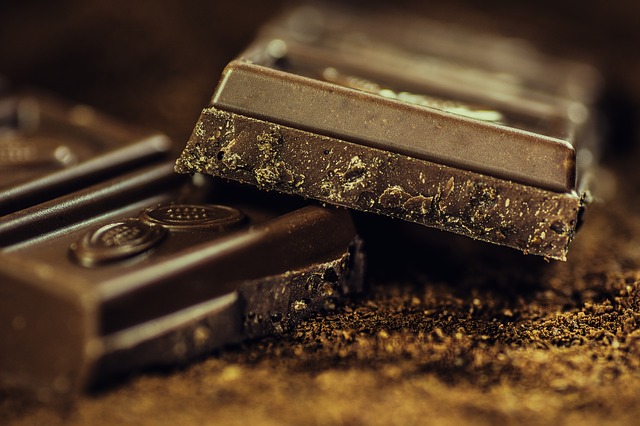
6. Dark chocolate – Dark chocolate – the kind that contains at least 70 percent cocoa – can be a powerful brain booster. It contains important antioxidants as well as natural stimulants, such as caffeine, which help improve concentration.


The flavonoids in dark chocolate also help blood vessel function, which enhances cognitive function and memory skills.


7. Bone broth — When you sip a homemade stock made from animal bones, you can help nourish your brain.


Bone broth contains collagen, which helps keep cells, bones, ligaments and the brain healthy. Additionally, the glycine in bone broth helps improve sleep and memory.


8. Whole grains – The complex carbohydrates, fiber and omega-3 fatty acids found in whole grains help protect the heart and brain from cholesterol, blood clots and sugar spikes.


Whole grains – such as oatmeal, oat bran and brown rice — also contain B vitamins that enhance blood flow to the brain and improve mood and concentration.


9. Beets — Beets as brain food? You had better believe it. Beets are high in vitamin B9 and in nitrites, which help increase blood flow in the areas of the brain related to cognitive functioning.


They also are rich in carotenoids, which help boost brain functioning and improve mood.


10. Beans and legumes – An excellent source of complex carbohydrates and fiber, beans and legumes also offer a steady supply of glucose for the brain without the risk of potentially harmful sugar spikes.


Beans and legumes also contain omega fatty acids and an abundance of folate, both of which boost brain function.


Finally, don’t underestimate the role hydration plays in good brain health. Be sure to drink plenty of water each day to keep your body and your brain working at optimal levels.


The brain is approximately 85 percent water, and brain function – including thought and memory processes — depends on you staying hydrated. So drink up this summer!


Sources:


www.nature.com/nrn/journal/v9/n7/abs/nrn2421.html


http://www.wfm.noaa.gov/pdfs/GetSmartBrainHealth_Handout1.pdf


http://www.nutritionletter.tufts.edu/issues/11_10/current-articles/New-Dietary-Approach-Against-Alzheimers_1815-1.html


https://www.psychologytoday.com/blog/you-illuminated/201010/why-your-brain-needs-water


Harness The Power Of Nature’s Most Remarkable Healer: Vinegar

Wednesday, September 13, 2017

Prepping For A Nuclear War: 10 Foods To Grow To Help Reduce Radiation Effects


vegetables


With the threat from North Korea of a potential and possibly imminent nuclear war on the horizon, many preppers have taken to gathering items which protect them from the effects of radiation.  Food can do that as well, and here are ten things you can grow to reduce that damages done by radiation.


It’s terrifying to think about, but there may come a day when the United States will be struck by one or more nuclear weapons.  Because of this, Natural News compiled a list of the ten best foods to grow in case this horrific scenario becomes a macabre reality.


  1. Potatoes


    In the event of a nuclear attack, one of the first organs that will be affected by the nuclear fallout and radiation is the thyroid gland. The reason the thyroid is affected first is primarily because radioactive iodine is absorbed by the gland extremely quickly. Unbeknownst to most people, though, potato skins contain high amounts of iodine, which can be used by the body to shield the cells from radioactive material, like nuclear fallout. Potatoes are also one of the easiest and heartiest crops to grow, making them a no-brainer for anyone who is serious about prepping for a nuclear attack.


  2. Strawberries


    Like potatoes, strawberries are extremely easy to grow. All you really need is some soil, some water and a spot on the windowsill, and in no time at all, you will be able to enjoy a plethora of fresh, juicy berries. Strawberries also contain several important nutrients and are a good source of iodine. It’s also been thought that eating strawberries can help prevent breast cancer.


  3. Cranberries


    The great thing about cranberries is that they contain Vitamin C and Vitamin E, both of which are capable of protecting cells from radiation. Most people are not aware that cranberries can be grown in raised beds, so long as the soil is acidic and the plants are given enough water.


  4. Navy Beans


    Red meat will likely become unavailable immediately following a nuclear strike. But, luckily, navy beans contain a significant amount of iron, which your body can use to make blood. They are also rich in iodine, which helps defend against radiation. As most farmers and gardeners will tell you, beans are an important staple in gardens because they help the soil absorb nitrogen. For these reasons, navy beans should be on the top of every survivalist’s list when it comes to the production of sustainable gardens and nutritious foods.


  5. Oranges


    Look no further than the orange for a healthy dose of Vitamin C, which can be a lifesaver. Research has shown that Vitamin C is capable of protecting healthy cells from radiation. As a matter of fact, it has been revealed that workers at the Fukushima plant in Japan were less likely to experience DNA mutations after receiving Vitamin C than those who did not. While there are many foods that contain Vitamin C, oranges are by far the best source.


  6. Red Peppers


    Like cranberries, red bell peppers contain a significant amount of Vitamin C and Vitamin E which help to protect the body from radiation. Red peppers have the ability to shield your cells from some of the effects of ionizing radiation.  They can be grown outdoors, in containers, as well as in hydroponic setups.


  7. Sunflower Seeds


    Just 1/4 of a cup of sunflower seeds is all you need to get your recommended daily amount of Vitamin E, so throw a handful on a salad.  They can give your cells protection against harmful radiation in the event of a nuclear attack. In addition, sunflower seeds contain other antioxidants and nutrients that will generally allow you to live a much healthier life.


  8. Pumpkin Seeds


    Pumpkin seeds are a good source of Vitamin E, and pumpkins themselves contain high levels of vitamins A, B, C, and Potassium. As long as the vines have enough room to spread, pumpkins are actually more than capable of growing in containers.


  9. Spirulina


    In addition to being packed with important nutrients, spirulina contains molecules that can bind to certain toxins such as heavy metals. Eating Spirulina can protect your body even if you are exposed to radioactive material such as dust or debris. To grow spirulina, all that you need is alkaline water, a source of light, and a bit of dry spirulina to initiate the growing process.


  10. Cocoa


    Chocolate, and its main ingredient, cocoa, contains resveratrol, which is a molecule that has the ability to protect chromosomes from radiation damage. Even though food products like Hershey bars and Milky Ways have very little nutritional value, cocoa beans themselves can help you survive a nuclear attack.


One should consider prepping with at least a few of the above food items to help protect the body against the harsh effects of radiation.  In the event of a nuclear attack, food will become scarce, and having a basis for preparation could make all the difference.


*This is for educational purposes only, and not intended as medical advice.*


Click here to subscribe: Join over one million monthly readers and receive breaking news, strategies, ideas and commentary.

Gas Masks, Filters, Body Suits, Anti Radiation Pills

Please Spread The Word And Share This Post


Author: Mac Slavo
Views: Read by 30 people
Date: September 13th, 2017
Website: www.SHTFplan.com


Copyright Information: Copyright SHTFplan and Mac Slavo. This content may be freely reproduced in full or in part in digital form with full attribution to the author and a link to www.shtfplan.com. Please contact us for permission to reproduce this content in other media formats.


Saturday, August 5, 2017

The Link Between B-12, Brain Function and Memory


The Link Between B-12, Brain Function and Memory | mental-illness | General Health Sleuth Journal Special Interests


Due to vitamin B-12’s association with energy metabolism, you might wonder what purpose it serves in your brain’s health and memory. There are a few complex roles that this B vitamin participates in—beyond releasing energy—that play a role in neurological function. This article will shed light on the primary reasons B-12 is indispensable to healthy brain aging.


Vitamin B-12 primarily functions as an enzyme cofactor. This role includes the production of red blood cells, the synthesis of myelin (a protein that coats nerves), genetic expression, amino acid balance, and the detoxification of hormones, neurotransmitters, and other chemicals. These activities are essential to maintaining brain function and preventing memory loss and cognitive decline.[12]


B-12 Deficiency and Cognitive Impairment


A number of brain diseases are associated with low B-12 status, particularly conditions characterized by cognitive difficulties like muddled thinking and forgetfulness. But the precise mechanism wasn’t identified until relatively recently. Researchers and doctors are beginning to see that cognitive issues associated with advanced age might be due, at least in part, to undiagnosed low B-12 status.[13]


Brain atrophy is a normal part of the aging process, but years of unhealthy diet and lifestyle choices can worsen the decline. Nearly 23% of Americans who reach their 70s will develop at least some degree of cognitive impairment. For far too many, this is an irreversible, progressive decline that requires specialized care by family members or costly facilities.[45]


One study found that low B-12 status was associated with poor memory. Remarkably, older adults with insufficient B-12 had structural anomalies in the region of the brain most associated with memory, the hippocampus.[2] Emerging research has found that B vitamin supplementation—specifically with folate, B6, and B-12—slows the progression of brain tissue loss and cognitive impairment. These benefits are limited to those with a low B vitamin status. If you already have normal serum levels of these B-vitamins, adding extra doesn’t seem to have any beneficial effects on brain health.[36] That said, a variety of factors increase the likelihood of poor nutritional status in aging populations.


A Primer on B-12 Absorption


From food to cell, B-12 meanders through a complicated, multi-step route, meaning that adequate intake isn’t the only factor that determines whether you have enough in your body. Your B-12 status is determined by how much you get in your diet, how well your digestive system frees the vitamin from food, how much you can absorb from your small intestine, and how easily you can convert dietary B-12 to an active form your cells can use.[7]


B-12 attaches and detaches itself to and from several carrier proteins along this route with the aid of digestive juices. Essentially, it needs to catch several different buses to reach its destination, i.e., before it can be absorbed from the digestive tract into your body. It first attaches to R-factor (haptocorrin) in your saliva and is then cleaved from this complex by the hydrochloric acid in your stomach. From here, B-12 binds to intrinsic factor (IF) at the beginning of the small intestine. The last stretch of the small intestine absorbs the IF/B-12 complex, transporting it across the intestinal wall and inside the body. Before the vitamin circulates in your blood, it has to decouple from IF and join another carrier protein called transcobalamin. Once attached to transcobalamin, it travels to where it’s needed in the body. Once it makes its way inside individual cells, it may require further processing if it’s not in its active form.[7]


Absorption of B-12 in Older Adults


As we age, we begin to slow down in more ways than one. Organ function becomes less efficient, a consequence that extends to the stomach. As many as 30% of older adults develop a condition called atrophic gastritis, or achlorhydria. This condition means that the stomach secretes less acid with which to digest food. Without gastric acid, B-12 is not able to separate from R-factor and bind to IF for absorption, preventing B-12 absorption despite sufficient dietary intake. To analogize, the B-12 you ate can’t get off the bus (R-factor), as it drives past the exit for the airport and misses its flight from the digestive system into the blood.[89]


Elderly populations also manifest a lifetime of damage and immune and organ decline that leads to decreased B-12 absorption. The specific health issues that contribute to low B-12 status include intestinal inflammation, autoimmune disorders that prevent the production of B-12 carrier proteins, damage to the wall of the intestine, hostile gut organism overgrowth, pernicious anemia, and certain medications.[9]


Age-associated Factors That Affect B-12 Status


With age, the body’s ability to absorb and use vitamin B-12 can change. Below are common, age-associated factors that affect B-12 status.


  • Insufficient gastric acid output

  • Chronic H. pylori overgrowth

  • Imbalance of the gut microbiota

  • Taking medications such as proton pump inhibitors and Metformin

  • Folate deficiency

  • Decreased production of intrinsic factor (IF), usually associated with autoimmune disorders

  • A prolonged history of inflammation in the intestine

  • Decreased appetite associated with aging or illness

How Low B-12 Status Harms Brain Health


B-12 status intersects with brain health a few different ways. Inadequate B-12 in the body promotes brain shrinkage and atrophy (similar to muscle wasting), harms cardiovascular health, and decreases your brain’s ability to break down hormones and neurotransmitters.


The Neurological Effects of B-12 Deficiency


According to the NIH, B-12 deficiency manifests as the following neurological symptoms:[2]


  • Difficulty balancing

  • Unhappy mood

  • Confusion

  • Poor memory

  • Developmental delays in infants

Accelerates Brain Aging


Low B-12 status accelerates mental decline by inhibiting the methionine cycle, a process that converts the essential amino acid methionine into other amino acids to build proteins. You need folate, B6, and B-12 to convert the nonessential amino acid homocysteine into methionine. Homocysteine is a normal metabolic product, but it also comes from diets that contain excess animal protein. With inadequate B-12, the homocysteine levels build up in your blood and brain, leading to nerve damage, delayed communication between nerves, and brain shrinkage.[410]


Low B-12 status also decreases the production of a prolific detoxifier called SAMe (S-adenosylmethionine), a cosubstrate involved in the modification of other molecules. SAMe donates a piece of itself, its methyl group, to other molecules. Estrogen, neurotransmitters, and other chemicals require this methyl group to break down into safer molecules for recycling or elimination. When you don’t have adequate B-12, you cripple the production of SAMe; impeding this detoxification process contributes to a buildup of unnecessary molecules in the brain and degraded neural tissue.[10]


Inhibits Production of Neurotransmitters


Low B-12 status appears to significantly depress production of neurotransmitters such as norepinephrine, serotonin, and dopamine. It acts as a coenzyme during the synthesis of these neurotransmitters, so a deficiency limits your brain’s ability to produce these important chemical signallers. This effect disrupts emotional stability and can affect your sleep quality.[111]


Reduces Blood Flow to the Brain


As if homocysteine didn’t cause enough damage to your brain, it also targets your vascular health. Elevated levels of homocysteine contribute to arterial thickening, stiffness, and the development of atherosclerosis. All of these effects reduce blood flow to the brain and contribute to stroke risk, which compounds damage to the brain.[1213, 14]


Healthy Brain Aging With Adequate B-12


B-12 supplementation offers promise for supporting normal brain health and may even lead to limited cognitive improvement in B-12 deficient older adults. One Oxford study on older adults found that B vitamin supplementation over the course of two years slowed brain atrophy by an astonishing 30% compared to the group that didn’t receive any vitamin supplementation. Participants with the highest levels of homocysteine responded with a remarkable 53% reduction in brain atrophy, compared to their placebo-controlled counterparts.[34]


Staying Sharp at Any Age


Taking your B vitamins isn’t the only way to keep your brain healthy throughout your lifetime. A healthy diet and regular exercise keep your arteries strong and flexible so that they can carry necessary nutrients to your brain. If you smoke, keep in mind that you’re not only harming your lungs; the effects of smoking also extend to your brain. One study found that smoking has debilitating effects on memory, processing speed, and general brain function.[15]


You can also try a low methionine diet, a plant-based diet that specifically limits methionine intake to prevent high homocysteine levels before they cause any damage. Consuming animal protein contributes to high homocysteine levels, along with the additional deleterious effects of a high meat diet.


Meditation and stress management are—pardon the pun—a no-brainer when it comes to your cognitive health.[16] I also highly recommend lifelong learning as another way to delay age-associated cognitive decline. Challenging your mind, even well into adulthood, forms new neural connections in the brain that safeguard against these kinds of difficulties.[17]


Do you have any suggestions for protecting your brain? Share your tips in the comments!


References (17)
  1. Gröber, Uwe, Klaus Kisters, and Joachim Schmidt. “Neuroenhancement With Vitamin B12—Underestimated Neurological Significance.” Nutrients 5.12 (2013): 5031-5045. Web. 31 May 2017.

  2. Köbe, T., et al. “Vitamin B-12 concentration, memory performance, and hippocampal structure in patients with mild cognitive impairment.” Am J Clin Nutr. 2016 Apr;103(4):1045-54. doi: 10.3945/ajcn.115.116970. Epub 2016 Feb 24.

  3. Smith, A. David, et al. “Homocysteine-Lowering By B Vitamins Slows The Rate Of Accelerated Brain Atrophy In Mild Cognitive Impairment: A Randomized Controlled Trial.” PLoS ONE 5.9 (2010): e12244. Web. 31 May 2017.

  4. Vogiatzoglou, A., et al. “Vitamin B12 Status And Rate Of Brain Volume Loss In Community-Dwelling Elderly.” Neurology 71.11 (2008): 826-832. Web. 31 May 2017.

  5. Plassman, Brenda L., et al. “Prevalence of Cognitive Impairment without Dementia in the United States.” Annals of Internal Medicine 148.6 (2008): 427–434. Web. 31 May 2017.

  6. Douaud, Gwenaëlle, et al. “Preventing Alzheimer’S Disease-Related Gray Matter Atrophy By B-Vitamin Treatment.” Proceedings of the National Academy of Sciences 110.23 (2013): 9523-9528. Web. 31 May 2017.

  7. Stanger, Olaf. “Water Soluble Vitamins.” 1st ed. Dordrecht [etc.]: Springer, 2012. Web.

  8. Russell, Robert M. “Gastric Hypochlorhydria And Achlorhydria In Older Adults.” JAMA: The Journal of the American Medical Association 278.20 (1997): 1659. Web. 31 May 2017.

  9. Office Of Dietary Supplements – Dietary Supplement Fact Sheet: Vitamin B12.” Ods.od.nih.gov. N.p., 2017. Web. 31 May 2017.

  10. Vitamin B12.” Linus Pauling Institute. N.p., 2017. Web. 31 May 2017.

  11. Valizadeh, Nasim, and Maryam Valizadeh. “Obsessive Compulsive Disorder As Early Manifestation Of B12 Deficiency.” Indian Journal of Psychological Medicine 33.2 (2011): 203. Web. 31 May 2017.

  12. Woo, Kam, Timothy Kwok, and David Celermajer. “Vegan Diet, Subnormal Vitamin B-12 Status And Cardiovascular Health.” Nutrients 6.8 (2014): 3259-3273. Web. 31 May 2017.

  13. Haynes, William G. “Hyperhomocysteinemia, Vascular Function And Atherosclerosis: Effects Of Vitamins.” Cardiovascular Drugs and Therapy 16.5 (2002): 391-399. Web. 31 May 2017.

  14. Saposnik, G., et al. “Homocysteine-Lowering Therapy And Stroke Risk, Severity, And Disability: Additional Findings From The HOPE 2 Trial.” Stroke 40.4 (2009): 1365-1372. Web. 31 May 2017.

  15. Durazzo, Timothy C., Dieter J. Meyerhoff, and Sara Jo Nixon. “Chronic Cigarette Smoking: Implications for Neurocognition and Brain Neurobiology.” International Journal of Environmental Research and Public Health. Molecular Diversity Preservation International (MDPI), Oct. 2010. Web. 15 June 2017.

  16. Gard, Tim, Britta K. Hölzel, and Sara W. Lazar. “The Potential Effects of Meditation on Age-related Cognitive Decline: A Systematic Review.” Annals of the New York Academy of Sciences. U.S. National Library of Medicine, Jan. 2014. Web. 15 June 2017.

  17. Antoniou, Mark, Geshri M. Gunasekera, and Patrick C.M. Wong. “Foreign Language Training As Cognitive Therapy For Age-Related Cognitive Decline: A Hypothesis For Future Research.” Neuroscience & Biobehavioral Reviews 37.10 (2013): 2689-2698. Web. 31 May 2017.

Saturday, May 20, 2017

Not All Dietary Supplements Are Created Equal

Not All Dietary Supplements Are Created Equal | vitamin-supplements | General Health Special Interests


Purchasing dietary supplements you can trust can be tricky. Many manufacturers of nutraceuticals put their efforts into marketing and fancy labels, instead of placing the majority of their resources into creating a product of quality. The simple truth is that not all vitamins are created equal, and this article is intended to make you aware of some of the factors to keep in mind when making a purchasing decision.


Deceptive Labeling


Reading a label carefully and understanding what the label means is important when purchasing any product — especially vitamins. Some supplements don’t even contain what’s listed on the label. [1] The standards under which a vitamin or mineral is manufactured vary greatly from one company to another. Most companies don’t even manufacture their own product and just relabel someone elses formula and call it their own. Quality is the biggest factor in whether a supplement is absorbed and utilized by the body.


Understanding Mineral Potency


The elemental amount of calcium refers to the exact weight or potency of calcium a formula provides. The same is true for all other minerals. Some labels clearly list the elemental weight and are therefore simple to understand. For example, the elemental weight of a calcium supplement would be labeled as 250 mg of calcium contained within the supplement. If the calcium is combined with amino acids, like amino acid chelate, and it is given a general amount that doesn’t specify the calcium amount only, you must discern that the amount of calcium you are receiving is a bit more ambiguous.


A consumer would assume that a vitamin contains 100% potency from when it was manufactured. The fact is, only 90% of the vitamin potency listed on the label has to be in a product at the time of shipping. A vitamin starts losing its potency the minute it’s made. If not manufactured properly, a vitamin can be up to 50% weaker by the time you purchase the product. There are only minimal government guidelines, not requirements, regarding product storage (light, temperature, moisture, etc.), inventory rotation, particle granulation, or product coating, all of which affect the potency and quality of a vitamin.


Even though vitamins are perishable items, manufacturers are not required to prove that their products last for an extended period of time. Remember: light, heat, moisture, and oxidation rapidly destroy vitamin potency. After a vitamin is manufactured, vitamin companies are not required to conduct shelf life testing to see how product potency is affected over time.


Natural vs. Synthetic


The word natural can, unfortunately, sometimes be misleading. In the case of vitamin E, a manufacturer can use a blend of 10% natural vitamin E and 90% synthetic vitamin E and still label the product natural vitamin E. Using synthetic vitamin E, which is 40% cheaper, a manufacturer can greatly reduce the quality of a product to reduce his manufacturing cost.


To protect the consumer, a manufacturer should properly list the chemical name in the contents description. Natural vitamin E should be labeled ‘d-tocopherol’ and synthetic should be labeled ‘dl-tocopherol.’ [2] Natural vitamins have been regarded as having a 36% higher potency rate compared with their synthetic counterpart. Studies involving human subjects show that natural vitamin E is probably twice as effective as synthetic vitamin E. [3]


Are Your Vitamins Releasing The Energy You Need?


Since most vitamins cannot be manufactured in the body, they must be supplied by our diet. Vitamins are essential for releasing energy in foods, but our food supply does not guarantee an abundant source of nutrients. Therefore, it is best to eat a mostly raw diet with a wide variety of fresh vegetables, fruits, nuts, and seeds. This guarantees an assortment of essential vitamins that is helpful for the increased energy and feeling of well-being you are seeking.


The decrease in energy from the lack of proper nutrition sometimes surfaces in obvious forms; scurvy and rickets being prime examples. Often, the symptoms of a vitamin deficiency are much more subtle. Vitamin B12 deficiency, for example, takes years to become apparent, often disguising itself in the form of lethargy, depression, and neuropsychiatric symptoms. [4]


Always purchase vitamins and other dietary supplements from companies you can trust. How do you know you can trust them? They produce all of their own products themselves, sourcing only high-quality, organic ingredients.


References:


  1. David Kroll. New York AG Fires Round 2 Against Herbal Dietary Supplement Makers. Forbes.

  2. Maret G. Traber, Ph.D., Scott W. Leonard. The Alpha-tocopherol Transfer Protein and Vitamin E Adequacy. Oregon State University. The Linus Pauling Institute.

  3. Philip L. Harris, James L. Jensen, Milton Joffe, and Karl E. Mason. Biological Activity of Natural and Synthetic Tocopherols. The Journal of Biological Chemistry. 1944, 156:491-498.

  4. Langan RC, Zawistoski KJ. Update on vitamin B12 deficiency. Am Fam Physician. 2011 Jun 15;83(12):1425-30.

Sunday, May 14, 2017

7 Important Functions Of Vitamin B12

7 Important Functions Of Vitamin B12 | Vitamin-B12 | General Health Special Interests


It’s estimated nearly 40% of the American population suffers from B12 levels that are too low. [1] With low B12 levels, your brain doesn’t work quite right and more often than not you’re suffering from chronic fatigue. But vitamin B12 does more than just support healthy energy levels. Its multiplexity of functionality is mirrored in its wide range of health benefits. The question is, are you getting enough?


The Seven Most Important Functions of Vitamin B12


Many people receive vitamin B12 injections on a regular basis to provide a boost in their energy levels. While it’s true that B12 does support energy, that’s not the entire picture. Here’s 7 functions of vitamin B12 and why you need this crucial nutrient.


  1. Supports Energy

Vitamin B12 plays a key role in how your body creates energy. It keeps your cells fed, happy, and healthy. Without it, your cells get hungry and you feel weak, tired, and like you’re dragging all the time. The nutrient releases energy into the cell and provides you with the appropriate balance you need for thinking and moving throughout your day.


     2. Protects the Heart


Your heart and entire cardiovascular system needs B12. One of its jobs is to remove a dangerous protein called homocysteine from the blood. If homocysteine is allowed to roam through blood, it damages your arteries leading to inflammation and heart disease. Get enough B12 and you’ll keep homocysteine levels down and your heart happy.


  1. Your Bones Need It

Studies have found patients with osteoporosis have higher levels of homocysteine and low levels of B12 than people with strong, healthy bones. [2] Could B12 be a viable adjunct to future osteoporosis approaches? If you suffer from osteoporosis or similar bone issues, speak to your doctor about getting your vitamin B12 levels tested.


  1. Prevents Nerve Damage

Your nerves have a protective covering to keep them safe from toxins and free radicals in your blood. Without these coverings, called myelin sheaths, exposed nerves get damaged and may even die. These dead nerves disrupt signals to and from the brain and may play a role in nerve-related conditions. Vitamin B12 supports the way your body replenishes this protective covering.


  1. Improves Mood and Outlook

Your brain uses a chemical called serotonin to regulate your mood. If you aren’t getting enough B12, you may find yourself feeling down. One study of diabetic patients experiencing side effects of depression from Metformin found those who took B12 enjoyed a more positive outlook. [3]


  1. Protects Brain Health

Researchers have noted Alzheimer’s patients have much lower levels of B12 than those of a similar age who have sharp, clear memory. In the same way B12 helps protect nerve cells, it helps protect the myelin sheaths of brain cells that are often lacking in Alzheimer’s patients. Some research suggests that cobalamin deficiency may cause a type of dementia in elderly patients that is in fact reversible with the right nutritional intervention. [4]


  1. Keeps You Looking and Feeling Young

Aging happens when your cells begin to wear and tear, and they age faster when your DNA doesn’t replicate correctly. Many factors can affect DNA replication, like free radicals, toxins in the blood, high blood sugar, and high levels of omega-6 fats in your diet. B12 supports DNA health, thereby keeping your cells younger. And when your cells are young, you look and feel young too.


Do you take vitamin B12? What difference has it made in your life? Share your experiences below!


References:


  1. Judy McBride. B12 Deficiency May Be More Widespread Than Thought. United States Department of Agriculture.

  2. Ebesunun MO, Umahoin KO, Alonge TO, Adebusoye LA. Plasma homocysteine, B vitamins and bone mineral density in osteoporosis: a possible risk for bone fracture. Afr J Med Med Sci. 2014 Mar;43(1):41-7.

  3. Biemans E1, Hart HE, Rutten GE, Cuellar Renteria VG, Kooijman-Buiting AM, Beulens JW. Cobalamin status and its relation with depression, cognition and neuropathy in patients with type 2 diabetes mellitus using metformin. Acta Diabetol. 2014 Oct 15.

  4. Osimani A, Berger A, Friedman J, Porat-Katz BS, Abarbanel JM. Neuropsychology of vitamin B12 deficiency in elderly demential patients and control subjects. J Geriatr Psychiatry Neurol. 2005 Mar;18(1):33-8.

Monday, April 24, 2017

The Surprisingly Quiet Ammo That’s Often Misunderstood

It’s The Misunderstood Ammo That Makes Less Noise


Along with the rising popularity of gun mufflers, usually called suppressors or silencers, has come an increased interest in subsonic ammunition. Often, though, there are more questions than answers.


This article seeks to inform the reader with basic knowledge of subsonic ammo.


Subsonic ammunition is ammunition made primarily for use with a suppressor. It also can be used in a handgun or rifle all by itself, unsuppressed, though weapon performance may not be the same as with regular ammo.


When compared to other cartridges within the same caliber, subsonic loads have a smaller powder charge inside the case, and are generally a heavier bullet. In extraordinarily simple terms, we can think in terms of the formula mass times velocity equals force. When velocity is decreased by having less powder, and therefore less gas to drive the bullet down the barrel, through the air, and into its target, a bullet of more mass compensates to a degree. For example, Atomic Ammunition’s subsonic load in .223 has a 75-grain bullet — not an extraordinary weight, but one associated with match rounds. An average .223 target match bullet weighs 55 grains.


The Self-Defense And Hunting Weapon That Doesn’t Require A Firearms License!


It is the moment a bullet leaves the barrel, and the explosion of gas that’s behind it, that creates the “bang” of a firearm. Subsonic ammunition, traveling at lower-than-normal velocity relative to the caliber, is quieter. It still, though, makes enough noise to necessitate hearing protection when used sans suppressor.


Story continues below video


In tandem with a suppressor, subsonic ammunition makes a hearing-safe pop, the kind you hear in the movies when the bad guy fires a gun with a silencer. Funny, isn’t it, how it’s always a bad guy in the movies? On the street, most criminals aren’t interested in making the effort to conceal these bulky attachments.


Why Use Subsonic?


Subsonic can be used when less noise and/or less recoil are desired. It’s a great choice for indoor or urban ranges. With a suppressor, it’s beneficial for hunting, especially when a landowner may want to eliminate more than a single varmint or pest animal. The minimal report is less scary to the rest of the herd. Some hunters claim the remaining animals may still spook, but since subsonic offers no muzzle flash and no directional bearing on sound, they actually may run in the hunter’s direction.


It’s also a good choice for teaching gun handling and marksmanship fundamentals to a new or very young shooter without the complication of recoil.


Be Prepared. Learn The Best Ways To Hide Your Guns.


Subsonic protects the irreplaceable asset of hearing. Quieter shooting is an asset not just for gun users, but also for non-shooting neighbors who are less likely to object to our hobby — at home as well as in the voting booth.


What Are the Downsides?


Some subsonic loads will, consistently or occasionally depending on the semi-auto firearm, fail to automatically cycle the action. This challenge is gradually being overcome as manufacturers fine-tune components. I found it to be quaintly enjoyable to hand-cycle my AR-15 while using subsonic.


A notable exception is the popular .300 AAC Blackout caliber, purpose-made for suppressed shooting. With a bolt carrier group and barrel change, it can be fired through the AR-15 platform. This widely available load offers the AR owner great versatility from one firearm, although many feel it’s unnecessary unless it’s used with a suppressor.


Subsonic ammunition is a bit less accurate at longer distances. The smaller doses of powder in subsonic loads can shift around within the case, producing less reliable flight. I experienced this in a 100-yard field trial of .308 caliber subsonic. In several three-shot groups, two rounds would be remarkably accurate; their impact holes touching. A third would be a modest flyer, three to five inches away from the others. It’s not a huge difference for most applications except where absolute precision is required.


According to Jerod Johnson, a company rep for Atomic Ammunition, subsonic rifle loads such as the .308 are rather ineffective beyond 300 yards, where velocity loss is rapid.


The price of subsonic is, like match ammunition, reflective of the specialized manufacturing process. Expect to spend double or more the price of FMJ.


If there’s no admonishment against subsonic ammunition in your firearm’s user manual, trying out a box of subsonic is an interesting experience, whether accompanied by a suppressor or not. Especially with centerfire calibers, there’s a surprising ease to firing powerful rounds, while getting sound and recoil that are closer to the rimfire range. Try some!


Have you ever used subsonic ammo? Share your thoughts on it in the section below:

Tuesday, April 11, 2017

Stinging Nettles: The Delicious Spring Edible ‘Weed’ That Is Easily Tamed

Stinging Nettles: The Delicious Spring Edible ‘Weed’ That Is Easily Tamed

Image source: Pixabay.com


Stinging nettles are a common forest plant found in Northern regions around the globe. They prefer rich soil near the edges of streams, lakes, springs and other sources of cool, clean water. Although they can be a nuisance for any person tromping through the woods in shorts, stinging nettles are an incredibly versatile and important wild edible.


Most people in our society no longer view nettles as a plant of value, but for early homesteaders and Native f of the nettle was used for treating joint pain and inflammation. Clearly, stinging nettle is a plant with multiple purposes.


So how does one find, harvest and utilize nettles? First, it is important to properly identify this plant in the wild. Nettles are characterized by the following features:


  • Nettles grow in dense clusters or groves near water and begin to emerge shortly after snowmelt in the spring.

  • Young nettle leaves have a heart-shaped appearance and may exhibit a purplish tint.

  • Leaves are opposing in orientation along the stem, and range between two and five inches in length, with serrated edges and a pointed tip.

  • Veins of the nettle leaves are indented.

  • Nettles have small, glassy hairs on the underside of their leaves and along their stems.

  • At maturity, nettles can be more than five-feet tall.

Remember to collect nettles only from pristine environments, away from roads or any source of pollution and contamination. The tastiest portion of stinging nettles is the new leaves at the growing tip. Whenever possible, harvest nettles during the early part of the spring after they have first emerged from the soil. Look for plants that have eight leaves or less.


Fast, All-Natural Pain Relief With No Nasty Side Effects!


Stinging Nettles: The Delicious Spring Edible ‘Weed’ That Is Easily Tamed

Image source: Pixabay.com


It is OK to harvest leaves from older plants, but they won’t be as tender or as sweet. To harvest nettles, it is best to wear a pair of gloves and a long-sleeved shirt. While holding the topmost leaf, clip the stem just below the first whorl of leaves, either with scissors or garden clippers. The stems tend to be fibrous. Avoid cutting too much stem material. In the case of more mature plants, you will want to strip the leaves away from the stem altogether. Nettles can be stored loosely in a plastic bag in the fridge for several days before use. To preserve the quality of the nettles, do not rinse until just prior to processing.


The sting of the nettle plant comes from a combination of formic acid, histamine and several other chemical compounds that the plant uses as a defense mechanism against browsing herbivores. The modified hairs on the underside of the leaves and along the stem are used to inject this stinging solution into the skin. Nettles will lose their ability to sting when they are properly prepared.


When you are ready to eat your nettles, blanch them in hot water for five minutes and drain. (The blanching water makes a great tea or can be used a base for a vegetable stock, so don’t throw it out). The nettles now have lost their “sting” and can be used in place of spinach for most recipes, including lasagna or pasta sauce. Use stinging nettles in place of basil for pesto (freeze any extra in small glass jars) or as the base for a creamy spring soup. If you have acccidentally over-harvested, try drying your extra stinging nettles in a food dehydrator. The dried nettles make an excellent tea and can be crumbled and used as a flavoring herb for soups and sauces during the winter months.


Regardless of how you use them, stinging nettles are sure to become a household favorite. Their sweet flavor practically screams “springtime.” As a homesteader, I can no longer imagine life without them as part of our pantry.


Do you harvest and eat nettles? Share your nettles tips in the section below:


hydrogen peroxide report