Showing posts with label native americans. Show all posts

Tuesday, February 20, 2018

Native American Tribal Governments Host Middle East Business (VIDEO)

Native American Tribal Governments Host Middle East Business (VIDEO) | Elaine-Willman-2016 | Collapse Government Government Corruption Multimedia Politics Sleuth Journal US News

[image: Elaine Willman]

I quickly developed a fascination with my first introduction to the activities of Native American Tribal governments when I read Elaine Willman’s book, “Going To Pieces: The Dismantling Of  the United States of America“.  The book’s message reveals the unheralded antics of Tribal governments’ gambling casinos and their relationship with the U.S. federal government.  As with most busy Americans, I had never looked into that relationship. My initial impulse, any time the subject of Indian gaming casinos came up, was typical — “Good for them. Let ’em make some money!” The underlying presumption behind that impulse was that if the casinos made plenty of money, the Indians living on Reservations would see an improvement in their daily lives — better housing, better local economies, better schools, etc. But that is not happening as intended.

Elaine’s book ignited a keen interest in learning more.  She poses some alarming disclosures about corruption within the Tribal governments, including siphoning off of gaming profits in efforts to buy expensive lobbyists and contribute to political campaigns.


It seems that governments are all subject to the influential powers of money, politics, and special-interest lobbying. That rule of thumb applies as well to Tribal governments. See more about that HERE.


I called Elaine and she graciously agreed to meet me in Kalispell, Montana, and sit before my camera to talk about two types of government – the U.S. Federal government, and Tribal governments. In that film session with her I learned about the middle-eastern countries who are now doing business with American Indian Tribal governments. That situation has developed since Elaine published “Going To Pieces” in 2005, so the video below is an update.


While American Indians are impoverished, some Tribal governments are in collusion with the Federal government on the gambling casinos which are generating huge profits. But the Tribal governments are not sharing the wealth with the Indians who live on reservations. Instead, Tribal governments are spending fortunes on Washington D.C. and State Legislature lobbyists, and now are even doing business with middle-eastern governments and inviting those countries to do business on reservations in our country.


Elaine Willman explains how it came to be that Saudi Arabia and Turkey are now exchanging students with Tribal members on our Reservations, investing in businesses on the Reservations, and sending middle-east contracting businesses to our Reservations with 75-year leases of Reservation lands. You read that correctly — Saudi Arabia and Turkey are both buying long-term leases of Tribal governments’ Reservation lands. It was an Obama inspiration, as you’ll see in viewing this last segment of my session with Elaine Willman.


For the whole playlist of five brief segments, please go HERE


Brief bio for ELAINE WILLMAN, MPA


Elaine Devary Willman, MPA is the author of Going To Pieces…the dismantling the United States of America, first published in 2005.  The book reports on first person visits and experiences of tribal members and citizens residing on or near seventeen Indian reservations during her extensive road trip across the country from Washington State to New York State.  Going to Pieces…continues to be a best-seller, some eleven years later, and is now available in a Second Edition, inclusive of an Index, in book stores and on all major book website.


Subsequent to her two year attendance at Ventura College of Law, Ms. Willman received a Masters degree in Public Administration from Cal State University in 1991, and has obtained 96 credits towards her doctoral work in public policy. Having lived in Western States for over thirty years, and within two Indian reservations for more than twenty years, Ms. Willman has extensive knowledge about federal Indian policy, land use status within Indian reservations, dual-jurisdiction and Constitutional conflicts that impact the rights and lives of tribal members as well as other American citizens.


Ms. Willman’s mother and grandmother were enrolled Cherokee members; her spouse is of Shoshone ancestry, and is a direct descendant of Sacajawea. She served as National Chair of Citizens Equal Rights Alliance (CERA) from 2001 – 2007 and remains an active CERA Board Member.  Mrs. Willman has blended her local land use and strategic planning expertise with federal Indian policy to inform and engage counties, towns and citizens that are co-located within or near federally recognized Indian reservations.


From 2008 -2015 Ms. Willman served the Village of Hobart, Wisconsin, as their Director of Community Development and Tribal Affairs. Hobart, incorporated in 1908 after the Oneida Tribe of Indians reservation was fully allotted, is entirely co-located within the historical boundaries of this former reservation.


In July 2015 Ms. Willman moved to the Flathead Indian Reservation to assist western Montana landowners defend against a federal/tribal/state taking of water rights from landowners, transfer of a public hydropower dam to become a private tribal government asset, and loss of all control of water access or rate setting, deeply imperiling the entire food production in this agriculture-dependent region.


See also:  http://www.klamathbasincrisis.org/AskElaine.htm


Additionally, Elaine works with “This West Is Our West“.


Contact Elaine Willman —  toppin@aol.com


The post Native American Tribal Governments Host Middle East Business (VIDEO) appeared first on The Sleuth Journal.

Saturday, September 16, 2017

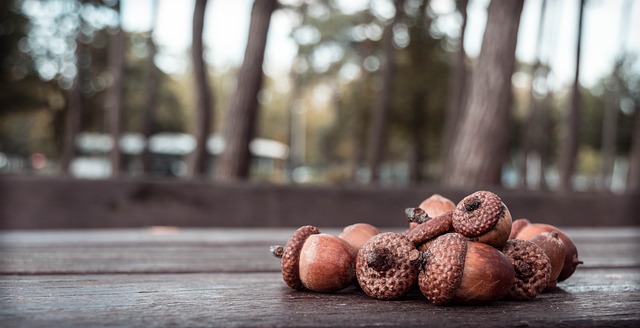
How To Make Flour, Bread And Even Coffee With Acorns

How To Make Bread, Flour And Even Coffee With Acorns

Image source: Pixabay.com


Did you know that there is a nutritious food source literally dropping from your trees each fall? In fact, unless you are a squirrel, you may even see this food as a nuisance.


Alas, the lowly acorn was not always seen this way. Historical sources suggest that some of the world’s earliest civilizations ate acorns. In fact, the word for “oak” in Tunisian translates to “meal-bearing tree.”


Although acorns, which contain healthy fats, protein and minerals, found their way into many Native American foods and are the main ingredient of a traditional Korean jelly recipe, most people today shy away from eating them. Why? Anyone who has ever sampled a raw acorn can tell you. They taste bitter.


The secret to eating – and enjoying acorns – lies in removing the tannins. When you complete this process, you can produce a subtly flavored flour that works well in all kinds of baking recipes and even as a coffee-like beverage.


The first step to removing the tannins is to select only ripe, brown acorns. Avoid green, blackened or mildewed acorns. Then remove the caps and boil the acorns for about 10 minutes. You will need to strain out the brown water and boil the acorns again in fresh water. Repeat this process three to four times until the water looks clear and the acorns can be easily shelled. Another way to remove the tannins is to use a coffee maker, and place the acorns where the grains normally would go. Run the coffee maker and change the water multiple times until the bitterness is removed. (Note: This is not how to make acorn coffee; that process is explained below.)


‘Miracle Oil Maker’ Lets You Make Fresh Nut Oils Within Minutes!


Still another way to remove the tannins is to remove the caps and then place the acorns inside a mesh or cheese cloth bag. After securing the opening, place the bag under running water (say, a stream) for several days. Native American used this flushing method by placing bags of acorns in running streams, rivers and even waterfalls.


Now that the tannins are removed, it is time to dry the acorns. Spread the acorns on a baking sheet and place them in a preheated 200-degree Fahrenheit oven. Leave the door slightly ajar so moisture can escape.


How To Make Bread, Flour And Even Coffee With Acorns

Image source: Pixabay.com


Another option is to place the baking sheet outside in direct sunlight for several hours. Be sure to protect the nuts from wildlife while they are drying.


Acorns add a nutty, slightly sweet taste to recipes. You can use them as a substitute for chickpeas, peanuts or macadamia nuts. (Put them in banana nut bread or zucchini bread!) You also can use them to make acorn butter, which you can use instead of peanut butter or almond butter. You also can add them to salads, soups and stews for flavor and nutrition.


(Listen to Off The Grid Radio’s program on acorns and other nuts here.)  


To make acorn flour, grind slightly moist leached acorns in a blender or food processor. Dry the resulting meal in a low temperature oven for a few minutes, or let the meal air dry for a few hours. Then grind the dry meal in the blender or food processor again.


You can substitute this acorn flour in any recipe that uses wheat flour, but keep in mind that acorn flour products will have a crumbly texture. If you prefer a spongy texture to your cookies or bread, you will need to mix in some wheat flour with your acorn flour.


Another option is make acorn coffee. Now, this drink will not perk you up in the morning since acorns do not contain caffeine, but it is a pleasant beverage, especially in cold weather.


Place pieces of leached acorns on a baking sheet and roast them in the oven at 400 degrees Fahrenheit for about 30 minutes. When the pieces are dark brown in color and have a pleasant roasted (not burned) aroma, they are ready.


Add one tablespoon of roasted acorn pieces per eight ounces of boiling water. Let the mixture steep for five to 10 minutes. Reheat if needed. Then you can add your regular coffee condiments or drink the acorn coffee black.


Acorns are a rich source of carbohydrates, proteins, essential amino acids, trace minerals and Vitamins A and C. This nutritional value compares favorably with barley or wheat flour.  Although producing acorn flour does take some time, it is satisfying to put to use a food source that is free and readily available.


Just leave a few acorns for those squirrels.


Have you ever eaten acorns? What advice would you add? Share it in the section below:


If You Like All-Natural Home Remedies, You Need To Read Everything That Hydrogen Peroxide Can Do. Learn More Here.

Thursday, August 31, 2017

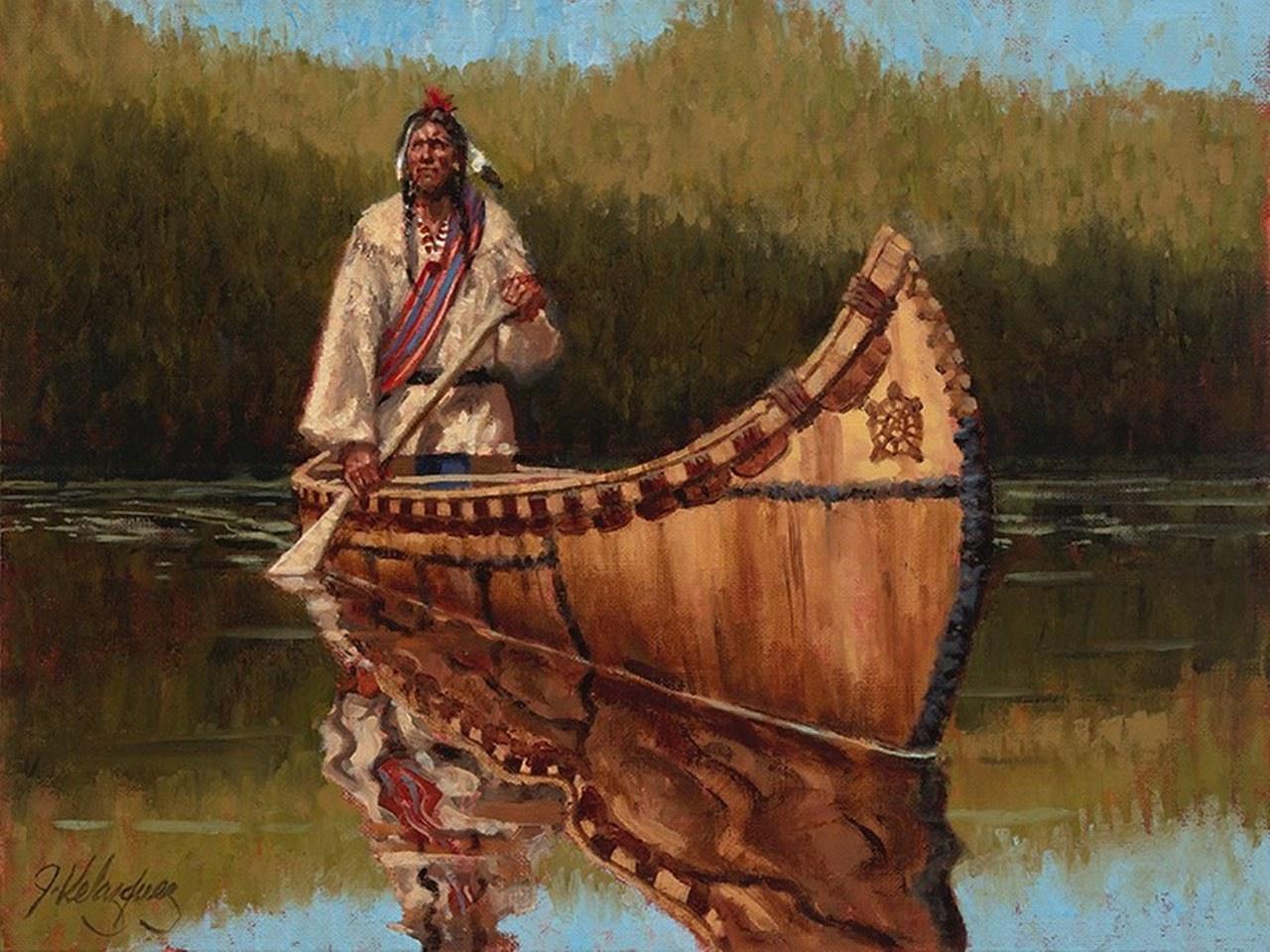
7 Incredible Tools The Native Americans Crafted From Tree Bark

7 Survival Items The Native Americans Made From Tree Bark


Most of us see little use for bark. We peel it before we build with it, we trim it off before smoking fish or game, and we generally don’t see much value in it as firewood or a dependable heat source.


Native people, though, had a much different viewpoint. They used bark from many trees as a resource for numerous solutions, but there’s a trick to working with this material.


Paper birch is the bark of choice for bark crafters, and the Ojibway took barkcraft to a new level thanks to the fact that birch grew everywhere they lived. Other tribes had to make-do with stiffer and less pliable resources, although slippery elm, willow and aspen offered workable solutions.


Harvesting Bark


Be careful with living, green trees. If you remove too much bark, you will potentially kill the tree. In fact, if you cut the bark from a tree around its circumference, it will be dead in weeks, if not months. Native peoples would sometime “girdle” a tree. This involved removing bark around the full circumference of the tree; this was a designed action and they knew that the following year the tree would be dead. Often, a large fire was started at the base and stone axes were used to cut into the weakened and charred wood until repeated fires and chopping felled the tree.


Discover The Secrets Of The Word’s Top Survivalists!


Even a dead birch tree will provide a strong and pliable source of bark. If you come across a dead-fall birch, harvest the bark to your heart’s content. If you’re desperate and only have access to live trees, limit your cuts and stripping to half of the tree if you can. That will at least give it a fighting chance for recovery.


You may be wondering: Why is bark so important to a tree? The inner bark or “xylem” is essentially the circulatory system for any tree. Water and nutrients are delivered to the tree from the roots to its leaves by this circulation. That’s why a “girdled” tree will soon die. When its only source of water and nutrients is cut off, the tree has no options for survival.


Pre-Treating Bark


There are a few steps to making any bark more workable. Some tree bark, like the slippery elm, requires a bit of scraping of the outer bark to make the piece more pliable. Birch is naturally flexible, but it will be curved when first harvested. Native Americans flattened the birch bark on the ground with the curved side down and weighted it with stones. The moisture in the ground and the weight of the stones eventually flattened the bark.


Another key step is to soak the bark in hot water before working with it. This also adds some flexibility, and it helps to keep the bark from splitting when it’s folded or shaped.


Many bark creations were sewn at the seams with cordage or strips of leather to re-enforce items like baskets and bowls. If the object needed to hold water, the seams were sealed with pine pitch.


Let’s take a look at items the Native Americans made from bark:


1. Cup


One of the easiest and most common uses for bark was for a ladle or drinking cup.  A circle of birch bark was cut and a triangular fold was made from the center to the edge. This fold was then overlapped to form a cone. The creased bark was held in place with a stick with a split in it, and the fact that the bark was not cut made it water tight to either scoop water from a spring, or to simply drink it as a cup.


2. Bowl


This same approach was used with a wider circle of birch bark or slippery elm to make bowls supported by rocks around the side, or a hat that would shade you from the sun or protect you from the rain.


Story continues below video


3. Pot


The bowl concept also can allow you to cook with a bark cooking pot. Hot stones were picked from a fire with two sticks much like chop sticks, and the stones were swirled in the water until the water actually started to boil.


But be careful with hot rocks. A rock from a river may appear nice and smooth, but many of them contain moisture in their cracks and crevices and can explode and shatter in the fire. Igneous rocks like granite or basalt are the best because they are less likely to be porous and allow water to seep in.


4. Sunglasses


“Sunglasses” are another option, with a piece of bark cut about six inches wide and two inches in height. You may doubt the need for sunglasses, but in winter, snow-blindness is a serious problem, as sunlight reflects off forests and fields of snow. These sunglasses, though, did not contain any glass or plastic. A couple of sticks were used to support the bark strip over the ears like a regular pair of sunglasses, and two crosses in the shape of a plus sign (+) were cut into the bark at eye level.


Ultra-Compact Water Filter Fits In Your POCKET !


A semi-circular cut was made to fit over the bridge of the nose. The size of the crosses was usually a half-inch long both up and across, and the slit was about an eighth of an inch wide. You look at the world through the slit, which allows less light and protects your eyes. This was actually an Eskimo invention.


5. Backpack


A backpack is also easy to make with a long piece of bark about three feet in length and a foot and a half wide. The bark was folded over, and the seams on either side were sown together with cordage or long strips of leather. Holes were poked first and the cordage or leather simply woven through. Straps from cordage or leather were attached and reinforced with more lacing. and everything from personal items to harvested plants, fruits and vegetables could be carried with ease.


6. Candle lantern


A curved piece of birch bark, wrapped and held in place at the base around a circle of sawn wood creates a wind block and reflector for a candle lantern in a fixed camp. Be careful using this indoors. Birch bark is highly flammable, which makes it great tinder, but not something you want to burst into flames in a cabin.


7. Torch


A simple torch is easy to improvise, with strips of birch bark held in place by a slit in a long branch. Additional strips of bark can be added as the birch burns; it actually gives off a good amount of light for a long time.


Final thoughts


All Native American tribes crafted canoes from birch, but that’s something that’s a bit beyond my expertise, although I’ve had success making small-scale toy canoes from birch bark, and my kids and grandkids still play with them. Maybe someday I’ll see if I can scale it up and actually make a birch bark canoe, but I’ll definitely be testing it in very shallow water.


What advice would you add on making tools and utensils from bark? Share your tips in the section below:


Every Year, Gardeners Make This Stupid Mistake — But You Don’t Have To. Read More Here.

Friday, May 19, 2017

Fishing Skills Of The Native Americans: No Hooks, No Reels, No Problem!

Fishing Skills Of The Native Americans: No Hooks, No Reels, No Problem!


If you love to fish, you might have wondered how the indigenous people of the Americas managed to fish without all that expensive equipment so many people seem to use today.


When you think about it, many native tribes relied on fish as one of their main food sources, but without metal hooks, reels, rods or sonar devices, how did they manage to catch enough fish to not only survive, but to thrive?


My father was an avid fisherman, and although he liked his expensive reels, when he took my brothers and me camping, we rarely used any type of equipment other than the occasional net, which we actually brought for frogs. (I will tell you about my father’s favorite fishing method, the one he learned from his grandfather, later on.)


Let’s take a look at some of the forgotten or little-known ways that native people caught fish and other aquatic foods.


Spears and Other Obvious Methods


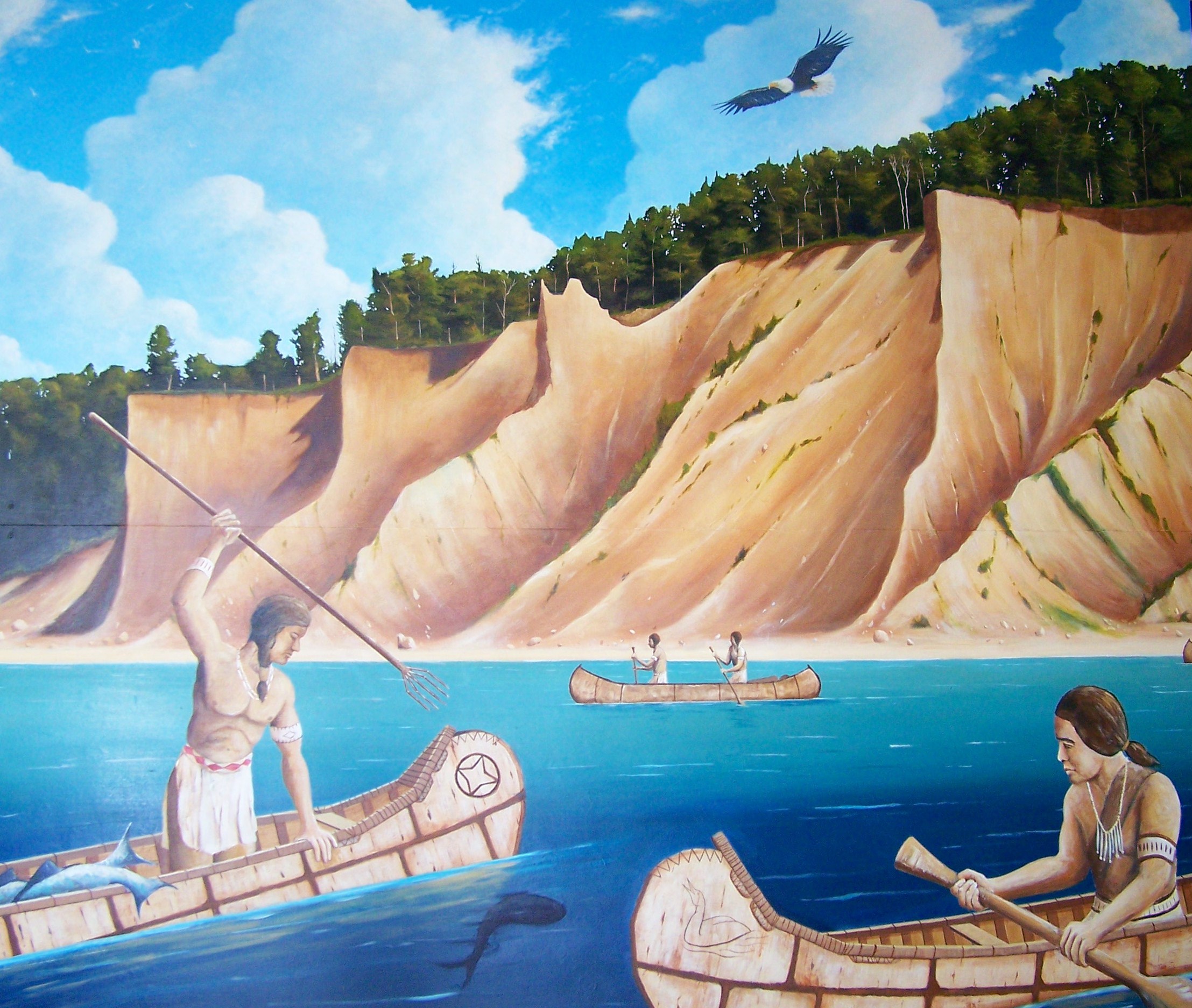
Most people think of spears as a means of catching fish — like Tom Hanks in the movie Castaway. While native people certainly did use this method, it isn’t always as easy as old Tom Hanks made it look like in the middle of the movie. If one was lucky, rocks provided a good platform from which to stand and wait for a fish, or a school of fish to pass. Canoes also were used, with one person navigating the canoe and holding it steady when they needed to, while two or more other persons would spear fish.


In a pinch, even the old bow and arrow could be used in shallow water. If the water was too deep, you could easily lose the fish, and your arrow, in the depths. A few tribes, such as the Powhatan, did make a type of line, called a “pemmenaw,” which was attached to arrows so they could be retrieved, along with the fish.


Get The Essential Secrets Of The Most Savvy Survivalists In The World!


During the winter, a common method to catch fish was the lure and spear method. A hole was cut in the ice, and then a white piece of bone was lowered into the hole on a piece of sinew. Fish would follow this “shiny” bone to the surface, then speared.


Nets or Obstruction Techniques


These methods remind me of my father’s favorite fishing method. He often referred to it as “the lazy way to eat.” Native people were known for making obstructions that worked like a net that they placed across the opening of streams or channels. These were made from woven reeds or other types of tough grasses, tied to stakes. These stakes were then placed on either side of a channel or part of a fast running stream, very much like a fence. Fish were held fast to this “fence” by the swift moving current.


Native people used similar types of traps as well. One method involved putting reeds or small twigs in the water, making a giant V. Rather than trying to swim back the way they came, the fish would congregate at the small part of the V, trying to find an exit. Fish could simply be pulled out by hand.


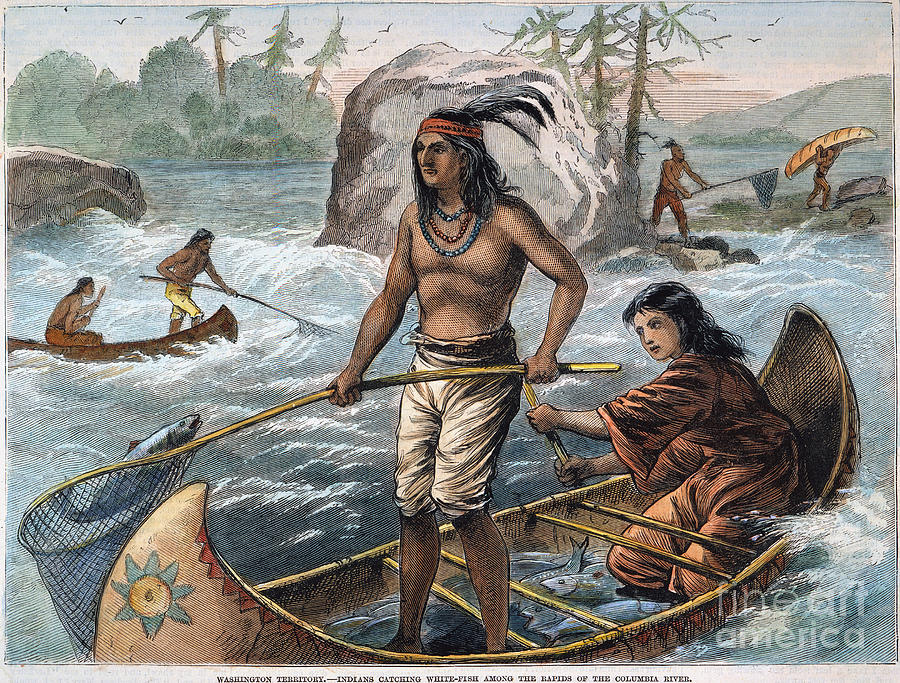
Fishing Skills Of The Native Americans: No Hooks, No Reels, No Problem!

Image source: FineArtAmerica


Another common trap, called a weir, was made from reeds. It formed a type of funnel that fish would swim in to, but found they could not escape due to either a fast current or multitude of fish behind them. These weirs were quite large, sometimes being three feet wide at the opening and about 10 feet in length!


Still other tribes used nets made from plant fibers. These large nets were then suspended between people standing in two canoes stationed on either side of a river. Once a few fish were caught, they were placed in the boat, then the net replaced in the water. Since the nets were not strong like nylon nets, they could only hold a few pounds of fish before they needed to be pulled in. Over the course of a day, however, this resulted in a bounty of fish. This also ensured that plenty of fish were left to replenish the waters.


Another type of net involved using a tree branch that made a large Y. Reeds or plant fibers were then tied and woven between the Y, making something like a very loosely woven basket. A person could stand in the river or ocean, or on a rock or in a canoe and scoop up fish, or wait patiently until the fish swam over the net, and then quickly pull up the net.


New Solar Oven Is So Fast It’s Been Dubbed “Mother Nature’s Microwave”


My father would employ us kids to get sticks for firewood. He would then select a few dozen sticks about 2 inches in diameter. He used these sticks to make a large U in the water, usually in front of a swift moving part of the stream. The fish we caught, usually rainbow trout, would become trapped in the U, unable to swim out due to the strong current. This worked remarkably well and we often had fish for dinner each night, as well as fish to take home to our mother.


Seasons and Tides


Native people understood the cycles of nature. Pacific Northwest tribes knew when the salmon were returning to spawn, and would wait for them to finish spawning, before taking their dead or dying bodies as meat. In the fall, tribes could collect, literally, thousands of salmon. Drying the meat would ensure that they would always have something to eat, no matter what happened that winter.


Atlantic salmon will return again and again to spawn, so native people would make traps or use nets to catch them on their return route, after they had spawned and lay eggs. Indigenous tribes knew that if they took salmon before they spawned, there would soon be no more salmon to catch.


Those who lived near the seas quickly learned to catch fish, crabs and other sea life in tide pools. Tide pools make natural traps for fish, leaving them in very shallow pools after the tide goes out. Some tribes would take nothing more than baskets to the tide pools and pull out fish and crabs by hand.


Native people learned to find other food sources by watching nature at work. They knew when they could collect turtle eggs, birds’ eggs, clams, frogs, crayfish, sea otters, seals and basketfuls of migrating anchovies.


What alternative fish-catching methods have you used? Share your tips in the section below:


Learn How To ‘Live Off The Land’ With Just Your Gun. Read More Here.

Monday, March 27, 2017

Explorers Ate It. It Stored For 50 Years. Here’s Their Recipe.

Explorers Ate It. It Stored For 50 Years. Here’s The Recipe.


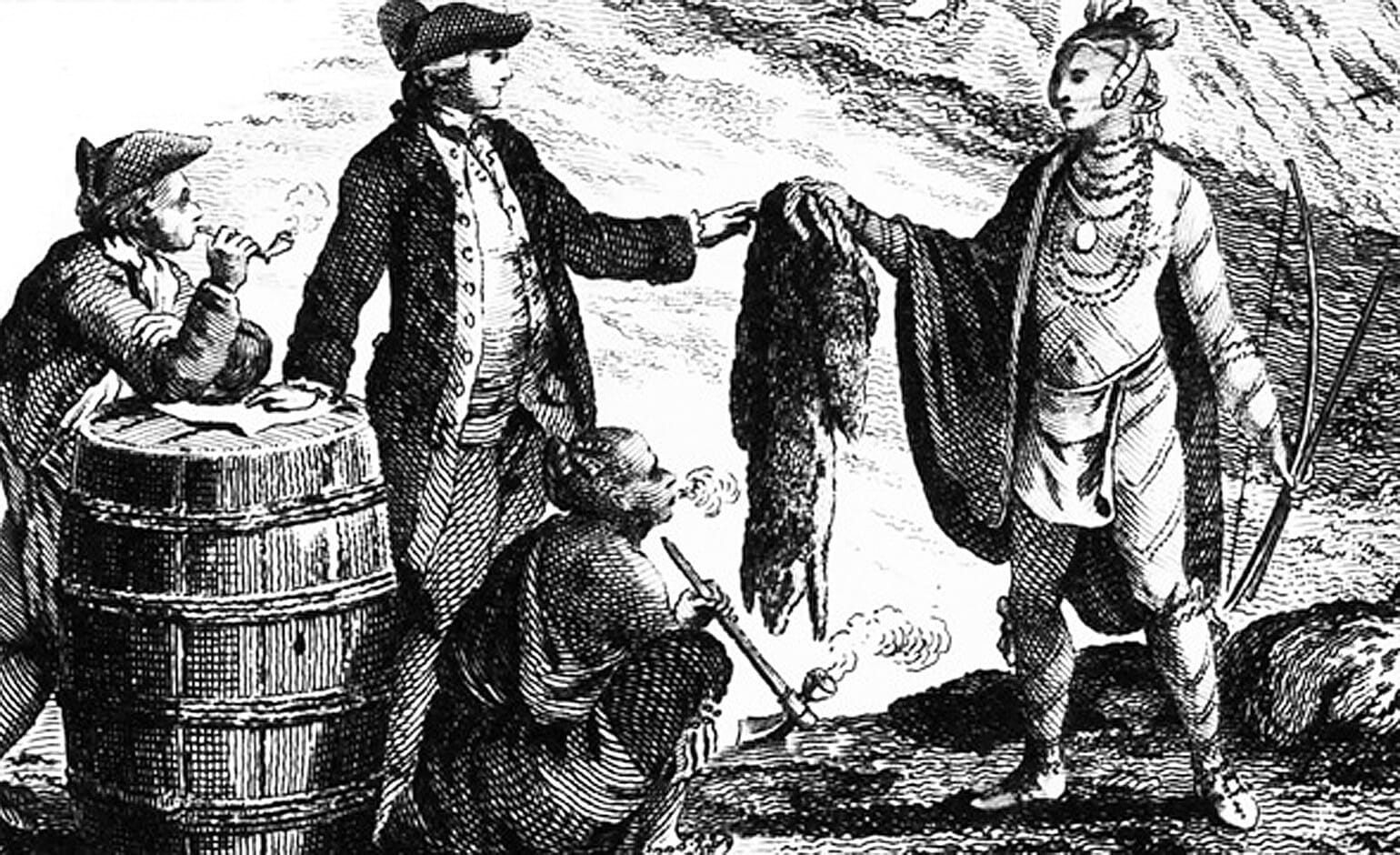
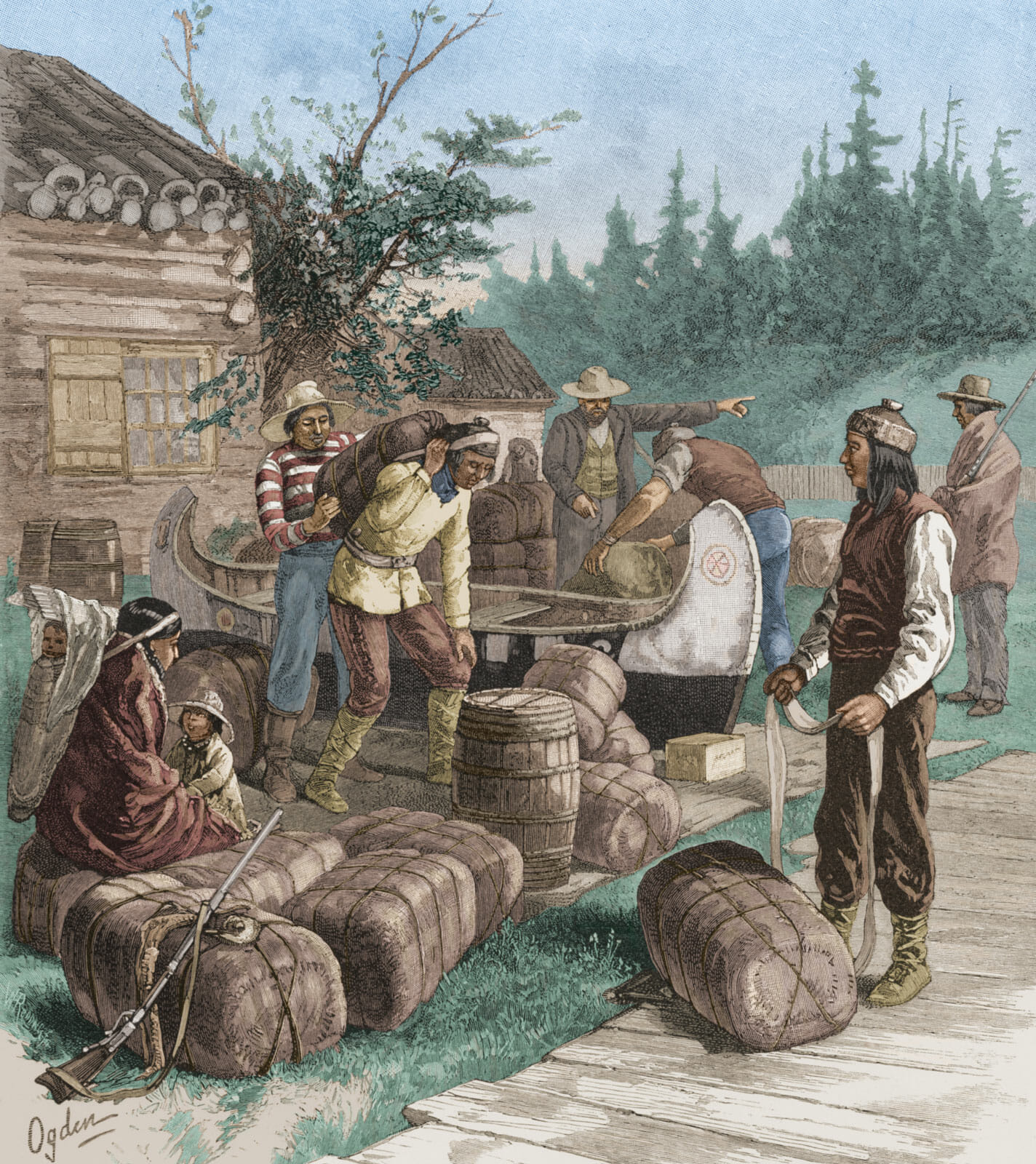
It was a food invented by the Native Americans, who depended on it when traveling on long and adventurous journeys when food was scarce, or when there simply wasn’t time to hunt and gather enough to eat. That was a lesson well-learned by many early European settlers, explorers and fur traders in North America.


It was pemmican, which was the ultimate survival food for centuries and quickly became a staple food for fur traders, voyageurs and Arctic and Antarctic explorers. The reason was simple. It was high in protein and calories, and high in fat. Fat offers the best calories for cold weather and the most calories for people who were subject to brutally physical work, temperatures and conditions.


The word “pemmican” is a derivative of a Cree Indian word “pimihkan.” Curiously, the word “pimi” is the Cree word for “greasy fat.” On a fundamental level, pemmican is a mixture of dried and powdered meat, animal fat, wild berries and salt. The fat to meat ratio was typically 1:1, or 50 percent powdered meat and 50 percent fat. Some recipes vary that ratio, and typically less fat was used in warmer climates.


Prepared properly, pemmican can last for years and years, although adding anything to it besides meat and fat will reduce the shelf life. There are reports of some pemmican lasting 50 or more years. According to a popular social studies book used in Canadian schools, “Pemmican was high in calories and protein, and could be stored in leather bags for years at a time. It was also portable, much like protein bars available today.”


A curious side note on animal fat is that it has food preservative properties. Pioneer women would pack a crock with cooked meats and pour a layer of fat over the top, allowing it to cool and congeal to preserve the meat.


The recipe by the old Hudson Bay Company – which was founded in 1670 and was key to the fur trade — used buffalo meat and buffalo fat in addition to the marrow from the buffalo bones. We’ll get into the specifics of that type of recipe in a bit. I’ve experimented with various pemmican recipes and ways to prepare and enjoy this very rustic and primitive food.


Crazy Gadget Makes Every Window A Cell Phone Solar Charger


At the outset, the recipe used game animals from moose to elk and venison as the primary ingredients. Eventually, beef emerged as the primary meat ingredient and it was most commonly used by Arctic and Antarctic explorers including Admiral Peary, Roald Amundsen, Robert Falcon Scott, Fridtjof Nansen, and Sir Ernest Shackleton. In many cases both the men and their sled dogs subsisted on pemmican.


An important consideration for any recipe in the last century up to today is the type of fat used in pemmican recipes. Beef tallow and beef marrow are the fats of choice, in addition to suet. Suet is the hard, beef fat found around the kidneys and loins of cattle. Avoid lard in your pemmican recipes. Lard is pork fat and I have found few recipes that recommend it going back 200 years.


The meat is just as important and should be trimmed of all fat and sliced into thin strips. Reserve the fat for rendering, but you don’t want any fat on the meat because of a critical step in the recipe process. That step involves drying the meat.


There are varying drying approaches that we’ll cover, but the critical success factor is that the strips of meat are hard and brittle. The goal is to dry the strips of meat to a hardness that will allow you to break it and crush it into something approaching a dust.


As time went on, varying dried fruits were added to the recipe. Native Americans used dried choke cherries and cranberries. Later recipes used by adventurers and explorers added dried cherries, blueberries and currants, all of which were also pounded into bits.


The dried berries add a vitamin component, including vitamin C. The amounts vary by recipe, but you always can adjust to your taste.


Classic Pemmican Recipe


The following recipe was used during the 1700s.


Hudson Bay pemmican was made from buffalo meat. The lean meat was cut into strips and dried in the sun for two to three days or over a fire until it was hard and brittle. The strips of hardened meat were then pounded into a powder, either with a wooden mallet on a stump or between two stones.


The fat and marrow of the buffalo was then melted and mixed into the powdered meat to make a paste (using a 50/50 mixture). This was then allowed to harden and was wrapped and rolled into a rectangular piece of buffalo hide. The cold temperatures of the Arctic and far north kept it from spoiling, although pemmican stores very well.


Admiral Peary’s expedition to the North Pole subsisted on a pemmican made from dried beef ground into a powder, beef tallow or beef fat and dried fruit.


Meat-Pulverizing Tips


You don’t have to crush the meat between two stones; you can use more contemporary approaches. These include:


  • A hand-turned meat grinder. This gets the dried meat into small bits and you can continue to run it through in a series of batches to get it as fine as you want.

  • A blender. Just make sure to do it in batches until you get the consistency you want.

  • A food processor. But if there is any moisture at all, the speed of the processor will turn the meat into a paste, so grind the dried meat in bursts.

The size and consistency of your pulverized, dried beef can range from small bits to the dusty powder used by pioneers. That’s up to you. I prefer the small bits, but make sure they’re very small or you’ll spend the rest of the day trying to get bits of dried beef out of your teeth.


Beef-Trying Tips


Explorers Ate It. It Stored For 50 Years. Here’s Their Recipe. I use a food dehydrator. It’s the same one I use to make jerky; I just extend the drying time. To test a piece, take it out of the dehydrator and tape it on the counter. It should make a hard sound rather than the dull thud you’d get from a piece of jerky. Next, snap a piece. If it breaks like peanut brittle, you’re done. If it bends, it needs more time.


You also could hang the strips over a fire for two or three days. I tend to prefer the dehydrator but in the field, I’d use the fire method in a heartbeat.


Fat-Rendering Tips


This is a slow process. You should start by cutting the tallow and/or suet into chunks. If you’re also adding marrow, slice that up into one-inch pieces. Add all to a cast-iron frying pan over low to medium heat and toss often. Eventually, the fat will pool into the bottom of the pan, leaving some brown chunks behind. Filter the fat to remove the chunks. If there are smaller bits and pieces of brown bits left in the pan, I’ll even run it through some cheese cloth to clarify the fat. Don’t let it smoke or burn. That will give the fat and the resulting pemmican an off taste.


Dried Fruit Tips


Whether I’m using fresh fruit or dried fruit bought at the store, I’ll put the fruits into a dehydrator. Even dried, packaged fruit has some residual moisture. Once the fruit is dried, I’ll pulverize it in the food processor or the blender to break it into bits.


Putting it All Together


I like a 1:1 mix of beef and fat. It’s easier to measure that way. For every cup of dried, pulverized beef, add a cup of fat. The fat should be warm, not hot and not congealed. Mix the fat and meat together with your hands or two spoons. I put it into a tabletop mix-master and use the dough hook to blend everything. If you’re off the grid you may have to use your hands.


Add the dried berries to your taste. I usually add a half-cup and mix it all together again. If you want, you can add some salt to suit your taste. For a cup of meat and a cup of fat plus a half-cup of fruit, I’ll add a half teaspoon of salt when I add the fruit so the salt gets blended into the mixture, as well.


Are You Prepared For A Downed Grid? Get Backup Electricity Today!


If you want to make more, just double or triple the amounts. That’s the other thing I like about a 50/50 ratio of meat to fat. It makes the multiplication easier.


When done, I’ll spoon the pemmican into a cupcake pan and flatten the tops with the back of a knife. I then refrigerate it for about three hours and turn the tray over onto the counter. Each pemmican cake will be greasy to the touch, so place each one in a plastic sandwich bag unless you want to wrap it in a piece of rawhide. I tend to favor the plastic bags. You can store them in a cool, dark place, but mine usually ends up in the fridge.


Tips on Eating Pemmican


Three recipes for eating pemmican have emerged over the years. The first is my favorite.


  1. Fried pemmican rechaud. This recipe involves frying the pemmican in its own fat. Wild onions like ramps and potatoes were often added until browned, followed by two or three tablespoons of flour and salt to taste. This can be spread on bread or crackers and eaten like a sandwich. I offered some to my wife at the counter once and she walked away shaking her head with disgust. I guess pemmican is kind of a guy thing.

  2. Rubaboo. This recipe was a favorite of fur traders. A chunk of pemmican about the size of your fist was dropped into a quart of boiling water. Flour is supposed to be added next, and I usually mix the flour with a little pemmican first so I don’t get lumps. Onions, potatoes and carrots can be added and some salt for seasoning. Fur traders also would add a little sugar and chopped salt pork. It will have a soup-like consistency and was eaten that way. I like it with sourdough bread.

  3. Raw. This was the eating method of choice for Arctic and Antarctic explorers and Canadian voyageurs. A chunk of pemmican was held in one hand and sliced with a knife and chewed. I’ve tried it and it’s not bad. In France, there is a delicacy known as “lardo.” It’s sliced lard and is eaten like a slice of cheese. Suffice it to say, I tried it once and that was enough. Maybe I’ll appreciate it more if I ever go to the Arctic.

Give it a Try


This is a good survival food as a last resort and it has been shown to have a good shelf-life if prepared properly. You can use any game animal, but I would start with beef and make a small batch to start. Five pounds of raw beef will give you one pound of dried beef, and that should be enough for a trial run. Grab some suet while you’re at it so you have enough fat for a 50/50 mix. Enjoy!


How do you make pemmican? Share your tips in the section below:

Tuesday, March 7, 2017

Native Americans Take a Stand, Sue Oil Companies for Causing Destructive Earthquakes


Oklahoma — (RT) The Pawnee Nation of Oklahoma has filed a lawsuit in a tribal court accusing multiple oil companies of triggering earthquakes that caused damage to several properties in town.


On Friday, the Pawnee Nation filed the suit against the oil companies alleging that they were the cause of the sharp increase in earthquakes over the past few years. One of which – the largest earthquake in the state’s history, a magnitude 5.8, which caused extensive damage to several historic buildings and residential homes in Pawnee in September.


For more than 90 years, these buildings have been a key part of Pawnee Nation, first as our schools and now as the home to our government,” Andrew Knife Chief, executive director of the Pawnee Nation, said, according to his attorneys.


These energy companies must recognize the direct impact of their actions on the livelihood of our tribe and must put an end to their dangerous activities,” he added.


The case will be heard in the tribe’s district court with a jury comprised of Pawnee Nation members. If an appeal was filed, the case would be heard by a five-member trial Supreme Court, and their decision would be final.


Once the tribal court rules, it can be taken to a state district court for enforcement.


We are a sovereign nation and we have the rule of law here,” said Knife Chief, according to the Associated Press. “We’re using our tribal laws, our tribal processes to hold these guys accountable. The damage was done to the Pawnee Nation and the folks that live on trust land.


READ MORE:  State Law Makes it a Felony to Touch a Police Officer Even Off-Duty and Out of Uniform


Weitz & Luxenberg, who are representing the 3,200-member tribe in court, say that this is the first time that an earthquake case has been filed in tribal court.


As a part of the ongoing case, renowned environmental activist Erin Brockovich will also be consulting with Weitz & Luxenberg. Brockovich has already made several trips to the area to talk with locals about how to legally fight the energy giants.


The Pawnee Nation is alleging the energy companies caused the earthquakes by injecting wastewater deep into underground wells, where fluids can cause pressure changes and weaken fault lines.


These firms know what they are doing when they dispose of their wastewater in deep wells, especially in Oklahoma. These companies should be held accountable for the damage they have done and continue to do to people’s lives and businesses,” Robin Greenwald, an attorney at Weitz & Luxenberg said.


According to the US Geological Survey (USGS), Oklahoma averaged about two earthquakes over magnitude 2.7 per year. In 2014, that number jumped to about 2,500, and in 2015, there were 4,000. Scientists at the USGS say the increase is directly related to an increase in wastewater disposal sites. They call these man-made earthquakes, “induced earthquakes.


In 2016, new regulations required energy companies in Oklahoma to reduce their wastewater disposal rates, resulting in a decline in earthquakes from 4,000 to 2,500.


READ MORE:  It"s the Anniversary of the Worst Terrorist Attack in the US Before 9/11 -- And No One"s Heard Of It


At least four separate class action lawsuits have been filed in Oklahoma by the same attorneys, accusing energy companies of causing earthquakes.


Monday, February 27, 2017

An Oscar Was Once Refused to Protest Native Rights, and Could Happen Again Tonight

Icon and legend, actor Marlon Brando once turned down one of the most prestigious awards in Hollywood for reasons opposition to the Dakota Access Pipeline by the Standing Rock Sioux Tribe and supporters prove decidedly have yet to be resolved: the trampling of Native American rights and sovereignty.


Brando refused to accept the Academy Award for best actor on March 5, 1973 — amid the ongoing offensive by the U.S. government against the occupation by a group of 200 Oglala Lakota and American Indian Movement activists of the tiny South Dakota town, Wounded Knee, on the Pine Ridge Indian Reservation — in part, because the movie industry was propagating the appalling government dehumanization of Native peoples.


“The motion picture community has been as responsible as any for degrading the Indian and making a mockery of his character, describing his as savage, hostile, and evil,” Brando wrote. “It’s hard enough for children to grow up in this world. When Indian children … see their race depicted as they are in films, their minds become injured in ways we can never know.”


Not only did Brando’s rejection of the Oscar swell a tidal wave of controversy in its own right, but how the actor — who played the now-iconic mafioso, Vito Corleone, in “The Godfather” — chose to announce the decision only amplified the storm.


As Business Insider notes, Brando’s reputation behind the scenes prior to the stellar success of instant classic hadn’t won many allies in the industry, and his career seemed headed for the dustbin:


“‘The Godfather’ grossed nearly $135 million nationwide and is heralded as one of the greatest films of all time. Pinned against pinnacles of the silver screen — Michael Caine, Laurence Olivier, and Peter O’Toole — Brando was favored to win best actor.”


However, the night before the Academy Awards were to take place, Brando threw quite the wrench into plans for the glitzy event — by announcing he would boycott.


When the time came for the godfather, himself, to ascend the stage to accept the well-deserved best actor award, the president of the National Native American Affirmative Image Committee and relatively unknown actress, Sacheen Littlefeather, took his place. With long hair pulled to the sides in intricately-beaded ties, the courageous Native American woman came to the podium sporting Brando’s statement, holding an open palm to refuse the prized statuette.


“I’m representing Marlon Brando this evening and he has asked me to tell you … that he very regretfully cannot accept this very generous award. And the reasons for this being are the treatment of American Indians today by the film industry —”


Jeers from the crowd briefly cut the even-keeled actress short, and she says, “Excuse me,” but other attendees immediately topped detractors in supportive applause, as she continues,


“— and on television, in movie reruns, and also in recent happenings at Wounded Knee. I beg at this time that I have not intruded upon this evening, and that we will, in the future — our hearts and our understandings will meet with love and generosity.”


Due to time constraints, Littlefeather could not read Brando’s lengthy speech to the disquieted crowd, but the media soon received the text — and the actor’s stinging manifesto took industry ignorance, national apathy, and oppressive government to task.


“When they laid down their arms, we murdered them. We lied to them. We cheated them out of their lands. We starved them into signing fraudulent agreements that we called treaties which we never kept. We turned them into beggars on a continent that gave life for as long as life can remember. And by any interpretation of history, however twisted, we did not do right. We were not lawful nor were we just in what we did. For them, we do not have to restore these people, we do not have to live up to some agreements, because it is given to us by virtue of our power to attack the rights of others, to take their property, to take their lives when they are trying to defend their land and liberty, and to make their virtues a crime and our own vices virtues.


READ MORE:  Federal Court Rules Native Americans Can’t Use Pot, But Can Use Peyote For Religious Cememonies


“But there is one thing which is beyond the reach of this perversity and that is the tremendous verdict of history. And history will surely judge us. But do we care? What kind of moral schizophrenia is it that allows us to shout at the top of our national voice for all the world to hear that we live up to our commitment when every page of history and when all the thirsty, starving, humiliating days and nights of the last 100 years in the lives of the American Indian contradict that voice?”


Brando continued, his words tragically as pertinent now as they were over four decades ago,


“It would seem that the respect for principle and the love of one’s neighbor have become dysfunctional in this country of ours, and that all we have done, all that we have succeeded in accomplishing with our power is simply annihilating the hopes of the newborn countries in this world, as well as friends and enemies alike, that we’re not humane, and that we do not live up to our agreements.”


Outrage buried Brando and his emissary after the Academy Awards boycott, but nothing could strip the bite of truth from the resounding statement of solidarity in the action and its motivation.


Given the ongoing eviction of camps at Standing Rock, tonight presents a ripe opportunity for an Oscar winner to follow in Marlon Brando’s albeit difficult to fill shoes.

Tuesday, January 24, 2017

BREAKING: Trump Signing Executive Order Forcing Continuation of DAPL & Keystone XL

In a move that is sure to cause a firestorm of controversy, Donald Trump is to sign Executive Orders at 11 a.m. EST, advancing the Dakota Access Pipeline as well as the Keystone XL, a senior White House official told NBC News, Bloomberg, and others.


The entire substance of the executive order was not made immediately clear. However, they will fulfill campaign promises Trump made to approve both pipelines — which have been vehemently opposed by a massive bipartisan sect.


As the Free Thought Project has reported, this move by Trump has been premeditated since the election. It is most likely why the company behind DAPL, Energy Transfer Partners, said in December, the denial of an easement necessary to drill under the Missouri River is of no consequence for its plans to complete the project.


According to a statement from Energy Transfer Partners and Sunoco Logistics, which is acquiring ETP in a merger:


“As stated all along, ETP and SXL are fully committed to ensuring that this vital project is brought to completion and fully expect to complete construction of the pipeline without any additional rerouting in and around Lake Oahe. Nothing this Administration has done today changes that in any way.”


The incoming administration already stated its support for the project and the courts have already stated twice that it appeared the Corps followed the required process in considering the permit,” said Senator Heidi Heitkamp (ND) in a statement last month.


Heitkamp, incidentally, met with President-Elect Donald Trump last month, to the delight of Morton County Commission Chairman Cody Schulz, who noted:


“I sincerely hope Senator Heitkamp is able to make a direct plea to the new Administration for the help and resources from the federal government that are desperately needed to assist local law enforcement in their efforts to provide public safety, and to expedite a decision on the final easement for the Dakota Access pipeline so that our citizens may return to their normal lives. We have seen nothing but foot-dragging and unhelpful directives from the Obama administration. I trust Senator Heitkamp will use her meeting and her influence to ensure that help is on the way for the people of North Dakota when the President-Elect is sworn in on January 20th.”


It now appears that these plans have made their way to official White House ink — and DAPL will continue as planned.


READ MORE:  BREAKING: Sheriff"s Dept to Fine People $1K for Bringing in Food and Supplies to Standing Rock


This executive order by Trump seeks to override the decision by the Army Corps of Engineers who refused to grant permission to extend the Dakota Access pipeline beneath a Missouri River reservoir last month.


As the Free Thought Project has previously reported, the DAPL is set to go over lands which do not belong to the Federal Government as they were usurped by the state’s violation of Native American treaties.


As for TransCanada Corp.’s Keystone pipeline, that was also rejected under former President Barack Obama. However, this move was seen by many as a seeming giveaway to Warren Buffet who holds a quasi-monopoly on train-based oil transportation through the same region.


Once news of the Executive Order broke, TransCanada stock climbed as much as 1.1 percent to C$63.25 at 9:33 a.m. in New York. Energy Transfer Equity LP and Energy Transfer Partners LP climbed as much as 3.3 percent and 1.7 percent, respectively, as reported by Bloomberg.


Donald Trump, prior to being elected to POTUS, had investments in Energy Transfer Partners. According to CNBC, in December, he sold his entire stake in the company as ownership in it could be perceived as a conflict of interest.


CNBC also reported that Energy Transfer Partners’ owner, Kelcy Warren, “gave $100,000 to Trump’s joint fundraising effort with the Republican Party.”


This move will likely be met with more protests and even more police violence.


Matt Agorist is an honorably discharged veteran of the USMC and former intelligence operator directly tasked by the NSA. This prior experience gives him unique insight into the world of government corruption and the American police state. Agorist has been an independent journalist for over a decade and has been featured on mainstream networks around the world. and now on Steemit

Monday, January 9, 2017

Forgotten Survival Skills That Kept The Eskimos Alive

Forgotten Skills That Helped The Eskimos Survive Winter

Image source: Wikipedia


When most people think of Native Americans, they picture the tribes of the Plains, riding on horseback, hunting buffalo and waiting out the winter in their teepees.


But not all Native Americans lived this way. Consider the people we often call Eskimos.


The word “Eskimo” means “eaters of raw meat” in the language of the Algonquin tribe. It was the French who began calling the native people they found up north by this name. While there are numerous tribes, such as the Inupiat, the Inupiaq, and Yupik, for the sake of this article, we will refer to these tribes as the Inuit.


The Inuit tribes that lived in the far north somehow survived in far harsher climates than the Plains people ever had to endure. How could humans have survived in areas with low light levels for part of the year, extreme wind chills, and temperatures of minus 30 or more?


There were a great many skills that helped these native people survive. While not many of us have a chance to hunt seals, we would be wise to take note of some of the survival skills that allowed these native tribes to thrive in a very unforgiving climate.


Food


The Inuit people consumed a diet that was perfectly suited for the environment in which they lived. During the summer, the Inuit would move inland, away from the coast, and hunt caribou, which, like the Plains tribes, provided them with almost everything they needed. The tough skin on the head was used to make the soles of shoes, and the softer skin from the belly for clothing that was close to the skin. The Inuit were careful to use everything from their kill, as it took four animals to make one jacket or parka. A pair of pants for one person required two more caribou hides. The antlers were used as tools, tendons were used for thread, and fat was rendered to store food for later, also to use as fuel for “lamps.” During the short summers, berries were gathered, birds were caught and the meat dried, eggs were enjoyed, berries and herbs were gathered and stored. Fresh water fish also were caught from lakes or streams. The Inuit diet consisted almost entirely of meat, with only the few plants that could be found during the very short summer to add some variety.


Paratrooper: The Survival Water Filter That Fits In Your POCKET!


During winter, dogs were invaluable hunting partners. The Inuit stayed close to the coastline. Before the sea edges froze, seals would often sun themselves on the sand or rocks. Killing a seal during these times was a challenge and took real teamwork. In the winter, dogs would sniff out the air holes these mammals used. The Inuit would lie in wait and when the seal came up for air, they speared it. Seals were as prized as caribou, but for different reasons. Their hides were waterproof, making them valuable for shoes and gloves. Seal and walrus meat was extremely nourishing. Whales were difficult to catch, as the Inuit had to hunt them using kayaks and spears; however, when they did kill them, they used every single part. The fat, or blubber, is very high in calories and helped the Inuit stay warm as they burned many calories to maintain their body heat. The blubber also was used as oil for lanterns, which provided heat and light.


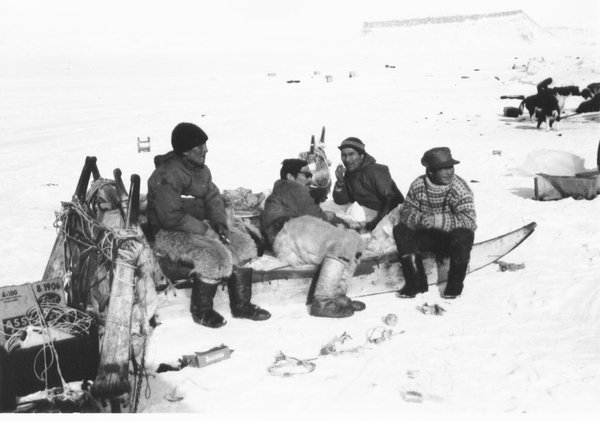
Eskimos near Thule Air Base in 1968Using the food that was available to them to their best advantage was one of the Inuit’s secrets to survival.


Transportation


Before you can get around, you need to know your way around! The Inuit used the stars and sun (when it was available) to navigate, especially on the water. On land, they often used landmarks or erected one, if they thought it was necessary.


The Inuit used sleds made from whale bones with skins stretched over them. Dogs would pull the sleds through the snow. On the water, kayaks were the usual means of transportation, but when moving larger families or supplies (such as whale meat) larger boats, called umiaqs, were used. If the umiaq used oars, it was usually the women who operated them. Paddles were used by men. While most kayaks were made from driftwood, umiaqs were made from whale bones lashed together or pegged together. Seal skins were then stretched over the frame.


Be Prepared … With A Pocket-Sized Solar Generator!


For a typical umiaq of about 30 feet, seven to eight seal skins would be needed to cover it. While these boats were large, they were fairly lightweight and could be carried by two or three men. A 24-foot umiaq weighs a mere 150 pounds, on average. Dogs also were counted on to carry or drag packs during the summer months. The husky dog that the Intuits used comes from the Inuit breeding of dogs with wolves. Huskies can survive the harsh winters with their thick coats and are very strong. Most huskies easily can carry a 40- to 50-pound pack all day.


Shelter


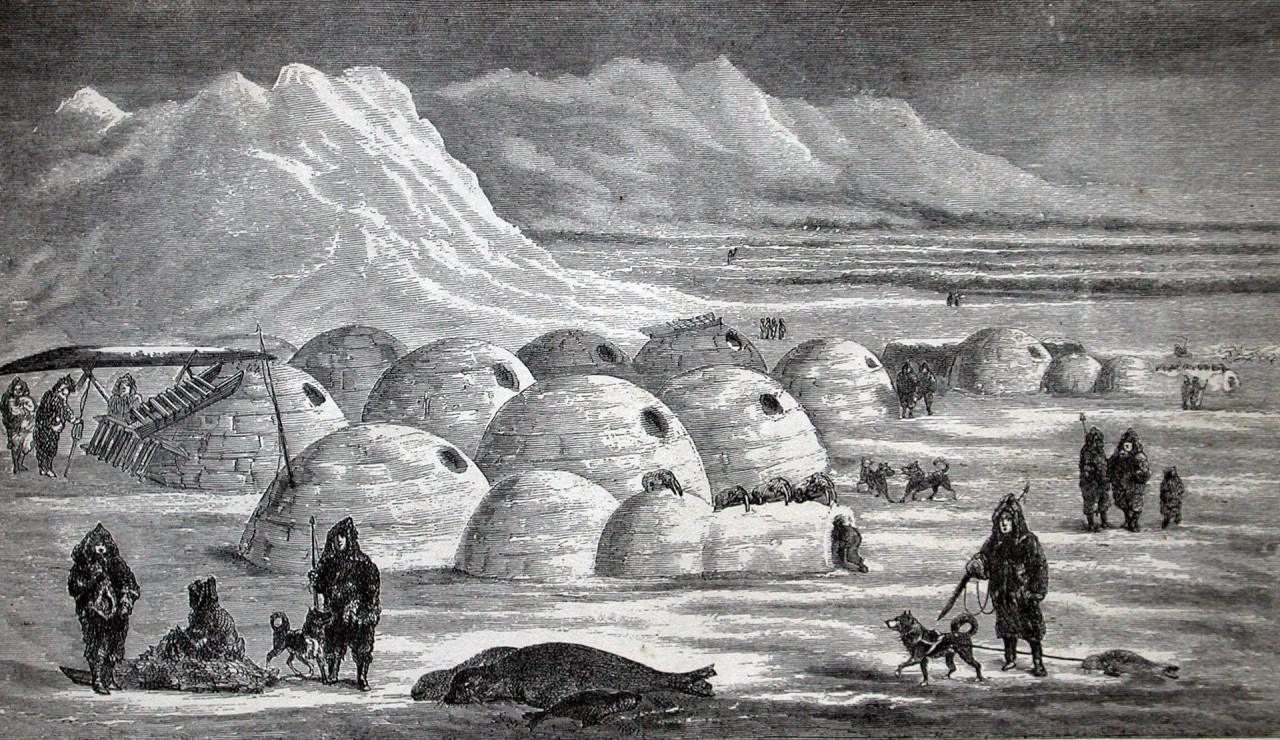
One of the best-known traits of the Inuit people was their wintertime shelters, called igloos. Igloos were houses made of snow and ice and were the best winter shelters, as snow causes air to be trapped, making it a very good insulator. A typical igloo could be built in less than one hour by two men with sharp knives. After the blocks were cut and stacked, the snow was packed on the outside for further insulation. Sometimes, several igloos would be connected via tunnels, enabling large families to have some privacy, but still stay together. Igloos often were warmed with homemade lanterns, fueled by the melted fat from seals and whales. So while outside temps might be -50 degrees Fahrenheit, inside the igloo, it could be 60 to 70 degrees.


Summer shelters usually were made of whale bones lashed together and covered with hides. The floors also would be covered with hides for insulation and comfort.


Clothing


Almost all clothing was made from seal and caribou hides. In the coldest winter months, two layers of clothing were worn. The one next to the skin had the fur turned inward; the outer layer had the fur facing outward. Caribou hide has natural air pockets, which make it super-insulating. Parkas often were made from caribou hides, with the fur inside, and waterproof seal hides on the outside. Many parkas had hoods edged in fur. Gloves were made much like parkas. While polar bear skins were valuable, these were not hunted often as the risk was too great.


Perhaps we never will live in environments like those of the Inuit people, but we all can learn from the creativity, resourcefulness and determination that kept them alive.


Would you want to live as an Inuit? Do you believe you’d have what it takes? Share your thoughts in the section below:


Learn How To ‘Live Off The Land’ With Just Your Gun. Read More Here.

Tuesday, January 3, 2017

It’s An Off-Grid House Hidden In Utah’s Cliffs – And It’s For Sale

It’s An Off-Grid House Hidden In Utah’s Cliffs – And It’s For Sale


Thousands of years ago, the Anasazi tribe of Native Americans made their homes in the cliffs of southeastern Utah. Their cliff dwellings provided a cool reprieve from the desert sun, warmth from the cool, dry nights and a measure of defense from their enemies.


Now, a modern off-grid home built into the cliffs is on the market.


In designing their home, dubbed “Cliff Haven,” Bill and Barbara Houghton created a contemporary cliff dwelling that offers 21st century conveniences along with the best of off-the-grid living. Located in Utah’s breathtaking Montezuma Canyon, just outside the small town of Monticello, Cliff Haven is a 2,100-square-foot three-bedroom, two-bathroom home. It overlooks 12 acres of property that includes a garden, a vineyard and a mature orchard.


However, the care of the home and the property is getting to be too much work for the elderly couple, who built the home in 1986. Their loss can be your gain. The Houghtons are hoping to find a new owner who will love their home as much as they do, and they are offering the incredible property at auction on Jan. 21.


Are You Prepared For A Long-Term Blackout? Get Backup Electricity Today!


A 2,400-volt solar system that provides 120-volt current powers the home. A well provides fresh water, and a 12,000-gallon cistern collects rainwater and runoff. In case of emergency, the home has propane as well as a backup diesel generator. The home also has WiFi and a phone line.


With an elevation of 7,069 feet, Cliff Haven offers sweeping views of the canyon, and hikes around the property frequently reveal artifacts, such as arrowheads or pottery, from the Anasazi. The entire area is rich in history and beauty. Within a 90-minute drive are Canyonlands National Park, Arches National Park, Lake Powell, Monument Valley and Four Corners.


George Matochan, who lives about a mile away from Cliff House, moved to his off-the-grid home several years ago to escape the rat race lifestyle of Chicago. In an interview on the Cliff House website, Matochan comments on the strong sense of community among his off-the-grid neighbors.


“You depend on your neighbors here,” he says, adding that he knows people in Utah who live a mile or more away better than people who lived next door in his former community.


With walls of solid rock, Cliff House is energy efficient. Behind the home, Houghton created a tunnel that provides fresh cool air, the opportunity for water drainage as well as a fire escape. A separate three-car garage is on the property, and there is ample room for expansion.


If you would like to know more about this one-of-a-kind property, you can take a video tour here. Open House tours of the property will be held on Jan. 7 and 14, from 10 a.m. to 4 p.m. local time. For more information on the sealed bidding process, call 385-800-2045 or visit http://utahcliffhouse.com/.


Would you want to live in an off-grid cliff house? Share your thoughts in the section below:


Are You Prepared For Extended Blackouts? Read More Here.


Tuesday, November 22, 2016

Veterans Organizing “Like a Military Unit” to Defend DAPL Protesters from Militarized Police

Resistance to the Dakota Access Pipeline (DAPL) is about to get a major boost. On Dec. 4, U.S. military veterans — possibly numbering in the hundreds — plan to gather “like a military unit” to stop the Dakota Access Pipeline.


Having witnessed the police state brutality inflicted on Native Americans attempting to protect sacred land and natural resources, the former service members feel compelled to stand with the Standing Rock Sioux.


According to the Veterans for Standing Rock GoFundMe page:


We are veterans of the United States Armed Forces, including the U.S. Army, United States Marine Corps, U.S. Navy, U.S. Air Force and U.S. Coast Guard and we are calling for our fellow veterans to assemble as a peaceful, unarmed militia at the Standing Rock Indian Reservation on Dec 4-7 and defend the water protectors from assault and intimidation at the hands of the militarized police force and DAPL security.


Tulsi Gabbard, the first Native American member of Congress and a combat war veteran, will be joining the act of resistance, according to the Facebook page Veterans Stand for Standing Rock.


As Task and Purpose notes, federal government ignored their duty under the National Historic Preservation Act to consult the Standing Rock Sioux before approving DAPL. Some of the pipeline construction will take place on sacred land that was taken from the tribe over the past 150 years, and the pipeline will be buried under the tribe’s drinking water source.


While federal government abandoned Native Americans once again, law enforcement are acting as militarized protection services for Energy Transfer Partners, the Texas-based company behind the 1,170-mile pipeline. State and local governments are set to reap millions in taxes once the oil begins flowing.


Numerous violent crackdowns have already been carried out by cops in riot gear – drenching protestors with water cannons in freezing temperatures, blowing arms apart with concussion grenades, choking protestors with tear gas and sending people into cardiac arrest.


This country is repressing our people,” said Michael Wood, a Marine Corps veteran and former Baltimore police officer. “If we’re going to be heroes, if we’re really going to be those veterans that this country praises, well, then we need to do the things that we actually said we’re going to do when we took the oath to defend the Constitution from enemies foreign and domestic.


The main man behind it all is Wes Clark, Jr., son of Gen. Wesley Clark, a former Supreme Allied Commander who ran for the Democratic presidential nomination in 2004. Clark Sr. called for action on climate change, and this motivation is also driving his son to fight against DAPL.


Wes Clark, Jr., is best known as a co-host for the Young Turks, and sees the Dec. 4 resistance at DAPL as “the most important event up to this time in human history.


“We’re not going out there to get in a fight with anyone. They can feel free to beat us up, but we’re 100% nonviolence.”


Clark and Wood say they are prepared to take a bullet for the cause, and they are going in well-prepared. The veterans will don old military uniforms and be equipped with body armor, ear plugs and gas masks.


“Vets Standing For Standing Rock was announced via an official sounding letter formatted like a five-paragraph military operation order, breaking down the “opposing forces” — “Morton County Sheriff’s office combined with multiple state police agencies and private security contractors” — “Mission,” “Execution” and “Logistics,” among other things. A packing list virtually mirrors the ones issued to soldiers preparing to deploy to the field (minus the weapons). But there are also parts of the document that read like a revolutionary manifesto. Under the section titled “Friendly Forces,” for example, the op order states, “we are there to put our bodies on the line, no matter the physical cost, in complete nonviolence to provide a clear representation to all Americans of where evil resides.”


Clark and Wood have an “operations order” in place to so they can organize “like a military unit” to carry out their goals. With a group of possibly 500 other veterans and other brave souls, they will lock arms and cross the Missouri River to confront militarized police with “rifles, mace, batons, and dogs.” Traditional Sioux war songs will be played as they attempt to surround the drill pad from which the pipeline will be bored under the river.


It’s simple and we have clearly defined goals, so people don’t get caught up in the confusion,” said Wood. “One of the issues the police are going to face is that our level of planning and coordination is vastly superior to theirs, so they may end up with a problem when it comes to that.


Even if the veterans are unsuccessful in stopping DAPL, the confrontation is sure to draw national attention — even from a mainstream media that have virtually ignored the corporate and government abuse being carried out on Native Americans in the interest of big oil.