Showing posts with label natural. Show all posts

Thursday, November 30, 2017

7 Old-Fashioned, Grandma-Approved Health Remedies That Actually Do Work

7 Old-Fashioned, Grandma-Approved Health Remedies That Actually Do Work


Many old health remedies are defined by folklore, myth and the varying claims of natural healers across the centuries. Beyond the claims, however, studies have shown that certain natural remedies actually can provide effective relief for illness and disease.


Here are seven of the best natural remedies that have stood the test of time.


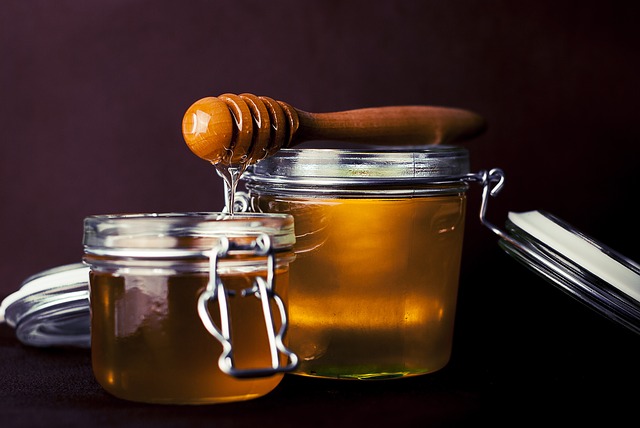
1. Honey


The first recorded use of honey as a medicinal treatment was 3,000 years ago in Egypt. Since then, honey has been found to:


  • Improve digestion – Use a tablespoon or two to counteract indigestion.

  • Relieve nausea – Mix honey with ginger and lemon juice to help counteract nausea.

  • Treat acne – It can be used as a face cleanser to fight off acne and is gentle on all skin types. Take half a teaspoon, warm between hands and spread on face gently. Leave on for 10 minutes, and then rinse with warm water and pat dry.

  • Lower cholesterol.


  • 7 Old-Fashioned, Grandma-Approved Health Remedies That Actually Do Work

    Image source: Pixabay.com


    Improve circulation – Raw honey makes your brain function optimal by strengthening the heart and improving blood circulation.


  • Reduce insomnia – Add a tablespoon to warm milk to help increase melatonin output and help you sleep.

  • Provide probiotic support – Raw honey is full of natural probiotics which promote the growth of good bacteria in the gut.

  • Treat allergies – If sourced locally, raw honey can help reduce seasonal allergies.

  • Moisturize skin – A spoonful of raw honey mixed with olive oil and a squeeze of lemon can be used as a hydrating lotion.

  • Treat eczema – Use it as a topical mixture of equal parts of honey and cinnamon.

  • Reduce inflammation – Raw honey has anti-inflammatory agents that can treat respiratory conditions such as asthma.

  • Help wounds heal – Raw honey used topically can help speed healing time for mild burns, wounds, rashes and abrasions.

  • Treat urinary tract infections – Due to its antibacterial properties.

  • Relieve sore throat – Mix with lemon or peppermint oil for fast acting benefits or add to tea.
2. Licorice root


Although native people often chewed the entire root raw, the roots of the licorice plant when dried and chopped can be made into a tea.


The Hidden Secrets Of Making Herbal Medicines…Right At Your Fingertips!


Licorice root has been found to help the following:


  • Digestive ailments – Add one teaspoon of powdered licorice root to a cup of hot water. Cover, steep for 10 minutes, and strain. Drink two or three times a day for a week.

  • Respiratory infections – Drink a few cups of licorice root tea every day. You also can mix ½ teaspoon of licorice powder with a little honey.

  • Canker sores – Due to anti-inflammatory and mucosa-healing properties.

  • Liver health – Drink a cup of licorice root tea to promote liver health. Add ½ teaspoon of licorice root to a cup of hot water. Cover, steep for five to 10 minutes, and strain. Drink this tea once daily for a week, take a break for a couple of weeks, and then repeat.

  • Teeth and gums – The antibacterial and antimicrobial properties in licorice root can prevent the growth of cavity-causing bacteria, reduce plaque, fight bad breath and keep your teeth and gums strong and healthy.

3. Willow bark


7 Old-Fashioned, Grandma-Approved Health Remedies That Actually Do Work Willow bark contains salicin, which is the active ingredient in aspirin. Salicin is a proven pain reliever and is anti-inflammatory. To use willow bark, cut a three-inch-by-three-inch chunk of willow bark out of a willow tree. All willows will work but white willow has the highest concentration of salicin.


Willow: Fast, All-Natural Pain Relief With No Nasty Side Effects!


Scrape and cut the inner bark (xylem) onto a pan or plate. Look for a pink color – that’s the good stuff. Wrap in a coffee filter (of other similar filter) and immerse into boiling water. Shut off the heat and let steep for 20 minutes. You should get a reddish, brown infusion.


Strain it again and take sparingly at first (a tablespoon at a time) until symptoms subside.


4. Apple cider vinegar


Books have been written about the value and extensive uses of apple cider vinegar. It has been used to treat osteoporosis, leg cramps and pain, upset stomach, sore throat, sinus congestion, high blood pressure, arthritis and high cholesterol.


It also is known to help with weight loss, and it adds valuable nutrients and micronutrients to your diet. These include soluble fiber in the form of pectin, vitamin A, vitamin B6, vitamin C, vitamin E, thiamin, riboflavin, niacin, pantothenic acid, beta-carotene, lycopene and minerals such as sodium, phosphorus, potassium, calcium, iron and magnesium.


Apple cider vinegar is an antiseptic with antibacterial and anti-fungal properties, too. That’s because all vinegars have acetic acid in concentrations from five to 10 percent. Use it for cleaning wounds or for general cleaning where germs may lurk.


5. Echinacea root


Native Americans have known about the healing properties of Echinacea or the purple cone flower for centuries. At times, the flowers were infused in tea, but it’s the roots that pack the healing punch.


gonepteryx-rhamni-416805_640What’s been determined in clinical studies is that the antioxidant properties in the roots boost the immune system. As a result, it is a standard treatment for colds and flu in the tribal medicine chests.


Beet Powder: The Ancient Secret To Renewed Energy And Stamina


To make an Echinacea tincture, you’ll need a small one-pint mason jar, a ½ cup of dried Echinacea root, and a pint of vodka. The alcohol in the vodka draws out key elements in the roots and preserves the tincture. I imagine Native Americans used hot water, but some contemporary recipes have indicated vodka as an effective ingredient for an infusion.


To make the tincture, add the roots to the jar, top with the vodka and seal the jar. Store at room temperature for six weeks, shaking the jar from time to time.


After six weeks, strain the tincture and discard the roots. The standard dosage is ½ to ¾ teaspoons, three to four times a day. You can add it to orange juice or other juice if you like. You don’t want to give this to kids if you made it with vodka, but the alcohol actually prevents the growth of bacteria in the tincture.


6. Beet juice


Some recent and significant clinical studies have confirmed something our ancestors knew all along. Raw beet juice can have a significant effect on blood pressure. In fact, one study found that after consuming eight ounces of raw beet juice, blood pressure dropped five points after one hour. In a study done in England, two glasses of raw beet juice a day were found to be as effective as nitrate tablets in treating hypertension.


It appears that some key elements in beets are responsible. These include high concentrations of potassium, foliates and natural nitrites. Collectively, they smooth muscle tissue and increase blood flow, in addition to supporting blood vessel function.


Keep in mind that fresh, raw beet juice is best. Bottled or pre-packaged beet juice is not as effective. If you don’t have a juicer, then you can use a blender and strain the juice. I’ll sometimes use the leftover pulp to make borscht.


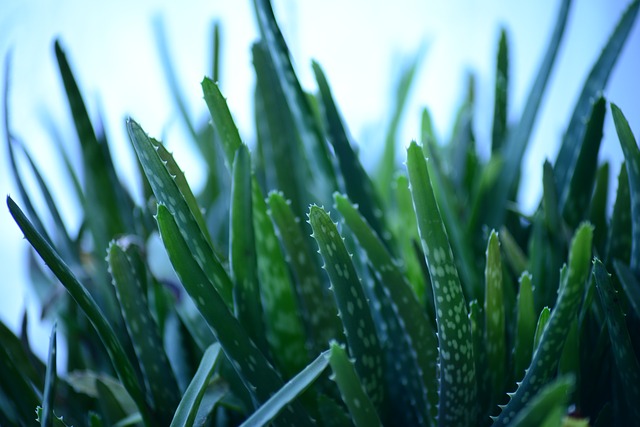
7. Aloe


Aloe is another one of those old health remedies that goes back thousands of years. The Egyptians called it the “plant of immortality.” It’s a succulent plant and a member of the cactus family. It was used by Native American tribes particularly in the Southwest deserts, where it thrived.

7 Old-Fashioned, Grandma-Approved Health Remedies That Actually Do Work

Image source: Pixabay.com


Aloe will grow in many parts of North America and can easily be grown as a houseplant. Its gelatinous pulp is often used as a treatment for burns and other skin conditions. It has been shown to have antibacterial, anti-fungal, anti-viral and antioxidant properties.


Aloe also has high amounts of vitamins and minerals, and can be consumed with juice and some of the squeezed pulp. It contains eight essential amino acids not made by our bodies, plus a range of enzymes.


The following is a short list of conditions it can be used to treat:


External use as a pulp squeezed from the plant leaves:


  • Eczema

  • Psoriasis

  • Acne

  • Rosacea

  • Cuts

  • Sores

  • Boils

  • Warts

  • Scars

  • Herpes sores

  • Rashes

  • Poison ivy

  • Insect stings

  • Itching

  • Blisters

  • Athlete’s foot

  • Hemorrhoids

Internal use in combination with water or juice:


  • Indigestion

  • Heartburn

  • Acid reflux

  • Bloating

  • Peptic ulcers

  • Constipation

  • Colitis

  • Prostate health

  • Inflammation

  • Arthritis

  • Immune system support

  • Detox

It was difficult to pick only seven natural remedies for this list, when you consider the healing properties of garlic, turmeric, ginger and numerous others. But given the number of benefits we’ve listed here, this is a good start. Stay well.


What old-fashioned remedies would you add to this list? Share your advice in the section below:


Harness The Power Of Nature’s Most Remarkable Healer: Vinegar

Monday, October 2, 2017

10 Natural, DIY Ways To Rid Your Home Of Flies (And Other Annoying Pests)

10 Natural, DIY Ways To Rid Your Home Of Flies (And Another Annoying Pests)

Image source: Pixabay.com


Before we get started with the list of natural fly remedies, it’s important to note that you must identify the exact species of fly you’re dealing with before you can get rid of it. You have to know your enemy, right?


The house fly is the most common type of fly. It’s attracted to animal waste, garbage and any kind of decaying matter. You’ll likely see these throughout the year, but most commonly in the warm summer months. Fruit flies, like house flies, are also attracted to garbage, but more commonly like to linger near partially decayed, sweet-smelling fruit (hence the name).


Another common type of fly—that may be rearing its ugly head around this time of the year—is the cluster fly. Cluster flies are lethargic, slow-moving flies that are attracted to warm, sunny places. You’ll likely see them if you have a large, productive garden, as they are parasitic to earthworms. Cluster flies, unlike house flies, do not carry or transmit disease, but are a nuisance to have around.


Other possible—but less common—types of flies include blow flies, flesh flies, drain flies and stable flies. You likely have no need to worry about these species invading your domesticity.


1. Homemade fly strips


Fly strips (or fly tapes) are a great way to get rid of flies, but come with many ugly side effects. The unsightly and messy yellow “goop” that attracts and eventually kills unwanted flies contains chemicals and leaves a disgusting, slimy residue around your house.


Discover More Than 1,000 Off-Grid-Living Tricks!


A more natural—and less gross—solution is to create your own fly paper. It is much more attractive and uses non-toxic materials that can be found around the house. To create, cut a brown paper bag into 2-3-inch-wide strips. Dip the strips into a mixture of sugar, honey and water. Then, hang the strips using twine wherever flies like to congregate. If they happen to dry out before they’ve annihilated your fly population, simply spritz them with water.


Less mess, less stress.


2. Apple cider vinegar traps


Apple cider vinegar traps are another way of ridding yourself of unwanted flies. Flies can often be found even in the most spotless of kitchens. Simply place an open bowl of apple cider vinegar, water and dish soap near a trashcan or sink. Within a day or two you will find the bowl swimming with the dead buggers, without endangering food safety or the health of your curious pets.


3. Plants


Besides the obvious Venus fly traps, there are numerous plants that can be grown to naturally lower your fly population. Herbs such as basil, bay laurel, rosemary, lavender, mint and even citronella help to repel flies. Because they have strong scents, flies generally stay away from these multipurpose plants.


Most fly-repelling plants can be grown outside or potted indoors, and several are even perennial. This low-maintenance option will help you season your tomato sauce and maintain a pest-free homestead.


4. Essential oils


If fresh or live herbs don’t work as well as you’d like in your fly-combatting efforts, you can also extract the oils from these plants. Harvest them in the morning after the dew has dried but before the sun has burned off any oils. Place the oils in diffusers or open jars around the house.


Other helpful essential oils include tea tree, eucalyptus and cedar.


5. Plastic water bags


This is probably the easiest and one of the most effective fly remedies. A bag of water serves as a lens and reflects movement. Flies are naturally skittish, and will fly away from the bag out of fear.


Fill a plastic bag with water, and hang wherever you tend to find flies (such as near outdoor trash cans). It should repel the flies before they get a chance to invade your domesticity.


6. Place cloves in citrus


While we tend to like the smell and flavor of cloves, flies absolutely abhor them. Cloves are the most effective against houseflies. As a result, flies will stay away from areas where they are present.


They also hate the fresh smell of citrus, so what you will need to do is take an orange or lemon and cut it in half. Poke about a dozen individual cloves into each half of the citrus. Place the slices on a countertop or other open surface. You will find that your fly population drops dramatically.


7. DIY fly killer spray


If you’re like most people, you hate using chemical-ridden sprays around the house—especially in places where you eat. An easy fly killer alternative is to combine dish soap, Windex, vinegar, and water in a large spray bottle.


This method requires vigilance, as you’ll need to spray the flies as they appear, but after several applications you should find that the amount of flies decreases.


8. Red sine traps


Flies love the sweet smell of red wine. If you place red wine in a bowl with some dish soap or vinegar, they’ll be drawn to the scent of the wine and drown in the liquid.


9. Lure them out with light


Most bugs—including flies—are attracted to light. Darken the room in which you tend to find them by lowering blinds.


You can also place light traps in an attic or other enclosed space that humans typically don’t frequent. Light traps will keep flies out without the application of stinky, toxic chemicals.


10. Get physical


It seems obvious, but if you don’t want flies in your house, don’t invite them in! Take out the trash on a regular basis, and keep trash bins far away from your house. Keep your kitchen tidy and make sure there aren’t any stray crumbs hiding in nooks and crannies. Cover pet food dishes and don’t leave food out on the counter.


Make sure your house is well sealed—cluster flies like to invade in the fall months when they are looking for a place to spend the cold winter months. These pests can find their way into the house through the smallest of spaces, so make sure any air gaps are sealed and holes in window screens are repaired before these buggers become a problem.


What tips would you add? Share your advice in the section below:

Saturday, September 9, 2017

12 Natural Ways To Rid Your Home Of Spiders (No. 6 Will Do It FAST)

12 Natural Ways To Rid Your Home Of Spiders (No. 6 Will Do It FAST)

Image source: Pixabay.com


You probably have heard the statement that you are “always within a few feet of a spider.” Several Internet sources cite a 1995 article by arachnologist Norman Platnick as the origin of that statement, which is a myth.


Spiders simply do not thrive everywhere humans go, so there are plenty of times you are far away from the nearest spider. Additionally, people often mistake other bugs – including dust mites, fleas and lice – for spiders.


However, it is true that most of us frequently find spiders inside our homes. Spiders like to hang out in corners and other dark spots, behind or below furniture, in cabinets, in basements, in garages and in the cracks and crevices of our homes.


Although most spiders are not dangerous, most of us would prefer they not take up residence where we do, especially if babies or small children are in the house. Here is our list of time-tested natural ways to keep your home spider-free.


1. Clean up the clutter inside. One of the main reasons we find spiders in basements, garages and attics is because we tend to have boxes and other stuff there where they can easily hide.


Reduce the clutter and sweep up dust and debris to make these areas less attractive for spiders. Also, remove cobwebs when you see them.


2. Cut back vegetation outside. Keep shrubs and bushes trimmed away from the exterior of your home, especially near doors and windows, as they provide good places for spiders to hide.


In addition, keep woodpiles, leaf pikes and other debris away from your home. Spiders will often live in these areas and then make their way into your home if it is close by.


3. Seal cracks and holes. An effective way to keep spiders out of your home is to lock them out by sealing cracks and holes in doors, windows and siding. (This, of course, is essential for keeping other insects out, too.) Install weather stripping and secure screens.


4. Adopt a cat. Cats enjoy chasing, catching and even eating spiders. Maybe this is your opportunity to adopt a furry friend.


5. Essential oils. You can make a natural “spider spray” with water and a few drops of essential oil. Spiders detest the smell of peppermint, making it an excellent choice. Simply fill a spray bottle with water, add about eight drops of oil, shake to mix and then spray wherever spiders frequent.


Another idea is to add a couple of drops of peppermint oil to a cotton ball and place it in areas where you have seen spiders.


12 Natural Ways To Rid Your Home Of Spiders (No. 6 Will Do It FAST)

Image source: Pixabay.com


Not into the smell of peppermint? Other essential oils to try are lavender, citronella and eucalyptus.


6. Diatomaceous earth (DE). This is a natural powder-like substance that that comes from the fossilized remains of phytoplankton. Sprinkle it around the perimeter of your home to keep spiders out. It works on other insects, too.


Diatomaceous Earth: The Best Natural Way To Get Rid Of Spiders!


7. Vinegar. You may have read about amazing uses for white vinegar in your home. Here’s another one. Fill a spray bottle with a 50-50 mix of water and white vinegar and spray it in cracks, crevices and corners of your homes. It will do a great job of repelling spiders.


8. Citrus. Save your lemon, orange, grapefruit and lime peels and then place them along baseboards, in corners or along windowsills to repel spiders. You will need to replace the peels every few days for best results. You also can use essential oils in citrus scents to get rid of spiders.


9. Baking soda. Like white vinegar, baking soda is a powerhouse around the home. You can sprinkle it in corners, doorways and windowsills to keep spiders – and other bugs — at bay.


10. Chestnuts. Here is one you may never have heard before. The odor of chestnuts really bothers spiders, so you can deter spiders by placing chestnuts in trouble areas. Poke a few holes in the nut to release the scent more fully.


11. Turmeric. This fragrant spice, which is in curries and other Indian dishes, is repugnant to spiders. Mix two or three tablespoons of pure turmeric powder with water and stir to make a paste. Then apply the paste with a spoon to areas where spiders congregate. (Please note that turmeric can leave a yellow stain, so take care where you place it.)


12. Salt. Common table salt can get rid of spiders. Simply make a saltwater solution and spray it into cracks and crevices to keep the creatures from entering your home.


Most common spiders are not harmful to you, your family or your pets. However, if you are unsure if a certain spider is poisonous or not, check out the Centers for Disease Control website.


What advice would you add? How do you keep spiders and other bugs out of your home? Share it in the section below:


If You Like All-Natural Home Remedies, You Need To Read Everything That Hydrogen Peroxide Can Do. Find Out More Here.

Saturday, August 5, 2017

A Homesteader’s Shocking Lesson About ‘Added Sugar’

A Homesteader’s Shocking Lesson About ‘Added Sugar’

Image source: Pixabay.com


While making plans with a farm apprentice regarding her upcoming move to our homestead and discussing room-and-board details, she let me know that she did not eat any foods with added sugar. She wouldn’t mind fixing her own meals separately, she told me, but I assured her it would be no trouble for me to take the whole household off sugar. I thought eliminating sugar was just a matter of cutting out dessert foods, which didn’t seem like a big deal.


What never occurred to me was that sugar, in one form or another, is added to a great many common foods. While it is no surprise to find sugar in soda pop, candy, pastries, ice cream and other so-called junk food, it came as a bit of a shock to learn how many other prepared foods contain it. Even more so was the shock of learning how much I—as one who considers my cooking style to be mostly from whole foods—use it in meal preparation, as well.


Cutting sugar completely from our diet was far more difficult than I had imagined it would be. Like many Americans, I was so accustomed to using sugar in my everyday cooking that I didn’t even always notice how often I use it. After the apprentice’s arrival, I was amazed to realize how many of the recipes I’ve used for years contain sugar. Just a few tablespoons here or a teaspoon there had never seemed significant, but I began to become aware of how much it really was.


Even foods as basic as breads suddenly presented problems. I make a great homemade corn bread, for example—northern style, with yellow cornmeal and sugar. Most yeast breads contain sugar, too, along with many of even the healthiest muffins.


Homemade soups and sauces usually call for a little sugar, adding just the right touch or bringing out the flavor of everything from pumpkin soup to spaghetti sauce. And while I don’t put sugar in my beef or chevon stews, I do add a little browning sauce that includes—you guessed it—sugar.


One day when I was collecting ingredients in the pantry for a casserole that included store-bought cream-style corn, the apprentice reached for the can and read the label.


‘What?! No Way’


“It has sugar in it,” she told me.


“What?!” I was astonished. “No way.” I checked the label and saw she was right.


Once I started looking for it, I found sugar lurking everywhere. The round buttery crackers I usually crumbled on top of my macaroni-and-cheese are sugar-sweetened. So are canned soups. And all kinds of sauces—from barbecue, which you might suspect, to Worcestershire, which you probably wouldn’t. Ketchup too, along with pickles and relishes and other condiments. Even breakfast cereals billed as “regular” and “plain,” often contain added sugar.


Even simple sandwiches posed challenges. Regular peanut butter is sweetened, as of course are jams and jellies. Mayonnaise and most brown mustards contain sugar, as do some luncheon meats. Perhaps a salad instead—but wait, store-bought salad dressings and croutons are loaded with sugar!


A Homesteader’s Shocking Lesson About ‘Added Sugar’

Image source: Pixabay.com


Even foods we often think of as healthy alternatives sometimes contain sugar. Items like granola, nutrition bars, fruit-based drinks, fruit rollups, and other foods marketed to children can be sugar-laden.


The Many Names of Sugar


One of the reasons many people use more sugar than they realize is that sugar disguises itself under many other names. Careful label-readers often don’t find “sugar” listed, but will instead see ingredients such as dextrose, maltose, cane juice or solids, fructose, high fructose corn syrup, glucose, and dozens of other words that all mean the same thing: added sugar.


By some accounts there are 40, 50 or even more different terms for added sugar. It can be derived from sugar cane, sugar beets, corn, coconut and other plants, and processed in a wide variety of ways into many forms. Often a packaged food label will list several sugar variations, the combination of which can result in an astounding total volume of sugar per serving.


Avoiding sugar can be tricky. It helps to become familiar with all the names it goes by in order to be able to pick it out of an ingredients list. Poring over labels can be tedious, but it gets easier with practice. The more important it is to avoid sugar—that is, the more serious the health consequences of eating it—the more crucial it is to read ingredients lists and know how to recognize sugar in all its various forms. The keys are diligence and determination.


Most people alive today grew up on a fairly steady diet of sugar. Even those of us who are health-conscious may well consume more sugar than we are aware of. To some of us, we are so used to everything from breads to canned fruits to breakfast staples being so chock full of sugar that these foods taste a little foreign to us without it.


Lessons Learned


My homestead underwent a radical change in eating habits when we began learning to accommodate a completely sugar-free person into our menu planning. Some of it was easy. We substituted natural sweeteners such as local honey and our own maple syrup into foods with a great deal of success. With other items, we tried simply omitting sweeteners altogether and learned to like them that way.


Although many people use popular sugar substitutes with satisfaction, we steered clear of them because none of us cared for the taste or didn’t want to add more processed ingredients to our diets. Using artificial sweeteners is a personal choice, but it is worth remembering that some fake sugars pose health threats of their own.


The apprentice was able to eat homemade breads with little or no negative reaction, probably because the sugar used in the dough was processed and transformed by the yeast organisms prior to baking. However, some bread recipes use more sugar than others, and I learned to tailor my bread-making by using less sugar, substituting natural sweeteners when practical, and using more whole grains to offset the sweetness.


After the apprentice moved on, we were glad to return to using sugar in some foods but found that we were perfectly content without it in others. But we now have a better understanding of the widespread pervasiveness of sugar in foods, both prepackaged and homemade, and this new awareness better equips us to make conscious choices to consume it or not.


Do you have advice for avoiding sugar? Share your advice in the section below:

Wednesday, July 26, 2017

Ben & Jerry’s Ice Cream Found to Contain Traces of Glyphosate

The Organic Consumers Association (OCA) announced July 25, 2017 that it had discovered traces of the RoundUp chemical glyphosate in 10 of 11 samples of Ben & Jerry’s ice creams. The levels were reportedly far below the limit set by the EPA. [1]


The discovery is a bit of an embarrassment to the ice-cream maker because it has billed itself as a non-GMO company since 2014. Thankfully, the levels found were quite low. [2]


In reality, that’s only sort of true. On its website, Ben & Jerry’s says it based its non-GMO standard on the “mandatory declaration requirements of European regulations and the GMO labeling law passed in [their] home state of Vermont.” Based on this standard, the company’s milk and egg suppliers may still use conventional (GMO) animal feeds. [1]


Rob Michalak, global director of social mission at Ben & Jerry’s says the environmentally-conscience company is working to ensure that all the ingredients in its supply chain come from non-GMO sources. None of its plant-based ingredients come from corn, soy, or other known genetically-modified crops. The company is also reportedly teasing out a cost-effective way for the dairy farms that supply its milk to use non-GMO feed.


Michalak said:


“We’re working to transition away from GMO, as far away as we can get. But then these tests come along, and we need to better understand where the glyphosate they’re finding is coming from. Maybe it’s from something that’s not even in our supply chain, and so we’re missing it.”


It’s possible that add-ins to the ice cream, such as peanut butter or cookie dough, are sprayed with glyphosate and may be the culprits. [3]


Ben & Jerry’s Chocolate Fudge Brownie showed the highest levels of glyphosate, with 1.74 parts per billion, and glyphosate’s byproduct aminomethylphosphonic acid registering 0.91 parts per billion.


To put things into perspective, a 75-pound child would need to eat 145,000 8-ounce servings each day of the ice cream to hit the limit set by the Environmental Protection Agency. An adult would have to eat 290,000 servings, said John Fagan, the chief executive of the Health Research Institute Laboratories, which did the testing for the Organic Consumers Association.


But despite the extremely low levels of glyphosate, the OCA thinks that any presence of glyphosate is misleading to buyers. [2]


The group said in a post on its website:


“It’s time for Ben & Jerry’s to announce it will immediately begin transitioning to 100 percent organic. Otherwise conscious consumers have no choice but to launch a national and, if necessary, international protest campaign and boycott.”


Furthermore, according to OCA, reports published by Regeneration Vermont reveal that Ben & Jerry’s suppliers—and Vermont and U.S. (non-organic) dairy farmers in general – “have gone backwards, rather than forward over the past 15 years in terms of environment sustainability, food safety, and nutrition and greenhouse gas pollution.”


OCA also says Ben & Jerry’s needs to stop labeling its ice cream as “natural.”


Promising years ago to go GMO-free by 2014, Ben & Jerry’s has made strides over the years to make its ice cream more natural, including dropping milk made with Monsanto’s RBST growth hormones. Perhaps the company doesn’t deserve this much heat at this point in time.


Sources:


[1] The New York Times


[2] Fox Business


[3] Business Insider


Storable Food


About Julie Fidler:


Author Image
Julie Fidler is a freelance writer, legal blogger, and the author of Adventures in Holy Matrimony: For Better or the Absolute Worst. She lives in Pennsylvania with her husband and two ridiculously spoiled cats. She occasionally pontificates on her blog.

Monday, June 12, 2017

9 Off-Grid, All-Natural Solutions To Depression

9 All-Natural Solutions To Depression

Image source: Pixabay.com


Depression can strike anyone, anywhere, for any reason, and without explanation. Sometimes it goes away on its own, such as in a case of “the blues” around the holidays. Situational depression is caused by a sudden, unexpected life event — a job loss or the death of a spouse – and usually resolves when you move forward.


But long-term depression with no obvious direct cause and that doesn’t resolve may need help. Allopathic doctors quickly prescribe antidepressants without a second thought after a five-minute visit, but those come with side-effects, some of them major. Antidepressants don’t address underlying causes of depression.


One estimate puts the rate of depressed people over 18 in the U.S. at about 6.7 percent.


Get Fast, All-Natural Pain Relief With No Nasty Side Effects!


Natural solutions are readily available.


1. Sleep. Are you sleeping? If not, fatigue can exacerbate depression. Getting quality sleep will restore your physical self and help support your mental self. Try valerian root, melatonin, magnesium or l-tryptophan to improve your sleep.


2. Exercise. Do you exercise? Why not? Take a short walk in the sunshine, do some push-ups, lift weights (it can be light weights), or dust off that expensive exercise machine you bought in January. Regular exercise helps jump-start your serotonin and other brain chemicals, and works better than prescriptions. Remember: You’re not training for the Boston Marathon. Just get moving, however you can!


3. Reduce or eliminate sugar. Cleaning up your diet can go a long way to feeling better. Eliminating grains and sugar (particularly fructose), or at least keeping it under 25 grams a day, will help reduce hypoglycemia. This also will reduce secretion of glutamate high enough to cause agitation, depression and other symptoms that increase the risk of suicide.


4. Omega-3 fats. These fats are needed for good brain function. Fish oil capsules are ideal, since your brain is made up of 60 percent fat!


9 All-Natural Solutions To Depression

Image source: Pixabay.com


5. Magnesium. This mineral controls a number of processes in the body. Deficiency can cause symptoms like depression and hypertension. Stress, depression and other high-energy events can cause your magnesium levels to burn down faster and keep you awake, groggy and depressed. Twice-daily supplementation can help raise your levels to improve sleep and decrease depression.


6. 5-HTP (5-hydroxytryptophan). This amino acid is known to convert to serotonin, a neurotransmitter, and a “feel-good” brain chemical. Start with a small amount, 50 mg, and go up as needed.


7. Vitamin D. Most people are deficient in the “sunshine” vitamin, but it’s easy to reverse. A blood test at your doctor’s office will tell you how much you need to be taking to raise and sustain a proper level.


8. Vitamin B-12. Found only in animal-based food sources, a deficiency of B-12 can cause a host of ills, including depression, Alzheimer’s, dementia and sleep problems. Supplementation helps, particularly if you prefer a plant-based diet.


9. Eliminate yeast overgrowth. Excess mycotoxins secreted by long-term Candida albicans overgrowth can block serotonin as well as other hormones, leading to depression and other health issues. Sugar also feeds yeast overgrowth. A blood test in your doctor’s office can determine if you have Candida. Eliminating sugar and yeast overgrowth can help with depression.


There’s no reason to stay depressed when natural treatments can get you back on your way. If you’re feeling the blues, don’t just “live with it” or “manage” your depression. Get rid of it naturally and get back to your happy life.


What all-natural solutions do you use? Share your tips in the section below:


*This article is for informational purposes only and is not intended to diagnose or cure any particular health condition. Please consult with a qualified health professional first about this method.


Sources:


How To Fight Major Depression During The Holidays, HotzeHWC.com, December 28, 2015


Tips To Avoid Depression, Mercola.com, May 3, 2011


Supplements Proven Beneficial For Depression, Mercola.com,


Warning: Potentially Life Threatening Deficiency Affects 25% Of Adults, Mercola.com, May 19, 2008


Magnesium for Post-Election Blues, CarolynDean.com, November 10, 2016


A Letter From A 19-Year-Old Suffering From Candida, CarolynDean.com, July 7, 2009


The Biggest Cause of Anxiety and Depression Is Traumatic Life Events, Mercola.com, December 19, 2015


Sugar Leads To Addiction, CarolynDean.com, December 16, 2014

Wednesday, May 31, 2017

7 Things Rabbits Absolutely Hate (So Put These In Your Garden!)

7 Things Rabbits Hate (So Put These In Your Garden!)

Image source: Pixabay.com


I’m an avid gardener and prefer to do things the natural way. That means I spend a lot of time composting, planting heritage fruits and vegetables, and using natural ways to control insects.


But while the bugs can be bad, rabbits can wipe out a garden overnight. So, I’ve developed a number of ways to deal with those critters — sometimes use them in combination.


Whichever method you use, it is best to implement it from the day of your first planting. Rabbits love sprouting plants.


I’ve tried all these methods, and they do work.


1. Geraniums. Believe it or not, rabbits hate the smell of geraniums. They’re an annual plant, but the seeds are easy to harvest in the early fall to replant around the perimeter of the garden during spring. They’re not a foolproof solution, but when used with other rabbit repellents they can create an effective barrier.


2. Human hair. Sprinkle some hair from your last haircut around the perimeter of your garden and in between rows. Rabbits are repelled by the scent and may think a human is in close proximity. The hair decomposes and adds to the compost variety in the garden. Dog or cat hair also can work.


3. The plastic owl. This is an odd one, but it works. Many garden centers sell life-size plastic owls. When mounted on a stick above your garden, they will repel most rodents, including rabbits.


The All-Natural Fertilizer That Can Double Your Garden Yield!


Owl prey on rabbits, mice, chipmunks and squirrels. The site of your fake owl most likely will keep them some distance from your garden.


7 Things Rabbits Hate (So Put These In Your Garden!)

Image source: Pixabay.com


4. Rubber snakes. You can buy rubber snakes at some novelty stores. Scattering a few around your garden will add an additional stop sign to rabbits and most other rodents. Rabbits hate snakes. Of course, if you also hate snakes it may be a bit unnerving to have rubber snakes scattered around your garden, but that’s up to you.


5. Fences. It’s the standard chicken-wire solution. You drive in some stakes and surround the garden with chicken wire. It requires work and is a bit unsightly, but it’ll at least keep the rabbits out.


6. Noise. Anything that rotates in the wind to create noise will repel most rabbits. Of course, you need wind to make them work, but as an added rabbit repellent you should see good results. Here again, some garden centers sell these types of garden noisemakers, so ask around.


7. Home-brewed rabbit repellent. Imagine the hottest and stinkiest stuff you have in your kitchen and you’re halfway to a home-brewed rabbit repellent. Think garlic, hot sauce, cayenne pepper, red pepper flakes — anything that will make one taste of one of your vegetables objectionable to a rabbit. Here’s a recipe but you can improvise:


  • 1 gallon of water.

  • 1 tablespoon of crushed red peppers.

  • 10 garlic cloves diced.

  • 2 tablespoons hot sauce (“Dave’s Total Insanity Sauce” is the hottest).

Put everything in a gallon milk jug and let it sit in the sun for three to four days to get those flavors infused. Spray or splash onto plant leaves and fruits where you have a rabbit problem, or think you’ll have one.


One note: Some vegetables will need to be rinsed after this application. A first rinse in half and half water and vinegar followed by a clear rinse in cold water should do the trick. This is less of a problem with root vegetables like carrots, parsnips, beets, radishes and rutabaga, because you’re only spraying the top leaves and the roots will not pick up the hot stuff. Of course, if you’re harvesting those green tops you’ll want to do the vinegar and water rinse.


Final Thoughts


It’s tough when you want to take a natural approach to gardening. The bugs and fungus and critters love to show up at your garden table. Hopefully, though, some of these ideas work for you when it comes to rabbits.


How do you keep rabbits out of your garden? Share your thoughts in the section below:

Friday, April 7, 2017

The Strange Truth Behind Those ‘Natural Flavors’ Labels

The Strange Truth Behind Those ‘Natural Flavors’ Labels

Photo source: Justine McGregor. Flickr/Creative Commons . https://creativecommons.org/licenses/by-nc-nd/2.0/


The Merriam-Webster dictionary defines “natural” as “being or composed of ingredients that are from nature and not artificial.”


With that definition in mind, it makes sense that when you see the words “all natural” or “natural flavors” on a food or drink label, you expect that the ingredients are “from nature.”


But you might be surprised at how unnatural some of those “natural” ingredients are. In fact, the Food and Drug Administration has no set definition of what “natural” means in labelling.


Since its 1906 Pure Food & Drug Act, the FDA has deemed that natural flavors must originate from a natural source, but the FDA does not stipulate what is done to that substance afterwards. In fact, many “natural” flavors become decidedly unnatural after spending some time in the lab.


A good example of the term “all natural” gone bad is orange juice. Although commercially produced orange juice includes orange juice as a natural ingredient, the product often undergoes an unnatural process before it hits your grocery store shelf.


New Capsule Protects You From Toxins And Pollutants!


In her book, “Squeezed: What You Don’t Know About Orange Juice,” Alissa Hamilton explains that orange juice companies first squeeze oranges into giant tanks that remove all the oxygen from the juice. Without oxygen, orange juice can be stored for up to a year before bottling.


The Strange Truth Behind Those ‘Natural Flavors’ LabelsHowever, without oxygen, the juice also loses its flavor. So, orange juice companies add orange flavor back in later with specially designed “flavor packs.” Although the flavor packs do contain some natural ingredients (such as orange oil and orange essence), they usually are mixed and formulated in a lab along with other chemicals and compounds.


As a result, all-natural orange juice is not all orange juice.


Likewise, natural vanilla flavor does not always come from vanilla beans. In another example, a British biotech company is working to create a grapefruit flavor from oranges, since oranges are less expensive and more readily available than grapefruits.


According to Popular Science, in order to create a grapefruit essence, the British scientists are isolating a chemical in oranges, called “valencene,” and combining it with an enzyme to manufacture a grapefruit flavoring, called “nootkatone.” A Boston company called Ginko Bioworks is working on a similar process to give yeast a vanilla taste.


While artificial flavors can come from petroleum or other inedible substances, “natural flavors” can come from a spice, a fruit or vegetable, edible yeast, herb, bark, bud, root, leaf, meat, seafood, poultry, eggs, dairy products, or anything fermented from those foods, according to the FDA’s Code of Federal Regulations.


Lab workers, called flavorists, can take a startling array of ingredients and work with them to mimic certain natural flavors. So, why not use the natural source itself? The answer is to save money. For example, real cherries are costly, but a lab-formulated “natural” cherry taste can be much less expensive.


Once flavorists find a tasty formula blend, the recipe is then manufactured at production plants.


In its database of more than 80,000 foods, the Environmental Working Group lists “natural flavor” as the fourth most common ingredient – behind only salt, water and sugar — listed on food labels. Unfortunately, the FDA does not require manufacturers to spell out what is in their “natural flavors.” The only exceptions are common allergens — milk, egg, fish, shellfish, peanuts, soy, tree nuts or wheat.


Therefore, the only way to really know if the “natural ingredients” in a product are really natural is to contact a food manufacturer directly to request detailed information.


Of course, another option is to bypass these types of processed goods entirely and to eat foods in their natural state as much as possible. That way, you’ll know exactly what you are eating.


What do you think about “all-natural” labels? Share your thoughts in the section below:   


Sources


https://www.accessdata.fda.gov/scripts/cdrh/cfdocs/cfcfr/cfrsearch.cfm?fr=501.22


http://www.ewg.org/foodscores

Friday, February 24, 2017

The Livestock Feed That Grows Even During Droughts

The Livestock Feed That Grows Even During Droughts

Image source: Pixabay.com


When you think of natural livestock feeding, what do you picture? A smooth, green pasture with animals grazing on grass and clover? That provides a large part of what’s needed. But trees and brush also can be valuable livestock feed. They have several uses.


Woody plants provide extra fiber/roughage and can help to settle digestions upset by too much rich food. Their deep roots bring vitamins and minerals up from lower levels of the soil and make them accessible to livestock. In dry years, these deep roots are especially valuable. During the long rainless summer of 2016, when my family ran drip irrigation on the gardens 24/7 and watched the pastures turning brown, the deep-rooted trees and bushes remained green and growing, giving us something fresh to feed our livestock.


Who Wants Brush?


Goats are champion brush-eaters, and they naturally prefer browsing to grazing. Sometimes, ours get diarrhea when they’re turned out on lush spring pasture. Feeding lots of branches gets enough fiber into their systems to settle their digestions. Sheep also enjoy a certain amount of browse. Some farmers report that heritage breeds of sheep are much more willing to eat browse than recently developed breeds. Horses and cows are primarily adapted for grazing, but some browse can be a useful fiber/vitamin supplement for them, as well. Rabbits should have some woody plants to add fiber to their diets and to keep their teeth from overgrowing.


What Can You Feed?


Willow (Salix spp) and mulberry (Morus spp) are particularly nutritious high-protein feeds. They can grow very rapidly in favorable conditions, which makes them easy to coppice for continual growth (mulberry is even considered invasive in some areas). Willow is also pain-relieving and anti-inflammatory; salicylic acid, the active ingredient in aspirin, was derived from willow bark. We feed plenty of this to our goats after kidding. Siberian peashrub (Caragana arborescens) is a hardy legume with protein-rich leaves and seedpods. It’s supposed to cope well with drought, poor sandy soil and other challenging conditions.


Diatomaceous Earth: The All-Natural Livestock De-Wormer


The Livestock Feed That Grows Even During Droughts

Image source: Pixabay.com


Other palatable trees and shrubs include apple, birch (Betula spp — which also has mild de-worming properties), staghorn sumac (Rhus typhina — do not ever feed your animals poison sumac, Toxicodendron vernix), rose (another mild de-wormer), blackberry (also has some disinfectant and digestion-settling properties) and raspberry (beneficial to animals during pregnancy and soon after birth, and will do no harm at other times). Do not feed branches from stone fruit trees (peach, plum, cherry, apricot nectarine), yew, poison sumac, mountain laurel, or any type of laurel or rhododendron.


This is by no means a comprehensive list. Check with your local Cooperative Extension and with your neighbors about what grows and what is palatable in your area. Be prepared for conflicting answers. There’s controversy over whether or not to feed some types of trees and brush. Some sources list maple as toxic; our goats sometimes eat dried sugar maple leaves as a treat alongside their hay and come to no harm. Some sources say to avoid feeding any kind of evergreens, but we give our goats small amounts of white pine branches when they suffer from worms, though we don’t feed pine regularly.


How Can You Offer Browse?


This depends very much on your animals and your land. Goats usually will eat any browse included in their pastures, so enthusiastically that they kill the plants — they’ll completely defoliate low shrubs, and girdle the bark of trees so they die. That can be useful if you have goats and you want a wooded/brushy area cleared; you can just remove toxic plants, fence the area and turn the goats loose in it. The other choice is to keep your goats on grass pasture, cut branches elsewhere and throw them in.


Browse, as well as grass, can be stored for winter. My family cuts willow early, when the leaves have just reached their full size and their nutritive peak. We then bundle the branches and hang them high in the barn rafters. After several months, they’re thoroughly dry and ready to go into a bin for winter feeding. We also bundle and dry raspberry plants.


For obvious reasons, browse for rabbits needs to be cut and put into their enclosures.


I haven’t raised cows or horses. Some sources say they won’t eat browse if they have access to plenty of graze. Others report that they will eat cut branches that are offered them and will nibble on trees or shrubs in their pasture without killing them. So far as I can tell from reading, sheep’s willingness to browse depends on the breed and the particular flock. In a dry year when fresh graze is less available, most natural grazers may show more enthusiasm for branches. I hope that some of you who raise horses, sheep and cattle will comment on this post and tell us about your herd’s eating habits.


Have you ever fed your livestock trees and bush? Share your tips for doing it in the section below:


If You Like All-Natural Home Remedies, You Need To Read Everything That Hydrogen Peroxide Can Do. Find Out More Here.

Monday, January 16, 2017

Stockpiling The Medicine Cabinet For Winter: 17 Things You Better Be Storing

Stockpiling The Medicine Cabinet For Winter: 17 Things You Better Have

Image source: Pinterest (Justa Girl)


Wintertime is a wonderful season — full of holidays, resolutions and relaxation. However, it is also the time of the year when our immune systems are the most vulnerable.


Of course, it is best to prevent illnesses, but it’s just as important to be ready if an illness does strike. That means you need a well-stocked medicine cabinet. Here are 17 natural treatments you should stockpile:


Vitamins and Supplements


1. Vitamin C. This should be taken daily, as vitamin C is critical for boosting the immune systems, for preventing illnesses, and for fighting infections.


2. Vitamin B. It serves as a pick-me-up and helps the body generate energy. It is good to have on hand to combat fatigue.


3. Calcium and magnesium. Many of us suffer from a lack of essential nutrients, and calcium and magnesium are two important ones the body needs. Take a daily supplement if you do not get enough in your diet. Both of these are good for relieving cramps and for relaxing.


4. Cod liver oil. Cod liver oil is considered a superfood, a crucial omega 3 fatty acid, and is extremely high in vitamins A and D. Take it daily, but especially when you feel a cold or the flu coming on. It is also a healthy fat to help lower bad cholesterol levels.


Herbs and Tea


5. Mullein. This is an herb that is useful for treating a sore or scratchy throat. It can help to ease coughs, too. One good way to use mullein is to boil it and then inhale the steam. It can contribute to clearing congestion and blocked airways.


“The Big Book Of Off The Grid Secrets” — Every Homesteader Needs A Copy!


6. Chamomile. Chamomile tea is great for soothing an upset stomach, easing anxiety and tension, and for treating insomnia.


7. Peppermint. Peppermint tea can fight fatigue, ease nausea, battle congestion, open airways, and promote overall well-being.


8.  Ginger. Ginger is a natural antioxidant and has anti-inflammatory qualities. Furthermore, it is good for heart health. It can boost your immune system, aid in indigestion, fight bacterial and fungal infections, and even help with the symptoms of diabetes. Ginger root is excellent as a tea, or it can be added to your food.


9. Turmeric root. Most people use fresh turmeric root to treat aches and pains, as it is a natural pain reliever and aids in blood circulation. You can add it to your food recipes, or drink it as a tea. Be aware that turmeric can be hard to absorb, so add black pepper or coconut oil to your recipes to aid in absorption. Here is a fresh, turmeric root tea recipe.


Essential Oils


10. Tea tree essential oil. Tea tree essential oil is a natural antiseptic and is antibacterial, antiviral and antifungal. Use it in a vaporizer to purify the air in your home and to kill germs. Furthermore, you can add it to a spray bottle with water and spray all the surfaces in your home to disinfect them.


As a first-aid treatment, swipe cuts to prevent an infection. Tea tree oil is also a good treatment for acne and fungal conditions such as athlete’s foot.


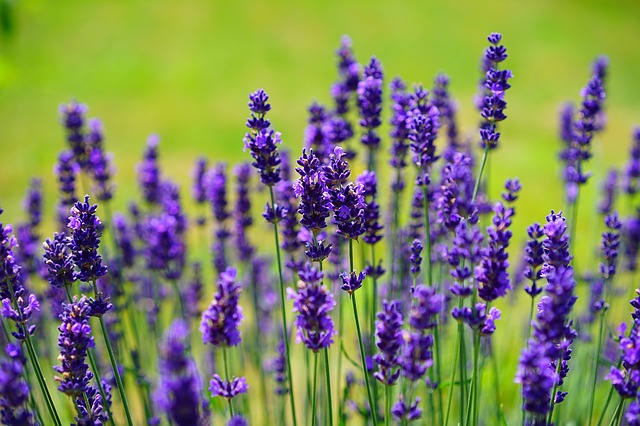
11. Lavender essential oil. Lavender essential oil is an all-around healing agent. It treats cuts and wounds, rashes, insect bites and acne.


Stockpiling The Medicine Cabinet For Winter: 17 Things You Better Store

Image source: Pixabay.com


Since lavender is anti-inflammatory and analgesic, it is perfect for treating aches and pains and even headaches. Mix it with a carrier oil such as sweet almond oil and massage it into the affected areas.


Lavender is a calming oil and can help with deep relaxation. It’s a natural anxiety and depression remedy. It can treat insomnia, too. To use lavender essential oil, vaporize it in a diffuser, add several drops to a hot bath, or use it as a massage oil to receive all of its incredible benefits.


12. Rosemary essential oil. Rosemary is a natural warming oil and is anti-inflammatory. It is great for relieving fatigued, overworked, aching muscles. Use it in a carrier oil to create a soothing massage oil.


Rosemary essential oil also has stimulant properties which, when inhaled, can help to wake up the senses and help with concentration. Furthermore, it’s a natural stress-reliever. To use rosemary essential oil, vaporize it in a diffuser, use it in a hot bath, or create a massage blend.


13. Eucalyptus essential oil. Eucalyptus essential oil is a natural decongestant, so it’s perfect for treating colds and the flu. It also has anti-inflammatory properties, so it can ease aches and pains. Use it in a diffuser or steam inhalation to help clear the senses. Alternatively, use eucalyptus oil with a carrier oil as a chest or muscle rub.


14. Peppermint essential oil. Peppermint essential oil is good for treating nausea, for fighting fatigue, for relieving congestion, and as a warming oil. To acquire the benefits of peppermint oil directly, drop several drops on a tissue and deeply inhale. This oil is also good when used in steam inhalation, a bath, as a warming, massage rub, and in a room diffuser.


First-Aid Natural Treatments


15. Honey. It is a natural healer and an antioxidant. In first-aid, honey can act as a band-aid. It will protect the wound, prevent infection and begin the healing process.


Honey is also good for preventing and treating colds, relieving coughs and sore throats, and for easing nausea. You can add honey to your tea to help lower your cholesterol.


16. Activated charcoal. This is a good remedy for treating gas and upset stomachs. It is also great for fighting food poisoning.


17. Epsom salts. Epsom salts are good in baths when you are sick. They can help to lower a fever and reduce bodily aches and pains. They also can help to reduce tension and anxiety. If you have a headache, try to lightly inhale Epsom salts to help relieve it.


What would you add to our list? Share your stockpiling tips in the section below:


Tired Of Losing Freedoms — And Looking For Another Country? Read More Here.