
Many old health remedies are defined by folklore, myth and the varying claims of natural healers across the centuries. Beyond the claims, however, studies have shown that certain natural remedies actually can provide effective relief for illness and disease.
Here are seven of the best natural remedies that have stood the test of time.
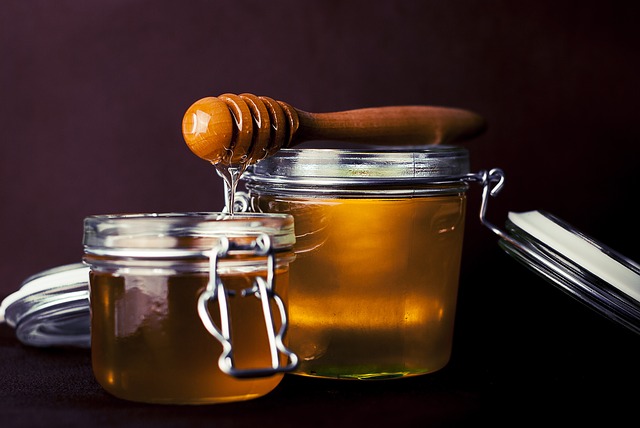
1. Honey
The first recorded use of honey as a medicinal treatment was 3,000 years ago in Egypt. Since then, honey has been found to:
- Improve digestion – Use a tablespoon or two to counteract indigestion.
- Relieve nausea – Mix honey with ginger and lemon juice to help counteract nausea.
- Treat acne – It can be used as a face cleanser to fight off acne and is gentle on all skin types. Take half a teaspoon, warm between hands and spread on face gently. Leave on for 10 minutes, and then rinse with warm water and pat dry.
- Lower cholesterol.
Image source: Pixabay.com
Improve circulation – Raw honey makes your brain function optimal by strengthening the heart and improving blood circulation.
- Reduce insomnia – Add a tablespoon to warm milk to help increase melatonin output and help you sleep.
- Provide probiotic support – Raw honey is full of natural probiotics which promote the growth of good bacteria in the gut.
- Treat allergies – If sourced locally, raw honey can help reduce seasonal allergies.
- Moisturize skin – A spoonful of raw honey mixed with olive oil and a squeeze of lemon can be used as a hydrating lotion.
- Treat eczema – Use it as a topical mixture of equal parts of honey and cinnamon.
- Reduce inflammation – Raw honey has anti-inflammatory agents that can treat respiratory conditions such as asthma.
- Help wounds heal – Raw honey used topically can help speed healing time for mild burns, wounds, rashes and abrasions.
- Treat urinary tract infections – Due to its antibacterial properties.
- Relieve sore throat – Mix with lemon or peppermint oil for fast acting benefits or add to tea.
2. Licorice root
Although native people often chewed the entire root raw, the roots of the licorice plant when dried and chopped can be made into a tea.
The Hidden Secrets Of Making Herbal Medicines…Right At Your Fingertips!
Licorice root has been found to help the following:
- Digestive ailments – Add one teaspoon of powdered licorice root to a cup of hot water. Cover, steep for 10 minutes, and strain. Drink two or three times a day for a week.
- Respiratory infections – Drink a few cups of licorice root tea every day. You also can mix ½ teaspoon of licorice powder with a little honey.
- Canker sores – Due to anti-inflammatory and mucosa-healing properties.
- Liver health – Drink a cup of licorice root tea to promote liver health. Add ½ teaspoon of licorice root to a cup of hot water. Cover, steep for five to 10 minutes, and strain. Drink this tea once daily for a week, take a break for a couple of weeks, and then repeat.
- Teeth and gums – The antibacterial and antimicrobial properties in licorice root can prevent the growth of cavity-causing bacteria, reduce plaque, fight bad breath and keep your teeth and gums strong and healthy.
3. Willow bark

Willow: Fast, All-Natural Pain Relief With No Nasty Side Effects!
Scrape and cut the inner bark (xylem) onto a pan or plate. Look for a pink color – that’s the good stuff. Wrap in a coffee filter (of other similar filter) and immerse into boiling water. Shut off the heat and let steep for 20 minutes. You should get a reddish, brown infusion.
Strain it again and take sparingly at first (a tablespoon at a time) until symptoms subside.
4. Apple cider vinegar
Books have been written about the value and extensive uses of apple cider vinegar. It has been used to treat osteoporosis, leg cramps and pain, upset stomach, sore throat, sinus congestion, high blood pressure, arthritis and high cholesterol.
It also is known to help with weight loss, and it adds valuable nutrients and micronutrients to your diet. These include soluble fiber in the form of pectin, vitamin A, vitamin B6, vitamin C, vitamin E, thiamin, riboflavin, niacin, pantothenic acid, beta-carotene, lycopene and minerals such as sodium, phosphorus, potassium, calcium, iron and magnesium.
Apple cider vinegar is an antiseptic with antibacterial and anti-fungal properties, too. That’s because all vinegars have acetic acid in concentrations from five to 10 percent. Use it for cleaning wounds or for general cleaning where germs may lurk.
5. Echinacea root
Native Americans have known about the healing properties of Echinacea or the purple cone flower for centuries. At times, the flowers were infused in tea, but it’s the roots that pack the healing punch.

Beet Powder: The Ancient Secret To Renewed Energy And Stamina
To make an Echinacea tincture, you’ll need a small one-pint mason jar, a ½ cup of dried Echinacea root, and a pint of vodka. The alcohol in the vodka draws out key elements in the roots and preserves the tincture. I imagine Native Americans used hot water, but some contemporary recipes have indicated vodka as an effective ingredient for an infusion.
To make the tincture, add the roots to the jar, top with the vodka and seal the jar. Store at room temperature for six weeks, shaking the jar from time to time.
After six weeks, strain the tincture and discard the roots. The standard dosage is ½ to ¾ teaspoons, three to four times a day. You can add it to orange juice or other juice if you like. You don’t want to give this to kids if you made it with vodka, but the alcohol actually prevents the growth of bacteria in the tincture.
6. Beet juice
Some recent and significant clinical studies have confirmed something our ancestors knew all along. Raw beet juice can have a significant effect on blood pressure. In fact, one study found that after consuming eight ounces of raw beet juice, blood pressure dropped five points after one hour. In a study done in England, two glasses of raw beet juice a day were found to be as effective as nitrate tablets in treating hypertension.
It appears that some key elements in beets are responsible. These include high concentrations of potassium, foliates and natural nitrites. Collectively, they smooth muscle tissue and increase blood flow, in addition to supporting blood vessel function.
Keep in mind that fresh, raw beet juice is best. Bottled or pre-packaged beet juice is not as effective. If you don’t have a juicer, then you can use a blender and strain the juice. I’ll sometimes use the leftover pulp to make borscht.
7. Aloe
Aloe is another one of those old health remedies that goes back thousands of years. The Egyptians called it the “plant of immortality.” It’s a succulent plant and a member of the cactus family. It was used by Native American tribes particularly in the Southwest deserts, where it thrived.
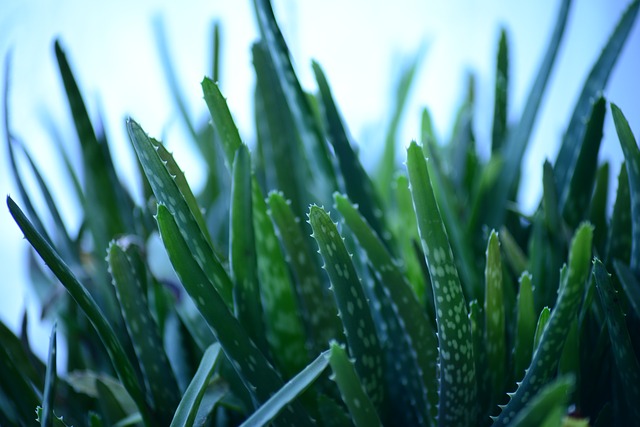
Image source: Pixabay.com
Aloe will grow in many parts of North America and can easily be grown as a houseplant. Its gelatinous pulp is often used as a treatment for burns and other skin conditions. It has been shown to have antibacterial, anti-fungal, anti-viral and antioxidant properties.
Aloe also has high amounts of vitamins and minerals, and can be consumed with juice and some of the squeezed pulp. It contains eight essential amino acids not made by our bodies, plus a range of enzymes.
The following is a short list of conditions it can be used to treat:
External use as a pulp squeezed from the plant leaves:
- Eczema
- Psoriasis
- Acne
- Rosacea
- Cuts
- Sores
- Boils
- Warts
- Scars
- Herpes sores
- Rashes
- Poison ivy
- Insect stings
- Itching
- Blisters
- Athlete’s foot
- Hemorrhoids
Internal use in combination with water or juice:
- Indigestion
- Heartburn
- Acid reflux
- Bloating
- Peptic ulcers
- Constipation
- Colitis
- Prostate health
- Inflammation
- Arthritis
- Immune system support
- Detox
It was difficult to pick only seven natural remedies for this list, when you consider the healing properties of garlic, turmeric, ginger and numerous others. But given the number of benefits we’ve listed here, this is a good start. Stay well.
What old-fashioned remedies would you add to this list? Share your advice in the section below:
Harness The Power Of Nature’s Most Remarkable Healer: Vinegar

