Showing posts with label pests. Show all posts

Monday, March 5, 2018

The Chemical-Free Secret To Fighting Homestead Pests

The Chemical-Free Secret To Fighting Homestead Pests

Image source: Pixabay.com


Unfortunately, pests are a fact of life. Actually, they’re a necessary part of the ecologic chain, but it’s hard to remember that when they’re invading your home and garden. Ever since buying our home in the country, we’ve been battling various types of pests. Adding a vegetable garden in our backyard just gave us one more battleground for that fight.


Granted, insects and rodents must eat, but why do they have to think it’s my job to feed them? Like many people, I’ve got enough trouble feeding my family, and once pests have been into my food, it’s pretty much spoiled for use by my family. But even without that, hearing my wife scream every time she sees a cockroach or ants invade the house is tiring. Fortunately, she doesn’t scream about mice.


Of course, if a major disaster occurs, problems with these pests will only increase. As scavengers, insect and rodent populations tend to grow in the wake of disasters, living off the abundance of food available to them.


Unlike some people, I am not really in favor of using chemicals to control pests. First of all, I have pets that I want to protect. Insect repellents are nerve agents and rat poison is, well, poison. So they can both harm my pets. They also pose a risk for the grandchildren that will soon be visiting my home. Besides, in that post-disaster world that I just mentioned, those means of controlling pests may not be available to me.


Storing Foods


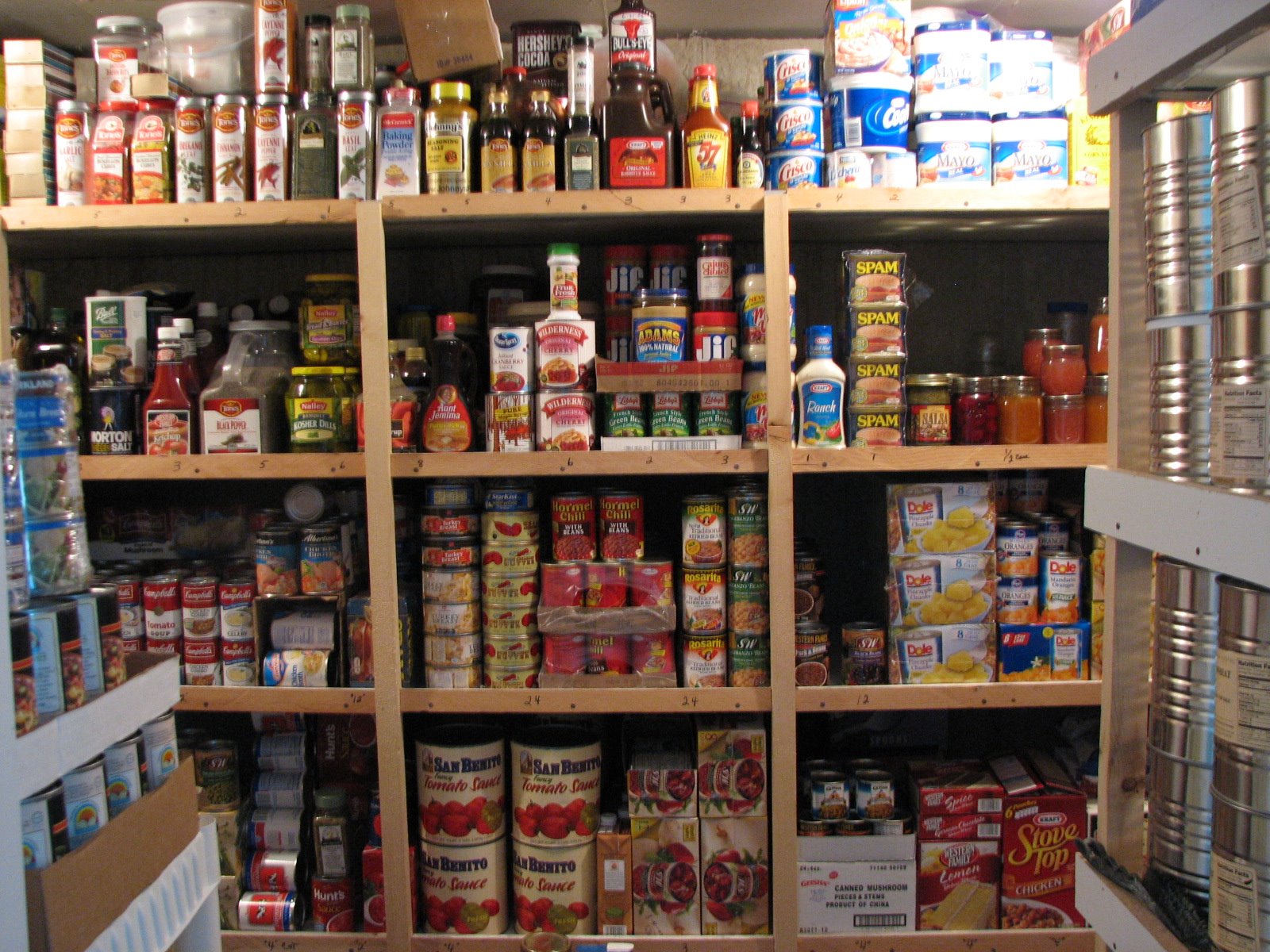
The first real step in gaining victory over these pests came when we started making changes in our food-storage techniques. From the very beginning, we had problems with ant infestations, maybe because our home had sat vacant for over two years before we bought it. When they got into the pantry and spoiled a bunch of food, we realized that we had to store it better.


Now, just about everything in the pantry that’s not canned is stored in rectangular food storage containers. We have a variety of different sizes and shapes, allowing us to fit the container to the item. Most of the foods that ants can get into are repackaged as soon as they come home from the store.


Another of our favorite storage containers is five-gallon buckets. As preppers, we are accustomed to buying in bulk, so we extend that to our normal purchases, as well. I also like galvanized trash cans. Although hard to find, they are ideal for dog food and feed for the chickens.


This also does a fairly good job of protecting them from rodents. Although I have a few buckets where rats have gnawed at the lids, they have yet to get inside one of them. Lids are replaceable anyway, so no problem.


Rodents


We have mice, rats and possums living in the field behind our home and in our backyard. So, it’s inevitable that they’ll get into our home. Proper storage has stopped them from getting into our food, but that hasn’t kept them out of our home. A mouse can squeeze through a space as small as six millimeters, so it’s virtually impossible to seal a house from them.


The oldest, and probably best solution for rodents is having a cat or two. Don’t overfeed them, as that can dull their hunting instinct. I really can’t see any reason why anyone who doesn’t have allergies to cats, wouldn’t have one. Just consider it part of your prepping tools.


Unfortunately, I am allergic to cats, so we can’t have one. But we do have dogs. One of them, a black lab, is a great hunter. If there are any mice or rats around, she finds them. If she can’t get to them (most of the time), she’ll let me know they are there. Then I can dispatch them with a pellet gun I keep for that purpose. So far, we’ve only had one rat manage to get away from us.


Unless you’re far, far out in the country, I’d recommend against using even a .22 pistol for shooting rodents, even with “rat rounds.” Discharging a firearm is illegal in most municipalities. While a .22 is fairly quiet, if the neighbors hear it and call the police, they have to respond. If there is any evidence that you discharged a firearm, like a hole in the wall, you’ll be in trouble. The mice and rats aren’t worth a night in jail.


We don’t kill the possums, although I have a hard time convincing my dog of that. Even though the possums like to eat my grapefruit, they also eat ticks. We have a problem with ticks in our area, so I’m glad to have them around.


We use urine to help keep rodents out of the garden. While not a perfect solution, animals mark their territories with urine. Other animals, smelling this, understand the signal and will be wary. While some may still find their way in, many will avoid it. If you can train your dogs to pee around your garden, it marks it as their territory. Since that is a bit difficult to do, you might consider collecting human urine and pouring it around the perimeter of the garden. It will even act as a fertilizer, putting useful minerals in the soil.


Another good rodent repellent is a mixture of:


  • 1 cup diatomaceous earth

  • 2-3 drops peppermint or lemon citrus essential oil

  • 1/8 cup water


Mix the liquids together first and then mix in the earth until it is totally moist. Set in a container near entrances where rodents enter or in their holes. The smell will drive them away.


Insects


When we talk insects, we’re talking about a huge variety of life. In the home, cockroaches and ants are the big problems. But in the garden, there are many more to worry about.


A lot can be done to keep ants and cockroaches out of the home by using diatomaceous earth. A thin line around your home and garden will keep most insects out. While totally safe for humans and animals, this amazing substance is deadly for insects, cutting them like a series of knives.


There are a number of different natural solutions which work well for controlling insects. A spray made with garlic oil, peppermint extract or hot peppers, combined with dishwashing soap works to keep many insects at bay. These both act as repellents for bugs and destroy their skin, killing them if they come into contact with too much of it.


But my favorite means of pest control in the garden is to use good bugs to control the bad ones. I’ve had incredible results in using these, without creating any risk for my family. The food I grow in my garden is natural and chemical free. While I am sure that there are many more types of insects than what I am currently using, here is at least a partial list of the most common good bugs and what they kill:


  • Praying mantis (one of the best) against anything smaller than it.

  • Ladybugs against aphids & soft-bodied pests.

  • Trichogramma against moth & caterpillar eggs.

  • Fly exterminators (I don’t know what their actual name is, but you can buy them by this name) against flies

  • Nematodes against grubs and many other soil pests


One nice thing about using these good insects against the pests in your garden is that once you have a good population of them living there, you shouldn’t have to replace it for several years, unless they run out of insects to eat or something happens to kill them off. They’ll stay on duty, generation after generation, protecting your garden and harvest.


What advice would you add? Share it in the section below:

Monday, October 2, 2017

10 Natural, DIY Ways To Rid Your Home Of Flies (And Other Annoying Pests)

10 Natural, DIY Ways To Rid Your Home Of Flies (And Another Annoying Pests)

Image source: Pixabay.com


Before we get started with the list of natural fly remedies, it’s important to note that you must identify the exact species of fly you’re dealing with before you can get rid of it. You have to know your enemy, right?


The house fly is the most common type of fly. It’s attracted to animal waste, garbage and any kind of decaying matter. You’ll likely see these throughout the year, but most commonly in the warm summer months. Fruit flies, like house flies, are also attracted to garbage, but more commonly like to linger near partially decayed, sweet-smelling fruit (hence the name).


Another common type of fly—that may be rearing its ugly head around this time of the year—is the cluster fly. Cluster flies are lethargic, slow-moving flies that are attracted to warm, sunny places. You’ll likely see them if you have a large, productive garden, as they are parasitic to earthworms. Cluster flies, unlike house flies, do not carry or transmit disease, but are a nuisance to have around.


Other possible—but less common—types of flies include blow flies, flesh flies, drain flies and stable flies. You likely have no need to worry about these species invading your domesticity.


1. Homemade fly strips


Fly strips (or fly tapes) are a great way to get rid of flies, but come with many ugly side effects. The unsightly and messy yellow “goop” that attracts and eventually kills unwanted flies contains chemicals and leaves a disgusting, slimy residue around your house.


Discover More Than 1,000 Off-Grid-Living Tricks!


A more natural—and less gross—solution is to create your own fly paper. It is much more attractive and uses non-toxic materials that can be found around the house. To create, cut a brown paper bag into 2-3-inch-wide strips. Dip the strips into a mixture of sugar, honey and water. Then, hang the strips using twine wherever flies like to congregate. If they happen to dry out before they’ve annihilated your fly population, simply spritz them with water.


Less mess, less stress.


2. Apple cider vinegar traps


Apple cider vinegar traps are another way of ridding yourself of unwanted flies. Flies can often be found even in the most spotless of kitchens. Simply place an open bowl of apple cider vinegar, water and dish soap near a trashcan or sink. Within a day or two you will find the bowl swimming with the dead buggers, without endangering food safety or the health of your curious pets.


3. Plants


Besides the obvious Venus fly traps, there are numerous plants that can be grown to naturally lower your fly population. Herbs such as basil, bay laurel, rosemary, lavender, mint and even citronella help to repel flies. Because they have strong scents, flies generally stay away from these multipurpose plants.


Most fly-repelling plants can be grown outside or potted indoors, and several are even perennial. This low-maintenance option will help you season your tomato sauce and maintain a pest-free homestead.


4. Essential oils


If fresh or live herbs don’t work as well as you’d like in your fly-combatting efforts, you can also extract the oils from these plants. Harvest them in the morning after the dew has dried but before the sun has burned off any oils. Place the oils in diffusers or open jars around the house.


Other helpful essential oils include tea tree, eucalyptus and cedar.


5. Plastic water bags


This is probably the easiest and one of the most effective fly remedies. A bag of water serves as a lens and reflects movement. Flies are naturally skittish, and will fly away from the bag out of fear.


Fill a plastic bag with water, and hang wherever you tend to find flies (such as near outdoor trash cans). It should repel the flies before they get a chance to invade your domesticity.


6. Place cloves in citrus


While we tend to like the smell and flavor of cloves, flies absolutely abhor them. Cloves are the most effective against houseflies. As a result, flies will stay away from areas where they are present.


They also hate the fresh smell of citrus, so what you will need to do is take an orange or lemon and cut it in half. Poke about a dozen individual cloves into each half of the citrus. Place the slices on a countertop or other open surface. You will find that your fly population drops dramatically.


7. DIY fly killer spray


If you’re like most people, you hate using chemical-ridden sprays around the house—especially in places where you eat. An easy fly killer alternative is to combine dish soap, Windex, vinegar, and water in a large spray bottle.


This method requires vigilance, as you’ll need to spray the flies as they appear, but after several applications you should find that the amount of flies decreases.


8. Red sine traps


Flies love the sweet smell of red wine. If you place red wine in a bowl with some dish soap or vinegar, they’ll be drawn to the scent of the wine and drown in the liquid.


9. Lure them out with light


Most bugs—including flies—are attracted to light. Darken the room in which you tend to find them by lowering blinds.


You can also place light traps in an attic or other enclosed space that humans typically don’t frequent. Light traps will keep flies out without the application of stinky, toxic chemicals.


10. Get physical


It seems obvious, but if you don’t want flies in your house, don’t invite them in! Take out the trash on a regular basis, and keep trash bins far away from your house. Keep your kitchen tidy and make sure there aren’t any stray crumbs hiding in nooks and crannies. Cover pet food dishes and don’t leave food out on the counter.


Make sure your house is well sealed—cluster flies like to invade in the fall months when they are looking for a place to spend the cold winter months. These pests can find their way into the house through the smallest of spaces, so make sure any air gaps are sealed and holes in window screens are repaired before these buggers become a problem.


What tips would you add? Share your advice in the section below:

Friday, June 30, 2017

3 Pests That Might Eat Your Stockpile Before You Do

3 Hidden, Unseen Dangers In Your Food Stockpile

Image source: preparedsociety.com


What can be worse than to open up your stockpile, only to find that all of your food supplies have been eaten by something else?


Stockpiling supplies isn’t enough. You need to protect all of them from the pests that could leave your family hungry in a time when food will be scarce.


Venezuelans were eating dogs, cats and pigeons in 2016 because they couldn’t find any food. The Spanish and the Portuguese had to resort to food banks after the economic collapse of 2008. Incredibly, 1 in 7 Americans is on food stamps.


Unless you want to throw money away on food, I recommend you know what the biggest enemies of your stockpile are, and then take these easy steps to protect your food from all of them.


1. Rats and mice


The first things everyone thinks of when they hear the word “pests” are mice and rats. They can wreak havoc in your pantry, particularly if the only thing protecting your Mylar bags is 5-gallon plastic buckets. They will chew away plastic without a problem.


Now, there are various types of mice traps out there, including a few that are really, really cheap. But that doesn’t guarantee that your stockpile will be safe. The first thing you should do is put those plastic buckets into larger, metal buckets.


The only thing about metal buckets is that they’re pretty pricey. A 6-gallon metal bucket with a lid is more than $20 on Amazon … so you’ll probably only put some of your foods in them at first, while you also focus on the other ways to keep mice out of your pantry. (Figuring out the entry point and isolating the room, setting up mice traps, etc.)


Report: 9 Out Of 10 Americans Dead Within A Year …


A better solution is to get one or more of those galvanized trash cans. They’re about $35 each, but they can fit more buckets. Keep in mind that metal containers are more fire-resistant than plastic ones, meaning that in case of a house fire, your stockpile could get away unharmed.


3 Hidden, Unseen Dangers In Your Food StockpileTip: don’t forget to keep pet food the same way you keep your own. Pests will be drawn to it if you leave dry pet food in original packaging.


2. Pantry moths


The good news is that moths have a harder time getting inside containers than do mice. So, if you have #10 cans or glass jars, so long as they are properly sealed, they should be enough.


Nevertheless, having them in your pantry requires to always be careful not to keep containers open. There are plenty of tricks known by pest control folks on how to take care of them. For example, one gentleman I read on a survivalist board suggested using pheromone traps and a portable steamer to make sure not only the moths but also their eggs are removed from your pantry. Sounds like good advice.


3. Ants


Out of all the pests we talk about in this article, you’re probably going to hate the sugar ant the most. That’s because it’s attracted to comfort foods (such as honey) as well as sugar. Some of the things you can do to get rid of ants include:


  • Block as many entryways as you can. Yes, I realize they are really small and can come in through many different places, but this will decrease the chances of them being successful.

  • Ants hate vinegar and lemon juice, so mix a 50-50 solution with water when you clean your pantry. They help clear those trails that they leave to attract other ants.

  • Sprinkle cinnamon, mint or black pepper throughout your pantry; ants do not like them.

Of course, it isn’t just comfort foods that ants like. Pretty much any type of food will attract them. I realize you know how to keep your 5-gallon plastic buckets safe but don’t forget the extra items you bring to your pantry, such as pemmican or seeds. Literally everything should be kept in airtight containers.


Spending a few extra dollars on ways to keep pests at bay could save you hundreds or even thousands of dollars in the long run.


What advice would you add? Share it in the section below:


Are You Truly Prepared For A Downed Grid? Read More Here.