Showing posts with label stockpile. Show all posts

Monday, February 19, 2018

10 Stockpiling Tricks That Will Make Your Food Last Longer

10 Stockpiling Tricks That Will Make Your Food Last Longer

U.S. Air Force photo by Senior Airman Zachary Hada


You would think that stockpiling food would be easy, right? Just buy a bunch of food, stash it away somewhere where it won’t be eaten, and you’re good, right? Uh, wrong. Building a stockpile and making it last is a lot harder than it looks.


The basic problem is that food, as it grows naturally, isn’t intended to be stored for years. For that matter, food the way it’s package at the grocery store isn’t intended to last for years. The manufacturers of that food assume that you are going to eat their products within a few months — and they pack it accordingly. So, if you want to keep your food around longer than that, you’re going to have to do something with it yourself and not trust their packaging.


The good news is that people have been hoarding food for millennia. Preserved food has been found in the various tombs of the pharaohs, demonstrating that mankind has been preserving and storing food for much longer than we would expect.


Fortunately, you and I don’t need to make our food stockpile last for thousands of years. It behooves us, though, to make sure that we store our food as well as possible, ensuring that we will have something to eat when everything suddenly goes wrong.


Here’s 10 ways to make your food last as long as possible:


1. Rotate Your Stock


One of the easiest ways to ensure that your food stocks last is to borrow a page from the stores you buy your food in. They have a rule called “first in, first out.” This merely means that they sell the oldest first. You should use the oldest first. If you are stockpiling a year’s worth of food and you always use the oldest can, box or bag of a certain item, you’ll never have anything in your stockpile that’s more than a year old.


This is especially useful for things you use all the time, like spaghetti sauce. To ensure that you’re actually using the oldest first, make a habit of marking the month and year of purchase right on the label. That way, you have a quick reference and don’t have to try and remember which style label is older than which.


2. If It’s Wet, Can It


Canning is one of the most effective and long-lasting means of food preservation out there. So make good use of it. The basic rule of thumb is that if a food item is wet, it can be canned. So, start canning meat loaf, extra produce from your garden and the fish from your latest fishing trip. If canned, it can stay usable in your survival stockpile for years. Some canned foods that are over a century old are still edible and nutritious.


3. Salt Does More than Flavor


Salt is nature’s preservative. So is sugar for that matter, although we use salt for preserving more than sugar. Other than fruit, just about anything you are trying to preserve probably needs salt added. It doesn’t matter if we’re talking about canning food, dehydrating it, making your own cold cuts or smoking a ham; salt is the key to ensuring that bacteria don’t spoil your food.


4. Overdo it With Oxygen Absorbers


If you’ve heard about packing dry food in aluminized Mylar bags and five-gallon buckets, then you’ve probably heard about oxygen absorbers, too. These are added to prevent food from oxygenating and losing its freshness. But oxygen absorbers also make an inhospitable environment for bacteria and insects, both of which need oxygen. So, when adding oxygen absorbers to dry foods that you’re packaging for your stockpile, go for a bit of overkill. Don’t just use the minimum recommended; step it up a bit and ensure that the oxygen has really been absorbed.


More than anything, this is about ensuring that insect eggs can’t hatch, creating a population of insects inside your preserved food. Any insects which did manage to hatch from their eggs won’t be able to survive without oxygen.


5. Don’t Forget the Silica Gel


Few people mention it, but adding a packet of silica gel to dry foods when packaging them for long-term storage can help ensure that they stay fresh. These foods turn stale when they absorb moisture. While you probably already try to make sure that there is no moisture in the container, when packaging those foods, things can happen. The addition of a silica gel package can ensure that any moisture which does get into the package is absorbed by something other than the food.


6. Keep Track of it All


Make sure that you develop and keep a good spreadsheet of everything you’ve got in your stockpile. This should mention package size, quantity and the location or locations you have it stored. Always be sure to update your list. Don’t just have that spreadsheet on your computer, either. Print a hard copy and keep it in a notebook.


7. If You Use it, Replace it


This is one I have to keep after my wife about. It’s easy to just dig into your stockpile if you need something and pick an item without realizing it’s the last one. Make a note so that the next time you’re shopping, you can pick up a replacement and put it in your stockpile.


8. Keep it Cool


Heat will cause many foods to alter while stored. It speeds up chemical reactions and in extreme cases can slow-cook the food. Always try to keep your food stored in cool, dry places rather than in hot ones. The attic really isn’t a good place for food storage for this reason. You’re better off hiding it under the bed or putting it in the basement.


9. The Tougher the Better


When it comes to packaging, the tougher the better. Never settle for “just good enough.” Go for something that’s overkill. I can show you five-gallon bucket lids which have been gnawed through by rodents. Bacteria and insects aren’t the only things that want to eat your food stockpile; there are plenty of mice and rats in the world that would love to have a picnic at your expense, too.


10. Spread it Out


Whatever you do, don’t store all your food stockpile in one place, or even all of one type of item in one place. Let’s say that your basement is your main food storage area. That’s probably pretty good. But if your basement floods, you aren’t going to have access to that food. So, make sure that some of it is stored under the bed or in the upstairs hall closest.


For that matter, you should have one or two food caches off-site, as well. You never know what could happen. The people of Southeast Houston probably weren’t expecting to have to abandon their homes before Hurricane Harvey came along.


What advice would you add? Share it in the section below:

Wednesday, February 14, 2018

How Our Dependence on Global Shipping Will Come Back to Bite Us

This article was originally published by Cat Ellis at The Organic Prepper


global-shipping


If the general public understood how vulnerable our reliance on global shipping made us, they’d all become preppers overnight. Trucks, planes, and cargo ships are responsible for just about everything modern life depends upon. This reliance on global goods and long-distance shipping puts us all at risk.


Our Dependence Upon Global Shipping


Modern shipping keeps us clothed and fed. It brings us necessary medicines, fuel to the pumps, and delivers chemicals necessary to municipal water treatment plants. It is truly amazing how seamless it all appears to the average consumer, especially considering shipping’s global scale.


That is until there is a problem. Problems can be anything from a trucker’s strike to a plane crashing to a cyber attack shutting down the largest global shipping company.


Global shipping is a necessary evil in a world where we rely on global goods. When companies take their manufacturing operations overseas, the first thing we think of is lost jobs. But, we also put access to those goods at risk. Some of these risks include:


  • Relations with China breaking down over North Korea.

  • Hackers taking down software (navigation, customer orders, inventory tracking, systems diagnostics, etc) on ships, planes, trucks, and at ports and command centers.

  • An EMP causing all electronic systems to cease working.

  • Employees of shipping companies across an industry going on an extended strike.

  • Deteriorating domestic infrastructure interfering with the delivery of goods.

  • War/terrorism anywhere in the world causing delays and lost shipments of imports/exports.


Just a 24-Hour Delay Causes Shortages


A perfect example of this is shipping fresh food to Alaska all year long. Alaskan grocery stores do what they can to stock Alaska-grown items on their shelves, but due to the climate, Alaskans rely on imported produce and goods. The Anchorage Daily News reported on the impact of a single ship being delayed by just 24 hours for a repair.


Here’s what one of their agriculture experts had to say about why Alaska imports so much of its food.


Much of Alaska’s food comes up by container ship over the water. Some also arrives via trucks that take the Alaska Highway, or by air freight.


“It’s cheaper to barge or fly it in than it is to grow it here,” said Stephen Brown, a Palmer-based district agriculture agent with the University of Alaska Fairbanks. “The problem with that is that creates a very fragile food supply that’s very easy to be disrupted.” (source)


Further into the above-linked article, a recent disruption came when a ship needed repairs before heading up to Alaska.


A Tote Maritime Alaska ship was the one that was late getting to Anchorage last week, due to a weld that required a repair by divers in Tacoma.


“When there are disruptions to that supply chain, things can become difficult rather quickly. That’s when you can start to see shelves looking a little bit thinner. … Nobody wants to buy 2-week-old strawberries that are half-rotten,” said Grace Greene, vice president at Tote Maritime Alaska. “Having a tight supply chain is really critical.”


Cyberattacks Can Shut Down Global Shipping


This isn’t just an Alaska problem. Disruptions in shipping can happen anywhere and on a much larger scale. Recently, global shipping giant, AP Moller-Maersk, was hit by a major ransomware attack. This left ships sailing off course and ports were unable to accept ships.


According to Reuters:


The cyber attack was among the biggest-ever disruptions to hit global shipping. Several port terminals run by a Maersk division, including in the United States, India, Spain, the Netherlands, were still struggling to revert to normal operations on Thursday after experiencing massive disruptions. (source)


This was a wake up call for many in the industry. The article goes on to say


“The Maersk attack raises our awareness of the vulnerability of shipping and ports to technological failure,” said Professor David Last, a previous president of Britain’s Royal Institute of Navigation.


“When GPS fails, ships’ captains lose their principal means of navigation and much of their communications and computer links. They have to slow down and miss port schedules,” said Last, who is also a strategic advisor to the General Lighthouse Authorities of the UK and Ireland. (source)


There’s a Shortage of Truck Drivers


Add to this that we are experiencing a shortage of truck drivers due to fewer people looking for work, plus increased shipping costs due to increased regulations. The CEO of Tyson foods says:


“These additional costs are included in our outlook,” he told investors and analysts Feb. 8. “However, we’re assuming we’ll recover the majority through” higher prices for consumers.


The tightness in the trucking market probably won’t ease any time soon. Employers can’t find enough drivers — at least at the wages companies want to pay — as low unemployment spurs competition from other industries.


Construction jobs, for example, pay on par or better and allow workers to be home more with their families. Long-distance truckers can be on the road for weeks at a time. (source)


If a kink in the chain develops, there are fewer people capable of stepping in when needed.


Imagine If Truckers Went on Strike


If long-haul truckers were to strike, the store shelves would be bare within days. Everything from food, medicines, toilet paper, to gasoline would disappear from store shelves. Life as we know it would come to a grinding halt.


Back in 2008, diesel fuel prices rose so high that truckers protested and rallied in cities across the US, threatening to go on strike.


Independent U.S. truckers are planning to stop hauling freight Tuesday in protest of record-high diesel prices that drivers say they can no longer afford.


Independent truckers, who constitute 90 percent of the nation’s trucking fleet, are being hit especially hard by soaring diesel prices and compensation lags far behind rising costs, according to the American Trucking Association. (source)


Thankfully, we didn’t experience a nationwide trucker strike that time. The economy was already on shaky ground as it was.


Just 5 days Until Chaos


So, how long would we really have? You need to check out this article with a video on how we only have about five days before things get really bad. Two quotes from the video really stood out to me. First:


“The growth and population in this country, and the need for the movement of goods and services, is literally going to overwhelm the infrastructure as we know it today.”


And the second quote:


“We are now investing a smaller percentage of our Gross Domestic Product in transportation infrastructure than many third world countries.”


This is a recipe for a disaster if I ever saw one. According to the video, here’s what our situation would look like within 5 days:


  • Day One– We lose resupply of food and medicines, mail stops, and hospitals run out of clean linens.

  • Day Two– Gas stations are running out of gas, sanitation systems start to fail, local stores and ATMs run out of cash.

  • Day Three– Pumps are out of gas, stores have no fresh produce, banks run out of cash, and hoarding begins in earnest.

  • Day Four– Emergency vehicles and public transport run out of fuel, airports close, and trash piles up in the streets.

  • Day Five– Chaos


Unless something changes, we will have more people needing more goods and services, and we won’t be able to get them because our infrastructure won’t be able to handle it.


How Would You Have Fared?


Had truckers gone on a nationwide strike, or if the Petya ransomware attack had interfered with Maersk shipping for more than a few weeks, how would you have held out?


Thankfully, most of the scenarios that would impact shipping are temporary, perhaps a few days to a few weeks. Having just a three-month stockpile of food and supplies would cover most emergencies, including shipping delays.


You can easily put three month’s worth of necessities aside by adding by buying an extra food item each trip for your pantry. As for your other supplies, look at the five days detailed above. Use that as a guide for what to stock up on.


Here are a few more things to keep in mind.


And finally, get more toilet paper than you think you need. There are options, like personal cloths, squeeze-bottle bidets, and scrap paper, but none of them are quite like toilet paper.


The more you localize your family’s supply chain, the better off you’ll be during a disruption.


Any other ideas for prepping for an interruption of shipping?


Let me know in the comments.


***


Cat Ellis is an herbalist,  massage therapist, midwifery student, and urban homesteader from New England. She keeps bees, loves gardening and canning, and practice time at the range. She teaches herbal skills on her website, Herbal Prepper. Cat is a member of the American Herbalists Guild, and the author of two books, Prepper’s Natural Medicine and Prepping for a Pandemic.


The Pantry Primer


Please feel free to share any information from this article in part or in full, giving credit to the author and including a link to The Organic Prepper and the following bio.


Daisy Luther is the author of The Pantry Primer: A Prepper’s Guide To Whole Food on a Half Price Budget.  Her website, The Organic Prepper, offers information on healthy prepping, including premium nutritional choices, general wellness and non-tech solutions. You can follow Daisy on Facebook and Twitter, and you can email her at daisy@theorganicprepper.ca


Wednesday, January 17, 2018

How to Get More Fruits and Vegetables in Your Prepper Stockpile

How to Get More Fruits and Vegetables in Your Prepper Stockpile | Capture1 | Organics PreparednessSurvival


Most people who are working hard to eat well consume a lot of fruits and vegetables. One of the biggest issues folks are noticing with the Stockpile Challenge is getting enough produce in their diets.


It can be a major challenge when living from your stockpiled foods to get enough fruits and vegetables.  This is dangerous because, without produce, your family can be at risk for nutritional deficiency diseases like scurvy and their immune systems will be compromised.  A minimum of 5 servings per day is recommended, but during the long winter, how can you meet that goal with the contents of your pantry?


As well, many people these days generally eat a low-carb diet that is reliant on protein and produce. (You can get more info about stockpiling for a low-carb diet here.)


Supplying your family with produce that will provide the necessary nutrients that their bodies need to thrive is a twofold process.  Not only should you preserve the summer’s bounty for the winter ahead, but you should also come up with ways to add fresh greens outside of the growing season.


Building a Stockpile of Fruits and Vegetables


When creating your produce stockpile, you have to look at what actually constitutes a “serving” for the people you will be feeding.  It may not actually be the amount that you expect. For example, a child’s serving of green beans is anywhere from a quarter cup to a half a cup (depending on their age), but an adult’s serving is a full cup.  So for a child, plan on 1-3 cups of produce per day and for an adult, plan on 5 cups of produce per day.


Whenever possible, focus on organic produce.  The use of pesticides in conventional farming is rampant.  Even the Environmental Protection Agency has to admit that the ingestion of pesticides can cause health problems.  They warn of the risk of “birth defects, nerve damage, cancer, and other effects that might occur over a long period of time.”  Especially at risk of harm from pesticides are prepubescent children and fetuses.


My family also chooses to avoid GMOs (genetically modified organisms).  Particularly avoid anything non-organic that contains corn or soy ingredients. There are questions about health risks and GMOs are engineered to withstand even higher dousing of pesticides than other conventional fruits and veggies.


What to Buy


At the grocery store, look for sales to build your supply of produce:


Dried:  Dried fruits such as raisins, banana chips (without sugar), and dried cranberries can pack a lot of nutritional punch into a tiny serving size.  Think of them as concentrated vitamins. An adult serving of raisins is only 1/4 cup, which means that you can pack a lot of nutrition into a small amount of space with dried fruits.


Canned:  Canned goods such as tomatoes, green beans, and peas can go a long way towards providing nutrition. The benefit to those rows of tin cans is that you don’t require power to store them safely, and they are fully cooked so you don’t even have to heat them up in a grid down situation.  You can also find many varieties of canned fruit but beware of heavy syrups. Opt for fruit canned in juice if possible.


Frozen:  Frozen fruits and vegetables are the closest to fresh that you can get.  This is a great way to build a stockpile for times when money is tight, but don’t put all of your produce in the freezer.  During an extended power outage, you stand to lose a large portion of your deep freeze contents. If you do purchase a large amount of produce for the freezer, have canning jars, lids, and an off-grid method for canning them if the electricity goes down for the long-term.


Freeze-dried:  This is a more expensive option, but freeze dried fruits and vegetables maintain nutrients, require little storage space, and need no special storage conditions.  You can add a great deal of variety to your pantry with a selection of freeze dried ingredients and the foods, if sealed correctly, can last up to 25 years.  You can find a wide variety of freeze-dried fruits and vegetables HERE.


Preserving Fruits and Vegetables


There are many effective ways to preserve fruits and vegetables that you acquire fresh.  Whether you harvest them from your own property, buy them at the farmer’s market or a local orchard, or even make a bulk purchase from the discount bin at the grocery store, having the supplies and skills to quickly preserve them can allow you to make the most of your windfall. Learn more about the following methods.


Indoor Gardening


There are all sorts of things you can grow indoors, even in the dead of winter. It helps to have a south-facing window and barring that, a grow light. I have had wonderful luck with spinach, lettuce, herbs, garlic, green onions, and even some teeny little radishes. I know others who have been successful with tomatoes and peppers but I have personally never managed those inside. (Maybe one day I’ll get my dream sunroom!) Some folks keep dwarf citrus trees in their homes, also.


And don’t overlook the value of sprouting. Sprouts grow incredibly quickly. They’re easy to grow and highly nutritious. You can learn absolutely everything you ever wanted to know about sprouting at this website. I like bean sprouts and microgreens the best.  Each type of sprout has a very different texture and flavor.


Any tips?


Many in our community are just beginning to build their pantries.  Do you have any budget-friendly tips for adding fruits and vegetables to the larder?  Please share them in the comments below…


Want to learn more? Check out my book!


Lots of us like to have hard copies of information that we’ve found helpful.  Because of this, I’ve written up everything I know about building a stockpile on a budget and put it all in one handy primer, available on Amazon.


The Pantry Primer: How to Build a Whole Food Pantry on a Half Price Budget


The post How to Get More Fruits and Vegetables in Your Prepper Stockpile appeared first on The Sleuth Journal.

Tuesday, January 16, 2018

Stockpile Challenge 2018: Week 1 Check-in

Stockpile Challenge 2018: Week 1 Check-in | stockpile | General Health PreparednessSurvival


We’re at the end of week 1 for the Stockpile Challenge, 2018!


For this week’s check-in, I want to dispel some myths about the challenge and share with you some of the observations people have made.


Stockpile Challenge Myths


Here are a few things I addressed in the Facebook group but figured that people not in the group would also want to read.


If it’s not difficult, that is a GOOD thing.


I noticed that some people had said they were feeling almost guilty because the challenge has been too easy so far.


That the things they’re eating are “normal.”


And I say this is a very, very good thing. First of all, you’re eating without your regular grocery trip and you’re happy with what you have put aside. That rocks!


But secondly, and most importantly, the number one reason we end up using our preps is a financial difficulty.


Here’s a personal example. About 10 years ago, I got laid off. As a single mom with a mortgage, this was terrifying. I knew I’d be employed again within 6 months, but I would be going that amount of time on only 60% of my wages (with unemployment insurance payouts.


So, for 4 months, I spent every dime of my unemployment pay on my mortgage, my utilities, and insurance. I didn’t have to spend money at the grocery store at all. Why? Because I had a chest freezer that was loaded with food. I had shelves laden with canned goods and dry foods. I had toilet paper, sanitary products, shampoo, toothpaste. We were absolutely fine, kept our home and our car, and had no needs unfulfilled.


All because I had a stockpile.


So, you’re doing everything right. Stop worrying. Often, when SHTF hits you, all of your utilities work just fine. Not always, of course. But that’s the most common scene.


About prioritization.


Eating the things that are going to go bad first is ideal, not a cop-out. In a real emergency, you should prioritize what you eat by how quickly it will spoil. This way, there is less waste.


So:


  • Fresh food

  • Frozen food

  • Canned food and regular, not-repackaged dry goods

  • Freeze-dried food

Those of you who ate like you usually do this week did everything right.


People who had to purchase something felt like they had failed.


Not one single person has “FAILED” at the Stockpile Challenge.


I’ve seen a few people say this in comments or the challenge thread but it’s totally wrong, and here’s why.


— Did you have to buy something? Then you learned about a hole in your preps. You can now take steps to fill that hole.


— Did you run out of something that is essential? Now you know that you haven’t put back enough of it.


— Was there a supply you never even thought about stocking up on until you realized you didn’t have it? You wouldn’t have known if you hadn’t started out on this challenge.


We’re all at different places on this journey.


Sure, there are some folks who are going to sail through this month without even breaking a sweat and I commend them all.


But I bet even they will learn of a few things that would make life more pleasant after a period of time.


There are people who thought they’d be fine but ended up going to the store right in the first week. I’m one of those people and I’m running the darned challenge. I started coming down with a kidney infection on the second day and decided to go buy some pure cranberry juice so that I didn’t end up having to go to the doctor and get on antibiotics. And you know what? I grabbed 8 bottles of it while I was there because obviously, this is something I want to have on hand.


Every challenge we run into teaches us if we’re willing to learn from it. And that is the point of this exercise.


If you don’t make it completely on your stockpile, don’t worry one little bit. This isn’t failure. It’s education.


You are learning things you would never have if you hadn’t embarked on this challenge. We are ALL learning from one another.


Some are worried that they’re depleting their inventory and something bad is going to happen.


There is absolutely no rule against replenishing your stockpile as you use it up. I personally just placed a big freeze-dried fruit and veggie order because I realized I didn’t have as much on hand as I wanted. Just tuck away the new items you buy and you’re still adhering to the challenge.


Here’s what people are learning


When I asked folks in the Prep Club group what they had learned, here are a few of the lessons they’ve picked up – and we’re just on Week 1 of the challenge!


  • I learned I wasn’t stocked enough on protein. Due to my husband’s health, he no longer eats pork or beef/venison. This killed my stock. I was able to bless a needy family with a freezer full of meat. It wasn’t payday so had to wait and purchase the protein during the week. Otherwise, we are good. January is always a tight month for us anyway. This December my husband didn’t work, so no paycheck for him. Hence the reason I waited till I was paid. After the challenge, I will build a new stock of chicken, turkey and such. This is making me much more aware of spending habits too. Using the extra time to repair a couple of t-shirts.

  • I basically had no real stockpile when I started. I had canned and frozen veggies and stuff in the freezer but not a real stockpile. This challenge is forcing me to do things I wouldn’t normally do, cook things I wouldn’t normally cook, and basically just take a look at the way I’ve been living lately. Lazily. That’s how I’ve been living. And, I’ve noticed that I’m not snacking as much and when I do snack, it’s on almonds and dried fruit I have on hand instead of going to the store and buying chips and dip. I’ve lost close to 10 pounds and adding up what I normally spend just on soda each day, saved almost $20 bucks! I know I won’t make the whole month without spending but I’m going to get close, and it’s giving me an idea of what things I need to stock up on in the future.

  • We eat pizza at least twice a month, and we use a pre-made pizza crust. While I’ve stockpiled all the ingredients to make pizza from scratch, I just realized I’ve no idea how to make a crust from scratch! That went on the to-do list. Also, I don’t have nearly enough fruits and veggies stored. Just placed an order from Emergency Essentials for those, as well as canned bacon!

  • What did I learn? I learned that the fridge may decide to freeze half of my tender vegetables but I can still salvage enough to feed company that we were blessed to have over last night. That even small tiny hurdles can happen. This challenge has helped me in looking at the big picture and to slow down in how I think of feeding my family. But most importantly it has helped me in realizing to take stock in more than just supplies. It is helping me to take another look at filling my store box of positive thinking, overcoming roadblocks with solutions instead of always replacing. This applies to food, supplies, etc. I feel this challenge will teach me much more than being prepared with food and supplies.

  • The biggest thing I have learned is I really need to have an inventory check list and check it monthly. I use a lot of kosher salt in my cooking and it is going to be a squeak to make it. Also, I need to remember my pets and keep a way to make sure they survive without giving them people preps. And those lessons are just week 1!

  •  I learned that I need to store some actual food at work. Right now I only have snacks (fruit, nuts, rice cake, bouillon, etc.) but no canned soups or meal type items. Spending the night at the hospital Thursday (due to snow storm and being *essential*) I was forced to use the cafe (but did not have to use any money as I had two gift cards given to me as thank you gifts from various bosses). I am also upping the quality of my sleeping quarters by bringing in a cot and sleeping bag for next time. And learning by reading everyone else’s posts of course.

  • Prior to the challenge I went to the store and got fresh veggies and an extra gallon of milk. At first, it felt like a cheat, but what I learned is that maybe I should start each month with the thought “what if I can’t get back to the store this month?” What would I want a little extra of? While perishables go quickly it makes the first week or two a little nicer having extra on hand. I also have a bad habit of letting produce go to waste…Not this month! Meals are getting planned around what needs to be used first to get the most out of what we have!

  • I learned to think differently about leftovers. Normally I might give a large amount to our pets, but not this time. Used leftover pork roast 3 different ways and they all tasted different so it didn’t feel too redundant. I need to rotate my stock better. I had some older-than-I-would-like pancake mix but made it anyway. I’m loving the challenge.

  • My husband and I have a small farm with pigs, goats, rabbits, chickens, and ducks. Stocking food for them for more than a week or two ahead would be impossible for us. We might make it another week or two with our hay supply. Long range “doomsday” plans include butchering what I can possibly can and preserve, and letting the others go to fend for themselves. Some of them would stick around and eat what’s available for a while, giving me longer to work on things. I know I have plenty of canning supplies, and I have practiced using a canner outside on a wood fire [hope that won’t be necessary — big pain in the wazoo]. I just hope things never get that bad. But I accept that they might.

  •  I need to do better at rotation/inventory. Also, I work at a grocery store so I have had to muster up all the strength I have to not buy anything at the end of my day for meals. One day I really wanted to buy just a couple carrots but did not do so. Went without.

  •  just joined yesterday, so not really in the loop yet, but I did learn something this week. My elderly Basset is on the vets prescription w/d dry and canned food. I had a case of cans but was low on the dry, figured I’d pick some up after work on Tuesday. They were out and wouldn’t get a shipment until Friday. We limped along only crumbs left Friday I bought the giant bag and another case of canned. It was the first time since I started doing this a year ago that I let it get so low before refilling.

  • I just realized a big hole in my preps: canned pumpkin/sweet potatoes. Both of my dogs woke up with diarrhea and will be eating boiled chicken and rice for a couple days at least. Which is fine but in a true SHTF situation we wouldn’t want them eating our food if we had other options. So canned pumpkin and sweet potatoes are being added to the “must have” list.

  • We have changed how we eat. Not just food but meal timing. No more “free range” eating.

  • Years ago I used to shop only once a month due to finances. I did fresh, frozen, canned in that order. I have become lazy and spend way too much money going to the store for every little thing. I go for three things and end up with a basketful-sales. I often have a houseful of food but nothing to eat. I am using this challenge to get back to being more efficient. Doesn’t help to have bags and bags of beans if you do not have the ingredients to make a dish!

Most people are running out of the same things.


The most common items mentioned are:


  • Fresh produce

  • Milk

  • Pet supplies

  • Cheese

  • Sour cream

  • Eggs

Solutions for these are:


  • Freeze-dried, canned and frozen produce

  • Growing sprouts and greens

  • Dry milk and canned condensed milk

  • Stocking up on pet food, making pet food from supplies you keep on hand

  • Freeze dried cheese and sour cream powders

  • Freeze-dried eggs

  • Egg substitutes for baking (like flax seed eggs or applesauce)

Did you participate in the Stockpile Challenge?


Let us know in the comments what you learned. If you have run into any stumbling blocks, share those and maybe we can make suggestions to help you.


If you’re on Facebook and haven’t joined Prep Club, go here. Be sure to answer the questions so that we let you in!


The post Stockpile Challenge 2018: Week 1 Check-in appeared first on The Sleuth Journal.

Thursday, December 28, 2017

A Healthy Food Stockpile … For Half The Price


Stockpiling a year’s worth of food is never cheap, but doing it with healthy food? That can break the bank.


Author and prepping expert Daisy Luther, though, says it doesn’t have to be that way. Daisy has discovered a few tricks that can help you store a year’s worth of food for half what you normally pay.


Daisy is this week’s guest on Off The Grid Radio. She tells us:


  • Which healthy foods you should stockpile.

  • Where you should store it.

  • Why it’s essential to put healthy food in your stockpile.

  • How a year’s worth of food can be purchased inexpensively in only three months.

Finally, Daisy reveals the ever-so-popular prepper food she urges people not to stockpile!

Monday, December 4, 2017

9 Vital Items You Better Stockpile For A Blizzard

9 Vital Items You Better Stockpile For A Blizzard

Image source: Pixabay.com


Winter is arriving for most of the United States, and it is time to consider what you need to do to prepare. The last thing you want to do is wait to hear the forecast that a huge blizzard is headed your way. Everyone else will be hitting the stores, wiping shelves clean. Knowing the things to stockpile for a blizzard now will save you a lot of stress later.


9 Things to Stockpile for a Blizzard


1. Water


The first thing that you should stockpile for any emergency scenario is water. The general rule you must remember is one gallon per person per day. So, if you have four people in your house, you want to be prepared to stay home for at least a week. That would equal 28 gallons of water. (And more if you consider cooking, bathing and toiletry.) Don’t forget to include a gallon for each pet!


2. Food


During a blizzard, you have no idea if you will have electricity. Obviously, the ideal situation is that you have power, but if not, you should have non-perishable food on hand. Remember a manual can opener! So many people forget those until it is too late. Here are some good choices.


  • Granola bars

  • Protein bars and powder

  • Cereal

  • Oatmeal packets

  • Jars of applesauce

  • Cans of soup

  • Canned beans

  • Salmon or Tuna packets

  • Sugar

  • Instant coffee and tea

  • Crackers

  • Peanut butter (and jelly)

  • Powdered milk

  • Pasta and sauce

3. Way to cook food


So, you have this great stockpile of food, but you don’t have a gas powered stove. That means you have to figure out how you will cook the food without electricity. A camping stove or grill are good choices. Both allow you to use them during other situations, so they’re worth your money.


Make Sure Your Electronics ALWAYS Have Power … With The New Pocket Power X!


Remember to stockpile the fuel for the cooking method, either canister of propane or charcoal (with a lighter).


4. A form of heat


Snow means cold, and cold means heat is important. In the best blizzard situation, your power remains on, and your house stays warm. Too bad best-case scenarios don’t always work out. Heat is essential, and there are other options to consider.


First, remember to keep your house warm by blocking off unnecessary parts of the house. You can all sleep in one room and block off vents to other portions of the house. For those with a wood stove, all you need is a stockpile of dry firewood.


The other choice is a portable propane heater. You always should be careful and keep a carbon monoxide detector before turning them off. However, propane heaters are typically highly rated.


5. Necessary baby items


You only have to worry about this if you have a young child at home. Babies need constant tending, blizzard or not! A baby must be kept warm, so keep extra blankets and clothes for the child. Diapers, wipes, and ointment will keep your baby clean and happy. If you use formula, keep a few extra cans on hand for emergencies.


6. First-aid kit


In every situation, you want a first aid kit. It never fails that when you assume you won’t need it, you do. If you don’t feel comfortable creating a kit, most stores sell ready-made first aid kits. Stock up on some useful items such as:


  • Necessary, daily medication

  • Bandages and gauze

  • Antibiotic ointment

  • Painkillers

  • Cold medicine (for adults and children if you have little ones in house)

  • Allergy medication

7. Flashlights, batteries, candles


If the power goes out, flashlights will help you see at night. Make sure that you remember batteries! Those flashlights won’t do much good if you forget batteries.


Candles are another choice, but it is important to remember that candles come with a safety hazard. Many house fires start because of candles, so use extreme caution. Keep a working fire extinguisher on hand as well. Never leave a candle unattended, especially with kids or cats in the home!


8. Blankets and warm clothes


Staying warm is a necessity. Blankets and warm clothing are a must! Sweatshirts, wool socks, mittens, hats, thick sweatpants and more can be stored for an emergency. Ideally, each person will have a few blankets stored.


9. Snow removal tools


With all of that snow gathering in front of your home, you need tools to remove them. You will need to dig out eventually. Shovels are a good, cheap item to have on hand. Rock salt can help melt the ice on your patio or sidewalk. A snow blower is also a fantastic investment that will save you time and energy. Remember heavy duty work gloves! Your hands will be frozen at the end of the job.


What do you stockpile for a blizzard? Let us know your favorite, must-have stockpile item!

Wednesday, November 15, 2017

7 Commonly Stockpiled Foods That Have A (Surprisingly) Short Shelf Life

7 Commonly Stockpiled Foods That Have A (Surprisingly) Short Shelf Life

Image source: Pixabay.com


Stockpiling foods is a way of life for homesteaders and survivalists, and choosing long-lasting foods is essential.


But there are quite a few commonly stockpiled foods that have a short shelf life – and instead of lasting a few years may last only weeks or months.


Let’s take a look at seven:


1. Brown rice.


Brown rice finds its way into many foods stocks, but it actually does not last very long. Due to the fact that brown rice has a high amount of oil, it lasts for only three to six months at room temperature. On the other hand, white rice lasts far longer because it does not have a similar oil content.


2. Dried fruit.


7 Commonly Stockpiled Foods That Have A (Surprisingly) Short Shelf Life

Image source: Pixabay.com


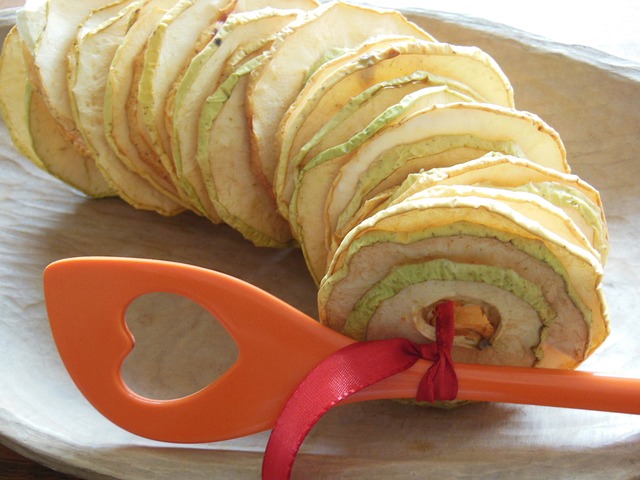
Dried fruit is very beneficial to have in a survival situation. It gives us nutrients such as vitamin C, magnesium, potassium and iron. Unfortunately, dried fruit is something that needs to be rotated regularly if put into a stockpile.


The Quickest And Easiest Way To Store A Month’s Worth Of Emergency Food!


Rotation needs to be done anywhere from three to 12 months. Figs, on the shorter side, last only three months and on the longer side, raisins can last for 12 months.


3. Peanut butter.


Peanut butter is a food loved by many people, and it also is commonly added to stockpiles. Peanut butter gives us potassium and protein, which is a great substitute to proteins in meat. The longevity of peanut butter varies: All-natural peanut butter only lasts about two months, while regular peanut butter lasts for about one year.


4. Whole wheat flour.


Whole wheat flour contains the endosperm, germ and bran. On the plus side, it includes lots of dietary fiber, B vitamins, iron and copper. Unfortunately, whole wheat is not something that will last very long in the stockpile: The life span is only around 4-6 months. This is due to the fact that when the whole grain is used, the essential oils in it degrade and go rancid.


5. Nuts.


7 Commonly Stockpiled Foods That Have A (Surprisingly) Short Shelf Life

Image source: Pixabay.com


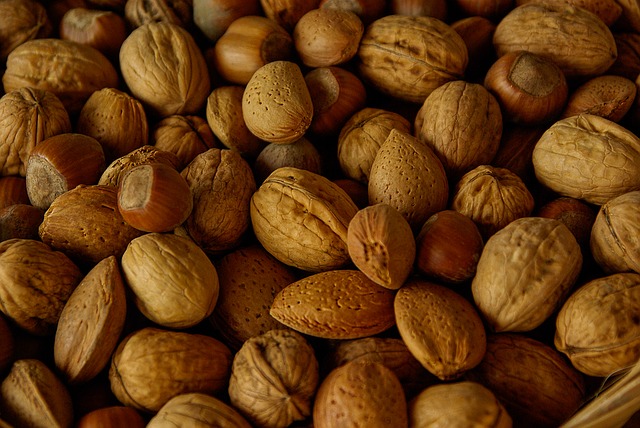
Nuts are big in protein, fast to grab, and easy to store, but the longevity of nuts is not very long. On the shorter end, pistachios only last for about three months and on the longer end almonds can last up to 12 months. Nuts are something that a homesteader or survivalist needs to rotate every half a year to a year.


6. Cornmeal.


Having cornmeal in the pantry is a great idea; for the gluten-intolerant person, this is a great source of starch. Its other benefits include zinc, which enables the body to heal from an injury, and iron, which improves the immune system and keeps the red blood cells healthy. Cornmeal, though, is not a long-lasting food. Its shelf life is only about nine to 12 months.


7. Yeast.


Yeast can be used for fermenting beer and making bread, but the shelf life of yeast is only about two to four months. This means that it will need to be used within a fairly quick amount of time or rotated every few months.


Choosing the longest-lasting foods for the stockpile is not easy, but when done right can produce a stockpile that can last years.


What would you add to this list? Share your ideas in the section below:  

Discover The Secret To Saving Thousands At The Grocery Store. Read More Here.

Monday, October 23, 2017

The 5 Best Ways To Stockpile On A Tight Budget

The 5 Best Ways To Stockpile On A Budget

Image source: Flickr / Creative Commons


When funds are tight, and the budget for your stockpile needs is small, what should you do?


Here are the five best ways to save money while building your stockpile supply of food on a budget.


1. Define your budget.


That is, define the amount you can spend weekly or monthly so that you can plan and prioritize purchases. The amount that you can budget toward your stockpile is ideally tracked separately from your other funds. You even can set up a separate bank account (such as a savings account) and have money transferred to it on a recurring basis (from a paycheck or from your main account). Having a separate fund or account for your stockpile will allow you to clearly define what your budget is, and it will allow you to take advantage of sales on items you use.


2. Plan and prioritize.


Whether you are starting your stockpile or are adding to an established stockpile, evaluating and prioritizing the most likely needs for your stockpile is a smart move. Prioritize the likely threats to your power supply and your ability to access resources. Ask yourself: Why are you stockpiling, and what is most likely to occur that will make you rely on your stockpile? Is it a flood or a windstorm that is more likely to hit your area? First focus on getting a stockpile ready for a short-term outage before you move on to long-term needs.


Learn Everything You Don’t Know In “The Big Book Of Off The Grid Secrets”!


A sensible short-term stockpile will initially will include a supply of food and water to last about three days, and also will include non-edible items in planning. Once you have a three-day supply, you can focus on expanding that to a week, and then doubling your time to two weeks, a month, three months, and so on. Before you know it, you’ll be planning your long-term stockpile.


3. Consistency wins.


Consistency is your best ally when you are on a budget. A lot of small gradual savings or purchases over time can match or exceed “once-in-a-while” inconsistent savings or purchases. Slow and steady wins the race, to borrow an age-old proverb.


4. Keep track.


Lists are your friend. Keep an ongoing list of what you have and what you need so that you don’t make duplicative purchases or buy things you don’t actually need. Your goal is a well-rounded, well-planned stockpile, and you’ll get there by keeping an inventory, rotating your stockpile into regular use so it doesn’t expire, and keeping current lists of what you need, what you use, what you have (an inventory), and what you’re planning for.


5. Follow sales and use coupons.


Take advantage of sales and couples. However! This is No. 5 on the list instead of No. 1 because you really should not buy anything just because it’s on sale or because you have a coupon. Your budget, your lists, and your planning must absolutely take precedence over any sale and coupon items. However, if it’s an item you use, and it’s on your list of needs, and it’s in your budget, then clearly you should scoop up a sale or coupon item. Consider buying one for now and one for later during weekly grocery shopping.


What tips would you add to our list? Share your suggestions in the section below:

Tuesday, October 3, 2017

The Overlooked Nutritional Powerhouse You Can Stockpile For Years

The Overlooked Nutritional Powerhouse You Can Stockpile For Years

Image source: Pixabay.com


If you are looking to add some powerhouse nutrition to your fall and winter meals, be sure to consider lentils.


Lentils are legumes, and when compared with other dried beans, they are easy and quick to prepare since they do not require presoaking. However, they offer high nutritional content, and they readily absorb other flavors in your soups, stews and side dishes. Even better: They will store for years and years.


Lentils originated in central Asia and are one of the world’s first cultivated foods. In fact, lentil seeds dating back to Old Testament times have been discovered at archeological sites in the Middle East. Sometime before the first century, lentils made their way to India, where they became the basis of the popular Indian dish, dal.


There are dozens of varieties of lentils, and they are classified by size and by color. Although green and brown lentils are the most common types in the U.S., lentils also come in orange, red, yellow and black varieties. Flavors differ slightly among the different types, but each one offers a rich, dense, slightly nutty taste.


The ‘Miracle Oil Maker’ Lets You Make Fresh Nut Oils Within Minutes!


Here are some of the many health benefits lentils can provide.


Manganese. Stored in the bones and in the liver, pancreas and kidneys, this mineral helps the body maintain a normal level of blood sugar. It also offers protection against free radicals. A 100-gram serving of red lentils provides 100 percent of your daily manganese requirements.


Protein. If you are a vegetarian or are just looking to increase your protein intake, lentils are a great choice. A half cup serving of dry lentils provides 26 grams of energy-packed protein. They also are naturally gluten-free. Lentils are one of the best sources of alkaline protein, which means they can help balance the body’s pH level, promoting a healthy gut.


Fiber. If you consume 100 grams of dry green lentils, you will get 80 percent of your day’s fiber recommendation. A high daily intake of dietary fiber can help lower your “bad” cholesterol levels and offer protection against developing Type 2 diabetes and colon cancer. High fiber also regulates the digestive system, helping to prevent constipation, diarrhea, inflammatory bowel disease and diverticulitis.


Potassium. Potassium is helpful in regulating blood pressure, and it can help fight the damaging effects of too much sodium in the diet. A 100-gram serving of red lentils offers more potassium content than a large banana.


Folate. Folate plays an important part in heart health, nerve function and the formation of red blood cells. It helps prevent anemia and is very important in helping increase the blood volume of pregnant women and women of childbearing age in general.


The Overlooked Nutritional Powerhouse You Can Stockpile For Years

Image source: Pixabay.com


Iron. You can take a natural iron supplement by eating 100 grams of lentils, which provides almost half of your daily iron requirement. Iron helps in the formation of hemoglobin in the blood and myoglobin in the muscles, both of which help fight against fatigue and tiredness.


Low starch content. Compared with refined grains and packaged carbohydrates, lentils have a low impact on blood sugar levels. Lentils contain about 35 percent digestible starch, and about 65 percent resistant starch, which is the type that escapes absorption in the small intestines. Eating lentils can help curb your appetite, since they are low in calories yet are satisfying.


How to Purchase Lentils


Lentils are available in prepackaged containers and in bulk bins. Look for lentils that are whole and without cracks and without any evidence of damage from insects or moisture.


Unlike many canned vegetables, canned lentils retain most of their nutrition. Check the label, however, to avoid added salt or other ingredients.


Storage


When dry lentils are stored in an airtight container in a cool, dry and dark place, they will store for years. Cooked lentils will stay fresh in the refrigerator for about three days in a covered container.


Cooking With Lentils


Spread lentils out on a light plate or surface to check for and to remove any small rocks or other debris. Then rinse lentils in a strainer under cool running water.


To boil lentils, use one cup of lentils per three cups of liquid. For lentils that are easier to digest, place them in water that is already boiling. When the water returns to a full boil, turn down heat to a simmer and cover the pot. Red lentils take about 20 minutes to cook, while green lentils take about 30 minutes.


You can lengthen or shorten this time depending on the consistency you desire. For example, you might want to cook them for less time if you want a firmer texture for a salad or soup. If you are making a curry or a dal, however, you may want to increase the cooking time so your lentils have a softer consistency.


Have you ever eaten or stored lentils? What advice would you add? Share your tips in the section below:


Here are some recipes for lentils you may want to consider:


http://allrecipes.com/recipes/16982/fruits-and-vegetables/beans-and-peas/lentils/


http://www.thekitchn.com/20-lentil-recipes-for-easy-weeknight-meals-227286


https://minimalistbaker.com/1-pot-lentil-dal/


https://minimalistbaker.com/1-pot-lentil-dal/


http://www.huffingtonpost.com/2015/03/24/lentil-recipes_n_1070678.html


http://www.cookinglight.com/food/recipe-finder/lentil-recipes

Monday, September 25, 2017

10 Often-Forgotten Items You Better Stockpile For Winter

10 Often-Forgotten Items You Better Stockpile For Winter

Image source: Pixabay.com


The sun is beating down, it’s somewhere around 80 degrees in the shade, there are hot dogs and fresh corn-on-the-cob corn on the grill, and the kids are splashing around in the pool. What time is it? It’s time to start stockpiling for winter, of course.


Even though it seems like snow and cold are in the far-distant future, there is no better time to start collecting necessities for winter than right now. By “winter necessities,” I do not mean items which are specifically related to weather, like snow shovels and roof rakes and sidewalk salt and windshield scrapers or winter clothing like sweaters and hats and mittens and boots. Although I would never discourage you from acquiring any of those things now if you can, there might not be adequate selections in stores quite yet.


I also am not referencing food. Most of us who are either off-gridders or homesteaders or preppers—or some combination of all three—keep a pretty good stockpile of food most of the time. In fact, canning garden produce and making big batches of cheese to put in the freezer are probably a couple of the activities we’re doing while the kids are swimming.


And even those who do not raise and preserve their own food often keep the larder full of store-bought non-perishables like grains and pasta and dry beans and canned goods. If your supplies of food are low right now, however, this is definitely the time to build them back up.


Water, too, is something that many people store all year long. But those of us who live out in the country know there is a greater chance during winter of being either without power or holed up at home during inclement weather, and recognize the need for storing water for other reasons, as well. I keep a couple of five-gallon jugs full of tap water on hand at all times—it’s nothing I would want to drink unless I absolutely had to, but it would work great for flushing toilets and other general household needs. But in winter, I double that amount, just because.


Are Your Prepared For A Downed Grid? Get Backup Electricity Today!


What I do recommend that you start stocking up on now are basics that you use both year-round and in winter. Here are a few ideas to get you started compiling your own list of needs:


1. Medications, both prescription and over-the-counter. If your life and well-being depend upon having access to medications, then you want to plan well in advance for possible foul weather to avoid being without them. It is also a good idea to go through the medicine cabinet and replenish regularly used items such as aspirin and cold treatments, replacing expired meds as necessary.


2. First-aid supplies. Bandages, first-aid creams and ointments, hot packs, and any other supplies that your family uses should be sorted through and stocked up before winter.


3. Batteries. Don’t wait until the weather turns ugly to check the battery supplies. Whatever you use them for—flashlights, lanterns, radios, smoke detectors or other needs—there will never be a better time than now to stock up.


4. Diapers. If someone in your house wears diapers, don’t risk running out. Nobody will be happy if that happens.


10 Often-Forgotten Items You Better Stockpile For Winter

Image source: Pixabay.com


5. Toilet paper. This is something that’s so easy to overlook, but so difficult to live without. Make sure you have enough on hand to see you through at least one snowstorm and two trips to the store without remembering to buy it.


6. Paper towel. If you use it, get it now. This goes for other everyday disposable products, too.


7. Hygiene supplies. While having soap and shampoo and conditioner and hand lotion and deodorant might not be at the top of everyone’s survival list, running out of whatever toiletries you are accustomed to using could be unpleasant. And chances are good that winter will bring about more inconvenience than true crisis—and by that I mean that while a half inch of freezing rain on the roads might not be the end of the world, it is enough to make you wish you had not run out of shampoo and were stuck with the choice of whether or not to risk driving on ice to go get some. Don’t forget to stock up on feminine hygiene products, too.


8. Laundry and cleaning supplies. As with personal hygiene items, having fabric softener on hand may not make a difference if anything truly catastrophic happens. But having clean clothes and housework done without having to go out in nasty weather will make life easier.


9. Pet food. This is another item which is easy to forget but important to have on hand. If you have pets, you know you won’t want them to go hungry.


10. Miscellaneous household and vehicle supplies. Different families have different needs, so your winter must-have list might look nothing like mine. Antifreeze, boot waterproofing, snowshoe bindings, long matches for the fireplace—evaluate your own needs, and stock up now.


Why is stocking up specifically for winter so important? Some items are more crucial in winter than during warmer months. Others are more likely to be used up when the weather is cold, and therefore there is a greater need for stockpiling. And some things are just so essential that you do not want to risk running out in the middle of a blizzard.


But why worry about it now? Remember that stocking up on many of these items can run into some money, and could be enough to put a strain on some households’ budgets if saved up and bought all at once. It’s easier to start well ahead of time and spread the costs out over multiple months. And people are so busy that last-minute tasks can steamroll right over them.


Planning ahead and anticipating potential needs are always prudent, and never more so than when dealing with household winter preparedness.


What items would you add to our list? Share your advice in the section below:  

Friday, September 15, 2017

How To Stockpile All The Toilet Paper You’ll Need (And How To Find Alternatives, Too)

How To Stockpile All The Toilet Paper You’ll Need (And How To Find Alternatives, Too)

Image source: Pixabay.com


When it comes to stockpiling hygiene products, toilet paper is often near the top of the list.


While there are simpler and cheaper alternatives we could all learn to use in the event of an emergency, many people would probably have a hard time doing without this creature comfort. Toilet paper would quickly disappear from the shelves in the event of an economic crisis or other type of disaster, so securing several months’ or even a year’s supply is not a bad idea.


How to Get Started


Toilet paper is prone to moisture and all kinds of critters: vermin, silverfish, termites, ants (if you live in the humid tropics like I do), and of course, rodents. Mice, squirrel and chipmunks love to gnaw at all kinds of paper, shredding them to bits to use for nesting.


‘Miracle Oil Maker’ Lets You Make Fresh Nut Oils Within Minutes!


Large bundles of TP can be a fire hazard. And, like most things, toilet paper breaks down faster when exposed to the sun’s ultraviolet rays. So, how and where do you stash them so they last a good number of months or years?


Here’s a few tips:


1. Store in airtight, waterproof containers. There’s a variety of receptacles you can use, depending on the quantity of your supply and the environment in which you place them. If you live in an area where rodents aren’t a problem, then you can use regular plastic bins and buckets. Keep the TP in the packaging you bought them in, and line your storage bin with a heavy-duty garbage bag to protect from humidity and dampness. Throw in a packet or two of dessicant (such as silica gel), cover, and then seal the lid with duct tape. There are large pails or barrels with rubber O-ring lids that would work wonderfully for this purpose.


If you prefer larger, heftier containers, go for 55-gallon steel drums with lever-lock lids. There are cheap recycled ones that you can likely find on eBay. Most of them are food-grade, having been used to ship large quantities of fruit juice concentrate, cooking oil and other food products. Large PVC pipes, the kind used for sewage purposes, also can be used. Just make sure you secure the ends with screw caps.


Story continues below video


If space is a priority, vacuum-seal storage bags (also called Space Bags by Ziploc or Magic Bag by Dollar General) would work great. They usually come in large sizes big enough in which to store bed spreads. To further cut down on space, you can compress the rolls by taking the cardboard core out of them, then squish and smash until they’re all flat.


2. Stack your containers in a place that’s dry but not hot, while also being safe from flooding and roof or plumbing leaks. This could be your garage, basement, attic or crawl space. You also could bury them in the ground. The cold earth will act as a refrigerator, with a low oxygen level that would also help in preservation.


3. To ward off bugs, place insect repellents in and around your storage containers. This could be moth balls or fabric softener sheets — critters hate the smell. Just make sure to pack and seal the TP in freezer bags first to avoid contamination. Better yet, use natural deterrents like food-grade diatomaceous earth. Or, try dried herbs and spices (bay leaves, cinnamon), wood chips (pine or cedar), flowers (lavender) or cotton balls dipped in peppermint oil. Put a teaspoonful or two in mesh sachets (the toe end of an old pantyhose would do) and place them in the corners of your bins; scatter some more outside and around them.


How To Stockpile All The Toilet Paper You’ll Need (And How To Find Alternatives, Too)

Image source: Pixabay.com


Check periodically and rotate your supply.


Alternatives to Toilet Paper


What should you do if your stock eventually is depleted? You’ve got several alternatives. Be like the ancient Romans, who used a stick and a sponge at the end, dipped in vinegar for disinfection. Or the French, who go “no hands” and use a bidet, bum gun or toilet spray. (You may improvise just by using a regular spray bottle.) In Asia and many parts of the world, old-fashioned folk still wash with soap and water – and yes, using just their bare hands!


This Cool-To-The-Touch Lantern Provides 100,000 Hours Of Emergency Backup Lighting


Not for you? You could tear pages off an old phonebook, Sears-type catalog, or use any kind of paper — rubbed together for softness and texture.


But the simplest, cheapest and most sustainable option would be just an old washcloth. Actually, any soft natural fabric would do — like cotton or flannel. Find an old T-shirt and cut in hand sized pieces; even old cotton socks should be fine. Stack them in a pile on the toilet tank, while keeping a small bucket half-filled with water and bleach or vinegar on the floor beside the potty. After doing your business, moisten a cloth with plain or soapy water to clean yourself. Then just dump the rag(s) straight into the bucket. When it’s time to wash, take a plunger and plunge a few times to rinse. (You could, of course, do this with a gloved hand, too.) Pour or wring out the excess water and dump the rags into the washing machine.


Finally, if you find yourself in a worst-case scenario with no water at all, be a survivalist and look to nature — leaves, grass and moss. After all, humans have lived for thousands of years without TP. It wasn’t until two centuries ago that commercial wipes came to be. So, there’s probably no reason why we can’t learn to do without it for another few years or so.


What advice would you add? Share your tips in the section below:


Tired Of Losing Freedoms — And Looking For Another Country? Read More Here.

Monday, September 11, 2017

15 Stockpiling Mistakes That Even Smart People Make

15 Stockpiling Mistakes That Even Smart People Make


No. 1. Careless packaging and storage


Careless packaging and storage will give you an inefficient and potentially unusable stockpile. You must protect your stockpile from pests, temperature extremes and humidity. The basement or cellar is an ideal spot for stockpiling because of moderate temperatures. Use airtight and waterproof packaging for long-term storage items (5-gallon buckets, jars, metal trash cans lined with food safe bags).


Keep an inventory checklist for efficient storage. Too much of one item will waste space and you won’t be able to rotate fast enough before expiration. Know the limits of your storage space, and make the most efficient use of it with an inventory checklist.


No. 2. No variety


Does your stockpile consist of a few foods and not too much variety? It’s a mistake to stockpile a narrow selection of foods. Your stockpile needs to have a variety of food groups, and a variety of ingredients for the meals and foods you currently eat week in and week out. A balanced diet to meet your nutritional needs is a varied diet.


No. 3. No flavor


Food without any flavor is a stockpile mistake. Do not overlook the importance of salt, sugar, herbs and spices, and condiments like lemon juice, ketchup, mustard, mayonnaise, relish, chili powder, hot peppers and even capers. Do you use onions and garlic? Look for powdered versions and see if those also work. If you use it now, you should stockpile it.


No. 4. One at a time


Are you really going to stockpile only one item at a time before moving on to the next item? This sounds efficient and well-planned, but it is not ideal at all. What if a situation occurs before your stockpile is finished? You might have plenty of one or two items, but not much else.


Bugging Out? Get The Essential Survival Secrets of The Most Savvy Survivalists in the World!


Each grocery trip, buy several different things to stockpile: a jug or two of water, a jar of peanut butter, and then a mainstay dish ingredient or two.


No. 5. Static stockpile


Your stockpile is aging past the point of use if you keep a static stockpile. For a well-planned and efficient stockpile, you rotate items out that are nearing expiration, and replace with new items. Most people do this by filling their cupboards from their stockpile, and then grocery shopping to replenish the stockpile (instead of grocery shopping to replenish the kitchen cupboards).


No. 6 Unfamiliar foods


Storing unfamiliar foods is a mistake. If you don’t know how to prepare it, learn how to and try it before you stockpile it. Analyze your actual use of foods and use your current use as a guide of the best foods for most if not all of your stockpile.


No. 7. Skipping small items with big impact


If you haven’t tracked your current use of items, you might be overlooking small items with big impact. You may have plenty of flour and beans and rice, but what do you actually need to make something with those? You need yeast and baking soda and powder, and you need oils. What about toiletries? You may have soap and toilet paper stockpiled, but have you tracked your family’s actual use of toiletry items? If not, you’re almost certainly missing something important. Take stock of your current use of groceries and toiletries so you don’t overlook small items with big impact.


No. 8. Expecting kids to adapt quickly


If you have kids, you probably know that expecting younger children to adapt quickly to new foods is asking for a hard time. Make things a little easier for them and for you by planning and including some foods tailored to children’s tastes.


No. 9. None of your stockpile foods are “easy”


Speaking of adapting and easy, it’s a big mistake to not have at least a few “easy” foods in your stockpile. Easy foods do not require a lot of effort to prepare, and should be familiar. In times of stress, transition, and new situations, having easy-to-prepare and easy-to-eat familiar comfort foods is a big advantage. With a few easy foods, you can focus on the situation at hand (whatever it may be) instead of having to focus food preparation.


No. 10. You only stockpile food


Not stockpiling anything but food is a mistake. You also need a full tank of gas, a full tank of heating fuel, and an alternate source of heat in a cold climate. Do you have a good first-aid kit? Do you have two or more ways of starting a fire and kindling? Is your woodpile ready? What about pet food? Do you have non-electric cooking equipment, can openers, trash bags, soap, toilet paper, toothpaste and extra toothbrushes? Don’t forget medications! Longer term items to consider: fresh canning lids (these are not reusable). Bleach. Hunting and fishing equipment.


No. 11. Everyone knows your stockpile


Your stockpile is an asset. You are storing a commodity in your home. Your stockpile today may not make you a target for thieves, but keep in mind that that the value of your stockpile may change under different circumstances. Today, you may feel secure talking up your stockpile. Tomorrow, your stockpile may be more valuable than cash. Is it wise to talk about storing a huge amount of cash in your house? Would you want many people to know? Be discreet.


No. 12 .You aren’t adding skills


Are you overlooking the importance of skills, knowledge and training? Brush up on first-aid classes. Learn about wood stove heat. Assess your skills in gardening, canning and preserving foods, and hunting and fishing. Can you navigate through rough terrain? Inventory your skills, and make plans to add to or improve your skills over time.


No. 13. Your stockpile is in one place


Storing everything at home, in one location, and not making a plan for mobility from home is a big stockpiling mistake. You need some supplies in your car and at work so they are accessible when you are not at home. You should have warm clothes, sturdy walking shoes, a flashlight, food, water, and a good first-aid kit near you when  traveling or at work. This could be as simple as storing these items in your vehicle and at work.


No. 14. Your stockpile isn’t tested


If you aren’t testing your stockpile, you are making assumptions that it will work as planned. Assuming is a mistake.  Do not assume your generator will fire right up, or that your private well or municipal water and sewer will work in a power outage. Have a hand pump? Have you not tested it recently? Don’t assume you’ve calculated the correct quantities without a trial run. Don’t assume, period. Always check and test.


No. 15. Not adapting


Don’t make the mistake of complacency. Remember that “the only constant is change.” Beginners may underestimate how much water or food to stockpile, or miss signs of pest damage. More advanced stockpilers may test their stockpile once or twice and then let years go by (and circumstances change enough to cause a potential problem that an interim stockpile test would have caught). Complacency will lead to failing to plan ahead sufficiently.


What would you add to our list? Share your tips in the section below: