Showing posts with label plants. Show all posts

Wednesday, December 6, 2017

1800s Medical Cures That Still Work Today

1800s Medical Cures That Still Work Today


Once upon a time, more than two-thirds of all Americans lived in rural towns or extensive farms. Indoor plumbing was unheard of, homes were heated with wood and lit by kerosene or oil lamps, work was hard and diseases were plenty.


Should we find ourselves back in these precarious times – or we simply prefer natural remedies — we might find it beneficial to know what types of herbs, medicines and common practices were the tool of the trade for the 19th century doctor.


Keep in mind that there were no vaccines, no lab tests and no antibiotics. Hospitals were located in large cities and surgery was reserved for extreme cases. Doctors traveled for miles on horseback to treat their patients, and payment was generally a hot meal and a place to sleep, and perhaps a hog or some chickens for the doctor to keep or sell as he liked.


Almost all treatments were done right in the home, or outdoors where the light was good. There certainly were times when the doctor knew that his patient would not survive, but he tried his best, knowing that if nothing else, the family would feel better, believing that they had done all they could.


Let’s take a look inside that black bag of medicine and find out what doctors used pre-pharmaceutical times.


Treatments and Research


If you were fortunate, your doctor was up to date with the medical research of the times, such as books by University of New York doctor William Thomson. Otherwise, your local doctor might have relied on Buchan’s Domestic Medicine, which relied on herbal treatments.


With no antibiotics and very little understanding of how diseases worked, gargles, “tonics,” hot baths or steam baths were often recommended. Doctors tended to treat the symptoms, rather than the disease, due to lack of knowledge.


Fast, All-Natural Pain Relief With No Nasty Side Effects!


Doctors understood very little about bacteria, but they were aware that there were tiny organisms that could be seen under a microscope. These could be transferred from one patient to another. So while they may not have fully understood how they worked, doctors began working with “disinfectants” in the later part of the 1800s. Common disinfectants were chlorine, lime, sulfur and charcoal.


Common Herbal Treatments


Without the use of any real working drugs, doctors relied heavily on herbal remedies. Many doctors continued to add to their skills by learning from medicine men of the indigenous people, as well as from women who often passed their knowledge on from generation to generation and the slaves brought from Africa, who also contributed their knowledge of healing herbs and plants.


Fortunately, doctors had many pain relievers available to them at this time, including aspirin (which they made from the bark of willow trees). There were fever reducers made from the feverfew plant, as well from meadowsweet.


Camphor was known to ease itchy skin. It was also commonly used to prevent infection by washing the wound with a solution made from camphor, or soaking bandages in the solution, then wrapping the wound.


1800s Medical Cures That Still Work Today

Image source: Pixabay.com


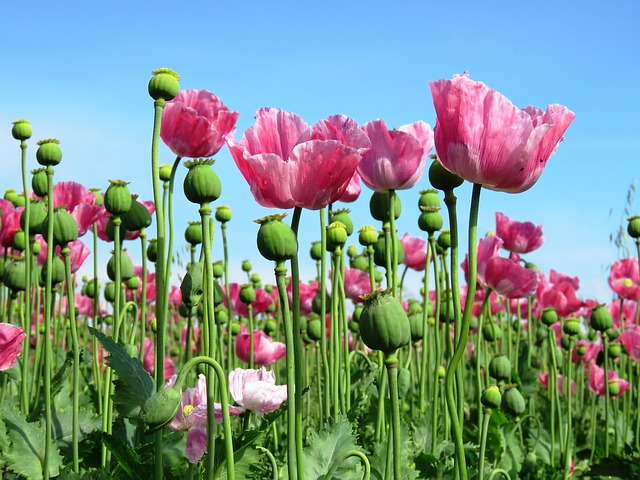
Opium was known to stop diarrhea almost instantly, and cathartics were from a wide variety of plants, such as milkweed or bloodroot.


Most of these types of medicines were used to make the patient as comfortable as possible, while nature took its course and the patient could heal on his own.


Other treatments including apple pectin, which was mixed in juice to stop arthritis, and honey, which was used as a face wash and a treatment for most insect stings.


Tea and compresses made from cloths soaked in tea were often used to wash everything from hair to burns to wounds.


Some treatments are still used today, such as baking soda to brush the teeth or ease indigestion. Castor oil was used for everything from a general health tonic to a chest compress for coughs and colds. Salt was used as a gargle for sore throats. It worked then and still works today.


Herbs and ‘Female’ Problems


It was very common in the 1800s for women to treat other women with herbs and remedies that have been passed down for generations. Midwives were often called upon to deliver babies as well as to help with what was called “female problems.”


1800s Medical Cures That Still Work Today

Image source: Pixabay.com


Teas made from motherwort were often used to “calm the nerves.” This is a mild sedative and it works remarkably well.


Painful menstruation was often treated with a tea of red raspberry leaves. This was also the same treatment for infertility. Excessive bleeding was treated with shepherd’s purse. Labor pains were treated with blue cohosh while menopause was treated with black cohosh.


New ‘Survival Herb Bank’ Gives You Access to God’s Amazing Medicine Chest


Women suffering from fainting spells were often given a large tablespoon of vinegar. Bladder infections were cured with calendula tea, and chamomile tea was used for just about everything that ailed women, from menopause to insomnia.


Treatments We’d Rather Forget


You can’t talk about the history of medicine without speaking about some of the items and practices that will make you shudder today.


Mercury was used for almost 500 years as a common elixir that was supposed to rejuvenate the body. It was also a popular “cure” in the 19th century for sexually transmitted diseases such as syphilis. While mercury probably did kill off the infection, it generally killed the patient as well, most likely from kidney or liver damage.


In fact, let’s not forget that during most of the 1800s, there were no laws in place as to who could call themselves a doctor. Massachusetts passed the first license laws in 1819 but then repealed them in 1835. It wasn’t really until after the civil war that states got serious about licensing doctors.


Tuberculosis (called consumption in those times) was a terrible condition with no cure. Most doctors simply recommended bed rest and to move to a drier climate.


Other treatments, such as those for colic, didn’t need the doctor anyway.


A common “remedy” for colic was to close all the windows and doors to the baby’s room, and have daddy smoke his cigar or pipe right outside the door. (Can’t help but wonder how that one worked!)


Cures for colds and the flu were varied, but included drinking rabbit dung tea. We don’t suggest trying that one, no matter how dire the situation!


What old-time remedies would you add to this list? Share your tips in the section below:


If You Like All-Natural Home Remedies, You Need To Read Everything That Hydrogen Peroxide Can Do. Find Out More Here.

Friday, September 29, 2017

Common, Everyday Plants You’ll Be Shocked Are Toxic

7 Common Plants You

Aloe vera. Image source: Pixabay.com


It’s not common for most people to walk around a yard or garden and indiscriminately munch on plants. But it’s a whole different story when it comes to kids and pets.


There are also plants that can cause significant skin irritations while planting or weeding a garden. We’re going to review some common plants that are surprisingly toxic — and in many instances, deadly. If you have them in your garden, you may want to think twice if young children or family pets are around.


7 Common Plants You

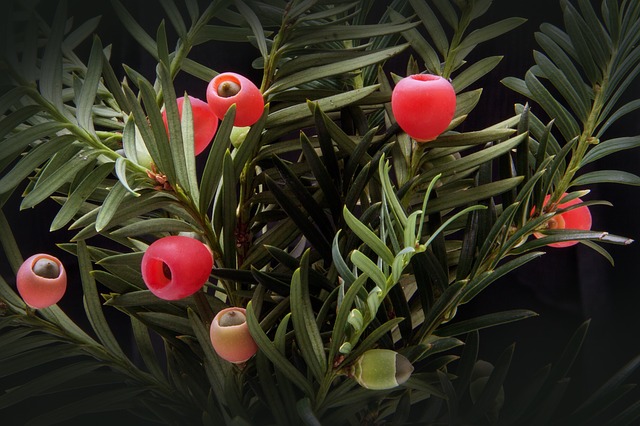
Yew. Image source: Pixabay.com


1. Yew. A common evergreen that is popular as a landscaping shrub, the yew has bright red berries with a dark side peeking out at the bottom of the berry. What’s curious is that the berry itself is not toxic, but every other part of the plant, including the seeds in the berries, are dangerously poisonous. This is due to an alkaloid called taxin, in addition to ephedrine and taxiphyllin. Death often follows in hours and sometimes presents no symptoms. When signs and symptoms do occur, they include weak pulse, trembling, staggering, coldness and collapse.


7 Common Plants You

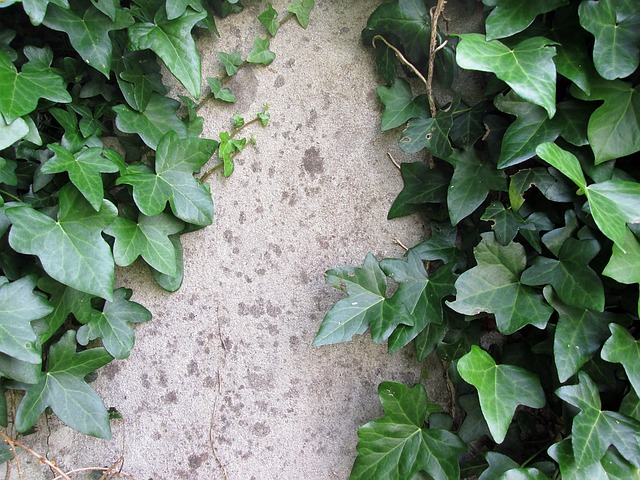
English ivy. Image source: Pixabay.com


2. English ivy. It decorates the walls of buildings on college campuses across the country. Many people plant it to create a similar look on their homes. Too bad it’s poisonous. The leaves can cause rashing, blisters, general skin irritation and itching. Ingesting the leaves can lead to convulsions, fever, delirium and even hallucinations. It doesn’t sound real smart to plant English ivy anywhere. Makes you wonder why they’re so popular on college campuses.


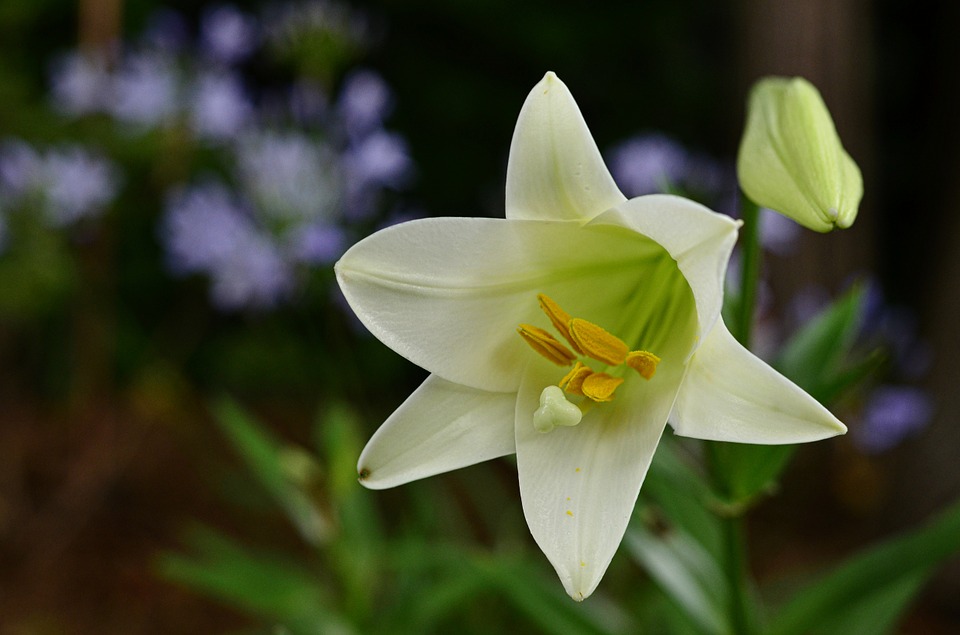
Easter lily. Image source: Wikimedia

Easter lily. Image source: Wikimedia


3. Easter lily. A flowering plant that’s popular and common at Easter, it is, in fact, quite toxic, especially to small animals like cats. Humans don’t fair much better due to an alkaloid called lycorine. It’s found in the bulbs and stem and causes vomiting, diarrhea, abdominal pain, shivering and nausea. That’s not exactly the way most people want to spend their Easter.


7 Common Plants You

Holly. Image source: Pixabay.com


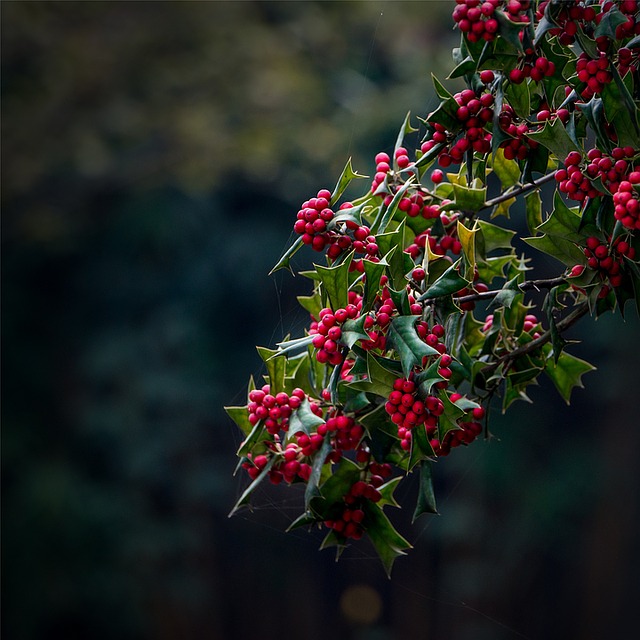
4. Holly. Here’s another holiday favorite with dangerous side effects. Holly and its bright red berries are a standard decoration at Christmas. Unfortunately, the red berries are highly toxic. An alkaloid called theobromine is the primary problem.


New ‘Survival Herb Bank’ Gives You Access to God’s Amazing Medicine Chest


Children ingesting as few as two red berries will suffer vomiting, drowsiness, diarrhea — and higher doses can be lethal. Twenty holly berries could kill an adult. Maybe we should deck the halls with boughs of something else.


5. Aloe Vera. Who’d have thunk it? A plant that has been used for thousands of years by native people to treat burns and skin irritations actually has a poison component. The gel of the plant is not poisonous, but there is a thin membrane inside the leaves that contains chemicals known as aloin and anthraquinone c-glycoside. Both are very toxic and can — if ingested in large quantities — cause vomiting, nausea, cramping and diarrhea. It’s OK to break off a leaf and apply the gel to skin, but if you have any thoughts of eating it, you may want to consider buying a professionally prepared product instead.


7 Common Plants You

Chrysanthemum. Image source: Pixabay.com


6. Chrysanthemum. A very common flower often referred to as mums. The curious contradiction is that they were sometimes used in Chinese medicine. The problem is that poisoning can easily occur due to a group of chemicals called pyrethrins, resulting in significant skin irritations. Pyrethrins affect the nervous system and can cause eye damage, asthma and inflammation. A curious note is that the pyrethrins in chrysanthemums have been processed to create a potent, natural insecticide. It’s a good bet that if it’s bad for bugs, it’s bad for us.


7 Common Plants You

Larkspur. Image source: Pixabay.com


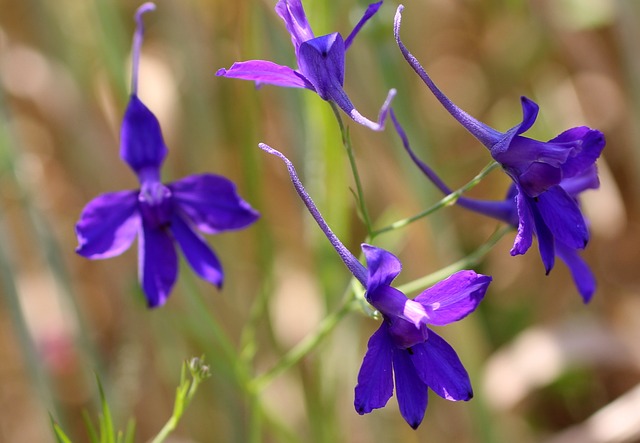
7. Larkspur or delphinium. Larkspur is a very attractive, purple plant and is a member of the buttercup family. The bad news is that all parts of the plant are poisonous. Animals, particularly horses and cattle, are particularly susceptible to poisoning while grazing. Symptoms of larkspur poisoning in humans include numbness and burning of the lips, mouth and throat, in addition to intense vomiting and diarrhea, spasms, weak pulse, muscular weakness, convulsion and paralysis of the respiratory system, which leads to death.


If you believe someone or a pet is suffering from one of these natural poisons, then immediately go to the emergency room or vet. Symptoms and effects tend to worsen over time. You also may want to carry a sample of the plant or berry with you if you suspect you know what could be the culprit.


What would you add to our list? Share your thoughts in the section below:


If You Like All-Natural Home Remedies, You Need To Read Everything That Hydrogen Peroxide Can Do. Find Out More Here.

Saturday, September 23, 2017

24 Little-Known ‘Miracle Plants’ The Navajo Used For Medicine

24 Little-Known

Artist: Robert Draper


Anyone interested in living off the land or wishing to prepare themselves for a crisis would be wise to study some of their local plants.


Native people had an extensive knowledge of which plants, and which parts of the selected plant, were valuable for certain health problems.


In this article, we are going to look at some of the little-known medicinal plants that were used by the Navajo nation. Even though they lived in what we would consider desert or areas filled with nothing but “scrub brush,” the Navajo found some of the best and most powerful medicinal plants in their region.


Remedies for Headaches, Coughs, Fevers, Mouth Problems


1. Lichens – Pulled from rocks or trees, these were chewed to stop mouth pain, canker sores, and sore or swollen gums.


2. Purple loco weed (oxytropis) – The leaves are crushed and boiled, then the steam inhaled to open up airway passages and ease breathing.


24 Little-Known

Thistle. Image source: Wikimedia


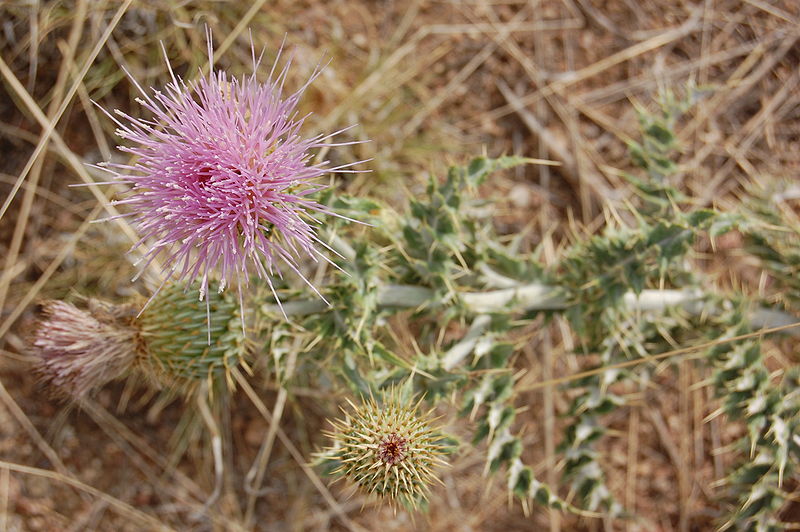
3. Desert thistle – Used to stop the chills and/or fevers. Commonly given in tea form.


4. White horehound – This was used as a tea for coughs and sore throats.


Fast, All-Natural Pain Relief With No Nasty Side Effects!


5. Snake weed – Despite the name, this was not used for snake bites, but for headaches. Unlike other plants, this one was used externally by placing wet leaves on the forehead. Some people refer to this as broom weed or broom snakeweed.


Remedies for Diarrhea, Stomach, or Digestive Problems


6. Indian paintbrush (castilleja) – Used for most common stomach problems, including stomach aches, cramps and indigestion. Many tribes referred to this as the prairie fire plant. The flowers are very sweet and tasty, although other parts are not edible.


7. Indian hemp (Apocynum cannabinum) – While this relative to cannabis cannot be consumed, the roots were boiled to make a tea to treat intestinal worms and stop dysentery.


8. Antelope sage – The root of this plant was brewed into tea to stop general stomach pain and cramps.


9. Sand verbena – Sometimes called desert verbena, the leaves and flowers were consumed in tea form to stop stomach cramps, as well as to make a general, soothing tonic.


Remedies for Women


10. Greasewood – A tea made from the leaves of this plant was thought to make childbirth quicker and easier for the mother.


24 Little-Known

Silkweed. Image source: Wikimedia


11. Silkweed – Consumed as a tea, this plant is a general tonic used after giving birth.


New ‘Survival Herb Bank’ Gives You Access to God’s Amazing Medicine Chest


12. Bushy bird’s beak – Flowers and leaves were often brewed as tea to stop or shorten the menstrual cycle.


Remedies for Skin Issues and Wounds


13. Artemisia – This plant is used for burns, boils and other types of skin wounds.


14. Spurge – While spurge can be eaten, it was also used as medicine. Spurge was ground into a paste and rubbed on the skin to stop acne or other types of skin problems.


15. Green briar – The leaves of this bush were beaten into a paste, and then applied to sores, burns or open wounds. Fresh leaves were then wrapped over the poultice and used as a type of bandage.


16. Orange agoseris – Leaves and flowers were pounded into a paste and applied to most wounds to stop infection and speed healing. Most common uses were for serious injuries, such as knife or arrow damage.


17. Blue corn – Corn played a vital part in the life of most Navajo. Besides being consumed as food and used in ceremonies, blue corn was used to cleanse and purify the skin. Ground blue corn, which is more coarse than yellow or white corn, was a natural exfoliator, which encourages the growth of new skin by removing dead skin cells.


General Tonics, Antiseptics and Other Remedies


18. Sage or sagebrush – While this plant tends to give many people hay fever, for the Navajo, the leaves and flowers were made into a tea, which served many purposes. This tea was used as a treatment for diarrhea, as an eye wash, as an antiseptic for disinfecting wounds, and as a hair wash. People once said, “Those who drink sage tea never grow old.” This is because rinsing hair with a strong sage tea acts as a dye, keeping the hair black.


Just 30 Grams Of This Survival Superfood Provides More Nutrition Than An Entire Meal!


24 Little-Known

Hawkweed. Image source: Wikimedia


19. Hawkweed – This plant is a close relative of dandelions, so it is no wonder that the Navajo used it as a natural diuretic. All parts of this plant are edible and can be eaten; however, it is most commonly consumed in a tea form.


20. Red juniper – The inner bark of this type of juniper was rubbed onto the hair and scalp, stopping most kinds of dandruff and itchiness.


21. Yucca – Also known as soap weed, the leaves of the yucca plant were pounded into a thick paste, and then rubbed on the hair and scalp. This acts as a natural type of shampoo, removing grease and dirt from the hair.


22. Horseweed – This was a general, all-around good tonic that was used for many ailments, including stopping diarrhea, and as a diuretic and astringent.


23. Yellowtop – The gray green leaves of this plant were the most common remedy given for spider and other insect bites.


24. Green gentian – Commonly given to calm the nerves or for emotional distress.


Many plants were used in combination with one another. It was thought that by mixing plants, it would cure multiples problems at one time, or that if one ingredient was ineffective, another would certainly work.


Most times, there were one or two “specialists” who knew which plants should be used for what, and which combinations could be used. This was generally the Shaman, who oversaw most health problems, and a female elder, who was generally called upon to take care of “female” problems and assist in childbirth.


The Navajo and other native people spent hundreds if not thousands of years researching plants. Please use extreme caution and be certain that you know not only the exact species you are choosing, but how it might affect you.


This article is for informational purposes only and is not intended to diagnose or cure any particular health condition. Please consult with a qualified health professional first.


What is your favorite off-grid medicinal plant? Share your medicinal tips in the section below:


If You Like All-Natural Home Remedies, You Need To Read Everything That Hydrogen Peroxide Can Do. Find Out More Here.

Wednesday, September 13, 2017

Prepping For A Nuclear War: 10 Foods To Grow To Help Reduce Radiation Effects


vegetables


With the threat from North Korea of a potential and possibly imminent nuclear war on the horizon, many preppers have taken to gathering items which protect them from the effects of radiation.  Food can do that as well, and here are ten things you can grow to reduce that damages done by radiation.


It’s terrifying to think about, but there may come a day when the United States will be struck by one or more nuclear weapons.  Because of this, Natural News compiled a list of the ten best foods to grow in case this horrific scenario becomes a macabre reality.


  1. Potatoes


    In the event of a nuclear attack, one of the first organs that will be affected by the nuclear fallout and radiation is the thyroid gland. The reason the thyroid is affected first is primarily because radioactive iodine is absorbed by the gland extremely quickly. Unbeknownst to most people, though, potato skins contain high amounts of iodine, which can be used by the body to shield the cells from radioactive material, like nuclear fallout. Potatoes are also one of the easiest and heartiest crops to grow, making them a no-brainer for anyone who is serious about prepping for a nuclear attack.


  2. Strawberries


    Like potatoes, strawberries are extremely easy to grow. All you really need is some soil, some water and a spot on the windowsill, and in no time at all, you will be able to enjoy a plethora of fresh, juicy berries. Strawberries also contain several important nutrients and are a good source of iodine. It’s also been thought that eating strawberries can help prevent breast cancer.


  3. Cranberries


    The great thing about cranberries is that they contain Vitamin C and Vitamin E, both of which are capable of protecting cells from radiation. Most people are not aware that cranberries can be grown in raised beds, so long as the soil is acidic and the plants are given enough water.


  4. Navy Beans


    Red meat will likely become unavailable immediately following a nuclear strike. But, luckily, navy beans contain a significant amount of iron, which your body can use to make blood. They are also rich in iodine, which helps defend against radiation. As most farmers and gardeners will tell you, beans are an important staple in gardens because they help the soil absorb nitrogen. For these reasons, navy beans should be on the top of every survivalist’s list when it comes to the production of sustainable gardens and nutritious foods.


  5. Oranges


    Look no further than the orange for a healthy dose of Vitamin C, which can be a lifesaver. Research has shown that Vitamin C is capable of protecting healthy cells from radiation. As a matter of fact, it has been revealed that workers at the Fukushima plant in Japan were less likely to experience DNA mutations after receiving Vitamin C than those who did not. While there are many foods that contain Vitamin C, oranges are by far the best source.


  6. Red Peppers


    Like cranberries, red bell peppers contain a significant amount of Vitamin C and Vitamin E which help to protect the body from radiation. Red peppers have the ability to shield your cells from some of the effects of ionizing radiation.  They can be grown outdoors, in containers, as well as in hydroponic setups.


  7. Sunflower Seeds


    Just 1/4 of a cup of sunflower seeds is all you need to get your recommended daily amount of Vitamin E, so throw a handful on a salad.  They can give your cells protection against harmful radiation in the event of a nuclear attack. In addition, sunflower seeds contain other antioxidants and nutrients that will generally allow you to live a much healthier life.


  8. Pumpkin Seeds


    Pumpkin seeds are a good source of Vitamin E, and pumpkins themselves contain high levels of vitamins A, B, C, and Potassium. As long as the vines have enough room to spread, pumpkins are actually more than capable of growing in containers.


  9. Spirulina


    In addition to being packed with important nutrients, spirulina contains molecules that can bind to certain toxins such as heavy metals. Eating Spirulina can protect your body even if you are exposed to radioactive material such as dust or debris. To grow spirulina, all that you need is alkaline water, a source of light, and a bit of dry spirulina to initiate the growing process.


  10. Cocoa


    Chocolate, and its main ingredient, cocoa, contains resveratrol, which is a molecule that has the ability to protect chromosomes from radiation damage. Even though food products like Hershey bars and Milky Ways have very little nutritional value, cocoa beans themselves can help you survive a nuclear attack.


One should consider prepping with at least a few of the above food items to help protect the body against the harsh effects of radiation.  In the event of a nuclear attack, food will become scarce, and having a basis for preparation could make all the difference.


*This is for educational purposes only, and not intended as medical advice.*


Click here to subscribe: Join over one million monthly readers and receive breaking news, strategies, ideas and commentary.

Gas Masks, Filters, Body Suits, Anti Radiation Pills

Please Spread The Word And Share This Post


Author: Mac Slavo
Views: Read by 30 people
Date: September 13th, 2017
Website: www.SHTFplan.com


Copyright Information: Copyright SHTFplan and Mac Slavo. This content may be freely reproduced in full or in part in digital form with full attribution to the author and a link to www.shtfplan.com. Please contact us for permission to reproduce this content in other media formats.


Wednesday, August 9, 2017

The Plant Paradox: The Hidden Dangers in ‘Healthy’ Foods That Cause Disease and Weight Gain (VIDEO)

While trained as a cardiothoracic surgeon, Gundry now specializes in treating patients holistically, focusing on food. He’s been director of The International Heart and Lung Institute Center for Restorative Medicine for the past 17 years. Before that, he was a clinical associate at the National Institutes of Health, where he invented devices that reverse cell death associated with acute heart attacks.


He’s also been a professor of surgery and pediatrics at the Loma Linda School of Medicine and chairman of the Department of Cardiothoracic Surgery at Loma University Medical Center. I read about 150 books per year, most of which relate to health. Many of these books I can read in less than an hour, because they’re just saying the same old thing. Gundry’s bookis not one of those. It’s a great resource filled with novel information.


What Are Lectins?


From an evolutionary standpoint, any creature, including plants, has a built-in imperative to grow, thrive and propagate. Plants, being rooted into the ground, cannot outrun a predatory insect. Instead, plants use chemistry for self-defense. One of the plant kingdom’s self-defense systems is lectins — not to be confused with lecithin or leptin.


Lectins are plant proteins, sometimes called sticky proteins or glyca-binding proteins, because they seek out and bind to certain sugar molecules on the surface of cells. There are many types of lectins, and the main difference between them is the type of sugar each prefers and binds to.


Some — including wheat germ agglutinin (WGA), found in wheat and other grass-family seeds — bind to specific receptor sites on your intestinal mucosal cells and interfere with the absorption of nutrients across your intestinal wall. As such, they act as “antinutrients,” and can have a detrimental effect on your gut microbiome by shifting the balance of your bacterial flora — a common precursor to leaky gut.


“I like to think of it as they hack into our communication system, or any predator’s communication system,” Gundry says. “For instance, in insects, they attack a sugar called sialic acid which, among other things, sits between the endings of nerves. One nerve talks to the other nerve by acetylcholine jumping through that space.


Sialic acid allows that to happen. Lectins bind to sialic acid and so interrupt nerve transmission. If you think about it, paralyzing an insect is a great defense system because if the insect can’t move, bingo, you’ve solved the problem. One of the things I’ve learned through the years through my patients is we’re just a giant insect to a plant.


What may happen to an insect fairly instantaneously by eating some plant lectins may take years in us, who are giant insects, to manifest. It may manifest as neuropathy, it may manifest as brain fog, arthritis or heart disease. But the longer I do this, the more I’m convinced that almost every disease process … can be traced back to … plant lectins.


That’s a long-winded explanation for how plants don’t like us. They absolutely don’t want to be eaten. They’ve had 400 million years to work out defense systems — a really long time.”


The Role of Your Microbiome


One of the things that struck me about Gundry’s approach is that it targets the mitochondria and the microbiome, both of which are vital for optimal health. Few physicians, even those in the integrative medicine field, fully understand the importance of mitochondrial function, but Gundry certainly does. And, while the human genome has received a majority of the scientific attention, the bacterial microbiome genome is actually far more important. As noted by Gundry:


“Our microbiome is, I think, our early warning system, because about 99 percent of all the genes that make up [the human body] are actually nonhuman, they’re bacterial, viral and fungal … [from which] we’ve uploaded most of the information about interacting with our environment … because the microbiome is capable of almost instantaneous changing and information processing that we actually don’t have the ability to do.


We’re beginning to realize … that the microbiome is not only how we interact with plant materials … like lectins, but probably more importantly, our microbiome teaches our immune system whether a particular plant compound is a friend or foe [based on] how long we’ve known that plant compound.


There are lectins in everything. But the longer we’ve interacted with lectins and the longer our microbiome has interacted with them, the more our microbiome kind of tells our immune system, ‘Hey, guys, it’s cool. We’ve known these guys for 40 million years. Chill out. They’re a pain, but we can handle them.’


From an evolutionary perspective, if you look at modern foods — say the grains and the beans, which we started interacting with 10,000 years ago, which is a blink of time — our microbiome [regards them as] foreign substances … [T]here’s no lectin speed dating in evolution.”


The Importance of Mitochondrial Function


With regard to mitochondria, “mitochondrial flexibility is one of the unique things that make us human,” Gundry says, comparing the human race to a “fat-storing ape.” Whether you ascribe to the evolutionary theory or not, humans and apes have many genetic similarities, but the ability to store fat is a unique human feature. No other great apes can do that.


Chimps, gorillas and orangutans carry 3 percent body fat. Few humans could ever achieve that low of a body fat percentage unless we were near death from starvation.


“The reason we’re designed to [store fat is to] be able to access fat for fuel,” Gundry says. “The reason why [humans] have been able to take over all parts of the world … [is] because we can cycle back and forth, having our mitochondria use fat for fuel or glucose for fuel. We’re designed to shift very quickly … even within 24 hours.


[Most people] no longer have that metabolic flexibility [because] we’ve been constantly bombarding our mitochondria with an overload of glucose as a fuel, and that really underlies, I think, most disease processes.”


How Intermittent Fasting Boosts Mitochondrial Flexibility


One of the strategies Gundry recommends and uses to improve his own metabolic flexibility is intermittent fasting. For nearly a decade now, he’s been fasting for 22 hours a day, five days a week, from January through June 1, which means he eats all his calories for the day during a two-hour window. On the weekends, he eats lunch and dinner.


“I don’t eat breakfast. I don’t eat lunch. I eat my calories between 6 and 8 o’clock at night. I do that because my wife and I are at home at that time. If I was really smart, I would [eat] earlier in the day, but, you know, you’ve got to be practical in one way or another …


In summer, I’ll have a smoothie with some MCT oil in it, half an avocado, some romaine lettuce, spinach, half a lemon and a little bit of vanilla or stevia. Then I won’t eat lunch. At dinner, same sort of thing, I try to pack all of my calories in between 6 and 8 o’clock at night … 


[June 1], I finished my winter fast, if you will. Now, why do I do that? [Historically], food was a rare thing to find [during the winter]. Again, our metabolic advantage is we’re really good at starvation. It’s what allowed us to survive.


We know that during food scarcity, not only do our mitochondria rev up, but more importantly, our entire immune system and genetic monitoring basically says, ‘Look, times are tough. We don’t know when the next good food supply is going to come. We’ve got to make it through to that next period. We’re going to look at every cell in our body. We’re going to look at whether they’re pulling their own weight.


Are they odd? Are they not very fuel-efficient? We’re going to jettison that. We’re going to create apoptosis until these cells commit suicide.’ It’s kind of like if we were in a hot air balloon and we’re heading for the mountain and we’re going to crash, we’ve got to start throwing things overboard to get more lift.


I think that’s a fundamental principle that you’ve known for a number of years and that I’ve certainly preached for a number of years. The more we understand that that’s how successful aging occurs and study successful agers, one of the things that’s fascinating, particularly in an animal model, is that this intermittent fasting, this challenging [your mitochondria], is the way to do it.”


Although I used to do 14- to 16-hour intermittent fasts, because I felt that it was wise to increase glycogen stores prior to strength training, I have come to realize that’s not true. In fact, it’s counterproductive, as carbs after strength training can increase insulin and diminish IGF-1 response and blunt the anabolic stimulus. So now I am fasting for 18 to 20 hours a day and do all my strength training in a fasted state.


That may sound challenging, but I can confidently assure you, from personal experience, that once you are fat adapted there are no cravings. Additionally, I recently interviewed Dr. Dale Bredesen, who wrote the book “The End of Alzheimer’s: The First Program to Prevent and Reverse Cogntive Decline,” in which he discusses how ApoE4 is a genetic risk factor for Alzheimer’s but ONLY if you don’t intermittent fast. If you do, it will likely actually decrease your risk for the disease as its biological function is to allow us to go for longer periods of time without food.


The Importance of Ketogenic Cycling


Gundry also understands the importance of cycling in and out of nutritional ketosis. While your body is still burning sugar as its primary fuel, you’ll want to be quite strict about not going over your net carb allotment. But once your body has regained the metabolic flexibility to burn fat, it’s really important to cycle in and out or on and off.


I suggest doubling, tripling or even quadrupling your net carbs two days a week, because the metabolic “magic” actually happens during the refeeding phase. As noted by Gundry:


“You have to look at it evolutionarily. It really was feast or famine. When we hit large amounts of food, whether it was a fruit tree or whether it was honey or a wildebeest or a mastodon, there was no food storage system. People tend to forget that nobody walked out of their cave and said, ‘What’s for breakfast?’ There was no refrigerator to have organic berries in every day.


When we chanced upon fuel, then our beautiful design [allowed us to] eat large quantities of [food] and store it as fat. Because, very shortly, whether it was a period of drought, whether it was a period of winter, we were going to regress. I’d like people to think of circadian rhythms. Obviously, we have a 24-hour clock. We have a moon clock. We have seasonal clocks.


What I like people to think of is that we have a period of every year where [we’re in] a growth cycle … That’s the time of growth and it’s a time to reproduce. Then there’s a time of involution, whether it’s a tree dropping its leaves, whether it’s an animal hibernating.


That’s the time where we kind of take stock of everything. That yin and yang, that flow that would happen every year on seasonal basis has completely been lost. We have to have periods where we consume excess calories, then we have to have periods where the exact opposite happens.


Years ago, after my first book came out, I was invited to Phoenix, Arizona, by a blogger named John Kiefer. Kiefer said you should burn fat for fuel most of the time. But every week, you should have what’s called “carb nite loading.” He chanced upon this by accident, but he made a career out of it. I picked his brain and he picked my brain. I think he’s absolutely right.”


Lectins Are Strongly Associated With Autoimmune Diseases of All Kinds


Since we just talked about carb-loading at least once or twice a week (once you’ve regained the ability to burn fat for fuel), it’s worth stressing that these ought to be healthy carbohydrates, and ideally lectin-free. While intermittent fasting and eating a ketogenic (high-fat, low-carb, moderate protein) diet will dramatically reduce your risk of chronic disease, lectins may still cause trouble. One of the primary issues is autoimmune diseases.


“One of the things I talk about in the book that really made me hyper-focused on lectins was a friend of mine who was a very early adopter of my first program. I call him Tony in the book. Tony had really bad vitiligo. That’s … where the [skin] pigmentation is lost. Vitiligo is an autoimmune disease.


What happens is we attack the pigment-forming cells in our skin called melanocytes. Melanocytes are actually modified neural cells. They migrate from the neural crest to our skin in embryonic development. When Tony started my program, a few months later, he came up to visit me. He said, ‘You’re not going to believe this. My vitiligo is gone.’ I’m looking at him and I’m going, ‘Wow. That’s impressive.’


He said, ‘How did that happen?’ I could have said, ‘Well, this is a very anti-inflammatory diet. It’s high in antioxidants.’ But because I’m a researcher, I said, ‘No. That’s too simple.’ I said, ‘Melanocytes. Neural Cells. What’s the target of lectins in insects? Neural cells! Could it be that lectins are why [his body is] attacking his neural cells? What I’ve done is I’ve removed lectins from his diet.’


I lost track of him for a number of years. I was on a health panel in New York City two years ago. I saw him and he’s covered with vitiligo again. I said, ‘What happened?’ He says, ‘You know. I fell off [the diet]. I really need to get back on.’ I said, ‘This is a great experiment. Come on. Here’s the list. Go for it.’


We were just on a panel at Harvard two months ago. He’s chairing the panel. He says, ‘I’ve got to show you — everybody — the vitiligo’s gone because I took lectins back out of my diet. It sounds silly but here’s the proof."”


Molecular Mimicry


One way by which lectins cause harm is through molecular mimicry. They resemble proteins in the thyroid gland, in your joint spaces and in nerves. They mimic myelin sheath proteins.


The reason why lectins will in one person cause vitiligo or psoriasis, and in another attack the thyroid or cause rheumatoid arthritis, is still unknown. What is known is that one of the underlying factors in all of these disease processes is the penetration of the gut wall by lectins and their co-travelers, lipopolysaccharides (LPSs), also known as endotoxins, which tend to elicit very strong immune responses.


“One of the things I found in all my autoimmune patients is they had profoundly low levels of vitamin D … Interestingly, when you finally seal the gut … all of a sudden, their vitamin D levels went sky high and I could back down on the dosage.


Vitamin D is essential to tell the stem cells at the bottom of the crypts in the villi to grow and divide. Without vitamin D stimulating them, they just sit there and don’t repair the gut. I think plants are so intelligent, it’s shocking. I think one of the plant strategies is that if you have low vitamin D, because you can’t absorb it, then you can’t repair your gut. You’re a horrible predator. You won’t reproduce. You won’t walk.


Vitamin D is really one of the keys to autoimmune disease. Lectins are the other key. I’ve been blessed by knowing thousands of autoimmune patients who I call “canaries,” because they react almost instantaneously to lectins. It’s interesting. Everybody has their own certain lectin or lectins that they really react to.


This morning I had a woman who has rheumatoid arthritis. Her rheumatoid markers or anti-CCP3 markers have gone up. Her IL-17 had gone up. I said, ‘All right. What are you doing? What’s going on?’ She said, ‘No, no. I’m perfect. I know your list backwards and forwards.’ I said, ‘No. There’s something."”


A Sample Case History of Crohn’s Disease


As it turns out, she’s been eating raw (unpeeled) almonds, and almond peels contain lectins. Another patient’s markers went up after going on a cashew binge, forgetting that cashews are an American bean and hence high in lectins. The answer for autoimmune patients, Gundry says, is to remove lectins from the diet and add vitamin D, which together will help “heal and seal” the gut, thereby preventing the autoimmune response.


“I mention a young woman who has Crohn’s disease in the book. Her well-meaning doctor at the Mayo Clinic told her that food had nothing to do with Crohn’s disease. She had been cured of Crohn’s disease with my program. He told her it was the placebo effect. We still laugh at that one. She ate a couple of Christmas cookies after she got off the phone with him.


Of course, it was like throwing a bomb in her stomach. She had horrible cramps and diarrhea. We skyped and she said, ‘Why don’t doctors see this?’ Like I talk about in the book, we can’t see unless our eyes are open …


I was lucky enough that when I met the guy who changed my life, Big Ed, who cleaned out his arteries with diet and supplements, [I had] my eyes open. I said, ‘This is not chance. How did [he] do this?’ Luckily, because of my evolutionary background, I was able to piece it together.”


Which Foods Have the Most Problematic Lectins?


Lectins are found in many of our most cherished foods, such as: 2,3


PotatoesEggplantsTomatoesPeppersGoji berriesLima beans
CashewsPeanutsSunflower seedsChia seedsPumpkin seedsKidney beans
SquashCornQuinoaSoybeansWheatLentils

Another common lectin is the A1 casein protein, found in most of today’s dairy cows. I’ve talked a lot about the benefits of raw milk on my site. The devil’s in the details however, and aside from being high in sugar, even raw dairy may cause problems if it has A1 casein.


“Casein A2 is the normal protein in milk, besides whey. It’s present in sheep, goats and water buffalos. But, most of the cows in the world are now casein A1 producers. They make a lectin-like protein called casein A1, which is metabolized in our gut to make beta-casomorphin, which is a very interesting thing. They can attach to the beta cell of the pancreas and incite an autoimmune attack on the pancreas.


I and others are pretty convinced that [many cases] of Type 1 juvenile diabetics is because of the casein A1 in milk. I’ve been convinced through the years that not only is it the problem, but people who think they’re lactose intolerant or that milk gives them mucus, it’s the casein A1 … Raw milk is great, as long as it came from the right cow … [Some] Jerseys are A1 and [some are] A2. Holsteins are A1.”


More and more people are now starting to recognize this, and there are even grassroots movements pushing for A2 milk in California and Ohio. Jeni’s Ice Cream gets all her milk from Snowville Creamery, which is an A2 farm. “I’ve actually talked to those people. They get it,” Gundry says. There have even been attempts to introduce A2 milk on a larger scale, but each attempt has been crushed by the American Dairy Council, for obvious reasons.


Wheat — Going Beyond Gluten


Wheat germ agglutinin (WGA) is another problematic lectin, found in wheat. Compared to WGA, gluten is a minor problem. According to Gundry, WGA is one of the most efficient ways to induce heart disease in experimental animals. WGA binds to insulin receptor sites. Normally, a normal hormone will dock on a receptor site, give its information and then release. Pseudo hormones like WGA, on the other hand, dock on the receptor permanently. Gundry explains:


“If they hit the insulin receptor on a fat cell, they turn on lipoprotein lipase and pump sugar into the fat cell, turning it into fat constantly. In muscle cells, the exact opposite happens.


They’ll attach to the insulin receptor in the muscle cell [and] block insulin from delivering sugar into the cell. I see so many long-distance runners who are carboholics, who look like concentration camp survivors because they’re really cachectic and sarcopenic because they block the insulin receptors in their muscles …


The lectins, like WGA and galactans in beans are miraculous ways of making us store fat … [T]he only way we’ve ever been able to fatten an animal for slaughter is to give them grains, beans and some antibiotics. If that’s how we fatten animals, that’s how we fatten us. It works really well.”


Not All Bread Is the Same


If you’ve ever traveled to Europe, you may have indulged in some bread and noticed you didn’t experience the same type of problems you have when eating bread in the U.S. The reason for this is because the lectins are removed when you use traditional methods of raising bread, which is still popular in Europe.


“Europe [has] always used traditional methods raising bread. They use yeast or sourdough. Yeast and bacteria are actually pretty good at breaking down the gluten molecule and other lectins,” Gundry explains.


Europe also does not permit the use of glyphosate to desiccate wheat, which has become common practice in the U.S. Glyphosate is also used on many conventional grains, including beans and flax, so it’s in the animal meats we eat, it’s in our baked goods, and even in wine produced in the U.S. According to Gundry, glyphosate potentiates gluten to people who are not even gluten-sensitive, and interferes with your liver’s ability to manufacture the active form of vitamin D.


Glyphosate also chelates important minerals, disrupts the shikimate pathway, decimates your microbiome and increases leaky gut, which allows more of the LPSs into your bloodstream. Since it works synergistically with the lectins, it really delivers a double-whammy.


“[Glyphosate] hits cytochrome P450. It’s one of the reasons the Europeans are so far [ahead] on health,” Gundry says. “It’s one of the reasons why so many of my patients can go to Europe, eat their traditional diet and think they’re cured and now they can start eating bread. They come back and eat a piece of bread and, bam — the whole thing starts all over again.”


On Vegetarianism and Other Diets


As mentioned, Gundry was a professor at Loma Linda University, a Seventh Day Adventist facility. Seventh Day Adventists are typically vegetarians, and while not an Adventist, Gundry did eat a vegetarian diet for about 15 years during his time there.


“I’ve never been sicker in my life. I used to weigh 228 pounds despite running 30 miles a week and running half marathons on the weekend and going to the gym one hour every day, wondering why I had high blood pressure, prediabetes and heart disease … Quite frankly, we have a fabulous orthopedic department at Loma Linda, because grains are pretty doggone mischievous for that.


Through the years, I’ve been good friends with the head of the Adventist Health Studies, a cardiologist. One of the things I’ve learned from following the Adventists and following Gary Fraser is that … certain animal proteins do contribute to aging. In the Adventist health study, the vegan Adventists have the longest life span. Behind them are the lacto-ovo vegetarians, then behind them are the pescetarians. Then finally, there are the real cheaters who eat chicken …


It is interesting that the longest living of the Adventists, who are very long-living, are the vegans. I take care of a lot of vegans because of my association with Loma Linda. As a general rule, the vegans are some of the unhealthiest people I have met. The reason is they’re grain- and bean-itarians. They are not vegetable eaters.


I have nothing against a high vegetable diet … The other thing we see in the vegans is they somehow think they will convert short-chain omega-3 fats into EPA, the long-chain omega-3 fats. They absolutely and positively do not.


Our brain is about 70 percent fat; 50 percent of that fat is DHA. There are beautiful longitudinal studies showing people with the highest omega-3 index have the largest brains as they age, and the largest areas of memory in the hippocampus. People with the lowest levels of omega-3 index have the most shrunken brains and the smallest areas of memory. Vegans have no excuse anymore. There’s algae-based DHA.”


Fruit and Berries — Seasonal Treats


Gundry’s first rule is that what you stop eating is more important than what you start eating. “It’s absolutely true,” he says. “If you take away certain foods, you’ll be amazed [to find] that it’s certain foods that are the troublemakers.” His second rule is, take care of your gut microbiome. Rule No. 3 is “fruit might be as good as candy.” While he doesn’t expound on the importance of burning fat for fuel in his book, that’s really part of the equation. Once you’re able to burn fat, fruit can be a healthy carbohydrate to add once or twice a week.


“Exactly. I think part of the problem is the vast majority of Americans are insulin-resistant. One of the things that people should realize is that the modern fruit has been bred for sugar content … One of the things I ask people to do initially is give fruit the boot.


Fructose is a major toxin. We take fructose directly to our liver and detoxify it into triglycerides and uric acid. It always amazes me the number of people with gout who consume more concentrated fruit, like wine or beer. Beer is one of the underlying reasons that they have gout.


The other thing people should realize is that fructose is a direct renal toxin. The more fructose I can get out of people, the better. Having said that, once you get to a point where you have metabolic flexibility, I think things like berries are probably one of the best ways to carbohydrate load on the day you decided to do that … Sweet potatoes are great as well, [and] I’m a big fan of taro root.


Years ago [in June] … my wife and I were at a Santa Barbara farmers market. I was taking these gorgeous organic peaches and putting them into my bag. She says, ‘Hey, wait a minute. Aren’t you the guy who says give fruit the boot?’ I said, ‘Yeah, yeah. But it’s June and it’s time to eat fruit.’ She says, ‘OK, smart guy. Let’s do this. This summer, we’re going to give up fruit to see what happens’ …


So, we gave up fruit for one summer. We didn’t change anything else in our diet. My wife lost 6 pounds and I lost 8 pounds. It brought home to me that, again, our ancestors and the reason we have two-thirds of our tongue devoted to sweet taste is we are great fruit predators. Fruit was only available once a year. We utilized that fruit to gain weight for the winter … [Now] we can have it 365 days a year, but that’s not normal. So, always keep that in mind.”


More Information


To learn more, I highly recommend picking up a copy of “The Plant Paradox,” especially if you’ve already cleaned up your diet and still struggle with excess weight and/or health problems. Certainly, anyone with an autoimmune disorder would be wise to take a closer look at lectins. It’s really vital information that can help optimize your health, and that of your family. It’s a great read, with the perfect balance between science and practical recommendations.


If you’ve been following the “Fat for Fuel” approach, it’s just a minor tweak. But it’s a very important tweak that I wish I would have known about earlier. If I had, I would have dedicated a chapter to lectins in my book. I will however incorporate this information in my “Fat for Fuel Cookbook,” which will be published this fall.

Thursday, June 29, 2017

Goats And Toxic Plants: Separating Fact From Fiction

Goats And Toxic Plants: Separating Fact From Fiction

Image source: Pixabay.com


Despite the fact that goats have a reputation of being able to digest anything, there are plenty of plants that are potentially toxic to them, and savvy goat owners do well to stay informed about possible poisons that might be available to their animals.


To that end, there are a plethora of lists, both online and in print, of both wild and cultivated plants which are said to pose a threat to the health of goats and other livestock. Like many people, I have developed a collection of trusted and favorite go-to resources over the years. Instead of providing another list here which would risk being repetitive and incomplete, I would like to offer something more valuable — a common-sense guideline for using the information already available to keep your goats safe from toxic plants.


How to Find Resources


An online search for “plants toxic to goats” yields thousands of results. The sources run the gamut from trustworthy to questionable, and include professional information from veterinarians and large established breeders as well as blogs written by amateurs who may or may not have a good grip on the facts. Sometimes the sources agree with one another, and other times they do not.


It can be tough to choose which to believe. I tend to favor sites which are sponsored by real authorities — based on their education, background and experience — and that appear to generally agree with other sites. Originality is great as a concept, but if I find one site which insists a certain plant is perfectly safe while most other credible sources warn against it, I am probably going to be a bit wary of the nonconformist. If the outlier offers a reason — based on verifiable evidence — for going against conventional wisdom, I’ll consider it.


Diatomaceous Earth: The All-Natural Livestock De-Wormer!


Other informational sources include books and magazine articles. These, too, require the reader to be judicious. As with online sources, I steer toward publications that are known for expert advice and fact-checking instead of personal stories of one person’s experience. The latter are often interesting and useful, but not always reliable.


Cooperative extensions, colleges and universities, and other public agricultural vocational programs usually provide solid advice. My state has a state veterinarian’s office which is open to calls and requests for help from the public, and I would not be surprised if many states offer similar availability.


Another excellent option is a goat network. These range from nationwide to local, meet through social media or around a neighbor’s kitchen table, and usually offer a wealth of experience and knowledge. There are official organizations for dairy goats, meat goats, miniature goats, and for virtually every specific breed of goat, as well as regional groups to support goat husbandry for people of all ages. It is highly advisable to build and maintain a rapport with people you know and trust to answer all kinds of questions about goats, including possible toxic plants.


Last but by no means least, a working relationship with a reliable veterinarian or clinic is ideal. It can be challenging to find professional health care for goats in some regions, but it is worth the effort to do so.


Consider Geography and Perspective


I found a lot of dire warnings online against goats eating pine trees. Some sites broadened the warning to include other softwood species.


My own goats had access to a veritable smorgasbord of softwood trees, and seemed to enjoy them with no ill effects, but the literature caused me to be concerned about continuing to include it in their diets.


My veterinarian cleared up the confusion. He told me that pine trees native to much of North America are indeed dangerous to goats, but not the Eastern White Pines we have in this area. It turns out that variations among species due to geography can make a big difference.


Regarding perspective, some people refer to all softwood trees as “pine,” perhaps due to regional colloquialisms or being unfamiliar with trees. To me, “all softwoods” includes fir, spruce, cedar, hemlock and more — all as different from one another as dandelions from daffodils. To other people, “all softwoods” means “all red pines.”


Some sites warned against the tannin in tree bark, so I asked my veterinarian about that, too. He confirmed that excess consumption can indeed build up to toxic levels, but that the goats could safely consume bark as long as they drank plenty of water. This information turned out to be similar to the general warnings against softwood trees, in that it was true, untrue and partially true.


Take Individual Goats and Situation Into Account


Wild cherry trees are generally accepted to be toxic to goats. These trees grow in abundance on my homestead, and I have always taken care to keep them away from my animals. However, because saplings sprout persistently on the many cherry tree stumps inside my large goat pen, it is hard to keep up with. As diligent as I try to be, I know they eat it. I’ve caught them in the act, and found evidence of saplings having been browsed.


Goats And Toxic Plants: Separating Fact From Fiction

Image source: Pixabay.com


But just as I was considering relaxing my vigil — thinking perhaps that my local cherry trees are not the toxic type — a neighbor’s goat browsed a cherry tree and died within hours.


I do not know why my goats have survived cherry tree consumption. My guess is that it is because they have access to so much varied vegetation that the cherry toxins are sufficiently diluted.


To be clear, I absolutely do not recommend offering a poisonous plant to goats. But remember that every situation is different. And in the same way that a plant said to be highly dangerous can turn out to be tolerable, the reverse is also possible. The message here is to use common sense, and if goats present symptoms after consuming a plant — even if the experts say it is not toxic – then observe them closely and be ready to spring into action if necessary.


Choices Must Be Made


Milkweed is included on most lists of plants toxic to goats, so I pull it whenever I see it. It makes me sad to do so, being cognizant of the fact that milkweed is essential to the survival of monarch butterflies. But I must prioritize the health of my goats, and hope that enough of my goat-less neighbors will allow their milkweed to thrive to support the monarchs.


Similarly, I avoid the lovely lupine flowers that are quintessential to my area. I settle for admiring them beside the road on other properties, and keep them away from mine.


As with most things, there are pros and cons to plants toxic to goats, forcing owners to make tough choices. But having goats means keeping them safe, and for me that must come first.


Are Old Wives’ Tales True?


Everyone has a story about goats. But some are anomalies. People often insist that goats instinctively reject poisonous plants. I would not trust my goats’ health to that notion, but every owner makes his or her own decisions for goats in their care.


Another story I heard was about goats and poison ivy. It is said by some that when milking goats eat poison ivy, they pass on immunities to it through their milk. Being highly allergic, I very much wanted that to be true on my farm, but it was not. Goats can safely consume poison ivy themselves, but people who drink their milk afterwards do not then acquire the immunity. Or at least I didn’t.


By researching sources and relying upon those which appear the soundest, keeping in mind that regional differences can change the equation, acknowledging that individual cases may be unique, and remembering that not everything said about goats is true, it is possible to make good choices and protect goats from toxic plants.


Do you have goats? What types of plants do you keep your goats from? Share your tips in the section below:

Sunday, June 4, 2017

Study: 28,187 Plant Species Used as Medicines throughout the World

Study: 28,187 Plant Species Used as Medicines throughout the World | plants_medicinal_world | Natural Medicine


A powerful new study reminds us that natural medicine was once, and still is, the default medical system on this planet…  


In fact, the use of synthetically produced patent medicines (pharmaceuticals) is a relatively recent development (circa 1870), and should really be called the “alternative medicine” vis-a-vis time-tested, far safer approaches that rely on food, spices, and carefully prepared and administered plant extracts.


A powerful new report released by the Kew Gardens in the United Kingdom reveals that there are currently 28,187 plant species recorded as being of medicinal use throughout the world. In addition, the report revealed that fewer than 16% (4,478) of the species used in plant-based medicines are cited in a medicinal regulatory publication.


While the lesser developed countries are the primary users of plant medicines, they are used in great abundance throughout the world. Even in countries like Germany where conventional, drug-based medicine is the default approach, about 90% of their population also uses herbal medicines. Even the most pharmaceutically obsessed country in the world, the United States, spent 17 billion dollars on traditional herbal medicines in 2000 alone, and the number has grown steadily since then.


[An interesting side note: Even Insects Use ‘Natural Medicine’ Because It Works!]


It should be noted that mixing plant-based medicines with pharmaceuticals can be dangerous, and as the report points out, many of these plants contain compounds that can cause harm if taken incorrectly. There is also a problem with misnaming or multiple names for the same plant-based medicines::


“143 DATABASES AND PUBLICATIONS CITE 415,180 UNIQUE NAMES FOR PLANT-BASED MEDICINES– AN AVERAGE OF 15 ALTERNATIVE NAMES FOR EACH SPECIES.”


The report also pointed out that plants still provide the majority of lead compounds for drug development, with many still being directly extracted from medicinal plants:


“Since 1981, 1,130 new therapeutic agents have been approved for use as pharmaceutical drugs, of which 593 are based on compounds from natural sources. Thirty-eight are derived from medicinal plants [40,41] . Fifteen of the 56 natural drugs registered for the treatment of cancer since 1980 are derived from medicinal plants with a long history of traditional use. For example drugs based on Paclitaxel have been isolated from the yew tree (Taxus spp.), Camptothecin from the happy tree, (Camptotheca acuminata) and Podophyllotoxin from the May apple (Podophyllum hexandrum and P. peltatum).”


In some sense, then, one can consider pharmaceutical medicine “plant-based,” with the difference that their patent-based model almost invariably amplifies the toxic side effects to the patient.


The report also points out that presently, of the 5 drugs developmental specifically to treat the symptoms of Alzheimer’s disease, two are derived from plants:


“Galantamine, from Galanthus (snowdrops), Leucojum (snowflakes) and Narcissus (daffodils), was the first natural product drug to treat dementia symptoms. The second was Rivastigmine, which is chemically derived from physostigmine, an alkaloid from Physostigma venenosum (calabar bean).”


Another study mentioned in the report found that there are a staggering 656 flowering plant species used traditionally for diabetes, representing 437 genera and 111 families. For instance, Metformin, probably the most well known drug for diabetes, was modeled after the anti-diabetic properties of Galega officinalis (goat’s rue). Unfortunately, even when a compound is isolated from a natural plant, it can lose its informational integrity, and may behave more like a chemical than a natural substance embedded within the synergistic context of the whole plant.


Let’s Grow the Evidence Supporting Plant-Based Medicine!


As many of our readers already know, GreenMedInfo was founded to create a central repository for research on the medicinal benefits of natural substances, including the thousands of plants presently used in culinary and herbal medicine applications.  Our Research dashboard contains over 30,000 abstracts accessible through 10,000 separate databases.  Our mission is to help the public understand the profound value that plant medicine has in preventing and treating disease:


“One of the greatest if not the greatest triumph of biomedical science today is its role in validating ancient healing modalities that long before the advent of science, and even recorded history itself, were passed down “orally” from generation to generation in the vast body of folkloric medical knowledge that still forms the basis for the majority of the world’s primary health care system.


These so-called “natural” or “alternative” modalities, which our species owes its present day survivorship to after eons of dependency on them, are increasingly gaining the attention of men and women in white lab coats intent on unlocking the mysteries of how they work, and in many cases, why they work better than patented, synthetic, chemical-based medications.” [Read full article]


Our goal at GreenMedInfo.com is to index 100,000 abstracts demonstrating the value of natural substances in the prevention and treatment of disease. We are an ad-free, user-supported platform. Please consider supporting our project by becoming a member today.


© June 3, 2017 GreenMedInfo LLC. This work is reproduced and distributed with the permission of GreenMedInfo LLC. Want to learn more from GreenMedInfo? Sign up for the newsletter here http://www.greenmedinfo.com/greenmed/newsletter.

Wednesday, May 24, 2017

Survival 101: The Right Way To Determine If A Plant Is Edible

Survival 101: The Right Way To Determine If A Plant Is Edible

Image source: Pixabay.com


When those in the survivalist and prepping community talk about living off the land, the focus tends to be on hunting, with maybe a little fishing thrown in for variety. Being a carnivore myself, I happen to like that idea, but in reality, it’s not a complete picture. Our ancestors, if you go back far enough, lived as hunter/gatherers. We tend to focus on the hunting part, without talking much about the gathering part.


Hunting is all about animal protein, while gathering is about plants. Whether it’s nuts, berries, fruit, leaves or roots, plant life helps to sustain us as much as animal protein does. In fact, those who claim expertise in nutrition tell us that it should be the larger part of our diet.


Yet few of us know enough to gather plants for food, should we find ourselves in a survival situation. That’s dangerous, as it denies us a major source of the nutrition that we’ll so desperately need. Not only that, but last I checked, a plant can’t run away from us when we’re hunting it. So, gathering should actually be an easier way to find food.


For this reason, a good guide to edible plants should be a part of everyone’s bug-out bag and survival kit. If you can find a pocket version, that would be even better. Just make sure that it deals with the plants in the region where you live and not something that’s on the other side of the country.


But what if you don’t have that guide? Or what if you’re having trouble finding the plants listed in it? Can you still eat the plants you find, or is that something to be avoided at all costs?


Get The Essential Secrets Of The Top Survivalists In The World!


Survival 101: The Right Way To Determine If A Plant Is Edible

Image source: Pixabay.com


The answer to these questions is yes … and no. For every plant that we eat, somebody, sometime, had to be the first to try it. They either found it to be tasty and nutritious, or they found it to be poisonous. In the latter case, hopefully all that happened was an upset stomach. But I’m sure that in some cases, people died with their bellies full of the wrong plants, simply because they didn’t know that they were poisonous.


There is an accepted process for determining if plants are safe to eat. Called the “universal edibility test,” this process reduces the risk of trying new plants as food. If you are caught in a situation where it could be necessary to eat plants that you are unaccustomed to, knowing this process could save your life.


What to Avoid


When we’re talking about edible plants, we need to understand that any plant is composed of various parts. Some might be edible, while others are not. There are even cases where one part of the plant is commonly eaten, while another is deadly poisonous.


These plant parts are:


  • Roots.

  • Stems.

  • Leaves.

  • Flowers.

  • Fruit and seeds (including nuts and berries).

When you’re testing any plant’s edibility, only check one part of the plant at a time. Don’t assume that just because one part is edible, others are, as well. You’ll have to perform the same test for each part, before you can declare it edible.


But to start, let’s look at what sorts of plants to avoid. Plants that have the following characteristics are probably not safe to eat, no matter how much they look like they’d be an ideal addition to your salad:


Survival 101: The Right Way To Determine If A Plant Is Edible

Image source: Pixabay.com


Not Safe to Eat


  • Mushrooms that you are not familiar with.

  • Any plants growing near contaminated water.

  • Plants with shiny leaves.

  • Plants with groups of three leaves.

  • Plants that create a stinging sensation when touched.

  • Plants with a foul odor.

  • Any plants that have a bitter or soapy flavor.

  • Plants that have a milky sap in the stems.

  • Beans, bulbs or seeds which grow inside pods. While some of these are safe to eat, proportionally there’s a greater chance of danger from them.

  • Any grains with pink, purplish or black spurs.

Doing the Universal Edibility Test


Once you’ve eliminated the plants listed above, it’s time to talk about what you can try to eat. Pick plants that are in abundance to run this test. If you’re going to put yourself through the trouble to do it, and take the risk associated with the test, you might as well get the most bang for your buck. Testing a plant that is in abundance will provide you with more potential food to eat.


If you have multiple members in your group, only one should try a particular plant or plant part. Different people can try different plants or plant parts, but there’s nothing to be gained by having two or three people run the same test, but there could be much to be lost.


Avoid waiting until you are starving to run your test. Properly run, the test takes a few days. If you wait, you’ll be tempted to cut corners, increasing your risk. You also want to fast for eight hours before starting the test, drinking only water. This will ensure that you are getting the results of the plant you are testing, not any other food. Likewise, during the test, don’t eat or drink anything but water.


Get Backup Electrical Power In A Convenient, Portable Briefcase!


For the test itself, do the following steps in order:


Prepare the plant or plant part in the manner you expect to eat it. Cooking can eliminate chemical compounds and pathogens which otherwise would be dangerous to eat.


  1. Cool a portion and touch the cooked, but cooled portion briefly, checking for any burning sensation. Wait a few minutes to see if the area that had been in contact with the plant becomes red or gets a rash.

  2. Hold a small amount of the cooked, cooled plant part to the skin, allowing it to sit there for 15 minutes. Once again, look for burning, redness, itching, rash or blistering.

  3. Touch a small amount of the plant to the outer part of your lip, checking for any burning or itching. Wait 15 minutes for any reaction.

  4. Take a small portion (about ½ tsp.) and hold it on the tongue, without chewing, for 15 minutes; then spit it out. Once again, check for any symptoms, such as burning or itching.

  5. Chew a bite of the plant thoroughly for 15 minutes, without swallowing.

  6. If, at the end of 15 minutes, there are no symptoms from contact with the plant, swallow it. Wait eight hours for any reaction. The main symptoms you are looking for in this time are abdominal pain and/or vomiting. If either occurs, drink a lot of purified water.

  7. If there are no ill effects from the bite of food after eight hours, eat a small portion, about ¼ cup and wait another eight hours. If no negative symptoms occur, you can declare the plant safe to eat.

While this process may seem tedious, it is safe. There is no reason to take any unnecessary risk in any survival situation. Using this process reduces risk. Even if a plant is poisonous, by following these steps, there is a good chance that the person who is testing the plant will survive with nothing more than a stomach ache.


What advice would you add? Share your tips in the section below: