Showing posts with label potatoes. Show all posts

Tuesday, January 23, 2018

WW3 Preparations: Amidst Drought North Korean Officials Raid Homes And Farms To Feed Army

north-korea-soldiers


North Korean officials are ransacking homes and raiding farms in order to feed their starving army.  Not only has the drought taken its toll on the nation, but this newest harsh seizure of food is causing internal clashes between the civilians and the army.


Soldiers for the communist regime had already been given long periods of leave in order to try to find food and make money to purchase food. However, it hasn’t been enough. Collective farms are suffering due to drought and poor harvests, leading officials to ransack farms and homes in order to find any stored food or money that might benefit the army, Daily NK reports.


While North Korean citizens are used to officials searching for food and asking for bribes, their use of increasingly brutal tactics to feed a starving army has led to reported clashes between troops and citizens. Farms in the country have not been able to meet quotas, and in response, officials are giving them new assignments.


“We are suffering because collective farms in our region did not have a good harvest last year and so we were unable to fulfill the mandatory quota for military provisions. All individuals who weren’t able to meet the demands have been receiving additional assignments since the very beginning of January,” a source in South Hamgyong Province reported to Daily NK. “This year, we have to postpone our farm work due to this ‘extremely urgent’ task of gathering food for the military,” the source said.


In the past, individuals were allowed to take leave from farm work to obtain money for fertilizer or farm equipment.  But this year, any money is being used to procure food and other items for military use.


“Last year, most of this region, including the Taehongdan, Pochon, Samjiyon, and Paekam areas, were not able to meet their military provision quotas. These demands are pushing people to their wits’ end,” said a separate source in the Ryanggang Province. “Sometime in spring, the collective farms that are behind on their quotas will have some of their constituents provide frozen potatoes, which are processed by peeling and drying before presentation to the authorities. But many also call the season the ‘time when thieves (in this case, the farm authorities) rear their ugly heads,‘” he added.


Famine is believed to have previously killed millions of people in the hermit kingdom. The communist regime prioritizes sending food and resources to the military and high ranking government officials over its general population.


Wednesday, September 13, 2017

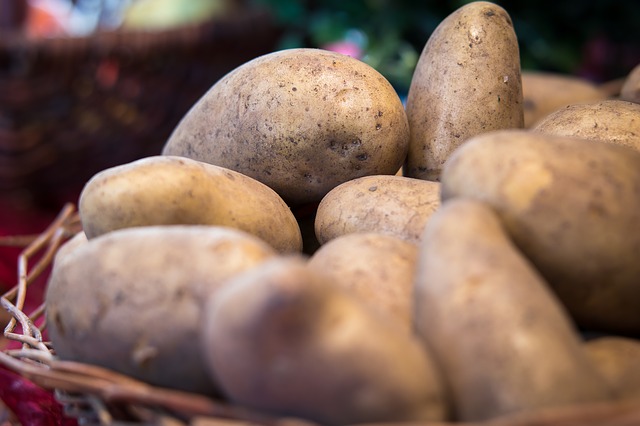
How To Store Potatoes For 20-Plus Years

How To Store Potatoes For 20-Plus Years

Image source: Pixabay.com


Extending the shelf life of root vegetables like potatoes has been practiced for centuries as a method to enjoy the harvest year-round. Traditionally, potatoes grown for storage are a variety bred specifically for winter storage, since not all varieties keep well long-term. Thicker-skinned potatoes such as russets will store far longer than thin-skinned red potatoes.


The traditional method of winter storage using a root cellar is to dig the potatoes when the potato plants have died down. Then, brush off dirt (without washing) and cure them before storage. Curing the potatoes in temperatures ranging from 45-60 degrees Fahrenheit (or as high as 80-85 for sweet potatoes) and high humidity (90 percent or more) gives potatoes a thicker skin that prolongs their storage life and lessens spoilage.


Curing should occur in the shade or in a darkened indoor location like a barn. Green potatoes have been exposed to excessive light and should be discarded, as it is frequently a sign that solamine is present in the potato; solamine is toxic at high levels. [1]


Discover More Than 1,000 Off-The-Grid-Living Tricks!


After curing them, store potatoes in a humid dark root cellar at approximately 45 degrees Fahrenheit, packed in bushel baskets or burlap sacks or in several piles. Storage temperatures below 45 degree Fahrenheit may increase the sugar content of potatoes. Higher temperatures can lead to shrinkage or rot, reducing storage life by half. Potatoes should be stored away from any fruit that gives off ethylene gas (such as apples and pears). Frequently, people will wrap apples and pears individually in paper to store them in a root cellar so as to reduce the ethylene gas they emit.


Storing for 20 Years


If 20 years sounds like a long time to store potatoes, then it might surprise you to know that “fresh” potatoes in the grocery store are often 11 months old when you buy them. [2] Modern developments in commercial food storage allow growers to store produce with a chemical (1-methylcyclopropene), which extends the shelf life of vegetables.


Of course, fresh potatoes won’t last 20 years, but you can dehydrate them to get that kind of long-term shelf life while maintaining nutritional value. [3]


Some conditions: 1) The shelf life will be longer if your storage location has a moderate temperature and reduced light. A cool basement would be ideal, while a hot attic or room which fluctuates in temperature will shorten the shelf life of any stored food. 2) Botulism can grow in low-oxygen moist environments. To avoid this, you must reduce the moisture level within the potatoes to 10 percent or less in order to store long-term with an oxygen absorber packet or to safely store using a vacuum sealer that removes air.


Here’s how to do it:


  • A dehydrator with an electric fan is recommended.

  • Wash the potatoes (peeling is optional).

  • Slice ¼ inch or less, or grate.

  • Drying temperature for potatoes is generally 125-135 degrees Fahrenheit. Drying time will depend on the humidity and your dehydrator. Dried potatoes will be crisp and brittle.

  • Once dry, let them cool for an hour or so, and then place temporarily into gallon-size Ziploc bags to “season” the dried slices for a week. Seasoning accomplishes two things: 1) It distributes any remaining moisture evenly between slices, and, 2) It alerts you if there is too much moisture in your dried potatoes. If you have too much moisture, you will see condensation on the inside of the sealed bags (in which case you need to dry some more).

  • Pack into airtight glass containers or cans.

Your kitchen cupboards are simply too exposed to light and temperature fluctuations to be useful in storing items more than a year. Dried potatoes in a glass jar will last about a year in kitchen cupboard conditions. This is about the same time as a canned potato product. However, in a cool, dry and dark place like a cellar, these jars of dehydrated potatoes will last five or so years without any detectable change in taste.


For REALLY long-term storage of 20 years or more, put an oxygen absorber packet in the airtight container when packing, or remove air using a vacuum sealer, and again, store in a cool, dark, and dry place.


Dehydrated potatoes are tasty in soups, stews and casseroles. Vegetables and starches are an essential component of any balanced diet, and potatoes are a great (and delicious) option for long-term food storage.


What storage advice would you add? Share your tips in the section below:


[1] http://extension.oregonstate.edu/gardening/tips-keeping-harvested-potatoes-fresh[2] http://www.mashed.com/71127/old-produce-eat-really/[3] https://www.lds.org/topics/food-storage/longer-term-food-supply?lang=eng&old=true

Prepping For A Nuclear War: 10 Foods To Grow To Help Reduce Radiation Effects


vegetables


With the threat from North Korea of a potential and possibly imminent nuclear war on the horizon, many preppers have taken to gathering items which protect them from the effects of radiation.  Food can do that as well, and here are ten things you can grow to reduce that damages done by radiation.


It’s terrifying to think about, but there may come a day when the United States will be struck by one or more nuclear weapons.  Because of this, Natural News compiled a list of the ten best foods to grow in case this horrific scenario becomes a macabre reality.


  1. Potatoes


    In the event of a nuclear attack, one of the first organs that will be affected by the nuclear fallout and radiation is the thyroid gland. The reason the thyroid is affected first is primarily because radioactive iodine is absorbed by the gland extremely quickly. Unbeknownst to most people, though, potato skins contain high amounts of iodine, which can be used by the body to shield the cells from radioactive material, like nuclear fallout. Potatoes are also one of the easiest and heartiest crops to grow, making them a no-brainer for anyone who is serious about prepping for a nuclear attack.


  2. Strawberries


    Like potatoes, strawberries are extremely easy to grow. All you really need is some soil, some water and a spot on the windowsill, and in no time at all, you will be able to enjoy a plethora of fresh, juicy berries. Strawberries also contain several important nutrients and are a good source of iodine. It’s also been thought that eating strawberries can help prevent breast cancer.


  3. Cranberries


    The great thing about cranberries is that they contain Vitamin C and Vitamin E, both of which are capable of protecting cells from radiation. Most people are not aware that cranberries can be grown in raised beds, so long as the soil is acidic and the plants are given enough water.


  4. Navy Beans


    Red meat will likely become unavailable immediately following a nuclear strike. But, luckily, navy beans contain a significant amount of iron, which your body can use to make blood. They are also rich in iodine, which helps defend against radiation. As most farmers and gardeners will tell you, beans are an important staple in gardens because they help the soil absorb nitrogen. For these reasons, navy beans should be on the top of every survivalist’s list when it comes to the production of sustainable gardens and nutritious foods.


  5. Oranges


    Look no further than the orange for a healthy dose of Vitamin C, which can be a lifesaver. Research has shown that Vitamin C is capable of protecting healthy cells from radiation. As a matter of fact, it has been revealed that workers at the Fukushima plant in Japan were less likely to experience DNA mutations after receiving Vitamin C than those who did not. While there are many foods that contain Vitamin C, oranges are by far the best source.


  6. Red Peppers


    Like cranberries, red bell peppers contain a significant amount of Vitamin C and Vitamin E which help to protect the body from radiation. Red peppers have the ability to shield your cells from some of the effects of ionizing radiation.  They can be grown outdoors, in containers, as well as in hydroponic setups.


  7. Sunflower Seeds


    Just 1/4 of a cup of sunflower seeds is all you need to get your recommended daily amount of Vitamin E, so throw a handful on a salad.  They can give your cells protection against harmful radiation in the event of a nuclear attack. In addition, sunflower seeds contain other antioxidants and nutrients that will generally allow you to live a much healthier life.


  8. Pumpkin Seeds


    Pumpkin seeds are a good source of Vitamin E, and pumpkins themselves contain high levels of vitamins A, B, C, and Potassium. As long as the vines have enough room to spread, pumpkins are actually more than capable of growing in containers.


  9. Spirulina


    In addition to being packed with important nutrients, spirulina contains molecules that can bind to certain toxins such as heavy metals. Eating Spirulina can protect your body even if you are exposed to radioactive material such as dust or debris. To grow spirulina, all that you need is alkaline water, a source of light, and a bit of dry spirulina to initiate the growing process.


  10. Cocoa


    Chocolate, and its main ingredient, cocoa, contains resveratrol, which is a molecule that has the ability to protect chromosomes from radiation damage. Even though food products like Hershey bars and Milky Ways have very little nutritional value, cocoa beans themselves can help you survive a nuclear attack.


One should consider prepping with at least a few of the above food items to help protect the body against the harsh effects of radiation.  In the event of a nuclear attack, food will become scarce, and having a basis for preparation could make all the difference.


*This is for educational purposes only, and not intended as medical advice.*


Click here to subscribe: Join over one million monthly readers and receive breaking news, strategies, ideas and commentary.

Gas Masks, Filters, Body Suits, Anti Radiation Pills

Please Spread The Word And Share This Post


Author: Mac Slavo
Views: Read by 30 people
Date: September 13th, 2017
Website: www.SHTFplan.com


Copyright Information: Copyright SHTFplan and Mac Slavo. This content may be freely reproduced in full or in part in digital form with full attribution to the author and a link to www.shtfplan.com. Please contact us for permission to reproduce this content in other media formats.


Sunday, January 22, 2017

How To Grow Potatoes Indoors, Using Straw

How To Grow Potatoes Indoors, Using Straw & A Garbage Bag

Image source: Pixabay.com


Did you know that you can grow potatoes in a container with just a little bit of soil and a whole bunch of straw? You bet you can. Using straw has a couple of huge benefits: the container remains light and easy to move around, and it’s easy to harvest early potatoes without disturbing the plant and the rest of the tubers.


Preparing The Seed Potatoes


One of the most important steps is choosing the correct variety of seed potatoes. Late-season cultivars work best because they will continue to set tubers as the plants grow taller, unlike early-season potatoes, which set tubers only once. There are a lot of fantastic late-maturing varieties to choose from. Kennebec and German Butterball are popular late-season varieties, but you also can switch it up and try cultivars like Russian Blue or All Blue (which have blue flesh) or the Purple Peruvian, which is a purple-fleshed fingerling variety. Whichever kind you choose, it’s best to use seed potatoes. If you saved potatoes from last year’s crop for seed, you’re ahead of the game. If you don’t have your own seed, buy them from a reputable seed company to ensure that your own potato crop is disease-free. It’s not recommended to plant store-bought table potatoes.


Looking For Potato Seeds? Get Them From A Company You Can Trust!


When planting a potato, the most important part is the eye — the indentation on the surface of the potato skin where sprouts pop up. Larger potatoes have a number of eyes. While you can plant a whole potato of any size, it’s more cost-effective and productive to cut larger ones up, leaving one to two eyes on each piece. It’s possible to start potato plants from potato peels that have eyes, but for best results keep each cut piece to roughly the size of an ice cube or small egg.


If you plant freshly cut potatoes, they may rot. It’s best to let the cut parts “scab over” before planting. Just spread the cut pieces out and allow them to sit for a day or two. The flesh of the potato should dry up a bit. If they turn black or start to mold, you should cut up new seed pieces.


Preparing The Container For Planting


Tall containers work best for this project. Use things like tall tote boxes, garbage cans, bushel baskets, and five-gallon pails. Extremely soft bags probably won’t work since the straw won’t support the sides very well, but sturdy grow bags should do just fine.


Start with about an inch of small gravel at the bottom of the container. Cover that with about four inches of container soil that has been amended with a little bit of compost. Water the soil and let it drain before planting. It should be moist but not soaking wet.


How To Grow Potatoes Indoors, Using Straw & A Garbage Bag

Image source: Pixabay.com


Once you’re ready to plant, place your seed pieces on the soil, with the eye/sprout facing upwards. Aim for about eight inches between each seed piece. The seed pieces only need to be covered with about a half inch of soil. Once the soil is in place, cover it with about six inches of weed-free straw. Do not pack the straw in. Keep it loose.


The Growing Stage


While you wait for your potato plants to grow tall enough to poke out of the straw, keep the sunlight and moisture levels regulated. The container is nice and light, and easy to move around so that it gets as much sun as possible. The straw acts as mulch and keeps your soil from drying out. It’s important to not overwater potato plants or they will rot. Just stick your hand in through the straw to see how dry the soil is, and water right through the straw as needed.


It should take about three weeks for your potato plants to start showing. Once they start peeking through, add about another four inches of straw. This encourages the plants to keep growing taller, and as they grow taller, they will set out more tubers. Once the plants poke through this second layer, you can add another four to six inches of straw.


Harvesting


You can start checking for new or baby potatoes about eight weeks after planting. Potatoes are super-easy to locate and harvest when you grow them this way. Just stick your hand into the loose straw and gently feel around for potatoes that are large enough to pull out. If you are helping yourself to potatoes as the plant keeps producing, there probably won’t be a lot left when the plant dies back. But once the plant starts turning yellow and withering, it’s time to finish the harvest.


Potatoes are not fussy plants. They are generally easy to grow and it’s fun to try the different varieties. Growing them in a container with straw makes it easy to enjoy fresh homegrown food in the depths of winter. Wouldn’t fresh baby potatoes, steamed, and served with butter and dill, hit the spot right about now? I think so!


Have you ever grown potatoes indoors? Share your tips in the section below:


Bust Inflation With A Low-Cost, High-Production Garden. Read More Here.