Showing posts with label poison. Show all posts

Wednesday, February 28, 2018

MSG: Delicious Seasoning Or Drug And Poison?

MSG: Delicious Seasoning Or Drug And Poison? | monosodium-glutamate | General Health Special Interests Toxins


Poor food quality is a growing problem in industrialized countries increasingly focused on the quantitative dimension of food production, both in terms of the sheer volume of food produced, as well as the revenue and profit generated. In the United States, for instance, consumers do not even have the right to know what is in their food, e.g. genetically modified ingredients are not labeled by default; the use of paint pigment (titanium dioxide) as a “manufacturing aid” in milk, not required to be listed as an ingredient on the label, etc, and raw human sewage and factory-farmed animal waste, as well as petroleum and coal byproducts, are all considered fair game as a growing medium in USDA-approved conventional farming practices.


Given these deteriorating market conditions, our bodies, which spent eons evolving complex sensorial and cognitive pathways to determine whether something was good, or bad, based on appearance, taste, smell, etc., are increasingly being chemically manipulated through food science trickery. And as the food in its unadulterated state becomes more and more unappetizing, if not clearly disgusting, the slick marketing and associated nutritional disinformation becomes less and less effective on the consumer.  Enter MSG, a virtual miracle worker when it comes to turning disgusting into delicious….


Turning Yucky To Yummy With The MSG Sleight of Hand


Monosodium glutamate (MSG) is a commonly used “flavor enhancer,” and so powerfully so that (hyperbole permitting) you could spray it on roadkill and it would taste good. This omnipresent ingredient in modern mass market food takes advantage of our biologically hard-wired taste receptors, and makes it very hard to stop eating the foods “seasoned” with this ingredient. In fact, it is doubtful that without the MSG trick many of these mass market processed foods would be palatable enough to maintain their status as economically viable commodities. Here are some of its many disguises on food labels….


MSG Synonyms:


  • Glutamic Acid

  • Hydrolyzed protein

  • Autolyzed protein

  • Textured protein

  • Yeast extract

  • Autolyzed yeast extract

  • Protein isolate

  • Soy sauce

  • Modified food starch

  • Modified corn starch

  • Calcium caseinate

  • Sodlium caseinate

  • Broth

  • Maltodextrin

  • Seasonings

  • Natural flavor

  • Monopotassium glutamate

  • Glutamate

  • Gelatin

  • Hydrolyzed vegetable protein

  • Hydrolyzed plant protein

  • Textured protein

  • Yeast food

  • Yeast nutrient

  • Torula yeast


 SOURCE: Indigo Earth


Technically MSG is the sodium salt of glutamic acid, a naturally occurring non-essential amino acid. Glutamic rich foods include wheat, dairy, corn, soy, seafood, etc. (Foods Highest In Glutamic Acid). The “YUMMY!” sensation that occurs immediately after ingesting a MSG (or various synonyms, e.g. hydrolyzed protein, autolyzed yeast) laced morsel the Japanese call umami (meaning: savoriness) and is considered one of five basic tastes.


The problem is that when one isolates out of a complex food a singular amino acid, and increase the concentration to unnatural proportions (and without the hundreds of checks and balances Nature provides in the context of a whole food), glutamic acid can have devastating health effects, not the least of which is the generation of an insatiable appetite for more of the very same chemical stimulating the craving — a vicious, self-amplifying cycle!


Monosodium Glutamate Causes Excitotoxicity


One of the primary adverse effects associated with excess glutamic acid is excitotoxicity, a form of neurotoxicity where neurons are stimulated to the point of cell death. Repeated excitotoxic events can result in neuronal lesions and loss of cognitive function.


While there are a number of natural substances that mitigate this type of excitotoxicity, the best choice is to reduce the consumption of glutamic acid (as well as its “twin” excitotoxic non-essential amino acid aspartic acid) rich foods, especially if there is a pre-existing neurological condition such as migraines, epilepsy or multiple sclerosis, to name but a few.  John Symes has written an excellent document on the benefits of the Glutamic and Aspartic Acid Reduced Diet (GARD Diet) here.


More Than An Excitotoxic Agent: An Endocrine Disruptor


Recently Dr. Mercola featured the connection between MSG and obesity.  While excessive food cravings caused by MSG’s taste-enhancing effects figure into this relationship, research from the US National Library of Medicine indexed on our site shows that MSG may directly cause hypothalamic lesions that result in elevated insulin, insulin resistance and leptin resistance (leptin suppresses appetite).


It is becoming clear that MSG can no longer be considered simply a “flavor enhancer” but an intrinsically harmful chemical with endocrine disruptive properties. Research we have collected shows that MSG actively contributes to metabolic syndrome, obesity, fatty liver, dysregulated blood lipids, as well as a wide range of neurological problems.


In a nutshell, monosodium glutamate (MSG) contributes to illness in two distinct ways:


1) It makes food that is bad for us taste really, really, really good, in essence compromising our health by tricking our taste buds and intuition into eating things that are intrinsically harmful, or harmful when eaten excessively.


2) It is a toxic chemical that directly damages neurological tissue through its excitotoxic properties, as well as inducing a generalized endocrine disruption throughout the body known as “metabolic syndrome,” the symptoms of which include hypertension, insulin resistance, elevated blood lipids and/or elevated blood sugar.[1] [2] [3]


[1] Effect of trans-fat, fructose and monosodium glutamate feeding on feline weight gain, adiposity, insulin sensitivity, adipokine and lipid profile. Br J Nutr. 2011 Mar 24:1-10. Epub 2011 Mar 24.


[2] Effect of dietary monosodium glutamate on trans fat-induced nonalcoholic fatty liver disease. J Lipid Res. 2009 Aug;50(8):1521-37. Epub 2008 Nov 11.


[3] Effects of bezafibrate in nonalcoholic steatohepatitis model mice with monosodium glutamate-induced metabolic syndrome. Eur J Pharmacol. 2011 Jul 15;662(1-3):1-8. Epub 2011 May 1.


 © February 28, 2018 GreenMedInfo LLC. This work is reproduced and distributed with the permission of GreenMedInfo LLC. Want to learn more from GreenMedInfo? Sign up for the newsletter here http://www.greenmedinfo.com/greenmed/newsletter.


The post MSG: Delicious Seasoning Or Drug And Poison? appeared first on The Sleuth Journal.

Friday, September 29, 2017

Common, Everyday Plants You’ll Be Shocked Are Toxic

7 Common Plants You

Aloe vera. Image source: Pixabay.com


It’s not common for most people to walk around a yard or garden and indiscriminately munch on plants. But it’s a whole different story when it comes to kids and pets.


There are also plants that can cause significant skin irritations while planting or weeding a garden. We’re going to review some common plants that are surprisingly toxic — and in many instances, deadly. If you have them in your garden, you may want to think twice if young children or family pets are around.


7 Common Plants You

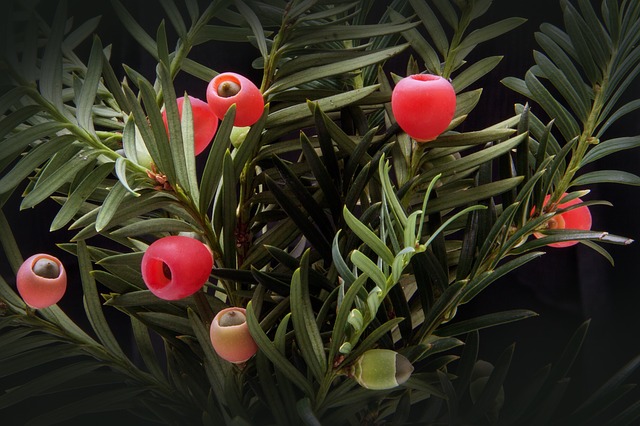
Yew. Image source: Pixabay.com


1. Yew. A common evergreen that is popular as a landscaping shrub, the yew has bright red berries with a dark side peeking out at the bottom of the berry. What’s curious is that the berry itself is not toxic, but every other part of the plant, including the seeds in the berries, are dangerously poisonous. This is due to an alkaloid called taxin, in addition to ephedrine and taxiphyllin. Death often follows in hours and sometimes presents no symptoms. When signs and symptoms do occur, they include weak pulse, trembling, staggering, coldness and collapse.


7 Common Plants You

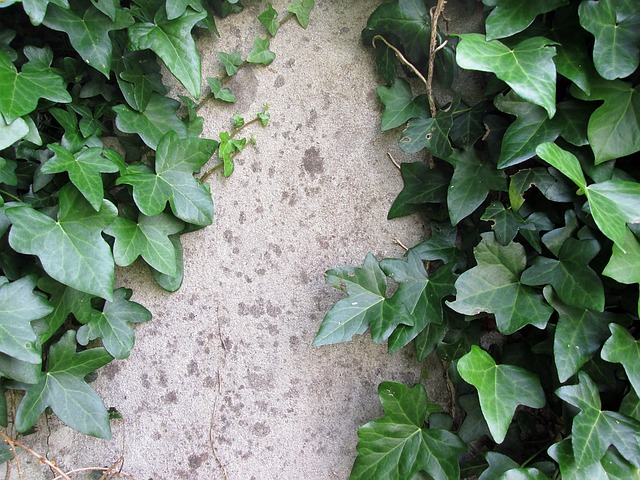
English ivy. Image source: Pixabay.com


2. English ivy. It decorates the walls of buildings on college campuses across the country. Many people plant it to create a similar look on their homes. Too bad it’s poisonous. The leaves can cause rashing, blisters, general skin irritation and itching. Ingesting the leaves can lead to convulsions, fever, delirium and even hallucinations. It doesn’t sound real smart to plant English ivy anywhere. Makes you wonder why they’re so popular on college campuses.


Easter lily. Image source: Wikimedia

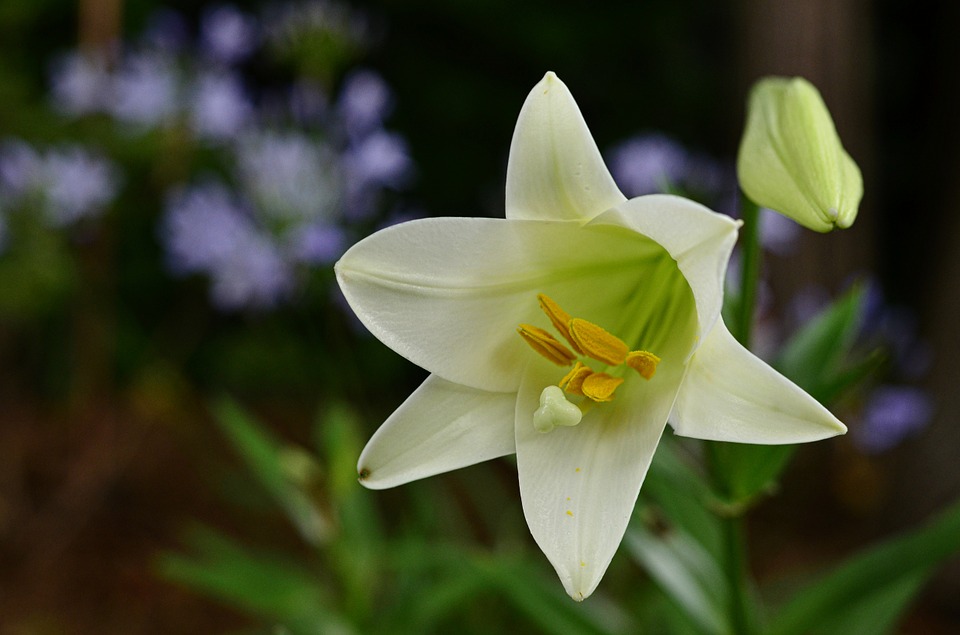
Easter lily. Image source: Wikimedia


3. Easter lily. A flowering plant that’s popular and common at Easter, it is, in fact, quite toxic, especially to small animals like cats. Humans don’t fair much better due to an alkaloid called lycorine. It’s found in the bulbs and stem and causes vomiting, diarrhea, abdominal pain, shivering and nausea. That’s not exactly the way most people want to spend their Easter.


7 Common Plants You

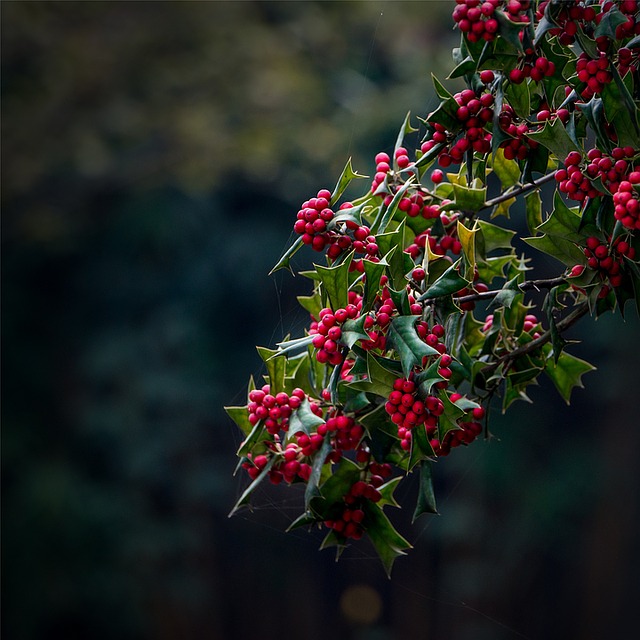
Holly. Image source: Pixabay.com


4. Holly. Here’s another holiday favorite with dangerous side effects. Holly and its bright red berries are a standard decoration at Christmas. Unfortunately, the red berries are highly toxic. An alkaloid called theobromine is the primary problem.


New ‘Survival Herb Bank’ Gives You Access to God’s Amazing Medicine Chest


Children ingesting as few as two red berries will suffer vomiting, drowsiness, diarrhea — and higher doses can be lethal. Twenty holly berries could kill an adult. Maybe we should deck the halls with boughs of something else.


5. Aloe Vera. Who’d have thunk it? A plant that has been used for thousands of years by native people to treat burns and skin irritations actually has a poison component. The gel of the plant is not poisonous, but there is a thin membrane inside the leaves that contains chemicals known as aloin and anthraquinone c-glycoside. Both are very toxic and can — if ingested in large quantities — cause vomiting, nausea, cramping and diarrhea. It’s OK to break off a leaf and apply the gel to skin, but if you have any thoughts of eating it, you may want to consider buying a professionally prepared product instead.


7 Common Plants You

Chrysanthemum. Image source: Pixabay.com


6. Chrysanthemum. A very common flower often referred to as mums. The curious contradiction is that they were sometimes used in Chinese medicine. The problem is that poisoning can easily occur due to a group of chemicals called pyrethrins, resulting in significant skin irritations. Pyrethrins affect the nervous system and can cause eye damage, asthma and inflammation. A curious note is that the pyrethrins in chrysanthemums have been processed to create a potent, natural insecticide. It’s a good bet that if it’s bad for bugs, it’s bad for us.


7 Common Plants You

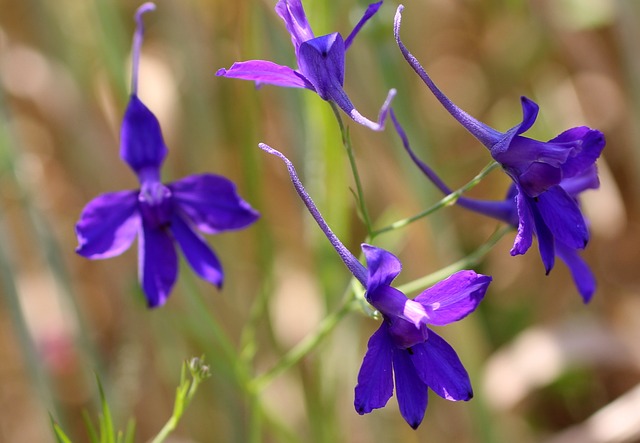
Larkspur. Image source: Pixabay.com


7. Larkspur or delphinium. Larkspur is a very attractive, purple plant and is a member of the buttercup family. The bad news is that all parts of the plant are poisonous. Animals, particularly horses and cattle, are particularly susceptible to poisoning while grazing. Symptoms of larkspur poisoning in humans include numbness and burning of the lips, mouth and throat, in addition to intense vomiting and diarrhea, spasms, weak pulse, muscular weakness, convulsion and paralysis of the respiratory system, which leads to death.


If you believe someone or a pet is suffering from one of these natural poisons, then immediately go to the emergency room or vet. Symptoms and effects tend to worsen over time. You also may want to carry a sample of the plant or berry with you if you suspect you know what could be the culprit.


What would you add to our list? Share your thoughts in the section below:


If You Like All-Natural Home Remedies, You Need To Read Everything That Hydrogen Peroxide Can Do. Find Out More Here.

Friday, March 3, 2017

Hog Apocalypse: This State’s Gonna Kill 2.5 Million Pigs With Poison

Hog Apocalypse: This State Hopes To Kill 2.5 Million Wild Pigs With Poison

Image source: Pixabay.com


A southwestern state is facing a feral hog apocalypse that threatens agriculture, and now the state’s agriculture commissioner thinks has an answer: poison.


Texas is being overrun by 2.5 million wild or feral hogs that cause at least $50 million a year in damage to agriculture, The Austin American Statesman reported. The hogs also destroy lawns, flower beds, vegetable gardens, livestock tanks and even Internet, television and phone cables.


Not even the killing of 750,000 wild pigs by hunters each year has been able to control the hog invasion. The hogs were brought to Texas centuries ago by Spanish pioneers who turned them loose to ensure a food supply.


The solution to the hog problem is a poison called Kaput Feral Hog Lure, Agriculture Commissioner Sid Miller told the newspaper. The poison has a substance called warfarin, which acts as a blood thinner in humans. But it kills pigs.


Diatomaceous Earth: The All-Natural Livestock De-Wormer!


“This is going to be the hog apocalypse, if you like,” Miller told The American-Statesman. “If you want them gone, this will get them gone.”


The plan is to allow people to attract hogs with nontoxic food, and once the hogs keep coming back, replace the food with the poison.


One group not sold on Miller’s idea is the state’s hog hunters. They fear it will threaten their families and damage the environment.


“If this hog is poisoned, do I want to feed it to my family?” Eydin Hansen, the vice president of the Texas Hog Hunters Association, asked.


“If a hog dies, what eats it? Coyotes, buzzards…” Hansen told AP. “We’re gonna affect possibly the whole ecosystem.”


Some Texans use hog hunting to put food on the table.


“It’s a way to feed your family,” Hansen said.


Hogs who have eaten the poison have fat that is blue, Miller said.


Would you back a plan to kill hogs with poison? Share your thoughts in the section below:


Discover The Secret To Saving Thousands At The Grocery Store. Read More Here.