Showing posts with label pioneers. Show all posts

Monday, January 29, 2018

Forgotten Foods The Pioneers Ate Midwinter

Forgotten Foods The Pioneers Ate Midwinter


In our modern kitchens, we hardly feel the passing of the seasons. We have the luxury of New Zealand apples, Chilean grapes and Hawaiian pineapple, all cheap and plentiful even in January.


For our ancestors, winter meals were a very different thing. They were limited to whatever they could store, hunt or harvest. Those same food traditions survive in our modern cooking, in wintertime “comfort foods.” Foods heavy with flour, fat and salt.


Salted Meat


Even with modern refrigeration, salt-preserved meats still make their way onto our modern tables. That’s because they’re more than just practical, they’re delicious.


“The Big Book Of Off The Grid Secrets” — Every Homesteader Needs A Copy!


Some people will tell you that all you need is salt to preserve a whole pig without refrigeration. While that is technically true, there’s an art to preserving it well. Each cut has its own flavors, brought out by time-honored preservation techniques.


The pioneers would have known how to make the best use of each and every part because it was knowledge passed down through every family.


Beyond charcuterie, there are plenty of other ways to preserve meat without refrigeration.


Grains & Dry Goods


If left whole and not ground, wheat berries will last for decades, and have the added bonus that they can either be planted in a pinch or ground into flour at home.


Other dry goods, like dried beans, oats and rice, are great staple winter foods used by the pioneers, as well. Though you might not be happy about it, you can survive the winter on beans and rice alone.


The pioneers would have had dried beans and grains on hand to get them through not only this winter, but possibly the next winter, too. Crop failures are not uncommon, and if next summer’s grain crop never comes in, keeping two years worth on hand may just save your life.


Root Cellar Fruit & Vegetables


Modern fruit and vegetable varieties are a bit different than their heirloom counterparts. The pioneers had specific storage varieties of just about every fruit and vegetable. True, some kept longer than others. The best storage grapes will keep about on month, while the very best storage apple variety, Newton Pippin, will keep for over a year.


Many other apple varieties will keep for five-plus months, more than enough to get you through the winter.


Lacto-Fermented Vegetables


Now that people know about the benefits of probiotics in your diet, fermented foods are making a comeback. Historically, lacto-fermentation was a practical way of keeping vegetables fresh for six months or more. A crock of sauerkraut bubbling away in the basement or root cellar would have kept until springtime, adding much-needed nutrition and variety to heavy winter meals.


Just about any vegetable can be lacto-fermented at home with just a bit of salt and patience.


Nuts


If left in their shells and kept in a cool, dry place, most nuts will keep through the winter and into the following spring. The pioneers didn’t just keep the nuts we know and love today.


The Little House on the Prairie books record that the pioneers foraged beechnuts in the fall in great number, and processed them using the same thresher that they used for oats, beans and grain. With three times the protein in acorns, and none of the tannin, beech nuts were a smart choice for winter.


Even today, most of the wild nut varieties foraged by our ancestors are still available and plentiful.


Hard Cheese & Eggs


While we think of cheese and eggs as highly perishable today, the pioneers managed to keep them for extended periods. Unwashed eggs keep at room temperature for weeks, and they’ll keep longer if waxed or stored in ashes.


Hard cheeses were once waxed to keep them shelf stable in a root cellar all winter long.


Lard


Cows don’t produce nearly as much cream in the winter. Hay isn’t as rich as summer forage, and the composition and flavor of the milk changes. True, you can still make some butter, but wintertime is by and large the time for making use of lard from fall processed pigs.


Properly rendered lard doesn’t taste like pork. It has a clean, neutral flavor and snow white color. It’s perfect for making pie crusts and biscuits, and for frying homemade doughnuts.


Even more importantly, it’s a source of much-needed calories and comfort. While lard may not be as appealing in July, it’s a welcome friend in January.


Liquor


Like it or not, liquor is a practical way of preserving food and calories. Cider (fresh sweet cider) as we know it today was almost unheard of. In as little as 24 hours, sweet cider begins to ferment into hard cider. Once fully fermented, it’s only about half as strong as wine.


Beyond direct fermentation, settlers would make something known as “gentleman’s jam” in a crock in the root cellar. Layering in fruit, covering with sugar and then submerging in spirits, summer fruits were preserved all winter long.


A single large crock would begin with the early summer fruits like strawberries, and then layer in summer and fall fruits  A few months to condition, and by midwinter the flavors had combined into a sweet, albeit highly alcoholic, treat.


What foods would you add to our story? Share your thoughts in the section below:

Wednesday, December 6, 2017

1800s Medical Cures That Still Work Today

1800s Medical Cures That Still Work Today


Once upon a time, more than two-thirds of all Americans lived in rural towns or extensive farms. Indoor plumbing was unheard of, homes were heated with wood and lit by kerosene or oil lamps, work was hard and diseases were plenty.


Should we find ourselves back in these precarious times – or we simply prefer natural remedies — we might find it beneficial to know what types of herbs, medicines and common practices were the tool of the trade for the 19th century doctor.


Keep in mind that there were no vaccines, no lab tests and no antibiotics. Hospitals were located in large cities and surgery was reserved for extreme cases. Doctors traveled for miles on horseback to treat their patients, and payment was generally a hot meal and a place to sleep, and perhaps a hog or some chickens for the doctor to keep or sell as he liked.


Almost all treatments were done right in the home, or outdoors where the light was good. There certainly were times when the doctor knew that his patient would not survive, but he tried his best, knowing that if nothing else, the family would feel better, believing that they had done all they could.


Let’s take a look inside that black bag of medicine and find out what doctors used pre-pharmaceutical times.


Treatments and Research


If you were fortunate, your doctor was up to date with the medical research of the times, such as books by University of New York doctor William Thomson. Otherwise, your local doctor might have relied on Buchan’s Domestic Medicine, which relied on herbal treatments.


With no antibiotics and very little understanding of how diseases worked, gargles, “tonics,” hot baths or steam baths were often recommended. Doctors tended to treat the symptoms, rather than the disease, due to lack of knowledge.


Fast, All-Natural Pain Relief With No Nasty Side Effects!


Doctors understood very little about bacteria, but they were aware that there were tiny organisms that could be seen under a microscope. These could be transferred from one patient to another. So while they may not have fully understood how they worked, doctors began working with “disinfectants” in the later part of the 1800s. Common disinfectants were chlorine, lime, sulfur and charcoal.


Common Herbal Treatments


Without the use of any real working drugs, doctors relied heavily on herbal remedies. Many doctors continued to add to their skills by learning from medicine men of the indigenous people, as well as from women who often passed their knowledge on from generation to generation and the slaves brought from Africa, who also contributed their knowledge of healing herbs and plants.


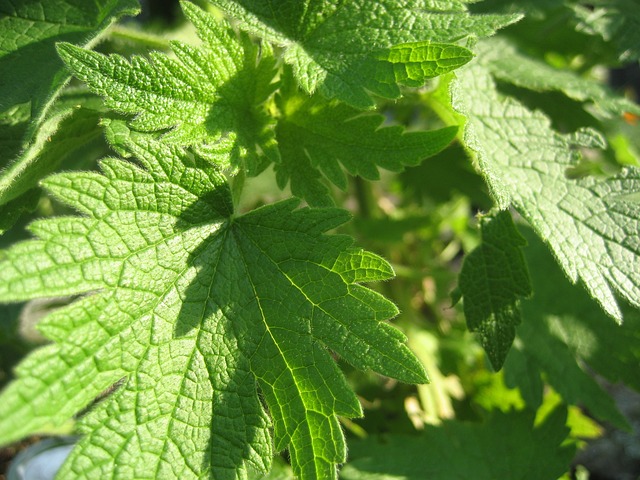
Fortunately, doctors had many pain relievers available to them at this time, including aspirin (which they made from the bark of willow trees). There were fever reducers made from the feverfew plant, as well from meadowsweet.


Camphor was known to ease itchy skin. It was also commonly used to prevent infection by washing the wound with a solution made from camphor, or soaking bandages in the solution, then wrapping the wound.


1800s Medical Cures That Still Work Today

Image source: Pixabay.com


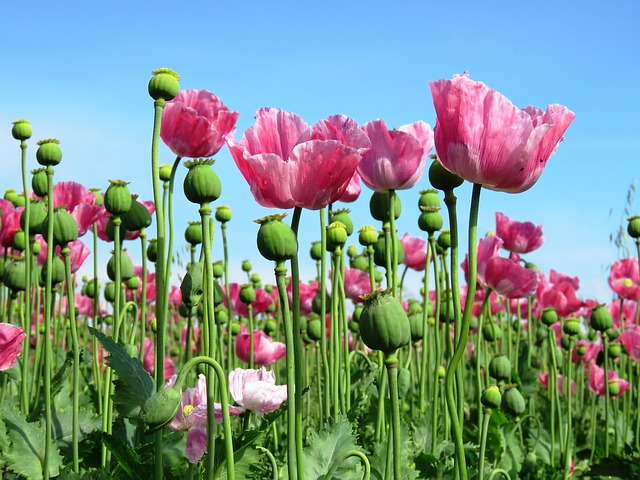
Opium was known to stop diarrhea almost instantly, and cathartics were from a wide variety of plants, such as milkweed or bloodroot.


Most of these types of medicines were used to make the patient as comfortable as possible, while nature took its course and the patient could heal on his own.


Other treatments including apple pectin, which was mixed in juice to stop arthritis, and honey, which was used as a face wash and a treatment for most insect stings.


Tea and compresses made from cloths soaked in tea were often used to wash everything from hair to burns to wounds.


Some treatments are still used today, such as baking soda to brush the teeth or ease indigestion. Castor oil was used for everything from a general health tonic to a chest compress for coughs and colds. Salt was used as a gargle for sore throats. It worked then and still works today.


Herbs and ‘Female’ Problems


It was very common in the 1800s for women to treat other women with herbs and remedies that have been passed down for generations. Midwives were often called upon to deliver babies as well as to help with what was called “female problems.”


1800s Medical Cures That Still Work Today

Image source: Pixabay.com


Teas made from motherwort were often used to “calm the nerves.” This is a mild sedative and it works remarkably well.


Painful menstruation was often treated with a tea of red raspberry leaves. This was also the same treatment for infertility. Excessive bleeding was treated with shepherd’s purse. Labor pains were treated with blue cohosh while menopause was treated with black cohosh.


New ‘Survival Herb Bank’ Gives You Access to God’s Amazing Medicine Chest


Women suffering from fainting spells were often given a large tablespoon of vinegar. Bladder infections were cured with calendula tea, and chamomile tea was used for just about everything that ailed women, from menopause to insomnia.


Treatments We’d Rather Forget


You can’t talk about the history of medicine without speaking about some of the items and practices that will make you shudder today.


Mercury was used for almost 500 years as a common elixir that was supposed to rejuvenate the body. It was also a popular “cure” in the 19th century for sexually transmitted diseases such as syphilis. While mercury probably did kill off the infection, it generally killed the patient as well, most likely from kidney or liver damage.


In fact, let’s not forget that during most of the 1800s, there were no laws in place as to who could call themselves a doctor. Massachusetts passed the first license laws in 1819 but then repealed them in 1835. It wasn’t really until after the civil war that states got serious about licensing doctors.


Tuberculosis (called consumption in those times) was a terrible condition with no cure. Most doctors simply recommended bed rest and to move to a drier climate.


Other treatments, such as those for colic, didn’t need the doctor anyway.


A common “remedy” for colic was to close all the windows and doors to the baby’s room, and have daddy smoke his cigar or pipe right outside the door. (Can’t help but wonder how that one worked!)


Cures for colds and the flu were varied, but included drinking rabbit dung tea. We don’t suggest trying that one, no matter how dire the situation!


What old-time remedies would you add to this list? Share your tips in the section below:


If You Like All-Natural Home Remedies, You Need To Read Everything That Hydrogen Peroxide Can Do. Find Out More Here.

Thursday, October 12, 2017

15 Vital Items The Pioneers Stockpiled For Hard Times

15 Vital Items The Pioneers Stockpiled For Hard Times


We tend to think that stockpiling food and supplies for an emergency is a modern invention. But it’s not. It actually started thousands of years ago, with people stockpiling food for a snowy day. Those ancestors of ours knew something that most of us today have forgotten: the fact that winter comes every year and you can’t grow crops or hunt game very effectively when the freeze hits.


In fact, the earliest recorded instance of stockpiling is in Chapter 41 of Genesis, in the Bible. Joseph, a son of Abraham, correctly interpreted Pharaoh’s dream and instituted a system of stockpiling grain in preparation for the seven years of famine.


To the pioneers, stockpiling had to be a way of life. When Old Man Winter came to call, the only thing that would keep them alive was the food and fuel they had stored. If they were not ready, chances were that they wouldn’t make it through the winter.


Those who stockpile are returning back to the roots that our pioneering ancestors established, taking matters into their own hands.


So what sorts of things did the pioneers stockpile — and why did they stockpile them?


We can really break down the pioneer’s stockpiling into two categories — things that they bought and things that they raised, hunted, preserved or prepared themselves. The things from the store were precious to many of these people, as they didn’t have much cash money to spend. It was only when they sold a cash crop that they were actually able to pay off their account at the local general store and buy themselves a few new items.


Things the Pioneers Bought and Stockpiled


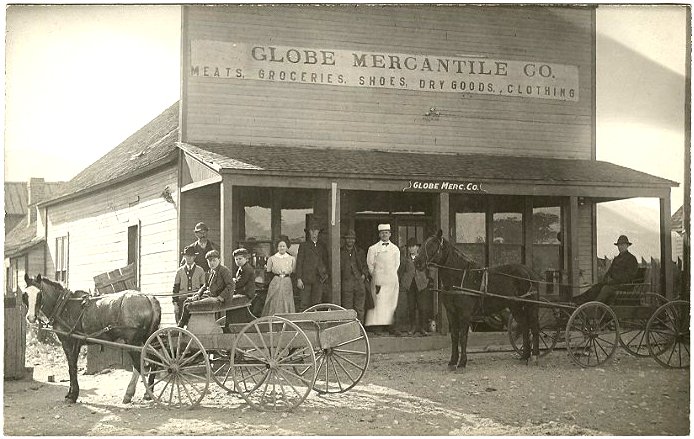
A trip to the general store was a big deal in those days and something that a pioneer might only do once a month, or less. It might be an all-day affair, which took time away from working the farm. Nevertheless, they had to make it to town once in a while for supplies, or they were stuck with living solely off the land.


1. Wheat flour and other grains


While many farmers raised grain, they usually didn’t eat their own. Their grain would be sold and then they’d turn around and buy flour and other ground grains from the general store. A few people would have their own hand-operated mills for grinding grains, but those were for grinding cornmeal, rather than flour.


Be Prepared! Store An ‘Emergency Seed Bank’ For A Crisis Garden


Going back in history, we find that grinding grain was a major part of a woman’s housework. In Medieval times, a woman might spend as many as six hours per day grinding grain so that she could make the bread of the day. Being able to buy ground wheat was one of the first true kitchen conveniences.


Bread was an important staple in the diet. It was a great source of carbohydrates, giving them the energy they needed to burn during the day. Of course, the breads they ate back then were very different than today’s, being much harder and heartier than our modern bread.


2. Baking soda


15 Vital Items The Pioneers Stockpiled For Hard Times

Artist: Jeremy Winborg


You couldn’t bake bread without baking soda, unless you happened to have yeast. Of course, many people made sourdough bread, always saving a bit of the dough to act as a starter for the next batch. But sourdough starter doesn’t work for biscuits, pies or bear sign (what they called donuts). So a stock of baking soda gave them much more variety in their diet.


3. Salt


Salt has always been highly valued. In fact, in the Roman Empire part of a soldier’s pay was given in salt. That became the root of the word “salary.” We need salt in our diets to survive, as well as to preserve meats. While some pioneers would harvest it themselves from salt licks, that only worked for those who had a natural salt lick on their property.


4. Sugar


While not an absolute necessity, sugar was an important item to stockpile. Not only is it used as part of the process of canning fruit, but even the toughest of cowboys and miners wanted a sweet treat every now and then.


5. Rice


Like grains, rice was an important staple for many people. But it wasn’t grown in many parts of the country, making it an item pioneers picked up at the general store.


6. Bacon


Bacon managed to become the default travel meat of choice in pioneering days. Cowboys would carry a chunk of bacon in their saddlebags, wagon trains carried it, and most families had a few slabs on hand. If you had bacon, you had meat to eat.


7. Coffee and tea


Who doesn’t like a good cup of coffee? Actually, coffee drinking in this country started with the Revolutionary War, in response to the Stamp Tax. Rather than pay the tax for British imported teas, many people switched over to coffee. Whereas before the revolution most people drank tea, after it the nation switched to coffee. By the time of the revolution, tea was mostly drunk only by the wealthy.


8. Dried beans


Just as it is for the average homesteader today, dried beans were a favorite staple for the pioneers. Chili con carne became a popular dish, starting in Texas and then moving north along the cow trails. Eventually, it was eaten all across the west.


Beans also could be eaten alone, or with tortillas. The Southwest culture had a strong Mexican influence, including the eating of refried beans as a staple. Many a meal was beans and biscuits or beans and bread. Even when they had meat, beans were often served on the side.


9. Dried and canned fruit


15 Vital Items The Pioneers Stockpiled For Hard Times Some people grew fruit. When they did, they’d can it or dry it. But not all kinds of fruit can be grown in all parts of the country. Besides that, not everyone was a farmer. The general store would stock dried and canned fruit, making it possible for people to buy these foods.


Since it kept well, dried fruit was another popular trail food, both for wagon trains and for drifting cowboys. It helped give variety to an otherwise dull diet, as well as providing them something sweet to eat.


Things the Pioneers Grew, Hunted, Preserved and Prepared


Many pioneers were involved in farming and ranching. Those who were grew as much of what they ate as they could. Since cash money was so rare, being able to hunt, gather or grow your own food was a real advantage. Even townspeople would have a garden patch behind their homes, growing their own vegetables and herbs.


10. Smoked meats


One of the signs that you’d “made it” was to have a smokehouse on your property. While the ability to smoke your own meats was incredibly useful, not everyone could afford the time or expense to build one. Those who could were usually well-established families who already had their homes and barns built. By then, they were producing enough that it was worthwhile to be able to smoke meats when it was time to slaughter a cow or pig.


11. Jerky


The pioneers learned how to make jerky from the Native Americans. While smoking was great, not everyone had a smokehouse. Plus, jerky lasts longer than smoked meats and is much more portable. Drifting cowboys and other travelers would often take jerky along just to ensure they had some meat to eat. A few strips of jerky and a couple of campfire biscuits made a pretty good lunch in the saddle.


12. Corn


Many pioneers grew their own corn, even if it was just enough for their family. They might grow wheat or some other grain for sale, but they’d put in a small patch of corn, as well. That corn was usually dried and kept for making cornmeal.


13. Vegetables


15 Vital Items The Pioneers Stockpiled For Hard TimesA vegetable garden alongside or behind the house was almost a requirement for pioneer families. Without it, their food would be bland and repetitive. Not only did they grow their own veggies, but their own herbs, as well.


Most vegetables were harvested and kept in a root cellar, not canned. Canning required owning a goodly supply of canning jars, something that most people didn’t have. It wasn’t until later, when towns were well-established and trade was more regular, that canning jars became common in the west.


14. Feed for the animals


Anyone who had animals had to consider their needs. Whether horses, cows or chickens, they were a valuable part of the homestead and needed to eat. Just like the family would stockpile food to get themselves through the winter, they’d stack hay and other feed for their farm animals.


Most hay was cut from wild grass growing near the farm. It would be cut by hand with a scythe and stacked in towering haystacks for the winter months. Some farmers who had larger barns with lofts would stack the hay in the loft. But that required hay bales, which meant having the equipment for baling hay. So that only happened in well-established areas on well-established farms.


15. Firewood


The only heat that most homes had was from the fireplace or wood-burning stove. That created the need for a wood pile, which was started in the spring so the wood could dry through the hot summer. In some places, they would stack their wood to act as a defensive breastwork for the home, giving themselves a good firing position for any attacks from Native Americans.


What items would you add to our list of what the pioneers stockpiled? Share what you know in the section below:


Harness The Power Of Nature’s Most Remarkable Healer: Vinegar

Friday, September 29, 2017

The Practical And Clever 2-Ingredient Soap The Pioneers Used

The Practical And Clever 2-Ingredient Soap The Pioneers Used


Have you ever wondered what the best way is to make soap if you are living off the land?


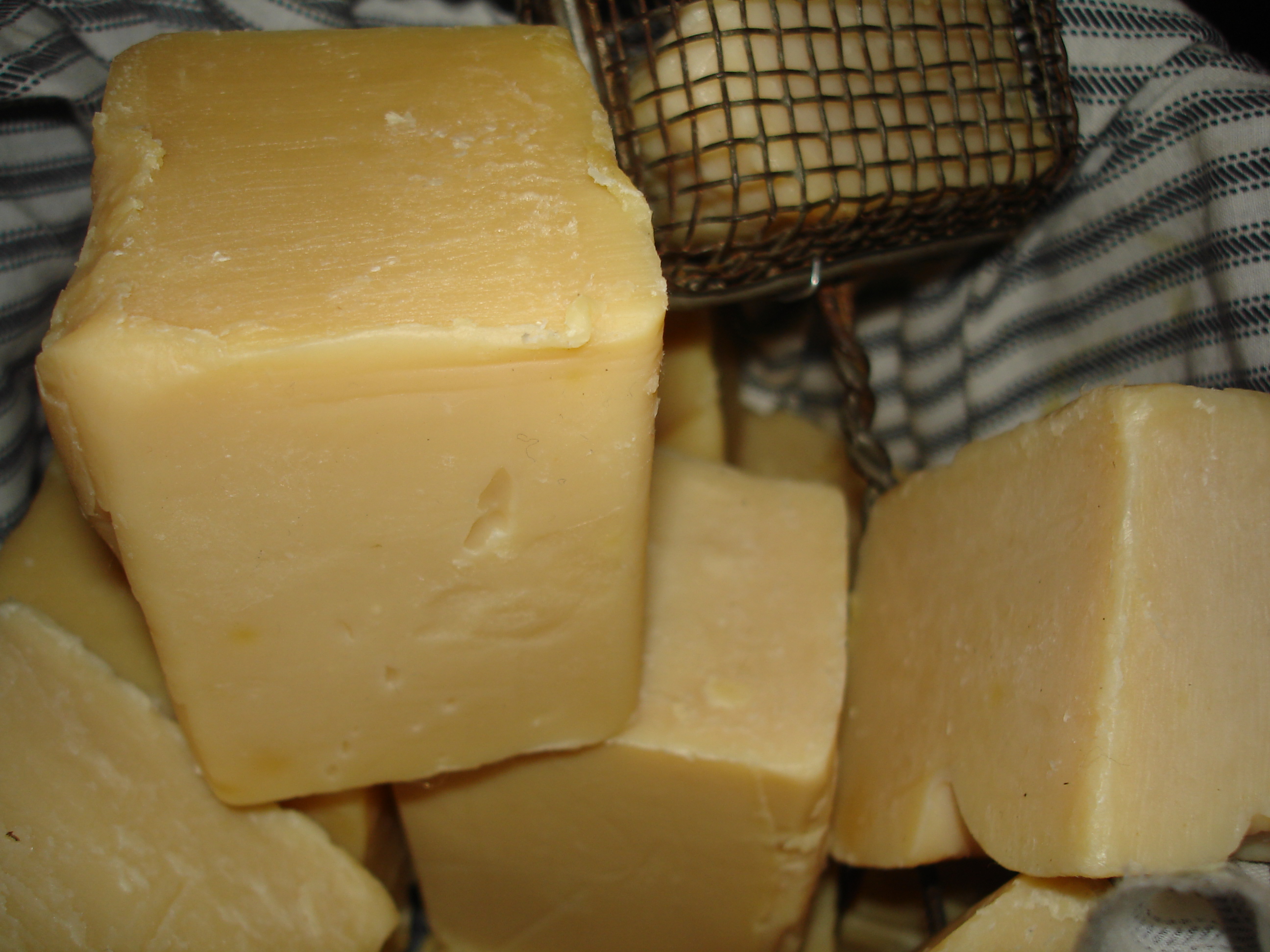
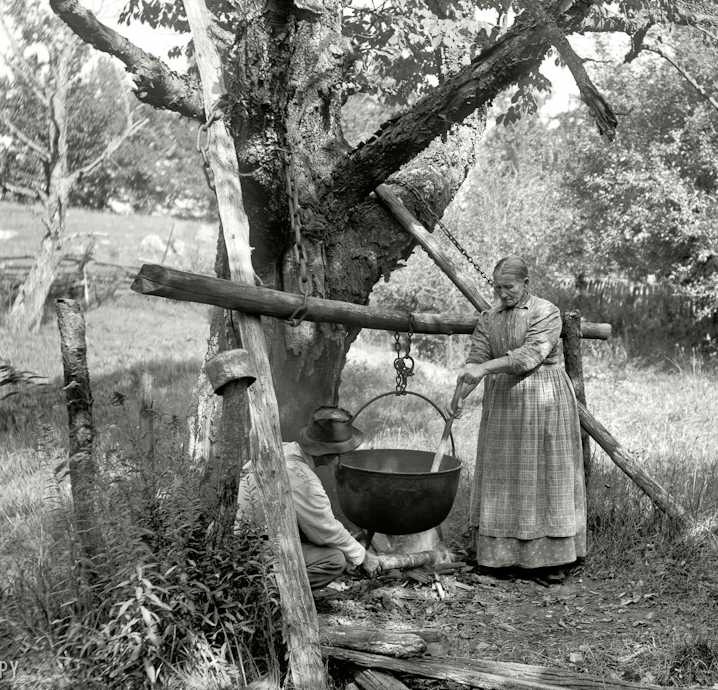
The hard-working pioneers had to be resourceful and learn how to make their own soap from wood ashes and waste fats. They realized it’s easy to craft soap using the overflowing amount of hardwood ashes that built up in their daily fires, along with the ample amount of animal fat from the butchering of livestock they used for food.


For a lot of the pioneers, soap making became a semi-annual or yearly affair on the homestead. As the butchering of livestock occurred in the fall, soap was crafted at that time on many farms and homesteads to utilize the abundant supply of lard and tallow. For the homes that did not butcher their livestock for food, soap was generally crafted in the springtime, from saving the ashes from the wintertime fires and the cooking grease which they salvaged throughout the year.


How to Craft a Crude Form of Soap Directly in Your Pan


The Practical And Clever 2-Ingredient Soap The Pioneers Used

Image source: BVColonialCrafts.com


For all the campers out there, many likely have already discovered that by just throwing some white ashes into the hot frying pan, the lye from the ashes will combine with the fat or oil in the pan to form a crude soap.


This Cool-To-The-Touch Lantern Provides 100,000 Hours Of Emergency Backup Lighting


This is an excellent way to wash out that dirty frying pan. However, this is not a great way to make enough soap to say, go take a bath.


How to Craft a Larger Amount of Soft, Crude Soap


Step One: Saving up Supplies


  1. Boil the white ashes from hardwood fires in a little bit of water for about ½ an hour. Rainwater is said to be the best because it is considered to be soft water.

  2. Let the ashes settle to the bottom of the pan.

  3. The liquid lye will float to the top. Skim this off of the water. Save it in a container.

  4. You will need to do this daily until you have a nice amount saved up.

  5. At the same time, you want to be keeping any leftover cooking lard from your everyday This includes solid animal fats from your food and animal lard from cooking.

  6. When you have saved up enough of both, you are ready to begin the soap making process.

The Practical And Clever 2-Ingredient Soap The Pioneers Used Step Two: the Soap-Making Process


  1. You will need to find a pan or pot that is not aluminum. This is important because this process will eat through aluminum. You want this first pan or pot to be large enough to boil your lye in, and then add the hot grease to, as discussed in a later step.

  2. Begin by boiling the still weak lye that you have been saving. (It is said that you should boil it down until you can float an egg on it. Now, I know that not everyone always has an egg on hand, so improvise here!)

  3. Now put the fat, lard and oils that you have saved up into a separate pot. Depending on how much you have actually saved up, you might want to use a large pot or kettle for this. Make sure not to go over the halfway point of the pot you are using because you don’t want the fats to bubble over.

  4. Heat the fats until all of the water has been rendered out. This is especially important if you have solid fats.

  5. You should still have the lye going at a slow boil in the other large pot. Now, you want to slowly stir in the new, hot, clean cooking grease into the lye. Slowly! Keep stirring until the mixture becomes a consistency of

  6. Save any extra, clean grease to use next time.

Step Three: the Pouring  


  1. You will need to have ready a wooden box of sorts if you want to pour this into an actual bar. If not, any container will do.

  2. Cover whatever container you have in grease. so that the mixture won’t stick to the container.

  3. Pour the mixture into the container.

  4. Let it cool and set.

  5. This mix will turn solid but remain soft. Use a knife to release it from the container, if needed, or chop it up into usable pieces depending on your needs.

  6. Now you have crude, backwoods soft soap!

How to Craft a Harder Form of Crude Soap


Some people might want to harden up their crafted soap a bit more. Here’s how:


  1. You make it exactly the same way, but you will need to add salt to the mushy mixture before pouring.

  2. Add about a cup of salt for each gallon of mix. Proportion this amount as needed ─ if you make a ½ gallon, use ½ a cup of salt, and so forth.

  3. Pour into a greased container, let it cool and then set before cutting it out with a knife.

  4. You can cut it up into blocks or pieces, depending on your needs.

For homesteaders and outdoorsmen alike, making soap from what you are already using in nature is convenient — and costs you nothing.


What advice would you add? Share it in the section below:


Learn How To ‘Live Off The Land’ With Just Your Gun. Read More Here.


Saturday, August 19, 2017

3 ‘Survival Breads’ The Pioneers Made Without An Oven

3 Simple ‘Survival Breads’ The Pioneers Made Without An Oven

Image source: Charles Marion Russell


Baking bread usually requires an oven. But what do you do when you’re a pioneer living in the 1800s — and you don’t have an oven? Simple. You use a frying pan, or twist the dough around a stick or make a version of cornbread on the metal side of a hoe or large axe. This is what our ancestors did for hundreds of years.


The first recipe we’ll explore is a frying pan bread often referred to as bannock bread. The recipe is fairly simple. The only trick is making sure you don’t burn the bannock.


Bannock Bread


3 Simple ‘Survival Breads’ The Pioneers Made Without An Oven

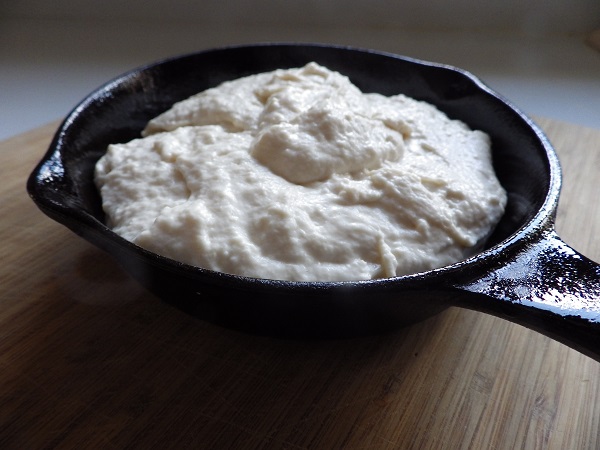
Bannock batter. Image source: Steve Nubie


Bannock bread ingredients:


  • 2 cups of flour

  • 2 teaspoons of baking powder

  • ½ teaspoon of salt

  • 2 tablespoons of shortening

  • ½ cup of dry milk powder (optional)

  • Water

Bannock bread directions:


Before you add the water, you need to cut in the shortening using a couple of knives or a pastry cutter. After the texture appears crumbly, slowly add water until you get a putty-like consistency.


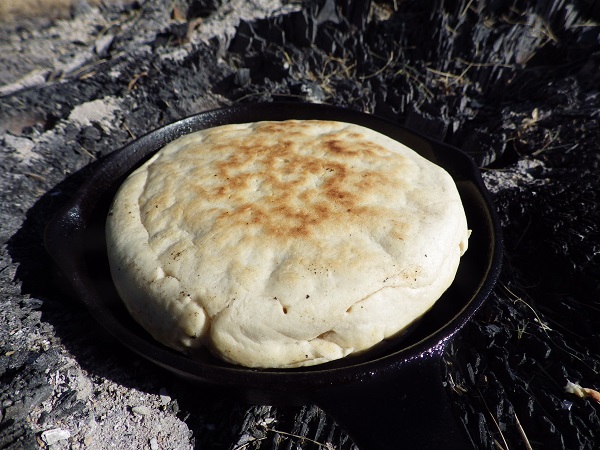
Oil a cast-iron frying pan. Mountain men would use bacon, salt pork or even bear fat. I’m OK with the bacon but I’ll pass on the bear fat. Pour the mixture into the pan. I used a small size 1 cast-iron pan. Place the pan over some coals or on the stovetop and brown for about 3 to 5 minutes. Flip the bread over in the pan and finish the other side.


Be Prepared. Get The ULTIMATE Food Protection Plan


3 Simple ‘Survival Breads’ The Pioneers Made Without An Oven

Bannock bread over coals. Image source: Steve Nubie


You might want to flip a few times to cook the bread through and to prevent burning. When you think it’s done, poke a stick into the center of the bread. If it comes out clean and dry, then the bread is done. If not, then you can let it rest in the pan off the heat until it finishes.


Bread on a Stick


Another recipe was popular with sourdoughs and mountain men. It was bread on a stick. This was a surprisingly simple solution because all it involved was wrapping a long roll of dough around the end of a shave stick and setting over the fire. The stick was usually inserted in the ground at an angle to the fire and turned occasionally. If you dip your hand in water and spritz the dough while it bakes, then you’ll get a pretzel texture to the finished bread twist.


Bread on a stick ingredients:


  • 2 cups of flour

  • 3 tablespoons of sugar

  • 1 cup of water

  • 1 teaspoon of yeast

  • Extra flour for dusting and rolling

Bread on a stick directions:


Combine and mix the dry ingredients and slowly add the water. You want to create a dough ball that you can roll out into a rope of dough. Use the reserved flour to keep the dough from sticking. Let it rest for about 10 minutes after kneading and then wrap it around the end of your cooking stick. The ideal dimension for your cooking stick is about an inch in diameter with a pointed end and about 3 feet long. I usually insert one end of the dough into the point at the end of the stick and then try to either overlap the dough as it’s wound or if I’m lucky, push it onto a small branch about 10 inches down the stick. Set the dough on the stick aside and let it rise a little more. I just push it in the ground away from the fire.


When it’s time to bake or roast your bread on a stick, push a different sharpened stick into the ground at an angle to your fire. You could also support it with rocks. You don’t want a roaring fire. A nice bed of coals will do. Turn the stick from time to time, but be careful and wear gloves because the stick will get hot. You can also spritz the dough with water flicked from your fingers if you want a pretzel-like finish to the dough. You can toss some salt on the wet dough toward the end of cooking after your final spritz.


Tear a piece off and give it a try. If it needs more time you can slowly turn it over the coals.


Hoe Cake


3 Simple ‘Survival Breads’ The Pioneers Made Without An Oven

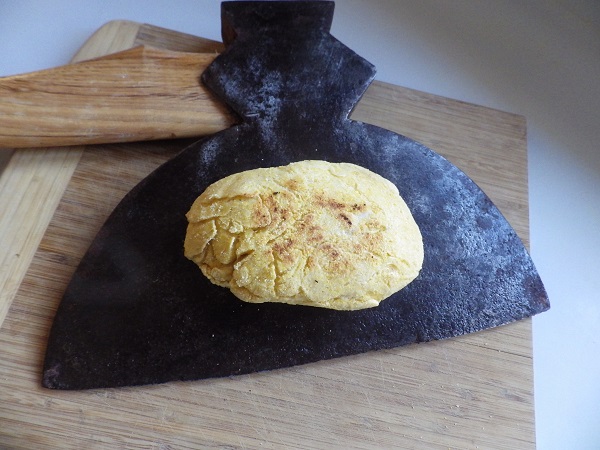
Hoe cake. Image source: Steve Nubie


Another pioneer bread is commonly referred to as “Hoe Cake.” This is a cornbread that was literally baked on the curved metal side of a hoe. The hoe was parked next to the fire and the hot iron cooked one side of the hoe cake while the heat from the fire cooked the other side. I don’t happen to have a hoe, but I have a large timber-squaring axe, which did the trick just fine.


Just 30 Grams Of This Survival Superfood Provides More Nutrition Than An Entire Meal!


You can also finish your hoe cake in a cast iron skillet. It’s the same concept, although you have to flip if from time to time to finish both sides.


Hoe cake ingredients:


  • 1 cup flour

  • 1 cup cornmeal

  • 2 eggs

  • 1 tablespoon sugar

  • ¾ cup of buttermilk

  • 1/3 cup plus one tablespoon of water

  • ¼ cup of vegetable oil or bacon grease

  • oil for the pan or the hoe

Hoe cake directions:


If you want to do this the old-fashioned way on the side of a hoe (if you have one) or in my case, the side of a large axe – you’ll want a fairly thick batter that will stick to the side of the metal.  If you would rather do it in a pan, you’ll want a cast-iron pan. Oil the pan and drop the batter into the skillet after it’s hot. You’ll probably want to turn it once or twice to cook it through and prevent it from burning.


Final Thoughts


It’s fun to try these old world recipes and they’re easy to make. You might want to experiment a bit, but it’s a good skill to know if you find yourself in the woods or wilderness and have a craving for something as fundamental as bread.


What advice would you add? Have you ever a survival bread? Share your tips in the section below:


Harness The Power Of Nature’s Most Remarkable Healer: Vinegar

Thursday, April 27, 2017

15 Irreplaceable Tools That Helped The Pioneers Survive

15 Irreplaceable Tools That Helped The Pioneers Survive

Artist: Walt Curlee


Americans today have it made compared to the pioneers. When something breaks, we can just drive down to our local home hardware store and pick up what we need. We even can order online and wait for the item(s) to arrive on our doorstep!


It certainly wasn’t that easy for the pioneers. Whether they had just arrived in the New World, were traveling West in hopes of grabbing some land, or were settled on their farm, there were few “mercantiles”  or general stores to be had.


How did they manage to survive? Good old ingenuity for one, a few working skills, and a few tools made all the difference.


Let’s examine 15 of their most useful tools.


Building and Construction Tools


No matter where they ended up, the pioneers had to build their own shelter. While some homes were made from sod, many more were made from wood. This made saws and axes both valuable and common. Of course, if you could afford to pay the mill to cut your logs, you were fortunate, but most people simply cut their own logs to make cabins to live in and barns for their livestock. Hatchets and axes did any work that saws couldn’t.


Hammers were vital. Hammers can split logs (with a wedge, which was another important tool), work metal, break rocks, and, of course, hammer nails. These ancient but super-flexible tools came in several types and sizes, depending on your need.


“The Big Book Of Off The Grid Secrets” — Every Homesteader Needs A Copy!


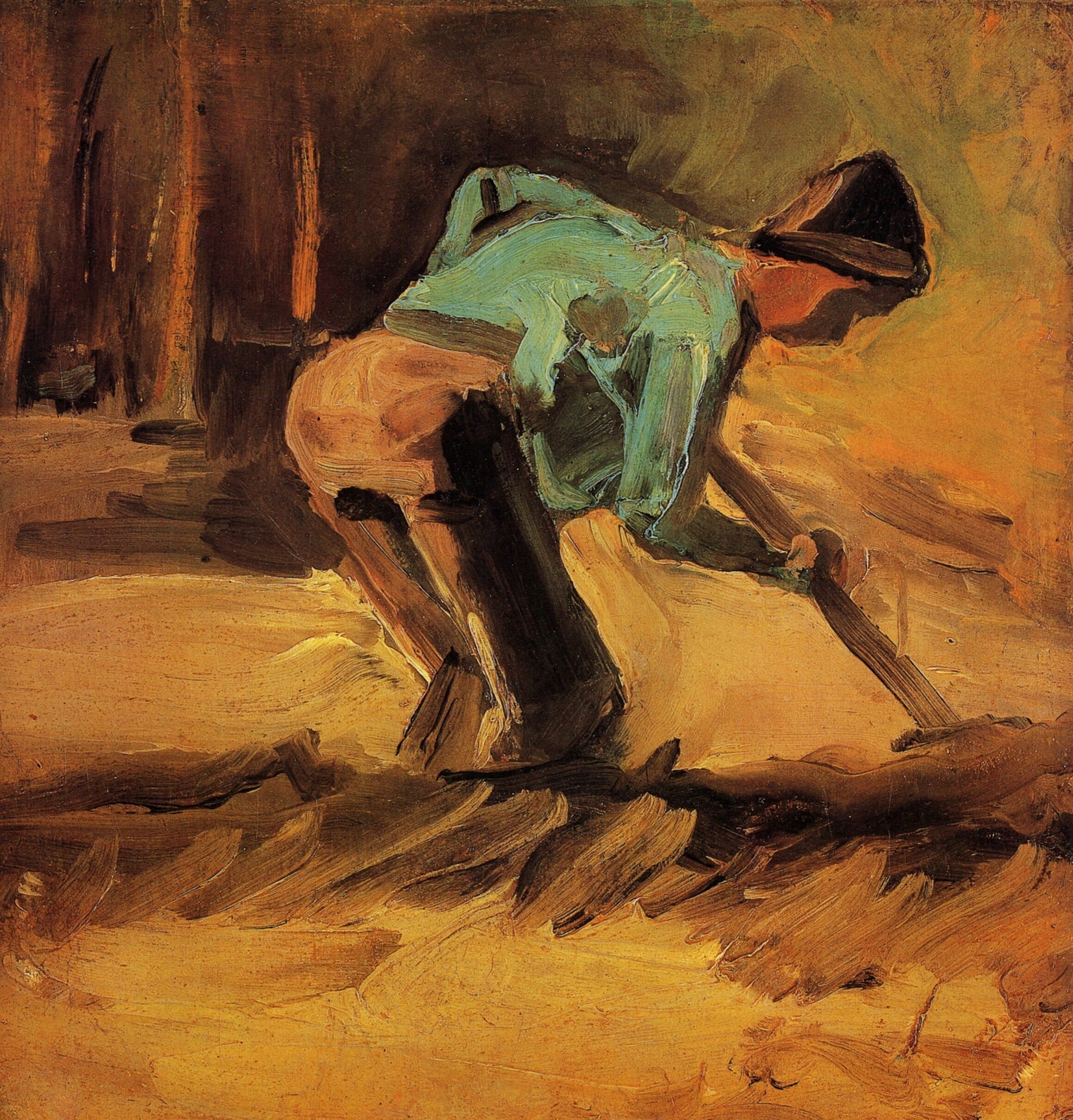
van goghShovels, or spades as they once were called, were another fundamental tool. Holes needed to be dug to support log cabins, turf was often used as roofing material, and a spade would be necessary to cut out those blocks.


Many of the early settlers had root cellars that would preserve food as the temperature was more stable. Even a small root cellar required a whole lot of digging! Pioneers also used shovels for the same things we do today — planting vegetable gardens, cleaning out stalls, and planting trees.


Farming and Planting Tools


Every pioneer would need to do at least some planting in order to survive, even if they only wanted to grow food for themselves and their livestock to survive through the winter.


Therefore, almost every farmer relied on his plow. Whether drawn by hand or pulled by an animal, a featured, pioneers, survival, tools, was an absolute necessity. John Deere invented the first steel plow blade in 1837, but long before that, people used wood or sharp rocks for plow blades.


Hoes were another invaluable tool for farmers. Crops involve much more than just seeds and water; weeds need to be removed. With a sharp hoe, a person can go at a slow walking pace and remove weeds.


Scythes were great for those who could not afford the mechanical horse drawn crop reapers. These slightly curved blades enabled a person to cut crops or clear tall grass and weeds from a standing position.


A tool that many people today are unaware of, which enabled grains to be removed from the husk, is the flail. It’s a simple tool, but quite effective. A flail consists of one larger stick that the person would hold, connected by a chain or hooks to a shorter stick. Harvested grain crops, such as wheat, were placed in a pile, and then the person would beat (thresh) the grain with the small stick, until the husk surrounding the grain fell off.


Household Tools


15 Irreplaceable Tools That Helped The Pioneers Survive

Artist: Hanne Lore Koehler


People of today have it made in the simple process of day-to-day cooking and cleaning.


Washboards were, for many years, exactly as the name implies — nothing more than pieces of rounded wood strips, nailed to a frame. It sounds very primitive, but it must have been in improvement over beating your clothing with sticks or rubbing them over rocks in the river!


Spinning wheels changed the wool from sheep or cotton balls into fibers that could be used to make clothing and blankets. Spinning wheels were used in Europe since at least the year 1250, so it was a common tool that almost every woman knew how to operate.


Once you had the wheat threshed, you needed to grind it into flour. This was done with a little device that some of us today think of as a meat grinder. Pioneer women used this same type of hand-powdered device to grind their grains to make flour.


Get Backup Electrical Power In A Convenient, Portable Briefcase!


Let’s not forget the lowly needle. While many of the needles used by the pioneer women are pretty much the same as the ones we use today, they had a much larger variety that was needed. In addition to the regular clothing that needed to be made or repaired, they had to sew their own blankets, in addition to sew horse blankets and leatherwork. Most saddles would be made by professionals, but the repairs to straps or bridles could be done if one had a large needle.


While most pioneers were very resourceful and independent, they cherished nearby neighbors who could be counted on in a pinch. Common tasks were often shared by neighbors or nearby family members, knowing that when the need arose, they also would benefit from this shared labor. It was not uncommon to see neighbors get together to help build a house for newlyweds or to help out with household chores when a family was sick or having difficulties.


Hunting Tools and Weapons


One of the most useful tools that every pioneer owned was a shotgun. A shotgun was used for protection and as their main source of killing animals for meat. Some of these hardy mountain men also kept pistols as a backup, but the shotgun or rifle was the weapon of choice.


A hunting knife also was an essential tool, and most pioneers had several of them. A good hunting knife was priceless, as it could handle almost every chore or need. It could be used to kill in close quarters, to skin and gut the animal, and to hack off a few branches for wood if necessary. Knives are one of the most versitle tools around, which would explain why  many pioneers, like the indigenous people, had special places to store them so they wouldn’t be misplaced.


Hatchets also were sometimes used in self defense. Many pioneers kept both a hunting knife and a small hatchet on their person at all times.


What tools would you add to our list? Share your thoughts in the section below:

Monday, December 26, 2016

Winter Survival Skills That Kept The Pioneers Alive

Winter Survival Skills That Kept The Pioneers Alive


If you live in certain parts of North America, then you know all too well how cold and long a winter can be. In bad years, they can last from November through April. When ice is several inches thick on ground that hasn’t been salted, when the wind whips so hard it pulls young trees out of the ground, and when you finally have to venture outside to go to the grocery store a few blocks away, it can seem like a dangerous trip.


Have you ever stopped and wondered how the pioneers survived? There was no central heating, no supermarkets, no water heaters to help warm up frozen fingers.


Our ancestors were certainly tough, no doubt about it, but we would be wise to pay attention and learn a few of their survival skills. Here are a few:


Food Preparation And Storage


Knowing that winters could be long and harsh, pioneers spent a great deal of the summer months preparing. A lack of preparation usually meant death by starvation, so they took these chores seriously.


Almost all pioneers had what we call a cellar or a root cellar. This was a room dug underground that would protect their stored food from freezing and guard it from marauding animals.


Root vegetables were a favorite because they keep for a long period of time without spoiling and without any special preparation beforehand. This made things like carrots, beets, sweet potatoes,  parsnips, radishes, rutabagas, regular old potatoes and turnips valuable crops.


Other crops that keep well without canning are corn, onions, garlic, squash, cabbage, cauliflower, pears, oranges, cucumbers, pumpkins and apples. Some fruits and berries were dried, but others, like apples, keep remarkably well when placed in a cool, dark place.


Canning was an invaluable tool to store food for winter consumption. This was the common method of storing foods that went bad fairly quickly, such as berries, peaches, nectarines, tomatoes and artichokes.


Meat also was dried and salted to preserve it for the winter. A family could slaughter one of their livestock animals, eat what they could for a day, and then pack the remainder in large barrels, stacking it in layers and then covering them with salt and brown sugar, before sealing the barrel.


Are You Prepared For A Downed Grid? Get Backup Electricity Today!


Of course, meat killed during the winter simply could be kept frozen outside, as long as one was careful to keep it out of reach from the local wildlife.


Staying Warm


A full belly is great, but if you are stuck outside in subzero temps, it won’t be enough to keep you alive!


Winter Survival Skills That Kept The Pioneers Alive Most pioneers lived in cabins made from logs. These can be quite insulating when the holes and cracks are properly filled with mud, grass or cloth, but in sub-zero (Fahrenheit) weather, one will still need a good fire.


This means lots of back-breaking hours cutting and storing firewood. Imagine trying to guess how much wood you are going to need for one winter season? Of course, if you saw you were running low, you always could head out to the woods and start cutting, but in freezing temperatures, it would be hard and exhausting work! Better to stock up when the weather was good and the wood softer


During the winter months, fires were rarely allowed to die. However, if a warm spell was followed by a super cold snap, chances are you better be able to find your flint and steel to start another fire. Since matches were not even common until about 1900, if you were without flint and steel, you would have to hoof it to a neighbor’s house to “borrow” some hot coals.


Last, but not least, clothing. The early Americans wore clothes they had made themselves, usually from cotton they had raised or wool off of their sheep. A few men wore pants made of buckskin, but most wore outer clothes made from cotton. However, winter months required a bit of extra warmth, usually in the way of woolen (and scratchy) “long Johns.”


Trapping and hunting skills provided meat, so rifles or shotguns were very common. Some pioneers used simple traps to capture smaller game (rabbits or game birds).


However, for those who could manage it, livestock was invaluable. Pigs could be sold, traded or simply killed for meat. Cows also could provide both meat and milk. Goats were not as common, but in a pinch a goat will eat almost anything and it, too, provides milk and meat. Chickens have been kept for ages as a means of eggs and meat. Of course, these animals needed to be fed and protected, so during harsh winter months, if you couldn’t feed them, you ended up eating them.


First-Aid And Folk Remedies


Doctors also were few and far between. Many people learned common first-aid remedies and folk remedies, and they kept a variety of healing herbs on hand. Women, especially, shared this information with each other and often helped each other out during the difficulties of childbirth. If your child had a fever in a blizzard, you couldn’t call the doctor and you couldn’t just pop down to the local drug store. Pioneers relied on their own herbal remedies.


Since log cabins had few windows, lanterns and candles were the main source of light on dark days and long winter nights. Candles were commonly made from beeswax, with cotton wicks during the summer. Although kerosene could be bought for lamp fuel, its smoky blackness — and expense — made it unpopular. Many pioneers used fat from their animals for soap and for lamps.


How did pioneers prevent cabin fever after living for months in a 12X16 log cabin with who-knows-how-many people? Families would read out loud, make up stories, or recount family history. The sewing of clothes and the repair of farm tools would have taken some time, and games such as checkers helped to pass the time. With a bit of fortune, a family member even would have had a musical instrument to help fill the hours with a bit of song.


Although I really enjoy learning the old-fashioned ways of doing things, I’m not at all certain I could have survived during pioneer times. What about you? Do you think you could have survived during those times?


Share your thoughts and tips in the section below:


If You Like All-Natural Home Remedies, You Need To Read Everything That Hydrogen Peroxide Can Do. Find Out More Here.

Monday, November 21, 2016

7 Ways The Pioneers Preserved Food Without Electricity

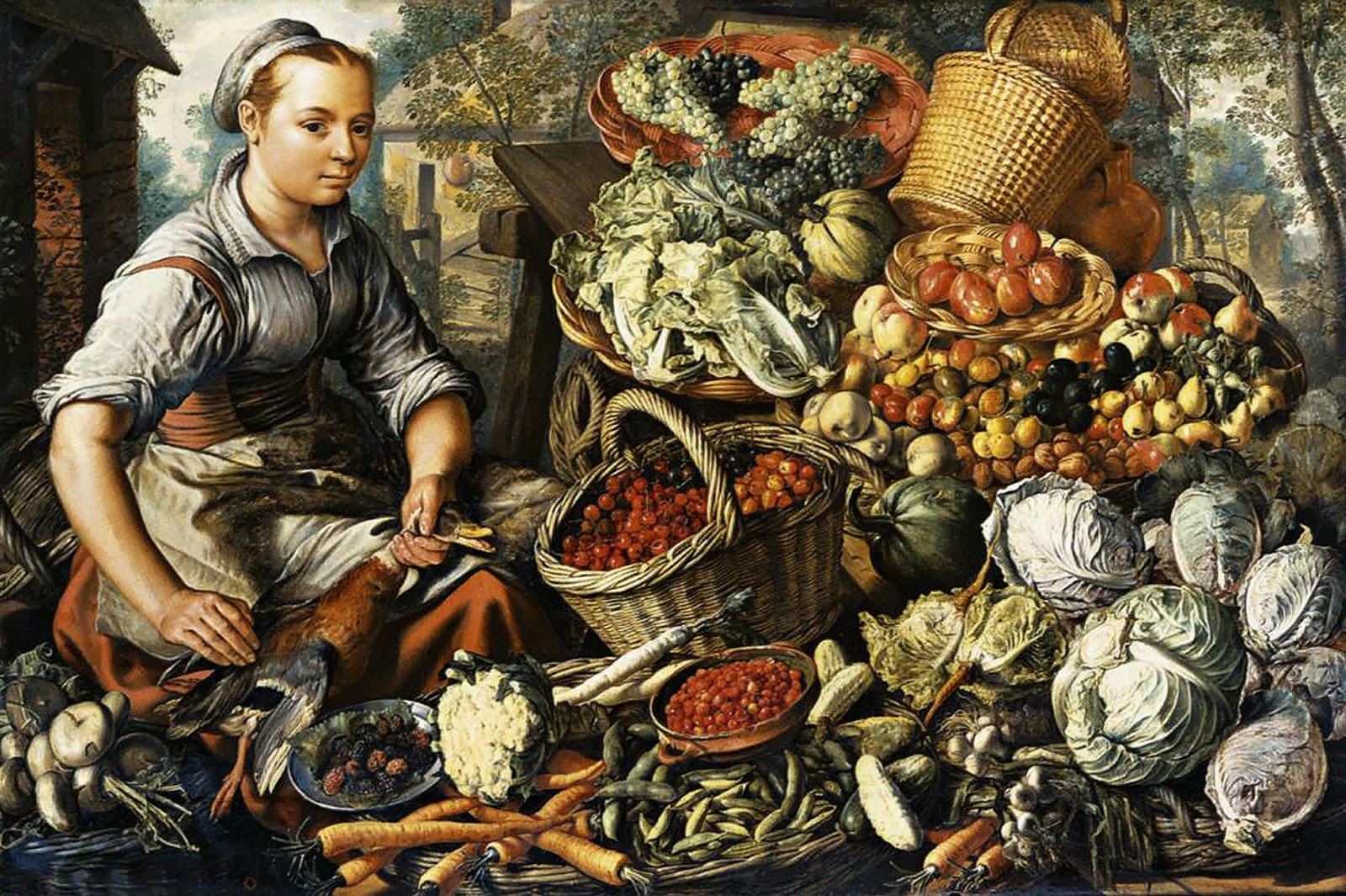
Artist: Joachim Beuckelaer

Artist: Joachim Beuckelaer


The pioneers knew more than a few tricks to preserve food for the long-term. Any form of food preservation was designed to kill and inhibit the growth of bacteria, fungus and other micro-organisms. It also was designed to prevent the oxidation of fats which could lead to rancidity.


Our pioneer ancestors needed to master these skills for two reasons:


1. The seasons. Summer and fall were times of plenty, but winter and early spring were not. The ability to preserve food to over-winter in many environments was vital to survival.


2. Long journeys. They were traveling across open prairies in a wagon train, traveling on sailing ships to distant shores, traversing mountains with little or no vegetation or wildlife. Long journeys required stores of food that would keep well and not cause sickness due to foodborne illnesses.


Plan Ahead – or Else


You may have heard of the Donner Party. They were pioneers traveling to California who were trapped in the Rocky Mountains during relentless blizzards and cold temperatures. Many slowly starved to death while others resorted to cannibalism. That’s poor planning.


We’re not going to cover the obvious, like canning in mason jars (our pioneer ancestors didn’t have a lot of access to glass or finely crafted metal lids). And they certainly didn’t irradiate foods or use electric dehydrators.


Here are seven ways the pioneers preserved food:


1. Salt. Any civilization living next to a saline or salty body of water had the ability to dehydrate the water and gather salt. In ancient times, it was a valuable commodity and for a while, Roman soldiers were paid their wages with salt.


Get Free Electricity — And Never Be Without Power!


While we tend to think of salt as a standard seasoning, the value of salt in ancient times was more related to the preservative power of salt. Salt reduces moisture, inhibits bacterial growth and leaves a flavor that’s easy to eat, depending on the salt level. Ships at sea often carried small barrels of pork embedded in a cask of salt or a salt brine. This “salted pork” was standard fare for many people traveling across oceans for long journeys.


Salt is often used in brines to enhance the preservation of fish, fowl and game before drying or smoking, and it’s a standard addition to most pickling recipes and those casks of salted pork.


2. Fat. This may come as a bit of a surprise but fat, especially beef feet or tallow and suet, has exceptional preservative properties. It’s a standard addition to pemmican recipes, which usually involves a 50 percent mix of dried and powdered beef or buffalo and an equal amount of fat plus some raisins or black cherries.


Also, pioneer women would often take cuts of meat and place them into a crock or small barrel and top it with tallow or suet due to its preservative properties. On a fundamental level, the congealed fat is preventing oxygen and airborne microbes from reaching the meat.


It was important to keep any container with these combinations sealed from air.


7 Ways The Pioneers Preserved Food Without Electricity

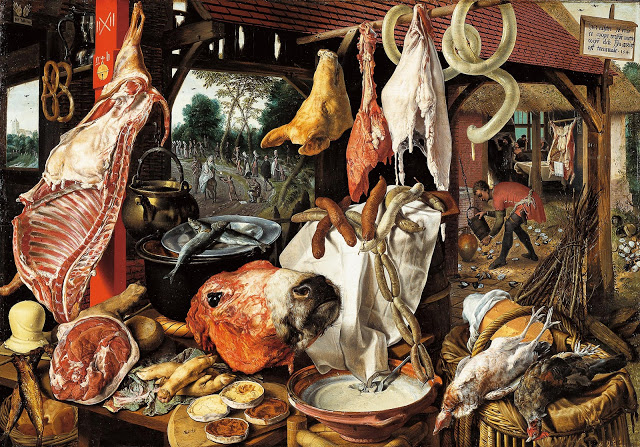
Artist: Pieter Aertsen


3. Honey. Good news and bad news about honey. The bad news is that it’s hard to harvest a lot of it, and buying it is expensive. The good news is that it has remarkable preservative properties. In fact, a jar of honey more than 3,000 years old was discovered in an Egyptian tomb, and clinical tests found it to be safe to eat.


Many of our pioneers preserved their most valued cuts of meat in honey and like salt, it added a pleasant taste to the food when eaten.


4. Vinegar. This is perhaps the most potent, natural antiseptic you can safely consume. It’s actually acetic acid and is usually a 4 to 5 percent solution in water. It was also easy to make from various fruits like apples. It was used to preserve everything from vegetables to fruits to meats, fish and fowl.


The typical process involved immersing the food in vinegar in a cask or container, and sometimes salt was added for flavor and additional preservative qualities.


5. Drying or dehydration. This is probably the oldest food preservation technique. It was used to preserve everything from vegetables to fruits and of course meats, fish and fowl.


The critical success factor with drying foods is to remove as much moisture as possible.


  • Beans or legumes were often strung on sticks and hung in the rafter of a cabin or tepee to air dry.

  • Fish were filleted and often salted before being hung in the sun on racks or over smoldering fires.

  • Strips of meat from game were sliced thin, salted if possible and also hung in the sun or over a fire to dry.

  • Fruits were sliced thin and left to dry in the sun and taken indoors at night to continue the drying. They were turned often and sometimes smoked. They, too, were hung on sticks in the rafters at times.

6. Root cellar. This is all about preserving vegetables such as carrots, beets, turnips, radishes, potatoes and parsnips. This approach provides multiple benefits:


  • Fairly consistent temperatures in winter and summer.

  • Consistent humidity, which is beneficial to root vegetables.

  • Protection from insects and animals, to some degree.

  • Protection from sunlight.

  • Easy access to a variety of vegetables

  1. Smoking fish, fowl and game over a low and slow draft of smoke in an enclosed space not only dried out the food, but the smoke and moderate heat both killed and inhibited bacterial and fungal growth.

7. Smoking. Smoking over a period of a month or more also allowed larger cuts of meat and whole fish to be successfully dried and preserved, rather than the thin strips usually cut for traditional drying methods.


The meat or fish were sometimes cured with either a dry cure of salt crystals or in a brine.


Even after removal from the smoke house, large pieces of smoked meats would last a long time if kept in a well-ventilated and cool and dark place. Parma hams in Italy hang for months and months in the cool towers of buildings after careful brining and smoking.


Conclusion


Do more research about food preservation and if in doubt, throw it out. Our pioneer ancestors learned the hard way about what worked and didn’t work.


What is your favorite old-time food preservation method? Share your tips in the section below:

Are You Prepared For A Downed Grid? Read More Here.