
Aloe vera. Image source: Pixabay.com
It’s not common for most people to walk around a yard or garden and indiscriminately munch on plants. But it’s a whole different story when it comes to kids and pets.
There are also plants that can cause significant skin irritations while planting or weeding a garden. We’re going to review some common plants that are surprisingly toxic — and in many instances, deadly. If you have them in your garden, you may want to think twice if young children or family pets are around.
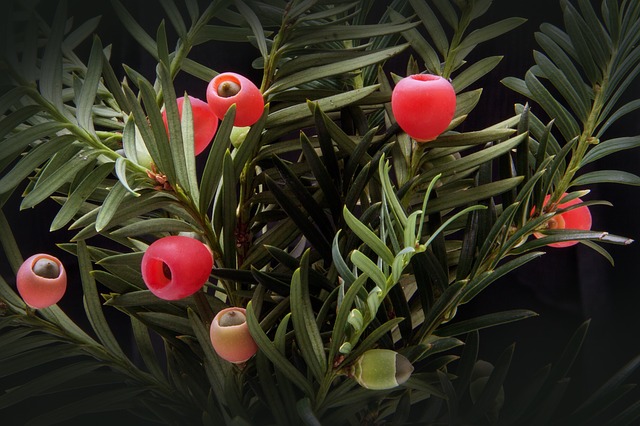
Yew. Image source: Pixabay.com
1. Yew. A common evergreen that is popular as a landscaping shrub, the yew has bright red berries with a dark side peeking out at the bottom of the berry. What’s curious is that the berry itself is not toxic, but every other part of the plant, including the seeds in the berries, are dangerously poisonous. This is due to an alkaloid called taxin, in addition to ephedrine and taxiphyllin. Death often follows in hours and sometimes presents no symptoms. When signs and symptoms do occur, they include weak pulse, trembling, staggering, coldness and collapse.
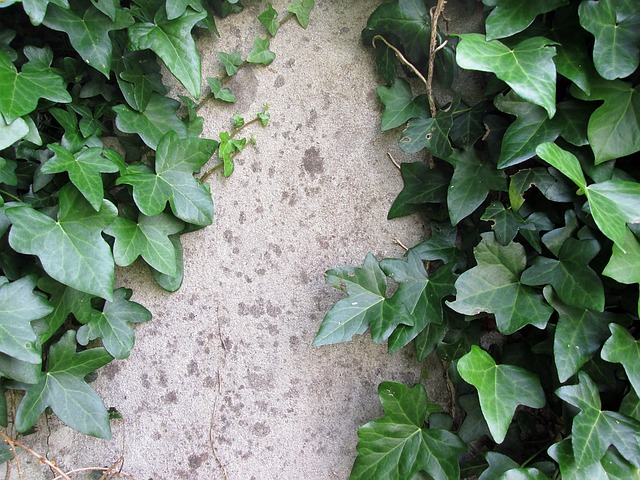
English ivy. Image source: Pixabay.com
2. English ivy. It decorates the walls of buildings on college campuses across the country. Many people plant it to create a similar look on their homes. Too bad it’s poisonous. The leaves can cause rashing, blisters, general skin irritation and itching. Ingesting the leaves can lead to convulsions, fever, delirium and even hallucinations. It doesn’t sound real smart to plant English ivy anywhere. Makes you wonder why they’re so popular on college campuses.
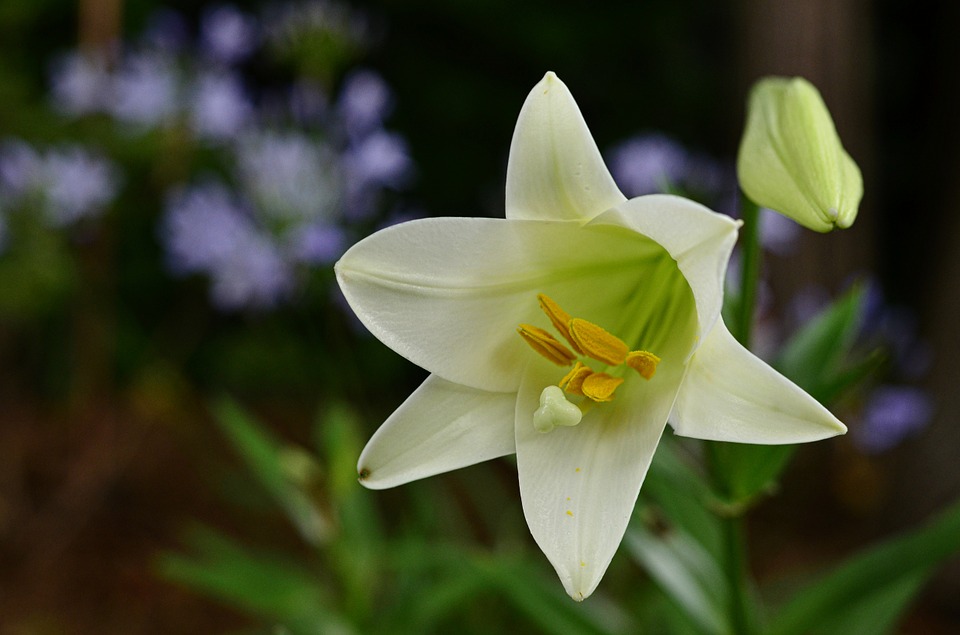
Easter lily. Image source: Wikimedia
3. Easter lily. A flowering plant that’s popular and common at Easter, it is, in fact, quite toxic, especially to small animals like cats. Humans don’t fair much better due to an alkaloid called lycorine. It’s found in the bulbs and stem and causes vomiting, diarrhea, abdominal pain, shivering and nausea. That’s not exactly the way most people want to spend their Easter.
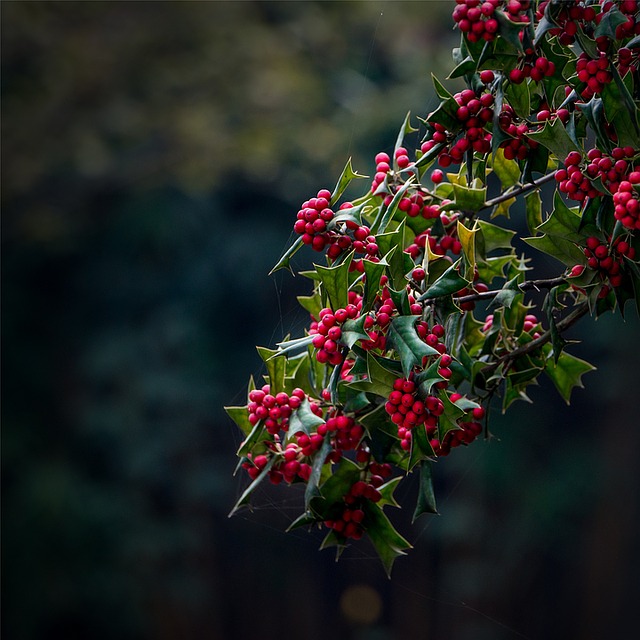
Holly. Image source: Pixabay.com
4. Holly. Here’s another holiday favorite with dangerous side effects. Holly and its bright red berries are a standard decoration at Christmas. Unfortunately, the red berries are highly toxic. An alkaloid called theobromine is the primary problem.
New ‘Survival Herb Bank’ Gives You Access to God’s Amazing Medicine Chest
Children ingesting as few as two red berries will suffer vomiting, drowsiness, diarrhea — and higher doses can be lethal. Twenty holly berries could kill an adult. Maybe we should deck the halls with boughs of something else.
5. Aloe Vera. Who’d have thunk it? A plant that has been used for thousands of years by native people to treat burns and skin irritations actually has a poison component. The gel of the plant is not poisonous, but there is a thin membrane inside the leaves that contains chemicals known as aloin and anthraquinone c-glycoside. Both are very toxic and can — if ingested in large quantities — cause vomiting, nausea, cramping and diarrhea. It’s OK to break off a leaf and apply the gel to skin, but if you have any thoughts of eating it, you may want to consider buying a professionally prepared product instead.

Chrysanthemum. Image source: Pixabay.com
6. Chrysanthemum. A very common flower often referred to as mums. The curious contradiction is that they were sometimes used in Chinese medicine. The problem is that poisoning can easily occur due to a group of chemicals called pyrethrins, resulting in significant skin irritations. Pyrethrins affect the nervous system and can cause eye damage, asthma and inflammation. A curious note is that the pyrethrins in chrysanthemums have been processed to create a potent, natural insecticide. It’s a good bet that if it’s bad for bugs, it’s bad for us.
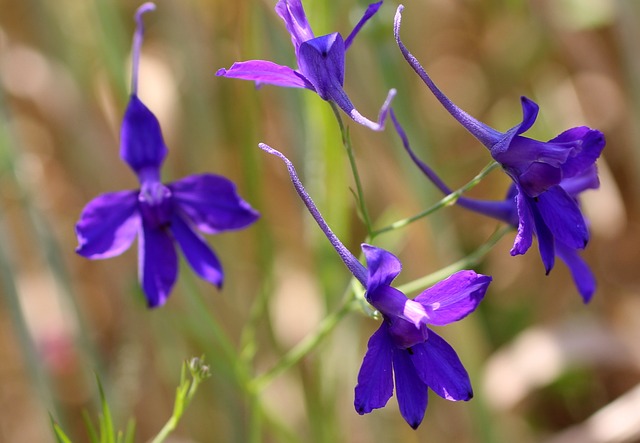
Larkspur. Image source: Pixabay.com
7. Larkspur or delphinium. Larkspur is a very attractive, purple plant and is a member of the buttercup family. The bad news is that all parts of the plant are poisonous. Animals, particularly horses and cattle, are particularly susceptible to poisoning while grazing. Symptoms of larkspur poisoning in humans include numbness and burning of the lips, mouth and throat, in addition to intense vomiting and diarrhea, spasms, weak pulse, muscular weakness, convulsion and paralysis of the respiratory system, which leads to death.
If you believe someone or a pet is suffering from one of these natural poisons, then immediately go to the emergency room or vet. Symptoms and effects tend to worsen over time. You also may want to carry a sample of the plant or berry with you if you suspect you know what could be the culprit.
What would you add to our list? Share your thoughts in the section below:


