
Once upon a time, more than two-thirds of all Americans lived in rural towns or extensive farms. Indoor plumbing was unheard of, homes were heated with wood and lit by kerosene or oil lamps, work was hard and diseases were plenty.
Should we find ourselves back in these precarious times – or we simply prefer natural remedies — we might find it beneficial to know what types of herbs, medicines and common practices were the tool of the trade for the 19th century doctor.
Keep in mind that there were no vaccines, no lab tests and no antibiotics. Hospitals were located in large cities and surgery was reserved for extreme cases. Doctors traveled for miles on horseback to treat their patients, and payment was generally a hot meal and a place to sleep, and perhaps a hog or some chickens for the doctor to keep or sell as he liked.
Almost all treatments were done right in the home, or outdoors where the light was good. There certainly were times when the doctor knew that his patient would not survive, but he tried his best, knowing that if nothing else, the family would feel better, believing that they had done all they could.
Let’s take a look inside that black bag of medicine and find out what doctors used pre-pharmaceutical times.
Treatments and Research
If you were fortunate, your doctor was up to date with the medical research of the times, such as books by University of New York doctor William Thomson. Otherwise, your local doctor might have relied on Buchan’s Domestic Medicine, which relied on herbal treatments.
With no antibiotics and very little understanding of how diseases worked, gargles, “tonics,” hot baths or steam baths were often recommended. Doctors tended to treat the symptoms, rather than the disease, due to lack of knowledge.
Fast, All-Natural Pain Relief With No Nasty Side Effects!
Doctors understood very little about bacteria, but they were aware that there were tiny organisms that could be seen under a microscope. These could be transferred from one patient to another. So while they may not have fully understood how they worked, doctors began working with “disinfectants” in the later part of the 1800s. Common disinfectants were chlorine, lime, sulfur and charcoal.
Common Herbal Treatments
Without the use of any real working drugs, doctors relied heavily on herbal remedies. Many doctors continued to add to their skills by learning from medicine men of the indigenous people, as well as from women who often passed their knowledge on from generation to generation and the slaves brought from Africa, who also contributed their knowledge of healing herbs and plants.
Fortunately, doctors had many pain relievers available to them at this time, including aspirin (which they made from the bark of willow trees). There were fever reducers made from the feverfew plant, as well from meadowsweet.
Camphor was known to ease itchy skin. It was also commonly used to prevent infection by washing the wound with a solution made from camphor, or soaking bandages in the solution, then wrapping the wound.
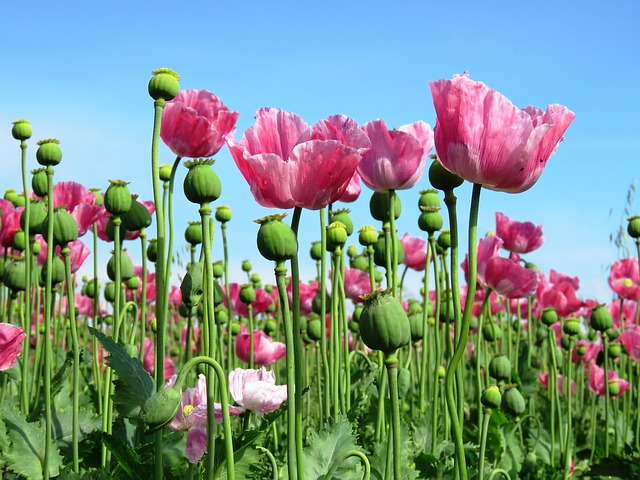
Image source: Pixabay.com
Opium was known to stop diarrhea almost instantly, and cathartics were from a wide variety of plants, such as milkweed or bloodroot.
Most of these types of medicines were used to make the patient as comfortable as possible, while nature took its course and the patient could heal on his own.
Other treatments including apple pectin, which was mixed in juice to stop arthritis, and honey, which was used as a face wash and a treatment for most insect stings.
Tea and compresses made from cloths soaked in tea were often used to wash everything from hair to burns to wounds.
Some treatments are still used today, such as baking soda to brush the teeth or ease indigestion. Castor oil was used for everything from a general health tonic to a chest compress for coughs and colds. Salt was used as a gargle for sore throats. It worked then and still works today.
Herbs and ‘Female’ Problems
It was very common in the 1800s for women to treat other women with herbs and remedies that have been passed down for generations. Midwives were often called upon to deliver babies as well as to help with what was called “female problems.”
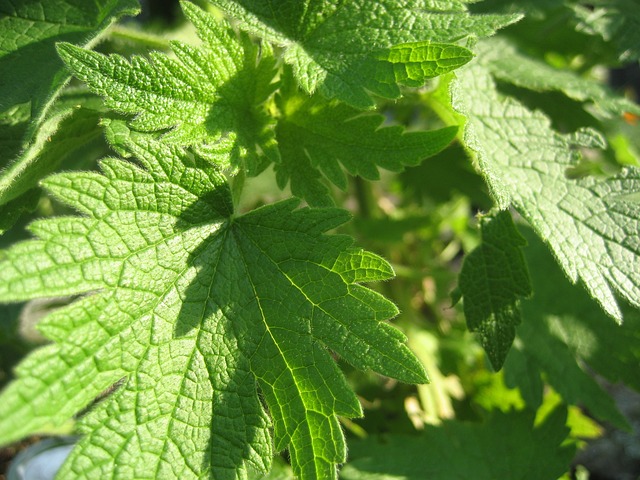
Image source: Pixabay.com
Teas made from motherwort were often used to “calm the nerves.” This is a mild sedative and it works remarkably well.
Painful menstruation was often treated with a tea of red raspberry leaves. This was also the same treatment for infertility. Excessive bleeding was treated with shepherd’s purse. Labor pains were treated with blue cohosh while menopause was treated with black cohosh.
New ‘Survival Herb Bank’ Gives You Access to God’s Amazing Medicine Chest
Women suffering from fainting spells were often given a large tablespoon of vinegar. Bladder infections were cured with calendula tea, and chamomile tea was used for just about everything that ailed women, from menopause to insomnia.
Treatments We’d Rather Forget
You can’t talk about the history of medicine without speaking about some of the items and practices that will make you shudder today.
Mercury was used for almost 500 years as a common elixir that was supposed to rejuvenate the body. It was also a popular “cure” in the 19th century for sexually transmitted diseases such as syphilis. While mercury probably did kill off the infection, it generally killed the patient as well, most likely from kidney or liver damage.
In fact, let’s not forget that during most of the 1800s, there were no laws in place as to who could call themselves a doctor. Massachusetts passed the first license laws in 1819 but then repealed them in 1835. It wasn’t really until after the civil war that states got serious about licensing doctors.
Tuberculosis (called consumption in those times) was a terrible condition with no cure. Most doctors simply recommended bed rest and to move to a drier climate.
Other treatments, such as those for colic, didn’t need the doctor anyway.
A common “remedy” for colic was to close all the windows and doors to the baby’s room, and have daddy smoke his cigar or pipe right outside the door. (Can’t help but wonder how that one worked!)
Cures for colds and the flu were varied, but included drinking rabbit dung tea. We don’t suggest trying that one, no matter how dire the situation!
What old-time remedies would you add to this list? Share your tips in the section below:

 Source: EPA
 Source: The Washington Post
