Showing posts with label aloe vera. Show all posts

Tuesday, January 16, 2018

Natural Herbal HPV “Cure” Discovered

Natural Herbal HPV


Despite the widespread belief that HPV infection is a lethal force against which we only have vaccination and watchful waiting to defend ourselves, both ancient herbal medicine and our body’s inherent immune defenses have newly been confirmed to have significant power against it.


A groundbreaking study published in the Asian Pacific Journal of Cancer Prevention, titled, “Clearance of Cervical Human Papillomavirus Infection by Topical Application of Curcumin and Curcumin Containing Polyherbal Cream: A Phase II Randomized Controlled Study,” reveals that vaccination and watchful waiting are not the only recourse against HPV infection.


The study is believed to be the first of its kind to find an effective and safe therapeutic intervention for the clearance of established cervical human papillomavirus (HPV) infection. Moreover, the study confirmed that HPV infection is self-limiting and clears on its own in 73.3% of the untreated placebo group within 37 days.


The researchers evaluated the effectiveness of two herbal interventions in eliminating HPV infection from the cervix of women who were determined to have HPV infection through Pap smear and HPV DNA tests (PCR), but whose condition had not yet progressed to high grade cervical neoplasias (i.e. cervical pre-cancer).


The first intervention used was a polyherbal vaginal cream containing containing extracts of curcumin, reetha, amla and aloe vera, known by the trade name Basant. The second intervention was a curcumin vaginal capsule. The other two placebo groups received either a vaginal placebo cream or a placebo vaginal capsule.


All 287 subjects were instructed to use one application of the assigned formulation daily for 30 consecutive days except during menstruation. Seven days after the last application they were recalled for repeat HPV test, cytology and colposcopy.


The results were reported as follows:


“HPV clearance rate in Basant arm (87.7%) was significantly higher than the combined placebo arms (73.3%). Curcumin caused higher rate of clearance (81.3%) than placebo though the difference was not statistically significant.”


Vaginal irritation and itching, mostly mild to moderate, was significantly higher after Basant application. No serious adverse events were noted.


While both of the herbal formulations clearly increased the rate of HPV clearance, it is noteworthy that the placebo group also experienced a 73.3% clearance rate, as it confirms that majority of HPV infections will clear from the body as a result of the immune system doing its job correctly. The researchers acknowledged that this is not a novel finding:


“It is already documented that the majority of HPV infections are self-limiting and cell-mediated immunity is responsible for spontaneous clearance.”


Indeed, we addressed this under appreciated fact in a previous article titled, The HPV Vaccine Debate: Don’t Ask, Don’t Tell:


[I]n 2004, Lancet published a study which found that low-grade squamous intra-epithelial cervical lesions (LSIL) commonly associated with HPV infection spontaneously regress in 61% of females within 12 months and 91% within 36 months.[i] LSIL is considered a mild form of cervical dysplasia (CIN), but is nonetheless often subject to more aggressive measures such as a colposcopy with biopsy,[ii] which sometimes leads to surgical treatment.


Another 2010 study published in the European Journal of Obstetrics, Gynecology and Reproductive Biology found that at the end of 12 months of follow-up, the CIN 2 regression rate was 74% (31/42), progression rate to CIN 3 was 24% (10/42) and in one case CIN 2 persisted (2%).  Finally, a 2011 study in the Journal of Lower Genital Tract Diseases found At 12 months, 70% of CIN 1 and 54% of CIN 2 lesions spontaneously regressed (p<.001).[iii]


The odds therefore are clearly in the favor of HPV-associated abnormal cell changes (so-called ‘precancerous’ lesions) regressing naturally like most self-limiting viral infections. Vaccines are clearly not responsible for the ‘protection’ conferred by our inbuilt immunity; nor is the HPV virus some inevitable force of lethality that only universal HPV vaccination campaigns can effectively countermand.


Given the widespread belief that HPV infection is a lethal force against which we have only vaccination and watchful waiting to defend ourselves, this latest encourages us to recognize both the power of the human body and natural plant allies to help us maintain our health, despite the constant threat of infection.


In actuality, the results of the intervention are not surprising, given the established body of research indicating curcumin’s value as an anti-cancer agent. Not only has this powerful turmeric polyphenol been extensively researched for its anti-cancer properties in over 100 difference cancer cell types, the GreeMedInfo database contains 11 studies specifically on curcumin’s anti-cervical cancer properties, which can be viewed here.


For additional information on HPV related concerns, view the following sections on our database:


Human Papillomavirus HPV


Vaccination: HPV Gardasil


Cervical Cancer


© January 15, 2018 GreenMedInfo LLC. This work is reproduced and distributed with the permission of GreenMedInfo LLC. Want to learn more from GreenMedInfo? Sign up for the newsletter here http://www.greenmedinfo.com/greenmed/newsletter.


The post Natural Herbal HPV “Cure” Discovered appeared first on The Sleuth Journal.

Friday, September 29, 2017

Common, Everyday Plants You’ll Be Shocked Are Toxic

7 Common Plants You

Aloe vera. Image source: Pixabay.com


It’s not common for most people to walk around a yard or garden and indiscriminately munch on plants. But it’s a whole different story when it comes to kids and pets.


There are also plants that can cause significant skin irritations while planting or weeding a garden. We’re going to review some common plants that are surprisingly toxic — and in many instances, deadly. If you have them in your garden, you may want to think twice if young children or family pets are around.


7 Common Plants You

Yew. Image source: Pixabay.com


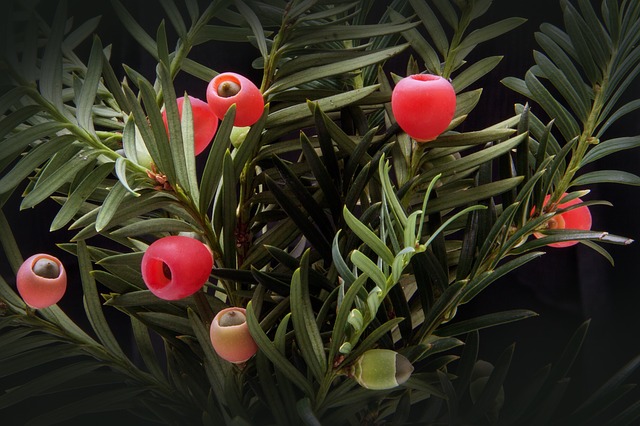
1. Yew. A common evergreen that is popular as a landscaping shrub, the yew has bright red berries with a dark side peeking out at the bottom of the berry. What’s curious is that the berry itself is not toxic, but every other part of the plant, including the seeds in the berries, are dangerously poisonous. This is due to an alkaloid called taxin, in addition to ephedrine and taxiphyllin. Death often follows in hours and sometimes presents no symptoms. When signs and symptoms do occur, they include weak pulse, trembling, staggering, coldness and collapse.


7 Common Plants You

English ivy. Image source: Pixabay.com


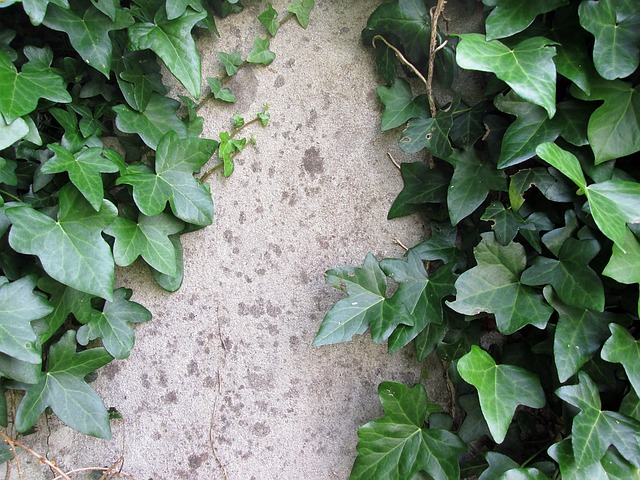
2. English ivy. It decorates the walls of buildings on college campuses across the country. Many people plant it to create a similar look on their homes. Too bad it’s poisonous. The leaves can cause rashing, blisters, general skin irritation and itching. Ingesting the leaves can lead to convulsions, fever, delirium and even hallucinations. It doesn’t sound real smart to plant English ivy anywhere. Makes you wonder why they’re so popular on college campuses.


Easter lily. Image source: Wikimedia

Easter lily. Image source: Wikimedia


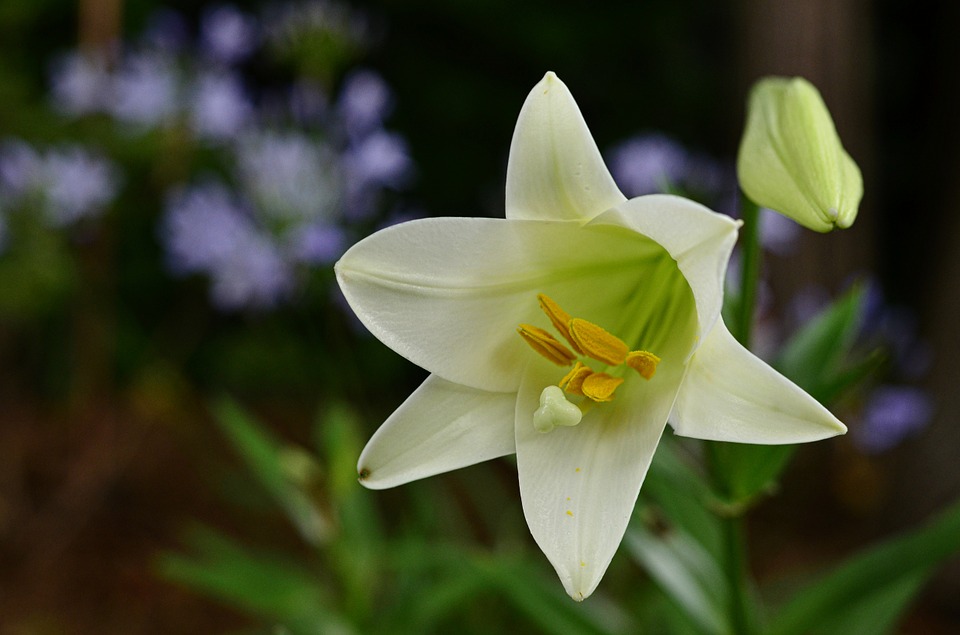
3. Easter lily. A flowering plant that’s popular and common at Easter, it is, in fact, quite toxic, especially to small animals like cats. Humans don’t fair much better due to an alkaloid called lycorine. It’s found in the bulbs and stem and causes vomiting, diarrhea, abdominal pain, shivering and nausea. That’s not exactly the way most people want to spend their Easter.


7 Common Plants You

Holly. Image source: Pixabay.com


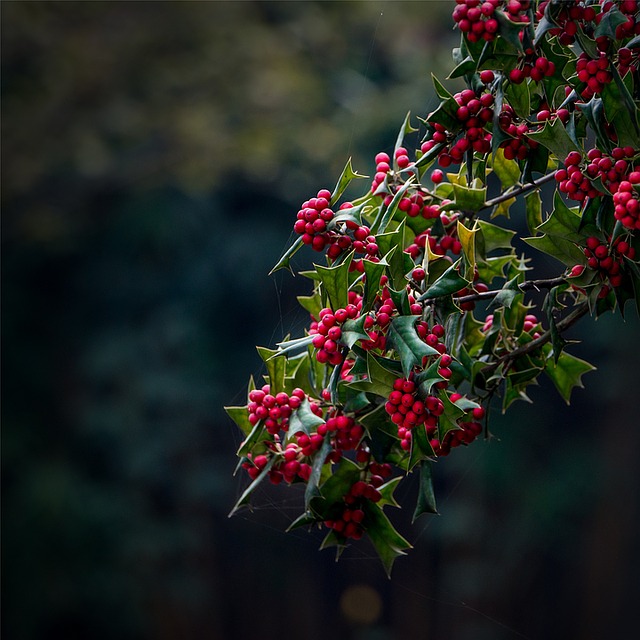
4. Holly. Here’s another holiday favorite with dangerous side effects. Holly and its bright red berries are a standard decoration at Christmas. Unfortunately, the red berries are highly toxic. An alkaloid called theobromine is the primary problem.


New ‘Survival Herb Bank’ Gives You Access to God’s Amazing Medicine Chest


Children ingesting as few as two red berries will suffer vomiting, drowsiness, diarrhea — and higher doses can be lethal. Twenty holly berries could kill an adult. Maybe we should deck the halls with boughs of something else.


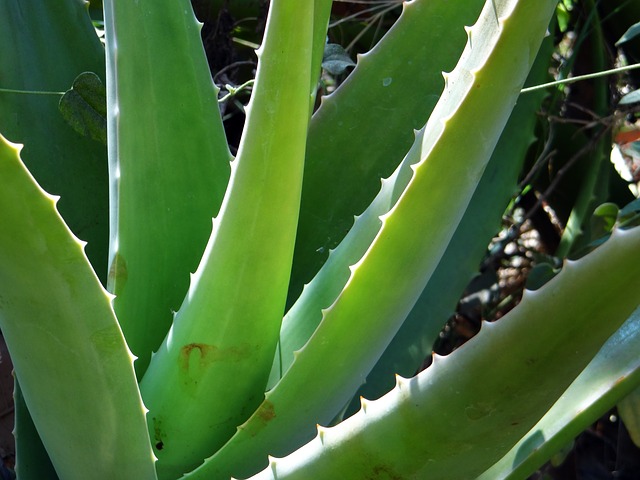
5. Aloe Vera. Who’d have thunk it? A plant that has been used for thousands of years by native people to treat burns and skin irritations actually has a poison component. The gel of the plant is not poisonous, but there is a thin membrane inside the leaves that contains chemicals known as aloin and anthraquinone c-glycoside. Both are very toxic and can — if ingested in large quantities — cause vomiting, nausea, cramping and diarrhea. It’s OK to break off a leaf and apply the gel to skin, but if you have any thoughts of eating it, you may want to consider buying a professionally prepared product instead.


7 Common Plants You

Chrysanthemum. Image source: Pixabay.com


6. Chrysanthemum. A very common flower often referred to as mums. The curious contradiction is that they were sometimes used in Chinese medicine. The problem is that poisoning can easily occur due to a group of chemicals called pyrethrins, resulting in significant skin irritations. Pyrethrins affect the nervous system and can cause eye damage, asthma and inflammation. A curious note is that the pyrethrins in chrysanthemums have been processed to create a potent, natural insecticide. It’s a good bet that if it’s bad for bugs, it’s bad for us.


7 Common Plants You

Larkspur. Image source: Pixabay.com


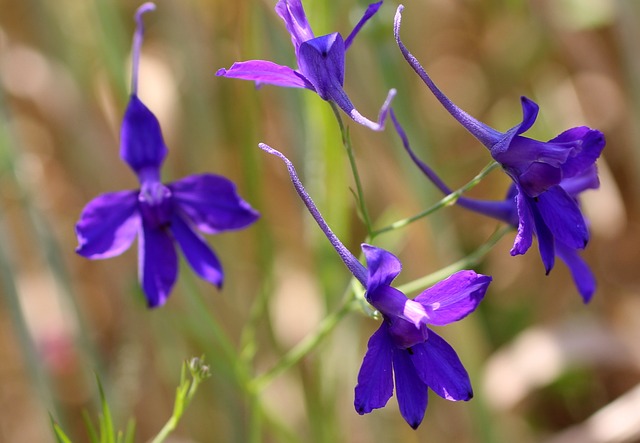
7. Larkspur or delphinium. Larkspur is a very attractive, purple plant and is a member of the buttercup family. The bad news is that all parts of the plant are poisonous. Animals, particularly horses and cattle, are particularly susceptible to poisoning while grazing. Symptoms of larkspur poisoning in humans include numbness and burning of the lips, mouth and throat, in addition to intense vomiting and diarrhea, spasms, weak pulse, muscular weakness, convulsion and paralysis of the respiratory system, which leads to death.


If you believe someone or a pet is suffering from one of these natural poisons, then immediately go to the emergency room or vet. Symptoms and effects tend to worsen over time. You also may want to carry a sample of the plant or berry with you if you suspect you know what could be the culprit.


What would you add to our list? Share your thoughts in the section below:


If You Like All-Natural Home Remedies, You Need To Read Everything That Hydrogen Peroxide Can Do. Find Out More Here.

Saturday, September 2, 2017

Off-Grid Medicine: 4 Things Every Homesteader Should Grow

Off-Grid Medicine: 4 Things Every Homesteader Should Grow

Turmeric powder. Image source: Pixabay.com


When I think about medical issues out on the homestead or any other off-grid lifestyle, my thoughts naturally drift toward a well-stocked first-aid kit and maybe a pair of crutches. I am immensely careless where and how I am walking and am prone to deeply entertaining — yet humiliating — falls.


But enough about me.


What is often overlooked are the minor (and not so minor) discomforts of daily life. Things like sore backs, pounding headaches, cramps and rashes. And let’s be honest with ourselves for just a bit; life on the homestead is not always a walk in the park.


Burns, sprains and poison ivy in less-than-ideal places are all things we face. If we are preparing for long-term sustainability or have made the off-grid choice a permanent lifestyle, it is wise to consider how we will handle all manner of medical care.


After all, the local pharmacy may be hours of travel away.


Learn How To Make Powerful Herbal Medicines, Right in Your Kitchen!


It is with this in mind that I have compiled the following four remedies that can easily be sustained on the typical homestead. In no way is this a complete list, but I feel that it addresses some of the most common maladies. If you don’t already grow them, then consider including them in your upcoming garden plans.


1. Turmeric


Latin name: Curcumae longae


What it’s good for: anti-inflammatory. Taken orally, turmeric has shown great potential for alleviating joint pain and has shown efficacy in slowing the progression of rheumatoid arthritis in rats. When transformed into an essential oil, it is effective against athlete’s foot and other fungal infections.


Where it grows: It is a tropical plant and thrives in warm, humid climates but will grow in any part of the world that has temperate summers. It will die in the winter if not brought inside.


What part to use: The root is dried and made into a powder. This is a component in the favorite spice of India — curry. Also, it can be used fresh if kept refrigerated or distilled into an essential oil for topical purposes.


2. Feverfew


Latin name: Tanacetum parthenium


What it’s good for: Headaches. Particularly migraines. It has also been traditionally used for reducing fever and aiding with digestive problems. So if you happen to be unfortunate enough to be experiencing a sour stomach and a migraine at the same time, this is your herb.


Where it grows: Native to Eurasia, it is now found across the globe, including North America and Europe. Given full exposure to the sun, it will grow to near weed-like status outside its native regions.


What part to use: The leaf, preferably dried and powdered. Although a common practice, chewing the leaves can lead to ulcerations in the mouth.


Note: May interact with blood thinners. This herb should not be used by women who are pregnant.


3. Aloe Vera


Off-Grid Medicine: 4 Things Every Homesteader Should Grow

Image source: Pixabay.com


Latin name: Aloe Vera


What it’s good for: All manner of skin irritations and rashes. Although not in itself a cure, the gel that can be harvested from the inner part of the plant’s “leaves” or stalks is a natural and effective soothing agent.


Where it grows: The Arabian Peninsula and North Africa, although it can be grown indoors anywhere – and outside in many climates.


What part to use: The gel, which is found inside its stalks. Apply liberally to affected areas accordingly.


4. Honey (locally sourced)


What it’s good for: Cold and flu symptoms and immune system. Honey, particularly when it is local and raw, is a Swiss Army knife of medicinal remedies and preventatives. Honey possesses a wealth of antioxidants and has demonstrated antibacterial and antiviral properties. When it has come from local hives, it can actually assist in relieving allergies. This is due to the honey containing small amounts of local pollen. Sort of like a tasty, sweet allergy shot. It also has been the go-to remedy for sore throats and coughs for centuries. The fact that it is delicious just adds to its appeal.


Where it is harvested: Anywhere in the world where honeybees thrive.


What part to use: The liquid honey as well as the honeycomb are wonderful additions to your pantry. Remember those antibacterial properties we talked about previously? Well, those same medicinal qualities happen to make for a very long shelf life. The honey will likely crystalize over time, but the quality of it is not compromised.  To return it to its original liquid form, simply place the jar in a warm water bath.


Final Thought


Remember that with herbal remedies, more is not always better and in some cases can even be dangerous. There are a wealth of easily cultivated and sustainable remedies that are available to the average homesteader. Take the opportunity to become educated on the various plants and their uses, and you will be on your way to a more healthy and sustainable medicine cabinet.


This article is for informational purposes only and is not intended to diagnose or cure any particular health condition. Please consult with a qualified health professional to determine which treatments are right for you and any individual health condition(s) that you may have.


What would you add to this list? Share your tips in the section below:


If You Like All-Natural Home Remedies, You Need To Read Everything That Hydrogen Peroxide Can Do. Find Out More Here.

Wednesday, May 10, 2017

Benefits of Aloe Vera

Benefits of Aloe Vera | aloe-vera | Natural Medicine Special Interests


Sometimes dubbed as the “First Aid” plant because of the soothing gel inside the thick, succulent leaves, aloe vera has incredible, natural, skin care properties. Aloe vera is commonly used on sunburns, cuts, or even consumed. The 2011 2nd edition of Herbal Medicine: Biomolecular and Clinical Aspects cites the extraordinarily long use of aloe vera for its therapeutic benefits, both internal and external. [1] Its use extends as far back as biblical times and was mentioned in the New Testament as an herb for embalming.


Aloe Vera’s Active Ingredients


Aloe vera could be considered a superfood, the leaf is filled with a gel containing at least 75 nutrients, 20 minerals, 12 vitamins, 18 amino acids, and 200 active enzymes. These compounds, particularly acemannan, have tremendous benefit and potential in external and internal applications.


Skin Care Benefits of Aloe Vera


Aloe vera has been anecdotally cited for quite some time for a topical burn or cut remedy. Multiple studies have examined aloe vera as an agent to speeds recovery of skin wounds and found it to be beneficial, supporting traditional folk use of aloe vera to stimulate cellular rejuvenation. [2][3][4]


Additionally, The Department of Pharmaceutical Technology and Cosmetology at the University in Belgrade, Serbia, published research in 2011 noting that gel from aloe is believed to promote and assist the growth of new cells. [5]


Additional Benefits of Aloe Vera


  • Studies show aloe vera gel is effective at reducing the pain of canker sores and helps them to go away faster. [6]

  • With regard to interaction with ulcers, aloe vera has a cytoprotective action, meaning it helps to increase stomach mucosal production. It is this trait that lead to the Sinhgad College of Pharmacy including it in the development of a medication for ulcers. [7]

  • Has hypoglycemic activity and anti-obesity effects.[8]

  • Aloe vera gel has frequently been cited for its powerful antioxidant effect.[9]

  • As may be expected, the beneficial components, including antioxidants, amino acids, and enzymes, increase as plant size increases.[10]

  • Clinical studies at the Texas Children’s Hospital show that aloe vera offers a strategy to alleviate certain glucose related ailments associated with pre diabetes and metabolic syndrome.[11]

  • Oddly enough, aloe vera may provide relief to persons experiencing symptoms of burning mouth syndrome. [12]

  • May have expanded pharmaceutical applications as a drug absorption enhancing agents in certain drug delivery systems. [13]

  • Iran’s Mazandaran University of Medical Sciences discovered that because of aloe vera’s ability to help with wounds, provide mucous membrane protection, and its antioxidant characteristics, it was an effective agent for balancing oral candidiasis in patients undergoing head and neck radiotherapy. [14]

Choosing the Best Aloe Vera Products


Purchasing an aloe vera product should be done with the same scrutiny you’d use when purchasing any supplement. Quality and purity should be your top priorities. If you’re buying aloe vera juice, organic is an absolute must. Unpasteurized is also mandatory to ensure enzymatic integrity. Many people enjoy concentrated aloe vera juice products, but when it comes to the integrity of the supplement, capsules may be more potent. My personal recommendation is Aloe Fuzion™. The key thing is to remember to read and understand the labels to ensure you’re purchasing a quality product that’s both effective and pure.


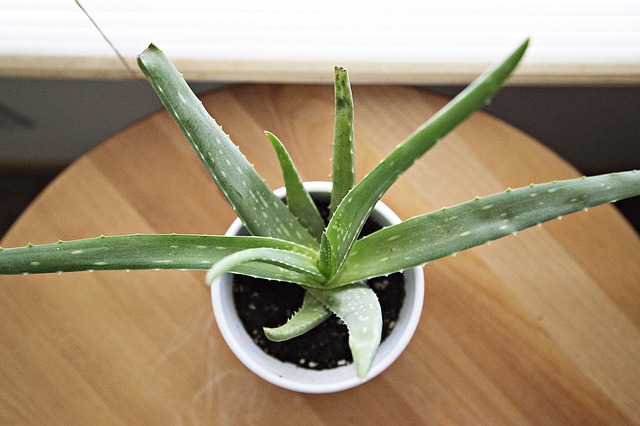
One other idea is to grow your own aloe vera plant (or plants!). Aloe vera is a hearty succulent that is easy to grow as well as attractive. Nurturing your own plant is a great way to save money, have the freshest possible aloe vera gel on demand, and guarantee it’s additive free!


References (14)
  1. Foster M, Hunter D, Samman S. Evaluation of the Nutritional and Metabolic Effects of Aloe vera. In: Benzie IFF, Wachtel-Galor S, editors. Herbal Medicine: Biomolecular and Clinical Aspects. 2nd edition. Boca Raton (FL): CRC Press; 2011. Chapter 3.

  2. Dat AD, Poon F, Pham KB, Doust J. Aloe vera for treating acute and chronic wounds. Cochrane Database Syst Rev. 2012 Feb 15;2:CD008762. doi: 10.1002/14651858.CD008762.pub2. Review.

  3. akzare N, Hosseini MJ, Hasanzadeh G, Mortazavi H, Takzare A, Habibi P. Influence of Aloe Vera gel on dermal wound healing process in rat. Toxicol Mech Methods. 2009 Jan;19(1):73-7. doi: 10.1080/15376510802442444.

  4. Mendonça FA, Passarini Junior JR, Esquisatto MA, Mendonça JS, Franchini CC, Santos GM. Effects of the application of Aloe vera (L.) and microcurrent on the healing of wounds surgically induced in Wistar rats. Acta Cir Bras. 2009 Mar-Apr;24(2):150-5.

  5. orać RR, Khambholja KM. Potential of herbs in skin protection from ultraviolet radiation. Pharmacogn Rev. 2011 Jul;5(10):164-73. doi: 10.4103/0973-7847.91114.

  6. Babaee N, Zabihi E, Mohseni S, Moghadamnia AA. Evaluation of the therapeutic effects of Aloe vera gel on minor recurrent aphthous stomatitis. Dent Res J (Isfahan). 2012 Jul;9(4):381-5.

  7. anade AN, Wankhede SS, Ranpise NS, Mundada MS. Development of bilayer floating tablet of amoxicillin and Aloe vera gel powder for treatment of gastric ulcers. AAPS PharmSciTech. 2012 Dec;13(4):1518-23. doi: 10.1208/s12249-012-9882-4. Epub 2012 Nov 8.

  8. Saito M, Tanaka M, Misawa E, Yamada M, Yamauchi K, Iwatsuki K. Aloe vera gel extract attenuates ethanol-induced hepatic lipid accumulation by suppressing the expression of lipogenic genes in mice. Biosci Biotechnol Biochem. 2012 Nov 23;76(11):2049-54. Epub 2012 Nov 7.

  9. Lauweryns JM, Tierens A, Decramer M. Influence of hypercapnia on rabbit intrapulmonary neuroepithelial bodies: microfluorimetric and morphometric study. Eur Respir J. 1990 Feb;3(2):182-6.

  10. Lee S, Do SG, Kim SY, Kim J, Jin Y, Lee CH. Mass spectrometry-based metabolite profiling and antioxidant activity of Aloe vera ( Aloe barbadensis Miller) in different growth stages. J Agric Food Chem. 2012 Nov 14;60(45):11222-8. doi: 10.1021/jf3026309. Epub 2012 Nov 1.

  11. Devaraj S, Yimam M, Brownell LA, Jialal I, Singh S, Jia Q. Effects of Aloe vera supplementation in subjects with prediabetes/metabolic syndrome. Metab Syndr Relat Disord. 2013 Feb;11(1):35-40. doi: 10.1089/met.2012.0066. Epub 2012 Oct 4.

  12. López-Jornet P, Camacho-Alonso F, Molino-Pagan D. Prospective, randomized, double-blind, clinical evaluation of Aloe vera Barbadensis, applied in combination with a tongue protector to treat burning mouth syndrome. J Oral Pathol Med. 2013 Apr;42(4):295-301. doi: 10.1111/jop.12002. Epub 2012 Sep 7.

  13. Beneke C, Viljoen A, Hamman J. In Vitro Drug Absorption Enhancement Effects of Aloe vera and Aloe ferox. Sci Pharm. 2012 Jun;80(2):475-86. doi: 10.3797/scipharm.1202-10. Epub 2012 Apr 1.

  14. Ahmadi A. Potential prevention: Aloe vera mouthwash may reduce radiation-induced oral mucositis in head and neck cancer patients. Chin J Integr Med. 2012 Aug;18(8):635-40. doi: 10.1007/s11655-012-1183-y. Epub 2012 Aug 2. Review.

Tuesday, February 21, 2017

How To Know If Your Store-Bought Aloe Vera Gel Is Fake

How To Know If Your Store-Bought Aloe Vera Is Fake

Image source: Pixabay.com


Why buy bottled Aloe vera Gel when you can grow your own plants? This is the question that most people ask when they first hear of bottled Aloe vera gel. Why would I buy it when I can grow my own? Well, there are several reasons why it is just plain convenient to buy Aloe vera gel:


1. You use a lot of Aloe and can’t grow and cultivate enough plants to supply your needs.


Some of us use a lot of Aloe vera, and if you are one of these people, you can understand my reasoning here. Personally, I use Aloe several times a day as part of my routine. Also, I use Aloe vera in a lot of homemade recipes. Add in the family members who also use aloe, and you can imagine how hard it would be to grow and cultivate enough Aloe for all of our daily needs.


2. You live in a climate where it is impossible to grow Aloe outdoors, year-round.


For those of you who live in year-round, warm weather, it is entirely possible to continuously grow your own supply of Aloe vera in an outdoor garden.


Learn How To Make Powerful Herbal Medicines, Right in Your Kitchen!


However, not all of us are fortunate enough to live in such a climate, and without a greenhouse, Aloe vera plants will not survive harsh winters.


3. You don’t have a yard, garden or greenhouse, or enough space inside to grow enough.


Many homes have limited space for potted plants and windows to supply the natural sunlight. Therefore, buying bottled Aloe vera gel is a lifesaver!


4. You just don’t have a green thumb!


Hey, not everyone loves to garden or has that green thumb to keep potted plants thriving! Aloe vera gel is the perfect solution for those who prefer not to grow it on their own!


5. There is not enough time!


Not everyone has hours to spend in the garden every day! With the hustle and bustle of daily life, jobs and family, maintaining a large garden of Aloe vera is unthinkable to some.


6. Life circumstances do not allow you to grow your own Aloe.


Maybe you don’t have the mobility anymore or have become ill. Bottled Aloe vera gel is a convenience for many people who cannot garden.


Aloe Basics


How To Know If Your Store-Bought Aloe Vera Is Fake

Image source: Pixabay.com


Aloe is a succulent plant with no stem, just fleshy leaves containing special sacs filled with a healing juice. Cold-pressed, fresh from the plant, this juice — or gel — can be applied to burns, cuts, wounds and sunburn with rapid anti-inflammatory and skin-healing results. In addition to these benefits, Aloe vera gel can be used for a number of other things:


  • Soothes insect bites.

  • Fades

  • Moisturizes the skin.

  • Replaces face and body creams (check out the homemade Aloe skin mousse recipe listed below).

  • Mixes well with essential oils (use as a carrier).

  • Calms and heals rashes.

  • Works as a hair gel and hair conditioner.

  • Reduces dandruff.

  • Prevents scarring or fades existing

  • Brightens skin.

  • Relieves and heals blisters.

  • Reverses the signs of aging.

  • Removes make-up and cleans pores.

  • Lightens stretch marks.

  • Prevents pimples.

  • Fights athlete’s

  • Sanitizes

  • Soothes and relieves

  • Contributes to healthy nail growth.

It is essential to pay attention to the ingredients before purchasing Aloe vera gel. Many companies claim that their gel is 100 percent pure, but that is misleading. Some will add water, color or alcohol. Others will add unnatural preservatives. In general, if there are more than six ingredients, more than likely the gel is not all-natural.


Discover The Unbelievable Healing Power Of Medicinal Clay!


It is important to understand that any bottled Aloe vera gel will need to contain a small amount of natural preservatives. Without any preservatives, the gel will have a short shelf life and begin to grow bacteria and go bad. Because of this, the brand of bottled Aloe vera gel that you purchase should say 95-99.75 percent pure Aloe vera. Do your research and make sure that all the ingredients are natural or natural-occurring.


Homemade Aloe Gel Skin Mousse


This is an easy-to-make skin mousse formula that is super-nourishing and healing for your skin!


This is what you will need:


  • A glass jar which can hold up to 20ml/4 tsp of the finished mousse.

  • 3 ½ flat tsp of Aloe vera gel (all together).

  • 1 tsp jojoba carrier oil.

  • Small mixing spoon.

  • Essential oils of your choice.

Add 3 flat teaspoons of Aloe vera gel and 1 teaspoon of jojoba oil to the jar and mix well. The oil and gel will start to combine and thicken. At this point, add another ½ tsp Aloe vera gel to the jar and keep stirring. The mixture will suddenly go smooth and slack, taking on an opaque, pale cream color. This will be enough for about 10 applications to the face. Adjust the recipe to make a larger portion for a body mousse.


You can use the mousse unfragranced, as is, or if you prefer, you can blend in 8-10 drops of essential oils to treat a particular health condition or to add fragrance to your skin mousse.


Do you use Aloe vera? What advice would you add? Share your tips in the section below:  


hydrogen peroxide report