Showing posts with label poisonous. Show all posts

Friday, September 29, 2017

Common, Everyday Plants You’ll Be Shocked Are Toxic

7 Common Plants You

Aloe vera. Image source: Pixabay.com


It’s not common for most people to walk around a yard or garden and indiscriminately munch on plants. But it’s a whole different story when it comes to kids and pets.


There are also plants that can cause significant skin irritations while planting or weeding a garden. We’re going to review some common plants that are surprisingly toxic — and in many instances, deadly. If you have them in your garden, you may want to think twice if young children or family pets are around.

7 Common Plants You

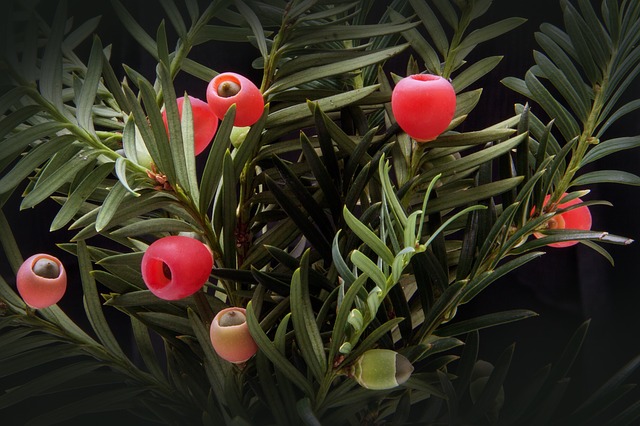
Yew. Image source: Pixabay.com


1. Yew. A common evergreen that is popular as a landscaping shrub, the yew has bright red berries with a dark side peeking out at the bottom of the berry. What’s curious is that the berry itself is not toxic, but every other part of the plant, including the seeds in the berries, are dangerously poisonous. This is due to an alkaloid called taxin, in addition to ephedrine and taxiphyllin. Death often follows in hours and sometimes presents no symptoms. When signs and symptoms do occur, they include weak pulse, trembling, staggering, coldness and collapse.

7 Common Plants You

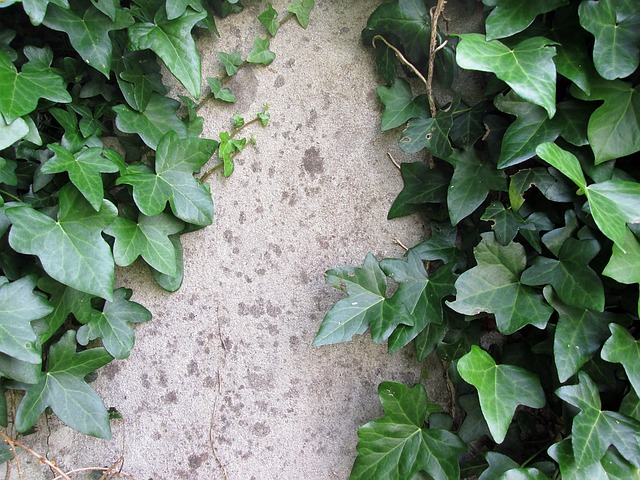
English ivy. Image source: Pixabay.com


2. English ivy. It decorates the walls of buildings on college campuses across the country. Many people plant it to create a similar look on their homes. Too bad it’s poisonous. The leaves can cause rashing, blisters, general skin irritation and itching. Ingesting the leaves can lead to convulsions, fever, delirium and even hallucinations. It doesn’t sound real smart to plant English ivy anywhere. Makes you wonder why they’re so popular on college campuses.
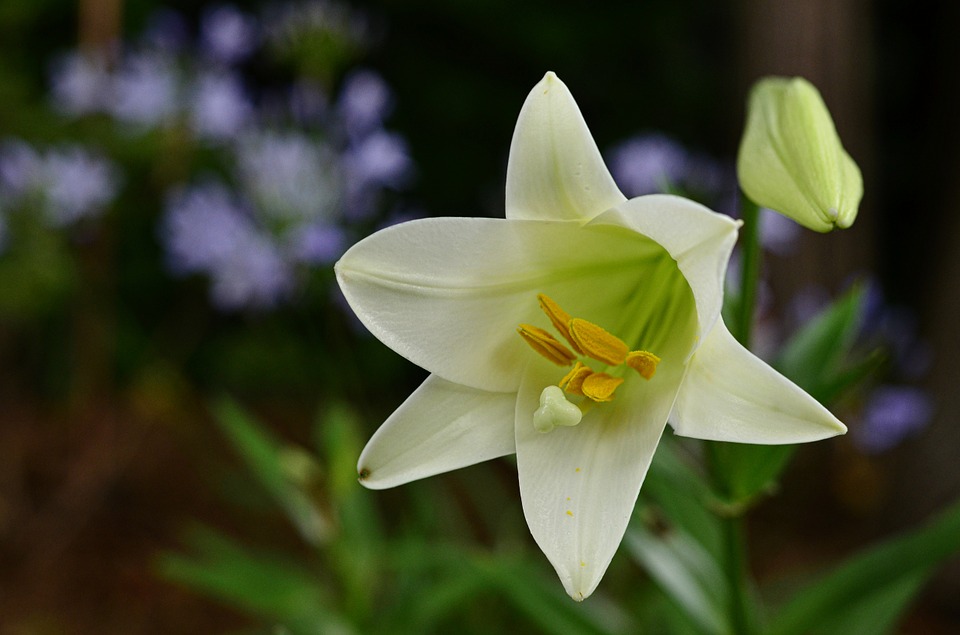

Easter lily. Image source: Wikimedia

Easter lily. Image source: Wikimedia


3. Easter lily. A flowering plant that’s popular and common at Easter, it is, in fact, quite toxic, especially to small animals like cats. Humans don’t fair much better due to an alkaloid called lycorine. It’s found in the bulbs and stem and causes vomiting, diarrhea, abdominal pain, shivering and nausea. That’s not exactly the way most people want to spend their Easter.

7 Common Plants You

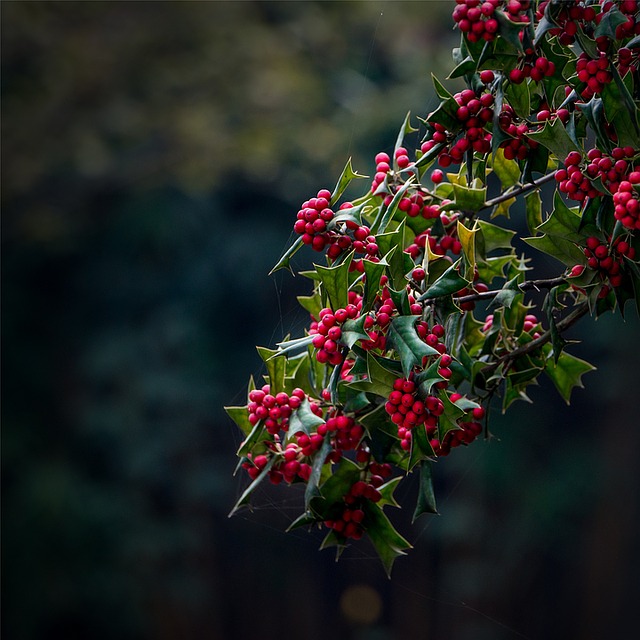
Holly. Image source: Pixabay.com


4. Holly. Here’s another holiday favorite with dangerous side effects. Holly and its bright red berries are a standard decoration at Christmas. Unfortunately, the red berries are highly toxic. An alkaloid called theobromine is the primary problem.


New ‘Survival Herb Bank’ Gives You Access to God’s Amazing Medicine Chest


Children ingesting as few as two red berries will suffer vomiting, drowsiness, diarrhea — and higher doses can be lethal. Twenty holly berries could kill an adult. Maybe we should deck the halls with boughs of something else.


5. Aloe Vera. Who’d have thunk it? A plant that has been used for thousands of years by native people to treat burns and skin irritations actually has a poison component. The gel of the plant is not poisonous, but there is a thin membrane inside the leaves that contains chemicals known as aloin and anthraquinone c-glycoside. Both are very toxic and can — if ingested in large quantities — cause vomiting, nausea, cramping and diarrhea. It’s OK to break off a leaf and apply the gel to skin, but if you have any thoughts of eating it, you may want to consider buying a professionally prepared product instead.


7 Common Plants You

Chrysanthemum. Image source: Pixabay.com


6. Chrysanthemum. A very common flower often referred to as mums. The curious contradiction is that they were sometimes used in Chinese medicine. The problem is that poisoning can easily occur due to a group of chemicals called pyrethrins, resulting in significant skin irritations. Pyrethrins affect the nervous system and can cause eye damage, asthma and inflammation. A curious note is that the pyrethrins in chrysanthemums have been processed to create a potent, natural insecticide. It’s a good bet that if it’s bad for bugs, it’s bad for us.

7 Common Plants You

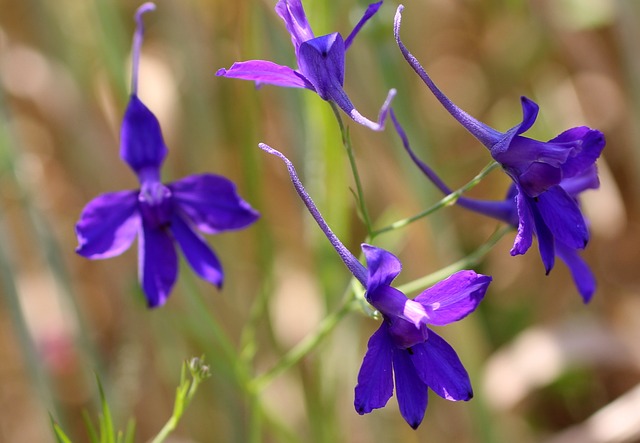
Larkspur. Image source: Pixabay.com


7. Larkspur or delphinium. Larkspur is a very attractive, purple plant and is a member of the buttercup family. The bad news is that all parts of the plant are poisonous. Animals, particularly horses and cattle, are particularly susceptible to poisoning while grazing. Symptoms of larkspur poisoning in humans include numbness and burning of the lips, mouth and throat, in addition to intense vomiting and diarrhea, spasms, weak pulse, muscular weakness, convulsion and paralysis of the respiratory system, which leads to death.


If you believe someone or a pet is suffering from one of these natural poisons, then immediately go to the emergency room or vet. Symptoms and effects tend to worsen over time. You also may want to carry a sample of the plant or berry with you if you suspect you know what could be the culprit.


What would you add to our list? Share your thoughts in the section below:


If You Like All-Natural Home Remedies, You Need To Read Everything That Hydrogen Peroxide Can Do. Find Out More Here.

Thursday, June 29, 2017

Goats And Toxic Plants: Separating Fact From Fiction

Goats And Toxic Plants: Separating Fact From Fiction

Image source: Pixabay.com


Despite the fact that goats have a reputation of being able to digest anything, there are plenty of plants that are potentially toxic to them, and savvy goat owners do well to stay informed about possible poisons that might be available to their animals.


To that end, there are a plethora of lists, both online and in print, of both wild and cultivated plants which are said to pose a threat to the health of goats and other livestock. Like many people, I have developed a collection of trusted and favorite go-to resources over the years. Instead of providing another list here which would risk being repetitive and incomplete, I would like to offer something more valuable — a common-sense guideline for using the information already available to keep your goats safe from toxic plants.


How to Find Resources


An online search for “plants toxic to goats” yields thousands of results. The sources run the gamut from trustworthy to questionable, and include professional information from veterinarians and large established breeders as well as blogs written by amateurs who may or may not have a good grip on the facts. Sometimes the sources agree with one another, and other times they do not.


It can be tough to choose which to believe. I tend to favor sites which are sponsored by real authorities — based on their education, background and experience — and that appear to generally agree with other sites. Originality is great as a concept, but if I find one site which insists a certain plant is perfectly safe while most other credible sources warn against it, I am probably going to be a bit wary of the nonconformist. If the outlier offers a reason — based on verifiable evidence — for going against conventional wisdom, I’ll consider it.


Diatomaceous Earth: The All-Natural Livestock De-Wormer!


Other informational sources include books and magazine articles. These, too, require the reader to be judicious. As with online sources, I steer toward publications that are known for expert advice and fact-checking instead of personal stories of one person’s experience. The latter are often interesting and useful, but not always reliable.


Cooperative extensions, colleges and universities, and other public agricultural vocational programs usually provide solid advice. My state has a state veterinarian’s office which is open to calls and requests for help from the public, and I would not be surprised if many states offer similar availability.


Another excellent option is a goat network. These range from nationwide to local, meet through social media or around a neighbor’s kitchen table, and usually offer a wealth of experience and knowledge. There are official organizations for dairy goats, meat goats, miniature goats, and for virtually every specific breed of goat, as well as regional groups to support goat husbandry for people of all ages. It is highly advisable to build and maintain a rapport with people you know and trust to answer all kinds of questions about goats, including possible toxic plants.


Last but by no means least, a working relationship with a reliable veterinarian or clinic is ideal. It can be challenging to find professional health care for goats in some regions, but it is worth the effort to do so.


Consider Geography and Perspective


I found a lot of dire warnings online against goats eating pine trees. Some sites broadened the warning to include other softwood species.


My own goats had access to a veritable smorgasbord of softwood trees, and seemed to enjoy them with no ill effects, but the literature caused me to be concerned about continuing to include it in their diets.


My veterinarian cleared up the confusion. He told me that pine trees native to much of North America are indeed dangerous to goats, but not the Eastern White Pines we have in this area. It turns out that variations among species due to geography can make a big difference.


Regarding perspective, some people refer to all softwood trees as “pine,” perhaps due to regional colloquialisms or being unfamiliar with trees. To me, “all softwoods” includes fir, spruce, cedar, hemlock and more — all as different from one another as dandelions from daffodils. To other people, “all softwoods” means “all red pines.”


Some sites warned against the tannin in tree bark, so I asked my veterinarian about that, too. He confirmed that excess consumption can indeed build up to toxic levels, but that the goats could safely consume bark as long as they drank plenty of water. This information turned out to be similar to the general warnings against softwood trees, in that it was true, untrue and partially true.


Take Individual Goats and Situation Into Account


Wild cherry trees are generally accepted to be toxic to goats. These trees grow in abundance on my homestead, and I have always taken care to keep them away from my animals. However, because saplings sprout persistently on the many cherry tree stumps inside my large goat pen, it is hard to keep up with. As diligent as I try to be, I know they eat it. I’ve caught them in the act, and found evidence of saplings having been browsed.


Goats And Toxic Plants: Separating Fact From Fiction

Image source: Pixabay.com


But just as I was considering relaxing my vigil — thinking perhaps that my local cherry trees are not the toxic type — a neighbor’s goat browsed a cherry tree and died within hours.


I do not know why my goats have survived cherry tree consumption. My guess is that it is because they have access to so much varied vegetation that the cherry toxins are sufficiently diluted.


To be clear, I absolutely do not recommend offering a poisonous plant to goats. But remember that every situation is different. And in the same way that a plant said to be highly dangerous can turn out to be tolerable, the reverse is also possible. The message here is to use common sense, and if goats present symptoms after consuming a plant — even if the experts say it is not toxic – then observe them closely and be ready to spring into action if necessary.


Choices Must Be Made


Milkweed is included on most lists of plants toxic to goats, so I pull it whenever I see it. It makes me sad to do so, being cognizant of the fact that milkweed is essential to the survival of monarch butterflies. But I must prioritize the health of my goats, and hope that enough of my goat-less neighbors will allow their milkweed to thrive to support the monarchs.


Similarly, I avoid the lovely lupine flowers that are quintessential to my area. I settle for admiring them beside the road on other properties, and keep them away from mine.


As with most things, there are pros and cons to plants toxic to goats, forcing owners to make tough choices. But having goats means keeping them safe, and for me that must come first.


Are Old Wives’ Tales True?


Everyone has a story about goats. But some are anomalies. People often insist that goats instinctively reject poisonous plants. I would not trust my goats’ health to that notion, but every owner makes his or her own decisions for goats in their care.


Another story I heard was about goats and poison ivy. It is said by some that when milking goats eat poison ivy, they pass on immunities to it through their milk. Being highly allergic, I very much wanted that to be true on my farm, but it was not. Goats can safely consume poison ivy themselves, but people who drink their milk afterwards do not then acquire the immunity. Or at least I didn’t.


By researching sources and relying upon those which appear the soundest, keeping in mind that regional differences can change the equation, acknowledging that individual cases may be unique, and remembering that not everything said about goats is true, it is possible to make good choices and protect goats from toxic plants.


Do you have goats? What types of plants do you keep your goats from? Share your tips in the section below:

Wednesday, May 24, 2017

Survival 101: The Right Way To Determine If A Plant Is Edible

Survival 101: The Right Way To Determine If A Plant Is Edible

Image source: Pixabay.com


When those in the survivalist and prepping community talk about living off the land, the focus tends to be on hunting, with maybe a little fishing thrown in for variety. Being a carnivore myself, I happen to like that idea, but in reality, it’s not a complete picture. Our ancestors, if you go back far enough, lived as hunter/gatherers. We tend to focus on the hunting part, without talking much about the gathering part.


Hunting is all about animal protein, while gathering is about plants. Whether it’s nuts, berries, fruit, leaves or roots, plant life helps to sustain us as much as animal protein does. In fact, those who claim expertise in nutrition tell us that it should be the larger part of our diet.


Yet few of us know enough to gather plants for food, should we find ourselves in a survival situation. That’s dangerous, as it denies us a major source of the nutrition that we’ll so desperately need. Not only that, but last I checked, a plant can’t run away from us when we’re hunting it. So, gathering should actually be an easier way to find food.


For this reason, a good guide to edible plants should be a part of everyone’s bug-out bag and survival kit. If you can find a pocket version, that would be even better. Just make sure that it deals with the plants in the region where you live and not something that’s on the other side of the country.


But what if you don’t have that guide? Or what if you’re having trouble finding the plants listed in it? Can you still eat the plants you find, or is that something to be avoided at all costs?


Get The Essential Secrets Of The Top Survivalists In The World!


Survival 101: The Right Way To Determine If A Plant Is Edible

Image source: Pixabay.com


The answer to these questions is yes … and no. For every plant that we eat, somebody, sometime, had to be the first to try it. They either found it to be tasty and nutritious, or they found it to be poisonous. In the latter case, hopefully all that happened was an upset stomach. But I’m sure that in some cases, people died with their bellies full of the wrong plants, simply because they didn’t know that they were poisonous.


There is an accepted process for determining if plants are safe to eat. Called the “universal edibility test,” this process reduces the risk of trying new plants as food. If you are caught in a situation where it could be necessary to eat plants that you are unaccustomed to, knowing this process could save your life.


What to Avoid


When we’re talking about edible plants, we need to understand that any plant is composed of various parts. Some might be edible, while others are not. There are even cases where one part of the plant is commonly eaten, while another is deadly poisonous.


These plant parts are:


  • Roots.

  • Stems.

  • Leaves.

  • Flowers.

  • Fruit and seeds (including nuts and berries).

When you’re testing any plant’s edibility, only check one part of the plant at a time. Don’t assume that just because one part is edible, others are, as well. You’ll have to perform the same test for each part, before you can declare it edible.


But to start, let’s look at what sorts of plants to avoid. Plants that have the following characteristics are probably not safe to eat, no matter how much they look like they’d be an ideal addition to your salad:


Survival 101: The Right Way To Determine If A Plant Is Edible

Image source: Pixabay.com


Not Safe to Eat


  • Mushrooms that you are not familiar with.

  • Any plants growing near contaminated water.

  • Plants with shiny leaves.

  • Plants with groups of three leaves.

  • Plants that create a stinging sensation when touched.

  • Plants with a foul odor.

  • Any plants that have a bitter or soapy flavor.

  • Plants that have a milky sap in the stems.

  • Beans, bulbs or seeds which grow inside pods. While some of these are safe to eat, proportionally there’s a greater chance of danger from them.

  • Any grains with pink, purplish or black spurs.

Doing the Universal Edibility Test


Once you’ve eliminated the plants listed above, it’s time to talk about what you can try to eat. Pick plants that are in abundance to run this test. If you’re going to put yourself through the trouble to do it, and take the risk associated with the test, you might as well get the most bang for your buck. Testing a plant that is in abundance will provide you with more potential food to eat.


If you have multiple members in your group, only one should try a particular plant or plant part. Different people can try different plants or plant parts, but there’s nothing to be gained by having two or three people run the same test, but there could be much to be lost.


Avoid waiting until you are starving to run your test. Properly run, the test takes a few days. If you wait, you’ll be tempted to cut corners, increasing your risk. You also want to fast for eight hours before starting the test, drinking only water. This will ensure that you are getting the results of the plant you are testing, not any other food. Likewise, during the test, don’t eat or drink anything but water.


Get Backup Electrical Power In A Convenient, Portable Briefcase!


For the test itself, do the following steps in order:


Prepare the plant or plant part in the manner you expect to eat it. Cooking can eliminate chemical compounds and pathogens which otherwise would be dangerous to eat.


  1. Cool a portion and touch the cooked, but cooled portion briefly, checking for any burning sensation. Wait a few minutes to see if the area that had been in contact with the plant becomes red or gets a rash.

  2. Hold a small amount of the cooked, cooled plant part to the skin, allowing it to sit there for 15 minutes. Once again, look for burning, redness, itching, rash or blistering.

  3. Touch a small amount of the plant to the outer part of your lip, checking for any burning or itching. Wait 15 minutes for any reaction.

  4. Take a small portion (about ½ tsp.) and hold it on the tongue, without chewing, for 15 minutes; then spit it out. Once again, check for any symptoms, such as burning or itching.

  5. Chew a bite of the plant thoroughly for 15 minutes, without swallowing.

  6. If, at the end of 15 minutes, there are no symptoms from contact with the plant, swallow it. Wait eight hours for any reaction. The main symptoms you are looking for in this time are abdominal pain and/or vomiting. If either occurs, drink a lot of purified water.

  7. If there are no ill effects from the bite of food after eight hours, eat a small portion, about ¼ cup and wait another eight hours. If no negative symptoms occur, you can declare the plant safe to eat.

While this process may seem tedious, it is safe. There is no reason to take any unnecessary risk in any survival situation. Using this process reduces risk. Even if a plant is poisonous, by following these steps, there is a good chance that the person who is testing the plant will survive with nothing more than a stomach ache.


What advice would you add? Share your tips in the section below: