Showing posts with label herbs. Show all posts

Monday, March 5, 2018

5 Herbs Every Homesteader Needs In Their First-Aid Kit

5 Herbs Every Homesteader Needs In Their First-Aid Kit

Image source: Pixabay.com


I have a long history with conventional medicine and allergies. More than a handful of times, I ended up in the hospital due to a reaction from the treatment for an illness. Should the cure be worse than the illness? Well, my mother didn’t think so. She turned to nature for my herbal first aid — and I’ve been using herbs ever since.


One of the best parts about herbal medicine is that it is generally free and can be found right outside your door!


Herbs and weeds have been used as medicine since the beginning of mankind. As a matter of fact, herbs are still the building blocks for many conventional medicines.


According to the University of Minnesota, “It is likely that humans have used plants as medicine for as long as we have existed. Archeological excavations dated as early as 60,000 years ago have found remains of medicinal plant.”


Let’s examine five specific herbs.


Minor Burns and Scrapes: Aloe


Aloe is the only plant that I seem to have a green thumb for. Incidentally, it is the first herb I ever recall using as a child.


Often seen in many homes as a decorative plant, aloe Vera is effective in treating minor burns, sunburns and scrapes.


Aloe Vera is an evergreen succulent that grows wild in tropical climates around the world. In colder climates, aloe Vera can be grown indoors as potted plants.


Aloe contains active compounds that help reduce inflammation and pain. These active compounds help stimulate skin growth and repair, in addition to acting as a moisturizing agent. Medical studies have shown that burns treated with aloe heal quicker than burns treated with silver sulfadiazine.


Bleeding and Cuts: Yarrow


According to mythology, the Greek hero Achilles used yarrow to stop the bleeding in his soldiers’ wounds.


Recently after a construction accident, my husband had a wound on his foot that nearly reached the bone. Unable to get to the doctors, I applied a yarrow compress to get the bleeding under control until he could receive medical attention. We have successfully used yarrow several times through the years to treat wounds and to stop bleeding.


Yarrow is a common weed that often can be found growing on the sides of the road. Yarrow (Achillea millefolium) tends to grow best in sunny and warm climates. However, I’ve had success growing it in my shaded garden, as well.


Through numerous devices – clotting, unclotting, neurovascular control, flavonoids, etc. – yarrow regulates the flow of blood to and from the surface, in and out of the capillaries and venules, thickening and thinning. Through this, it cures all manner of wounds, bruises, hemorrhaging and clotting.


Stings/Bites: Plantain


I bet you’ve walked by this herb thousands of times without even realizing it, but plantain is the perfect treatment for bites and stings. Plantain has astringent properties that help reduce swelling and draw out the toxins from the bite.


When our daughter was just a couple of years old, she was playing with some wind-chimes. Little did I know that hornets had made a nest in them. She ran screaming to me with tears running down her cheeks from the pain. We instantly rushed outside to where I knew plantain was growing, mashed it up, and applied it to the stings. Within just a couple of minutes, the swelling was gone — and so were her tears.


Sickness: Usnea


I often laugh when I think of this herb, because for years I was told it was a sign of disease in a tree. Little did I know that usnea wasn’t a disease, but a cure!


Usnea is a pale grayish-green lichen that grows like leafless mini-shrubs or tassels anchored on bark or twigs. It grows all over the world and can usually be found on sick or dying trees.


Usnea is known to help staph infections, heal wounds, respiratory issues, allergy symptoms, sore throat, fungal infections, urinary infections and sinus infections. Usnea is anti-bacterial, anti-viral, and anti-fungal, making it the perfect herb to treat sickness.


Headache: Willow Bark


Back in the 1980s, I watched a movie where they treated a headache with eating tree bark. That was my first introduction to the medicinal properties found in willow bark. 


From the University of Maryland Medical Center:


“The bark of white willow contains salicin, which is a chemical similar to aspirin (acetylsalicylic acid). In combination, with the herb’s powerful anti-inflammatory plant compounds (called flavonoids), salicin is thought to be responsible for the pain-relieving and anti-inflammatory effects of the herb. In fact, in the 1800s, salicin was used to develop aspirin. White willow appears to bring pain relief more slowly than aspirin, but its effects may last longer.”


If we take the time to study, learn and observe nature, we will realize that it offers us everything that we need to live. From food to medicine, the answer is often right outside our door.


What herbs would you add to our list? Share your thoughts in the section below:

Friday, February 23, 2018

7 Herbal Remedies You Should Have In Your Arsenal

7 Herbal Remedies You Should Have In Your Arsenal | natural-medicine-herbs | Natural Medicine PreparednessSurvival


It is time to begin to focus upon building up an arsenal of remedies to get us through the cold and flu season.  Not surprisingly, these are not traditional over the counter meds but rather a variety of herbal remedies that you can concoct yourself from inexpensive ingredients not the least of which are herbs that may be growing in your yard or in the surrounding locale.


For preppers, the importance of learning to use herbal remedies is that if the time ever came when traditional medicines were not available, sickness would spread and we would be left on our own to treat even the most common viral and bacterial infections.


What are these herbs and how do you use them?


In today’s article I call upon the expertise of Sally Thomas who has compiled a list of her favorite herbal remedies along with how to make them as well as special applications for children.  In this exclusive article for Backdoor Survival. Sally will list 7 herbal remedies – all of which will stop a cold or flu in its tracks before it takes hold.


Stop A Cold (or Flu) in its Tracks Before It Takes Hold


Want to know how to annihilate your cold or flu before it sends you into a deep pit for a week or more?  You will be happy to know that there are several herbal remedies that can totally wipe out your viral or bacterial infection before it grabs hold of you. The key here is – BEFORE IT GRABS HOLD OF YOU!


But even if you aren’t able to stop the sickness in time, using these remedies can help shorten your cold or flu and make the symptoms more bearable (which is good too).


First of all, you need to begin listening to your body’s signals in order to catch your cold or flu virus BEFORE it gets a running start. For this, you need to be very aware of your symptoms and what they mean.


Symptoms That Sickness is Coming On:


• Are you extra tired, especially for no known reason?

• Is your throat scratchy or sore?

• Do you feel extra phlegm when you swallow?

• Are you sneezing or coughing?


Many of us don’t take these early symptoms seriously enough, but this is the key to fighting off a bug before it has you out of commission for a week or more.


Secondly, you need to give your body extra assistance in fighting the symptoms. You see, the symptoms you’re experiencing indicate that your body is beginning to fight off the germs that have invaded. If you work with your body’s own immune system by supplementing with certain herbal remedies, you can potentially ward off the sickness altogether.


Along with lots of fluids like water, herbal teas, and fresh juices as well as plenty of rest and daily sunshine, these remedies will either prevent a full-blown cold or flu attack or they will greatly shorten and reduce the misery. Either way, you need to learn how to prepare them and keep the ingredients on hand now so that they become familiar to you during.


7 Herbal Remedies You Should Have In Your Arsenal


1.  Oregano


The first and most powerful herb I can wholeheartedly recommend is oregano.


7 Herbal Remedies You Should Have In Your Arsenal | Oregano | Natural Medicine PreparednessSurvival


Oregano is a powerful antibiotic and antibacterial – perfect for fighting tough viruses and bacteria. I have taken 5 drops of oregano oil at first sign of symptoms and woken up completely well in the morning.


This herb is only recommended for adults and children who can comfortably take capsules, as oregano is a very spicy, strong-tasting herb. My 6-year-old son is able to take it without problem, as he is able to take a few drops in capsule form without trouble. If your child is about 5 or older and able to swallow capsules without a problem, this herb will be a very beneficial herb in your arsenal.


Taking 2-5 drops in a capsule (depending on the severity of the symptoms) can knock out a cold or flu virus overnight. Make sure to take with food, as it can irritate an empty stomach.


HOW TO USE: Add 2-5 drops to an empty capsule. Take with food. You can also grow and cook with fresh oregano. It won’t likely pack the same powerful punch when symptoms start, but it will surely keep you more consistently healthy. When first taking, add only 1-2 drops until you know how your body reacts to the oil.


HOW TO STORE: Purchase therapeutic quality oregano oil, which should stay fresh for years. Store in a cool, dark place for best results.


PRECAUTIONS: Oregano is a “hot” oil and should be handled with caution. Can burn skin at full strength. Use with a carrier oil if using externally. Not to be used during pregnancy or for very young children who cannot take capsules. Check with your health care provider if you have adverse reactions that concern you.


Note: It has just recently come to my attention that oregano essential oil and oil of oregano are different. The essential oil is much more concentrated (and is the form I have been using). If you are using the oil of oregano, please be aware that it is not as potent when using as I have advised above, but may be more suitable for external applications. Check your label if unsure to see if any other ingredients are added (such as another oil).


Gaye’s Note:  For more information on Oregano Oil, read 25 Ways to Use Oregano Essential Oil for Health and Wellness.


2.  Garlic


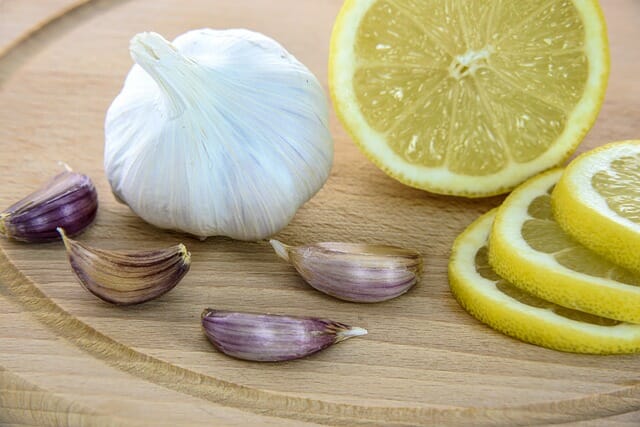
A close second in my cold and flu arsenal is garlic. Garlic is a wonderful antiviral/antibacterial herb that I happen to love in my cooking. My first tip is to use fresh garlic as much as possible in your cooking, especially during the winter months. If you like to make soups or sauces, and garlic is a pleasing flavor to you, all the better!If you feel extra tired or your throat feels scratchy or sore, you can chew on a garlic bulb and wash it down with your favorite beverage (I usually just simply use water). Garlic is very spicy and hot, but even if you don’t particularly like the flavor it’s worth it to know that it’s “medicine” as well.


An extra by-product when consuming a lot of garlic is that it will make you smell like pizza to strangers that you pass (especially, I suppose, if you’re also taking oregano).


I make a special syrup mixture each year that was passed on to me from an elderly friend of mine. She called it “garlic potion,” so I do as well. I concoct this remedy mainly for my children as well as for my husband and me. It’s especially good for coughs that get into the lungs, as it helps break up the cough to make it more productive. It’s also great for prevention when you experience the first signs of sickness coming on and is a good companion to either elderberry or oregano.


It is very potent and strong, so beware. However, my children don’t seem to taste the strong garlic flavor – all they seem to notice is the honey (strange!) Make sure that your children are at least one year of age before giving them this remedy, as honey is said to be unsafe for those under one year.


Here’s the simple recipe for the garlic potion syrup. All ingredients offer antiviral/antibacterial properties to help your immune system.


GARLIC POTION SYRUP


What You Need:


• Fresh garlic bulbs

• Raw apple cider vinegar with the “mother” (I use Bragg’s brand)

• Raw local honey

• Two clean quart jars

• small tea strainer

• knife for peeling garlic cloves


First, peel the individual garlic cloves and place them in the empty jar. You are removing all the skin on each clove, therefore allowing the garlic properties to be released into the vinegar solution.


7 Herbal Remedies You Should Have In Your Arsenal | GarlicPotion3 | Natural Medicine PreparednessSurvival


Next, you will add the vinegar. Add just enough to cover the garlic. I highly recommend raw, unfiltered, organic vinegar and consider Bragg’s to be the best. Let the garlic and vinegar mixture sit in a cool, dark place for 5 days, shaking gently each day.


After 5 days, the garlic will have some bluish tint to it, which is normal. You will now filter the garlic cloves with a tea strainer (make note of the level where the vinegar liquid came to). This will leave you with liquid in the jar that is a little less than half of the quantity you started with. You can discard the garlic cloves or use them in vegetable broth, compost them, or feed them to your chickens (mine loved them). If used in vegetable broth, be aware that it does leave a fairly strong vinegar flavor in the finished broth.


Next, you will add raw, unfiltered, local honey to the liquid. Add to the level where the vinegar reached. Shake briskly for 5-10 minutes, or until fully combined. Let sit on a counter top overnight or 12 hours and then refrigerate. Will keep indefinitely, but it’s best to use up within one year. At the first sign of a cold or infection, take 1-2 tablespoons throughout the day, depending on how forcefully you feel the virus coming on. The more vigorously you dose yourself early on, the more likely you will overcome the illness before you are affected in a significant way.


HOW TO USE: As above.


HOW TO STORE: Can be stored for a year or more in the refrigerator. I simply make enough for one season, and it’s usually gone by the end of the winter months. I’m not sure if it can be canned or frozen, as I haven’t tried these methods.


3. Elderberry


Elderberry is especially effective for preventing flu viruses. Before I moved to my current location, I purchased the ready-made syrup, but since I have moved to an area with abundant elderberries growing in the wild, I am able to pick as much as I need (and no one seems to know that these wonderful berries are so valuable!).


7 Herbal Remedies You Should Have In Your Arsenal | Elderberry | Natural Medicine PreparednessSurvival


I live in Zone 5, and elderberries are very prolific here. Check to see if you have them in your area. They tend to be ready in late summer and early fall. You can keep an eye on them from spring through summer so you know where to pick when they’re ready. They grow on tall bushes along roadsides or along water areas. The flowers bloom in spring and are an off-white in large clusters that somewhat droop.


For the syrup and frozen blocks, first place the berries, stems and all, in the freezer for an hour or two. I had read that this would make the berries easier to remove from the stems, and indeed it worked well. I had my young sons help me pluck the berries, which they were happy to do.


After plucking them off, I then washed them thoroughly in a colander. Then I just covered with water in a saucepan and brought the water to a boil on medium heat. I cooked them, simmering lightly, until they were soft and the liquid turned very dark purple (almost black). I then strained the berries from the liquid and set the liquid aside to cool. For the amount not used right away, you can either pressure can or refrigerate for up to two weeks. The liquid can also be frozen in ice cube trays for single servings.


HOW TO USE: Use as hot tea with honey added, or add honey to make a syrup and take by the spoonful in about 1:1 ratio.


HOW TO STORE: I store some of my berries whole in the freezer, but I also make up some of the syrup and can it in small jars. If you freeze the berries, you can simply remove the amount desired and cook up a batch of the syrup when needed.


PRECAUTIONS: Don’t consume the seeds, as they’re said to be toxic. Some also say the stems are toxic. It’s easy to avoid both with the above methods. Make sure to pick only the dark purple, almost-black berries, as the red variety is said to be toxic.


4.  Rose Hips


I like to gather my own rose hips in the fall of the year when the temperatures begin to drop and the rose hips are bright red on the bushes. Make sure to collect rose hips that haven’t been sprayed. Rose hips are full of vitamin C that helps prevent colds and flu and also helps your body fight off the germs once they produce a full-blown sickness.


I make frozen rose hip juice blocks to add to hot tea. This is especially good for children, as the frozen block cools down their tea nicely so they can drink it more quickly. Along with the nutritional benefits, rose hip tea has a very delicious, light flavor and can be mixed with other herbal teas easily if desired. My two boys (currently ages 4 and 6) truly enjoy their frequent rose hip tea in the wintertime. Provide remedies early on for your kids, and even let them help you make them, and they will utilize them readily without complaint.


No one else seems to know how rich rose hips are in nutrients, or perhaps they simply don’t want to bother to do the work involved with picking and processing their own rose hips for the vitamin C benefits. I thoroughly enjoy the whole process. But if you don’t, or if you don’t have access to wild rose hips in your area (or hips that have not been sprayed with pesticides), you can instead purchase dried rose hips for processing.


Make sure that you pick rose hips only from areas that you’re certain have not been sprayed with chemical pesticides or herbicides. I pick mine in fairly remote, wild areas from wild rose bushes.


Make sure to pick the hips when they are red but not shriveled. This would be in late summer, early fall when temperatures are cooling somewhat but no hard freeze has occurred. I picked mine in late August in the Northwest US.


Making Rose Hip “Juice”


The next thing you want to do after harvesting is to remove the blossom ends and stems of all the rose hips. The blossom end is the leafy-looking end where the bloom once was. Be aware that your fingers may get a little stained during this process, so you may want to wear gloves. After rinsing, I put them in a medium-sized saucepan and add enough water to just cover.


Bring the pan to a simmer over medium heat, pressing the hips gently with a spoon. Once the hips soften and begin to break apart and the liquid is a nice rich amber color, you can begin to scoop out the liquid. Be aware that you may see some worms among the rose hips You will also see seeds from the insides of the hips. They are both white, but the worm is long and thin and the seed more rounded. No need to worry with either. You can scoop them out as you see them, but you will also be filtering the liquid through a strainer before use.


As you begin to scoop out the liquid, place a tea strainer over a quart-size jar and pour the liquid through to catch any particles. As you remove the liquid, squeeze the measuring cup or spoon down into the rose hip mixture in the pan. Then add more water and continue to simmer, stir, and gently press the mixture. Once you have a jar full, let it cool to room temperature before proceeding to freeze into blocks. Then, I like to pour a small amount at a time into a measuring cup or other container with a spout for easier pouring into the ice cube trays.


Once the blocks are frozen, remove them and place in a freezer bag or other freezer-proof container.


When ready for use, simply drop a block in a mug and pour boiling water over it. This makes the tea a perfect temperature for a child to drink fairly quickly. I like to add raw, local honey to sweeten. The flavor is mild, so it blends readily with other flavored teas as well.


HOW TO USE: Rose hips can be used as above, or you can dehydrate them after removing the blossom end and washing. The dried rose hips can be made into tea by pouring boiling water over them or you can make the juice above from the dried hips.


HOW TO STORE: Rose hip blocks would be stored in the freezer, or you can dry the rose hips and store them in an air-tight container in a cool, dry place. You could likely can the rose hip juice the same way you would can other juices, but I haven’t tried it myself.


5.  Echinacea


Echinacea, also called “purple coneflower” due to its color and the cone-like center of the flowers, is a worthy herb to have around to help fight off colds and allergies.


It is advised to not use Echinacea for more than two weeks at a time. Gather in the wild when you can, or grown your own, but don’t take it all so it can re-seed for the next year. My favorite use of Echinacea is for tea. Simply crush the flower heads and add to a tea strainer to make hot tea. Blends well with mint varieties.


HOW TO USE: As a tea.


HOW TO STORE: Store dry flower heads in an air-tight container in a cool, dry place.


PRECAUTIONS: Don’t use for more than 2 weeks at a time. If pregnant or nursing, consult with your health care provider.


6.  Mullein


Mullein grows in the wild with gusto where I live in zone 5. It’s quite an unsightly “weed” some might say, but it’s a very beneficial herb, especially for lung issues and earaches.


7 Herbal Remedies You Should Have In Your Arsenal | MULLEIN-225x300 | Natural Medicine PreparednessSurvival


Pick the leaves when the plant is flowering in late summer and early autumn. Pick green healthy-looking leaves and flower heads. Dry the leaves and flower heads and pack in an air-tight container (I use a quart jar).


When using for tea, make sure to filter through a coffee filter, as there are “hairs” on the leaves that can get into the tea and just ruin the mouth feel of the tea. Add honey to taste. Mullein can also be made into an infused oil that is very powerful for earaches (especially prevalent in young children).


HOW TO USE: Use as tea or infuse in oil for earaches You can purchase the dried leaves or you can purchase mullein essential oil to use if you don’t have access to wild mullein in your area.


HOW TO STORE: Store the dried leaves and flower heads in an air-tight container in a cool, dark place.


7.  Cayenne


Any kind of hot foods are great for preventing and getting rid of sickness. Cayenne is no exception, and it’s easily stored in its powder form for use when needed.


7 Herbal Remedies You Should Have In Your Arsenal | cayenne | Natural Medicine PreparednessSurvival


Along with adding it to foods and soups for spiciness and flavor, you can also add it directly to chicken broth along with some chopped up fresh garlic as a soothing remedy for congestion and overall yuckiness. The broth is nourishing when you don’t feel like eating much, and the spiciness of the cayenne and garlic will zap those germs and aid your body in getting well.


HOW TO USE: Add to foods and/or broths, adding as much as you can tolerate.


HOW TO STORE: Store powder in an air-tight container in a cool, dry place.  


~~~~~~~~~~~~~~~~~~~~


Other Home Remedies


In addition to these 7 herbal remedies, I have a few additional tried and true home remedies to share with you.


Vinegar Tea (for sore throat)


1-2 tablespoons of raw, unfiltered apple cider vinegar (with the “mother” – I use Bragg’s) added to a cup of hot water. Drink as hot as you can take it without burning your tongue. Will help soothe and heal a sore throat as well as aid in germ-fighting (vinegar has antibiotic properties as well).


Lemon & Honey (for sore throat)


Use fresh-squeezed lemon juice if possible and raw local honey. Add the juice of one lemon along with a tablespoon of honey to warm water, stirring until dissolved. You can also use this without water as a syrup by the spoonful. My mom gave this to me as a child, and I thought it was very tasty.


Prune Juice (for constipation)


Prune juice is a fairly common constipation remedy for occasional irregularity. Strong doses of vitamin C can also provide the same effect.


You don’t want to be all clogged up when you’re sick or your body is fighting off a cold, as the germs are more likely to build up in your body and you’ll have a harder time fighting it off. Get yourself cleaned out regularly, and this will go a long way toward staying well and fighting off sickness once it takes hold.


Zinc Lozenges


Zinc lozenges (while not exactly an herbal remedy) are also good to have around for soothing a sore throat and shortening a cold. Zinc is very beneficial for strengthening your immune system.


Gaye’s Note:  You might also be interested in the following articles:


DIY Cold and Flu Bomb

DIY Healing Vapor Rub for Coughs & Congestion

Using Natures Remedies for Health and Wellness


Conclusion


With each of the above herbal & natural remedies, make sure to use caution until you know how your body will react. Discontinue use if any troublesome symptoms occur and seek medical attention.


Let me know down below in the comments  you are using any of these remedies currently or have others to share. And be aware that this is definitely NOT an exhaustive list.


About Sally Thomas


I first connected with Sally over a year ago after she reached out to tell me about her book, Frugal Cooking With Beans: Over 40 Deliciously Simple Bean Recipes Using Dry & Canned Beans7 Herbal Remedies You Should Have In Your Arsenal | ir?t=continmoti-20&l=as2&o=1&a=B00I2E9YTY | Natural Medicine PreparednessSurvival .  I was impressed enough to keep in touch and extended an offer to have her share he vast knowledge with my readers here on the blog.


Sally is a “Do It Yourselfer”  loves to get creative in the kitchen and utilize herbal remedies as much as possible to help keep her family healthy. She has been an avid prepper since 2008 with a particular devotion to foraging, food storage, and herbal remedies. She shares her knowledge and experience on her blog at ThePantryPrepper.com where you can sign up for her free e-course “Jump-Start Your Food Storage in 30 Days.


The Final Word


During a grid-down emergency or disruptive event, getting sick from a viral or bacterial infection can be serious and even deadly. None of us wants that, so learning how to prevent and remedy these seemingly innocent “bugs” now, and stocking up on the ingredients to stop them seems prudent.


I don’t know about you, but I now reach for herbal remedies or essential oils before I consider taking pharmaceuticals.  I firmly believe that making natural remedies a habit now will go a long way toward keeping you and your family healthy and safe when an emergency does strike.


To me, it just makes good sense.


Enjoy your next adventure through common sense and thoughtful preparation!


The post 7 Herbal Remedies You Should Have In Your Arsenal appeared first on The Sleuth Journal.

Thursday, February 15, 2018

Chemtrail Poisoning: 3 Natural Herbs That Protect Against and Detox Your Body From Heavy Metals

Chemtrail Poisoning: 3 Natural Herbs That Protect Against and Detox Your Body From Heavy Metals | CHEMTRAILS | Chem-trails & Geo-Engineering Natural Medicine Sleuth Journal Special Interests Toxins


By Jeremiah Johnson, Ready Nutrition


ReadyNutrition Guys and Gals, undoubtedly you have all read articles that I wrote on several herbs that I recommended as a mainstay to help you fight disease and maintain good healthy systems.  How many times have I figuratively jumped up and down to expound on the benefits of garlic?  Well, garlic is back in the picture again, along with two other herbs.  This time to help you to protect yourself against the chemtrails, and against the heavy metals you find in food, water, air, and virtually omnipresent throughout the home.  In truth, we face a toxic array of chemicals: a labyrinth that is difficult to find an exit from.  These herbs are the “clew” to give you a good start.


Chelation Therapy Could Be the Key


First, what is chelation therapy?  It is a little-known and often misunderstood arena of holistic health care.  It is a simple concept.  Chelants are organic substances that (through the activity of ions) manage to bind themselves to metal ions, termed chelation; in so binding, chelation makes it possible for the metal to be excreted from the body.


Studies too numerous to count have found that chemtrails (those lovely, wispy, cloudlike-trails in the sky) produced by jet contrails) contain numerous chemicals and metals, especially Aluminum and Magnesium among others.  These metals (when inhaled or ingested, such as when they settle on crops and fresh produce or penetrate the water supply) cause many different ailments in the body, such as Alzheimer’s Disease, and other associated degenerative disorders of the brain and its neuron complex.


We’re going to cover three herbs you can use to start out your medicinal arsenal to battle the intake of these metals, from whatever source they originate.  Let’s do it!


3 Herbs That Protect Against Chemtrail Poisoning


  1. Garlic (Allium sativa): Aww, you knew it was coming! Yes, JJ’s favorite…the greatest of all the herbal “broad spectrum” healers!  Metals are no different: garlic does a number on them.  Garlic chelates leadmercuryand cadmium…major “pests” of metals found in water and food.  It binds to them and effectively pulls them out of the body.  Safe, not invasive, and inexpensive…be advised: the stuff you buy fresh in your grocery store is indeed excellent…soft-neck garlic possesses the greatest and strongest herbal medical potential.

  2. Cilantro (Coriandrum sativum): Oh, yeah, baby! Cilantro is another “big gun” for your arsenal.  The herb neutralizes intercellular deposits of metals…those are metals that go into the cells.  Cilantro changes the ionic charges of the metals, and this enables their grasp on the cells to be broken…where they pass into the urine.  Mercury, lead, and aluminum are the ones that it acts upon the most.

  3. Chlorella (Chlorella regularis): The last batter up, for the winning home run! Yes, indeed, chlorella binds to the metals and takes them out of bone, brain, vital organs, and muscle to pass through and away from you.  Chlorella is green algae that is unicellular that contains several types of chlorophyll.  It is also high in protein (45% after it’s dehydrated), along with other nutrients.  It is inexpensive and available in Wal-Mart as well as health food concerns.


So, what we have outlined are three that you can use immediately in the battle to detoxify yourself and reduce the amount of heavy metals in your system.  I have recommended these because they are safe, effective, readily available, and not at all expensive.  You can blend them into your diet effortlessly and get off to a flying start.  If you research each one, you’ll find they have numerous other uses.  They can be cultivated with ease (yes, even chlorella), and stocked up for your supplies.  JJ out!


Jeremiah Johnson is the Nom de plume of a retired Green Beret of the United States Army Special Forces (Airborne). Mr. Johnson was a Special Forces Medic, EMT and ACLS-certified, with comprehensive training in wilderness survival, rescue, and patient-extraction. He is a Certified Master Herbalist and a graduate of the Global College of Natural Medicine of Santa Ana, CA. A graduate of the U.S. Army’s survival course of SERE school (Survival Evasion Resistance Escape), Mr. Johnson also successfully completed the Montana Master Food Preserver Course for home-canning, smoking, and dehydrating foods.


Mr. Johnson dries and tinctures a wide variety of medicinal herbs taken by wild crafting and cultivation, in addition to preserving and canning his own food. An expert in land navigation, survival, mountaineering, and parachuting as trained by the United States Army, Mr. Johnson is an ardent advocate for preparedness, self-sufficiency, and long-term disaster sustainability for families. He and his wife survived Hurricane Katrina and its aftermath. Cross-trained as a Special Forces Engineer, he is an expert in supply, logistics, transport, and long-term storage of perishable materials, having incorporated many of these techniques plus some unique innovations in his own homestead.


Mr. Johnson brings practical, tested experience firmly rooted in formal education to his writings and to our team. He and his wife live in a cabin in the mountains of Western Montana with their three cats.


The post Chemtrail Poisoning: 3 Natural Herbs That Protect Against and Detox Your Body From Heavy Metals appeared first on The Sleuth Journal.

Saturday, January 13, 2018

Drop your Prescription Drugs: Here is how to Prevent and Heal Disease (VIDEO)

Drop your Prescription Drugs: Here is how to Prevent and Heal Disease (VIDEO) | spices | Multimedia Natural Medicine Special Interests


In spite of what many people believe, pharmaceutical drugs are not useful to achieve or maintain a healthy state, neither physical nor mental.


Both physical and mental health are closer to everyone than people imagine. Yet, so many people continue to believe that synthetic drugs are the solution to their problems.


Meds provided to the sick by a physician only perpetuate their unhealthy physical state, and those recommended by psychiatrists only aggravate the chemical imbalances in the brain.


The questions are then where do people go when they want to prevent and cure disease or when they want to stay healthy?


The answer is simple. Herbs and spices.


Herbs and spices are in most cases the inspiration for pharmaceutical companies to produce synthetic drugs that they allege treat and cure disease.


Those drugs unsuccessfully attempt to mimic what natural spices and herbs do all by themselves, without the help of artificial chemicals.


“Herbs and cooking spices contain a wide variety of antioxidants, minerals, and vitamins, and help maximize the nutrient density of your meals,” writes Dr. Mercola.


Just as any other food item people ingest, herbs and spices have an effect on their health, but different from most processed foods, they provide an upgrade to your nutritional habits.


When eating in low, normal doses such as ones most people use in preparing their meals, and for long periods of time, herbs and spices have the ability to prevent inflammation, which is the root cause of most diseases.


There are many lists that include spices which have shown signs of being beneficial to human health, especially when trying to prevent disease, but there are four of them that make every single one of those lists.


Clove, Ginger, Rosemary, and Turmeric have shown, in laboratory and human studies, to significantly reduce inflammation.


Out of the four most important natural anti-inflammatory herbs and spices, two of them, Turmeric and Clove are the most successful in combating the causes of inflammation, which as mentioned before, is at the root of most diseases.


According to NutritionFacts.org, “an elegant experiment” was performed in which individuals were fed normal amounts of clove and turmeric and other herbs and spices.


Later, “the blood of those eating different types of spices such as cloves, ginger, rosemary, and turmeric was tested for anti-inflammatory capacity.


Both turmeric and clove showed to be the greatest fighters of inflammation.


“For one week, 10 to 12 subjects in each of 13 groups consumed a small amount of a particular spice each day.


For example, those in the oregano group ate just half a teaspoon of oregano daily for seven days.


Blood samples were drawn one hour prior to consumption, and at the very end of the experiment.


The participants’ blood was then analyzed for antioxidant capacity.


The researchers also analyzed how well the blood could dampen an induced inflammatory response in white blood cells.


This was done by placing the participants’ blood onto white blood cells that had been damaged by oxidized cholesterol (commonly found in fried foods).


Even at the “every day” dosage amounts given, four spices were found to be significantly effective at quelling the inflammatory response.”


The post Drop your Prescription Drugs: Here is how to Prevent and Heal Disease (VIDEO) appeared first on The Sleuth Journal.

Wednesday, December 6, 2017

1800s Medical Cures That Still Work Today

1800s Medical Cures That Still Work Today


Once upon a time, more than two-thirds of all Americans lived in rural towns or extensive farms. Indoor plumbing was unheard of, homes were heated with wood and lit by kerosene or oil lamps, work was hard and diseases were plenty.


Should we find ourselves back in these precarious times – or we simply prefer natural remedies — we might find it beneficial to know what types of herbs, medicines and common practices were the tool of the trade for the 19th century doctor.


Keep in mind that there were no vaccines, no lab tests and no antibiotics. Hospitals were located in large cities and surgery was reserved for extreme cases. Doctors traveled for miles on horseback to treat their patients, and payment was generally a hot meal and a place to sleep, and perhaps a hog or some chickens for the doctor to keep or sell as he liked.


Almost all treatments were done right in the home, or outdoors where the light was good. There certainly were times when the doctor knew that his patient would not survive, but he tried his best, knowing that if nothing else, the family would feel better, believing that they had done all they could.


Let’s take a look inside that black bag of medicine and find out what doctors used pre-pharmaceutical times.


Treatments and Research


If you were fortunate, your doctor was up to date with the medical research of the times, such as books by University of New York doctor William Thomson. Otherwise, your local doctor might have relied on Buchan’s Domestic Medicine, which relied on herbal treatments.


With no antibiotics and very little understanding of how diseases worked, gargles, “tonics,” hot baths or steam baths were often recommended. Doctors tended to treat the symptoms, rather than the disease, due to lack of knowledge.


Fast, All-Natural Pain Relief With No Nasty Side Effects!


Doctors understood very little about bacteria, but they were aware that there were tiny organisms that could be seen under a microscope. These could be transferred from one patient to another. So while they may not have fully understood how they worked, doctors began working with “disinfectants” in the later part of the 1800s. Common disinfectants were chlorine, lime, sulfur and charcoal.


Common Herbal Treatments


Without the use of any real working drugs, doctors relied heavily on herbal remedies. Many doctors continued to add to their skills by learning from medicine men of the indigenous people, as well as from women who often passed their knowledge on from generation to generation and the slaves brought from Africa, who also contributed their knowledge of healing herbs and plants.


Fortunately, doctors had many pain relievers available to them at this time, including aspirin (which they made from the bark of willow trees). There were fever reducers made from the feverfew plant, as well from meadowsweet.


Camphor was known to ease itchy skin. It was also commonly used to prevent infection by washing the wound with a solution made from camphor, or soaking bandages in the solution, then wrapping the wound.


1800s Medical Cures That Still Work Today

Image source: Pixabay.com


Opium was known to stop diarrhea almost instantly, and cathartics were from a wide variety of plants, such as milkweed or bloodroot.


Most of these types of medicines were used to make the patient as comfortable as possible, while nature took its course and the patient could heal on his own.


Other treatments including apple pectin, which was mixed in juice to stop arthritis, and honey, which was used as a face wash and a treatment for most insect stings.


Tea and compresses made from cloths soaked in tea were often used to wash everything from hair to burns to wounds.


Some treatments are still used today, such as baking soda to brush the teeth or ease indigestion. Castor oil was used for everything from a general health tonic to a chest compress for coughs and colds. Salt was used as a gargle for sore throats. It worked then and still works today.


Herbs and ‘Female’ Problems


It was very common in the 1800s for women to treat other women with herbs and remedies that have been passed down for generations. Midwives were often called upon to deliver babies as well as to help with what was called “female problems.”


1800s Medical Cures That Still Work Today

Image source: Pixabay.com


Teas made from motherwort were often used to “calm the nerves.” This is a mild sedative and it works remarkably well.


Painful menstruation was often treated with a tea of red raspberry leaves. This was also the same treatment for infertility. Excessive bleeding was treated with shepherd’s purse. Labor pains were treated with blue cohosh while menopause was treated with black cohosh.


New ‘Survival Herb Bank’ Gives You Access to God’s Amazing Medicine Chest


Women suffering from fainting spells were often given a large tablespoon of vinegar. Bladder infections were cured with calendula tea, and chamomile tea was used for just about everything that ailed women, from menopause to insomnia.


Treatments We’d Rather Forget


You can’t talk about the history of medicine without speaking about some of the items and practices that will make you shudder today.


Mercury was used for almost 500 years as a common elixir that was supposed to rejuvenate the body. It was also a popular “cure” in the 19th century for sexually transmitted diseases such as syphilis. While mercury probably did kill off the infection, it generally killed the patient as well, most likely from kidney or liver damage.


In fact, let’s not forget that during most of the 1800s, there were no laws in place as to who could call themselves a doctor. Massachusetts passed the first license laws in 1819 but then repealed them in 1835. It wasn’t really until after the civil war that states got serious about licensing doctors.


Tuberculosis (called consumption in those times) was a terrible condition with no cure. Most doctors simply recommended bed rest and to move to a drier climate.


Other treatments, such as those for colic, didn’t need the doctor anyway.


A common “remedy” for colic was to close all the windows and doors to the baby’s room, and have daddy smoke his cigar or pipe right outside the door. (Can’t help but wonder how that one worked!)


Cures for colds and the flu were varied, but included drinking rabbit dung tea. We don’t suggest trying that one, no matter how dire the situation!


What old-time remedies would you add to this list? Share your tips in the section below:


If You Like All-Natural Home Remedies, You Need To Read Everything That Hydrogen Peroxide Can Do. Find Out More Here.

Monday, November 27, 2017

The Crazy Trick That Lets You Re-Grow Herbs From Just One Plant

The Crazy Trick That Lets You Re-Grow Herbs From Just One Plant

Image source: Pixabay.com


Do you love herbs, but shudder at the price? Here’s some good news: With a single potted plant (or grocery store remains) you can easily grow your own by cutting from the original plant or bunch.


Clone these four herbs and get a bigger harvest, faster.


Basil


The garden favorite is very easy to propagate — which means creating a new plant from an existing plant. (Pesto fans, rejoice!) Cut the basil right below where two or three leaves join the main stem, usually from the top. That’s what’s called the “leaf node.” (Leave at least 5 leaves on the plant you cut from, and it will grow back.)


Clip leaves about 3 to 4 inches from the top, right below the leaf node, where the leaf joins the main stem. Remove any leaves that are in the area 2 inches from the bottom, and use those for cooking. (They will rot in the water.) Add the stems to a glass of water, and place in a sunny spot. Depending on the size of your glass, you can put 3 to 6 cuttings in each; just don’t over-crowd them.


In a week, you’ll see tiny white roots growing, but wait until the roots are 2 inches or so long before planting. Continue to change the water every other day. Once the roots are about 2-inches long, plant them in a spot with a lot of sun, since basil prefers heat. If you’re using a pot, make sure it has good drainage. Soon, the little cutting will start growing and rooting exponentially. Want more basil? Keep cutting! Just leave at least 5 leaves on the plant you cut from, and it will grow back.


Mint


Like basil, mint is easy to re-grow. From a healthy, strong green plant, or from a grocery-store produce bunch, cut a sprig about 4 inches long. Remove the lower leaves, add to a glass of water and sit on a sunny windowsill. Change the water every other day, and you’ll see roots in about a week. Once the roots get about a half-inch long, they’re ready to plant. It’s best to plant any mint in a pot, because a mint can, eventually, overtake your entire garden.


Lavender


This herb is not only culinary, but is widely recognized as helpful for sleeping. It’s best to use fronds from a mature plant. You’ll need some peat-free compost, some organic rooting powder and a suitable pot.


Using branches that have never flowered allows the plant to concentrate its energy on rooting. Gently pull the branch from the stem, including a small bit of bark. Remove any leaves from the bottom and trim excess the “heel” of the bark, where the rooting happens. Put these in warm water while you ready the medium.


When you’re ready to plant, make a small well with your finger in the compost, dip the cut end into the rooting powder and add it to the pot. Water, and cover with a plastic bag, and seal. Leave it for four weeks, uncover occasionally to prevent fungal growth, until they start rooting. Once the plants are rooted, plant them into pots or your garden.


Rosemary


Like basil, this plant is easy to grow and re-grow, but it takes longer. Cut some from an existing plant, or root some leftover from some bought at the grocery or farmer’s market.


Cut and use the softer top tip area, 3 to 5 inches long (like what you buy at the grocery), and remove the bottom leaves. Then make a small diagonal cut on the bottom of the stem, and add to water. Keep watching and changing the water, and in a few weeks, roots will appear. Once the roots get a little longer, it’s ready to plant in a pot, or in your garden. Keep the soil a little moist, but don’t over-water it; do that and you’ll kill the plant.


Green onions


You’ll always have them available if you buy a bunch or two at the grocery. Cut the white root ends about 4 inches or so long, and put them into a glass of water (don’t submerge them). Use the green parts as you normally would, and watch the white parts grow back green in a matter of days. You can keep clipping and using them, changing the water, or you can plant them when they begin re-growing. Repeat until you have a supply you can cut regularly.


What advice would you add on propagating herbs? Share your tips in the section below:


Saturday, November 18, 2017

The Dirt-Free, Space-Saving Way To Grow Indoor Tomatoes

The Dirt-Free, Space-Saving Way To Grow Indoor Tomatoes

Image source: Amber Bogdanowicz


Growing herbs and vegetables in the home sounds like a great idea until you think about all the mess, dirt and constant watering that must be done to grow and keep them alive.


Avoid all of this by growing them in a jar of water – without dirt! This process is a more convenient set-up that takes up little space in comparison to growing in soil. You even can grow tomatoes.


Growing vegetables and herbs in a jar has a number of benefits:


  • Enhanced aesthetic quality.

  • Can observe the roots growing.

  • Preserved flavor.

  • Less mess.

  • Saves space.

  • Easy to grow.

  • Little watering.

  • You start with cuttings, not seeds.

You will need a few things to start your plants in a jar:


  1. Water (rainwater or tap water left to air overnight — not chlorinated water).

  2. Containers (Mason jars, any glass bottles, plastic bottles). Narrow-mouthed containers are great for support.

  3. Plant cuttings (6-inch tips).

  4. Organic fertilizer

Step 1: Prep plant cuttings.


Start by removing the lower leaves from cuttings and trim the lower tips close to where the roots arise. Rinse.


Step 2: Prep container.


Clean your container well, making sure there are no chemicals in there or anything dangerous.


Step 3: Get some water.


Get some clean, fresh water. Tap water isn’t good for plants because of the trace metals and other chemicals found in it. In general, the plants will respond to it negatively. Fresh rainwater is preferred. Add organic fertilizer.


The Dirt-Free, Space-Saving Way To Grow Indoor Tomatoes

Image source: Amber Bogdanowicz


Step 4: Assemble.


  1. Add your cuttings to your container.

  2. Take your container and add your freshwater up to around the neck of the jar. The main idea is to fill it up to cover most of the stem, but you do not want to fill it up so much that it soaks the leaves. Your cuttings will rot if the leaves sit stagnant in water.

  3. Sit your jar in an area that either receives sun or doesn’t, depending on the sun requirements unique to your plant. Example: If you are growing mint in a jar with water, make sure to place it somewhere that receives plenty of sun!

Step 5: Maintenance.


Once you’ve assembled your plant in a jar, change the water once a week without disturbing the cuttings too much.


Looking For Non-GMO Seeds? Get Them From A Company You Can Trust!


Within 2-6 weeks, the cuttings will generally begin to grow; however, woody plants do take longer.


Herbs and Vegetables to Grow in the Water


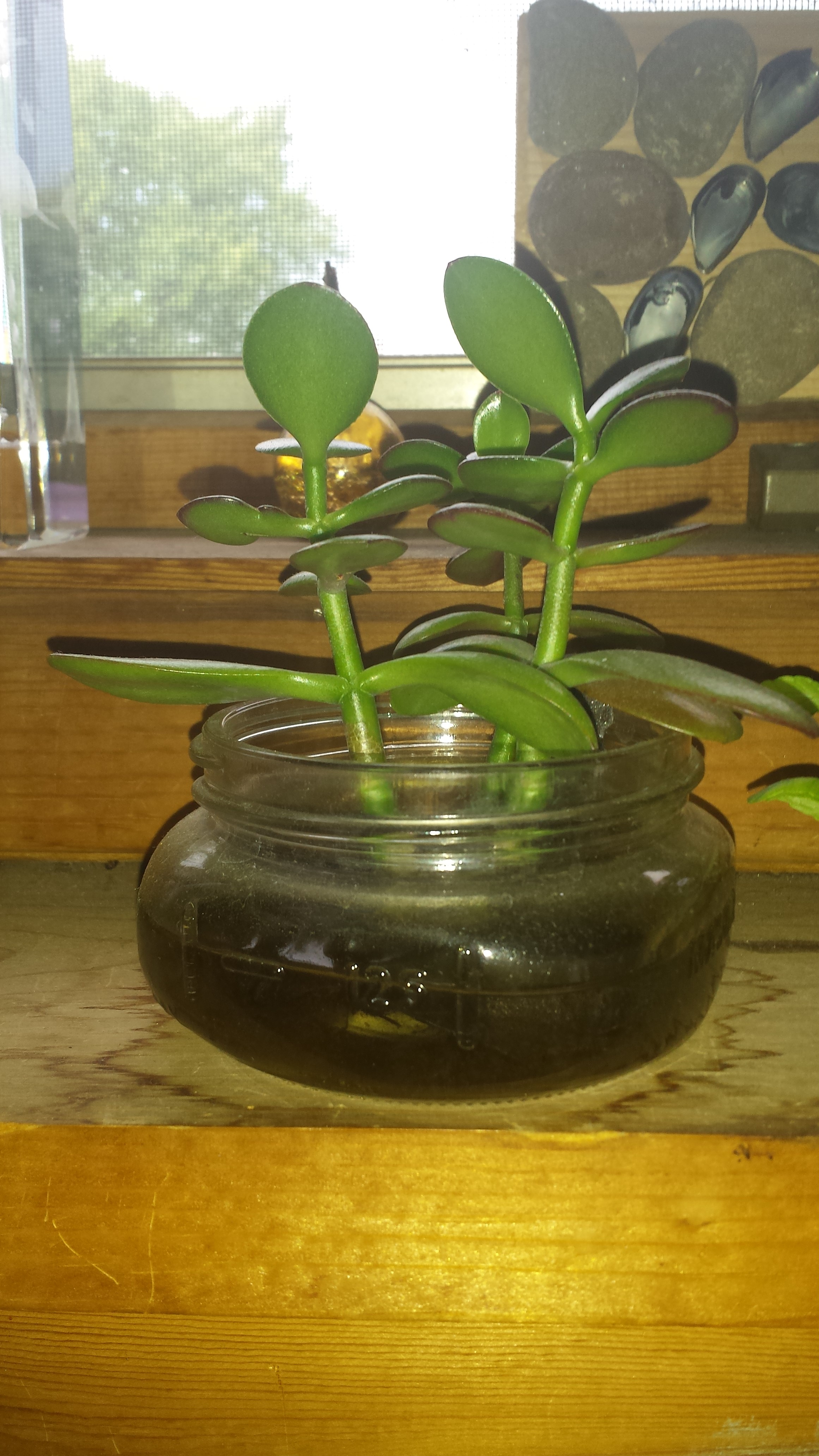
I would argue that you can grow almost anything this way. I have even grown a succulent plant successfully in water from a tip that fell off one of my larger plants. However, you can expect higher success rates from these vegetables and herbs below.


  1. Mint

  2. Oregano

  3. Basil

  4. Sage

  5. Stevia

  6. Lemon Balm

  7. Thyme

  8. Rosemary

  9. Tarragon

  10. Lettuce

  11. Spinach

  12. Tomatoes

  13. Peppers

  14. Cucumbers

  15. Celery

It is so easy to grow herbs and vegetables in a simple jar of water.  It’s cheap, attractive for any household, and a great source of year-round produce!


What advice would you add? What it in the section below:


Every Year, Gardeners Make This Stupid Mistake — But You Don’t Have To. Read More Here.

Friday, November 10, 2017

Medicinal Herbs You Better Stockpile For Winter

Old Man Winter is still several weeks away, but for smart homesteaders, the preparation already has begun. And that includes prepping for sickness.


This week on Off The Grid Radio we’re joined by Rosemary Gladstar, an author and one of the nation’s foremost experts on medicinal herbs. Rosemary has written 11 books on herbs, including the bestseller, “Rosemary Gladstar’s Medicinal Herbs: A Beginner’s Guide.”


Rosemary tells us:


  • Which herbs every homesteader should stockpile for winter.

  • How to make a simple tonic that fights off sickness – if taken daily.

  • Which natural remedy she recommends for people who get the common cold.

  • Why every homestead should stockpile elderberry.

Rosemary is the founding president of United Plant Savers, and the director of the Sage Mountain Herbal Retreat Center, the International Herb Symposium and the Women’s Herbal Conference.


If you prefer all-natural remedies, then this is one show you don’t want to miss!


Tuesday, October 31, 2017

Foods, Vitamins And Herbs That Boost Your Brain Power

Foods, Vitamins And Herbs That Boost Your Brain Power | blueberries | General Health


The right foods will help you use your brain to the max, and the more you use it, the more you’ll challenge your brain to grow new cells, create new connections, and improve your problem-solving and memory functions.


Before I tell you about the many great foods that will keep your brain performing at its peak, remember — eat organic foods that are fresh and as close to their natural state as possible. Also, drink plenty of pure, clean water, which is 85% of your brain’s weight.


Did you know that water can actually increase your alertness? When you’re feeling sluggish in the afternoon, instead of grabbing a caffeinated, carbonated drink, pour yourself a tall glass of purified water.


Finally, pick foods your great, great grandparents would have eaten, and stay away from so-called modern, highly processed foods that are filled with nasty chemicals. Many foods today are genetically modified. So, they are not as nutritious as organic, natural foods. And even worse, they can be dangerous to your health.


Foods that Boost Your Brain Power


Research suggests that diets rich in berries reduce, or even reverse, declining brain function. Blueberries, in particular, have been shown to have the ability to improve memory and keep your brain “young.” They can also help you improve your balance and coordination.


Berries are rich in antioxidants which protect your brain cells from oxidation and free radical damage [1]. This means antioxidants may slow down brain aging and prevent disease, while promoting the growth of healthy brain cells. Berries are also some of the most colorful foods you can eat!


The Healthiest Berries


  • Blueberries

  • Blackberries

  • Red Grapes


  • Strawberries

  • Raspberries

  • Cranberries


The South American Acai Berry has more antioxidants than any other berry. Plus, it contains Omega Fatty Acids and is high in protein. Stick to bright colors when choosing other fruits and vegetables, too. Yellow, orange, and green vegetables are rich in beta-carotene, a powerful antioxidant that converts to vitamin A in your body. Dark leafy green vegetables and citrus fruits are packed with vitamin C.


Both vitamins are linked to improving your memory and reasoning powers and keeping your arteries functioning properly.


Foods High in Beta-Carotene & Vitamin C:


  • Mangos

  • Oranges

  • Carrots

  • Broccoli


  • Tomatoes

  • Cantaloupe

  • Rainbow chard

  • Green, Red & Yellow Peppers

Vegetables and fruits also contain natural sugars that keep you alert. Your brain needs natural sugars to function at its best. Avocados are rich in good fat and vitamin E, while whole and sprouted grains are rich in fiber. Both are good for your circulatory system. And what’s good for your blood flow, is great for your brain.


The Importance of Essential Fatty Acids


Essential fatty acids are also necessary for maximum brain power, as well as promoting normal brain growth and development. Studies show that eating foods that are high in Omega Fatty Acids can reduce the risk of some disease, too. These fatty acids also help boost memory and your ability to learn new things!


Other sources of good Omega fatty Acids are marine plants, such as blue-green algae, and nut or seed oils.


All nuts, particularly walnuts, “feed your brain” because they keep your arteries clear and boost serotonin levels. Serotonin is a neurotransmitter that controls sleep, depression, memory, and other neurological processes. Raw unprocessed Organic Olive oil, Coconut Oil and hempseed oil also contain brain healthy fats, fibers, and proteins. I recommend 1-2 tablespoons daily.


Foods High in Folic Acid


  • Okra

  • Spinach

  • Lentils

  • Collards

  • Asparagus


  • Black Beans

  • Garbanzo Beans

  • Romaine Lettuce

  • Black-Eyed Peas

  • Sunflower Seeds

Did you know that flaxseed, and real organic chocolate are brain food, too! They’re filled with vitamin E which keeps your brain healthy later in life. Real chocolate also releases dopamine, to enhance cognition and mood.


Be sure to eat chocolate that is minimally processed and retains the most pure cacao bean. That means either 100% organic cocoa powder or a dark chocolate bar with at least 75% cacao content. You’ll need to be careful of the chocolate you buy because some chocolate manufacturers use unhealthy and unethical practices.


Vitamins & Herbs that Boost Your Brain Power


These vitamins and minerals help your memory and reasoning powers while slowing down the signs of aging.


  • Vitamin E

  • Folic Acid


Some researchers suggest that the herbs ginseng and gingko have a positive impact on your brain, keeping you alert and improving memory.


Did you know? Body cleansing can help boost your brain power, too. By eliminating the toxic chemicals and heavy metals that build up in your body from your environment and diet, you can rid your brain of dangerous free radicals that may contribute to disease and poor health.


Eating the proper foods enhances your brain functions. And, using your brain for reading and learning new skills, such as a musical instrument, a new language, or computer skills — even conquering crossword puzzles regularly will keep your brain quick and nimble.


Note: Processed foods are often too starchy, fatty, and sugary and will do more harm than good for your body and brain. You want raw, organic fruit and vegetables as often as possible. Live foods present your body with beneficial energy as well as their natural nutrients.


I also recommend getting a cellphone protector for your phone to reduce any harmful radiation leaking into your brain tissue.


References:


  1. Leigh Erin Connealy MD. The importance of antioxidants in fruits and vegetables. Natural News. 2008 Novermber 05.

The post Foods, Vitamins And Herbs That Boost Your Brain Power appeared first on The Sleuth Journal.

Monday, October 30, 2017

Simple And Easy Ways To Preserve Homegrown Herbs

Simple And Easy Ways To Preserve Homegrown Herbs

Image source: Pixabay.com


I’ve had an herb garden for as long as I can remember, and there are more than a few things I’ve learned the hard way. The biggest lesson was complacency with my herb harvests. The first frost will absolutely toast some herbs like basil, mint and lemon balm. The first freeze will wipe out most of the rest, although chives and thyme seem to hold on a bit better. The thing I do now is get out to those herbs, harvest and preserve for the winter to come and well before the first frost.


Preservation Techniques


We’re going to cover five herb preservation techniques. All of them include drying the herbs and wild plants to various degrees, but there are a couple of variations. What you’re trying to do is avoid mold growth while preserving flavor.


1. The food dehydrator


Food dehydrators are typically defined as a layer of trays with a heating element at the bottom and sometimes a small fan to circulate the air. You can dry various and multiple types of herbs, but you’ll find the herbs at the bottom which are closest to the heating element will dry out faster. You need to check and either rotate or remove trays as the herbs dry.


I’ll typically put more robust herbs likes chives, sage and rosemary on the bottom tray and more delicate herbs like basil and mint toward the top. I’ll also check them periodically, knowing that some might dry before others.


2. Oven drying


This is a fairly robust technique and doesn’t work particularly well, with more delicate herbs like basil and mint varieties including lemon balm. However, it works great with chives, sage, oregano and marjoram leaves on the stem; as well as thyme and rosemary. The starting temperature is as low 150 degrees Fahrenheit and the duration varies depending on the herb.


The best way to manage this approach is to cover a baking sheet with foil and distribute the whole herbs on the stem in one layer on the sheet and place in the oven. You need to check on them every 20 minutes or so and possibly turn or toss some of them to expose as much surface area as possible to the heat. Once they’re dried, get them out of the oven or they may brown. You’re trying to preserve color, not lose it. Once they’re dried, strip the leaves from the stem and crush to the consistency you like.


The Survival Water Filter That Fits In Your POCKET!


However, there are some wild plants like blackberry leaves or black raspberry leaves that are roasted at 400 degrees Fahrenheit for 20 to 25 minutes. The result will be a very crisp, brown leaf that is then easy to crush into a tea leaf consistency.


I also like the oven technique for natural spices like juniper berries and red sumac berries. I’ll use a low temp like 150 degrees Fahrenheit. Once they’re sufficiently dried I’ll toss the berries together and pour them into a pepper mill. In an off-grid environment, many spices like pepper, turmeric and others will be in very short supply. Using these berries as a flavor-note for foods will be a welcome treat.


I’ve also left the juniper berries on the stems and have later infused both the berries and the juniper needles to make juniper tea. Be forewarned: Your house will smell like a pine tree if you gently roast them on the stem, but some of us like that.


3. Sun drying


Without question this is the oldest technique for drying herbs and has been done for thousands of years. There are essentially two ways to approach. The best is to place the herbs on a foil-lined baking sheet and place them in a sunny spot indoors. This protects them from moisture caused by rain or morning dew and the general dust, dirt and pollen that is constantly in the air outside.


If you do choose to dry the herbs outside, a picnic table is a good surface area well off the ground and easily exposed to the sun. The standard technique is to once again line a baking sheet with foil, but you want a baking sheet with a raised lip around the edges. You then wrap plastic wrap around the baking sheet, leaving a one-inch gap on either side. This will help trap the heat, but the gaps allow the moisture to transpire to ensure the drying process.


All herbs can be used with this technique, but once again you need to check them from time to time to assess when they’re done. You also shouldn’t leave them out overnight due to morning dew. The garage is a good storage place while you wait for the return of the morning sun, and, obviously get them inside if rain is in the forecast.


4. Refrigerator drying


This technique requires dedicated shelf space in the fridge with a layer of cheesecloth on the shelf with the herbs on top. The refrigerator is actually a very dry environment, and it’s why we store fresh vegetables in the crisper where moisture can be maintained and managed.


The downside to this technique is the need to dedicate refrigerator space to the herbs for anywhere from one to three weeks. Fortunately, I have a second refrigerator freezer in the garage and that makes it easier to apply this approach.


The upside is that this technique really preserves the color of the herbs, but make sure they’re as dry as possible.  Moisture content in stored herbs can lead to mold growth. In fact, I’ll usually give any of my home-dried herbs a sniff from the jar before using. It should smell like the herb you want to use. If there is any hint of mildew, toss the contents of the jar and wash it well with hot, soapy water and a good rinse.


All herbs can be dried with this approach and it’s particularly good for the more delicate herb varieties like basil and mint.


5. Herbed ice-cubes


This has actually emerged as one of my favorite techniques for herb preservation. It’s as simple as dropping a tablespoon of freshly chopped herbs into each ice-cube compartment and then filling with water and freezing. Once the cubes are frozen, I’ll mark on a plastic sandwich bag the name of the herb and store in the freezer.


It makes portion control for recipes super-simple. If you’re making a marinara sauce that calls for two tablespoons of oregano, you just drop two of the oregano ice-cubes into the bubbling pot and you’re good to go.


Better yet, the herbs will retain all of their natural oils and flavors. It’s great to have fresh herbs in January and you can take it up a notch by substituting chicken or beef broth for water before you freeze the cubes. The broth adds a boost of flavor and the herbs will do the same.


I’ve also used this technique for things like goldenrod flower tops which make a great tea. Drying goldenrod flowers is tricky and they lose most of their subtle, licorice flavor. I just drop a handful of goldenrod ice-cubes into a pot of boiling water. Shut off the heat and let it steep while the cubes slowly melt.


Herb Storage


Storing your herbs is not complicated and there are a variety of options.


You could buy herb jars, small or medium canning jars or even save old herb packages and wash, dry and refill them. The critical thing is to know that the herbs are sufficiently dry. Moisture is the enemy with food storage, and it especially applies to home-dried herbs and spices.


An herb rack or pantry is a good storage option, but you could always keep them in the fridge if you have the space or want to ensure no spoilage. When it’s time to harvest and preserve again I’ll toss the old herbs, wash the jars and start over.  


Herbs can be very expensive to buy at the store, and if we’re in an off-grid environment, pretty much impossible. Even if you only fill a few jars with your home-grown herbs, you’ll appreciate that you made them from scratch — and that always makes everything taste better.


What advice would you add for storing and preserving herb? Share your thoughts in the section below:

Wednesday, October 11, 2017

The Top 10 Detox Herbs

The Top 10 Detox Herbs | alfalfa-herbs | General Health Special Interests Toxins


Today I want to explore ten of the best detox herbs used to cleanse various organs and systems of the body. Most of these herbs have been part of the therapeutic lexicon for hundreds, if not thousands, of years and are known across many cultures and borders to help with various ailments and health conditions. Due to their long history, popularity, and reported effectiveness, some of these herbs are also active ingredients in some of our most effective body cleansing products.


1. Organic Gum Acacia


Made from the sap of the acacia tree, this substance has been used for centuries to help relieve symptoms of diarrhea by adding bulk to bowel movements and improving electrolyte absorption. It is also one of several ingredients in Oxy-Powder®. As a hydrocolloid, it is used as an emulsifier to stabilize and facilitate synergy between two ingredients which would not normally mix well together. [1]


2. Dandelion


For centuries, parts of the entire dandelion plant have been used to help with a wide range of maladies. It promotes bowel regularity and good hydration levels in the body. And, its famous derivative, dandelion tea, has been used to help with joint discomfort. Dandelion root is used in our liver-cleansing product, Livatrex®because it supports bile production, and bile helps transport toxins out of the body. Dandelion is also believed by some to help the body’s immune system. [2]


3. Organic Milk Thistle


This herb has been used to help the gallbladder and liver for over 2,000 years. It has been known to help produce bile, which in turn improves digestive function. Milk thistle is an active ingredient in Livatrex, which is our most popular liver and gallbladder cleansing product. [3]


4. Black Walnut


Europeans were first introduced to this herb in the 1600’s. Three active agents in black walnut, juglone, tannins, and iodine, make it particularly effective in natural health and wellness practices. Juglone is the black walnut’s natural defense mechanism, which helps fight against harmful organisms like bacteria and fungus. Tannins also help deter harmful organisms. Iodine, an essential mineral to all life forms, helps reduce the lifespan of many harmful organisms.


5. Wormwood


The subject of much folklore, wormwood’s potent reputation as a component of absinthe lead to it being banned in the United States for many years. Despite the momentary hiccup, wormwood is back and has been used since Egyptian times to fight harmful organisms such as pinworms and roundworms. It has also historically been used to aid with digestion.


6. Cilantro


Cilantro is instrumental in helping the body rid itself of dangerous toxic metals that accumulate in organ tissues. It is also a very popular herb that is talked about on almost every cooking show. Cilantro possesses natural cleansing agents that contain compounds which bind to toxic metals and help pull them out of various tissues. [4]


7. Alfalfa Leaf


Herbalists have used Alfalfa leaf for centuries to help with a variety of infections. Many believed that it also helped the body fight stomach ulcers and also helped stimulate a healthy appetite.


8. Peppermint


Peppermint has a soothing quality that helps with coughing associated with colds and flu. It also helps with sore throats and sinus irritation. Because it helps also aids the body in fighting off harmful organisms, it is an active ingredient in lung cleansing products like Allertrex®[5]


9. Eucalyptus


Eucalyptus is another herb that helps with lung cleansing. It possesses expectorant properties, helps fight bacteria, and attacks viruses. It can also be used as a topical ointment for chest congestion and a stopped up nose. Aboriginal medicine highly regarded it for its calming, soothing properties.


10. Stinging Nettle


Known for its ability to resist microorganisms, it also possesses antioxidant properties. Stinging nettle is also resistant to systemic redness and swelling and promotes normal blood pressure. [6]


References (6)


  1. Teichberg S, Wingertzahn MA, Moyse J, Wapnir RA. Effect of gum arabic in an oral rehydration solution on recovery from diarrhea in rats. J Pediatr Gastroenterol Nutr. 1999 Oct;29(4):411-7.

  2. Schütz K, Carle R, Schieber A. Taraxacum–a review on its phytochemical and pharmacological profile. J Ethnopharmacol. 2006 Oct 11;107(3):313-23. Epub 2006 Jul 22. Review.

  3. Saller R, Melzer J, Reichling J, Brignoli R, Meier R. An updated systematic review of the pharmacology of silymarin. Forsch Komplementmed. 2007 Apr;14(2):70-80. Epub 2007 Apr 23. Review.

  4. Aga M, Iwaki K, Ueda Y, Ushio S, Masaki N, Fukuda S, Kimoto T, Ikeda M, Kurimoto M. Preventive effect of Coriandrum sativum (Chinese parsley) on localized lead deposition in ICR mice. J Ethnopharmacol. 2001 Oct;77(2-3):203-8.

  5. Shkurupiĭ VA, Kazarinova NV, Ogirenko AP, Nikonov SD, Tkachev AV, Tkachenko KG. [Efficiency of the use of peppermint (Mentha piperita L) essential oil inhalations in the combined multi-drug therapy for pulmonary tuberculosis]. Probl Tuberk. 2002;(4):36-9. Russian.

  6. Testai L, Chericoni S, Calderone V, Nencioni G, Nieri P, Morelli I, Martinotti E. Cardiovascular effects of Urtica dioica L. (Urticaceae) roots extracts: in vitro and in vivo pharmacological studies. J Ethnopharmacol. 2002 Jun;81(1):105-9.


Create your own review


Average rating:  

 0 reviews