Showing posts with label toxic. Show all posts

Friday, April 13, 2018

Consumer Alert: BPA-Free Goods Still Contain Toxic Bisphenol

Consumer Alert: BPA-Free Goods Still Contain Toxic Bisphenol | plastic-water-bottle | General Health Special Interests Toxins


Breaking research indicates that manufacturers throughout the world who were using the toxic hormone-disrupting chemical bisphenol A (BPA), may have simply switched to an equally toxic analogue in the same bisphenol chemical class known as bisphenol S (BPS), to evade regulatory oversight and trick consumers with their misleading “BPA-FREE!” labels….


If you are already sensitive to the highly concerning issue of toxic chemicals in everyday consumer products, you’ve probably noticed these “BPA-Free” labels popping up everywhere.  Bisphenol A (BPA), of course, is a chemical capable of disrupting our hormones, and is especially problematic in pregnancy, infancy and childhood — times of greatest susceptibility to the adverse effects of environmental exposures.


Now that consumers are refusing to buy BPA-containing containers, manufacturers have had no choice but to oblige with seemingly bisphenol-free alternatives. Ironically, BPA is used to make Sippy Cups (and polycarbonate) shatterproof, and therefore “safer.” But, instead of manufacturers actually removing the danger in BPA-free labeled products, many are capitalizing on this marketing opportunity by removing only the perception of danger, opting to substitute BPA for equally toxic members of the bisphenol chemical class.


An Alphabetic Soup of Toxic Bisphenols In Consumer Goods


While BPA has received the most negative attention, often being labeled as “bisphenol” for short, the bisphenols are such a broad chemical class that they are identified pseudo-alphabetically, spanning letters A-Z:


  1. Bisphenol A

  2. Bisphenol AB

  3. Bisphenol AF

  4. Bisphenol B

  5. Bisphenol BP

  6. Bisphenol C

  7. Bisphenol E

  8. Bisphenol F

  9. Bisphenol G

  10. Bisphenol M

  11. Bisphenol S

  12. Bisphenol P

  13. Bisphenol PH

  14. Bisphenol TMC

  15. Bisphenol Z


Bisphenol A has become the primary focus of consumer advocates for several reasons:


1) It is the most extensively research bisphenol, with at least 40 potential adverse health effects identified in the biomedical literature thus far.


2) Canada became the first country to officially declare BPA a “toxic substance” in September 2010[1]


3) It has the highest production volume and use in consumer goods, with 2.2 million tons consumed globally in 2009.


Primary routes of exposure include:


  1. Plastics

  2. PVC water lines

  3. Canned Goods

  4. Thermal Receipt Paper

  5. All World Paper Currency

  6. Dental Sealants


Despite industry spokespersons and industry-funded scientists claiming BPA does not possess estrogenic properties of any biological significance, it was first acknowledged and used as an artificial estrogen in the early 1930’s, where it was used both to fatten poultry and cattle, as well as a form of estrogen replacement therapy in women in the mid-1930’s.[2]  Only later, in the 1940’s, did Bayer and General Electric use BPA to harden polycarbonate plastics and make epoxy resin, the latter of which is still used to line nearly the entire world’s supply of food and beverage containers.  Only Japanese industries, which responded to consumer concern about the toxic effects of BPA between 1998-2003, voluntarily reduced BPA in favor of safer alternatives.


In the United States and abroad, in response to growing consumer concern over the safety of BPA, manufacturers have been rapidly substituting Bisphenol S (and possibly other bisphenol analogues) in its place.


How do we know this? After all, manufacturers are not required to list bisphenols explicitly on the labels of the consumer products within which they are used. Two new studies reveal that Bisphenol S (BPS) has become as dominant as BPA in manufacturing paper products we come into contact daily, as well as in terms of measurable human exposure….


New Research Proves Bisphenol A Is Secretly Being Replaced By Bisphenol S


First, a study published last week in the journal Environmental Science & Technology found BPS in thermal paper from stores in the US, Japan, South Korea and Vietnam, at concentrations similar to earlier reports of BPA. Concentrations were found as high as 22 mg per gram of paper — two orders of magnitude higher concentrations than are considered biologically significant. BPS was also found in 87 percent of the paper currency assayed from 21 countries, indicating it is being utilized on a  truly global scale.


The same week the same journal published another study titled, “Bisphenol S in Urine from the United States and Seven Asian Countries: Occurrence and Human Exposures,”[3] revealing for the first time that Bisphenol S concentrations in urine from the citizens of 8 countries were within the same concentration ranges as Bisphenol A levels reported by the same research group in the year before.[4]


Is Bisphenol S Safer Because We Know Less About It?


Despite the industry-wide move away from BPA towards BPS, they both exhibit similar estrogen-like properties.  A 2005 study performed by a Japanese research group found that BPS was only a slightly weaker estrogen than BPA.  But, as the Environmental Health News reported in 2010:


They [Japanese researchers] tested the effects on human cells and found that bisphenol S was slightly less potent than BPA, but not by much: bisphenol S was active at 1.1 micromolar concentration, BPA at 0.63 micromolar. One micromolar is roughly equivalent to a packet of sugar in 3,000 gallons of water.[5]


A growing body of additional research now indicates that Bisphenol S is both estrogenic and uterotrophic (increasing the weight of the uterus), with clearly carcinogenic potential.[6] [7] [8] [9] [10]


A 2012 study published in the journal Toxicology In Vitro discussed the industry-wide shift from using BPA in plastic baby bottles to BPS after the European Commission imposed a restriction on BPA use in 2011, as a  direct result of scientific concerns over its estrogenic properties. The researchers found that “By using two highly standardised transactivation assays, we could demonstrate that the estrogenic activity of Bisphenol A and Bisphenol S is of a comparable potency.”


The problem is that BPS is less well-known and researched than BPA for its potential adverse effects, and while regulators wait for manufacturers who promote their products with “BPA-Free!” stickers at the same moment that they infuse them with BPS to voluntarily reformulate, there is evidence now that BPS may actually have worse effects to environmental and human health, alike..


One of the main concerns is that BPS is significantly less biodegradable than BPA. According to a study published in the International Journal of Environmental Research & Public Health in 2009, BPS “… is not amenable to biodegradation and might be persistent and become an ecological burden.”[11]  Another study published in the journal Environmental Toxicology & Pharmacology in 2005 found that BPS is “…more heat-stable and photo-resistant than bisphenol A.”[12]


BPS’ relative inability to biodegrade indicates: 1) once it is absorbed into the human body, it may accumulate there for longer periods of time. 2) it is more likely to persist in the environment, making external exposures to it, and its many metabolites, much more likely than the faster degrading BPA. In other words, its potential to do harm will worsen along the axis of time, not lessen, which is a common argument made for the purported “safety” of BPA.


Are We A Population of Guinea Pigs Without The Precautionary Principle?


Recently, it was discovered that synthetic estrogens are leaching into our bodies from consumer products (e.g. parabens) and are now eclipsing natural human estrogens.  A paraben ester was found at 1 million times higher concentrations than natural estrogen levels in the breast tissue of mastectomy patients. After several generations of “better living through chemistry,” we are discovering that we have poisoned ourselves and our environment (can we really separate them any longer?) into profound and possibly irrevocable disfigurement.  What is needed now more than ever is a paradigm shift in how we regulate our exposure to chemicals, and the industries that produce them virtually unrestricted.


Perhaps we must begin asking ourselves: What would the chemical and drug industries do without the twin disciplines of toxicology and pharmacology? The former provides ample justification for continually exposing us to “an acceptable level of harm” from the chemicals it secretes, and the latter convinces us just how we can’t live without “therapeutic” chemicals, e.g. pharmaceuticals.


Until we demand the implementation of the precautionary principle in this country, and abroad, nothing will change … other than, increasingly, our very biological and genetic integrity, for the worse.


[1] Canada Gazette Part II. 13 October 2010;144(21):1806–18.


[2] Erler, C. & Novak, J. Bisphenol A Exposure: Human Risk and Health Policy. Journal of Pediatric Nursing. 2010. Volume 25:400-407. Accessed online March 1, 2012.


[3] Bisphenol S in Urine from the United States and Seven Asian Countries: Occurrence and Human Exposures. Environ Sci Technol. 2012 May 23. Epub 2012 May 23. PMID: 22620267


[4] Bisphenol S in Urine from the United States and Seven Asian Countries: Occurrence and Human Exposures. Environ Sci Technol. 2012 May 23. Epub 2012 May 23. PMID: 22620267


[5] Environmental Health News, Nov. 12, 2010 BPA: What’s the alternative?


[6] Weak estrogenic transcriptional activities of Bisphenol A and Bisphenol S. Toxicol In Vitro. 2012 Aug ;26(5):727-31. Epub 2012 Apr 5. PMID: 22507746


[7] Comparative study of the uterotrophic potency of 14 chemicals in a uterotrophic assay and their receptor-binding affinity. Toxicol Lett. 2004 Jan 15 ;146(2):111-20. PMID: 14643963


[8] Acute toxicity, mutagenicity, and estrogenicity of bisphenol-A and other bisphenols. Environ Toxicol. 2002 Feb ;17(1):80-6. PMID: 11847978


[9] Estrogenic activity of dental materials and bisphenol-A related chemicals in vitro. Dent Mater J. 2000 Sep ;19(3):245-62. PMID: 11218845


[10] Measurement of estrogenic activity of chemicals for the development of new dental polymers. Toxicol In Vitro. 2001 Aug-Oct;15(4-5):421-5. PMID: 11566573


[11] Biodegradation of bisphenol A, bisphenol F and bisphenol S in seawater. Int J Environ Res Public Health. 2009 Apr ;6(4):1472-84. Epub 2009 Apr 17. PMID: 19440529


[12] Estrogenic activity of alkylphenols, bisphenol S, and their chlorinated derivatives using a GFP expression system. Environ Toxicol Pharmacol. 2005 Jan ;19(1):121-30. PMID: 21783468


© April 13, 2018 GreenMedInfo LLC. This work is reproduced and distributed with the permission of GreenMedInfo LLC. Want to learn more from GreenMedInfo? Sign up for the newsletter here http://www.greenmedinfo.com/greenmed/newsletter.


The post Consumer Alert: BPA-Free Goods Still Contain Toxic Bisphenol appeared first on The Sleuth Journal.

Tuesday, March 27, 2018

Smoking A Bug Spray Laced Street Drug Transforms Users Into Zombies


One of the newest and deadliest drugs is also one of the cheapest.  Dubbed “KD” or “Katie” or “Zombie”, the drug turns users into strange crazed zombies reminiscent of the effect of the bath salts drug.


This drug may contain different ingredients, but the common denominator is always bug spray.  According to Natural News, the users take marijuana, banana leaves, tobacco, or spice and lace it with a bug spray, most often Raid. This concoction is then smoked, giving users a 45-minute high that leaves them virtually unconscious and crazed zombies.


While some people choose to make their own drugs, other users simply buy it for around $20 a bag on the black market. Irrespective of where they get it, however, it is incredibly addictive and can be absolutely lethal. In recent weeks, the use of bug spray enhanced drugs has risen dramatically. Since the cost of this drug is so low, expectations that its popularity will fizzle out are also low.


Indianapolis medics have had to deal with around a dozen KD overdoses each day, with some people overdosing repeatedly on the same day. Even for those users who don’t actually overdose on KD, its effects are incredibly disturbing and cause what has been described by authorities as “zombie-like” reactions.  Onlookers have described users saying they become “slow and lethargic,” drool and lose all motor function or the ability to communicate with others.


In short, while in the throes of a high, KD users become totally unaware of and utterly unable to control their actions. “We find them with their clothes off, eating the grass, pulling dirt out of the ground and trying to put it in their mouth,” Fire Department Captain Chris Major told CBS-affiliate WTTV. “You look at what it does to a bug,” firefighter Scott Lebherz told the Indy Star, “and then you got to think what it’s doing to your brain, and your body and everything else.”


Inquisitr reported that these sprays generally contain piperonyl butoxide, permethrin, cypermethrin, and imiprothrin, among others – all of which are incredibly harmful chemicals to the human body. And, when mixed with other ingredients and smoked, this cocktail becomes even more toxic.


Health officials have already warned that smoking this particular “zombie” bug spray laced drug carries an “extreme risk of fatality,” but users become addicted to it so quickly that very few have heeded any of the warnings. One fire department reported that the drug is so fast-acting that many overdose victims are found writhing like a zombie with the drug still in their hands.


Although this may seem obvious to many, smoking bug spray is extremely dangerous, harmful to your health, and could be lethal.


Saturday, March 3, 2018

Can We Continue To Justify Injecting Aluminum Into Children?

Can We Continue To Justify Injecting Aluminum Into Children? | vaccination | Medical & Health Special Interests Toxins Vaccines


A report published in the Journal of Trace Elements in Medicine and Biology raises a disturbing possibility: that aluminum hydroxide, the dominant metal-based adjuvant used in vaccines today, is causing aluminum overload at injection sites, and contributing to the pathogenesis of diseases such as chronic fatigue syndrome, macrophagic myofasciitis and subcutaneous pseudolymphoma. [i]


Discussed is the case of a 45-year old woman with vaccine-induced subcutaneous pseudolymphoma, a type of skin lesion characterized by collections of lymphocytes, macrophages, and dendritic cells in the skin.  The researchers performed a skin biopsy at the injection site and found aluminum (AI) deposits in her macrophages. When the skin sample was assayed for AI and quantified, it was found to contain 768.1 micrograms per gram, dry weight, versus 5.61 and 9.13 in two control patients – up to 153-fold higher concentrations.


The report cautioned: “Given the pathology of this patient and the high Al concentration in skin biopsy, the authors wish to draw attention when using the Al salts known to be particularly effective as adjuvants in single or repeated vaccinations. The possible release of Al may induce other pathologies ascribed to the well-known toxicity of this metal.”


As referenced, aluminum-based (and other) vaccine adjuvants are “effective” at increasing antibody titers, but they perform this feat through the hypersensitization and/or dysregulation of the humoral pole of the immune system (Th2), which is the immunological equivalent of kicking a beehive.


While intrinsically toxic adjuvants enable manufacturers to produce more antibodies with less antigen (often a profit-motivated decision), these synthetically-generated increases in the sheer number of antibodies produced does not in any way guarantee they will target the correct antigen (i.e. antibody-antigen affinity), which is the true measure of vaccine effectiveness; in fact, these unnaturally stimulated antibodies cross-react with and/or attack self-structures, e.g. myelin basic protein, leading to the break down of immunological self-tolerance, i.e. autoimmunity.


It is a curious fact of vaccine history that while aluminum hydroxide has been injected into billions of people and has been used for almost one century as the only vaccine adjuvant approved worldwide, its mechanism of action is not fully understood, and is only being investigated with any depth in the past five years.


We know that one way in which aluminum hydroxide induces an enhanced immune response is through activating the inflammasome within myeloid cells, a key immune-mediated activator of the inflammatory response and which is known to induce cell death. And yet, without understanding its exact mechanism of action, it is impossible by principle to ascertain fully its risk to health.


Last year, a report published in the journal Current Medicinal Chemistry titled “Aluminum vaccine adjuvants: are they safe?” raised these safety concerns:


Aluminum is an experimentally demonstrated neurotoxin and the most commonly used vaccine adjuvant. Despite almost 90 years of widespread use of aluminum adjuvants, medical science’s understanding about their mechanisms of action is still remarkably poor. There is also a concerning scarcity of data on toxicology and pharmacokinetics of these compounds. In spite of this, the notion that aluminum in vaccines is safe appears to be widely accepted. Experimental research, however, clearly shows that aluminum adjuvants have a potential to induce serious immunological disorders in humans. In particular, aluminum in adjuvant form carries a risk for autoimmunity, long-term brain inflammation and associated neurological complications and may thus have profound and widespread adverse health consequences. In our opinion, the possibility that vaccine benefits may have been overrated and the risk of potential adverse effects underestimated, has not been rigorously evaluated in the medical and scientific community.  [ii]


Another study published in 2011 in the Journal of Inorganic Biochemistry brought up the taboo topic of vaccine-induced autism, focusing on the crucial role of aluminum adjuvants as neurotoxic agents.  The study abstract is well worth reading, as you will not see this type of information reported anywhere in the mainstream media:


Autism spectrum disorders (ASD) are serious multisystem developmental disorders and an urgent global public health concern. Dysfunctional immunity and impaired brain function are core deficits in ASD. Aluminum (Al), the most commonly used vaccine adjuvant, is a demonstrated neurotoxin and a strong immune stimulator. Hence, adjuvant Al has the potential to induce neuroimmune disorders. When assessing adjuvant toxicity in children, two key points ought to be considered: (i) children should not be viewed as “small adults” as their unique physiology makes them much more vulnerable to toxic insults; and (ii) if exposure to Al from only few vaccines can lead to cognitive impairment and autoimmunity in adults, is it unreasonable to question whether the current pediatric schedules, often containing 18 Al adjuvanted vaccines, are safe for children? By applying Hill’s criteria for establishing causality between exposure and outcome we investigated whether exposure to Al from vaccines could be contributing to the rise in ASD prevalence in the Western world. Our results show that: (i) children from countries with the highest ASD prevalence appear to have the highest exposure to Al from vaccines; (ii) the increase in exposure to Al adjuvants significantly correlates with the increase in ASD prevalence in the United States observed over the last two decades (Pearson r=0.92, p<0.0001); and (iii) a significant correlation exists between the amounts of Al administered to preschool children and the current prevalence of ASD in seven Western countries, particularly at 3-4 months of age (Pearson r=0.89-0.94, p=0.0018-0.0248). The application of the Hill’s criteria to these data indicates that the correlation between Al in vaccines and ASD may be causal. Because children represent a fraction of the population most at risk for complications following exposure to Al, a more rigorous evaluation of Al adjuvant safety seems warranted.[iii]


Another, even more taboo topic is vaccine-induced infant death, which is often forced into the “idiopathic” category of Sudden Infant Death Syndrome (SIDS). A report published in the Journal of Tropical Medicine in 2011, offers an explanation for the well-known, though often censored link between DTP vaccines used in the third world and increased mortality in female infants.[iv]


Titled “Immunological Links to Nonspecific Effects of DTwP and BCG Vaccines on Infant Mortality,” researchers reported on the fact that “A number of mainly observational studies suggest that many African females below the age of one year die each year from the nonspecific effects of vaccination with diphtheria-tetanus toxoids and killed (whole-cell) Bordetella pertussis (DTwP).”


The explanation they offered is that “…the adverse effects of DTwP vaccine may occur because of the Th2-polarising effect of the aluminium phosphate adjuvant in the vaccine and because intramuscular administration of the vaccine may cause chronic inflammation at the site of injection.”


Aluminum has no known beneficial function in biology. Increasing awareness of this metal’s role in breast cancer, due to its metalloestrogenic properties, and its prevalence in our food (baking soda), body care products (e.g. antiperspirants), drugs and environment (e.g. it is used in aerosolized form in military operations as aluminized chaff), is bringing to light how important it is to avoid unnecessary exposures, especially when it concerns the health of our infants and children who are already faced with an ever-increasing body burden of this, and other highly toxic metals. It is clear that if we implement the precautionary principle, vaccines which contain this, or any other, highly toxic metal should be avoided at all costs.


Other relevant articles


The Vaccination Agenda: An Implicit Transhumanism/Dehumanism


The Shocking Lack of Evidence Supporting Flu Vaccines


[i] Aluminium overload after 5 years in skin biopsy following post-vaccination with subcutaneous pseudolymphoma. J Trace Elem Med Biol. 2012 Mar 14. Epub 2012 Mar 14. PMID: 22425036


[ii] Aluminium overload after 5 years in skin biopsy following post-vaccination with subcutaneous pseudolymphoma. J Trace Elem Med Biol. 2012 Mar 14. Epub 2012 Mar 14. PMID: 22425036


[iii] Aluminum Vaccine Adjuvants: Are they Safe? Curr Med Chem. 2011 May 16. Epub 2011 May 16. PMID: 21568886


[iv] The introduction of diphtheria-tetanus-pertussis vaccine and child mortality in rural Guinea-Bissau: an observational study. Int J Epidemiol. 2004 Apr;33(2):374-80. PMID: 15082643


© March 2, 2018 GreenMedInfo LLC. This work is reproduced and distributed with the permission of GreenMedInfo LLC. Want to learn more from GreenMedInfo? Sign up for the newsletter here http://www.greenmedinfo.com/greenmed/newsletter.


The post Can We Continue To Justify Injecting Aluminum Into Children? appeared first on The Sleuth Journal.

Monday, November 27, 2017

The Effects of Toxic Metals

The Effects of Toxic Metals | sardines | General Health Sleuth Journal Special Interests Toxins


Many ordinary, everyday products have toxic metals in them. Toxic metals are in the foods we eat, water we drink, and the air we breathe. The human body requires extremely trace amounts of a few metals, but too often the concern is with getting too much, rather than too little. Metal poisoning occurs as a result of the unhealthy accumulation of specific metals in the body. Metals become toxic when the quantity is too high and it takes really very little to be too much.


Mercury, lead and cadmium are three metals that can be especially harmful and aluminum has also presented concerns. These toxic metals enter your body through drinking, eating, inhaling, and skin and eye contact. Once in your body, they cause damage at the cellular level by initiating oxidative stress. This damage can contribute to the development of many diseases and health problems.


Mercury Toxins


Mercury is highly toxic to your health and can be found in thermometers, dental fillings, seafood, and more. Mercury can be inhaled or consumed from tainted food. When it enters the body, it is stored in the kidneys, blood, spleen, brain, liver, bones and fatty tissues. Frequently, mercury is a danger to those who work in industrial settings and coal power plants. Vaccine production also involves mercury.


Your body has no use for mercury, exposure at any amount is toxic. Mercury can seriously affect the nervous system and lead to violent muscular spasms and even death. Pregnant and nursing women should also be cautious as mercury can contaminate breast milk.


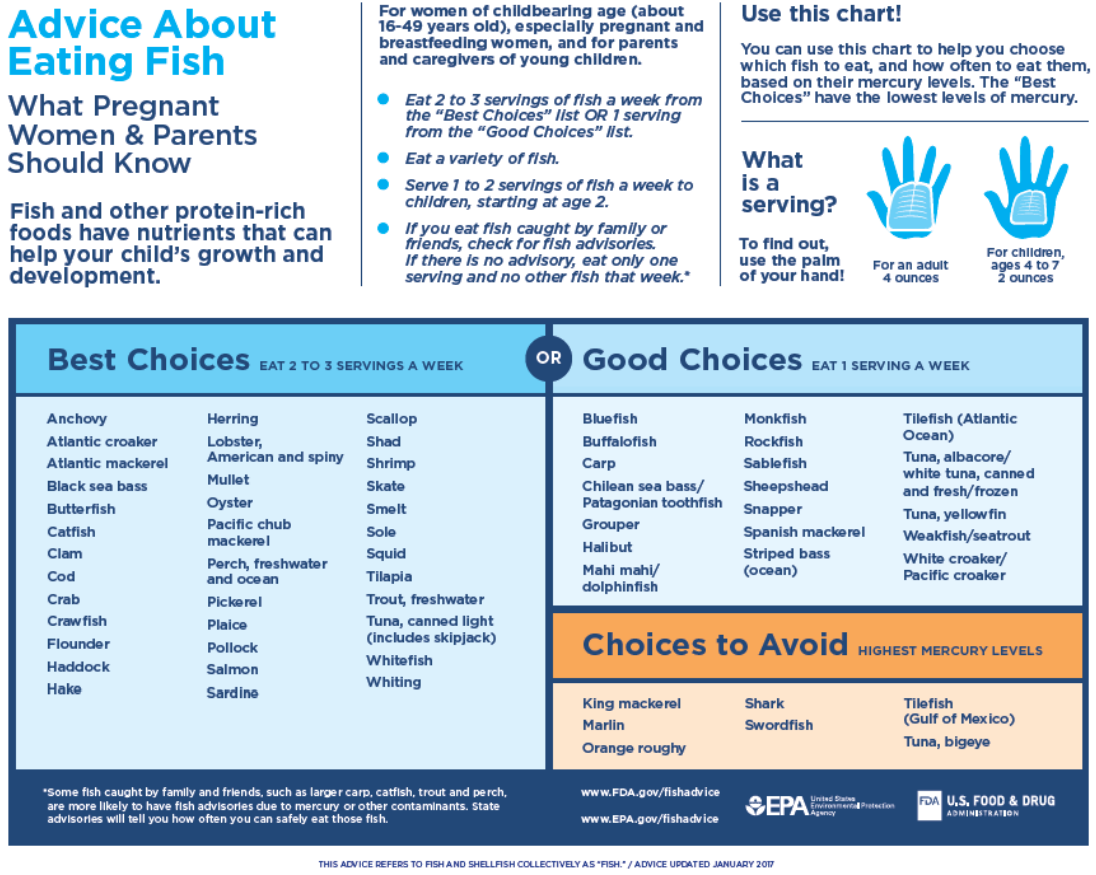
Mercury Concentration in Commercial Fish


Lowest ConcentrationMedium ConcentrationHighest Concentration

  • Anchovies

  • Butterfish

  • Carp

  • Catfish

  • Clam

  • Cod

  • Crawfish

  • Haddock

  • Herring

  • Mullet

  • Oyster

  • Perch

  • Salmon

  • Sardine

  • Scallop

  • Squid

  • Tilapia

  • Trout

  • Whitefish


  • Bass (Chilean, Saltwater, Black, Striped)

  • Bluefish

  • Sablefish

  • Scorpionfish

  • Buffalofish

  • Grouper

  • Halibut Lobster

  • Marlin

  • Orange Roughy

  • Sea Trout

  • Skate

  • Snapper

  • Tilefish (Atlantic)

  • Tuna


  • King Mackerel

  • Shark

  • Swordfish

  • Tilefish

Aluminum Toxins


Aluminum is ridiculously common; a component of foil, cans and cookware, antacids, nasal spray and processed cheese. When aluminum enters your body, it’s absorbed and can accumulate in the kidneys, brain, lungs, liver and thyroid. Aluminum exposure is common with some occupations like welding and mining. In these industries, vapors may be present and inhalation can result in a “super absorption” status. Aluminum is one of many toxic metals thought to cause brain problems. Alzheimer’s and Parkinson’s have been repeatedly examined for a relation to aluminum accumulation in the brain.


These Products May Contain Aluminum:


  • Antacids

  • Anti-diarrhea Medication

  • Antiperspirants

  • Astringents

  • Baking Powder

  • Buffered Aspirin

  • Cans

  • Cookware

  • Dentures


  • Fireworks

  • Foil

  • Hemorrhoid Medications

  • Lipstick

  • Nasal sprays

  • Processed Cheese

  • Toothpaste

  • Vaccines

  • Vaginal Douches

Lead Toxins


Lead has long been known to be hazardous. Drinking water, old homes, and tobacco smoke are all potential sources of toxic lead exposure. Dust and flakes from lead based paint have caused unbelievable public health nightmares but fortunately regulations have been able to reduce the problem. When lead enters the body, it goes into the bloodstream and starts depositing itself in the body- bones, soft tissue, and the brain. It’s harmful for children and it’s harmful for pregnant women, be extremely cautious of exposure to lead!


Products That May Contain Lead:


  • Antiques

  • Car batteries?

  • Cable coverings

  • Ceramics

  • Cigarettes

  • Crystal


  • Paints

  • Pesticides

  • PVC plastics

  • X-ray shields

  • Toys and products imported from China

Cadmium Toxins


The human body doesn’t need cadmium in any amount and even low levels are toxic. Exposure happens primarily through contaminated foods, however cigarettes and industry are also sources; as are nickel-cadmium batteries, hazardous waste facilities, and fertilizer. Cadmium is slow to exit the body and the negative effects of cadmium are disastrous, affecting the cardiovascular and reproductive systems, kidneys, eyes, and brain.


Foods That May Contain Cadmium:


  • Shelled seeds

  • Organ Meats

  • Cabbage

  • Potato Chips

  • Peanut Butter & Peanuts


  • French fries

  • Cookies

  • Celery

  • Potatoes


How Can I Protect Myself from Toxic Metals?


First, establish where you’re at. Toxic metal tests can be done by many chiropractors or natural healthcare practitioners using hair, blood or urine analysis. A sauna is great for heat therapy, which dissolves toxins in the blood and lets you sweat them out. Find a dentist who has experience and knowledge removing mercury fillings and have your mercury amalgam fillings removed immediately. Be cautious of antiperspirants, cookware and utensils that contain aluminum. Avoid food or drink in aluminum cans. Think twice about vaccinations for things that are no longer common.


Toxic metal poisons are all around us and you need to actively avoid toxic metal exposure. However, total avoidance can be a very tricky proposition- the stuff is everywhere. Detoxifying and cleansing your body is the next step to reducing the toxins that affect your health.


The post The Effects of Toxic Metals appeared first on The Sleuth Journal.

Sunday, November 12, 2017

Beyond Celiac Disease: The Universal Toxicity Of Wheat (VIDEO)

Beyond Celiac Disease: The Universal Toxicity Of Wheat (VIDEO) | wheat | General Health Multimedia Toxins


Sayer Ji, the author of “The Dark Side of Wheat,” discusses the emerging viewpoint that wheat represents a human species-specific intolerance that should be universally avoided.


Some issues raised in the video


  • 150+ adverse health effects associated with wheat consumption, as determined by biomedical research housed on the National Library of Medicine

  • Wheat intolerance/toxicity does not need to be immune mediated, i.e. it has direct, adverse effects on our cells which antibody, gene or intestinal biopsy tests may not accurately diagnose.

  • Genotype plays a part in the disease process, but is not itself sufficient to induced wheat-associated illness

  • The grain-based diet while thousands of years old in cultural time, has only been consumed en masse for a nanosecond in biological time (e.g. 10,000 years)

  • Wheat is exceptionally addictive, due in part to the high levels of glutamic acid it contains. Glutamic acid is a natural “flavor-enhancer,” activating the umami receptors, driving us to consume more and more of the same.

  • Grains, and particularly wheat have pharmacological active properties, e.g. gluten exorphins and gliadorphin

  • The Roman Empire was known as the “Wheat Empire” due to the fact that its entire cultural hegemony over those it conquered was predicated on the biological imperialism that wheat consumption made possible.

  • Has humankind mastered the cereal grasses, or have the cereal grasses mastered us? We take care of their reproduction, their nutrition, their natural predators, in exchange for nourishment. But are we being nourished? Are grains the staff of life, or a crutch upon which we prop up our nutrient-starved bodies?

  • The celiac disease sufferer is allowed to be sick from wheat, whereas most of the world deals with asymptomatic, or “out of intestine” varieties of wheat intolerance.

  • The emerging view is that the body responds appropriately to wheat’s inherent toxicity through classical symptoms of gastrointestinal distress, including diarrhea. As this is the body’s way of expelling an offending substance as quickly as possible, perhaps saving the body as a whole from wheat’s profound systemic adverse effects.


Relevant Links


The post Beyond Celiac Disease: The Universal Toxicity Of Wheat (VIDEO) appeared first on The Sleuth Journal.

Saturday, October 28, 2017

Cooking With Non-Stick Pans? You May Want To Read This

Cooking With Non-Stick Pans? You May Want To Read This | frying-pan | General Health Special Interests Toxins


Pans with a non-stick coating are convenient but new research suggests that the chemical used for the coating is extremely toxic and exposure on any level could prove dangerous to brain health, the reproductive system, and immune system.


The Dangers of Non-Stick Coating


DuPont, the chemical engineering giant, is responsible for the perfluorooctanoic acid (PFOA) used to make Teflon coating. Federal regulators linked the chemical to birth defects and cancer, and these regulators also accused DuPont of hiding these hazard reports for decades. This caused an uproar and forced DuPont to phase out production of the chemical in 2006. Regardless, PFOA has already infiltrated millions of homes; resulting in detectable amounts of the compound in the blood of nearly every American. It’s even been found in polar bears in the Arctic.


An Environmental Working Group (EWG) report suggests that there is no safe level of exposure to the chemical in non-stick coatings, categorizing PFOA in the same league as asbestos and lead. This new report is supported by studies from the University of Massachusetts (UMASS) and Harvard University — studies that suggest blood levels of PFOA 400 times lower than the EPA’s current level could still cause adverse effects.


The Solution


There are some natural, safer alternatives to Teflon that you should be aware of. If you currently own a non-stick pan, throw them out immediately. Replace all non-stick bakeware with glass, and choose steel and cast iron for other cooking needs. Rely on healthy fats, like olive oil and coconut oil, to provide a natural non-stick surface for your cookware. Ideally, the majority of your diet should be uncooked and raw, meaning you shouldn’t have to worry too much about whether or not your food is sticking to cookware.


How do you avoid food sticking to your cookware? Please let us know in the comments!


The post Cooking With Non-Stick Pans? You May Want To Read This appeared first on The Sleuth Journal.

Thursday, October 26, 2017

Glyphosate: Persistently Toxic

Glyphosate: Persistently Toxic | roundup_carcinogenic_potential1 | Agriculture & Farming Special Interests Toxins


For decades, Monsanto has claimed that the glyphosate in its Roundup herbicide breaks down so quickly that we shouldn’t worry about the chemical’s impact on soils. Independent scientists (i.e., scientists not funded by the chemical industry) have disagreed.


Now, a new study by the European Commission’s Joint Research Centre and two Dutch laboratories confirms:


Contrary to manufacturers’ claims, glyphosate persists in soils, not only affecting soil fertility and crop quality, but also posing risks to human and environmental health.


According to the study, 45 percent of Europe’s topsoil contains glyphosate residues. The study was conducted in six crop systems in 11 EU member states on soils in different geographical and climatic conditions.


According to 2015 figures, 440 million acres of farmland are planted in GMO crops, worldwide.


Given that the quality and health of soil is directly related to the quality of our own health, isn’t it time to get glyphosate out of our soils?


Full study here


Learn more


The post Glyphosate: Persistently Toxic appeared first on The Sleuth Journal.

Wednesday, August 30, 2017

Toxic Metal: The Health Dangers of Cobalt

Toxic Metal: The Health Dangers of Cobalt | woman-man | General Health Special Interests Toxins


Cobalt is naturally occurring element that does have beneficial applications. For instance, cobalt is an essential component of vitamin B12. Cobalt has been added to pigments to produce a distinct blue color. Lithium ion batteries contain cobalt. In the medical field, cobalt-60 is used in radiotherapy and for sterilizing medical equipment. Hip replacements are also made of cobalt. Regardless of these perceived advantages, cobalt is not without its problems. Cobalt can accumulate to toxic levels in the liver, kidney, pancreas, and heart, as well as the skeleton and skeletal muscle. Cobalt has been found to produce tumors in animals and is likely a human carcinogen as well.


Cobalt Exposure


Industrial plants may leak cobalt and other toxic metals into the environment. Once cobalt particles enter the atmosphere, they settle to the ground and enter the food and water supply; most of the population is exposed to cobalt through food, water, and air. Cobalt makes its way through the environment and cannot be destroyed. People working in industrial settings have an increased risk of exposure to toxins, including cobalt. Also, it’s been reported that hip replacements containing cobalt have caused problems due to nano particles of cobalt breaking away and contaminating the body.


Occupational Exposure to Cobalt


Occupational cobalt exposure is a known problem and part of a larger problem that includes exposure to other toxic metals such as arsenic, cadmium, lead, and mercury. All of these compounds are classified as carcinogens and linked to cancer. When the body becomes exposed to these metals, a disruption of homeostasis is the result and that causes oxidative stress, DNA damage, and serious degenerative diseases. Experiencing the effects of toxic metal toxicity does not require “nuclear meltdown” levels of exposure either. Heart and lung problems have been shown to follow exposure to levels of cobalt near or even under current occupational exposure limits. [1]


Sweden’s Department of Occupational and Environmental Medicine at Uppsala University Hospital warns that low levels of cobalt exposure negatively impact lung function. Other studies have linked cobalt to occupational asthma. [2] [3]


Occupational exposure to cobalt powder has been linked to vision and hearing problems. The toxic effect of cobalt on vision was also noted in research conducted by the Robert Stempel School of Public Health at Florida International University in Miami. [4] Unfortunately, now, patients with hip implants containing cobalt are suffering from similar effects including tinnitus, deafness, vertigo, and blindness. [5]


Cobalt and Hip Replacements


Advanced hip disease is a problem that generally requires a hip replacement and most hip replacements are made of cobalt and chromium. Well over one million metal-on-metal hip replacement procedures have been completed, many successfully. However, the use of cobalt-chromium alloys in orthopedic replacements has created a new source of internal cobalt exposure. Wear and corrosion produce soluble metal debris in the form nano particles that disseminate through the body via the lymph nodes and cardiovascular system, leading to toxicity. [6] [7] This can affect immune system function and damage DNA and chromosomes. [8]Furthermore, nano particles have properties that their bulk states do not. At this time, much is unknown regarding toxic and carcinogenic effects of nano particles although studies have linked them to oxidative stress and redness. [9]


Testing for Cobalt Exposure?


Within days of exposure, a doctor can administer blood or urine tests to detect cobalt levels. Test results will indicate the amount of cobalt in your body and, depending on what prompted your concern, you may be able to pinpoint causes of exposure. However, tests cannot determine what health-related effects you will experience. In my opinion, the health consequences from exposure to any toxic metal, including cobalt, isn’t worth the risk. I would encourage you to get your cobalt levels tested and perform a chemical and toxic metal cleanse if you’re concerned about the effects of exposure to cobalt.


References (9)


  1. Koedrith P, Seo YR. Advances in carcinogenic metal toxicity and potential molecular markers. Int J Mol Sci. 2011;12(12):9576-95. doi: 10.3390/ijms12129576. Epub 2011 Dec 20.

  2. Rehfisch P, Anderson M, Berg P, Lampa E, Nordling Y, Svartengren M, Westberg H, Gunnarsson LG. Lung function and respiratory symptoms in hard metal workers exposed to cobalt. J Occup Environ Med. 2012 Apr;54(4):409-13. doi: 10.1097/JOM.0b013e31824d2d7e.

  3. Walters GI, Moore VC, Robertson AS, Burge CB, Vellore AD, Burge PS. An outbreak of occupational asthma due to chromium and cobalt. Occup Med (Lond). 2012 Oct;62(7):533-40. doi: 10.1093/occmed/kqs111.

  4. Mendy A, Gasana J, Vieira ER. Urinary heavy metals and associated medical conditions in the US adult population. Int J Environ Health Res. 2012;22(2):105-18. doi: 10.1080/09603123.2011.605877. Epub 2011 Aug 19.

  5. Apostoli P, Catalani S, Zaghini A, Mariotti A, Poliani PL, Vielmi V, Semeraro F, Duse S, Porzionato A, Macchi V, Padovani A, Rizzetti MC, De Caro R. High doses of cobalt induce optic and auditory neuropathy. Exp Toxicol Pathol. 2012 Oct 12. doi:pii: S0940-2993(12)00087-5. 10.1016/j.etp.2012.09.006.

  6. Campbell JR, Estey MP. Metal release from hip prostheses: cobalt and chromium toxicity and the role of the clinical laboratory. Clin Chem Lab Med. 2013 Jan;51(1):213-20. doi: 10.1515/cclm-2012-0492.

  7. Simonsen LO, Harbak H, Bennekou P. Cobalt metabolism and toxicology–a brief update. Sci Total Environ. 2012 Aug 15;432:210-5. doi: 10.1016/j.scitotenv.2012.06.009. Epub 2012 Jun 23. Review.

  8. Gill HS, Grammatopoulos G, Adshead S, Tsialogiannis E, Tsiridis E. Molecular and immune toxicity of CoCr nanoparticles in MoM hip arthroplasty. Trends Mol Med. 2012 Mar;18(3):145-55. doi: 10.1016/j.molmed.2011.12.002. Epub 2012 Jan 12. Review.

  9. Magaye R, Zhao J, Bowman L, Ding M. Genotoxicity and carcinogenicity of cobalt-, nickel- and copper-based nanoparticles. Exp Ther Med. 2012 Oct;4(4):551-561. Epub 2012 Aug 7.


Create your own review


Average rating:  

 0 reviews


Sunday, August 27, 2017

Toxic Metal: The Health Dangers of Tin

Toxic Metal: The Health Dangers of Tin | tin-can | General Health Special Interests Toxins


When most people think about tin, they imagine tin cans, tin foil, and maybe even Rin Tin Tin. Tin is a naturally occurring metal of a familiar silver color. Tin is resistant to corrosion and often used as a coating for other metals such as steel. The most common example is the use of tin to line the insides of beverage cans and food containers.Tin has other metallurgic application- when it is alloyed with copper, bronze is the result. If you’ve ever seen pewter figurines or collectibles, know that they can contain up to 90% tin. Tin is a component of solder- a regular tool for plumbing applications and electrical circuits. If you check your toothpaste label you are likely to notice the ingredient “stannous fluoride” which is a tin compound. Despite, or in light of, this frequency of exposure, concerns have been raised about the safety of tin and research has shown that tin can negatively impact human health.


Exposure to Tin


Food containers that contain tin usually have a very fine layer of lacquer applied to prevent the tin from leeching into your food or drink. Unfortunately, acidic foods may compromise that protective film. If you eat seafood, be mindful of its origin as tin has been found in seafood caught off certain costal waters. Household products like toothpaste and soap may have tin compounds added.


Manufacturing and industrial facilities are often guilty of releasing toxic metals like tin into the environment. This not only affects workers, but people who live in the vicinity too (and really, all of us). High concentrations of tin are usually found in air and soil samples in and around areas where hazardous waste is present. This can present groundwater contamination concerns.


Exposure to tin is often a byproduct of modern society. Taiwan, for example, has been changing from an agricultural society to an industrial society over the past 40 years. Due to this industrial progression, incidence of occupational neurotoxic disease has increased. Most neurotoxic diseases stem from exposure to various toxic metals, including tin, and the nervous system is especially vulnerable. [1]


Tin’s Negative Effects on Health


Tumor formations have been observed in the lungs of rats that inhaled dust containing tin. [2]


The University of Medical Sciences in Iran investigated in vitro effects of several metals, including tin, on sperm creatine kinase. Reduced sperm metabolism was observed which is believed to be a cause of infertility in men. [3]


Exposure to arsenic, cadmium, lead, mercury, and tin has been shown to affect the hematological (blood) system. [4]


Tin dust can irritate the skin and delicate tissue, particularly the eyes and respiratory system. [5]


Two studies out of Japan confirmed adverse effects from tin exposure to the lungs, particularly occupational lung disease. [6] [7]


In a study by the Department of Biotechnology and Molecular Biology at Opole University, tin was found to be extremely topic to human embryonic kidney cells. [8]


The nervous system is a target for a number of metals. Aluminum, arsenic, lead, and mercury are known to be incredibly neurotoxic. Lead and tin are thought to affect energy metabolism and can stall brain function by interfering with neurotransmitters. [9]


How Can You Reduce Your Tin Exposure?


At this time, neither the Environmental Protection Agency, the Department of Health and Human Services, or the International Agency for Research on Cancer have yet to classify tin compounds as carcinogenic to humans so regulation is not as stringent as may be appropriate. The prevalence of tin and tin compounds in industry makes it difficult to completely avoid exposure but there are a few measures you can take. With regard to diet, eat less canned food and don’t eat seafood caught from areas known to be contaminated with tin or other toxic metals. If your occupation includes safety hazards like toxic metal exposure, your risks levels are especially high.


Tests are available to determine the presence of tin compounds in the body but do not indicate where or when exposure happened. If you’re concerned about the effect of toxic metals in your body, I recommend performing a chemical and toxic metal cleanse.


References (9)


    1. Liu CH, Huang CY, Huang CC. Occupational neurotoxic diseases in taiwan. Saf Health Work. 2012 Dec;3(4):257-67. doi: 10.5491/SHAW.2012.3.4.257. Epub 2012 Nov 30.

    2. Jiang GY, Wei SJ, Li XP, Wang LH, Mai ZD, Ge XM. [Pathological observation of lung injury in experimental animals induced by non-ferrous metal (tin) dusts]. Zhonghua Lao Dong Wei Sheng Zhi Ye Bing Za Zhi. 2012 Aug;30(8):561-6. Chinese.

    3. Ghaffari MA, Motlagh B. In vitro effect of lead, silver, tin, mercury, indium and bismuth on human sperm creatine kinase activity: a presumable mechanism for men infertility. Iran Biomed J. 2011;15(1-2):38-43.

    4. Roney N, Abadin HG, Fowler B, Pohl HR. Metal ions affecting the hematological system. Met Ions Life Sci. 2011;8:143-55.

    5. R.C.BrowneEncyclopedia of occupational health and safety col. ll/L-Z.Br J Ind Med. c.31(1);jan 1974.(1):75.

    6. Chonan T, Taguchi O, Omae K. Interstitial pulmonary disorders in indium-processing workers. Eur Respir J. 2007 Feb;29(2):317-24. Epub 2006 Oct 18.

    7. Nogami H, Shimoda T, Shoji S, Nishima S. [Pulmonary disorders in indium-processing workers]. Nihon Kokyuki Gakkai Zasshi. 2008 Jan;46(1):60-4. Japanese.

    8. Boniewska-Bernacka E, Man D, Słota R, Broda MA. Effect of tin and lead chlorotriphenyl analogues on selected living cells. J Biochem Mol Toxicol. 2011 Jul-Aug;25(4):231-7. doi: 10.1002/jbt.20380. Epub 2010 Dec 10.

    9. Clarkson TW. Metal toxicity in the central nervous system. Environ Health Perspect. 1987 Nov;75:59-64. Review.


Saturday, August 26, 2017

What Baby Teeth may Tell Researchers About Autism

Researchers are constantly studying and learning more about autism spectrum disorder (ASD), but they have yet to be able to pinpoint specific causes. The origins of the disorder seem to be based in genetics and environmental factors. Now a study funded by the National Institute of Environmental Health and Sciences (NIEHS) seems to suggest that exposure to heavy metals could be one of the environmental triggers of autism. [1]


The researchers behind the study found that the baby teeth of children with autism contain more lead and fewer vital nutrients, including manganese and zinc, compared to the teeth of children without the developmental condition.


Cindy Lawler, Ph.D., head of the NIEHS Genes, Environment, and Health Branch, said:


“We think autism begins very early, most likely in the womb, and research suggests that our environment can increase a child’s risk. But by the time children are diagnosed at age 3 or 4, it’s hard to go back and know what the moms were exposed to. With baby teeth, we can actually do that.” [1]


The study is the work of researchers from the Icahn School of Medicine at Mount Sinai Hospital. It involved 32 sets of twins recruited from a national database of twins in Sweden, and was intended to see whether levels of lead and other metals correlated with an increased risk of autism. [2]


Source: Autism Speaks

Read: Possible Causes of Autism


Of the 32 sets, 6 had only 1 twin with autism spectrum disorder (ASD), 7 had both twins with ASD, and 19 were unaffected by ASD.


Lasers were used to extract precise layers of the hard substance beneath tooth enamel, called dentine, to be analyzed for metals. Umbilical cord blood was used to check prenatal levels of metals.


Manish Arora, Ph.D., an environmental scientist and dentist at the Icahn School of Medicine at Mount Sinai in New York, said:


“What is needed is a window into our fetal life. Unlike genes, our environment is constantly changing, and our body’s response to environmental stressors not only depends on just how much we were exposed to, but at what age we experienced that exposure.” [2]


Researchers got a closer look at fetal life when they uncovered major differences in pairs in which only one twin was diagnosed with autism, and less significant changes among pairs in which both twins had ASD. They were able to show dissimilarities in six metals, including lead, zinc, tin, chromium, manganese, and strontium, out of the 10 metals studied and autism rates.


They found that:


  • Lead levels were consistently higher from 10 weeks before birth to 20 weeks after birth in children with ASD than in children without the disorder.

  • The most significant difference appeared to occur at 15 weeks after the twins’ birth; lead levels were 1.5 times higher in kids with ASD than in their co-twins.

  • Manganese levels were found to be consistently lower in children with ASD at 10 weeks prenatal to birth, and at 5-20 weeks after birth. The largest difference was seen at 15 weeks, at which point manganese levels were 2.5 times lower in ASD cases. [2]

Source: Deal With Autism

Perhaps the most compelling finding from the study was that lead appears to replace zinc and manganese in autistic children’s baby teeth. This is similar to what happens in the brains of some people who are exposed to lead, only in the case of the brain, lead takes the place of calcium and makes the patient more crime-prone. [3]


It’s heartbreaking to think about what the children of Flint, Michigan, may be facing after being exposed to lead in their drinking water.


The study is in no way the final word on environmental causes of autism. The research involved a small number of subjects, and looked only at twins in order to isolate environmental factors. Not all the pieces fit together. Lead exposure in children was at its peak during the ’50s into the late ’70s, so why didn’t autism rates climb during those decades and then decline? It’s entirely possible that lead plays such a small role that it ends up getting muted in the historical data by other things.


Researchers previously had mixed results about autism and exposure to metals, particularly lead; but genetics and other factors could have limited the findings. The scientists had hoped that studying twins would rule genetics out as a factor and isolate metal exposures from the environment.


Said Arora:


“We have identified the time period when we are most susceptible. We hope to be able to provide clinical recommendations to help as we continue to do more research.” [2]


The study was published in Nature Communications.


Sources:


[1] The Huffington Post


[2] ABC News


[3] Mother Jones


Autism Speaks


Deal With Autism


Storable Food


About Julie Fidler:
Author Image
Julie Fidler is a freelance writer, legal blogger, and the author of Adventures in Holy Matrimony: For Better or the Absolute Worst. She lives in Pennsylvania with her husband and two ridiculously spoiled cats. She occasionally pontificates on her blog.

Friday, August 11, 2017

This Is Why You Should Always Find Out Where Your Tuna Was Caught

Scientists from Scripps Oceanography say in a new report that tuna caught in industrialized areas of the Pacific and Atlantic oceans contains 36 times more pollutants than tuna caught in remote parts of the West Pacific. [1]


For the study, published in June 2017 in the journal Environmental Health Perspectives, researchers looked at toxin levels in tuna caught around the world and found that the source of the fish can affect how safe it is to eat, as much if not more so than its species.


Lead author Sascha Nicklisch, a postdoctoral researcher at Scripps Institution of Oceanography at UC San Diego, said:


“The pollutant levels in seafood — and tuna in our case — can be heavily determined by the location where it was caught. It is important to know the origin of catch of the fish, to know the amount of pollutants in your fish.”


The researchers tested the tuna for the presence of pesticides, polychlorinated biphenyls (PCBs), and flame retardants. The 3 contaminants are part of a class of chemicals known as persistent organic pollutants, or POPs, which accumulate in body tissue and progress up the food chain. [1] [2]


Greater concentrations of toxic pollutants tend to exist in large fish and predators, so tuna is a decent way to track them. And since yellowfin is a fairly big fish and has a shorter range than other tuna species, researchers were able to use them to study regional pollutants. [1]


Nicklisch said:


“They stay in the location where they are born and hunt, so we tried to use these tuna to create a snapshot of local contamination.”


For the study, 10 types of fish were gathered from Tonga, Panama, Louisiana, Hawaii, Guam, and Vietnam. Researchers screened the fish for 247 toxic compounds and calculated concentrations of pollutants from each of the 8 regions.


On average, toxin levels in tuna sampled from the most heavily polluted areas were 36 times higher than those found in the least polluted areas. Among the individual fish, toxic levels in the most and least contaminated tuna samples varied by a factor of 180, the researchers found.


Some 90% of tuna caught in the northeast Atlantic Ocean and more than 60% of yellowfin samples caught in the Gulf of Mexico contained pollutant levels worthy of health advisories in pregnant and nursing women, not to mention young children. [2]


In January 2017, the FDA and the EPA released advice regarding eating fish. The guidelines state people can safely eat 2-3 servings of canned tuna per week, 1 serving of either fresh yellowfin tuna or canned, fresh, or frozen albacore tuna. Bigeye tuna should be avoided due to high levels of mercury.


Click for larger version.

Most of the tuna the team looked at would be considered safe under current guidelines.


Read: How to Avoid BPA and Mercury in Your Fish


But each of the 10 samples of fish contained a particularly toxic set of compounds known to interfere with proteins which regulate cell membranes and defend against toxins, according to Nicklisch. [1]


He explained:


“These compounds might lead to accumulation of chemicals in these tuna, because the proteins usually block those compounds in fish, but also in us, in humans.”


The best way to protect yourself from toxins in tuna is to find out where it was caught, but that’s no easy feat.


Dick Jones, president of Ocean Outcomes, a non-governmental organization based in Portland, Oregon, that focuses on improving fisheries, said:


“At the retail level right now, it’s only country of origin that’s required. The only time we see a more detailed description of where the fish was caught is when [companies] want to take advantage of the marketing opportunity.” [2]


Seafood fraud also makes it difficult to know where your fish comes from. An Oceana report released in 2016 revealed that up to 1 in 5 seafood samples tested worldwide are mislabeled, and fraud can occur all the way up the seafood supply chain.


Human rights abuses, and illegal, unreported, and unregulated fishing also make seafood-traceability a challenge.


Nicklisch said he is hopeful the study will result in improved testing methods for chemicals in food, and improve public information and labeling of seafood.


“The most important part of the take-home message is that it’s important to know where your fish was caught.”


Sources:


[1] Los Angeles Times


[2] NPR


Storable Food


About Mike Barrett:
Author Image
Mike is the co-founder, editor, and researcher behind Natural Society. Studying the work of top natural health activists, and writing special reports for top 10 alternative health websites, Mike has written hundreds of articles and pages on how to obtain optimum wellness through natural health.

Saturday, August 5, 2017

EWG: Most ‘Safe’ U.S. Tap Water Contaminated, Anything But Risk-Free

Your tap water might look crystal-clear, but there are a lot more contaminants floating around in there than you realize. An analysis of 28 million water records from nearly 500,000 American water utilities collected by the Environmental Working Group (EWG) reveals most Americans’ tap water contains contaminants at levels acceptable to the government, but may actually pose health risks to the people. [1]


The government doesn’t bother to impose requirements on hundreds of contaminants. Instead, health guidelines are issued by states and the federal government, but these are mere suggestions and goals. Amazingly, the guidelines are not enforceable by law. However, there is zero tolerance for the presence of any cancer-causing contaminant.

I went to the database and put in every zip code I’ve ever lived in – you can test your water here – and each one tested positive for higher-than-acceptable levels of at least 3 carcinogens, including chloroform. Yummy. The EWG found that tens of thousands of water utilities contain levels of cancer-causing contaminants. What’s more, every single zip code the group looked at turned up some form of contamination.


A senior analyst at EWG, Sonya Lunder said:


“We’re attempting to fill a huge gap here. I have not yet found any that have zero contaminants.” [2]


EWG President Ken Cook said on the group’s website:


“Americans deserve the fullest picture possible of what’s in their tap water. But they won’t get that information from the government or, in many cases, from their utilities. The only place they’ll find that is EWG’s drinking water report.”


Cook noted that even if the contaminants in a water system fall below federal guidelines, that doesn’t mean the water is safe. This is because it has been 20 years since the U.S. Environmental Protection Agency (EPA) added a new contaminant to its list of regulated contaminants.


Since more than half of the contaminants found in U.S. tap water had no regulatory limit at all, the substances can be legally present even in high concentrations, and utilities must neither test for them nor inform residents about their presence.


Cook stated:


“Just because your tap water gets a passing grade from the government doesn’t always mean it’s safe. It’s time to stop basing environmental regulations on political or economic compromises, and instead listen to what scientists say about the long-term effects of toxic chemicals and empower Americans to protect themselves from pollutants even as they demand the protective action they deserve from government.”


Nneka Leiba, EWG’s Healthy Living Science Director, added:


“One of the challenges for us was to first, get across the message that ‘legal’ isn’t safe.


The legal limits that are set for drinking water often include political and economic compromises. They’re not purely based on health limits, so that’s part of the education process.” [3]


Example of contamination.

Findings from the Analysis


According to the EWG, contaminants detected in the country’s tap water included:


  • 93 linked to an increased risk of cancer. The presence of known or likely carcinogens exceeding established federal or state health guidelines were found in more than 4,000 water systems. The contaminants pose minimal but important health risks, but levels found in tap water are not legally enforceable.

  • 78 associated with brain and nervous system damage.

  • 64 linked to developmental problems in children or fetuses.

  • 45 tied to hormone disruption.

  • 38 that potentially cause fertility problems. [2]

Example of contamination.

Other concerning contaminants discovered by the analysis:


  • Chromium-6, a carcinogen with no federal regulations, was found in the drinking water supplies serving 250 million Americans in all 50 states. If the contaminant sounds familiar, it’s likely because it was made notorious by the film “Erin Brockovich.”

  • 1,4-Dioxane, an unregulated compound detected in tap water that supplies 8.5 million people in 27 states at levels above those the EPA considers to pose a minimal cancer risk.

  • Nitrate was detected in more than 1,800 water systems in 2015, serving 7 million people in 48 states above the level that research by the National Cancer Institute shows increases the risk of cancer – a level just half of the federal government’s legal limit for nitrate in drinking water. Nitrate is common in rural communities, where the chemical comes from animal waste and agricultural fertilizers.

If you want to know what contaminants are in your tap water, the EWG published the database online. Input your zip code and find out why everyone should have a water filtration system.


Sources:


[1] Quartz


[2] Environmental Working Group


[3] Gizmodo


Storable Food


About Mike Barrett:
Author Image
Mike is the co-founder, editor, and researcher behind Natural Society. Studying the work of top natural health activists, and writing special reports for top 10 alternative health websites, Mike has written hundreds of articles and pages on how to obtain optimum wellness through natural health.