How Poisoning Has Become The New Standard of Care.
What does the 4 billion dollar a year blockbuster Alzheimer’s drug donepezil (trade name Aricept) have in common with insecticides, chemical weapons and venom? Quite a lot more than consumers taking them have been lead to believe.
As a member of the chemical class known as acetylcholinesterase inhibitors donepezil interferes with the cholinesterase enzyme, preventing the neurotransmitter acetylcholine from breaking down, resulting in an increase in both its levels and duration of action.
While this can result in a temporary increase in memory, there is currently no definitive proof that use of donepezil or other similar agents slow the progression of Alzheimer’s disease. Moreover, 21% of patients on this medication discontinue within 12 months due to serious adverse side effects
Donepezil is considered a reversible or non-competitive cholinesterase inhibitor, and therefore will not be as toxic as the reversible competitive or noncompetitive inhibitors of cholinesterase which kill insects and humans through their neurotoxic effects. The problem, however, is that – as is the case with virtually all FDA-approved, novel and patented chemical drugs – it is evolutionarily and biologically unprecedented, representing a classical case of repackaging one of a drug’s many “side effects” as a “therapeutic action.” After all, Alzheimer’s disease, or any neurodegenerative condition, is not caused by a lack of any drug. In other words, the very premise upon which Alzheimer’s is treated with donepezil is bankrupt at the outset.
In 2010 the World Health Organization published a report which looked at over 71,000 documented cases of drug-induced seizures between 1998 and 2006 and found that donepezil was a major contributing factor in 8.4% of them.
Seizures represent the tip of a massive iceberg of adverse effects. Another classical side effect of organophosphate insecticide poisoning is bradycardia (arrhythmia), a well documented side effect of donepezil.
What is so outrageous about the present situation is that non-patentable, inexpensive and relatively safe alternatives to intrinsically neurotoxic drugs like donepezil not only exist, but have been confirmed through clinical research.
Take gingko biloba as an example. In 2006 the European Journal of Neurology published the results of a 24-week randomized, placebo-controlled, double-blind study showing an extract of this plant was as effective as donepezil for mild-to-moderate Alzheimer’s disease:
Our study suggests that there is no evidence of relevant differences in the efficacy of EGb 761 [gingko biloba] and donepezil in the treatment of mild to moderate Alzheimer’s dementia, so the use of both substances can be justified. In addition, this study contributes to establish the efficacy and tolerability of the Ginkgo biloba special extract E.S. in the dementia of the Alzheimer type with special respect to moderately severe stages. Source
Gingko biloba also has over 100 other potential medicinal applications.
The reality is that there is a vast array of natural approaches available in the prevention and treatment of Alzheimer’s disease, some of which have been demonstrated to regress the disease process by enhancing the clearance of pathological beta-amyloid brain plaque (Abeta).
A 2006 study in the journal of Alzheimer’s Disease reported on this phenomena with the use of curcuminoids (an extract of Turmeric):
The natural product curcuminoids enhanced brain clearance of Abeta in animal models. We, therefore, treated macrophages of six AD patients and 3 controls by curcuminoids in vitro and measured Abeta uptake using fluorescence and confocal microscopy. At baseline, the intensity of Abeta uptake by AD macrophages was significantly lower in comparison to control macrophages and involved surface binding but no intracellular uptake. After treatment of macrophages with curcuminoids, Abeta uptake by macrophages of three of the six AD patients was significantly (P<0.001 to 0.081) increased. Source
Unfortunately, natural substances will never receive FDA drug approval because no one will invest the billion dollars or more in capital (or risk the opportunity costs should it fail) necessary to pay for drug development and clinical trial phases 1, 2 and 3 on a substance that can be grown in your backyard for free. It therefore becomes necessary to alter the structure/function of natural compounds ostensibly to “improve upon nature,” while actually doing nothing more than granting the manufacturer patent exclusivity and a potentially astronomical return on its investment. Of course, the unintended, adverse effects of such a manipulation are devastating which cause the loss of hundreds of thousands of lives from drug-induced toxicity every year.
We should remember that while Nature’s formulas are proprietary – i.e. refractory to the pharmacological gaze – she does not grant patents. In other words, they are gifts – as health too is our birthright.
(The Real Agenda News) An unbalanced broken brain is responsible for many mental diseases.
The result of those diseases in children, teenagers, adults and the elderly are usually untreated or not even discovered by mainstream medicine.
Most doctors aren’t capable of diagnosing most brain-related diseases, much less treat them or cure them.
Perhaps the main reason why mental disease is wrongfully treated or not treated at all is that brain health does not necessarily start from the brain itself, but from outside of it.
The lack of proper diagnosis and treatment causes the number of people with mental disabilities to rise out of control.
Broken brain count surpasses 1 billion
Today, that number stands at 1.1 billion patients. From those millions of people who are mentally ill, 1 in 6 are children who suffer from mental disorders.
Estimates show that 1 in 2 elderly are most likely suffering from mental disease and along with them, the global average is 1 in 4 people.
The current epidemic of brain disorders is what Dr. Mark Hyman calls the Epidemic of Broken Brains.
Hyman is a practicing physician with 10+ best selling books. His documentary shows how humanity, at least western populations arrived at the current state of mental imbalance.
During the documentary series, Hyman shows the assessment of several medical doctors who explain how normal-looking people are actually mentally ill and they got there.
More importantly, they explain how to attack and overcome the current epidemic of broken brains.
The documentary series promises to show how Alzheimer’s, Dementia, ADHD, Autism, Depression, Anxiety, and Brain Fog have common origins.
In its preview, Dr, Hyman also promises to show people steps to “optimize” their brain function and “reclaim” their mental health, energy and mental clarity.
If you are interested in learning more about brain function and how to keep it sharp, make sure to watch the preview below and then subscribe to watch the complete documentary series.
Fill out the form and subscribe to watch the documentary series here.
The connection between the brain and the immune system
In a stunning discovery that overturns decades of textbook teaching, researchers at the University of Virginia School of Medicine have determined that the brain is directly connected to the immune system by vessels previously thought not to exist.
The fact that such vessels could have escaped detection when the lymphatic system has been so thoroughly mapped throughout the body is surprising on its own, but the true significance of the discovery lies in the effects it could have on the study and treatment of neurological diseases ranging from autism to Alzheimer’s disease to multiple sclerosis.
“Instead of asking, ‘How do we study the immune response of the brain?’ ‘Why do multiple sclerosis patients have the immune attacks?’ now we can approach this mechanistically.
Because the brain is like every other tissue connected to the peripheral immune system through meningeal lymphatic vessels,” said Jonathan Kipnis, PhD, professor in the UVA Department of Neuroscience and director of UVA’s Center for Brain Immunology and Glia (BIG).
“It changes entirely the way we perceive the neuro-immune interaction. We always perceived it before as something esoteric that can’t be studied. But now we can ask mechanistic questions.”
“We believe that for every neurological disease that has an immune component to it, these vessels may play a major role,” Kipnis said.
“Hard to imagine that these vessels would not be involved in a [neurological] disease with an immune component.”
The unexpected presence of the lymphatic vessels raises a tremendous number of questions that now need answers, both about the workings of the brain and the diseases that plague it. For example, take Alzheimer’s disease.
“In Alzheimer’s, there are accumulations of big protein chunks in the brain,” Kipnis said. “We think they may be accumulating in the brain because they’re not being efficiently removed by these vessels.”
He noted that the vessels look different with age, so the role they play in aging is another avenue to explore. And there’s an enormous array of other neurological diseases, from autism to multiple sclerosis, that must be reconsidered in light of the presence of something science insisted did not exist.
Clearly there is something magical about the Crocus sativus flower, from which the spice saffron is derived. If its striking beauty does not immediately cast a spell on its beholder, often it simply takes experiencing the spice to fall into full enchantment with it. While saffron is exceptionally expensive, because it takes approximately 150 flowers to yield just 1,000 mg (0.035 oz) of dry saffron threads, and costs approximately $1,000 a pound, it does not take much to have an effect. Its uniqueness is also illustrated by the fact that it shuns mechanization, requiring of its would-be possessors that it be painstakingly harvested by hand , as no doubt has been done for tens of thousands, if not hundreds of thousands of years. Because each Crocus sativus flower bears no more than four flowers, each with three vivid crimson stigmas from which the spice is derived, at most only 12 stigma are produced by each, which yields the equivalent of 30 mg (0.011 oz) of fresh saffron or 7 mg (0.00025 oz) dried.
Saffron has been documented to have been used as a versatile medicine since ancient times. In 2004 researchers studying 3,500 year old frescoes at Thera, a Greek island in the Aegean, found depictions of a goddess presiding over the manufacturer and use of a drug from the saffron flower. [i] Perhaps even more amazing is the fact that 50,000 year-old depictions of prehistoric places in northwest Iran contained saffron-based pigments, indicating the human relationship with saffron is as old as time itself.[ii]
A Minoan goddess supervising saffron use
Saffron’s chemistry expresses otherworldly complexity. It contains over 150 volatile and aroma-yielding compounds – a biochemical symphony that ensures its mystery will never fully be plumbed, at least insofar as it great medicinal power remains refractory to the reductionist gaze of modern pharmacology. What power might that be?
While recent mainstream coverage of saffron weight loss promoting properties (via appetite suppression) on the Dr. Oz show has caused quite a surge of renewed interest in this exotic spice, saffron has far more to offer than that. It may, in fact, hold promise for serious neurodegenerative conditions such as Alzheimer’s disease…
A 22-week multicenter, randomized, double-blind controlled trial of saffron in the management of mild-to-moderate Alzheimer’s disease published in 2010, showed 15 mg twice a day was as effective as donepezil (Aricept) at 5 mg twice a day, with significantly less vomiting as a side effect. Another 16-week, randomized and placebo-controlled trial also published in 2010, showed that 15 mg of saffron twice per day was both safe and effective in mild to moderate Alzheimer’s disease.
The petals of the Crocus sativus plant have also been shown nearly equipotent to Prozac (fluoxetine) as a treatment for depression. According to a study published in the journal Progress in Neuropsychopharmacology and Biological Psychiatry in 2007, 15 mg of Crocus sativus petals were as effective as 10 mg of Prozac in treating mild to moderate depression, putting 25% of the participants into full remission. Another depression study published 2004 showed that saffron, at 30 mg a day, was as effective as the drug imipramine, at 100 mg a day, in the treatment of mild to moderate depression.
Other experimentally confirmed, potential medicinal properties of Saffron are:
Anxiety Disorders
Asthenozoospermia (low sperm)
Cardiac Hypertrophy
Chemotherapy-Induced Liver Toxicity
Colorectal Cancer
Diabetic Neuropathy
Dysmenorrhea (irregular menstrual cycles)
Erectile Dysfunction
Hypertension
Inflammation
Liver Cancer
Middle Cerebral Artery Occlusion
Multiple Sclerosis
Opiate Addiction/Withdrawal
Pancreatic Cancer
Psoriasis
Respiratory Disease
Wound Healing
Saffron has been shown to modulate at least 22 biological pathways through the following pharmacological actions:
A note of caution is due with saffron, as any plant with such a great many modes of action and high biological activity at exceedingly low quantities, should be used with caution. In very small amounts, an herb like saffron may nudge a system into balance, or in a direction that the user may experience as a positive shift — for example, as occurs when saffron is used in a dish as a spice, or consumed as a tea. However, in higher “pharmacological dosages,” especially when mixed with over-the-counter and prescribed drugs, there is a risk of doing serious harm. Therefore please be careful, and consult a medical herbalist and/or physician whenever possible before using more than culinary doses of saffron.
Clearly there is something magical about the Crocus sativus flower, from which the spice saffron is derived. If its striking beauty does not immediately cast a spell on its beholder, often it simply takes experiencing the spice to fall into full enchantment with it. While saffron is exceptionally expensive, because it takes approximately 150 flowers to yield just 1,000 mg (0.035 oz) of dry saffron threads, and costs approximately $1,000 a pound, it does not take much to have an effect. Its uniqueness is also illustrated by the fact that it shuns mechanization, requiring of its would-be possessors that it be painstakingly harvested by hand , as no doubt has been done for tens of thousands, if not hundreds of thousands of years. Because each Crocus sativus flower bears no more than four flowers, each with three vivid crimson stigmas from which the spice is derived, at most only 12 stigma are produced by each, which yields the equivalent of 30 mg (0.011 oz) of fresh saffron or 7 mg (0.00025 oz) dried.
Saffron has been documented to have been used as a versatile medicine since ancient times. In 2004 researchers studying 3,500 year old frescoes at Thera, a Greek island in the Aegean, found depictions of a goddess presiding over the manufacturer and use of a drug from the saffron flower. [i] Perhaps even more amazing is the fact that 50,000 year-old depictions of prehistoric places in northwest Iran contained saffron-based pigments, indicating the human relationship with saffron is as old as time itself.[ii]
A Minoan goddess supervising saffron use
Saffron’s chemistry expresses otherworldly complexity. It contains over 150 volatile and aroma-yielding compounds – a biochemical symphony that ensures its mystery will never fully be plumbed, at least insofar as it great medicinal power remains refractory to the reductionist gaze of modern pharmacology. What power might that be?
While recent mainstream coverage of saffron weight loss promoting properties (via appetite suppression) on the Dr. Oz show has caused quite a surge of renewed interest in this exotic spice, saffron has far more to offer than that. It may, in fact, hold promise for serious neurodegenerative conditions such as Alzheimer’s disease…
A 22-week multicenter, randomized, double-blind controlled trial of saffron in the management of mild-to-moderate Alzheimer’s disease published in 2010, showed 15 mg twice a day was as effective as donepezil (Aricept) at 5 mg twice a day, with significantly less vomiting as a side effect. Another 16-week, randomized and placebo-controlled trial also published in 2010, showed that 15 mg of saffron twice per day was both safe and effective in mild to moderate Alzheimer’s disease.
The petals of the Crocus sativus plant have also been shown nearly equipotent to Prozac (fluoxetine) as a treatment for depression. According to a study published in the journal Progress in Neuropsychopharmacology and Biological Psychiatry in 2007, 15 mg of Crocus sativus petals were as effective as 10 mg of Prozac in treating mild to moderate depression, putting 25% of the participants into full remission. Another depression study published 2004 showed that saffron, at 30 mg a day, was as effective as the drug imipramine, at 100 mg a day, in the treatment of mild to moderate depression.
Other experimentally confirmed, potential medicinal properties of Saffron are:
Anxiety Disorders
Asthenozoospermia (low sperm)
Cardiac Hypertrophy
Chemotherapy-Induced Liver Toxicity
Colorectal Cancer
Diabetic Neuropathy
Dysmenorrhea (irregular menstrual cycles)
Erectile Dysfunction
Hypertension
Inflammation
Liver Cancer
Middle Cerebral Artery Occlusion
Multiple Sclerosis
Opiate Addiction/Withdrawal
Pancreatic Cancer
Psoriasis
Respiratory Disease
Wound Healing
Saffron has been shown to modulate at least 22 biological pathways through the following pharmacological actions:
A note of caution is due with saffron, as any plant with such a great many modes of action and high biological activity at exceedingly low quantities, should be used with caution. In very small amounts, an herb like saffron may nudge a system into balance, or in a direction that the user may experience as a positive shift — for example, as occurs when saffron is used in a dish as a spice, or consumed as a tea. However, in higher “pharmacological dosages,” especially when mixed with over-the-counter and prescribed drugs, there is a risk of doing serious harm. Therefore please be careful, and consult a medical herbalist and/or physician whenever possible before using more than culinary doses of saffron.
Did you know that one out of three people over the age of 80 gets Alzheimer’s disease? In fact, according to the Alzheimer’s Association, more than 5 million Americans are living with Alzheimer’s, which is the sixth-leading cause of death in the United States.
Alzheimer’s can creep into your life slowly. Starting with simple forgetfulness, the disease can quickly escalate to wreak havoc.
Instead of sitting back and hoping you are one of the fortunate ones who will not get this degenerative disease, fight it with the proper diet. In fact, eating the right diet cuts the risk of Alzheimer’s by 40 percent.
Try eating these types of foods:
1. Omega-3 fatty acids.
Recent research shows that eating a diet rich in Omega-3 fatty acids can reduce the onset of Alzheimer’s disease by 10 percent. The key is eating Omega-3s known as DHA that are found in such fatty fish as white herring, salmon and white tuna. High levels of DHA are needed for healthy brain development.
However, Omega-3s of all varieties, including walnuts, extra virgin olive oil and flaxseed, prevent inflammation of the brain that results in unhealthy protein build-up that can contribute to the onset of Alzheimer’s.
2. Foods high in flavonoids.
Foods and beverages high in flavonoids are high in antioxidants, which are important for brain and body health as they combat free radicals and their damaging effects. Flavonoids are protective chemicals, known as polyphenols, found in plants.
People who eat a diet rich in flavonoids are less likely to develop Alzheimer’s disease and dementia, research shows.
Foods that are high in flavonoids include fruits, such as blueberries, apples, grapefruit and cranberries, as well as vegetables, such as Brussel sprouts, asparagus, kale, cabbage, kohlrabi, lima and kidney beans, garlic, spinach, peas and onions.
3. Foods rich in vitamins E and C
Busy brains create chemical reactions, and the by-products are free radicals. Free radicals are unstable molecules that can damage cells; in the brain, they can lead to deterioration and mental decline. Foods high in vitamin E and C fight the free radicals and support healthy brain function.
Research by Rush University Medical Center shows that people who eat a diet rich in vitamin E and vitamin C have 67 percent less chance of developing Alzheimer’s.
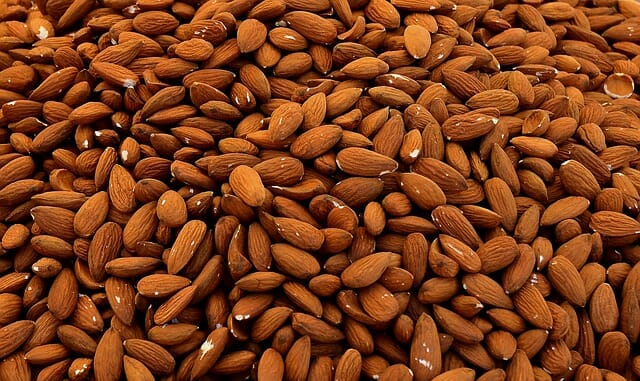
Image source: Pixabay.com
Foods rich in Vitamin E include:
Almonds.
Spinach.
Sweet potatoes.
Avocados.
Sunflower seeds.
Buttermilk squash.
Foods rich in Vitamin C include:
Red peppers.
Kale.
Oranges.
Broccoli.
Strawberries.
Brussel sprouts.
Grapefruit.
4. Curry powder/turmeric
Turmeric is a potent anti-inflammatory and helps to reduce brain plaque in the brain that can cause memory issues. Curry powder is used abundantly in India, where the rates of Alzheimer’s are considerably lower. A major ingredient in curry powder is turmeric, which contains curcumin.
Research shows that those who eat foods made with curry powder, or eat or drink turmeric regularly, have better brain performance overall. Turmeric also can protect the cardiovascular system and lower cholesterol.
5. Foods rich in folate
A deficiency in B vitamins, especially folate, can lead to memory loss and difficulty performing cognitive tasks.
Foods high in folate include:
Liver.
Chickpeas.
Pinto beans.
Spinach.
Lentils.
Beets.
Asparagus.
Avocados.
Final Thoughts
Other areas of your health are also important to help reduce your risk of Alzheimer’s. Encourage healthy habits such as exercise, healthy weight and adequate sleep.
What foods do you eat to fight off Alzheimer’s? Share your thoughts in the section below:
Staying up late or even all night can be fun — sometimes. You’re at a party that goes long and nobody wants to leave. Or you have a new baby in your house. Or you’re binge-watching Netflix. Or you just can’t stop working on a craft project.
Occasional all-nighters are a fact of life, but sleep deprivation can be harmful, especially during emergencies. Frequent all-nighters (or insomnia) can bring serious, long-term health consequences, even for teenagers.
The body “recharges its batteries” during sleep. Long-term sleep deprivation can promote and accelerate cognitive conditions like Alzheimer’s. If you’re getting less than six hours of sleep per night, your brain cannot detoxify the buildup of harmful proteins (called amyloid-beta) so your liver can flush them out. Over time, the buildup of these proteins can cause deterioration of the brain’s mental faculties, bringing on Alzheimer’s, and increasing the risk for dementia.
Sleep deprivation also can cause a number of physical and psychological problems. In the short term, you may be cranky, snapping at people and having abnormally highly emotional reactions. This can cause problems with family members as well as coworkers. You’ll look tired. Your judgment and self-control will suffer. Long-term sleep deprivation can bring on anxiety and depression.
The reaction time of a sleep-deprived person can be equal to a drunk person, without alcohol. The risk of a car accident or other devastating event increases. It’s not just you that becomes groggy; your cells will, too. You also might gain weight.
You may have an occasional deadline-sensitive project. Working when you start getting tired means you’ll be less productive.
If you’re having trouble sleeping, it’s time get your body back in order so that it can sleep at least 8 hours again.
Try some of these tips:
Have a regular bedtime and wake-up time. This will keep your circadian rhythm working like it should.
Get regular exposure to natural sunlight during the day. If you work in an office, factory or other enclosed place, then take a walk outside at lunchtime or during a break.
Keep your bedroom completely dark, or as close to dark as you can. Even light from a digital alarm clock can activate your pineal gland and make it think it’s daylight, thus disrupting sleep. Turn the clock’s face away from you and turn off any other lights.
Practice regular rituals, like reading, that tell your body that it’s sleep time.
Limit/eliminate the use of electronic devices an hour before bed. If you must use your smartphone or tablet, then use the setting that gives you a “night mode.” This will change the screen from the disrupting “blue light” to a warmer light. Additional apps are also available that go beyond the built-in functions.
Take a warm bath/shower an hour or two before bed. This drops your core body temperature when you finish, signaling the body to start going to sleep.
If you get up during the night, don’t turn on a light or check the clock. Using a low-wattage yellow, orange or red bulb in night lights prevents the disruption melatonin production (like white or blue light will).
With a few changes to your nightly routine, you’ll be sleeping like a baby again. Your body – and your brain – will thank you.
What are your tricks for getting a good night’s sleep? Share your suggestions in the section below:
Chickens are arguably the most efficient livestock you can own. They take up little space, are easy to care for, and produce both meat and eggs. However, feeding them can still be expensive, especially if you rely on pricier organic feeds for your flock. With egg prices remaining near ten-year lows, feeding your chickens as economically as possible is especially important right now.
Fortunately, there are several steps that you can take to keep your feed costs manageable. And while you may not eliminate your trips to the hardware store for another bag of layer pellets or cracked corn, you can certainly reduce the number of trips you have to take this year. Here are four great tips for lowering feed costs with the chickens you raise.
1. Range free and far
If chickens are penned up, they are completely reliant on the food you provide them. But if you let them roam free, they will be able to forage and eat grasses, seeds and any hapless bugs that come their way. Free-ranging your chickens will enable them to get much of the nutrients they need, and will help make the feed you purchase go a long way. Many people believe that eggs from free-range chickens taste better, too.
You also can set the chickens on your garden beds in the fall, and let them devour dead vegetables, plants and any bugs that are setting up shop there. The key with free-ranging your chickens is ensuring they are protected from predators (and themselves, since some chickens are prone to wandering) with good fencing. If you are uncomfortable with letting your chickens roam completely free, then you can compromise and set them in a chicken tractor that you move around your homestead every few days.
2. From table to coop
Hopefully you are accustomed to composting your table scraps, and an additional trip to the chicken run with a pale of leftovers is no big deal. If not, you can still start feeding your chickens table scraps today.
Chickens can eat most of the things that we eat, although there are some foods that should be avoided. Your birds will make good use of the leftovers and food waste that you otherwise would compost or throw away. Food items like cooked vegetables, grains, breads and meats (cut into small pieces) make great feed for your chickens. Simply keep a food-safe plastic pale in your kitchen, add the scraps to it as you prepare or finish meals, and then feed them to the flock.
3. Grow bugs
It’s no secret that chickens love to eat bugs; throw a grasshopper in front of a few hungry hens and watch what happens! However, many people don’t realize that bugs are full of protein, and some bugs are easy to grow as a food source for your birds.
One easy-to-grow food source bug is the lowly mealworm. Mealworms are the larva of the mealworm beetle; chickens love to eat them, they are loaded with protein, and they make a great food for your layer flock. Raise them in plastic containers or old aquariums, and keep an ever-replenishing supply of mealworms on hand. So purchase a mealworm starter culture, and start growing them today.
4. Cull older birds
One of the most effective ways to reduce the cost of raising chickens, especially if you are focused on laying hens, is to cull the older birds. Most chickens’ egg-laying capacity declines precipitously after two years; keeping them around after that does little more than add to your feed costs.
Birds that reach two years or so should be destined for the stew pot. Alternatively, you could sell them or give them away on Craigslist to people interested in chickens as pets. You also should ensure that you limit the number of roosters you have on hand, if any; unless you are using different roosters for a breeding program to fertilize eggs, having more than one doesn’t make much sense for a cost-conscious homesteader.
How do you feed your chickens “on the cheap”? Share your tips in the section below:
Unlike conventional drug treatments for Alzheimer’s disease, coconut oil and water may help resolve some of the root causes of neurodegenerative conditions.
Have you ever noticed that sometimes a food that nourish a particular organ often look uncannily similar to it? For instance, the walnut shell and bi-hemispheric flesh look awfully like the skull and brain it is now known to be exceptionally good for. Pomegranate fruit, the actual fruiting ovary of the plant, looks a lot like the mammalian ovary that it has been proven to support, containing relatively high levels of the actual bioidentical estrogen estrone. So too is the case with the head-like coconut, which is increasingly being looked at for preventing and/or improving brain dysfunctions such as Alzheimer’s disease (AD) due to its wide range of potentially therapeutic properties, such as:
1) Increasingly energy production in the brain by providing neurons an alternative to glucose, namely, the brain-nourishing metabolites of medium chain fatty acids known as ketone bodies.
2) By contributing potent antioxidant polyphenols that may reduce oxidative stress, improve brain blood circulation and reducing neuroinflammation
One reason why conventional interventions are so ineffective is that the brain is highly protected against the entry of chemicals due to the brain-blood-barrier (BBB), with most small molecule drugs and virtually all large molecule drugs incapable of gaining entry to the brain because of it. Even naturally occurring biomolecules such as fats have a hard time penetrating directly through the BBB. Coconut may be an exception to this rule, as it has copious amounts of the medium chain triglyceride known as caprylic acid, which preliminary research indicates is able to pass through the BBB and which has been demonstrated to possess anti-convulsive and neuroprotective properties in the animal model.[1]
Coconut Water’s Anti-Alzheimer’s Properties
We have reported previously on coconut oil and Alzheimer’s research, but it appears another coconut product: coconut water, which contains no fatty acids of physiological relevance, may also have great value for those suffering with Alzheimer’s disease.
Coconut water is one of nature’s best forms of hydration due to its isotonic properties (it is able to pass through cell membranes easily). And while the focus on brain health has been primarily on brain structures, e.g. neurons, brain plaque, etc., little focus has been on the role of water in brain health, and particularly dehydration as a factor in chronic neurodegeneration illness. Coconut water may help to restore hydration to the brain, and considering the discovery of a 4th phase of water known as EZ by Gerald Pollack which acts like a battery by absorbing the energy of sunlight, this increased hydration of the brain may also translate to increased energy production in those tissues and associated improvements in cognition.
First, coconut water contains a range of essential biomolecules needed for health, including vitamins, minerals, antioxidants, amino acids, enzymes, growth factors and other nutrients which have yet to be fully characterized.
Second, one of the more promising classes of phytocompounds in coconut water (and related plants) is known as cytokinins. These plant hormones modulate plant cell division and are believed to have anti-aging properties. One cytokinin known as trans-zeatin has been investigated as a possible new treatment for neuronal diseases including Alzheimer’s disease. According to a recent review on coconut’s value in Alzheimer’s disease, trans-zeatin is capable of preventing the brain cell damaging properties of amyloid beta brain plaque and related impairments in memory:
“Zeatin has demonstrated antioxidant and cell protective effects against Ab-induced neurotoxicity in cultures of neuronal PC12 cells, and in experiments of mice treated with scopolamine to induce amnesia, pretreatment of the mice with zeatin caused a reduction in the level of induced amnesia, according to the passive avoidance test and Y maze test(165)[2]. Interestingly, another study has found that trans-zeatin could inhibit acetylcholinesterase (166,167)[3][4]. This indicates that cytokinin could have therapeutic value, as levels of the neurotransmitter acetylcholine are reduced in AD, and acetylcholinesterase inhibitors are currently used to ameliorate the symptoms of AD.”
The enzyme acetylcholinersterase is the target of most AD drugs, because when this enzyme is inhibited it increases the duration of activity for the neurotransmitter acetylcholine, which in Alzheimer’s patients is believed to impaired or deficient.
Furthermore, the study pointed out another potentially beneficial property of coconut water for neurodegenerative disease via improving cardiovascular disease parameters (e.g. blood lipids and blood pressure):
“Coconut water has also been shown to have beneficial effects on serum and tissue lipid parameters, when given to rats concurrently fed a high-cholesterol containing diet(168).[5] Another study has investigated the positive effect of regular consumption of two tropical food drinks, coconut (C. nucifera) water and mauby (Colubrina arborescens), on the control of hypertension(169).[6] The combined products were found to be almost twice as effective as the products in isolation.”
If you have followed my previous writing on coconut water it is no secret to you that I am quite smitten with coconut water. In a previous article, “Coconut Water: More Than Just A Refreshing Beverage,” I broke down the multitude of health benefits it has been studied to possess. Despite these scientifically validated health properties, a common concern is coconut water’s sugar content. And yet, despite coconut water’s sweet taste and not insignificant simple sugar content it has actually been studied to have significant anti-diabetic properties.[7][8] Also, take a look at this study showing that coconut water may outperform a blockbuster statin drug[9] for improving blood lipid profiles. Because statin drugs are well known diabetogenic agents, coconut’s potential role in substituting for statin drugs may actually make it a powerful contributor to reducing iatrogenic, drug-caused diabetes.
Ultimately, I believe a compelling pattern of evidence points to the use of coconut oil and water as a therapeutic agent in the prevention and treatment of neurodegenerative diseases. To learn more about how alternative fuel sources such as fatty acids may benefit brain health read “Sugar and Your Brain: Is Alzheimer’s Disease Actually Type 3 Diabetes?” To explore a rich database of research on natural interventions for Alzheimer’s disease view our section dedicated to the topic here: Alzheimer’s disease research.
References
[1] Wlaz´ P, Socała K, Nieoczym D, et al. (2012) Anticonvulsant profile of caprylic acid, a main constituent of the medium chain triglyceride (MCT) ketogenic diet, in mice. Neuropharmacology 62, 1882–1889.
[2] Choi SJ, Jeong CH, Choi SG, et al. (2009) Zeatin prevents amyloid b-induced neurotoxicity and scopolamine-induced cognitive deficits. J Med Food 12, 271–277.
[3] Heo HJ, Hong SC, Cho HY, et al. (2002) Inhibitory effect of zeatin, isolated from Fatoua villosa, on acetylcholinesterase activity from PC12 cells. Mol Cells 13, 113–117.
[5] Sandhya VG & Rajamohan T (2006) Beneficial effects of coconut water feeding on lipid metabolism in cholesterolfed rats. J Med Food 9, 400–407. 169.
[6] Alleyne T, Roache S, Thomas C, et al. (2005) The control of hypertension by use of coconut water and mauby: two tropical food drinks. West Indian Med J 54, 3–8.
Alzheimer’s disease, which is the most serious form of dementia, eventually leads to the inability to carry out even the most basic of bodily functions, such as swallowing or walking. It is ultimately fatal, as conventional treatment options are few and universally ineffective.
Like autism among children, Alzheimer’s among seniors has reached epidemic proportions, with no slowdown in sight. On the contrary, evidence suggests the trend is worsening. At present, Alzheimer’s affects an estimated 5.4 million Americans.1
Projections suggest the disease will affect 1 in 4 Americans within the next two decades, and by 2050, Alzheimer’s diagnoses are projected to triple.2,3 Shocking statistics published in the journal Neurology in 2014 revealed Alzheimer’s killed more than 503,000 American seniors in 2010, making it the third leading cause of death, right behind heart disease and cancer.4
Now, data published in the U.S. Centers for Disease Control and Prevention’s (CDC) Morbidity and Mortality Weekly Report reveals that between 1999 and 2014, the death rate from Alzheimer’s increased by 55 percent,5,6,7,8 — a rather radical increase in a mere 15 years.
The CDC report also noted the number of people dying from the disease at home, opposed to in a care facility, has increased from 14 to 25 percent. This means many Alzheimer’s caretakers are unpaid family members and friends — a task known to be taxing from both an emotional and financial perspective. While these statistics sound dire enough, the reality may be even worse than that.
Alzheimer’s Deaths Are Likely Severely Underreported
The CDC report used data collected from U.S. death certificates. However, the 2014 Neurology study revealed Alzheimer’s deaths are grossly underreported on death certificates. In 2010, death certificates showed there were less than 84,000 deaths from Alzheimer’s. Meanwhile, by ascertaining the cause of death based on evaluation of donated organs from the diseased, the actual death toll attributable to dementia came out to 503,400.
If such a trend of underreporting Alzheimer’s disease as a cause of death holds true, the increase in Alzheimer’s deaths over the past 15 years may in fact be far greater than 55 percent.
Indeed, the CDC claims Alzheimer’s is the sixth leading cause of death, while the results from the 2014 study ranked it third. According to the CDC, Alzheimer’s killed 93,541 Americans in 2014 — a far cry from the estimated annual death toll of 503,400, reported in the Neurology study. Whatever the case may be, what’s clear is that severe, lethal dementia is rapidly rising, and the medical establishment is no closer to solving the riddle of causation than they were 30 years ago.
What’s Causing Alzheimer’s Disease?
It’s often said that the underlying causes of Alzheimer’s disease are unknown, but there’s no shortage of theories. Based on the available science, here are several of the most prominent or likely culprits that can raise your risk of Alzheimer’s disease:
Insulin resistance
Mounting research suggests Alzheimer’s disease is intricately connected to insulin resistance; even mild elevation of blood sugar is associated with an elevated risk for dementia.9Diabetes and heart disease10 are also known to elevate your risk, and both are rooted in insulin resistance. Neurologist David Perlmutter warns anything that promotes insulin resistance, like a processed food diet, will also raise your risk of Alzheimer’s.
Recent research has strengthened the link between insulin resistance and dementia even further, particularly among those with existing heart disease.11,12,13 Studies have also confirmed that the greater an individual’s insulin resistance, the less sugar they have in key parts of their brain, and these areas typically correspond to the areas affected by Alzheimer’s.14,15
Vitamin D deficiency
The Scotland Dementia Research Centre also noted there’s a very clear link between vitamin D deficiency and dementia.16 Indeed, studies have shown vitamin D plays a critical role in brain health, immune function, gene expression and inflammation — all of which influence Alzheimer’s. A wide variety of brain tissue contains vitamin D receptors, and when they’re activated by vitamin D, it facilitates nerve growth in your brain.
Researchers also believe optimal vitamin D levels boost levels of important brain chemicals, and protect brain cells by increasing the effectiveness of glial cells in nursing damaged neurons back to health. Considering an estimated 95 percent of seniors are at risk of vitamin D deficiency or insufficiency, vitamin D may be a very important factor for successful prevention among the general population.
Research also shows people living in northern latitudes have higher rates of death from Alzheimer’s than those living in sunnier areas,17 suggesting a link between sun exposure, vitamin D and brain health. In a 2014 study,18 considered to be the most robust study of its kind at the time, those who were severely deficient in vitamin D had a 125 percent higher risk of developing some form of dementia compared to those with normal levels.
The findings also suggest there’s a threshold level of circulating vitamin D, below which your risk for dementia increases. This threshold was found to be right around 20 nanograms per milliliter (ng/ml) or 50 nanomoles per liter (nmol/L) for Europeans.
Higher levels are associated with better brain health in general, and based on a broader view of the available science, 20 ng/ml is still far too low. The bulk of the research suggests a healthy range is between 40 to 60 ng/ml.
Lack of sun exposure
While vitamin D deficiency is directly attributable to lack of sensible sun exposure, vitamin D production is not the only way sun exposure can influence your dementia risk. Evidence suggests sunlight is a beneficial electromagnetic frequency (EMF) that is in fact essential and vital for your health in its own right.
About 40 percent of the rays in sunlight is infrared. The red and near-infrared frequencies interact with cytochrome c oxidase (CCO) — one of the proteins in the inner mitochondrial membrane and a member of the electron transport chain.
CCO is a chromophore, a molecule that attracts and absorbs light. In short, sunlight improves the generation of energy (ATP). The optimal wavelength for stimulating CCO lies in two regions, red at 630 to 660 nanometers (nm) and near-infrared at 810 to 850 nm.
I’ve recently interviewed two different experts on photobiomodulation, a term describing the use of near-infrared light as a treatment for Alzheimer’s. To learn more about this fascinating field, please see my interviews with Michael Hamblin, Ph.D., and Dr. Lew Lim. Both have published papers on using photobiomodulation to improve Alzheimer’s disease.
Photobiomodulation also improves oxygenation to your cells by releasing nitric oxide, and is a vasodilator that helps relax your blood vessels, lower your blood pressure and improve vascular health. Additionally, delivering red (660 nm) and near infrared light (830 nm) to the mitochondria promotes synthesizing of gene transcription factors that trigger cellular repair, and this is as true in the brain as anywhere else in your body.
Prion infection
In addition to viruses, bacteria and fungi, an infectious protein called TDP-43, which behaves like infectious proteins known as prions — responsible for the brain destruction that occurs in Mad Cow and Chronic Wasting Diseases — has been linked to Alzheimer’s.
Research presented at the 2014 Alzheimer’s Association International Conference revealed Alzheimer’s patients with TDP-43 were 10 times more likely to have been cognitively impaired at death than those without.19 Due to its similarities with mad cow disease, investigators have raised the possibility that Alzheimer’s disease may be linked to eating meat from animals raised in concentrated animal feeding operations (CAFOs).
Environmental Toxins
Experts at the Edinburgh University’s Alzheimer Scotland Dementia Research Centre have compiled a list of top environmental risk factors thought to be contributing to the epidemic, based on a systematic review of the scientific literature.20,21,22,23 As much as one-third of your dementia risk is thought to be linked to environmental factors such as air pollution, pesticide exposure and living close to power lines.
The risk factor with the most robust body of research behind it is air pollution. In fact, they couldn’t find a single study that didn’t show a link between exposure to air pollution and dementia. Particulate matter, nitric oxides, ozone and carbon monoxide have all been linked to an increased risk. Living close to power lines also has “limited yet robust” evidence suggesting it may influence your susceptibility to dementia.
Non-native or artificial electromagnetic fields (EMF)
Non-native EMFs contribute to Alzheimer’s by poisoning your mitochondria, and this is not limited to living in close proximity to power lines. It also includes electromagnetic interference from the electric grid and microwave radiation from your cellphone, cellphone towers and Wi-Fi.
This is a very deep and important topic that I plan to greatly expand on later this year. Based on what I’ve found so far, I’m convinced enough now to never put my cellphone on my body unless it is in airplane mode, and will not hold my cellphone unless it is on a selfie stick.
Inactivity / lack of exercise
Exercise has been shown to protect your brain from Alzheimer’s and other dementias, and also improves quality of life if you’ve already been diagnosed.24 In one study,25 patients diagnosed with mild to moderate Alzheimer’s who participated in a four-month-long supervised exercise program had significantly fewer neuropsychiatric symptoms associated with the disease (especially mental speed and attention) than the inactive control group.
Other studies26 have shown aerobic exercise helps reduce tau levels in the brain. (Brain lesions known as tau tangles form when the protein tau collapses into twisted strands that end up killing your brain cells.) Cognitive function and memory27 can also be improved through regular exercise, and this effect is in part related to the effect exercise has on neurogenesis and the regrowth of brain cells.
By targeting a gene pathway called brain-derived neurotrophic factor (BDNF), exercise actually promotes brain cell growth and connectivity. In one yearlong study, seniors who exercised grew and expanded their brain’s memory center by as much as 2 percent per year, where typically that center shrinks with age.
Evidence also suggests exercise can trigger a change in the way the amyloid precursor protein is metabolized,28 thus slowing the onset and progression of Alzheimer’s. By increasing levels of the protein PGC-1alpha (which Alzheimer’s patients have less of), brain cells produce less of the toxic amyloid protein associated with Alzheimer’s.29
Hypertension and heart disease
Arterial stiffness (atherosclerosis) is associated with a hallmark process of Alzheimer’s, namely the buildup of beta-amyloid plaque in your brain. The American Heart Association (AHA) warns there’s a strong association between hypertension and brain diseases such as vascular cognitive impairment (loss of brain function caused by impaired blood flow to your brain) and dementia.30
Moreover, in one clinical trial,31 test subjects who consumed high fructose corn syrup developed higher risk factors for cardiovascular disease in two weeks, demonstrating just how influential your diet can be on your heart and brain health in the long term.
Genetic predisposition
Several genes that predispose you to Alzheimer’s have also been identified.32 The most common gene associated with late onset Alzheimer’s is the apolipoprotein E (APOE) gene. The APOE e2 form is thought to reduce your risk while the APOE e4 form increases it.
That said, some people never develop the disease even though they’ve inherited the APOE e4 gene from both their mother and father (giving them a double set), so while genetics can affect your risk, it is NOT a direct or inevitable cause.
Your risk for early onset familial Alzheimer’s can also be ascertained through genetic testing.33 In this case, by looking for mutation in the genes for presenilin 1 and presenilin 2. People with one or more genetic predispositions are at particularly high risk of developing Alzheimer’s at a very young age. At just 31 years of age, Rebecca Doig is thought to be one of the youngest Alzheimer’s cases presently known.
Early Alzheimer’s Prevention Is Required to Stem the Tide of Dementia
There is no known cure and no effective conventional treatments for Alzheimer’s, making prevention an overarching priority. Regardless of your age, now is the time to really start looking at which of these possible causes might be influencing your risk. If you’re finding this information now and are in your 20s or 30s, consider yourself blessed with foresight.
You still have time to address most if not all of these possible factors. But don’t dawdle too long. Early-onset of Alzheimer’s is also on the rise. Already, nearly 5 percent of Americans with the disease are younger than 65. The video above features the story of Amy Norton, who was diagnosed with Alzheimer’s at the age of 43. As noted by the American Alzheimer’s Association:34
“Many people with early onset are in their 40s and 50s. They have families, careers or are even caregivers themselves when Alzheimer’s disease strikes. In the United States, it is estimated that approximately 200,000 people have early onset.”
The good news is that lifestyle choices such as diet, exercise and sleep can have a significant impact on your risk. As previously noted by Dr. Richard Lipton of the Albert Einstein College of Medicine — where they study healthy aging — lifestyle changes “look more promising than the drug studies so far” when it comes to addressing Alzheimer’s.35
Cyclical Ketogenic Diet Can Help Reduce Risk of Alzheimer’s
In recent years, I’ve become deeply interested in and familiar with the medical literature detailing the influence of mitochondrial function on health. It’s become quite clear to me — and to many other experts in the field — that mitochondrial dysfunction is at the heart of virtually all chronic disease, including heart disease, cancer and Alzheimer’s.
Mitochondria are tiny organelles found in most of your cells, responsible for production of energy in the form of adenosine triphosphate (ATP). Your mitochondria have a series of proteins in the electron transport chain, in which they pass electrons from the metabolic products of the food you eat to combine it with oxygen from the air you breathe and ultimately form water. This is called aerobic respiration.
The more mitochondria you have and the healthier they are, the more energy your body can generate and the lower your risk of chronic disease. Disturbingly, research suggests 50 percent of people under the age of 40 have early onset mitochondrial dysfunction. It’s no wonder then that diseases historically known to affect the very old are now affecting people in middle age or even younger. Dementia is certainly one of those.
The good news is there are many ways to optimize your mitochondrial function, and this is the focus of my new book, “Fat for Fuel,” which details my metabolic mitochondrial therapy (MMT) program in full — starting with what you eat every day. Mounting evidence suggests the ability to burn fat for fuel is a crucial component of good metabolic health and mitochondrial function, and to do that, you simply cannot subsist on a standard American diet of processed food.
You need a diet that powers your brain and body with healthy fats. When your body burns fat as its primary fuel, ketones are created, which burn efficiently, are a superior fuel for your brain, and generate fewer reactive oxygen species and less free radical damage. A ketone called beta hydroxybutyrate is also a major epigenetic player, stimulating beneficial changes in DNA expression, thereby reducing inflammation and increasing detoxification and antioxidant production.
MMT Is Part of the Answer
As a general guideline, until you are able to burn fat as your primary fuel, it is best to restrict your intake of net carbs (total carbs minus fiber) to about 20 to 50 grams per day while also keeping protein low enough to allow you to make the shift to nutritional ketosis — the metabolic state associated with an increased production of ketones in your liver. This is the biological reflection of being able to burn fat for fuel.
Nutritional ketosis is defined as blood ketones that stay in the range of 0.5 to 8.0 millimoles per liter (mmol/L). I explain the ins and outs of implementing this kind of diet, and its many health benefits, in the book. In it, I also explain why cycling through stages of feast and famine, opposed to continuously remaining in nutritional ketosis, is so important.
By periodically pulsing higher carb intakes, your ketone levels will dramatically increase and your blood sugar will drop. The pulsing will also prevent the loss of muscle that can occur when you remain in nutritional ketosis for extended periods of time.
A fascinating paper that demonstrates the power of lifestyle modifications for the prevention and treatment of Alzheimer’s is that of Dr. Dale Bredesen, a UCLA researcher who, by leveraging 36 different healthy lifestyle parameters — several of which are included in my MMT program — was able to reverse Alzheimer’s in 9 out of 10 patients. This included the use of:
His work was published in the journal Aging in 2014. You can download the full-text case paper online, which details the full program.36According to Bredesen, “The results … suggest that, at least early in the course, cognitive decline may be driven in large part by metabolic processes.”
Lifestyle Strategies That Reduce Your Risk of Alzheimer’s Disease
While genetics can raise your risk of Alzheimer’s, even genetic predisposition does not mean dementia is your inevitable fate. On the other hand, you may have no genetic predisposition for dementia and still lose your mind. It’s important to remember that your genetic expression is predicated on epigenetic factors such as your diet, exercise, sleep and environmental exposures. You can, to a great degree, influence your genetic fate, no matter what you start out with.
When it comes to preventing Alzheimer’s, enhancing your mitochondrial function, which I detail in my book, “Fat for Fuel,” is paramount. MMT, I believe, helps you build a solid base for health and general disease prevention. In addition to that, the following strategies (some of which are part of MMT) are particularly important for the prevention of Alzheimer’s:
Address your diet: Eat real food, ideally organic, and avoid processed foods, especially refined carbohydrates and vegetable oils
Contrary to popular belief, the ideal fuel for your brain is not glucose but ketones. Ketones are what your body produces when it converts fat into energy. Healthy fats to add to your diet include avocados, butter, organic pastured egg yolks, coconuts and coconut oil, grass fed meats, raw nuts and animal-based omega-3.
High intake of the omega-3 fats EPA and DHA help by preventing cell damage caused by Alzheimer’s disease, thereby slowing down its progression and lowering your risk of developing the disorder. Avoid all trans fats or hydrogenated fats. This includes margarine, vegetable oils and various butter-like spreads.
Keep your added sugar levels to a minimum and your total fructose below 25 grams per day, or as low as 15 grams per day if you already have insulin/leptin resistance or any related disorders.
Most will also benefit from a gluten-free diet, as gluten makes your gut more permeable, which allows proteins to get into your bloodstream where they sensitize your immune system and promote inflammation and autoimmunity, both of which play a role in the development of Alzheimer’s.
Optimize your gut flora
To do this, avoid processed foods, antibiotics and antibacterial products, fluoridated and chlorinated water, and be sure to eat traditionally fermented and cultured foods, along with a high-quality probiotic if needed. Dr. Steven Gundry does an excellent job of expanding on this in his new book “The Plant Paradox.” I will be interviewing him later this year, but his innovative approach has great potential to help your health.
Intermittently fast
Intermittent fasting is a powerful tool to jump-start your body into remembering how to burn fat and repair the insulin/leptin resistance that is a primary contributing factor for Alzheimer’s.
If you enjoy black coffee, keep the habit
While I would not encourage you to drink coffee if you’re not already a coffee drinker, if you enjoy it, there’s good news. Caffeine triggers the release of BDNF that activates brain stem cells to convert into new neurons, thereby improving your brain health. High-quality coffee also has many beneficial polyphenols that can improve brain function.
In one study, people with mild cognitive impairment whose blood levels of caffeine were higher (due to coffee consumption) were less likely to progress to full-blown dementia compared to those who did not drink coffee.37 In another study, older women whose coffee consumption was above average had a lower risk of dementia.38
Just make sure your coffee is organic, as coffee tends to be heavily sprayed with pesticides. For more details on making your coffee habit as healthy as possible, please see my previous article, “Black Coffee in the Morning May Provide Valuable Health Benefits.”
Move regularly and consistently throughout the day
The following lecture by physical therapist Teresa Liu-Ambrose, Ph.D., details the impact of exercise on dementia prevention and treatment.
Optimize your magnesium levels
Preliminary research strongly suggests a decrease in Alzheimer symptoms with increased levels of magnesium in the brain. Magnesium threonate appears particularly useful as it has the ability to cross your blood brain barrier.
Get sensible sun exposure to optimize your vitamin D and reap other photobiomodulation benefits
Sufficient vitamin D is imperative for proper functioning of your immune system to combat inflammation associated with Alzheimer’s. If you are unable to get sufficient amounts of sun exposure, make sure to take daily supplemental vitamin D3 to make your blood level at least 40 to 60 ng/ml. This is typically about 8,000 units of vitamin D for most adults.
That said, please do remember that sun exposure is also important for reasons unrelated to vitamin D. The near-infrared light in sunlight actually helps boost cognition and reduces symptoms of Alzheimer’s via a process known as photobiomodulation.
Avoid and eliminate mercury from your body
Dental amalgam fillings are one of the major sources of heavy metal toxicity; however, you should be healthy prior to having them removed. Once you have adjusted to following the diet described in my optimized nutrition plan, you can follow the mercury detox protocol and then find a biological dentist to have your amalgams removed.
There is some suggestion that certain mineral waters high in silicic acid may help your body eliminate aluminum. Later this year I will be interviewing Wendy Meyers, an expert on detoxification and minerals, about some simple strategies you can use to address this.
Avoid flu vaccinations
Most flu vaccines contain both mercury and aluminum.
Avoid statins and anticholinergic drugs
Drugs that block acetylcholine, a nervous system neurotransmitter, have been shown to increase your risk of dementia. These drugs include certain nighttime pain relievers, antihistamines, sleep aids, certain antidepressants, medications to control incontinence and certain narcotic pain relievers.
Statin drugs are particularly problematic because they suppress the synthesis of cholesterol, deplete your brain of coenzyme Q10, vitamin K2 and neurotransmitter precursors, and prevent adequate delivery of essential fatty acids and fat-soluble antioxidants to your brain by inhibiting the production of the indispensable carrier biomolecule known as low-density lipoprotein.
Limit your exposure to non-native electromagnetic fields (cellphones, Wi-Fi routers and modems)
The primary pathology behind cellphone damage is not related specifically to brain tumors, or even to cancer. The real danger lies in damage from the reactive nitrogen species peroxynitrites.39 Increased peroxynitrites from cellphone exposure will damage your mitochondria, and your brain is the most mitochondrial-dense organ in your body.
Increased peroxynitrite generation has also been associated with increased levels of systemic inflammation by triggering cytokine storms, autonomic hormonal dysfunction and mitochondrial dysfunction.
Peroxynitrite is an unstable structural ion produced in your body after nitric oxide is exposed to superoxide, and this complex chemical process begins with exposure to low-frequency microwave radiation from your cellphone, Wi-Fi and cellphone towers.40,41
Get plenty of restorative sleep
Sleep is necessary for maintaining metabolic homeostasis in your brain. Wakefulness is associated with mitochondrial stress; without sufficient sleep, neuron degeneration sets in. While sleep problems are common in Alzheimer’s patients, poor sleep may also be contributing to the disease by driving the buildup of amyloid plaques in your brain.
While you sleep, your brain flushes out waste materials, and if you don’t sleep well, this natural detoxification and clean-out process will be severely hampered.
Challenge your mind daily
Mental stimulation, especially learning something new, such as learning to play an instrument or a new language, is associated with a decreased risk of dementia and Alzheimer’s. Researchers suspect that mental challenge helps to build up your brain, making it less susceptible to the lesions associated with Alzheimer’s disease.