Building a usable supply of fruits and vegetable is difficult for some preppers. Many of us struggle with this aspect of prepping, but there are a few simple steps you can take if you’re looking to add fruit or vegetables to your prepper stockpile.
It is difficult in a SHTF situation to get the fruit and vegetables the human body needs, but without them, you and your family can be at risk for a nutritional deficiency disease such as scurvy (which results from a lack of vitamin C) and immune systems will be compromised.
According to Before It’s News, one of the first things you should actually do, is avoid certain produce. Whenever possible, focus on organic produce for your stockpile. The use of pesticides in conventional farming is rampant. Even the Environmental Protection Agency has been forced to admit that the ingestion of pesticides can cause health problems. The government agency warns of the risk of “birth defects, nerve damage, cancer, and other effects that might occur over a long period of time.” Especially at risk of harm from pesticides are prepubescent children and the unborn. It is also a good idea to just avoid GMOs (genetically modified organisms) if you can. Particularly avoid anything non-organic that contains corn or soy ingredients. There are questions about health risks and GMOs are engineered to withstand even higher dousing of pesticides than other conventional fruits and veggies.
There are many effective ways to preserve fruits and vegetables that you acquire fresh. Whether you harvest them from your own property, buy them at the farmer’s market or a local orchard, or even make a bulk purchase from the discount bin at the grocery store, having the supplies and skills to quickly preserve them can allow you to make the most of your windfall. Dehydrating is probably the easiest way to create a stockpile of small, already individual serving sized chunks of produce. This can be done without a dehydrator, and right in your oven. Canning is always another alternative but be sure to store your items carefully, as glass jars break more easily. (Think Earthquakes) You could also try root cellaring for things like onions, potatoes, parsnips, carrots, apples, and winter squash in a cold room.
Dried: Dried fruits such as raisins, banana chips (without sugar), and dried cranberries can pack a lot of nutritional punch into a tiny serving size. Think of them as concentrated vitamins. An adult serving of raisins is only 1/4 cup, which means that you can pack a lot of nutrition into a small amount of space with dried fruits.
Canned: Canned goods such as tomatoes, green beans, and peas can go a long way towards providing nutrition. The benefit to those rows of tin cans is that you don’t require power to store them safely, and they are fully cooked so you don’t even have to heat them up in a grid down situation. You can also find many varieties of canned fruit but beware of heavy syrups. Opt for fruit canned in juice if possible. Plus, the containers they already come in aren’t easily broken.
Frozen: Frozen fruits and vegetables are the closest to fresh that you can get. This is a great way to build a stockpile for times when money is tight, but don’t put all of your produce in the freezer. During an extended power outage, you stand to lose a large portion of your deep freeze contents. If you do purchase a large amount of produce for the freezer, have canning jars, lids, and an off-grid method for canning them if the electricity goes down for the long-term. Frozen fruits and vegetables can also be dehydrated right in your oven and saved for your stockpile.
Freeze-dried: This is a more expensive option, but freeze-dried fruits and vegetables maintain their nutrients, require little storage space, and need no special storage conditions. You can add a great deal of variety to your pantry with a selection of freeze dried ingredients and the foods, if sealed correctly, can last up to 25 years. You can find a wide variety of freeze-dried fruits and vegetables HERE.
Other useful information can be found here, in the book The Prepper’s Blueprint. Hopefully, these few (and by all means, there are many more) ideas can get you on track to having a surplus of nutrient-rich produce in your prepper stockpile.
Exercise is an inexpensive, natural preventative approach that you can implement into your daily schedule at your own pace. Hundreds of health benefits are associated with physical activity, ranging from weight loss to mood support. Even if you are eating a 100% organic, raw vegan diet, without exercise you’re missing an integral piece of the puzzle. A recent study presented at the American Physiological Society Conference is suggesting that taking vitamin C could promote similar heart effects as seen with exercise. [1] Those that shun exercise, however, may want to hold off their rejoicing.
Is Vitamin C as Effective as Exercise?
While certainly optimistic, the recent research comparing vitamin C supplementation to the benefits received from exercise are by no means conclusive. Researchers showed that while vitamin C could produce some cardiovascular benefits that are seen during and after exercise, it doesn’t offer the same metabolism-boosting, mind-supporting, and immune-boosting benefits that physical activity provides. Yes, vitamin C may produce these effects to some degree, but it’s exercise that shows a more noticeable shift toward these benefits. In fact, the combination of exercise plus a healthy diet maximizes the positive health effects.
Since this study merely looked at a single marker responsible for vascular health in obese people, it doesn’t show the wide-ranging metabolic benefits associated with vitamin C supplementation. Therefore, it’s highly unlikely that vitamin C can produce substantial weight loss benefits as seen in exercise, nor should vitamin C be seen as a substitute for physical activity. Researchers also didn’t examine the effects of vitamin C on blood pressure or cholesterol, two things that are naturally regulated by exercise. [2] Vitamin supplementation is a great insurance plan for your health but should never be seen as a replacement for anything a healthy diet and exercise routine can provide.
The Best Exercises for Heart Health
All exercise that increases your heart rate is going to benefit heart health, but walking, sprinting, and yoga are excellent heart-strengthening exercises you can enjoy regardless of your fitness level. Stress reduction is another “exercise” that you should practice daily in order to reap benefits for heart health. Since stress impacts the heart dramatically, it’s important to practice meditation or any other stress-management technique. Also, be sure you’re getting plenty of sleep and are exercising out in the sun to gain vitamin D-producing benefits. Vitamin D is another excellent vitamin that may protect the heart.
What are your thoughts about using supplements as a replacement for exercise and/or a healthy lifestyle? Give us your two cents in the comments.
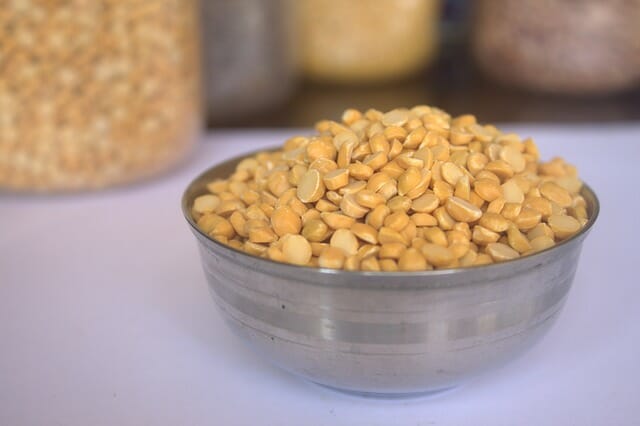
If you are looking to add some powerhouse nutrition to your fall and winter meals, be sure to consider lentils.
Lentils are legumes, and when compared with other dried beans, they are easy and quick to prepare since they do not require presoaking. However, they offer high nutritional content, and they readily absorb other flavors in your soups, stews and side dishes. Even better: They will store for years and years.
Lentils originated in central Asia and are one of the world’s first cultivated foods. In fact, lentil seeds dating back to Old Testament times have been discovered at archeological sites in the Middle East. Sometime before the first century, lentils made their way to India, where they became the basis of the popular Indian dish, dal.
There are dozens of varieties of lentils, and they are classified by size and by color. Although green and brown lentils are the most common types in the U.S., lentils also come in orange, red, yellow and black varieties. Flavors differ slightly among the different types, but each one offers a rich, dense, slightly nutty taste.
Here are some of the many health benefits lentils can provide.
Manganese. Stored in the bones and in the liver, pancreas and kidneys, this mineral helps the body maintain a normal level of blood sugar. It also offers protection against free radicals. A 100-gram serving of red lentils provides 100 percent of your daily manganese requirements.
Protein. If you are a vegetarian or are just looking to increase your protein intake, lentils are a great choice. A half cup serving of dry lentils provides 26 grams of energy-packed protein. They also are naturally gluten-free. Lentils are one of the best sources of alkaline protein, which means they can help balance the body’s pH level, promoting a healthy gut.
Fiber. If you consume 100 grams of dry green lentils, you will get 80 percent of your day’s fiber recommendation. A high daily intake of dietary fiber can help lower your “bad” cholesterol levels and offer protection against developing Type 2 diabetes and colon cancer. High fiber also regulates the digestive system, helping to prevent constipation, diarrhea, inflammatory bowel disease and diverticulitis.
Potassium. Potassium is helpful in regulating blood pressure, and it can help fight the damaging effects of too much sodium in the diet. A 100-gram serving of red lentils offers more potassium content than a large banana.
Folate. Folate plays an important part in heart health, nerve function and the formation of red blood cells. It helps prevent anemia and is very important in helping increase the blood volume of pregnant women and women of childbearing age in general.
Image source: Pixabay.com
Iron. You can take a natural iron supplement by eating 100 grams of lentils, which provides almost half of your daily iron requirement. Iron helps in the formation of hemoglobin in the blood and myoglobin in the muscles, both of which help fight against fatigue and tiredness.
Low starch content. Compared with refined grains and packaged carbohydrates, lentils have a low impact on blood sugar levels. Lentils contain about 35 percent digestible starch, and about 65 percent resistant starch, which is the type that escapes absorption in the small intestines. Eating lentils can help curb your appetite, since they are low in calories yet are satisfying.
How to Purchase Lentils
Lentils are available in prepackaged containers and in bulk bins. Look for lentils that are whole and without cracks and without any evidence of damage from insects or moisture.
Unlike many canned vegetables, canned lentils retain most of their nutrition. Check the label, however, to avoid added salt or other ingredients.
Storage
When dry lentils are stored in an airtight container in a cool, dry and dark place, they will store for years. Cooked lentils will stay fresh in the refrigerator for about three days in a covered container.
Cooking With Lentils
Spread lentils out on a light plate or surface to check for and to remove any small rocks or other debris. Then rinse lentils in a strainer under cool running water.
To boil lentils, use one cup of lentils per three cups of liquid. For lentils that are easier to digest, place them in water that is already boiling. When the water returns to a full boil, turn down heat to a simmer and cover the pot. Red lentils take about 20 minutes to cook, while green lentils take about 30 minutes.
You can lengthen or shorten this time depending on the consistency you desire. For example, you might want to cook them for less time if you want a firmer texture for a salad or soup. If you are making a curry or a dal, however, you may want to increase the cooking time so your lentils have a softer consistency.
Have you ever eaten or stored lentils? What advice would you add? Share your tips in the section below:
Here are some recipes for lentils you may want to consider:
The science is in: Processed food is addictive, can make you extremely unhappy and will prematurely kill you. How did this happen? And how have food manufacturers been able to deceive the world about these facts? Dr. Robert Lustig has written a new book, “The Hacking of the American Mind: The Science Behind the Corporate Takeover of Our Bodies and Brains,” in which he explains how and why this occurred.
He is perhaps most well-known for his brilliant research into sugar and obesity, and his previous book, “Fat Chance: Beating the Odds Against Sugar, Processed Food, Obesity and Disease,” was a New York Times Best Seller. Lustig is an emeritus professor of pediatrics in the division of endocrinology at the University of California, San Francisco, and a member of the Institute for Health Policy Studies. Since the last time I interviewed him, he’s also completed a master’s in public health law.
The Genesis of ‘Hacking of the American Mind’
The motivation for “The Hacking of the American Mind” began some 30 years ago, while still a postdoctoral fellow in neuroscience at Rockefeller University. There, he learned about the interaction between dopamine and serotonin in the brain. At the time, only basic correlational data existed, but there appeared to be a very specific interaction going on between these two neurochemicals.
“As I was researching the data for ‘Fat Chance,’ four years ago, it became very clear that the data had come in on the role of diet and behavioral health,” Lustig says. “In addition, we also now had neuroimaging studies. I realized everything was falling into place — that this issue, dopamine and serotonin, was actually at the core of what had now become our depression and opiate crises.
At the same time, I was giving Psychiatry Grand Rounds at a U.S. medical school in 2014. The woman who ran their outpatient treatment program took me on a tour of their facility. She was a recovered addict herself. She said something to me that was so jarring. She said, ‘When I was shooting up, I was happy. What my new life has brought me is pleasure.’
I thought to myself, ‘That’s wrong. That’s exactly turned around.’ But I didn’t say anything to her. I went home and talked to some psychiatry friends. They said, ‘Oh yeah, a lot of people seem to get addicted with this concept in mind.’ I said, ‘Well, there’s a book there.’ That was the genesis of this book.”
Why Processed Food Diets Fuel Depression
Tryptophan, which is the precursor for serotonin, is one of the rarest amino acids in our diet. But it’s a mistake to think the answer to depression is as simple as taking tryptophan to boost serotonin. The reason for this is because most of the tryptophan is converted to serotonin in your gut, and it does not freely travel into your brain. Lustig explains:
“Tryptophan is the only amino acid that can be converted into serotonin. Tryptophan is the rarest amino acid in our diet. Eggs have the most. Certain poultry and other avian species have some [tryptophan]. There’s very little in vegetables. Obviously, carbohydrates have virtually no tryptophan whatsoever.
It’s actually pretty hard to get tryptophan into your body to start with. Take processed food on top of that, then it’s even harder because it tends to be tryptophan-depleted. [Moreover], 99.9 percent of the tryptophan you ingest either gets turned into serotonin in the gut for your gut’s purposes, or it goes into your platelets to help your platelets help you clot. [So] very little tryptophan actually gets to the brain.
Top that off with the fact that tryptophan has to share an amino acid transporter with two relatively common amino acids: phenylalanine and tyrosine, which, by the way, are the precursors for dopamine. You can see that the more processed food you eat, the more dopamine you will make because you will have the precursors for that.
They will actually crowd out the ability to get tryptophan across the blood-brain barrier … Yet, serotonin is the nidus of contentment, of happiness. It explains why diet is so problematic … “
Face-to-Face Interaction Has Neurochemical Effects
Many try to bolster their happiness through certain food choices, but this actually does not work, and Lustig provides compelling arguments that the foods you crave drive up dopamine and drive down serotonin. Rather, it’s experiences that make you happy. People can make you happy. You can make yourself happy. In his book, Lustig outlines a number of different strategies to become happier.
“Ultimately, the goal is [to increase] your serotonin,” he says. There are four ways to boost your serotonin, and they’re all free. They’re also things your grandmother likely told you to do. First and foremost is making human connections.
“Turns out that Facebook does not count as connection. When we’re talking about interpersonal connection, we’re talking about eye-to-eye,” Lustig says. “The facial emotions of the person you’re talking with activate a set of neurons in your brain called ‘mirror neurons,’ which are the drivers of empathy and specifically linked to serotonin.
To be able to generate a feeling of empathy, which ultimately turns into contentment/happiness, you actually have to connect. You can’t do it over the internet. You can’t have a connection with ‘anonymous.’ It just doesn’t work.”
On the contrary, social media generate dopamine, associated with pleasure, and hence can drive addiction. The main problem is that when dopamine goes up, serotonin goes down. So, online communication is actually a major causative factor of unhappiness.
Lustig also elaborates on how companies — both food manufacturers and electronics companies — capitalize on the biology of dopamine versus serotonin to get us addicted to their products. There’s even a book on this topic written by Nir Eyal, called, “Hooked: How to Build Habit-Forming Products.”
Dopamine Versus Serotonin
It’s important to realize that the dopamine (or reward-generating) pathway is the same no matter what your source of pleasure is. It can be a substance, such as nicotine, alcohol, heroin or junk food; or it can be behavior, such as internet surfing, shopping or pornography. The problem, in a nutshell, is that dopamine is an excitatory neurotransmitter, and in excess is neurotoxic.
When dopamine is released, and the neuron on the other side accepts the signal, it can damage that neuron. Over time, excitatory neurotransmitters can cause cell death. To protect itself from damage, the postsynaptic neuron employs a self-protective mechanism — it downregulates its receptors.
By having fewer receptors, the dopamine cannot do as much damage. So, each time you get a “hit” or rush of dopamine, the number of receptors decrease. As a result, you need increasingly larger doses or “hits” to get the same rush. Eventually, you end up with tolerance, a state where even a large dose produces no effect. Once the neurons start to actually die off, you’re a full-blown addict.
“The point that you need to know is that it takes three weeks for the receptors to repopulate. The cravings can go on for upwards of a year when you’re addicted. This is a long-term process that sometimes requires medical intervention and medical management by physicians who understand addiction medicine,” Lustig says.
Serotonin, on the other hand, is not an excitatory neurotransmitter. When it acts on the serotonin-1a receptor (the “contentment” receptor), no damage occurs. Hence, happiness does not lead to addictive behavior. Keep in mind that dopamine downregulates serotonin, so it’s basically impossible to achieve happiness (related to serotonin) through pleasure-seeking behavior (related to dopamine).
One of the cheapest pleasures that stimulates dopamine is sugar. Many reach for sweet junk food when they feel down, thinking it’ll help them feel better, but neurochemical science reveals this simply cannot happen. Add the stress hormone cortisol to the mix, which downregulates the serotonin-1a receptor, and you have a recipe for both addiction and depression. “That’s what we’re seeing throughout all of civilized society, not just in America, but around the world,” Lustig says.
Other Serotonin Boosters
There are three other ways, besides connecting, that boost serotonin and happiness. The remaining three of the four Cs are:
1.Contribute: Meaning the act of contributing to something greater than yourself; making a contribution to society. “You can get happiness and contentment from your job, but there are certain criteria that have to be met,” Lustig says. “Most people, unfortunately, have a boss who is not contributing to their happiness. The workplace is not usually the best place to achieve meaningful contentment.”
2.Cope: Lack of sleep, insufficient exercise and multitasking are all causes of unhappiness. Sleep is extremely important for healthy serotonin production. Here, avoiding exposure to electronic screens is important, as blue light inhibits melatonin production, thereby making sleep more elusive. Electronics will also disrupt your sleep and deteriorate your health by exposing you to unnecessary microwaves, discussed in this recent article on depression.
3.Cook: If you cook, you’re likely going to increase your tryptophan, reduce your refined sugar intake and increase your omega-3 fats (anti-inflammatory) and fiber. Overall, this will result in improved gut health, which has tremendous impact on your mood and mental health.
“Numerous investigators … have shown that your gastrointestinal flora tell your brain what they want through signals that go through the bloodstream, and potentially even neural ones as well. If you do not feed your bacteria, you cannot get happy. Eating real food you prepare yourself is super important,” Lustig says.
Eating Real Food Helps Optimize Tryptophan and Other Vital Brain Nutrients
As mentioned, a big part of the happiness equation is to increase serotonin by optimizing tryptophan. However, the dilemma is that most of the serotonin produced in the gut is used there locally. It does not enter your brain. Lustig explains:
“There are many diversions for tryptophan away from the brain. It can be metabolized in the intestine itself. It can be metabolized in the platelets. It can be turned into kynurenine, which is a secondary metabolite in the liver. It may not be transported across the blood-brain barrier because of phenylalanine and tyrosine taking up the aromatic amino acid transporter.
In addition, of course, your serotonin neurons must be functional. There are things that will kill off serotonin neurons, including party drugs. For instance, MDMA, or Ecstasy, is a famous dopamine and serotonin killer … Once you’ve lost those serotonin neurons, it’s pretty hard to get any sort of happiness signal.”
So, how do you boost systemic tryptophan? One of the keys is to eat real food, and to make sure you include high-tryptophan foods, the highest of which is egg whites. You also need omega-3 fatty acids, especially DHA, which is a component of every cell in your body. More than 90 percent of the omega-3 fat found in brain tissue is DHA.
“Omega-3s are probably the single most beneficial thing you can put in your body. They are anti-inflammatory. They are anti-Alzheimer’s. They increase membrane fluidity. Therefore, they increase neuronal distensibility, which means it’s less likely that any given neuron will die,” Lustig says.
“The problem, of course, is that when we took the fat out of the food, we took ALL the fat out of the food. It’s been a real chore to get the medical cognoscenti to turn around on this. I do want to do a shoutout to the American Heart Association, because they have now debunked their long-standing cholesterol-fat hypothesis.
They now recognize that saturated fat was not the demon they made it out to be, and that there are seven classes of fats, and that you actually have to consume omega-3s. You have to consume monounsaturated fats. In fact, you do have to consume some saturated fat because it’s a major component of membranes.”
The Corporate Takeover
So, how have food companies contributed to the problems of food and drug addiction? According to Lustig, “If you look at the Supreme Court decisions that took place between the mid-’70s and mid-’80s, they took away individual rights and loaded up corporate rights in a very distinct fashion.” In his book, he describes four specific Supreme Court decisions, one of which basically deregulated corporate speech.
Corporations can say anything they want, whenever they want, regardless of whether it’s actually true. Our current epidemics of opioid and food addiction are outgrowths of corporate dishonesty.
“We are now seeing the advent of the post-truth society because of how the Supreme Court chipped away at our own individual rights,” Lustig says. “By doing so, corporations have affected our ability to experience pleasure and happiness. They’ve actually inserted propaganda into our limbic system, our reward generating system, so that we constantly seek reward at the expense of our own happiness.
This is why we currently live in the world we live in. The late political philosopher from Princeton, Sheldon Wolin, wrote a poignant book called ‘Democracy Incorporated: Managed Democracy and the Specter of Inverted Totalitarianism,’ [in which] he envisioned that corporations and government … would become one and the same.
If you look at what’s going on in the White House today, you can see that Wolin’s nightmare scenario has been realized. It’s fascism in the sense that we don’t seem to have a voice of our own. It’s not fascism in the sense that it’s corporations that’s told us what to do. It’s that we’ve basically abdicated our own responsibility for our own health and safety.”
The EatREAL Trust Mark
Speaking of living in a post-truth society, you might not realize there’s no regulation against restaurants blatantly lying about what they’re serving you. Larry Olmsted, in his book “Real Food/Fake Food: Why You Don’t Know What You’re Eating and What You Can Do About It,” addresses this. There are no consequences, no regulatory action, for lying to customers. The deception will only enrich them — until or unless they’re publicly outed and perhaps boycotted.
One way to protect your interests when eating out is to make sure the restaurant is affiliated with Responsible Epicurean and Agricultural Leadership, better known as EatREAL, a nonprofit Lustig helped create. It teaches restaurants what they “should be doing,” and provides a trust mark to the public — a green fork.
The High Cost of Added Sugar
Processed fructose, mostly in the form of corn syrup, has become a major contributor to the $3 trillion health care budget in the United States, and there’s clear data linking sugar consumption to de novo lipogenesis — a disease process associated with fat accumulation in the liver, causing insulin resistance, hyperinsulinemia, metabolic syndrome and associated diseases. That includes Type 2 diabetes, hypertension, lipid problems, cardiovascular disease, cancer and dementia.
“We have the mechanism by which this occurs. In fact, our paper in Gastroenterology1 demonstrates that if you take sugar out of the diet of children with metabolic syndrome and substitute starch — calorie for calorie exchange, glucose for fructose exchange with no change in calories … — in 10 days, you can reverse metabolic syndrome.
You can reverse the insulin resistance. You can reverse the liver fat. You can reverse the burden on the pancreas. Basically, all of the metabolic perturbations go away. This is the smoking gun,” Lustig says. “In addition, we have a paper in BMJ Open2 which models what could happen in terms of health care expenditures and disease rates if we reduced our sugar consumption by 20 percent, which is what taxes would do.
Or if we reduce sugar consumption by 50 percent (which is what the United States Department of Agriculture suggested we do), for nonalcoholic fatty liver disease alone … the United States, over the next 20 years, could save $103 billion, just on that disease alone. Ultimately, this is where the money goes. This is why health care will be defunct. This is why Medicare will be broke by the year 2026 …
We have to deal with health. Health is going down the tubes. There’s no amount of health care that can fix what’s wrong with our diet, unless we fix the diet first … The bottom line is we are in trouble. But you can’t fix a problem until you recognize what the problem is. This book, ‘The Hacking of the American Mind,’ demonstrates how the science, how the biology, ultimately has influenced not just our health, but in fact, our policy.”
More Information
In the past, people had a much better understanding of happiness and pleasure. Lustig’s book describes how these terms have been purposely conflated and confused by businesses and governments because it helped sales. To turn the trends of addiction around, you have to understand the difference between the two.
“So, what’s the difference between pleasure and happiness? There are seven differences: Pleasure is visceral; happiness is ethereal. Pleasure is short-term; happiness is long-term. Pleasure is usually achieved alone; happiness is usually achieved in social groupings. Pleasure is taking; happiness is giving. Pleasure can be achieved with substances; happiness cannot be achieved with substances.
The extremes of pleasure all lead to addiction, whereas there is no such thing as being addicted to happiness. Finally, pleasure is dopamine and happiness is serotonin.
Understanding the difference between the two is something, for some reason, that the American public just never got. We have to make them get it in order to turn this problem around. Academics don’t get it. Businesses don’t get it. The federal government certainly doesn’t get it. We have to make them get it. That’s why this book is so crucial.”
“The bottom line is it’s about the science,” Lustig says. “There will be detractors who will say this is garbage. But the bottom line is there are 600 references to the primary literature to demonstrate that this is not gobbledygook. The science actually predicts the phenomena that we see and the society we’ve become.”
The science is in: Processed food is addictive, can make you extremely unhappy and will prematurely kill you. How did this happen? And how have food manufacturers been able to deceive the world about these facts? Dr. Robert Lustig has written a new book, “The Hacking of the American Mind: The Science Behind the Corporate Takeover of Our Bodies and Brains,” in which he explains how and why this occurred.
He is perhaps most well-known for his brilliant research into sugar and obesity, and his previous book, “Fat Chance: Beating the Odds Against Sugar, Processed Food, Obesity and Disease,” was a New York Times Best Seller. Lustig is an emeritus professor of pediatrics in the division of endocrinology at the University of California, San Francisco, and a member of the Institute for Health Policy Studies. Since the last time I interviewed him, he’s also completed a master’s in public health law.
The Genesis of ‘Hacking of the American Mind’
The motivation for “The Hacking of the American Mind” began some 30 years ago, while still a postdoctoral fellow in neuroscience at Rockefeller University. There, he learned about the interaction between dopamine and serotonin in the brain. At the time, only basic correlational data existed, but there appeared to be a very specific interaction going on between these two neurochemicals.
“As I was researching the data for ‘Fat Chance,’ four years ago, it became very clear that the data had come in on the role of diet and behavioral health,” Lustig says. “In addition, we also now had neuroimaging studies. I realized everything was falling into place — that this issue, dopamine and serotonin, was actually at the core of what had now become our depression and opiate crises.
At the same time, I was giving Psychiatry Grand Rounds at a U.S. medical school in 2014. The woman who ran their outpatient treatment program took me on a tour of their facility. She was a recovered addict herself. She said something to me that was so jarring. She said, ‘When I was shooting up, I was happy. What my new life has brought me is pleasure.’
I thought to myself, ‘That’s wrong. That’s exactly turned around.’ But I didn’t say anything to her. I went home and talked to some psychiatry friends. They said, ‘Oh yeah, a lot of people seem to get addicted with this concept in mind.’ I said, ‘Well, there’s a book there.’ That was the genesis of this book.”
Why Processed Food Diets Fuel Depression
Tryptophan, which is the precursor for serotonin, is one of the rarest amino acids in our diet. But it’s a mistake to think the answer to depression is as simple as taking tryptophan to boost serotonin. The reason for this is because most of the tryptophan is converted to serotonin in your gut, and it does not freely travel into your brain. Lustig explains:
“Tryptophan is the only amino acid that can be converted into serotonin. Tryptophan is the rarest amino acid in our diet. Eggs have the most. Certain poultry and other avian species have some [tryptophan]. There’s very little in vegetables. Obviously, carbohydrates have virtually no tryptophan whatsoever.
It’s actually pretty hard to get tryptophan into your body to start with. Take processed food on top of that, then it’s even harder because it tends to be tryptophan-depleted. [Moreover], 99.9 percent of the tryptophan you ingest either gets turned into serotonin in the gut for your gut’s purposes, or it goes into your platelets to help your platelets help you clot. [So] very little tryptophan actually gets to the brain.
Top that off with the fact that tryptophan has to share an amino acid transporter with two relatively common amino acids: phenylalanine and tyrosine, which, by the way, are the precursors for dopamine. You can see that the more processed food you eat, the more dopamine you will make because you will have the precursors for that.
They will actually crowd out the ability to get tryptophan across the blood-brain barrier … Yet, serotonin is the nidus of contentment, of happiness. It explains why diet is so problematic … “
Face-to-Face Interaction Has Neurochemical Effects
Many try to bolster their happiness through certain food choices, but this actually does not work, and Lustig provides compelling arguments that the foods you crave drive up dopamine and drive down serotonin. Rather, it’s experiences that make you happy. People can make you happy. You can make yourself happy. In his book, Lustig outlines a number of different strategies to become happier.
“Ultimately, the goal is [to increase] your serotonin,” he says. There are four ways to boost your serotonin, and they’re all free. They’re also things your grandmother likely told you to do. First and foremost is making human connections.
“Turns out that Facebook does not count as connection. When we’re talking about interpersonal connection, we’re talking about eye-to-eye,” Lustig says. “The facial emotions of the person you’re talking with activate a set of neurons in your brain called ‘mirror neurons,’ which are the drivers of empathy and specifically linked to serotonin.
To be able to generate a feeling of empathy, which ultimately turns into contentment/happiness, you actually have to connect. You can’t do it over the internet. You can’t have a connection with ‘anonymous.’ It just doesn’t work.”
On the contrary, social media generate dopamine, associated with pleasure, and hence can drive addiction. The main problem is that when dopamine goes up, serotonin goes down. So, online communication is actually a major causative factor of unhappiness.
Lustig also elaborates on how companies — both food manufacturers and electronics companies — capitalize on the biology of dopamine versus serotonin to get us addicted to their products. There’s even a book on this topic written by Nir Eyal, called, “Hooked: How to Build Habit-Forming Products.”
Dopamine Versus Serotonin
It’s important to realize that the dopamine (or reward-generating) pathway is the same no matter what your source of pleasure is. It can be a substance, such as nicotine, alcohol, heroin or junk food; or it can be behavior, such as internet surfing, shopping or pornography. The problem, in a nutshell, is that dopamine is an excitatory neurotransmitter, and in excess is neurotoxic.
When dopamine is released, and the neuron on the other side accepts the signal, it can damage that neuron. Over time, excitatory neurotransmitters can cause cell death. To protect itself from damage, the postsynaptic neuron employs a self-protective mechanism — it downregulates its receptors.
By having fewer receptors, the dopamine cannot do as much damage. So, each time you get a “hit” or rush of dopamine, the number of receptors decrease. As a result, you need increasingly larger doses or “hits” to get the same rush. Eventually, you end up with tolerance, a state where even a large dose produces no effect. Once the neurons start to actually die off, you’re a full-blown addict.
“The point that you need to know is that it takes three weeks for the receptors to repopulate. The cravings can go on for upwards of a year when you’re addicted. This is a long-term process that sometimes requires medical intervention and medical management by physicians who understand addiction medicine,” Lustig says.
Serotonin, on the other hand, is not an excitatory neurotransmitter. When it acts on the serotonin-1a receptor (the “contentment” receptor), no damage occurs. Hence, happiness does not lead to addictive behavior. Keep in mind that dopamine downregulates serotonin, so it’s basically impossible to achieve happiness (related to serotonin) through pleasure-seeking behavior (related to dopamine).
One of the cheapest pleasures that stimulates dopamine is sugar. Many reach for sweet junk food when they feel down, thinking it’ll help them feel better, but neurochemical science reveals this simply cannot happen. Add the stress hormone cortisol to the mix, which downregulates the serotonin-1a receptor, and you have a recipe for both addiction and depression. “That’s what we’re seeing throughout all of civilized society, not just in America, but around the world,” Lustig says.
Other Serotonin Boosters
There are three other ways, besides connecting, that boost serotonin and happiness. The remaining three of the four Cs are:
1.Contribute: Meaning the act of contributing to something greater than yourself; making a contribution to society. “You can get happiness and contentment from your job, but there are certain criteria that have to be met,” Lustig says. “Most people, unfortunately, have a boss who is not contributing to their happiness. The workplace is not usually the best place to achieve meaningful contentment.”
2.Cope: Lack of sleep, insufficient exercise and multitasking are all causes of unhappiness. Sleep is extremely important for healthy serotonin production. Here, avoiding exposure to electronic screens is important, as blue light inhibits melatonin production, thereby making sleep more elusive. Electronics will also disrupt your sleep and deteriorate your health by exposing you to unnecessary microwaves, discussed in this recent article on depression.
3.Cook: If you cook, you’re likely going to increase your tryptophan, reduce your refined sugar intake and increase your omega-3 fats (anti-inflammatory) and fiber. Overall, this will result in improved gut health, which has tremendous impact on your mood and mental health.
“Numerous investigators … have shown that your gastrointestinal flora tell your brain what they want through signals that go through the bloodstream, and potentially even neural ones as well. If you do not feed your bacteria, you cannot get happy. Eating real food you prepare yourself is super important,” Lustig says.
Eating Real Food Helps Optimize Tryptophan and Other Vital Brain Nutrients
As mentioned, a big part of the happiness equation is to increase serotonin by optimizing tryptophan. However, the dilemma is that most of the serotonin produced in the gut is used there locally. It does not enter your brain. Lustig explains:
“There are many diversions for tryptophan away from the brain. It can be metabolized in the intestine itself. It can be metabolized in the platelets. It can be turned into kynurenine, which is a secondary metabolite in the liver. It may not be transported across the blood-brain barrier because of phenylalanine and tyrosine taking up the aromatic amino acid transporter.
In addition, of course, your serotonin neurons must be functional. There are things that will kill off serotonin neurons, including party drugs. For instance, MDMA, or Ecstasy, is a famous dopamine and serotonin killer … Once you’ve lost those serotonin neurons, it’s pretty hard to get any sort of happiness signal.”
So, how do you boost systemic tryptophan? One of the keys is to eat real food, and to make sure you include high-tryptophan foods, the highest of which is egg whites. You also need omega-3 fatty acids, especially DHA, which is a component of every cell in your body. More than 90 percent of the omega-3 fat found in brain tissue is DHA.
“Omega-3s are probably the single most beneficial thing you can put in your body. They are anti-inflammatory. They are anti-Alzheimer’s. They increase membrane fluidity. Therefore, they increase neuronal distensibility, which means it’s less likely that any given neuron will die,” Lustig says.
“The problem, of course, is that when we took the fat out of the food, we took ALL the fat out of the food. It’s been a real chore to get the medical cognoscenti to turn around on this. I do want to do a shoutout to the American Heart Association, because they have now debunked their long-standing cholesterol-fat hypothesis.
They now recognize that saturated fat was not the demon they made it out to be, and that there are seven classes of fats, and that you actually have to consume omega-3s. You have to consume monounsaturated fats. In fact, you do have to consume some saturated fat because it’s a major component of membranes.”
The Corporate Takeover
So, how have food companies contributed to the problems of food and drug addiction? According to Lustig, “If you look at the Supreme Court decisions that took place between the mid-’70s and mid-’80s, they took away individual rights and loaded up corporate rights in a very distinct fashion.” In his book, he describes four specific Supreme Court decisions, one of which basically deregulated corporate speech.
Corporations can say anything they want, whenever they want, regardless of whether it’s actually true. Our current epidemics of opioid and food addiction are outgrowths of corporate dishonesty.
“We are now seeing the advent of the post-truth society because of how the Supreme Court chipped away at our own individual rights,” Lustig says. “By doing so, corporations have affected our ability to experience pleasure and happiness. They’ve actually inserted propaganda into our limbic system, our reward generating system, so that we constantly seek reward at the expense of our own happiness.
This is why we currently live in the world we live in. The late political philosopher from Princeton, Sheldon Wolin, wrote a poignant book called ‘Democracy Incorporated: Managed Democracy and the Specter of Inverted Totalitarianism,’ [in which] he envisioned that corporations and government … would become one and the same.
If you look at what’s going on in the White House today, you can see that Wolin’s nightmare scenario has been realized. It’s fascism in the sense that we don’t seem to have a voice of our own. It’s not fascism in the sense that it’s corporations that’s told us what to do. It’s that we’ve basically abdicated our own responsibility for our own health and safety.”
The EatREAL Trust Mark
Speaking of living in a post-truth society, you might not realize there’s no regulation against restaurants blatantly lying about what they’re serving you. Larry Olmsted, in his book “Real Food/Fake Food: Why You Don’t Know What You’re Eating and What You Can Do About It,” addresses this. There are no consequences, no regulatory action, for lying to customers. The deception will only enrich them — until or unless they’re publicly outed and perhaps boycotted.
One way to protect your interests when eating out is to make sure the restaurant is affiliated with Responsible Epicurean and Agricultural Leadership, better known as EatREAL, a nonprofit Lustig helped create. It teaches restaurants what they “should be doing,” and provides a trust mark to the public — a green fork.
The High Cost of Added Sugar
Processed fructose, mostly in the form of corn syrup, has become a major contributor to the $3 trillion health care budget in the United States, and there’s clear data linking sugar consumption to de novo lipogenesis — a disease process associated with fat accumulation in the liver, causing insulin resistance, hyperinsulinemia, metabolic syndrome and associated diseases. That includes Type 2 diabetes, hypertension, lipid problems, cardiovascular disease, cancer and dementia.
“We have the mechanism by which this occurs. In fact, our paper in Gastroenterology1 demonstrates that if you take sugar out of the diet of children with metabolic syndrome and substitute starch — calorie for calorie exchange, glucose for fructose exchange with no change in calories … — in 10 days, you can reverse metabolic syndrome.
You can reverse the insulin resistance. You can reverse the liver fat. You can reverse the burden on the pancreas. Basically, all of the metabolic perturbations go away. This is the smoking gun,” Lustig says. “In addition, we have a paper in BMJ Open2 which models what could happen in terms of health care expenditures and disease rates if we reduced our sugar consumption by 20 percent, which is what taxes would do.
Or if we reduce sugar consumption by 50 percent (which is what the United States Department of Agriculture suggested we do), for nonalcoholic fatty liver disease alone … the United States, over the next 20 years, could save $103 billion, just on that disease alone. Ultimately, this is where the money goes. This is why health care will be defunct. This is why Medicare will be broke by the year 2026 …
We have to deal with health. Health is going down the tubes. There’s no amount of health care that can fix what’s wrong with our diet, unless we fix the diet first … The bottom line is we are in trouble. But you can’t fix a problem until you recognize what the problem is. This book, ‘The Hacking of the American Mind,’ demonstrates how the science, how the biology, ultimately has influenced not just our health, but in fact, our policy.”
More Information
In the past, people had a much better understanding of happiness and pleasure. Lustig’s book describes how these terms have been purposely conflated and confused by businesses and governments because it helped sales. To turn the trends of addiction around, you have to understand the difference between the two.
“So, what’s the difference between pleasure and happiness? There are seven differences: Pleasure is visceral; happiness is ethereal. Pleasure is short-term; happiness is long-term. Pleasure is usually achieved alone; happiness is usually achieved in social groupings. Pleasure is taking; happiness is giving. Pleasure can be achieved with substances; happiness cannot be achieved with substances.
The extremes of pleasure all lead to addiction, whereas there is no such thing as being addicted to happiness. Finally, pleasure is dopamine and happiness is serotonin.
Understanding the difference between the two is something, for some reason, that the American public just never got. We have to make them get it in order to turn this problem around. Academics don’t get it. Businesses don’t get it. The federal government certainly doesn’t get it. We have to make them get it. That’s why this book is so crucial.”
“The bottom line is it’s about the science,” Lustig says. “There will be detractors who will say this is garbage. But the bottom line is there are 600 references to the primary literature to demonstrate that this is not gobbledygook. The science actually predicts the phenomena that we see and the society we’ve become.”
The opioid epidemic isn’t the only public-health crisis costing the economy hundreds of billions of dollars. According to the Trust for America’s Health’s annual “State of Obesity” report, nearly 40% of American adults are obese or overweight. And collectively, they will add some $150 billion to the cost of health care, and billions more in lost productivity.
Obesity rates have finally stabilized after having nearly tripled since the CDC first began tracking them in 1960. They’ve doubled since the 1980s. Particularly problematic is childhood obesity, which is correlated with poor performance and school and other factors that could impact a child’s wellbeing into adulthood.
According to the study, obesity disproportionately affects low-income Americans:
“Obesity disproportionately affects low-income and rural communities as well as certain racial and ethnic groups, including Blacks, Latinos and Native Americans. Societal inequities contribute to these disparities. For example, in many communities, children have few safe outdoor spaces to play or accessible routes to walk or bike to school. Their neighborhoods may often be food deserts, having small food outlets and fast-food restaurants that sell and advertise unhealthy food and beverages, but lacking those with fresh and healthy foods at affordable prices. Thus, addressing the obesity epidemic is also a fight for health equity.”
The report, which is accompanied by charts and maps, illustrates how obesity rates vary across different regions, with West Virginia (and a preponderance of poor, South states) having the highest obesity rate among adults, at 37.7% Colorado, meanwhile, has the nation’s lowest with 22.3%. Mississippi wins the superlative for highest childhood-obesity rate at 21.7%, with Oregon owning the lowest, at 9.9%.
“Obesity rates vary state-to-state, but remain high nationwide. Across the United States, more than one in three adults and one in six children (ages 2-19) are obese — and one in 11 young children (ages 2-5) are obese. Adult obesity rates range from a high of 37.7 in West Virginia to a low of 22.3 in Colorado. Childhood rates are highest in Mississippi (21.7 percent) and lowest in Oregon (9.9 percent). Obesity rates also differ from county to county, and neighborhood to neighborhood.
More than 20 states have counties with adult obesity rates above 40 percent, including 29 counties in Mississippi and 14 counties in Alabama. Only two states have counties with adult obesity rates below 20 percent: 17 counties in Colorado and one in Massachusetts.”
Obesity is a massive drain on state Medicare programs…
“Each state and community is impacted by the cost of obesity — severe obesity alone costs state Medicaid programs between $5 million in Wyoming and $1.3 billion in California each year. Overall obesity related healthcare costs range from $279 per person per year in Wyoming to $768 in Oregon. Employers want to operate businesses in places with healthier populations — with a workforce that is more productive and has lower healthcare costs.”
…and workplace productivity…
“Obesity costs our nation more than $149 billion in healthcare costs each year. Indirect costs attributable to obesity also run in the billions due to absenteeism in school and jobs and reduced productivity. One study estimated indirect absenteeism costs to be as much as $6.3 billion annually.”
…it even impacts national security by having a deleterious effect on military readiness.
“Obesity is a national security issue. The obesity crisis also impacts our nation’s military readiness. Being overweight or obese is the leading cause of medical disqualifications, with nearly one-quarter of service applicants rejected for exceeding the weight or body fat standards. Obese service members and members of their family who are obese cost the military about $1 billion every year in healthcare costs and lost productivity. Mission: Readiness has found that more than 70 percent of today’s youth are not fit to serve in the military due to obesity or being overweight, criminal records, drug misuse or educational deficits.”
The study’s authors claim that the most effective policies to combat childhood obesity are implemented at the local level, and involve the cooperation of local institutions like schools, hospitals, universities and philanthropies.
“The most successful approaches are often comprehensive, localized, “place-based” efforts — where leaders and members of a community build partnerships that bring together public health and healthcare providers; hospitals, schools and universities; child-care providers and centers; social service groups; philanthropies; community-based, faith-based and community development organizations; and transportation and housing planners — to assess the priorities within the local area; leverage existing community resources; and determine the most effective, evidence-based strategies that can best meet their needs. Experts have identified a range of policies and programs that communities can implement to help make healthy eating and physical activity part of people’s daily routines, including improving school nutrition, complete streets initiatives, access to open space, incentives for healthy food purchases, food labeling and limits on advertising to children.”
For adult obesity, workplace wellness programs, insurance incentives, and making unhealthy food more expensive and inconvenient (i.e. taxing it) all appear to have some impact. While rates have largely stabilized since reaching all-time highs, the study warns that costs associated with obesity have not. As obese adults age, chronic health problems like diabetes will cause health-care costs to soar, making insurers already-fragile risk pools even more untenable.
If you mindlessly watch TV, you could easily wind up wasting the entire day. If you mindlessly drive, you could wind up getting lost, or worse. Likewise, mindlessly eating will cause you to gain weight, especially if the food is void of nutrition. The exact opposite is also true, a study found – giving your full attention to the food in front of you can lead to weightloss. [1]
Carolyn Dunn, a professor and nutrition specialist at North Carolina State University in Raleigh, and a team of colleagues evaluated the effectiveness of increasing mindful eating in an online weight loss program called Eat Smart, Move More, Weigh Less (ESMMWL).
The 15-week program, developed by NC State University and the NC Division of Public Health, uses the concept of “planned behavior” to help participants alter habits that are associated with weight management. Participants are invited to focus on their relationships and interactions with food, including paying attention to how it tastes, tuning into feelings of hunger and fullness, and planning mealtimes and snacks. [2]
Source: The Huffington Post
With mindful eating, participants don’t have to give up high-calorie foods. Instead, they are encouraged to take 2 or 3 bites, and “just savor the flavor.” You can eat whatever you want, but there’s one caveat: You must focus on nothing but enjoying your food. [1]
“For example, if one of us was going to eat a food that has very high calories, we would tell them to eat one or two bites, but to eat those one or two bites with awareness, so they are getting the most pleasure out of those one to two bites.” [2]
She went on:
“Mindfulness is paying attention to your surroundings, being in the present moment.
Mindful eating is eating with purpose, eating with awareness, eating without distraction, when eating only eating, not watching television or playing computer games or having any other distractions, not eating at our desks.”
Past research shows that the first 2 bites of food provide the most enjoyment, and eating more just leads to more calorie consumption, but not more enjoyment.
Really, mindful eating doesn’t begin at mealtime, it begins before you even start cooking. Mindfulness involves the way you shop for food, and the choices you make in restaurants.
“Are you letting your emotions drive your eating? Are you eating out of fear or depression? Are you letting external cues drive your eating because you are in line in the grocery store and that food is being heavily marketed to us?”
To see what kind of impact mindful eating had on participants’ weight-loss efforts, researchers had them complete a questionnaire, called the Mindful Eating Questionnaire (MEQ), which assesses 5 different areas of mindful eating. [1]
Those who enrolled in the ESMMWL program were invited to participate in the randomized clinical trial portion of the study. Of the 80 people who agreed to participate, 42 were randomly assigned to the intervention group, and the remaining 38 people were assigned to the control group. [2]
The researchers found that participants who completed the program lost more weight than those in the control group. On average, the volunteers in the mindfulness group lost 4.2 lbs. compared to 0.7 lbs. in the control group – a result the team called “statistically significant.” [1]
After 6 months, about 75% of the participants had not regained the weight they lost in the program, and someone even lost additional weight. [2]
When the control group finally got the opportunity to participate in the program, they saw similar results.
The team concluded:
“Results suggest that there is a beneficial association between mindful eating and weight loss. The current study contributes to the mindfulness literature as there are very few studies that employed rigorous methodology to examine the effectiveness of an intervention on mindful eating.” [3]
Julie Fidler is a freelance writer, legal blogger, and the author of Adventures in Holy Matrimony: For Better or the Absolute Worst. She lives in Pennsylvania with her husband and two ridiculously spoiled cats. She occasionally pontificates on her blog.
Oh, America. You were doing such a good job of cutting your sugar intake, but you’re back to drinking too many sugary beverages. Statistics released by the CDC in January show that after a decade of falling consumption, Americans of all ages are consuming the same amount of sugary drinks as they were in 2009-2010, which is when the last time the CDC published comparable data. [1]
Rachel Johnson, a professor of nutrition at the University of Vermont and a spokeswoman for the American Heart Association, said:
“The amount of sugar that children in particular consume is still astounding. We recommend that children drink soda once a week or less. We’re seeing that two-thirds drink it on a daily basis.”
You would think that with all the warnings about sugar consumption and the glut of health problems it causes, more people would swap soda, coffee drinks, and energy drinks for a cool glass of water. But that’s not the case, and CDC officials can’t fully explain why, though they have a couple of theories.
One possibility is that sales of teas, flavored waters, energy drinks, and other amped-up beverages are rising, even as soda sales are dropping. The market research firm Euromonitor has data that seems to back that theory.
Its numbers show that the U.S. market for conventional carbonated sodas contracted .6% between 2011 and 2016. During that same period, sales of energy drinks, sports drinks, and iced teas and bottled coffees grew by between 5% and 13%.
Another theory is that the initial decline in sugary-drink consumption occurred among upper-income individuals and others who were particularly receptive to changing their diet habits.
Walter Willett, a professor of epidemiology and nutrition at Harvard’s T.H. Chan School of Public Health, said:
“My guess is that we might be seeing different trends by age and socioeconomic status. People with higher levels of education and income have made dramatic changes to their diets overall in recent years. Many people with lower levels of education and income have seen no improvement.”
Other Sugar Findings by the CDC
The CDC also found:
In 1999-2000, the average adult consumed 196 calories’ worth of sweetened drinks daily. That number fell to 151 by 2009-2010.
From 2011-2014, the average adult drank 145 calories’ worth of sugary beverages a day. That means that roughly 30% consumed 2 or more sugar-sweetened drinks on a daily basis, accounting for more than 10% of their total daily calories.
Children drank 223 calories of soda and other drinks in 1999 and 155 calories in 2009. That number has remained at 143 since then, representing 7.3% of a child’s calorie intake, on average. The most recent declines were not considered statistically significant.
Nearly 2/3 of American children consumed at least 1 sugary drink a day.
Among children ages 2-19, 64.5% of boys and 61.3% consumed at least 1 sugar-sweetened beverage a day.
Children 12-19 consumed more sugary drinks on average than younger children.
Current U.S. dietary guidelines recommend consuming less than 10% – just 6 teaspoons – of your daily calories from added sugars, and limiting or removing sugary drinks from your diet.
Asher Rosinger, epidemic intelligence service officer at the CDC and lead author of the study, said:
“If you extrapolate our findings out, that means 111 million adults and 147 million kids still drink at least some sugar-sweetened beverage daily.
This study is important, because consuming sugar-sweetened beverages is associated with weight gain, Type 2 diabetes, dental caries (cavities) and dyslipidemia (high cholesterol) in children, all of which have serious negative downstream health consequences.” [1]
Kids consume more soda and sugary beverages and they go through adolescence. However, today’s seniors don’t drink much soda because they didn’t drink much soda growing up. Tomorrow’s senior citizens may be the exact opposite.
Dariush Mozaffarian, dean of the Friedman School of Nutrition Science and Policy at Tufts University, said the notion is worrisome and added:
“We need to have a culture change around soda, the same way we had a culture change around drunk driving, smoking, bike helmets for kids, car seats, and seat belts.”
One of the cultural changes on experts’ wish lists is for the beverage industry to stop marketing to children, which many processed food makers have already done. They would also like to see more soda taxes. Consumption has dropped as much as 20% in the past 3 years in Berkeley, California, where the nation’s first soda tax was approved.
Julie Fidler is a freelance writer, legal blogger, and the author of Adventures in Holy Matrimony: For Better or the Absolute Worst. She lives in Pennsylvania with her husband and two ridiculously spoiled cats. She occasionally pontificates on her blog.
One of the healthiest aspects of an avocado is its fat content. Even though a 1-cup serving of avocado contains 22 grams of fat, eating avocados has been shown to lower the risk of heart disease, improve LDL cholesterol, and decrease levels of oxidative stress in the bloodstream. The monounsaturated fat in avocados, especially oleic acid, plays a role in these cardiovascular benefits. [1]
Rachael Hartley, a dietitian in South Carolina, said:
“Avocados, they have that great healthy fat. Fat is an often overlooked nutrient, but it is definitely important for keeping us full or keeping us satisfied.”
I guess not everyone got the message.
The SlimCado is an avocado grown in Florida that, according to The Wall Street Journal, is trying to compete with the Hass variety, which is grown in California. Hass avocados account for 95% of the American avocado market and 80% of global demand.
However, SlimCados contain half the fat of a Hass avocado; and if that sounds gross, well, that seems to be the general consensus.
Here are a few fast facts about the “slim” avocados:
SlimCados can weigh up to 3 pounds – nearly 6 times the size of a Hass avocado.
Aside from containing half the fat of regular avocados, SlimCados contain 35% fewer calories than a Hass.
SlimCados offer a “subtle tropical flavor similar to papaya.”
Many native Floridians grew up eating SlimCados.
SlimCados are much more fibrous and contain much more water (some describe the texture as “slimy”).
A SlimCado leeches water in a big way when you salt it. [2]
Corinne Zmoos, an avocado lover in Boston, tweeted:
“I’ve never felt so betrayed by a piece of food in my life.”
She went on:
“I have not given them another chance. They broke my heart.”
The 22-year-old grad student describes the low-fat avocados as having a watery texture that produced a soupy guacamole that lacked the beloved rich, creamy flavor of regular avocados.
SlimCados are trademarked by Brooks Tropicals LLC. The reportedly unpalatable fruits are available for 8 months each year starting in June, and actually consist of several Florida varieties. In 2003, Brooks began selling them as SlimCados so that they wouldn’t be confused with the Hass avocados.
Brooks has gotten accustomed to customer complaints. Mary Ostlund, a Brooks Tropicals spokeswoman, said:
“I get a lot of people from California absolutely emailing me and calling me saying, ‘What the heck are you doing?’’
The magazine Cooking Light gave the avocados a giant thumbs-down as well. Kimberly Holland, a Cooking Light editor, said in a text message to the magazine’s nutrition editor, Sidney Fry:
“I tried the SlimCado tonight. Please let’s never ever recommend it. Ever.”
Fry agreed, responding:
“Omg I hated it! Watery slimy. Gross.”
Well, I think they sound nasty, but some people love them. Delores Curtis, of Waldorf, Maryland, lost 180 pounds when she changed her diet, which included incorporating SlimCados. When she first brought a SlimCado home, her husband was skeptical. But for her, it was love at first bite. She recalled:
“He said, ‘Slim what? Slim who? Slim Jims?’ I put it on almost anything. I just love it.”
People still believe that fat is bad for you, but science tells another story. A study published in 2010 in the American Journal of Clinical Nutrition found that “there is no significant evidence for concluding that dietary saturated fat is associated with an increased risk of CDH [coronary heart disease] or CVD [cardiovascular disease].” A 1-cup serving of regular avocado contains 3.1 grams of saturated fat.
In another study, researchers found that healthy fats, such as those found in avocados, may help men with prostate cancer extend their lives. Those who reported eating more vegetable fats were less likely to develop fatal tumors or die from other causes than those who ate carbohydrate- and animal-fat filled diets.
Those are just a few examples of literally tons of studies showing the importance of eating healthy fats, and especially vegetable fats like those found in avocados.
No need to eat gross, flavorless, slimy substitutes!
Julie Fidler is a freelance writer, legal blogger, and the author of Adventures in Holy Matrimony: For Better or the Absolute Worst. She lives in Pennsylvania with her husband and two ridiculously spoiled cats. She occasionally pontificates on her blog.




 Source: The Huffington Post


 Source: Chosen Foods
