Showing posts with label Meat. Show all posts

Tuesday, December 5, 2017

Eating Meat Perpetuates "Hegemonic Masculinity", Professor Says

Authored by Toni Airaksinen via Campus Reform,


A Pennsylvania State University sociology professor recently argued that eating meat perpetuates “hegemonic masculinity” and “gender hegemony.”


In the most recent issue of the Journal of Feminist Geography, professor Anne DeLessio-Parson argues that “hegemonic masculinity implies an imperative to eat meat” and that this helps reify other power hierarchies as well.


To study the link between masculinity and meat, DeLessio-Parson interviewed 23 vegetarians who live in Argentina to probe how they deal with their country’s “meat-centric” culture, finding that being vegetarian itself is a political act.


Vegetarians also contribute to the destabilization of the gender binary, she argued.


“The decision to become vegetarian does not itself destabilize gender, but the subsequent social interactions between vegetarian and meat-eater demand gender enactment - or resistance,” DeLessio-Parson discovered.


“Refusing meat therefore presents opportunities, in each social interaction, for the binary to be called into question,” she said, noting that women, for example, may not consider dating men who eat meat, while male vegetarians might end up spending more time in the kitchen as opposed to outside on the grill, all actions which can destabilize gender norms.


In an interview with Campus Reform, DeLessio-Parson explained that her interest in the issue arose after spending five years as a vegetarian in Argentina, where she worked with community organizations and as an English teacher.


There, she realized that vegetarianism isn’t just a lifestyle choice, but a feminist act.


“Women, one of the ways they push back against patriarchy, they say, "This is my body. You don"t get to tell me what comes in and out,’” she told Campus Reform, explaining that vegetarianism is a way women can assert their agency and autonomy.


She also noticed characteristics unique to male vegetarians, asserting that although many men in Argentina “still have these very hegemonic masculinity traits,” male vegetarians “seem more egalitarian and respectful” and “more open about talking about how sexism exists.”


DeLessio-Parson concludes that vegetarianism can help “destabilize not just gender, but also other hierarchies, and drive social change.


“If we can pay more attention to what we put in our bodies...we can create a better sense of peace in the world. Vegetarianism is a part of that,” she writes.


Sunday, December 3, 2017

Zilmax: Performance Enhancing Drug of the Beef Industry

Zilmax: Performance Enhancing Drug of the Beef Industry | black-angus-cow | Agriculture & Farming General Health Sleuth Journal Special Interests


Some may say there’s something romantic about beef. “Black angus cattle” conjures up thoughts of tough cattle grazing on the open pastures in the rugged farmland of America’s heartland. I personally follow an organic vegan diet, but I realize many people enjoy a thick, hearty steak and consider it a taste of the literal fat of the land. The commercials depict jeans, boots, trucks, hard work, good intentions- it seems so pure.


Unfortunately, that imagery is mostly limited to the advertisements. Some argue that the industry’s decisions are made mostly by bean counters and pharmaceutical drug developers who are removed from the farm and don’t have to worry about getting their shoes dirty.


Don’t get me wrong, there are many good and very decent people who work in the beef industry. But, the beef industry is like any other and making money is mandatory. Costs must go down, performance must go up. Enter Zilmax, the industry’s performance enhancing drug.


What is Zilmax?


Zilmax is a feed supplement that contains Zilpaterol hydrochloride (ZH), a drug that makes cattle produce more muscle and less fat. Formally, the Federal Drug Administration recognizes that Zilpaterol hydrochloride “increases rate of body weight gain, improves feed efficiency, and increases carcass leanness.” [1] Zilmax is added to cattle feed, usually during the last few weeks before slaughter, as a final fattening up process. Except the cattle don’t get fatter, they get more muscular.


Why is Zilmax Used?


Growth drugs are being promoted as measures to save on costs while increasing production. They allow cattle to produce more meat without any extra food or water. On paper, that’s very attractive. Additionally, external factors like the weather can put farming operations on high alert. A drought will cause feed and water prices to go up. Cattle farmers have hundreds or thousands of mouths to feed, literally. If there’s a way to do it cheaper, it’s going to be considered.


What’s the Downside?


Zilmax, and other products with ZH, may produce more steak, but do they produce a better steak? A casual analysis produces doubts. Zilmax makes cattle produce more muscle and less fat, this isn’t all positive. Ask anyone who eats steak, the marbling (fat) is a desired quality that provides the juicy flavor and tender texture. Without it, you may as well be eating shoe leather. Many people say that is what ZH steaks taste like, too.


Trained taste testers at the Department of Animal Science at Oklahoma State University reported that ZH steaks were less juicy and more tough than steaks without. [2] Researchers at the Department of Animal Sciences at the University of Illinois at Urbana-Champaign also described ZH steaks as less tender but suggested that aging the steaks may help that out. [3] Oh, okay then.


Predictably, manufacturers of ZH products claim the drug doesn’t affect meat quality. [4]


Who is Affected?


The industry has implemented widespread use of Zilmax and four companies (National Beef Packing, Tyson Foods, Cargill, and JBS SA) control about 85% of the meat packing industry. If you eat beef, this affects you. Does this make you more interested in organic, free-range, hormone-free meat? Or, even avoiding meat altogether and adopting a vegan diet?


References (4)


  1. Delmore RJ, Hodgen JM, Johnson BJ. Perspectives on the application of zilpaterol hydrochloride in the United States beef industry. J Anim Sci. 2010 Aug;88(8):2825-8. doi: 10.2527/jas.2009-2473. Epub 2010 Apr 9. Review.

  2. Garmyn AJ, Shook JN, VanOverbeke DL, Beckett JL, Delmore RJ, Yates DA, Allen DM, Hilton GG. The effects of zilpaterol hydrochloride on carcass cutability and tenderness of calf-fed Holstein steers. J Anim Sci. 2010 Jul;88(7):2476-85. doi: 10.2527/jas.2009-2635. Epub 2010 Apr 9.

  3. Holmer SF, Fernández-Dueñas DM, Scramlin SM, Souza CM, Boler DD, McKeith FK, Killefer J, Delmore RJ, Beckett JL, Lawrence TE, VanOverbeke DL, Hilton GG, Dikeman ME, Brooks JC, Zinn RA, Streeter MN, Hutcheson JP, Nichols WT, Allen DM, Yates DA. The effect of zilpaterol hydrochloride on meat quality of calf-fed Holstein steers. J Anim Sci. 2009 Nov;87(11):3730-8. doi: 10.2527/jas.2009-1838. Epub 2009 Jul 31.

  4. Merck Animal Health. Zilmax.


The post Zilmax: Performance Enhancing Drug of the Beef Industry appeared first on The Sleuth Journal.

Monday, November 27, 2017

The Very Best Backyard Chickens For Meat

The Very Best Backyard Chickens For Meat

Image source: Cakle Hatchery


For most homesteaders and those working toward a more sustainable lifestyle, raising meat animals is almost a rite of passage. Due to the ease of raising and harvesting poultry, chickens are generally the first animal most of us turn to when starting our journey into raising our own meat.


The first step to home chicken production success is determining what type of chickens you want to raise. Any chicken can be grown for meat, though certain breeds produce a far better yield than others. Birds grown for table use primarily will fall into one of four categories:


Traditional Broilers


Of the broiler class, the white Cornish Cross is the most common.  These birds grow the quickest and produce the most meat. By far they are the most economical of the meat birds to raise as they have a superior feed to meat ratio. These birds are not known to pasture well and do best being reared on commercial feeds.


Cornish Cross are generally ready to butcher by 6-8 weeks, but are often plagued by joint and heart issues due to the speed at which they grow.  For best success with these birds, try using the 12/12 method of feeding (12 hours of available feed, 12 hours of no feed), and make sure to keep their water at the opposite end of their pen to encourage movement.


These Solar Backup Generators Deliver 4 Times More Power Than Other Models!


Traditional Broilers are generally a crossbreed and do not breed true, so if you raise these birds you will need to purchase chicks each time.


Pasture Broilers


As pastured meat has become more popular, so has the breeds which take up this niche. These birds have been bred to have not only good feed conversion on commercial feeds, but also excellent conversion of pasture based diets.  The more common breeds in this category are the Red Ranger, Freedom Ranger, Pioneer, and both the Black and Red Broiler.


Though not as quick growing as the Traditional Broilers, these birds often finish at 9-11 weeks. Pasture Broilers are often not plagued with the health problems of the Traditional Broilers and are naturally mating, which make them a good choice if you plan to rear your own chicks down the road.


Dual Purpose


Dual purpose birds are large and meaty, though the hens are also excellent layers and often good mothers.  Quite a few of the typical farm favorites fall into this category, including the Rhode Island Red, New Hampshire, all varieties of Wyandotte, Plymouth Rocks and Orpingtons, just to name a few.


This category of meat bird is the easiest to find and generally lend themselves well to both pasture rearing and commercial feed rearing. However, dual purpose breeds are one the slowest to grow, and may be 14-16 weeks old before reaching a good size and meatiness.


Like Pasture Broilers, the Dual Purpose breeds will mate naturally and hens will even go broody and hatch their own chicks.


Giants


In recent years the Jersey Giant and the larger varieties of Cochin and Brahma have become popular for backyard meat breeders.  In addition to taking a lot of space they tend to have one of the poorest feed conversion ratios. Breeders claim that the meat is superior to many others in terms of flavor however, so if you are willing to wait the 16-24 weeks from hatch to harvest, this may be a choice for you.


Caring for Your Meat Chicks


Like any chicken, starting meat birds off correctly requires good brooding space that is protected from the elements and predators alike.  Remember that in the first week they will need temperatures of around 95 degrees, but you can lower the temperature by as much as 5 degrees each week until they are off heat. Chicks will also need a constant supply of clean water and a quality chick starter.


Feeding Your Birds


Feeding your birds will largely depend on what category they fall in and how you choose to raise them. For quickest results a diet of commercial feed is the easiest to follow, with birds being fed a Chick Start (22 percent protein) for the first few weeks, moving to a Meat Grower feed (20 percent protein), and using a Finisher feed (18% percent) for the last two weeks before harvest.  Birds are usually allowed feed at all times, though it is advised to keep water at the opposite end of their pens to encourage the birds to get up and move.


For those who decide to pasture raise with supplement feed, chicks can be acclimated to outside weather once they begin feathering at about a month of age. Keep in mind that they will still need shelter and secure fencing such as a large run or mobile chicken tractor. The feeding recommendations are still the same, though most pasture growers offer feed in the late afternoon or evening and remove it in the morning using the 12/12 method (12 hours of available feed, 12 hours off).  This encourages the birds to forage or graze during the bulk of the day, cutting feed costs.


If it is available, it is possible to exclusively pasture poultry once they have transitioned from the chick starter to pasture. Keep in mind that growth rates will vary substantially based on the quality and quantity of available forage.


Raising your own chickens for meat is a very rewarding endeavor if you start off right and do your research before bringing home your birds. There is a sense of peace and accomplishment in knowing that you raised your meat with quality feed, care and respect to nourish not only yourself but your family.


What is your favorite meat chicken? 

Thursday, October 12, 2017

15 Vital Items The Pioneers Stockpiled For Hard Times

15 Vital Items The Pioneers Stockpiled For Hard Times


We tend to think that stockpiling food and supplies for an emergency is a modern invention. But it’s not. It actually started thousands of years ago, with people stockpiling food for a snowy day. Those ancestors of ours knew something that most of us today have forgotten: the fact that winter comes every year and you can’t grow crops or hunt game very effectively when the freeze hits.


In fact, the earliest recorded instance of stockpiling is in Chapter 41 of Genesis, in the Bible. Joseph, a son of Abraham, correctly interpreted Pharaoh’s dream and instituted a system of stockpiling grain in preparation for the seven years of famine.


To the pioneers, stockpiling had to be a way of life. When Old Man Winter came to call, the only thing that would keep them alive was the food and fuel they had stored. If they were not ready, chances were that they wouldn’t make it through the winter.


Those who stockpile are returning back to the roots that our pioneering ancestors established, taking matters into their own hands.


So what sorts of things did the pioneers stockpile — and why did they stockpile them?


We can really break down the pioneer’s stockpiling into two categories — things that they bought and things that they raised, hunted, preserved or prepared themselves. The things from the store were precious to many of these people, as they didn’t have much cash money to spend. It was only when they sold a cash crop that they were actually able to pay off their account at the local general store and buy themselves a few new items.


Things the Pioneers Bought and Stockpiled


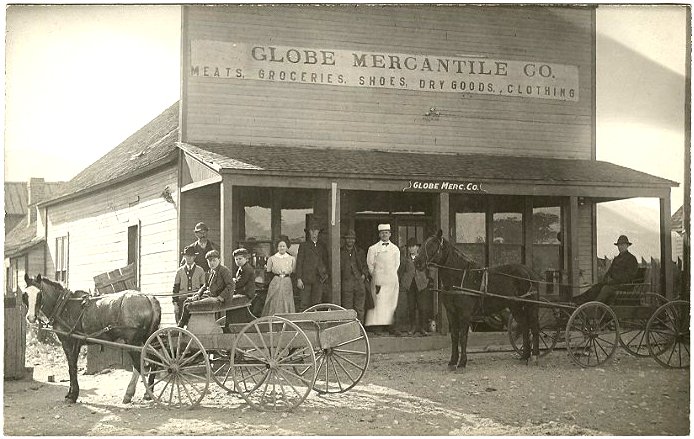
A trip to the general store was a big deal in those days and something that a pioneer might only do once a month, or less. It might be an all-day affair, which took time away from working the farm. Nevertheless, they had to make it to town once in a while for supplies, or they were stuck with living solely off the land.


1. Wheat flour and other grains


While many farmers raised grain, they usually didn’t eat their own. Their grain would be sold and then they’d turn around and buy flour and other ground grains from the general store. A few people would have their own hand-operated mills for grinding grains, but those were for grinding cornmeal, rather than flour.


Be Prepared! Store An ‘Emergency Seed Bank’ For A Crisis Garden


Going back in history, we find that grinding grain was a major part of a woman’s housework. In Medieval times, a woman might spend as many as six hours per day grinding grain so that she could make the bread of the day. Being able to buy ground wheat was one of the first true kitchen conveniences.


Bread was an important staple in the diet. It was a great source of carbohydrates, giving them the energy they needed to burn during the day. Of course, the breads they ate back then were very different than today’s, being much harder and heartier than our modern bread.


2. Baking soda


15 Vital Items The Pioneers Stockpiled For Hard Times

Artist: Jeremy Winborg


You couldn’t bake bread without baking soda, unless you happened to have yeast. Of course, many people made sourdough bread, always saving a bit of the dough to act as a starter for the next batch. But sourdough starter doesn’t work for biscuits, pies or bear sign (what they called donuts). So a stock of baking soda gave them much more variety in their diet.


3. Salt


Salt has always been highly valued. In fact, in the Roman Empire part of a soldier’s pay was given in salt. That became the root of the word “salary.” We need salt in our diets to survive, as well as to preserve meats. While some pioneers would harvest it themselves from salt licks, that only worked for those who had a natural salt lick on their property.


4. Sugar


While not an absolute necessity, sugar was an important item to stockpile. Not only is it used as part of the process of canning fruit, but even the toughest of cowboys and miners wanted a sweet treat every now and then.


5. Rice


Like grains, rice was an important staple for many people. But it wasn’t grown in many parts of the country, making it an item pioneers picked up at the general store.


6. Bacon


Bacon managed to become the default travel meat of choice in pioneering days. Cowboys would carry a chunk of bacon in their saddlebags, wagon trains carried it, and most families had a few slabs on hand. If you had bacon, you had meat to eat.


7. Coffee and tea


Who doesn’t like a good cup of coffee? Actually, coffee drinking in this country started with the Revolutionary War, in response to the Stamp Tax. Rather than pay the tax for British imported teas, many people switched over to coffee. Whereas before the revolution most people drank tea, after it the nation switched to coffee. By the time of the revolution, tea was mostly drunk only by the wealthy.


8. Dried beans


Just as it is for the average homesteader today, dried beans were a favorite staple for the pioneers. Chili con carne became a popular dish, starting in Texas and then moving north along the cow trails. Eventually, it was eaten all across the west.


Beans also could be eaten alone, or with tortillas. The Southwest culture had a strong Mexican influence, including the eating of refried beans as a staple. Many a meal was beans and biscuits or beans and bread. Even when they had meat, beans were often served on the side.


9. Dried and canned fruit


15 Vital Items The Pioneers Stockpiled For Hard Times Some people grew fruit. When they did, they’d can it or dry it. But not all kinds of fruit can be grown in all parts of the country. Besides that, not everyone was a farmer. The general store would stock dried and canned fruit, making it possible for people to buy these foods.


Since it kept well, dried fruit was another popular trail food, both for wagon trains and for drifting cowboys. It helped give variety to an otherwise dull diet, as well as providing them something sweet to eat.


Things the Pioneers Grew, Hunted, Preserved and Prepared


Many pioneers were involved in farming and ranching. Those who were grew as much of what they ate as they could. Since cash money was so rare, being able to hunt, gather or grow your own food was a real advantage. Even townspeople would have a garden patch behind their homes, growing their own vegetables and herbs.


10. Smoked meats


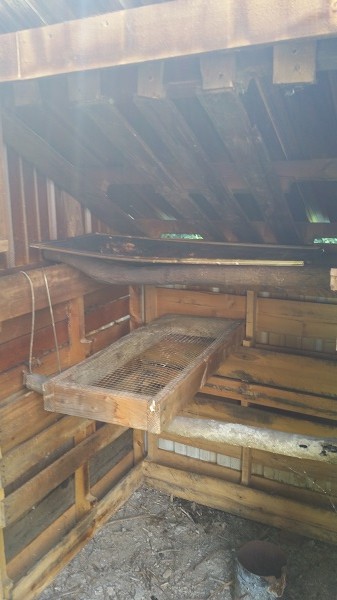
One of the signs that you’d “made it” was to have a smokehouse on your property. While the ability to smoke your own meats was incredibly useful, not everyone could afford the time or expense to build one. Those who could were usually well-established families who already had their homes and barns built. By then, they were producing enough that it was worthwhile to be able to smoke meats when it was time to slaughter a cow or pig.


11. Jerky


The pioneers learned how to make jerky from the Native Americans. While smoking was great, not everyone had a smokehouse. Plus, jerky lasts longer than smoked meats and is much more portable. Drifting cowboys and other travelers would often take jerky along just to ensure they had some meat to eat. A few strips of jerky and a couple of campfire biscuits made a pretty good lunch in the saddle.


12. Corn


Many pioneers grew their own corn, even if it was just enough for their family. They might grow wheat or some other grain for sale, but they’d put in a small patch of corn, as well. That corn was usually dried and kept for making cornmeal.


13. Vegetables


15 Vital Items The Pioneers Stockpiled For Hard TimesA vegetable garden alongside or behind the house was almost a requirement for pioneer families. Without it, their food would be bland and repetitive. Not only did they grow their own veggies, but their own herbs, as well.


Most vegetables were harvested and kept in a root cellar, not canned. Canning required owning a goodly supply of canning jars, something that most people didn’t have. It wasn’t until later, when towns were well-established and trade was more regular, that canning jars became common in the west.


14. Feed for the animals


Anyone who had animals had to consider their needs. Whether horses, cows or chickens, they were a valuable part of the homestead and needed to eat. Just like the family would stockpile food to get themselves through the winter, they’d stack hay and other feed for their farm animals.


Most hay was cut from wild grass growing near the farm. It would be cut by hand with a scythe and stacked in towering haystacks for the winter months. Some farmers who had larger barns with lofts would stack the hay in the loft. But that required hay bales, which meant having the equipment for baling hay. So that only happened in well-established areas on well-established farms.


15. Firewood


The only heat that most homes had was from the fireplace or wood-burning stove. That created the need for a wood pile, which was started in the spring so the wood could dry through the hot summer. In some places, they would stack their wood to act as a defensive breastwork for the home, giving themselves a good firing position for any attacks from Native Americans.


What items would you add to our list of what the pioneers stockpiled? Share what you know in the section below:


Harness The Power Of Nature’s Most Remarkable Healer: Vinegar

Saturday, August 26, 2017

How To Make A $75 Meat Smoker Out Of Wood Pallets

How To Make A $75 Meat Smoker Out Of Wood Pallets

The author’s smoker.


Owning a smoker gives you the ability to preserve and attribute a wonderful flavor to your meat and other foods. Smokers are simple to construct and can be built from a variety of materials. The basic necessities, regardless of your custom set-up, consist of:


  • A way to hang your food.

  • A place to enclose the smoke.

  • A place to burn your wood.

I’ve built many smokers using materials from 55-gallon drums, wood boxes and even tepees. Currently, I use the best smoker I could build under $75. It’s made of corrugated tin roofing for the roof and outside walls. The structure itself is made from 4-feet by 4-feet wood pallets, and I have a firebox attached to the side by using a 4-inch pipe.


I started my build by leveling an area of ground 5 feet by 5 feet. This will provide you the area you need for the smokehouse. Use wood pallets to make a “U” shape on the ground – the top of the “U” is the back of the smokehouse — and use 3-inch deck screws to fasten them together. Fasten the two side pallets on the open area of the bottom with a 1-inch x 4-inch board from the inside of the pallet (any 1-inch board will work). This is the body of the smoker.


The Super-Concentrated Survival Food Your Stockpile Needs!


How To Make A $75 Meat Smoker Out Of Wood PalletsIt’s time to get the roof on. Place another pallet on top of the body. Have someone help hold the front up to a 30-degree angle while you screw in the back. Use a couple of 1-inch x 4-inch boards on each side of the front and screw them in. This will keep the angle of your roof secure.


I bought a couple sheets of corrugated roofing for the walls and roof. Start by cutting the correct angles for the side walls and back. Just get some measurements off your frame to know how to cut the metal. Take care while cutting, and use the proper safety equipment so you don’t get cut up on the sharp metal. Once you cut the sides, screw them on and screw some panels on top for the roof.


Making the door is fairly easy. Get the measurement of the opening of the smoker. Build a rectangular door with 1-inch x 4-inch boards and mount with hinges to the smoker. Then, just fasten some more corrugated roofing to the door. This completes the smokehouse!


The last part is the fire box. This can be done in a few ways. Using a small drum turned into a fireplace is about the easiest way. Connect it to the smokehouse using some 4-inch pipe. I chose to use cinderblocks to make a stove and connect them via the 4-inch pipe.


How To Make A $75 Meat Smoker Out Of Wood PalletsUsing cinderblocks, make a box with four of them. Put a second staggered set on top, but chip out a section so the 4-inch pipe can attach to the smokehouse. Now, we need one last course of block for the firebox. Using a sheet of metal for a baffle on the firebox opening will control the heat.


This is a quick project and fairly inexpensive. Homesteaders and hunters will get tons of use from a smoker — smoking meats, fish and cheese. I know I get really popular with friends and family when I get smoking! It’s also a great way to take things like bland fish (trout) and turn them into a real treat by brining and smoking.


What advice would you add? Share it in the section below:


Discover The Secret To Saving Thousands At The Grocery Store. Read More Here.


Friday, August 25, 2017

Why Janet Yellen Is About To Hate Bacon

For 99.9999% (our estimate) of Americans, there is great news on the way - retail bacon prices are about to plummet. However, with food accounting for 14% of CPI, we suspect the pork-price-pounding is about to become Janet Yellen"s new "transitory" problem.


In the first half of the year, the best performing commodity in the tradable universe was the USDA Boxed Pork Belly Cut 200lb, which had risen 87% year-to-date, with the media reassuring that the demand was not just seasonal.


For months, many market participants talked of a new paradigm for US pork prices, suggesting that in the future, (like avocado toast) bacon would be added to everything and the public"s appetite for it was insatiable (which makes perfect sense).


However, in the last few weeks, the bacon price has plunged 30%...


Which implies the price of a "rasher" at your local convenience store is about to tumble!!


And as the bacon price collapses, food in general is way down. The CRB FOOD index (US spot foodstuffs) has collapsed (dropping for 8 straight weeks)


(The index consists of: butter, cocoa, corn, hogs, lard, soybean oil, steers, sugar and Minny and KC wheat.)


More good news for Americans with stagnant wages!!


But, given that Janet Yellen and her merry band of piss-poor-prognisticators are desperate for transitory lowflation to pick up (remember they blamed the current downturn on unlimited phone plans), she may have a problem. With food accounting for 14% of the US CPI basket, it is not completely devastating, but does not help Yellen"s cause.

Wednesday, August 2, 2017

Perdue Farms Releases First Chicken Welfare Report, Says Improvements Being Made

One of the largest chicken producers in the United States, Perdue Farms recently released its first-ever chicken welfare report in July 2017. The company says it has taken important steps to follow through on plans it announced a little over a year ago to change the way it raises and slaughters chickens. [1]


Perdue says in the report that it implemented new breeding methods which allow chickens to grow at a faster rate without causing them harm. The company additionally claimed that it would install stunning systems that minimize stress to the birds as they’re headed to slaughter.


Over time, the changes will be rolled out to about 1,500 contract farmers and 5,000 chicken houses, according to company chairman Jim Perdue and senior vice president Bruce Stewart-Brown.


Factory Farms Have a Serious Negative-Image


In recent years, Perdue Farms has had its share of problems. One I can recall off-hand was in 2014, when farmer Craig Watts – a contractor for Perdue at the time – revealed shocking video footage of the filthy, unhealthy, and downright inhumane living conditions suffered by chickens produced for the company.


Watts, who eventually left the chicken farming industry in disgust, went on to release equally disturbing video footage of the horrid living conditions and treatment of chickens produced for Pilgrim’s Pride.


In both videos, over-large chickens are seen crammed together in a filthy warehouse. They have no natural light in to bask in, and the birds must literally trample each other just to get to their feed.


‘Positive Changes are Coming’


Perdue Farms, the 4th-largest poultry producer in the country, is the largest poultry producer to ensure chickens in its supply chain are treated better, according to Humane Society of the U.S. vice president Josh Balk.


The new chicken houses have lots of windows, space for the chickens to move about, even ramps and straw bales for the birds to perch on. [2]


Leah Garces, executive director of Compassion in World Farming, who recently took a tour of Perdue’s vision of the future, said “It’s a big difference.” She added that chickens in the house with natural light are “running around, climbing on things, pecking, perching,” compared with the chickens in the the windowless house, which are “quiet, they’re sitting, they’re not moving.”


Company executives say they’ve seen a substantial difference in the health and quality of the chickens raised in better conditions. Jim Perdue said the company found that when chickens are more active and not left squatting in cramped conditions, the meat is of higher quality, something they learned when they started raising their birds according to organic rules.


Jim said:


“We’re finding that meat from organic chickens is better. More tender. Different color. Activity is the key. [Organic chickens] are more active, they’re running around.”


Any person who has ever eaten organic, humanely-raised meat can attest that there is an elephantine difference in the quality and flavor of organic meat. The superior birds – the organic ones – are better for human health, too.


Source: The Guardian

Even without Perdue Farms’ revelations about the virtues of organic chicken farming, pressure from big corporate customers certainly would have forced the poultry producer to alter its behavior. These customers include food service companies and other institutions, such as Aramark and Compass, both of which have announced that by 2024, they will only purchase chickens from companies that improve the lives of its birds.


The food service companies say they’ll only purchase chickens from companies that raise them according to new animal welfare rules set in place by Global Animal Partnership, an organization originally launched by the grocery chain Whole Foods.


Those rules include:


  • Chicken houses will have natural light.

  • Chicken producers will use a new slaughtering process that knocks the birds unconscious with gas before they are killed. This will replace electrical stunning, which involves hanging the birds by their feet on a sort of conveyor belt and their heads come into contact with electrically charged water.

More Progress Needs to be Made


Perdue is on the path to meeting the requirements, but there is one hurdle that could be hard for the company to hop over: growing a chicken that can freely move about because it doesn’t fatten up as quickly.


In the secret videos recorded by Craig Watts, hugely fat chickens endeavor to navigate the facilities, balanced on its 2 scrawny legs, only for their legs to give out under the birds’ weight – an image described by Watts as “2 toothpicks sticking out a grape.”


Chickens are raised for breast meat, and for the last, oh, 60 years or so, chicken producers have been on a mission to increase the size of their birds in order to compete. The competition reaches as far down as the farmers themselves, whose pay depends on the amount of meat their birds produce. Chickens have quadrupled in size since the 1950’s, according to a 2014 study in the journal Poultry Science.


Source: Seattle Organic Restaurants

The Global Animal Partnership demands that companies use slower-growing breeds. The animal welfare group hasn’t decided which breeds will meet its standard, but Perdue Farms is studying 6 alternative breeds at a research farm.


Unfortunately, the switch to slower-growing chickens is likely to have a palpable impact on business. And because certain breeds of slower-growing chickens produce less breast meat and bigger legs, buyers can expect to feel the impact, too. They may have to pay more for poultry, or eat more dark meat.


Jim Purdue said:


“This is a big change for our company as well as the industry. Getting everyone aligned is the big challenge. From that aspect, I think things are going well as far as people understanding what we want to look like.” [3]


Sources:


[1] Associated Press


[2] NPR


[3] Organic Authority


The Guardian


Seattle Organic Restaurants


Links to some of Perdue’s Latest Documents:


Commitments to Animal Care 2017 Press Release


Perdue Farms Statement on Meeting Demand for Chicken Welfare Standards


What Others Say About Perdue’s Animal Care Commitments 2017


Storable Food


About Mike Barrett:


Author Image
Mike is the co-founder, editor, and researcher behind Natural Society. Studying the work of top natural health activists, and writing special reports for top 10 alternative health websites, Mike has written hundreds of articles and pages on how to obtain optimum wellness through natural health.

Friday, June 9, 2017

Are Rabbits Better Than Chickens For ‘Survival Meat’? The Answer May Surprise You.

Are Rabbits Better Than Chickens For

Image source: Pixabay.com


Many off-gridders and preppers debate whether rabbits or chickens should be the primary protein source. It’s a silly debate, though, because both are great options. While this article focuses on the benefits of raising rabbits, we’ll make comparisons with chickens along the way.


Meat


Rabbit meat is high in protein and low in saturated fat. It has a very pleasing taste similar but not the same as chicken. Its texture is like chicken thigh meat, but its taste is closer to chicken breast. In many recipes, the two meats are interchangeable, except that rabbit takes a little more time to cook.


High Pro


The biggest advantage rabbits have over chickens in a world without cheap electricity is their ability to reproduce and take care of their young. A mature doe (female) can humanely have five or six litters a year. Each litter generally has six to 12 kits (baby rabbits). This equates to a production rate of 10 times the doe’s weight per year.


It is also ridiculously easy to mate rabbits. Put the doe in with the buck (male), and they usually mate within a few seconds. A mere 31 days later, you have kits. There is little to do other than watch the mother take care of them. In four to five weeks, they are ready to be weaned. If using high-protein commercial pellet feed, the new rabbits are ready for the freezer in eight to 10 weeks. If you feed your baby rabbits grass or grains from the garden, or forage from the land, they take 14 to 20 weeks before reaching slaughter weight.


Get The Essential Secrets Of The Most Savvy Survivalists In The World!


Compare the natural mating of rabbits to chickens; most chickens have had the broodiness ruthlessly bred out of them. True, there are heritage breeds that can still brood, but even then, it’s a lot of work to raise them, especially without electricity.


Easy to House


Most rabbit breeds live contentedly in metal cages 24 inches x 36 inches (or so). The exact size depends on the size of breed, which vary from four pounds to 16 pounds. Cages can be smaller if you have a few rabbits and have an outside run for them. On my homestead, most days I put all the females together in a safe outside run, and put my two bucks in separate runs. Does are social and generally get along together, but the bucks must be separated.


Are Rabbits Better Than Chickens For Rabbits are also very quiet (no neighbor complaints about roosters crowing) and are incredibly resistant to the cold. Many off-gridders in Canada and the northern states raise them outdoors in hutches in sub-freezing temperatures. They do suffer in high heat, however. If you live in a hot place and have no easy way of cooling them in a power-down situation, rabbits may not be the right choice.


They Don’t Have Feathers


Let’s face it, the biggest pain with chickens is their feathers. True, there are all kinds of expensive plucking machines, but they take lots of energy and running water. Try plucking a chicken by hand. It becomes very tedious if you have a large number to butcher.


Rabbits, on the other hand, have wonderful fur. They are easy to dress because the fur pulls easily away from the skin. Rabbit fur can be used for warm clothing or for barter.


Able to Sustainably Feed


With some preparation and hard work, rabbits can be sustainably fed from food grown on the homestead.


Great Manure


Rabbits produce copious amounts of droppings. But the manure has a large advantage over other manures used for natural gardening—it can be used right away because it doesn’t burn plants.


The Life-Saving Water Filter That Purifies River Water!


I spread it on my garden beds about a month before planting time. It breaks down a little by the time I sow seeds or put in transplants. Then, during the season, I sprinkle a few more droppings on the bed. You can compost it if you have extra, but it’s not necessary.


Legal to Sell


Under federal regulations and most state laws, rabbit butchering is exempt from USDA inspection requirements and onerous county rules for food processing, even when selling them for a profit. While you generally can’t sell to restaurants or stores (that is, any business that resells the meat), you can sell them at farmers’ markets or to local friends and families.


Conclusion


Rabbits are prodigious multipliers, easy to dress, and can provide plenty of meat for the off-the-grid table. And don’t get caught up in the rabbit-versus-chicken debate. Do like me — raise both!


Which do you prefer – rabbits or chickens? (Or both?) Share your thoughts in the section below:  

Wednesday, May 17, 2017

How Eating Animal Products Could Make Blood More Likely to Clot

Researchers announced in April that they may have figured out how eating meat causes heart disease. The nutrient choline, an essential nutrient found in meat and eggs, may feed a certain gut bacteria which produce a compound that makes blood sticky and prone to form blood clots. These blood clots can lead to heart attacks and strokes. [1]


The study, led by Dr. Stanley Hazen of the Cleveland Clinic, was a small but intense one involving 18 participants – 8 who were either vegans or vegetarians and 10 who routinely ate meat, dairy, and eggs. Each volunteer was given a supplement of 500 mg of choline per day. The recommended daily choline intake for women is 425 mg, and for men it’s 550 mg.


After a month, the participants’ blood levels of a compound called trimethylamine N-oxide (TMAO) rose 10-fold. Tests showed that their blood became much more likely to form clots, leading the team to surmise that “TMAO supercharges platelet function.” Hazen added:


“What is clear from this study is if you increase the choline in your diet, the TMAO level goes up and that changes your platelet function.” [1]


Source: Scripps

Both the vegans and the vegetarians had significantly lower choline levels at the beginning of the study than the meat-eaters did. Their levels were still much lower than the meat-eaters’ after taking choline supplements.


Read: 5 Benefits of Reducing Meat Consumption


The researchers did not find, however, that the volunteers who took the choline supplements had an actual higher risk of heart disease. The study did not last long enough or include enough participants to demonstrate such a conclusion.


But they did discover that other compounds found in animal products had a similar effect on gut bacteria. The team wrote:


“We previously showed gut microbial production of trimethylamine N-oxide (TMAO) from dietary nutrients like choline, lecithin, and L-carnitine is linked to the development of cardiovascular diseases.” [1]


Source: VitaCholine

The scientists also found that taking low-dose aspirin seemed to reduce the stickiness of platelets and also reduced the choline-associated increases in TMAO and platelet clotting, although it didn’t completely eliminate them. The finding is of particular concern for people who are at an elevated risk for cardiovascular problems, whose increased risk of blood clots may not be overcome by low-dose aspirin. [2]


It also got the researchers to thinking that it might be worthwhile to study whether low-dose aspirin might help otherwise healthy people who have high levels of TMAO in their blood. First things first, though – they need to figure out why aspirin seems to lower TMAO before they can proceed. Besides, aspirin can cause its own slate of health problems.


So, what is the best way to avoid excess, clot-promoting choline? Well, the team isn’t recommending that people stop eating animal products, but they are urging people to avoid choline supplements. Hazen says:


“Foods that raise TMAO may increase your risk for clotting and thrombotic events. Unless prescribed by your doctor, avoid supplements with choline. A Mediterranean or vegetarian diet is reported to help reduce TMAO.” [1]


Mediterranean diets have a long history of being heart-healthy. There is no specific guide to follow when it comes to the eating pattern, but Mediterranean diets are rich in fruit, vegetables, beans, nuts, legumes, lean cuts of poultry and fish, and olive oil. Little to no red meat is included in the diet.


Previous studies have shown that olive oil consumption lowers the risk of heart disease. One study even showed that a Mediterranean diet may be more beneficial to people with high cholesterol than statin drugs.


Sources:


[1] NBC News


[2] Business Journal


Scripps


VitaCholine


Storable Food


About Julie Fidler:


Author Image
Julie Fidler is a freelance writer, legal blogger, and the author of Adventures in Holy Matrimony: For Better or the Absolute Worst. She lives in Pennsylvania with her husband and two ridiculously spoiled cats. She occasionally pontificates on her blog.

Monday, March 27, 2017

Explorers Ate It. It Stored For 50 Years. Here’s Their Recipe.

Explorers Ate It. It Stored For 50 Years. Here’s The Recipe.


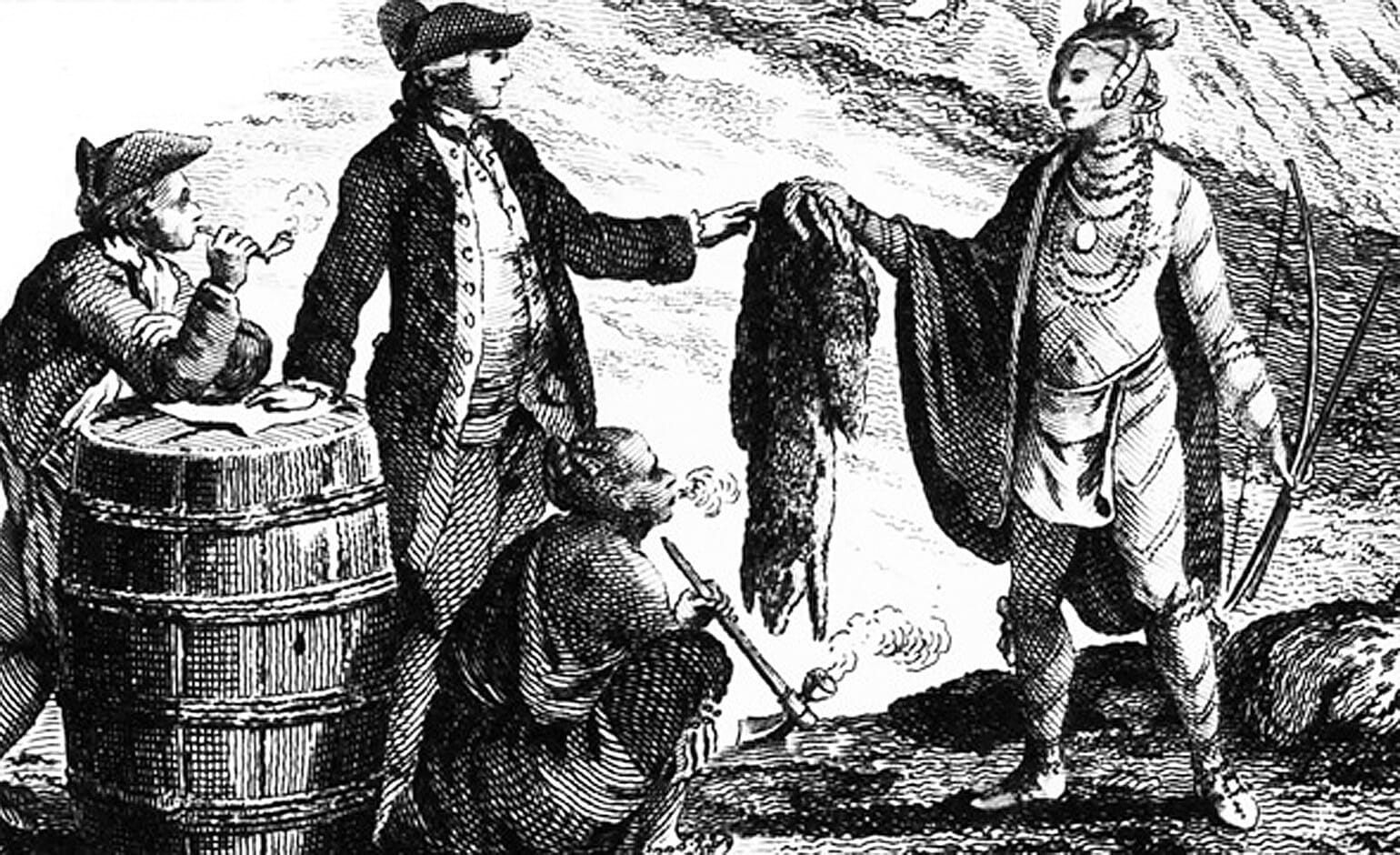
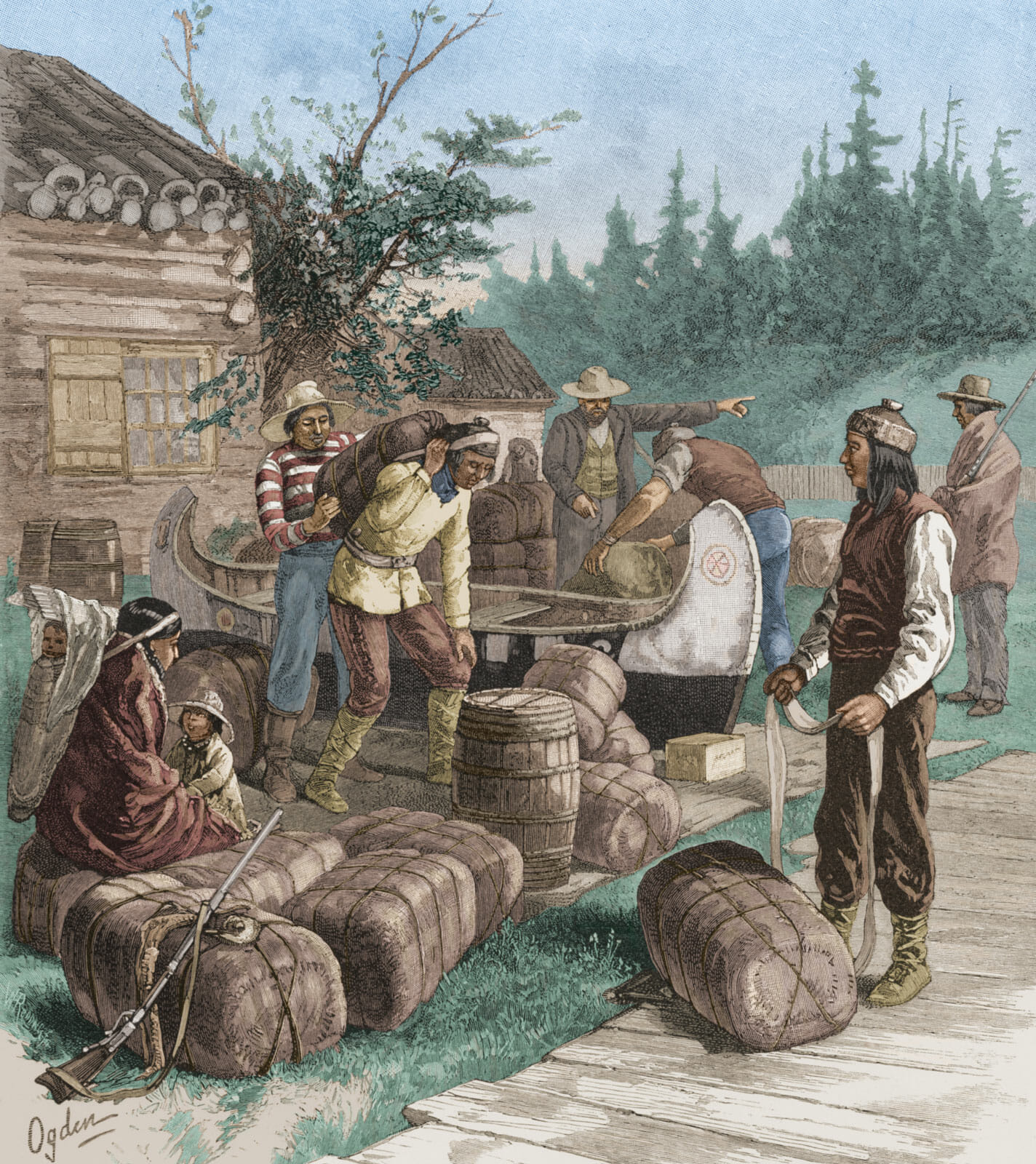
It was a food invented by the Native Americans, who depended on it when traveling on long and adventurous journeys when food was scarce, or when there simply wasn’t time to hunt and gather enough to eat. That was a lesson well-learned by many early European settlers, explorers and fur traders in North America.


It was pemmican, which was the ultimate survival food for centuries and quickly became a staple food for fur traders, voyageurs and Arctic and Antarctic explorers. The reason was simple. It was high in protein and calories, and high in fat. Fat offers the best calories for cold weather and the most calories for people who were subject to brutally physical work, temperatures and conditions.


The word “pemmican” is a derivative of a Cree Indian word “pimihkan.” Curiously, the word “pimi” is the Cree word for “greasy fat.” On a fundamental level, pemmican is a mixture of dried and powdered meat, animal fat, wild berries and salt. The fat to meat ratio was typically 1:1, or 50 percent powdered meat and 50 percent fat. Some recipes vary that ratio, and typically less fat was used in warmer climates.


Prepared properly, pemmican can last for years and years, although adding anything to it besides meat and fat will reduce the shelf life. There are reports of some pemmican lasting 50 or more years. According to a popular social studies book used in Canadian schools, “Pemmican was high in calories and protein, and could be stored in leather bags for years at a time. It was also portable, much like protein bars available today.”


A curious side note on animal fat is that it has food preservative properties. Pioneer women would pack a crock with cooked meats and pour a layer of fat over the top, allowing it to cool and congeal to preserve the meat.


The recipe by the old Hudson Bay Company – which was founded in 1670 and was key to the fur trade — used buffalo meat and buffalo fat in addition to the marrow from the buffalo bones. We’ll get into the specifics of that type of recipe in a bit. I’ve experimented with various pemmican recipes and ways to prepare and enjoy this very rustic and primitive food.


Crazy Gadget Makes Every Window A Cell Phone Solar Charger


At the outset, the recipe used game animals from moose to elk and venison as the primary ingredients. Eventually, beef emerged as the primary meat ingredient and it was most commonly used by Arctic and Antarctic explorers including Admiral Peary, Roald Amundsen, Robert Falcon Scott, Fridtjof Nansen, and Sir Ernest Shackleton. In many cases both the men and their sled dogs subsisted on pemmican.


An important consideration for any recipe in the last century up to today is the type of fat used in pemmican recipes. Beef tallow and beef marrow are the fats of choice, in addition to suet. Suet is the hard, beef fat found around the kidneys and loins of cattle. Avoid lard in your pemmican recipes. Lard is pork fat and I have found few recipes that recommend it going back 200 years.


The meat is just as important and should be trimmed of all fat and sliced into thin strips. Reserve the fat for rendering, but you don’t want any fat on the meat because of a critical step in the recipe process. That step involves drying the meat.


There are varying drying approaches that we’ll cover, but the critical success factor is that the strips of meat are hard and brittle. The goal is to dry the strips of meat to a hardness that will allow you to break it and crush it into something approaching a dust.


As time went on, varying dried fruits were added to the recipe. Native Americans used dried choke cherries and cranberries. Later recipes used by adventurers and explorers added dried cherries, blueberries and currants, all of which were also pounded into bits.


The dried berries add a vitamin component, including vitamin C. The amounts vary by recipe, but you always can adjust to your taste.


Classic Pemmican Recipe


The following recipe was used during the 1700s.


Hudson Bay pemmican was made from buffalo meat. The lean meat was cut into strips and dried in the sun for two to three days or over a fire until it was hard and brittle. The strips of hardened meat were then pounded into a powder, either with a wooden mallet on a stump or between two stones.


The fat and marrow of the buffalo was then melted and mixed into the powdered meat to make a paste (using a 50/50 mixture). This was then allowed to harden and was wrapped and rolled into a rectangular piece of buffalo hide. The cold temperatures of the Arctic and far north kept it from spoiling, although pemmican stores very well.


Admiral Peary’s expedition to the North Pole subsisted on a pemmican made from dried beef ground into a powder, beef tallow or beef fat and dried fruit.


Meat-Pulverizing Tips


You don’t have to crush the meat between two stones; you can use more contemporary approaches. These include:


  • A hand-turned meat grinder. This gets the dried meat into small bits and you can continue to run it through in a series of batches to get it as fine as you want.

  • A blender. Just make sure to do it in batches until you get the consistency you want.

  • A food processor. But if there is any moisture at all, the speed of the processor will turn the meat into a paste, so grind the dried meat in bursts.

The size and consistency of your pulverized, dried beef can range from small bits to the dusty powder used by pioneers. That’s up to you. I prefer the small bits, but make sure they’re very small or you’ll spend the rest of the day trying to get bits of dried beef out of your teeth.


Beef-Trying Tips


Explorers Ate It. It Stored For 50 Years. Here’s Their Recipe. I use a food dehydrator. It’s the same one I use to make jerky; I just extend the drying time. To test a piece, take it out of the dehydrator and tape it on the counter. It should make a hard sound rather than the dull thud you’d get from a piece of jerky. Next, snap a piece. If it breaks like peanut brittle, you’re done. If it bends, it needs more time.


You also could hang the strips over a fire for two or three days. I tend to prefer the dehydrator but in the field, I’d use the fire method in a heartbeat.


Fat-Rendering Tips


This is a slow process. You should start by cutting the tallow and/or suet into chunks. If you’re also adding marrow, slice that up into one-inch pieces. Add all to a cast-iron frying pan over low to medium heat and toss often. Eventually, the fat will pool into the bottom of the pan, leaving some brown chunks behind. Filter the fat to remove the chunks. If there are smaller bits and pieces of brown bits left in the pan, I’ll even run it through some cheese cloth to clarify the fat. Don’t let it smoke or burn. That will give the fat and the resulting pemmican an off taste.


Dried Fruit Tips


Whether I’m using fresh fruit or dried fruit bought at the store, I’ll put the fruits into a dehydrator. Even dried, packaged fruit has some residual moisture. Once the fruit is dried, I’ll pulverize it in the food processor or the blender to break it into bits.


Putting it All Together


I like a 1:1 mix of beef and fat. It’s easier to measure that way. For every cup of dried, pulverized beef, add a cup of fat. The fat should be warm, not hot and not congealed. Mix the fat and meat together with your hands or two spoons. I put it into a tabletop mix-master and use the dough hook to blend everything. If you’re off the grid you may have to use your hands.


Add the dried berries to your taste. I usually add a half-cup and mix it all together again. If you want, you can add some salt to suit your taste. For a cup of meat and a cup of fat plus a half-cup of fruit, I’ll add a half teaspoon of salt when I add the fruit so the salt gets blended into the mixture, as well.


Are You Prepared For A Downed Grid? Get Backup Electricity Today!


If you want to make more, just double or triple the amounts. That’s the other thing I like about a 50/50 ratio of meat to fat. It makes the multiplication easier.


When done, I’ll spoon the pemmican into a cupcake pan and flatten the tops with the back of a knife. I then refrigerate it for about three hours and turn the tray over onto the counter. Each pemmican cake will be greasy to the touch, so place each one in a plastic sandwich bag unless you want to wrap it in a piece of rawhide. I tend to favor the plastic bags. You can store them in a cool, dark place, but mine usually ends up in the fridge.


Tips on Eating Pemmican


Three recipes for eating pemmican have emerged over the years. The first is my favorite.


  1. Fried pemmican rechaud. This recipe involves frying the pemmican in its own fat. Wild onions like ramps and potatoes were often added until browned, followed by two or three tablespoons of flour and salt to taste. This can be spread on bread or crackers and eaten like a sandwich. I offered some to my wife at the counter once and she walked away shaking her head with disgust. I guess pemmican is kind of a guy thing.

  2. Rubaboo. This recipe was a favorite of fur traders. A chunk of pemmican about the size of your fist was dropped into a quart of boiling water. Flour is supposed to be added next, and I usually mix the flour with a little pemmican first so I don’t get lumps. Onions, potatoes and carrots can be added and some salt for seasoning. Fur traders also would add a little sugar and chopped salt pork. It will have a soup-like consistency and was eaten that way. I like it with sourdough bread.

  3. Raw. This was the eating method of choice for Arctic and Antarctic explorers and Canadian voyageurs. A chunk of pemmican was held in one hand and sliced with a knife and chewed. I’ve tried it and it’s not bad. In France, there is a delicacy known as “lardo.” It’s sliced lard and is eaten like a slice of cheese. Suffice it to say, I tried it once and that was enough. Maybe I’ll appreciate it more if I ever go to the Arctic.

Give it a Try


This is a good survival food as a last resort and it has been shown to have a good shelf-life if prepared properly. You can use any game animal, but I would start with beef and make a small batch to start. Five pounds of raw beef will give you one pound of dried beef, and that should be enough for a trial run. Grab some suet while you’re at it so you have enough fat for a 50/50 mix. Enjoy!


How do you make pemmican? Share your tips in the section below:

Saturday, March 4, 2017

Bacon Boom Busts

Great news America - After soaring to the highest price in three years, wholesale prices for pork bellies, the cut used for making bacon, are heading for a 25% loss over two weeks.


As Bloomberg notes, increased demand had more than doubled prices since August, but now bellies are so expensive that the high costs are stemming demand, according to David Kruse, president of Commstock Investments Inc.


And while the average joe may see his so-called pocketbook better off as pork prices plunge (or will obviously purchase more bacon), the above-average-joes (who drive their Beamers and Benz"s) are facing an ever increasing cost for their luxury lifestyles...


The premium gasoline that fuels luxury cars made by Mercedes-Benz to Audi has always been more expensive than regular, but the difference keeps getting bigger.


As Bloomberg points out, premium costs almost 50 cents a gallon extra, nearly doubling in the past four years. And don’t expect the trend to change -- environmental rules limiting sulfur that kicked in this year could make the higher-octane fuel scarcer and even more costly in the future.


So, it seems very clear that consumer confidence is soaring because bacon prices are plunging, not Trumptopian hope...


Never mind the collapse in real wages.

Monday, January 23, 2017

4 Forgotten Meat-Preservation Methods of the 1800s

4 Forgotten Meat-Preservation Methods of the 1800s


The struggle to keep and store enough food is not a new problem, and as far back as 12,000 B.C., there is evidence of food preservation. The greatest tools to the ancients would have been sun and wind. Of course, we also can look to the Native Americans to learn how food was preserved. They smoked and salted meat to make it last longer.


Or we can look to the classically trained chefs of the 1800s. Their stories may not be as exciting or as fraught with peril as the American pioneers, but under certain kings they could be one bad meal away from the gallows!


1. Fat cap


Fat has an astounding ability to preserve. This is especially true when it rises to the top and seals in food. When fat cools and seals food in, it also keeps oxygen out. Without that precious oxygen, it takes much longer for the food to spoil. That is because bacteria need oxygen to proliferate.


One of the best ways to take advantage of this fat or fat cap is to create a stock or broth. Bone broth has become very popular and would work here, as well. As you simmer the bones in your stock or broth, try not to skim off the fat. (Although you do need to skim off the foam and impurities.)


As this mixture cools, you will see the fat cap begin to rise, form and solidify. Store this somewhere cool. A refrigerator is ideal for the modern homesteader, but a cool basement will work, as well, particularly in colder temperatures. In the fridge, you will get up to a month if you leave the fat cap undisturbed; you could get up to two weeks in a nice cool area.


2. Salt cure and hang


This is a combination of techniques and is one of my very favorite preparations. The best method comes from the world-famous chef, Jacques Pepin.


Traditionally it is to be used on the pork picnic or hind quarters. You will first have to salt this piece of meat for 30 days. Place it in a large container or odorless trash bag. Cover it completely with salt and leave it in a cool place for a month.


“The Big Book Of Off The Grid Secrets” — Every Homesteader Needs One!


After the month is up, wipe off the salt, but do not rinse it because we are in the business of dehydration with this preparation; rub it with some whiskey or bourbon. In France, they would tell us to use cognac but we are in America so I use what we make here.


Next, wrap this beauty in some cheesecloth or a breathable chef’s coat.


The timing is critical, as it will take six months to hang and dry. You must be aware of your climate and the time of the year. To do this right, you need a nice cool, dry environment that will stay that way for most of the six months. On the East Coast, that means hanging your pork around September or October and pulling it down in March or April.


After about three months, unwrap your meat and give it a look. Make sure it hasn’t fallen prey to bugs or something bigger! Also, there may be some mold growing on this meat and you will need to trim that off, as well. Rewrap and hang for the remainder of time.


Once you have reached the six-month mark, drop your meat and bring it inside. Touch the meat; is it springy in the center or solid? Cut it in half and look it over. If it’s not completely dry, it will still be gummy in the middle. Wrap it again and hang it for another month. If it’s dry, shave off any mold and unsightly pieces.


Eat it raw or use it to flavor soups, pastas and stews.


In today’s world, this might sound like a lot of work for something you cannot eat for six months, but if you killed an animal in September and you could have access to the meat six months later, that would be a huge benefit to the people who are storing food.


I have used this on the following cuts of meat as well:


  • Beef shoulder — same prep as pork

  • Deer hind quarter — same prep as pork

  • Duck breast — salt one week; hang 1 month

  • Goose breast — salt two weeks; hang 2 months.

3. Rillette


The rillette is a preparation that also takes advantage of the powerful preserving qualities of fat. This preparation is traditionally used for rabbit and is one of my favorite ways to enjoy a good hare.


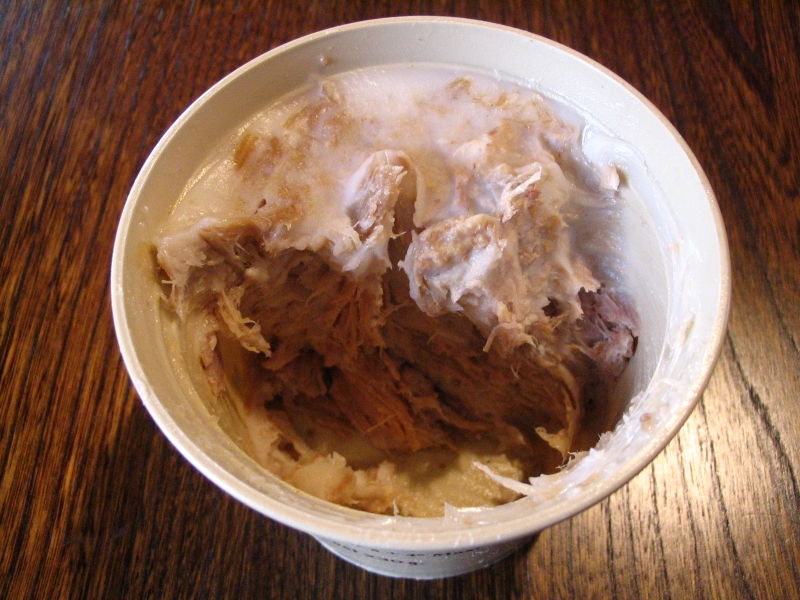
Rillette

Rillette


The meat of a rabbit should be roasted slow and low in an oven until it gets tender. It is then minced or processed in a food processor with a mix of herbs. (Chefs of the 1800s, of course, would have used cleavers.) For this flavor, use lavender, thyme and oregano. Chill the meat at this point.


Add fat to this mixture, as that is what makes it a rillette. Traditionally duck fat is used for this and you want the mix to be pretty creamy. In other words, add chilled fat slowly into your food processor until you achieve a good balance. Season it if you wish with salt and pepper.


Divide your rillette into smaller containers and top each with some warmed duck fat that will harden like the fat cap we mentioned earlier.


I am not positive on shelf life of the rillette because they get eaten fast. I bet if you had tops to cover them and buried this in the ground during winter, they would last at least a month.


4. Confit


I have saved my very favorite chef prep method for last. To “confit” is to cook on extremely low heat, submerged in fat. It is basically deep fat baking instead of frying. The results are totally different from that of deep fat frying, though. Meat is transformed into something incredible at these low temps.


We will focus on duck legs, as that is the classic meat used. Salt the duck legs for 24 hours and cover them with a little fresh thyme. After 24 hours, rinse and place the legs in a nice deep baking dish. Next, cover with duck fat and bake at about 200 degrees for six hours.


The legs become juicy, tender and incredibly succulent. They are also covered in fat. I am sure you know where this is going. Once cooled, the fat will harden and prevent spoilage. Shelf life: one month.


What are your favorite old-time meat preservation methods? Share your tips in the section below:


Discover The Secret To Saving Thousands At The Grocery Store. Read More Here.