Showing posts with label chickens. Show all posts

Wednesday, April 25, 2018

Everything You Need To Know About Raising Baby Chicks On A Budget (VIDEO)

Everything You Need To Know About Raising Baby Chicks On A Budget (VIDEO) | baby-chicken | Agriculture & Farming Multimedia Off-Grid & Independent Living Organic Market Classifieds


Baby chicks…they’re adorable, fluffy, and incredibly delicate!  Despite their fragility, they’re actually pretty simple to raise. If you have some outdoor space and live in an area where it’s allowed, fresh eggs and meat (if you’re interested in that) can easily be yours!


This week’s self-reliance strategies are all about getting started with baby chicks.


I don’t have 20 years of experience with baby chickens, but I’m now on my 4th batch of them.  Each new batch has been more successful than the one before.  Just like any other new skill, it works best if you simply find a reliable guide, plunge in, and learn “on the job.”  Below, we’ll talk about how to get started on the most adorable hobby around. Trust me – anyone can do this! This article is long, but it contains basically everything you need to know to get started raising baby chicks.


Before you start


We’ve all read about the war on self-reliance. It seems like feeding yourself is becoming increasingly illegal. People are forced to rip out thriving front-yard vegetable gardens, raw milk is illegal in many states, and some states require an “egg handler’s license” before you can sell, give away, or otherwise distribute fresh eggs. We’ve come a long way from the days when being self-reliant was seen as your patriotic duty.


Everything You Need To Know About Raising Baby Chicks On A Budget (VIDEO) | Uncle-Sam-Expects-You-to-Keep-Chickens | Agriculture & Farming Multimedia Off-Grid & Independent Living Organic Market Classifieds


Because of this, if you live in an urban or suburban area, be sure to check the bylaws before bringing your birds home. Often, you can find information on this forum about your town’s specific chicken bylaws.


It would be irresponsible to recommend breaking the law, of course. *coughs* I’ve heard that although chickens aren’t exactly stealth animals, sometimes if you pay protection in eggs, neighbors will look the other way as long as there are no roosters crowing at 4 am or hens enjoying their rosebushes as an afternoon snack. Discretion is the better part of valor, to borrow a phrase from Shakespeare.


I really love having a source of organic meat and eggs in my own backyard. Don’t be intimidated! I started as a total newbie just about a year ago, and thanks to the internet, my personal library, some knowledgeable friends, and the motivation to try out a new skill, we’re now successfully producing protein for ourselves. If I can do this, you can do this. Don’t wait until after a disaster to get started. It took the better part of a year before I had a reliable source of food from my chickens.


Where to get your baby chicks


Baby chicks are everywhere at this time of year. You can get yours mailed to you from a reputable hatchery (that’s where my current flock of 25 Freedom Ranger babies came from) or you can pick yours out at your local feed store. (That’s where I got most of last year’s babies.) Sometimes you can even buy older chicks which are closer to laying age and out of the fragile stage. (I got 3 Barred Rock girls that way last year, too.)


Here are some articles that go into more detail about acquiring your fluffy new babies.


How to Order Hatchery Chicks


Where to Buy Baby Chicks


Mail Order Chicks and Delivery Options


However you get them, it’s very likely that the baby chicks are only going to be a couple of days old when you get them home.  Like any newborn, they’re exceptionally fragile.  You may lose a few. It’s very sad when this happens, but most of the time, it isn’t your fault. Sometimes there is a physical issue with the chick that doesn’t allow it to survive, sometimes they get sick, and sometimes an accident occurs. (They’re prone to drowning in their water, for example, but we’ll talk about precautions.)


What supplies do you need before bringing them home?


Before you bring your babies home, you need to have a few things on hand. Here is my own list of must-haves.


A Brooder


Mine is very similar to this one, but I had someone local build it for me.  We keep it in the laundry room for the first week if it’s cold outside, then on the porch, then we move it out to the coop. The good thing about using something like this as a brooder is that it can pull double duty as your infirmary if you ever need to separate a sick or injured chicken from the flock.


Everything You Need To Know About Raising Baby Chicks On A Budget (VIDEO) | brooder | Agriculture & Farming Multimedia Off-Grid & Independent Living Organic Market Classifieds


I plan to raise chickens for meat a couple of times per year, which makes a permanent brooder a good investment for me.  Here’s my brooder out on our back deck.


Everything You Need To Know About Raising Baby Chicks On A Budget (VIDEO) | baby-chicks-in-the-brooder | Agriculture & Farming Multimedia Off-Grid & Independent Living Organic Market Classifieds


However, if you are just raising a few backyard laying hens and not planning to raise new chickens every year, you don’t have to go crazy expensive. Below, you can find some really awesome DIYs.


Here’s one you can make for less than $12!


Before I got my big brooder, I made one similar to this, except I didn’t fasten the hardware cloth to the top. I cut the hardware cloth bigger than the opening of the Rubbermaid container where it would hang down over the edges, and simply snapped the lid with the hole cut out on top of it. I’m all about the shortcuts and not always the handiest soul around.


Here are more articles about a brooder set-up.


Build a DIY Brooder Box


This link has some videos about incubating eggs and brooding the chicks once they hatch.


How We Brood Chicks (there’s another really cool DIY brooder in this article.)


A heat source


Baby chicks must stay warm, or they’ll die. If they were being raised by their mama, they would huddle underneath her to stay cozy. Since you are the mama, and if you sat on them it wouldn’t end well for anybody involved, you have to go with other methods. The least expensive way to keep them warm is by using a standard heat lamp and a red bulb. A red bulb is recommended instead of a white one so that the chicks sleep better.  This is the method that I have used for all my chicks.


Everything You Need To Know About Raising Baby Chicks On A Budget (VIDEO) | heat-lamp-and-bulb-460x230 | Agriculture & Farming Multimedia Off-Grid & Independent Living Organic Market Classifieds


But please use extreme caution when heating this way. Many a tragedy has started with a heat lamp. I had a near fire from one out in a wooden chicken coop my first year raising chicks. Luckily, I caught it just as it began smoking, but it could have been a disaster. It can’t be touching anything flammable or meltable, nor can it be too close to the babies. Be sure to hang it in a way that the chicks can get away from the heat if they get too warm.


Another excellent heat source is the EcoGlow.  This piece of awesomeness has far less risk of fire or harm to the chicks but it costs a lot more than the standard heat lamp. A friend of mine owns one and it’s a really great method of brooding chicks. You can raise it up as they grow, allowing more room underneath.


Everything You Need To Know About Raising Baby Chicks On A Budget (VIDEO) | Ecoglow-460x203 | Agriculture & Farming Multimedia Off-Grid & Independent Living Organic Market Classifieds


Invest in a cheap digital thermometer so you don’t have to guess about the temperature in the brooder. Here’s the rundown on the minimum temps the babies need:


Week 1:  95-100 degrees


Week 2: 90-95 degrees


Week 3: 85-90


Week 4: 80-85


Once they’re fully fledged (that means they have all their feathers instead of just fluff) they can handle lower temperatures.


Aside from a thermometer, here’s how you can tell if the temperature is right in the brooder.


If they’re all huddled together and making a lot of noise it means they’re cold and distressed.


If they’re spread far apart, lethargic, and panting, they’re too hot.


If they’re active, randomly spread out, and making happy little peeping noises, they’re just right.


My dog paid an unnerving amount of attention to the baby chicks in their brooder under the heat lamp.


Everything You Need To Know About Raising Baby Chicks On A Budget (VIDEO) | baby-chicks-in-the-laundry-room-409x300 | Agriculture & Farming Multimedia Off-Grid & Independent Living Organic Market Classifieds


Bedding


I use wood shavings for bedding, but you can also use straw. Be sure not to get something artificially scented, as this can cause respiratory problems for the delicate babies.


For the first couple of days, I put paper towels on top of the bedding so I can see their poop. See the section on health issues for the reason why.


Feeders and waterers


You’ll need some containers for feeding and watering your babies.


First, a note. Baby chicks are adorable, but they’re messy and they poop everywhere. That includes in their food and water containers. Initially I don’t like to use an open bowl for feeding for this very reason.  It doesn’t seem to bother them much, but ew.


I have a couple of different feeders for the littles.


These are awesome because they are inexpensive and they simply screw on the bottom of a regular mouth quart jar. The jars can easily be sanitized in the dishwasher afterward. (They’re less than $5 at the time of publication.)


Everything You Need To Know About Raising Baby Chicks On A Budget (VIDEO) | chick-feeder-base-408x300 | Agriculture & Farming Multimedia Off-Grid & Independent Living Organic Market Classifieds


I also have one of these. I had so many chicks in my last batch that I had to set out 3 feeders for them to be certain everyone got something to eat.


Everything You Need To Know About Raising Baby Chicks On A Budget (VIDEO) | long-chick-feeder-1-460x211 | Agriculture & Farming Multimedia Off-Grid & Independent Living Organic Market Classifieds


For water, it’s really important to note that a lot of baby chicks die from drowning. It’s heartbreaking to see (thankfully it hasn’t happened to us!) There are two ways to avoid this.


#1.  First, you can get a water container that doesn’t have enough room for them to fall in and die. I like the kind that you screw on to the bottom of a mason jar. You can also get them in plastic but it’s only a few cents less.  You’ll have to fill these several times throughout the day, depending on how many chicks you have.


Everything You Need To Know About Raising Baby Chicks On A Budget (VIDEO) | mason-jar-waterer | Agriculture & Farming Multimedia Off-Grid & Independent Living Organic Market Classifieds


#2. You can use a bigger one-gallon water dispenser, but line the trough area with pebbles. this way, they can still get a drink but there isn’t room for them to fall in and be unable to get out. You will only have to do this for a week or so before they’re too big to fall in.


Everything You Need To Know About Raising Baby Chicks On A Budget (VIDEO) | 1-gallon-waterer | Agriculture & Farming Multimedia Off-Grid & Independent Living Organic Market Classifieds


I like to raise the water dispenser up just a little bit to keep it from getting filled with bedding. The bedding can soak up the water like a sponge, leaving you with thirsty babies. You can use just about anything to raise it up. I have a couple of pieces of scrap wood beneath my waterers.


What to feed baby chicks


There are several different types of food on the market for baby chicks. You can get some inexpensive starter, but you probably aren’t giving your chicks the best beginning with it. It’s like feeding them fortified cereal. Instead of food with actual nutrients, the nutrients are artificially added to a stripped product. They’ll probably survive, but they won’t be as healthy as chicks fed a better quality of food.


The next debate is whether or not to give them medicated feed. Some people swear by giving them medicated feed for the first few weeks of their lives, claiming that all of the medication will be out of their systems by the time you consume the eggs (or the chickens if you’re raising them for meat.)  It provides them with an immunity to coccidiosis.


Many people are raising chickens to provide them with organic eggs or meat at a better price. If that is your goal, you’ll want to go with an organic food. This starter is a high quality organic product at a reasonable price.


Another option is GMO-free feed if you aren’t worried about strictly organic. It’s a good happy medium between the low-quality “Doritoes” chicken feed and the expensive organic feed. You can usually find a good quality GMO-free crumble at your local feed store.


I always start out with crumble, which is coarsely ground, and as they get bigger, I mix the crumble with the pellets. I like pellets because there is far less waste. I also like to supplement them with fresh fruits and vegetables. However, if you are supplementing them, be sure to provide a little dish of grit to help with their digestion.


Baby chick health issues


Obviously, prevention is key. One great way to prevent illness in your chicks is to add 2 tbsp of apple cider vinegar to a gallon of water. (Get the good kind with the mother – the cheap stuff does absolutely nothing.) You can also get those little packets of probiotics to add to their water, but mine have been just fine with the ACV.


Coccidiosis: Remember how I said I put paper towels over the bedding for the first few days? That’s so I can check their poop. It’s important to check that on a daily basis. You’re looking for anything bloody. ( Turn off the red heat light if you’re using one because you can’t see bloody stool under a red light.) If you see anything with even a tinge of blood, you need to act immediately. This is a symptom of coccidiosis.


It’s not difficult to treat. Although this medication is labeled for use with calves, it can be used for baby chicks if you water it down sufficiently, as per my local feed store. Add 2 teaspoons of Corid to a gallon of water. They’ll generally consume enough if they aren’t too sick to drink.


Here’s an article with more information about coccidiosis in poultry.


Pasty butt: I lost several chicks in my first flock to pasty butt and it absolutely broke my heart. This is evident when their vent gets sealed shut with poop. If it becomes clogged, the waste backs up in the chick’s system and they can’t pass their waste. It’s essential during the first week or two after bringing them home to check everyone’s bottom on a twice daily basis. If there is a little clump of poo on the bottom, you have to act.


You will have to very gently remove the clump on their bottoms. BE CAREFUL. Just pulling on it can actually disembowel the poor baby. Also, you need to be certain it’s the vent and not the umbilical stump.


This video shows you how to clean the chick’s bottom.


This article gives you more information about pasty butt.


This article discusses a variety of chicken illnesses and symptoms.


How to raise your new babies.


So…you’ve got your babies home. They’re safely ensconced in the brooder. What now?


You need to keep them fed, watered, and warm. That’s about it!


  • I free feed my chicks and try to make sure there is always food available for the first month or two.

  • There should always be fresh water in the coop or brooder.

  • Keep the temperature at the right range for their ages.

  • Handle them briefly and gently a couple of times per day so they get used to you. It’s much easier to raise them if they aren’t terrified of the giant human.

  • Check their bottoms 2x  a day for signs of pasty butt. (You can do this while you handle them.)


These excellent resources can help you learn more about raising your baby chicks.


My absolute favorite resource is this course which teaches you how to raise them naturally even if you’re on a budget. It’s fantastic!


Here are some articles and books:


Chickens from Scratch


How to raise baby chicks naturally


Chickens: Naturally Raising a Sustainable Flock


Raising Day Old Chicks


How to Get Ready for New Baby Chicks


9 Things You Need for Starting Baby Chickens


Introducing the Chickens


Raising Baby Chicks


Raising chicks for meat? There are a few differences


This time around, I’m raising chickens for meat instead of for eggs. Since this is a first for me, I did a bit of research. While the basics are the same, there are some breed differences of which you should be aware. These articles can help you.


Getting Started with Meat Chickens


8 Pounds in 8 Weeks: Raising Day Old Chicks for the Dinner Table


When they’re big kids…


Once they graduate from the brooder, it is time to introduce them to the rest of the flock. This can entail some bloodshet, so you need to be careful and supervise them well.


My most recent batch of chicks was housed in a dog kennel inside the coop with the Bigs. We had an awful storm the other night and the kennel began to flood. I had no option but to mix the flocks immediately, and fortunately it went well. That was, in part, because they were already accustomed to one another through the safe barrier of the kennel.


Here is an article about introducing baby chicks to your flock


Everything You Need To Know About Raising Baby Chicks On A Budget (VIDEO) | Integration | Agriculture & Farming Multimedia Off-Grid & Independent Living Organic Market Classifieds


Why should you raise your own chickens?


First, let me get on my animal-lover soapbox for a minute. The poultry and egg industries are enough to make you sick – both physically and emotionally.


More and more information is coming to light about the horrible mistreatment of the birds that provide us with meat and eggs. It’s enough to make a carnivore turn vegan. Even if you don’t care about the well-being of the animals, don’t even get me started on the food safety risks or raising animals the way that they do. If the creatures you consume for sustenance are ill then how can you expect to be healthy when you eat them? If they must be on antibiotics their entire tortured lives to survive, then is this really something you want to feed your family?


If you want more details, here is a horrifying, graphic article about the chicken industry. (No, it’s not by PETA – it’s by a friend who eats meat.)  If you aren’t choosy about the chicken and eggs you purchase, you are, by default, endorsing this horrific abuse. *climbs off soap box*


If you can’t or won’t raise your own chickens, please, please consider finding a local farmer who raises his or her animals the traditional way and buy from them. Your business means a lot to them, and voting with your dollars is the only way to make Big Agri change their horrific practices.


On to more positive reasons.


When you raise your own chickens, you learn first-hand where your food comes from. You know what your birds ate, that they are healthy, that they haven’t been given risky supplements or medications, and that they were treated humanely.  Unfortunately, the labels at the grocery store are basically meaningless, with the exception of “pasture-raised.”  That’s a lot closer to what folks envision when they think about ethically raised poultry.


It’s also very economical to raise your own chickens. Have you checked out the price for organic, pasture-farmed eggs recently? Ouch!  My hens eat about $20 worth of food per month and spend their days controlling the bugs and weeds for me. In return, I end up with 3-4 dozen eggs per week. Now, we can’t eat all of those eggs, but they are lovely gifts for friends without farms, and our Great Pyrenees loves them as a delightful addition to his dinner.


I get a lot of joy seeing my goofy hens frolic around the backyard. Each one has a distinct personality, and because they were hand raised, they’re all pretty friendly. If I walk out into the yard, I’m instantly surrounded by happy, feathered friends.  My laying hens are like pets that provide us with eggs.


Everything You Need To Know About Raising Baby Chicks On A Budget (VIDEO) | chickens-and-boots | Agriculture & Farming Multimedia Off-Grid & Independent Living Organic Market Classifieds


Questions or comments?


If you are a veteran chick raiser, please provide your best tips below! If you are new to chickens, let me know what’s holding you back from starting your own flock! Do you have any questions that I might be able to help with? I hope this article encourages you to take the plunge!


The post Everything You Need To Know About Raising Baby Chicks On A Budget (VIDEO) appeared first on The Sleuth Journal.

Thursday, April 19, 2018

Ten Ultra Low-Cost Chicken Feeds You Can Produce Yourself

There’s no reason to pay retail for chicken feed when you can                      grow your own nutrient dense food for pennies.


Feeding your chickens can be a mundane chore, but it shouldn’t break the bank. Raising your own chickens is meant to save money and to produce the healthiest, tastiest meat and eggs possible. Check out our list of the easiest, cheapest animal feeds — all of which can be made right at home.


  1. Fodder And Other Fermented Grains


Fodder sounds complicated, but it’s nothing more than soaked seeds. It is inexpensive and easy to make, costing less than $8 for around 400 pounds of feed. To make fodder, soak wheat seeds in a watertight container for about 12 to 15 hours. Then, place them in a tub with drainage holes. Leave them there for about seven days, watering each day. The seeds will sprout and be ready for consumption within a week.


Fodder is a handy alternative to store-bought chicken feed because it is high in nutrients and you can grow it anywhere. Most people produce fodder indoors, in a bathtub or even a basement.


Fermented grains can also be a good source of food. An easy way to ferment grains is to purchase grain seeds (such as wheat) in bulk and then soak them overnight. This process is less involved than making fodder and is equally as productive. While scratch grain is a good treat for chickens, they end up wasting a lot of it. The process of fermenting makes it less challenging for your chickens to spread it all about the coop. These grains are also inexpensive, costing only about a dollar for 25 pounds.


  1. Kitchen And Garden Scraps


Chickens love all kinds of kitchen scraps and can be fed just about any leftovers. They prefer hearty greens and root vegetables, such as turnip greens, kale, Swiss chard or leaf lettuce. Consider placing a bucket in the kitchen to fill with tasty scraps or even grow a few windowsill containers of leafy greens to feed them for a boost of nutrients during the winter months.


They can also be fed leftovers from the garden or vegetables and fruits that aren’t altogether table-ready. Feed them squished tomatoes or soggy zucchini, or even entire plants at the end of the season.


  1. Corn


While you can feed chickens corn fresh from the garden (even corn cobs — they’ll nibble at these until they’re completely bare), you can also buy bulk corn inexpensively if you look for it at the right time. Deer corn, for example, can be purchased for less than a dollar for 10 pounds. While you should feed corn to a chicken in moderation (it can cause rapid and undesirable weight gain), it is an inexpensive supplement. If you’re feeding whole corn, just make sure you supply your chickens with plenty of grit.


  1. Eggshells And Eggs


 Consider adding eggshells to any feed to add a boost of calcium. Chickens need calcium to produce healthy eggs and shells. Grind up used shells and mix them with some apple cider vinegar or garlic for a nutritious supplement.


  1. Homemade Suet


If you also raise pigs, rendering lard is an easy way to recycle a byproduct and enhance your chickens’ diet. Suet should be fed in small quantities, as it is high in calories, but you can make straightforward suet from lard, sunflower seeds, and scratch grain. Some people are also successful at adding cooked organ meats from recently butchered livestock or game. These cakes store well at temperatures slightly below room temperature (or even down to freezing temps) and provide a necessary dose of fats and vitamins during the winter months where forage is scarce.


  1. Worms


You should regard worms as treats only, but this is a potentially free source of food that many people often overlook. While you can buy commercially harvested and grown mealworms, growing them in a basement or similar setting is far less complicated. Buy a small set of starter worms and place them in a three-tiered plastic shelving system. They’ll reproduce if given small quantities of food and provide you with an almost infinite supply of high-protein chicken feed.


  1. Weeds And Lawn Clippings


While you might not have easy access to lawn clippings during the cold winter months, these make an excellent treat for chickens during the summer. When you mow your lawn, save the clippings and feed them to your chickens. You can also utilize weeds from the garden as chicken feed. Although these aren’t incredibly dense with nutrition, they can be a helpful supplement to other types of feed.


  1. Flaxseed Meal


If you want to add fiber and fat to your chickens’ diets, consider adding flaxseed meal. Purchase flaxseeds, grind them in a food processor and sprinkle them in your chickens’ feed to help mimic the effect provided by layer feed supplements.


  1. Lupine Meal And Seeds


 If you have acidic soil, consider growing lupines to help add extra protein to your chickens’ diets. In traditional agriculture, farmers fed lupine plants whole to livestock such as pigs and chickens because they were easy to grow, inexpensive, and nutritionally dense. Chickens will eat the plants whole but derive particular benefit from the seeds of these beautiful flowers. You can grind the plants up into meal or feed them out whole.


  1. Sunflowers


Sunflowers and sunflower seeds are both delicious and nutritious for developing birds. They can be sprouted and used as fodder, or fed directly to the birds. If you grow sunflowers, cut the heads off when they’re fully developed and drooping, and then let them dry for a few days in the sun. The chickens will have fun pecking out the seeds, and they’re a terrific source of healthy fats for your birds to feast upon.


Chickens are versatile little garbage disposals, and while they won’t — and shouldn’t — eat everything, there are multiple creative tweaks you can make to save money and time in feeding them. Consider adding all or some of the above items to their diets, or combine a few for unique, nutritious feeds.


What would you add to our list? Share your tips in the section below:

Monday, March 5, 2018

6 Causes For Sudden Chicken Death (And How To Prevent It)

6 Causes For Sudden Chicken Death (And How To Prevent It)

Image source: Pixabay.com


A few weeks ago, I went out to the chicken coop to feed and water my birds. I was shocked to find one lying lifeless on the floor, with no obvious sign of illness or injury.


With a population of about a dozen hens and two roosters, all of which are New Hampshire Reds, I was familiar with all the common chicken diseases. Fortunately, none of them have ever affected my flock, largely because most poultry-borne illnesses are spread by the introduction of new members to the flock from outside the farm. We had lost chickens due to aggressive roosters, weasels and infected legs due to some unintelligently placed bands. Yet we had never had a chicken drop dead without experiencing any symptoms or signs of trauma.


However, despite the basic knowledge I had in all the reasons a chicken could die, I had no idea what would cause a seemingly healthy bird to just drop dead out of nowhere. This led me to conduct a mini-research project, in which I found a variety of causes for “sudden chicken death syndrome.”


1. Heart attack


This is most common in fast-growing breeds like Cornish crosses. This is usually due to overstress on their fragile systems, and can happen if these birds grow too largely, too quickly. Certain breeds of chickens are more predisposed to heart attacks based on their bone structure and the origin of genetic, microscopic lesions in their heart muscles.


Heart attack can be prevented by butchering broiler birds as soon as they are large enough to do so. Overweight birds are just as unhealthy as overweight humans, and will suffer a myriad of health problems as a result. You should also provide your chickens with plenty of space to roam about. This will help ensure that they get enough exercise to remain healthy.


2. Invisible diseases and parasites


This killer can easily be determined if you “autopsy” your chickens once they have died. Common parasites include worms, mites, lice and other organisms. One disease, coccidiosis, spreads through the feces of the birds and is common in closely confined flocks.


Another common disease is mycoplasma. This illness isn’t without symptoms; birds will often experience sneezing and eye inflammation. However, although it prevents signs, these are easily missed in a large flock. Maintaining a clean coop and other living spaces can help prevent this disease.


3. Accidental poisoning


Chickens can easily become poisoned by common foods they pick up while free-ranging. From small pieces of plastic to bits of tomato plants, there are so many materials that can prove to be toxic to chickens. This toxicity comes on rapidly, and often, the chicken shows no sign of digestive upset or distress before it dies.


4. Trauma


This cause of death doesn’t usually present without signs of injury on a chicken’s body, but it can happen if a chicken has internal damage to its organs. Chickens fight, and can end up accidentally killing each other. Chickens can run into things, damaging their heads, or even fall from a deadly height. Chickens can also be trampled or squashed by larger birds if they are living in close confinement.


There’s not much you can do to prevent this besides making sure you have enough space for your chickens to coexist in peace. If your chickens are free-ranging, four square feet per bird is enough space. However, those that are inside all the time need about 10 square feet each.


5. Impacted crop


An impacted crop is caused by a piece of material, such as straw or dried grass, getting stuck in a tangled mess (kind of like a hairball in cats) inside the crop. This prevents the material from moving to the stomach and can cause symptoms such as lethargy, refusal of food, and excessive drinking. If left untreated, it can lead to conditions such as sour crop and pendulous crop, and, ultimately, death, as the chicken will not willingly eat.


This can be prevented by feeding lots of grit, as well as providing access to free-range acreage so that they can access natural grit-like materials on their own. Pay attention to your birds for signs of fatigue and a refusal to eat, and you will hopefully catch any signs of impacted crops before they become lethal.


6. Egg bound


Because none of our other birds became sick, we ultimately determined our chicken’s cause of death to be the impaction of an egg between her shell gland and vent. At the time, our chickens were laying massive eggs, and we believe this particular hen just so happened to be so unlucky that she could not lay the stuck egg.


Preventing chickens from becoming egg bound can be difficult, but common causes include calcium deficiency and excess weight. Again, providing your chickens with a healthy diet, plenty of room to room, and a clean, living space help to prevent this unfortunate occurrence. Also, make sure you have enough nesting space (such as nest boxes) for all your laying hens. If they must wait too long to lay, this can result in a stuck egg.


While there’s not much you can do to prevent all chicken deaths, maintaining a clean, spacious coop is a good step to ensuring the health of your flock. Give your birds access to plenty of high-quality, nutritious feed and clean water, and you’ll significantly reduce the likelihood of sudden chicken death.


What would you add? Share your thoughts in the section below:

Thursday, February 22, 2018

Getting Started With Backyard Chickens (Interview With Lisa Steele)


Backyard chickens are no longer the sole domain of seasoned farmers homesteaders. Nowadays, even city folks are buying chickens to eat healthier eggs.


But if you’ve never owned chickens, where should you start? That’s the subject of today’s edition of Off The Grid Radio. Our guest is Lisa Steele, a TV host and poultry expert who has written three books about backyard chickens. She also is the founder of Fresh Eggs Daily.


Lisa gives us advice for novices and then shares her best tips for veterans, too.


She also tells us:


  • How to feed chickens naturally – without breaking the bank.

  • Why she doesn’t trick chickens to lay more eggs during winter.

  • How to use herbs to keep chickens healthy.

  • Why she doesn’t refrigerate her eggs.

  • How many chickens one family should own.


We learned a lot from Lisa. You will, too.


Monday, February 12, 2018

6 Secrets To Keeping Chickens Healthy During Winter

6 Secrets To Keeping Chickens Healthy During Winter

Image source: Pixabay.com


Winter is a scary time for new chicken owners. We want our flock to be warm, healthy and happy — which can be challenging with freezing temperatures and snow coating the ground.


Fortunately, once you figure it out, raising chickens in the winter isn’t that hard. Most chickens are hardy and able to handle the cool temperatures. Here are some crucial tips that will make the winter experience better for you and the flock.


1. Don’t add a heater; add insulation


If you are considering a heater for your chicken coop, I caution you to back away. My husband is a firefighter and has responded to dozens of chicken coop fires over the years. It is not safe. All of the bedding is begging to start a fire.


Chickens don’ t need a heater. They huddle together for warmth. Insulation is a better choice, but you need to add that when you build your chicken coop. You also don’t want to seal off the coop entirely. Ventilation will prevent moisture from building up. All of the droppings and no ventilation will lead to ammonia in your coop, and that is a recipe for sickness.


There is a huge difference between ventilation and drafts. You don’t want drafts. Ventilation areas should be above where the chickens roost, ensuring they don’t get cold. Typically, it is the space between the roof and walls, covered with hardware cloth. You don’t want a predator entering!


2. Add entertainment


Winter can be boring for humans and chickens. They need something to do with their time as they hang out in the coop more often. A popular option is hanging a head of cabbage as a play toy. They will peck at the cabbage dangling from the ceiling.


You can even provide a dust bathing area. Put a tub of sand or wood ash mixed with food grade diatomaceous earth. Some people just put it on the ground in the coop and let them scratch it up. Either way, chickens love to bathe and dust themselves! Plus, it helps keep lice and mites away.


3. Provide covered outdoor space


Many chickens prefer not to step in snow. I found that out when only two of my chickens would dare venture outside after a snowstorm. Giving them a covered space outside allows them to venture out, whether they are fans of snow or not.


The solution can be as easy as adding a tarp over part of the run. They just need an area without snow, unless you want to go shovel. But, no one likes to shovel, so just save yourself a backache and create a makeshift roof.


Another solution is to scatter hay and straw on the ground outside to cover the snow. When the temperatures start to increase around the low 30s, chickens may venture out even without snow protection. Under those temperatures, it is hard to convince them.


4. Coat their combs and wattles


Unfortunately, I had no idea that breeds with large combs and wattles are more prone to frostbite. One of our roosters years ago, Sven, loved to stand outside, even in the negative temperatures. I noticed black tips on his comb, and the tips eventually fell off.


Chickens can get frostbite just as easily as we do. To protect their combs and wattles, gently smear some petroleum jelly on them each day when you go to check their food and water. Don’t worry; if your chickens get frostbite as mine did, it typically just affects their appearance.


5. Give appropriate roost space


You might have to adjust your coop design if you find that you don’t have enough roosting space for each chicken. Chickens fluff their feathers and roost together at night. It keeps them warm and snug. Warmer air rises, keeping them comfortable.


Venture outside once all the chickens are roosting to see if everyone has a spot. If someone is on the ground, you need to add more space. That poor chicken on the ground is going to be cold and more vulnerable.


6. Give them greens


In the summer, chickens have access to delicious and healthy greens, especially if they can free range. Winter limits those choices. It is hard for them to forage and find anything substantial. Try to make an effort to give them safe kitchen scraps as often as possible.


Another choice is to learn how to grow fodder yourself inside. Fodder is an excellent supplement for your chickens in the winter months. It will boost the quality of your eggs, as well.


If you live in an area that receives extremely low temperatures regularly, you will want to make sure that you pick cold-hardy chickens. Some breeds handle lower temperatures better. However, with these tips, you can guarantee all of your chickens will be healthy and happy come spring time.


What advice would you add? Share it in the section below:

Monday, January 8, 2018

10 Dual-Purpose Chicken Breeds Every Homesteader Should Consider

10 Dual-Purpose Chicken Breeds Every Homesteader Should Consider

Image source: Pixabay.com


Choosing to add chickens to the homestead can be daunting with the number of breeds available on the market today. From bantams to giants, there seems to be a million different varieties from which to choose.


For the biggest bang for your poultry buck, consider choosing one or more of the hardworking heritage dual-purpose breeds. These birds not only produce quality eggs, but tasty meat, as well. Additionally, when you are raising a heritage breed you are helping to keep those breeds alive.


Here are our picks for the top 10 dual purpose breeds every homesteader should consider:


1. Buckeye – Developed in the late 1800s in Ohio, these birds are excellent foragers and very cold-tolerant, although not as tolerant with other breeds or confinement. They lay medium-sized brown eggs and are fairly good setters. The Buckeye makes a wonderful table bird, having meaty thighs, muscular wings and fairly good breasts. This breed is not as popular nationwide, and finding stock can be a bit of a challenge.


2. Wyandotte – The Wyandotte was developed in the 1870s and is another cold-tolerant bird. They lay light brown eggs and seem to produce best during cool weather and into the winter months. Temperatures over 90 degrees can cause them to slow egg production more than some other breeds, and some varieties are more broody than others.


Diatomaceous Earth: The All-Natural Livestock De-Wormer!


As table birds they produce a meaty carcass with a nice, deep breast. Wyandottes are available in many different color varieties, including the Silver Laced (the original color), Golden Laced, Blue Laced Red, Black, Blue and Columbian. Silver and Golden Laced varieties are the most popular, and are often available in feed stores during the spring and fall.


3. Rhode Island Reds – One of the most widely recognized backyard poultry breeds in the U.S., the Rhode Island Red was developed in the late 19th century in Rhode Island and is a deep red mahogany in color. Hens are wonderful layers and fair setters of medium to large brown eggs, and as table birds their meat is rich and flavorful. Temperament can be an issue with some strains of this breed, particularly in matters of feather picking. Roosters also tend to be more aggressive than some breeds, but are attentive and excellent protectors of their flocks. Being so popular, this breed is usually available in feed stores nationally.


4. Buff Orpington –  Orpingtons were developed in the U.K. and imported into the United States in the 1890s. They are large birds with very calm, docile personalities and excellent layers and setters. They are cold tolerant but with their large combs the roosters are more likely to frostbite in below freezing weather. They are an overall meaty bird and are quite flavorful. Though Buff is the most common color, Orpingtons also do come in Blue, Black, Splash, Lavender, Chocolate and White. Because of their popularity, Buffs are most widely available and are often offered in feed and farm stores.


5. Plymouth Rocks – The Plymouth Rock was first displayed in Boston, Mass., in 1849, and is a good layer of large brown eggs. Some strains are better setters than others, as much of their broodiness has been bred out of the breed. Rocks have good cold tolerance and feather faster than many other breeds. They have a good growth rate and provide tasty meat. Though the Barred variety is the most popular and readily available, Plymouth Rocks are actually recognized in seven colors here in the States: Barred, Blue, Buff, Columbian, White, Partridge and Silver Penciled.


6. Java – Though the exact date the Java arrived in the U.S. is up for debate, it is known that they arrived sometime between 1835 and 1850. They are considered by many to be a superior homesteading bird, being fantastic foragers, good layers, good setters, and meaty table birds. They are not as docile as some, but do get along with other breeds. The Java is fairly rare, and finding stock can be difficult. The American Poultry Association recognizes two color varieties — Black and Mottled — though there are breeders working with Red and White varieties.


7. Australorp – The Australorp is the Australian contribution to this list, imported into the U.S. in the earlier part of the 20th Century. They are lovely, docile, full-bodied birds that make delicious meat and are excellent layers of light brown eggs. The breed tends to have good tolerance to both heat and cold. Australorp are fairly common and stock is readily available.


8. New Hampshire – Bred primarily for meat production, the New Hampshire Red is a medium to large bird with fast feathering and good growth. They make for both excellent fryers and roasters, and hens are good layers of large brown eggs. The New Hampshire is much lighter in color than the Rhode Island Red, and has a far easier and laid back personality. They have remained fairly popular since their development in the early 1900s, and stock is fairly easy to find.


9. Dominique – The Dominique is widely accepted as the oldest breed of chicken in the United States, and is the breed from which many others originated. Though they are categorized as a dual-purpose breed, they are first and foremost egg layers, producing medium-brown eggs. Though they are cold-tolerant, Dominiques adapt fairly easily to heat and humidity, as well, with hens continuing to lay through the heat of summer when other breeds slow or stop.  Much of the broodiness of these birds has been bred out, but those that do set tend to be excellent mothers. Though smaller than most other dual-purpose breeds, the Dominique still produces a nicely fleshed table bird that is rich and flavorful. Dominiques are making a comeback in some areas, and a number of hatcheries are now offering chicks.


10. Sussex – The Sussex is considered to be one of the U.K.’s oldest chicken breeds, and experts disagree about when exactly these birds first arrived in the U.S. Like the Orpingtons, the Sussex have been bred to be calm, docile birds. Primarily they were bred for table use, and have better growth rates than some other dual-purpose breeds. Selective breeding has improved their egg-laying ability, and they are good producers of medium-sized, light cream-colored eggs. They do lack the heat tolerance of some others, but are fairly cold tolerant. Only three color varieties are available in the U.S.: the Speckled, Light and Red. Of the three, the Red is the least common. Both Speckled and Light are readily available at most hatcheries, and also may be offered in farm stores during spring.


A good dual-purpose chicken can be the backbone of the homestead, providing not only eggs but meat, as well. Are you ready to keep one of these fantastic heritage breeds on your own farm?


Let us know your favorite dual-purpose chicken breed in the section below:

Friday, December 1, 2017

How To ‘Speak Chicken’ To Your Flock

Do chickens have a language? Yes – and you can learn it, too!


So says author and backyard chicken keeper Melissa Caughey, who studied her flock and concluded that chickens have behaviors and sounds that have specific meanings. There’s even scientific research proving this!


Caughey is this week’s guest on Off The Grid Radio, as she tells us why every homesteader and chicken owner should know how to “speak chicken.” She is the author of two books: “How to Speak Chicken: Why Your Chickens Do What They Do and Say What They Say” and “A Kid’s Guide to Keeping Chickens.” Both are published by Storey.


Caughey also tells us:


  • The chicken sound for “hello.”

  • The chicken sound for “I’ve laid an egg.”

  • How to watch your flock and learn their specific behaviors.

  • Why she thinks chickens are smarter than we realize.

  • How to recognize chicken emotions.

If you own chickens, then this is one show you don’t want to miss!

Monday, November 27, 2017

The Very Best Backyard Chickens For Meat

The Very Best Backyard Chickens For Meat

Image source: Cakle Hatchery


For most homesteaders and those working toward a more sustainable lifestyle, raising meat animals is almost a rite of passage. Due to the ease of raising and harvesting poultry, chickens are generally the first animal most of us turn to when starting our journey into raising our own meat.


The first step to home chicken production success is determining what type of chickens you want to raise. Any chicken can be grown for meat, though certain breeds produce a far better yield than others. Birds grown for table use primarily will fall into one of four categories:


Traditional Broilers


Of the broiler class, the white Cornish Cross is the most common.  These birds grow the quickest and produce the most meat. By far they are the most economical of the meat birds to raise as they have a superior feed to meat ratio. These birds are not known to pasture well and do best being reared on commercial feeds.


Cornish Cross are generally ready to butcher by 6-8 weeks, but are often plagued by joint and heart issues due to the speed at which they grow.  For best success with these birds, try using the 12/12 method of feeding (12 hours of available feed, 12 hours of no feed), and make sure to keep their water at the opposite end of their pen to encourage movement.


These Solar Backup Generators Deliver 4 Times More Power Than Other Models!


Traditional Broilers are generally a crossbreed and do not breed true, so if you raise these birds you will need to purchase chicks each time.


Pasture Broilers


As pastured meat has become more popular, so has the breeds which take up this niche. These birds have been bred to have not only good feed conversion on commercial feeds, but also excellent conversion of pasture based diets.  The more common breeds in this category are the Red Ranger, Freedom Ranger, Pioneer, and both the Black and Red Broiler.


Though not as quick growing as the Traditional Broilers, these birds often finish at 9-11 weeks. Pasture Broilers are often not plagued with the health problems of the Traditional Broilers and are naturally mating, which make them a good choice if you plan to rear your own chicks down the road.


Dual Purpose


Dual purpose birds are large and meaty, though the hens are also excellent layers and often good mothers.  Quite a few of the typical farm favorites fall into this category, including the Rhode Island Red, New Hampshire, all varieties of Wyandotte, Plymouth Rocks and Orpingtons, just to name a few.


This category of meat bird is the easiest to find and generally lend themselves well to both pasture rearing and commercial feed rearing. However, dual purpose breeds are one the slowest to grow, and may be 14-16 weeks old before reaching a good size and meatiness.


Like Pasture Broilers, the Dual Purpose breeds will mate naturally and hens will even go broody and hatch their own chicks.


Giants


In recent years the Jersey Giant and the larger varieties of Cochin and Brahma have become popular for backyard meat breeders.  In addition to taking a lot of space they tend to have one of the poorest feed conversion ratios. Breeders claim that the meat is superior to many others in terms of flavor however, so if you are willing to wait the 16-24 weeks from hatch to harvest, this may be a choice for you.


Caring for Your Meat Chicks


Like any chicken, starting meat birds off correctly requires good brooding space that is protected from the elements and predators alike.  Remember that in the first week they will need temperatures of around 95 degrees, but you can lower the temperature by as much as 5 degrees each week until they are off heat. Chicks will also need a constant supply of clean water and a quality chick starter.


Feeding Your Birds


Feeding your birds will largely depend on what category they fall in and how you choose to raise them. For quickest results a diet of commercial feed is the easiest to follow, with birds being fed a Chick Start (22 percent protein) for the first few weeks, moving to a Meat Grower feed (20 percent protein), and using a Finisher feed (18% percent) for the last two weeks before harvest.  Birds are usually allowed feed at all times, though it is advised to keep water at the opposite end of their pens to encourage the birds to get up and move.


For those who decide to pasture raise with supplement feed, chicks can be acclimated to outside weather once they begin feathering at about a month of age. Keep in mind that they will still need shelter and secure fencing such as a large run or mobile chicken tractor. The feeding recommendations are still the same, though most pasture growers offer feed in the late afternoon or evening and remove it in the morning using the 12/12 method (12 hours of available feed, 12 hours off).  This encourages the birds to forage or graze during the bulk of the day, cutting feed costs.


If it is available, it is possible to exclusively pasture poultry once they have transitioned from the chick starter to pasture. Keep in mind that growth rates will vary substantially based on the quality and quantity of available forage.


Raising your own chickens for meat is a very rewarding endeavor if you start off right and do your research before bringing home your birds. There is a sense of peace and accomplishment in knowing that you raised your meat with quality feed, care and respect to nourish not only yourself but your family.


What is your favorite meat chicken? 

Sunday, November 19, 2017

The Chicken Alternative That Is More Profitable, Smaller, And Tastes Great, Too

The Homestead Chicken Alternative That Is Smaller, More Profitable, and Tastes Great, Too

Image source: Pixabay.com


Small birds are usually bypassed as a food source, but those looking to supplement their food supply or establish additional food security can benefit from small birds. There are two main small birds I would recommend: quails and pigeons.


Here are the advantages to owning quail:


  • They are small, so they need no more than one-square foot for each bird.

  • They don’t roost, so a pen about 18-inches tall is sufficient. Pigeons, though, are roosters, so you will want a taller pen with a place to roost and nest.

  • They are efficient egg layers in terms of converting feed into eggs.

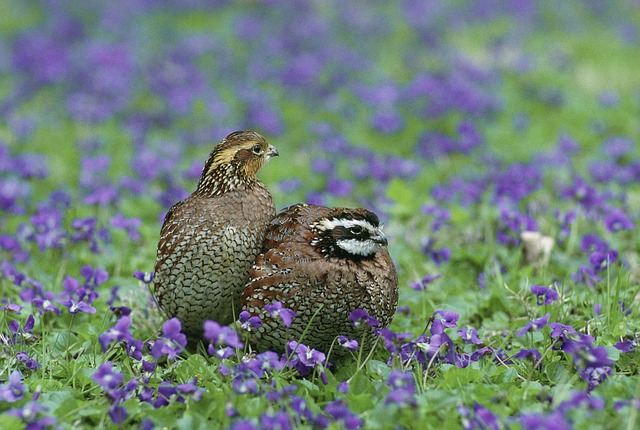
The Homestead Chicken Alternative That Is Smaller, More Profitable, and Tastes Great, TooThe main quail for meat and eggs is the bobwhite quail, which is delicious and mature in 16 weeks. You can eat the bird, which dresses out at about 7-9 ounces, or it will start laying eggs.


It takes four quail eggs to equal one average chicken egg. Quail eggs bring much more money than standard chicken eggs, so you even can sell them.


Quail are quiet except for a sing-song coo; not even the males crow. This bird will not bother your neighbors! In fact, if you live in an apartment, no one will know you have them. Cleaning them is easy because the cage should have a screen floor with no need for nest boxes. Quail are not picky; they lay eggs wherever they stand.


Other great, yet smaller, quails are the gambel’s quail, Tennessee, California Valley, Texas and button quail.


Discover 1,147 Secrets Of Successful Off-Grid Living!


Quail meat is high in protein and minerals and it’s lean, so it can dry out while cooking. It’s best braised, but can be fried or used in other ways. The eggs are amazing and full of HDL cholesterol (the healthy cholesterol). They are also hypoallergenic, so people with chicken egg allergies likely can eat them.


Pigeons: not Just an Annoying Bird


Image source: Pixabay.com

Image source: Pixabay.com


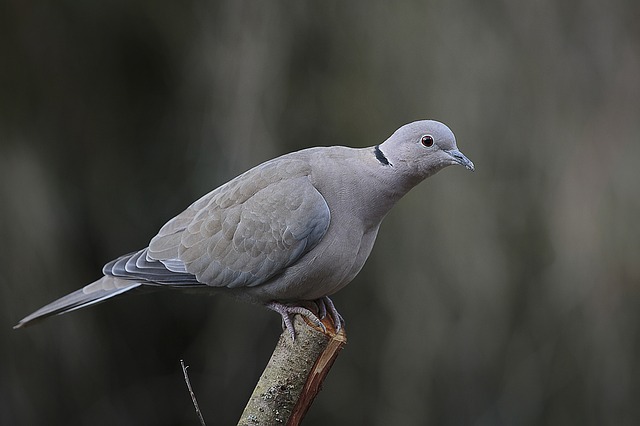
Pigeons (squab) may be a nuisance in the city, but they are valuable as a food supply. Pigeons are really easy to care for, and they grow quickly. If you look online for a meat-quality pigeon pair, you may be shocked; you would be fortunate to get a pair under $100 online. I suggest visiting a farm that has a silo; Amish farms would probably be the best choice. You may be able to purchase pigeons from Amish for less than $5 each. You will not find the fancy pigeons there, but they are very edible. Ask them to catch several, for mating. Once pigeons pair up, they stay together for life.


Before bringing them home, make a pigeon coup. It doesn’t have to be fancy and it will not have to be all wire. You’ll need:


  • A closet or shed.

  • A screen box to mount on the side so that they may peek out.

  • A nest box so they can lay eggs.

“Squab” is a fancy name for the pigeons, and usually means young birds. A healthy pair will raise 12-14 squab during the year. It only takes about 26 days from hatching until eating. The parents will usually lay a second set of eggs before the first pair of chicks leaves the nest.


Diatomaceous Earth: The Best All-Natural De-Wormer For Your Livestock!


Pigeon feed can be found at many feed stores, or it can be pre-ordered. They will need minerals and clean water, daily.


Once established, you will have a constant food supply and new hobby!


Squab is a healthy and delicious meat. All the meat is dark and, believe it or not, tastes like the dark chicken meat. It is a tender meat, juicy and flavorful with fatty skin. There are many ways to cook this bird—all taste great!


Regardless of the way you choose to go, these birds offer multiple benefits. The cost of feeding chicken alternatives is inexpensive. All you need is a handful of feed a day, minerals and clean water. Anyone who has the room to keep either bird will find all sorts of cage plans online. The only thing left to do is go out and give it a try. You won’t be disappointed!


Have you ever raised quail or pigeons? Share your advice in the section below:


If You Like All-Natural Home Remedies, You Need To Read Everything That Hydrogen Peroxide Can Do. Find Out More Here.


hydrogen peroxide report

Friday, September 22, 2017

Can Herbs Boost Your Chickens’ Egg Production? Yes!

Can Herbs Boost Your Chickens’ Egg Production? Yes!

Image source: Pixabay.com


Herbs have a variety of health benefits for chickens — very similar to their effects on humans. If you are looking for holistic ways to care for your chicken flock, scattering herbs throughout the coop and nesting boxes is an effective method.


Herbs can be used as an insecticide, for rodent control, and as a stress reliever. You also can try feeding herbs fresh to your chickens. Another effective method is to add dried, ground herbs to their chicken feed. If you’re trying to boost egg production, try mint and parsley. (Read more below.)


Try these herbs with your chickens:


Lavender. Lavender is a favorite herb among humans and animals alike. If there is one herb you should use right now, it is lavender. One of my favorite ways to use lavender is to place some in each of the nesting boxes. Lavender releases an aromatic scent that helps to reduce stress, ideal for nesting boxes.


There are other reasons why you may want to use lavender for your chickens. Lavender helps to increase blood circulation, and it is a natural insecticide. While you might want to use lavender in nesting boxes, it is also safe to air dry and use dried in the coop.


Diatomaceous Earth: The Best De-Wormer For Your Livestock


The benefits of lavender don’t stop there. Lavender also is antibacterial, antifungal, helps to fight off staph infections, and improves your chickens’ digestion! It is an easy and pleasant herb to include frequently.


Oregano. Oregano is a strong herb. You might know that already if you’ve ever used oregano essential oil. Numerous studies conclude that oregano contains natural antibacterial properties. Within chickens, it helps fight against coccidiosis, salmonella, infectious bronchitis, avian flu and E. Coli.


Can Herbs Boost Your Chickens’ Egg Production? Yes!

Image source: Pixabay.com


Aside from the antibacterial properties, oregano also contains many nutritional benefits, and are high in vitamins E and K, along with calcium and necessary antioxidants. Allowing your chickens to consume oregano will boost their immune and respiratory systems. Herbs that benefit the respiratory system are useful for flock owners.


There are two ways you can add oregano to your chickens’ diet. First, you can simply allow the flock to snack on fresh cut leaves. Another easy choice is to add dried herbs to their feed.


Mint. The mint family is large, encompassing a huge variety of plants. You can use spearmint, orange mint, peppermint, chocolate mint, lemon balm, catnip and more! Mint is highly aromatic, making it a great choice for repelling rodents or insects in the chicken coop. Novice and expert gardeners can easily grow mint around the perimeter of your chicken coop! Doing so creates a natural mouse barrier, even though your chickens may like mice for snacks!


During summer months, try adding freshly crushed mint leaves to your chickens’ water. Mint has the natural ability to lower the body temperature in humans and animals.


Mint also can help to increase egg production. Adding any mint to your chickens’ feed might result in larger eggs with thicker eggshells. It also can increase overall egg production, so you might want to use it during a rainy period with less sun.


Sage. Sage is an easy herb to grow in your garden, and it’s an exceptional choice for your chickens’ health. I opt to add it to their feed as a dried herb, but you can always use clipped, fresh herbs. Why is sage a good choice? It contains many antioxidants and vitamins, which will help keep your flock healthy.


Some chicken owners believe sage helps to fight off salmonella and other diseases. Sage also helps to control parasites that may be attacking your flock.


Parsley. You might love parsley for your dinner dishes, but your chickens can benefit from its use, too. Chickens love parsley, and they can eat it fresh directly from the garden. You can grow it around your chicken coop, allowing them to graze on it through the fence of your run. Another choice is to pick fresh parsley from your garden and feed it throughout the month to your chickens.


Why would you want to use parsley? It contains vitamins such as A, B, C, E and K. These benefits help to encourage blood vessel development, which may help to stimulate egg laying.


Herbs are easy to grow and maintain yourself. If you have space, I would recommend growing a separate herb garden just for your chickens. If humans can benefit from the use of herbs for culinary and medicinal purposes, chickens can, too.


Have you used herbs to increase your flocks’ health? Let us know about your experience in the section below:

Friday, September 8, 2017

The Foolproof, DIY Chicken Catcher You Can Make In 3 Minutes

The Foolproof, DIY Chicken-Catcher You Can Make In 3 Minutes

Image source: Pixabay.com


While catching chickens to be processed last fall, my brother and I were having a debate about who could make the best chicken catcher.


We laughed about how, as kids, we would make one and then snag every hen in the barnyard a couple times each. And if you caught the rooster, it was a huge deal. After a few times of snagging him he was pretty hard to catch.


This was long before the Internet, video games and a million channels on TV.


It brought back memories of the time a few years ago when my boys were getting old enough to help — which means they could walk a few steps without falling down — and I declared we needed to catch all the broilers in the next few days to butcher.


They asked, “How we gonna’ ketch ‘em?”


Diatomaceous Earth: The Best De-Wormer For Your Livestock


“I’ll make a chicken catcher!” I exclaimed.


Of course, I had their attention then.


So we went on the hunt for the materials, which consist of a piece of No. 9 wire and a pair of pliers. I explained how, as kids, we would rob a wire coat hanger from the closet (without mom seeing us, of course) and use it to make the catcher. This sparked a whole new line of questions about “how could you bend a hanger?” So I explained how clothes hangers once were metal wire — not the plastic ones you see now.


That was almost as weird to them as making a chicken catcher.


chicken catcherSo with both of them following along behind me, I grabbed a pair of pliers and cut a piece of No. 9 wire about three feet long or so.


I then bent a U-shape in the end. I told the boys to go get a stick, about the size of a chicken’s leg or a bit bigger, and I placed it inside the U, making sure it was against the bottom of the U shape. Taking the pliers, I squeezed the U, almost shut up against the stick, which left a long tail.


I then made a few fine adjustments based on years of making chicken catchers. We were done, and it had taken a total of about three minutes.


The boys both looked at the wire, and then looked at me, and said, “How do you catch a chicken with that?”


So off we went to demonstrate. I opened the movable pen, reached in with the wire, and before they know what had happened, I pulled a bird to me by the leg. Before I knew it, my youngest was screaming, “Let me try!”


How do you catch chickens? Share your tips in the section below:


If You Like All-Natural Home Remedies, You Need To Read Everything That Hydrogen Peroxide Can Do. Find Out More Here.

Friday, August 25, 2017

3 Steps To Making Money From Backyard Chickens

3 Steps To Making Money From Backyard Chickens

Image source: Pixabay.com


When it comes to building a small business around your chickens, there are a lot of options: different breeds, different feeds, different markets. Some initial planning will help you better navigate the marketplace and reach your goals.


1. Choose the right product.


When starting your flock, you’ll need to choose which type of breed best suits your business plans. If you see a need for organic free-range chicken in your area, then you will want to do some research and decide which breed is desirable for providing meat. If you are selling eggs, you will want to choose between the breeds that lay white, green, blue, speckled, dark chocolate, light brown and pink eggs. The colored eggs can bring a slightly higher price at the farmer’s market, but they would not be the best choice if you are selling to restaurants, which typically choose volume and value over eggshell color.


If you want to sell chicks or laying hens, then consider choosing a breed that isn’t commonly offered in your area, or one that is in high demand. You could ask in your local feed store, or anywhere chicks are being sold, to find out which breeds have commonly sold the most. Breeds differ in value. Although they offer different, and in some cases very unique products, the prices will vary immensely. A general breed may cost only $3 for a chick, while some of the desirable breeds can cost upwards of $10 to $30 per chick. Those costs need to be accounted for when choosing a breed to raise. Some of the special breeds require an up-front investment, but have potential to return that investment with higher sale prices.


You also may find that you want to raise multiple breeds in order to feed your family while also having unique products to sell. Understanding what you want to sell will help you start to plan the direction for your flock.


2. Choose the right flock size.


After choosing what you want to raise and sell, you will need to determine how large of a flock to have. This is based on the needs of your family as well as how much you plan to sell. Careful planning can help you alleviate the cost of overproduction while keeping your flock fresh and rotated. We would all like to get rich off our farms, but it’s important to choose a flock size that actually works for you and your family. How many dozen eggs do you want to sell per week? How many chicks do you plan to start selling in your area or to buyers online? How many pounds of meat will you have ready to offer customers at any one time?


3 Steps To Making Chicken Farming Profitable

Image source: Pixabay.com


Determine how much meat or the number of eggs you want for your own family on a consistent basis. Anything additional is what you can sell. Consider how many people are in your family and how many eggs or how much meat you want per day for each one. Then determine how many birds you’ll need in order to meet that need. Each hen lays up to one egg per day, which may translate into one to two hens per family member, depending on how many eggs each person consumes.


Diatomaceous Earth: The All-Natural Livestock De-Wormer!


As daylight length changes with the seasons, the hens’ laying cycles will change slightly. In winter, when there is less daylight each day, they will lay fewer eggs. When they’re molting, then will not lay eggs. For these reasons, as well as unexpected accidents or health problems, you may want to plan on having several additional birds to help feed your family when egg cycles are different. You also can use these variables to determine how many hens you will need to produce the quantity of eggs you want to take to market or supply to local businesses. How many eggs you will sell each day or each week determines how many dozen hens you want to keep.


As your hens age, they will decrease egg laying, and will eventually stop completely. For an efficient, profitable farm, you will want to swap out your hens every two years or so, as it ensures consistent egg production. This is the point at which you could slaughter for meat. As you keep your hens fresh, it will boost productivity and ensure egg laying is at its highest capacity.


If you are raising chicks, you will need to determine if you want to rely on your hens going broody and sitting on small batches of eggs, or if you will need to build or purchase an incubator for larger batches. The cost of an incubator will vary based on if you are purchasing new or used, or building your own. You already have the hens which can sit on the eggs, but you will be limited to the amount they can handle. If a small batch is all you are starting with, then it should be sufficient for you. But for large-scale production down the road, consider an incubator for more consistent results.


To really make money off your chickens, you will eventually need to expand to more than just a backyard flock – say, flocks of several hundred or more. With volume comes more efficient feeding and care and the opportunity to sell in bulk to certain types of customers. This may not be your starting place, but as you learn to manage your flock and develop new avenues for sales, your need for larger flocks will eventually grow.


3. Choose the right market.


As you are choosing the type of product and the volume you want to sell, also consider the avenues through which you will sell. Some of the options are obvious: farmer’s market, local grocery stores that may be open to selling your goods, online forums, local restaurants, Craigslist, local feed or farming stores, natural or bulk food stores, bakeries, or any other business that may have a need for fresh eggs or meat. You are not confined to selling at a farmer’s market, although that’s a great place to start. You can inquire at local restaurants and bakeries to find out how many eggs or pounds of meat they purchase and whether your free-range product would suit their needs. This will start to give you an idea of how many eggs or how much meat you could expect to sell to certain types of customers, as well as how much they typically pay for those items.


Some local feed or farming stores offer chicks for sale in the springtime. These may come from a large distributor, but they may be interested in offering your local chicks instead. If not, you can expand your reach through online forums, Craigslist and social media. Having unique breeds may help you reach people who want more than a general breed. Try chicken and breeder forums, breeder clubs, or even local 4-H groups where the members may be looking to purchase their next projects.


Many advertising options are inexpensive or free, and just take a little time. Don’t be afraid to step out and start relationships with local businesses which may be looking for quality products like yours. A free-range or organic, locally raised option is typically better than the distributed products they may currently be purchasing. Finding out how many eggs or how much meat they may purchase can also give insight as to the size of flock you’ll want to own.


Do you have any advice for making money from chicken farming? Share your ideas in the section below:

Monday, August 21, 2017

5 DIY Chicken Tractors That Will Revolutionize Your Homestead

5 DIY Chicken Tractors That Will Revolutionize Your Homestead


When it comes to housing poultry, your options are truly limited only by your imagination. Most poultry, chickens especially, are hardy and readily adapt to a variety of housing setups.


All coops will fall into two major categories: the permanent structure or the tractor. By definition, a chicken tractor is any bottomless pen or cage that can be moved from one area to another. This allows the poultry to eat things on the ground, such as vegetation and bugs, while still keeping them contained. Chicken tractors may have wheels or skids to be pulled along the ground, and are an excellent alternative to free-ranging if you live in an urban/suburban setting or an area with a large number of predators.


There are several good reasons to think about adding a chicken tractor to your homestead. Here are a few of the best reasons:


  • Allowing the birds ground access cuts feed costs. Every blade of grass and every grasshopper is just that much less feed you must provide.

  • Droppings fertilize the ground. Just remember to move your pen often enough to prevent manure build-up.

  • Saves on gas for the mower. We spent an entire summer moving bird pens around one one-acre section of lawn at our last house. We used three tractors and mowed the whole thing twice in six months.

  • Tractors can be moved to new property or sold if you don’t need it anymore. This is not always the case with a permanent structure.

  • No ugly, bare chicken run.

Tractors can be made of just about anything. On our homestead, we have used five different styles, and all of them were made from recycled/upcycled materials. To inspire your own chicken tractor ideas, let’s look at the ones we have used.


The Cattle Panel Hoop


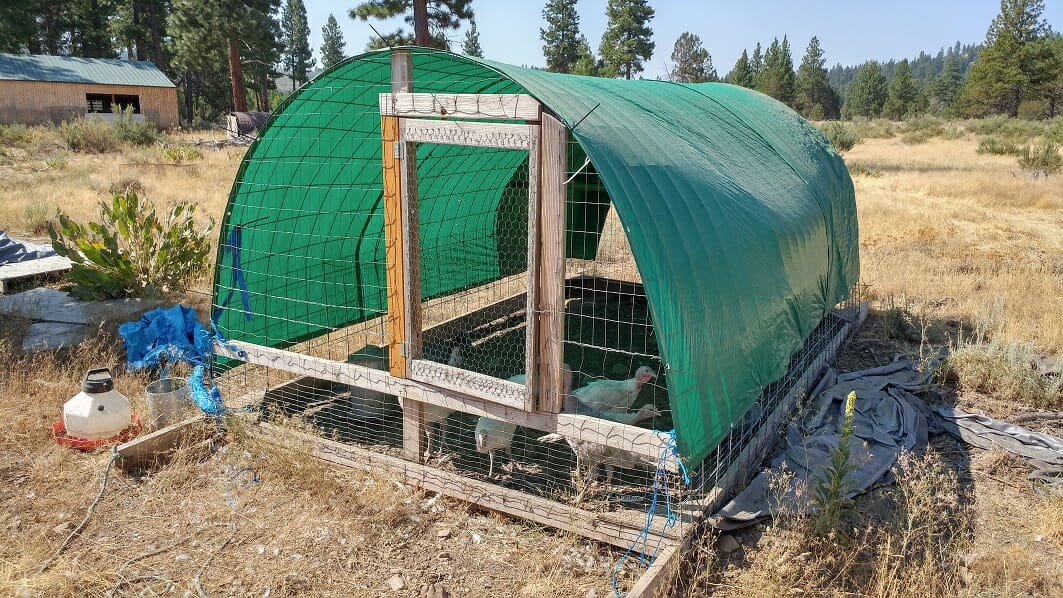
This was our first design for tractors, and is the one we still prefer. We’ve made them in 8-foot and 12-foot lengths, with an 8-foot width. We have housed everything in them, from chickens to ducks, geese, turkeys and yes, even a goat or two. The premise is fairly simple. It’s just a framework with cattle panels bent from one side to the other to create a tunnel, ends finished with plywood or netting, and a tarp over the top for a roof.


Discover More Than 1,000 Off-Grid-Living Tricks!


Hoops are fairly quick and easy to create, and I have built quite a few in just a couple of hours. They are lightweight enough that one person, attaching a rope from one skid to the other, can move it. They also can be moved quite easily with a quad or even a riding lawnmower.


There are a few things to consider before using this style of pen. Strong winds can move or even flip them over. Additionally, because of the raised cross pieces, small predators such as skunks, weasels and even smaller raccoons are more likely to try and get into the pen.


The Upcycled Dog House


We had an acquaintance contact us about a doghouse they needed to get rid of as they were planning a move. It was a cute little thing, and had actually been used as a house for ducks. We built a skid framework, added a floor and mounted the house on skids, then added a simple run along the front. I did a little work to the roof, added a nest box and perch, plus built a new closing door and cut a smaller door to the run. I had the whole project done in just a few hours, and we’ve used it successfully for two years.


My biggest regret with this one is simply that I didn’t put a door into the run for us! This has been inconvenient on the two occasions that the birds have managed to get their feed bowls outside. Fortunately, it is lightweight enough to be lifted fairly easily.


The Little Red Coop and The White Hen House


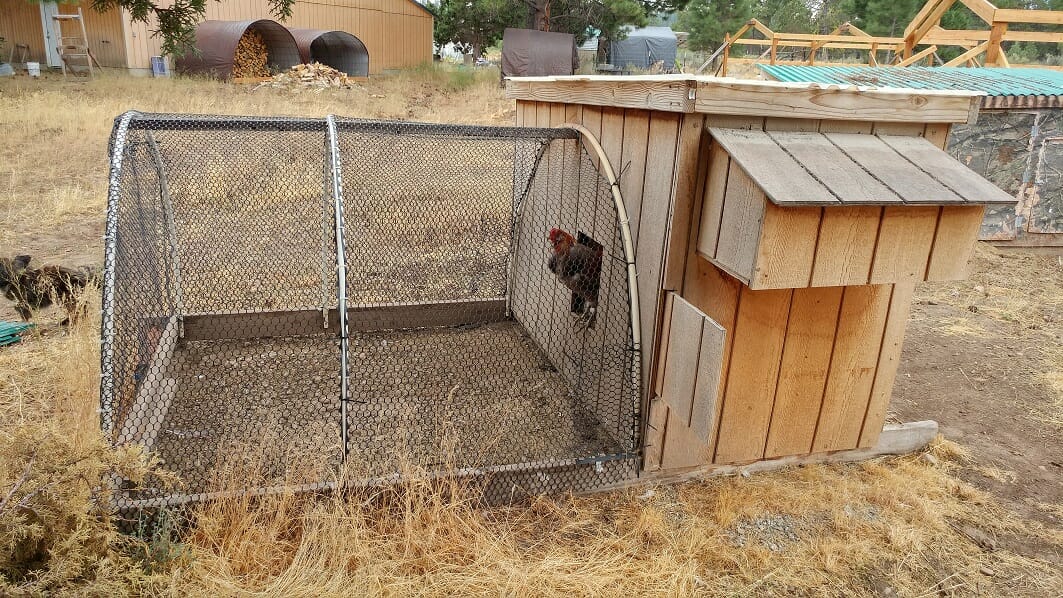
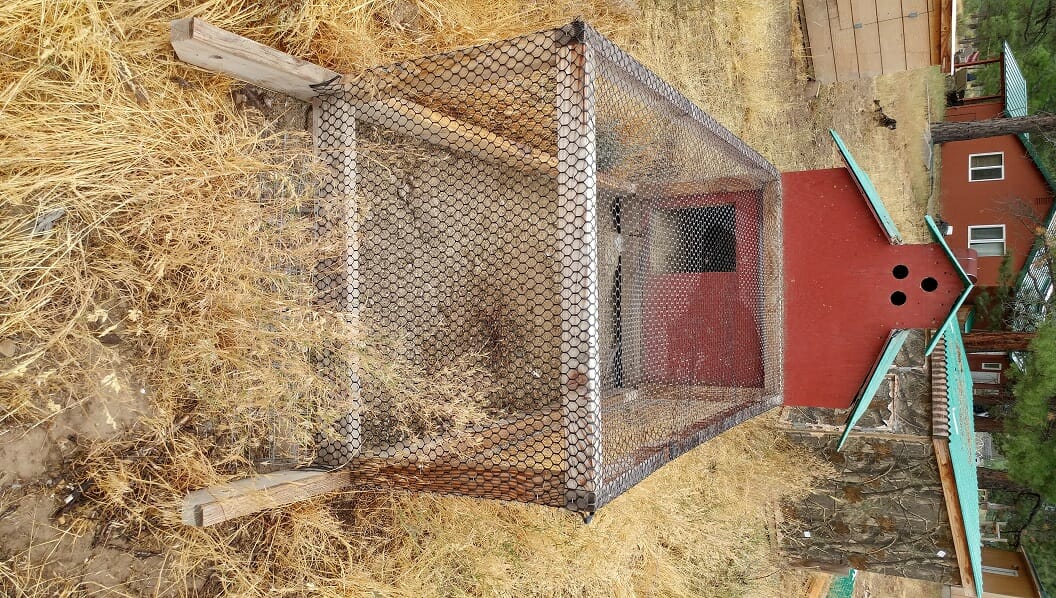
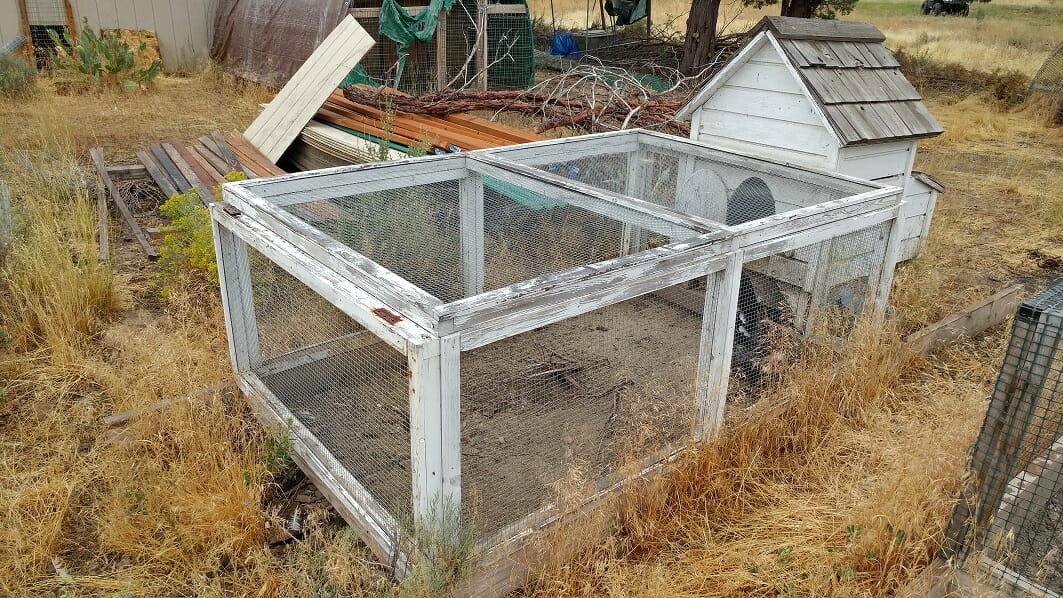
The next two tractors we built were made from a couple of small hen houses we picked up off of Craigslist for next to nothing. The Red Coop had a detachable yard made left over interior house trim and covered with rusty pieces of assorted wire. The White Hen House had a lovely set of yard panels that were only two-feet tall so the chickens kept hopping over the panels and destroying the owner’s garden! Both of these little coops were made to be permanent structures.


Essentially, we did the same thing as with the Dog House. We built a skid system and just mounted the houses on the skids, then built a yard. I was fortunate with the White Hen House that when arranged carefully, the yard pieces actually made a contained box! With some hinges added to the top panels and a hook to close it, the yard is accessible if we need to open it up for any reason. With the Red Coop, I made the same mistake as with the Dog House and didn’t add a door to the run for us to be able to access it. Again, the pen is very light and can be lifted up if we need in it.


The Shipping Crate House


This is by far the heaviest of the houses we’ve built, and it’s the only chicken tractor that cannot be moved by hand.


The house frame itself is made of a shipping crate that was used to send in a special order tub surround. Basically, we just added some OSB scrap to make a floor, sided it with leftover plywood siding, built a roof and a nest box and cut in a couple doors. The whole thing is mounted on skids, and the yard is made of PVC pipe with some used plastic chicken netting attached to it via zip ties.


The roof doesn’t have much pitch, but was built to be strong. We’ve had a foot of snow on it and never a problem!


The faults with this pen are pretty minimal, the biggest being the weight. As with some of the other pens, I do wish I had added a door to the run. I’m also not sure I would use the plastic netting again, as it does rip after three summers in the sun, and will most likely need to be redone in the next year.


Final Thoughts


The options for building tractors really are endless. I have seen some very ingenious ideas on Google and other sites using old swing-set frames, units made entirely of PVC and wire, and even out of an old lawn cart. With the versatility of these great pens and the benefits they provide to the small homestead, we are sure you’ll want to add one or two of these to your own setup.


Do you have any unique chicken tractor ideas? Share your tips in the section below: