Showing posts with label warm. Show all posts

Monday, February 12, 2018

Off-Grid Tricks That Will Make Your House Warmer (And Lower Your Heating Costs, Too)

Off-Grid Tricks That Will Make Your House Warmer (And Lower Your Heating Costs, Too)

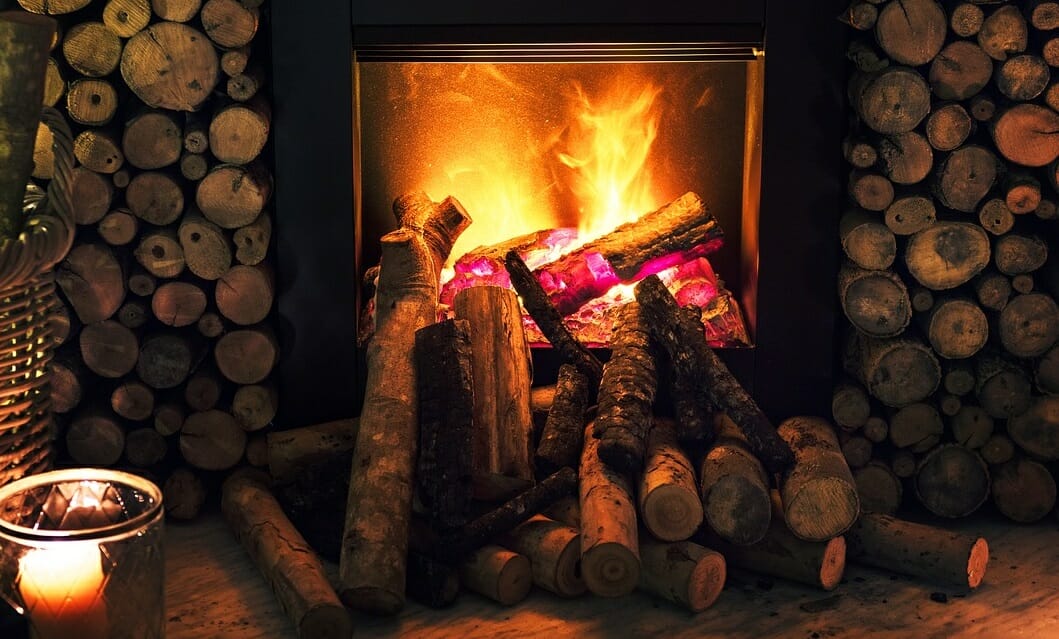
Image source: Pixabay.com


No matter where you live, staying warm in the winter takes much more work than being comfortable the rest of the year. But it can be done — no matter your heating source.


Be Creative When Insulating


Keeping the warm air in and the cold air out is priority No. 1 when it comes to home heating. If replacing old doors and windows or adding to existing insulation is an option, consider one of these other insulating methods:


  • Use heavy drapes or even blankets over older windows to protect from cold.

  • Seal around door jambs and window casing with expandable foam to prevent drafts.

  • Replace weather stripping around leaky doors and windows.

  • Add window film or bubble wrap over windows to increase their insulating values.

  • Keep unused rooms closed and use draft stoppers along the floor to keep cold air from leaking into occupied rooms.

  • Install outlet and switchplate gaskets to stop cold air in exterior walls from seeping into living spaces.


Heat the Person, Not the Room


Turn the thermostat down a notch and still stay warm by focusing on the person and not heating an entire home. Throw blankets, lap quilts, and afghans are all good ways to keep a person warm and lower your heating costs. Extra blankets or even heated blankets provide a comfortable place to sleep if the air in your bedroom is cold.


Take Advantage of the Sun


Some of the coldest days of the year are usually the sunniest! Take advantage of solar heating by opening drapes and curtains on windows that get the most direct sunlight during the day. You also can build or buy solar window boxes which harvest the heat of the sun and allow it to pass into your home via open windows.


Kill two birds with one stone and consider putting in a lean-to style greenhouse attached to your home where the excess heat can be let into the house by opening a window, or enclose a porch with polycarbonate panels for the same effect. Not only can you help heat the house, but you can grow or start your garden veggies, as well!


Become a Fan of Fans


It may seem counter-productive, but using fans to push air around in the winter can save you big bucks on your heating bills. Use ceiling fans to bring warm air down from the ceiling, small corner fans to push air down hallways or into small rooms, and box fans or woodstove fans to move air from one room to another.


Waste Not, Want Not


Using the oven? Leave the door open when you are done cooking to let the heat escape into the room. The same can be done with the clothes dryer. Just keep in mind that if you have lights in either of these appliances that can’t be turned off, you’ll want to be diligent about getting them closed when they aren’t providing heat to the room.


Think Outside the Box – Recycle and Upcycle


If you’ve got a wood stove, consider making your own firebricks and firelogs out of old junk mail and newspapers. You also can use catalogs, food packaging boxes, wood scraps (no pressure treated, plywoods or chipboards which contain glues, chemicals or resins) and even pinecones in place of firewood.


For radiators or wall-mounted propane heaters without fans, use a wall shelf mounted above to steer heat into the room instead of straight up towards the ceiling. Just be sure to check with the manufacturer to determine safe clearances.


You also can use leftover greenhouse building materials to build solar heating boxes as mentioned above.


Use More Than One Heating Source


Don’t be afraid to diversify and use more than one heating source for your home. If you have electric heat but live in a wooded area or have access to inexpensive firewood, consider adding a wood stove, or wood furnace as well to save money. If you already have propane for cooking, look into adding a propane fireplace or heater if propane in your area is cost effective. By using more than one heating source you have options if there is suddenly a spike in propane or oil costs, or if your usual firewood cutting area gets closed due to fire.


What advice would you add? Share it in the section below:

Monday, January 22, 2018

Crazy-But-Smart Ways Our Ancestors Stayed Warm During Winter

Crazy-But-Smart Ways Our Ancestors Stayed Warm During Winter


For homesteaders, going outside in the cold to care for livestock or bring in firewood is just part of the life. Fortunately, it takes just a few minutes to put on coveralls, gloves, jackets and boots that are well-insulated without being bulky.


But for our ancestors who lived without the convenience of thermal underwear and even heated jackets, staying warm took a bit more effort and a lot more thought. Materials up until the 1970s were primarily naturally sourced (wool and cotton). It wasn’t until 1979 that the 3M company patented Thinsulate as a synthetic fiber insulation that became the inner layer to most commercial winter clothing.


For our ancestors, wool was the best fiber available due to its lower cost, better resistance to moisture and odor protection. Cotton was secondary to wool, because it loses insulation value and adds cold when fully soaked.


Dressing For The INDOORS


Our ancestors’ first rule of dressing for warmth has stayed the same throughout time: dressing in layers. For those in the early 19th Century all the way to the 1950s, this meant layers of linen, cotton, flannel and wool clothing.


Crazy-But-Smart Ways Our Ancestors Stayed Warm During WinterFor men of the times, even staying indoors usually meant long underwear made of white linen, socks and pants made of wool, and a long-sleeved shirt covered by a vest, sweater or another long-sleeved shirt of linen or flannel. Ladies and girls would wear knit hosiery, bloomers and linen shifts below dresses made of linens, flannels and wools. To add warmth, they could add wool socks or additional slips, and the usage of shawls and wraps was commonplace. Both men and women also wore shoes or house shoes to keep their feet off cold floors and also to prevent wear and tear on their socks and hosiery.


Outdoors: Feathers And Leaves?


Outdoor activities meant even more layers. Thicker socks, long coats, scarves, hats, caps and gloves were all useful in the fight to stay warm. Ladies could also wear hooded capes, wraps, mittens or ear muffs, to keep out the cold. Styles evolved over time, but the best for winter had overlapping flaps that blocked cold air from entering the front of a jacket and made it more difficult for air to navigate between layered clothing. Depending on how extreme the weather was, men would sometimes wear an extra pair of pants over their first pair. Anything to add an extra layer of protection from the elements. Farmers in the upper Midwest and Northeast were also know to stuff feathers, straw or even leaves in their pants and shirts for an extra bit of insulation.


Good footwear was also key to keeping warm when outdoors, and both men and women wore sturdy boots made of leather to keep their feet dry.


Coal When Traveling …


For our ancestors, even a trip into town during winter took careful planning to make sure everyone in the family stayed warm. When travelling by open sleigh, cart, carriage or wagon, not only did the passengers dress for the outdoors, but they would also bring quilts or blankets to tuck themselves in for an extra layer of protection. Families fortunate enough to be able to afford them, also used foot warmers heated with coal to keep feet warm during the cold, as well as umbrellas to protect them from rainy or snowy weather.


Sleeping Comfortably


To sleep comfortably during cold weather, men and women both wore garments made of linen, flannel or cotton. Ladies usually wore night gowns, while men slept in long underwear or night shirts. Both men and women would wear a nightcap to conserve body heat, and possibly woolen socks, too. Extra quilts or blankets would also be layered on the bed to trap body heat.


Depending on the size of the family, members of the family may choose to sleep in the same room or even the same bed. It wasn’t uncommon for the children to share a bed or even for all the children to pile into one bed with their parents during the winter months to help conserve body heat.


In the late 1800s, pajamas became popular for men and boys, although women and girls stuck to the traditional night gown. It wasn’t until the early 20th century that ladies and girls also began to wear them.


Whether on the homestead doing chores or hibernating in the house trying to beat the cold, layering up has been the key to staying comfortable. In the foreseeable future, the same philosophy will most likely ring true regardless of the materials developed.


Do you know of other ways our ancestors stayed warm? Share your knowledge in the section below:

Wednesday, January 18, 2017

5 Strange Ways Your Ancestors Saved Fuel During Winter

5 Strange Ways Your Ancestors Saved Fuel During Winter


Our first home was built in 1907 and boasted drafty windows and a minimal amount of insulation. Before our first winter came to an end, we knew changes had to be made if we were to survive in any amount of comfort. Staying warm at the expense of draining our savings account was not an option. And although we have since moved on to a well-insulated home, we still employ many of the fuel-saving practices we learned many years ago.


Our ancestors knew how to conserve energy. Whether it was using nature’s colder temperatures for food storage or keeping the house warm without turning the thermostat up a single degree, they utilized ordinary objects to conserve fuel.


Below are some time-tested methods to put into practice this winter.


1. Window coverings


Windows are points of entry for cold air, and although new windows are certainly more effective, they still cool the room. Foam tapes, clear films and other products abound at big box home improvement centers, but these are unnecessary and may in fact cause damage to your home. Foam tapes are often difficult to remove completely, damaging the finish of the casement and sill.


Are You Prepared For A Long-Term Blackout? Get Backup Electricity Today!


Clear films have been known to cause cracked window panes, particularly on south-facing windows. Years ago, homeowners used quilted window coverings to block drafts, raising the temperature of a room by several degrees. In addition to windows, glass patio doors also can be covered with an insulated curtain to reduce the amount of heat lost.


2. Straw bales


Using straw bales around the foundation of your home may not increase its’ curb appeal, but it will help to keep your fuel costs down by adding an extra layer of protection against cold winter winds. Place bales where they can absorb the greatest impact from winter’s worst weather. The bales also may help to prevent heat loss. Straw bales may later be used as livestock bedding, mulched for compost or used elsewhere on the homestead, provided it is dry, and mold- and mildew-free.


3. Humidifiers


We are not talking about the commercial humidifiers that release moisture in the air, but rather, the strategic use of space on an indoor burner. Cast iron kettles filled with water will release moisture in the air when safely situated on a fuel-burning stove. Even if you do not have an indoor wood burner or corn burner, you can utilize other appliances as humidifiers.


Be Prepared … With A Pocket-Sized Solar Generator!


For example, once you’re finished using your kitchen oven, place a dish of water in it while leaving the door ajar. As the oven cools down, it will heat the water enough to release moisture into the air. Indoor air that has the proper level of humidity feels warmer.


4. Cover bare floors


Bare floors keep a room from retaining heat and contribute to an overall chilly feeling. Using area rugs to cover wood or tiled floors will not only keep your feet warmer, but also will raise the ambient temperature by a few degrees. Rugs can, of course, be purchased, but old quilts, toweling, and scraps tied into rag rugs work just as well.


5. Door rolls


From a unique design that matches your interior to the thrift store quilt, a roll of material stopping drafts from entering your home is essential to any fuel-saving plan. Scrap material can be fashioned into a tube that can be filled with numerous things to block cold winter air. Fill the tube with densely packed material. Rice or sand are both common options, but materials such as recycled quilt batting or scraps of denim are also very effective.


Do you know of other time-tested ways to keep the house warm? Share your tips in the section below: 


Monday, January 16, 2017

The Smartest (And Easiest) Ways To Keep Chickens Warm During Winter

The Smartest (And Easiest) Ways To Keep Chickens Warm During Winter

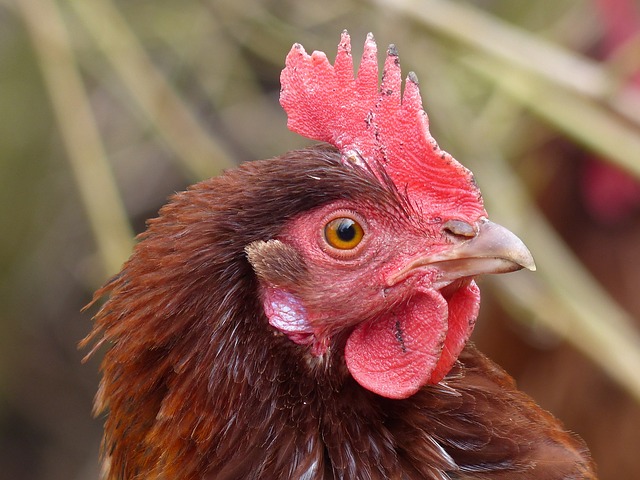
Image source: Pixabay.com


When the temperatures dip below a certain level, staying warm is more than just an issue of comfort. It becomes a matter of survival. If you keep chickens year-round, keeping them safe during cold snaps is a real concern.


Some breeds of chickens are more naturally hardy in extreme temperatures, but there are still steps that can be taken to enhance your flock’s winter survival. Assuming you have the best breeds for your area, consider some of the following practices to help them stay warm in the coldest weather.


1. The right-sized home. During winter, too much space can be a detriment. The larger the area, the more difficult it will be for the birds to keep it warm with their own body heat. My local organic farmers’ organization recommends between four and eight square feet per bird. Some experts allow for more or less than that, and a good bit of the decision depends upon the size of your flock and how much access they have to the outdoors.


If your chicken coop is cavernous, consider creating a coop within a coop. Building a small structure—even a temporary one using pallets or scrap materials—around their roosting area can provide them with a cozier space.


2. The right shape and orientation coop. A steep shed roof provides a low ceiling on one side, which helps the birds stay warm, and a higher ceiling on the other to allow human access for tending the birds. If your roof is high throughout, consider a makeshift dropped ceiling for the winter months.


Get Diatomaceous Earth Here! It’s The Time-Tested Way To Get Rid Of Bugs


Facing doors southward and away from winds and inclement weather helps when the chicken access door is open. If the orientation of your doors is not quite optimum, you always can add on an extra roof or vestibule.


3. Natural lighting. A skylight or south-facing window, or even some strategically placed sheet plastic near a door or window, can create a greenhouse effect. This can help keep your chickens warm in the same manner that plants are kept warm in a hothouse.


4. Insulation. Adding commercial insulation to a newly constructed chicken coop is a great choice. Just as with human homes, the more heat that can be retained inside during winter, the better.


The Smartest (And Easiest) Ways To Keep Chickens Warm During Winter

Image source: Pixabay.com


The insulating value of your coop can be increased with whatever you have on hand. It may be possible to stuff wood chips or other fibrous materials between walls—or between an outer wall and an inner layer of recycled materials—to help keep your birds warm.


Snow is an excellent insulating material, too, but if you have more cold weather than snowfall, try using hay, straw or even bags of leaves for banking around the outside of the chicken coop.


5. Ventilation. It may be tempting to shut them up tight, but remember that respiration can cause condensation and dampness. Allowing the inside of the coop to become excessively damp can be dangerous during cold weather. Additionally, birds have a more delicate respiratory system than do other animal families.


6. High fat foods. Eating fatty foods helps keep chickens warm. Suet, fatback and kitchen scraps are ideal.


7. Warm foods and liquids for consumption. A friend of mine prepares fresh hot oatmeal for her hens on cold winter mornings. Perhaps that’s not your style, but you may want to allow kitchen scraps to come to room temperature—or even set them near a heat source to warm them—before delivering them to the chickens. I replace my chickens’ waterer with hot tap water at least twice a day during the coldest winter days, because warming from the inside out is a great way to create and maintain body heat.


8. Portable hot water heaters. I keep water in a kettle on top of my wood stove during winter, which helps me humidify my house and heat the chickens. I pour hot water into some heavy-duty five-gallon plastic jugs I salvaged from a bulk foods store and haul them out to the chicken coop on a sled and place them inside. Water retains its temperature far better than does air, which means it will help keep the coop warmer, longer. You can use any heat-resistant container, such as plastic or metal buckets, as long as it has a secure lid to prevent spills and keep the chickens safe.


You can use heated bricks in lieu of warm water if you prefer.


9. Entertainment. Chickens that have something to do while cooped up inside during cold weather will not only be less likely to become aggressive toward one another, but they can generate heat by moving around. Provide a fruit or vegetable such as an apple or cabbage, or a hunk of fatback or suet, hanging from a string at beak height so that the birds can peck at it.


10. Heat lamps. I use heat lamps as a last resort, but many people rely on them as a go-to. Whichever your viewpoint, it is essential to make safety your first priority. Make sure both the bulbs and the fixtures are of the highest possible quality you can afford, are hung on heavy-duty suspension material, and are not too close to anything combustible. It is always best to follow manufacturer’s instructions regarding usage.


Deep cold temperatures can be a real challenge for humans and animals who live in a northern climate. But by getting creative with ways to heat their coops, we can keep chickens safe and comfortable through even the coldest of winters.


How do you keep you chickens warm during cold months? Share your tips in the section below:


Harness The Power Of Nature’s Most Remarkable Healer: Vinegar

Monday, December 26, 2016

Winter Survival Skills That Kept The Pioneers Alive

Winter Survival Skills That Kept The Pioneers Alive


If you live in certain parts of North America, then you know all too well how cold and long a winter can be. In bad years, they can last from November through April. When ice is several inches thick on ground that hasn’t been salted, when the wind whips so hard it pulls young trees out of the ground, and when you finally have to venture outside to go to the grocery store a few blocks away, it can seem like a dangerous trip.


Have you ever stopped and wondered how the pioneers survived? There was no central heating, no supermarkets, no water heaters to help warm up frozen fingers.


Our ancestors were certainly tough, no doubt about it, but we would be wise to pay attention and learn a few of their survival skills. Here are a few:


Food Preparation And Storage


Knowing that winters could be long and harsh, pioneers spent a great deal of the summer months preparing. A lack of preparation usually meant death by starvation, so they took these chores seriously.


Almost all pioneers had what we call a cellar or a root cellar. This was a room dug underground that would protect their stored food from freezing and guard it from marauding animals.


Root vegetables were a favorite because they keep for a long period of time without spoiling and without any special preparation beforehand. This made things like carrots, beets, sweet potatoes,  parsnips, radishes, rutabagas, regular old potatoes and turnips valuable crops.


Other crops that keep well without canning are corn, onions, garlic, squash, cabbage, cauliflower, pears, oranges, cucumbers, pumpkins and apples. Some fruits and berries were dried, but others, like apples, keep remarkably well when placed in a cool, dark place.


Canning was an invaluable tool to store food for winter consumption. This was the common method of storing foods that went bad fairly quickly, such as berries, peaches, nectarines, tomatoes and artichokes.


Meat also was dried and salted to preserve it for the winter. A family could slaughter one of their livestock animals, eat what they could for a day, and then pack the remainder in large barrels, stacking it in layers and then covering them with salt and brown sugar, before sealing the barrel.


Are You Prepared For A Downed Grid? Get Backup Electricity Today!


Of course, meat killed during the winter simply could be kept frozen outside, as long as one was careful to keep it out of reach from the local wildlife.


Staying Warm


A full belly is great, but if you are stuck outside in subzero temps, it won’t be enough to keep you alive!


Winter Survival Skills That Kept The Pioneers Alive Most pioneers lived in cabins made from logs. These can be quite insulating when the holes and cracks are properly filled with mud, grass or cloth, but in sub-zero (Fahrenheit) weather, one will still need a good fire.


This means lots of back-breaking hours cutting and storing firewood. Imagine trying to guess how much wood you are going to need for one winter season? Of course, if you saw you were running low, you always could head out to the woods and start cutting, but in freezing temperatures, it would be hard and exhausting work! Better to stock up when the weather was good and the wood softer


During the winter months, fires were rarely allowed to die. However, if a warm spell was followed by a super cold snap, chances are you better be able to find your flint and steel to start another fire. Since matches were not even common until about 1900, if you were without flint and steel, you would have to hoof it to a neighbor’s house to “borrow” some hot coals.


Last, but not least, clothing. The early Americans wore clothes they had made themselves, usually from cotton they had raised or wool off of their sheep. A few men wore pants made of buckskin, but most wore outer clothes made from cotton. However, winter months required a bit of extra warmth, usually in the way of woolen (and scratchy) “long Johns.”


Trapping and hunting skills provided meat, so rifles or shotguns were very common. Some pioneers used simple traps to capture smaller game (rabbits or game birds).


However, for those who could manage it, livestock was invaluable. Pigs could be sold, traded or simply killed for meat. Cows also could provide both meat and milk. Goats were not as common, but in a pinch a goat will eat almost anything and it, too, provides milk and meat. Chickens have been kept for ages as a means of eggs and meat. Of course, these animals needed to be fed and protected, so during harsh winter months, if you couldn’t feed them, you ended up eating them.


First-Aid And Folk Remedies


Doctors also were few and far between. Many people learned common first-aid remedies and folk remedies, and they kept a variety of healing herbs on hand. Women, especially, shared this information with each other and often helped each other out during the difficulties of childbirth. If your child had a fever in a blizzard, you couldn’t call the doctor and you couldn’t just pop down to the local drug store. Pioneers relied on their own herbal remedies.


Since log cabins had few windows, lanterns and candles were the main source of light on dark days and long winter nights. Candles were commonly made from beeswax, with cotton wicks during the summer. Although kerosene could be bought for lamp fuel, its smoky blackness — and expense — made it unpopular. Many pioneers used fat from their animals for soap and for lamps.


How did pioneers prevent cabin fever after living for months in a 12X16 log cabin with who-knows-how-many people? Families would read out loud, make up stories, or recount family history. The sewing of clothes and the repair of farm tools would have taken some time, and games such as checkers helped to pass the time. With a bit of fortune, a family member even would have had a musical instrument to help fill the hours with a bit of song.


Although I really enjoy learning the old-fashioned ways of doing things, I’m not at all certain I could have survived during pioneer times. What about you? Do you think you could have survived during those times?


Share your thoughts and tips in the section below:


If You Like All-Natural Home Remedies, You Need To Read Everything That Hydrogen Peroxide Can Do. Find Out More Here.

Monday, December 19, 2016

15 Free-But-Forgotten Ways Our Ancestors Stayed Warm During Winter

15 Free-But-Forgotten Ways Our Ancestors Stayed Warm During Winter

Artist: Thomas Birch


Staying warm was not always as simple as flipping a switch or nudging a thermostat. In the days of our ancestors, it also was not as easy as loading and starting a pellet stove. It involved even more than hauling firewood in from a dry shed and loading it into a state-of-the-art woodstove.


With what were often limited resources, our grandparents needed to use common sense and ingenuity to augment whatever they used as a primary heating system.


Here are some of the “free” things they did to keep warm:


1. Wear sweaters and warm clothing. There probably were not many folks going around all day in short sleeves in the dead of winter. Instead of bringing the indoor temperature high enough to dress the same all year ‘round, they added on layers during colder seasons.


2. Acclimatize to cooler temperatures. When my aunt relocated to Florida several years ago, she laughed at the sight of joggers wearing earmuffs at 50 degrees. But by the next year, she, too, felt cold at higher temperatures than she had while living up north. In the same manner as my aunt became accustomed to warmer weather, so, too, can most people get used to cooler indoor temperatures during winter.


3. Stay active. I have hiked many mountains in cool weather, wearing only shorts and a T-shirt in temperatures as low as in the 40s. But sitting indoors at my computer, I reach for a sweater as soon as it dips below 70. Our grandparents may have moved around both in- and out-of-doors more than we do now, if for no other reason than to accomplish daily living tasks which we no longer do today. This higher level of activity contributed to keeping them warmer.


Get Free Electricity — And Never Be Without Power!


4. Wrap up. When they did curl up on the couch with a good book or relax with a hobby, our grandparents likely made good use of afghans, shawls and lap quilts. Rather than heat the whole room, it made sense to use warm covers to retain body heat during sedentary intervals.


5. Be conscientious about trips in and out of the house. Every time a door is opened, heat escapes. By planning ahead and limiting the number of times the door is opened, people in our grandparents’ generation were able to retain indoor heat more efficiently.


6. Use the oven for indirect heat. It goes without saying that baking anything other than necessities is a better idea on a cool day than on a hot one. And after the baking is done, it is useful to leave the oven door ajar to allow the heat into the room.


15 Free-But-Forgotten Ways Our Ancestors Stayed Warm During Winter

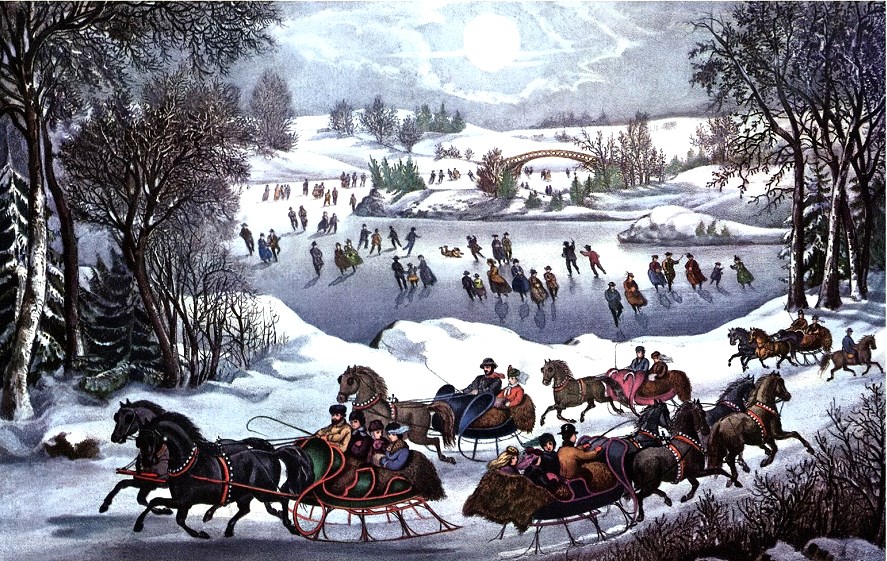
Artist: Currier and Ives


7. Close off unused rooms. Spare bedrooms, summer kitchens, utility rooms and entryways may not need to be heated all winter. The more square footage in a home, the more heat is required — and the harder it can be to stay warm. Closing doors and heat registers to non-essential space can be helpful. This is what our grandparents did.


8. Keep bedrooms cool and pile on extra blankets for sleeping. Many bedrooms do double duty as areas for homework, children’s play or hobbies. It might be worth considering to move these activities to common areas during cold weather, thereby saving heating costs while keeping the family warm in one or two rooms.


9. Use insulated curtains or hang blankets on windows. Staying warm in our grandparents’ time often included creating an extra barrier between themselves and outside, and window coverings were key.


10. Cover walls. Hanging heavy quilts along exterior walls can help keep rooms warmer. It not only provides additional insulation, but soft textiles create the illusion of warmth and comfort. Extra coverings over wall outlets can help minimize drafts, as well.


11. Place draft dodgers under doors. Creations made of yarn, fabric, rags, synthetic stuffing, or newspaper can help prevent air exchange and retain more warm air inside. These could be basic — just old hosiery stuffed with textile scraps — or as fancy as anyone wanted to make them.


12. Winterize windows with plastic. Windows which were particularly vulnerable to wind and cold and those in rarely used rooms could be easily covered with a sheet or two of clear plastic and tacked on using furring strips, adding an additional layer of insulation and helping to create a greenhouse effect inside the house.


13. Caulk or fill in around windows. Loose windows and frames allow warm air to leak out and cold air to flow in. Filling in gaps and cracks with a malleable material helped prevent heat loss and contributed to our grandparents staying warm.


14. Insulate the attic. Commercial insulation is probably the best idea for us today—despite its higher cost, it is super-efficient. But our grandparents had to do it with whatever they had—rags, woolens and even old newspaper could make a difference. It was important that they take care not to place anything combustible too close to a chimney, and that remains a crucial consideration for us today, too.


15. Bank around the house. Our grandparents used bales of hay or straw, bags of leaves, or other insulating materials around the outside of the house. Often in colder climates, they packed snow around the foundation to minimize transfer of heat.


By being intentional and diligent, our grandparents were able to thrive in the coldest of weather. And by following the lead of our ancestors, we all can stay a little warmer during winter.


What old-time advice would you add on staying warm during winter? Have you discovered new ways? Share your thoughts in the section below:


Are You Prepared For Extended Blackouts? Read More Here.