Showing posts with label snow. Show all posts

Thursday, March 8, 2018

School Bans Kids From Touching Snow Because They Might Get Hurt

School Bans Kids From Touching Snow Because They Might Get Hurt

Image source: Pixabay.com


Children at a British school are no longer allowed to touch snow in the name of safety.


“The rules are don’t touch the snow,” head teacher (principal) Ges Smith told the TV show Good Morning Britain. “If you don’t touch the snow you’re not going to throw it.”


Smith is afraid that kids who touch snow might start making snowballs and tossing them at each other, The Telegraph reported.


Smith, of Jo Richardson Community School in Dagenham, East London, became an object of scorn in the UK after the media learned about the ban.


“It only takes one student, one piece of grit, one stone in a snowball in an eye, with an injury and we change our view,” Smith said.


Smith is standing firm on the ban. He called the snow touching ban a “duty of care issue.”


Snow makes kids wet and “unfit for school,” Smith complained. He also claimed to be protecting the school from a lawsuit.


Even Piers Morgan thought Smith went too far with the ban. The outspoken host complained that Smith’s “duty of care” would leave kids “unprepared for life,” The Telegraph noted.


What is your reaction? Share it in the section below:

Tuesday, January 9, 2018

‘Global Warming’ In The Sahara Desert: ‘We Woke Up To See SNOW!’

saharasnow


It snowed 16 inches in the Sahara Desert near the town Ain Sefra in Algeria after a storm hit on Sunday. This is the third time in 40 years that snow has fallen on the city.


Residents also awoke to snow in 2016 and 2017.  But this time, they got about 16 inches of the white stuff. While the actual town of Ain Sefra only saw a few inches of snow, the sand dunes in the desert, which is on the outskirts of the town, were covered.


“We were really surprised when we woke up to see snow again. It stayed all day on Sunday and began melting at around 5 pm,” said Photographer Karim Bouchetata. When Bouchetata says “again”, the photographer is referring to another snowstorm not long ago. In 2016, the town known as “The Gateway to the Desert” saw deep snow shortly after Christmas and it caused chaos, with passengers stranded on buses after the roads became slippery and icy.


But children made the most of it, sledding down the desert sand dunes and building snowmen.


The cold snap comes as Europe and the United States froze in bitter temperatures. Winter Storm Grayson, battering the US east coast, has seen the sea freeze in Cape Cod, along with the Niagra Falls in stunning scenes.


“Cold air was pulled down south into North Africa over the weekend as a result of high pressure over Europe,” said a spokesman for the Met Office earlier. “The high pressure meant the cold weather extended further south than normal.” Ain Sefra is about 3,281 feet above sea level and surrounded by the Atlas Mountains.


The Sahara Desert covers most of Northern Africa and it has gone through shifts in temperature and moisture over the past few hundred thousand years. Although the Sahara is very dry today, it is expected to become green again in about 15,000 years and was green in the past.  This change was blamed on “global warming” or “climate change.”

Friday, January 5, 2018

Selco: How to Stay Warm During a Long-Term SHTF Situation

This article was originally published by Daisy Luther at The Organic Prepper


snow ice winter


As America is dealing with a record-breaking cold snap and a weird storm hitting the East Coast, some folks are having to handle the whole thing with the power out also. But we all know that at least this time, our situation is temporary. Most of us have power, and those who don’t will have it restored within a few days. But what if you had to stay warm during a long-term SHTF situation?


After your warm response to Selco’s story about Christmas during the SHTF in Bosnia, I hired him to start writing for us more often. Today, he shares with us what it was like to try and stay warm during an entire year in a war zone without any type of utilities. It’s a lot of information, and we can apply this to our preps.


Selco’s information is incredibly valuable because he has actually been through what we plan for during our preparedness endeavors. He teaches this information in-depth on his website, SHTF School. Let’s get started.


The US is dealing with quite a cold snap right now, and it got me thinking about your SHTF year in Bosnia. First of all, what is the winter like there? How cold does it get and what is the climate?


In a small part of the country close to Adriatic sea it is Mediterranean climate with mild winters and temperatures then goes just below 0 or -5 Celsius (32-23 Fahrenheit) and in other parts of country it is a Continental climate with temperatures during the winter -10 or -18 (14-5 Fahrenheit), with cold waves down to -26 (-15 Fahrenheit) and a lot of snow. 


Very usual are periods of strong cold wind (Bora) that actually can lower your body temperature very fast and complicate things.


 Sounds weird but after experiencing snow and -20 during SHTF and Bora at -2, I had most problems with that wind and -2 Celsius simply because it lowers your body temperature fast and suddenly.


Did you have any public utilities at all during this time?


All public utilities went off in first few weeks one by one. Electricity, water, heating (city central heating service) and phone lines, etc.


Did most people have homes with fireplaces or off-grid heating methods before this time period? Or were the homes modernized to the point that they were not functional?


During the late 70s and early 80s in the region, there was huge effort in modernizing cities heating services (partly because pollution) so majority of city apartment buildings and part of private houses were “connected“ on a public central heating system, either on natural gas or oil fuel (hot water system in radiators, through piping system)


As a result of that, building apartments had no fireplaces, even if they had places for smoke exhaust (vertical flue that provides a path through which smoke from a fire is carried away through the wall or roof of a building- exhaust) they were not in operating condition because nobody needed it for 20 years or so. They were clogged, destroyed, blocked, or similar. 


Because that lot of home fires happened in first period of SHTF in apartment buildings simply because people wanted to install some kind of wood fire stove and send the fumes through an exhaust system that was not in use for decades.


I live in an apartment building now, in a building block of some 800 apartments. Again, the buildings have fireplace exhaust systems, but nobody used it for last 20 years, because the central heating is working perfectly.


So they are clogged, blocked, or destroyed.


Mine is in perfect operating condition and ready all the time because I keep it like that.


In private houses, the situation was bit different. Yes, people rely a lot on heating through eletric heaters but most of the houses still had fire wood stoves of some kind and operating exhaust system partly because tradition but also for heating.


Still, a lot of the homes that even had a fireplace (way and place to start a fire either for heating or cooking or both) they had it in, let’s say, not an economic way. Nobody thought that firewood was gonna be so expensive and hard to get. A lot of people simply had fireplaces as a decoration, not in a way to heat house in most economic way (in terms of used-fuel-heat-given ratio)


How did people stay warm? 


We can say that first step was that people simply “shrunk“ their living space.


For example, if a family of people had a house with six rooms they simply stopped using four rooms, and they lived in two rooms only, because of a simple reason – it was easier to heat two rooms only.


To get wood for heating was a hard process and often dangerous, so how much fuel you spent in your home was a matter of staying alive. 


stove


Old style wood stove with a smoke-exhaust-pipe (that would be put through the hole in the wall to outside- if a chimney-exhaust system was not existing in that room.


Comfort was completely forgotten because of necessity. 


Also people insulate their homes with what they had. A majority of windows were crushed (glass) because of detonations (shelling), so people blocked window openings with what they had.


Blanket, pillows, nylons, and tarps were used for that. Also, duct tape was a very useful item. 


Homes were kinda rearranged in order to make it more energy efficient in very rudimenrtary ways. For example, if a house had smoke exhaust just in the kitchen but that kitchen was not good for having wood stove there, then simply stove was moved from that kitchen into the desired room. A hole was made in that room (for smoke exhaust) and the stove was put there.


You need to understand that homes (houses, apatments) when SHTF were very fast to deteriorate. There was no service to call, remember. Leaks from the roofs, freezing temperatures… all that makes your house quite problematic to live in. We were trying to fix what we could, but insulation was problematic very quickly. A lot of problems could have easily been solved with simple items like insulation foam (in spray containers) for example, but nobody was prepared for SHTF. (Yes, I have it now).


Leaving some room out of use was not only because heating, often some rooms were not used because they were exposed to firing. (Choosing the part of the house that will be not used – or at least not used often – was also based on from what direction you could expect gunfire or shelling.)


Sometimes rooms weren’t used simply because there were not enough people to watch that space for outside threat.


Parts of the house that were too exposed to threat (let’s say close to the street, or rooms with too many windows) were simply blocked or not use. Or in other case if enemy position were from south we simply did not use rooms on that side for sleeping because chance was bigger that side was gonna be hit with grenade or smaller size bullets. And on top of that, we needed to take care about heating not necessary space.


So in short “rearranging” living space was mainly depending on:


  1. Immediate threat (physical threat- let’s say someone could enter your home through the room close to the street because you can not watch that room all the time.)

  2. Shelling threat – taking into consideration from what direction most of the bigger caliber things are coming

  3. Cutting off unnecessary parts of the house to save heating


I can say that living inside a home during winter was subdued completely due to the fact that fuel needed to be saved.


Did people make any types of heaters? Can you please describe them in detail so that we can try to duplicate what you did?


First people remodeled our existing stoves. For example-stove from the picture above was remodeled in a way that the black plate on the top was removed and much thinner material would be put there (any kind of thin metal) so that stove would take much less wood in order plate be red-hot. If you wanted to boil water on it, it was a huge difference whether it takes two pieces of wood or six. 


Also, an internal exhaust pipe (pipe that goes from stove to wall) was something that was quite cool to find somewhere, because if you have it enough you could firstly put stove away from chimney in the wall (in desired room) without need to drill new hole, and secondly, more of that pipe meant more heating surface, because the pipe was radiating heat: more pipe, more heat.


 A lot of the old-style stoves were built for cooking first, heating was a secondary role, so we also changed that in a way that we removed internal plates for example so basically less heat was going through the chimney and more into the stove.


Very soon people started to make their own stoves (in some periods even small stoves were smuggled in and exchanged on the black market).


Very popular was a “drum stove.“ People made it from very thin metal. The point was, it was small, you coud install it close to any opening and it required a very small amount of wood to get it red hot.


 I needed 3-4 small tiles from a wooden floor or one big book to make it very hot (and boil water and cook  something fast.


 A favorite was a “pressure cooker stove“.


A pressure cooker was a “must have“ item in every home prior the war.


For example, if you find yourself in apartment building in the middle of SHTF without heating in winter, you would take pressure cooker (upside down) drill hole for exhaust, use some metal to form an exhaust pipe, then make a hole in wall.


More thin metal bending and you made door and ash-tray.


Most of these homemade stoves made lot of smoke inside the home, they smelled a lot. Luckily, not too many poisonings occurred because insulation of the homes was really bad.


War hand made stoves (the second one on photo is pressure cooker stove) If we had only small made stove we surrounded it with bricks in order to retain heat for more time (in the bricks), and later bricks could be taken in bed.


Today I would not suggest that you make stove from pressure cooker or similar, point is to have stored way somewhere to heat your self with firewood in the most economic way, no matter if you do not need that today because you solve your heating with electricity.


Where did you get fuel for fires?


It was taken care of in layers and depending on the security situation.


For example, if the situation was good, you would go out and chop trees from park or nearest hill with trees. If the situation was bad, then we burned furniture, books, shelves.


By the end of the worst period,  people took down all available trees in town, wooden door and window frames from destroyed and abandoned houses, pieces of furniture, wooden floor tiles, and similar.


Over the time we learned value or caloric value of fuel, so, for example, wooden floor tiles were great (especially if the polish coating was good) because it caught fire easily and burned good with lot of energy. Or I used to know that I could make a quick meal out of  firing old shoes if they were of particular material if i manage to start fire. (Yes, it smelled awful.) 


Finding fuel for fire was an ongoing, time -consuming process, and never-ending.


 It was a mess having a whole bunch of people trying, for example, to take down a big tree, then chop it in small pieces, and then to transport it in some way back to home.


Some of use never used an ax before that.


What about winter clothing? Were you just stuck with what you already had? Did people make their own during this time?


Yes, more or less we were stuck with what we had, and people do not actually realize how much their clothing is based on fact that they are living in a system that takes care of them.


 Again, comfort and how does it look became not important (if did not attract unnecessary attention).


 People again “rearranged“ their stuff in order to make it useful so you could see all kind of weird things like ponchos or vests made from blankets ( simple hole in blanket, and pieces of rope) or nylon in boots, or paper inside jackets and pants, raincoats made from pieces of nylons or pieces of military tents (taken from abandoned barracks), but most important thing was dressing in layers of all kind of different clothes. 


If you had, for example, an old granny in your family who knew to knit (it was kinda tradition here) and if she had enough material it was very precious because you had source for gloves, socks and similar, and also good source for trade.


 We were missing heavy duty items in our clothes, we were ordinary city folks who suddenly were thrown in life with a lot of heavy jobs, so clothes (just like everything else) deteriorated much faster than in normal times.


Did people die or suffer cold-related injuries like frostbite?


Yes,  we were forced to look for resources no matter what kind of weather was outside,


Frostbites happened, but also I strongly believe that something a bit different was much bigger problem.


Usually people in prepping comunnity (and elsewhere too) when it comes to cold weather danger forget it. It is called sometimes urban hypothermia.


In normal times you may see that condition in elderly people who are living alone in poor condition (They do not move too much and their circulation is poor.) 


It is a condition when people are exposed to prolonged cold environments inadequately heated houses, homes in poor condition (wet, damp for example), and when you connect that with possible bad quality food, a lot of stress, you may find yourself in a bad state pretty fast.


 Older people were especially vulnerable to that (particularly if they already had some medical issues). Their immunity systems went down fast and then they got sick.


 It was like we all found ourselves living in 3rd world country conditions. 


Frostbites happened fast, and you could reverse the process if you got help fast. Living in a poor (cold more or less) overall condition was something that we could not help a lot.


Do you have any personal stories from that winter that you could share with us?


Fire is very important to keep yourself warm when SHTF. No matter how well you are prepared with some other way of heating and fuel (gas, diesel…) sooner or later, in prolonged SHTF during the winter you will end up with heating yourself with wood fire. 


It makes a lot of sense to have that means ready today somewhere, no matter how modern your home is.


One thing is for sure, when SHTF all things look twice as hard when you are cold, and usually they are.


In some of the hardest situations when temperatures were around -20 and I had to get done some hard tasks, I used to drink alcohol together with small amounts of sugar because an urban myth was that helps in low temperatures. That was wrong, of course, and  luckily I survived, but the point is to understand what kind of food helps you in cold temperatures and what of that you may have stored.,


For example I would give a lot in that times to have a simple hot chicken soup that maybe costs today around 1 euro and it takes 3 minutes to make it ready. 


I learned in that times that having a small fire in the middle of the night in cold weather not only can keep you warm but also can give you psychological strength to move on, to give you reason to live, or let’s say to make you see the light in what look like desperate situation.


Is there anything else you want to tell us about what must have been a terrible winter? (Did I miss anything important?)


Connected to winter, cold, and fire, people tend to forget that they need to have means to start fire, A LOT of that. 


Simply over the time some everyday things like lighters become rare and pretty expensive to trade, and fire was not something that you kept going all the time (resources again), and quality of wood was often horrible so often we had lot of problems to start a fire. 


Anything that helps with starting a fire makes sense to have in great quantities, things like a lot of lighters, kindling, candles, fuel cubes.


Do you have a plan to stay warm during a long-term scenario?


Reading this, I realized my plan is pretty good for the short term, but definitely wouldn’t be sufficient here in my rental home for a long-term situation. I’ll be adding a few supplies to my list thanks to Selco’s advice.


I noted many of the recommendations he had in this interview:


  • Duct tape

  • Winter gear that is sturdier than what you need right now

  • The ability to knit/crochet sturdy items

  • A way to heat with wood, regardless of your current situation (This little stove has fantastic reviews but you will have to have a way to vent and a way to protect your walls and floors so they don’t catch on fire. Stock up on those things as well)

  • A way to vent a wood heater (get the right type of stove pipe for your heater, think ahead where you will vent it, and get the proper supplies to seal around the opening and pipe so the heat doesn’t escape.)

  • A way to block off part of the house and just keep one area warm

  • The ability to use an ax

  • Lighters

  • Matches

  • Firestarters

  • Fuel Cubes

  • Kindling

  • Candles

  • Cans of spray foam insulation

Did this give you some food for thought? Will you be adding some supplies or making any changes to your winter plan based on Selco’s interview?


More information about Selco

Selco survived the Balkan war of the 90s in a city under siege, without electricity, running water, or food distribution.


In his online works, he gives an inside view of the reality of survival under the harshest conditions. He reviews what works and what doesn’t, tells you the hard lessons he learned, and shares how he prepares today.


He never stopped learning about survival and preparedness since the war. Regardless what happens, chances are you will never experience extreme situations like Selco did. But you have the chance to learn from him and how he faced death for months.


Real survival is not romantic or idealistic. It is brutal, hard and unfair. Let Selco take you into that world.


Read more of Selco’s articles here: SHTF School


And take advantage of a deep and profound insight into his knowledge and advice by signing up for the outstanding and unrivaled online course. More details here: SHTF School Survival Boot Camp


The Pantry Primer


Please feel free to share any information from this article in part or in full, giving credit to the author and including a link to The Organic Prepper and the following bio.


Daisy Luther is the author of The Pantry Primer: A Prepper’s Guide To Whole Food on a Half Price Budget.  Her website, The Organic Prepper, offers information on healthy prepping, including premium nutritional choices, general wellness and non-tech solutions. You can follow Daisy on Facebook and Twitter, and you can email her at daisy@theorganicprepper.ca


Wednesday, January 3, 2018

A “Bomb Cyclone” Is Set To Detonate Off The East Coast

This report was originally published by Tyler Durden at Zero Hedge


bombogenesis


“This storm developing off the Southeast coast will meet the meteorological criteria of a ‘bomb’ as it rapidly intensifies. The signal for a storm has been evident since last week, but as the track has been fine-tuned, impacts to the I-95 corridor are now expected. Snow, strong winds, and very cold temperatures are expected particularly the further east one heads,” said Ed Vallee, meteorologist at Vallee Weather Consulting LLC.


Winter Storm Grayson, a very large and powerful winter storm, is threatening the East Coast of the United States with heavy snow, intense winds, and record-setting low temperatures. Winter storm watches and warnings have been issued for many coastal regions in north Florida to Maine from Wednesday into late Thursday.


This week’s storm may end up being worse than your average nor’easter, according to Bloomberg. It could produce a “bomb cyclone,” otherwise known as a bombogenesis, a phenomenon that occurs when a system’s central pressure drops steeply – 24 millibars or more – in 24 hours. If current computer models hold, that’ll start to happen somewhere off Cape Hatteras, North Carolina, and continue as the storm moves north. Hurricane-force wind warnings have been posted off the coast where ships could encounter winds of 80 miles (130 kilometers) an hour and waves as high as 26 feet on Thursday.


“The real apex, the peak of the storm, will be Cape Cod to Nova Scotia,” said Gregg Gallina, a forecaster at the U.S. Weather Prediction Center in College Park, Maryland.


sdf


Pressure and wind visualization of storm off the coast of New England on Thursday.


This particular storm, which is currently developing off the coast of Florida, will devour enough warm water that it could be considered a winter hurricane by the time it leaves the Mid-Atlantic coast late Wednesday.


The Weather Channel describes how a bombogenesis forms:


To be classified as a weather bomb, or having undergone bombogenesis or “bombing-out”, the central pressure of a low pressure system must drop at least 24 millibars within 24 hours.


Bombogenesis results when there is a large temperature gradient, usually between a cold continental air mass and warm sea-surface temperatures. However, it can also be the product of a cold polar air mass and much warmer air from the south, say, over the Plains states.


Over that temperature contrast, a powerful, intensifying jet-stream disturbance triggers air to rise and kicking off the bombogenesis process.


Frequently, Nor’easters are weather bombs due to cold air surging southward from Canada combined with the warm ocean waters of the Gulf Stream.


“Some computer models are projecting a minimum central air pressure of below 950 millibars at its peak, which would be nearly unheard of for this part of the world outside of a hurricane,” said Mashable’s Andrew Freedman. “For comparison, Hurricane Sandy had a minimum central pressure of about 946 millibars when it made its left hook into New Jersey in 2012.” By Thursday, the European model forecasts the storm to register at 946 millibars off the coast of Long Island, making it a rather intense storm on par with destructive hurricanes.


With the cold air in place ahead of the storm, winter storm watches and warnings have been issued from north Florida to Maine.


On its current track, the storm will scrape the East Coast and dump snow from South Carolina to Maine and into Canada, with Boston and parts of Maine bearing the brunt. Georgia Governor Nathan Deal has already declared a state of emergency for 28 counties. The weather stands to wreak havoc on markets for longer, as electricity prices have already surged to the highest level in years and natural gas demand hit a record high.


wer


The Washington Post details the hazardous weather conditions expected to hit the East Coast:


The responsible storm is forecast to begin taking shape off the coast of Florida Wednesday, unloading hazardous snow and ice in highly unusual locations not accustomed to such weather. The National Weather Service has already posted winter storm watches from Lake City, Fla. to Norfolk


It is then expected to rapidly intensify, buffeting the Mid-Atlantic beaches and eastern New England, where winter storm watches have also been issued.


In Charleston, one to three inches of snow and sleet is forecast Wednesday, where the Weather Service warns to “plan on difficult travel conditions.” From Norfolk to the Maryland and Delaware beaches, including much of the southern half of the Delmarva Peninsula, 3 to 6 inches of heavy snow are predicted from Wednesday evening to Thursday afternoon.


The National Weather Service office serving northeast Florida and southeast Georgia cautions that a nasty mix of light freezing rain, light sleet and light snow is expected to develop Wednesday “with significant icing possible.”


Farther inland in the Mid-Atlantic, near Interstate 95, the storm’s exact track will be highly consequential. Current computer models suggest most, if not all, snowfall will occur east of Washington and Baltimore on Wednesday night into early Thursday. But small shifts to the west could bring some snow to these cities.


To the north, Philadelphia and New York have a better chance for a coating of snow, but — unless the storm edges closer to the coast — the more significant snow should remain to their east from Atlantic City to eastern Long Island, where at least four to six inches could fall late Wednesday to late Thursday.


By the time the storm reaches the ocean waters east of Long Island and eastern New England on Thursday, it will be explosively intensifying. The storm’s central pressure will have fallen 55 millibars in just 24 hours — an astonishing rate of intensification.


In Boston, the Weather Service is predicting not only four to seven inches of snow but also winds strong enough to bring down branches. Throughout eastern Massachusetts and eastern Maine, the combination of wind and snow could create blizzard conditions, especially if the storm wobbles west.


There’s a silver lining: The storm will offer some respite from the bone-rattling cold that triggered wind chill advisories and freeze warnings across the central U.S. and winter storm watches from Massachusetts to Florida on Tuesday.


But the relief will only be temporary as the Arctic chill is set to make a comeback by the end of the week. Temperatures will rise out of the teens and single digits from Philadelphia to Boston before slipping back again by Friday and Saturday.


The Weather Channel outlines the Snow potential:


  • The best chance for significant accumulating snow along the U.S. coast is in eastern New England. This snow may be heavy and accompanied by strong winds.

  • For now, lighter accumulations are expected from the New York City Tri-state area to the Delmarva Peninsula.

  • Again, exact amounts will depend on the track of the low in relation to the East Coast.

  • Heavy snow, possibly changing to rain in some locations, is likely in parts of Atlantic Canada (Nova Scotia, New Brunswick, Newfoundland) Thursday into Friday.

wer


According to a StormHamster.com meteorologist tracking the trajectory the storm, here are the two scenarios:


  • DE/NJ/NYC

  • E-MD/E-PA/SE NY

As a result there is going to be a QPF drop out from around Virginia up towards Connecticut. Of course if we shift further west then we shift everything west but there will still be a dropout in that NW corner if you will. Be it DE/NJ/NYC or be it E-MD/E-PA/SE NY. Regardless of precise location of this storm and it’s heavier precipitation contours there has to be a drop out in north and west sections.


asd


StormHamster.com adds,


This system will become a hurricane force low. It is why you really do not want to see it come west like it has over time. I always felt the chance existed and now unfortunately not only here we are but with the potential to even pull it further west in time. These winds will cause widespread power outages. It has also been a no brainer that Nova Scotia was going to get absolutely smacked by this storm and they are in for it with this one no matter what we get precisely along the eastern US coastline. Unavoidable heavy hit for them.


asd


What happens next could be devastating for the East Coast: “The whole troposphere is coming south and we will not avoid an intense cold snap lasting several days,” said StormHamster.com.


sdf


With the potential for power outages and extremely cold weather continuing in the on the East Coast through the weekend. This could be a storm to remember…


edwr


Finally, while neither Kim nor Trump has the red button to unleash this particular “bomb”, this is what the “bomb cyclone” will look like at is explodes over the East Coast in the coming days.


sdf


“This is only the appetizer – the main meal comes over the weekend,” said Judah Cohen, director of seasonal forecasting for Atmospheric and Environmental Research, a Verisk Analytics Inc. business in Lexington, Massachusetts. “This is about as intense a cold as I can remember.”


Meanwhile, meteorologist Paul Walker at AccuWeather said that the storm will probably cause blizzard conditions in New England and eastern Long Island as high winds accompany the snow. And then it gets worse again: Another round of bitterly cold air is forecast to blast across the U.S. by the middle of next week. The chill could linger through Jan. 16.

Monday, December 11, 2017

5 Reasons To Apply Mulch Before The Snow Flies

5 Reasons To Apply Mulch Before The Snow Flies

Image source: Pixabay.com


Mulch? In the winter? You betcha.


Mulches — particularly organic ones — are gardening stars. But when mulches are touted, we usually hear about benefits that are specific to the growing season. Mulches, Wikipedia tells us, “retain moisture in the soil [which is particularly helpful during droughts], suppress weeds, keep the soil cool, and make the garden bed look more attractive.” Right. So what’s the point of mulching in the winter? There are actually five very worthwhile reasons to spread some mulch before the snow flies.


1. Extending the Growing Season


Mulching before the ground freezes helps keep the soil warmer, which prolongs your growing season. This is especially valuable for cool-weather root crops. When mulched, veggies like beets, parsnips, carrots, kohlrabi, radishes and turnips can survive hard frosts.


Need Non-GMO Garden Seeds? Get Them From A Company You Can Trust!


You can certainly fork up all your root vegetables before any frost, but it pays to leave them in the ground. These vegetables increase their sugar production as a natural response to the cold. Since sugar freezes at a lower temperature than water, the sugars act as a kind of natural antifreeze. As might be expected, the sugars also increase the sweetness and flavor of these vegetables, making a late harvest extremely worth your while. However, a word of caution: If you live in a cold zone where the ground freezes through, you should fork up your root vegetables before a serious cold spell. Otherwise, you’ll need a pickaxe out there!


2. Protecting Perennials


When I think about mulching perennials for the winter, my mind goes to flowers. But, of course, there are perennial herbs and vegetables, too. Artichokes, asparagus, horseradish, rhubarb and sunchokes would appreciate a toasty layer of mulch, as would any herbs that function as perennials in your hardiness zone. And don’t forget about your berries, especially the low-growing strawberries.


3. Minimizing Frost Heave Damage


While mulch protects perennials against extreme weather, it can also prevent root damage caused by frost heave. As unprotected soil goes through freeze/thaw cycles, it expands when its moisture freezes. This expansion can push the soil upwards and may push plant roots up at the same time. If the exposed root freezes, it can be damaged. Mulch moderates soil temperature so that the freeze/thaw cycles aren’t as marked or as frequent, minimizing heave.


4. Improving the soil


Any type of mulch can help protect soil from the heavy winter rains and excessive snowmelt that can cause soil erosion and compaction. And, of course, organic mulches improve the soil by releasing nutrients and organic matter as they break down. This is true regardless of whether the mulch is applied in late fall or during the growing season.


That said, certain types of mulches are more beneficial to both soil and plants if they’re applied in late fall or winter. As this article points out, woody mulches (wood chips, bark, or sawdust) need nitrogen in order to break down. When applied in the summer, woody mulches can tie up the soil’s nitrogen resources as they decompose, making that nitrogen unavailable to plants in the area. But if woody mulch is applied in late fall or winter, it will begin breaking down before plants need the soil’s nitrogen resources.


5. Suppressing weeds


One of the best things about mulch is its ability to suppress weeds. It may seem pointless to apply mulch in the winter for weed control. But come spring, that mulch will be covering the last season’s weed seeds, preventing them from sprouting.


Choosing Winter Mulch


The nifty thing about mulching for winter is that there’s plenty of free mulch for the taking. Leaves, of course, are naturally abundant at this time of year, but you can use other yard and garden debris too including grass clippings, pine needles, evergreen branches and boughs, and pulled vegetable plants that are destined for the compost bin. As an added benefit, garden debris provides a cozy habitat for crickets, which enjoy chowing down on weed seeds.


In addition to free mulches in your own yard, check with stores and businesses that use straw bales for fall decor. Once the cardboard turkey and maple leaf displays get the heave-ho, the straw bales will need to go somewhere, too. Why not pop them into your garden instead of into the trash? (Be wary of hay bales, though, which contain more weed seeds than straw bales.)


Applying Winter Mulch


As stated above, applying mulch before the ground freezes can extend your growing season and contribute to better tasting root vegetables. On the flip side, applying winter mulch before winter is here to stay can attract nesting rodents. When you apply winter mulch in your own garden comes down to personal choice. Consider what type of mulch you’re applying and what your primary reason is for mulching. If you mainly want to extend the growing season, then it makes sense to mulch before the ground freezes. But if you’re mulching to suppress weed growth in the spring, then waiting for the ground to freeze is the better option.


Once you actually start mulching, aim for a depth of about 6-12 inches. If you live in a blustery, wintry zone and you’re using lightweight mulch like shredded leaves or straw, it’s a good idea to cover that mulch to prevent it from blowing away. Use an old bed sheet or, if you use them, a fabric row cover, and anchor that fabric with bricks, logs, or ground staples.


Have you ever used mulch during winter? What advice would you add? Share it in the section below:


Wednesday, September 27, 2017

The Tougher-Than-Nails Cold-Weather Vegetable That Can Survive SNOW

The Tougher-Than-Nails Cold-Weather Vegetable That Can Survive SNOW

Image source: Pixabay.com


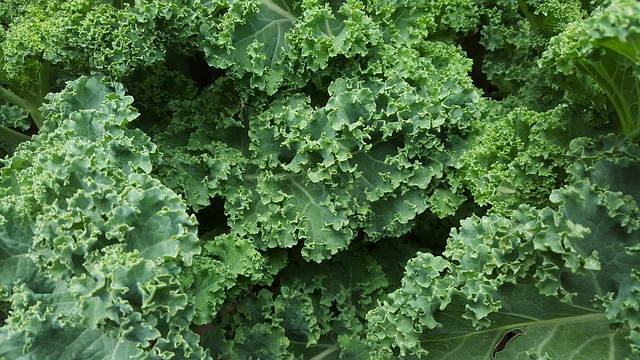
Kale is a tough, cold-hardy member of the cabbage family, but kale grown in cool, frosty weather is amazingly sweet. If you already harvested a crop of kale you planted during spring (or even if you didn’t!), you can plant a fresh crop in late summer or early autumn. If you live in a warm climate, you can plant kale as late as October.


Although kale tolerates frosty weather, it grows best where temperatures don’t drop into the teens. If this is a possibility, then plant kale in a cold frame, or protect the plants with row covers. Consider planting fast-growing cultivars such as Red Russian or White Russian, cold-hardy varieties ready as soon as 40 days. The plants may stall if days are hot, but the kale will take off and grow like crazy when the temperatures drop.


Looking For Non-GMO Kale Seeds? Get Them From A Company You Can Trust!


Seeds are slow to germinate outdoors when days are still warm, so pick up a few seedlings at your local garden center, or start seeds indoors four to six weeks ahead of planting time.


Story continues below video


Kale isn’t difficult to grow. Here’s a few tips to get started.


  • Although kale prefers at least six hours of sun, the plant will tolerate partial shade, especially in hot climates.

  • Soil for kale should be moist and well-drained but never soggy.

  • Enrich the soil with an inch or two or compost, well-rotted manure or other organic material.

  • Plant the seedlings at about the same depth they’re situated in the nursery container, but definitely no higher than the lowest set of leaves.

  • Allow 12 to 15 inches between each plant and 18 to 24 inches between rows. You can also stagger the plants, which saves space in a small garden

  • Mulch the kale plants lightly when the plants are about 6 inches tall to keep the soil moist and maintain an even soil temperature. Mulch also keeps weeds in check and prevents mud from sticking to the leaves.

  • Provide 1 to 1 ½ inches of water per week, unless it rains.

  • Feed the plants about halfway through the growing season, using a balanced commercial fertilizer, diluted solution of fish emulsion, or manure tea.

  • Control aphids or flea beetles with an insecticidal soap spray. Never spray plants on hot, sunny days, or if you notice bees, ladybugs or other beneficial insects on the plant.

  • Hand-pick larger pests such as cabbage worms, cutworms or cabbage loopers. You can also spray the pests with Bt (Bacillus thuringiensis), a natural, bacterial pesticide that kills pests without harming beneficial insects.

  • Harvest kale after one or two light frosts, as kale needs frosty nights to convert the starches into natural sugar. You can even harvest kale when the plants are covered with snow!

  • Pick leaves around the outer edge of the plant. Leave the terminal bud at the top, center of the plant if you intend to continue harvesting. Be sure to pick kale before the leaves get old and tough. If this happens, toss them on the compost heap.

Kale is a vegetable that gardeners even in the harshest climates enjoy. Get planting!


What advice would you add for growing kale? Share it in the section below:


Bust Inflation With A Low-Cost, High-Production Garden. Read More Here.


Wednesday, June 21, 2017

The Crop-Killing, Snow-In-June American Disaster You’ve Never Heard Of

The Crop-Killing, Snow-In-June Natural Disaster You

Image source: new englandhistoricalsociety.com


The Germans called it “The Year of the Beggar.”


The New Englanders called it “Eighteen Hundred and Froze to Death.”


From his home in Monticello, Thomas Jefferson wrote, “Never were such hard times.”


Writer Mary Shelley described a June outing that year to Lake Geneva this way: “An almost perpetual rain confines us principally to the house.” She ended up using some of the descriptions of that dreary summer in her novel Frankenstein.


It was the year 1816, often called “The Year Without a Summer,” and it just might be the most important meteorological event you have never heard of. Spring arrived on time, but then the weather went into reverse, with cold temperatures and continually overcast skies. Dim sunlight and frigid temperatures became so severe and widespread that major crop failures were reported across the United States, the rest of North America and Europe for a period of three years. New York state and Maine experienced snow in June.


While some scientists blamed sunspots for the weather problems of 1816, and some theologians blamed the wrath of God, it has only been within the last few decades that modern technology has enabled us to understand what really happened. And the implications are significant for our world today.


Emergency Survival Seed Bank Provides THOUSANDS Of Pounds Of Food


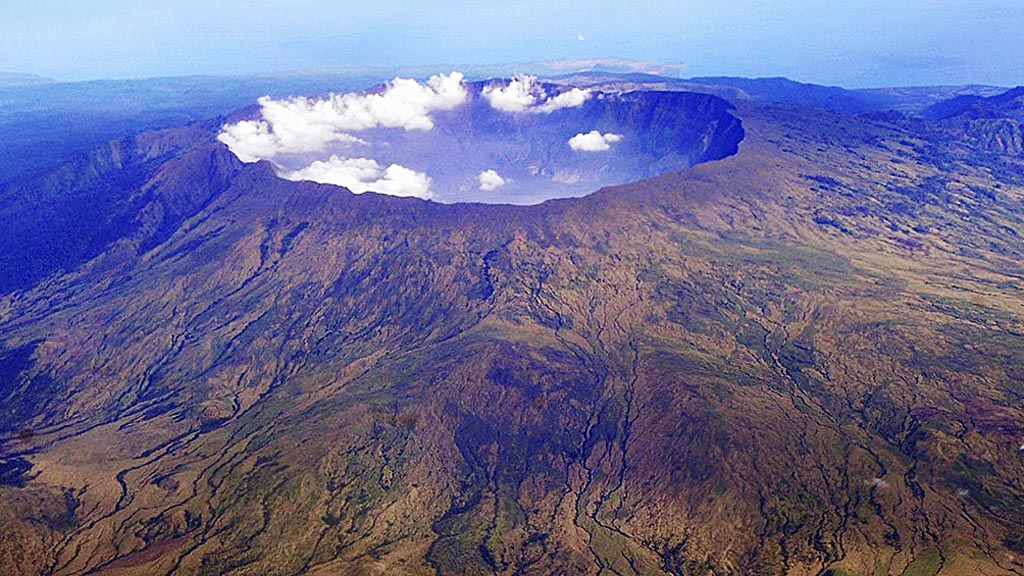
Scientists now believe that this three-year period of severe climate change was set off by a volcanic eruption. On April 15, 1815, Mount Tambora on the island of Sumbawa in what is now Indonesia erupted, spewing lava and dust for a week and then continuing to rumble for three months.


With a plume of gases and ash that extended more than 18 miles into the atmosphere, the massive Mount Tambora eruption is the most explosive volcanic event in recorded history. The 1815 eruption threw millions of tons of sulfur-dioxide gas into the stratosphere, and the gas then formed 100 million tons of sulfuric acid, which became dispersed by wind throughout the planet in the form of tiny droplets, clouding the skies and partially blocking the sun.


The Tambora explosion was far greater than the better-known Mount Krakatoa volcanic eruption in 1883. We know more about that natural disaster because the news was quickly spread by telegraph and then by newspaper. Most Europeans and North Americans did not hear about Mount Tambora for several months or even longer.


The explosion initially killed more than 10,000 people on the island, but it is estimated that another 80,000 people eventually died from starvation and diseases related to the cataclysmic event. In fact, the energy created by Mount Tambora was equivalent to 2.2 million atomic bombs.


The volcanic dust and ash that spread throughout the world blocked sunlight and disrupted natural weather patterns.


The Easiest Way To Store A Month’s Worth Of Emergency Food!


Mount Tambora, today.

Mount Tambora, today.


What are some of the far-reaching results of the ravaged weather of 1816?


  • Many New England farmers, with their crops and their entire livelihood devastated, ventured west with their families. The state of Vermont, for example, experienced a population drop of an estimated 10,000 to 15,000 people.

  • The cold, rainy summer led to a sweeping potato famine in Ireland.

  • In Europe, the wheat crop was ruined, causing widespread bread shortages.

  • Food prices rose sharply across Europe, with riots, arson and looting frequently taking place.

  • In Switzerland, an ice dam formed below part of the Giétro Glacier. Despite efforts to drain the lake that formed, the ice dam collapsed in June 1818, killing an estimated 45 people.

  • In Asia, unseasonably cold temperatures killed rice crops, trees and water buffalo. The eruption disrupted China’s monsoon season, resulting in severe flooding in the Yangtze Valley. In India, the summer monsoon season was delayed, resulting in late torrential rains.

  • Outbreaks of cholera spread from a region near the River Ganges to as far away as Moscow.

  • Because of all the volcanic ash in the atmosphere, brown snow fell in Hungary. Red snow fell throughout the year in Italy’s northern and north-central region.

Floods, drought, disease, famine – all caused by a volcanic eruption half a world away. With the world’s population so much greater than it was in 1816, the effects of another eruption on the scale of Mount Tambora would be unthinkable.


Today, the year 1816 stands as a startling reminder of how one world event — even a volcano in Southeast Asia — can have dire consequences on our food supply.


Poet Eileen Marguet (1918-2012) wrote a poem that sums up the year of 1816 for many Americans.


It didn’t matter whether your farm was large or small.


It didn’t matter if you had a farm at all.


Cause everyone was affected when water didn’t run.


The snow and frost continued without the warming sun.


One day in June it got real hot and leaves began to show.


But after that it snowed again and wind and cold did blow.


The cows and horses had no grass, no grain to feed the chicks.


No hay to put aside that time, just dry and shriveled sticks.


The sheep were cold and hungry and many starved to death,


Still waiting for the warming sun to save their labored breath.


The kids were disappointed, no swimming, such a shame.


It was in 1816 that summer never came.


Do you believe America is ready for another such natural disaster? Share your thoughts in the section below:


Discover The Secret To Saving Thousands At The Grocery Store. Read More Here.


Thursday, October 27, 2016

8 Snow-Hardy Vegetables You (Really) Can Grow During Winter

8 Snow-Hardy Vegetables You (Really) Can Grow During Winter

Image source: Pixabay.com


Do you ever feel like having some garden fresh vegetables, but then realize it is November? It may cheer you to know there are some vegetables that can survive winter’s grasp. You can’t just leave the crops open to the elements, however, and you do need to plan and understand a little about winter gardening.


During the winter, organic gardening is still the best option for healthy crops. Plants are under a lot of stress in these cold months. Of course, they will still need good soil and good compost.


If you live in a cold climate, winter vegetables need to be planted by mid-August so a root system can be developed before everything gets cold and frozen, but if you live in a warmer region, you can plant later. Hoop houses or cold frames help protect the crops from the deep freezes. Guard and insulate your crops with mulch, frames, hoops, tunnels or even loose straw or leaves.


Snow can even insulate crops from extreme temperatures. Frost and deep freezing, on the other hand, will do more damage. Remember: If the soil freezes and becomes solid, plant cells will burst and the crops will die.


Looking For Snow-Hardy Non-GMO Heirloom Seeds?


Let’s take a look at a few snow-hardy vegetable that can last through the winter.


1. Spinach. This plant’s leaves may die during the winter, but the plant, itself, can survive and grow new leaves in spring. Spinach grows slowly throughout the winter. Although it can make it through the cold temperatures, spinach will look pretty beat up, so keep it covered by mulch or cold frames. A good variety to try is Savoy, or any kind with wrinkled leaves.


2. Leeks. Here is a hardy vegetable that isn’t bothered by winter’s short days. Leeks can grow well during the cold months. Bandit and Bleu de Solaise varieties are favorable for winter leeks, as well as “blue-green” kinds that can survive down to 0 degrees Fahrenheit or -18 Celsius.


8 Snow-Hardy Vegetables You (Really) Can Grow During Winter

Kale. Image source: Pixabay.com


3. Kale and collards. Both of these vegetables are rich in flavor. Collards are actually more freeze-tolerate than kale. Blue Max is a favored variety, and has high yields and can survive in winter temperatures down to 0 degrees Fahrenheit or -18 degrees Celsius. Other hardy types are Red and White Russian Kale, which do best when covered in the winter.


4. Parsnips. Sugars accumulate in parsnips when there is a frost, and snow can actually make parsnips sweeter. They keep well in the winter ground. They take 130 days to grow. Parsnips should still be covered in freezing temperatures to ensure success, and the lowest temperatures parsnips do well in are 0 degrees Fahrenheit or -18 degrees Celsius.


5. Lettuce. Young lettuce plants tend to tolerate cold temperatures better than mature plants. Keep lettuce plants protected, either by cold frames, hoops or tunnels. Lettuce can survive in temperatures down to 10 degrees Fahrenheit or -12 degrees Celsius.


Don’t Ever Plant Anything But Heirloom Seeds


If you cover the plants with multiple layers, lettuce can survive down to 0 degrees Fahrenheit or -18 degrees Celsius.


8 Snow-Hardy Vegetables You (Really) Can Grow During Winter

Cabbage. Image source: Pixabay.com


6. Cabbage. This vegetable has frost-improved flavor, but can still be damaged by deep freezes. There are varieties that can stand winter unprotected. Crinkled leaf varieties do better than flat leaves, just like spinach. January King and Marabel are successful cabbage varieties. Cabbage needs to be planted in the late summer in order to feed you during the winter.


7. Turnips. Winter weather causes turnips to gain sugar and decrease in their spicy flavor. Turnips need some sort of protection from extreme temperatures, so cold frames or something similar is suggested. Turnips can survive in temperatures down to 10 degrees Fahrenheit or -2 Celsius. You can also use heavy mulch, and make sure roots are covered. If you are looking for a good winter hardy variety, try the Hakurei kind.


8. Chard. Chard is a very tolerant plant. It doesn’t need protection until temperatures go down to 15 degrees Fahrenheit or -10 Celsius. Green or white varieties are best, including the hardy Verde de Taglio. When deep winter comes with extreme temperatures, it’s still best to cover the plant to protect it. Harvest the leaves and cover the rest with mulch. Chard will live through the winter and regrow in the spring.


Other vegetables you can research for winter crops are the following: Surrey, arugula, rhubarb, beets, rutabaga, Brussels sprouts and scallions. It is known that scallions, onions and leeks can survive under the snow if mulch has been used to create a layer of protection.


The best time to harvest your winter produce is when temperatures are between a high 20 degrees Fahrenheit and low 30 degrees.


Hopefully, you will feel inspired to put on your coat and gather some fresh produce this winter, without driving to the grocery store. What a great way to continue to eat healthy fresh vegetables all year long.


Have you had success with winter vegetables? Share your advice in the section below:


Learn Dozens Of All-Natural Gardening Secrets. Read More Here.