Showing posts with label kale. Show all posts

Wednesday, September 27, 2017

The Tougher-Than-Nails Cold-Weather Vegetable That Can Survive SNOW

The Tougher-Than-Nails Cold-Weather Vegetable That Can Survive SNOW

Image source: Pixabay.com


Kale is a tough, cold-hardy member of the cabbage family, but kale grown in cool, frosty weather is amazingly sweet. If you already harvested a crop of kale you planted during spring (or even if you didn’t!), you can plant a fresh crop in late summer or early autumn. If you live in a warm climate, you can plant kale as late as October.


Although kale tolerates frosty weather, it grows best where temperatures don’t drop into the teens. If this is a possibility, then plant kale in a cold frame, or protect the plants with row covers. Consider planting fast-growing cultivars such as Red Russian or White Russian, cold-hardy varieties ready as soon as 40 days. The plants may stall if days are hot, but the kale will take off and grow like crazy when the temperatures drop.


Looking For Non-GMO Kale Seeds? Get Them From A Company You Can Trust!


Seeds are slow to germinate outdoors when days are still warm, so pick up a few seedlings at your local garden center, or start seeds indoors four to six weeks ahead of planting time.


Story continues below video


Kale isn’t difficult to grow. Here’s a few tips to get started.


  • Although kale prefers at least six hours of sun, the plant will tolerate partial shade, especially in hot climates.

  • Soil for kale should be moist and well-drained but never soggy.

  • Enrich the soil with an inch or two or compost, well-rotted manure or other organic material.

  • Plant the seedlings at about the same depth they’re situated in the nursery container, but definitely no higher than the lowest set of leaves.

  • Allow 12 to 15 inches between each plant and 18 to 24 inches between rows. You can also stagger the plants, which saves space in a small garden

  • Mulch the kale plants lightly when the plants are about 6 inches tall to keep the soil moist and maintain an even soil temperature. Mulch also keeps weeds in check and prevents mud from sticking to the leaves.

  • Provide 1 to 1 ½ inches of water per week, unless it rains.

  • Feed the plants about halfway through the growing season, using a balanced commercial fertilizer, diluted solution of fish emulsion, or manure tea.

  • Control aphids or flea beetles with an insecticidal soap spray. Never spray plants on hot, sunny days, or if you notice bees, ladybugs or other beneficial insects on the plant.

  • Hand-pick larger pests such as cabbage worms, cutworms or cabbage loopers. You can also spray the pests with Bt (Bacillus thuringiensis), a natural, bacterial pesticide that kills pests without harming beneficial insects.

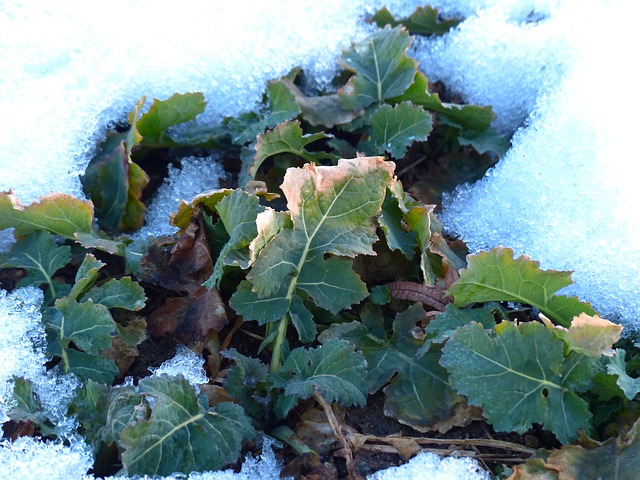
  • Harvest kale after one or two light frosts, as kale needs frosty nights to convert the starches into natural sugar. You can even harvest kale when the plants are covered with snow!

  • Pick leaves around the outer edge of the plant. Leave the terminal bud at the top, center of the plant if you intend to continue harvesting. Be sure to pick kale before the leaves get old and tough. If this happens, toss them on the compost heap.

Kale is a vegetable that gardeners even in the harshest climates enjoy. Get planting!


What advice would you add for growing kale? Share it in the section below:


Bust Inflation With A Low-Cost, High-Production Garden. Read More Here.


Thursday, October 27, 2016

8 Snow-Hardy Vegetables You (Really) Can Grow During Winter

8 Snow-Hardy Vegetables You (Really) Can Grow During Winter

Image source: Pixabay.com


Do you ever feel like having some garden fresh vegetables, but then realize it is November? It may cheer you to know there are some vegetables that can survive winter’s grasp. You can’t just leave the crops open to the elements, however, and you do need to plan and understand a little about winter gardening.


During the winter, organic gardening is still the best option for healthy crops. Plants are under a lot of stress in these cold months. Of course, they will still need good soil and good compost.


If you live in a cold climate, winter vegetables need to be planted by mid-August so a root system can be developed before everything gets cold and frozen, but if you live in a warmer region, you can plant later. Hoop houses or cold frames help protect the crops from the deep freezes. Guard and insulate your crops with mulch, frames, hoops, tunnels or even loose straw or leaves.


Snow can even insulate crops from extreme temperatures. Frost and deep freezing, on the other hand, will do more damage. Remember: If the soil freezes and becomes solid, plant cells will burst and the crops will die.


Looking For Snow-Hardy Non-GMO Heirloom Seeds?


Let’s take a look at a few snow-hardy vegetable that can last through the winter.


1. Spinach. This plant’s leaves may die during the winter, but the plant, itself, can survive and grow new leaves in spring. Spinach grows slowly throughout the winter. Although it can make it through the cold temperatures, spinach will look pretty beat up, so keep it covered by mulch or cold frames. A good variety to try is Savoy, or any kind with wrinkled leaves.


2. Leeks. Here is a hardy vegetable that isn’t bothered by winter’s short days. Leeks can grow well during the cold months. Bandit and Bleu de Solaise varieties are favorable for winter leeks, as well as “blue-green” kinds that can survive down to 0 degrees Fahrenheit or -18 Celsius.


8 Snow-Hardy Vegetables You (Really) Can Grow During Winter

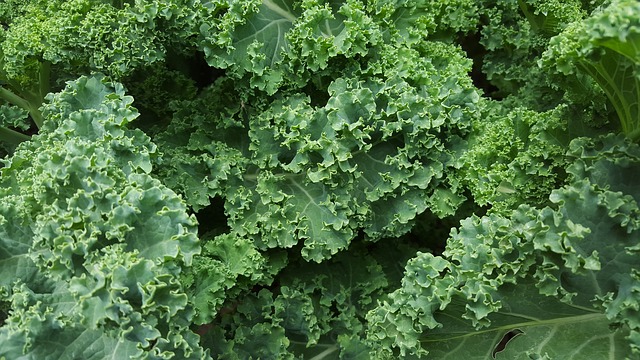
Kale. Image source: Pixabay.com


3. Kale and collards. Both of these vegetables are rich in flavor. Collards are actually more freeze-tolerate than kale. Blue Max is a favored variety, and has high yields and can survive in winter temperatures down to 0 degrees Fahrenheit or -18 degrees Celsius. Other hardy types are Red and White Russian Kale, which do best when covered in the winter.


4. Parsnips. Sugars accumulate in parsnips when there is a frost, and snow can actually make parsnips sweeter. They keep well in the winter ground. They take 130 days to grow. Parsnips should still be covered in freezing temperatures to ensure success, and the lowest temperatures parsnips do well in are 0 degrees Fahrenheit or -18 degrees Celsius.


5. Lettuce. Young lettuce plants tend to tolerate cold temperatures better than mature plants. Keep lettuce plants protected, either by cold frames, hoops or tunnels. Lettuce can survive in temperatures down to 10 degrees Fahrenheit or -12 degrees Celsius.


Don’t Ever Plant Anything But Heirloom Seeds


If you cover the plants with multiple layers, lettuce can survive down to 0 degrees Fahrenheit or -18 degrees Celsius.


8 Snow-Hardy Vegetables You (Really) Can Grow During Winter

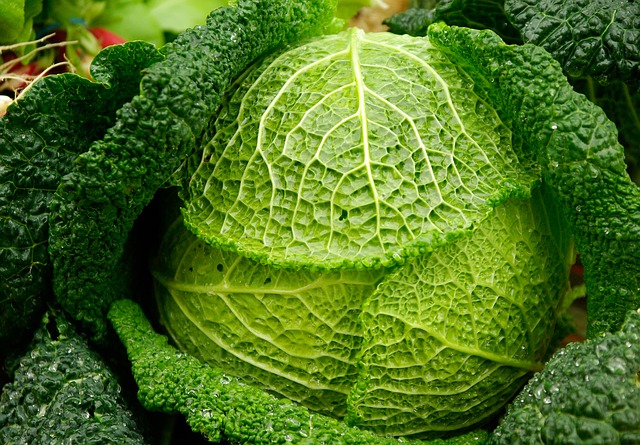
Cabbage. Image source: Pixabay.com


6. Cabbage. This vegetable has frost-improved flavor, but can still be damaged by deep freezes. There are varieties that can stand winter unprotected. Crinkled leaf varieties do better than flat leaves, just like spinach. January King and Marabel are successful cabbage varieties. Cabbage needs to be planted in the late summer in order to feed you during the winter.


7. Turnips. Winter weather causes turnips to gain sugar and decrease in their spicy flavor. Turnips need some sort of protection from extreme temperatures, so cold frames or something similar is suggested. Turnips can survive in temperatures down to 10 degrees Fahrenheit or -2 Celsius. You can also use heavy mulch, and make sure roots are covered. If you are looking for a good winter hardy variety, try the Hakurei kind.


8. Chard. Chard is a very tolerant plant. It doesn’t need protection until temperatures go down to 15 degrees Fahrenheit or -10 Celsius. Green or white varieties are best, including the hardy Verde de Taglio. When deep winter comes with extreme temperatures, it’s still best to cover the plant to protect it. Harvest the leaves and cover the rest with mulch. Chard will live through the winter and regrow in the spring.


Other vegetables you can research for winter crops are the following: Surrey, arugula, rhubarb, beets, rutabaga, Brussels sprouts and scallions. It is known that scallions, onions and leeks can survive under the snow if mulch has been used to create a layer of protection.


The best time to harvest your winter produce is when temperatures are between a high 20 degrees Fahrenheit and low 30 degrees.


Hopefully, you will feel inspired to put on your coat and gather some fresh produce this winter, without driving to the grocery store. What a great way to continue to eat healthy fresh vegetables all year long.


Have you had success with winter vegetables? Share your advice in the section below:


Learn Dozens Of All-Natural Gardening Secrets. Read More Here.