Showing posts with label frost. Show all posts

Wednesday, September 27, 2017

The Tougher-Than-Nails Cold-Weather Vegetable That Can Survive SNOW

The Tougher-Than-Nails Cold-Weather Vegetable That Can Survive SNOW

Image source: Pixabay.com


Kale is a tough, cold-hardy member of the cabbage family, but kale grown in cool, frosty weather is amazingly sweet. If you already harvested a crop of kale you planted during spring (or even if you didn’t!), you can plant a fresh crop in late summer or early autumn. If you live in a warm climate, you can plant kale as late as October.


Although kale tolerates frosty weather, it grows best where temperatures don’t drop into the teens. If this is a possibility, then plant kale in a cold frame, or protect the plants with row covers. Consider planting fast-growing cultivars such as Red Russian or White Russian, cold-hardy varieties ready as soon as 40 days. The plants may stall if days are hot, but the kale will take off and grow like crazy when the temperatures drop.


Looking For Non-GMO Kale Seeds? Get Them From A Company You Can Trust!


Seeds are slow to germinate outdoors when days are still warm, so pick up a few seedlings at your local garden center, or start seeds indoors four to six weeks ahead of planting time.


Story continues below video


Kale isn’t difficult to grow. Here’s a few tips to get started.


  • Although kale prefers at least six hours of sun, the plant will tolerate partial shade, especially in hot climates.

  • Soil for kale should be moist and well-drained but never soggy.

  • Enrich the soil with an inch or two or compost, well-rotted manure or other organic material.

  • Plant the seedlings at about the same depth they’re situated in the nursery container, but definitely no higher than the lowest set of leaves.

  • Allow 12 to 15 inches between each plant and 18 to 24 inches between rows. You can also stagger the plants, which saves space in a small garden

  • Mulch the kale plants lightly when the plants are about 6 inches tall to keep the soil moist and maintain an even soil temperature. Mulch also keeps weeds in check and prevents mud from sticking to the leaves.

  • Provide 1 to 1 ½ inches of water per week, unless it rains.

  • Feed the plants about halfway through the growing season, using a balanced commercial fertilizer, diluted solution of fish emulsion, or manure tea.

  • Control aphids or flea beetles with an insecticidal soap spray. Never spray plants on hot, sunny days, or if you notice bees, ladybugs or other beneficial insects on the plant.

  • Hand-pick larger pests such as cabbage worms, cutworms or cabbage loopers. You can also spray the pests with Bt (Bacillus thuringiensis), a natural, bacterial pesticide that kills pests without harming beneficial insects.

  • Harvest kale after one or two light frosts, as kale needs frosty nights to convert the starches into natural sugar. You can even harvest kale when the plants are covered with snow!

  • Pick leaves around the outer edge of the plant. Leave the terminal bud at the top, center of the plant if you intend to continue harvesting. Be sure to pick kale before the leaves get old and tough. If this happens, toss them on the compost heap.

Kale is a vegetable that gardeners even in the harshest climates enjoy. Get planting!


What advice would you add for growing kale? Share it in the section below:


Bust Inflation With A Low-Cost, High-Production Garden. Read More Here.


Monday, April 17, 2017

Frost-Tolerant Vegetables You Should Be Planting Right Now

6 Frost-Tolerant Vegetables You Should Be Planting Right Now

Image source: Pixabay.com


During early spring, the urge to get out in the garden and start planting almost becomes overwhelming.


Stores are stocking up on gardening tools, and seeds are luring me in with the promise of a bountiful harvest. I take full advantage of the warmer climate where I live. But if you live up north you may be hesitant, knowing winter may still throw a few frosty nights at you.


Go ahead and get your gardening gloves out; you can avoid pre-season garden blues by planting frost-resistant plants this spring.


Here are a few ideas:


1. Peas


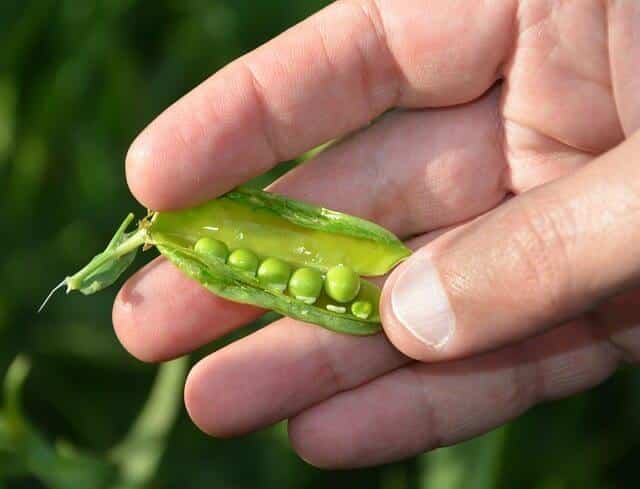
Snow peas, snap peas or other varieties are easy-to-grow veggies that do well in early spring. With their large seeds, they’re perfect for even the smallest hands to plant. Useful for getting restless kids (and grandkids) out of the house and into the yard, peas do well in early spring – even with a late frost. They’ll grow as vines or bushes, and can take up to 65 days to mature. Plant more than you think you’ll need – the harvest seems to disappear with these easy-to-reap veggies that are loved by both grown-ups and kids alike.


2. Spinach


Baby spinach is a quick sprouting addition to an early spring garden. You can harvest in as little as three weeks, giving you small, tender leaves to use in salads and cooking.


The All-Natural Fertilizer That Can Double Your Garden Yield!


Spinach is frost-resistant, but seems to thrive when grown under cover, so consider using a garden cover the first few weeks after planting. To help prevent loss from frost, plant spinach close together and harvest early. Plant a few varieties to have an assortment of greens from which to choose.


3. Chard


6 Frost-Tolerant Vegetables You Should Be Planting Right Now

Image source: Pixabay.com


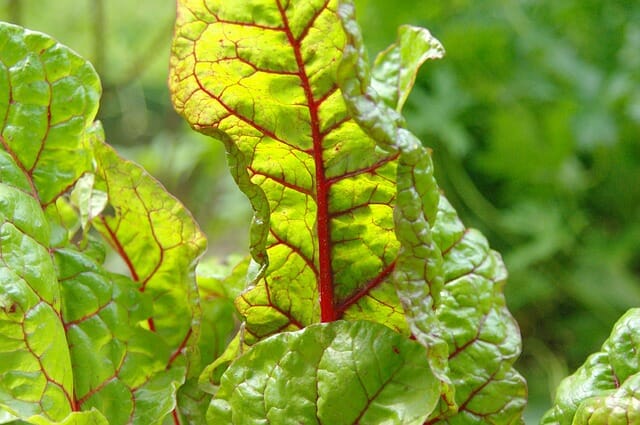
Another type of green that grows well in early spring, chard gives your garden a sneak peek at the bursts of color that warm weather brings. For a beautiful display, add yellow, red or white varieties to your planting rows. Sow seeds close together, and then harvest young growth to thin the seedlings. Some chard is available for harvest within 25 days, while others can be grown longer to reach full size. Use chard fresh, toss some into a blender for a nutritious smoothie addition, or cook leaves for a delicious addition to soups.


4. Beets


Beets thrive with cooler weather, and seem to do best before the ground heats up. You can plant beets up to a month before the last frost. This prevents their roots from becoming woody, and it gives them a sweet taste. Beets mature in 60 days and should be approximately two inches wide at harvest. Plant seeds three to four inches apart for optimal growth. Their lovely greens add bright stripes of green to your garden.


5. Carrots


Perfect for locations with heavy soil, carrots take longer than most vegetables to germinate. Sow carrot seeds directly in the soil, but plant more than you will need, because germination is spotty. Get them in the ground up to a month before the last frost, and then thin out the seedlings when you start to see leaves appearing. This is another fun plant to send your kids out to harvest, but don’t be surprised at their abnormal shapes. Depending on your soil, it can split the roots and produce funny-looking carrots that taste delicious!


6. Lettuce


Lettuce can be hard to germinate, so for best results, start some indoors and then transplant seedlings in early spring. They can be moved to your garden up to six weeks before the last frost. Sow additional seeds around the transplants for succession plants, giving you a season-long supply of lettuce. Cover the seeds with a light soil. Harvest leaves when there are enough on the plant for continued plant growth.


Don’t let the fear of frost keep you from getting a head start on your garden. Use cool weather-friendly plants to ease into spring, and enjoy the tender produce your garden will grow before hot weather sets in.


What frost-tolerant or frost-resistant plants would you add? Share your tips in the section below: