Showing posts with label mulch. Show all posts

Monday, December 11, 2017

5 Reasons To Apply Mulch Before The Snow Flies

5 Reasons To Apply Mulch Before The Snow Flies

Image source: Pixabay.com


Mulch? In the winter? You betcha.


Mulches — particularly organic ones — are gardening stars. But when mulches are touted, we usually hear about benefits that are specific to the growing season. Mulches, Wikipedia tells us, “retain moisture in the soil [which is particularly helpful during droughts], suppress weeds, keep the soil cool, and make the garden bed look more attractive.” Right. So what’s the point of mulching in the winter? There are actually five very worthwhile reasons to spread some mulch before the snow flies.


1. Extending the Growing Season


Mulching before the ground freezes helps keep the soil warmer, which prolongs your growing season. This is especially valuable for cool-weather root crops. When mulched, veggies like beets, parsnips, carrots, kohlrabi, radishes and turnips can survive hard frosts.


Need Non-GMO Garden Seeds? Get Them From A Company You Can Trust!


You can certainly fork up all your root vegetables before any frost, but it pays to leave them in the ground. These vegetables increase their sugar production as a natural response to the cold. Since sugar freezes at a lower temperature than water, the sugars act as a kind of natural antifreeze. As might be expected, the sugars also increase the sweetness and flavor of these vegetables, making a late harvest extremely worth your while. However, a word of caution: If you live in a cold zone where the ground freezes through, you should fork up your root vegetables before a serious cold spell. Otherwise, you’ll need a pickaxe out there!


2. Protecting Perennials


When I think about mulching perennials for the winter, my mind goes to flowers. But, of course, there are perennial herbs and vegetables, too. Artichokes, asparagus, horseradish, rhubarb and sunchokes would appreciate a toasty layer of mulch, as would any herbs that function as perennials in your hardiness zone. And don’t forget about your berries, especially the low-growing strawberries.


3. Minimizing Frost Heave Damage


While mulch protects perennials against extreme weather, it can also prevent root damage caused by frost heave. As unprotected soil goes through freeze/thaw cycles, it expands when its moisture freezes. This expansion can push the soil upwards and may push plant roots up at the same time. If the exposed root freezes, it can be damaged. Mulch moderates soil temperature so that the freeze/thaw cycles aren’t as marked or as frequent, minimizing heave.


4. Improving the soil


Any type of mulch can help protect soil from the heavy winter rains and excessive snowmelt that can cause soil erosion and compaction. And, of course, organic mulches improve the soil by releasing nutrients and organic matter as they break down. This is true regardless of whether the mulch is applied in late fall or during the growing season.


That said, certain types of mulches are more beneficial to both soil and plants if they’re applied in late fall or winter. As this article points out, woody mulches (wood chips, bark, or sawdust) need nitrogen in order to break down. When applied in the summer, woody mulches can tie up the soil’s nitrogen resources as they decompose, making that nitrogen unavailable to plants in the area. But if woody mulch is applied in late fall or winter, it will begin breaking down before plants need the soil’s nitrogen resources.


5. Suppressing weeds


One of the best things about mulch is its ability to suppress weeds. It may seem pointless to apply mulch in the winter for weed control. But come spring, that mulch will be covering the last season’s weed seeds, preventing them from sprouting.


Choosing Winter Mulch


The nifty thing about mulching for winter is that there’s plenty of free mulch for the taking. Leaves, of course, are naturally abundant at this time of year, but you can use other yard and garden debris too including grass clippings, pine needles, evergreen branches and boughs, and pulled vegetable plants that are destined for the compost bin. As an added benefit, garden debris provides a cozy habitat for crickets, which enjoy chowing down on weed seeds.


In addition to free mulches in your own yard, check with stores and businesses that use straw bales for fall decor. Once the cardboard turkey and maple leaf displays get the heave-ho, the straw bales will need to go somewhere, too. Why not pop them into your garden instead of into the trash? (Be wary of hay bales, though, which contain more weed seeds than straw bales.)


Applying Winter Mulch


As stated above, applying mulch before the ground freezes can extend your growing season and contribute to better tasting root vegetables. On the flip side, applying winter mulch before winter is here to stay can attract nesting rodents. When you apply winter mulch in your own garden comes down to personal choice. Consider what type of mulch you’re applying and what your primary reason is for mulching. If you mainly want to extend the growing season, then it makes sense to mulch before the ground freezes. But if you’re mulching to suppress weed growth in the spring, then waiting for the ground to freeze is the better option.


Once you actually start mulching, aim for a depth of about 6-12 inches. If you live in a blustery, wintry zone and you’re using lightweight mulch like shredded leaves or straw, it’s a good idea to cover that mulch to prevent it from blowing away. Use an old bed sheet or, if you use them, a fabric row cover, and anchor that fabric with bricks, logs, or ground staples.


Have you ever used mulch during winter? What advice would you add? Share it in the section below:


 

Thursday, November 2, 2017

Autumn Leaves: ‘Miracle Mulch’ For Your Spring Garden

How Autumn Leaves Can Become

Image source: Pixabay.com


As we enjoy the changing seasons and the vibrant colors that come with autumn, we prepare ourselves for cooler temperatures and the raking and gathering of fallen leaves. For gardeners, this doesn’t mean an added chore, but actually a beneficial moment for improving and preparing our gardens for winter. There are many uses for those discarded leaves, and below are a few common ones.


  • Compost: Mow the leaves and place in the compost pile. It is easy to shred the leaves with a mower.

  • Leaf mold: This is a pile of leaves and soil that sits for about a year, and then is added to the compost. It helps with nutrients and soil-building.

  • Storing: This is a method of keeping all the leaves in a pile and using them to add to the compost when brown material is needed.

  • Mulch: Mulch retains moisture, controls temperature of soil and limits weed growth. Leaves also add nutrients and brown material as time goes on.

Let’s take a look at using autumn leaves. Mulching is one of the easiest and most beneficial methods of using autumn leaves. It is also the most inexpensive way to deal with fallen leaves and takes as much, or even less, time than the usual raking and bagging. Mulch can be used in vegetable gardens, flowerbeds, shrubs and under trees. It looks attractive in any garden and is completely natural.


Tree leaves absorb about 50 percent of the nutrients that the tree gathers during the growing season. By using as mulch, they return these nutrients to the soil. They also encourage worms and micro-organisms to work the dirt. The end result will be a lighter soil which is easier to work and grow plants in.


Your Best Source For Non-GMO Seeds Is Right Here!


Mulch can also be used to insulate plants and protect them from the cold winter winds and temperatures. It helps prevent soil compaction.


Things to Remember


How Autumn Leaves Can Become

Image source: Pixabay.com


Almost any leaves will make good mulch, but not Black Walnut. Black Walnut leaves should never be used because there are plants that are sensitive to this particular leaves’ compounds. Use only healthy leaves, not any covered with mildew, rust or tar. If you collect from trees such as laurel, walnut and eucalyptus, compost them before turning into mulch as they contain growth-inhibitors.


Shred the leaves before using in the garden. Whole leaves can prevent water from reaching the ground and plants. When you shred leaves for mulch, you are ensuring micro-organisms have more room to do their work.


Mulch expands, so cover all the ground with an even distribution, but don’t put it right up on a plant’s stem or trunk. Otherwise, it will encourage rot.


This New All-Natural Fertilizer Doubles Garden Production!


Here are some essential tips:


  • To start mulching, use the lawnmower and run over the leaves a few times. This mowing will shred the leaves into acceptable sizes. Once mowed sufficiently, rake into piles, and place in bags, buckets or wheelbarrow to move to where you need to mulch.

  • Weed the area first, and then add mulch

  • Apply a two- or three-inch layer of leaf mulch around the vegetable garden and flower beds.

  • If you cover vegetables like kale, leeks, carrots and beets, you may be able to harvest them most of the winter.

  • For plants like leeks and other closely planted greens, use your hands and take fistfuls of mulch to place several inches between the vegetables.

  • Plants that love shade can be covered by leaf mulch. It’s natural for them to be covered at this time of year. Place less than two inches, or five centimeters, of mulch over them so they can push through with little issue in the spring.

  • If you are using mulch as insulation, use about six inches, or 15 centimeters, to protect the more tender plants.

So when you see the leaves begin to fall this year, do not worry. Use them to enhance and create healthy plants and soil for the next season. With a little work, you can have a top-notch, natural mulch all your neighbors will envy! Nature provided us with the best mulch material, so don’t waste it. Mow those leaves and create an awesome autumn leaf mulch.


Got any fall mulching tips? Share them in the section below:


Every Year Gardeners Make This Avoidable Mistake — But You Don’t Have To. Read More Here.

Saturday, July 8, 2017

14 Drought-Resistant Vegetables To Plant If You Rarely Get Rain

14 Drought-Resistant Vegetables To Plant If You Rarely Get Rain

Image source: Pixabay.com


In many parts of the country, a drought-resistant garden is more than just a neat idea; it’s a necessity. Choosing the right combination of vegetables, paying attention to planting dates, and modifying your approach to irrigation and planning can help you grow food despite less hospitable conditions. Don’t depend on nature to come through for you this year; plant a drought-resistant vegetable garden and be prepared if the rains don’t fall.


First Step: Planning


In drought-prone regions, the middle of summer is likely the worst time to attempt to grow vegetables. Capitalize on a warm climate by planting early in spring to harvest before the summer heat, or in early fall to harvest before winter sets in. Even if your region suffers from year-round lack of precipitation, planting in the more temperate seasons will prevent your garden from attempting to combat the heat and greater evaporation.


Seamazing: The Low-Cost Way To Re-mineralize Your Soil


In summer and winter, or any other times you choose not to plant, plan on amending your soil. Soil rich in compost will trap more moisture for your plants. You might consider a layer of charcoal beneath the soil, as well, to hold even more water and provide nutrients. Appropriate pH levels and soil nutrients help your plants grow more efficiently so they will be able to grow with less need for water.


Moisture Loss and Watering


Protect your improved soil from water runoff and moisture loss. Mulching is an excellent technique to help the area around your plantings catch rain; your mulch will also catch evaporating water from the soil below and condense it, keeping it available to your plants. If you have cuttings from other plants, mulching with them allows some of the moisture from those cuttings to go into the soil. Plastic sheets that cover the soil can also be an option, although you should be aware they raise the temperature of the soil.


Drip irrigation is particularly beneficial in dry areas, since the flow of water is fairly constant and extremely slow. If you plan a drip system, consider building it with water filters (to prevent clogging) and a valve or stop (to prevent water from dripping when the soil is already moist). If you choose another method of watering, pay attention to your soil and let it tell you when to water, rather than watering daily. Test a patch about 6 inches deep and control your irrigation, so you will have water when you need it. Pinch a bit of soil between your fingers. If it holds together, don’t water, but if it falls apart easily, it’s time to water.


When planning the drought-resistant garden, resist planting in rows. Clustering plants together leaves them less exposed to evaporation, and allows taller plants to provide shade to smaller plants. Grouping plants together by watering requirement can help you accurately prevent overwatering of those that don’t need much. Some vegetables do extremely well in companion planting, a technique that uses the growth habits of one type of plant to assist that of another; the most famous combination is the “three sisters” (beans, corn, and squash) but there are other combinations that work well. Regardless of what you choose to plant, growing vegetables closer together conserves water.


14 Drought-Resistant Vegetables To Plant If You Rarely Get Rain

Okra. Image source: Pixabay.com


Enclosed areas and raised beds are more moisture rich than seeding into open ground. Even a simple retaining wall built at a depth of about 10 inches can keep groundwater from leaving your garden. This technique works better in small spaces, or it can be used to break up a large space.


Best Vegetables for the Drought Resistant Garden


Some plants just do better with less water. Below you can find a partial list of what to grow for high yield in low-moisture environments. Generally speaking, plants native to the Southwest –such as black-eyed peas – will be easiest to grow, followed by plants with a deep root structure like squash, melon and some tomato varieties.


Get The Best Deals On Non-GMO Seeds For Your Garden Right Here!


Cool season plants with short root systems, like lettuce, will not thrive without water.


Best drought-resistant vegetables for hot climates


  1. Beans (all varieties, pole and dry beans)

  2. Cantaloupe

  3. Okra

  4. Cucumber

  5. Eggplant

  6. Melon

  7. Pepper (all varieties)

  8. Sweet Potato

  9. Tomatillo

  10. Jicama

  11. Sweet and Seed Corn

  12. Squash (Winter and Summer)

  13. Watermelon

  14. Tomato (try early producing or heat-resistant varieties like Early Girl, Roma, Marvel Striped)

14 Drought-Resistant Vegetables To Plant If You Rarely Get Rain

Image source: Pixabay.com


Meanwhile, here is a list of vegetables you might have success with in dry climates:


  1. Rhubarb

  2. Arugula

  3. Chard

  4. Turnips

  5. Potatoes

  6. Endive

  7. Garlic

  8. Leeks

  9. Cabbage

  10. Onions

  11. Spinach

  12. Asparagus

  13. Woody Herbs (Rosemary, Thyme, Sage, Oregano)

  14. Beets

  15. Broccoli

If you live in a drought-prone area, the most important steps you can take to protect your garden and ensure it will yield the vegetables you need are steps to conserve and save water. Rain barrels, storage of grey water used around the homestead, and careful conservation measures to limit wastage all can contribute to helping your garden grow. If you want a reliable source of food in a dry climate, awareness of where the water is coming from – and where it is going – will be your most effective tool.


What advice would you add for planting a drought-resistant garden? Share your ideas in the section below:


Every Spring, Gardeners Make This Avoidable Mistake — But You Don’t Have To. Read More Here.

Wednesday, June 7, 2017

4 Free Mulches That Can Revolutionize Your Garden

4 Free Mulches That Can Revolutionize Your Garden

Image source: Pixabay.com


Gardening season is well under way, which means it is time to think about mulching. Instead of running to your local lawn and garden store, though, consider organic mulch choices, which are readily available and provide more benefits than basic wood chips.


Benefits of Organic Mulch


You might be surprised at the multitude of choices gardeners have when it comes to mulching. Some people use newspaper, grass clippings, leaves and other options. While some people do spread landscape fabric around their plants to reduce weeds, organic mulch is a better choice.


  • It is inexpensive. Living a sustainable lifestyle requires a sort of craftiness and ingenuity. We have to rely on the items we have at our fingertips. Instead of purchasing bags of wood chips, organic mulch can be things readily available in your backyard. The only cost may be the labor and time it takes.

  • It prevents weeds. The obvious reason to use mulch is to prevent weeds. Mulch stops sunlight from reaching the weeds. If your primary goal is to reduce weeds, then two inches of mulch is the recommended amount.

  • It adds nutrients to soil. One of the best reasons to use organic mulch is because it adds nutrients back into your soil. Over time, the mulch will decompose, putting nutrients right back into the ground. Grass clippings, for example, decompose quickly and are a great source of nitrogen.

  • It retains moisture. It can be a daunting task to water your garden regularly. Mulch helps to retain the moisture already present in the ground.

Organic Mulch Choices


If you are interested in using organic mulch, there are several choices available to you. Let’s take a look at each one and the benefits.


1. Pine straw. This is a fantastic choice for suppressing weeds. Once wet, the straw tends to mat down, making it nearly impossible for weeds to break through. If you have pine trees on your property, the mulch will be totally free. You also should know that it does take a while for pine straw to decompose.


The All-Natural Fertilizer That Can Double Your Garden Yield!


Another downside to pine straw: It is a source of acid. Your soil will increase in acidity, which is OK for some plants. Gardeners must consider the plants they are growing and if those plants like acid. Veggies such as sweet potatoes, radishes and peppers are good candidates.


2. Grass clippings. We all love free, and grass clippings fall into that category. If you cut your grass, you have clippings. The abundance is a positive reason to use grass clippings. They also are a fantastic source of nitrogen. All plants need nitrogen to grow, but some plants, such as lettuce and spinach, benefit from extra sources.


There are two negatives to using grass clippings. They decompose quickly, so you will have to continue to add layers throughout the growing season. Also, some gardeners despise the smell of decomposing grass. You’ll notice it heavily after rain.


4 Free Mulches That Can Revolutionize Your Garden

Image source: Pixabay.com


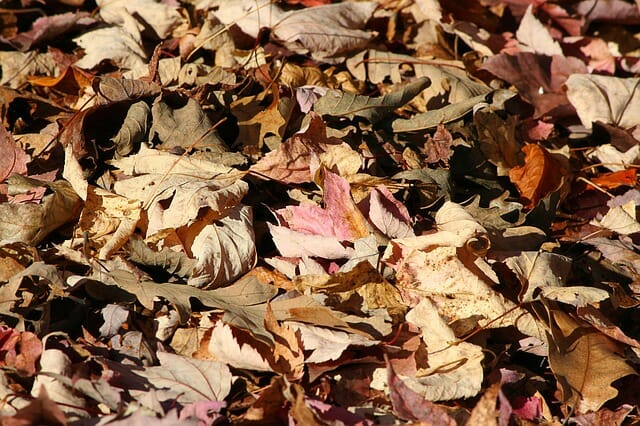
3. Shredded leaves. Fallen leaves contain minerals that the tree absorbed from the soil to aid its growth. As they decompose, leaves feed the earthworms, adding nutrients and microbes back into the soil. Gardens with sandy soil benefit from shredded leaves because they help to lighten the soil and retain moisture. Carbon, essential for balancing nitrogen, leeches into the soil as the leaves decompose.


The biggest negative is the look. Chances are you won’t win an award for the “Most Beautiful Garden of the Year.” It is worth the downside. Leaves must be shredded before used as mulch. Otherwise, water may not reach the soil. Also, never use leaves from walnut, eucalyptus or camphor laurel trees, as they have chemicals that stop plant growth.


4. Old hay. If you have access to old hay, your garden will thank you. While you could use fresh hay, the spoiled bales are cheaper and will add more nutrients to the soil. Over time, hay helps to act as a buffer and neutralize your soil. This could be a problem for some plants, but it is great for soil that is a bit too acidic.


The problem with using hay is that it is made from grass. It will have grass seeds that can cause weeds to grow in your garden. Since you probably want to avoid weeds, the best solution is to pile the old hay about a foot thick. At this depth, it is nearly impossible for weeds to grow through.  


What organic mulch would you add to our list? Share your thoughts in the section below:

Saturday, May 27, 2017

Everything You’ve Wanted To Know About Mulching (But Didn’t Want To Ask)

Everything You’ve Wanted To Know About Mulching (But Didn’t Want To Ask)

Image source: City of Brevard


The question came during a car ride to the annual co-op tree sale, when my farm apprentice asked one of our passengers, a seasoned self-described permaculturist, for a definition of what she did.


After a few halting starts describing site-planning and sustainability and organic and natural, she said, “Basically it just means I mulch a lot.”


We all laughed, but the truth is that mulch is a really big deal. So much so that I consider it to be every gardener’s secret weapon. It is simple, often inexpensive or even free, easy to use, and effective — yet many people are not aware of the wonders of mulch.


It may be easier to define mulch than permaculture, but it, too, is a practice which is wildly diverse and highly personalized. It can be made of virtually any material, used in multiple ways for myriad purposes, and infinitely customized.


What is mulch, exactly? An Internet search of the word yields plenty of opportunities to purchase it but not much in the way of actual definition. In two words, mulch is “ground cover.”


Why Mulch?


The reasons I use mulch are mostly about utility and efficiency. Covering the ground around my garden vegetables, perennials such as rhubarb and blueberries, and fruit trees accomplishes many desirable outcomes for me as a homesteader.  It discourages weed growth, helps retain water, defines walking paths, improves soil health, and discourages my cat and other animals from eliminating and digging. It also makes it easier to mow and trim around vegetation.


The All-Natural Fertilizer That Can Double Your Garden Yield!


Other reasons to use mulch are more focused on aesthetics. A manicured layer of ground cover around flower beds, bordering everything from household structures to fences to walls to ornamental trees and shrubs to pools, is generally considered attractive.


Other mulching uses include covering steep banks and other areas which can be challenging to mow and where erosion control is a factor.


Everything You’ve Wanted To Know About Mulching (But Didn’t Want To Ask)

Image source: Pixabay.com


There is a great deal of overlap among reasons for mulching. Although my reasons are primarily practical-minded, I enjoy the pleasing visual quality of the neat appearance. Likewise, I expect that homeowners whose objectives center upon visual appeal are glad for the added bonuses of weed control, reduced water usage and facilitating trim work.


What to Use?


Hang on to your hat — here comes the best part! You can use just about anything for mulch. Grass clippings, weeds, leaves, cardboard, newspaper, wood scraps, rubber, plastic, and more are all great for mulching (although rubber and plastic won’t decompose). Sourcing possibilities are also widely varied. You can get mulch from farm and garden retailers, landscapers, recycle facilities, or your own backyard. You can pay a lot of money or you can find many options for free.


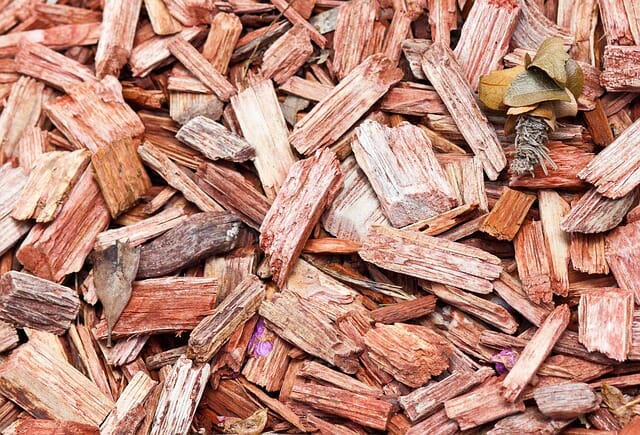
When most people envision mulch, they think of coarsely ground-up bits of bark and other wood products, purchased by the cubic yard. It can be natural colored or dyed in shades of red or black.


I use a lot of other substances for mulch. I use three-foot-wide strips of used carpet as a semi-permanent border and weed barrier around the edge of my in-ground garden. They can be moved out of the way for rototilling and neatened up every season. The carpet kills the lawn grass beneath it, allowing me to easily expand the size of my garden every year, but is permeable enough to allow air and water through it. One of my favorite things about my carpet border is that it is soft enough to allow portable electric fencing to be installed over the top of it, keeping out animals by either electrifying the fence or using it as a simple physical barrier, and removed during the off-season.


Between rows of vegetables, my go-to is simple newspaper and lawn grass clippings. I lay a complete cover of newspaper, add a thick — six inches or more — layer of fresh lawn grass, and water it well to keep it in place until it forms itself into a mat that will resist being blown away. This method is generally sufficient to avoid most weeds for the entire season and can be turned into the soil in fall.


I use layers of industrial cardboard, which I get from my local recycle center, under my raised beds. This helps keep weeds out and water in; it is not foolproof, but it makes a difference.


Between rows of highbush blueberries, I use purchased landscape fabric. It is expensive stuff and took a period of years to get it all installed, but it impacts lawn care effort. Landscape fabric lasts many years, is air- and water-permeable for the health of plant roots, and has a tidy appearance.


I use round rubber mulch mats around the base of some of my young trees. These are thick flexible mats, two to three feet across, that lay on the ground around a tree much like a Christmas tree skirt. These, too, can be costly, but last a long time and are very versatile and time-saving.


Seamazing: The Low-Cost Way To Re-mineralize Your Soil


Everything You’ve Wanted To Know About Mulching (But Didn’t Want To Ask)

Image source: Pixabay.com


Other materials I use incidentally or have tried in the past include empty plastic grain bags for weed blockage underneath decorative or bark mulch or crushed stone or sand in areas where soil aeration doesn’t matter and I do not want anything to grow.


Sometimes mulching happens in tiny steps. When I harvest rhubarb, for example, I cut the leaves and lay them on the soil around the base of the plants, and sometimes pile other plant discards or pulled weeds over top of existing mulch to help weight it down.


Are There Any Downsides to Mulching?


One major caution in this kind of creative thinking is this: remember that crucial life exists below the surface. Bear in mind that plant roots need air, water and nutrients, as do beneficial organisms in the soil itself. Use impermeable materials with wisdom and forethought.


Also, consider the presence of chemicals. While it is possible to acquire free pieces of leftover carpet from flooring installers, I generally avoid new flooring and instead opt for that which has had the opportunity to adequately off-gas that it will not add anything undesirable to the soil or air.


Another possible disadvantage of mulch is that it can provide appealing habitat for wildlife. Snakes, mice, voles, rats, and insects might be glad to make their homes in, under, and around a layer of insulated and camouflaged mulch.


When and How?


Getting mulch applied early is key. It is much harder to eliminate weeds once they have appeared than it is to prevent them in the first place.


Volume is also important. A thin layer of grass or newspaper will be of little use and could result in more frustration than anything else. Pile it on thick and cover the area thoroughly.


Any effort made in mulching will pay for itself many times over. In the end, mulch might be easier to use than it is to define, but any gardener who uses it will be glad they did — having fewer weeds, healthier soil and an attractive yard is always beneficial.


What types of mulch do you use? What advice would you add? Share your tips in the section below: