Showing posts with label November. Show all posts

Thursday, April 12, 2018

Splitting California Into 3 States Just Reached An Important Milestone


An initiative to split the state of California into three different states has gathered enough support via signatures to qualify as a ballot measure in November.  This is one important milestone for those who want to break away from the harsh Communist policies of much of the Golden State.


Venture capitalist Tim Draper said backers of what he has dubbed “CAL 3” would submit petitions with more than 600,000 signatures to election officials next week. The initiative needs signatures from 365,880 registered voters – five percent of the total votes cast for governor in the 2014 election – to qualify for the ballot. And according to 10 News, Draper said there’s a lot of support for this.


Breaking the state into three separate states would still require congressional approval. But Draper is hopeful. “This is an unprecedented show of support on behalf of every corner of California to create three state governments that emphasize representation, responsiveness, reliability, and regional identity,” Draper said.


One proposed state would be called California or a name to be chosen by its residents after a split. It would consist of Los Angeles, Ventura, Santa Barbara, San Luis Obispo, Monterey and San Benito counties. The second state, Southern California or a name to be chosen by its residents, would consist of Orange, Riverside, San Bernardino, San Diego, Imperial, Kern, Kings, Fresno, Tulare, Inyo, Madera and Mono counties.    The remaining 40 counties would be part of the state of Northern California or a name chosen by its residents.  Northern California and parts of southern Oregon have often referred to some of the areas as the State of Jefferson – the “51st state” named after the third president of The United States. 


But without congressional approval, no state will be allowed to succeed and gain sovereignty. That hasn’t stopped Draper, however. He said he conceived the initiative out of a belief that “the citizens of the whole state would be better served by three smaller state governments while preserving the historical boundaries of the various counties, cities, and towns.”  And many in the more rural northern counties of California have been disenfranchised for quite some time now.  Their votes are overwhelmingly irrelevant due to the large Communist populations in the big cities such as Los Angeles and San Francisco.


Steven Maviglio, a longtime Democratic Party political consultant who was a co-chair of the effort to oppose Draper’s 2014 initiative to split California into six states, told City News Service, “Splitting California into three and creating three new governments does nothing to solve our state’s challenges other than tripling them.” What Maviglio is saying, is that by splitting California, the state will have to split their 55 electoral votes and it’s highly likely half would go to a Republican president, rather than a Democrat in upcoming presidential elections.  For that reason alone, don’t look for the California government to willingly allow this split regardless of the votes.


Politicians care only about power and most people give it to them. Breaking up the state will have some big political losers.  Never be under the assumption that the rich will allow you to vote away their money or that a politician will allow you to vote away their power.

Thursday, October 27, 2016

8 Snow-Hardy Vegetables You (Really) Can Grow During Winter

8 Snow-Hardy Vegetables You (Really) Can Grow During Winter

Image source: Pixabay.com


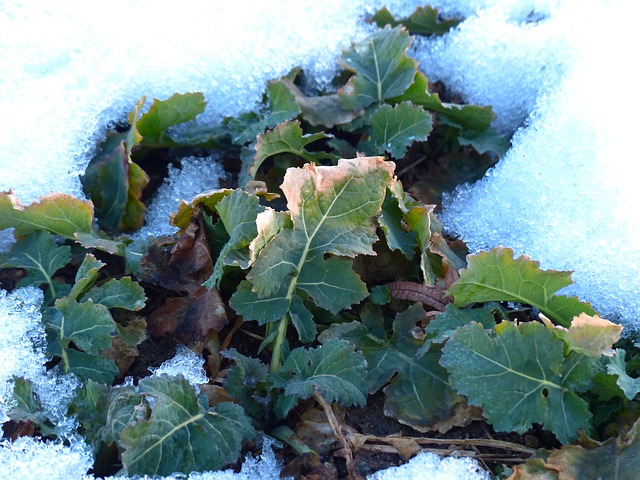
Do you ever feel like having some garden fresh vegetables, but then realize it is November? It may cheer you to know there are some vegetables that can survive winter’s grasp. You can’t just leave the crops open to the elements, however, and you do need to plan and understand a little about winter gardening.


During the winter, organic gardening is still the best option for healthy crops. Plants are under a lot of stress in these cold months. Of course, they will still need good soil and good compost.


If you live in a cold climate, winter vegetables need to be planted by mid-August so a root system can be developed before everything gets cold and frozen, but if you live in a warmer region, you can plant later. Hoop houses or cold frames help protect the crops from the deep freezes. Guard and insulate your crops with mulch, frames, hoops, tunnels or even loose straw or leaves.


Snow can even insulate crops from extreme temperatures. Frost and deep freezing, on the other hand, will do more damage. Remember: If the soil freezes and becomes solid, plant cells will burst and the crops will die.


Looking For Snow-Hardy Non-GMO Heirloom Seeds?


Let’s take a look at a few snow-hardy vegetable that can last through the winter.


1. Spinach. This plant’s leaves may die during the winter, but the plant, itself, can survive and grow new leaves in spring. Spinach grows slowly throughout the winter. Although it can make it through the cold temperatures, spinach will look pretty beat up, so keep it covered by mulch or cold frames. A good variety to try is Savoy, or any kind with wrinkled leaves.


2. Leeks. Here is a hardy vegetable that isn’t bothered by winter’s short days. Leeks can grow well during the cold months. Bandit and Bleu de Solaise varieties are favorable for winter leeks, as well as “blue-green” kinds that can survive down to 0 degrees Fahrenheit or -18 Celsius.


8 Snow-Hardy Vegetables You (Really) Can Grow During Winter

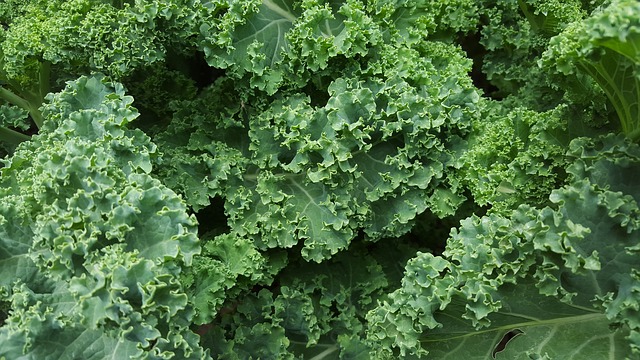
Kale. Image source: Pixabay.com


3. Kale and collards. Both of these vegetables are rich in flavor. Collards are actually more freeze-tolerate than kale. Blue Max is a favored variety, and has high yields and can survive in winter temperatures down to 0 degrees Fahrenheit or -18 degrees Celsius. Other hardy types are Red and White Russian Kale, which do best when covered in the winter.


4. Parsnips. Sugars accumulate in parsnips when there is a frost, and snow can actually make parsnips sweeter. They keep well in the winter ground. They take 130 days to grow. Parsnips should still be covered in freezing temperatures to ensure success, and the lowest temperatures parsnips do well in are 0 degrees Fahrenheit or -18 degrees Celsius.


5. Lettuce. Young lettuce plants tend to tolerate cold temperatures better than mature plants. Keep lettuce plants protected, either by cold frames, hoops or tunnels. Lettuce can survive in temperatures down to 10 degrees Fahrenheit or -12 degrees Celsius.


Don’t Ever Plant Anything But Heirloom Seeds


If you cover the plants with multiple layers, lettuce can survive down to 0 degrees Fahrenheit or -18 degrees Celsius.


8 Snow-Hardy Vegetables You (Really) Can Grow During Winter

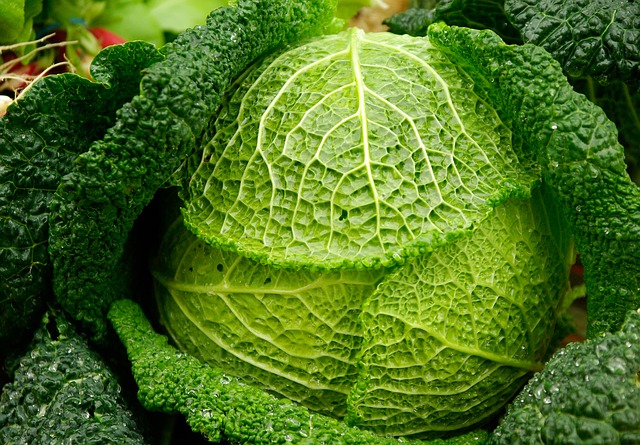
Cabbage. Image source: Pixabay.com


6. Cabbage. This vegetable has frost-improved flavor, but can still be damaged by deep freezes. There are varieties that can stand winter unprotected. Crinkled leaf varieties do better than flat leaves, just like spinach. January King and Marabel are successful cabbage varieties. Cabbage needs to be planted in the late summer in order to feed you during the winter.


7. Turnips. Winter weather causes turnips to gain sugar and decrease in their spicy flavor. Turnips need some sort of protection from extreme temperatures, so cold frames or something similar is suggested. Turnips can survive in temperatures down to 10 degrees Fahrenheit or -2 Celsius. You can also use heavy mulch, and make sure roots are covered. If you are looking for a good winter hardy variety, try the Hakurei kind.


8. Chard. Chard is a very tolerant plant. It doesn’t need protection until temperatures go down to 15 degrees Fahrenheit or -10 Celsius. Green or white varieties are best, including the hardy Verde de Taglio. When deep winter comes with extreme temperatures, it’s still best to cover the plant to protect it. Harvest the leaves and cover the rest with mulch. Chard will live through the winter and regrow in the spring.


Other vegetables you can research for winter crops are the following: Surrey, arugula, rhubarb, beets, rutabaga, Brussels sprouts and scallions. It is known that scallions, onions and leeks can survive under the snow if mulch has been used to create a layer of protection.


The best time to harvest your winter produce is when temperatures are between a high 20 degrees Fahrenheit and low 30 degrees.


Hopefully, you will feel inspired to put on your coat and gather some fresh produce this winter, without driving to the grocery store. What a great way to continue to eat healthy fresh vegetables all year long.


Have you had success with winter vegetables? Share your advice in the section below:


Learn Dozens Of All-Natural Gardening Secrets. Read More Here.