Showing posts with label coffee. Show all posts

Thursday, April 12, 2018

Many Food Products Contaminated with Acrylamide

Many Food Products Contaminated with Acrylamide | potato-chips | General Health Special Interests Toxins


A few days ago a Los Angeles Superior Court judge, Elihu Berle, put acrylamide on the mainstream map by forcing California coffee shops – including Starbucks – to add a health warning about the carcinogenic risks of this chemical present in the coffee.


Next Wednesday, April 11, comes into force a regulation of the European Commission that requires implementing a series of measures to limit as much as possible the presence of acrylamide in food: because it is not only in the coffee, it is in potato chips and baby jars.


Acrylamide is a substance that can be formed in many ways, but one that is very common: when food is cooked or processed at temperatures above 120 degrees.


It is then that food-reducing sugars – those that break down more easily, such as potato starch and cereals, fructose or honey-containing products – and proteins react with each other in the heat, and give rise to this element. The higher the temperature and the lower the degree of humidity, the more acrylamide is produced.


It happens in all foods, although those rich in starch are those that have higher levels when fried and roasted. This is what happens with coffee during its roasting process, regardless of whether it is roasted or natural. Hence, the regulation puts a special focus on fried potatoes, bread in all its formats, biscuits, cookies, coffee and substitutes.


Have we been exposed to a carcinogenic substance?


Before alarms are triggered, it is important to clarify that these measures are based on the precautionary principle because, as the regulation itself explains, “in between 10% and 15%” of foods that have excess acrylamide can be reduced by application of good practices “.


“There is no doubt that this substance is carcinogenic in laboratory mice, but no one has been able to prove that the acrylamide that comes to humans through food have an impact on cancer, ” says Dr. Ricardo Cubedo, an oncologist at the IOB Institute of Oncology.


The measure is based on the precautionary principle: although it has not been proven that acrylamide is carcinogenic in people, it is “likely”, and also in 10% of cases, “easy to reduce”, according to the European Commission


In fact, the International Agency for Research on Cancer (IARC) considers acrylamide as a probable carcinogen for humans, because, so far, it is not conclusive, after investigations carried out experiments in animals subjected to very high doses of acrylamide and whose results can be extrapolated to humans.


In addition, workers in industries that are exposed to higher levels of this substance – it may be by inhalation, in contact with the skin or through food – have not recorded a higher incidence of cancer than the rest of the population. The main source of exposure remains tobacco smoke.


The alarms jumped in 2002, when the Swedish Food Safety Agency revealed that acrylamide appeared not only in industrial processes, or in tobacco smoke, but also in food.


Since then, the World Health Organization and the rest of the international health institutions have begun to exercise caution.


“In 2007 and 2012, the European Agency for Food Safety (EFSA) established some guidelines to reduce their consumption through diet,” says Marhuenda.


According to this dietician-nutritionist, the levels of acrylamide in daily consumption are low enough to be considered dangerous.


“What EFSA does is what we commonly know as placing the plaster before making the wound, always proposing values as low as possible.”


Can I develop cancer if I eat a lot of chips?


“The minimum consumption stipulated for acrylamide to be related to the probability or the increased probability of cancer is 170 micrograms (0.17 milligrams) per kilo of body weight,” says Marhuenda. “In a person weighing 80 kilos, for example, that minimum dose would be 13,600 micrograms of acrylamide a day.” In addition, he points out, “not to reach this amount on a daily basis we will develop cancer directly, but there is an increase in risk.”


And we arrived? “It is complicated to consume that dose, to get an idea, the average coffee intake per person in Europe represents between 30% and 35% of the minimum amount of risk.”


A calculation: according to the levels of reference that from day 11 the manufacturers will have to comply as far as possible (see table below), so that a person of 80 kilos reaches that amount would have to eat something more than 27 kilos of chips a day.


On average, Spaniards are exposed to 0.53 micrograms of acrylamide per kilogram of body weight per day, according to a study that served as a doctoral thesis to the researcher at the University of Valencia Eva Molina Périz. According to Dr. Cubedo, “the half comes for the chips, one quarter for the coffee and the other quarter for the biscuits or the biscuits “.


In Spain, the bags of potatoes went beyond the limit


That despite the fact that in 2015, in Spain, almost one in five bags of these snacks exceeded the amounts of acrylamide recommended by the European Commission, as found in a study by the Institute of Science and Technology of Food and Nutrition (Ictan-CSIC) . Although it observed a positive evolution: an average of 1,484 micrograms per kilo of fried potato in 2004, 740 in 2009 and 630 micrograms in 2014.


The new European regulation does not establish maximum limits, but reference levels – for this product, 500 micrograms per kilo of potatoes – that must be met unless the manufacturer can justify its excess, for example, by the properties of the variety of potato used.


Kiss that potato chip goodbye


For years the food industry has been reducing the levels of acrylamide in its products, but as of Wednesday it won’t be with the typical small potato and toast that appears in some bags.


The regulation of the European Commission establishes among its measures that warnings must appear on the package. Messages on packagings for biscuits, bread slices and toasts will now be clearer.


In addition, bread, chips, puff pastry dough, pizzas and all those products that contain ingredients such as potato or starch will be accompanied by recommendations to cook them at home, reducing the risk.


Despite the new measures of the European Commission and the low exposure to acrylamide, it is advised to reduce or avoid the consumption of this substance: “Potato chips, snacks, cookies, some cereals, bread crunch, and others.


If we want to reduce the levels of acrylamide in the ingestion we must avoid cooking at high temperatures these particular foods, and, in general, we have to always cook in a non-aggressive way “.


The post Many Food Products Contaminated with Acrylamide appeared first on The Sleuth Journal.

Tuesday, April 10, 2018

Drinking Roasted Coffee Increases Cancer Risk

Drinking Roasted Coffee Increases Cancer Risk | coffee-beans | General Health Sleuth Journal Special Interests Toxins


(The Real Agenda News) Acrylamide, a by-product of roasted coffee, is the substance responsible for the increased risk of cancer for people who drink their cup of joe on a daily basis.


A Los Angeles court ruled that Starbucks and other coffee brands are expected to include a warning about carcinogenic substances in their products in California.


This decision resolves a lawsuit filed by a not-for-profit group in 2010 to toasters, distributors and coffee retailers, as they were violating a California law that forced companies to warn consumers of chemicals in their products that could cause cancer.


One such chemical is acrylamide, a by-product of roasted coffee that is present at high levels in prepared coffee. However, companies say that this compound is present at “very low” levels and should be exempt from the law because “is generated naturally from the process of roasting the grains to give them flavor.”


It was also argued that coffee is good for the body.


“Coffee has proven time and time again to be a healthy drink,” said William Murray, president and CEO of the National Coffee Association, in reaction to the ruling.


Thus, it considered that the demand “does not contribute to improving the public health”.


Judge Berle, however, ruled that the companies did not provide sufficient evidence to show that acrylamide in coffee poses no significant risk.


“The plaintiff proved that coffee consumption increases the risk of harm to fetuses, infants and adults, the defendants’ medical experts have not demonstrated with evidence that coffee consumption is beneficial to human health,” he said.


In establishments such as Starbucks, this warning appears on local posters, not on glasses directly, and warns of “certain chemicals labeled by California as causing cancer, are present in coffee, baked goods and other foods and beverages sold here “.


The post Drinking Roasted Coffee Increases Cancer Risk appeared first on The Sleuth Journal.

Thursday, November 23, 2017

Bikini-Bearing Baristas Battle Bureaucrats Who Claim They"re "Turning Men Into Harvey Weinsteins"

Welcome to "Grab"n"Go" Bikini Hut - a coffee shop in Washington State that offers coffees, teas(e), and other hot liquids made by bikini-clad baristas.


The city of Everett, about 30 miles north of Seattle, is home to numerous bikini barista espresso stands, where servers dressed in everything from tasteful two-piece swimsuits to pasties and G-strings serve up lattes and Americanos at a drive-thru window.


But these successful entrepreneurs - having found an angle that differentiates them from your ubiquitous Starbucks numbness - face being shut down by local officials who are set to tighten the city’s regulations on what constitutes lewd behavior and push to institute a dress code that bans employees from wearing bikinis or showing too much bare skin.


Jovanna Edge, who co-owns five “Hillbilly Hotties” stands, denies that any illegal activity is encouraged and balks at the city’s claim that the stands -- with prices comparable to Starbucks -- attract crime or demean women.


She added that without the bikinis, the baristas would not make as much money as they do.


“My business generates more money than a regular, non-bikini-barista, stand because my employees express themselves through their manner of dress,” Edge said.


“By wearing a bikini, my employees expose messages through tattoos and scars, and they are able to open conversations that attract customers willing to pay more at my business than other coffee stands.”


As Fox News reports, the laws are just the final straw in a years-long battle against bikini baristas stands.


“The Constitution doesn’t allow the government to regulate the content of speech because the government disagrees with it,” Derek Newman, an attorney representing one of the baristas, told the Seattle Times.


“If the First Amendment was so limited, NFL players kneeling during the national anthem to protest police brutality would not be protected expression because the president interprets this as anti-American sentiment.”


Everett lawmakers have been steamed about the coffee stands for years – arguing everything from obscenity to mob ties – officials are taking a page out of the headlines and citing a new argument: The skin-flaunting coffee servers could turn men into the next Harvey Weinstein.


“The male gaze on bikinied women is on the continuum of sexualization of women,” wrote Mary Anne Layden, the director of the Sexual Trauma and Psychopathology program at the University of Pennsylvania and an expert witness for the city of Everett.


“When you make the body a commodity, and sex a product which you sell, one outcome is sexual violence... If you can sell it, you can steal it.”


By this logic - the question has to be asked of every "accuser" that has come forward in recent weeks, calling out everyone from Kevin Spacey to John Conyers and Roy Moore, what were they wearing before they were abused? Can you imagine the leftist uproar?


*  *  *


The baristas also say that their rights are being impinged upon and instead of feeling degraded when wearing a bikini, they feel empowered.


“This is about women’s rights,” coffee server Natalie Bjerk said, according to the Daily Star.


“The city council should not tell me what I can and cannot wear when I go to work; it’s a violation of my First Amendment rights.”


One such barista from Ladybug Espresso strongly agrees:


Welcome to the Land of The Free!!!


Saturday, September 16, 2017

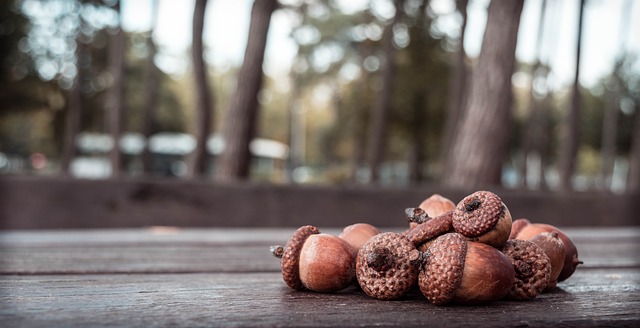
How To Make Flour, Bread And Even Coffee With Acorns

How To Make Bread, Flour And Even Coffee With Acorns

Image source: Pixabay.com


Did you know that there is a nutritious food source literally dropping from your trees each fall? In fact, unless you are a squirrel, you may even see this food as a nuisance.


Alas, the lowly acorn was not always seen this way. Historical sources suggest that some of the world’s earliest civilizations ate acorns. In fact, the word for “oak” in Tunisian translates to “meal-bearing tree.”


Although acorns, which contain healthy fats, protein and minerals, found their way into many Native American foods and are the main ingredient of a traditional Korean jelly recipe, most people today shy away from eating them. Why? Anyone who has ever sampled a raw acorn can tell you. They taste bitter.


The secret to eating – and enjoying acorns – lies in removing the tannins. When you complete this process, you can produce a subtly flavored flour that works well in all kinds of baking recipes and even as a coffee-like beverage.


The first step to removing the tannins is to select only ripe, brown acorns. Avoid green, blackened or mildewed acorns. Then remove the caps and boil the acorns for about 10 minutes. You will need to strain out the brown water and boil the acorns again in fresh water. Repeat this process three to four times until the water looks clear and the acorns can be easily shelled. Another way to remove the tannins is to use a coffee maker, and place the acorns where the grains normally would go. Run the coffee maker and change the water multiple times until the bitterness is removed. (Note: This is not how to make acorn coffee; that process is explained below.)


‘Miracle Oil Maker’ Lets You Make Fresh Nut Oils Within Minutes!


Still another way to remove the tannins is to remove the caps and then place the acorns inside a mesh or cheese cloth bag. After securing the opening, place the bag under running water (say, a stream) for several days. Native American used this flushing method by placing bags of acorns in running streams, rivers and even waterfalls.


Now that the tannins are removed, it is time to dry the acorns. Spread the acorns on a baking sheet and place them in a preheated 200-degree Fahrenheit oven. Leave the door slightly ajar so moisture can escape.


How To Make Bread, Flour And Even Coffee With Acorns

Image source: Pixabay.com


Another option is to place the baking sheet outside in direct sunlight for several hours. Be sure to protect the nuts from wildlife while they are drying.


Acorns add a nutty, slightly sweet taste to recipes. You can use them as a substitute for chickpeas, peanuts or macadamia nuts. (Put them in banana nut bread or zucchini bread!) You also can use them to make acorn butter, which you can use instead of peanut butter or almond butter. You also can add them to salads, soups and stews for flavor and nutrition.


(Listen to Off The Grid Radio’s program on acorns and other nuts here.)  


To make acorn flour, grind slightly moist leached acorns in a blender or food processor. Dry the resulting meal in a low temperature oven for a few minutes, or let the meal air dry for a few hours. Then grind the dry meal in the blender or food processor again.


You can substitute this acorn flour in any recipe that uses wheat flour, but keep in mind that acorn flour products will have a crumbly texture. If you prefer a spongy texture to your cookies or bread, you will need to mix in some wheat flour with your acorn flour.


Another option is make acorn coffee. Now, this drink will not perk you up in the morning since acorns do not contain caffeine, but it is a pleasant beverage, especially in cold weather.


Place pieces of leached acorns on a baking sheet and roast them in the oven at 400 degrees Fahrenheit for about 30 minutes. When the pieces are dark brown in color and have a pleasant roasted (not burned) aroma, they are ready.


Add one tablespoon of roasted acorn pieces per eight ounces of boiling water. Let the mixture steep for five to 10 minutes. Reheat if needed. Then you can add your regular coffee condiments or drink the acorn coffee black.


Acorns are a rich source of carbohydrates, proteins, essential amino acids, trace minerals and Vitamins A and C. This nutritional value compares favorably with barley or wheat flour.  Although producing acorn flour does take some time, it is satisfying to put to use a food source that is free and readily available.


Just leave a few acorns for those squirrels.


Have you ever eaten acorns? What advice would you add? Share it in the section below:


If You Like All-Natural Home Remedies, You Need To Read Everything That Hydrogen Peroxide Can Do. Learn More Here.

Wednesday, August 23, 2017

Awesome Coffee Substitute


Awesome Coffee Substitute | people-drinking-coffee | General Health Sleuth Journal Special Interests


If you’re a heavy coffee drinker, consider trading it for tea instead. Tea can provide a huge array of health benefits and, if it’s the caffeine you must have, may be a more “mild” substitute. Here’s a recipe for a favorite of mine, a vegan friendly, iced chai latte I enjoy having instead of coffee. It’s delicious, try it!


Ingredient 1: Pu-Erh Tea


Pu-Erh tea is a Chinese tea and its use dates back to the Eastern Han Dynasty (25-220 CE). Pu-Erh tea production is highly regulated to ensure quality and authenticity, only tea from Yunnan province may be called Pu-Erh tea. There are a number of estates that produce Pu-Erh and each has its own types of leaves from plants and trees that grow wild, some of which may be over 1,000 years old. After harvesting, each manufacturer blends the leaves to their own specifications. Producing black Pu-Erh tea involves a fermentation process where the natural enzymatic breakdown creates heat and “cooks” the leaves. This adds complexity, depth, and smoothness to the tea. [1]


Pu-Erh Tea is thought to support healthy blood sugar levels and have an anti obesity effect, and, like other teas, Pu-Erh is high in antioxidants. [2] [3] [4] When evaluated for antioxidant potential, Pu-Erh tea was found to have higher antioxidant activity than green tea, oolong tea, and black tea. [5] In traditional Chinese medicine, Pu-Erh tea is believed to:


  • Support digestion

  • Support the immune system and heart health

  • Provide high levels of absorbable vitamin C

Ingredient 2: Chai Spice Yerba Mate


Yerba mate is a South American tea and one of the world’s most popular beverages. Yerba mate is believed to provide a number of health benefits because of its vitamin, mineral, antioxidant, polyphenol, and amino acid content. What are the health benefits of yerba mate?


1. Supports Weight Loss


Research shows that yerba mate keeps your appetite feeling satisifed and can help overweight persons achieve weight loss. [6]


2. Supports Heart Health


Some studies suggest that yerba mate tea may help prevent hardening of the arteries and reduce artery blockage, which may help reduce incidence of heart attack and stroke. [7]


3. Boosts Energy


Yerba mate contains theobromine, theophylline and caffeine which help to stimulate your nervous system and sharpen your focus. Although caffeine should be enjoyed in moderation, most yerba mate drinkers report fewer negative side effects from yerba mate than coffee.


4. Enhances Digestive Function


Yerba mate tea helps your intestines absorb nutrients and digest food more efficiently. [8]


5. Contains Antioxidants


Yerba mate is a rich source of antioxidants, even more than green tea. [9] [10]


Ingredient 3: Raw Almond Milk


Raw almond milk is a fantastic substitute for dairy milk. In addition to coconut and hemp milk, raw almond milk is the only vegetable based milk product I personally use or recommend; soy milk is best avoided. Here’s an easy recipe to make your own:


  • 1 cup raw organic almonds

  • 3 cups purified water

  • 2 organic dates (optional)

  • 1/2 tsp organic vanilla (optional)

Soak the almonds in water overnight. Drain and discard the water. Blend the almonds and optional dates and vanilla with three cups of water until well blended and almost smooth. Strain using a cheesecloth or strainer. Store in the refrigerator where it will last 3-4 days. [11]


Iced Chai Latte Directions


  1. Steep 1 bag of Pu-erh tea and 1 bag of Chai Spice Mate in a cup of hot water for 3-5 minutes.

  2. Pour over ice (optional).

  3. Add raw almond milk to taste!

  4. Enjoy!

References (11)

    1. Hou CW, Jeng KC, Chen YS. Enhancement of fermentation process in Pu-erh tea by tea-leaf extract. J Food Sci. 2010 Jan-Feb;75(1):H44-8. doi: 10.1111/j.1750-3841.2009.01441.x.

    2. Zhang HM, Wang CF, Shen SM, Wang GL, Liu P, Liu ZM, Wang YY, Du SS, Liu ZL, Deng ZW. Antioxidant phenolic compounds from Pu-erh tea. Molecules. 2012 Nov 27;17(12):14037-45. doi: 10.3390/molecules171214037.

    3. Du WH, Peng SM, Liu ZH, Shi L, Tan LF, Zou XQ. Hypoglycemic Effect of the Water Extract of Pu-erh Tea. J Agric Food Chem. 2012 Oct 1.

    4. Oi Y, Hou IC, Fujita H, Yazawa K. Antiobesity effects of Chinese black tea (Pu-erh tea) extract and gallic acid. Phytother Res. 2012 Apr;26(4):475-81. doi: 10.1002/ptr.3602.

    5. Duh PD, Yen GC, Yen WJ, Wang BS, Chang LW. Effects of pu-erh tea on oxidative damage and nitric oxide scavenging. J Agric Food Chem. 2004 Dec 29;52(26):8169-76.

    6. Hussein GM, Matsuda H, Nakamura S, Hamao M, Akiyama T, Tamura K, Yoshikawa M. Mate tea (Ilex paraguariensis) promotes satiety and body weight lowering in mice: involvement of glucagon-like peptide-1. Biol Pharm Bull. 2011;34(12):1849-55.

    7. Gao H, Liu Z, Wan W, Qu X, Chen M. Aqueous Extract of Yerba Mate Tea Lowers Atherosclerotic Risk Factors in a Rat Hyperlipidemia Model. Phytother Res. 2012 Oct 10. doi: 10.1002/ptr.4856.

    8. Gorzalczany S, Filip R, Alonso MR, Miño J, Ferraro GE, Acevedo C. Choleretic effect and intestinal propulsion of ‘mate’ (Ilex paraguariensis) and its substitutes or adulterants. J Ethnopharmacol. 2001 May;75(2-3):291-4.

    9. Heck CI, de Mejia EG. Yerba Mate Tea (Ilex paraguariensis): a comprehensive review on chemistry, health implications, and technological considerations. J Food Sci. 2007 Nov;72(9):R138-51. Review.

    10. Lunceford N, Gugliucci A. Ilex paraguariensis extracts inhibit AGE formation more efficiently than green tea. Fitoterapia. 2005 Jul;76(5):419-27.

    11. Jolinda Hackett. Raw Almond Milk Recipe. About.com Guide.


Sunday, August 6, 2017

Is There A Relationship Between Coffee Shops And High Rent?

Submitted by Priceonomics


The American city runs on coffee. It’s served nearly everywhere, in cafes, restaurants, and corner stores, and it’s an ingrained part of most people’s morning routines. From the distinct taste, to the plethora of ways it can be prepared, to the benefits of caffeine, most people can find an aspect of the drink that they love.


Though while it is common, getting coffee from a coffee shop rather than making it at home can be expensive. It is somewhat of a luxury item, especially if you consider the cost of fancy cafes serving espresso and pour over drinks (generally referred to as third wave coffee). For this reason, some measure of coffee shops could be useful as a barometer of city and neighborhood cost. Our hypothesis is that an area with a greater number of coffee shops would have a population with a larger disposable income, who can also afford more expensive housing.


So, in US cities, are the number of coffee shops and rent prices connected in any way?


We analyzed data from Priceonomics customer RentHop, an apartment listing site,  to explore that question. We have thousands of recent rental listings, which we used to find median rental prices. Then, by connecting that with business data from Datafiniti (also a Priceonomics customer) detailing coffee shops in each city, we were able to highlight the relationship between the two factors. We conducted analysis at the city level, but also completed a deep dive into neighborhoods in Manhattan, NYC. 


At the Manhattan neighborhood level, high rent is positively correlated with coffee shops, but the results nuanced. Generally neighborhoods that were more expensive had a greater number of coffee shops per capita, especially around Midtown. Areas with large concentrations of office buildings have large numbers of coffee shops to cater to office workers (e.g. Midtown Manhattan, Financial District). Other neighborhoods are appealing specifically because they are more residential (and have fewer businesses) and can command higher rents (e.g. Stuyvesant Town-Cooper Village). 


We also examined the number of coffee shops per capita in various cities across America. We found that generally, the number of coffee shops in a city did not correlate strongly with the median rental price, though there were some standout cities like San Francisco with a lot of coffee shops and high rent.


***


For our first look at the data, we want to determine median rental prices for our cities of interest. In our analysis, we will examine cities where there is sufficient data about both rentals and businesses.


Data source: RentHop


New York City has the highest median rent while Atlanta has the lowest. This follows what we would expect, with coastal cities with higher population densities being the most expensive.


Within these cities, we also need to count the number of coffee shops and cafes. Restaurants or corner stores that also serve coffee were not included.


Data source: RentHop


Already we can see that our rankings are very similar to what we had for median rent. New York City is first with over 1,600 coffee shops. The next in our list is San Francisco with 650.


Cities that are larger in general will tend to have more of any kind of business. By adjusting for population, calculating number of coffee shops per 100K residents, we can control for this fact. 


Data source: RentHop


Washington D.C. and San Francisco have the greatest number of coffee shops per capita. Los Angeles has the fewest. New York, which had the greatest absolute number of coffee shops, now sits at the middle of the pack.


Now we will take the two measures, coffee shops per capita and median rent, and plot them together to visualize the relationship.


Data source: RentHop


Overall, we do not see a clear trend supporting the relationship between coffee shops and rent.  We are only looking at seven rental markets so additional research would be necessary to definitely prove the relationship between coffee and rent.


We do, however, have a rich set of data specifically for Manhattan in New York City. Manhattan is divided into 28 Neighborhood Tabulation Areas (NTAs) by the city government. We will group the business and rental data into these geographic areas and complete a similar analysis. 


Now at a more granular level, will we see a clearer correlation between coffee shops and rent prices? Again, our first step is to list median rental prices.


Data source: RentHop


The area of SoHo-TriBeCa-Civic Center-Little Italy has the most expensive median rent. This area is one of the trendiest, with many expensive bars, restaurants, galleries, and boutique stores. Additionally due to history of development in Manhattan, the residential buildings are much smaller, increasing the pressure on price. Marble Hill-Inwood, at the very northern tip of Manhattan and across from the Bronx, is the least expensive. Inwood once had the highest crime rate in Manhattan, but recently has seen a large decrease in crime consistent with New York City overall. It also has a lower median income than most neighborhoods in


We have a map to help visualize the differences in rent. Neighborhoods were split into rent quintiles (five equal sized groups) based on prices.


Data source: RentHop. Grey areas do not have sufficient data for analysis


We can see that the areas of high rent are concentrated around the middle of the island especially near Central Park as well as the West Village area.


Next we will look at coffee shops in each NTA. How many coffee spots does each neighborhood have:


Data source: RentHop


Midtown-Midtown South has the greatest number of coffee shops. It has close to double the number of shops as SoHo-TriBeCa-Civic Center-Little Italy and Hudson Yards-Chelsea-Flatiron-Union Square. These areas with many coffee shops either the primary centers of business in the city or areas with lots of shopping and dining (for tourists). Several neighborhoods have 10 or fewer shops. There are a few possible reasons for their low ranking including being a smaller size or having a lower proportion of business in the area. Additionally many of these are neighborhoods with lower incomes generally, which seems like a plausible explanation but cannot be proven from this analysis.


Again we will map this data to help visualize the differences. Similar to the last map, neighborhoods have been placed into quintiles based on the number of coffee shops.


Data source: RentHop. Grey areas do not have sufficient data for analysis


Again we see similar concentrations of the neighborhood groups. More coffee shops tend to be around Midtown and the lower-west end Manhattan.


It is clear from the maps of Manhattan though that each neighborhood is a different size. We can also confirm that they have different sized populations. To accurately compare each, we must account for the population in our calculation. We will do this by finding coffee shops per 100K residents, just as we did earlier.


Data source: RentHop


Several of the same neighborhoods are at the top and bottom of our list. The top neighborhood again is Midtown-Midtown South. It has so many more coffee shops per capita than any other neighborhood due to it’s large commuter population and tourist population. Two of the other top four neighborhoods, Battery Park City-Lower Manhattan and Turtle Bay-East Midtown, are similar in nature and comprise areas around Grand Central Terminal and the Financial District.


With our map of Manhattan, we can see if a similar pattern appears in our neighborhood locations


Data source: RentHop. Grey areas do not have sufficient data for analysis


In this map, there is more of a clear gradient from the northern tip of Manhattan (neighborhoods with the fewest coffee shops per capita) towards the bottom (neighborhoods with the most coffee shops per capita). This makes sense as we have explained earlier many of the neighborhoods below central park are full of offices and destinations for tourists. The other neighborhoods are more residential in nature, with relatively fewer businesses.


Finally, we will plot the relationship between coffee shops per capita and median rent to understand the relationship. We’ve labeled several neighborhoods to illustrate how different areas of Manhattan fall on the spectrum of coffee vs. rent.


Data source: RentHop


This time the relationship, while still not linear, has a generally positive direction. A few notable outliers include Midtown-Midtown South and Stuyvesant Town-Cooper Village. 


Midtown-Midtown South has more coffee shops per capita than any other neighborhood. As stated earlier, it is largely made up of office towers and tourist destinations. Most of the daytime population is made of up commuters coming into the city from outlying areas (especially NY state, NJ, and CT). This is also where Times Square and other areas where visitors to the city flock. It is most likely that these coffee shops are catering toward these crowds in addition to regular residents and therefore need more locations to keep up with demand.


A neighborhood with very few neighborhoods despite being one of the most expensive is Stuyvesant Town-Cooper Village, a private housing development built after World War II originally for veterans and their families. The area is almost entirely residential, featuring 110 buildings surrounded by public parks. It has become a very desirable neighborhood due to the amenities and location, therefore quite expensive. As it was planned to be entirely residential, the neighborhood does not have the same mix of commercial and residential space as the rest of NYC. This artificially creates a shortage of coffee shops that we do not account for in our hypothesis.


***


It appears that the relationship is somewhat clearer for neighborhoods than cities overall. At the neighborhood level in Manhattan, there is a positive correlation between coffee shops and rental prices.

Friday, July 14, 2017

4 Harmful Effects Of Caffeine

4 Harmful Effects Of Caffeine | coffee | General Health Sleuth Journal Special Interests


Whether you consume tea, coffee, sodas, energy drinks, or chocolate, you’re consuming some form of caffeine. This post is not meant to demonize caffeine altogether; in fact, at small amounts, caffeine has certain health benefits. It’s the excess use of caffeine that is an issue, as this compound is highly addictive. [1] Caffeine doesn’t even provide true energy–it is merely a stimulant. Still, there are many who rely on it every day to get them going. Are you one those people? Listen up during this post to find out how caffeine dependency can affect your body and mind.


The Effects of Caffeine


Caffeine affects the body on three levels:


  • Caffeine affects regions in the brain associated with addiction, creating dependency on the substance for an artificial state of energy.

  • Caffeine impacts the entire body with dehydration, and it impairs the digestive system in a number of ways.

  • Caffeine has an especially negative impact on the digestive system.

At the root of caffeine addiction is a physiological dependency that forms within the brain. This is more than a psychological addiction. Caffeine actually makes the brain not only want it, but it makes the brain want it more and more. Here are a few of the side effects that go along with caffeine:


  1. Caffeine and Dependency

Caffeine suppresses a chemical called adenosine, which is secreted by the brain to relax the body. [2] Suppression of this compound by caffeine affects the body by making it feel a tense surge of energy. While this surge of energy is truly stimulating, the threshold of stimulation continues to rise, making the brain require increasing levels of caffeine to simulate the same effect. This creates dependency on users who require caffeine on a daily basis to get moving.


  1. Caffeine and Dehydration

Another negative effect of caffeine is dehydration. Caffeine acts as a natural diuretic, which may be a benefit to individuals dealing with bloating. [3] Coffee and energy drinks are the biggest contributors to dehydration, and, despite a high volume of liquid consumption with these beverages, still contribute to dehydration. Dehydrated cells have difficulty absorbing nutrients, and they also have problems eliminating waste.


  1. Caffeine and Adrenal Exhaustion

Large amounts of caffeine can lead to adrenal exhaustion precipitated by the “rush” that it creates in the body. Adrenal exhaustion is particularly pronounced in children, who are now consuming more caffeine than ever before thanks to soda machines in public schools. The common symptoms of adrenal burnout include: irritability, anxiety, trouble sleeping, hunger fluctuations, mood swings, and lethargy.


  1. Caffeine and Digestion

Perhaps the most damaging impact caffeine has on the body occurs in the digestive system. It blocks the absorption of magnesium, a key mineral that is essential to the colon’s regulation of normal, healthy bowel movements. [4] Coffee itself compounds the problem by acting as a laxative, causing the bowels to move prior to the absorption of water and mineral nutrients. This reinforces body dehydration and malnourishment. Coffee also increases stomach acid levels, and higher acid levels can cause permanent damage to the intestinal lining.


How to Reduce Caffeine Intake


A better way to counter caffeine’s effects is to gradually reduce your intake of coffee and soda and begin replacing them with organic white or green tea (which contains minimal caffeine), organic fruit juice, and distilled water. Supplements that help cleanse the colon, rehydrate cells, and stimulate digestive enzymes are also recommended.


References:


  1. Satel S. Is caffeine addictive?–a review of the literature. Am J Drug Alcohol Abuse. 2006;32(4):493-502.

  2. Ribeiro JA, Sebastlao AM. Caffeine and adenosine. J Alzheimers Dis. 2010;20 Suppl 1:S3-15. doi: 10.3233/JAD-2010-1379.

  3. Maughan RJ, Griffin J. Caffeine ingestion and fluid balance: a review. J Hum Nutr Diet. 2003 Dec;16(6):411-20.

  4. Bergman EA, Massey LK, Wise KJ, Sherrard DJ. Effects of dietary caffeine on renal handling of minerals in adult women. Life Sci. 1990;47(6):567-64.

Friday, May 26, 2017

5 Brilliant Things Grandma Did With Leftover Coffee

5 Brilliant Things Grandma Did With Leftover Coffee

Image source: Pixabay.com


As I get older I often wish I had paid more attention to my mother and grandmother, both of whom lived through the Great Depression. My mother could stretch a grocery budget until it cried! My grandmother knew more tricks to doing without or “upcycling” an item than you can shake a stick at.


While many of upcycle or recycle larger items, my grandmother threw out next to nothing. Not even a half a pot of leftover coffee. Sometimes she simply would reheat it for the next day, but after that, coffee takes on a pretty brutal, bitter flavor. Still, there are plenty of things you can do with that coffee.


Here are five uses for leftover coffee:


1. Use it to make new foods


Replacing about half of the water you use to make oatmeal with leftover coffee really turns that normally boring breakfast into something interesting. I like to add some sliced almonds to coffee-flavored oatmeal. You also can freeze it into ice cubes and later make some “iced” coffee. No more watered-down drinks! Add a splash to your hot chocolate for an instant mocha drink or use it as a marinade.


2. Use it around the house and garden


I still use leftover coffee (watered down a bit) to give a touch of fertilizer to my acid-loving plants, such as gardenias and begonias. If you have dark-colored wood furniture, you can hide those scratches by adding coffee to a bit of olive oil. Pour the oil mixture onto a cloth and rub it into the scratches. You will probably have to do this several times over the next few weeks, but this works remarkably well!


“The Big Book Of Off The Grid Secrets” — Every Homesteader Needs A Copy!


You also can use coffee as a dye for clothing if you have tie-dye fans in the house, or put that coffee in a spray bottle and use it as a natural degreaser for stoves and your outdoor BBQ grill.


3. Use it for personal care


While I’m fortunate that I never needed to try this, it was one of my grandma’s favorite “cures.” Coffee enemas came highly recommended by my mother and grandmother, as a means of “cleaning out the insides.” Coffee also can help to temporarily darken your hair. Use it as a final rinse to help hide those gray hairs and make your hair shiny. You also can use those old coffee grounds and mix them with coconut oil to make a natural exfoliating body scrub.


4. Use it for crafts


If you like doing crafts, then try painting a plain white sheet of paper twice with leftover coffee. Allow to dry between coats. You can do a third coat if you want your paper a darker color. This process makes plain paper look like antique, aged paper. You also can make your own custom colored yarn and wood by staining them with leftover coffee.


5. Don’t forget coffee grounds!


Leftover coffee grounds are also quite valuable. After drying them, put coffee grounds in a container and use them to deodorize just about any space: the refrigerator, car, closet, etc. Once they have done the job, mix them into the soil with your roses or other plants for a free fertilizer. My grandmother had the most beautiful roses and she often attributed it to old coffee ground and banana peels. Coffee grounds also can unblock a drain. Simply pour your grounds into the sink, add two or three drops of dish soap, followed by a large pot of boiling water.


Coffee grounds are the best slug and snail repellent. Those critters will not cross a line of coffee grounds, because the acid burns them. While slugs hate coffee grounds, worms are attracted to them, so add them into the soil for a nitrogen boost and attractive worm food!


Just a reminder that I am talking about plain black coffee here — no sugar or cream. Don’t forget to allow that coffee to cool down, too!


What uses for coffee would you add? Share your tips in the section below:

Does Coffee Harm Your Gut?

Does Coffee Harm Your Gut? | coffee | General Health Special Interests


Coffee’s received a lot of good publicity in recent years for the way it appears to protect the brain from degenerative diseases. We know that coffee is full of antioxidants, vitamins, minerals, amino acids, plant-compounds, fats, and carbs. In small amounts, coffee can actually be beneficial for most healthy individuals. The main downside to coffee is that it’s highly acidic, and this acidity can have possible repercussions on the gut.


Coffee’s Effects on the Gut


Before you drink your next cup of java, weekend latte, or morning cup of joe, here’s five facts to know about coffee’s effect on the gut.


  1. Higher Stomach Acidity

Drink a lot of coffee first thing in the morning on a regular basis, and gut problems may be right around the corner. It’s not just the caffeine that does this, so drinking decaf won’t avoid the danger. Caffeine and other plant-based compounds stimulate the stomach cells to release more hydrochloric acid, which can, at times, aid digestion. [1][2]


But regular coffee drinking, especially in the morning on an empty stomach, reduces the amount of stomach acid available for digestion later on. H. pylori bacteria, the main bacteria responsible for ulcers, prefers highly acidic environments. Combine this with the way coffee weakens the protective barrier of the stomach – the mucosal layer [3] — and the risk of damage and ulcers increases.


  1. Encourages Acid Reflux

Drink enough coffee and you may experience acid reflux or heartburn. Coffee relaxes the esophageal sphincter, or the muscle valve that allows the food into the stomach. At the same time, it also prevents it from escaping up the throat. Stomach acid that escapes irritates the tissue of the esophagus. If it happens frequently enough, complications like sores, ulcers, or permanent changes to cells in the esophagus can occur.


     3. Aggravates IBS and Other Bowel Disorders


Coffee intensifies symptoms of bowel conditions like gastritis, irritable bowel disorder, colitis, and Crohn’s Disease. Certain enzymes in coffee trigger an immune response that results in inflammation, bloating, cramping, gas, and diarrhea. [4]


  1. Raises the Chance of Food Rotting in the Gut

Coffee’s known to encourage the stomach to release its contents into the small intestine before complete digestion has occurred. [5] Food that doesn’t get fully digested often ends up sitting and rotting in the gut. This creates a toxic environment ideal for ‘bad’ bacteria to spread in the intestines, damages the intestinal wall, and leads to inflammation and an immune response to enzymes in the coffee.


  1. Over Stimulates Intestinal Wave Action

Nerve and brain cells rely on a neurochemical called GABA. It’s responsible for calming the nerves after they fire. The caffeine in coffee prevents GABA from doing its job and this may lead to overactive bowels. The most common symptom is cramping or an urge to go to the bathroom.


One Final Thought


While it doesn’t directly harm the bowels, coffee does reduce the retention and absorption of minerals like magnesium, calcium, zinc, and iron. Here’s a basic rundown on these nutrients:


  • Magnesium keeps the muscles relaxed and firing correctly.

  • Calcium is needed for strong bones and getting cells the nutrients they need.

  • Zinc fuels the immune system.

  • Iron’s essential for creating new red blood cells.

And you should not drink coffee if you have gallstones. Coffee doesn’t cause gallstones, but it does cause the gallbladder to contract, creating a very painful situation. When it comes to coffee, the best way to know if harm’s being done is to notice how you feel. If it has a severe laxative effect or causes cramping or acid reflux, you may want to take some time off. Studies have shown the damage and irritation quickly heals once coffee consumption stops.


Are you a coffee lover? Or do you avoid the stuff like plague? Share your experience with us below.


References:


  1. Börger HW, Schafmayer A, Arnold R, Becker HD, Creutzfeldt W. The influence of coffee and caffeine on gastrin and acid secretion in man (author’s transl). Dtsch Med Wochenschr. 1976 Mar 19;101(12):455-7.

  2. Kuz’menko LI, Bohdanova OV, Ostapchenko LI. Regulation of secretory processes in parietal cells in the different stomach pathologies. Ukr Biokhim Zh. 2006 Jul-Aug;78(4):80-8.

  3. Cibicková E1, Cibicek N, Zd’ánský P, Kohout P. The impairment of gastroduodenal mucosal barrier by coffee. Acta Medica (Hradec Kralove). 2004;47(4):273-5.

  4. Sauer T1, Raithel M, Kressel J, Muscat S, Münch G, Pischetsrieder M. Nuclear translocation of NF-?B in intact human gut tissue upon stimulation with coffee and roasting products. Food Funct. 2011 Sep;2(9):529-40. doi: 10.1039/c1fo10055f.

  5. Akimoto K1, Inamori M, Iida H, et al. Does postprandial coffee intake enhance gastric emptying?: a crossover study using continuous real time 13C breath test (BreathID system). Hepatogastroenterology. 2009 May-Jun;56(91-92):918-20.

Tuesday, May 23, 2017

Walking Beats Caffeine for Temporarily Boosting Energy

I am not a morning person, and coffee is my best friend. Sometimes afternoons don’t work for me either, so it’s back to the coffee pot. Some of you are probably the same way. But a new study shows that 10 minutes of walking could be more effective than caffeine at perking you up … at least temporarily.


Researchers from the University of Georgia (UGA) tested the effects of a simple exercise that can be done in an office setting, where workers have only a few minutes for breaks. Their results are published in Physiology and Behavior. [1]


For the study, 18 female college students – all chronically sleep-deprived – were asked to participate in workplace simulations for three days. One group of students took capsules containing either 50 mg of caffeine (about the equivalent of a can of cola) or a placebo. The other group spent 10 minutes walking up and down stairs at a low-intensity pace.


After the simulations, the researchers conducted verbal and computer-based tests on the participants to determine their mood and ability to complete certain cognitive tasks. Neither exercise nor caffeine significantly improved their attention or memory. However, after walking up and down the stairs, the students saw a small improvement in alertness. Caffeine also increased alertness, but to a smaller degree.


Source: The Blaze

Co-author Patrick J. O’Connor, a professor in UGA’s department of kinesiology, said:


“It was a temporary feeling, felt immediately after the exercise. But with the 50 milligrams of caffeine, we didn’t get as big an effect.” [1]


So, although walking for 10 minutes might not keep you energized and alert all day, a stroll up and down the stairs during your break might perk you up when you’re starting to feel drained. It’s encouraging to know that even lesser amounts of light exercise can be beneficial.


Related: How Walking – Power Walking – Can be so Beneficial


Consuming too much caffeine can cause you to “crash” and feel even more exhausted than you were when you brewed that first pot, whereas walking releases endorphins, a type of hormone which helps you de-stress and become less anxious. [2]


Source: Develop Good Habits

Said O’Connor:


“Office workers can go outside and walk, but weather can be less than ideal. It has never rained on me while walking the stairs. And a lot of people working in office buildings have access to stairs, so it’s an option to keep some fitness while taking a short break from work.” [2]


A study published in August 2016 found that you would have to exercise for one hour a day to make up for all the time you spend sitting all day. Might as well get started while you’re at work!


Sources:


[1] Real Simple


[2] Medical Daily


The Blaze


Develop Good Habits


Storable Food


About Mike Barrett:


Author Image
Mike is the co-founder, editor, and researcher behind Natural Society. Studying the work of top natural health activists, and writing special reports for top 10 alternative health websites, Mike has written hundreds of articles and pages on how to obtain optimum wellness through natural health.

Monday, April 24, 2017

8 Coffee Substitutes You Can Grow In ANY Climate

8 Coffee Substitutes You Can Grow In ANY Climate

Image source: Pixabay.com


If you’re trying to raise as much of your own food as possible, a coffee habit can be a real problem. Most people’s morning cup comes from thousands of miles away, involving a lot of unfortunate environmental and human consequences.


Enjoying coffee is a daily ritual that brings comfort and time for contemplation. A casual conversation with friends or family, the warm mug in our hands, or just the excuse to take a few minutes for ourselves. If you’re looking for a coffee substitute that you can grow or forage yourself, there are a lot of compelling options.


1. Beech nuts


Beech trees are easy to identify and produce large amounts of a distinctive nut that can be collected in the fall. The thin shells are easily and quickly peeled off by hand, allowing the nut to be roasted and ground into a coffee substitute. Deer are particularly fond of beech nuts, and if you don’t know if you have beech trees in your area, ask a local hunter where you can find them.


2. Chicory root


Perhaps the most common and well-known coffee substitute, some brands of coffee actually include roasted ground chicory root in with the coffee to enhance the flavor and stretch the coffee further. In the U.S., this is known as New Orleans Style Coffee, and results in a smooth coffee with a slight mocha flavor. Straight chicory coffee has a blacker-than-black color, and is delicious drink with a bit of sugar to balance out the flavor. Harvest the roots before the plant flowers for a less bitter brew.


3. Dandelion root


8 Coffee Substitutes You Can Grow In ANY Climate A bit easier for most people to find and identify, dandelion root makes some of the best-tasting coffee of any wild substitute. Fancy farm-to-table restaurants across the country are marketing dandelion lattes with their local bacon on the breakfast plate, and why not? It’s a much-cheaper alternative, but still tastes great. Just like chicory coffee, for the best dandelion coffee harvest the roots before the plants flower for the most delicious brew. If you only notice your dandelions after they’ve gone to flower, harvest them anyway; they’re still almost as good.


4. Burdock root


Burdock is easy to identify in the fall of the second year by its large leaves and round burs that stick to just about everything.


‘Miracle Oil Maker’ Lets You Make Fresh Nut Oils Within Minutes!


Growing nearby the second-year roots, you should be able to find smaller first-year plants without seed burs. First-year roots make the best coffee and can be harvested in the late fall, dried in an oven and roasted to produce a naturally detoxifying coffee substitute.


5. Cleavers fruit


Known as cleavers for its reported ability to “cleave” illness from the body, this natural medicine also makes an excellent coffee substitute. It’s an extremely common weed, slowly spreading across the ground and climbing in a tangled mass over rocks or stumps. It produces small flowers that turn into tiny cleavers fruits that can be roasted and ground into a coffee substitute.


6. Kentucky coffee tree


As the name suggests, Kentucky coffee tree beans can be roasted and ground into a coffee substitute. The name stems from a marketing ploy, back when coffee was expensive and hard to get in inland areas away from ports. Land developers told people that in Kentucky, they could harvest a plant that would make a great substitute.


7. Sow thistle


An aggressive weed closely related to the dandelion, sow thistle produces prickly leaves and sends up long shoots with yellow, dandelion-like flowers. Its greens are edible and medicinal, and in some places in the world it’s actually cultivated as a vegetable, but more importantly, the tap root makes an excellent coffee substitute similar to dandelion coffee.


8. Acorn coffee


Though bitter if not prepared correctly due to the tannic acid, if acorns are first thoroughly soaked and ground, they can be roasted into an acceptable coffee substitute. Some mention this as a tastier use for them than trying to use them as flour or porridge, but others note that they’re a far cry from real coffee.


What is your favorite coffee substitute? Share your tips in the section below:

Friday, March 31, 2017

Starbucks Will Never Learn: New Program Encourages "Bipartisan Coffee Drinking"

Seemingly no amount of brand destruction will ever be sufficient to convince Starbucks CEO Howard Schultz that while most adult-aged Americans seem to like his company"s coffee, roughly 50% of them couldn"t give a flying flip about his leftist political opinions that he"s constantly try to shove down their throats along with their morning java.


The latest gimmick comes via a partnership with Boston-based startup "Hi From the Other Side" and offers free coffee to people with opposing political opinions who agree to meet up at Starbucks to "engage in a civil conversation" about their political differences.  Per The Hill:


Participants who sign up (there’s currently a waitlist) for the app through Facebook are paired up with another local from the opposing political party.


The app brings together “nice people across the political divide to talk like neighbors. Not to convince, but to understand,” the Hi From the Other Side website states. The company says it’s “hopeful there are people who really want to engage in a civil conversation.”


As part of a recently launched, limited promotion, the startup says those who sign up and are matched will receive a Starbucks e-gift card.
“This means you’ll have to show up and work together to unlock the gift card!” according to its site.


And here"s "Hi From the Other Side"s" take on the program:


"Hi From The Other Side has a way for you to make a connection over a great cup of coffee at Starbucks. If you are one of the first to be matched during this limited offer, you will receive a Starbucks e-gift card to redeem together at a nearby store. This means you"ll have to show up and work together to unlock the gift card!"


SBUX


Of course, all of this comes just a few weeks after Schultz"s public announcement to hire 10,000 refugees, a clear shot at the Trump administration"s immigration policies, seemingly backfired with his "brand perception" taking a sudden and massive hit (we wrote about it here: "Starbucks" "Brand Perception" Takes A Massive Hit After Announcing Plans To Hire 10,000 Refugees").


Credit Suisse"s Restaurant team, led by Jason West, also took note of the constant damaging political campaigns and warned that Schultz"s refugee stunt could cause the company to miss upcoming same-store-sales estimates.


We have analyzed online “net sentiment” data (positive vs. negative online mentions) provided by NetBase to gauge changes in Starbucks’ brand perception. This follows recent media reports that SBUX’s decision to hire 10,000 refugees over the next five years could have upset some customers, perhaps negatively impacting sales trends. Our work shows a sudden drop in brand sentiment following announcement of the refugee hiring initiative on Jan. 29th, to flattish from a run-rate of ~+80 (on an index of -100 to +100). Net sentiment has since recovered, but has seen significant volatility in recent weeks. While this is only one data point, the analysis leaves us incrementally cautious on SBUX’s ability to meet consensus US SSS forecasts, which call for SSS to accelerate from +3% in F1Q17 (Dec. qtr.) to ~+3.5% in F2Q and ~+5.5% in 2H17.


Potential impact to F2Q SSS: NetBase data show that net sentiment remained depressed for 10 days in late Jan. and early Feb. and was particularly volatile through the remainder of Feb. We see potential for a scenario in which US SSS slowed for a few weeks following news of the refugee hiring initiative, negatively impacting full-quarter SSS by ~70-80bps under a reasonable bear case. This assumes that (1) SSS during the initial 10-day stretch were ~flat, (2) SSS averaged +2% during the remaining 3 weeks of Feb. (when net sentiment saw particularly high volatility) and (3) SSS during the rest of the qtr (Jan. and Mar.) average +3.5% (in line with consensus forecasts for F2Q), putting F2Q US SSS at ~+2.8%. We caveat that we found little to no correlation over longer time periods between the net sentiment data and US SSS. However, in our past work on Chipotle (CMG: Neutral), we found that large and sudden spikes in net sentiment coincided with similar shifts in SSS trends.


CS


For those who missed it, here are some excerpts from the politically charged message drafted by Schultz to his employees with "deep concern and a heavy heart":


I write to you today with deep concern, a heavy heart and a resolute promise. Let me begin with the news that is immediately in front of us: we have all been witness to the confusion, surprise and opposition to the Executive Order that President Trump issued on Friday, effectively banning people from several predominantly Muslim countries from entering the United States, including refugees fleeing wars. I can assure you that our Partner Resources team has been in direct contact with the partners who are impacted by this immigration ban, and we are doing everything possible to support and help them to navigate through this confusing period.


Hiring Refugees: We have a long history of hiring young people looking for opportunities and a pathway to a new life around the world. This is why we are doubling down on this commitment by working with our equity market employees as well as joint venture and licensed market partners in a concerted effort to welcome and seek opportunities for those fleeing war, violence, persecution and discrimination.  There are more than 65 million citizens of the world recognized as refugees by the United Nations, and we are developing plans to hire 10,000 of them over five years in the 75 countries around the world where Starbucks does business.


Building Bridges, Not Walls, With Mexico: We have been open for business in Mexico since 2002, and have since opened almost 600 stores in 60 cities across the country, which together employ over 7,000 Mexican partners who proudly wear the green apron. Coffee is what unites our common heritage, and as I told Alberto Torrado, the leader of our partnership with Alsea in Mexico, we stand ready to help and support our Mexican customers, partners and their families as they navigate what impact proposed trade sanctions, immigration restrictions and taxes might have on their business and their trust of Americans.


Apparently nothing will ever convince some of America"s leftist billionaires that, no matter how rich they become, they will never be able to force their political opinions on Americans who see through their propaganda...just ask all the rich people that just lost a fortune trying to elect Hillary.

Saturday, February 25, 2017

Starbucks' 'Brand Perception' Takes A Massive Hit After Announcing Plans To Hire 10,000 Refugees

About a month ago, Starbucks CEO Howard Schultz decided to "take a stand" in defiance of Trump"s immigration executive order and penned a message to the world vowing, among other things, to hire 10,000 refugees over the next 5 years and "build bridges, not walls, with Mexico".  Here are some excerpts from the politically charged message drafted by Schultz with "deep concern and a heavy heart":


I write to you today with deep concern, a heavy heart and a resolute promise. Let me begin with the news that is immediately in front of us: we have all been witness to the confusion, surprise and opposition to the Executive Order that President Trump issued on Friday, effectively banning people from several predominantly Muslim countries from entering the United States, including refugees fleeing wars. I can assure you that our Partner Resources team has been in direct contact with the partners who are impacted by this immigration ban, and we are doing everything possible to support and help them to navigate through this confusing period.


Hiring Refugees: We have a long history of hiring young people looking for opportunities and a pathway to a new life around the world. This is why we are doubling down on this commitment by working with our equity market employees as well as joint venture and licensed market partners in a concerted effort to welcome and seek opportunities for those fleeing war, violence, persecution and discrimination.  There are more than 65 million citizens of the world recognized as refugees by the United Nations, and we are developing plans to hire 10,000 of them over five years in the 75 countries around the world where Starbucks does business.


Building Bridges, Not Walls, With Mexico: We have been open for business in Mexico since 2002, and have since opened almost 600 stores in 60 cities across the country, which together employ over 7,000 Mexican partners who proudly wear the green apron. Coffee is what unites our common heritage, and as I told Alberto Torrado, the leader of our partnership with Alsea in Mexico, we stand ready to help and support our Mexican customers, partners and their families as they navigate what impact proposed trade sanctions, immigration restrictions and taxes might have on their business and their trust of Americans.


Unfortunately, Schultz quickly found out the hard way that while most adult-aged Americans can agree that they like coffee, roughly 50% disagree with his leftist political opinions.  Which, according to Yahoo Finance, has sent the company"s "brand perception" into a downward spiral since January 29th.


The coffee giant"s consumer perception levels have fallen by two-thirds since late January, according to YouGov BrandIndex.


The perception tracker measures if respondents have "heard anything about the brand in the last two weeks, through advertising, news or word of mouth, was it positive or negative." In Starbucks" case, perception is still overall positive, but significantly lower than it was prior to CEO Howard Schultz published a public letter outlining the company"s plans to give refugees jobs.


YouGov says that there"s reason to believe backlash will impact the chain"s bottom line. Two days before Starbucks" announcement, 30% of consumers said they"d consider buying from Starbucks the next time they were craving coffee, the highest proportion in nearly a year. Now, the percentage is down to 24%, according to YouGov.


SBUX


Of course, this isn"t the only time Starbucks has alienated customers by publicly pursuing a controversial political agenda.  As we noted back in March 2015, the Company was forced to abandon its "Race Together" campaign that was intended "to be a catalyst for a larger conversation on race" relations in the United States but really just served to piss off a bunch of anxious people eager to grab their cup of coffee and be on their way.


SBUX


Apparently nothing will ever convince some of America"s leftist billionaires that, no matter how rich they become, they will never be able to force their political opinions on Americans who see through their propaganda...just ask all the rich people that just lost a fortune trying to elect Hillary.

Saturday, February 4, 2017

Meet The "Bionic Barrista" Whose Mission Is To Terminate Millions Of Minimum Wage Jobs

Tired of your barista giving you attitude, spitting in your coffee if you only mention Trump, or misspelling your name on your morning cup of joe? Surely a robot could do better. Well, we are about to find out, because on Monday, Cafe X opened its very first robotic cafe in San Francisco’s Metreon shopping center Digital Trends reports. Promising “precision crafted specialty coffee in seconds, the way the roaster intended,” Cafe X thinks that anything a human can do, its machines can do better. Or rather just one machine. 


Nicknamed Gordon, after a Cafe X employee, this robot mans, or robots, two standard professional coffee machines in order to serve up espressos and lattes. In the San Francisco location, customers can grab a cup of coffee with beans from AKA Coffee, Verve Coffee Roasters, or Peet’s. While the coffee itself may not make Cafe X stand out from the competition, the startup hopes that the robot’s efficiency and utility will.


And it surely will, because while its name may be Gordon, its title is the "bionic barrista" and its primary mission is to terminate millions of minimum wage jobs around the globe, boosting the bottom line for major coffee chains everywhere, whose growth has plateaued and who are desperate to cut on overhead costs. Already the average Cafe X coffee costs more than 10%, or 40 cents less than a similar drink at Starbucks. With greater scale the price will only drop.


While offering clear savings for the business, there will be some tradeoffs - introducing automation and robotics into food service will reduce costs and increase efficiency at the expense of customization and a "human touch." Some companies - and clients - may prefer a personal experience to an efficient one, or a customized product. The company behind Gordon, however, disagrees: “There’s a lot of work that goes into great coffee. The Cafe X system is designed for humans and robots to collaborate,” Cafe X explains on its websites. “Smart robotics and machine learning working autonomously allows our operations team to focus on sourcing and using fresh ingredients, maintaining extremely high hygiene standards, and ensuring a great customer experience with every single interaction.”  According to Cafe X, a great customer experience involves efficiency and replicability. “By being automated, we guarantee every cup of coffee you are served from a Cafe X machine is how the roaster intended you to enjoy their coffee,” Cafe X CEO Henry Hu told CNET.


For clients, the efficiency improvements and passed-through cost savings will likely more than offset any loss of a "human touch" - you can order your cup of coffee ahead of time with the Cafe X mobile app and even schedule a pickup time, if you want. Thanks to the robot’s artificial intelligence software, your pre-orders are taken into consideration alongside walk-in orders to ensure that no one is waiting for too long. And with a single robot capable of making 100 to 120 cups of coffee in an hour, you likely won’t be waiting long at all.


And since bionic barristas not only do not expect a weekly paycheck, but need no healthcare of benefits, the choice for Howard Schultz" replacement is clear. Oh, and to those 10,000 refugees who had hoped to get a job at Starbucks, our condolences.


Watch "Gordon" in action here:


... here:


... and here: