Showing posts with label corn. Show all posts

Thursday, January 11, 2018

Safety of Monsanto/Dow’s Newly Approved Frankenfood (RNAi Corn) Called Into Question

Safety of Monsanto/Dow


Another study confirms what activists and scientists alike have been warning: the next generation of RNA interference GM foods may seriously compromise the genetic integrity of our species. 


A new study titled, “Detection of dietetically absorbed maize-derived microRNAs in pigs,” adds fuel to the fire of the growing controversy surrounding the EPA’s recent and conspiculously underreported approval of Monsanto/Dow’s RNA interference (RNAi) corn — a new type of genetically modified organism comprised of a multitude of genetically engineered traits (and therefore potential health risks) destined to make it to people’s dinner tables by the end of this decade.


The Biotech/Chemical industry’s new RNAi corn was quietly rubber stamped by the EPA on June 15th of this year under the premature, and likely patently false assumption that the RNA interference molecules in the maize can not directly affect the gene expression of those animals or humans who eat it.


The ongoing controversy relates to a fundamental difference of opinion on the age old aphorism: ’you are what you eat.’ The GMO side answers NO, rejecting the idea. To them, food isn’t imbued with any unique, biologically meaningful properties beyond the fact that it is a source of energy (calories) and bodily building-blocks (biochemicals such as carbs, fats and proteins, and a few key minerals and vitamins). Therefore, they contend that GMO food is substantially equivalent to conventional food, and therefore carries with it no additional safety concerns. Ironically, their marketing and lobbying efforts say otherwise: they claim their newly created genetically modified organisms are so exceptionally unique that they warrant receiving the patents they need to maintain market exclusivity. Essentially they want to have their Roundup-ready cake and eat it too.


The other side — what should be called the the pro-Real Science, and pro-Safety side — not only says YES to the concept that we are what we eat, but also understands intimately that food is a source of biologically/genetically indispensable information (like the software to our bodies’ hardware), and that our co-evolutionary fates are, and always have been bound in intextricable co-dependency. Therefore when we tinker with its genetic/epigenetic properties we are tinkering with the genetic/epigenetic core of our species.


And so, this highly charged controversy has found itself playing out — at times looking like a full scale battle — within scientific journals. The key issue hinges on whether or not small interfering molecules known as microRNAs found in traditionally consumed foods such as corn are capable of inhibiting and/or altering gene expression in the animals and humans who consume them. Preliminary human research published in Nature from 2012 by Zhang et al revealed that, indeed, food RNAs can survive digestion intact and affect the expression of physiologically important gene targets within the human body. Since then, a barrage of opposing research has emerged. One side, finding that RNA interference molecules like miRNA are prime emissaries of the cross-kingdom relationship between plants and animals, and the other — mostly funded by the very corporations who benefit from the conclusion — that these are biologically inactive nucleic acids, with neither benefit or risk.


Monsanto’s own research from 2009 shows that there are potentially hundreds of overlaps between these RNA interference molecules as found in common food and feed staples such as corn and soybean and mammalian genes. The implication is that these foods can significantly affect the expression of dozens of gene pathways essential for the the health of animals. Whereas Monsanto researchers concluded, counterintuitively, that since these (non-GMO) foods have formed the basis for the human diet for hundreds if not thousands of  years, presumably with no observed deleterious side effects, that the GMO form of them must be safe as well — not unlike their debunked argument for “substantial equivalency” between conventional  foods and their older generation transgenic GMOs, which have received FDA/EPA approval due to the same, highly suspect logic.


Safety of Monsanto/Dow


View the entire study pdf here.


Regardless, the key question is still whether RNA interference molecules can and do survive mammalian digestion and affect gene expression. The latest study adds to an increasingly robust body of science that has concluded the answer is a likely YES. Here is the full study abstract:


“MicroRNAs are a class of small RNAs that are important in post-transcriptional gene regulation in animals and plants. These single-stranded molecules are widely distributed in organisms and influence fundamental biological processes. Interestingly, recent studies have reported that diet-derived plant miRNAs could regulate mammalian gene expression, and these studies have broadened our view of cross-kingdom communication. In the present study, we evaluated miRNA levels in cooked maize-containing chow diets, and found that plant miRNAs were resistant to the harsh cooking conditions to a certain extent. After feeding fresh maize to pigs (7 days), maize-derived RNAs could be detected in porcine tissues and serum, and the authenticity of these plant miRNAs were confirmed by using oxidization reactions. Furthermore, in vivo and in vitro experiments demonstrated that dietary maize miRNAs could cross the gastrointestinal tract and enter the porcine bloodstream. In the porcine cells, we found that plant miRNAs were very likely to specifically target their endogenous porcine mRNAs and influence gene expression in a fashion similar to that of mammalian miRNAs. Our results indicate that maize-derived miRNAs can cross the gastrointestinal tract and present in pigs, and these exogenous miRNAs have the potential to regulate mammalian gene expression.” 


More specifically, the researchers identified 18 distinct maize miRNAs in intensely cooked maize containing diets (e.g. high temperature and pressure, and apparent starch dextrinization and protein denaturation), albeit at concentration levels that were 1/30 that found in fresh maize. Next they assessed the survival of these so-called exogenous miRNAs in pigs by measuring the relative expression levels of 18 maize miRNAs in the blood and solid tissues of three adult female pigs who were given fresh maize feed and water ad libitum for 7 days, by polymerase chain reaction technology.  The researchers found 16 of the 18 maize miRNAs in detectable quantities in the blood and solid tissue of the animals. Interestingly, the researchers also discovered that all 5 tested maize miRNAs in porcine serum packaged in porcine exosomes, which they hypothesized enabled them to escape being broken down by enzymes within cellular compartments called nucleases (which break down nucleic acids like RNAs), enabling them to go from the gut to the bloodstream for systemic tissue distribution. As we have reported previously, exosomes are potentially universal epigenetic messengers within biological systems, used to transfer genetic/epigenetic information between individuals (inter-individual), and between species (inter-species), and ultimately across the entire biosphere of the planet, in what amounts to real time information transfer (versus the glacial pace of single nucleotide changes associated with classical protein-coding genetics).


Finally, in order to confirm the possibility that maize miRNAs are able to regulate target porcine messenger RNAs (mRNAs), and therefore inhibit/alter gene expression, the researchers performed in silico analysis of the porcine target genes for the microRNA zma-miR164a-5p, which they stated, “exhibited a relatively high level in porcine blood and tissues.” Their results suggested that “dietetically absorbed maize miRNAs are very likely to specifically target endogenous porcine miRNAs and influence gene expression in a fashion similar to mammalian miRNAs.” [bold emphasis added]


The research presented here has certain limitations. For instance, while a match and interference relationship between maize miRNA and porcine mRNA can be made, the degree to which the interference is significant depends largely on copy number. And so, the number of copies of zma-miR164a-5p, or any other biologically significant plant miRNA, will depend on a wide range of factors, namely, the concentration of that miRNA in the food being eaten, the quantity of that food, the microbiome and digestive condition of the host, etc.


That said, the identification of a cross-kingdom effect where ingested plant miRNA can survive digestion, accumulate in physiologically significant quantities in the host body, and interact with mammalian gene or messenger RNA targets is a vastly important finding by itself. Especially, when one considers that Monsanto/Dow’s new genetically altered RNAi corn may contain hundreds of novel new type of RNA which may target hundreds of different mammalian genetic elements. Until this is known (if it is even possible to be known in its vast complexity), the precautionary principle requires that these ‘foods’ not be released into the food chain because the unintended, adverse effects may far outweigh the purported benefits to the exposed populations.


To learn more about this topic, read my report here:


The GMO Agenda Takes a Menacing Leap Forward with EPA’s Silent Approval of Monsanto/Dow’s RNAi Corn


© January 10, 2017 GreenMedInfo LLC. This work is reproduced and distributed with the permission of GreenMedInfo LLC. Want to learn more from GreenMedInfo? Sign up for the newsletter here http://www.greenmedinfo.com/greenmed/newsletter.


The post Safety of Monsanto/Dow’s Newly Approved Frankenfood (RNAi Corn) Called Into Question appeared first on The Sleuth Journal.

Friday, October 13, 2017

Completely, 100 Percent Off-Grid: 9 Essential Foods You Should Grow

Completely, 100 Percent Off-Grid: 9 Essential Foods You Should Grow

Image source: Pixabay.com


Are you ready to feed your family by what you grow and raise? If you want to reduce your dependency on the commercial food supply, you better start now. It is important to develop a functional homestead capable of producing enough food to live on before you need it.


Establishing crops, building infrastructure, raising animals and working out the kinks all takes time, and you may have a few less successful years before you can really eat off the grid.


Assuming you have a house on cleared land, with at least one usable outbuilding already constructed, then you will be able to focus on growing food. With long working days, attention to seasonal change and weather, efficient work practices, and regular routines, two adults can work the land for food within a few years. Figuring in planting time, growing time, daily chores, pest and weed control, soil maintenance and construction, it would be reasonable to expect a partially self-sufficient homestead within three years, and a fully sustaining one in around five years. In addition to a milk source (cows or goats), you should plan on having:


Protein


1. Beans – Reliable and easy to grow, beans are a nutritional staple for the homesteading family. Prepare the soil early, and plan on 2-3 months of growing before harvest to get a yield in your first year, and you can expect more in year two.


Just 30 Grams Of This Survival Superfood Provides More Nutrition Than An Entire Meal!


2. Poultry – If starting with chicks, expect 2-3 years of successful rearing, selection, brooding and culling before you will have your flock established. In the meantime, you will collect eggs and eat birds you choose not to keep in the flock. Start with 10-12 chicks, and plan for them to be around 3-4 months old before butchering.


3. Rabbits – Rabbits are quick producers of meat for your family. It is not unreasonable to expect 20 or more rabbits per year from a single breeding pair. Allow for 1-2 years for your rabbits to become established. Select for breeding performance, health and size, and introduce new genetics regularly.


Grains


4. Corn – Corn is a prolific grain crop needing much nutrition from the soil and up to four months of heat for production. In your first year of growing corn, it is not unusual to have a lot of losses due to weather, pests or soil issues. However, once you have worked out the issues corn can be an important staple grain. Plan on about two years of learning before cultivating a substantial harvest.


5. Wheat – One of the most common grains in the American diet, wheat is reasonably easy to grow and hard to harvest. Wheat is ready after around two months of hot weather. When planning to start wheat, figure in threshing and grinding time.


Fruits & Vegetables


6. Winter Squash – Grow winter squash to supply your family with important vitamins and provide you with an easy keeper crop. Winter squash takes up to 4 months to mature, but you should be able to get a good yield in your first year with appropriate pest management and watering.


Completely, 100 Percent Off-Grid: 9 Essential Foods You Should Grow

Image source: Pixabay.com


7. Apples – Although apples can be extremely useful, you need to plan on 6 – 10 years with your trees before they will bear fruit. Your patience will pay off, however, and planting apple trees is well worth the wait.


Looking For Non-GMO Seeds? Get Them From A Company You Can Trust!


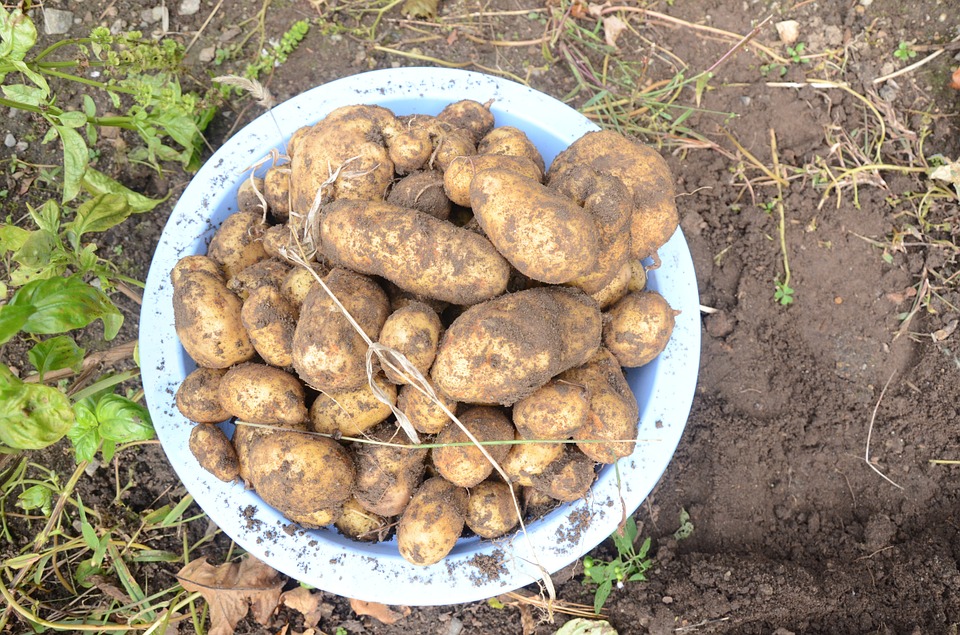
8. Potatoes – Potatoes are easy to start. You can expect a good yield in your first year of potatoes. Short season varieties will grow in as little as 2 months, but longer season varieties can take 3 months or more.


Extras


9. Honey – Honey is a fantastic sweetener on the homestead and comes with lots of nutritional benefit. Plus, bees pollinate your crops. However, bees take a while to get production ramped up. Your first year harvest will be very small, but in the second year you can harvest up to 30 pounds of surplus honey from one hive (leaving the bees something to eat over the winter).


If self-sufficiency is your goal, then don’t wait to start on projects like these. Even if you’re still buying most of your food, developing your homestead so you can begin slowly weaning yourself away from doing so, means you won’t have to spend your early years of self-sufficiency struggling to find food.


What advice would you add? What would you add to this list? Share it in the section below:


Discover The Secret To Saving Thousands At The Grocery Store. Read More Here.

Monday, July 17, 2017

The GMO Agenda Takes a Menacing Leap Forward with EPA’s Silent Approval of Monsanto/Dow’s RNAi Corn

The GMO Agenda Takes a Menacing Leap Forward with EPA’s Silent Approval of Monsanto/Dow’s RNAi Corn | GMO_RNAi_dangers | GMOs Science & Technology Special Interests


Without much more than a whisper from the mainstream media, Monsanto’s newest Frankenfood has received full EPA approval and will be arriving on dinner plates by the end of the decade. The implications of this are harrowing, to say the least. 


While you may not have made up your mind on the dangers of GMOs, you likely feel entitled to know when you’re consuming a food that is the product of laboratory research. For this reason, I am reporting on Monsanto’s latest food technology, unfortunately, already in the pipeline. And quite silently so. I write this with a certain degree of solemnity, if not also a tinge of regret, because, for three years, I have heard rumblings of Monsanto’s next project – RNA interference technology. It was actually the late Heidi Stevenson, my friend, colleague, and founder of the platform Gaia Health, who first alerted me to the dangers of RNA interference-based tinkering with our food supply when she reported on the near disastrous approval of GMO wheat using RNA interference technology in Australia. Thankfully a few brave scientists and informed public stood up and, together, averted the disaster. But since then, both the dangers and the breakneck speed of development of this technology have gone largely ignored, even among activists deep in the non-GMO movement. In order to truly appreciate the gravity of the situation, and why the EPA’s approval of RNAi corn intended for human consumption, is so concerning, it will first require a little background information on the fascinating topic of non-coding small RNAs, and their formidable relevance to our health.


How Non-Coding, Small RNAs Link Together The Entire Biosphere


One of the most important discoveries of our time is that all plants, including those we use for food and animal feed, contain a wide range of RNA molecules capable of inhibiting gene expression or translation. These non-coding RNA molecules neutralize targeted messenger RNA molecules (mRNAs), which prevents their translation into a protein, i.e. they “silence genes.”


Compelling research has surfaced suggesting that not only do these genome-regulating small RNA molecules exist in our foods, but that they are capable of surviving digestion, and being absorbed into our bodies fully intact where they alter, suppress or silence genes, post-transcriptionally. Moreover, some of these small RNAs — primarily microRNAs (miRNAs) and small interfering RNAs (siRNAs) — are believed to be cross-kingdom mediators of genetic information, making it possible for RNAs in one species impacting many others through both their active and passive exposure to them.


Food therefore is essentially an epigenetic modifier of gene expression, making it a form of information, and not only a source of bodily building blocks and caloric energy, as conventionally understood. As such, any significant changes to food or feed staples within our food chain could have powerful impacts on the physiological fate of those consuming them, essentially rewriting the functionality of our genomic hardware via software like changes in RNA profiles. The entire biosphere, therefore, is held together in a web-like fashion through these molecular RNA messengers, lending a plausible mechanism to the biotic aspect of Lovelock and Margulis’ Gaia theory of Earth as a self-regulating, meta-organism. You can learn more by reading my article Genetic Dark Matter, Return of the Goddess, and the Post-Science Era.


Monsanto and Co Capitalizing on RNA interference Technology


While this discovery will have profound implications for the field of nutrition and medicine, it has also created enormous interest among biotech and agricultural firms, namely, Monsanto and Dow, looking to capitalize on the design of proprietary products using interference (RNAi) technology. In mid June, last month Monsanto received EPA approval for a type of corn genetically altered to produce an RNA-based pesticidal agent (aka, a plant-incorporated protectant (PIP)) which lethally targets a metabolic pathway within the corn rootworm, known within the industry as the “billion dollar bug.” Branded as Smartstax PRO, the newly minted GMO plant produces a small, double-stranded RNA known as DvSnf7 dsRNA which disrupts a critical gene within the rootworm, causing its death. This was added on top of four other “stacked” GMO traits, such as the ability to produce two other pesticidal proteins (Cry1A.105 and Cry2Ab2), as well as survive exposure to both glyphosate (aka Monsanto’s Roundup 2) and Glufosinate (aka Dow’s Libertylink), highly toxic herbicides. Roundup, for instance, has demonstrated carcinogenicity in the parts per trillion range. Yet, the EPA considers it perfectly safe for consumers to ingest many orders of magnitude higher concentrations than that, proving its function as a cheerleader and not a regulator of the industry that controls our food supply.


The Atlantic, one of the only mainstream news outlets to report on the topic, pointed out how surprisingly low key the approval process was:


“The EPA’s decision attracted little attention from the press or even from environmental groups that reliably come out against new genetically modified crops.”


Bill Freese, The Center for Food Safety’s science policy analyst, told the Atlantic he was caught off guard by EPA’s decision to only allow 15 days of public comment, and the fact that it did not post its decision to the Federal Register, as it customary, especially considering how unprecedented the use of a RNAi insecticide in a plant intended for human consumption is. Monsanto anticipates the new corn will be on the market by the end of the decade.


The GMO Agenda Takes a Menacing Leap Forward with EPA’s Silent Approval of Monsanto/Dow’s RNAi Corn | rnai_corn_monsanto_greenmedinfo | GMOs Science & Technology Special Interests


One would imagine that such revolutionary technology would require short and long-term (decades) of safety testing before licensure. Instead, as is often the case with big-ticket market agendas, the product is being rushed to market. There are already significant biases in place within the EPA and USDA in regard to nucleic acids – assumptions that exempt them from cautionary considerations. RNA is considered Generally Accepted As Safe (GRAS), but this is because it is defined and perceived only as a physical substance rather than as the powerful signaling/informational molecule it is. The EPA’s approval of RNAi food crops ignores the fact that it takes a multi-generational timescale to understand the influence of epigenetic modifiers on the genome of a species, much less the human species, whose timescale is orders of magnitude beyond animal models used to establish much of the risk/benefit data used in pre-approval evaluations. RNAi interference technology promises specificity — one RNAi molecule change equals one gene suppressed — but ignores the virtually infinite possibility of unintended, adverse effects in what are incomprehensibly complex biological systems. Indeed, researchers have warned that RNAi can not only profoundly affect gene expression, but that the changes it induces can permanently alter a species through inherited traits 1:


“Once a silencing effect is initiated, the effect may be inherited. The biochemistry of this process varies depending on the organism and remains an area of active research with many unknown aspects. Nevertheless, it is known for example that human cells can maintain the modifications necessary for TGS, creating actual or potential epigenetic inheritance within tissues and organisms (Hawkins et al., 2009). In some cases the dsRNA pathways induce RNA-dependent DNA methylation and chromatin changes (TGS) that persist through reproduction or cell division, and in other cases the cytoplasmic pathways remain active in descendents (Cogoni and Macino, 2000).”


GM Technology and Unintended Consequences


Indeed, critics of RNA interference technology make the point that RNAi technology aims to target the production of a specific protein by identifying the sequence in question. But two or more genes can have sequence homologies. This means, as applies to the use of RNA interference in medicine, a gene that is targeted to turn off a “disease-causing gene” could have a number of off-target effects, one of which would be turning off a gene that is essential to health and vitality.


This is, in fact, what happened October of last year, when Alnylam Pharmaceuticals, a leading developer of RNAi drugs, announced it had decided to discontinue revusiran, its lead drug candidate, after an excess of deaths occurred in the experimental drug group versus placebo. This sent shockwaves throughout the overly exuberant RNAi drug industry, reducing their stock 6% on average.


The GMO Agenda Takes a Menacing Leap Forward with EPA’s Silent Approval of Monsanto/Dow’s RNAi Corn | crash | GMOs Science & Technology Special Interests


Criticisms of RNAi in the agricultural sector are long-standing among the highly informed. For instance, Jonathan Latham, Ph.D. and Allison Wilson, Ph.D., wrote a seminal paper on the topic over a decade ago titled “Off-target effects of plant transgenic RNAi: three mechanisms lead to distinct toxicological and environmental hazards,” wherein 3 of the primary safety concerns are addressed: 1) Off target effects leading to non-specific down-regulation of plant RNAs 2) Off target effects affecting non-target invertebrates feeding on plant material 3) potential effects on mammals. In mammals, long (>30 bp) perfectly duplexed RNAs (such as are typically produced by plant RNAi transgenes) are Pathogen Associated Molecular Patterns (PAMPS) and are consequently highly potent triggers of innate anti-viral defences. The effects of long dsRNAs on mammalian cellular functions are typically profound and extend to complete inhibition of protein translation and cell death. Nevertheless, the implications of such molecules in  the mammalian diet have hardly been tested.


That’s quite a serious list of concerns. As you can see, concern #3 includes the possibility that these dsRNAs may lead to protein translation and cell death. Clearly if the EPA has declared Monsanto and Dow’s new RNAi corn safe for human consumption, they would need to prove this a non-issue.


Monsanto Falling On Their Own ‘Peer-Reviewed’ Sword


Surprisingly, Monsanto itself has produced one of the most damning papers on the topic yet. Several years ago I stumbled upon a study funded by Monsanto that raised a number of red flags for me. Titled, “Endogenous small RNAs in grain: Semi-quantification and sequence homology to human and animal genes,” researchers employed by Monsanto in their St. Louis, MO, laboratory analyzed the presence of endogenous small RNAs in common food and feed staples — soybeans, corn, rice — discovering that hundreds of these plant RNAs had a perfect 100% complementary match to human genes as well as other mammals.


The GMO Agenda Takes a Menacing Leap Forward with EPA’s Silent Approval of Monsanto/Dow’s RNAi Corn | monsanto_rnai.jpg | GMOs Science & Technology Special Interests


Why is this significant? Endogenous small RNAs, such as small interfering RNAs (siRNAs) and microRNAs (miRNAs), are effector molecules of RNA interference (RNAi), which is a gene suppression mechanism found in plants, mammals, and other eukaryotes. The implication, therefore, of Monsanto’s finding is that plant RNAs — were they capable of surviving digestion and accumulating in target tissues to physiologically relevant concentrations — are capable of epigenetically silencing hundreds of genes within the human body. Below you will find a list of the RNA/gene matches between rice and the human genome:


The GMO Agenda Takes a Menacing Leap Forward with EPA’s Silent Approval of Monsanto/Dow’s RNAi Corn | 3.jpg | GMOs Science & Technology Special Interests


The GMO Agenda Takes a Menacing Leap Forward with EPA’s Silent Approval of Monsanto/Dow’s RNAi Corn | 2.jpg | GMOs Science & Technology Special Interests


Despite the abundance of perfect 100% complementarity matches listed above, Monsanto’s conclusion was a conveniently pollyannish dismissal of the safety implications of these findings, stating that:


“The abundance of endogenous small RNA molecules in grain from safely consumed food and feed crops such as soybean, corn, and rice and the homology of a number of these dietary small RNAs to human and animal genomes and transcriptomes establishes a history of safe consumption for dietary small RNAs.”  


While this may be true for traditionally used plants, it does not follow that genetically modified organisms would necessarily be safe because non-GMO versions are. [The pseudo-scientific conceptual ploy of “substantial equivalency behind traditional and GMO cultivars has been the basis for the approval of GMOs since their inception.] Monsanto’s conclusion relates to the fact that it has invested a great amount of resources into developing proprietary RNAi-based organisms which help it to maintain and further expand its monopolizing control on the global food supply.


Additionally, one of their primary justifications for concluding the safety of endogenous plant RNAs on human health was that: “…there does not appear to be any evidence in the scientific literature suggesting that intact RNA is absorbed following ingestion.” This bold claim has been disproven. The Monsanto paper was written in 2008, 3 years before the groundbreaking discovery of Zhang et al published in the Cell Research, entitled,”Exogenous plant MIR168a specifically targets mammalian LDLRAP1: evidence of cross-kingdom regulation by microRNA,” wherein it was demonstrated that human subjects fed rice containing the microRNA MIR168a have measurable amounts of it present in their blood and tissue, and that it binds to the lipoprotein receptor adapter protein in the liver. More succinctly:


“These findings demonstrate that exogenous plant miRNAs in food can regulate the expression of target genes in mammals.”


Since then, a hotly contested debate has ensued, which is understandable, given the increasingly politicized and financially-motivated nature of scientific debate and findings.


Here’s Monsanto’s conclusion about the safety of RNAi-based food technology:


“Based on this evidence it can be concluded that RNAi-mediated regulation of gene expression in biotechnology-derived crops is as safe for food and feed use as conventional crops that harness RNAi-based gene regulation as one of several ways to achieve new plant traits. The safety of future crops generated through applications of RNAi should thus be evaluated for safety using the existing comparative safety assessment paradigm, which has been developed for biotechnology-derived Crops.”


First of all, the “evidence” they are referring to is based on an axiomatic absurdity: equating the absence of evidence with evidence of absence. In other words, you can’t prove this negative: “that a hazard does not exist” because positivistic proof of anything requires that you demonstrating something, not nothing.


Let’s also not overlook the conflict of interest statement at the end of their paper: “All authors are employees of the Monsanto Company. The  Monsanto Company is an agricultural company that produces,” which speaks to Monsanto’s long history of funding science that denies safety risks of their products, such as the Roundup-Cancer link, which now even the California EPA accepts as fact.


The Heart of the Problem


In a seminal paper published in 2016 in Trends in Microbiology, entitled, “How Our Other Genome Controls Our Epi-Genome,” it is proposed that the very RNAs biotech/agrochemical companies like Monsanto and Dow are tinkering with in our food should be reconsidered as part of the definition of our species versus the conventional view that it is just something informationally inert that we eat and exists “out there.” Using a revised version of Da Vinci’s Vitruvian man, as pictured below, they propose that there are 4 inseparable parts of our species: 1) human cells 2) human microbiota and other bacteria 3) Fungi and Viruses 4) Food.


The GMO Agenda Takes a Menacing Leap Forward with EPA’s Silent Approval of Monsanto/Dow’s RNAi Corn | vitruvian_man_rnai_corn_greenmedinfo-1 | GMOs Science & Technology Special Interests


As you can see, because of the interconnectivity and “social networking” functionalities of RNAs packaged in microvesicles called exosomes, all four parts of this new definition of man become united in an indivisible whole. Because these RNAs packed in edible exosomesepigenetically active, the food we eat “literally talks to our mRNA and DNA,” as I have explained in greater detail here:  “Amazing Food Science Discovery: Edible Plants ‘Talk’ To Animal Cells, Promote Healing.”


As we have seen in Monsanto’s own paper on the topic, foods contain hundreds of small RNAs whose 100% complementarity match with human genes imply they can directly impact, and even silence those genes. This silencing is not necessarily “bad,” but it is clear that we are tinkering with a design that we are only just beginning to understand, much less know how to ascertain the risks of and properly regulate. But, considering that Monsanto’s research reveals how intricately connected the human and the food genomes are are — and furthermore, that post-2008 research has surfaced showing Monsanto was wrong and plant RNAs from food do have direct impacts on human genome/epigenome expression — it is highly irresponsible for them to continue to claim that food manipulation technologies will not have unintended, adverse effects in principle. Sadly, with the EPAs approval of four new RNAi forms of corn already completed, and likely many more on the way, we may be stuck with secondary and much slower forms of recourse: post-marketing, epidemiological surveillance of exposed populations, where patterns of disease can take decades if not generations to surface — and then with so many confounding factors at play, not with any certainty.


That said, I believe education and the awareness it generates is our best bet at countermanding the widespread acceptance of this highly experimental and obviously dangerous form of genetic engineering. As has been the case recently with glyphosate being classified as a carcinogen by the California EPA, and a growing mainstream movement to fight the forced feeding of non-labeled GMO laden products (March Against Monsanto), the tides are turning. Please help us spread this information far and wide.


References


Heinemann JA, Agapito-Tenfen SZ, Carman JA. A comparative evaluation of the regulation of GM crops or products containing dsRNA and suggested improvements to risk assessments. Environ Int. 2013 May;55:43-55. doi: 10.1016/j.envint.2013.02.010. Epub 2013 Mar 20. PubMed PMID: 23523853.


© July 17, 2017 GreenMedInfo LLC. This work is reproduced and distributed with the permission of GreenMedInfo LLC. Want to learn more from GreenMedInfo? Sign up for the newsletter here http://www.greenmedinfo.com/greenmed/newsletter.

The GMO Agenda Takes a Menacing Leap Forward with EPA’s Silent Approval of Monsanto/Dow’s RNAi Corn

The GMO Agenda Takes a Menacing Leap Forward with EPA’s Silent Approval of Monsanto/Dow’s RNAi Corn | GMO_RNAi_dangers | GMOs Science & Technology Special Interests


Without much more than a whisper from the mainstream media, Monsanto’s newest Frankenfood has received full EPA approval and will be arriving on dinner plates by the end of the decade. The implications of this are harrowing, to say the least. 


While you may not have made up your mind on the dangers of GMOs, you likely feel entitled to know when you’re consuming a food that is the product of laboratory research. For this reason, I am reporting on Monsanto’s latest food technology, unfortunately, already in the pipeline. And quite silently so. I write this with a certain degree of solemnity, if not also a tinge of regret, because, for three years, I have heard rumblings of Monsanto’s next project – RNA interference technology. It was actually the late Heidi Stevenson, my friend, colleague, and founder of the platform Gaia Health, who first alerted me to the dangers of RNA interference-based tinkering with our food supply when she reported on the near disastrous approval of GMO wheat using RNA interference technology in Australia. Thankfully a few brave scientists and informed public stood up and, together, averted the disaster. But since then, both the dangers and the breakneck speed of development of this technology have gone largely ignored, even among activists deep in the non-GMO movement. In order to truly appreciate the gravity of the situation, and why the EPA’s approval of RNAi corn intended for human consumption, is so concerning, it will first require a little background information on the fascinating topic of non-coding small RNAs, and their formidable relevance to our health.


How Non-Coding, Small RNAs Link Together The Entire Biosphere


One of the most important discoveries of our time is that all plants, including those we use for food and animal feed, contain a wide range of RNA molecules capable of inhibiting gene expression or translation. These non-coding RNA molecules neutralize targeted messenger RNA molecules (mRNAs), which prevents their translation into a protein, i.e. they “silence genes.”


Compelling research has surfaced suggesting that not only do these genome-regulating small RNA molecules exist in our foods, but that they are capable of surviving digestion, and being absorbed into our bodies fully intact where they alter, suppress or silence genes, post-transcriptionally. Moreover, some of these small RNAs — primarily microRNAs (miRNAs) and small interfering RNAs (siRNAs) — are believed to be cross-kingdom mediators of genetic information, making it possible for RNAs in one species impacting many others through both their active and passive exposure to them.


Food therefore is essentially an epigenetic modifier of gene expression, making it a form of information, and not only a source of bodily building blocks and caloric energy, as conventionally understood. As such, any significant changes to food or feed staples within our food chain could have powerful impacts on the physiological fate of those consuming them, essentially rewriting the functionality of our genomic hardware via software like changes in RNA profiles. The entire biosphere, therefore, is held together in a web-like fashion through these molecular RNA messengers, lending a plausible mechanism to the biotic aspect of Lovelock and Margulis’ Gaia theory of Earth as a self-regulating, meta-organism. You can learn more by reading my article Genetic Dark Matter, Return of the Goddess, and the Post-Science Era.


Monsanto and Co Capitalizing on RNA interference Technology


While this discovery will have profound implications for the field of nutrition and medicine, it has also created enormous interest among biotech and agricultural firms, namely, Monsanto and Dow, looking to capitalize on the design of proprietary products using interference (RNAi) technology. In mid June, last month Monsanto received EPA approval for a type of corn genetically altered to produce an RNA-based pesticidal agent (aka, a plant-incorporated protectant (PIP)) which lethally targets a metabolic pathway within the corn rootworm, known within the industry as the “billion dollar bug.” Branded as Smartstax PRO, the newly minted GMO plant produces a small, double-stranded RNA known as DvSnf7 dsRNA which disrupts a critical gene within the rootworm, causing its death. This was added on top of four other “stacked” GMO traits, such as the ability to produce two other pesticidal proteins (Cry1A.105 and Cry2Ab2), as well as survive exposure to both glyphosate (aka Monsanto’s Roundup 2) and Glufosinate (aka Dow’s Libertylink), highly toxic herbicides. Roundup, for instance, has demonstrated carcinogenicity in the parts per trillion range. Yet, the EPA considers it perfectly safe for consumers to ingest many orders of magnitude higher concentrations than that, proving its function as a cheerleader and not a regulator of the industry that controls our food supply.


The Atlantic, one of the only mainstream news outlets to report on the topic, pointed out how surprisingly low key the approval process was:


“The EPA’s decision attracted little attention from the press or even from environmental groups that reliably come out against new genetically modified crops.”


Bill Freese, The Center for Food Safety’s science policy analyst, told the Atlantic he was caught off guard by EPA’s decision to only allow 15 days of public comment, and the fact that it did not post its decision to the Federal Register, as it customary, especially considering how unprecedented the use of a RNAi insecticide in a plant intended for human consumption is. Monsanto anticipates the new corn will be on the market by the end of the decade.


The GMO Agenda Takes a Menacing Leap Forward with EPA’s Silent Approval of Monsanto/Dow’s RNAi Corn | rnai_corn_monsanto_greenmedinfo | GMOs Science & Technology Special Interests


One would imagine that such revolutionary technology would require short and long-term (decades) of safety testing before licensure. Instead, as is often the case with big-ticket market agendas, the product is being rushed to market. There are already significant biases in place within the EPA and USDA in regard to nucleic acids – assumptions that exempt them from cautionary considerations. RNA is considered Generally Accepted As Safe (GRAS), but this is because it is defined and perceived only as a physical substance rather than as the powerful signaling/informational molecule it is. The EPA’s approval of RNAi food crops ignores the fact that it takes a multi-generational timescale to understand the influence of epigenetic modifiers on the genome of a species, much less the human species, whose timescale is orders of magnitude beyond animal models used to establish much of the risk/benefit data used in pre-approval evaluations. RNAi interference technology promises specificity — one RNAi molecule change equals one gene suppressed — but ignores the virtually infinite possibility of unintended, adverse effects in what are incomprehensibly complex biological systems. Indeed, researchers have warned that RNAi can not only profoundly affect gene expression, but that the changes it induces can permanently alter a species through inherited traits 1:


“Once a silencing effect is initiated, the effect may be inherited. The biochemistry of this process varies depending on the organism and remains an area of active research with many unknown aspects. Nevertheless, it is known for example that human cells can maintain the modifications necessary for TGS, creating actual or potential epigenetic inheritance within tissues and organisms (Hawkins et al., 2009). In some cases the dsRNA pathways induce RNA-dependent DNA methylation and chromatin changes (TGS) that persist through reproduction or cell division, and in other cases the cytoplasmic pathways remain active in descendents (Cogoni and Macino, 2000).”


GM Technology and Unintended Consequences


Indeed, critics of RNA interference technology make the point that RNAi technology aims to target the production of a specific protein by identifying the sequence in question. But two or more genes can have sequence homologies. This means, as applies to the use of RNA interference in medicine, a gene that is targeted to turn off a “disease-causing gene” could have a number of off-target effects, one of which would be turning off a gene that is essential to health and vitality.


This is, in fact, what happened October of last year, when Alnylam Pharmaceuticals, a leading developer of RNAi drugs, announced it had decided to discontinue revusiran, its lead drug candidate, after an excess of deaths occurred in the experimental drug group versus placebo. This sent shockwaves throughout the overly exuberant RNAi drug industry, reducing their stock 6% on average.


The GMO Agenda Takes a Menacing Leap Forward with EPA’s Silent Approval of Monsanto/Dow’s RNAi Corn | crash | GMOs Science & Technology Special Interests


Criticisms of RNAi in the agricultural sector are long-standing among the highly informed. For instance, Jonathan Latham, Ph.D. and Allison Wilson, Ph.D., wrote a seminal paper on the topic over a decade ago titled “Off-target effects of plant transgenic RNAi: three mechanisms lead to distinct toxicological and environmental hazards,” wherein 3 of the primary safety concerns are addressed: 1) Off target effects leading to non-specific down-regulation of plant RNAs 2) Off target effects affecting non-target invertebrates feeding on plant material 3) potential effects on mammals. In mammals, long (>30 bp) perfectly duplexed RNAs (such as are typically produced by plant RNAi transgenes) are Pathogen Associated Molecular Patterns (PAMPS) and are consequently highly potent triggers of innate anti-viral defences. The effects of long dsRNAs on mammalian cellular functions are typically profound and extend to complete inhibition of protein translation and cell death. Nevertheless, the implications of such molecules in  the mammalian diet have hardly been tested.


That’s quite a serious list of concerns. As you can see, concern #3 includes the possibility that these dsRNAs may lead to protein translation and cell death. Clearly if the EPA has declared Monsanto and Dow’s new RNAi corn safe for human consumption, they would need to prove this a non-issue.


Monsanto Falling On Their Own ‘Peer-Reviewed’ Sword


Surprisingly, Monsanto itself has produced one of the most damning papers on the topic yet. Several years ago I stumbled upon a study funded by Monsanto that raised a number of red flags for me. Titled, “Endogenous small RNAs in grain: Semi-quantification and sequence homology to human and animal genes,” researchers employed by Monsanto in their St. Louis, MO, laboratory analyzed the presence of endogenous small RNAs in common food and feed staples — soybeans, corn, rice — discovering that hundreds of these plant RNAs had a perfect 100% complementary match to human genes as well as other mammals.


The GMO Agenda Takes a Menacing Leap Forward with EPA’s Silent Approval of Monsanto/Dow’s RNAi Corn | monsanto_rnai.jpg | GMOs Science & Technology Special Interests


Why is this significant? Endogenous small RNAs, such as small interfering RNAs (siRNAs) and microRNAs (miRNAs), are effector molecules of RNA interference (RNAi), which is a gene suppression mechanism found in plants, mammals, and other eukaryotes. The implication, therefore, of Monsanto’s finding is that plant RNAs — were they capable of surviving digestion and accumulating in target tissues to physiologically relevant concentrations — are capable of epigenetically silencing hundreds of genes within the human body. Below you will find a list of the RNA/gene matches between rice and the human genome:


The GMO Agenda Takes a Menacing Leap Forward with EPA’s Silent Approval of Monsanto/Dow’s RNAi Corn | 3.jpg | GMOs Science & Technology Special Interests


The GMO Agenda Takes a Menacing Leap Forward with EPA’s Silent Approval of Monsanto/Dow’s RNAi Corn | 2.jpg | GMOs Science & Technology Special Interests


Despite the abundance of perfect 100% complementarity matches listed above, Monsanto’s conclusion was a conveniently pollyannish dismissal of the safety implications of these findings, stating that:


“The abundance of endogenous small RNA molecules in grain from safely consumed food and feed crops such as soybean, corn, and rice and the homology of a number of these dietary small RNAs to human and animal genomes and transcriptomes establishes a history of safe consumption for dietary small RNAs.”  


While this may be true for traditionally used plants, it does not follow that genetically modified organisms would necessarily be safe because non-GMO versions are. [The pseudo-scientific conceptual ploy of “substantial equivalency behind traditional and GMO cultivars has been the basis for the approval of GMOs since their inception.] Monsanto’s conclusion relates to the fact that it has invested a great amount of resources into developing proprietary RNAi-based organisms which help it to maintain and further expand its monopolizing control on the global food supply.


Additionally, one of their primary justifications for concluding the safety of endogenous plant RNAs on human health was that: “…there does not appear to be any evidence in the scientific literature suggesting that intact RNA is absorbed following ingestion.” This bold claim has been disproven. The Monsanto paper was written in 2008, 3 years before the groundbreaking discovery of Zhang et al published in the Cell Research, entitled,”Exogenous plant MIR168a specifically targets mammalian LDLRAP1: evidence of cross-kingdom regulation by microRNA,” wherein it was demonstrated that human subjects fed rice containing the microRNA MIR168a have measurable amounts of it present in their blood and tissue, and that it binds to the lipoprotein receptor adapter protein in the liver. More succinctly:


“These findings demonstrate that exogenous plant miRNAs in food can regulate the expression of target genes in mammals.”


Since then, a hotly contested debate has ensued, which is understandable, given the increasingly politicized and financially-motivated nature of scientific debate and findings.


Here’s Monsanto’s conclusion about the safety of RNAi-based food technology:


“Based on this evidence it can be concluded that RNAi-mediated regulation of gene expression in biotechnology-derived crops is as safe for food and feed use as conventional crops that harness RNAi-based gene regulation as one of several ways to achieve new plant traits. The safety of future crops generated through applications of RNAi should thus be evaluated for safety using the existing comparative safety assessment paradigm, which has been developed for biotechnology-derived Crops.”


First of all, the “evidence” they are referring to is based on an axiomatic absurdity: equating the absence of evidence with evidence of absence. In other words, you can’t prove this negative: “that a hazard does not exist” because positivistic proof of anything requires that you demonstrating something, not nothing.


Let’s also not overlook the conflict of interest statement at the end of their paper: “All authors are employees of the Monsanto Company. The  Monsanto Company is an agricultural company that produces,” which speaks to Monsanto’s long history of funding science that denies safety risks of their products, such as the Roundup-Cancer link, which now even the California EPA accepts as fact.


The Heart of the Problem


In a seminal paper published in 2016 in Trends in Microbiology, entitled, “How Our Other Genome Controls Our Epi-Genome,” it is proposed that the very RNAs biotech/agrochemical companies like Monsanto and Dow are tinkering with in our food should be reconsidered as part of the definition of our species versus the conventional view that it is just something informationally inert that we eat and exists “out there.” Using a revised version of Da Vinci’s Vitruvian man, as pictured below, they propose that there are 4 inseparable parts of our species: 1) human cells 2) human microbiota and other bacteria 3) Fungi and Viruses 4) Food.


The GMO Agenda Takes a Menacing Leap Forward with EPA’s Silent Approval of Monsanto/Dow’s RNAi Corn | vitruvian_man_rnai_corn_greenmedinfo-1 | GMOs Science & Technology Special Interests


As you can see, because of the interconnectivity and “social networking” functionalities of RNAs packaged in microvesicles called exosomes, all four parts of this new definition of man become united in an indivisible whole. Because these RNAs packed in edible exosomesepigenetically active, the food we eat “literally talks to our mRNA and DNA,” as I have explained in greater detail here:  “Amazing Food Science Discovery: Edible Plants ‘Talk’ To Animal Cells, Promote Healing.”


As we have seen in Monsanto’s own paper on the topic, foods contain hundreds of small RNAs whose 100% complementarity match with human genes imply they can directly impact, and even silence those genes. This silencing is not necessarily “bad,” but it is clear that we are tinkering with a design that we are only just beginning to understand, much less know how to ascertain the risks of and properly regulate. But, considering that Monsanto’s research reveals how intricately connected the human and the food genomes are are — and furthermore, that post-2008 research has surfaced showing Monsanto was wrong and plant RNAs from food do have direct impacts on human genome/epigenome expression — it is highly irresponsible for them to continue to claim that food manipulation technologies will not have unintended, adverse effects in principle. Sadly, with the EPAs approval of four new RNAi forms of corn already completed, and likely many more on the way, we may be stuck with secondary and much slower forms of recourse: post-marketing, epidemiological surveillance of exposed populations, where patterns of disease can take decades if not generations to surface — and then with so many confounding factors at play, not with any certainty.


That said, I believe education and the awareness it generates is our best bet at countermanding the widespread acceptance of this highly experimental and obviously dangerous form of genetic engineering. As has been the case recently with glyphosate being classified as a carcinogen by the California EPA, and a growing mainstream movement to fight the forced feeding of non-labeled GMO laden products (March Against Monsanto), the tides are turning. Please help us spread this information far and wide.


References


Heinemann JA, Agapito-Tenfen SZ, Carman JA. A comparative evaluation of the regulation of GM crops or products containing dsRNA and suggested improvements to risk assessments. Environ Int. 2013 May;55:43-55. doi: 10.1016/j.envint.2013.02.010. Epub 2013 Mar 20. PubMed PMID: 23523853.


© July 17, 2017 GreenMedInfo LLC. This work is reproduced and distributed with the permission of GreenMedInfo LLC. Want to learn more from GreenMedInfo? Sign up for the newsletter here http://www.greenmedinfo.com/greenmed/newsletter.

Saturday, April 29, 2017

Niacin (Vitamin B3) Found to Prevent Cannibalism in “Weird” Study

Weird news, or news that at least looks weird on the surface, is everywhere. This round of weird news comes out of the Universite de Strasbourg in France, where Tissier and colleagues uncovered how niacin – also known as vitamin B3 – can actually prevent cannibalism among some animals.


In the study, the researchers identified wild hamsters that were eating diets mostly made up of corn. These hamsters were exhibiting siblicide (killing siblings) and maternal infanticide (mothers killing their own children). The mother hamsters eating only corn would keep their young babies with their stashes of corn, and eat them too!


This and siblicide were so frequent that only 5% of the babies whose mothers were fed corn survived. In those whose mothers had varied diets, 80% survived. The good news is that these corn diets had to be supplemented only with niacin (vitamin B3) to prevent the cannibalism. Just one vitamin!


This research also raises the question of how our knowledge of nutrition may have shaped world events. Compulsory niacin fortification began around the same time as society began to change from “let’s see how many people we can kill/conquer” to “let’s rebuild” and more individualistic mentalities.


Before this, niacin deficiency was common even in North America, as roller mill processing left out the alkali-soaking technique, previously employed by the ancient Aztecs and Mayans, which enables niacin to be absorbed by our digestive systems.


While they were far from anti-war hippies, extreme poverty and struggling for survival was a firmly-entrenched norm around the world until the 19th century. And even though the West is now seen as a paragon of wealth and freedom, niacin deficiency disease, known as pellagra, has killed over 100,000 people every year in the southern USA until the vitamin was discovered and added to packaged food. [1]


It also adds further weight to orthomolecular medicine, a concept which has been studied and practiced for decades. While this category of therapies, involving large doses of vitamins, is commonly known for high-dose vitamin C to treat infections, niacin can also be used in this way for a range of conditions. This may even include so-called “genetic” diseases.


In fact, some researchers say that around 50 genetic diseases caused by defects in enzyme-producing genes could be treated by high doses of the enzyme’s vitamin component, which would at least partially restore its production. Mental health issues may be some of the problems treatable by niacin too, as population studies have shown a link between high-corn (therefore, low niacin) diets and higher levels of violence.


However, treating clinical mental health issues would require high-quality supplementation at therapeutic doses, and a qualified professional to prescribe it.


Sources:


[1] Orthomolecular


Storable Food


Thursday, January 12, 2017

3 ‘Survival Crops’ That Store (Naturally) More Than 1 Year

3 ‘Survival Crops’ That Store (Naturally) More Than 1 Year

Image source: Pixabay.com


If you’re growing or foraging your own food for winter storage, there are plenty of options for keeping your family fed in the early days of winter. Many root crops, fruits and greens can keep for a few months cool and out of direct sun, even without a proper root cellar.


As the winter presses on, though, options start to dwindle and there are fewer and fewer choices in dependable home-raised crops that will take you all the way through the hunger gap into the first productive days of late spring and early summer. Nonetheless, humans survived millennia without refrigeration and long-term food shipments, so there’s plenty to get your family by.


There are multiple reasons you should look into long-term storage crops. What if spring and early summer crops fail? What happens when a full summer’s worth of crops fail and you’re heading into winter again, with just what you still have on hand?


In 2013 the Northeast experienced record rainfall and cloud cover in June, meaning that the growing conditions were more like an average northeast November. Crops rotted in the ground, and normally dependable summer and long-season fall crops were delayed by months or could not be grown at all. Looking back further, the year 1816 was dubbed “the year without a summer” because a volcanic eruption caused widespread climate problems, and many areas experienced blizzards and hard frosts literally every single month of the year.


Looking For Non-GMO Seeds? Get Them From A Company You Can Trust!


Of course, you also could pressure can, salt cure or dehydrate food to increase storage life, all of which require either special equipment or considerable time and effort to ensure that a food that would otherwise spoil stays palatable for longer than it would on its own.


There is a better way. By selecting foods that naturally store for extended periods of time without specialized effort or processing, you ensure survival and food security with minimal extra effort and in general minimize your consumption of processed foods of any sort. There’s something to be said for providing your own home grown, long-term food security, all without the need of special equipment or elaborate processing.


1. Nuts


3 ‘Survival Crops’ That Store (Naturally) More Than 1 Year

Image source: Pixabay.com


While annual gardens and fruit orchards tend to get a lot of attention for providing food self-sufficiency, nut trees are a great investment to provide a stable fat and protein source to balance out your family’s diet. They have the added benefit of a long storage life, especially at cool temperatures.   All nuts keep best unroasted and left in the shell.


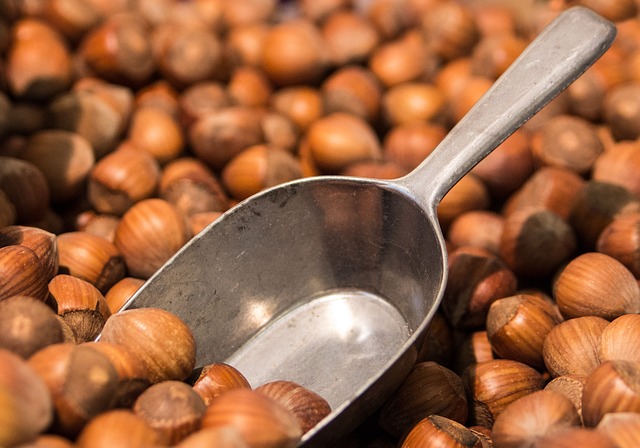
Hazelnuts, a high-yielding, easy-to-grow home crop, can keep up to two years held between 32 and 50 degrees Fahrenheit (in a cool unheated basement), or for just over a year at 50-60 (F) degrees in a back closet on the north side of your house in cooler regions. They have the added benefit of being one of the most versatile nuts, because they can be grown anywhere between zone 4 and 9 successfully. There are even some zone 3 cultivars.


Pecans come in second place in nut shelf life, and can keep just over a year at cool, unheated basement temperatures. Very high fat nuts such as walnuts don’t keep quite as well as the others, but remain good for 9-12 months at cool temperatures.


Be sure to check your nuts for rancidity by smell before eating them. Nevertheless, rancid or not, it won’t harm you to eat them during an emergency situation as long as they don’t have visible mold or pest infestation.


2. Dried corn and beans


3 ‘Survival Crops’ That Store (Naturally) More Than 1 Year

Image source: Pixabay.com


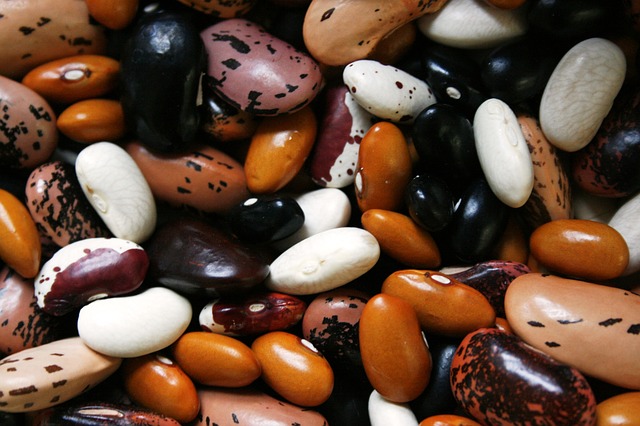
While many forms of grain and staple legumes store for extended periods of time, dry corn and beans are the most practical for growing and processing at home without equipment. Beans and corn can be harvested, cleaned, dried and stored all by hand without specialized equipment, unlike other grains such as wheat. If dried thoroughly to a low moisture content and kept cool, home dried corn and beans can last 2-3 years, without the need to invest in long-term storage options like vacuum sealing and oxygen absorbers. With the additional investment to reduce or eliminate oxygen, corn and beans can hold successfully for up to 10 years.


3. Honey and maple


Natural sweeteners like honey and maple are full of beneficial enzymes and micro-nutrients, not to mention a ready source of calories, and they boast considerable shelf lives. Honey, if kept uncontaminated and well-sealed from moisture, can last at room temperature indefinitely. Maple syrup, packaged very hot into glass jars such Mason jars, has very long shelf life potential – upwards of 50 year or more. Maple manufacturers recommend a storage life in glass of no more than four years for optimum flavor, assuming the jar is unopened. Maple stored in plastic jugs should not be kept more than 1-2 years, and metal jugs are only rated for six months of storage life.


What would you add to our list? Are there other foods you grow and store for long-term survival? Share your tips in the section below:


Bust Inflation With A Low-Cost, High-Production Garden. Read More Here.