Showing posts with label honey. Show all posts

Tuesday, February 27, 2018

Is Honey A Cancer-Killing Agent?

Is Honey A Cancer-Killing Agent? | manuka-honey | Natural Medicine Special Interests


Most of us know honey as a sweet treat, but few are aware of its powerful cancer killing properties.


Honey is a superlative healing food.  We know it has over 69 health benefits, as confirmed by the biomedical literature itself. But did you know it could be of profound benefit in diseases as life threatening and seemingly incurable as cancer?


Indeed, a study published the journal Molecules looked at the role of honey in positively impacting the development and progression of tumors or cancers. The review identified the presence of flavonoids and phenolic acids in honey as the primary anti-cancer compounds involved in its beneficial properties.


According to the study, flavonoids are biologically active natural compounds with a 15-carbon (C6-C3-C6) structure, comprising two benzene rings joined by a heterocyclic pyrane ring, with honey containing the following:


Interestingly, many of these flavonoids are classified as phytoestrogens, which are phytochemicals structurally similar to mammalian estrogens and therefore can bind to estrogen receptors.  While many of these honey-derived flavonoids have been demonstrated to have both inhibitory and stimulatory effects, the vast majority of the cell (in vitro) and animal (in vivo) studies have demonstrated the anti-breast and estrogen sensitive cancer properties of these compounds, indicating that flavonoid rich honeys are likely to positively influence estrogenic activity in estrogen-receptor positive cancers.


Furthermore, some honeys – such as Tualang honey – exhibit the property of selective cytotoxicity, meaning they target cancer cells by inducing programmed cell deathwhile leaving non-cancerous cells unharmed. This is extremely different than the mechanism of action behind conventional chemotherapy agents and radiotherapywhich indiscriminately target both healthy and cancerous tissue, often conferring increased survival advantage to the most tumorigenic cells themselves: cancer stem cells.


Unlike chemotherapy and radiotherapy, natural compounds commonly exhibit this ‘do no harm’ property when it comes to healthy tissue, while at the same time being exceptionally effective at targeting the harmful cells.


Honey Better than Chemotherapy?


Another recent study compared the effect of Tualang honey with that of the pharmaceutical tamoxifen (an estrogen receptor antagonist) in two breast cancer cell lines (MCF-7 and MDA-MB-231). The study found that the anti-cancer effect of tualang honey on breast cancer cells was comparable to that of tamoxifen, a multi-billion dollar blockbuster drug. This is all the more remarkable, considering that Tamoxifen is classified by the World Health Organization and the American Cancer Society to be a human carcinogen, and is technically a xenobiotic chemical – inherently toxic and biologically alien to human physiology.


Honey Kills Cancer in Animals


According to the study, animal research has established honey’s significant anti-cancer properties, specifically in regard to inhibiting metastasis (invasiveness):


“Several studies have also confirmed the antimetastic, antiproliferative and anticancer effects of honey on breast tumor or cancer in rodents. In a murine (mammary carcinoma) tumor model, the anti-metastatic effect of honey when applied before tumor-cell inoculation has been reported [40]. The antimetastatic effect of honey may be due to its flavonoids such chrysin which have been shown to inhibit the metastatic potential of human breast cancer cells [41]. Similarly, a study investigated the antitumor effect of two honey samples containing different phenolic contents against Ehrlich ascites and solid carcinoma. Both honeys were found to markedly inhibit the growth of Ehrlich ascites carcinoma, but the honey containing higher phenolic content exerted a greater antitumor effect [42]. Research carried out by Tomasin and Gomes-Marcondes investigated the effects of combined Aloe vera and honey on tumor growth and cell proliferation against Walker 256 carcinoma implant in Wistar rats. Both agents were found to suppress tumor growth and inhibit cell proliferation [43].”


Honey Kills A Wide Range of Cancers


The review focused on the potential of honey to affect a variety of cancers, including:


  • Liver Cancer: Gelam honey has been found to kill liver cancer cells, exhibiting selective cytotoxicity, anti-angiogenic, cytotoxic, and anti-proliferative properties, in both cell and animal research.

  • Colorectal Cancer: gelam and nenas monofloral honeys exhibit anti-cancer properites in colorectal cell lines.

  • Prostate Cancer: Greek honeys (thyme, pine and fir honey) have been found to exhibit anti-proliferative properties.

  • Other Forms of Cancer: There has been a battery of studies on the anti-cancer properties of honey, focusing on the following types: a) bladder b) endometrial c) renal cell carcinoma d) skin cancer cells e) cervical f) non-small cell lung cancer g) mouth cancer h) bone cancer (osteosarcoma).


What are the Mechanisms of Honey’s Anti-Cancer Properties?


There are a wide range of observed mechanisms of honey’s cancer-killing properties, which include:


  • Cell Cycle Arrest – The normal process of cancer cell replication is halted.

  • Activation of the Mitochondrial Pathway – compounds or agents such as honey rich in flavonoids that are capable of activating mitochondrial pathway and release of proteins such as cytochrome C are considered potential cytotoxic (cell killing) agents.

  • Induction of Mitochondrial Outer Membrane Permeabilization  – The induction of mitochondrial outer membrane permeabilization (MOMP) leads to leakage of intermembrane space proteins into the cytosol and consequently causing cell death

  • Induction of Programmed Cell Death (Apoptosis): The activation of a “cell death” program designed to protect against cancer.

  • Modulation of Oxidative Stress: It is believed that honey’s antioxidant properties may nip one of the fundamental processes in cancer’s progression – oxidative stress – in the bud.

  • Amelioration of Inflammation: Inflammation is at the root of many cancers, and since honey is able to suppress it, it is can significant impact carcinogenesis.

  • Modulation of Insulin Signaling: Because cancer is associated with increased insulin resistance and honey is capable of reducing insulin resistance, it is believed to mitigate a major driving factor in carcinogenesis.

  • Inhibition of Angiogenesis: Honey has been found to inhibit the fundamental process of cancer expansion (the production of a new blood supply) by inhibiting angiogenesis.


The study reviewed all possible avenues through which honey suppressed cancer, with 20 depicted in the image below:


Is Honey A Cancer-Killing Agent? | Screen-Shot-2014-05-05-at-2_25_55-AM | Natural Medicine Special Interests


The study concluded with following summarization:


“Honey is a natural product that shows potential effects to inhibit or suppress the development and progression of tumor and cancer. Its antiproliferative, antitumor, antimetastic and anticancer effects are mediated via diverse mechanisms, including cell cycle arrest, activation of mitochondrial pathway, induction of mitochondrial outer membrane permeabilization, induction of apoptosis, modulation of oxidative stress, amelioration of inflammation, modulation of insulin signaling, and inhibition of angiogenesis in cancer cells. Honey is highly and selectively cytotoxic against tumor or cancer cells while it is non-cytotoxic to normal cells. It can inhibit cancerogenesis by modulating or interfering with the molecular processes or events of initiation, promotion, and progression stages. It, therefore, can be considered a potential and promising anticancer agent which warrants further research—both in experimental and clinical studies.”


The post Is Honey A Cancer-Killing Agent? appeared first on The Sleuth Journal.

Thursday, November 23, 2017

Should Honey Be Considered A Breast Cancer RX?

Should Honey Be Considered A Breast Cancer RX? | honey | Natural Medicine Special Interests


Breast cancer treatment can have devastating effects on quality of life, but recently two bee products have been found to significantly reduce some their most common adverse effects.  


Few things are as dissonant to me as the use of so-called “anti-hormone drugs” in breast cancer patients to prevent recurrence. Not only are these drugs extremely toxic, with Tamoxifen classified by the World Health Organization as a known carcinogen and a list of over two dozen adverse effects associated with their use on our database, but their much tauted “life saving” benefits may only be theoretical. Furthermore, their use is often completely unjustified given the prevalence of breast cancer overdiagnosis.


First, the Problem with Breast Cancer Overdiagnosis


For those who are not yet aware, it has been estimated that thousands of women each year are subject to breast cancer overdiagnosis.  Overdiagnosis is actually a technical-sounding euphemism. What is actually happening is that women are being erroneously told they have breast cancer when they actually have benign lesions, such as the commonly misunderstood ductal carcinoma in situ (DCIS), which most of the time would never progress to cause symptoms, much less bodily harm. Even when in rare cases overdiagnosis is identified before the patient undergoes unnecessary treatment, the psychological and physical trauma that follows the initial error can have lasting adverse health effects.


Most overdiagnosis goes unrecognized and results in overtreatment, which includes unnecessary lumpectomy, mastectomy, radiation and chemotherapies. It has been estimated that 1.3 million US women were wrongly diagnosed and treated for breast cancer in the past 30 years for conditions that even the National Cancer Institute’s expert panel in 2013 determined are intrinsically benign and should not be called “cancer” at all.


Following treatment, most “breast cancer survivors” (or, more accurately, “survivors of overdiagnosis and overtreatment”) are given so-called hormone suppressive drug therapies, with Arimidex and Tamoxifen the most commonly used in the category. These drugs happen to be produced by Astra Zeneca, which maintains control of Breast Cancer Awareness Month, a monthly promotional campaign to encourage healthy, symptomless women to subject themselves to x-ray mammography, the result of which is significant increases in diagnoses of “early stage,” or “zero stage” breast lesions such as DCIS, as well as increases in drug sales – a conflict of interest that is as obvious as it is unethical.


The Need for Integrative Medical Approaches: Enter Honey and Bee Pollen


But the world is not perfect. The time lag between the emergence of new medical truth and clinical practice can span decades, and with the growing number of Stockholm syndrome afflicted overdiagnosed and overtreated patients doing whatever they are told by their “saviors” following treatment, the reality is that hormone suppressive drugs will continue to be promoted and used by thousands of women, no matter what we write here or how many references we back up our research with.


Because I have personally witnessed and worked with dozens of women who have experienced not only the original traumas and side effects of breast cancer treatment, but also the subsequent hair loss, fatigue, hot flashes, libido crashes, etc., that are often caused by drugs like Arimidex and Tamoxifen, I am reporting on a new study published in Molecular and Clinical Oncology titled, Bee pollen and honey for the alleviation of hot flushes and other menopausal symptoms in breast cancer patients,” which at least offers some palliative support to attenuate these side effects, while also having potential side benefits as well, including anti-cancer properties.


Hormone suppressive drugs commonly result in discontinuation.[1] Some of the side effects are themselves treated with potent psychotropics like Prozac (fluoxetine) and Lyrica (gabapentin), leading to a downward spiral that can be more dangerous to one’s health than the original theoretical cancer risk the original prescriptions are being used for.[2]  The new study aimed to test the hypothesis that bee pollen could be helpful in reducing the menopausal-type symptoms that are caused by chemical hormone suppression, as was recently evidenced by a trial that showed pollen extracts reduced hot flashes and improved quality of life in menopausal women.[3]


Interestingly, the researchers used honey as a placebo, but found that it was as effective as bee pollen at reducing patient symptoms.


The study design and results were described in the abstract as follows:


We compared a pollen-honey mixture with pure honey(placebo) in a prospective, randomized crossover trial in breast cancer patients receiving anti-hormonal treatment. The menopausal complaints were assessed using the Menopause Rating Scale (MRS). A total of 46 patients were recruited; 68.3% (28/41) of the patients reported an improvement in their symptoms while taking honey, compared with 70.9% (22/31) who reported an improvement with pollen (the difference was non-significant). The results were confirmed by significant improvements in the postmenopausal complaints in the two groups in a pre-post analysis in the MRS and its 3 subscales. This study provided evidence that honey and bee pollen may improve the menopausal symptoms of breast cancer patients on antihormonal treatment.” [emphasis added]


The study authors raised a flag of caution regarding the honey’s ability to raise estrogen levels in patients. If the goal of reducing breast cancer recurrence and hormone suppressive drugs like Arimidex is to reduce estrogen levels and/or estrogen activity in the body, clearly this is not a good thing. And yet, estrogenic substances like genistein in soy, enterodiol in flaxseed and resveratrol in grapes have been identified to have potent anti-breast cancer properties. Furthermore, the unsophisticated idea that “estrogen is a carcinogen,” without qualifying by type, estrogen receptor activity and specificity, etc., has been a fundamental part of the  success of the estrogen-blocking drug manufacturers’ promotional copy. The reality, however, is that naturally-induced, and/or naturally mimicking estrogen activity (as is commonly found with phytoestrogens) may be preventive and even therapeutic against breast and other hormone sensitive cancers. This should be taken into account when you read the study’s concluding remarks:


In conclusion, this study provided evidence that honey and bee pollen improve menopausal symptoms in breast cancer patients receiving antihormonal treatment. As we observed an increase in the serum levels of oestradiol with honey treatment in patients receiving aromatase inhibitors/inactivators, and due to evidence regarding the effect of honey and bee pollen on ovarian function and the direct effects of these products, honey and bee pollen should be used with caution in cancer patients. Whether this caution is justified remains to be established. As previously mentioned, the scepticism regarding soy products also does not appear to be justified, according to Chi et al (13). Honey and bee pollen may be offered to women who have failed to respond to other reasonable alternatives to cope with postmenopausal symptoms (e.g., acupuncture) and who would otherwise discontinue treatment. However, the fact that flavonoids, which are found in both honey and pollen, have been found to prevent breast cancer, supports the use of both products in women with menopausal problems without a history of breast cancer. The use of honey and pollen for menopausal complaints in healthy women and patients with breast cancer should be addressed in future trials.”


The study’s findings could be considered a double-edged sword. For instance, women who would normally discontinue hormone suppressive drugs from their side effects (i.e. their body telling them the drug is a bad idea) might stay on them longer while using honey or bee pollen to mask or mitigate the warning signs of incompatibility and/or accumulating toxicity (i.e. like taking an aspirin for a toe pain caused by a splinter that simply needs to be removed). While prolonging medication compliance may be construed as a “good” thing from the conventional perspective, it may also simply enable patients to maintain a suboptimal or misguided drug-based protocol longer. The ultimate outcome, therefore, is they may end up being at higher risk of Tamoxifen-induced liver or endometrial cancer because they were able to stay on it longer: clearly not a “good” outcome.


Thankfully, there is another factor that may help to resolve the dilemma: honey may actually have anti-cancer properties by itself. If this is true, honey certainly can not be looked at simply as a palliative, side-effect reducing adjunct to conventional drug-based treatment.


Plenty of Natural Alternatives Exist and Have Been Researched


Indeed, there may be safer and more effective ways to prevent breast cancer recurrence by using natural anti-hormone and anti-cancer substances. For instance, there are a wide range of natural aromatase inhibitors (“estrogen blockers”) which have been studied to have potential anti-breast cancer properties.  Here is a section on our database on Aromatase Inhibitors. Also, we have amassed a vast database of research on natural anti-breast cancer substances, nutritional protocols and CAM modalities. You can investigate the research on our database: Breast Cancer research.


My hope in writing this article is that for those who have their minds made up that they are going to stay on drugs like Tamoxifen or Arimidex that their side effects can be reduced naturally. However, I also hope that those who are looking for more natural alternatives to these drugs, and to a more root cause resolution-based model of addressing breast cancer (including investigating whether or not their original diagnoses were even valid), will benefit from exploring other approaches that offer more sustainable solutions than the palliative use of natural interventions in the integrative model which still gives conventional medicine the dominant position.


References


[1] Results of the ATAC (Arimidex, Tamoxifen, Alone or in Combination) trial after completion of 5 years’ adjuvant treatment for breast cancer. Howell A, Cuzick J, Baum M, Buzdar A, Dowsett M, Forbes JF, Hoctin-Boes G, Houghton J, Locker GY, Tobias JS, ATAC Trialists’ Group Lancet. 2005 Jan 1-7; 365(9453):60-2. [PubMed]


[2] A randomized, controlled, double-blinded clinical trial of gabapentin 300 versus 900 mg versus placebo for anxiety symptoms in breast cancer survivors. Lavigne JE, Heckler C, Mathews JL, Palesh O, Kirshner JJ, Lord R, Jacobs A, Amos E, Morrow GR, Mustian K Breast Cancer Res Treat. 2012 Nov; 136(2):479-86. [PubMed]


[3] Femal, a herbal remedy made from pollen extracts, reduces hot flushes and improves quality of life in menopausal women: a randomized, placebo-controlled, parallel study. Winther K, Rein E, Hedman C Climacteric. 2005 Jun; 8(2):162-70. [PubMed]


© November 23, 2017 GreenMedInfo LLC. This work is reproduced and distributed with the permission of GreenMedInfo LLC. Want to learn more from GreenMedInfo? Sign up for the newsletter here http://www.greenmedinfo.com/greenmed/newsletter.


The post Should Honey Be Considered A Breast Cancer RX? appeared first on The Sleuth Journal.

Wednesday, October 18, 2017

5 Amazing Healing Honey Facts

5 Amazing Healing Honey Facts | honey | Natural Medicine Special Interests


Honey, unlike almost everything else we consume in our diet, was intended solely to be a form of nourishment – albeit, for the bees.  Only milk, to my knowledge, shares this singular biological imperative. But honey is far more than a source of sweetness and quick energy within the human diet.


It has profound medicinal applications, some of which are as follows:


  • Feeds the good bacteria: it is a little-known fact that bees have a diverse population of beneficial lactic acid bacteria (LAB) in their honey crop, the bulge between the esophagus and the gizzard of the bee. In fact, according to newly published research in PLoS, “studies of LAB in all extant honeybee species plus related apid bees reveal one of the largest collections of novel species from the genera Lactobacillus and Bifidobacterium ever discovered within a single insect and suggest a long (>80 mya) history of association.”[i]  Indeed, raw honey feeds good bacteria. It has been experimentally demonstrated in in vitro (petri dish) conditions to increase the number of Lactobacillus acidophilus and Lactobacillus plantarum counts 10-100 fold compared with sucrose.[ii]

  • Fights the “bad” bacteria, i.e. MRSA: Reports of honey eradicating MRSA infection have been reported in the medical literature for well over a decade.[iii]  MRSA, an acronym for methicillin-resistant Staphylococcus aureus, produces a biofilm which makes it especially resistant to conventional antimicrobial agents. Honey has been shown to be effective at killing biofilm-associated MRSA isolates from patients suffering from chronic rhinosinusitus.[iv] This has also been demonstrated in human research, with a 70% effective rate in destroying MRSA in chronic venous ulcers.[v]  Moreover, manuka also synergizes with conventional antibiotics making MRSA bacterial isolates more susceptible to their antibacterial action.[vi]

  • Kills Dental Plaque-Causing Bacteria: Manuka honey, a special honey produced by the flowers of the manuka plant that grows in New Zealand and Australia, was shown at least as effective as the chemical chlorhexidine gluconate, often used in mouthwash, in reducing plaque formation as a mouthwash.[vii]

  • Superior to Pharmaceutical at Killing Herpes:  A 2004 study published in the Medical Science Monitor, showed that topical  honey was far superior to the drug acyclovir (trade name Zovirax) in treating both labial (lip) and genital herpes lesion. According to the amazing study “For labial herpes, the mean duration of attacks and pain, occurrence of crusting, and mean healing time with honey treatment were 35%, 39%, 28% and 43% better, respectively, than with acyclovir treatment. For genital herpes, the mean duration of attacks and pain, occurrence of crusting, and mean healing time with honey treatment were 53%, 50%, 49% and 59% better, respectively, than with acyclovir. Two cases of labial herpes and one case of genital herpes remitted completely with the use of honey. The lesions crusted in 3 patients with labial herpes and in 4 patients with genital herpes. With acyclovir treatment, none of the attacks remitted, and all the lesions, labial and genital, developed crust. No side effects were observed with repeated applications of honey, whereas 3 patients developed local itching with acyclovir.”[viii]

  • Protective Against Gastric Damage: Honey has been shown to prevent alcohol-, indomethacin- (a NSAID pain-killer) and aspirin-induced lesions.[ix]

This is just a sampling of the research indicating the profound medicinal value of honey. If you would like to view the full range of demonstrable health benefits of honey, take a look at our page dedicated to the topic which now includes research 60+ ailments and/or symptoms which may benefit from its use.  Bee well!


[i] Alejandra Vásquez, Eva Forsgren, Ingemar Fries, Robert J Paxton, Emilie Flaberg, Laszlo Szekely, Tobias C Olofsson Symbionts as major modulators of insect health: lactic acid bacteria and honeybees. PLoS One. 2012 ;7(3):e33188. Epub 2012 Mar 12. PMID: 22427985


[ii] T R Shamala, Y Shri Jyothi, P Saibaba Stimulatory effect of honey on multiplication of lactic acid bacteria under in vitro and in vivo conditions. Lett Appl Microbiol. 2000 Jun ;30(6):453-5. PMID: 10849275


[iii] S Natarajan, D Williamson, J Grey, K G Harding, R A Cooper Healing of an MRSA-colonized, hydroxyurea-induced leg ulcer with honey. J Dermatolog Treat. 2001 Mar;12(1):33-6. PMID: 12171686


[iv] Talal Alandejani, Joseph Marsan, Wendy Ferris, Robert Slinger, Frank Chan Effectiveness of honey on Staphylococcus aureus and Pseudomonas aeruginosa biofilms. Otolaryngol Head Neck Surg. 2009 Jul;141(1):114-8. Epub 2009 Mar 9. PMID: 19559969


[v] G Gethin, S Cowman Bacteriological changes in sloughy venous leg ulcers treated with manuka honey or hydrogel: an RCT. J Wound Care. 2008 Jun;17(6):241-4, 246-7. PMID: 18666717


[vi] Rowena E Jenkins, Rose Cooper Synergy between oxacillin and manuka honey sensitizes methicillin-resistant Staphylococcus aureus to oxacillin. J Antimicrob Chemother. 2012 Mar 1. Epub 2012 Mar 1. PMID: 22382468


[vii] Prathibha A Nayak, Ullal A Nayak, R Mythili Effect of Manuka honey, chlorhexidine gluconate and xylitol on the clinical levels of dental plaque. Contemp Clin Dent. 2010 Oct ;1(4):214-7. PMID: 22114423


[viii] Noori S Al-Waili Topical honey application vs. acyclovir for the treatment of recurrent herpes simplex lesions. Med Sci Monit. 2004 Aug;10(8):MT94-8. Epub 2004 Jul 23. PMID: 15278008


[ix] Kamel Gharzouli, Smain Amira, Akila Gharzouli, Seddik Khennouf  Gastroprotective effects of honey and glucose-fructose-sucrose-maltose mixture against ethanol-, indomethacin-, and acidified aspirin-induced lesions in the rat. Exp Toxicol Pathol. 2002 Nov;54(3):217-21. PMID: 12484559


© October 18, 2017 GreenMedInfo LLC. This work is reproduced and distributed with the permission of GreenMedInfo LLC. Want to learn more from GreenMedInfo? Sign up for the newsletter here http://www.greenmedinfo.com/greenmed/newsletter.


Create your own review


Average rating:  

 0 reviews


Monday, September 18, 2017

Honey: The Old-Fashioned Wound Treatment That Still Works Today

Honey: The Old-Fashioned Wound Treatment That Still Works Today

Image source: Pixabay.com


Honey is a homesteader’s dream. Produced as a necessary byproduct of a honey bee colony’s pollination of your precious plants, honey is a fantastic addition to a meal or beverage (or—and we know you do it—for eating right out of the jar). But did you know that honey also can save your life?


Since 50 A.D. (and possibly even earlier), honey has been utilized as a powerful healing agent. Historians track one of the first uses to the Greek physician Dioscorides as a treatment for sunburn and inflamed wounds. Even the Bible references honey’s mystical healing properties.


Honey has powerful wound care capabilities that enable the quick, efficient healing of skin damage and infection. Whether you accidentally burned yourself, have ulcers, or even hosting a small bacterial infection, that delicious jar of honey might be your savior.


Finally, A Backup Generator That Doesn’t Require Gasoline!


Various studies have proven that honey, when used as a topical ointment, not only clears infections but also prevents wounds from spreading infections. Scarring is dramatically reduced, and honey can help remove some of the odors associated with healing wounds. Honey’s anti-inflammatory properties also help to reduce pain.


Not without its faults, honey can become contaminated with germs from plants and bees, as well as during collection and processing. Some bacteria, such as the bacterium that causes botulism, can remain despite honey’s powerful properties, so it’s wise to use honey collected from a germ-free hive that has not been treated with antibiotics. Don’t use honey for wound treatment if it was collected in an area that contains plants treated with pesticides. Although most raw, natural honeys are suitable for use as wound treatment, there are commercial products available to mitigate any risk. Medihoney, a store-bought filtered honey, is an example of an available product that has been treated by gamma-irradiation to reduce the likelihood of contamination.


However, untreated raw honey has such strong germ-fighting properties that most contamination cannot survive. In fact, honey is effective against many antibiotic-resistant strains of bacteria. These antibacterial properties include the ability of honey to release low levels of hydrogen peroxide (the quantity depending, of course, on the type of honey used). It has even been used as a prophylactic for patients liable to contract MRSA or other antibiotic-resistant strains of bacteria. It has been reported to inhibit over 60 different types of bacteria, as well as some fungi.


The effectiveness of honey as a topical treatment will vary based on its source. Although any type of honey contains strong antibacterial properties, many physicians argue that Manuka honey or medical grade honey work best at treating infection. Manuka honey is the only variety of honey approved by the United States Federal Drug Administration as a recommended option for wound treatment.


Manuka honey is formed from pollen gathered from the Manuka bush. Typically farmed in New Zealand and Australia, Manuka honey can help clear many common infections. It has the ability to treat serious infections, including scalded skin, rashes, staph infections and even boils. Clover honey is another popular choice as a topical ointment because it contains high amounts of potassium, iron and vitamin B, along with crucial antioxidants to fight disease.


Some may argue that only Manuka or medicinal honey will suffice as topical ointments. However, these claims are typically unfounded. Although these aforementioned types of honey are the most effective at treating wounds, any type of raw honey will work as a wound treatment. Raw honey is that which has not been treated with heat (such as through the pasteurization process). Heat-treated honey loses nutrients and valuable antibacterial properties.


However, do not, under any circumstances, use store-bought Grade A honey for wound care. Store-bought, processed honey often contains high-fructose corn syrup, which can spread infection. Since it has been treated with pasteurization, many of the valuable characteristics of the product are lost, as well.


Before using honey, make sure you thoroughly clean the wound first with warm water, soap and, if possible, rubbing alcohol or hydrogen peroxide. Then, apply a healthy layer of honey over the wound. Substantial amounts may be needed, so use as much as possible without making too much of a mess. You should correlate the amount of honey you use to how much fluid is coming out of your wound (gross—but true).


Wrap the wound carefully, being sure to cover any exposed areas. Change your wound dressings whenever the honey becomes too diluted and begins to run. If spreading honey directly on your skin becomes too cumbersome, there are also over-the-counter, prepacked wound dressings that contain honey which are significantly less messy.


The amount of honey required on the wound relates to the amount of fluid exuding from the wound diluting it. The frequency of dressing changes required will depend on how rapidly the honey is being diluted by exudate. If there is no exudate, dressings need to be changed twice weekly to maintain a “reservoir” of antibacterial components as they diffuse into the wound tissues.


Honey is an ideal wound treatment for many homesteaders, as it does not require any refrigeration or special storage. It lasts indefinitely without developing mold or bacteria. Unlike many common antibiotics, honey doesn’t require a prescription, and it has no adverse side-effects. Make sure your first-aid kit and medicine cabinets are fully stocked—and try not to eat all of your supply first!


How have you used honey to heal? Share your tips in the section below:

Saturday, September 2, 2017

Off-Grid Medicine: 4 Things Every Homesteader Should Grow

Off-Grid Medicine: 4 Things Every Homesteader Should Grow

Turmeric powder. Image source: Pixabay.com


When I think about medical issues out on the homestead or any other off-grid lifestyle, my thoughts naturally drift toward a well-stocked first-aid kit and maybe a pair of crutches. I am immensely careless where and how I am walking and am prone to deeply entertaining — yet humiliating — falls.


But enough about me.


What is often overlooked are the minor (and not so minor) discomforts of daily life. Things like sore backs, pounding headaches, cramps and rashes. And let’s be honest with ourselves for just a bit; life on the homestead is not always a walk in the park.


Burns, sprains and poison ivy in less-than-ideal places are all things we face. If we are preparing for long-term sustainability or have made the off-grid choice a permanent lifestyle, it is wise to consider how we will handle all manner of medical care.


After all, the local pharmacy may be hours of travel away.


Learn How To Make Powerful Herbal Medicines, Right in Your Kitchen!


It is with this in mind that I have compiled the following four remedies that can easily be sustained on the typical homestead. In no way is this a complete list, but I feel that it addresses some of the most common maladies. If you don’t already grow them, then consider including them in your upcoming garden plans.


1. Turmeric


Latin name: Curcumae longae


What it’s good for: anti-inflammatory. Taken orally, turmeric has shown great potential for alleviating joint pain and has shown efficacy in slowing the progression of rheumatoid arthritis in rats. When transformed into an essential oil, it is effective against athlete’s foot and other fungal infections.


Where it grows: It is a tropical plant and thrives in warm, humid climates but will grow in any part of the world that has temperate summers. It will die in the winter if not brought inside.


What part to use: The root is dried and made into a powder. This is a component in the favorite spice of India — curry. Also, it can be used fresh if kept refrigerated or distilled into an essential oil for topical purposes.


2. Feverfew


Latin name: Tanacetum parthenium


What it’s good for: Headaches. Particularly migraines. It has also been traditionally used for reducing fever and aiding with digestive problems. So if you happen to be unfortunate enough to be experiencing a sour stomach and a migraine at the same time, this is your herb.


Where it grows: Native to Eurasia, it is now found across the globe, including North America and Europe. Given full exposure to the sun, it will grow to near weed-like status outside its native regions.


What part to use: The leaf, preferably dried and powdered. Although a common practice, chewing the leaves can lead to ulcerations in the mouth.


Note: May interact with blood thinners. This herb should not be used by women who are pregnant.


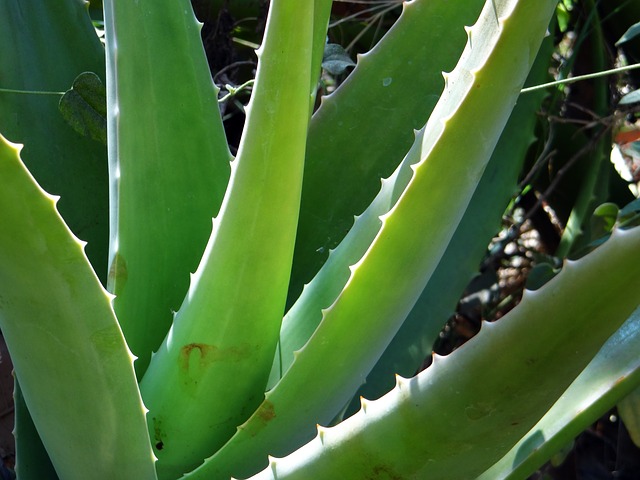
3. Aloe Vera


Off-Grid Medicine: 4 Things Every Homesteader Should Grow

Image source: Pixabay.com


Latin name: Aloe Vera


What it’s good for: All manner of skin irritations and rashes. Although not in itself a cure, the gel that can be harvested from the inner part of the plant’s “leaves” or stalks is a natural and effective soothing agent.


Where it grows: The Arabian Peninsula and North Africa, although it can be grown indoors anywhere – and outside in many climates.


What part to use: The gel, which is found inside its stalks. Apply liberally to affected areas accordingly.


4. Honey (locally sourced)


What it’s good for: Cold and flu symptoms and immune system. Honey, particularly when it is local and raw, is a Swiss Army knife of medicinal remedies and preventatives. Honey possesses a wealth of antioxidants and has demonstrated antibacterial and antiviral properties. When it has come from local hives, it can actually assist in relieving allergies. This is due to the honey containing small amounts of local pollen. Sort of like a tasty, sweet allergy shot. It also has been the go-to remedy for sore throats and coughs for centuries. The fact that it is delicious just adds to its appeal.


Where it is harvested: Anywhere in the world where honeybees thrive.


What part to use: The liquid honey as well as the honeycomb are wonderful additions to your pantry. Remember those antibacterial properties we talked about previously? Well, those same medicinal qualities happen to make for a very long shelf life. The honey will likely crystalize over time, but the quality of it is not compromised.  To return it to its original liquid form, simply place the jar in a warm water bath.


Final Thought


Remember that with herbal remedies, more is not always better and in some cases can even be dangerous. There are a wealth of easily cultivated and sustainable remedies that are available to the average homesteader. Take the opportunity to become educated on the various plants and their uses, and you will be on your way to a more healthy and sustainable medicine cabinet.


This article is for informational purposes only and is not intended to diagnose or cure any particular health condition. Please consult with a qualified health professional to determine which treatments are right for you and any individual health condition(s) that you may have.


What would you add to this list? Share your tips in the section below:


If You Like All-Natural Home Remedies, You Need To Read Everything That Hydrogen Peroxide Can Do. Find Out More Here.

Wednesday, July 19, 2017

The Natural Pantry: A Long-Term Storage Guide For Honey

The Natural Pantry: A Long-Term Storage Guide For Honey | jars-of-honey | Organic Market Classifieds PreparednessSurvival


Raw, unfiltered, unpasteurized honey has been a pantry staple for centuries. In the far stretches of human history, honey was stored for food, making wine and used for medicinal purposes. Theystored raw, unfiltered honey in porous, sealed jars and stacked them in cold caves. In fact, recently, scientists examined five-millennia-plus-old jars of honey unearthed in Georgia and declared that the artifacts contain the world’s oldest honey. This only proves that honey can stand the test of time – but there is no guarantee it will. If improperly stored, honey can crystallize or ferment. This article will explain the what, when and why’s of how to perfectly store your honey for long-term use, as well as explain what mistakes to avoid.


There are more than 300 different types of honey in the United States, each with a unique flavor and color depending on the blossoms visited by the honey bees. In fact, the coloring of honey is largely dependent on which flower pollen it collects. For instance, honey is a darker color when nectar is collected from blossoms of avocado and buckwheat, while nectar collected from blueberries, alfalfa, clover and sage are lighter in color.  In general, the lighter the color of honey, the milder the flavor.


The Natural Pantry: A Long-Term Storage Guide For Honey | honey-shades | Organic Market Classifieds PreparednessSurvival Shades of honey

Where to Find Bulk Honey


Buying honey at the store can be expensive, especially in bulk quantities. For years, my husband and I were purchasing five pound containers of honey for over $20, when we could have purchased it for much cheaper from local distributors. I was lucky to find a local honey supplier in my area that sells us 20 pounds of honey at a time for a better deal. This is enough for a year supply of honey for my family. We usually end up purchasing one to use for the year and another for long-term storage. As well, farmers markets are great for finding local produce, meat and honey. I have also found locals selling honey through Craigslist. If you plan on purchasing honey from a local supplier, make sure they can answer these questions:


  1. What are the kinds of flowers the bees have been foraging on?

  2. Is it organic honey?

  3. Do they mix the honey with any additives?

  4. Has the honey been filtered to remove pollen?

Read more about the importance of buying raw, unfiltered honey and where to find it.


Properly Storing Honey


As dependable as honey is in a crisis, it can be finicky if not stored properly. Where and how you store honey makes a huge difference. If honey is stored in the wrong place, it’s viscosity, color, texture, aroma and flavor can change.


Like most of your pantry items, honey should be stored in a cool, dry area avoiding sunlight. The best storage temperature for honey is between 70-80°F, and is best if kept at a constant temperature with minimal fluctuations. Therefore, try to avoid storing honey near “hot or cold spots” in the home or by air conditioning or heating areas. If the temperature drops below 65°F, honey will begin to crystallize.


Interestingly, did you know that honey can be frozen? Liquid high-glucose honey that is frozen, will never crystallize and never lose vital nutrients. Although most preppers prefer not to concentrate their preparedness stores in the freezer, it can be used.


The main two points to keep in mind:


  • Honey should stay at a constant temperature with minimal fluctuations. Erratic temperature fluctuations can quickly cause the honey to stay in a perpetual state of crystallizing or liquefying. According to a Master Beekeeping Program hosted at Cornell University, if honey is stored at 77°F for 40 days, it will incur as much damage as honey heated to 145 °F for 60 minutes. The constant cool temperatures of root cellars (55°F) are perfect for storing creamed honey and will minimally affect the viscosity and texture.

  • Moisture can also greatly affect honey. Too much moisture, and it begins to ferment. If you see clear liquid floating on top a more solid brown honey mass, then the honey has started the fermentation process. While fermentation does not necessarily pose any health risk (mead by the way is fermented honey), it could destroy the integrity of the honey. As well, because honey absorbs moisture, it should be kept it in a tightly lidded container.

Best Containers for Re-Packing Honey:


  • Plastic food grade buckets – I have my long-term honey stored in 2-gallon containers. I avoid storing honey in 5-gallon containers for long-term storage because of the possibility of crystallization and fermentation. I’d rather lose a jar of honey than a pail of honey. Make sure that your containers are BPA free and food grade.

  • Glass canning jars – My short-term pantry is stocked with honey filled quart-sized (wide mouth) canning jars. These also make great gifts!

  • Plastic containers – Plastic containers and jars that once held honey are great for short-term storage, as well. However, if honey ferments, the pressure could pop the top off and cause a big mess.

  • Repurposed glass jars –  Glass jars can also be reused for other purposes. Make sure that the jars are thoroughly washed before reusing. If you do not have any jars to repurpose, these make excellent honey containers.

Keep in mind that because crystallization can easily occur, many suggest that if you purchase large quantities of honey for long-term storage, you should distribute it into smaller, more usable quantities to minimize any issues that may occur. That way, if it does solidify or crystallize, you can scoop out honey in smaller containers easier than the larger 5-gallon pails.


A Word on Crystallization


As much as we try to prevent crystallization in honey, it is a natural process. The higher the glucose/fructose level in your honey the faster it happens; as well, temperature fluctuations can also increase crystallization.


If your honey crystallizes, it is still edible – just not in the way you were expecting. Many suggest adding the crystallized honey to a double boiler and heating it up. While you can do this, it will destroy any health benefits honey offers. Crystallized honey is delicious in tea, on yogurt, on a toasted bagel, and on oatmeal. It can also be used as a glaze for cooking meat or vegetables. Moreover, you can make granulated or creamed honey by mixing one part of crystallized honey with 9 parts of liquid honey. Store it at 55 degrees°F until it becomes firm.


To conclude, those who are making attempts at storing natural foods in their pantry can do no wrong by storing honey. It is one of the most versatile preps you can have on hand and a viable investment in long-term preparedness planning. Use the above listed storage tips to make the most of your investment so you can enjoy this liquid sweetener for years to come.


Additional Resources:


‘Honeytime, Anytime’ booklet


USDA Honey Labeling


National Honey Board

Saturday, July 15, 2017

10 Delicious Ways To Infuse Honey

10 Delicious Ways To Infuse Honey | herbal-infused-honey | General Health


Infusing honey with fruit or herbs is a great way to add enhanced taste to honey, as well as additional health benefits. In the wintertime, I regularly make lemon, ginger infused honey and elderberry syrup to boost my family’s immune system, but have never made infused honeys for edible enjoyment. I decided to give it a try and came up with some delightful infusions I wanted to share.


Infused honeys can be enjoyed on fresh fruit, oatmeal, breads, desserts, smoothies, beverages, marinades and even drizzled over yummy homemade yogurt. All you need is your favorite honey (I bought mine from a local beekeeper) and your favorite herbs.


There are two methods in making infused honey: 1. Fast method which involves slowly heating the honey until it reaches a temperature of 185 F (85C) for ten minutes. I prefer not to use this method, as it may kill off the beneficial parts of the honey. 2. The slow method involves allowing the honey to sit in the herbs and/or spices for two weeks. This method may be slow, but you will know that the health benefits are still there.


Infused Honey


  • Fresh or dried herbs: Lavender, Rose petals, Lemon Balm, Chamomile, Basil, Ginger, Sage, Peppermint, Cinnamon, Vanilla, Star Anise, Rosemary, and Thyme are just a few of the many options.

  • Raw, unfiltered, unpasteurized honey

  • Empty tea bags or cheese cloth

  • Kitchen string

  • Glass jar

  1. To prevent added bacteria, wash and completely dry off any fresh herbs or flowers you plan on using. As well, if you are using citrus zest, grate your citrus rinds the night before to allow it to dry out.

  2. On a cutting board, chop or muddle the spices to release the aromatic flavors.

  3. Place loose herbs and spices in tea bag or cheesecloth and tie with string to keep the bag remained closed.

  4. Pour honey over the top of the tea bag, filling the jar. Use a chopstick or skewer to stir the honey, then top off the jar with additional honey if needed. Screw lid on tightly.

  5. Allow flavors to infuse for two weeks. Tip: Invert your honey jar whenever your tea bag floats to the surface to keep your herbs and spices submerged and to mix the honey ever so slightly.

  6. Open jar and remove tea bag. Replace your jar lid, screwing it on tightly.

Read these tips of properly storing honey.


1. Lemon-Rosemary Honey


This is great for marinades


  • 1 tablespoon dried, grated lemon zest (allow fresh lemon zest to sit on a windowsill overnight)

  • 1 1/4  teaspoons dried or 2 fresh rosemary sprigs

  • Honey


2. Vanilla Bean-Cardamom Honey


Delicious on desserts


  • 1 vanilla bean, chopped

  • 1 heaping tablespoon cardamom pods (about 25)

  • Honey

3. Vanilla Orange Honey


A nice addition to hot or cold tea


  • 2 tablespoon dried, grated orange zest (about 1/2 large orange)

  • 1/2 Chopped Vanilla Bean

  • Honey

4. Hot Pepper Honey


Great for marinades or drizzled to steamed vegetables


  • 1 jalapeno or 2 teaspoons pepper/chili seeds (can be substituted with other peppers)

  • Honey

5. Cinnamon-Anise Honey


  • 5 sticks of cinnamon

  • 3 anise stars

  • Honey

6. Sage Honey


This one is great for upper respiratory issues


  • 1/2 cup fresh sage leaves

  • 1 tablespoon dried, grated lemon zest

  • Honey

7. Rose Petal Honey


  • Rose petals from 5 roses

  • Honey

8. Lavender-Vanilla Honey


  • 3 tablespoons of culinary grade lavender buds

  • 1 vanilla bean, chopped

  • Honey

9. Ginger-Clove Vanilla Honey


  • 2 tablespoons fresh ginger, grated

  • 6 whole cloves

  • Honey

10. Chamomile Lemon Balm Honey


A wonderful honey that soothes and relaxes


  • 2 tablespoons chamomile

  • 1 tablespoon lemon balm leaves

  • Honey

So there you have it – ten delicious recipes to start out with. You will love the results and see how easy it really is. Happy Infusing!


Friday, June 23, 2017

Buying Local Honey: What You Need To Know

Buying Local Honey: What You Need To Know | local-honey | General Health Organic Market Classifieds Organics


One of my favorite long-term food choices in our pantry is honey. Storing honey is a popular choice amongst preppers. After all, its versatility coupled with the capacity to last a lifetime is a perfect investment for your long-term food stores. Many are aware of the additives put into honey and ultra-filtering that inevitably removes all of the health benefits it possesses in its natural state. In fact, recent laboratory tests have revealed that 76% of the honey purchased in common chain grocery stores has been ultra filtered.


Why Buy Local?


Buying locally will ensure you get the purest form of honey around. As well, purchasing in bulk quantities will help you add to your natural prepper pantries and save a buck at the same time. When raw honey is left in its natural state and is unfiltered, it contains pollen, enzymes, antioxidants and many other beneficial compounds that researchers are just beginning to learn about.


Buying Local Honey: What You Need To Know | honey-vs-raw-honey | General Health Organic Market Classifieds Organics


Benefits of Raw Honey


  • Has anti-bacterial, anti-viral, and anti-fungal properties.

  • Due to its low water content, it’s a poor environment for the growth of harmful bacteria.

  • Acts a cough suppressant and soothes a sore or scratchy throat.

  • Boosts immunity, and protects against infections in wounds.

  • May improve blood sugar control and insulin sensitivity.

  • Contains phytonutrients, which have been shown to possess cancer-preventing and anti-tumor properties.

  • Honey from certain flower sources contain friendly bacteria that are good for digestion.

  • Minor source of vitamins B2 and B6, copper, iron, manganese.

Where to Find Local Honey


A few years ago, I was lucky to find a local honey supplier in my area that sells us 20 pound buckets of honey. For a family of five, (see food calculator here) this is enough honey for a year for my family. We usually end up purchasing one to use for the year and another for long-term storage. I have found that scouting out local farmers markets can put you in direct contact with local beekeepers who are more than willing to sell you honey on a regular basis. As well, they have other great products they can sell you like bee pollen, beeswax, royal jelly, and even a beehive, if you are interested. Additionally, farmers markets are great for finding local produce, meat and other food sources. I have also found beekeepers selling honey through Craigslist.


What to Ask Local Honey Suppliers


Today, I wanted to share some tips with you about buying and locating local honey sources. If you plan on purchasing honey from a local supplier, make sure they can answer these questions:


  1. What are the kinds of flowers the bees have been foraging on? Knowing the kind of flowers that the bees used for nectar and pollen will give you a good indication of how robust the flavor of the honey will be.

  2. Do they mix the honey with any additives? Purity of honey is another issue the USDA does not look into when giving out their sacred “USDA organic labels.” Most store-bought honey isn’t even honey at all. It’s a combination of additives like sweeteners and high-fructose corn syrup (check your maple syrup too, folks!) to make it more honey-like. An advantage to buying from local honey sellers is that they sell a far superior product compared to the honey you purchase in stores. Not only is local honey in more of a pure state, but you have more of a variety that is unavailable in supermarkets. There are tests that you can do to test your honey. Learn about honey purity laws here.

  3. Has the honey been filtered to remove pollen? Many honey companies filter their honey to remove any minute particles, pollen and bits of honeycomb. Unfortunately, when companies ultra-filter their honey, they force the proteins out of honey removing the natural health properties in the process. The result is a clearer honey that companies market as healthy, when in reality, ultra-filtered honey does not have many health benefits at all. Most local suppliers skip this step and keep the honey pure.

  4. Is it organic honey? I added this because I wanted to inform you all that it is very difficult to find real 100% organic honey. In fact, it’s near to impossible! Honeybees fly an average of 2 miles from their hives in their search for nectar and pollen. A hive would have to be in the center of a minimum of 16 square miles of organic plants. This is extremely difficult to do considering there are neighbors, golf clubs, businesses, etc. who still believe in chemically treating lawns and gardens with pesticides. Wild plants sound good but there could be an issue there if the hives are near any land where herbicides are used, including BLM land. So, here’s the fact on organic honey: There are no standards for USDA certified organic honey. They simply do not exist. According to the USDA Rules and Regulations, “…honey does not require official inspection in order to carry official USDA grade marks and since there are no existing programs that require the official inspection and certification of honey,…” So the organic honey you are purchasing at the store is only a ploy to inflate the price and make more money.

Buying locally is your best bet in taking steps to buy the purest form of honey and create a natural prepper pantry. If you decided to purchase honey at the grocery store, make sure you purchase raw unfiltered honey. I have been purchasing local honey for years and have only had one container crystallize; and that was a year after I purchased it. Use these tips when looking for local honey sources.

Friday, June 16, 2017

20 Ways To Use Honey For Wellness And Survival

20 Ways To Use Honey For Wellness And Survival | honey | Natural Medicine PreparednessSurvival


Rich, golden honey. What is not to like? Just the thought of sweet, fragrant honey and honey bees makes me think of happy times.  That, coupled with it’s long storage life makes honey a perfect food for the survival pantry.  But did you know that honey has a myriad of other uses, including as a therapeutic ointment that promotes healing?


In this article you will learn all about honey, the various types, its use to promote health and wellness, and other ways to use honey that you may not have thought of.  But first, a little background about honey and its various forms and types.


Honey is made by bees from their own internal digestion (and regurgitation) of flower nectar.  This is stored as a food source in wax honeycombs that are formed within the beehive.  With about the same relative sweetness of granulated sugar, honey has a long history of human consumption, going back as far as ancient Egypt.  Even back then it was used to sweeten cakes and biscuits.


There is also a long history of honey being used for religious and symbolic purposes.  It is reported that jars of honey were found in Pharaoh’s tombs (now that is long term storage for you!) and Alexander the Great was supposedly embalmed in honey. In Jewish tradition, honey is a symbol for the new year, Rosh Hashanah and, at the traditional meal for that holiday, apple slices are dipped in honey and eaten to bring a sweet new year.


Types of Honey


The most recognized form of honey is the sweet, golden liquid that is found on the grocery shelf –often in cute little honey bear shaped squeeze bottles.  Honey, however, can be found in various forms:


Liquid Honey – Free of visible crystals, liquid honey is extracted from the honey comb by centrifugal force, gravity or straining. Because liquid honey mixes easily into a variety of foods, it’s especially convenient for cooking and baking. Most of the honey produced in the United States is sold in the liquid form.


Comb Honey – Comb honey is honey in its original form; that is, honey inside of the honeycomb.  Did you know that the beeswax comb is edible?


Cut Comb – Cut comb honey is liquid honey that has added chunks of the honey comb in the jar. This is also known as a liquid-cut comb combination.


Raw Honey – Raw honey is pure, unheated, unpasteurized and unprocessed.  While there is no official U.S. federal definition of raw honey, the National Honey Board defines raw honey as “ honey as it exists in the beehive or as obtained by extraction, settling or straining without adding heat.


Naturally Crystallized Honey – Naturally crystallized honey is honey in which part of the glucose content has spontaneously crystallized.  It is safe to eat.


Whipped (or Creamed) Honey – While all honey will crystallize in time, whipped honey (also known as creamed honey) is brought to market in a crystallized state. The crystallization is controlled so that, at room temperature, the honey can be spread like butter or jelly. In many countries around the world, whipped honey is preferred to the liquid form especially at breakfast time.


Honey Mead – Honey mead is actually a wine.  It is an alcoholic drink  made from honey and water via fermentation with yeast. It may be still, carbonated, or sparkling and  it may be dry, semi-sweet, or sweet.


In addition to various forms of honey, there are various types of honey. There is organic honey, local, geographically specific honey, and floral honeys.  Furthermore, the various flavors of honey vary based on the nectar source, such as Alfalfa, Clover, Fireweed,  Orange Blossom and more.


One very special type of honey is Manuka Honey which is s a product of the bees feeding off the Melaleuca blooms.  Melaleuca probably sounds familiar because in its essential oil form, it is also known as tea tree oil!  Manuka honey leads the pack when it comes to therapeutic use and is known as 20 Ways To Use Honey For Wellness And Survival | ir?t=continmoti-20&l=as2&o=1&a=B000VK08OC | Natural Medicine PreparednessSurvival the Queen of medicinal honeys”.


The Use of Honey in Medicine


When it comes to therapeutic use, honey has been used for centuries to promote healing. Ancient Egyptians, Assyrians, Chinese, Greeks and Romans employed honey for wounds and diseases of the intestine.  On the other hand, up until very recently, modern medicine has shunned honey for lack of so-called documentary evidence.  That is now changing as more and more members of the medical community embrace the antibacterial, anti-microbial, and wound healing properties.


By far, the most common main stream medical use of honey is to treat sore throats.  Honey has been used in this manner for centuries and to this day it is used as a treatment for sore throats and coughs.  Another use that is becoming more common is the treatment of wounds.


According to Amy Alton, co-author of The Survival Medicine Handbook and an authority on survival medicine at www.doomandbloom.net has this to say:


“Within wounds, honey not only destroys bacterial infections, it creates a moist healing environment that allows skin cells to regrow naturally. This helps prevent raised scarring. Honey both prevents and kills bacterial infections. It has an acidic pH that is inhospitable for bacteria. It also has an osmotic effect which kills by drawing out fluid from the bacteria. Several studies have shown honey heals wounds better and faster, with a dramatic decrease in infection rates, especially in burn injuries.


Apply to cuts, scrapes, burns of any depth if medical help is not available, rashes, or any open skin injury, after good wound cleaning.


In the event of a severe second degree burn or any third degree burn, immediate medical help should be sought. In the event this help is not available, using RAW honey would be the best choice for healing and prevention of infection. Do not rinse off the honey, just add more at least once daily and cover with plastic wrap or a clean linen or cotton wrap to hold the honey in place. Severe burn patients are at a serious risk for many problems and need to be monitored by the best medical personnel possible.”


Recently the antiseptic and antibacterial properties of honey been studied and chemically explained and even the prestigious Mayo Clinic has recognized various medical uses of honey.


There is just one caution: Honey sometimes contains dormant spores of a type of botulism, which can be dangerous to an infants intestinal tract.  For that reason, children under one year of age should not be given honey in any form.


20 Uses of Honey for Wellness and Survival


If the only time you pull out the honey jar is to sweeten your food, you are in for a surprise.  There are literally dozens of uses for honey that you are missing. Here is a short list of alternative uses for honey.


Treat sore, scratchy throat:  Mix honey with lemon juice to create a throat-relieving serum.  Repeat as often as needed until symptoms are reduced, if not gone.


Cough Syrup:  Use as a cough suppressant instead of using a commercial cough syrup which is full of sugar and unwanted chemicals.  Note:  Do not, under any circumstances, use on children under the age of  one.


Heal Wounds: Honey, and Manuka Honey especially, is known to heal wounds by killing bacterial and fighting infections.  Apply liberally then cover with a dressing.  For an interesting scientific article on using honey to treat wounds, read Patients Should Ask Surgeons About Using Honey To Heal Wounds.


Reduce/Relieve Acid Reflux:  Consume 1 tablespoon a day to relieve to acid reflux.


Topical Antiseptic: The hydrogen peroxide released by honey makes it the perfect topical antiseptic for cuts and scrapes.  In addition, due to its viscous consistency, it also prevents wounds and scabs from sticking to the dressing or bandage.


Remove Parasites – Combine equal parts honey, vinegar and water. Then drink. The combination of these three ingredients is supposedly the perfect parasite killer.


Boost Immunity:  The phytonutrients in raw honey have antibacterial and antiviral properties that may help boost the immune system and fight sickness. If you’re feeling a little under the weather, try combining 1 tablespoon of honey and 2 teaspoons of lemon juice in a 1/2 cup of hot, but not boiling, water.


Sleep Aid:  Honey is known to facilitate the action of tryptophan, which helps make people sleepy.


Allergy Relief: The daily consumption of locally harvested honey is said to to reduce any allergies you have to localized plant pollens.


Energy Booster: Mix honey with some water then drink the solution. Honey’s glucose content will be absorbed by the brain and in the bloodstream, reducing fatigue in the process.


Improve Blood Flow:  Honey, being rich in glucose, is known to improve the blood flow through the fortification of blood’s formation. Glucose provides energy in the bloodstream, which is distributed throughout the body. As a result, the blood produced has the proper consistency, flowing smoothly through the blood vessels. Glucose is believed to prevent capillary damage due to its ability to improve your blood flow.


Burn Treatment:  Apply honey as a dressing to burns. The hydrogen peroxide released by the honey cleans the wound and soothes the inflammation. Burn marks will heal quickly and with less pain.


Antibacterial Solution: Given its acidic pH balance and viscous base, bacteria and germs won’t survive when covered in honey.  The microorganisms will be trapped in the sticky acidic base, which is too abrasive for their exteriors, killing them off eventually.


Calms Anxiety and Promotes Relaxation: Anytime, but especially while in survival mode, you need to be clear headed and calm. Honey’s nutrients produce a calming effect, especially when taken in significant amounts.


Aids Digestion:  Mix honey and apple cider vinegar in equal proportion then dilute with water. This natural drink aids digestion.


Substitute Honey for Sugar in Baking:  For every cup of sugar a recipe calls for, replace it with 3/4 cup of honey. For best results, add 1/4 teaspoon of baking soda and reduce another liquid in your recipe by 1/4 cup. Also, reduce the oven temperature by 25 degrees.


Hair Conditioner:  Add a teaspoon of honey to your regular shampoo or conditioner.  You can also combine it with olive oil for a deeper conditioning. Let it soak for 20 minutes with your hair wrapped in a towel before shampooing as usual.


Skin Moisturizer:  Put honey on your skin and leave it there 15 minutes then rinse off.  Your skin will be soft and nicely moisturized.


Zap Acne:  Apply a a small amount of honey directly on acne with a cotton swab or finger. Wait five minutes and then rinse with warm water.


Food Preservative:  Honey is known food preservative, replacing chemical additives and refined sugars in many commercial products.  When used to replace sugar in homemade bread and baked goods, the result will be a moist product that stays fresh longer and will be less likely to mold.


Storing Honey


Storing honey is a easy in that there are just a few simple guidelines that will insure it’s long term viability and pleasing color.  The main thing you want to do is store honey at room temperature.  Extreme high or low temperatures should be avoided although neither will affect it’s quality.


About the worst thing than can happen to honey is that it will crystallize.  This is a normal part of the honey aging process whereby the liquid in honey becomes solid.  Storing honey is the refrigerator hastens this process so don’t do it.  Easy as that.


Regardless of how careful you are, in a long term storage situation, honey will crystallize.  When that happens, simply place the honey jar in warm water and stir until the crystals dissolve. Just be careful not to overdo it since too much heat will darken the honey even more and may possible scorch and burn the honey.


Cooking With Honey


Although it is optimal to use recipes developed for honey, it can easily be substituted for sugar by following just a few simple guidelines.  Begin by substituting honey for up to half of the sugar called for in the recipe.  If that works out well, you can add more next time, gradually increasing the substitution as long as you are satisfied with the results.


Here are some specific tips for using honey in baked goods:


  • Use 75% liquid honey for each cup of sugar called for in the recipe

  • As a rule of thumb, reduce the liquid in the recipe by 1/4 cup for each cup of honey used

  • Add about 1/2 teaspoon baking soda for each cup of honey used

  • To prevent over-browning, reduce oven temperature by 25 degrees to prevent over-browning

Worried about a sticky mess when cooking with honey?  For easy measuring and clean-up, coat your  measuring cup or spoon with cooking spray before adding honey.


Here is one of my favorite uses of honey – homemade honey butter!


Honey Butter


1/2 cup butter (fresh, canned or made from butter powder)
1/4 teaspoon vanilla extract or 1/16 vanilla powder
1/2 cup honey


Mix all ingredients together until creamy.  Use to serve on any hot bread, biscuits or cornbread.  Yummy.


Nutritional Profile of Honey


Honey is composed primarily of carbohydrates (natural sugars) and water, as well as trace enzymes, minerals, vitamins, and amino acids. Providing 17 grams of carbohydrates and 64 calories per tablespoon, honey is an all-natural sweetener without any added ingredients.


Honey also contains a variety of flavonoids and phenolic acids, which act as antioxidants, scavenging and eliminating free radicals. Generally, darker honeys have higher antioxidant content than lighter honeys.


The Final Word


It would be impossible to describe all of the benefits of honey in a single article.  Manuka honey, in of itself, warrants a discussion of the progress the medical community has made in documenting its therapeutic and healing properties.  The more I learn, the more I am convinced that Manuka honey has a place in the emergency survival kit.


Honey blends well with many foods, is delicious to eat, and has an shelf life that does not expire.  Along those lines, for definitive information on the shelf-life of honey, read The Science Behind Honey’s Eternal Shelf Life.


In closing, I want to let you know that I a personally enjoy a bit of organic,100% raw honey when ever I indulge in a bowl of Greek yogurt and bananas.  Simply delicious!  And yes, as I think of honey bees, I do indeed put a big smile in my face!


Enjoy your next adventure through common sense and thoughtful preparation!