Showing posts with label maple. Show all posts

Monday, February 26, 2018

7 Ways The Old-Timers Knew It Was Time To Tap

7 Ways The Old-Timers Knew It Was Time To Tap

Image source: Pixabay.com


Tapping trees to make syrup is an annual late-winter-into-spring tradition for many homesteaders. One of the keys to a successful syruping season is timing, and as is true with many homesteading activities, timing is all about the weather.


Nowadays, we have weather satellite information readily available at the touch of a screen, and can easily find charts of predicted weather to determine the best time to set our taps.


But satellite weather reports have not always been available. Old-timers used alternative sources to determine when was the best time for tapping trees for sap.


Here are seven ways they did that:


1. Day length. For the first weeks after the solstice in December, the day length grows so slowly that it’s barely discernable. As the equinox approaches, daylight begins to increase dramatically. Rapidly lengthening days told early homesteaders that tapping season was around the corner.


2. Sun height in the sky. During winter in the north, the sun slides east to west across the southern horizon. As warmer months approach, the sun’s daily traverse reaches higher into the sky. Sunrise gradually occurs more toward the east than in the southeast, sunsets are more to the west than the southwest, and the sun is higher in the sky during the day.


3. Warm days and cold nights. Old-timers could follow the temperature trends with or without a thermometer. It goes without saying that they could tell how warm or cold it was by going outside and feeling the air on their skin, but they could probably also get a sense of the temperature just by looking out the window. They could get a feel for the weather by the way the wood stove and chimney smoke behaved, the way livestock’s breath fogged up (or didn’t fog up), frost on roofs of outbuildings and neighbor houses, and the amount of ice clinging to the branches of trees.


4. Snow texture. When the temperature rises and falls, the snow gets grainy. Some folks may have called it “corn snow” in their day. People who spend a lot of time on snow can easily discern a lot about atmospheric conditions by the feel and sound of the snow, and I suspect our ancestors were better at it than we were. The warmth of the sun on long sunny days turns the snowpack to mealy mush, which then becomes granular when the nighttime temperatures plummet.


5. Dripping branches. Branches that have broken off due to wind or ice, or lopped off by a snowplow blade, will begin to drip when the sap is starting to run. This can be so dramatic that it’s visible driving past in a car, but syrupers in years past probably saw more close-up evidence as they went about their regular chores on the homestead.


6. Sap-drenched tree trunks. Any break in the bark of a standing tree will allow sap to run out, sometimes so abundantly that it looks like someone left a faucet turned on up high on the tree. I’ve often admired the glistening trunks of late-winter maples while on my snowshoe travels, and I expect the old-timers must have, too.


7. Sappy sawblades. Cutting into a live tree while the sap is running will result in a wet sawblade, whether it’s a modern chainsaw or an old-fashioned two-man crosscut.


These are likely to be some of the ways that our forbears could tell it was time to think about setting taps in trees and preparing to make syrup, and might well be some of the sure signs of tapping season that many people still observe today.


For my own small-scale backyard syruping operation, I use a combination of convenient online predictions and old-fashioned observations. However, probably the method I use most is none of the above. When I see lines and buckets up and running in other people’s maple groves, I know the time has come to run home and dig out my tapping supplies! This might sound a little slapdash, but a day or two either way does not make that much difference. And since large-scale outfits often use vacuum equipment which allows them to begin harvesting sap earlier than those relying on gravity, leaving plenty of time for me to get my taps set after noticing commercial operations already up and running.


I always say that one of the best things about homesteading in the 21st century is that we have the luxury to having both old-time practices and cutting-edge technology available. When it comes to setting taps for backyard syrup operations, using wisdom from the old-timers is a great way to start.


What advice would you add? Share it in the section below:

Thursday, January 12, 2017

3 ‘Survival Crops’ That Store (Naturally) More Than 1 Year

3 ‘Survival Crops’ That Store (Naturally) More Than 1 Year

Image source: Pixabay.com


If you’re growing or foraging your own food for winter storage, there are plenty of options for keeping your family fed in the early days of winter. Many root crops, fruits and greens can keep for a few months cool and out of direct sun, even without a proper root cellar.


As the winter presses on, though, options start to dwindle and there are fewer and fewer choices in dependable home-raised crops that will take you all the way through the hunger gap into the first productive days of late spring and early summer. Nonetheless, humans survived millennia without refrigeration and long-term food shipments, so there’s plenty to get your family by.


There are multiple reasons you should look into long-term storage crops. What if spring and early summer crops fail? What happens when a full summer’s worth of crops fail and you’re heading into winter again, with just what you still have on hand?


In 2013 the Northeast experienced record rainfall and cloud cover in June, meaning that the growing conditions were more like an average northeast November. Crops rotted in the ground, and normally dependable summer and long-season fall crops were delayed by months or could not be grown at all. Looking back further, the year 1816 was dubbed “the year without a summer” because a volcanic eruption caused widespread climate problems, and many areas experienced blizzards and hard frosts literally every single month of the year.


Looking For Non-GMO Seeds? Get Them From A Company You Can Trust!


Of course, you also could pressure can, salt cure or dehydrate food to increase storage life, all of which require either special equipment or considerable time and effort to ensure that a food that would otherwise spoil stays palatable for longer than it would on its own.


There is a better way. By selecting foods that naturally store for extended periods of time without specialized effort or processing, you ensure survival and food security with minimal extra effort and in general minimize your consumption of processed foods of any sort. There’s something to be said for providing your own home grown, long-term food security, all without the need of special equipment or elaborate processing.


1. Nuts


3 ‘Survival Crops’ That Store (Naturally) More Than 1 Year

Image source: Pixabay.com


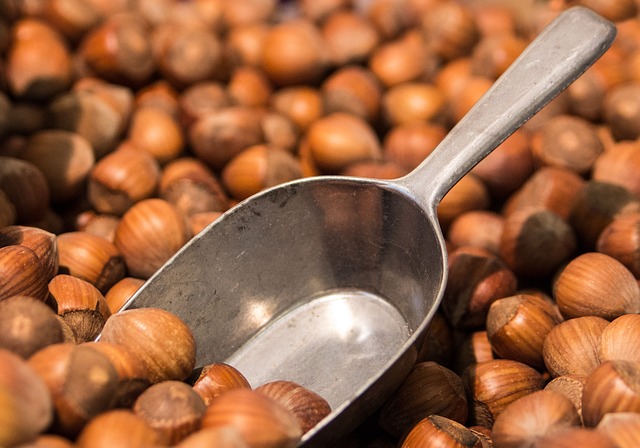
While annual gardens and fruit orchards tend to get a lot of attention for providing food self-sufficiency, nut trees are a great investment to provide a stable fat and protein source to balance out your family’s diet. They have the added benefit of a long storage life, especially at cool temperatures.   All nuts keep best unroasted and left in the shell.


Hazelnuts, a high-yielding, easy-to-grow home crop, can keep up to two years held between 32 and 50 degrees Fahrenheit (in a cool unheated basement), or for just over a year at 50-60 (F) degrees in a back closet on the north side of your house in cooler regions. They have the added benefit of being one of the most versatile nuts, because they can be grown anywhere between zone 4 and 9 successfully. There are even some zone 3 cultivars.


Pecans come in second place in nut shelf life, and can keep just over a year at cool, unheated basement temperatures. Very high fat nuts such as walnuts don’t keep quite as well as the others, but remain good for 9-12 months at cool temperatures.


Be sure to check your nuts for rancidity by smell before eating them. Nevertheless, rancid or not, it won’t harm you to eat them during an emergency situation as long as they don’t have visible mold or pest infestation.


2. Dried corn and beans


3 ‘Survival Crops’ That Store (Naturally) More Than 1 Year

Image source: Pixabay.com


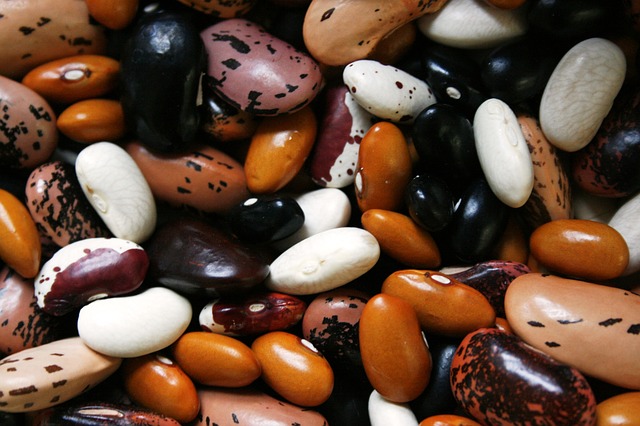
While many forms of grain and staple legumes store for extended periods of time, dry corn and beans are the most practical for growing and processing at home without equipment. Beans and corn can be harvested, cleaned, dried and stored all by hand without specialized equipment, unlike other grains such as wheat. If dried thoroughly to a low moisture content and kept cool, home dried corn and beans can last 2-3 years, without the need to invest in long-term storage options like vacuum sealing and oxygen absorbers. With the additional investment to reduce or eliminate oxygen, corn and beans can hold successfully for up to 10 years.


3. Honey and maple


Natural sweeteners like honey and maple are full of beneficial enzymes and micro-nutrients, not to mention a ready source of calories, and they boast considerable shelf lives. Honey, if kept uncontaminated and well-sealed from moisture, can last at room temperature indefinitely. Maple syrup, packaged very hot into glass jars such Mason jars, has very long shelf life potential – upwards of 50 year or more. Maple manufacturers recommend a storage life in glass of no more than four years for optimum flavor, assuming the jar is unopened. Maple stored in plastic jugs should not be kept more than 1-2 years, and metal jugs are only rated for six months of storage life.


What would you add to our list? Are there other foods you grow and store for long-term survival? Share your tips in the section below:


Bust Inflation With A Low-Cost, High-Production Garden. Read More Here.