Showing posts with label leaves. Show all posts

Thursday, November 2, 2017

Autumn Leaves: ‘Miracle Mulch’ For Your Spring Garden

How Autumn Leaves Can Become

Image source: Pixabay.com


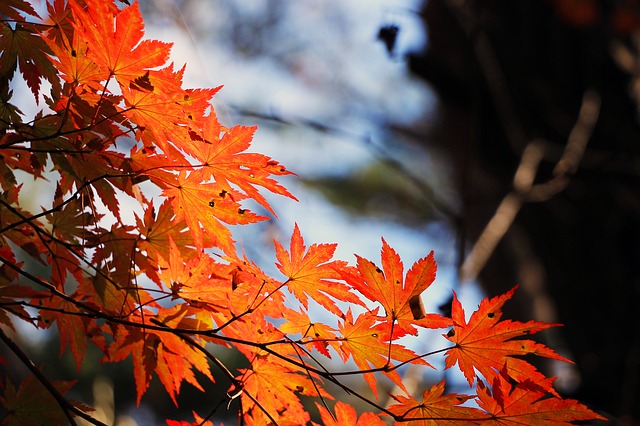
As we enjoy the changing seasons and the vibrant colors that come with autumn, we prepare ourselves for cooler temperatures and the raking and gathering of fallen leaves. For gardeners, this doesn’t mean an added chore, but actually a beneficial moment for improving and preparing our gardens for winter. There are many uses for those discarded leaves, and below are a few common ones.


  • Compost: Mow the leaves and place in the compost pile. It is easy to shred the leaves with a mower.

  • Leaf mold: This is a pile of leaves and soil that sits for about a year, and then is added to the compost. It helps with nutrients and soil-building.

  • Storing: This is a method of keeping all the leaves in a pile and using them to add to the compost when brown material is needed.

  • Mulch: Mulch retains moisture, controls temperature of soil and limits weed growth. Leaves also add nutrients and brown material as time goes on.

Let’s take a look at using autumn leaves. Mulching is one of the easiest and most beneficial methods of using autumn leaves. It is also the most inexpensive way to deal with fallen leaves and takes as much, or even less, time than the usual raking and bagging. Mulch can be used in vegetable gardens, flowerbeds, shrubs and under trees. It looks attractive in any garden and is completely natural.


Tree leaves absorb about 50 percent of the nutrients that the tree gathers during the growing season. By using as mulch, they return these nutrients to the soil. They also encourage worms and micro-organisms to work the dirt. The end result will be a lighter soil which is easier to work and grow plants in.


Your Best Source For Non-GMO Seeds Is Right Here!


Mulch can also be used to insulate plants and protect them from the cold winter winds and temperatures. It helps prevent soil compaction.


Things to Remember

How Autumn Leaves Can Become

Image source: Pixabay.com


Almost any leaves will make good mulch, but not Black Walnut. Black Walnut leaves should never be used because there are plants that are sensitive to this particular leaves’ compounds. Use only healthy leaves, not any covered with mildew, rust or tar. If you collect from trees such as laurel, walnut and eucalyptus, compost them before turning into mulch as they contain growth-inhibitors.


Shred the leaves before using in the garden. Whole leaves can prevent water from reaching the ground and plants. When you shred leaves for mulch, you are ensuring micro-organisms have more room to do their work.


Mulch expands, so cover all the ground with an even distribution, but don’t put it right up on a plant’s stem or trunk. Otherwise, it will encourage rot.


This New All-Natural Fertilizer Doubles Garden Production!


Here are some essential tips:


  • To start mulching, use the lawnmower and run over the leaves a few times. This mowing will shred the leaves into acceptable sizes. Once mowed sufficiently, rake into piles, and place in bags, buckets or wheelbarrow to move to where you need to mulch.

  • Weed the area first, and then add mulch

  • Apply a two- or three-inch layer of leaf mulch around the vegetable garden and flower beds.

  • If you cover vegetables like kale, leeks, carrots and beets, you may be able to harvest them most of the winter.

  • For plants like leeks and other closely planted greens, use your hands and take fistfuls of mulch to place several inches between the vegetables.

  • Plants that love shade can be covered by leaf mulch. It’s natural for them to be covered at this time of year. Place less than two inches, or five centimeters, of mulch over them so they can push through with little issue in the spring.

  • If you are using mulch as insulation, use about six inches, or 15 centimeters, to protect the more tender plants.

So when you see the leaves begin to fall this year, do not worry. Use them to enhance and create healthy plants and soil for the next season. With a little work, you can have a top-notch, natural mulch all your neighbors will envy! Nature provided us with the best mulch material, so don’t waste it. Mow those leaves and create an awesome autumn leaf mulch.


Got any fall mulching tips? Share them in the section below:


Every Year Gardeners Make This Avoidable Mistake — But You Don’t Have To. Read More Here.

Monday, August 7, 2017

So, Your Tomato Plant Has Wilted Leaves? Here’s What To Do.

So, You

Image source: ucanr.edu


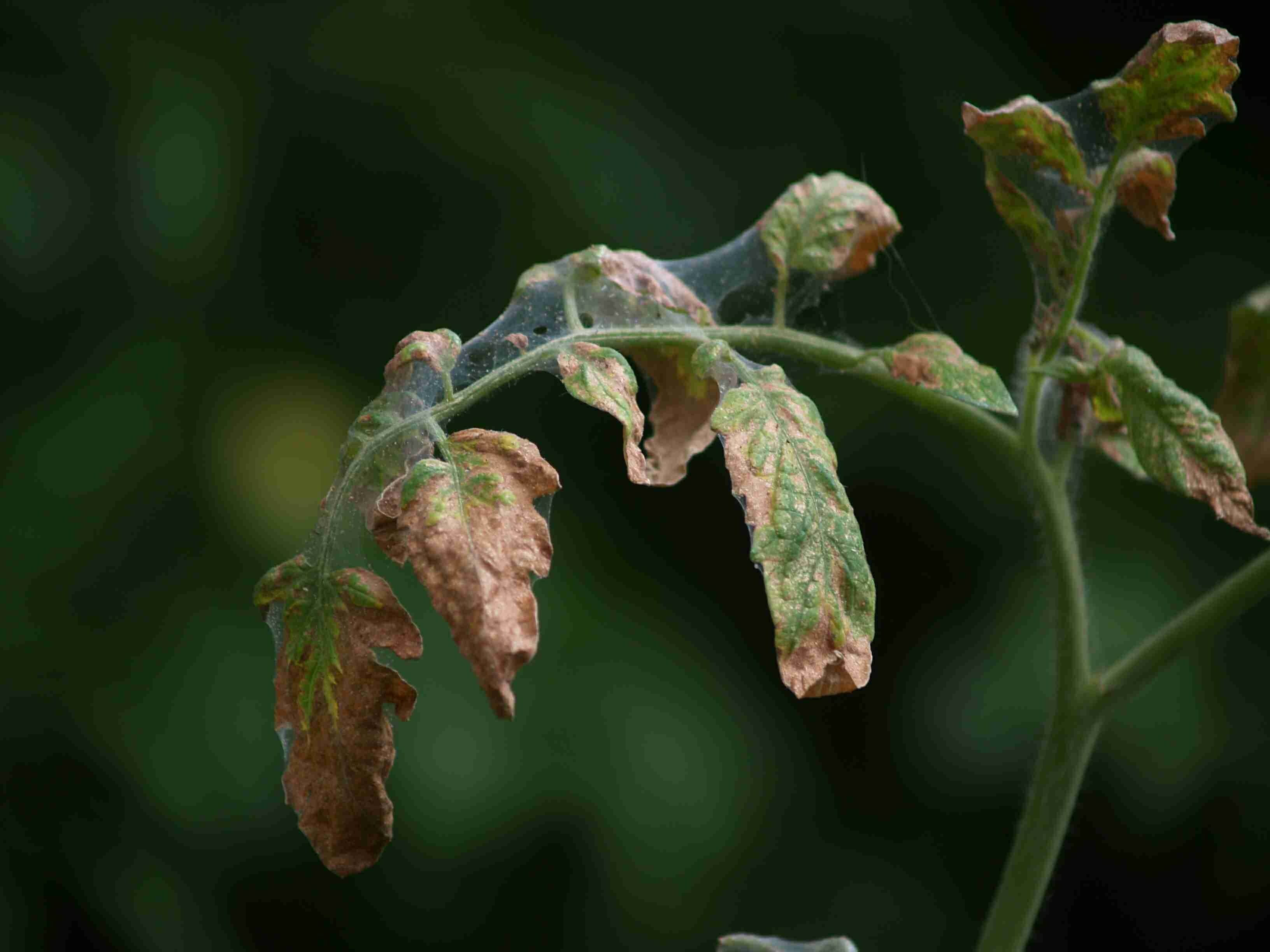
The leaves on a tomato plant are good indicators of the plant’s health. Tomato leaves can display all kinds of distress signals: yellowing, brown spots, purple edges and curling are all signs that the plant needs a little extra TLC. Wilted leaves mean the same.


Don’t be too concerned, though, if you spot wilted leaves during the hottest part of the day. The leaves just may be hot and languid (like all of us!). However, if the leaves remain wilted during the cooler evening or morning hours, your tomato plant is likely sending an SOS signal. Check for these issues:


Under Watering


A general rule is that mature, producing tomato plants need two inches of water per week. If you’re a stickler for following exact rules, set up a rain gauge and supplement any weekly rainfall with manual watering, as required. That said, the two-inch guideline may be insufficient at times. Extremely hot, dry and windy weather, or watering during the hottest part of the day, can increase evaporation and decrease moisture absorption by the soil. Sandy soils drain quickly and may not hold moisture long enough for your plants’ needs. Also, two inches per week is not sufficient for most container tomatoes.


This New All-Natural Fertilizer Doubles Garden Production!


It’s easy to check and see if there’s enough moisture in the soil. While the surface will usually be dry, soil 1-2 inches beneath the surface should feel damp. Stick your finger into the soil up to your knuckle; if the soil at the tip of your finger feels dry, your tomatoes need more water.


Fungal Diseases


If your soil seems adequately moist, and your plants seem to wilt more after being watered, they probably have a fungal disease such as verticillium wilt, fusarium wilt, or southern blight. Unfortunately, tomato plants infected with any of these need to be destroyed, to stop the fungi from spreading.


Verticillium Wilt and Fusarium Wilt


So, Your Tomato Plant Has Wilted Leaves? Here

Image source: Pixabay.com


Verticillium wilt and fusarium wilt are quite similar, and it can be difficult to tell which is infecting a plant. In both cases, the fungus lives in the soil, and the plant’s roots absorb it. As it infects the plant, it clogs the plant’s vascular system so that moisture can’t travel to the branches and leaves.


Both verticillium wilt and fusarium cause leaves to develop yellow spots, brown veins and wilt. Lower leaves show symptoms first. As the disease progresses, browned leaves dry up and fall off. The main difference between the two diseases is that fusarium wilt generally shows up on one side of a plant, while verticillium wilt moves more slowly, is less dramatic (noticeable), and isn’t restricted to one side.


Again, there is no cure for either of these diseases. It’s best to practice preventative measures including rotating crops, amending soil (when needed) so that it has adequate drainage, and choosing disease-resistant tomato varieties. Also, make sure to clean and sanitize all your garden tools (including tomato stakes and cages) if you suspect your plants have either of these diseases so that you don’t inadvertently transfer the fungi to a new bed. If you still end up with an infected plant, destroy it promptly and remove the surrounding soil.


Southern Blight


The initial symptoms of southern blight are quite similar to those of verticillium wilt and fusarium wilt: discolored leaves and wilt, starting at the base of the plant. However, once it progresses far enough, the plant collapses. You can determine whether it’s southern blight before your plant gets to that point; check for white hyphae or mycelia (soft, stringy, mold-type substances) around the plant’s lower stem, roots, and in the surrounding soil.


As with the other two fungal diseases, plants infected with southern blight cannot be treated.


Tomato Spotted Wilt Virus


Wilting is actually the last stage of tomato spotted wilt virus (TSWV); long before the plant starts to wilt, the rest of the plant will be sending out serious distress signals. Typically, plants infected with TSWV are stunted and pale, and often turn a bronze color. Leaves on these plants often have distinctive markings of circular or swirling patterns. Unlike other tomato diseases, TSWV first shows up in a plant’s top leaves.


TSWV is spread by small insects called thrips, which pierce plants in order to feed off them. As with fungal diseases, there is no way to stop TSWV from progressing once it sets in. Plants (and the thrips on them) should be destroyed. The best preventative measure is weed control, because thrips will feed on weeds until tastier plants are available to them.


The good news about TSWV is that it’s not transmitted through soil, and therefore there’s no need to remove soil when destroying plants.


Bacterial Wilt and Canker


Bacterial wilt is the one tomato disease where wilt is the predominant symptom. There is generally no discoloration of the leaves. The entire plant stays green, wilts and dies shortly afterward.


Bacterial wilt is most common in hot, humid regions, and particularly in soils that have a high pH. As with the other tomato diseases discussed here, there is no treatment for bacterial wilt. Diseased plants should be destroyed and preventative measures should be taken. Rotate crops, choose modern disease-resistant varieties, monitor soil pH (and adjust as necessary), and ensure generous air circulation by spacing plants widely and pruning indeterminate varieties.


Other Possibilities


Pests such as stalk borers, root knot nematodes, and aphids also can cause wilting, but they aren’t commonly attracted to tomato plants. However, if your plant displays symptoms that don’t seem to match any of the diseases listed above, it’s worth taking a close look for pests.


Also, the allelopathic properties of some plants can adversely affect tomatoes and cause wilting. Through allelopathy, plants leach their own natural chemicals into the soil, and those chemicals can affect nearby plants in both good and bad ways. Tomatoes are negatively impacted by black walnut and butternut trees and by sunflowers. If you have wilted tomato plants, in addition to checking for diseases and pests, take a look at what’s planted nearby.


What advice would you add? Share your thoughts in the section below: