Showing posts with label rain. Show all posts

Sunday, August 27, 2017

People Who Chose To Not Evacuate For Hurricane Told To Put SSN On Arms


texashurricane


Tens of thousands of Texans have evacuated their homes fearing Hurricane Harvey. Now, one local leader in a coastal Texas community had told residents who chose to stay home during the hurricane, to write their names and Social Security numbers on their arms.


Rockport Mayor Pro Tem Patrick Rios said at a news conference, “We’re suggesting if people are going to stay here, mark their arm with a Sharpie pen with their name and Social Security number.”  He went on to say, “We hate to talk about things like that. It’s not something we like to do but it’s the reality, people don’t listen.” But if people don’t listen to evacuation orders, what makes the mayor assume people will willingly mark themselves?


Rios wants people marked to make things easier for the government in the event of deaths. He also claims that that grim step is necessary to prepare for the worst in case scenario of numerous deaths among the people who freely chose to remain in the area.  If you think this sounds a little bit like Nazis forcing the Jews to wear yellow stars on their clothing for a quick government identification, you aren’t the only one.


According to ABC News, seven counties and five cities, including Rockport, had issued mandatory evacuations, while several other areas have issued voluntary evacuations. For those evacuating or staying, certain steps can be taken ahead of the storm’s expected landfall early Saturday morning to protect your home and property from damage.


Hurricane Harvey’s destruction has already begun with 20 inches of rain and catastrophic winds reported.


Tropical Storm Harvey has stalled over Texas where extreme rainfall has occurred in the Houston metro area, leading to record-breaking, catastrophic flooding. Days of drenching downpours are ahead along with the potential for tornadoes and lingering coastal flooding.


Localized rain amounts of 40-50 inches are not out of the question once Harvey’s rain is finished later this week. This may end up being one of the worst flood disasters in U.S. history.


 In the 24 hours through Sunday 4 a.m. CDT, parts of the southeast Houston metro area had received more than 20 inches of rain. One location in far southeast Harris County near Webster logged 23.72 inches of rain in 24 hours and 25.92 inches in 48 hours. –The Weather Channel


So far, two deaths have been reported due to the hurricane and it isn’t clear if those deceased took the Mayor of Rockport’s advice and wrote their names and social security numbers on their arms, but it seems unlikely.


 A person was found dead in a vehicle in Houston on Saturday night in a possible drowning amid flooding in the city, a Houston fire department spokesperson said. A man died in a house fire in Aransas County after rescuers could not get to him late Friday or early Saturday, the county judge said. –NBC News


Harvey is expected to dump even more rain over Texas in the next few days, potentially triggering catastrophic flooding. “A lot of the damage is yet to come,” FEMA Administrator Brock Long told MSNBC. “Rainfall is going to be tremendous inland.”


Click here to subscribe: Join over one million monthly readers and receive breaking news, strategies, ideas and commentary.

Gas Masks, Filters, Body Suits, Anti Radiation Pills

Please Spread The Word And Share This Post


Author: Mac Slavo
Views: Read by 220 people
Date: August 27th, 2017
Website: www.SHTFplan.com


Copyright Information: Copyright SHTFplan and Mac Slavo. This content may be freely reproduced in full or in part in digital form with full attribution to the author and a link to www.shtfplan.com. Please contact us for permission to reproduce this content in other media formats.


Saturday, July 8, 2017

14 Drought-Resistant Vegetables To Plant If You Rarely Get Rain

14 Drought-Resistant Vegetables To Plant If You Rarely Get Rain

Image source: Pixabay.com


In many parts of the country, a drought-resistant garden is more than just a neat idea; it’s a necessity. Choosing the right combination of vegetables, paying attention to planting dates, and modifying your approach to irrigation and planning can help you grow food despite less hospitable conditions. Don’t depend on nature to come through for you this year; plant a drought-resistant vegetable garden and be prepared if the rains don’t fall.


First Step: Planning


In drought-prone regions, the middle of summer is likely the worst time to attempt to grow vegetables. Capitalize on a warm climate by planting early in spring to harvest before the summer heat, or in early fall to harvest before winter sets in. Even if your region suffers from year-round lack of precipitation, planting in the more temperate seasons will prevent your garden from attempting to combat the heat and greater evaporation.


Seamazing: The Low-Cost Way To Re-mineralize Your Soil


In summer and winter, or any other times you choose not to plant, plan on amending your soil. Soil rich in compost will trap more moisture for your plants. You might consider a layer of charcoal beneath the soil, as well, to hold even more water and provide nutrients. Appropriate pH levels and soil nutrients help your plants grow more efficiently so they will be able to grow with less need for water.


Moisture Loss and Watering


Protect your improved soil from water runoff and moisture loss. Mulching is an excellent technique to help the area around your plantings catch rain; your mulch will also catch evaporating water from the soil below and condense it, keeping it available to your plants. If you have cuttings from other plants, mulching with them allows some of the moisture from those cuttings to go into the soil. Plastic sheets that cover the soil can also be an option, although you should be aware they raise the temperature of the soil.


Drip irrigation is particularly beneficial in dry areas, since the flow of water is fairly constant and extremely slow. If you plan a drip system, consider building it with water filters (to prevent clogging) and a valve or stop (to prevent water from dripping when the soil is already moist). If you choose another method of watering, pay attention to your soil and let it tell you when to water, rather than watering daily. Test a patch about 6 inches deep and control your irrigation, so you will have water when you need it. Pinch a bit of soil between your fingers. If it holds together, don’t water, but if it falls apart easily, it’s time to water.


When planning the drought-resistant garden, resist planting in rows. Clustering plants together leaves them less exposed to evaporation, and allows taller plants to provide shade to smaller plants. Grouping plants together by watering requirement can help you accurately prevent overwatering of those that don’t need much. Some vegetables do extremely well in companion planting, a technique that uses the growth habits of one type of plant to assist that of another; the most famous combination is the “three sisters” (beans, corn, and squash) but there are other combinations that work well. Regardless of what you choose to plant, growing vegetables closer together conserves water.


14 Drought-Resistant Vegetables To Plant If You Rarely Get Rain

Okra. Image source: Pixabay.com


Enclosed areas and raised beds are more moisture rich than seeding into open ground. Even a simple retaining wall built at a depth of about 10 inches can keep groundwater from leaving your garden. This technique works better in small spaces, or it can be used to break up a large space.


Best Vegetables for the Drought Resistant Garden


Some plants just do better with less water. Below you can find a partial list of what to grow for high yield in low-moisture environments. Generally speaking, plants native to the Southwest –such as black-eyed peas – will be easiest to grow, followed by plants with a deep root structure like squash, melon and some tomato varieties.


Get The Best Deals On Non-GMO Seeds For Your Garden Right Here!


Cool season plants with short root systems, like lettuce, will not thrive without water.


Best drought-resistant vegetables for hot climates


  1. Beans (all varieties, pole and dry beans)

  2. Cantaloupe

  3. Okra

  4. Cucumber

  5. Eggplant

  6. Melon

  7. Pepper (all varieties)

  8. Sweet Potato

  9. Tomatillo

  10. Jicama

  11. Sweet and Seed Corn

  12. Squash (Winter and Summer)

  13. Watermelon

  14. Tomato (try early producing or heat-resistant varieties like Early Girl, Roma, Marvel Striped)

14 Drought-Resistant Vegetables To Plant If You Rarely Get Rain

Image source: Pixabay.com


Meanwhile, here is a list of vegetables you might have success with in dry climates:


  1. Rhubarb

  2. Arugula

  3. Chard

  4. Turnips

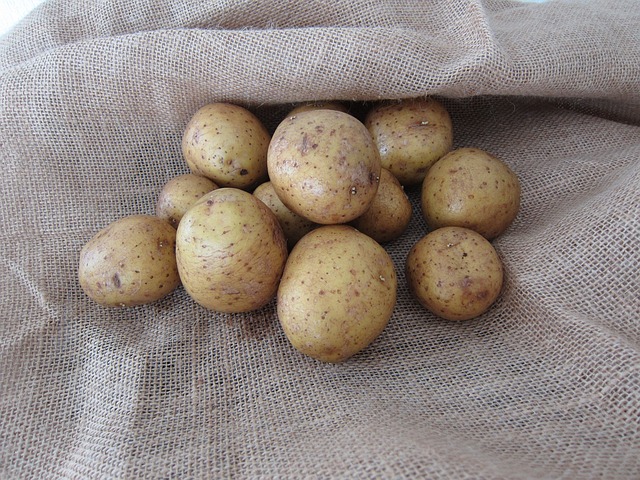
  5. Potatoes

  6. Endive

  7. Garlic

  8. Leeks

  9. Cabbage

  10. Onions

  11. Spinach

  12. Asparagus

  13. Woody Herbs (Rosemary, Thyme, Sage, Oregano)

  14. Beets

  15. Broccoli

If you live in a drought-prone area, the most important steps you can take to protect your garden and ensure it will yield the vegetables you need are steps to conserve and save water. Rain barrels, storage of grey water used around the homestead, and careful conservation measures to limit wastage all can contribute to helping your garden grow. If you want a reliable source of food in a dry climate, awareness of where the water is coming from – and where it is going – will be your most effective tool.


What advice would you add for planting a drought-resistant garden? Share your ideas in the section below:


Every Spring, Gardeners Make This Avoidable Mistake — But You Don’t Have To. Read More Here.