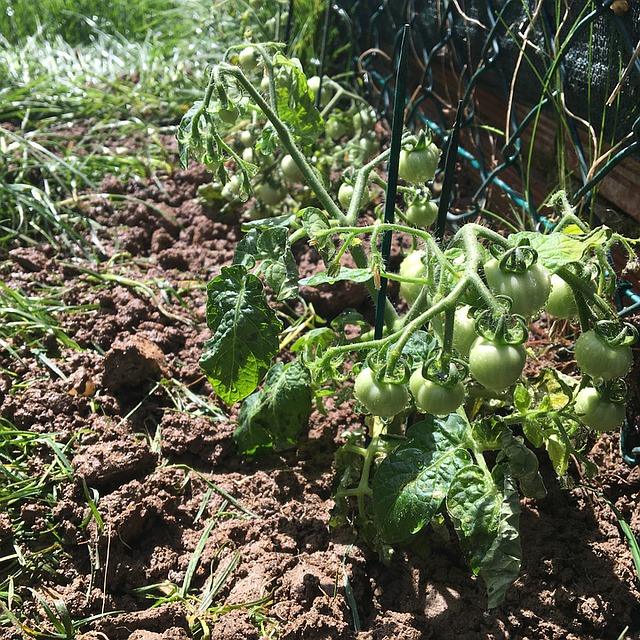
We have all grown in our gardening experiences by words of wisdom from those gardeners who have come and gone before us, and we’ve even followed gardeners who have TV shows, blogs and websites dedicated to their art.
Of course, there’s a lot of advice that we’ve accepted that is nothing more than myth. This is not to say the advice is not entirely false, but it is not entirely true, either.
These myths have been around so long that even some of the experts take them to heart.
1. All organic pesticides and sprays are safe. Although it’s common sense to question how safe a pesticide is, many gardeners take organic pesticides for granted. Most of the time it is safe, but there are some natural ingredients that are just as dangerous, or more so, than commercial chemicals.
Sulphur, for example, was used by early gardeners, but it can be deadly. The same goes for warfarin, sabadilla, rotenone and nicotine, even though they are plant-based. Even pyrethrin, when used long enough, can harm you and your garden. When looking for natural alternatives, be sure to investigate their safety.
2. Fresh vegetables are far more nutritious than frozen or canned vegetables. Well, how fresh is fresh? It is true that fresh vegetables are healthier for you, but only when they are freshly picked. The vegetables you purchase in the grocery stores usually make quite the trip from the field to the shelves of the store. Sometimes the journey takes several days or even weeks to get to the final destination. Enzymes are naturally being released by the vegetables during storage and shipping, causing the vegetables to lose nutrients and minerals. However, when the produce is fresh-picked and quick-frozen, most of the vitamins, minerals and other nutrients are preserved. This is good to keep in mind for your own garden produce: If you’re not planning on eating your harvest within a short time, don’t delay in preserving it.
Image source: Pixabay.com
3. Kitchen scraps are all you need for compost. How many of us have compost bins by our gardens, and walk our kitchen scraps out there after each meal? Yet kitchen waste, if that’s all you’re using, is too strong for your garden. You need a mix of leaves (known as brown) and kitchen waste (known as green). There needs to be the correct balance between the two, meaning having more brown than green. The breakdown of these two things creates compost. You can always put extra kitchen scraps into a worm box, or vermicomposter.
4. Watering vegetable plants in the sun will kill them. How often have we been told this one? It’s definitely one believed by many experts. The most common reason gardeners accept this myth is on the premise that the water acts as a magnifying glass. The sun’s rays will hit the water and they will burn the vegetable plants, especially the leaves.
The truth is the water isn’t strong enough to magnify the sunlight enough to the required heat needed to burn the leaves and plants. Now, this doesn’t mean high noon is the perfect time to water your garden. Be reasonable.
5. Organic gardens are more expensive than traditional gardens. This myth has become more common as people are starting to want more and more organic products and food. Organic produce from any grocery store is more expensive — it’s true. Growing your own organic vegetables are not, however. When you cut out any commercial fertilizers and pesticides, you are saving money. By making your own mulch and compost from scraps and leaves from your yard, you will be saving even more money. Re-use containers and use mixtures of hot soapy water, garlic and hot pepper to keep away unwanted pests. Dead leaves can be used, along with lawn cuttings and scraps, to make fertilizer. Save seeds from your current produce to use for next season. Dry the seeds out and store them in a cool, dry place away from the sun. This is a great way to have a successful garden, as the healthy plants have healthy seeds.
The best way to garden is to do your research and speak to experts and fellow gardeners alike. The more you know, the better your garden will be. You will be able to decide what is true and what isn’t, and your garden will thank you.
What myths would you add to this list? Share your myths in the section below:
Choosing organic foods lowers your exposure to pesticides linked to cancer, damage to children’s IQ and neurobehavioral development and other health problems
Organic foods are produced without genetically modified organisms (GMOs), and the use of antibiotics for preventive purposes is prohibited — both major benefits to human health and the environment
Organically grown foods contain significantly higher levels of antioxidants and healthy fats than conventionally grown varieties
Organic products are now available in close to 20,000 natural food stores and 3 out of 4 conventional grocery stores in the U.S.
30 Tips in 30 Days Designed to Help You Take Control of Your Health
This article is part of the 30 Day Resolution Guide series. Each day a new tip will be added designed to help you take control of your health. For a complete list of the tips click HERE
By Dr. Mercola
Many people want to lead a healthier lifestyle but aren’t sure where to start. In the realm of diet, in fact, most Americans (52 percent) believe it’s easier to calculate their income taxes than figure out what to eat to stay healthy.1 It shouldn’t feel this hard, which is why I want to give you one tangible step you can take to overhaul your diet, and lifestyle, for the better: Go organic.
A survey by the Organic Trade Association revealed that, in 2017, Americans bought more organic foods and household products than ever, with sales reaching $47 billion in 2016 — an 8 percent increase from 2015.2 Katherine Paul, associate director of the Organic Consumers Association (OCA), said in a news release, “ … I think you are looking at a better-educated population that is connecting the dots between what they eat and their health.”3
This is true, indeed, and organic products are now available in close to 20,000 natural food stores and 3 out of 4 conventional grocery stores in the U.S. Even the U.S. Department of Agriculture acknowledges their staying power in the marketplace, noting “Organic products have shifted from being a lifestyle choice for a small share of consumers to being consumed at least occasionally by a majority of Americans.”4 But despite the gains in popularity, organic sales account for only about 4 percent of total U.S. food sales.5
Avoiding Pesticides Is the No. 1 Reason People Buy Organic
“Polling shows the No. 1 reason people go organic is to avoid pesticides, chemicals and all of those things that are not allowed in organics,” Paul said,6 and this is a primary reason why going organic is so important — for your health and the environment. Not only do these chemicals threaten the Earth as we know it, but they pose a direct risk to human health, including to developing babies.
In research presented at a 2017 Children’s Environmental Health Network (CEHN) conference in Washington, D.C., it was demonstrated that women exposed to higher glyphosate levels during pregnancy had babies born earlier and with lower adjusted birth weights.7 What’s more, the chemical was detected in more than 90 percent of the mothers in the study.
Glyphosate, the active ingredient in Monsanto’s Roundup herbicide, has made headlines because it’s the most used agricultural chemical in history and also because the International Agency for Research on Cancer (IARC) determined it a probable carcinogen. The Canadian Food Inspection Agency has revealed that nearly 30 percent of the more than 3,000 foods they tested contain glyphosate.8
This included nearly 37 percent of grain products, 47 percent of bean/pea/lentil products and more than 30 percent of infant food and cereal. Even 7 percent of fresh fruits and vegetables contained the residues. Eating nonorganic genetically engineered (GE) foods (the prime candidates for Roundup spraying) is associated with higher glyphosate levels in your body.9
Pesticides Are Harmful to Children’s Brains, Farmworkers
The European Parliament commissioned a report on the human health implications of organic food and organic agriculture, which was co-written by Harvard Chan School’s Philippe Grandjean, adjunct professor of environmental health.10 A primary message of the report again centered on pesticides and the potential benefits of reducing their usage via organic agriculture.
In a Harvard School of Public Health news release, Grandjean said, “In conventional food, there are pesticide residues that remain in the food even after it’s washed. Organic foods are produced virtually without pesticides.”11 While U.S. regulators insist that set limits on pesticide residues in conventional produce are enough to protect the public’s health, the report found negative health effects may occur in children even at current levels of exposure. According to Grandjean:12
“[T]hose limits are based on animal studies, looking at the effect of one pesticide at a time. The human brain is so much more complex than the rat brain, and our brain development is much more vulnerable because there are so many processes that have to happen at the right time and in the right sequence — you can’t go back and do them over … Three long-term birth cohort studies in the U.S. suggest that pesticides are harming children’s brains.
In these studies, researchers found that women’s exposure to pesticides during pregnancy, measured through urine samples, was associated with negative impacts on their children’s IQ and neurobehavioral development, as well as with ADHD [attention deficit hyperactivity disorder] diagnoses.
Also, one of the studies looked at structural brain growth using magnetic resonance imaging and found that the gray matter was thinner in children the higher their mothers’ exposure to organophosphates, which are used widely in pesticides. I think that’s quite scary.”
One of the studies Grandjean refers to is the CHAMACOS Study, which followed hundreds of pregnant women living in Salinas Valley, California, an agricultural mecca that has had up to a half-million pounds of organophosphates sprayed in the region per year. The children were followed through age 12 to assess what impact the pesticides had on their development.13 It turns out the impact was quite dramatic, and mothers’ exposure to organophosphates during pregnancy was associated with:14
Shorter duration of pregnancy
Poorer neonatal reflexes
Lower IQ and poorer cognitive functioning in children
Increased risk of attention problems in children
Farmworkers who are exposed to agricultural pesticides on a near-daily basis also suffer, as do their families. Up to 20,000 farmworkers are poisoned by pesticides each year, although the actual number is likely far higher, as many of the workers may not seek medical care or may be misdiagnosed if they do seek treatment.
There is also no coordinated national incident reporting system to track such exposures. Despite this, pesticide exposures cause farmworkers more chemical-related injuries and illnesses than any other workforce nationwide.15 So when you choose organic, you’re helping to protect farmworkers as well as your own family.
Preventive Use of Antibiotics Is Restricted on Organic Farms
According to U.S. Centers for Disease Control and Prevention (CDC) data, every year at least 2 million Americans acquire drug-resistant infections and 23,000 die as a result. Many others die from conditions that were complicated by antibiotic-resistant infections.16What does this have to do with eating organic? The preventive use of antibiotics is restricted on organic farms, while the animals are typically given more living space, helping to reduce infection risk naturally.
“These techniques have been found to improve animal health, prevent disease and minimize antibiotic resistance,” Grandjean says.17On the other hand, 80 percent of the antibiotics used in the U.S. are used by industrial agriculture for purposes of growth promotion18and preventing diseases that would otherwise make their CAFOs unviable. Low doses of antibiotics are added to feed as a matter of course, not only to stave off inevitable infectious diseases, but also because they cause the animals to grow faster on less food.
The U.S. Food and Drug Administration (FDA) issued guidance on agricultural antibiotics in 2013, but it didn’t go anywhere near far enough. They asked drug companies to remove indications for “feed efficiency” and “weight gain” from the labels of their antibiotic products and required veterinarians to oversee any addition of these drugs to animal feed and water. Most companies have agreed to comply with these voluntary guidelines and state they no longer use antibiotics for growth promotion purposes.
Instead, they simply state they use the antibiotics for disease prevention and control, a use that is still allowed on nonorganic farms under the FDA’s guidance. In the U.S., when the FDA tests raw conventional supermarket chicken, they routinely find antibiotic-resistant bacteria to be present.19 So, reducing the spread of antibiotic-resistant bacteria is another significant reason for making sure you’re eating only grass fed, organically raised meats and animal products.
The use of genetic engineering, or genetically modified organisms (GMOs), is prohibited in organic products — another significant benefit. Importantly, not only are GE seeds prohibited but animals raised on organic farms may not be fed GE alfalfa or GE corn. Over the past two decades, the majority of the anti-GMO movement was focused on GMOs found in processed foods and a small number of whole GE foods. Yet that’s only 20 percent of the GMOs in the human food chain.
Twice as much (40 percent) goes into the making of animal feed for CAFOs. The only way to change that trend is by not buying CAFO animal products, be it poultry (including eggs), pork or beef. While fruits and vegetables are the top selling category of organically grown food,20 it’s important to choose organic and grass fed meat and dairy products as well. As noted by OCA founder Ronnie Cummins:
“[W]e need to stop talking about GMOs as if it’s some abstract technology that poses this kind of really-hard-to-understand danger, gene splicing, disruption of the genome and all that … There is no GMO crop that isn’t sprayed with large amounts of poisonous chemicals …
Or else it’s impregnated with a poison, like the Bacillus thuringiensis (Bt) toxin in the plant that expresses itself in every cell of the plant. When we’re talking about pesticides, herbicides, fungicides, we’re talking about GMO plants. There’s no way to fight against GMOs unless we fight at the same time against chemical-intensive, energy-intensive agriculture and factory farms.”
In 2016 we saw, for the first time in nearly 20 years, a decrease in the amount of GE crops grown around the world, in terms of acreage. The market has started rejecting GMOs, and at current rates of growth, we could expect it to increase by about 50 percent over the next four years.
Instead, we need to quadruple sales of organic and grass fed. As noted by Cummins, by speeding up the rate at which we reach the tipping point where 15 percent of our food supply is organic or grass fed, the acceleration will multiply exponentially thereafter, with corresponding gains to human health and the environment.
Increased Nutrition and Other Benefits of Eating Organic
Many people choose organic because of what they don’t get — the pesticides, GMOs and antibiotic-resistant bacteria, for instance — but there are also important measures to be gained, like better nutrition. When cows are allowed plenty of access to forage, organic milk contains about 25 percent less omega-6 fats and 62 percent more omega-3 fats than conventional milk, along with more vitamin E, beta-carotene and beneficial conjugated linoleic acid (CLA).21
A British study also found that organically grown foods contain “significantly” higher levels of antioxidants than the conventionally grown variety, including beneficial compounds linked to a reduced risk of chronic diseases, including heart and neurodegenerative diseases and certain cancers.22 A Hungarian study reached a similar conclusion when they compared the chemical composition and nutritional value of organically and conventionally grown plant foods, with the organic variety again coming out on top:23
“Organic crops contain a significantly higher amount of certain antioxidants (vitamin C, polyphenols and flavonoids) and minerals, as well as have higher dry matter content than conventional ones. Moreover, there is a lower level of pesticide residues, nitrate and some heavy metal contaminations in organic crops compared to conventional ones.
There is a relationship between the different fertilization and plant protection methods of these two plant production systems and the nutritional composition of crops.
Consequently, it can be concluded that organically produced plant derived food products have a higher nutritional value, including antioxidants than conventional ones. Furthermore, due to the fact that there is a lower level of contamination in organic crops, the risk of diseases caused by contaminated food is significantly reduced.”
Beware of ‘Fake’ Organics, Including Hydroponics
When you see “organic” on a label, it’s still necessary to do your due diligence to ensure the product is truly produced with the highest organic standards. The Organic Trade Association and the hydroponic lobby, led by the Coalition for Sustainable Organics, are seeking to rewrite organic rules to include hydroponics, which are plants grown in a liquid medium without soil.
However, USDA organic regulations require that your crop rotation plan maintains or improves soil organic matter. Since hydroponics do not involve the use of soil, they do not qualify for organic certification, yet hydroponic operators have been certified organic by USDA-accredited certification agencies, which is deceitful to the public. Hydroponics also use chemicals, which organic producers are barred from using.
Worse, commercial hydroponic growers will rarely reveal the fertilizers they use. Further, keep in mind that while growing food indoors does reduce the need for pesticides, it does not automatically mean hydroponic vegetables are pesticide-free. In addition, at least one study found hydroponically grown vegetables had lower levels of carotenoids such as beta-carotene and lutein than conventional vegetables.24 Further, if you buy organic dairy you should know that not all organic brands are created equal.
While some are offering truly superior milk that comes from grass fed cows raised on pasture, others are passing off industrially produced milk as organic — and pocketing the increased profits while small family farms struggle to survive. In short, cows produce more milk, faster, when they’re fed grain in the barn, as opposed to grazing on grass on pasture.
Industrialized organic dairies are capitalizing on this by skimping on grazing time, raising thousands of cows in veritable CAFOs, yet still gaining the USDA organic label that suggests a superior product.
Fortunately, the American Grassfed Association (AGA) recently introduced much-needed grass fed standards and certification for American-grown grass fed dairy,25 which will allow for greater transparency and conformity.26 I would strongly advise you to ensure your dairy is AGA-certified as grass fed. Getting your raw milk from a local organic grass fed farm or co-op is best, but if you’re considering milk from another source, check out Cornucopia’s Organic Dairy Scorecard, which can help you make informed purchasing decisions.27
Ultimately, choosing organic products for yourself and your family is one more method you can use to take control of your health. If you must choose between which products to purchase organic, I recommend prioritizing organic animal foods and then using the Environmental Working Group’s (EWG) “Dirty Dozen” list for produce, which are among the most heavily contaminated with pesticides and therefore the most important plant foods to buy organic. As of 2017, these include:28
Building a usable supply of fruits and vegetable is difficult for some preppers. Many of us struggle with this aspect of prepping, but there are a few simple steps you can take if you’re looking to add fruit or vegetables to your prepper stockpile.
It is difficult in a SHTF situation to get the fruit and vegetables the human body needs, but without them, you and your family can be at risk for a nutritional deficiency disease such as scurvy (which results from a lack of vitamin C) and immune systems will be compromised.
According to Before It’s News, one of the first things you should actually do, is avoid certain produce. Whenever possible, focus on organic produce for your stockpile. The use of pesticides in conventional farming is rampant. Even the Environmental Protection Agency has been forced to admit that the ingestion of pesticides can cause health problems. The government agency warns of the risk of “birth defects, nerve damage, cancer, and other effects that might occur over a long period of time.” Especially at risk of harm from pesticides are prepubescent children and the unborn. It is also a good idea to just avoid GMOs (genetically modified organisms) if you can. Particularly avoid anything non-organic that contains corn or soy ingredients. There are questions about health risks and GMOs are engineered to withstand even higher dousing of pesticides than other conventional fruits and veggies.
There are many effective ways to preserve fruits and vegetables that you acquire fresh. Whether you harvest them from your own property, buy them at the farmer’s market or a local orchard, or even make a bulk purchase from the discount bin at the grocery store, having the supplies and skills to quickly preserve them can allow you to make the most of your windfall. Dehydrating is probably the easiest way to create a stockpile of small, already individual serving sized chunks of produce. This can be done without a dehydrator, and right in your oven. Canning is always another alternative but be sure to store your items carefully, as glass jars break more easily. (Think Earthquakes) You could also try root cellaring for things like onions, potatoes, parsnips, carrots, apples, and winter squash in a cold room.
Dried: Dried fruits such as raisins, banana chips (without sugar), and dried cranberries can pack a lot of nutritional punch into a tiny serving size. Think of them as concentrated vitamins. An adult serving of raisins is only 1/4 cup, which means that you can pack a lot of nutrition into a small amount of space with dried fruits.
Canned: Canned goods such as tomatoes, green beans, and peas can go a long way towards providing nutrition. The benefit to those rows of tin cans is that you don’t require power to store them safely, and they are fully cooked so you don’t even have to heat them up in a grid down situation. You can also find many varieties of canned fruit but beware of heavy syrups. Opt for fruit canned in juice if possible. Plus, the containers they already come in aren’t easily broken.
Frozen: Frozen fruits and vegetables are the closest to fresh that you can get. This is a great way to build a stockpile for times when money is tight, but don’t put all of your produce in the freezer. During an extended power outage, you stand to lose a large portion of your deep freeze contents. If you do purchase a large amount of produce for the freezer, have canning jars, lids, and an off-grid method for canning them if the electricity goes down for the long-term. Frozen fruits and vegetables can also be dehydrated right in your oven and saved for your stockpile.
Freeze-dried: This is a more expensive option, but freeze-dried fruits and vegetables maintain their nutrients, require little storage space, and need no special storage conditions. You can add a great deal of variety to your pantry with a selection of freeze dried ingredients and the foods, if sealed correctly, can last up to 25 years. You can find a wide variety of freeze-dried fruits and vegetables HERE.
Other useful information can be found here, in the book The Prepper’s Blueprint. Hopefully, these few (and by all means, there are many more) ideas can get you on track to having a surplus of nutrient-rich produce in your prepper stockpile.
Avocados are native to Central and South America and have been cultivated since approximately 8,000 B.C. By the mid-1800s, they had been introduced to Asia and Jamaica, but they did not arrive in the United States until the early 20th century. California and Florida produce most of the avocados grown in the USA with other commercial producers existing in Mexico, Brazil, Colombia, and the Dominican Republic.
Guacamole is a popular way to enjoy avocados and this delicious food contain other ingredients besides avocados that offer some surprising health benefits.
Organic Avocado – Contains Lutein (a carotenoid along with Vitamin E), Magnesium, and monounsaturated (healthy) fats. Avocado helps fight cancer of the mouth, breast, and prostate, and improves skin tone. It also improves absorption of nutrients in other foods.
Himalayan Crystal Salt – Stabilizes blood sugar levels and regulates heart beat. Himalayan salt also improves absorption and cell communication, and relieves the sinuses and lungs.
Organic Lime Juice – Contains potassium and supports the immune system. It also helps to cleanse the blood and liver.
Organic Cilantro – Contains several antioxidants, and is a natural deodorizer. It relieves nausea, bloating, urinary tract infections, and indigestion. Consumption of cilantro also helps to reduce blood sugar and cholesterol levels, and has properties that make it beneficial against harmful organisms.
Organic Extra Virgin Olive Oil – Helps balance systemic redness and swelling, also promotes healthy blood pressure. It helps to increase metabolism, and supports health of the ovaries and breasts.
Organic Cumin – A natural antioxidant that supports the liver, promotes digestion, and vitalizes the immune system.
Organic Garlic – An antioxidant that may lower blood pressure and cholesterol, and helps to cleanse the liver. Garlic has unique benefits whether consumed raw, cooked, or aged. It also contains unique properties that make it an excellent fighter against stomach cancer.
Organic Lemon Juice (fresh) – May aid the body in removing gallstones when mixed with olive oil, relieves stomach discomfort, and may help reduce the risk of developing arthritis, atherosclerosis, diabetes, and kidney stones.
Organic Onion – Onions contain an antioxidant called Quercetin, which is a flavonoid. They also contain Vitamin E, Potassium, Folic Acid, Vitamin C, and Fiber. Onions are known to relieve congestion and allergy symptoms, and help to reduce cholesterol. In addition, they remove heavy metals from the body, and help fight cancer of the lungs, bladder, ovaries, and breast.
Organic Pepper– Pepper contains an antioxidant called Capsaicin, which relieves congestion, headaches, allergies, colitis, ulcers, and discomfort. Eating peppers can aid with blood clotting, cholesterol reduction, and the rate of stroke. Peppers also increase metabolism.
Tips for Buying Organic Avocados
Look for avocados that are slightly soft, but without dark sunken spots or cracks. Tree ripened avocados generally have a better flavor and can be identified by their slight neck. California avocados usually have a richer taste than avocados grown in Florida. Be sure that you only purchase avocados that have a dark green skin, light and bright skin is a sign the avocado is not ripe.
Peel avocados and remove the pit. Dice avocado; mince garlic cloves; chop onion and cilantro. Squeeze your lemon and lime and grind your pepper as needed. Combine all your ingredients in a medium sized bowl. Toss well instead of mixing, to maintain the chunky consistency.
Hands down, oregano oil is one of the best natural supplements you can get. It’s produced from the perennial herb oregano and loaded with free-radical-crushing antioxidants. A growing body of research has shown that oregano oil offers many positive health benefits and is one of the most potent natural remedies in existence.[1] In particular, there has been a significant evaluation of its effects against harmful organisms; investigations even been made by major pharmaceutical companies. Let’s take a look at why there’s so much interest in oregano oil and its 10 best uses.
What Are the Top 10 Uses for Oregano Oil?
1. Immune System Support
There’s a lot of evidence to show that oregano oil is a powerful tool for the immune system, especially when it encounters outside invaders. One study straight from the United States Department of Agriculture reported that oregano oil has such a strong action against germs that it could easily defeat Salmonella.[2]
These findings were echoed by researchers the Department of Physiology & Biophysics at Georgetown University Medical Center who said, “New, safe agents are needed to…overcome harmful organisms… Based on our previous experience and that of others, we postulated that herbal essential oils, such as those of origanum (oregano oil) offer such possibilities.”[3]
2. Protection Against Harmful Organisms
If you’ve consumed undercooked meat or impure water, or countless other risky actions, harmful organisms are likely to be residing inside of your body. Thankfully, oregano oil is shown to be extremely useful for getting rid of these unwanted invaders. One study examined the relationship between oregano oil and harmful organisms and found that taking 600 mg of oregano oil daily prompted a complete disappearance of harmful organisms in the body.[4]
3. Promotes a Balanced Mood
Studies have found that some compounds in oregano oil, including carvacrol, thymol, and terpinene may positively influence the nervous system and mind. Aromatherapy with oregano oil seems to promote a healthy mood, reduce stress, and inhibit emotional abnormalities.[1]
4. Digestive Aid
I’ve said it a million times—health begins in the gut! Good digestion is absolutely necessary to experience good health. While I recommend using an oxygen-based colon cleanser to clean out your digestive tract, stopping the build-up in the first place needs to be part of the plan, and oregano oil can help. Oregano oil is known to stimulate the flow of bile into the digestive organs, enhancing the digestive process.[5]
5. Menstrual Aid
Irregular, uncomfortable periods and unpleasant effects from menopause are a big problem for many women; one of the best natural remedies is oregano oil. It may actually help support regular menstruation[6] and protect against negative menopause experiences.[7] For women, this is a substantial bonus to the already lengthy list of uses and effects of oregano oil.
6. Supports Graceful Aging
Perhaps the hottest health trend of the past few years is the science of combatting aging. It’s important to understand that aging is largely affected by oxidation and free radicals, which is why antioxidants are so effective. Oregano oil offers a huge amount of antioxidants that can aid in the defense against these aging-accelerators.[8]
7. Allergy Support
If you suffer from allergies and environmental sensitivities, the soothing properties of oregano oil are appealing. Oregano oil can produce a sedating effect on the hypersensitivity of allergies, which ultimately encourages relief.[1] For those wishing to avoid harsh medications, oregano oil may be a natural alternative for curtailing the undesirable effects associated with environmental sensitivities.
8. Weight Loss
In addition to its reputation as a natural immune booster, oregano oil also packs a punch against unwanted body fat. Its main active ingredient, carvacrol, is thought to modulate genes and reduce irritation in white adipose tissue. In one study, when fed a high-fat diet, mice not given carvacrol quickly became obese. In contrast, mice given carvacrol gained significantly less weight and even had lower levels of cholesterol and triglycerides in their blood.[9]
9. Eases Discomfort
Aches and stiffness can wreak havoc and negatively impact your quality of life. Many people use oil of oregano topically and say that it feels like it goes deep inside their skin to relieve sore joints and muscle discomfort.[6] Simply create a 50/50 mixture of organic oregano oil and organic olive oil and apply topically to the affected area for relief. If you suffer from sore muscles, sports injuries, and backaches, this is one benefit you’ll appreciate.
10. May Help You Feel Better When You Have a Cold
Oregano oil isn’t a cure for the cold, but it can help you feel better. The essential oil can help promote easy breathing, calm a cough, and soothe a sore throat.[6] Many people claim that when they start to feel under the weather, they place 3-6 drops into an empty capsule and take 2-3 times daily before meals. A 5-10 day regimen has been reported as doing wonders.
Supplementing with Oregano Oil
Oregano oil is an absolute must-have item for any medicine cabinet or emergency kit. The array of benefits it offers makes it one of the best all-around supplements you can get. Remember, as with any health product, quality matters tremendously.
Oregatrex™, Global Healing Center’s oregano oil blend, is organic, has an extra virgin olive oil base, and at least 80% carvacrol. It’s also blended with peppermint oil and capsaicin (the compound that gives peppers their heat) for added resistance to harmful organisms.[10, 11]
It’s easy to get started with an organic oregano oil blend like Oregatrex. Simply shake the bottle, place 1-6 drops in a vegetarian capsule (included), and take at the beginning of your meal, 2-3 times daily or as recommended by your physician. Capsaicin is a great ingredient and wonderful substance in its own right, but it is hot, so it’s best to avoid consuming oregano oil liquid directly. Keep it away from your eyes and don’t leave it where children or pets could get into it.
Is oregano oil a staple in your home? What’s your favorite benefit? Leave a comment below and share your thoughts with us!
References (11)
Singletary, Keith. “Oregano.” Nutrition Today, vol. 45, no. 3, May 2010, pp. 129–138.
When Amazon’s $13.7 billion acquisition of Whole Foods becomes final on August 28, 2017, shoppers will immediately see deep discounts on a plethora of items, including salmon, avocados, baby kale, and almond butter – all products that are normally rather pricey, regardless of where you shop. [1]
The following week, look for dropping prices on bananas, eggs, ground beef, rotisserie chicken, butter, and apples.
In a joint statement released August 25, 2017, Amazon and Whole Foods said:
“The two companies will together pursue the vision of making Whole Foods Market’s high-quality, natural and organic food affordable for everyone. Whole Foods Market will offer lower prices starting Monday on a selection of best-selling grocery staples across its stores, with more to come.”
One strategy consultant who previously worked for Amazon in its grocery business expects Whole Foods prices to drop 15-25% in some categories. [2]
Amazon said customers will continue to see prices slide at Whole Foods stores, and Amazon Prime members will eventually see some special discounts not available to other buyers. Analysts say about 70% of Whole Foods shoppers are also Amazon Prime members. [1]
Amazon Prime offers customers faster shipping, video streaming, and other benefits for $99 a year. [2]
Jeff Wilke, chief executive of Amazon Worldwide Consumer, said in a statement:
“Everybody should be able to eat Whole Foods Market quality — we will lower prices without compromising Whole Foods Market’s long-held commitment to the highest standards. There is significant work and opportunity ahead, and we’re thrilled to get started.” [1]
Whole Foods has a reputation for being, eh, pretty expensive. The chain earned itself the nickname “Whole Paycheck” because of its high prices.
There are also a few examples of some rather ridiculous products with ridiculous price tags. A good example is its asparagus water – a bunch of asparagus stalks in a bottle of water that went for $6. The grocery chain eventually pulled the product after receiving a good bit of backlash from customers.
According to Morgan Stanley, Whole Foods’ prices are about 15% higher than at the average grocery store. By immediately cutting prices, analysts say, Amazon is making it clear that major changes are on the horizon, and it doesn’t mind temporarily cutting into profit margins.
Michelle Grant, head of retailing at Euromonitor International, a London-based market research firm, said:
“Amazon is playing to its strengths here. Obviously the low-cost approach is in Amazon’s DNA, and it’s something Whole Foods has been struggling with for a quite some time.”
Jeff Wilke, the executive who runs Amazon’s consumer business, said:
“We’re determined to make healthy and organic food affordable for everyone. Everybody should be able to eat Whole Foods Market quality.” [2]
Julie Fidler is a freelance writer, legal blogger, and the author of Adventures in Holy Matrimony: For Better or the Absolute Worst. She lives in Pennsylvania with her husband and two ridiculously spoiled cats. She occasionally pontificates on her blog.
Mondelez International, the parent company of the Triscuit brand, announced August 7, 2017 in a news release that it has switched its entire portfolio to the Non-GMO Verified Certification. The move was made in response to the growing demand from buyers for wholesome food products free of genetically-modified ingredients. [1] [2]
The Non-GMO Project is the #1 leading independent verifier of non-GMO foods in the United States, as well as the only third-party non-GMO verification system in the country. [2]
Kailey Clark, Brand Manager, Triscuit North America, said:
“The Triscuit brand has evolved throughout its 100-plus-year history by delivering what consumers want, whether that’s new flavors; quick, everyday recipe solutions; or now, Non-GMO Project Verified snacking options.
The Non-GMO Project Verified seal is the gold standard. It is the most trusted label among consumers, and we are proud to offer that level of product transparency to Triscuit customers.” [2]
Courtney Pineau, Associate Director of the Non-GMO Project, said:
“We are thrilled Triscuit Crackers has converted its entire portfolio to be made with Non-GMO Project Verified ingredients.
As an organization, we believe that consumers have a right to know what is in their food and have access to non-GMO choices. Triscuit shares that vision, and we are excited to be working with them through this collaboration to continue that commitment.”
Triscuits are made from what the release calls “three simple and authentic ingredients:” wheat, oil, and salt. Mondelez reportedly has worked to source the oil and seasonings used in the snacks that meet the certification. [1] [2]
Non-GMO Project Verified boxes of Triscuits began appearing on store shelves across the country in late July 2017, according to the news release. [1]
The full line of Triscuit Cracker boxes bearing the Non-GMO Project seal is expected to become available by the end of September.
Mike is the co-founder, editor, and researcher behind Natural Society. Studying the work of top natural health activists, and writing special reports for top 10 alternative health websites, Mike has written hundreds of articles and pages on how to obtain optimum wellness through natural health.
The following article was written by my good friend, Dr. Richard DeAndrea, MD, ND. He’s the Medical Information Director at LifeSci Center and Medical Director at The Good Life. His work places him at the forefront of the exciting advances described.
Is it possible to get a breast augmentation without an implant? Is it possible to get a face-lift without a filler or Botox? Is it possible to get full lips? Is it possible to get a head of hair without a spray or surgery?
Yes, this is already happening, this is not a dream. Plastic surgery has gone organic. Over 250 breast augmentations have been performed in Japan without an artificial implant using the same person’s stem cells taken from fat after a slimming thigh liposuction.
The first face-lift free of filler or botox was performed on Sunset Blvd in Hollywood, by Dr. Richard Ellenbogen in 2010. In 2015, Lady Gaga revealed her secret way to natural lips, with full exposure in Cosmopolitan Magazine. CBS Channel 2 News Los Angeles reported about Dr. Ken Williams of the Orange County Hair Restoration Institute. He’s able to transform baldness to a full head of hair, as already has been done hundreds of times at The Hair Transplant Clinic of Rome, Italy.
What Is the Secret?
The secret is in you, your stem cells—not from embryos or another person. In a process known as Autologous Stem Cell Therapy, stem cells that come from your fat and are given back to you. Stem cells are a discovery that is turning the eye of doctors and surgeons to an organic approach, one that works with nature.
What Are Stem Cells?
Stem cells are unique cells found all over the body that regrow and replace the skin, hair, and fat content that changes in our bodies from day-to-day. In fact, millions of cells die on our skin in one day, these cells must be replaced or we would simply degenerate and disappear into the ethers.
How Are Stem Cells Affecting Plastic Surgery?
Stem cells are replacing silicon and saline implants and can be combined with fat from the abdomen, thighs and buttocks after liposuction to fill the breast like a balloon, up to two cup sizes. Women have gone from an A cup to a C cup and retained this size even after dieting. The same cells can be injected under the skin and into muscles to cause a face-lift and regenerate fine lines without a single drug or resection of skin.
Stem cells can be injected into a petri dish with hair samples to cause more hair to grow that may be transplanted into the scalp by micro-needle injection, causing your own hair to regrow.
Stem cells can stimulate growth of other stem cells in the lips. Even stem cells from plants have been shown to catalyze or stimulate the growth of stem cells in the lips, potentially giving lips a younger, fuller appearance.
The plastic enhanced days of Joan Rivers and Michael Jackson are losing traction. Plastic surgery is going organic because a new era has dawned in which the power of nature is replacing the false perception of better living through chemistry. It is time to get real and look good doing it, for beauty is and always has been deep within every cell of our being.
When they consider Thomas Jefferson, many Americans first think of him as the author of the Declaration of Independence or as our nation’s third president, who was responsible for the Louisiana Purchase and the Lewis and Clark expedition. However, Jefferson’s contributions go deeper than those accomplishments.
Jefferson was a true Renaissance man with a variety of interests and hobbies. He was an accomplished architect, an inventor and a violinist. He could read more than five languages. Jefferson also was a horticulturist who made important contributions to American gardening.
In a letter to Charles W. Peale in 1811, Jefferson wrote, “No occupation is so delightful to me as the culture of the earth, and no culture comparable to that of the garden. … But though an old man, I am but a young gardener.”
At Monticello, his beloved Virginia estate, Jefferson became a pioneer of gardening practices that are useful for us today. Always passionate about growing things, Jefferson further developed this interest during a diplomatic trip to England in 1786 with his long-time friend John Adams.
During the two-month trip, he was able to tour and examine many English gardens. Those observations became the basis for his own extensive gardening ideas. Much of what he learned can be applied to any garden of any size.
Here are five examples of Thomas Jefferson’s gardening wisdom.
1. Experiment … extensively
Jefferson once wrote that the “greatest service which can be rendered to any country is to add a useful plant to its culture.” When he traveled throughout our young country and abroad, Jefferson often exchanged seeds and seedlings with other gardeners. He enjoyed cultivating those seeds and young plants in his Monticello garden.
Because he grew a variety of crops, including a mix of tropical species with cool weather crops, he devised a unique terraced landscape for his 1,000-foot-long vegetable garden. By placing the garden on a south-facing slope, he was able to capture abundant sunshine.
Creating this unique form of “hanging garden” involved the removal of about 600,000 cubic feet of red clay and the creation of a 1,000-foot-long rock wall that was 15-feet tall in some places.
2. Grow what you eat
Jefferson loved to eat vegetables. In fact, he wrote that “they constitute my principal diet.” Because of his extensive travels, he was exposed to a wide variety of cuisines. He frequently took recipes back home with him and encouraged his cooks to use Monticello’s homegrown produce in new ways. In this way, he created a new American type of cuisine he described as ‘half-French and half-Virginian.”
His Monticello garden featured 330 different varieties of vegetables and 170 varieties of fruits. According to Monticello gardening expert Peter Hatch, Jefferson’s garden inspired a “revolutionary cuisine.” A Monticello recipe for okra soup, for instance, reflects influences from Native Americans (lima beans), Europe (potatoes and tomatoes) and Africa via the West Indies (okra).
Karen Hess, a noted culinary historian, called Jefferson “our most illustrious epicure, in fact, our only epicurean President.”
3. Go natural
Jefferson would be quite at home with the organic gardening movement of today. When his daughter, Martha, wrote to him while he was in Philadelphia serving as secretary of state, she complained about insects damaging the vegetables at Monticello.
Image source: Pixabay.com
He responded, “I suspect that the insects which have harassed you have been encouraged by the feebleness of your plants; and that has been produced by the lean state of the soil.”
He recommended the garden be covered that winter with “a heavy coating of manure. When is rich it bids defiance to droughts, yields in abundance, and of the best quality.”
In 2009, White House chef Sam Kass reserved a section of the White House garden to showcase Jefferson’s Tennis Ball and Brown Dutch lettuce, Prickly-Seeded spinach and Marseilles fig, a few of Jefferson’s favorite plants.
4. Keep notes
Jefferson had a scientist’s mind, and because of that, he kept scrupulous notes about what worked and what did not work in his garden.
He recorded his gardening efforts in his Garden Book, a personal journal he maintained from 1766 to 1824. Hatch reports that Jefferson was not afraid to admit defeat in certain gardening circumstances. “On one page in 1809 the word failed is written down 19 times,” Hatch writes. “He had a holistic view, as we say today, of the gardening process. It is the failure of one thing that is repaired by the success of another.”
Jefferson’s garden at Monticello
In his “A General Gardening Calendar,” Jefferson’s only published horticultural work, he offered a monthly guide for kitchen gardening. In the calendar, which was first published in 1824 in the American Farmer, a Baltimore periodical, Jefferson instructs gardeners to plant a thimble spool of lettuce seed every Monday morning from February 1 through September 1.
5. Make your garden an area for retreat
Jefferson enjoyed the restorative aspects of being a gardener and believed that gardens should be seen, experienced and enjoyed.
For example, he designed and built an octagonal pavilion in a central garden location at Monticello and used this spot as a location for reading, writing and even entertaining.
“No occupation is so delightful to me as the culture of the earth,” he once wrote, “and no culture comparable to that of the garden.”
Have you been to Monticello? What other “Jefferson advice” would you add? What do you remember about his garden? Share your thoughts in the section below:
Chelidonium majus, or greater celandine, has a long history of use in many European countries. Ancient Greeks, Pliny the Elder and Dioscorides all called celandine an effective detoxifying agent. The Romans used celandine as a blood cleanser. The French herbalist Maurice Mességué cited celandine tea for help with liver problems.
Its use also extends to traditional Chinese medicine, and it’s become an important part of western phytotherapy. Extracts of greater celandine have exhibited a broad spectrum of toxicity to harmful organisms as well as liver protecting activity. This has led to the inclusion of greater celandine in liver and gallbladder cleansing and support protocols.
Benefits of Greater Celandine
Greater celandine extract has strong antioxidant potential, specifically from the alkaloid and flavonoid components. [1] The greatest content of the beneficial alkaloids has been found in the root, sometimes achieving 2-3% concentrations. This has prompted greater celandine to be included in preparations designed to support the biliary tract and liver, [2] such as Livatrex®, my enhanced blend of herbs that help detoxify and support the normal function of the liver and gallbladder.
Greater celandine extract has been shown to support bile production. Extra bile helps the body’s digestion processes perform more effectively, specifically by breaking down fat and facilitating toxin removal.
Greater celandine contains chelidonic acid, which has been found to relieve discomfort and be aggressive against certain harmful organisms. In one study, chelidonic acid was found to temper indications of ulcerative colitis and provided the foreground for examination into greater celandine’s therapeutic role in relieving other intestinal irritation. [3]
Defense Against Harmful Organisms
The School of Stomatology at China Medical University studied the effects of greater celandine extract on streptococcus; researchers noted significant activity against harmful organisms. [4] The University of Milan in Italy also found greater celandine extracts and isolated compounds to exhibit significant activity against harmful organisms. [5]
The Department of Tropical and Subtropical Crops at Czech University in the Czech Republic tested the activity of extracts from 16 Siberian plants against five species of microorganisms. Greater celandine was among the five plants shown to have the highest activity. [6]
Considerations
The preliminary reports really provide a positive glimpse into the potential for greater celandine. As always, consult your healthcare provider before taking any supplement, especially if a history of liver disease exists in your family. A few reports have been passed around of some people experiencing liver problems as a result of very large amounts; however, these reports are anecdotal. Regardless, if you’re pregnant or nursing, avoid greater celandine for the time being.