Showing posts with label homestead. Show all posts

Friday, April 20, 2018

6 Amazing Home Security Plants


If you’ve ever tangled with a berry patch or accidentally backed into a Spanish Dagger, then you know how painful they can be. When strategically placed, plants can act as an efficientform of home security defense without having to invest a lot of money.


When creating a fortress of solitude, most people think about building a fence to keep unwanted visitors out. However, plants make a much better defense for home security. Fences tend to draw curiosity, while plants seem to go unnoticed. That is until someone tries to walk through them! Here are six plants you need to plant for a natural home security system.


#1- Century Plants (Agave Americana) 
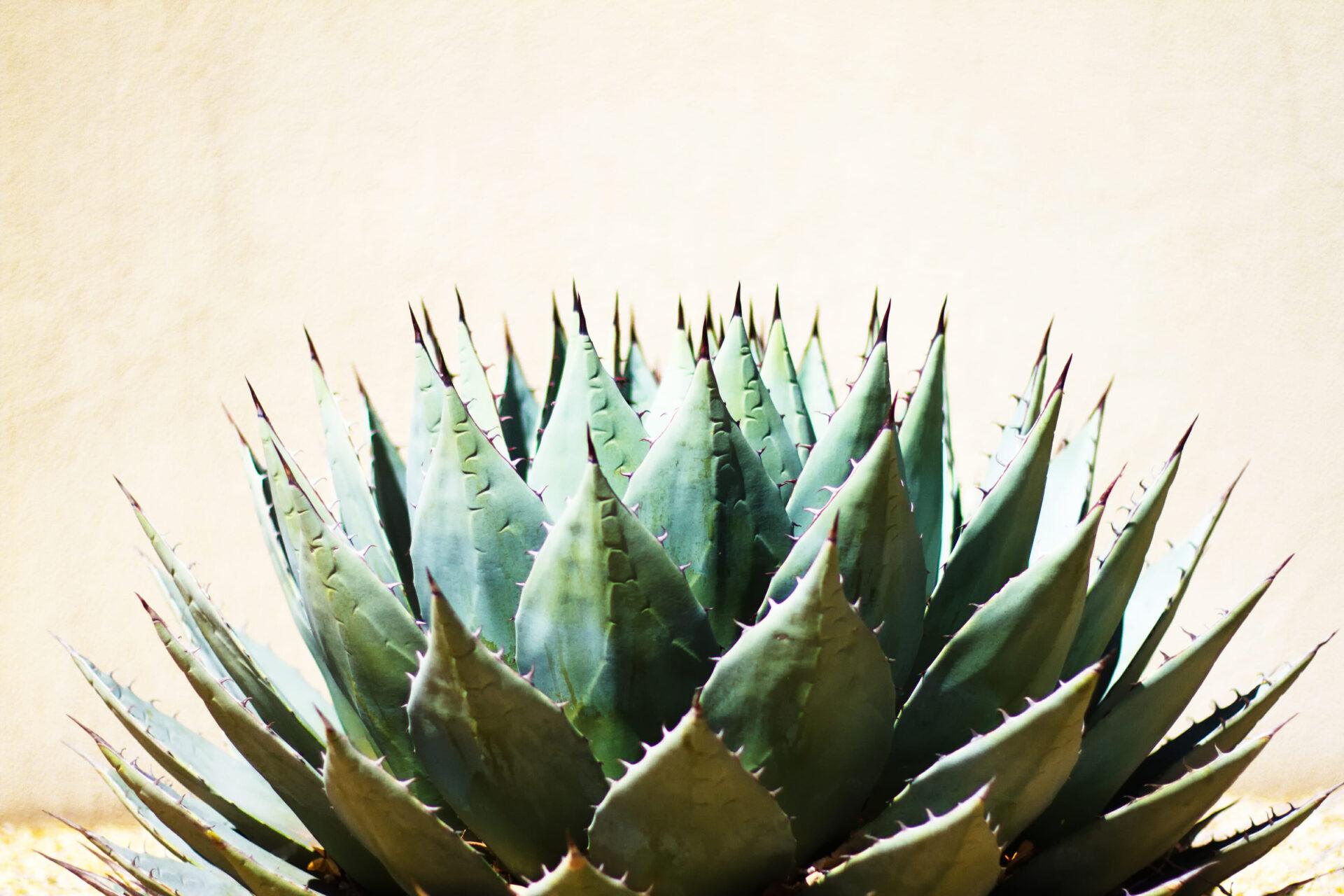

Some plants can provide an extra “layer” for extreme home security.


Commonly called a Century Plant or Sentry Plant, unlike its name suggest, it typically only lives 10-30 years. This home security plant has firm green leaves that grow 3-5 ft long with massivespikes and a tip that can easily pierce the skin.


The Century Plant thrives in drought conditions and spreads freely. The leaves are pale green and look beautiful in landscaping. Virtually disease free, this plant is easy to grow and maintain.


#2- Spanish Dagger (Yucca Gloriosa)


The Spanish Dagger is another evergreen that is easy to grow in warm climates. The long, stiff pointy leaves make this the perfect plant for home security.


When we were planning our home security garden, a friend recommended the Spanish Dagger. All we did was took a machete to the stalk of the plant, pulled back a couple of the leaves and we stuck it in the ground. Within no time, wehad a realhome security defense garden. As they grow tall, their weight will make them fall over, andthen they will root and spread.


Often a focal point in tropical gardens, the Spanish Dagger is visually pleasing and a deterrent to trespassers.


#3- Osage Orange Tree (Maclura Pomifera)


When I asked my fellow homesteading friends about plant security, many of them recommended the Osage Orange Tree. Osage Orange is a fast-growing tree that was used in place of barbed wire during the early 19th century.


The Osage Orange Tree produces a strong timber that resists rot and outlasts most lumber. Outside of its ability to grow fast, this unique tree produces many sharp, steel strong thorns that make it the perfect tree for home security.


#4- Rose Bushes


“A rose is a rose” indeed, but every rose has a thorn, anda rose bush is an excellent plant for home security when placed in the right location. The woody, thorny branches offer a painful sting which can spread disease and infection.


From miniature to climbing, roses grow in almost any climate which makesthem the ideal plant for home security.


#5- Berry Bushes


How about a home security system that feeds you? Now you won’t see ADT making that claim! Many berry plants like gooseberries, blackberries, and raspberries all produce delicious fruit that are high in antioxidants, but more importantly– thorns. Berries are fast growing and hardy to zone 3. From trellising to hedgerow, berries can be incorporated into any landscape and may be used for both home security and food.


#6- Citrus Trees


Another home security tree that has the added benefit of food are citrus trees. Several lemon, lime, orange, and grapefruit trees produce thorns along their trunks, branches, and twigs.


We have several citrus trees on our property, andthe thorns are like no other. We have them planted below our bedroom windows with plenty of room to grow. We chose this placefor two reasons. One, for security. Anyone not knowing about the 3″ long, piercing thorns are in for a treat if they try to enter through our windows. Two, our house provides our citrus trees with radiant heat which helps them thrive.


Where To Plant Your Home Security Plants


As I mentioned above, placement is imperative when planting for home security.


The Osage Orange Tree makes an excellent perimeter tree. Creating a fast-growing hedgerow, the Osage Orange will be your first line of defense.


Plant your home security plants below every window (making sure the residents still have a safe escape in case of emergency) and byevery point of entry.


The climbing roses and berry bushes will do an excellent job of protecting you when planted below upper-levelwindows.


And finally, Spanish Daggers mixed with Century Plants make the perfect home security hedge closer to the home.


Add aesthetics and security to your home with the protection that only nature can provide. No one will ever know you have a secret fortress.


Friday, April 13, 2018

Making a Homestead Evacuation Plan

This article was originally published by Daisy Luther at The Organic Prepper


With wildfire season approaching in California, my thoughts are with my many friends there who have small farms. Even if you don’t live in a wildfire zone, if you raise livestock, you need to have a homestead evacuation plan. Any place can have a barn fire, a chemical spill, or other environmental emergencies.


I’ve written quite a lot about evacuations since my family and I were right on the verge of it during the King Fire. Fires can approach shockingly fast, and being ready before there is ever a hint of smoke in the air is the best way to get out quickly when the time is short.


But things change dramatically when you add a farm or homestead to the mix. Suddenly, you have more living creatures in your charge than you do space in the vehicle. You absolutely must have a plan in place before a disaster occurs, because if you wait for the evacuation order, you’ve waited too long.


Create a homestead evacuation plan.


Here are some of the things that I learned about homestead evacuation. Use this to create your own plan, because disasters can strike anywhere and we all have different resources, livestock, and circumstances.


Be aware of what’s happening nearby. When I lived in California, I haunted the local boards that discussed fires and other events. I had friends who were former firefighters and subscribed to phone notifications from the local sheriff’s department. If there was a fire or mudslide nearby, I knew about it while it was still miles from me. That way, I could assess my plan and see if action needed to be taken immediately, or if I just needed to stay on top of the situation.


Figure out where you’ll take your livestock. Often, local fairgrounds will open their facilities for farmers to bring evacuated livestock. Sometimes veterinarians and kennels will also accept evacuated animals. If you are in contact with other farmers, they may be able to make room for your animals. I belonged to a local homesteading group at the time, and we all made space for animals, trailers, and RVs if we could to help our friends during fire season.


Evacuate livestock early if you can. The last fire that was nearby was called the Trailhead Fire, and it consumed 5,646 acres over the course of 20 days. Toward the end, when it drew closer to our farm, I evacuated all our chickens to a friend’s farm that was out of the danger zone. That gave me the peace of mind to know that if we had to evacuate for real, I only had to grab cats, dogs, and kid, which would have been far faster than chasing a bunch of panicked hens.


Have a way to transport your animals. You will either need a trailer, pens that can go into the back of a truck, or crates that can hold your livestock. You may need help from friends with trailers if you have a lot of animals. Have these things ready so that you aren’t trying to figure out how to move the animals when a fire is approaching.


Have a plan for last-minute homestead evacuation. This is every farmer’s nightmare because if the fire is approaching fast, you may not be able to load up all your animals in time.


  • Have trailers and trucks close to the livestock area for quick evacuation.

  • If you think you may need to evacuate, contain your livestock in the smallest area possible for ease of loading. For example, if your chickens normally free-range, keep them contained in a yard around their coop so you have a better chance of catching them. Close off the gates to the larger pastures and keep other livestock in the area closest to the trailers.

  • Practice loading up. This way, the animals get used to being loaded and are less likely to panic and fight you. Secondly, you know which animals are going to be the most uncooperative and you also have a feel for how long it takes to load them all.

  • Have blinders on hand. This may be nothing more than a piece of cloth or a fabric bag, but if your animals are panicking, it can be easier to lead them out if they can’t see the threat. Most people think only of horses needing blinders but it can be far easier to lead goats and cows this way too.

  • Give every person a job. Even younger children may be able to help round up chickens or gather feed. Be sure that everyone knows what to do beforehand so that you can all work together quickly and efficiently.

  • Remember that if there is a threat like a nearby fire, animals are much more likely to panic due to fear. This means it will probably take longer to load them up.


Know what to do if you can’t evacuate the livestock. If there is no time to load the livestock, at least turn them loose so they have a chance at escaping the flames. If your family is at risk of dying in the fire, you will have to evacuate and leave the animals behind. It’s a horrible choice but could be necessary. Remember the Napa Valley fires last summer? Some people had only moments to flee fast-moving infernos.


Have you ever been through a homestead evacuation?


Have you had the experience of evacuating a homestead? If so, please share your story and tips in the comments section below.


The Pantry Primer


Please feel free to share any information from this article in part or in full, giving credit to the author and including a link to The Organic Prepper and the following bio.


Daisy Luther is the author of The Pantry Primer: A Prepper’s Guide To Whole Food on a Half Price Budget.  Her website, The Organic Prepper, offers information on healthy prepping, including premium nutritional choices, general wellness and non-tech solutions. You can follow Daisy on Facebook and Twitter, and you can email her at daisy@theorganicprepper.ca</e


Monday, February 19, 2018

Why Free Animals Are A BAD Homestead Investment

Why Free Animals Are A BAD Homestead Investment

Image source: Pixabay.com


Most Free Animals Are Male


Most of the animals you’ll see available for free are males. From intact buck goats and wethers to roosters, buck rabbits and drake ducks, nearly every farmer deals with an overabundance of boys from time to time.


So, why would you not want to take advantage of free males, especially if it’s a type of animal you might be planning to breed?


First, males given away for free are often not of the highest quality. They may be lacking proper bone structure, muscling, libido or markings. Even if they have these things, they may be past their prime, meaning low settling rates from either a low sperm count or diminished breeding hormones.


Second, males take more planning to house and care for. This is especially true of livestock that have a particular breeding season. Male goats can be quite destructive during the fall rut, even when running with a herd of females. Turkey toms that co-exist with other poultry through most of the year can be particularly aggressive at the beginning of the breeding season and may need to be separated.


Unsexed or Incorrectly Sexed


Craigslist and sale boards are full of free animal posts that start with the story of “we brought home two critters that were supposed to be males, and turns out one was a girl” or vice versa. Regrettably, not everyone who has livestock knows how to determine an animal’s sex. To get around it, animals will often be listed as “unsexed,” “straight run,” or as a “must take all” grouping. Sometimes an uneducated owner will just take a guess on sex entirely and give it away.


To avoid unexpected complications down the road, know how to sex the animal you are planning to take in, or have a friend or family member that knows how help you.


Hidden Illnesses


Depending on the species, a critter may be carrying something that is infectious to other animals or even to others of its own kind.


A good example of this is chickens with fowl pox. When we lived in Mississippi, it was common for free chickens to be carrying the pox. With the pox, the chicken is fairly asymptomatic, meaning it doesn’t usually display the same blisters, respiratory issues or diminished appetite of other birds. What you will notice is that hens infected with it stop laying while the virus runs its course. However, like chicken pox in humans, it spreads easily, and will readily transmit to other poultry species where it does considerably more damage. From our experience, ducks and turkeys especially will develop lesions and blisters on their heads, around their eyes, and near their reproductive organs. In mild cases and healthy adult flocks, the effects can be pretty minimal, but fowl pox will easily kill chicks, juveniles, and can even cause the loss of fertility in adult breeders.


It’s not just chickens, of course. Often free rabbits are active carriers of Pasteurella, and your free goat may be positive for CL, CAE or even Johne’s Disease.


You can minimize the risk of bringing an infected animal home with a good biosecurity plan and a minimum quarantine of 30 days.


Reproductive Issues, Genetic Anomalies, or Bad Mothers


As an animal lover, we all get attached to our critters in one way or another. Unfortunately, this sometimes means that people will give away an animal that should really be culled due to reproductive problems or being known carriers of genetic issues.


Be sure to ask a lot of questions, especially if the animal previously had offspring. There are bad mothers in every species, from rejecting offspring, being inattentive, not having enough milk, or even killing them at birth.


Behavior Issues


Unfortunately, not everyone is honest about why they are getting rid of an animal. From being an escape artist, hating men/women, or attacking anything smaller than itself, critters with behavioral problems are often offered up as freebies for the unsuspecting.


A friend once brought home a beautiful one-year-old boer goat doe. She was purebred but given away without papers. The original owners had told my friend that they were just short on space, so they needed her to go, and that was why they had her penned up in a horse stall instead of out with the other goats. The doe was healthy, but my friend put her through quarantine anyway, though there were no issues. Once put out with the herd, this little doe became nothing but a problem child. She would escape from any paddock no matter how good the fence; she was insanely aggressive at feeding time; she would go out of her way to knock younger goat kids down. Then she turned on my friend’s 12-year-old granddaughter. It was the human aggression that earned the doe a trip to the butcher.


Bad Time of Year


Lastly, there is always an uptick in free animals during the winter months. This is mostly due to the increased costs to feed and/or the hassle of taking care of livestock during the cool, wet months. If you are willing to deal with a new addition to your homestead and have the facilities to keep it, be sure that you can afford to feed it. Both drought and wild fires can have impacts on the price and availability of everything from hay to bagged feeds.


With a little planning and know-how, you can avoid these free animal pitfalls. While we all enjoy adding livestock to our homesteads, just be sure they don’t end up costing you more in the long run.


What advice would you add? Share it in the section below:

Monday, January 29, 2018

14 Reasons Wood Stoves Are A Homestead Must-Have

14 Reasons Wood Stoves Are A Homestead Must-Have


When people conjure up images in their heads of an old-fashioned homestead, a wood-fired cookstove in the kitchen is often part of that mental picture. If you don’t have one of these iconic appliances in your homestead kitchen, here are some good reasons why you might want to consider the expense and hassle of installing one.


1. The most obvious reason is that they are an ideal power-out alternative. If you live off-grid, chances are you already embrace the idea of a wood cookstove and probably use one regularly. But those of us who are normally connected to the commercial electric grid know it is not a foolproof connection. Loss of power, from brief accidental outages to a catastrophic event, can make people wish they had an alternative source for heat and cooking. Occasional spikes in fuel prices can also increase the appeal of simple wood fuel.


2. Wood cookstoves increase self-sufficiency. If you have a wood cookstove and your own woodlot, you can stay warm and eat hot food, no matter what. Even when the price of oil skyrockets or the propane truck cannot fill your tank until next week, you don’t have to worry about the basics. High fuel prices affect the cost of running chainsaws and other wood processing equipment, but you can do it by hand if you have to—unlike other heat and cooking fuels, which you cannot acquire on your own.


3. You can cook and bake with them! We’re talking about wood cookstoves, so you might think that’s obvious—but I get this question a lot: “Can you really cook/ bake on that?” I open the oven door and show them—look, it’s an oven! With racks and everything! “But how do you…?” It does take a learning curve to regulate the heat, for sure. And it’s less precise than turning a knob or setting an electronic panel.


Be Prepared: Get The Ultimate In PORTABLE Solar Power!


Even in winter, I do not rely on mine exclusively. But I keep a fire going in it most of the season, and I love being able to just heat up a casserole or roast winter squash—or any number of other uses that don’t require a precise oven temperature—for no more cost than a few extra sticks of wood.


4. Wood is a renewable resource. When fossil fuels are gone, they’re gone for good. When a tree is harvested, new ones grow.


5. Wood cookstoves can save energy by way of zoned heating. In most homes and homesteads, people spend a lot of their time in the kitchen, where a wood cookstove can provide a warm comfortable spot without turning up the thermostat to heat the whole house.


6. Wood cookstoves also can save energy by heating water for free. Some models have a water tank attached to the stove, but it’s easy enough to set a kettle of water on top to heat. Free hot water is great anytime for countless applications around the house and barn, and particularly valuable when no other way to heat water is available.


7. You can use cookstoves for free humidification. Anyone who lives in a cold climate knows that many heat systems dry out the air indoors.  A teakettle kept simmering on the cookstove all day does more than keep water for tea and hot chocolate ready at a moment’s notice—it helps add much-needed humidity to the air.


8. You can hang clothes next to cookstoves for drying. I’ve rigged a homemade rack using a wire hanger and a heavy-duty magnet, which I used to hang wet mittens and hats from the end of my warming oven. I follow safety precautions, of course, and you should, too. When I was a kid growing up off-grid, safety sometimes was foregone in favor of desperation—I remember the smell of singed wool socks someone laid on the surface of the kitchen woodstove in an attempt for a quick dry.


9. Wood cookstoves add home value. Installing a wood cookstove requires money and space. But because they are such a beautiful and valuable addition to a homestead, there’s a good chance you can recoup your investment if you would ever sell the place.


10. Some people say food tastes better when cooked or baked using a wood-fired stove. I don’t know if that’s exactly true, but I do know that nobody ever turns their nose up at the homestyle baked beans and steamed brown bread my cookstove turns out.


11. Wood fires smell great, as long as you burn good clean fires with quality wood. And as long as you like that kind of smell. If you would like something a little less rustic than wood smoke, a little dab of scented oil in a container in the upper warming oven is cheaper and safer than candles. And if you prefer expensive perfume to natural smells, you probably don’t live on a homestead anyway.


12. You can melt butter on them. Okay, don’t laugh, but one of the things I miss the most during summer when I use my modern gas range instead of my wood cookstove is the ability to plop a couple tablespoonfuls of hard butter into a little metal cup and set it in the warming oven to melt. No worries about forgetting it and having it burn, and melting a little extra means I always have it handy for brushing bread or pies. But it’s not just butter. It’s convenient to regulate how fast foods heat up by moving them around on the cooktop—directly over the firebox for the most heat, and on the far back corner for less—and to keep them warm in the upper oven or top shelf.


13. They make natural gathering places. People gravitate towards a wood cookstove. The metal bar across the front of mine makes people want to lean on it, even on a hot summer day when there hasn’t been a fire in it for weeks.


14. Cookstoves are an instant toaster. At least, some are. I frown on the idea of setting food directly on the clean metal surface of my relatively new Amish cookstove, but people with older stoves aren’t always so picky.  A lot of us grew with wood cookstove surfaces that handled toast, wool socks, and whatever else came along without anyone batting an eye.


My wood cookstove plays a central role in the lives of those on my homestead. It is a primary heat source for all but the coldest weather, adds great comfort and convenience, and is one of the smartest and treasured investments ever.


What would you add to our list? Share your thoughts in the section below:

Monday, January 8, 2018

10 Dual-Purpose Chicken Breeds Every Homesteader Should Consider

10 Dual-Purpose Chicken Breeds Every Homesteader Should Consider

Image source: Pixabay.com


Choosing to add chickens to the homestead can be daunting with the number of breeds available on the market today. From bantams to giants, there seems to be a million different varieties from which to choose.


For the biggest bang for your poultry buck, consider choosing one or more of the hardworking heritage dual-purpose breeds. These birds not only produce quality eggs, but tasty meat, as well. Additionally, when you are raising a heritage breed you are helping to keep those breeds alive.


Here are our picks for the top 10 dual purpose breeds every homesteader should consider:


1. Buckeye – Developed in the late 1800s in Ohio, these birds are excellent foragers and very cold-tolerant, although not as tolerant with other breeds or confinement. They lay medium-sized brown eggs and are fairly good setters. The Buckeye makes a wonderful table bird, having meaty thighs, muscular wings and fairly good breasts. This breed is not as popular nationwide, and finding stock can be a bit of a challenge.


2. Wyandotte – The Wyandotte was developed in the 1870s and is another cold-tolerant bird. They lay light brown eggs and seem to produce best during cool weather and into the winter months. Temperatures over 90 degrees can cause them to slow egg production more than some other breeds, and some varieties are more broody than others.


Diatomaceous Earth: The All-Natural Livestock De-Wormer!


As table birds they produce a meaty carcass with a nice, deep breast. Wyandottes are available in many different color varieties, including the Silver Laced (the original color), Golden Laced, Blue Laced Red, Black, Blue and Columbian. Silver and Golden Laced varieties are the most popular, and are often available in feed stores during the spring and fall.


3. Rhode Island Reds – One of the most widely recognized backyard poultry breeds in the U.S., the Rhode Island Red was developed in the late 19th century in Rhode Island and is a deep red mahogany in color. Hens are wonderful layers and fair setters of medium to large brown eggs, and as table birds their meat is rich and flavorful. Temperament can be an issue with some strains of this breed, particularly in matters of feather picking. Roosters also tend to be more aggressive than some breeds, but are attentive and excellent protectors of their flocks. Being so popular, this breed is usually available in feed stores nationally.


4. Buff Orpington –  Orpingtons were developed in the U.K. and imported into the United States in the 1890s. They are large birds with very calm, docile personalities and excellent layers and setters. They are cold tolerant but with their large combs the roosters are more likely to frostbite in below freezing weather. They are an overall meaty bird and are quite flavorful. Though Buff is the most common color, Orpingtons also do come in Blue, Black, Splash, Lavender, Chocolate and White. Because of their popularity, Buffs are most widely available and are often offered in feed and farm stores.


5. Plymouth Rocks – The Plymouth Rock was first displayed in Boston, Mass., in 1849, and is a good layer of large brown eggs. Some strains are better setters than others, as much of their broodiness has been bred out of the breed. Rocks have good cold tolerance and feather faster than many other breeds. They have a good growth rate and provide tasty meat. Though the Barred variety is the most popular and readily available, Plymouth Rocks are actually recognized in seven colors here in the States: Barred, Blue, Buff, Columbian, White, Partridge and Silver Penciled.


6. Java – Though the exact date the Java arrived in the U.S. is up for debate, it is known that they arrived sometime between 1835 and 1850. They are considered by many to be a superior homesteading bird, being fantastic foragers, good layers, good setters, and meaty table birds. They are not as docile as some, but do get along with other breeds. The Java is fairly rare, and finding stock can be difficult. The American Poultry Association recognizes two color varieties — Black and Mottled — though there are breeders working with Red and White varieties.


7. Australorp – The Australorp is the Australian contribution to this list, imported into the U.S. in the earlier part of the 20th Century. They are lovely, docile, full-bodied birds that make delicious meat and are excellent layers of light brown eggs. The breed tends to have good tolerance to both heat and cold. Australorp are fairly common and stock is readily available.


8. New Hampshire – Bred primarily for meat production, the New Hampshire Red is a medium to large bird with fast feathering and good growth. They make for both excellent fryers and roasters, and hens are good layers of large brown eggs. The New Hampshire is much lighter in color than the Rhode Island Red, and has a far easier and laid back personality. They have remained fairly popular since their development in the early 1900s, and stock is fairly easy to find.


9. Dominique – The Dominique is widely accepted as the oldest breed of chicken in the United States, and is the breed from which many others originated. Though they are categorized as a dual-purpose breed, they are first and foremost egg layers, producing medium-brown eggs. Though they are cold-tolerant, Dominiques adapt fairly easily to heat and humidity, as well, with hens continuing to lay through the heat of summer when other breeds slow or stop.  Much of the broodiness of these birds has been bred out, but those that do set tend to be excellent mothers. Though smaller than most other dual-purpose breeds, the Dominique still produces a nicely fleshed table bird that is rich and flavorful. Dominiques are making a comeback in some areas, and a number of hatcheries are now offering chicks.


10. Sussex – The Sussex is considered to be one of the U.K.’s oldest chicken breeds, and experts disagree about when exactly these birds first arrived in the U.S. Like the Orpingtons, the Sussex have been bred to be calm, docile birds. Primarily they were bred for table use, and have better growth rates than some other dual-purpose breeds. Selective breeding has improved their egg-laying ability, and they are good producers of medium-sized, light cream-colored eggs. They do lack the heat tolerance of some others, but are fairly cold tolerant. Only three color varieties are available in the U.S.: the Speckled, Light and Red. Of the three, the Red is the least common. Both Speckled and Light are readily available at most hatcheries, and also may be offered in farm stores during spring.


A good dual-purpose chicken can be the backbone of the homestead, providing not only eggs but meat, as well. Are you ready to keep one of these fantastic heritage breeds on your own farm?


Let us know your favorite dual-purpose chicken breed in the section below:

Tips For Reaching Your Homesteading Goals This Year

Tips For Reaching Your Homesteading Goals This Year

Image source: Pixabay.com


Making goals is part of life for everyone all the time, but most people tend to focus on them a little more this time of year. Establishing goals for the homestead is as important as setting personal goals, and often the two go hand-in-hand. Given the deeply personal nature of homesteading, my goals for my place are likely to look different from yours, but here are a few basic guidelines to get you started in the right direction on your own.


First, a word to the wise: If you share your homestead with anyone, it is crucial that you and they are on the same page with goal-making. If you want to take up beekeeping but your spouse is afraid of bees, or if you plan to build a sawmill while your parents envision devoting the coming season to doubling the size of the vegetable garden, these things are going to have to be ironed out first.


Another important point is to keep it doable. It is so tempting to want to dive into everything head-first, and too easy to end up in over our heads. Most homesteaders are passionate about what we do, which is what makes us able to accomplish so much with so little. Passion for homesteading is great, but don’t let it drown you.


There are three major factors which form the framework for goal-setting for homesteaders:  money, time and most urgent needs.


Money and Time


Money and time are often homesteaders’ biggest obstacles. Many of us need off-farm jobs which, while they help pay for materials and supplies for the homestead, end up taking away from the time we need to work on homestead projects. It can be a constant juggling act, but few of us can afford to disregard either factor.


Get Free Backup Electricity And Never Be Without Power!


The factor of most urgent needs covers a broad spectrum for homesteaders. Most of us strive for self-sufficient lifestyles that include managing vegetable gardens, perennial fruits and a wide variety of livestock—including attention to feed, housing, fencing, breeding, healthcare and milking—along with activities such as processing firewood, tapping trees for syrup, making soap, using medicinal herbs, and more. Not only do we already have all those balls in the air, but most of us are usually trying to pick up even more and to improve the ones we are already handling.


The way to make it work is to prioritize. Some ways to do that include making a chart, doing research, and evaluating positive impact versus cost—or better still, all three.


Charts or spreadsheets offer a concise way to compare costs, importance, work hours required, potential benefits, and whatever else is an important factor to you. Once you lay it out on paper or on a screen, it should allow you to accurately identify what projects and tasks to tackle first.


Doing research ahead of time helps avoid surprises that can end up being overwhelming and increasing the likelihood of failure—as in, how much will that new maple syrup evaporator really cost with all the extras? Or, is this type of crop truly feasible in my climate? Or perhaps it’s useful to determine beforehand when purchasing used farm equipment if replacement parts will be available, or whether a planned livestock expansion will end up requiring more investment in infrastructure.


Evaluating positive impact versus costs can make or break a project—will the milk room upgrade or licensure pay for itself in dairy product sales, or will paying for a professional survey allow the sale of some timber, or does it make sense to take out a loan to buy some additional acreage or to seek crowdfunding to pay for a barn addition? Crunching the numbers ahead of time is vital.


Don’t Forget Small Goals!


Small goals matter, too. I try a new vegetable in my garden every year, to determine if I can successfully grow it or even just to experiment with eating something new. I often move my livestock infrastructure around—a new pen in the barn here, a new gate there—just to tweak their comfort or my convenience. Perhaps you want to try raising lambs for meat this year, or incorporating a new breed of laying hen, or maybe try again with a hügelkultur attempt that didn’t quite meet your expectations the first time around.


Personal goals are closely intertwined with greater homestead goals. This can include everything from finances to education to hobbies to family planning to healthcare to disaster preparedness, and look different on every homestead.


Whatever goals you prioritize at your homestead, remember to choose those over which you have some control. Goals that depend too much on luck or weather conditions or someone else’s choices can leave you feeling helpless and frustrated if they don’t pan out. A better method is to develop plans centered upon your own actions and decisions.


The truth is, there are a lot of different successful ways to set homestead goals. In the end, what matters most with goals is that you proactively make them, are clear about what results you seek, understand what it will take to make them happen, and are on board with others on the homestead.


What advice would you add on setting homestead goals? Share your thoughts in the section below:

Monday, November 20, 2017

8 Sure-Fire Ways To Fail At Homesteading

8 Sure-Fire Ways To Fail At Homesteading

Image source: Pixabay.com


Failure is easy.  So easy, in fact, that most people who achieve it do so without ever meaning to.  But in case you need any ideas to help ensure your homesteading efforts crash and burn, here are a few tips to help keep you on the path toward epic homestead fail.


1. Be focused on life in the city. Seek frequent fulfillment at malls and gourmet restaurants and sidewalk concerts and art festivals. Prefer urban amenities to the beauty of striking sunsets and dancing kid goats. Crave the company of crowds instead of the richness of feasting upon vegetables you planted as seeds. Love the night life, and care little about the satisfaction of jobs well-done in mended fences and weeded gardens.


2. Be picky about the weather. Dislike being outdoors in anything but the perfect temperature and conditions. Expect to stay in the house unless it’s exactly the way you like it outdoors.


The Latest Solar Generators Are 4 Times More Powerful Than Previous Ones!


If it’s too hot or too cold or too muggy, stay on the couch. Don’t even consider going out to check on the animals during a blizzard—just stay in by the fire with your hot chocolate and let livestock fend for themselves.


3. Maintain an enduring attitude of negativity. Complain about homesteading all the time. Anticipate that everything will go wrong.  Don’t even bother creating workarounds or attempting to learn from your mistakes.  In fact, altogether avoid taking responsibility for what goes wrong—just blame it on bad luck or other people instead.


4. Be impatient. Hate the idea of having to wait for fruit trees to bear, vegetables to grow, sap to boil, bread to rise, a snowstorm to end, or the mud to dry up in front of the barn doors. Forget that homesteading doesn’t always supply guaranteed two-day delivery, and refuse to accept the idea of natural processes taking place on their own timetable.  Demand what you want, and demand it now.


5. Expect to have things done for you. Require lots of services, like the ones readily available in urban areas. Insist upon regular trash pickup, taxi service, convenient public transportation, ample shopping opportunities, a wide variety of ready-to-eat food deliveries, paid housecleaning options—and by all means, expect to be first on the list for rescue and power restoration after a natural disaster.


6. Hate animals of all kinds, both domestic and wild. Don’t ever consider living in harmony with livestock or wildlife. Instead, consider them all adversaries—remember it’s always you against them. When the cows are agitated and challenging at milking time, don’t look around to see what’s bothering them—just bully them into submission instead. And when raccoons threaten your corn patch, spread poison for acres in an attempt to annihilate every animal that comes near your homestead.


7. Need to get away a lot. Declare that life is hardly worth living if you can’t spend the winter holidays at a nice ski resort on the other end of the continent and spring break in the Caribbean. Require a lot of time on weekend and week-long getaways with friends and relatives. Insist on at least one cruise every year.


8. Amass a lot of debt. Buy the biggest and best of everything right away and just put it all on payment plans. Buy a piece of property that is right on the edge of your ability to make the mortgage, and don’t pay any attention to the potential cost of upkeep. Maintain a budget so tight that you rarely have two nickels to rub together by the end of the month—and that’s even before the bill for the unexpected veterinarian visit comes in! Wind yourself into a tight financial ball without a bit of wiggle room.


On the other hand, it’s possible that failure may not be your homesteading goal. I know that I personally have made some errors so egregious that looking back afterwards it was hard to tell whether or not my actual intent was success or failure.


Maybe you have done that, too. But in moving forward, you may want to do your best to avoid doing the things on this list—and in fact strive to do just the opposite—if, in fact, homesteading success is in fact your goal.


What would you add to our list? Share your tips in the section below:

Thursday, October 19, 2017

Prepping The Homestead For Winter


No season is as challenging for homesteaders as is winter. That’s because no season is as deadly – for livestock and humans.


But if you’re prepared and stocked up on supplies, you can survive and thrive the frigid cold this year!


“Prepping the homestead for winter” is this week’s topic on Off The Grid Radio, as we talk to Ann Larkin Hansen, a homesteader and small-scale organic farmer who is the author of several books, including “The Backyard Homestead Seasonal Planner: What to do and when to do it” (Storey).


Ann shares with us her favorite indoor winter projects. She also tells us:


  • How she prepares her chickens for winter.

  • How she keeps the livestock’s water from freezing.

  • Why she doesn’t grow food during winter.

  • Why winter is a great time to raise new buildings.

  • Which outdoor projects she absolutely loves.

Winter shouldn’t be a season that homesteaders dread, Ann says.


Listen as Ann provides inspiration for winter that all of us need!


Tuesday, October 3, 2017

4 Essential Structures Every Homestead Needs

4 Essential Structures Every Homestead Needs

Image source: Pixabay.com


If you’re a homesteader, optimizing is important. You must stretch the growing season out as far as you can. You need to maximize the space to store your tools, hay and livestock feed. You must make the crops you just harvested last through the winter. And you don’t want to waste anything, even your trash.


And if you really want to get the most out of your scarce resources, you have to build structures to get the job done. Here are four great structures every homesteader should build — over time.


1. Root Cellar


If you’re a successful gardener, one of the challenges you’ll have is storing everything after the harvest. As fun as canning is, you don’t want to can everything, right? One of the best and simplest ways to store produce is with a root cellar. A root cellar is a structure built into the ground or an existing basement.


Get Free Backup Electricity — That Works Even During Blackouts!


It takes advantage of the ground’s naturally cool temperature and high humidity, and allows you to store fresh vegetables for months at a time. Vegetables can be placed in the root storage with minimal preparation, so it can save you time for other tasks. Root crops such as potatoes, beets and onions are great candidates for a root cellar; fruits like apples will stay fresh for a long time in root cellar storage, too.


2. Barn


If you’re a homesteader, you need a barn of some sort. Even if it’s a small one, a barn serves many critical purposes. If you don’t have an outbuilding, getting work done consistently can be challenging. You need a dry place to store your hay and animal feeds. You need somewhere out of the weather to manage key livestock tasks, like milking goats or cows. Barns also make it easier to organize your important tools and keep them handy. And a barn is a great place to retreat to with a cup of coffee – or to just take a break.


3. Cold frames


4 Essential Structures Every Homestead Needs

Image source: Pixabay.com


You don’t have to let the seasons curtail your gardening. Cold frames can help you start gardening in the spring, and extend your harvest well past the first frost. A cold frame is typically a sealed wooden or brick box with a glass lid that opens. They can help insulate plants and keep them warmer when temperatures outside are less than plant friendly. Some people even heat their cold frames by adding a base of rotting compost, which gives off heat. If you’re in a hurry, you can buy your cold frames online. However, they also are a fun and easy building project, too.


4. Compost pile


A good homesteader never lets anything go to waste. And if you have a compost pile, you can literally turn your trash into a treasure. A compost pile lets you save nearly anything – from kitchen scraps, to paper, to grass clippings – and turn them into something that can improve your garden soil substantially. Recycling your trash into compost also can save you money, too; if everything is ending up in the compost pile, it will help you spend less on things like garbage bags and trash pickup. There are many types of composting systems out there. Figure out which one is good for you, and give composting a try.


Final Thoughts


Successful homesteaders make everything count. And these four structures can help you get the most out of your homestead. Depending on your thriftiness and building skills, you can make all these structures with re-purposed materials for a relatively low price. However, if you’re in a hurry, you can buy them all as kits, too. Regardless of how you get there, each one of these structures can make you a more productive homesteader. So, start planning now, and get these structures built as soon as you can.


What would you add to our list? Share your thoughts in the section below:

Sunday, October 1, 2017

3 Lesser-Known, Super-Hardy Fruit Trees Every Homesteader Should Consider

3 Lesser-Known, Super-Hardy Fruit Trees Every Homesteader Should Consider

Image source: JustFruitsAndExotics.com


One of the ultimate lessons I have picked up in life is that some of the things that I find annoying are in actuality extremely useful.


Take, for example, the neighborhood fruit and nut trees, which make a mess on my property and attract hordes of birds and insects.


It wasn’t until I was a little older that I realized that these annoying facets of my local neighborhood in fact have a high potential for becoming a viable food source. Many times these plants come in the form of trees and overgrown bushes.


Let’s look at three trees we normally don’t think of when we hear the word “fruit.”


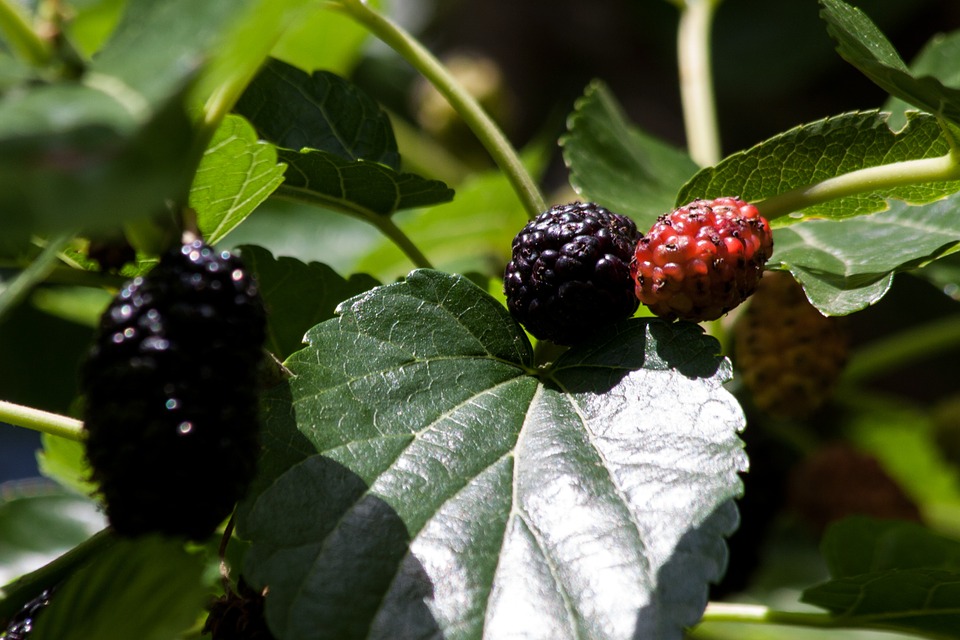
1. Mulberry tree


The beauty of mulberry trees is that they produce tons of fruit without much care needed, and they don’t seem to be bothered by yearly weather conditions. As evidence of this, I have a pear tree in my yard that only sporadically produces fruit due to erratic springtime weather. But no matter how cold the winter or how hot the summer, the mulberry tree continues to produce.


3 Lesser-Known, Super-Hardy Fruit Trees Every Homesteader Should Consider

Image source: Pixabay.com


My neighbors have had a half dozen of these trees on their property for years, and I have gratefully been allowed to reap their benefits right along. The fruit can be a variety of colors (from white to deep purple), depending on the variety.


Given the large amount of fruit produced by these trees, traditional picking methods aren’t that cost effective when it comes to the amount of time needed.


Discover More Than 1,000 Off-Grid-Living Tricks!


What I did to help speed up the process was to get a large tarp and place it under a targeted limb. Then I would ascend a ladder and grab the branch and give it a good shake. The ripe fruit then fell on the tarp, where I could safely harvest and process it.


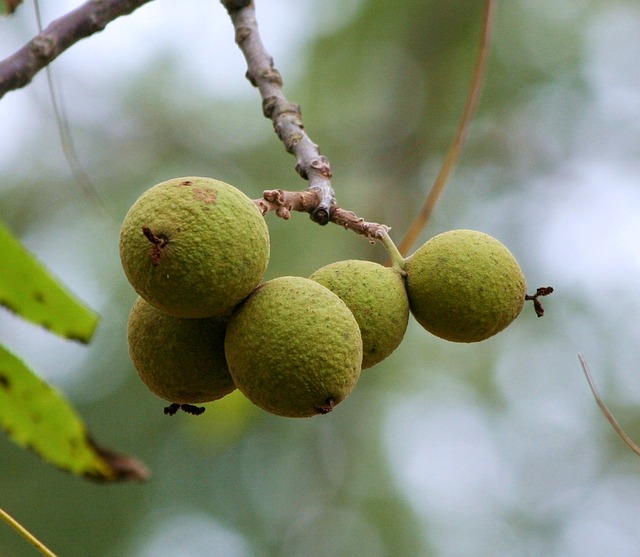
2. Black walnut tree


If you live in an area with these fast-growing trees – they grow in cold and hot climates — then you are undoubtedly aware of their fruit. The large green husked fruits drop from the trees throughout the summer months and are just waiting for you to come by on your lawnmower. While the fruit may have an unpleasant odor, the walnuts you find within are just as good as any walnut you’d get from a grocery store.


Growing up in the northeast, I have always had these trees around me. Harvesting them isn’t much of a concern for any small time forager, as the trees consistently produce tons of fruit no matter the weather. The trouble is that you need to know how to access the nuts within.


3 Lesser-Known, Super-Hardy Fruit Trees Every Homesteader Should Consider

Image source: Pixabay.com


The one way I have seen that makes it easiest to get the green hulls off the fruit is to gather them all on a tarp and then let nature take its course. The green exterior will eventually turn brown and will soften in the sun after only a few days of exposure to the elements.


From here, a little experimentation is needed to figure out how to get to the nuts within. (Click here for more details.) Traditional hand-held units don’t work. People employ just about any method: from placing the walnuts in a bag and rolling over them with a car or pounding a bag full of nuts with a hammer.


A word of caution concerning black walnuts is that they can be detrimental to the surrounding environment. They are extremely fast growing and can choke out other local fauna within only a very short time.


3. Sand cherries


I opted to add these fruits several years ago as a viable addition to my growing homestead. The variety I decided on growing is exceedingly hardy to the harsh winter conditions in my region. Another bonus is that they only require a little upkeep to get them producing year after year.


Most varieties tend to grow as a bush, although some can grow as large as a small tree when they reach full maturity. The fruits are smaller and can be tarter than the traditional cherries you may be familiar with from the store. In some cases, people will opt to grow these bushes for an ornamental purpose, as the multitude of flowers found on each branch can be very visually appealing.


Produce Boiling Hot Water, Anywhere, Anytime With Absolutely No Power Whatsoever…


In my experience, several of these bushes will produce an abundance of fruit that can be used for a variety of uses. They do have pits in them, so you will need to remove them before consumption. Picking these fruits requires much the same effort as picking raspberries or other fruits found on bushes. All you really need is a bowl, clothes you aren’t overly concerned about, and a bit of time.


Conclusion


There are other varieties of fruit and nut trees around that may be considered to be a pest – but have gift-giving abilities. Persimmons and elderberries are two varieties that I have never had extensive experience with, although I know they have great potential as a food source in the right region.


Other viable options to consider that may already be in your area are crab apples and blackberries. Crab apples do not deserve the bad rap they have gotten over the years, as the fruit produced by these trees, while smaller than traditional apples, are still just as good as any other local variety. And while blackberries may seem like a no-brainer when it comes to harvesting potential, they can be exceedingly invasive and have thorns that may make them seem like a nuisance unless you are prepared.


The addition of any of these plants will be of benefit to your ecosystem, as long as the surrounding environment can support their addition. A lot of times you will find that nature has a way of over producing, and will give you more than you can adequately harvest at one time. This isn’t an issue, though, as any local food source you add for yourself will likewise be of benefit to the local wildlife who rely solely on what they can forage for survival.


No matter the choice you make, if you have the space and are interested in adding additional variety to your own homesteading potential, then any of these plants would be an ideal option.


What lesser-known fruit trees would you add to our list? Share your tips in the section below:  


If You Like All-Natural Home Remedies, You Need To Read Everything That Hydrogen Peroxide Can Do. Find Out More Here.


hydrogen peroxide report

Friday, September 29, 2017

Little-Noticed Septic Tank Problems You Shouldn’t Ignore

Little-Noticed Septic Tank Problems You Shouldn’t Ignore

Image source: Pixabay.com


I happen to be fortunate that I live in a somewhat undeveloped bedroom community. I call it somewhat undeveloped because we don’t have all the things that you would normally expect a community to have. I have to drive six miles each way to the grocery store, about the same to the hardware store, and a mile if I need a gallon of milk. One other thing about this community: While we have running water, we have no sewage system.


Many of my neighbors are actually upset about this — complaining to our city government, because they haven’t invested however many millions of dollars it will cost to put in a sewage treatment plant and then another so many million dollars to tear up all of our streets and put in sewage lines. But to me, it’s a blessing in disguise.


Remember the Carnival Cruise Line ship that was adrift in the Gulf of Mexico for five days, after an engine room fire, in 2013? Passengers testified that not only did the running water give out, but that human waste was running down and seeping under the walls, due to the lack of running water.


During a disaster when the electricity is out and there is no running water, can you imagine how wonderful your neighborhood will smell when everyone’s sewage is backed up, due to a lack of running water? If there isn’t enough electrical power to run the pumps for our water, I can guarantee you that there won’t be enough power for the sewage pumps, either.


Without running water and in some cases pumps to pump the sewage, there is literally nowhere for it to go … at least, not for most people.


But for those of us who are still on old-fashioned septic systems, well, that’s another story. While my septic system still requires water, it doesn’t require anywhere near as much water as the city sewer system does. As long as I have enough water to flush my toilets, I won’t have to dig an outhouse or bag up human waste for disposal.


How a Septic System Works


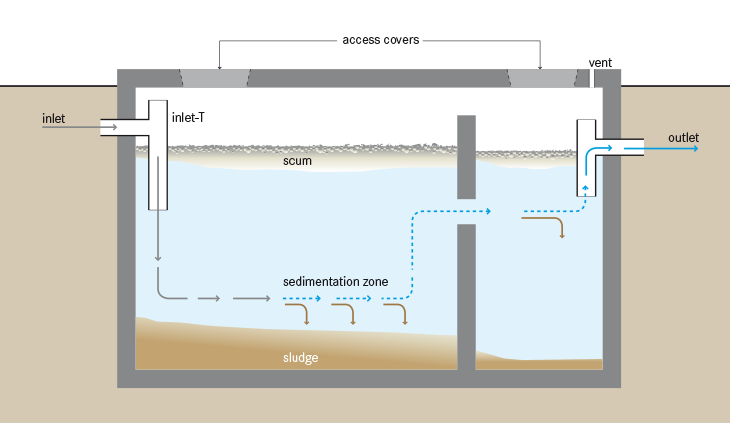
But first, let me explain how a septic system works. Most home systems consist of two 500 gallon tanks, connected together and buried in the backyard. All the drain water from the house enters the first tank, where the solids settle out of it. The effluent (the liquid part, after the solids settle) flows through a short pipe mounted near the top of the tank and enters the second tank. When that tank reaches full, the water flows out of it to the leach field.


Get Free Backup Electricity — That Works Even During Blackouts!


The leach field is the secret of any septic system. The two tanks are there to collect solids and allow them to break down. Bacteria in the water attack the solids, doing their work in the recycling process. With two tanks, all the solids manage to settle, even the paper.


Little-Noticed Septic Tank Problems You Shouldn’t Ignore

Image source: Wikimedia


Four-inch pipes carry water from the tanks to the leach field. These pipes are perforated along the sides, allowing the water to flow out and into a gravel bed, where it can dissipate. Unfortunately, those holes also allow tree roots to find their way in.


The water entering the leach field is actually fairly clean, if you ignore the discoloration and the slight odor. Since the gravel bed is only a couple of feet below the surface of your yard, it can water the grass, trees and rose bushes. But most of it evaporates into the air, turning it into perfectly clean, pure water vapor, that falls to the ground once again as rain.


What Can Go Wrong?


The thing that most people don’t like about septic systems is that they have to be pumped out every two to three years. That’s to remove the solids which gather in the system. While the two tanks have a combined capacity of 1,000 gallons, you really don’t want more than about 300 gallons of solids, before the tanks are pumped out. That way, the water going into the leach field will be fairly clean.


Failure to pump out the system regularly could lead to solids going into the leach field and plugging up the pipes. My system actually had that happen. The builders had connected all the pipes from the house to the second tank, rather than the first, so the solids had a much easier time of finding their way to the leach field pipes than they should. Nevertheless, the system still lasted 32 years before the leach field had to be rebuilt.


It’s recommended to not use bleach with a septic tank system, because the same bleach that whitens your clothes and kills bacteria on surfaces, also will kill the bacteria in your septic tank, if you let it get in there.


The other big thing that can go wrong with a septic tank system is for tree roots to get into the leach field, the pipes and even the tanks themselves. I also had this happen to mine. Most contractors don’t use PVC cement when connecting drainage pipes together. This offers an opportunity for tree roots to find their way into the pipes. But that’s not the worst. If the drain pipes aren’t connected to the tank properly, then roots can get in there.


Roots in the pipes or in the entrance to the tanks will plug up your drains, eventually causing them to back up. The solution is to kill off the roots and clean out the lines with a power snake and a root cutter.


But tree roots are even more likely to get into the leach field than they are into the sewage pipes and septic tanks. While a few roots aren’t a problem, eventually they will reach a point where they can plug up the leach field pipes and prevent the water from actually reaching the gravel bed. When that happens, it’s time to replace the leach field.


Using Your Septic System as Part of Your Survival Plan


If your survival plan is to bug in, sheltering in place, you’ll want to make sure your septic system is ready for it. That means being sure to have the septic tank cleaned out on a regular schedule, perhaps even more often that necessary. That way, it will have capacity when you need it most.


The other thing you need to do is ensure that your leach field is in good shape. If your system is draining slowly, with the water not soaking into the ground as fast as it should, then it’s possible that you need to replace your leach field. The newer technology for leach fields is actually better, replacing the four-inch pipe with a two-foot wide leaching chamber. This has much more capacity, is cheaper to install, doesn’t require gravel and is more or less impervious to the problems caused by roots.


What advice would you add? Share it in the section below:


Are You Prepared For A Downed Grid? Read More Here.

Monday, September 18, 2017

8 Things To Consider Before Homesteading On Bare Land

8 Things To Consider Before Homesteading On Bare Land

Image source: Pixabay.com


There is something about bare land that appeals to almost all homesteaders.  It’s the clean slate – the dream of being able to turn a piece of undeveloped land into exactly what you want it to be, and the chance to control (at least a bit) of your own destiny.


Before you head out to buy your own piece of bare land, there are several things you need to consider.


1. Building codes & zoning


Before buying any piece of land, the first thing you need to know is the zoning.  Zoning will determine a lot of what you can do with your property — from building buildings, to installing electricity, to cutting trees, to owning livestock.


Once you’ve established the zoning, make sure to check out any and all applicable building codes. In some areas with an agricultural zoning, you may be able to build barns without permits. However, if you are buying land with a forestry or recreational zoning, you may not be allowed to put a building up at all! Find out the rules BEFORE you buy.


2. Easements, accesses and property lines


Be sure before purchasing any bare land that you have in writing exactly how the property is accessed and if there are any easements that you will either be utilizing to access the property, or easements you will be providing others to access adjoining tracts. This also includes finding out about easements afforded to power, water or gas companies. Never assume that an access road is a legal one. Easements and accesses are recorded with the county, so if the owner or realtor cannot provide you with documentation, check there.


Finally, A Backup Generator That Doesn’t Require Gasoline!


In addition, are the property lines clearly marked, and if not, who will pay to have the land surveyed? No one wants to put a fence in the wrong place and end up in a courtroom, so this is a vital thing if you are purchasing raw, unfenced land. (It never hurts to have it surveyed to confirm that fences are in the right place, either.)


3. Electricity


Does the land you are looking to purchase have power already? Are you planning to connect to the power company, or are you planning to put in an off-grid system? These are questions that you need to address before you make an offer on bare land.


In our area, it’s not at all unusual for one street to have utility company power, and the next street for it to be unavailable. Our property is a half mile as the crow flies from the nearest home with utility power, and yet to get it to our place was a quote of over $120,000!


If solar or wind is your plan, pay careful attention to property features that may obstruct the operation of those systems, including timber and hills. You’ll want to visit the property at several different times and get a feel for the feasibility of installing those systems.


4. Water


What water access does the tract have? Does the property have a well already or access to public water? If there is presently a well on the property, make sure you have it tested or the owner has a testing report from within the last few months.


If there’s not well but there is water, you may be looking at putting a well in yourself. Installing a well can be quite costly, depending on the depth. You’ll want to check with your realtor, the property owner, neighbors, the county, or local well drillers to get an idea on what depth and cost of well installation will be. Keep in mind, though, that no two properties are the same. For instance, our well is at a depth of 330 feet, and yet our neighbor whose well is a quarter mile from our own and further down the valley is at a depth of around 600 feet. Still, it’s good to have an idea of what depth you are likely to be at.


Depending on the location, there is also the possibility that the property will not have or have access to water. In that case, you may be looking at a cistern situation, with water being delivered from an outside source. Do your homework first – good water is essential!


5. Septic


Very seldom does a tract of bare land have a septic, but it does happen on occasion. This is especially likely if there was previously a home or if anyone has lived on the land with an RV. If there is one, then get the usual details — size rating, installation date, who put it in, and last service date.


Most likely, you’ll be putting in a septic system yourself, so again, be sure you know what the codes require. There is a significant difference in price from a traditional system to something more in-depth such as a sand filter setup. Know what to expect before you buy.


6. Soil & drainage


Soil and drainage are two items that not everybody stops to think about when buying land.


When looking at drainage, look for natural features such as creek beds, dry creeks, depressions, etc. What doesn’t look like much in dry weather may become a lake or roaring river during the wet season. Also, are there spots with good drainage that will allow for buildings such as a house or barns? If not, you may be looking at bringing in soils or rock to build areas up before construction can begin.


Furthermore, it’s important to know what type of soil a property has, especially if you plan to garden or house animals. Rocky ground or hard clay can be miserable to put fence posts into, and sandy soils may not keep posts in! You may also have trouble planting or growing trees in rocky or sandy ground. Amending soils or building raised beds can be costly if you plan to have a very large garden, so be sure to do a little investigation on the front end.


7. Predators


Researching the predators in your area is a very big deal if you have small children or plan to raise livestock. This can include the big animals such as mountain lions, bears, coyotes, wolves, and bobcats, but also small critters like fox, skunks, opossum and raccoons, which are all threats if you plan to raise and free-range poultry.


Additionally, if you plan to have an orchard or large garden and are looking at property in the heart of a heavy deer population, this is something you’ll have to consider. Keeping critters out is often more costly than keeping them in!


8. Neighbors


You might be thinking this one is unimportant, but from personal experience I can tell you that neighbors can make all the difference when it comes to enjoying your homesteading space. I’m not saying that you need to be best friends with your potential neighbors, but getting a feel for who they are will save you heartache down the road.


Buying a bare piece of land to build your homestead on can be a wonderful adventure if you do your due diligence on the front end and keep these items in mind.


What advice would you add? Share your thoughts in the section below:

Saturday, September 16, 2017

5 Reasons Quail Might Be Better Than Chicken For The Homestead

5 Reasons Quail Might Be Better Than Chicken For The Homestead

Image source: Pixabay.com


For most homesteaders, poultry is the “gateway livestock,” the first animals purchased as you try to raise your own food. And chickens are easy to raise, and a wonderful source of eggs and meat.


But when you are thinking about what kind of birds you want to raise on your homestead – for food, for profit and for fun – maybe you also should consider quail. More and more homesteaders are giving quail a try.


Here are five reasons why quail might be a good choice for your homestead:


1. Fast food


Standard meat chickens, while delicious, can take 14-16 weeks before they are ready to eat. Most quail, on the other hand, can be butchered eight to 10 weeks after they hatch. Quail are small, but they’re delicious; you can find them on the menus at the finest restaurants. And if you raise your own, you can try out numerous quail recipes in the comfort of your own kitchen!


2. Great egg layers


Most species of quail are prolific layers of small, mottled eggs. Some species, like the bobwhite and coturnix quails, lay hundreds of eggs per year. Pickled quail eggs are a delicacy all over the world, and every homesteader should have a jar or two on hand for a tasty treat.


Goofy Gadget Can Recharge Your Laptop — And Jump-Start Your Car!


Quail also are consistent layers of fertile eggs that are simple to incubate, too, making it easier for homesteaders to keep a steady population of quail on hand.


3. Quiet in the coop


Compared to chickens and other poultry, quail are quiet and easy to maintain. If you are concerned about neighbors and noise coming from your homestead, these may be the perfect birds for you. Most homesteaders keep their quail in some sort of small coop. They don’t need much space at all, and free-ranging them is not really practical. If you’re raising them for meat, you can just harvest older adults, and replace them with the chicks you recently hatched.


4. Easy and cheap to feed


Quail are much smaller than chickens and cost considerably less to feed. If you are raising your quails to harvest, then a good, high-protein turkey starter will suffice. Quail also enjoy the same kind of table scraps you would feed to your chickens. If the quail coop has access to the ground, your quail will almost certainly forage for insects, seeds and grubs. Raising mealworms is also a great treat and protein supplement for the birds, as well.


5. Something completely different


While quail are not rare, they are not exactly common, either. Raising a few quail can offer a homesteader some quality economic benefits that a flock of chickens almost certainly wouldn’t. If you can keep a consistent supply of quail on hand, you may be able to sell them regularly to local restaurants that feature them on the menu. They also are great birds to trade for other items needed on the homestead, and are easy to sell on sites like Craigslist, too.


Have you owned quail? What advice would you add? Share your tips in the section below:

Saturday, September 9, 2017

5 Ways You’re Throwing Away Money On The Homestead (No. 2 Trips Up Lots Of People)

5 Ways You

Image source: Flickr


Even small expenses can soon add up on a monthly or annual basis on the homestead. Here are five ways that homesteaders waste money that could be put to better use elsewhere.


1. Not repairing clothing


Working on the homestead is hard labor, and it takes a toll not only on the body but also on clothing. However, when good quality clothing becomes worn with a hole, or torn, or loses a button, resist the temptation to automatically discard it and buy new replacements. Instead, learn to mend clothing. A simple sewing kit, manual sewing machine, and basic supply of cloth can greatly extend the service life of clothing.


Also, consider hanging your laundry out to dry. Air drying is much easier on clothing than using a drying machine. After all, that lint in the drying machine filter is just small pieces of clothing material that belong with the clothing, not in the trash.


2. Paying too much in property taxes


Property taxes are an annual evil that siphon away serious dollars that would be better managed by the property owner instead of the government. While there’s no magic wand that can reduce the property taxes on a given piece of property, off-the-gridders should give serious consideration to how much acreage they really need.


Get Off-Grid With Wind Power!


A lot of people yearning to escape modern life in the cities or suburbs dream of 40 acres or a hundred or a thousand. And if your heart’s set on it and you can afford that, go for it.


Otherwise, think about how much property you really want. I lived for years on 40 acres and loved it. But maintaining the perimeter fencing and keeping an eye out for trespassers was a lot of work. When I decided to move, I bypassed the 40-acre and 80-acre properties and settled on five acres. I have enough room for gardening and small animals, but the area is small enough for me to keep an eye on.


3. Throwing away material that can be reused or recycled


5 Ways You

Image source: Pixabay.com


While many homesteads don’t have trash pickup and they routinely haul it to the dump, many do subscribe to private trash pickup services. If you do, scrutinize the size of the container you’re paying for. You may be able to downsize. Frankly, for homesteads that should be reusing or recycling a lot of material, the smallest trash container available should be sufficient.


4. Not bartering


If you have a thriving homestead, you probably have excess goods or services that others may be willing to barter for. Why buy something from a store when you can barter for it?


For example, my neighbors own a ranch and raise cattle and pigs. Instead of buying beef or pork from a store, I trade chicken eggs, rabbits or produce from my garden for meat from my neighbors.


It works with services, too. I can help the neighbors on their ranch and get some meat in return.


5. Not buying used


There are many opportunities for thrifty homesteaders to buy used items that are acceptable. For instance, new books these days cost close to 10 dollars. So browse in a used bookstore and pick up a great read for 50 cents.


Clothing is another opportunity. While I buy much of my clothing new, I buy used clothing for when I’m working outside. When I’m digging soil or cleaning animal pens, used clothes work just fine for me. Goodwill stores and garage sales often yield gently used clothing for a dollar or less.


Conclusion


Simple changes can yield small savings. However, over time, these small savings become big savings.


What other ways do homesteaders throw away money? Share your ideas in the section below:


If You Like All-Natural Home Remedies, You Need To Read Everything That Hydrogen Peroxide Can Do. Find Out More Here.

Saturday, September 2, 2017

The 5 Best Dog Breeds For The Homestead?

The 5 Best Dog Breeds For The Homestead?

Labrador. Image source: Pixabay.com


I didn’t have a dog growing up. My mom hated them, and thought them messy and expensive. Dad didn’t care too much for them, either, and I guess I can’t blame them. Sure, we lived in the country and with several acres it was ideal for a pooch, but alas, my forays into the woods went unaccompanied by man’s best friend.


When I was a farmhand we had a few dogs on the property and I began to realize the importance of a dog on the farm or in the country. They guarded our livestock and warned us of approaching visitors, and made a day in the woods not so lonely. When I met my wife, I was shocked when I found out her parents had not one or two but nine canines. And so, since then, my life has had plenty of four-legged buddies.


If you live in the country, hunt, farm or just want some additional security, I have narrowed down a few breeds that are great for country living. Of course, there are many different opinions out there, but these are my choices.


Before you purchase, consider three things: First, do you require a hunting dog or additional help on the farm? Both avenues require training. Some training you can do yourself, as in the case with a waterfowl dog. However, you throw the idea of cattle school into the equation, the cost can increase dramatically. Also, if you buy a certified puppy you can pay north of $1000 for the pooch.


1. Labrador retriever. These are great dogs if you have a family. Very gentle in nature, relatively easy to train, the Lab is a great dog for anyone who hunts upland birds and waterfowl. They are also a great dog to have around the farm.


Food Grade Diatomaceous Earth: The Best All-Natural Wormer For Your Livestock


They do have a tendency to gain weight and develop hip and joint problems, but a healthy animal can live as long as 14 years.


2. Weimaraner. Another good family dog. Weimaraners are very popular with bird hunters across North America. They make a good family pet as well, and are gentle in nature similar to a Lab.


In my humble experience, Weimaraners are better as solitary dogs and I have developed the opinion that they don’t get along with too many other canines.


3. Beagle. Beagles are an excellent breed of scent hounds, and excel at chasing rabbits and can even be used for upland game. They do best when in a pack, and so it is recommended you own at least a few of these dogs together as they are highly social animals.


Kids love them, and often their first experience with a hunting dog will be a beagle circling a rabbits or treeing a raccoon.


4. German shepherd. Known in the U.S. for their work with police and security, German shepherds are prevalent on homesteads in Germany and all through Europe. The German shepherd will protect your children, especially if raised with them from a puppy. It also will protect your livestock if you train them right. Coyotes are no match for a German shepherd or two, although these dogs are vulnerable to wolves and cougars. Though a bit intimidating, a German shepherd can make a very good family dog, and will lay down its life for your kids.


5. Border Collie. Considered the most intelligent of all the domestic dog breeds. One of my personal favorite breeds of dog. The Border Collie is great around children and will quickly become one of the family.


Border Collies do great herding sheep and even cattle. They are the perfect farm hand for the rancher or the farmer with a dozen sheep or a few Black Angus.


What breeds would you add to this list? Share your own list in the section below:


Harness The Power Of Nature’s Most Remarkable Healer: Vinegar