Showing posts with label animals. Show all posts

Friday, April 13, 2018

Making a Homestead Evacuation Plan

This article was originally published by Daisy Luther at The Organic Prepper


With wildfire season approaching in California, my thoughts are with my many friends there who have small farms. Even if you don’t live in a wildfire zone, if you raise livestock, you need to have a homestead evacuation plan. Any place can have a barn fire, a chemical spill, or other environmental emergencies.


I’ve written quite a lot about evacuations since my family and I were right on the verge of it during the King Fire. Fires can approach shockingly fast, and being ready before there is ever a hint of smoke in the air is the best way to get out quickly when the time is short.


But things change dramatically when you add a farm or homestead to the mix. Suddenly, you have more living creatures in your charge than you do space in the vehicle. You absolutely must have a plan in place before a disaster occurs, because if you wait for the evacuation order, you’ve waited too long.


Create a homestead evacuation plan.


Here are some of the things that I learned about homestead evacuation. Use this to create your own plan, because disasters can strike anywhere and we all have different resources, livestock, and circumstances.


Be aware of what’s happening nearby. When I lived in California, I haunted the local boards that discussed fires and other events. I had friends who were former firefighters and subscribed to phone notifications from the local sheriff’s department. If there was a fire or mudslide nearby, I knew about it while it was still miles from me. That way, I could assess my plan and see if action needed to be taken immediately, or if I just needed to stay on top of the situation.


Figure out where you’ll take your livestock. Often, local fairgrounds will open their facilities for farmers to bring evacuated livestock. Sometimes veterinarians and kennels will also accept evacuated animals. If you are in contact with other farmers, they may be able to make room for your animals. I belonged to a local homesteading group at the time, and we all made space for animals, trailers, and RVs if we could to help our friends during fire season.


Evacuate livestock early if you can. The last fire that was nearby was called the Trailhead Fire, and it consumed 5,646 acres over the course of 20 days. Toward the end, when it drew closer to our farm, I evacuated all our chickens to a friend’s farm that was out of the danger zone. That gave me the peace of mind to know that if we had to evacuate for real, I only had to grab cats, dogs, and kid, which would have been far faster than chasing a bunch of panicked hens.


Have a way to transport your animals. You will either need a trailer, pens that can go into the back of a truck, or crates that can hold your livestock. You may need help from friends with trailers if you have a lot of animals. Have these things ready so that you aren’t trying to figure out how to move the animals when a fire is approaching.


Have a plan for last-minute homestead evacuation. This is every farmer’s nightmare because if the fire is approaching fast, you may not be able to load up all your animals in time.


  • Have trailers and trucks close to the livestock area for quick evacuation.

  • If you think you may need to evacuate, contain your livestock in the smallest area possible for ease of loading. For example, if your chickens normally free-range, keep them contained in a yard around their coop so you have a better chance of catching them. Close off the gates to the larger pastures and keep other livestock in the area closest to the trailers.

  • Practice loading up. This way, the animals get used to being loaded and are less likely to panic and fight you. Secondly, you know which animals are going to be the most uncooperative and you also have a feel for how long it takes to load them all.

  • Have blinders on hand. This may be nothing more than a piece of cloth or a fabric bag, but if your animals are panicking, it can be easier to lead them out if they can’t see the threat. Most people think only of horses needing blinders but it can be far easier to lead goats and cows this way too.

  • Give every person a job. Even younger children may be able to help round up chickens or gather feed. Be sure that everyone knows what to do beforehand so that you can all work together quickly and efficiently.

  • Remember that if there is a threat like a nearby fire, animals are much more likely to panic due to fear. This means it will probably take longer to load them up.


Know what to do if you can’t evacuate the livestock. If there is no time to load the livestock, at least turn them loose so they have a chance at escaping the flames. If your family is at risk of dying in the fire, you will have to evacuate and leave the animals behind. It’s a horrible choice but could be necessary. Remember the Napa Valley fires last summer? Some people had only moments to flee fast-moving infernos.


Have you ever been through a homestead evacuation?


Have you had the experience of evacuating a homestead? If so, please share your story and tips in the comments section below.


The Pantry Primer


Please feel free to share any information from this article in part or in full, giving credit to the author and including a link to The Organic Prepper and the following bio.


Daisy Luther is the author of The Pantry Primer: A Prepper’s Guide To Whole Food on a Half Price Budget.  Her website, The Organic Prepper, offers information on healthy prepping, including premium nutritional choices, general wellness and non-tech solutions. You can follow Daisy on Facebook and Twitter, and you can email her at daisy@theorganicprepper.ca</e


Monday, February 19, 2018

Why Free Animals Are A BAD Homestead Investment

Why Free Animals Are A BAD Homestead Investment

Image source: Pixabay.com


Most Free Animals Are Male


Most of the animals you’ll see available for free are males. From intact buck goats and wethers to roosters, buck rabbits and drake ducks, nearly every farmer deals with an overabundance of boys from time to time.


So, why would you not want to take advantage of free males, especially if it’s a type of animal you might be planning to breed?


First, males given away for free are often not of the highest quality. They may be lacking proper bone structure, muscling, libido or markings. Even if they have these things, they may be past their prime, meaning low settling rates from either a low sperm count or diminished breeding hormones.


Second, males take more planning to house and care for. This is especially true of livestock that have a particular breeding season. Male goats can be quite destructive during the fall rut, even when running with a herd of females. Turkey toms that co-exist with other poultry through most of the year can be particularly aggressive at the beginning of the breeding season and may need to be separated.


Unsexed or Incorrectly Sexed


Craigslist and sale boards are full of free animal posts that start with the story of “we brought home two critters that were supposed to be males, and turns out one was a girl” or vice versa. Regrettably, not everyone who has livestock knows how to determine an animal’s sex. To get around it, animals will often be listed as “unsexed,” “straight run,” or as a “must take all” grouping. Sometimes an uneducated owner will just take a guess on sex entirely and give it away.


To avoid unexpected complications down the road, know how to sex the animal you are planning to take in, or have a friend or family member that knows how help you.


Hidden Illnesses


Depending on the species, a critter may be carrying something that is infectious to other animals or even to others of its own kind.


A good example of this is chickens with fowl pox. When we lived in Mississippi, it was common for free chickens to be carrying the pox. With the pox, the chicken is fairly asymptomatic, meaning it doesn’t usually display the same blisters, respiratory issues or diminished appetite of other birds. What you will notice is that hens infected with it stop laying while the virus runs its course. However, like chicken pox in humans, it spreads easily, and will readily transmit to other poultry species where it does considerably more damage. From our experience, ducks and turkeys especially will develop lesions and blisters on their heads, around their eyes, and near their reproductive organs. In mild cases and healthy adult flocks, the effects can be pretty minimal, but fowl pox will easily kill chicks, juveniles, and can even cause the loss of fertility in adult breeders.


It’s not just chickens, of course. Often free rabbits are active carriers of Pasteurella, and your free goat may be positive for CL, CAE or even Johne’s Disease.


You can minimize the risk of bringing an infected animal home with a good biosecurity plan and a minimum quarantine of 30 days.


Reproductive Issues, Genetic Anomalies, or Bad Mothers


As an animal lover, we all get attached to our critters in one way or another. Unfortunately, this sometimes means that people will give away an animal that should really be culled due to reproductive problems or being known carriers of genetic issues.


Be sure to ask a lot of questions, especially if the animal previously had offspring. There are bad mothers in every species, from rejecting offspring, being inattentive, not having enough milk, or even killing them at birth.


Behavior Issues


Unfortunately, not everyone is honest about why they are getting rid of an animal. From being an escape artist, hating men/women, or attacking anything smaller than itself, critters with behavioral problems are often offered up as freebies for the unsuspecting.


A friend once brought home a beautiful one-year-old boer goat doe. She was purebred but given away without papers. The original owners had told my friend that they were just short on space, so they needed her to go, and that was why they had her penned up in a horse stall instead of out with the other goats. The doe was healthy, but my friend put her through quarantine anyway, though there were no issues. Once put out with the herd, this little doe became nothing but a problem child. She would escape from any paddock no matter how good the fence; she was insanely aggressive at feeding time; she would go out of her way to knock younger goat kids down. Then she turned on my friend’s 12-year-old granddaughter. It was the human aggression that earned the doe a trip to the butcher.


Bad Time of Year


Lastly, there is always an uptick in free animals during the winter months. This is mostly due to the increased costs to feed and/or the hassle of taking care of livestock during the cool, wet months. If you are willing to deal with a new addition to your homestead and have the facilities to keep it, be sure that you can afford to feed it. Both drought and wild fires can have impacts on the price and availability of everything from hay to bagged feeds.


With a little planning and know-how, you can avoid these free animal pitfalls. While we all enjoy adding livestock to our homesteads, just be sure they don’t end up costing you more in the long run.


What advice would you add? Share it in the section below:

Monday, November 20, 2017

Black Death Warning: The Plague Is Impossible To Eradicate

Face masks are placed on children in Antananarivo, Madagascar (AP Photo/Alexander JOE)


Face masks are placed on children in Antananarivo, Madagascar (AP Photo/Alexander JOE)


An expert is warning the plague that has sickened over 2000 people in Madagascar since August is impossible to eradicate. Even though the number of those infected has dropped in recent weeks, the plague will never truly be gone.


Since the airborne version of the plague can kill a person in just three hours, experts warn that its too soon to think that since there hasn’t been a person infected in recent days, that it won’t pop up again. That’s because the bacteria that causes plague is now so widespread in wildlife, that humans can’t do anything to get rid of it, said Dr. Allen Cheng, Professor of Infectious Diseases Epidemiology at Monash University in Melbourne.


“It’s not possible to eradicate plague, as it is widespread in wildlife rodents outside the sphere of human influence,” Cheng wrote on The Conversation. “Outbreaks, generally, are managed reactively by ‘firefighting teams’, deployed to clear houses of fleas, identify and treat cases and give pre-emptive treatment to contacts at risk. A more preventative approach, such as the identification of areas at risk using climate models and animal surveys to focus flea and rat control efforts, would be better,” he said. “But, this requires a better understanding of transmission pathways in each region where disease persists.”


The best way to stop the plague spreading was to focus on flea and rat control in the most at-risk areas, he said. Cheng’s comments came after at least 171 people died in Madagascar over an outbreak of plague. Nine countries were urged by the World Health Organisation (WHO) to prepare for a black death attack, at the end of October.


It’s been reported that plague has been transmitted to humans by camels, goats, prairie dogs, rock squirrels and guinea pigs since the 1960’s. There are only a few remaining hotspots for plague in the world – Madagascar being one of them. This outbreak was also highly “unusual”, in that several different parts of the island were affected, including areas with lots of people.


WHO has reported 2119 cases of the plague as of November 10. 171 have died of the disease so far.

Wednesday, November 8, 2017

What Could Go Wrong? EPA Approves Bacteria-Infected Lab-Grown Mosquitoes

mosquito


Lab-grown mosquitoes armed with bacterium Wolbachia pipientis have just been approved by the EPA. The agency is saying that these mosquitoes could be the key to killing off insects that often transmit dangerous viruses such as Zika.


Nothing can go wrong, right? The government would never do that to us. Famous last words, but nonetheless, the created mosquitoes are very real! Mosquitoes are annoying the way it is, and adding the Zika virus has been exactly no fun for anyone. But is it worth infecting mosquitoes with bacteria in order to help stop the Zika virus? The EPA (Environmental Protection Agency) says “yes.”


On November 3, the Environmental Protection Agency approved a new approach from the biotech company MosquitoMate. The goal is to destroy populations of wild mosquitoes that could be carrying nasty viruses, according to a report from Nature magazine. –CNET


MosquitoMate infects lab-grown mosquitoes with the common bacterium Wolbachia pipientis, which affects mosquitoes but they claim, it does not affect not animals or humans. They chose to infect lab-grown mosquitoes over genetic modification, although the reason for this decision is not yet known. MosquitoMate will release these insects in 20 states (which include Washington D.C., and Kentucky) this summer.


The Wolbachia-infected male mosquitoes (which don’t bite) mate with the wild populations of female Asian tiger mosquitoes (which do bite). The eggs fertilized by MosquitoMate’s male mosquitoes won’t hatch because the paternal chromosomes don’t form properly due to the effects of the bacterium.


But the process to create these mosquitoes is time-consuming, and millions must be made and infected for the insects to do their job, and make a dent in the Zika virus.


MosquitoMate hopes its GMO-free solution to destroying deadly mosquitoes will earn the praise from those of us who want a more natural way keeping mosquitoes that could end up making us sick out of our yards. “Unlike traditional mosquito control, we don’t show up after you have a problem,” according to MosquitoMate’s FAQ. “By acting proactively, your population of Asian Tiger mosquitoes will not reach a nuisance level.”


Let’s just hope they are right that the bacterium being used is not harmful to humans or animals…

Thursday, August 10, 2017

Study: Sustainably-Sourced Goods are KEY for Protecting Endangered Species’

Have you ever teared up at a news story about giraffes heading towards extinction? Perhaps you symbolically adopted an elephant to save it from poaching. Your heart is in the right place. But a study released earlier this year highlights the very real damage human consumption does to threatened species and the environment.


The couch you’re sitting on, the smartphone you used to donate money to the African elephant rescue effort – both of these have a negative impact on biodiversity. Even the coffee you brew in the morning takes a toll.

I hate to say it, but unless it is sustainably-sourced, every time you buy something, you’re wrecking the damn planet. Thanks a lot, you … and me.


UN Report: Small Scale Organic is the Only Way to Feed the World


Research published in the journal Nature Ecology & Evolution illuminates the global hotspots most impacted by goods exported to the United States, China, Japan, and the European Union. The findings show that U.S. consumption is particularly harmful to land species from parts of Southeast Asia and Madagascar, in addition to southern Europe, the Sahel region of Africa, coastal Mexico, Central America, and Central Asia. [1]


Source: Time – Darker purple and green regions indicate the regions where exports to the U.S. most damage biodiversity.

Goods in nearly every store you visit in the U.S. originate in places where monkeys, toads, sea cows, and big cats call home. Elements like coffee and palm oil are elements that animals in shrinking habits need to survive. These resources are used in products made by 15,000 industries globally and consumed in some 187 countries, and an inordinate amount of it is consumed in the U.S. and Europe.


This results in the suffering of more than 6,500 species of wildlife. [2]


Sea cow

Tracking Consumption’s Impact


For the study, researchers evaluated the supply chains of a multitude of different products to trace the effects of goods on 6,800 species listed as threatened by the International Union for the Conservation of Nature (IUCN). Supply chains were found to threaten species in a variety of ways, including forestry-destroying habitats, pollution, and urban development. [1]


The researchers laid fairly new global supply-chain databases over the habitats of endangered species listed by the IUCN and BirdLife International. This allowed the team to identify the world’s “threatened biodiversity hot spots,” as they refer to them. [2]


For example, logging in Brazil to make products eventually sold in the U.S. cuts down trees used by red-face spider monkeys. Mangroves off Papua New Guinea – home to diverse plant species and an endangered sea cow – are impacted by the fishery trade and gold mined and destined for Japan.


Red face spider monkey

Daniel Moran, a researcher at the Norwegian University of Science and Technology, said:


“Biodiversity hot spots is a well studied topic, and it is known that the last reserves of biodiversity are harbored in a small number of places. Economic pressure, even at the margin and in small increments, exerts pressure at these places. Almost any human pressure at the places, unless very well managed, will have a big impact on species there.”


The researchers wrote that product demand in the U.S. also affects “marine hot spots off the Caribbean coast of Costa Rica and Nicaragua at the mouth of the Orinoco around Trinidad and Tobago.” They went on to say:


“The European Union drives threats [in] hot spots outside Southeast Asia in the islands around Madagascar: Réunion, Mauritius, Seychelles.


Despite much attention on the Amazon rain forest, the U.S. footprint in Brazil is actually greater in southern Brazil, the Brazilian Highlands, where agriculture and grazing are extensive, than inside the Amazon basin, although impacts along the Amazon river itself are high.”


Source: World Wildlife Fund

Humans have moved into animal habitats and now live among them so closely that even the smallest environmental impact can reverberate widely.


The study states:


“For threats driven by U.S. consumption, the 5 percent most intensively affected land area covers 23.6 percent of its total impact on species, and at sea the 5 percent most intensively impacted marine area affects 60.7 percent of threatened species habitats.”


Read: 4 Ways to Heal and Replenish our Damaged Soil and Food Supply


About $66 billion is spent on conservation efforts annually, with 90% of that going to use in developed countries far away from the most endangered locations, the researchers found.


The findings could help conservationists better direct resources to address both the source of harmful goods and the markets where they are sold, the team said. [1]


Sources:


[1] Time


[2] The Washington Post


World Wildlife Fund


Storable Food


About Mike Barrett:
Author Image
Mike is the co-founder, editor, and researcher behind Natural Society. Studying the work of top natural health activists, and writing special reports for top 10 alternative health websites, Mike has written hundreds of articles and pages on how to obtain optimum wellness through natural health.

Saturday, July 15, 2017

Scientists Say Sixth Extinction Level Event Underway (VIDEO)

Scientists Say Sixth Extinction Level Event Underway (VIDEO) | drought-dead-animals | Environment Global Warming Fraud Multimedia Science & Technology Sleuth Journal Special Interests


By: Joe Joseph, The Daily Sheeple | 


In this News Shot, Joe discusses a new study that claims “biological annihilation” of wildlife in recent decades means a sixth mass extinction in Earth’s history is underway and is more severe than previously feared.


Watch on YouTube


Contributed by Joe Joseph of www.TheDailySheeple.com.


Create your own review


Average rating:  

 0 reviews


Friday, May 12, 2017

9 Smart Ways To Stay Safe Around Livestock

9 Smart Ways To Stay Safe Around Livestock

Image source: Pixabay.com


No matter how long you’ve been around farm animals, and even though you consider many of them as pets, there always will be times when they’ll behave unpredictably. A sudden movement, a loud and strange noise, or even just the scent of a female animal in heat, picked up by a male, can elicit the most erratic behavior – endangering even the seasoned homesteader.


It’s always wise to make safety a priority. Who wants to be accidentally stepped on, knocked over, kicked, bitten, squished, head-butted or thrown off a large animal just because it got spooked, stressed out or over-excited by something? Sprains, bumps, bruises, bites, abrasions and all kinds of injuries can be avoided if precautionary measures are taken when working around livestock.


Every animal tends to have its own temperament above and beyond its breed characteristics, gender, size and training. It also tends to be irritable and aggressive when it’s hurt, isolated from the herd or brought to new surroundings. Mothers are extra protective when with their young, while males are particularly excitable when it’s mating season.


It’s best to approach each animal with care — especially if children, elderly, strangers or inexperienced guests and neighbors are around.


Diatomaceous Earth: The All-Natural Livestock De-Wormer!


Here are a few tips to help you:


1. Always handle animals in a calm, non-threatening way. Approach them deliberately from the side where they can see you, but not directly from the front which they can misinterpret as aggression. Make it a habit to announce your arrival by calling or talking to them. Work calmly and confidently around large animals. They can sense the stress, anger and nervousness of humans, and that could make them uncomfortable, too. When milking, grooming or handling, touch them first on their front or side. Most animals have a wide range of view, but they have a blind spot around the rear. Touching them suddenly in the hindquarters could give them a jolt. This is especially true when dealing with young or spooky horses. Stay close to your fidgety animal, keeping your hand on its body as you move around it, and speak to it so it knows where you are the whole time. When milking or trimming goats’ hooves, keep your face away from its legs. Goats are known to kick in all directions; whereas horses and mules kick out to the back, and cows to the front and sides. In all cases, keep out of their kicking zones.


2. Don’t put your face or head directly over an animal’s head. When petting or handling them, keep your head to the side. Bucks and rams, especially, may head-butt even their owners – usually for play and excitement. And don’t ever trust a bull — even a sitting bull. If you lean over them, you could get a bruised chin or worse, a broken nose. (Be sure to de-horn your goats and cattle.)


3. Always open the gate inwardly, not out, when entering a pen or corral. This would prevent the quick, sly little ones from escaping.


4. Always have an escape path. Many injuries involve livestock being startled and pinning their handlers against a hard surface. When working with large animals, always have a way out, especially in closed quarters.


5. Don’t wrap the lead rope around your hand when walking an animal bigger and stronger than yourself. If it bolts, the noose would tighten around your hand and you’ll get jerked and dragged along. Simply holding the rope firmly so it doesn’t slip from your hand should suffice.


6. Don’t put your fingers inside a goat’s mouth. Even though they don’t have upper teeth and don’t bite on purpose, sticking a finger in there to check the inside of their mouth or steal a cud could hurt you. The teeth on a goat’s lower gums are very sharp, able to snap off tree branches and peel bark off trees easily.


7. Wear protective clothing. Long-sleeved shirts and pants, gloves, boots. When working around cattle and horses, steel-toed boots are recommended. Ordinary leather or worse, running shoes, are no match to heavy horse hooves! Additionally, it won’t hurt to wear a helmet and shin guards when riding horses.


8. Keep facilities and equipment well-maintained. Make sure gates are swinging, hinges are greased, latches are working, and animal restraining gear are available. Keep walkways and work areas dry, tidy and free from tripping, falling and slipping hazards.


9. Wash hands and remove soiled clothing after handling livestock. People can catch diseases, like rabies and ringworm, from animals. If your animals show signs of illness, treat it promptly and monitor it closely. It pays to familiarize yourself with symptoms of common diseases. Remember to wear disposable rubber gloves when working with sick animals. And if they die, be sure to dispose of them properly and to disinfect possible contaminated areas. Always practice good sanitation and hygiene. If you have a cut or a wound, keep it covered while working with animals.


What advice would you add? Share your tips in the section below: 


References:


  • http://nasdonline.org/44/d001612/handling-farm-animals-safely.html

  • https://www.betterhealth.vic.gov.au/health/healthyliving/farm-safety-handling-animals

  • ipmnet.org/tim/Farm_Safety/Farm_Safety_Tip_-_Livestock_Safety.pdf

  • http://www.motherearthnews.com/homesteading-and-livestock/10-simple-ways-to-keep-you-safe-on-your-farm-zbcz1605

Sunday, January 15, 2017

BREAKING: Ringling Bros. Circus to Close After 146 Years and Numerous Allegations of Abuse & Neglect

After 146 years of animal performances, clowns, and side shows, Ringling Bros. and Barnum & Bailey Circus will stop all performances — forever — as of May.


A number of factors contributed to the monumental decision, including decreased attendance, changing public perceptions, and ongoing battles with animal rights groups — multiple instances of abuse by trainers behind the scenes have plagues the world famous performance production company for years.


“There isn’t any one thing,” said Feld Entertainment CEO Kenneth Feld noted, having told startled employees Saturday night after performances in Orlando and Miami. “This has been a very difficult decision for me and for the entire family.”


Circuses have, quite simply, faded from favor — however bittersweet the nostalgic connotations.


“Ringling Bros. has two touring circuses this season and will perform 30 shows between now and May. Major stops include Atlanta, Washington, Philadelphia, Boston and Brooklyn. The final shows will be in Providence, Rhode Island, on May 7 and in Uniondale, New York, at the Nassau County Coliseum on May 21,” the Washington Post reported.


Since the mid-1800s, Barnum and Bailey has been somewhat of a household name, entertaining generations with trained elephants, sequined acrobats, clowns, tigers, and various other shows — but, for decades now, the circus has faced sharp criticism over its treatment of exotic, captive animals and the ethics of holding and training endangered and threatened species.


As the Post further explains, “Phineas Taylor Barnum made a traveling spectacle of animals and human oddities popular, while the five Ringling brothers performed juggling acts and skits from their home base in Wisconsin. Eventually, they merged and the modern circus was born. The sprawling troupes traveled around America by train, wowing audiences with the sheer scale of entertainment and exotic animals.”


But it was the treatment of those exotic animals that began to give Barnum & Bailey an horrific reputation for abuse of species endangered in the wild. A number of videos evidencing force and abuse by trainers that soured the public to circuses and animal performances years ago.


Indeed, there has been a general move away from circuses, zoos, and other entities who rely on animal captivity to make a profit, as the public learns what happens behind the scenes. While some of these businesses might be well-intentioned, ‘training’ wild animals to bend to the will of humans demands a degree of force not deemed acceptable by today’s standards.


While Ringling Bros. wasn’t entirely built around animal performances by any stretch, contention over the issue has grown exponentially in recent years — as it has for many entities in the animal captivity business. Sea World, in fact, has faced similar criticism over orca and dolphin performances seen by many as bending animal nature to the whims of human entertainment — and has been forced to cease captive breeding after public outrage.


Although the Post explains the move toward electronic forms of entertainment — first television, and now smart phones, video games, and computers — greatly reduced the appeal of the circus, that expansion included the wide availability of information, and whistleblower videos exposed the circus as a repeat abuser behind the glitzy scenes.


With diminishing crowds and growing negative perception — and an inability to sustain sufficient ticket sales under increasing overhead — the so-called Greatest Show on Earth has been left little choice but to cease operations.


As Feld sees it, lessening attention spans hindered attendance as well, “The competitor in many ways is time,” he told the Post, speaking of both shortened attention and the entertainment of a bygone era. “It’s a different model that we can’t see how it works in today’s world to justify and maintain an affordable ticket price. So you’ve got all these things working against it.”


He added, “Try getting a 3- or 4-year-old today to sit for 12 minutes.”


In 1967, the Feld family purchased the circus, which had performances just under three hours. Now, shows last two hours and seven minutes — about the length of an average Hollywood movie — but audiences have been increasingly unenthused.


However, these factors don’t compare to growing outrage concerning animal rights and abuse — even among ordinary people unaffiliated with such movements, as has been the case for Sea World and its treatment of killer whales.


Animal performances — forced captivity and physically abusive training methods — no longer slip under the radar with an increasingly aware and concerned public.


“After 36 years of PETA protests,” Ingrid Newkirk, president of People for the Ethical Treatment of Animals said after the announcement of the circus closure, “which have awoken the world to the plight of animals in captivity, PETA heralds the end of what has been the saddest show on earth for wild animals, and asks all other animal circuses to follow suit, as this is a sign of changing times.”


However, as the Post notes, “In May of 2016, after a long and costly legal battle, the company removed the elephants from the shows and sent the animals to live on a conservation farm in Central Florida. The animals had been the symbol of the circus since Barnum brought an Asian elephant named Jumbo to America in 1882. In 2014, Feld Entertainment won $25.2 million in settlements from groups including the Humane Society of the United States, ending a 14-year fight over allegations that circus employees mistreated elephants.


“By the time the elephants were removed, public opinion had shifted somewhat. Los Angeles prohibited the use of bull-hooks by elephant trainers and handlers, as did Oakland, California. The city of Asheville, North Carolina nixed wild or exotic animals from performing in the municipally owned, 7,600-seat U.S. Cellular Center.”


Apparently the elephants represented to the public both a cornerstone of circus magic and the epitome of useless abuse — even earning the snide moniker, the Cruelest Show on Earth — and attendance dropped dramatically. Sea World experienced the same phenomenon over its captivity and performances by orcas, or killer whales.


It would seem, in other words, the public has finally spoken — and private businesses, once hugely profitable, have responded — it matters not how glitzy the package, the manipulation of wild animals for entertainment purposes is no longer acceptable.


Ringling Bros., the once-glorified cornerstone of entertainment in America, will now draw the curtains for the final time.

Friday, January 6, 2017

Smart Homesteaders Save Tons Of Money This Way (So Why Doesn’t Everyone Do It?)

The Overlooked Way Smart Homesteaders Save Tons Of MoneyMost of the meat, dairy and egg production in this country comes from monocultures — confinement operations raising only one type of animal. This is said to be “efficient,” and maybe it does make it easier to maximize short-term profits. But polycultures — farms that raise many types of animals and plants — are more resource-efficient and more practical for homesteaders looking to raise healthy food in healthy soil.


Often, waste products from the garden or the animals can supply the needs of other parts of the farm system. Called “farm symbiosis,” this can save lots of money on the homestead – and reduce our waste, too.


I’ll start with the model I know best, the farm I’ve worked for the last 16 years. We grow a big garden and a small orchard as well as goats, chickens, rabbits and pigs. These are all raised in separate spaces, but they use each other’s waste products.


Diatomaceous Earth: The All-Natural Livestock De-Wormer!


The garden is mostly fertilized with compost, which is rich and quick to break down because it contains plenty of animal manure. Our other main fertilizer is rabbit manure, which we apply directly to the garden beds. Rabbit droppings provide a rich slow-release source of nitrogen and phosphorus, and they don’t burn plants the way other uncomposted manures might. The garden also helps to feed the animals who feed it.


The Overlooked Way Smart Homesteaders Save Tons Of MoneyWhen we have to pick bugs off the garden plants we collect them in a jar and feed them to our hens, who benefit from the protein boost. A substantial part of our rabbits’ diet comes from the garden. We grow carrots, radishes, turnips and kale for them. They also eat cover crops like clover, buckwheat and oats that we plant to keep the soil sheltered and active between crops, as well as nutritious weeds like dandelions, comfrey, purslane, pigweed, chicory, chickweed and prickly lettuce, which we have to clear out of the garden beds anyway.


We keep two goats for milk. During the winter we get just enough milk for our daily use. During the growing season we have a lot more than we need, and sometimes more than we can give away to neighbors. Excess milk goes to the pig. So does some of the vitamin- and protein-rich whey from our cheesemaking. The chickens drink the rest of the whey.


We raise rabbits for meat (and manure, of course). They eat small amounts of store-bought whole grains and large amounts of roots and greens from our garden and pastures. When we butcher rabbits, the offal goes to feed our chickens.


We raise one pig each year as our other meat source. The pig eats milk and whey, spoiled apples from the orchard, and cracked eggs from the chickens as well as store-bought grain. We don’t butcher our own pig, but we ask to have jowls and all organs sent to us; we don’t eat these ourselves but we cook them up and feed them to the chickens.


Be Prepared! Store An ‘Emergency Seed Bank’ For A Crisis Garden


The Overlooked Way Smart Homesteaders Save Tons Of MoneyThe chickens get extra protein from all the other animals, as described. They also have constant access to a pile which we start with half-finished compost and weeds from the garden. They tear these up, add nitrogen-rich manure, scratch it in, and produce very rich compost.


Other farmers combine several types of livestock in the same space, although not necessarily at the same time. Joel Salatin has popularized a rotational pasturing system. First, cows are rotated intensively through small segments of the pasture using portable fencing. Then, chickens or turkeys are moved across the same pasture in tractors. The birds break up the cowpats so they’re more of an effective fertilizer. They also eat parasites and eggs which might otherwise re-infest the cattle on their next visit; this provides protein for the chickens as well as protection for the cows.


Grazing multiple species in the same space at the same time also can improve land and animal health. Cows tend to prefer grasses and clover, sheep forbs and weeds, and goats brush and browse. Grazing all three animals on mixed pasture ensures that the different types of plants are eaten back at roughly the same rate so that nothing gets crowded out. (You may sill have to manually remove those plants that nobody wants to eat, like thistle and horse-nettle.)


By raising several different kinds of livestock as well as gardening, homesteaders can greatly reduce the waste we produce and the purchased inputs we need.


What do you raise? How have you learned to generate resources and reuse waste? Write your tips in the section below:


hydrogen peroxide report

Thursday, December 29, 2016

Mass Die Offs Continue As “Raining Dead Birds” Descend on New Jersey, Unexplained


screen-shot-2016-12-28-at-5-35-41-pm


This article was written by Melissa Dykes and originally published at The Daily Sheeple.


Editor’s Comment: Unexplained animal deaths by the hundreds or thousands, every species effected. Sometimes, there is a connection to human experimentation and meddling, sometimes there is no apparent connection at all. Shifting climate and an emerging techno-grid are creating a different environment for many important species on this planet. Electromagnetic activity alone may explain part of the reason that bees and birds of flight have been affected, along with weather patterns.


Hundreds of thousands of fish and other sea life have simply washed up dead on coastlines around the world, and may be connected to reported extinction level events taking place in the oceans. Few are willing to connect the dots, but a pattern is emerging.


What is most telling is how little explanation is offered through official channels. No one is stepping up, suggesting a willing blackout on this topic of continued significance and intrigue. If whatever is taking place in these cases affects the wildlife like this, what is it doing to people?


Why Is It Raining Dead Birds in New Jersey?


by Melissa Dykes


There’s a good question for you.


It’s being reported that just days before Thanksgiving in Stow Creek Township, New Jersey, 200 dead red-winged blackbirds began “raining” from the sky.


And it isn’t the first time in recent weeks this has happened in that area, either.


Infectious disease has been ruled out, and despite testing nearby wheat fields for chemical compounds that may have contributed, pesticide poisoning has supposedly been ruled out as well.


Scientists are stumped (via Philly.com):


“We did ascertain that the birds suffered trauma and internal bleeding from hitting the ground,” [New Jersey Department of Environmental Protection spokesman Larry] Hajna said. “But what made them fall from the sky in the first place . . . we can’t say for certain.”


So…


What do you think is causing this?


Curious isn’t it? How these “mysteries” are always reported on, but they hardly ever up finding the cause…


604px-agelaius_phoeniceus_0110_taxo


Related Reads


Rise in Mass Die-Offs Seen Among Birds, Fish and Marine Invertebrates


Another Mass Animal Die-Off: What Killed 60,000 Antelope in Four Days?


Moose die-Off Is Massive, and a Mystery to Scientists


Hundreds in Vietnam Protest Mysterious Mass Fish Die-Off


Massive Bumblebee Die-Off Prompts Temporary Pesticide Ban in Oregon


This article was written by Melissa Dykes and originally published at The Daily Sheeple.


Click here to subscribe: Join over one million monthly readers and receive breaking news, strategies, ideas and commentary.

Advanced Tactical Gas Mask

Please Spread The Word And Share This Post

Saturday, December 17, 2016

7 Simple Ways To Minimize Veterinary Costs For Livestock

7 Simple Ways To Minimize Veterinary Costs For Livestock

Image source: Pixabay.com


It is no secret that health care is expensive. If you have animals of any kind, then you know that this fact is not limited to health care for humans, as a visit to or from a veterinarian can cost a lot of money.


For homesteaders operating on a shoestring budget, an unplanned livestock vet visit—or even a planned one—can be an undue burden on the finances. The price of treating animals not only can increase the overall cost of meat and dairy, but also can take earmarked money away from crucial projects elsewhere on the farmstead.


While it is unlikely that any farmer can completely avoid veterinary expenditures, the good news is that there are steps which can help mitigate them. Most of these cost-control methods are inexpensive or even free, and are simple to implement.


1. Prevention is key. The best way to avoid paying medical costs is to avoid incurring sickness and injuries. Watch out for broken fences, protruding hardware, and rickety milk stands. Keep adversarial animals separated. Ensure feed quality and maintain sanitation. Use prevention techniques such as practicing diligent biosecurity, testing for communicable diseases, and quarantining questionable animals. It is always easier and cheaper to keep animals safe and healthy than it is to treat them after they become ill or get hurt.


2. Develop a network of like-minded livestock owners. Build a community of neighbors, relatives and fellow homesteaders. Include the people who sold your animals to you. There are often also breed clubs and show groups. Don’t be shy about asking at the feed or farm store—many workers there have a lot of experience with livestock.


Look for online resources, such as trusted go-to websites which are recommended by others. Also, try public resources such as your state’s cooperative extension or universities.


Diatomaceous Earth: The All-Natural Livestock De-Wormer


Social media is a great connection, too. I belong to several different regional groups—one strictly for goats, another for general livestock, and a third for farming and homesteading. I also follow national groups that are specific to my breed of goat. All of these offer a wealth of information, education and advice.


If you can ask someone in your network, they might be able to help you monitor and treat the animal on your own instead of paying for treatment. If nothing else, they may be able to rule out a few possibilities up front.


Image source: Pixabay.com

Image source: Pixabay.com


It pays to know when to contact your veterinarian early instead of waiting until things get worse, and a network can help you make that call. I once described my goat’s eye symptoms to a local farmer and she urged me to call the vet immediately—it sounded like pinkeye and the animal could lose the eye if not treated quickly. I followed her advice, and was glad I did.


3. Barter for services (once you have your network in place and have built mutual trust). Dairy goat owners in my area are always ready to help with disbudding, offer advice about parasite prevention, and even show up at two in the morning to assist with a difficult birth—and they expect the same in return.


I’ve driven 15 miles in a snowstorm to help with a friend’s injured goat, and spent an hour on social media walking a stranger through the process of shipping blood test samples off to a laboratory. On the other end of things, I’ve had a dairy farmer drop what he was doing to help me save a dying calf, and a friend diagnose a case of shipping fever on the phone and advise me what to do next.


4. Keep medications and supplies on hand. Having things like bloat relief, blood stop powder, antibiotics and thermometers in your home supply kit will help you deal with emergencies as they arise. If your livestock network gives you solid treatment advice, you need the supplies to follow through. Consider, too, that crises often strike at the worst possible times—on Christmas morning, or in the wee hours during a hurricane. Livestock veterinarians show up anytime, but after-hours care typically comes at a premium. Even if you administer only enough medication and care to tide the animal over to office hours, you can save a bundle.


When you hear of another homesteader wrestling with an animal emergency, take stock of your own supplies that might be helpful and make the offer. In return, they might have what you need someday. I’ve loaned out my microscope and fecal float supplies to a local sheep farm scrambling to control disease, and when one of my goats had a dangerously low temperature, my shepherd friends were quick to suggest and deliver a warm thick coat.


5. Do a lot of procedures yourself. You can learn to administer shots, trim hooves, apply topical medication, neuter, disbud, draw blood, and examine fecal samples. The thought of doing all of that might be intimidating, but not to worry. Acquire the necessary skills for treatments like you would anything else—one step at a time. Learn the easiest thing first, ask people in your network to help with a few others, and call the veterinarian for the rest.


“The Big Book Of Off The Grid Secrets” — Every Homesteader Needs A Copy!


Pick up additional skills by tagging along with people in your network, signing up for classes and demonstrations at fairs and agricultural events, volunteering or apprenticing, and consulting your cooperative extension experts.


7 Simple Ways To Minimize Veterinary Costs For Livestock

Image source: Pixabay.com


6. Know your animals. Not all individuals behave like the textbooks say they will. For example, self-isolating behavior in goats is usually a signal that something is wrong. However, I once had a goat that was just naturally stand-offish and would routinely stand with her face in the corner for no reason. A vet who was on site for other reasons noticed the goat’s behavior and asked about her. Because I knew what was normal for that goat, I was able to assure the veterinarian that it was nothing out of the ordinary. Conversely, an animal might display behavior characteristic of its species or breed but atypical for that individual, alerting you to keep an eye on it.


7. When you do have to call the vet, be ready. Before you make that first call, be prepared with the answers to the questions they are likely to ask. Take the animal’s temperature, notice if it’s eating and drinking and eliminating normally, and have a list of what medications and procedures have already been given. This will make the vet’s job easier, and he or she might be able to give you advice over the phone instead of seeing the animal – thus saving you money.


If the animal does have to be seen, make sure it is ready when the veterinarian arrives. I am always astounded at the television reality show where the vet shows up and has to chase a cow around the pasture before he can treat it. In my region they charge by the minute, and the clock starts ticking the minute they pull into the driveway. I always have the animal caught up, penned, or crated ahead of time.


I expect that most veterinarians do not want to waste your money or their time any more than you do. It has been my experience that they appreciate having clients who are knowledgeable and capable, with whom they can work as a team and trust to follow instructions.


By following these guidelines, you can develop a good working rapport with your veterinarian, ensure that your animals receive excellent attention, and keep your homesteading operation running smoothly. And best of all, in a world where many costs are skyrocketing, you can save money on health care for your animals.


What advice would you add for lowering veterinary costs? Share your tips in the section below:


Harness The Power Of Nature’s Most Remarkable Healer: Vinegar

Friday, December 16, 2016

The 5 Very Best Cat Breeds For The Homestead

The 5 Very Best Cat Breeds For The Homestead

Siamese. Image source: Pixabay


It is said that cats were domesticated around the time humans learned to farm and store a surplus of grain. The grain attracted rodents, which attracted cats, and it didn’t take long for humans and cats to figure out that they had a lot to offer each other. Some historians also have said that cats were self-domesticating, in that they basically moved in with humans without requiring much effort.


Regardless, cats are as important to the modern homesteader today as they were thousands of years ago. They provide companionship and keep crop-destroying and disease-carrying rodents, but not all cats are created equal. Let’s take a look at the five best cat breeds for the homestead.


1. Maine coons


The 5 Very Best Cat Breeds For The Homestead

Maine coon. Image source: Pixabay.com


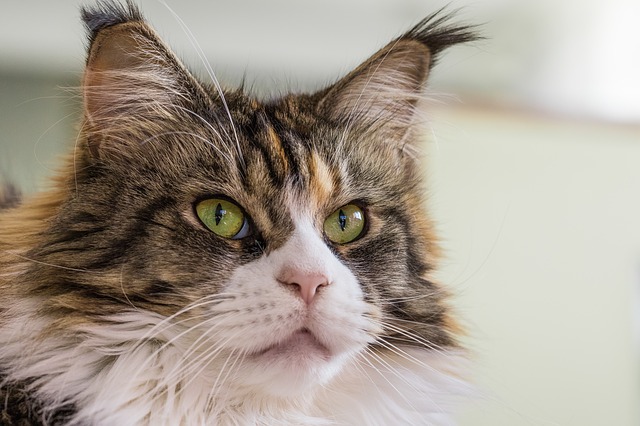
A classic American breed, the Maine coon is a powerful long-haired cat which is optimized for the cold winters of Maine. Known as “the gentle giant,” these cats can reach up to 30 pounds or so in weight (although many are smaller) and they are extremely intelligent and friendly. If you raise one from a kitten, they can be leash-trained, taught to ride on your shoulder, and more.


“The Big Book Of Off The Grid Secrets” — Every Homesteader Needs A Copy!


Their great advantage on the homestead, aside from being extremely loving and sociable creatures, is that they are rodent-slaughtering machines. My own Maine coon has destroyed much of the rat and mouse population around my house and has moved on to cleaning up the neighbor’s property, as well, much to their delight. This hearty northern breed is pretty much a must-have cat around the homestead or farm, and is perhaps the closest thing to a dog you can get in cuddly cat form.


2. Domestic shorthair


A fancy name for a cat of mixed ancestry with a short coat, these are among the most common housecats you can find. Because of this, you can probably readily adopt an outdoor acclimated domestic shorthair from a shelter (and shelter pets can be some of the most loving and loyal companions you can find). This will give you a natural mouser that is as much at home inside as out. Pick a healthy, stout cat if you want a mouser, or consider an older more mellow (and often overlooked) cat if you want an indoor companion that also can serve as a rodent deterrent.


3. Siamese cats


You’ll want to make sure your Siamese has a companion cat, or that you are home every day to be with it, because this highly sociable (and lethal to rodents) breed will get depressed when alone. Often overlooked as mousers, this ancient breed is more than capable when given the chance, and adds a distinguished touch to any homestead or farm. Consider them if you live in warmer areas where summertime heat could be too uncomfortable for a Maine coon. Siamese are very loyal cats and will often bond with a single person, making another excellent choice for companion and hunter.


4. Japanese bobtail


The 5 Very Best Cat Breeds For The Homestead

Japanese bobtail. Image source: Wikimedia


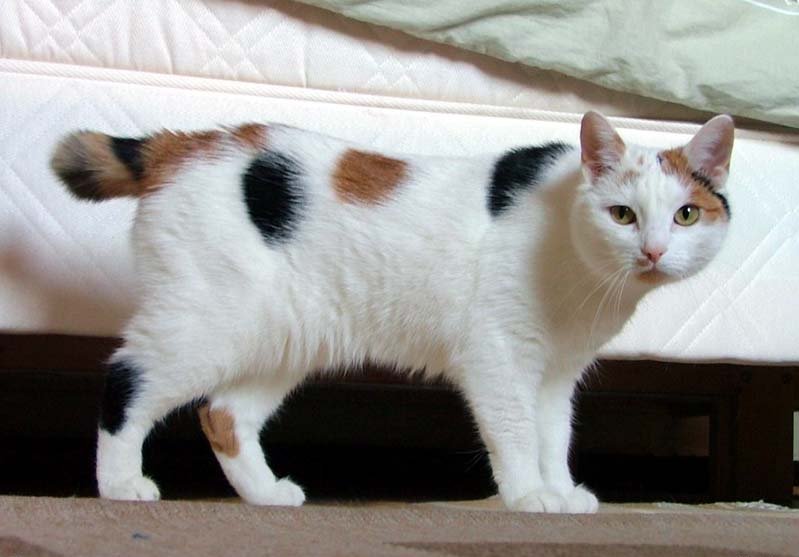
The traditional cat of Japan, and noted for its prowess in hunting, it is as sociable as it is lethal. Formerly relied upon to protect the silkworm industry from damage by rodents, it is an increasingly popular breed in the United States. Easily identified by its short hair, stumpy little tail, and often popular calico color, this is a breed rich in history that can easily earn a place on your homestead. This is another one that would be great for warmer weather locations due to the short hair, or if you are simply looking for a different sort of cat.


5. Feral cats


While not a breed, but a type, consider that there are many feral cats which are trapped, spayed or neutered and then released again. These are cats that have already learned how to survive outside and may only ask for a warm, dry place to sleep (like your barn or shed) and a regular supplemental diet of cat food to keep healthy and in good shape. Sometimes these are cats that once had a regular home and were abandoned, and will readily adapt to living with people again.  Talk to your local animal shelter or rescue if you think having a couple of relocated feral cats is a good choice.


Picking a Cat


While it is easy to say “breed X or breed Y” is a good mouser, and I am certainly proud of the hunting instincts of my Maine coon, the fact is any cat is a hunter, and the behavior is learned from the mother. While it is a given that any cat that has had to fend for itself is likely to be a skilled hunter, you will want a cat that shows classic stalking and hunting behavior and treats toys like prey animals instead of simply something squeaky and fun.


Diatomaceous Earth: The All-Natural Animal De-Wormer!


Once you get a mouser or two for the homestead, you need to remember a few other things. De-worm them every six months and consider getting some basic medication like painkillers and antibiotics from your vet in case of an injury, especially if you live in a rural or off-grid setting, where proper medical care can be hours or more away. Cats are stoic little creatures and rarely show pain when injured, but still deserve the best care we can give them.


If your cat is going to be an outdoor cat, make sure it has a safe, warm and dry place to sleep, and give them food, because there is no guarantee that rodents alone will supply enough daily calories to keep them healthy. If your cat comes and goes inside and out as it pleases, then you’ve got the best of both worlds right there. And, of course, an indoor-only cat makes a marvelous companion and can take care of any odd rodents that might get inside.


Cats are wonderful creatures and have been living and working alongside human beings for thousands of years. There is no reason not to have a couple around your homestead doing what they do best: killing the rodents that want to steal the fruits of your labor. And all they ask for is a place to sleep, some extra food, and a kind scratch around the ears. Seems like a good trade to me.


What is your favorite cat breed? Share your tips in the section below:


Harness The Power Of Nature’s Most Remarkable Healer: Vinegar

Saturday, November 19, 2016

The 3 WORST Animals To Eat For Survival

The 3 WORST Animals To Depend On For Survival

Image source: Pixabay.com


Imagine this situation: You silently enter a nearby piece of woods and move stealthily along some edge cover. You take each step with care, hoping to avoid a hazardous one that would snap a twig beneath your feet and signal your presence to the entire surrounding woods. Fate has landed you in this situation, where your survival depends on your skill with a gun and your knowledge of the land.


Up ahead your prey is feeding, unaware of your presence. Ever so slowly you lift your rifle to your shoulder and take aim.


In a survival situation like this, what animal do you imagine yourself hunting? Is it a deer? Are you fortunate enough to live in an area of elk or other large animal? How about small game animals? Not only are small game animals the most abundant, but they also typically require the least amount of skill to harvest. There’s just one problem with this plan: You’ll starve to death.


The big risk people would face in this situation is a misunderstanding of how their body works and the calories their new life would require in a survival situation. If you ever find yourself in a situation where your life depends on harvesting the bounty of nature, here are three animals you shouldn’t count on:


1. Rabbits


The truth is that if you ate nothing but rabbits in a survival situation you would die from what is called rabbit starvation. This phenomenon occurs when the human body eats only lean meats for an extended period of time. To function properly, you constantly need a variety of food sources to keep you going. Native people knew all about this. Here is a diary entry from renowned explorer Vilhjalmur Stefansson scribed more than 100 years ago after living with Native people:


The groups that depend on the blubber animals are the most fortunate in the hunting way of life, for they never suffer from fat-hunger. This trouble is worst, so far as North America is concerned, among those forest Indians who depend at times on rabbits, the leanest animal in the North, and who develop the extreme fat-hunger known as rabbit-starvation. Rabbit eaters, if they have no fat from another source — beaver, moose, fish — will develop diarrhea in about a week, with headache, lassitude, a vague discomfort. If there are enough rabbits, the people eat till their stomachs are distended; but no matter how much they eat they feel unsatisfied. Some think a man will die sooner if he eats continually of fat-free meat than if he eats nothing, but this is a belief on which sufficient evidence for a decision has not been gathered in the north. Deaths from rabbit-starvation, or from the eating of other skinny meat, are rare; for everyone understands the principle, and any possible preventive steps are naturally taken.


2. Squirrel


In city parks and towns around the country, you will find a population of squirrels that, at times, seems to outnumber the people. The real problem with squirrels is that their caloric return is far too low to depend on as a major food source. One squirrel is estimated to provide around 540 calories. In a world where we spend increasingly more time manipulating a screen and sitting on our keesters, we still demand around 2,000 calories a day. Even with our modern luxuries, you’d need to consume around four squirrels a day just to calorically break even. No problem, right? Well, there is one problem. In a survival situation, you could expect your caloric demands to skyrocket. Even if your daily caloric demand only doubled to 4,000 calories per day, that would put you at needing a hefty eight squirrels a day to break even. I’m sure this wouldn’t be a problem on day one in many areas, but how about with a family of four needing 32 squirrels a day? How about on day 100 when you’ve already shot 800 squirrels? As you can tell, the math doesn’t add up, and squirrel is not something you should be depending on as your staple food source.


3. Panfish


The 3 WORST Animals To Depend On For Survival

Image source: Pixabay.com


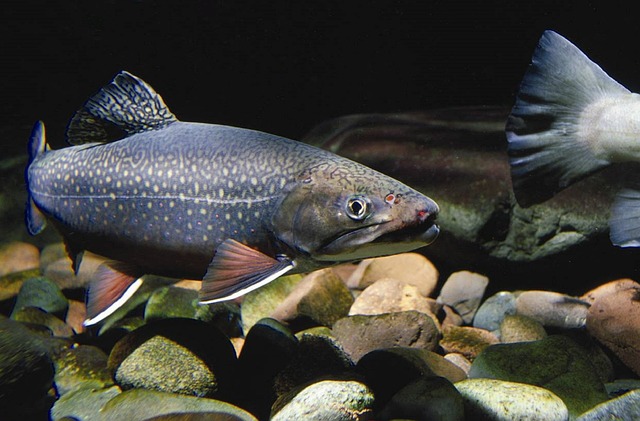
Trout and certain panfish find their way on the bottom of this list for the same reasons as squirrels. For example, a wild trout only provides 143 calories per fillet. Double that and you are at 286 calories per fish. Again, the amount of panfish or trout you’d have to catch in a day would be substantial if you were to try and live solely on their sustenance. Based on a 4,000-calorie diet, that would equate to around 14 fish per day to break even for one person. However, there would be an advantage of panfish over squirrels and rabbit. That advantage is that fishing is passive. In other words, you could cast a few lines each day and come back later to check your catch, with very little effort involved. Fishing doesn’t require nearly as many calories as hunting does; therefore, the calories of your panfish would go further and you may not burn 4,000 calories per day. If you were in a situation where you didn’t have to expend much energy, panfish could possibly be a reasonable food source for an extended period of time. However, you would still have to catch an awful lot of fish.


Final Thoughts


In reality, these animals all can play a minor role in a long-term survival diet, but they should not be viewed as long-term staple food sources. Keep in mind this analysis has considered diets solely composed of these animals. If you could find supplementary food items — from plants to other animals — you would decrease the negative effects. People who lived off the land for generations didn’t depend solely on these animals, and neither should we.


Do you agree? Disagree? What advice would you add? Share your tips in the section below:  

Friday, October 28, 2016

Here’s How Smart Homesteaders Avoid Cleaning Out Manure

Here’s How Smart Homesteaders Avoid Cleaning Out Manure

Image source: Pixabay.com


Winter is coming, and for those of us who live in snowy climates the task of cleaning our barns and chicken coops is about to get more complicated. One solution is simply to stop cleaning out over the winter and try the deep-litter bedding approach.


You’re probably already covering the floor of your stalls and coops with some kind of high-carbon material like sawdust, shavings, wood chips, leaves, pine needles, hay or straw. Instead of cleaning the bedding out once it’s been covered with manure, just leave everything in place and keep adding a clean layer on top.


The Advantages


Deep litter has several advantages.


First, there’s the convenience. You don’t have to chop through the snow banks between your barn or coop and your compost pile; you don’t have to struggle to pry up frozen-down bedding and break it into manageable shovelfuls or forkfuls.


Then there’s the warmth. As the pile grows deeper, the well-insulated manure and bedding below will begin to compost, creating heat which your animals may welcome on cold nights.


This composting process gives you a head start; in spring you’ll have partially decomposed material instead of raw bedding that has been frozen all winter long.


Diatomaceous Earth: The All-Natural Livestock De-Wormer!


Chickens love to scratch, and deep litter will give them more scope to amuse themselves. The composting litter provides a breeding ground for bugs and worms, which can be a valuable protein supplement. Harvey Ussery, backyard chicken raiser and author of many articles which you can find online, says that deep litter also breeds immune-boosting microorganisms.


The Disadvantages


Here’s How Smart Homesteaders Avoid Cleaning Out Manure

Image source: Pixabay.com


Deep litter has drawbacks, of course, although most can be avoided with careful management. There’s the mammoth task of cleaning up in spring, when you have a deep, dense, compacted layer of litter to remove. There’s the issue of air quality. Properly managed deep litter will compost fairly cleanly, but if you have too much nitrogen for your carbon-producing materials to absorb you may end up with excess ammonia. This is more likely to be an issue with chicken droppings, which are highly nitrogenous, than with ruminant droppings. Ventilation is also a factor; a tightly sealed building is much more susceptible to air quality problems than an open or very well-ventilated one. There’s also a need for vertical space. My goats may be on deep litter from November through March, and by then their stall floors are two-feet deep in compacted bedding.  Remember to think about door height as well as overall stall height.


You’ll need to consider all of these factors in deciding whether deep litter works for some or all of your animals. Here’s how that’s works on my farm in upstate NY, where the winters tend to be cold, snowy, windy and long:


How to Make it Work


I leave my two goats on deep-litter bedding through the winter. They’re in roomy open stalls in a shed that’s open to the outdoors on all but the coldest and windiest nights. I’m able to add enough hay to absorb the nitrogen from their manure and urine so the whole mix composts well. I have noticed the increased warmth of the deep-litter floor. I haven’t had trouble with smells and the goats haven’t had respiratory problems.


My chickens are another story. In summer they have a moving yard and also a fixed compost pile to scratch in. In winter they’re closed into a fairly tight winter coop with a lot of south-facing glass. The coop can get fairly warm on sunny days, and there’s not a lot of air circulating. I don’t use deep bedding for our hens in winter. But some folks do manage well with deep litter for chickens, including Ussery, who lives further down the coast where the winters are milder. He uses Joel Salatin’s recommendation of allowing at least five square feet of floor space per bird. Ussery adds that it’s helpful to bed with coarse materials very high in carbon, like leaves or wood chips; he says the coarseness makes the material easier to scratch up while the high carbon ratio allows the material to absorb more nitrogen. Some farmers report that wet straw in chicken coops is easily colonized by toxic molds; others use straw and say they have no problems.


Pay attention to what works and doesn’t work on your farm. Reading about other people’s experiences can be a helpful starting point, but you can learn most from your own experience. Check the bedding daily; cover over areas that are extremely wet or soiled, and monitor if there’s visible mold. If you notice a mild ammonia smell, add more dry high-carbon bedding. If you have a major or persistent ammonia smell or mold, you may need to muck out after all. Watch whether your animals seem comfortable and healthy. Then tell your friends and neighbors, and perhaps also your fellow readers here, what you’ve learned.


What advice would you add on using the deep litter method? Share your tips in the section below:


Harness The Power Of Nature’s Most Remarkable Healer: Vinegar