Showing posts with label quail. Show all posts

Sunday, November 19, 2017

The Chicken Alternative That Is More Profitable, Smaller, And Tastes Great, Too

The Homestead Chicken Alternative That Is Smaller, More Profitable, and Tastes Great, Too

Image source: Pixabay.com


Small birds are usually bypassed as a food source, but those looking to supplement their food supply or establish additional food security can benefit from small birds. There are two main small birds I would recommend: quails and pigeons.


Here are the advantages to owning quail:


  • They are small, so they need no more than one-square foot for each bird.

  • They don’t roost, so a pen about 18-inches tall is sufficient. Pigeons, though, are roosters, so you will want a taller pen with a place to roost and nest.

  • They are efficient egg layers in terms of converting feed into eggs.
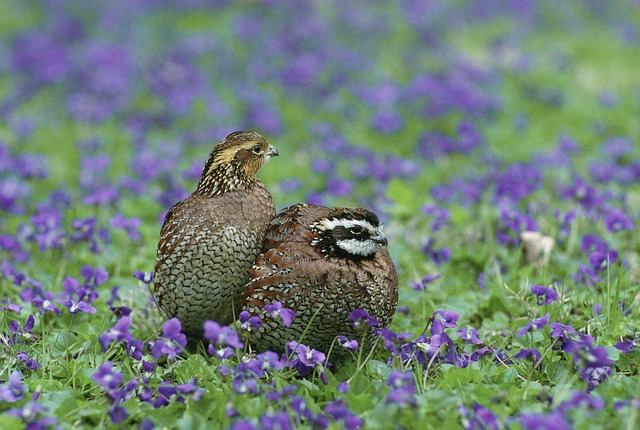
The Homestead Chicken Alternative That Is Smaller, More Profitable, and Tastes Great, TooThe main quail for meat and eggs is the bobwhite quail, which is delicious and mature in 16 weeks. You can eat the bird, which dresses out at about 7-9 ounces, or it will start laying eggs.


It takes four quail eggs to equal one average chicken egg. Quail eggs bring much more money than standard chicken eggs, so you even can sell them.


Quail are quiet except for a sing-song coo; not even the males crow. This bird will not bother your neighbors! In fact, if you live in an apartment, no one will know you have them. Cleaning them is easy because the cage should have a screen floor with no need for nest boxes. Quail are not picky; they lay eggs wherever they stand.


Other great, yet smaller, quails are the gambel’s quail, Tennessee, California Valley, Texas and button quail.


Discover 1,147 Secrets Of Successful Off-Grid Living!


Quail meat is high in protein and minerals and it’s lean, so it can dry out while cooking. It’s best braised, but can be fried or used in other ways. The eggs are amazing and full of HDL cholesterol (the healthy cholesterol). They are also hypoallergenic, so people with chicken egg allergies likely can eat them.


Pigeons: not Just an Annoying Bird
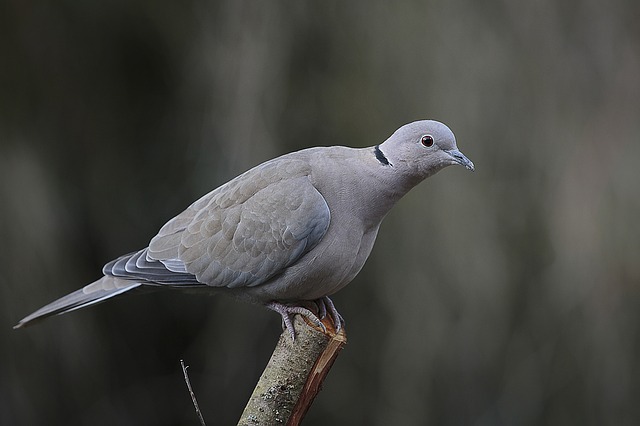

Image source: Pixabay.com

Image source: Pixabay.com


Pigeons (squab) may be a nuisance in the city, but they are valuable as a food supply. Pigeons are really easy to care for, and they grow quickly. If you look online for a meat-quality pigeon pair, you may be shocked; you would be fortunate to get a pair under $100 online. I suggest visiting a farm that has a silo; Amish farms would probably be the best choice. You may be able to purchase pigeons from Amish for less than $5 each. You will not find the fancy pigeons there, but they are very edible. Ask them to catch several, for mating. Once pigeons pair up, they stay together for life.


Before bringing them home, make a pigeon coup. It doesn’t have to be fancy and it will not have to be all wire. You’ll need:


  • A closet or shed.

  • A screen box to mount on the side so that they may peek out.

  • A nest box so they can lay eggs.

“Squab” is a fancy name for the pigeons, and usually means young birds. A healthy pair will raise 12-14 squab during the year. It only takes about 26 days from hatching until eating. The parents will usually lay a second set of eggs before the first pair of chicks leaves the nest.


Diatomaceous Earth: The Best All-Natural De-Wormer For Your Livestock!


Pigeon feed can be found at many feed stores, or it can be pre-ordered. They will need minerals and clean water, daily.


Once established, you will have a constant food supply and new hobby!


Squab is a healthy and delicious meat. All the meat is dark and, believe it or not, tastes like the dark chicken meat. It is a tender meat, juicy and flavorful with fatty skin. There are many ways to cook this bird—all taste great!


Regardless of the way you choose to go, these birds offer multiple benefits. The cost of feeding chicken alternatives is inexpensive. All you need is a handful of feed a day, minerals and clean water. Anyone who has the room to keep either bird will find all sorts of cage plans online. The only thing left to do is go out and give it a try. You won’t be disappointed!


Have you ever raised quail or pigeons? Share your advice in the section below:


If You Like All-Natural Home Remedies, You Need To Read Everything That Hydrogen Peroxide Can Do. Find Out More Here.


hydrogen peroxide report

Saturday, September 16, 2017

5 Reasons Quail Might Be Better Than Chicken For The Homestead

5 Reasons Quail Might Be Better Than Chicken For The Homestead

Image source: Pixabay.com


For most homesteaders, poultry is the “gateway livestock,” the first animals purchased as you try to raise your own food. And chickens are easy to raise, and a wonderful source of eggs and meat.


But when you are thinking about what kind of birds you want to raise on your homestead – for food, for profit and for fun – maybe you also should consider quail. More and more homesteaders are giving quail a try.


Here are five reasons why quail might be a good choice for your homestead:


1. Fast food


Standard meat chickens, while delicious, can take 14-16 weeks before they are ready to eat. Most quail, on the other hand, can be butchered eight to 10 weeks after they hatch. Quail are small, but they’re delicious; you can find them on the menus at the finest restaurants. And if you raise your own, you can try out numerous quail recipes in the comfort of your own kitchen!


2. Great egg layers


Most species of quail are prolific layers of small, mottled eggs. Some species, like the bobwhite and coturnix quails, lay hundreds of eggs per year. Pickled quail eggs are a delicacy all over the world, and every homesteader should have a jar or two on hand for a tasty treat.


Goofy Gadget Can Recharge Your Laptop — And Jump-Start Your Car!


Quail also are consistent layers of fertile eggs that are simple to incubate, too, making it easier for homesteaders to keep a steady population of quail on hand.


3. Quiet in the coop


Compared to chickens and other poultry, quail are quiet and easy to maintain. If you are concerned about neighbors and noise coming from your homestead, these may be the perfect birds for you. Most homesteaders keep their quail in some sort of small coop. They don’t need much space at all, and free-ranging them is not really practical. If you’re raising them for meat, you can just harvest older adults, and replace them with the chicks you recently hatched.


4. Easy and cheap to feed


Quail are much smaller than chickens and cost considerably less to feed. If you are raising your quails to harvest, then a good, high-protein turkey starter will suffice. Quail also enjoy the same kind of table scraps you would feed to your chickens. If the quail coop has access to the ground, your quail will almost certainly forage for insects, seeds and grubs. Raising mealworms is also a great treat and protein supplement for the birds, as well.


5. Something completely different


While quail are not rare, they are not exactly common, either. Raising a few quail can offer a homesteader some quality economic benefits that a flock of chickens almost certainly wouldn’t. If you can keep a consistent supply of quail on hand, you may be able to sell them regularly to local restaurants that feature them on the menu. They also are great birds to trade for other items needed on the homestead, and are easy to sell on sites like Craigslist, too.


Have you owned quail? What advice would you add? Share your tips in the section below:

Friday, February 3, 2017

The Easier-Than-Chicken, Egg-Laying Bird You Can Raise Indoors

The Easier-Than-Chicken, Egg-Laying Bird You Can Raise Indoors

Image source: Pixabay.com


Keeping backyard chickens is a great way to begin your journey toward self-sufficiency, but the term “backyard chickens” implies that you have a backyard. What if you’re living in a small apartment, hoping perhaps one day to move to land, but wishing you could get experience to try your hand at it before you commit?


Quail are a great and easy way to get started with poultry and experience the independence of raising your own eggs and meat, without the need for anything more than a small bit of indoor space. Simple rabbit hutches with wire floors and solid trays beneath make excellent quail housing, and can be kept indoors anywhere you could keep either rabbits or a domestic bird such as a parakeet. There’s even the occasional story of a country farm kid keeping quail in their college dorm room because they missed the fresh eggs and company of poultry.


Housing & Space Requirements


Quail are very small animals, and the average bird is only 3.5 to 5.5 ounces (roughly 1/4 pound) and about five inches tall, though some commercial meat breeds can be as heavy as 12 ounces (3/4 pound). They’re mostly a ground foraging bird, and need floor space rather than high ceilings, which makes short but wide floored rabbit hutches an excellent housing choice. Shorter cages are actually preferred, as the low roof keeps them from trying to fly when startled, with may result in injury.


Wire floored cages with removable trays beneath are generally preferred because the droppings fall through the wire, keeping the quail clean and healthy. On solid floors, quail tend to stand in their feces and often eat them, spreading disease and parasites. To keep quail feet healthy, use no more than ¼-inch square wire for the floor. Quail are also often reluctant to use nesting boxes, so wire floors make it easier to find the eggs and keep them clean than with solid floors and bedding.


Diatomaceous Earth: The All-Natural Livestock De-Wormer


The Easier-Than-Chicken, Egg-Laying Bird You Can Raise Indoors

Image source: Pixabay.com


As a general rule, each quail needs 1 square foot of floor space, and should be kept at a ratio of 4-5 females to each male. Some people choose to keep their quail in lower ratios in smaller cages, and will put 3 females with 1 male in a standard 18 x 24-inch rabbit cage without issue. Keep in mind that at least 1 square foot is ideal, and smaller conditions could lead to stress for your birds.


Life Cycle


Quail egg incubation varies based on breed, but the most popular breed, the Coturnix, incubates for 16-18 days. Once hatched, the chicks reach maturity for meat or to begin laying eggs at 6-10 weeks. This compares to 21 incubation days for chicken eggs and no eggs laid until roughly 20 weeks. That means that your female quail will be laying for as many as 12 weeks while a chicken started at the same time is still growing and maturing.


It’s easy to see how they could be quickly reproduced to yield a large flock from just a small number of initial hatching eggs, with only roughly 12 weeks between generations.


Quail tend to live 2-4 years and can produce 200-250 eggs per year.


Feeding Quail


Quail are not common enough to have their own commercial food mix, but their nutritional requirements are similar to turkeys. They’re commonly fed turkey feed based on their life stage. Adult quail only need about 15-20 grams of food per day. Quail keepers commonly supplement their feed with small seeds (flax, etc.) and leafy greens to improve the nutritional quality of the eggs and encourage good health in the flock.


Egg Production


The Easier-Than-Chicken, Egg-Laying Bird You Can Raise Indoors

Image source: Pixabay.com


Quail tend to lay eggs at roughly the same rate as a heritage breed chicken, producing as many as 250 eggs per year starting at 6-10 weeks of age. They require 14-16 hours of daylight per day to lay, which is easy to provide indoors. While the main benefit of quail is the small size, which allows them to be kept indoors, it also means that their eggs are very small. It takes 5 quail eggs to equal 1 chicken egg in volume, although quail eggs are slightly more nutritious. Still, quail eggs peel easy as hard boiled eggs and make adorable deviled eggs or fried eggs on top of hamburger sliders. What they lack in size you’ll have to make up for in culinary creativity.


Meat Production 


Quail dress out at roughly 75 percent of their live weight, and the yield will depend on the size and breed of your original bird. Though they’re more attractive roasted with skin on, plucking is very time-consuming for the amount of meat produced; for small-scale home consumption it’s generally recommended to skin the birds rather than pluck them. Since they’re so small, a single serving is generally considered to be 2 birds per person. This may seem like a lot, but remember that they only take 6-8 weeks to reach harvesting size, meaning that even incubating eggs in small batches you’ll have plenty of meals.


Have you ever owned quail? Share your tips on raising them in the section below:


If You Like All-Natural Home Remedies, You Need To Read Everything That Hydrogen Peroxide Can Do. Find Out More Here.