Showing posts with label storage. Show all posts

Tuesday, January 16, 2018

Stockpile Challenge 2018: Week 1 Check-in

Stockpile Challenge 2018: Week 1 Check-in | stockpile | General Health PreparednessSurvival


We’re at the end of week 1 for the Stockpile Challenge, 2018!


For this week’s check-in, I want to dispel some myths about the challenge and share with you some of the observations people have made.


Stockpile Challenge Myths


Here are a few things I addressed in the Facebook group but figured that people not in the group would also want to read.


If it’s not difficult, that is a GOOD thing.


I noticed that some people had said they were feeling almost guilty because the challenge has been too easy so far.


That the things they’re eating are “normal.”


And I say this is a very, very good thing. First of all, you’re eating without your regular grocery trip and you’re happy with what you have put aside. That rocks!


But secondly, and most importantly, the number one reason we end up using our preps is a financial difficulty.


Here’s a personal example. About 10 years ago, I got laid off. As a single mom with a mortgage, this was terrifying. I knew I’d be employed again within 6 months, but I would be going that amount of time on only 60% of my wages (with unemployment insurance payouts.


So, for 4 months, I spent every dime of my unemployment pay on my mortgage, my utilities, and insurance. I didn’t have to spend money at the grocery store at all. Why? Because I had a chest freezer that was loaded with food. I had shelves laden with canned goods and dry foods. I had toilet paper, sanitary products, shampoo, toothpaste. We were absolutely fine, kept our home and our car, and had no needs unfulfilled.


All because I had a stockpile.


So, you’re doing everything right. Stop worrying. Often, when SHTF hits you, all of your utilities work just fine. Not always, of course. But that’s the most common scene.


About prioritization.


Eating the things that are going to go bad first is ideal, not a cop-out. In a real emergency, you should prioritize what you eat by how quickly it will spoil. This way, there is less waste.


So:


  • Fresh food

  • Frozen food

  • Canned food and regular, not-repackaged dry goods

  • Freeze-dried food

Those of you who ate like you usually do this week did everything right.


People who had to purchase something felt like they had failed.


Not one single person has “FAILED” at the Stockpile Challenge.


I’ve seen a few people say this in comments or the challenge thread but it’s totally wrong, and here’s why.


— Did you have to buy something? Then you learned about a hole in your preps. You can now take steps to fill that hole.


— Did you run out of something that is essential? Now you know that you haven’t put back enough of it.


— Was there a supply you never even thought about stocking up on until you realized you didn’t have it? You wouldn’t have known if you hadn’t started out on this challenge.


We’re all at different places on this journey.


Sure, there are some folks who are going to sail through this month without even breaking a sweat and I commend them all.


But I bet even they will learn of a few things that would make life more pleasant after a period of time.


There are people who thought they’d be fine but ended up going to the store right in the first week. I’m one of those people and I’m running the darned challenge. I started coming down with a kidney infection on the second day and decided to go buy some pure cranberry juice so that I didn’t end up having to go to the doctor and get on antibiotics. And you know what? I grabbed 8 bottles of it while I was there because obviously, this is something I want to have on hand.


Every challenge we run into teaches us if we’re willing to learn from it. And that is the point of this exercise.


If you don’t make it completely on your stockpile, don’t worry one little bit. This isn’t failure. It’s education.


You are learning things you would never have if you hadn’t embarked on this challenge. We are ALL learning from one another.


Some are worried that they’re depleting their inventory and something bad is going to happen.


There is absolutely no rule against replenishing your stockpile as you use it up. I personally just placed a big freeze-dried fruit and veggie order because I realized I didn’t have as much on hand as I wanted. Just tuck away the new items you buy and you’re still adhering to the challenge.


Here’s what people are learning


When I asked folks in the Prep Club group what they had learned, here are a few of the lessons they’ve picked up – and we’re just on Week 1 of the challenge!


  • I learned I wasn’t stocked enough on protein. Due to my husband’s health, he no longer eats pork or beef/venison. This killed my stock. I was able to bless a needy family with a freezer full of meat. It wasn’t payday so had to wait and purchase the protein during the week. Otherwise, we are good. January is always a tight month for us anyway. This December my husband didn’t work, so no paycheck for him. Hence the reason I waited till I was paid. After the challenge, I will build a new stock of chicken, turkey and such. This is making me much more aware of spending habits too. Using the extra time to repair a couple of t-shirts.

  • I basically had no real stockpile when I started. I had canned and frozen veggies and stuff in the freezer but not a real stockpile. This challenge is forcing me to do things I wouldn’t normally do, cook things I wouldn’t normally cook, and basically just take a look at the way I’ve been living lately. Lazily. That’s how I’ve been living. And, I’ve noticed that I’m not snacking as much and when I do snack, it’s on almonds and dried fruit I have on hand instead of going to the store and buying chips and dip. I’ve lost close to 10 pounds and adding up what I normally spend just on soda each day, saved almost $20 bucks! I know I won’t make the whole month without spending but I’m going to get close, and it’s giving me an idea of what things I need to stock up on in the future.

  • We eat pizza at least twice a month, and we use a pre-made pizza crust. While I’ve stockpiled all the ingredients to make pizza from scratch, I just realized I’ve no idea how to make a crust from scratch! That went on the to-do list. Also, I don’t have nearly enough fruits and veggies stored. Just placed an order from Emergency Essentials for those, as well as canned bacon!

  • What did I learn? I learned that the fridge may decide to freeze half of my tender vegetables but I can still salvage enough to feed company that we were blessed to have over last night. That even small tiny hurdles can happen. This challenge has helped me in looking at the big picture and to slow down in how I think of feeding my family. But most importantly it has helped me in realizing to take stock in more than just supplies. It is helping me to take another look at filling my store box of positive thinking, overcoming roadblocks with solutions instead of always replacing. This applies to food, supplies, etc. I feel this challenge will teach me much more than being prepared with food and supplies.

  • The biggest thing I have learned is I really need to have an inventory check list and check it monthly. I use a lot of kosher salt in my cooking and it is going to be a squeak to make it. Also, I need to remember my pets and keep a way to make sure they survive without giving them people preps. And those lessons are just week 1!

  •  I learned that I need to store some actual food at work. Right now I only have snacks (fruit, nuts, rice cake, bouillon, etc.) but no canned soups or meal type items. Spending the night at the hospital Thursday (due to snow storm and being *essential*) I was forced to use the cafe (but did not have to use any money as I had two gift cards given to me as thank you gifts from various bosses). I am also upping the quality of my sleeping quarters by bringing in a cot and sleeping bag for next time. And learning by reading everyone else’s posts of course.

  • Prior to the challenge I went to the store and got fresh veggies and an extra gallon of milk. At first, it felt like a cheat, but what I learned is that maybe I should start each month with the thought “what if I can’t get back to the store this month?” What would I want a little extra of? While perishables go quickly it makes the first week or two a little nicer having extra on hand. I also have a bad habit of letting produce go to waste…Not this month! Meals are getting planned around what needs to be used first to get the most out of what we have!

  • I learned to think differently about leftovers. Normally I might give a large amount to our pets, but not this time. Used leftover pork roast 3 different ways and they all tasted different so it didn’t feel too redundant. I need to rotate my stock better. I had some older-than-I-would-like pancake mix but made it anyway. I’m loving the challenge.

  • My husband and I have a small farm with pigs, goats, rabbits, chickens, and ducks. Stocking food for them for more than a week or two ahead would be impossible for us. We might make it another week or two with our hay supply. Long range “doomsday” plans include butchering what I can possibly can and preserve, and letting the others go to fend for themselves. Some of them would stick around and eat what’s available for a while, giving me longer to work on things. I know I have plenty of canning supplies, and I have practiced using a canner outside on a wood fire [hope that won’t be necessary — big pain in the wazoo]. I just hope things never get that bad. But I accept that they might.

  •  I need to do better at rotation/inventory. Also, I work at a grocery store so I have had to muster up all the strength I have to not buy anything at the end of my day for meals. One day I really wanted to buy just a couple carrots but did not do so. Went without.

  •  just joined yesterday, so not really in the loop yet, but I did learn something this week. My elderly Basset is on the vets prescription w/d dry and canned food. I had a case of cans but was low on the dry, figured I’d pick some up after work on Tuesday. They were out and wouldn’t get a shipment until Friday. We limped along only crumbs left Friday I bought the giant bag and another case of canned. It was the first time since I started doing this a year ago that I let it get so low before refilling.

  • I just realized a big hole in my preps: canned pumpkin/sweet potatoes. Both of my dogs woke up with diarrhea and will be eating boiled chicken and rice for a couple days at least. Which is fine but in a true SHTF situation we wouldn’t want them eating our food if we had other options. So canned pumpkin and sweet potatoes are being added to the “must have” list.

  • We have changed how we eat. Not just food but meal timing. No more “free range” eating.

  • Years ago I used to shop only once a month due to finances. I did fresh, frozen, canned in that order. I have become lazy and spend way too much money going to the store for every little thing. I go for three things and end up with a basketful-sales. I often have a houseful of food but nothing to eat. I am using this challenge to get back to being more efficient. Doesn’t help to have bags and bags of beans if you do not have the ingredients to make a dish!

Most people are running out of the same things.


The most common items mentioned are:


  • Fresh produce

  • Milk

  • Pet supplies

  • Cheese

  • Sour cream

  • Eggs

Solutions for these are:


  • Freeze-dried, canned and frozen produce

  • Growing sprouts and greens

  • Dry milk and canned condensed milk

  • Stocking up on pet food, making pet food from supplies you keep on hand

  • Freeze dried cheese and sour cream powders

  • Freeze-dried eggs

  • Egg substitutes for baking (like flax seed eggs or applesauce)

Did you participate in the Stockpile Challenge?


Let us know in the comments what you learned. If you have run into any stumbling blocks, share those and maybe we can make suggestions to help you.


If you’re on Facebook and haven’t joined Prep Club, go here. Be sure to answer the questions so that we let you in!


The post Stockpile Challenge 2018: Week 1 Check-in appeared first on The Sleuth Journal.

Wednesday, October 25, 2017

6 Ways To Prevent Rust While Storing Your Garden Tools For Winter

6 Ways To Prevent Rust While Storing Your Garden Tools For Winter


Garden tools perform some hard, dirty jobs for us. But by the end of the summer they often need maintenance or at least a good cleaning.


Before you hang up your tools for the winter, take some time to get them in tip-top shape. Following the steps below during the end of fall will mean a faster and easier start to next spring’s gardening season. It also will save money in the long run, since tools kept in good shape won’t rust and won’t need to be replaced as often.


1. Clean and dry


If any of your tools have dried soil caked, pull out a wire brush and give them a good scrubbing. If necessary, dunk or soak the tools in a bucket of warm water to loosen stubborn soil (soap isn’t necessary).


Tree-trimming tools — like pruning shears or clippers — should be wiped down. If there’s any sap on those tools, they will need a little extra work. Sometimes, a soak in hot water is all that’s needed to remove sap, but if it’s stubborn, you may need to use another product to get it off, like turpentine, WD-40, Pine-Sol, or a solvent that’s specifically for dissolving resin (check the chainsaw section at your local home improvement store).


An All-Natural Fertilizer That Can Double Garden Production!


Once all your tools are clean, spread them out in the sun to dry or give them a good rub down with a cloth.


2. Remove rust


Even if you take good care of your tools, rust happens. But a rusty tool doesn’t need to be tossed. Small spots of rust can be scrubbed off with steel wool or a wire brush. Heavily rusted tools are perfect candidates for the wire brush attachment on your drill. (Since this attachment often throws off small bits of wire, make sure to wear eye protection.)


3. Sand and sharpen


Sanding down wooden handles helps remove splinters and also smooths out the rough, raised grain that happens when wood gets wet.


Most metal garden tools — including pruning shears, clippers, shovels, spades, hoes, pitchforks and hand trowels — have some sort of blades. Keeping all these blades sharp will make your work easier. And, in the case of tools (like shears and clippers) that cut plants, a sharp cut is easier on the plant, too.


All you need to sharpen your garden tools is a mill file, which is a long, flat metal file. Use the existing bevel on the edge of the tool’s blade as a guide. Place one end of the file on the bevel and push the file, using light, even pressure, against the bevel and away from your body. After each stroke, move the file to the next spot. Once the blade is completely sharpened, use 300 grit sandpaper to remove any “burrs” (tiny shreds of metal) clinging to the blade.


4. Sanitize


Sanitizing isn’t necessary for extending the life of your tools, but it is one of the most important things that you can do for your garden. Sanitizing will rid your tools of fungi and pathogens so that you don’t transfer those to your plants in the spring. Mix one part bleach to 10 parts water in a bucket, and swish each tool through the water. Once sanitized, your tools will need to dry in the sun again or be wiped down with a towel.


5. Season with oil


Both the wooden and metal parts of your garden tools should be treated with oil. Although virtually any kind of oil will do (including WD-40 and motor oil), boiled linseed oil is the best choice for tools that come in contact with food-producing plants. (In a pinch, vegetable cooking oil is an effective and safe alternative.) Use an old cloth or towel to liberally spread oil over all metal and wooden parts of your tools, and let the tools sit for about 15 minutes before wiping them dry. Oiling helps prevent metal from rusting and wood from cracking, and it’s a great way to extend the life of your tools.


6. Store wisely


A dry environment is a must for overwintering your tools. And, if at all possible, hang your tools up. Tools that are stored resting on their blades (such as spades) or that are tossed onto a pile with other tools are more susceptible to damage.


Alternately, storing tools in a bucket of sand and vegetable oil can help prevent rust, keep tools clean, and even help keep tools sharp, since pushing them into the sand has an abrasive action on the blades. Mix about a half gallon of vegetable oil into five gallons of sand and shove in anything with a blade — from shovels and trowels to pruning shears.


Although I, for one, often feel “gardened out” by the time late fall rolls around, spending a few hours on an autumn afternoon cleaning and preparing garden tools for winter storage will be well worth it come spring.


Do you have any other tips for storing garden tools? If so, let us know in the comments below.

Friday, October 6, 2017

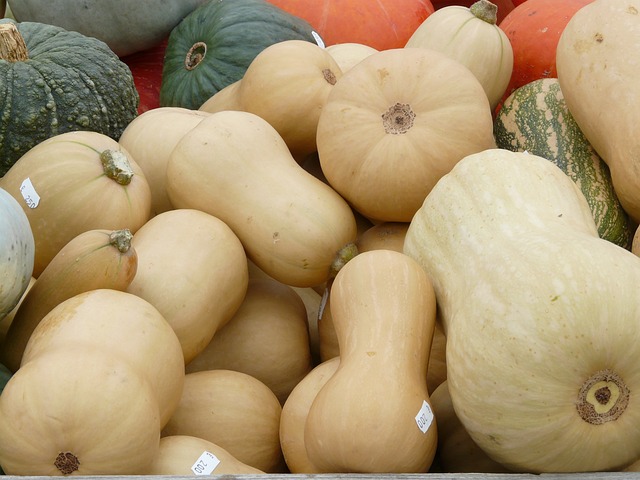
Squash 101: Tricks To Keep Your Harvest Stored For MONTHS

Squash 101: Tricks To Help Your Harvest Last Months

Image source: Pixabay.com


Squash is easy to grow, and the rambunctious vines, huge leaves and colorful blooms add beauty to the late summer garden. However, there’s a distinct difference between summer and winter squash.


Unlike zucchini and other types of summer squash that are harvested in summer when the fruit is immature and the rind is tender, winter squash, including acorn, butternut, hubbard, spaghetti, delicata and pumpkin, are ready to pick in fall when the fruit is mature and the rind is hard.


Most types of winter squash store beautifully with proper preparation, and the flavor is enhanced by the concentration of natural sugars in the fruit. However, storage time varies. Hubbard squash stores well and lasts at least five or six months, while buttercup squash and pumpkins maintain quality for two to three months. Spaghetti squash should be used in four or five weeks.


Acorn squash, which are thin-skilled, should be used fairly soon because they last only about a month. They require no curing period; in fact, curing will actually shorten the storage life of acorn squash.


Get Started


Harvesting, curing and storing winter squash is simple. Here’s how:


Pick winter squash when the vines begin to die down in late summer or autumn. The color of the squash should be uniform and the finish dull and no longer shiny. If in doubt, poke the squash with your fingernail. The squash is ready to pick if you can’t puncture the rind.


Looking For Non-GMO Squash Seeds? Get Them From A Company You Can Trust!


Squash 101: Tricks To Help Your Harvest Last Months

Image source: Pixabay.com


Don’t rush to harvest squash, as immature squash doesn’t store well. However, weather is definitely a factor. Although one or two light frosts won’t damage most types of winter squash, repeated frost or a hard freeze can do serious damage.


Cut squash from the vine with scissors, leaving about an inch of stem on squash; never twist or pull. Leave about an inch of stem on winter squash and 3 to 4 inches of stem intact on pumpkins. (Jack O’Lanterns need a good handle.)


Handle the squash with tender loving care, as any cuts or scrapes can allow pathogens to enter the squash, thus greatly shortening the storage life. If any stems loosen or break, store the squash in the refrigerator and use it soon because it won’t keep.


Place winter squash in a covered porch or other protected, well-ventilated room for 10 days to two weeks. Ideally, squash should be cured at 80 to 80 Fahrenheit to harden the rind and heal any cuts with nighttime temps above 60 degrees. You can leave just-picked winter squash in the garden to dry if weather is dry and temperatures are below 95 degrees.


After curing, brush dirt away gently, and then wipe the squash with a solution of one part water to 10 parts bleach.


Store winter squash in a single layer, not touching each other in a cool, dry, well-ventilated room. Ideal temperatures for storage are between 50 and 55 degrees Fahrenheit. Don’t store squash near pears, apples or other fruits that emit ethylene gases that decrease the life of the squash.


Check the squash every couple of weeks, and discard or use any that are showing bruises or soft spots.


What advice would you add on storing squash? Share your tips in the section below:


Bust Inflation With A Low-Cost, High-Production Garden. Read More Here.


Monday, May 1, 2017

The 8 Seeds That Can Store At Least 5 Years

The 8 Seeds That Can Store At Least 5 Years


Do you have a seed stash tucked away? I certainly do. It’s rare that I use up all the seeds I buy in any given year. When I have some left over, I put them away for next year’s garden.


It just seems so wasteful to throw seeds out, doesn’t it? And, of course, if you harvest and save your own seeds from year to year, then you definitely have a stash, too.


Whether your own stash was purchased or saved from a previous harvest, those seeds won’t be viable forever. The longevity of seeds depends both on which cultivars they are and how they’re stored. Some seeds — including leeks, onions, parsley and parsnips — will last a year at best. Others will remain viable up to five years after they were harvested, and possibly even longer if they’re stored in the right conditions.


Best Method of Seed Storage


Seeds are best stored in cool, dry locations. A general guideline is to keep the combined temperature and humidity level under 100. As an example, the ideal temperature for seed storage is about 40-45 degrees Fahrenheit, which would allow for a maximum humidity level of about 50 percent. To keep your seeds dry, store them in an airtight container. Glass jars with rubber seals on their lids, like baby food or home canning jars, work best. If you’re concerned about moisture within the jar, you can add in a desiccant such as rice.


Keeping the seeds in the fridge or freezer is an excellent way to maintain perfect storage conditions. Keep in mind that frost-free fridges and freezers work by drawing out moisture, and can seriously dry out seeds. However, as long as your seeds are in an appropriate container, they shouldn’t become damaged.


Need Non-GMO Seeds? Get The Best Deals Here!


Freezing seeds properly can exponentially prolong their longevity. After all, seed banks like the Svalbard Global Seed Vault count on freezing to keep their seeds viable for centuries. The home gardener shouldn’t expect her own seeds to last quite as long in a home freezer, given the strict scientific protocols and optimal conditions of the Global Seed Vault. Still, frozen seeds should remain viable longer than seeds stored at room temperature.


8 Seeds That Easily Store for 5 Years


The 8 Seeds That Can Store At Least 5 Years

Image source: Pixabay.com


While storage methods have a big impact on seed longevity, the type of cultivar also makes a difference. Some of the longest-lasting seeds are members of the cabbage family (Brassicaceae), but there are eight different types of vegetable seeds that will remain viable for about five years, even if not frozen:


  1. Broccoli

  2. Cabbage

  3. Cauliflower

  4. Cucumber

  5. Muskmelons

  6. Spinach

  7. Radishes

  8. Lettuce

Viable and Vigorous Seeds for Healthy Plants


For the healthiest and best-producing plants, you need viable, vigorous seeds. Viability is basically the rate at which seeds sprout or germinate. If, in a sample of 10 seeds of the same cultivar, eight sprout, the germination rate is 80 percent, which is highly viable. If, however, only two or three seeds in that sample sprout, the germination rate is 20-30 percent, and the viability is low.


In addition to viability, the vigor of seeds is an important consideration. Viability is generally measured under optimal conditions. But vigor measures how well sprouted seeds perform under less-than-optimal conditions (e.g., outside in the garden). Seeds need to be strong and healthy to flourish in variable weather conditions and in soil that may be less than ideal.


As seeds age, they decrease both in viability and vigor. They may lose their ability to sprout at all, and those that do sprout may just not have the strength to create a healthy plant. It’s easy to test a seed’s viability, but somewhat more difficult for the home gardener to determine a seed’s vigor. However, by keeping track of how long your seeds have been stored, you can use the list above to determine how well your seeds are likely to perform without bothering with tests.


If you’ve had any of the listed seeds stored for five years already, it would be best to get those planted this year, for healthy plants and a bountiful harvest.


What’s your personal record for planting seeds that have been stored a long time? Share your thoughts in the section below: