Showing posts with label skills. Show all posts

Wednesday, February 14, 2018

Is College Worth The Cost?


By Jeff Paul


The individual debt for college graduates in the United States is now above $30,000. Meanwhile, all of the world’s knowledge is nearly free because of the Internet. And we’re transitioning from a jobs economy to a skills economy. So we’re at a unique crossroads that creates a new paradigm for teenagers and their parents where college may not be a guaranteed path to a better life. But what choices do we have?


My oldest son is 18. He was homeschooled and has no plans to go to college. Instead of formal school, he traveled throughout his teens with us as a family and with Project World School. He’s already visited dozens of countries. Along the way, he acquired certifications for scuba diving, driving, and as a surf lifeguard — the only three tests he’s ever taken. He’s also started a few side hustles and learned skills like audio and video editing, blogging, and construction. He still doesn’t know what he wants to do (besides travel) for his career. And that’s okay with me.


First, I’m not against college. College is a fine place for young people to grow and learn and build important networks of friends and colleagues.  Yet, because the cost has gotten so out of hand for 4-year degrees, it’s simply a matter of doing a cost-benefit analysis (systematic process for calculating and comparing benefits and costs of a decision) based on the needs and desires of each individual student. Applying to college is only one way for teens to learn and grow after high school. Yet, in the current environment, some alternatives to college may be more fruitful.


Author and businessman James Altucher has been an outspoken advocate for skipping college. He’s even bribed his children not to go, to no avail. But he’s become a leading voice of why college is not necessary for success and what alternatives may be more valuable to pursue. Watch the video below for a quick overview of his take on college:


Altucher’s basic argument is that the cost of college has gone up much faster than inflation and that college debt levels now amount to years of indentured servitude for young people. He claims there are better, cheaper ways for young people to gain skills and knowledge and find success in the economy rather than starting off with a degree and debt. Additionally, he says that even if people still choose to go to college after a couple of years exploring alternatives, they’ll have a much better appreciation for the value of money and debt. So there is little downside for teens to broaden their horizons before getting into student debt.


Cost-Benefit Analysis


The average cost of college plus living expenses is over $20,000 per year. Here are the average tuition costs followed by the average cost of room and board for college students.


And according to College Data the cost for room and board is over $10,000 per year:


The College Board reports that the average cost of room and board in 2017–2018 ranged from $10,800 at four-year public schools to $12,210 at private schools.


This $20,000 can be spent doing something else. By starting a job or a business, young people can turn that annual expense into income, all while learning priceless skills and developing an understanding of the value of money.


Here are just a four alternatives to college worth exploring. Their potential rewards may exceed the benefits of a college degree.


Thursday, February 1, 2018

Selco: The Reality of Barter and Trade in a SHTF Economy

This article was originally published by Daisy Luther at The Organic Prepper


handshake-deal-barter-trade


Barter is a hot topic in prepper circles, so I thought we should ask someone who has a lot of real-world experience with trade in a dangerous situation.


If you don’t know Selco, he survived a year in Bosnia when his city was blockaded. Supplies were not allowed in or out, and residents were left without utilities and services. This interview is in his own words.


How quickly did people turn to barter once your city was locked down?


It was a matter of a few weeks.


Actually, for ordinary folks, it was a matter of few weeks because we did not get the new reality right at the beginning of everything.


Later when I remembered that period, I realized that even right at the beginning of SHTF there were people who did not want to take money for goods. They asked for valuables like gold, jewelry, or weapon for goods that they had.


Some of them were smart enough to realize that money was gonna become worthless really soon, and even gold and jewelry were only good in the first period, and then only if you had a connection to outside world to exchange it for something useful.


Ordinary folks needed few weeks. It was a process that went from buying goods with money, then buying goods from people who still wanted to take money (at outrages prices) to the moment when money was worthless, and only goods for goods were accepted.


It was rare, but sometimes you could find someone who would sell you something for foreign money but at the 20-50 times bigger prices.


For example if pack of cigarettes cost around 1,50 German Mark (outside of the war region) we could buy that pack for 40 German Marks.


US dollar and Canadian dollar had even worse value.


Obviously, people would accept that money had connection to the outside world, and some of them ended up as millionaires because of that.


Same ratio was for precious metals and jewelery.


For small and quick trades, the usual currency were cigarettes, because of the percentage of people that smoked.


Even values were expressed often like “Oh, that’s worth 10 cigarettes.” In other situations it was ammunition-bullets.


How were trade items valued? If someone wanted to make a trade, who set the terms?


Nothing was fixed.


Through the whole period, the value of goods went up and down based on a lot of things.


For example if a UN food convoy managed to enter the city and some local warlord (usually) took it all, and the majority of the food was cans of fish, you could count on the fact that that month those types of cans gonna be cheaper then the month before. Or if that day’s US airplanes managed to “hit“ with airdrops in our area then MREs were going to be bit cheaper to find.


Sometimes a simple rumor (planted by rival groups) for example about “poisoned“ cans of cookies meant that people did not valued it so highly anymore.


Some things did not change value too much during the whole period, like alcohol, simply because it was available.


Other things’ value was a matter of the situation.


For example, if you had a sick kid at home, and you needed antibiotic and you spread that word, you could expect high price simply because you give that information that you need something really hard and fast.


But usually, we knew the value of things (goods) for that week for example, at least approximately.


What were the general rules of trade during this time?


The value of things and trading “rules on the ground“ were similar to trade rules at normal life flea markets.


A few of those “rules on the ground“ during the trade were:


  1. If YOU need something then the price is going up. (Do not look like you desperately need something.)

  2. Do not offer all that you got in “one hand“ or on one try. (Do not go to trade with your best shots all together, it looks desperate, and you are losing all the advantage then.)

  3. Do not ever give a reason for someone to take the risk of attacking you because you have way too cool stuff (or way too much stuff) with you. (Have some amount of food, or ammo, or whatever, do another trade at another time with more of that. Remember people will take chances if they calculate it is a risk worth taking.)

  4. Never give info how much of the goods you actually have at home. ( The reason is same as above.)

  5. Never do trade at your home (unless you trust the person 100%) because you never know to who you are giving valuable information about how much you have, what your home look like, how many people are there (defense) etc.

  6. Doing the trade in other trader s home might mean that you are at his “playground“ (or he is stupid) so you are losing the edge. You are risking of being on unknown terrain. Always try to choose neutral ground somewhere that you can control the situation, giving the opponent the chance to feel safe. (But not safer than you).


It is most important that you understand when SHTF (for real) system is out, and only thing that protect you from losing everything is you.


Trade is gonna be a matter of carefully planning. It starts with information about who has something that you need, then checking that information, and rechecking, and then sending information to him that you want to trade, then setting the terms about the place and number of people where you’re gonna do the trade.


Usually, there was a rumor or information about who was safe to trade with. There was information about people who like to scam other people during the trade. If you did a good and fair trade with a man you could “save him“ as a safe trader (to some extent) for future trade.


Everything else is matter of trust and skills.


Maybe, just maybe, if you are living in some nice small town there is gonna be something like a market, where people freely gonna exchange their goods between each other.


I never saw anything like that because it needs some kind of system to back it.


Trade when SHTF is a high-risk situation simply because it is about resources, and there is no law, no system.


Are skills or products more valuable?


In the long run, skills were more valuable, simply because you can not “spend“ your skills.


If you had medical skills you could expect that people over the time (through the word on the street) will hear that, and that you simply will have opportunities to get something for that skill.


I pointed out in an earlier article that when a serious collapse happens, things fall apart around you fiscally, there are no services, so skills for “repairing“ were valuable, and so were technical skills.


Medicines were substituted with home (natural) remedies so knowing that stuff was valuable, making simple cloth pieces was good, and repairing weapons. I knew people who did good because they made very basic cigar holders from wood and empty bullet shell simply because people smoked bad tobbaco hand rolled in paper.


Skills that made the new reality easier.


Skills were also more safe to trade simply because by attacking and killing you, the attacker cannot take away your skills from you.


What were the top physical items for barter? Do you recommend that people stock up on things specifically for barter? If so, what kinds of things?


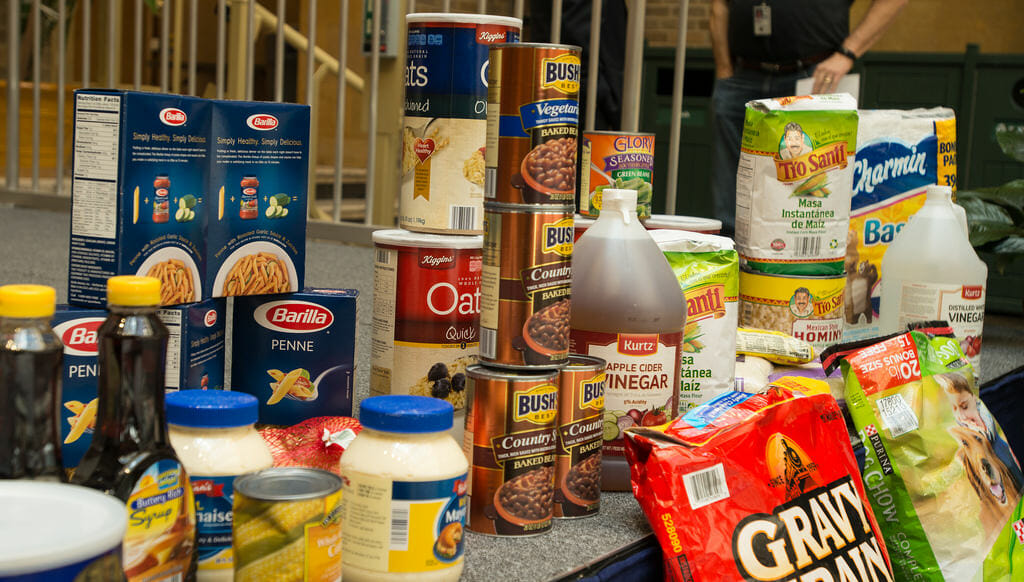
In my case those were MREs, meat cans, alcohol, batteries, candles, cigarettes, weapons and ammo, drugs, and medicines… but if we are talking about the future, preparing, some things need to be mentioned.


There are lists about “100 things to store for SHTF“, and while they are good lists, they may be completely different from “100 things to trade when SHTF.”


Obviously when SHTF you will miss everything, because the “trucks are stopped“ and there are no stores and normal buying.


The basics that you need to cover are something that every prepper already knows: food, defense, water, shelter, fire, medicine, and communication.


Out of these essentials, you go in deeper. Like under medicine you’ll have antibiotics but also some knowledge about natural remedies. Under food, you’ll have cans but also some way to produce food like seeds or hunting or whatever.


If you are PLANNING to store things for trade then you need to have a strategy for that.


Let’s say you are storing huge amounts of food for you and your family for SHTF but you are also planning to trade that food for other items when SHTF.


Some advice for people who are counting to store things for trade are:


  1. Store things of everyday use, nothing too fancy. For example store rice or pasta (if that food is common in your region), lighters, batteries, or candles.

  2. Store small things, or in small packages, stuff that is gonna be easy to carry hidden on you, in your jacket, for example, lighters, spices, cigarettes, quick soups… not cannister of fuel, bags of wheat. I am not saying not to store fuel. I am saying it is much better to carry 20 AA batteries to trade then a 20-liter canister of fuel especially because value might be similar. Remember, do not give reason to anyone to take the risk of attacking you because you have something.

  3. Think about things that are cheap today, may have multipurpose uses when SHTF, and do not take too much space to store (alcohol pads or condoms for example).

  4. Think about things that you can “sell but keep“. For example, a solar panel with a setup for charging batteries for people. You are selling charging of batteries to people.

  5. NEVER be the “big trader“ or the person who has a lot of interesting stuff. Be the small person who is gonna offer good things through the network of a few people. Being big trader means attracting too much attention with too many cool things that you have. Hide your trading activities through a network of other traders.

  6. Understand today’s value and the value when SHTF. Think about the small things that save lives, antibiotics, anti-tetanus shots, povidone pads [iodine]. For example, candles are really cheap today but will be rare when SHTF.

  7. Do not underestimate things that are people addicted to, no matter what you think about it. Cigarettes, alcohol, or coffee (or whatever is case in your region) – the value will go way up.

  8. “Store“ skills and knowledge. It is best investment. Learn skills that are gonna be valuable like gardening, shoe repairing, clothes making. Maybe you can be the person who has knowledge about natural remedies.


Should you have precious metals as a means for buying goods when the SHTF?


Through human history, gold and silver were valuable. They were used for getting goods in all times, including hardest times like wars and similar.


Having precious metal for SHTF is big in the prepping community but I need to point out some things.


The value of gold went down during SHTF so much that you need to think about it very hard.


For example, in normal times (I am using these numbers as an example) you could buy with one gold ring 300 small cans of meat. When SHTF you could buy 20, and you could buy 20 if you could find a man who wanted to take that ring from you.


He did not usually want to take it because he could take stuff that he could immediately use, like weapons, drugs, or medicines.


He simply could not do anything immediately useful with it.


Having precious metals is a great idea for later, when some kind of system jumps in, because they are gonna be again precious.


Right in the middle of SHTF, the value of it is poor.


That is one of the reasons why some local warlords came out as very powerful people after everything. They simply took precious metal from folks for a “can of the soup“ value (or sometimes for nothing) and they had enough power to store that metal for the time when it would be valuable again.


Do not throw everything into precious metals. Store immediately useful things.


What were the top skills?


It was simple: skills that you might use to kill people or to heal them.


So fighting, security, medical skills, knowing herbal remedies, repairing a weapon, making a new one.


Right after those skills were skills about food.


Knowing what kind of herbs around us you could eat, or even knowing what kind of tree bark you could eat maybe, how to make some plants edible mixed with other ingredients, how to repair clothes and things in your home.


Were there markets for bartering or did people mostly do this in private?


In one period of time there was something like a market, but it was strictly under control of local warlord, so it was not smart to go there since you really could not know what to expect.


Almost all the trades were made in private arrangments after you got information about someone who had something that he wants to trade.


The best situation was if you knew that person prior the war so you had already built trust from before.


Scams were usual, attacks during the trade happened too, especially if the value of goods was high.


If you need to trade for something, do that in advance. In other words, do not wait to be completely without food and then go to look for food through the trade, because you are under pressure, you are desperate. It is not a good setup for trade.


How did you remain safe when trading goods and services? What were the risks?


The basic rule is not to go alone to trade.


The reasons are very simple because you have resources with you for trade, you are possible target so you need more security – more people.


The trade place usually needed to be checked for possible ambush or scam setup. You needed people for that.


You needed a guard during the trade, someone to check up things during your negotiation with the other trader, someone who was going to watch for things.


The ideal number of people was 3.


The risks are scams (bad goods) or an attack.


You could lower that risk by trading with known people or simply by showing enough force so that they understand it is not worth the risk.


Scams were avoided by checking goods of course. If you are buying batteries you need to check them all. You need to taste coffee – is it mixed with old coffee that was used and dried? Cigarettes packs were carefully opened and 1-2 cigarettes could be missing and the pack glued again.


It was like a chess game. 


What are some myths about barter that most people think are the truth?


Trade is probably the survival topic with largest number of myths.


It is partly because we like to think that somehow the world will collapse but the majority of people will live by the rules from normal times, and partly because we are influenced by movies, shows, and fiction books. 


“When SHTF people simply get all together and help each other, and that goes for trade too.“


No, actually when times get really hard people jump into survival mode, or perish.


For you it may mean that you ‘l be nice, and do only good things, for another, it may mean that he will do whatever it takes so he and his family survive.


That may include killing you over 3 MREs during the trade.


“When SHTF I will thrive because I stored a lot of things for trade, and I will simply be the biggest trader.“ 


It is possible. People did that and survived. And even got rich after everything was over.


But they had gangs around them, enough manpower to protect the goods, the control to not be overrun, and they were ruthless.


Most probably, you are an ordinary person who just wants to survive SHTF. You do not have 100 armed people with you. You just need to be small and careful.


You are not a warlord.


“When it comes to trade it is all about weapon and force.“


Actually, it is not.


It is about the correct mindset to decide what makes sense in that moment and what you really need (and what you do not). Weapons help a lot but do not solve the problem alone.


It is very similar to bargaining at a flea market with the possibility of violence.


Anything to add?


After years of being in the survival world, talking with other preppers and writing my articles I found out that a great number of people  think something like “I cannot wait to go to trade when SHTF!“


In reality, one of the points of careful preparing is to delay the moment when you need to go out and trade as long as you can.


Why?


Because you’re gonna need time to scan what is going on and who is who in the new collapsed world. You need to gather information about who is good and who is not, who is trusted and who is a scammer, what area is safe


If you need to go out on the 10th day in order to trade something maybe you are doing something wrong?


***


More information about Selco


Selco survived the Balkan war of the 90s in a city under siege, without electricity, running water, or food distribution.


In his online works, he gives an inside view of the reality of survival under the harshest conditions. He reviews what works and what doesn’t, tells you the hard lessons he learned, and shares how he prepares today.


He never stopped learning about survival and preparedness since the war. Regardless what happens, chances are you will never experience extreme situations like Selco did. But you have the chance to learn from him and how he faced death for months.


Real survival is not romantic or idealistic. It is brutal, hard and unfair. Let Selco take you into that world.


Read more of Selco’s articles here: https://shtfschool.com/blog/


And take advantage of a deep and profound insight into his knowledge and advice by signing up for the outstanding and unrivaled online course. More details here: https://shtfschool.com/survival-boot-camp/


The Pantry Primer


Please feel free to share any information from this article in part or in full, giving credit to the author and including a link to The Organic Prepper and the following bio.


Daisy Luther is the author of The Pantry Primer: A Prepper’s Guide To Whole Food on a Half Price Budget.  Her website, The Organic Prepper, offers information on healthy prepping, including premium nutritional choices, general wellness and non-tech solutions. You can follow Daisy on Facebook and Twitter, and you can email her at daisy@theorganicprepper.ca


Monday, December 18, 2017

9 Vital Skills For A Post-EMP World


While having the right equipment and supplies is normally considered essential to survival, having the right skills trumps them both. You can make up for an equipment or supply shortage by having enough skills, but it’s much harder to do the reverse. Eventually your supplies will run out, then what will you do, if you don’t have the skills to produce more?


Typically, we break most of these skills down into two basic categories: wilderness survival skills and homesteading skills. The general idea behind homesteading skills is that if we aren’t trying to survive in the wilderness, then we need to convert our homes into homesteads in order to survive. There are a few other skills, such as medicine, which don’t fall into either of these categories, but most of the survival skills we all work to learn can really be put in one or the other.


But I’d like to propose a third category of skills; one that will be highly necessary if we are ever attacked by an EMP. Those skills are the ones which will be necessary so that we can rebuild society. Our ability to survive long-term, especially our ability to survive as the United States of America, will depend largely upon our ability to rebuild our society and the technology that makes it possible.


Make no mistake about this, if we are unable to rebuild our society, there are others who will be glad to move in and take over. For millennia, countries which became weak were conquered and absorbed by those who were strong. Technology was a large part of this, as military technology had a lot to do with determining a country’s strength.


Get Free Backup Electricity — And Never Be Without Power!


In our weakened, post-EMP state, with millions of people dying off, the United States would be prime pickings for anyone who would want to attack. That is, unless we were able to rebuild our country, before the military ran out of beans, bullets and fuel to defend us.


So here are the skills which I see as the most important, in order to make the United States of America survive as a country, which will hopefully help us to survive as individuals as well.


1. Medicine


One of the first things we will be forced to confront as a society is the massive number of people who will die due to the lack of proper medical attention. A fair percentage of our society is dependent upon regular doses of medicines to treat chronic conditions they have. Without those medicines, these people will begin to die off, causing the first wave of people dying after the attack.


Alternative medicine will be especially important during this time, as once local stocks of medicines run out, there will be little that can be done to replenish them. Doctors will find themselves scrambling to find the natural remedies that were used 100 years ago, before the pharmaceutical industry grew so large. Those with this knowledge will suddenly find themselves sought after and respected by the medical industry.


2. Chemistry


Without the ability to mass-manufacture medicines and transport them across country, the only medicines which will be produced, will be simpler medicines which are produced locally. While much of this will probably be natural medicine, the ability to produce chloroform and other simple medicines will be invaluable.


3. Agriculture


Food production will have to be localized, ignoring the massive agricultural industry that we have today, as well as the massive food production industry. According to the report of the EMP Commission, the largest number of people who will die during the first year after the EMP will be of starvation. The only chance those people have is for local farmers to pick up the slack and produce food locally.


This does not just mean growing produce and gain, although that is an extremely important component. It also means animal husbandry, breeding and growing animals for meat.


4. Practical Engineering


We are, to a large part, a nation of things. Without electrical power, many of those things will no longer work, even though they will still exist. Engineering will be extremely important in a post-EMP world; not from the point of view of designing new things, as finding ways of making the old things work. This will most likely require extensive modifications.


While our country has thousands of engineers, few are good at this type of engineering. An engineer who is only used to designing integrated circuit chips isn’t going to have much to do in a post-EMP world. But one who is used to working hands-on, finding ways of doing things, will be in high demand.


When you consider that we will need to figure out how to draw our own wire and build out own generators on a local level, in order to have electricity back in our cities, you can see how important this will be. These same engineers will probably be working out modifications for farm equipment, to run off of steam or animal power and modifying vehicles, so that the engines will run off of alternate fuels and without computers.


5. Telephony


The oldest form of electronic communications we had was the telegraph. That was quickly replaced by telephones. If we are going to restore communications, these skills will be needed. But I’m not talking about the telephony of today, which is largely dependent on computers; rather, I’m talking about the telephony of yesteryear, with an operator connecting your call.


6. Electrical Power Production


Restoring society will require the ability to produce electrical power on a local level, more than anything else. This will mean building and rebuilding small power production plants, including hydroelectric plants and coal plants.


More than that, there will be the problem of rebuilding the distribution grid. Once again, that will have to start on a local level, which will then begin to be connected together, as transformers can be built and new power lines can be made.


7. Electronics


There will be warehouses full of electronic equipment that will survive the EMP, even if there isn’t much equipment in use that survives it. Some will be able to be used as is, but much will probably need to be modified, in order to use it for purposes other than its original intent. There will be a lot of local modification going on, requiring people who know how to read a schematic and solder a connection.


8. Blacksmithing & Machining


Manufacturing the equipment to draw wire and wind transformers on a local level will be a huge challenge. First, an engineer will have to design the equipment, then it will have to be built. Since we won’t have the factories available that we do today, that’s going to mean going back to the old methods, with blacksmiths forming things out of metal and machinists who can modify those metal parts.


Of course, this will all have to be done with manpower or animal power, as there won’t be any electricity to run motors. That means that the first job these people will have to do is modify modern equipment, so that it can be run off of animal power or water power.


9. Mechanics


I mentioned modifying cars to run off of alternate fuels and without computers to control the engines. While we will need engineers working on this, we will also need the practical knowledge of mechanics, who know the engines better than anyone. These mechanics may very well need the services of the blacksmiths and machinists, in order to modify parts to meet the need.


What would you add to our list? Share your thoughts in the section below:

Saturday, November 18, 2017

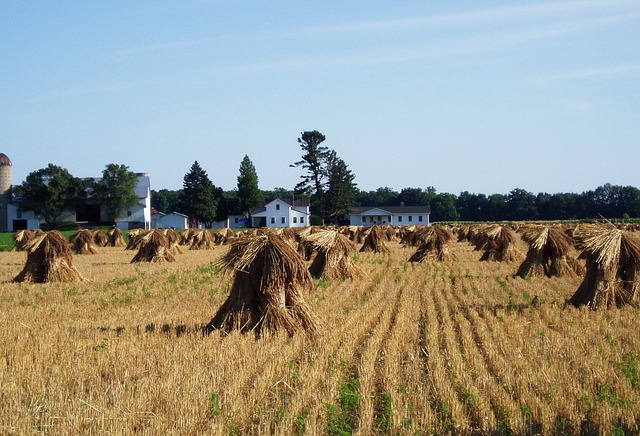
6 Off-Grid Lessons From Amish Life We All Should Learn

6 Lessons From Amish Life We All Should Learn

Image source: Wikipedia


Visitors to my neighborhood in central Maine are often startled by the presence of Amish people.  Locals, though, are accustomed to the yellow road signs with black silhouettes of horse-drawn buggies, tracks of bicycle tires and horse hooves in the snow on the shoulder, and the sight of women in bonnets and long dresses in line at the local grocery store. The handful of families that arrived eight years ago have grown into a sizeable and thriving group which coexists well within the greater community.


As neighbors, friends, vendors and customers, the Amish provide an integral niche in the lives of other residents.  Sharing a region with the Amish is rewarding. They are my go-to for organic livestock grain, barn boots, fresh vegetables and kitchen gadgets, as well as the source for my full-sized wood cook stove.


I am a regular customer at an Amish dairy farm, as well. I drive out to the milk room every Saturday to pick up rich raw Jersey milk, leave off clean jars to be filled for next week, and drop my money into an open plastic bucket on the shelf.


Customers for ready-made buildings, bicycle repair, and charcuterie also seek out Amish businesses. But commerce goes both ways. The Amish buy from local merchants, hire drivers for transportation, provide education at agricultural events, and contribute to municipal building projects.


The Latest Solar Generators Are 4 Times More Powerful Than Previous Ones!


Living in close proximity to Amish people as I do, it is easy to observe the way they live. I often admire the large homes with tidy no-nonsense yards as I pass by, or smile at the sight of school-aged children helping parents hang laundry on the line or hauling firewood. While they are certainly human and by no means perfect, they do portray a highly venerable lifestyle.


My experiences with Amish people have led me to believe that there are many positive things to be said for the way they live their lives. Following are six ways that I think they are doing it right.


1. Community is everything. A friend told me a story of how, when she first arrived from out-of-state for the purpose of living sustainably, she told an Amish woman she encountered of her plans. “Oh my dear,” the Amish woman said gently, touching my friend’s arm, “you need community in order to do that.”


As a homesteader, I cannot agree more with that statement. Living on the land is a tough row to hoe for a single household. The sense of isolation and the feeling of being overwhelmed are two of the most common reasons people consider giving up homesteading.


6 Ways Amish Life Is Just Plain Better

Image source: Pixabay.com


Amish people band together for building homes and barns, tending animals and gardens, supporting one another’s economic endeavors, completing household and culinary tasks, and spiritual solidarity. They buy land and build homes in clusters that support their sense of collective cooperation in a way that much of mainstream society no longer does.


2. Technology is a tool, not a master. Contrary to popular belief, Amish people do use modern technology. They have very localized rules, enabling some groups to use technology more or differently than do other groups. I have seen Amish people ride buses, hire cars, keep telephones in outside buildings, operate chainsaws, and shop at big box stores. The line in the sand might be defined at that which keeps them adequately separated from those who do not share their beliefs.


I wonder if it is also a question of what serves whom—they seek to use that which will serve their needs and reject that which may come to control them.


3. Comfort and value trump trendy and superficial. When I see Amish people, they appear neat and put-together, in clothes that fit well and do not have holes or missing buttons. But while they do take pride in their appearance in that way—and I assume that most individuals try to look their best—they do not embrace mainstream trends.


Need Non-GMO Heirloom Seeds For Your Garden? The Best Deals Are Right Here!


I see fun holey rubber clogs on their feet, but no designer bags on their arms. It seems that value is measured by actual usefulness instead of by what is perceived as valuable to others.


6 Ways Amish Life Is Just Plain Better

Image source: Pixabay.com


4. They are not slaves to society’s expectations. Many Americans hate to let society control them, but most do not reject the insidious pressure to do so as well as the Amish. No big screen TVs. No fancy cars. No cruises. No body waxing or tanning beds. No political correctness. No four-star restaurants. No smart phones. No social media. All those things that mainstream culture tries to tell us we cannot live without? The Amish live without them.


At first glance, the Amish lifestyle seems restrictive. But when the absence of having to keep up with the Joneses is taken into account, maybe their lives are ones of freedom, not restriction.


5. They do not expect anything for free. Amish people work hard and expect to be paid accordingly, but do not ask to be paid extra. They ask nothing of the greater public and nothing of the government. They pay taxes like everyone does, and occasionally grumble about them like everyone does. But I would be surprised to see many Amish people applying for state benefits.


6. They do not lose sleep over politics. Without television or social media in their lives, many issues that flood mainstream airwaves can be lost on the Amish. Whether or not Sarah Palin knows about foreign affairs or whether Hillary Clinton used a specific email account to send sensitive documents—none of that matters to those solely focused on home and family. Amish people do hold strong opinions on many subjects, but do not get caught up into distant controversies.


It is true that no one culture has all the answers, and no single way of doing things is right for everyone. But the Amish do practice a lifestyle admired by many, and I count myself as fortunate to share my neighborhood with them. I appreciate the value they bring to the community, and I love the ways they do things right.


Do you agree or disagree? What would you add to this story? Share your thoughts in the section below:


Are You Prepared For Blackouts This Winter? Read More Here.


Monday, November 13, 2017

4 Military Skills Every Prepper Should Master

4 Military Skills Every Prepper Should Master


U.S. military personnel operate all over the world, often in extremely challenging conditions. In order to accomplish difficult missions, they have amassed a wealth of critical skills. Many of these skills are applicable to preppers, homesteaders and survivalists. If you want to survive, or even thrive in periods of uncertainty, here are four military skills you need to master today.


1. Land Navigation


At one time, using a map, protractor, and compass to navigate were basic and essential military tasks. However, even the military relies heavily on GPS to navigate these days, just like you probably do. But what happens if you cannot power your handheld devices, or the GPS satellites overhead are dismantled? That’s when basic navigation skills become critical.


Every prepper should be able to determine their location on a map, and navigate using a map and compass. These skills will help you move from one place to another as expediently as possible, saving time and energy. They will also help you do other tasks as well, such as place a garden to achieve optimal sun exposure. So study the basic principles of land navigation, and start practicing as soon as you can.


2. Starting Fires


Whether you’re isolated and exposed to the elements, or in a situation where electrical power and fuel are unavailable, you’ll likely need to build a fire sooner or later. Fire can sterilize your water or medical equipment, cook your food, and keep you alive when temperatures plummet. It can even help you signal to others for help or as a warning.


Good preppers should be able to start a fire and boil a cup of water in 15 minutes or less. You should also maintain a fire kit on hand at all times. When traveling, keep your fire kit on your body; it should be one of the last pieces of gear you discard in an emergency, like when you’re evading people who want to hurt you. Practice building fires with your fire kit, until you’re proficient. Also, study different types of survival fires, so you can have a heat source regardless of the situation you’re in.


3. Apply a Tourniquet


For today’s military, blood loss due to traumatic injury is a major cause of combat fatalities. Most military units preparing to go to a war zone focus a great deal of time on how to stop the bleeding as rapidly as possible. For traumatic injuries where a simple bandage dressing won’t work, one of the best ways to do so is with a tourniquet.


A tourniquet normally consists of a wrapped bandage strip and a device, such as a piece of wood, that can compress a wrapped bandage to the point that it stops all arterial bleeding on a wounded extremity. Applying a tourniquet properly on a wound can often mean the difference between life and death for an injured person. Preppers should learn how to apply tourniquets effectively. They should also keep ready-made tourniquets on hand in their homes, survival kits and vehicles at all times.


4. Find and Purify Water


You also won’t fare very well in a survival situation if you drink contaminated water. Learning how to find and safely purify water is a military skill that every prepper needs to master if they want to be ready.


Preppers should learn how to find water in any type of environment. In some cases, that may require them to build solar stills, and trap water condensation. At other times, knowing where to dig on a dry riverbed may be critical to getting access to a water source. All preppers should know how to purify water, as well, especially if they are unsure of the water’s quality. Survivalists and preppers should keep water purification gear on hand at all times as well.


Parting Thoughts


Don’t wait until you’re in dire straits before you practice these skills. Find someone who can teach you the right way to become proficient. Then practice these skills often – until they’re perfected.


What military skills would you add to our list? Share your tips in the section below:


Friday, September 15, 2017

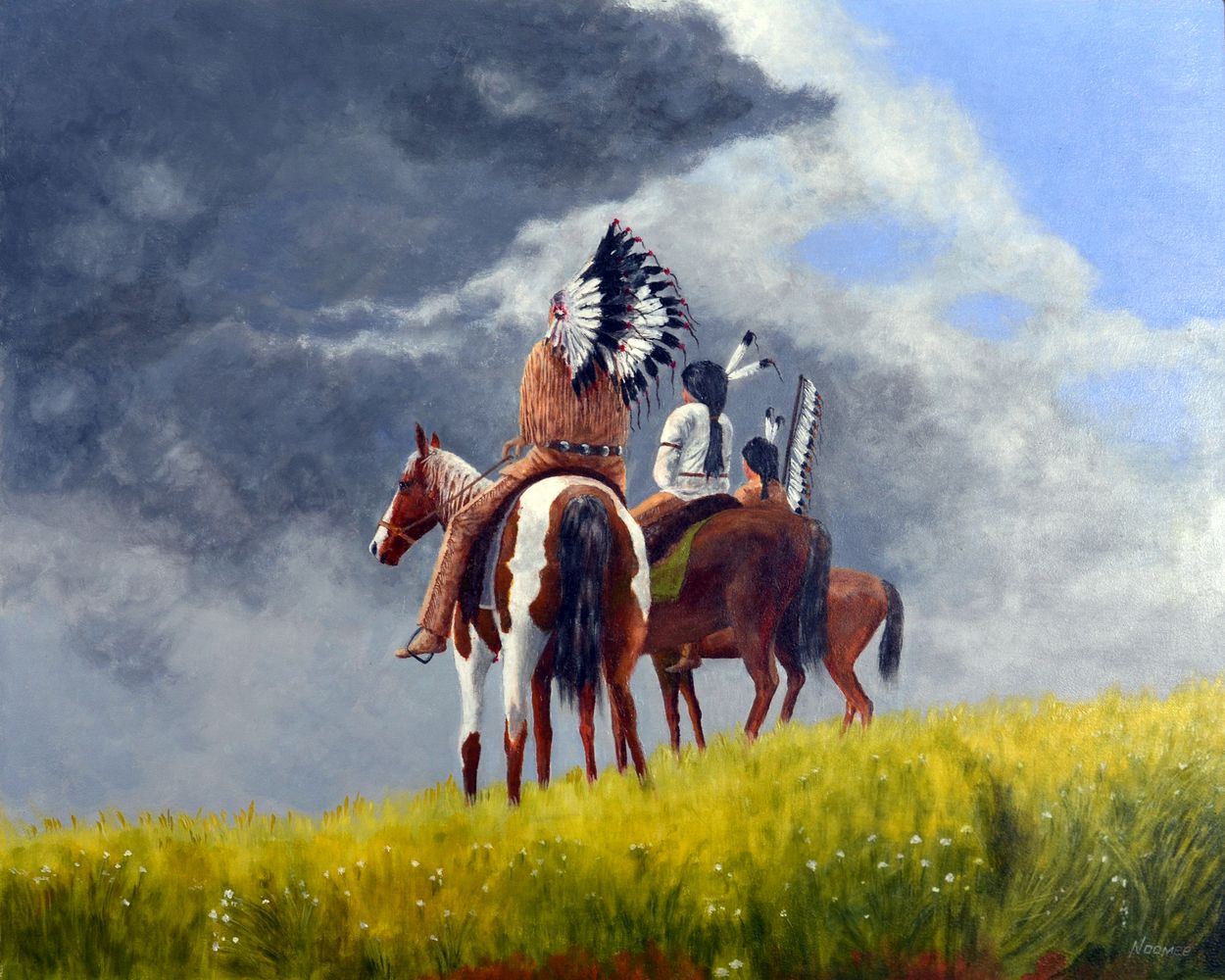
5 Stealth Native American Skills That No One Else Has Mastered

5 Stealth Native American Skills That NO ONE ELSE Has Mastered

Artist: Martin Grelle


Whether is was a matter of sneaking up on prey to catch their next meal, sniffing out enemies who might be nearby so that they could be avoided, or planning a sneak attack on enemies, one of the most notable skills that native people had was stealth.


When Europeans came to the New World, they were often amazed at how native people seemed to be able to walk through the woods almost without sound. When you consider the amazing hearing of most animals, it makes you wonder just how hunting parties managed to get close enough to their prey to make a kill!


In the times before the white man walked in the New World, there were no telescopes, no long-range rifles, no binoculars. How did native people manage to get so close to game and avoid their enemies?


1. Walk silently


It seems backwards to most of us, but indigenous tribes know that walking silently means walking toe to heel, not heel to toe. The native way of walking was to take smaller steps (no more than three feet or so) and place the toes on the ground first. The weight of the body should rest on the back leg. This allows you to check the noise value of the ground you are about to step on. This way, if there is a twig hidden under leaves, you will feel it with your toes before it makes much of a sound. This enables you to change your footing, if needed.


If the ground under your toes appears (and sounds) like a quiet step, you can now put your heel on the ground and transfer the weight to your front leg. Once your toes are on the ground, roll on the outside of the foot until your heel is firmly in place.


Discover The Secrets Of The Word’s Top Survivalists!


This is the exact opposite to how most of us walk, and it will take some practice if you hope to acquire this valuable skill. Practice on a wide range of surfaces. Once you think you have the hang of it, get a friend to turn their back on you, while you sneak up behind them. See if they can hear you or if they can tell when you are within “attack” range.


2. Be ultra quiet


While walking toe to heel is considered to be the main stealth skill, there are other things that matter. For example, no matter how silent your feet might be, if you are singing, talking, whistling or even breathing loudly, you will be heard! This is one reason why native people learned the songs and whistles of native birds. They could signal one another with natural sounds that few would suspect.


Being aware of noise makers on your person is another factor to consider. Your equipment, shoelace ends tapping on your shoes, nylon pants rubbing against your legs, a clanging water bottle or rifle, all make noise that, while it might not be much, will sound like a trumpet in the quiet of the woods.


3. Watch your posture


Most people walk with their backs hunched forward and their heads up. This will naturally put most of your body weight on your front foot, which you don’t want. Learn to bend at the knees and keep yourself as low as possible while still keeping the upper part of the body erect. Yes, this means leg strength, so you might want to consider doing more squats to increase the strength of your thigh muscles.


5 Stealth Native American Skills That NO ONE ELSE Has Mastered

Artist: Frank Holloway


While you are bending at the knees, keep your hands and arms at waist level. Use your hands (palms down) to balance and further help distribute your weight. In the dark, or even in places where the light level is very low, this can help you avoid smacking low tree branches. Picture the form: knees bent, torso erect, hands spread wide between rocks or trees. This is the perfect position to pounce upon unsuspecting prey or move quickly if you are suddenly ambushed.


4. Breath differently


If you have ever watched a horror film and watched someone find a great hiding space, only to give it away with their labored breathing, you will find that this is a true fact, not just a movie stunt.


Of course, you need to breathe, but be aware of how loudly you are breathing. Many people find that they can breathe more quietly with their mouth open.


Another trick that indigenous people used was not staring directly at the person or animal until they were within range and ready to attack – believing that humans and animals could sense, somehow, that someone is watching them.


If you are not in a position to shoot or if you simply want to avoid being seen and your prey looks at you or even in your general direction, do not assume you have been spotted. Freeze right where you are. Eyes will quickly catch movement, but objects that are stationary, not so much.


Depending on your skin tone and what your purpose is, you might want to consider the lighting. This is why most native people painted their face and upper body (even their horses) with streaks of black and dark red. This helped them appear more like shadows. If you have very light-colored skin and will be in a low-light area, you might want to cover it with some streaks of dirt. While an animal might not recognize a shadow, a person surely will. Be aware of your position in the sunlight to avoid projecting a human shadow. Many native tribes tried to keep the sun on their back as they knew that most animals, and people, will turn their faces away from direct sunlight.


5. Check the wind


While you most likely could not smell a deer or a person (unless that person was using perfume or lacked deodorant) until you were almost upon them,  almost all animals have a better sense of smell than you. If the wind is chasing your scent directly to your prey, even an average deer can smell you coming from half a mile away! All the stealth in the world won’t help if your prey can smell you coming.


What Native American stealth skills would you add? Share your knowledge in the comments below:


Learn How To ‘Live Off The Land’ With Just Your Gun. Read More Here.

Wednesday, September 6, 2017

7 Overlooked Skills That Make Homesteading Life Easier

7 Overlooked Skills That Make Homesteading Life Easier

Image source: Pixabay.com


Homesteading is hard work. Period.


However, even the most hardworking and seasoned homesteaders may overlook skills that can make life easier. Here are seven skills to master that can ease the burden many homesteaders face.


1. Neighbors


Most homesteaders live on fairly small acreage and have others living nearby. Therefore, it’s essential to get to know your neighbors. There are two reasons for this. First, the enjoyment of the homesteading lifestyle will be greatly diminished if you can’t get along with your neighbors. For example, if someone nearby decides to start a rock band and practice outside, or enjoys taking a shortcut through your property on an ATV, your chances of resolving these issues is a lot better if you’ve already established a relationship. Second, and on a positive note, you may have goods or services your neighbor wants, and vice versa. For example, I raise rabbits and my neighbors raise pigs. I get tired of rabbit meat and they get tired of pork, so trading meats is a win-win for both.


2. Your choice – goods for bartering


Continuing the theme of No. 1, for thousands of years, humans relied on barter to transfer goods and services. Barter should be a major component of any homestead. Of course, to successfully barter, you need something to trade with your neighbors.


So choose a readily available or producible good on your homestead. Examples include candles from tallow, rabbits you breed, or preserved jams.


3. Your choice – services for bartering


In addition to goods sought after by those living nearby, think about a service, as well. It should be something that others can’t do well or easily. Typically, this means a skill that takes a lot of practice, experience and special tools.


Discover More Than 1,000 Off-Grid-Living Tricks!


Examples include mending clothes, advanced first-aid, dentistry, or carpentry without power tools. The list is endless, so consider carefully and invest in the time and tools needed to perfect a valuable service.


4. Tying knots


Whether you need to secure an animal or put up a clothesline, there’s an appropriate knot for the job. Yet few homesteaders know more than one or two basic knots. Learn how to quickly and efficiently tie some basics knots to get the job done right. There are tons of YouTube videos showcasing the most important knots. Here is one:


Story continues below video


5. Trapping game


Nothing lends to the success of homesteading more than supplementing protein sources with wild game. While not everyone has the skill (or desire) to hunt and butcher large game like deer or antelope, smaller game like rabbits or beavers are much more manageable. Learn how to make simple traps from material readily available on the homestead.


6. Sourdough starter


When I think of useful homesteading skills, I look to those that are sustainable—i.e., you can continue doing them long-term without having to rely on modern society to continually provide supplies. So if you grow grains and make bread, then grow and maintain a sourdough starter so that you don’t need to keep buying yeast. Learn how:


Story continues below video


7. Preserving meat without refrigeration


Homesteaders should be prepared to live for a long period of time without power.


One skill crucial to this is preserving meat without refrigeration. Two options are curing and smoking. Curing is basically the use of salt, but because salt is not a sustainable resource in a grid-down situation, I don’t recommend it as the primary means of preservation.


The other option is smoking. Smoke helps create an acidic coating on the meat, inhibiting bacterial growth. It also dries out the meat, further preventing bacteria. Smoking done this way is called cold smoking because temperatures less than 100 degrees Fahrenheit are used—the meat is not cooked, just preserved. You can purchase commercial cold smokers or make your own. In any case, cold smoking is one of those skills that takes practice.


Final Thoughts


All of the skills discussed take practice and initial investment in goods to master, but the investment will repay itself over and over.


What would you add to our list? Share your tips in the section below:


If You Like All-Natural Home Remedies, You Need To Read Everything That Hydrogen Peroxide Can Do. Find Out More Here.

Monday, August 7, 2017

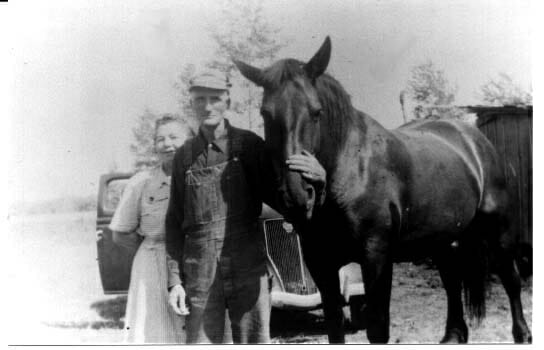
14 Things Your Great-Grandparents Knew That You Should, Too

14 Things Your Great-Grandparents Knew That You Should, Too


Our ancestors grew up in a very different world than the one we inhabit today. More and more, our world is built around the Internet — an electronic world where we have instant access to entertainment, information and communications. But their world was built more around things that had physical reality, rather than just a virtual reality.


Their world wasn’t one in which things were just thrown away and replaced when they started getting old. Rather, they would repair things and reuse them, even re-purposing them when needed. I can still remember my grandmother’s kitchen, with its stacks of margarine, Cool Whip containers — her “Tupperware” — and a host of other re-purposed items.


What are these skills? The list is long. But some are more important than others. Let’s look at a few of them.


1. Patience


Patience really isn’t a skill so much as it is an attribute. But it can be learned and improved upon with practice. It is also something that modern society lacks. From fast food to microwave ovens, we are used to immediate gratification. But if we ever have to grind the grain in order to bake our own bread, we’re going to need lots of patience.


2. Thriftiness


This is another important attribute that has been largely lost on the modern world. The reason my grandmother used Cool Whip containers was because she had grown up during the Great Depression. She couldn’t waste money if her life depended on it. Yet today we think nothing of paying $5 for a cup of coffee. When all we have is what we’ve stockpiled, we’re going to have to be parsimonious in its use.


3. Sewing and mending


Hardly anyone sews on a button or repairs a ripped seam anymore — much less alter clothes when they don’t fit. Sewing isn’t that hard a skill to learn, but few know it.


4. Skinning and butchering animals


About the only people in the country who have any idea how to prepare a freshly killed animal for eating are hunters. Even there, their knowledge is usually limited to cleaning and skinning the animal.


Are Your Prepared For A Downed Grid? Get Backup Electricity Today!


Butchering is something done by a professional. Improperly prepared game can be dangerous, especially if the intestines are punctured while cleaning it.


5. Curing hides


Our ancestors used the hides off of any animals they killed, whether rabbits or ‘coons or dear.


6. Canning, smoking and curing meats


Fortunately, canning is one skill that most preppers seem to learn. But what about meat? While dehydrating meat is a simple process, smoking and curing meats is much more complicated. They also require having the right equipment and supplies on hand.


7. Saddling a horse or hitching up a team


I’m going to take a chance here and assume you know how to ride a horse. If you don’t, might I suggest you take a few riding lessons? After all, if we ever encounter a time when there’s no gas, we’ll probably have to start breeding horses like crazy, so that we have some form of transportation.


14 Things Your Great-Grandparents Knew That You Should, TooOf course, there’s more to this than just riding horses. You’ll need to know how to saddle and bridle a horse, as well. If you are fortunate enough to have a wagon or buggy or can make one, you’ll need to know how to hitch a team to them, as well as how to drive the team. There’s really quite a bit here to learn — skills that most people don’t think of anymore.


8. Saddle and harness-making


Speaking of horses, where are you going to find a saddle, bridle and harness, anyway? Riding a horse bareback is a guaranteed way of giving the horse back problems, besides being extremely uncomfortable. Worse, you’re going to be stuck pulling that plow through the earth by yourself if you can’t harness a horse to it. But how do you make a harness? While there were saddle and harness makers in times of old, there wasn’t a farmer or cowboy that didn’t have a fair grasp of these skills, too.


9. Shoeing horses


My dad was actually an old-time ferrier, the kind who didn’t just use ready-made horse shoes, but made them out of bar stock. He was also a blacksmith. This is another skill that every farmer and cowboy knew, but few have the foggiest idea about anymore. But if you don’t keep a horse properly shod and its hooves properly trimmed, the horse can go lame.


10. Gardening


This one may seem a bit simplistic, as it’s probably something you’ve already thought of; but it is essential. Some of us (like me) are not natural gardeners and need to get better at this. That takes time, especially since it can be months before our errors bear fruit (or don’t bear fruit) and many more months before we get another planting season to try again.


11. Raising chickens


In olden times, pretty much everyone, except city dwellers, had chickens running around the house. You can still see this in many third-world and emerging countries. Those chickens are really free-range, running around the yard and eating whatever they find (and chickens will eat everything).


12. Starting a fire


The most common method of fire-starting in the past was flint and steel. Today, we have much easier methods — along with the reality that those will run out eventually. Learning to start a fire by flint and steel is a worthwhile skill to learn, even though I strongly prefer using a butane lighter.


Probably the most important part of this skill is recognizing and gathering good tinder. In olden times, people kept a tinder box, which held their flint, often sewn into a leather wrapping to improve grip, as well as whatever tinder they found and gathered along the way. That way, they always had the basic necessities for starting a fire.


13. Telling time by the sun


The modern concept of the importance of time is largely because of the railroads. Once railroad time schedules came out, people needed to know what time it was, so that they wouldn’t be late. In fact, the first group of people who commonly carried a watch (pocket watches) was train conductors. As the boss of the train, it was they who were responsible for meeting that schedule. So, the railroad would issue them a watch as part of their uniform.


14. The activity of wild animals


Few people really study nature anymore, not even the activities of animals they regularly see. But if we are going to hunt those animals for food, it helps to know their habits. Hunting in a post-disaster world won’t mean spreading some feed corn on the ground and waiting in a blind; you’ll have to find the animals where they are.


Wild animals can tell us a lot about what is going on around us. They instinctively recognize danger that we don’t. They also see the changes in the seasons before we do, starting their migrations or preparations. When we become attuned to their activities, they can become the best weathermen there are.


What would you add to our list? Share your thoughts in the section below: 

Tuesday, July 18, 2017

Wise Preppers Don’t Just Stockpile Food. They Do This, Too.

Wise Preppers Don’t Just Stockpile Food. They Do This, Too.


Give a man a fish and you feed him for a day. Teach a man to fish and you feed him for a lifetime. Most people are familiar with the old proverb, but not everyone has considered how its wisdom can be applied to disaster preparedness.


Food procurement and processing skills are more valuable than food stockpiles in the long term. I will not deny that a well-filled pantry is vital, for myriad reasons. Hurricanes, blizzards, job loss, interrupted supply chains, and dozens of other scenarios are perfect examples of why people always should keep plenty of food stored. Emergency management guidelines advise that every household keep at least three days’ worth of food, water and necessities on hand.


I admit that my own food storage room contains more like three months’ worth, and likely even more. The shelves are chocked full of jars of food, everything from green beans to tomato sauce to applesauce to chutney to barbecue sauce to chicken stock. There also are containers of dehydrated produce, jars of homemade maple syrup, and root cellar foods such as onions and garlic and pumpkins. The freezers contain berries and vegetables and meats.


If a short-term crisis occurred which prevented me from purchasing food, my household will not go hungry. At worst, we’ll be inconvenienced, or end up growing weary of certain foods and yearning for others.


The Problem With Stockpiles


But here’s the thing. If food suddenly became scarce for a long period of time, the food I have stockpiled would be nothing more than a good start. The same is probably true for many — if not most — people who store any volume of food.


Just 30 Grams Of This Superfood Provides More Nutrition Than An Entire Meal!


In the end, however, no matter how much is stored, food supplies will run out. And long before the stocks are depleted by consumption, other losses can occur. Food can be stolen. Containers can break. The storage facility can become inaccessible. Floods, earthquakes, fire, insect or varmint infestation, mold and general spoilage can destroy stockpiles. Unexpected events happen — which is, of course, the entire premise for storing food in the first place.


Much of my food stockpile is comprised of food which I made myself. I planted, tended and harvested the vegetables and fruits and berries on my homestead, and then preserved enough of it to last my household through the winter. The meats come from animals I raised myself or bartered for with other homestead products, and the cheeses are homemade from my own goats’ milk.


Wise Preppers Don’t Just Stockpile Food. They Do This, Too.

Image source: Flickr / Creative Commons


I keep a good supply of whole food staples on hand, as well, which I use for making homemade items. A variety of flours and grains, bought in bulk and stored long-term in smaller bags in the freezer, keep my household supplied with bread. There are other store-bought goods I cannot make for myself, such as cooking oils and nuts and sugar and leavening. Like all stored food, it would eventually run out, but being able to generate as much of my own food as I do still serves me well, both now and later.


The Solution Is Simple: Skills & Knowledge


The ability to rely on one’s own skills and knowledge is of real value in any situation, and certainly no less so when it comes to putting food on the table. Being at the mercy of whatever can be bought at the grocery store when our own supplies run dry is not a good position to be in — ever. Not in normal life today, not in a short-term crisis, and certainly not in the case of a serious catastrophe.


Having the ability to produce our own sustenance is a distinct advantage. Knowing how to raise a wide variety of both plant-based and animal-based food, having the skills to process and preserve those ingredients, and being able to create palatable nutrition from the basics are crucial components to feeding oneself.


Foraging skills are also useful. Depending upon the season and geography, the natural world often provides a buffet of edibles. Knowing how to safely locate, harvest and prepare wild plants and fungus could be crucial in a wide variety of situations, from getting lost overnight while out hiking or hunting to being completely destitute.


These skills will not be depleted, stolen, lost or destroyed. They will last forever and can be used not only to feed oneself and one’s own household, but can help serve communities or can be used to barter for other goods and services. Anyone who has invested time in learning how to do things like plant a garden, milk a goat, make cheese, can green beans, keep pigs from escaping their pen, keep pests out of the berry patch, boil down sap into syrup, churn butter, knead bread, identify edible mushrooms, dig up wild roots, and other food-related skills will always have that experience to fall back on.


Armed with know-how and practice, we are all better prepared for whatever comes along, whether it is everyday life now, a minor weather-related emergency or personal crisis later, or an earth-shattering event sometime in the future.


Do you agree or disagree? Share your thoughts in the section below:

Monday, July 10, 2017

29 Once-Common Survival Skills We’ve Lost To Technology

iphone-500291_640


No doubt, all of us benefit greatly from technology. Unfortunately, though, there is a payoff for all this convenience: the loss of common skills.


Although I love being able to Google almost any question and click an icon to call home, the fact is that there are some skills we might want to consider keeping.


Imagine life after a societal collapse. How many of us would survive?


Here are 29 skills virtually lost to technology:


Home and farm skills


These would include skills such as:


1. Darning socks and mending clothes.


2. Tying specific knots such as sheepshanks, bowlines and clove hitch knots.


3. Identifying trees, edible plants, flowers and berries


4. Baking from scratch.


5. Knitting or crocheting.


Simple memorization skills


We used to rely on memorization for many things, including:


6. Phone numbers and even complete addresses of family members.


7. Highway names or numbers (Route 2, Highway 101).


8. Recipes and measurements.


9. Personal information, such as driver’s license numbers, Social Security numbers, employee numbers, locker combinations, etc.


10. Birthdays and anniversaries of relatives and close friends.


11. Simple math, such as simple division.


Writing skills


Although some people still manage to hunt and peck on their phone or computer, imagine getting most people to:


12. Write a proper letter.


13. Use handwriting or cursive that is legible.


14. Fill out forms or applications by hand.


15. Write a check.


16. Write anything and have most of the words and grammar correct.


Direction skills


Both giving and taking. If you didn’t have your cell phone, would you be able to:


17. Understand directions, such as “wait on the Southeast corner.”


18. Know where north or south is from where you are standing.


19. Tell someone, on the phone, the street names and directions they need to use to find you.


20. Read a paper map.


21. Read a compass.


Everyday life skills


The list is endless, but here are a few:


22. How to change a tire and/or check the oil and water in a car.


23. Understand pounds and ounces.


24. Look up something in a book or dictionary.


25. Read a recipe or a thermometer (non-digital).


26. Write shorthand.


27. Start a fire.


28. Make small talk with strangers


29. Wait patiently for someone – without looking at a smart phone.


What would you add to our list? Share your thoughts in the section below:

Friday, April 7, 2017

Be Ready And Prepped Before the Next Crisis “Or Wind Up Begging The Government”

global-unrest


This article was written by J.D. Heyes and originally published at NaturalNews.com.


Editor’s Comment: Society has lost its way, and there are a million reasons for things to go south at a moment’s notice. Preppers know that with survival skills and supplies ready, there is a better chance that they will be able to survive almost anything that comes their way, and be able to keep a healthy distance from unruly and dangerously dependent urban populations.


If a truly widespread disaster were to set in, martial law, FEMA camps and violence civil unrest could quickly follow. Those who aren’t ready will be left fending for remaining supplies from empty shelves, and ultimately have no other alternative but to submit, and ride out the crisis begging from the government. Only those with a clear headed approach and a prepared mindset can avoid such degradation… will you be among the ready few?


Master these 7 basic skills before SHTF… or you’ll wind up begging the government for basic supplies


by J.D. Heyes


No one can predict the future and it’s not likely most of us will know when the next ‘stuff hit the fan’ scenario will occur, but we can make some educated guesses based upon experience and common sense.


For example, for much of the country – especially the Midwest – we are approaching tornado season, when spring and early summer weather can often turn violent. The same is true for the Atlantic coast and the Gulf of Mexico, which could see hurricanes in a few months.


Out West, especially in California, there is always the threat of a major earthquake, though the New Madrid fault, the epicenter of which is located in southeastern Missouri/northwestern Kentucky, is also a threat.


Then there are world events which could erupt at any moment, such as a nuclear attack, or a cyber attack on our financial infrastructure. Or maybe political violence stemming from the insanity the political Left still harbors over the election of Donald J. Trump to the White House. (RELATED: How To Construct A “Bugout” Home For $250)


There are any number of things that could disrupt our world. We simply don’t know when something will happen. But before SHTF, there are some basic skills you should learn no matter what the triggering event happens to be, because they will come in handy regardless of the situation.


“If you want to become more prepared for a survival situation, the information available can be overwhelming. Some sites are trying to teach you how to start a fire with a block of ice, while celebrities on television are telling you to drink your own urine. What? Thankfully there are a few simple skills that you can learn to make a huge impact on a survival situation,” writes “Ryan” from Modern Survival Online.


Making a fire


This will be one of the most important survival skills you need to learn because fire can accomplish a number of important things – cooking, sanitizing water, and heat are just a few of those things.


Any preparedness bugout bag you put together should have at least two and maybe even three methods for starting a fire. This can be a disposable lighter, flint and steel, 9V battery and steel, etc. You can build a fire in any number of ways – gathering paper, small pieces of wood, sticks – but the ability to actually light the fire is the most important part of the skill.


Sanitizing water


In an SHTF scenario, potable (clean, drinkable) water is going to become pretty scarce pretty quickly. You should make sure you have an emergency supply of it on hand, but eventually you’re going to need to find some ‘in the wild,’ and it’ll have to be sanitized or you’ll get sick, then dehydrated, then you’ll die. Boiling water for just a few minutes works best, but you can also buy emergency water filters and filter straws.


Food on the fly


Food will also become a scarce commodity, so it would behoove you to learn about what kinds of plants grow in the wild where you live that are edible. You may not think much about that now, but when you’re getting hungry, living off the land will become necessary. Check with your local conservation department for starters; their experts can tell you what grows wild that you can eat in a pinch.


Communications


You’re going to want to pick up any information you can about the situation, so having some kind of radio that doesn’t require batteries (solar, wind-up) will work best. AM-FM and CB combination if you can find it. (RELATED: Best Ways To Escape Disaster When A Crisis Strikes)


Self-defense


How you personally want to handle this is, of course, something you have to decide. Most people think of a firearm as being best for self-defense, but others choose bows/crossbows, knives, a baseball bat, etc. Whatever you decide, take time – a lot of time – now to learn how to use your self-defense weapon of choice. This is particularly true if you choose a gun.


First aid


You don’t need to become a certified emergency medical technician or go to nursing school, but learning basic first aid is vital. You’ll want to know how to clean and dress wounds, treat burns, flush chemicals from your eyes, and basic splinting for fractures or sprains, at a minimum. Learn about nutrition and hydration, too, and what to do if you get diarrhea, which can kill.


Know your area


If you have to leave your home and “bug out” to a safer environment, it will help if you have paper topographical and road maps of your area. Even if you’ve lived there for a long time, you likely don’t know every bend, dirt road, creek and hill. Having paper maps at the ready will help you navigate your way to safety.


This article was written by J.D. Heyes and originally published at NaturalNews.com.


J.D. Heyes is a senior writer for NaturalNews.com and NewsTarget.com, as well as editor of The National Sentinel.

Friday, March 31, 2017

9 Forgotten ‘Everyday Survival Skills’ From Grandma

Grandma


Our grandparents didn’t spend their spare time watching TV or playing video games. The truth is they didn’t have spare time. Keeping the family fed, fields tended, livestock healthy and a roof over their heads kept them busy from dawn to dusk. They did whatever it took to survive and thrive.


While grandma and grandpa each had everyday skills that all homesteaders and survivalists should learn, today we’ll focus on Grandma’s day.


Grandma was a dynamo. She rose before dawn with a mile-long to-do list in her head. Feeding the family a hearty breakfast and sending them on their way was first priority. She then could get to her own busy day. Housework, fixing a fence with grandpa, helping the cow give birth, making pies to trade, fixing lunch, canning peaches and pulling weeds were checked off the list. Then it was time to make dinner and send everyone off to bed.


“The Big Book Of Off The Grid Secrets” — Every Homesteader Needs A Copy!


Parking or storage for trailers, ATVs, snowmobile


Here are some of the skills that helped her succeed at all of these tasks.


Feeding the Family


Grandma didn’t just run to a drive-thru to grab dinner after work. She planned ahead and made meals from scratch. She knew the night before what she would make for dinner. To accomplish this, she knew how to do these things:


1. Cooking from scratch – When grandma made dinner, she created masterpieces with no help from any cardboard box mix. Her meals were nutritious, tasty and far less expensive than any of the quick foods today. Love and care for her family were the special ingredients in every meal.


2. Cast iron cooking – It is amazing how many different dishes grandma made in her cast iron cookware. An entire meal, from soup to dessert, can be made with just one cast iron pot or skillet.


3. Preserving foods – Many of us remember coming home with jars of jelly, apple butter and pickles from grandma’s. Her cellar or pantry was always lined with shelves full of preserved goodness. Learning to preserve food via canning, pressure cooking or other methods is a wise investment in your own future.


Growing or Raising Food


Running to the grocery store each day was not an option to grandma. She essentially could shop every day in her own pantry or backyard.


skills grandmother4. The kitchen garden – No matter what grandpa grew in the fields, grandma always had a kitchen garden. She could walk out back and pick fresh dinner fixings. She often had fruit and nut trees, as well as her herbs and vegetables.


5. Animal husbandry – Grandma tended to be the one who cared for the livestock — a cow or goat for milk, a steer or pig for meat and then, the chickens. It was hard to find a homestead that didn’t have at least a few chickens – if not more. Aside from eggs, many times an old hen or rooster ended up as Sunday dinner. Which leads us to the next set of skills …


Want Out Of The Rat-Race But Need A Steady Stream Of Income?


6. Butchering livestock – Although it was more often grandpa who killed the large animals, grandma was the one who usually cut up or butchered them. Her skills with the butcher knife were admirable. She also could efficiently wring the neck of that old hen for the stew pot.


‘Jill of All Trades’


Our ancestors did as much as they could for themselves. Things were made to last, and those that didn’t were repurposed. Here are just a few more things that grandma did in caring for her family and home:


7. Crafty creations – Grandma needed basic sewing skills to keep her family clothed. She might even be talented enough to make clothing in addition to repairs. Quilting and weaving were other abilities which could provide additional income, as well as add to her family’s warmth and comfort.


8. Stretching a dollar – Being thrifty came naturally to grandma, as nothing went to waste. She reused, repurposed and recycled everything. She often was a skilled negotiator and bartered goods or her skills for things she needed or wanted.


9. Medical care – Doctors and hospitals weren’t readily available. Grandma was required to have basic medical skills and more. She even might doctor animals as well as people. Her familiarity with medicinal herbs and plants came in very handy.


So, how did your day compare to grandma’s? Did it seem a bit lacking? It’s not too late to start learning some of these skills that she used on an almost daily basis. So put down the remote and game controller and invest your time in useful endeavors. These skills could even save your life and those of your loved ones.


What would you add to our list? Share your thoughts in the section below:


Julie Dees is a freelance writer from Central California who also happens to be a real, lifelong cowgirl. She enjoys writing about her animals, her interest in homesteading and anything related to the outdoor life. Visit her website, TheCowgirlWrites.com.