Image source: Pixabay.com
When it comes to building a small business around your chickens, there are a lot of options: different breeds, different feeds, different markets. Some initial planning will help you better navigate the marketplace and reach your goals.
1. Choose the right product.
When starting your flock, you’ll need to choose which type of breed best suits your business plans. If you see a need for organic free-range chicken in your area, then you will want to do some research and decide which breed is desirable for providing meat. If you are selling eggs, you will want to choose between the breeds that lay white, green, blue, speckled, dark chocolate, light brown and pink eggs. The colored eggs can bring a slightly higher price at the farmer’s market, but they would not be the best choice if you are selling to restaurants, which typically choose volume and value over eggshell color.
If you want to sell chicks or laying hens, then consider choosing a breed that isn’t commonly offered in your area, or one that is in high demand. You could ask in your local feed store, or anywhere chicks are being sold, to find out which breeds have commonly sold the most. Breeds differ in value. Although they offer different, and in some cases very unique products, the prices will vary immensely. A general breed may cost only $3 for a chick, while some of the desirable breeds can cost upwards of $10 to $30 per chick. Those costs need to be accounted for when choosing a breed to raise. Some of the special breeds require an up-front investment, but have potential to return that investment with higher sale prices.
You also may find that you want to raise multiple breeds in order to feed your family while also having unique products to sell. Understanding what you want to sell will help you start to plan the direction for your flock.
2. Choose the right flock size.
After choosing what you want to raise and sell, you will need to determine how large of a flock to have. This is based on the needs of your family as well as how much you plan to sell. Careful planning can help you alleviate the cost of overproduction while keeping your flock fresh and rotated. We would all like to get rich off our farms, but it’s important to choose a flock size that actually works for you and your family. How many dozen eggs do you want to sell per week? How many chicks do you plan to start selling in your area or to buyers online? How many pounds of meat will you have ready to offer customers at any one time?
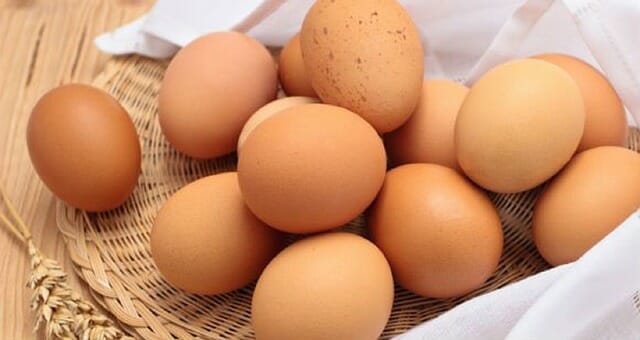
Image source: Pixabay.com
Determine how much meat or the number of eggs you want for your own family on a consistent basis. Anything additional is what you can sell. Consider how many people are in your family and how many eggs or how much meat you want per day for each one. Then determine how many birds you’ll need in order to meet that need. Each hen lays up to one egg per day, which may translate into one to two hens per family member, depending on how many eggs each person consumes.
Diatomaceous Earth: The All-Natural Livestock De-Wormer!
As daylight length changes with the seasons, the hens’ laying cycles will change slightly. In winter, when there is less daylight each day, they will lay fewer eggs. When they’re molting, then will not lay eggs. For these reasons, as well as unexpected accidents or health problems, you may want to plan on having several additional birds to help feed your family when egg cycles are different. You also can use these variables to determine how many hens you will need to produce the quantity of eggs you want to take to market or supply to local businesses. How many eggs you will sell each day or each week determines how many dozen hens you want to keep.
As your hens age, they will decrease egg laying, and will eventually stop completely. For an efficient, profitable farm, you will want to swap out your hens every two years or so, as it ensures consistent egg production. This is the point at which you could slaughter for meat. As you keep your hens fresh, it will boost productivity and ensure egg laying is at its highest capacity.
If you are raising chicks, you will need to determine if you want to rely on your hens going broody and sitting on small batches of eggs, or if you will need to build or purchase an incubator for larger batches. The cost of an incubator will vary based on if you are purchasing new or used, or building your own. You already have the hens which can sit on the eggs, but you will be limited to the amount they can handle. If a small batch is all you are starting with, then it should be sufficient for you. But for large-scale production down the road, consider an incubator for more consistent results.
To really make money off your chickens, you will eventually need to expand to more than just a backyard flock – say, flocks of several hundred or more. With volume comes more efficient feeding and care and the opportunity to sell in bulk to certain types of customers. This may not be your starting place, but as you learn to manage your flock and develop new avenues for sales, your need for larger flocks will eventually grow.
3. Choose the right market.
As you are choosing the type of product and the volume you want to sell, also consider the avenues through which you will sell. Some of the options are obvious: farmer’s market, local grocery stores that may be open to selling your goods, online forums, local restaurants, Craigslist, local feed or farming stores, natural or bulk food stores, bakeries, or any other business that may have a need for fresh eggs or meat. You are not confined to selling at a farmer’s market, although that’s a great place to start. You can inquire at local restaurants and bakeries to find out how many eggs or pounds of meat they purchase and whether your free-range product would suit their needs. This will start to give you an idea of how many eggs or how much meat you could expect to sell to certain types of customers, as well as how much they typically pay for those items.
Some local feed or farming stores offer chicks for sale in the springtime. These may come from a large distributor, but they may be interested in offering your local chicks instead. If not, you can expand your reach through online forums, Craigslist and social media. Having unique breeds may help you reach people who want more than a general breed. Try chicken and breeder forums, breeder clubs, or even local 4-H groups where the members may be looking to purchase their next projects.
Many advertising options are inexpensive or free, and just take a little time. Don’t be afraid to step out and start relationships with local businesses which may be looking for quality products like yours. A free-range or organic, locally raised option is typically better than the distributed products they may currently be purchasing. Finding out how many eggs or how much meat they may purchase can also give insight as to the size of flock you’ll want to own.
Do you have any advice for making money from chicken farming? Share your ideas in the section below: