Showing posts with label healthy. Show all posts

Monday, November 20, 2017

The 5-Ingredient Natural Tonic That Will Keep You Healthy All Winter

The 5-Ingredient Natural Tonic That Will Keep You Healthy All Winter

Image source: Pixabay.com


Are you searching for new and natural ways to keep yourself and your family healthy this winter? You may want to try making your own batch of Fire Cider.


Fire Cider is a spicy hot tonic that uses medicinal herbs to help boost the body’s immune system so that it can better fight off germs and infection. This recipe was developed in the early 1980s by herbalist Rosemary Gladstar at the California School of Herbal Studies.


Gladstar is the author of 11 books, including her best-selling Medicinal Herbs, a Beginners Guide. The founder and president of United Plant Savers, Gladstar lives and works from her 500-acre preserve, Sage Mountain Herbal Retreat Center, in central Vermont.


Fast, All-Natural Pain Relief With No Nasty Side Effects!


Fire Cider is one of what Gladstar calls her “cross-over” recipes, meaning it is part medicine, part food. In a recent interview with Off The Grid Radio, Gladstar noted, “It is the dosage and the way you take it (an herb or an herb combination) that would change it from a food to a medicine.”


Fire Cider


Ingredients


  • half-cup fresh grated ginger.

  • half-cup fresh grated horseradish root.

  • half-cup chopped onion.

  • quarter-cup chopped garlic.

  • raw apple cider vinegar.

Directions


  • Place the herbs in a quart-sized wide-mouth jar and cover with the apple cider vinegar.

  • Close jar with lid and let it sit for 2-3 weeks.

  • Then strain out the herbs.

  • Add honey (to taste) and a little cayenne to the liquid

  • Drink a shot glass full of liquid (about two tablespoons) daily or as needed

“Everybody loves it,” Gladstar said. “It is hot and fiery and really good.”


Gladstar says Fire Cider works as a good preventative medicine to take daily during cold and flu season, and that you can simply up your dosage if you are sick.


Have you ever tried Fire Cider? Let us know your thoughts in the section below:

Thursday, September 28, 2017

All-Natural Fall Remedies That Smart Homesteaders Store For Winter

6 All-Natural Remedies That Smart Homesteaders Make Each Fall

Image source: Pixabay.com


The fall can be a busy time if you’re trying to stock a well-prepared larder. Perhaps you’ve put up or purchased enough food to get you through the winter, but have you thought about keeping your family healthy as well as fed? There are many natural medicines that are easy to make at home during autumn to keep your family healthy all winter long.


1. Herbal teas


A great place to start for the beginner, herbal teas can be as simple as looking for tasty and health-promoting recipes in your favorite reference book and mixing them ahead of time. Dried herbs can easily be purchased for your first batch, but harvesting and drying them at home is a much more cost-effective and reliable method of ensuring availability. Even if you haven’t planted an herb garden, try learning to identify and harvest wild elderberries, yarrow, rose hips, raspberry leaf and mullein as a first step. Drying can be as simple as tying them into small bundles and hanging them in a well-ventilated area out of direct sunlight. Once dry, store in Mason jars or other airtight containers in a cool, dark place.


2. Tinctures


Once you’re comfortable blending your own herbal teas, tinctures are a great next step. While there are many plant compounds that are water soluble in teas, some medicines are alcohol soluble and require a different extraction to get the full benefit. Examples of alcohol soluble herbs include most that are high in resins or naturally antibacterial alkaloids such as Echinacea, cleavers, nettle and elecampane. To make a tincture, start with a plain alcohol such as grain alcohol or vodka that is at least 50 proof (25 percent alcohol), preferably 80 proof or higher. For most herbs, a ratio of 1 part herb to 5 parts alcohol works well for extraction. Place the herbs and alcohol in a sealed jar out of direct sunlight for at least 2-3 weeks, shaking occasionally. Strain out the herb, and the tincture is ready for use.


3. Oxymel


An alcohol-free way to extract herbs that may not be water soluble is with vinegar. Oxymel is a mixture of a vinegar-extracted herb, with raw honey to both enhance the health benefits and the palatability. Ratios vary widely, but a common method takes 1 part herb, 2 parts vinegar and 2 parts honey for the mixture.


‘Miracle Oil Maker’ Lets You Make Fresh Nut Oils Within Minutes!


Add all three parts to a mason jar, seal and wait 2-3 weeks before straining out the herb and bottling for use. There are many elderberry/vinegar/honey oxymels on the market today, selling for as much as $5-$10 dollars per ounce, when they can be made at home for just a few dollars per quart. Dollar for dollar, oxymel is one of the easiest and most economical natural remedies to make at home.


4. Infused oils


Following the same principle as tinctures and oxymels, infused oils extract herbal components into an oil base. Try a neutral oil such as sunflower, almond oil or light olive oil. A ratio of 1 part herb to 2-4 parts oil works well for most herbs. In the winter, herbal-infused oils can be great for treating burns, ear infections, topical fungal issues or respiratory issues when used as a chest rub.


5. Healing salves


Once you have an infused oil, a healing salve is a great way to improve the versatility of your remedy. Healing salves take infused oils and add a wax component to make them semi-solid at room temperature so that they’re easy to apply and store. Start with 8 ounces of infused oil and 1 ounce of beeswax. Slowly heat until the beeswax is melted, and then mix thoroughly. Pour into a storage container while hot. Healing salves often incorporate the use of essential oil and vitamin E oil to enhance their effectiveness, depending on the use.


6. Witch hazel extract


A commonly used astringent and topical disinfectant, witch hazel is easy to make at home. Witch hazel is a small bush/shrub that’s prevalent in the wild in the eastern half of the United States. An extract can be made from wild harvested witch hazel twigs, or if you prefer, there are many online sources to purchase dried witch hazel bark. For the most potent extract, harvest the twigs just after the plant has flowered late in the fall (October/November). Finely chop the twigs with pruning shears or scissors, cover completely with water and place on the stove on low to simmer. Most recipes slow cook the stems and bark for at least 8 hours, adding water during cooking to keep the plant material covered. Once it’s done cooking and cooled completely, it’s perishable unless alcohol is added as a preservative.  Add 1 part high proof vodka or grain alcohol for every 2 parts witch hazel extract, and store in a cool dark place indefinitely.


Which is your favorite home remedy? What advice would you add? Share your tips in the section below:


Harness The Power Of Nature’s Most Remarkable Healer: Vinegar

Saturday, August 5, 2017

“Seductively” Labeling Vegetables Makes People Eat More of Them

What is the difference between “Sizzlin’” green beans and plain old green beans? Nothing, except that you’re probably more likely to scoop the “Sizzlin’” green beans onto your plate. The sexier a vegetable sounds, the greater the chances that people will eat them, a team of researchers at Stanford University found.


Hmm, you may have just found a way to get your kids to eat Brussels sprouts.


A study, published as a research letter on June 12, 2017, in JAMA Internal Medicine, looked at the lunchtime eating habits of close to 28,000 diners at a large university cafeteria. In total, 52.5% were undergraduate students, 32.5% were graduate students, and 15.1% were staff or other diners. The researchers collected data each weekday for the 2016 autumn academic quarter.


Read: 90% of Students Lack Sufficient Intake of Fruits and Vegetables


Food Labels MATTER


Each day’s lunch menu featured a vegetable labeled in 1 of 4 ways: basic, healthy restrictive, healthy positive, or indulgent. None of the veggies were prepared or served any differently; some simply sounded more enticing than others. Some of the names the researchers picked included:


  • Green beans (basic)

  • Light’n’low-carb green beans and shallots (healthy restrictive)

  • Healthy energy-boosting green beans and shallots (healthy positive)

  • Sweet sizzlin’ green beans and crispy shallots (indulgent)

  • Twisted citrus-glazed carrots (indulgent) [1]

As you probably guessed, the vegetables labeled “smart choice” or “sugar free” didn’t fly off the team table at the same speed as the healthy positive and indulgent options.


Each day, research assistants discretely recorded how many people selected the vegetable of the day, and weighed the mass of vegetables taken from each serving bowl. The team had a hunch that more people would select the indulgent-sounding vegetables over those labeled basic or healthy, and they were correct.


Over the course of the study, 29.6% of diners scooped the vegetable of the day onto their plates, and as predicted, sticking an indulgent-sounding moniker on the produce resulted in 25% more people selecting the vegetable than in the basic condition, and 41% more people than in the healthy restrictive condition, and 35% more than in the healthy positive position.


Additionally, labeling vegetables indulgently resulted in a 23% increase in mass of vegetables consumed compared with the healthy restrictive condition, but only an insignificant 16% increase in mass consumed compared with the healthy positive condition, the researchers write. They also said they didn’t find any significant differences among the basic, healthy restrictive, and healthy positive conditions for either outcome.


If your kids are finicky vegetable eaters, you may have already tried a bunch of different creative ways to “trick” them into eating healthy. This might be a good one to add to your arsenal. The team writes:


“These results challenge existing solutions that aim to promote healthy eating by highlighting health properties or benefits and extend previous research that used other creative labeling strategies, such as using superhero characters, to promote vegetable consumption in children.


Our results represent a robust, applicable strategy for increasing vegetable consumption in adults: using the same indulgent, exciting, and delicious descriptors as more popular, albeit less healthy, foods.”


Read: 5 Tips to “Trick Yourself” Into Eating Less and Eating Healthier


The researchers point out that this method could be used in cafeterias, restaurants, and consumer products to drive people towards choosing healthier foods. Food producers do it with cereals and other kids’ foods – why not do it with healthful foods like veggies?


In a press release, lead author of the study Bradley Turnwald said:


“We have this intuition to describe healthy foods in terms of their health attributes, but this study suggests that emphasizing health can actually discourage diners from choosing healthy options.” [1]


Researchers said more seductive labeling could change the mindset that healthful food is unpalatable.


Sources:


[1] USA Today


Storable Food


About Julie Fidler:
Author Image
Julie Fidler is a freelance writer, legal blogger, and the author of Adventures in Holy Matrimony: For Better or the Absolute Worst. She lives in Pennsylvania with her husband and two ridiculously spoiled cats. She occasionally pontificates on her blog.

Monday, July 3, 2017

5 Common Foods That Just Might Prevent Alzheimer’s

5 Common Foods That Just Might Prevent Alzheimer

Image source: Pixabay.com


Did you know that one out of three people over the age of 80 gets Alzheimer’s disease? In fact, according to the Alzheimer’s Association, more than 5 million Americans are living with Alzheimer’s, which is the sixth-leading cause of death in the United States.


Alzheimer’s can creep into your life slowly. Starting with simple forgetfulness, the disease can quickly escalate to wreak havoc.


Instead of sitting back and hoping you are one of the fortunate ones who will not get this degenerative disease, fight it with the proper diet. In fact, eating the right diet cuts the risk of Alzheimer’s by 40 percent.


Try eating these types of foods:


1. Omega-3 fatty acids.


Recent research shows that eating a diet rich in Omega-3 fatty acids can reduce the onset of Alzheimer’s disease by 10 percent. The key is eating Omega-3s known as DHA that are found in such fatty fish as white herring, salmon and white tuna. High levels of DHA are needed for healthy brain development.


However, Omega-3s of all varieties, including walnuts, extra virgin olive oil and flaxseed, prevent inflammation of the brain that results in unhealthy protein build-up that can contribute to the onset of Alzheimer’s.


2. Foods high in flavonoids.


Foods and beverages high in flavonoids are high in antioxidants, which are important for brain and body health as they combat free radicals and their damaging effects. Flavonoids are protective chemicals, known as polyphenols, found in plants.


People who eat a diet rich in flavonoids are less likely to develop Alzheimer’s disease and dementia, research shows.


Just 30 Grams Of This Superfood Provides More Nutrition Than An Entire Meal!


Foods that are high in flavonoids include fruits, such as blueberries, apples, grapefruit and cranberries, as well as vegetables, such as Brussel sprouts, asparagus, kale, cabbage, kohlrabi, lima and kidney beans, garlic, spinach, peas and onions.


3. Foods rich in vitamins E and C


Busy brains create chemical reactions, and the by-products are free radicals. Free radicals are unstable molecules that can damage cells; in the brain, they can lead to deterioration and mental decline. Foods high in vitamin E and C fight the free radicals and support healthy brain function.


Research by Rush University Medical Center shows that people who eat a diet rich in vitamin E and vitamin C have 67 percent less chance of developing Alzheimer’s.


5 Common Foods That Just Might Prevent Alzheimer

Image source: Pixabay.com


Foods rich in Vitamin E include:


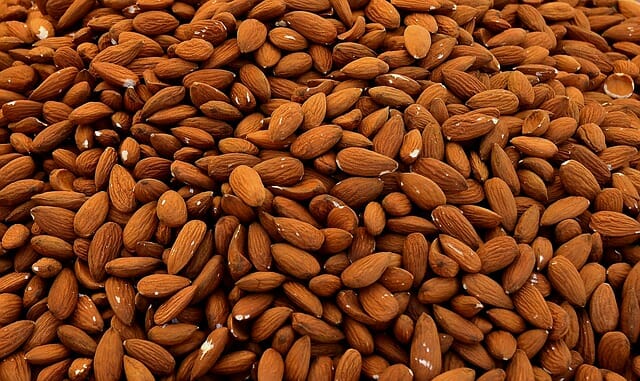
  • Almonds.

  • Spinach.

  • Sweet potatoes.

  • Avocados.

  • Sunflower seeds.

  • Buttermilk squash.

Foods rich in Vitamin C include:


  • Red peppers.

  • Kale.

  • Oranges.

  • Broccoli.

  • Strawberries.

  • Brussel sprouts.

  • Grapefruit.

4. Curry powder/turmeric


Turmeric is a potent anti-inflammatory and helps to reduce brain plaque in the brain that can cause memory issues. Curry powder is used abundantly in India, where the rates of Alzheimer’s are considerably lower. A major ingredient in curry powder is turmeric, which contains curcumin.


Research shows that those who eat foods made with curry powder, or eat or drink turmeric regularly, have better brain performance overall. Turmeric also can protect the cardiovascular system and lower cholesterol.


5. Foods rich in folate


A deficiency in B vitamins, especially folate, can lead to memory loss and difficulty performing cognitive tasks.


Foods high in folate include:


  • Liver.

  • Chickpeas.

  • Pinto beans.

  • Spinach.

  • Lentils.

  • Beets.

  • Asparagus.

  • Avocados.

Final Thoughts


Other areas of your health are also important to help reduce your risk of Alzheimer’s. Encourage healthy habits such as exercise, healthy weight and adequate sleep.


What foods do you eat to fight off Alzheimer’s? Share your thoughts in the section below:

Wednesday, April 19, 2017

Just About Everything You’ve Heard About Eggs Is Wrong

Just About Everything You’ve Heard About Eggs Is Wrong

Image source: Pixabay.com


The American Egg Board launched “the incredible, edible egg” as its marketing slogan in 1976, and then five years ago it aired a new version in radio, TV and social media. Long maligned as a contributing cause of high cholesterol and heart disease, the egg actually is an incredible source of nutrition.


With no sugar and no carbs, the lowly chicken egg is an inexpensive source of high quality protein.


In addition to six grams of protein, an egg contains vitamin A, which is needed for the healthy cellular development; vitamin B12, which is important in the formation of red blood cells; all nine essential amino acids; and choline, which helps the body’s nerve, muscle and liver function. No wonder many nutritionists describe eggs as nature’s large vitamin pills.


Eating eggs boosts:


  1. Brain function.

  2. Bone development.

  3. Immune function.

  4. Memory

  5. Vision

Scientists also believe that pregnant mothers can boost the brain development of their babies by eating eggs.


New Capsule Protects You From Toxins And Pollutants!


Long-term studies have shown that the effect of regular egg consumption on blood cholesterol levels is minimal. Some studies also suggest that egg consumption actually may boost the amount of “good” cholesterol in healthy individuals and even help prevent some types of strokes.


According to the USDA, one large egg has about 186 mg of cholesterol — the entire amount of which is found in the egg yolk. If you are diabetic or have high cholesterol, you may want to eat only the egg whites. The white part of a large egg contains about 60 percent of the egg’s total protein content.


Healthy individuals, however, will benefit from the nutrition-dense egg yolk. The yolk contains fat-soluble nutrients like vitamins A. E, and D, choline and the carotenoids lutein/zeaxanthin.


The high-quality protein in an egg is important for building and maintaining lean body mass. It can reduce hunger, and, as a result, help in weight loss programs.


According to authors Karen Cicero and Colleen Pierre in their book The Giant Book of Kitchen Cures, athletes in heavy training can benefit from eating hard-boiled eggs. Research indicates the choline level in the blood can drop by as much as 450 percent after heavy exercise. The choline in eggs is a natural way of boosting blood choline levels.


The choline content in eggs also is beneficial to older adults in boosting memory retention.  Cicero and Pierre call eggs “single serving packages stuffed with easy-to-digest protein for maintaining muscle and building immunity against pneumonia and flu.”


Need more convincing about the benefits of eating eggs? Here are some other interesting facts:


1. Brown or white?


An egg’s shell color indicates the breed of the hen that laid it, and not its quality or nutritional value. White-feathered hens usually lay white eggs and hens with red feathered hens usually lay brown eggs.


2. Yolk color


Have you been tempted to throw away an egg with a yolk color different from what you are used to? Egg yolk color is determined by the hen’s diet and has nothing to do with nutritional value. A dark yellow yolk indicates a hen that ate green vegetables. A medium-yellow yolk reveals a diet of alfalfa and corn. A hen that lays an egg with a pale yellow yolk probably eats wheat and barley.


3. Shelf life


Just About Everything You’ve Heard About Eggs Is Wrong

Image source: Pixabay.com


Store-bought egg packages have a “sell by” date rather than an expiration date. Eggs usually are edible for up to four weeks after the “sell by” date. To gauge freshness, crack open an egg. If there is no unpleasant odor, it is OK to eat.


4. Label terms


  • Free-range hens have roamed outdoors at some point, but there is no regulation on how long they have been outside.

  • Cage-free eggs usually are from hens that roam a barn or warehouse. Actual living conditions can vary widely.

  • Certified organic eggs are from hens that have some outdoor access and that eat an organic vegetarian diet free of pesticides, animal by-products, or GMOs.

  • The USDA grades eggs as AA, A or B based on quality and appearance, not size or color. Grade AA eggs are nearly perfect with clean, uncracked shells, thick, firm whites and defect-free yolks. Grade A eggs are similar with slightly lower interior egg quality. Grade B eggs, which are not sold in supermarkets, may have slight stains and be irregular size or shape.

5. Refrigerate or not?


The USDA requires that eggs sold commercially in the U.S. must be power-washed. The washed eggs lose a natural membrane and therefore must be refrigerated. Eggs sold in much of the rest of the world are not power washed and thus, they retain a natural membrane that allows them to be stored at room temperature.


The average American eats 250 eggs per year, which adds up to a total consumption of 76.5 billion eggs. With their high nutritional value and their versatility as main courses, in salads and sandwiches and in myriads of recipes, eggs truly are incredible.


Sources


www.eggnutritioncenter.org


www.incredibleegg.org


Cicero, Karen. Giant book of kitchen counter cures. Jerry Baker publisher, 2001. Print.

Saturday, November 5, 2016

U.N. Expert Calls Junk Food a Human Rights Concern

A United Nations (U.N.) expert says that when the world’s poor go shopping for food, they are often forced to choose between what they can afford and what is nutritious, calling the problem a human rights concern. [1]


Hilal Elver, the U.N.’s special representative on the right to food, blames free trade and increased industrial food production for excess amounts of cheap junk food, “effectively violating [many people’s] right to adequate food.”


Elver says that nearly 800 million people live in hunger worldwide, but more than 2 billion people are micro-nutrient deficient, and another 600 million people are obese.


Though many people don’t think of it this way, obese is often a sign – and the result – of malnourishment.


This is a topic I’ve written about before. In countries where there simply isn’t enough food to go around, people are emaciated with bloated bellies.


But in industrialized and developing countries, obesity is often a consequence of poverty, but also of location. Urban dwellers tend to live in areas where cheap “junk” food is everywhere, but access to healthy food like fresh produce is non-existent (food deserts).


According to U.S. Centers for Disease Control (CDC) stats from a few years ago, the most recent data available, children and adults in America on average consumed more than 12% of their daily calories from fast-food restaurants.


The agency noted, however, that in the U.S., people’s poverty status did not significantly affect those numbers. The facts run contrary to the long-held belief that the biggest consumers of fast-food in America are low-income families.


It’s important to note that obesity is just 1 problem linked to poor diet. Poor nutrition also wreaks havoc on the immune system. Researcher Ian A. Myles points out in an article published in the Nutrition Journal:


“The Western diet is characterized by an over consumption and reduced variety of refined sugars, salt and saturated fat.


Our poor dietary behaviors are encoded into both our DNA scaffolding and gut microbiome, and thus these harmful immune modifications are passed to our offspring.”


Source: Food and Agriculture Organization of the United Nations

Read: Junk Food More Deadly Than War, Famine, Genocide


Those behaviors can lead to increased inflammation, infection, cancer and allergies, Myles says.


To confront the problem of malnutrition, Elver said that states must do more than merely ensure that citizens have access to the minimum nutritional requirements needed for survival and ensure access to food that is highly nutritious. [2]


The international community is doing an abysmal job of meeting globally agreed upon nutrition targets intended to eradicate malnutrition in all its forms.


The biggest concern that Elver has, however, is the aggressive way in which junk food is marketed to children and developing countries. She is calling on governments to distance themselves from industrial food systems and embrace ecologically-friendly, sustainable systems.


Source: ChangeLab Solutions

She says:


“The first step is to recognize nutrition as an essential component of the human right to adequate food, reinforced by monitoring accountability and transparency.”


Sources:


[1] Medical Daily


[2] Associated Press


Food and Agriculture Organization of the United Nations


ChangeLab Solutions


Storable Food


About Julie Fidler:


Author Image
Julie Fidler is a freelance writer, legal blogger, and the author of Adventures in Holy Matrimony: For Better or the Absolute Worst. She lives in Pennsylvania with her husband and two ridiculously spoiled cats. She occasionally pontificates on her blog.