Showing posts with label retreat. Show all posts

Wednesday, January 31, 2018

Train carrying lawmakers to GOP retreat hits truck on tracks

A train carrying members of Congress to a Republican retreat in West Virginia slammed into a dump truck on Wednesday, throwing lawmakers from their seats and leaving at least one person dead, officials said.


Minor injuries were reported by those on board. The White House confirmed in a statement that there was one “fatality” and one serious injury; lawmakers said this involved those in the truck, which may have been stuck on the tracks when it was hit.


“It was a very high-speed collision,” Rep. Jeff Denham, R-Calif., who was on board, told Fox News. “There was no braking that was felt. We hit an immediate impact and went from 70 to zero very quickly.”


There were mixed reports over whether the train actually derailed, but sources said the front engine ended up with wheels off the tracks. Lawmakers on the train quickly flooded social media with images of the wrecked truck, as well as damage to the crumpled front of the train.


The extent of injuries on board was unclear but largely described as minor. Amtrak said there were no reported injuries to passengers or crew members, though lawmakers gave a conflicting account.


Rep. Jason Lewis, R-Minn., told Fox News he had a “little bit of a whiplash” and “maybe a tiny bit of a concussion.”


Rep. Pete Sessions, R-Texas, while saying some members needed medical attention, told Fox News the fatality involved an individual in the truck. Denham confirmed this, and said others in the truck were airlifted out.


Amtrak released a brief statement saying the train “came into contact” with the vehicle. “Local law enforcement is investigating the incident and crews are inspecting the equipment for damage,” Amtrak spokeswoman Kimberly Woods said in a statement.


House Speaker Paul Ryan, R-Wis., was on the train but is fine, Fox News is told. Senate Majority Leader Mitch McConnell, R-Wis., was not on the train.


The accident took place in Crozet, Va., near Charlottesville. Members were on a special chartered Amtrak train to the Greenbrier resort, where Vice President Pence was set to speak Wednesday night, with a planned appearance from President Trump on Thursday.


The White House said Trump is “aware” of the accident, which comes one day after his State of the Union address. The retreat is where the party traditionally gathers to discuss its agenda and goals for the coming year.


The train will now return to Charlottesville, and members will take a bus to West Virginia.


While injuries on the train were described as minor, Rep. Roger Marshall, R-Kan., a medical doctor, tweeted that he was helping the injured immediately after the crash.


Read more plus videos at FOX NEWS


The post Train carrying lawmakers to GOP retreat hits truck on tracks appeared first on Oath Keepers.

Saturday, September 2, 2017

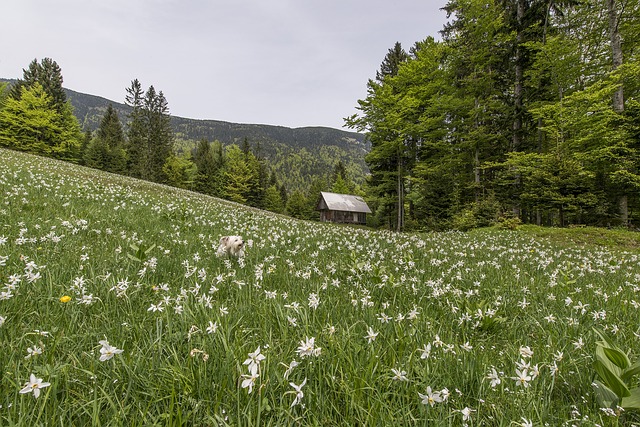
7 Keys To Finding The Perfect ‘Bug-Out Retreat’ (Where No One Will Spot You)

7 Keys To Finding The Perfect ‘Bug-Out Retreat’ (Where No One Will Spot You)

Image source: Pixabay.com


Having a plan for “bugging out” is an option that pretty much every survivalist includes in his or her survival plans.


It’s where you or I would retreat to when we determine it’s time to “get out of Dodge” in the event of a natural or man-made disaster. For those of us who can’t afford such a place, we still need a planned location to get to, even if we don’t have a cabin already built and stocked with everything we need to survive.


While most people will take whatever they can get, there are several things you should consider when you are looking at a bug-out retreat location. Each of these things apply to an even greater extent if you don’t have that cabin in the woods and are going to try and survive in the wild.


1. Distance


You need the retreat far enough from your home so that any weather event that affects your home won’t affect your retreat. That could create a rather lengthy commute to your retreat, if your home is near the coast in a hurricane zone. In such a case, you’d want your retreat to be far enough inland to ensure that the hurricane would have dissipated before it struck your location.


The big problem with a retreat that is far from your home is the problem of getting there. Most people will want to drive, which you should do … if you can. However, you should also ensure that you leave home with enough fuel to get you to your destination. You may not be able to buy fuel along the way. Assume delays in your fuel calculations.


But what if you can’t drive there? If you are going to have to walk, then you’ll need to ensure that you have enough supplies to eat to sustain you through that walk. Of course, there you have the problem of carrying that much food. See my article on “Beyond the Bug-Out Bag” for ideas about this.


2. Proximity to population centers


You truly want to avoid any major population centers. Establishing a retreat that is close to a population center just guarantees that someone is going to find you — most likely, someone you’d rather not have find you.


Bugging Out? Get The Essential Survival Secrets of The Most Savvy Survivalists in the World!


On the other hand, locating within a day’s walk of a small town could end up being useful. Small town communities are more likely to pull together and work to help each other survive during a disaster. Integrating yourself into that community could become useful — if for nothing else, than as a source of resupply.


3. Visibility


As much as possible, you want your survival retreat to be hidden from view. Obviously, that will be easier to accomplish in some types of terrain than in others. But as you are planning, use the terrain to your benefit — especially trees and other foliage to hide your retreat.


7 Keys To Finding The Perfect ‘Bug-Out Retreat’ (Where No One Will Spot You)

Image source: Pixabay.com


At the same time, you need good visibility to see anyone who is approaching your retreat. This can be from an upstairs or rooftop balcony, a lookout built in a tree, or a convenient rock outcropping located close to your shelter. Whatever you do, you don’t want that lookout point to be obviously identifiable as a lookout.


4. Water


Of all the natural resources, water is the one you’ll need the most. Make sure that you have a reliable source of water, within a reasonable distance from your retreat. Remember: You may not be able to drive to water, as you may not have any gas. So, it needs to be a place that you can get to on foot and bring the water back.


As part of that, you need to consider how you would haul the water. Ideally you can use your vehicle for that, but if you don’t have any source of gasoline, you’ll need some other way. A hand truck with a couple of five gallon buckets will work, as well as almost any other type of cart you can come up with.


This Ultra-Efficient Water Filter Fits In Your Pocket — And Removes 100 Percent Of Water-Borne Bacteria!


Don’t overlook the possibility of rainwater catchment there at your survival retreat. Design the roof so that you can collect the water falling on it. In addition, look for places where water would flow during rainfall and what you can do to dam up those areas and collect the water.


5. Fuel


If you are in a moderate to cold climate, you’ll need fuel to keep your cabin or shelter warm. Is there abundant fuel available without having to cut down all the trees? You’ll go through a lot of wood heating a cabin through the winter. Ideally, that will be deadfalls, but if you have to cut trees, you want to be sure that you won’t be thinning them out too much.


6. Food


What sources of food are readily available nearby your retreat? Ideally, you’ll have food stocked there. But if you can hunt or fish, that will help to augment the food you have stored. However, you really don’t want to depend on hunting and fishing, as you may not be able to catch enough to keep you fed. Therefore, what about edible plants or planting a vegetable garden? Is there room for that? Is the ground appropriate for it?


7. Building materials


If you are going to have to build your own retreat, what materials are available that you can use for construction? Is there stone available for a fireplace? Is there wood for a log cabin? Throughout history, mankind has adapted their building style to utilize the materials available. Can you do that with the materials you have on site, or will you need to bring in materials? Once again, like with the fuel, you don’t want to thin out the forest too much, just to build your cabin.


What items would you add to this list? Share your tips in the section below:


Could You ‘Live Off The Land’ Following A Disaster? Read More Here.


Monday, June 5, 2017

An Off-Grid Survival Retreat For About $760? It’s Possible

A Survival Retreat For About $760? It’s Possible


For most of us, building that dream survival retreat, our “cabin in the woods,” is nothing more than a dream. It’s not that we don’t want to fulfill that dream some day; it’s just that our dreams are bigger than our pocketbook. Paying the monthly bills is hard enough without making payments on another home or piece of property.


But believe it or not, having a survival retreat doesn’t have to be expensive. In a previous article, I discussed buying junk land to use for a survival retreat. In this article, I want to talk about how you can have a place to live on that land, without spending a fortune.


Some people have managed to build themselves cabins out of 100 percent salvaged materials. That’s great, if you can do it. But I’ll warn you right now: You’ll spend more time scavenging and sorting materials than you will in building anything. If you have the time to invest, then go for it. But if you don’t, then that could keep you from ever finishing it all.


Scavenged Materials? Think Again


The problem with scavenged materials isn’t the scarcity; you can always find someone who is getting rid of a stack of 2x4s or leftover roofing shingles. The problem is that it is rarely virgin material. What you end up getting is material that is odd lengths, sometimes attached together, with bent-over nails in it that you must remove.


Goofy Gadget Can Recharge Your Laptop — And Jump-Start Your Car!


A Survival Retreat For About $760? It’s Possible

Image source: Wikimedia


My sister is building a tiny home and began with the idea of using scavenged materials. What she ended up with was stacks of material that she really couldn’t use. The structure of her tiny home is much heavier than it should be because of having to scab pieces of material together. She also ended up with some custom windows that someone was getting rid of. Those were great — until someone threw a rock through them and she had to custom order replacements. Ouch!


Don’t get me wrong; if you’re thinking of using scavenged materials for your project, don’t let me dissuade you. Just be ready for the work that it’s going to entail. But before you start, let me share another idea with you — one that might save you a lot of work and money.


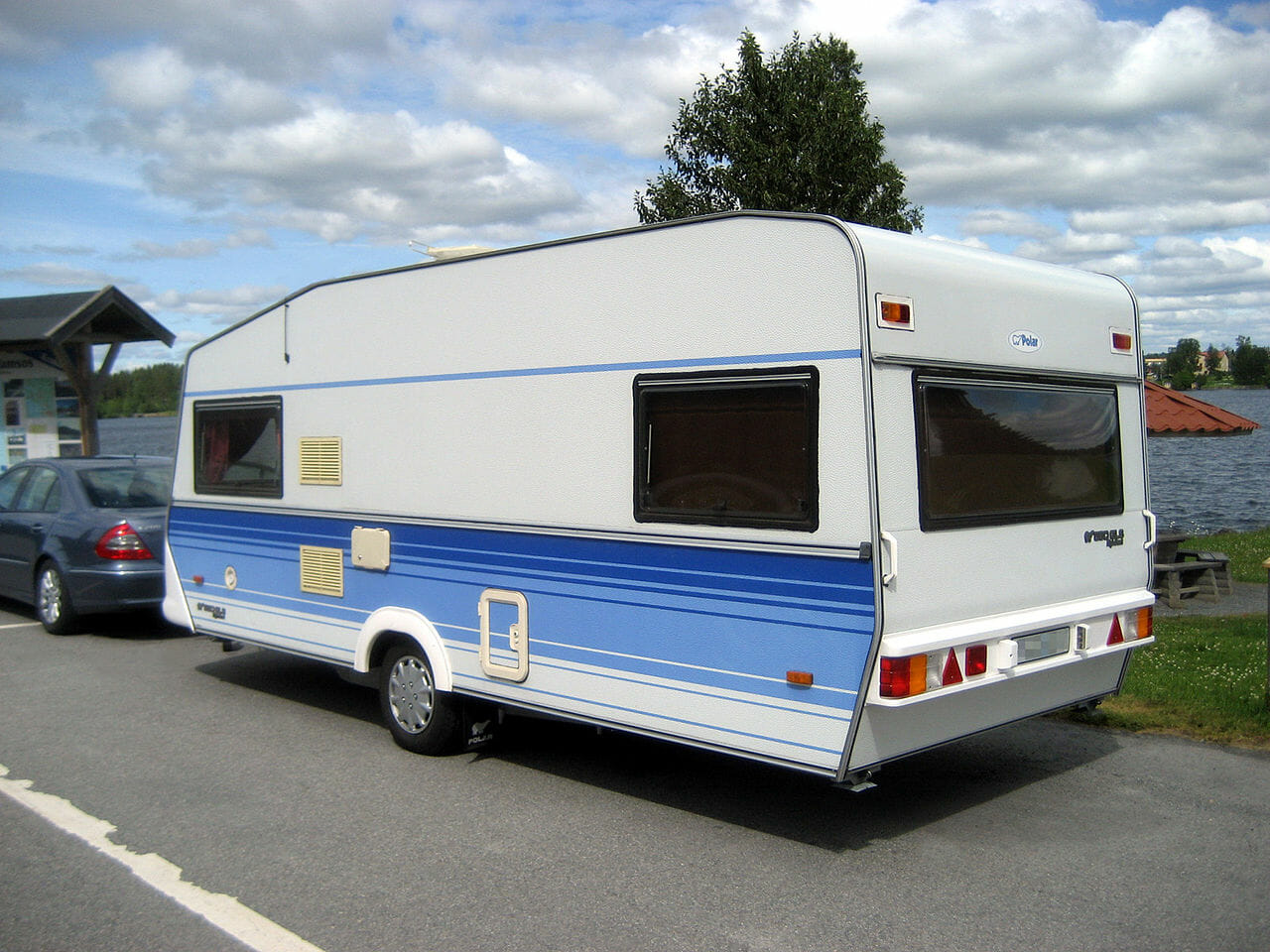
Travel trailers are intended to be totally self-contained units, designed for living in for a short period of time. Even so, there are people who live in them full-time. My family and I lived and traveled in a motorhome (essentially the same thing, but with an engine) for nine years, so we know what it’s like.


Good Enough for NASA


Travel trailers are so complete that NASA used an Airstream trailer for years as a quarantine module for the Apollo astronauts when they returned to earth. The concern was that they might have picked up some sort of bug from outer space. Rather than build a quarantine module, with all that entails, they just used a commercially available travel trailer.


Travel trailers are essentially like small apartments, but with everything built in. They have complete kitchen and bathroom facilities, as well as beds, sofas, dinettes to eat at, and even chairs. Some come with generators, although you’ll need additional power production for survival. Being complete and self-contained, they are almost ideal as a survival retreat.


“But,” you’re probably thinking, “they’re expensive.”


Yes … and no. If you’re going to go out and buy a brand-new travel trailer, it’s going to be expensive. Probably much more than you can afford to spend for a survival retreat. But you can buy older used travel trailers for as little as $1,000. I just saw a 33-foot unit going for $760 on eBay. Hardly anyone was bidding on it because it had some water damage on the inside. But if you’re handy with tools, it was a great bargain.


What You’ll Need to Do


A Survival Retreat For About $760? It’s Possible

Image source: Pixabay.com


Having lived in a recreational vehicle for nine years, I can tell you that they aren’t hard to work on. The biggest problem in most cases is that they typically use special materials. But I found that with a little ingenuity, you often can replace those special “RV” materials with things that are available at your local home improvement center.


Get Backup Electrical Power In A Convenient, Portable Briefcase!


The other problem with working on them is finding the structure hiding within the walls. The structure on a travel trailer is nothing like that on a house. So, you’ll need a good stud finder to help you know where your structural elements are. Otherwise, you’ll be screwing into the paneling, which won’t hold.


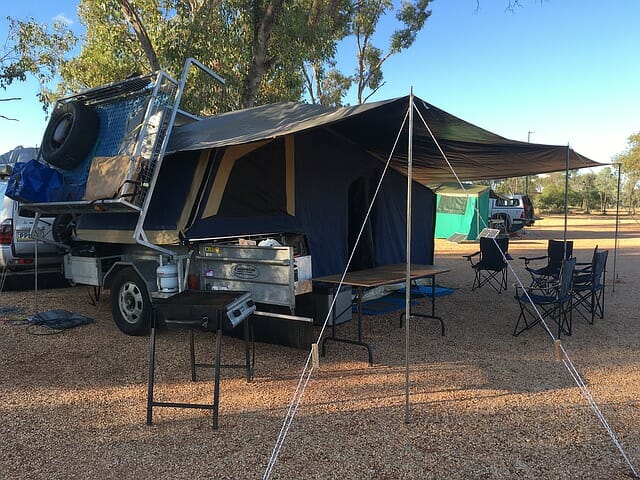
Fixing up the travel trailer as a survival retreat can become a family project, with everyone pitching in. You will need to do a bit more to turn your trailer into a full survival retreat. Although it will have some electrical capacity, water tanks, wastewater tanks and propane tanks, it won’t have enough capacity for more than a few days of survival. You are going to have to have some additional electric power generation capability (solar panels or a wind turbine), an external water tank, some sort of homemade septic system, and additional propane tanks. But you’d need those things no matter what you do for a survival retreat.


Essentially, the travel trailer gives you a place you can live while in survival mode. It provides you with a rather comfortable shelter, and it can do so at a very reasonable cost. Just don’t think that it will be a full-blown survival retreat without some extra work.


What do you think? Share your thoughts in the section below:

Thursday, April 27, 2017

Build Your Own Home DIY Without a Bank Loan: “Avoid Regulation, Crime and Floods”


homestead


Want to build a hideaway homestead, or establish your dream home?


If you set it up right, you can get everything you want out of the deal.


But there are some practical things you need to know, to make sure you will need be restricted by zoning, utility policies or legal trouble.


If you account for all these factors ahead of time, you can establish your home fortress with the maximum freedom and the best trade-offs for your area.


via the Homestead Prepper:


The best way to be prepared for a natural disaster or national emergency is to live in the manner you would hope to survive in. Self-reliant homesteads, ideally with their own sources of water, energy and food, and other necessary items.


Gardens and livestock pens can keep you sustained, but only if you put years of work into building them up, and improving your skills at managing the vital areas.


The best defense will be distance from major populations, areas carefully screened to avoid high crime areas, neighbors you can trust and rely upon, while maintaining a healthy distance from. Settling into an area with minimal restrictions and zoning laws can give you the freedom you need to build, but if poverty proliferates in the area, your regulation free homestead could quickly become a target.


You must find the healthy balance, do what you can, and plan for everything you don’t want to go wrong.


Read more:


The Prepper’s Blueprint: The Step-By-Step Guide To Help You Through Any Disaster


Strategic Relocation Guide: How To Position Yourself To Survive A Major TEOTWAWKI Event


A Green Beret’s Guide To Low-Budget Home-Defense Techniques 101: “Early-Warning Systems and Fortifications”


Elite Bunker Down in “Secure, Safe Rooms Hidden in Plain Sight”… And You Can, Too


Click here to subscribe: Join over one million monthly readers and receive breaking news, strategies, ideas and commentary.

Advanced Tactical Gas Mask

Please Spread The Word And Share This Post


Author: Mac Slavo
Views: Read by 258 people
Date: April 27th, 2017
Website: www.SHTFplan.com


Copyright Information: Copyright SHTFplan and Mac Slavo. This content may be freely reproduced in full or in part in digital form with full attribution to the author and a link to www.shtfplan.com. Please contact us for permission to reproduce this content in other media formats.


Wednesday, April 12, 2017

Where to Hide When the Global Economy Crashes: “Safe Harbors Are Few and Far Between”


global-crisis


If the world seems like its falling apart, then perhaps it is time to figure out where you could go to avoid the worst of it.


With so many factors building up to global turmoil, and a number of trigger points for civil unrest and economic collapse inside the United States, where would you go?


While every place has its problems, and no place is guaranteed to remain calm, certain pockets of relative safety like Scandinavia, Canada, Costa Rica, Chile or New Zealand could prove to be a bit more prone to stability, than to collapse. Compared to other hot spots, these places could be a harbor.


With that said, the global economic collapse will not spare any region from fallout, and there will be great damage to all countries lined up in the chain of dominoes. Moreover, there are few, if any, places that are immune from natural disasters and other major problems.


The United States, on the other hand, may have simply harbored too many problems as a whole – and thus, stability is anything but guaranteed. Border issues with Mexico; political siege by the permanent war coalition; internal strife between left and right, and conflict between identity politic groups and disenfranchised, angry hoards all make things unstable.


The U.S. has many military targets that could be hit if a major world war should every take place… though, of course, there are many suitable places to lay low and insulate yourself from disaster.


via The Money GPS:


Where ever you go (or remain), keep in mind that safe harbors are few and far between, and there may be many barriers to entry, especially concerning paperwork and financial proof of self-reliance (for immigration purposes). The systemic toxicity is putting off a strong odor, and many places will be hard hit. Any place that has a natural resistance to these destructive tendencies does not want to take on additional burdens, and your family will only be allowed in if it can pay its own way.


And while not every analyst is going to agree on which places are strategically best to run away to, there are some important trends that you should fit to your unique situation, carefully weighing any repatriation or evacuation plans you may have with great caution.


Stategist Joel Skousen has one of the leading reputations on where to go, and how to weigh the options of acceptable risk with locations that are too dangerous to knowingly adopt:


Stay prepared.


Read more:


The Prepper’s Blueprint: Get Seriously Prepped for Any Emergency


This Is The Dawn of Civil Unrest: A Checklist for Preppers To “Ride Out the Storm”


Map: Where You Don’t Want to Be When It Hits the Fan


Survival Strategies For When Something Big Goes Down


Click here to subscribe: Join over one million monthly readers and receive breaking news, strategies, ideas and commentary.

Advanced Tactical Gas Mask

Please Spread The Word And Share This Post


Author: Mac Slavo
Views: Read by 1 people
Date: April 12th, 2017
Website: www.SHTFplan.com


Copyright Information: Copyright SHTFplan and Mac Slavo. This content may be freely reproduced in full or in part in digital form with full attribution to the author and a link to www.shtfplan.com. Please contact us for permission to reproduce this content in other media formats.