Showing posts with label off grid. Show all posts

Thursday, May 3, 2018

8 Simple Ways To Live Off Grid On Less Watts

8 Simple Ways To Live Off Grid On Less Watts

Image source: Pixabay.com


How often do you take electricity for granted? If you are like I once was, it happens quite frequently.


Often, I would shut off lights and unplug things when not in use, but I still never really took the time to think about what it would be like to go without power — that is, until I spent more than two weeks after a hurricane in just that situation.


I didn’t like it at first, but after a while, it was kind of nice to read with a lantern by my bed or work hard while the sun was up and relax once it retired. I figured it must have been kind of like how life had been for my great-grandparents at one time. I eventually did get into a routine, and it was at this time that I realized just how much the availability of electricity set the tone of my life.


Just last year I had the amazing opportunity to spend several months off the grid in a very remote location. Although the home I rented had a well-appointed solar system and a back-up generator, there were still some things that I had to “get used to.” It took some time to develop a good working relationship with the solar system, and I prided myself on using the generator as infrequently as possible.


Get Free Electricity — That Works Even During Blackouts!


Of course, the amazing thing about going solar is that you can make your system as large as you desire. For me, though, there was some adventure to working with the system that was in place and having to adjust to the solar power rather than taking power for granted.


8 Simple Ways To Live Off Grid On Less Watts

Image source: Pixabay.com


For example, vacuuming was something that was reserved for days when there was ample sun and backup power. We did quite a few things differently while we learned to live on fewer watts, and our off-grid experience was richer for the thought we had to put into preserving the free power from the sun.


Here are just a few of the changes that we made to our off-grid lives that helped us use less watts:


  1. We never took a shower before the sun was up.

  2. We never took a shower when the sun was down.

  3. We only did laundry between 11 a.m. and 2 p.m., and only one load per day.

  4. We went to bed early and got up early (this proved to be most productive).

  5. We used battery-operated lanterns and book lights for evening reading.

  6. We unplugged everything — the coffee pot, the toaster, etc. – when not in use.

  7. We rarely used the microwave.

  8. We never left the TV on, and we used it sparingly.


I think the nicest thing about living on fewer watts is just the lifestyle that it dictates. You become much closer to nature and the rising and setting of the sun and much more aware of your surroundings. The changes that we made did not come naturally, and it did take time to grow accustomed to them. But after a month or so, we were in a pretty good routine and had more than enough power for our day


I am convinced that the time living fully off-grid made me a more resourceful person, and I am anxiously awaiting another opportunity to leave the grid behind again!


How do you use less watts on your solar system? Share your tips in the section below:


Are You Truly Prepared For Blackouts This Year? Read More Here.


The post 8 Simple Ways To Live Off Grid On Less Watts appeared first on Off The Grid News.

Monday, March 26, 2018

5 Kids, 40 Acres, And A $25,000 House

5 Kids, 40 Acres, And A $25,000 House


If you are attracted to the idea of living off the grid, but you think there is no way you could do it with a large family, you need to meet Jeff and Rose and their five daughters.


With a strong desire to live an inexpensive and debt-free lifestyle, Jeff and Rose purchased 40 acres in Northern British Columbia, Canada in 2011.


Get Free Electricity — And Never Be Without Power!


There they built a 900-square foot house for less than $25,000. It features cedar posts that are sunk directly into the ground, log rafters, a living roof and wrapped plywood and foam insulation. They have no concrete foundation, no well and no septic system. Yet, after watching the video below, you will see they seem to have everything they need – plus the time to experience their surroundings and their independent way of life.


(Editor’s note: Listen to Off The Grid Radio’s interview with Jeff here.)


This homeschooling family enjoys beekeeping, gardening, hunting, fishing, horseback riding, hiking, baking and many other activities. Their location and lifestyle make “homeschooling both a requirement and our preference,” says Jeff. He explains that his daughters complete their academic studies in two to three hours each day and then are able to “learn in everything they do…We want them to have broad and varied life experiences.”


The girls also help with chores, including carrying water, emptying compost buckets and collecting firewood. During the winter, the family spends much of their time maintaining their road, since accumulations of five to six feet of snow are common.


“Electricity is no problem at all,” says Jeff. Their first solar panel generates 12-volt power for their lights and cell phones. The second 2.5-kilowatt system has a lithium ion battery bank that powers their full-sized refrigerator, a separate chest freezer, washing machine, as well as several small kitchen appliances. However, Jeff points out that their power-hungry toaster is off limits in the winter.


They have a backup generator, but Jeff says they only need it during extended cloudy or snowy periods.


The family collects rainwater from their shop and shed roofs and stores it in a 900-gallon tank located below the shop floor. They carry buckets of water into the house for cooking, dishes and showers. They use a Berkey passive water filter to clean the rainwater for drinking.


Jeff and Rose heat the family’s shower water on the centrally-located woodstove, which also provides most of their heat. The hot water is then pumped to the nearby shower on an as-needed basis. Grey water from the shower and the kitchen sink is pumped into a shallow field in the backyard. The family has two basic composting bucket toilets.


When you watch the video, you will see the beautiful location where this family lives and feel inspired to live their lifestyle yourself. “We can’t go back,” says Jeff. “Gridlessness is too good.”


Would you want to live off-grid in Canada? Share your thoughts in the section below: 


Monday, March 19, 2018

Retired, Happy, & 100 Percent Off Grid In Alaska — ‘We’re Staying’

Retired, Happy, & 100 Percent Off Grid In Alaska -- ‘We’re Staying’

Image source: Pixabay.com


Doug Rudolph, 63, and his wife, Cathy, 57, left family, friends and a comfortable lifestyle in West Chester Pennsylvania to live off-grid in Anchor Point, Alaska. In a recent video tour of their home and property, the couple seems to be thriving.


“Probably what inspired me the most was the movie ‘Alone in the Wilderness,’” says Doug, referring to the 2004 documentary about Dick Proenneke, who in the 1960s built his own cabin in what is now Alaska’s Lake Clark National Park.


After visiting a cousin in Alaska and making the breathtaking drive from Anchorage to Anchor Point several times, Doug says he “fell in love with the place. It truly is an amazing, beautiful place.”


He and Cathy decided to purchase property in Anchor Point and to live off-grid there because, as Doug puts it, “you don’t get the true wilderness feel if you have all the necessities.”


Story continues below video


The retired couple built their 1,300-square-foot two-level home from a kit from an Alaska builder, but they have modified it, according to their own needs and preferences. For example, Doug incorporated logs that were on the property into structural beams, and he moved a staircase’s location and angle to offer more floor space on the main level. He had to construct three sets of scaffolding to complete the 19-foot tongue-in-groove wood ceiling.


“After seven and a half years, we are still building,” says Doug, referring to some of the siding and framing that still remains unfinished. The home, which features a welcoming and open floor plan and features south-facing five-foot windows, is powered by three 250-watt solar panels. In the video, Cathy demonstrates how she moves the direction of the solar panels — usually twice a day — to capture as much of the northern sun’s rays as she can.


They use an outdoor wood boiler and a woodstove that burn about eight cords of firewood a year. In the summer, when they are not using the wood boiler, they have a three-tank propane system to heat water and the stove. In addition, they have a back-up gasoline-powered generator that can be started remotely if needed. It is housed in an insulated shed near the home.


Although Cathy admits she has tried to talk Doug into using an indoor compost toilet, the couple has an outhouse. Doug admits it can get difficult to have to “shovel your way” to the outhouse in the winter.


The couple raises chickens for meat and for eggs, and their coop is situated close to their large fenced garden to make for easy composting and feeding. Cathy says moose are the main unwanted visitors to keep out of their vegetable garden. “They can jump, but they haven’t gotten in yet,” she says.


Between what extra produce Cathy obtains through her job at a local greenhouse and what they grow in their own garden, Doug and Cathy are largely self-sufficient when it comes to food.


When asked for advice for people considering a similar lifestyle, Doug says, “It really helps if you want to live off grid in Alaska if you’re a handyman.” He adds that he has five different battery-operated hand drills. He also lists a shovel, a rake, a sander, a circular saw and a chainsaw as some of his most important tools.


“It’s hard for me to explain,” says Doug when asked how he feels about his off-grid lifestyle. “As much as we miss family, since I first set foot here, (I have felt) this is where I am supposed to be…We’re here. We’re staying.”


Would you want to live in Alaska? Share your thoughts in the section below:

Monday, March 5, 2018

The Chemical-Free Secret To Fighting Homestead Pests

The Chemical-Free Secret To Fighting Homestead Pests

Image source: Pixabay.com


Unfortunately, pests are a fact of life. Actually, they’re a necessary part of the ecologic chain, but it’s hard to remember that when they’re invading your home and garden. Ever since buying our home in the country, we’ve been battling various types of pests. Adding a vegetable garden in our backyard just gave us one more battleground for that fight.


Granted, insects and rodents must eat, but why do they have to think it’s my job to feed them? Like many people, I’ve got enough trouble feeding my family, and once pests have been into my food, it’s pretty much spoiled for use by my family. But even without that, hearing my wife scream every time she sees a cockroach or ants invade the house is tiring. Fortunately, she doesn’t scream about mice.


Of course, if a major disaster occurs, problems with these pests will only increase. As scavengers, insect and rodent populations tend to grow in the wake of disasters, living off the abundance of food available to them.


Unlike some people, I am not really in favor of using chemicals to control pests. First of all, I have pets that I want to protect. Insect repellents are nerve agents and rat poison is, well, poison. So they can both harm my pets. They also pose a risk for the grandchildren that will soon be visiting my home. Besides, in that post-disaster world that I just mentioned, those means of controlling pests may not be available to me.


Storing Foods


The first real step in gaining victory over these pests came when we started making changes in our food-storage techniques. From the very beginning, we had problems with ant infestations, maybe because our home had sat vacant for over two years before we bought it. When they got into the pantry and spoiled a bunch of food, we realized that we had to store it better.


Now, just about everything in the pantry that’s not canned is stored in rectangular food storage containers. We have a variety of different sizes and shapes, allowing us to fit the container to the item. Most of the foods that ants can get into are repackaged as soon as they come home from the store.


Another of our favorite storage containers is five-gallon buckets. As preppers, we are accustomed to buying in bulk, so we extend that to our normal purchases, as well. I also like galvanized trash cans. Although hard to find, they are ideal for dog food and feed for the chickens.


This also does a fairly good job of protecting them from rodents. Although I have a few buckets where rats have gnawed at the lids, they have yet to get inside one of them. Lids are replaceable anyway, so no problem.


Rodents


We have mice, rats and possums living in the field behind our home and in our backyard. So, it’s inevitable that they’ll get into our home. Proper storage has stopped them from getting into our food, but that hasn’t kept them out of our home. A mouse can squeeze through a space as small as six millimeters, so it’s virtually impossible to seal a house from them.


The oldest, and probably best solution for rodents is having a cat or two. Don’t overfeed them, as that can dull their hunting instinct. I really can’t see any reason why anyone who doesn’t have allergies to cats, wouldn’t have one. Just consider it part of your prepping tools.


Unfortunately, I am allergic to cats, so we can’t have one. But we do have dogs. One of them, a black lab, is a great hunter. If there are any mice or rats around, she finds them. If she can’t get to them (most of the time), she’ll let me know they are there. Then I can dispatch them with a pellet gun I keep for that purpose. So far, we’ve only had one rat manage to get away from us.


Unless you’re far, far out in the country, I’d recommend against using even a .22 pistol for shooting rodents, even with “rat rounds.” Discharging a firearm is illegal in most municipalities. While a .22 is fairly quiet, if the neighbors hear it and call the police, they have to respond. If there is any evidence that you discharged a firearm, like a hole in the wall, you’ll be in trouble. The mice and rats aren’t worth a night in jail.


We don’t kill the possums, although I have a hard time convincing my dog of that. Even though the possums like to eat my grapefruit, they also eat ticks. We have a problem with ticks in our area, so I’m glad to have them around.


We use urine to help keep rodents out of the garden. While not a perfect solution, animals mark their territories with urine. Other animals, smelling this, understand the signal and will be wary. While some may still find their way in, many will avoid it. If you can train your dogs to pee around your garden, it marks it as their territory. Since that is a bit difficult to do, you might consider collecting human urine and pouring it around the perimeter of the garden. It will even act as a fertilizer, putting useful minerals in the soil.


Another good rodent repellent is a mixture of:


  • 1 cup diatomaceous earth

  • 2-3 drops peppermint or lemon citrus essential oil

  • 1/8 cup water


Mix the liquids together first and then mix in the earth until it is totally moist. Set in a container near entrances where rodents enter or in their holes. The smell will drive them away.


Insects


When we talk insects, we’re talking about a huge variety of life. In the home, cockroaches and ants are the big problems. But in the garden, there are many more to worry about.


A lot can be done to keep ants and cockroaches out of the home by using diatomaceous earth. A thin line around your home and garden will keep most insects out. While totally safe for humans and animals, this amazing substance is deadly for insects, cutting them like a series of knives.


There are a number of different natural solutions which work well for controlling insects. A spray made with garlic oil, peppermint extract or hot peppers, combined with dishwashing soap works to keep many insects at bay. These both act as repellents for bugs and destroy their skin, killing them if they come into contact with too much of it.


But my favorite means of pest control in the garden is to use good bugs to control the bad ones. I’ve had incredible results in using these, without creating any risk for my family. The food I grow in my garden is natural and chemical free. While I am sure that there are many more types of insects than what I am currently using, here is at least a partial list of the most common good bugs and what they kill:


  • Praying mantis (one of the best) against anything smaller than it.

  • Ladybugs against aphids & soft-bodied pests.

  • Trichogramma against moth & caterpillar eggs.

  • Fly exterminators (I don’t know what their actual name is, but you can buy them by this name) against flies

  • Nematodes against grubs and many other soil pests


One nice thing about using these good insects against the pests in your garden is that once you have a good population of them living there, you shouldn’t have to replace it for several years, unless they run out of insects to eat or something happens to kill them off. They’ll stay on duty, generation after generation, protecting your garden and harvest.


What advice would you add? Share it in the section below:

Monday, February 26, 2018

Their Radical Plan To Off-Grid, Debt-Free Living Worked. Here’s What They Did.

Their Radical Plan To Off-Grid, Debt-Free Living Worked. Here’s What They Did.Jocelyn and Jarvis knew they would have to make some radical changes in their lifestyle if they were going to get out of debt, but they did not know that those changes would put them on a different path altogether.


In order to pay off their $96,000 debt from student loans, credit cards and the purchase of small rural property, the couple moved into a small apartment, changed jobs and switched to a strict cash-only budget. By adhering to a frugal lifestyle, they were able to pay off their debt in 20 months. Their plan was then to save to make the down-payment for their own home.


However, the lessons they had learned had changed their perspective. “We’d gone from this heavy burden of debt to feeling very free,” recalls Jocelyn, adding that they asked themselves, “Do we really want to now take on a huge mortgage?”


Their answer was no, and when a friend of Jocelyn’s was selling the framework of a tiny house on a trailer bed, the couple began a new journey. With only a two-week window to make the decision to buy the house, Jocelyn admits she talked her husband into the design and building project. “We planned to work on it for maybe four to five months,” Jocelyn says. “We started in May and we thought we would be finished by November.”


However, since neither of them had building experience, and their daughter was born in the meantime, the project ended up taking 14 months. “We spent our evenings on YouTube watching videos on how to wire an outlet or how to flash a roof,” Jarvis says.


“It was a huge sacrifice,” says Joselyn, who cared for their baby while Jarvis worked on the house. Their story is detailed in a new YouTube video (above). “I sort of hated the tiny house for a while. … But as soon as we moved in, it was totally worth it.”


Today, after two years in their new home, the family has added a fourth member, a baby son, and they are hooked on the tiny house lifestyle.


Built on a 32-foot by eight-foot trailer bed, the home has a 225-square-foot main level and a 100-square foot sleeping loft. Jarvis admits that having a separate small bedroom for the kids on the main level is an important part of the design for his family. “I’ve seen a lot of designs that only have a nook (for kids), but I think that would be very challenging,” he admits.


The home has a composting toilet, uses well water, is heated with propane and has an on-demand hot water propane tank. It operates on a standard 15-amp plug-in to the property owner’s home. They have added solar panels as part of their plan to be able to go off the grid in coming months.


“Living in a tiny house really promotes living a lot of the time outside,” says Jocelyn. “We are so much more connected with the seasons now.” Calling themselves novice gardeners, the couple is starting to grow some of their own food in terraced gardens outside their home, and they are raising chickens for eggs.


Jarvis and Jocelyn currently rent their home site but are saving to purchase their own property and to then live off-grid in the near future. “Because we don’t have debt and we don’t have a lot of possessions, we have a lot of freedom,” says Jocelyn. “We feel very much in control of our lives.”


Would you want to live in a tiny home? What advice do you have for getting out of debt? Share your thoughts in the section below: 


Thursday, February 22, 2018

Your Computer May Not Survive a Collapse But These Off-Grid Archiving Strategies Will

This article was originally published by Jeremiah Johnson at Ready Nutrition


I will admit that I am not the most technologically “savvy” individual, and I’m certainly not armed with all the modern “conveniences” that most people take as a necessity. Cell phones, Kindle devices, M-pad/I-pod/UFO-whatever-for-music…don’t use ‘em. That being said, I know they have their merits, but it’s the same type of lesson I tried to impart to my son when he went into the service.


Get a copy of this comprehensive preparedness guide BEFORE TSHTF


He picked up one of those high-speed wrist compasses…the digital kind…but I constantly remind him to use that “old-fashioned” lensatic compass as his mainstay. He listens, although he prefers to use his gizmo. I’m just happy he carries the lensatic with him and knows how to use it. I made sure he knew how to use it.


Create a Survival Library with Hard-Copy Notes and Archives


In this light, remember that all of our technology can collapse in the blink of an eye. The collapse can be precipitated by any number of things…grid failure/brownouts, an EMP (Electromagnetic Pulse) strike, a nuclear war, or just a societal collapse that has a “downtrickle” of losing critical infrastructure and modern power systems. In that light, it is best to take your digital and electronic libraries and ensure they are duplicated into hard-copy. Consider investing in a typewriter to pass this valuable information on. Let’s give some suggestions, and you can take them, and tailor them to suit your needs.


  1. Whenever you watch any kind of training video/DVD, you should always take notes and summarize it. Pick up the key points, supplementing them with your own notes and diagrams to help clarify the instruction. A composition-type notebook works well for this. I take rough notes on a sheet of paper, and then recopy them into the notebook.

  2. Summarize books and other works: Turn a 300-page book into 8-10 pages of intense notes…summarize and shoot for brevity and clarity in your notes. This is not to say, “don’t keep books,” but rather, read them and take good notes that you can glance at to glean any important information you may need to use.

  3. Print out the important how-to’s and “archive” notes: don’t just store it on hard drive or jump drive! Although that is important, you want to make sure your information is printed off.  Strive for accuracy, compactness, neatness, and organization in all of your notes.

  4. File similar subjects in a binder/common protector: This is especially important when you’re dealing with things such as first-aid and medicine. Protect the info, and keep it well-organized

  5. Military Med Chests: Yes, made out of strong aluminum, these stackable canisters are perfect to place your archives and books inside after wrapping them up in plastic…preferably contractor-grade bags around 6 mils in thickness.

  6. Durable plastic bins: These can work if they’re really tough and are water-tight. The biggest problems with notes, archives, and books are water, mildew, bugs, and fire, in that order.  You want to make sure everything is in plastic and sealed up tight.

  7. Duplicate everything…1-6 up there? You should have one copy out for your general use, and another sealed up in a safe place.


The last measure mentioned is not just for you and your family. The last measure is to provide information for those not here with us yet, or those not old enough to use the information right now. Think beyond yourself and your own lifetime, or even the lifetimes of your kids. You want to leave a legacy? Who cares if they know who you are? There will still be those who will thank you for leaving records and how-to’s they can use. Want a good example? Read the book “Lucifer’s Hammer,” by Niven and Pournelle. Be more than a student, or a secretary. Be a custodian…of information…. a caretaker, taking care for future generations. Hard copy for all information…to include books!…is the way to save the knowledge. Stay in that good fight! JJ out!


Additional Reading:


3,000 Survival Books You Can Download for Free


The Prepper’s Blueprint: The Step-By-Step Guide To Help You Through Any Disaster


10 Books That Could Actually Save Your Life


About the Author


Jeremiah Johnson is the Nom de plume of a retired Green Beret of the United States Army Special Forces (Airborne). Mr. Johnson was a Special Forces Medic, EMT and ACLS-certified, with comprehensive training in wilderness survival, rescue, and patient-extraction. He is a Certified Master Herbalist and a graduate of the Global College of Natural Medicine of Santa Ana, CA. A graduate of the U.S. Army’s survival course of SERE school (Survival Evasion Resistance Escape), Mr. Johnson also successfully completed the Montana Master Food Preserver Course for home-canning, smoking, and dehydrating foods.


Mr. Johnson dries and tinctures a wide variety of medicinal herbs taken by wild crafting and cultivation, in addition to preserving and canning his own food. An expert in land navigation, survival, mountaineering, and parachuting as trained by the United States Army, Mr. Johnson is an ardent advocate for preparedness, self-sufficiency, and long-term disaster sustainability for families. He and his wife survived Hurricane Katrina and its aftermath. Cross-trained as a Special Forces Engineer, he is an expert in supply, logistics, transport, and long-term storage of perishable materials, having incorporated many of these techniques plus some unique innovations in his own homestead.


Mr. Johnson brings practical, tested experience firmly rooted in formal education to his writings and to our team. He and his wife live in a cabin in the mountains of Western Montana with their three cats.


Monday, January 29, 2018

How To Treat Gunshot Wounds When There’s No Doctor

How To Treat Gunshot Wounds When There’s No Doctor

Image source: Pixabay.com


Accidents happen; that’s a basic fact of life that we have to deal with. We have a huge medical infrastructure to deal with those accidents. Even so, the action that is taken immediately, at the time and scene of the accident, can be the most important part of treating the patient and ensuring their survival.


This is even more critical in situations where medical services may not be available. I don’t care if you’re talking about a post-disaster scenario, a hunting trip or hiking in the mountains, people can get hurt. In any of these situations, and many more, you’re unlikely to find a hospital emergency room, ambulance or even an EMT standing there, ready and waiting for you.


Active shooter situations, as well, warrant the need for quick first-aid. One of the things that has helped to reduce the number of deaths in some active shooter situations, even with the shooters creating more casualties, is a major difference in police response. Law enforcement agencies are training the officers on the street in trauma care, especially for gunshot wounds, and providing them with an IFAK (Individual First-Aid Kit). This allows officers arriving on the scene to pick one casualty, provide them with emergency treatment, and transport them to an emergency room in their cruiser.


You or I can do the same, with just a little bit of knowledge and a basic IFAK. Please note that this is different than the type of first-aid kits we can find at the corner pharmacy, as it is intended specifically for treating major trauma cases, especially gunshot wounds.


Patient Assessment


Treatment of any wound starts out by assessing the condition of the patient. This shouldn’t take more than a second or two, with your eyes roving over their body, while you ask them basic questions (like their name) to ensure that they are lucid. The current acronym for this is SMARCHR, which stands for:


  • S – Security and safety – Ensure that the victim is where they won’t be in danger of being shot again

  • M – Massive hemorrhage – Look for massive bleeding, as this is the greatest danger. An adult who has lost two liters of blood probably will not recover. So you have to stop it before then.

  • A – Airway – Are they able to breathe? If they can talk, they can breathe.

  • R – Respiration – How are they breathing? Get a good idea of how fast and deep they are breathing, so that you have a baseline to see any change.

  • C – Circulation – How high is their pulse (not an exact number, just an idea)? How is their skin tone and temperature? Are they clammy, damp, dry, ashen, blue? If you can feel their pulse at the wrist, they have a systolic blood pressure of 80-90. This is good enough. If you can’t feel it there, but can feel it at the carotid artery (the neck) it is 60-70. At this point, they are at risk of losing too much blood.

  • H – Hypothermia – Are they at risk of losing too much body heat, due to ambient temperature and wet clothing?

  • R – Recovery Position – After treating the patient, roll them on their side, so that if they vomit, they won’t gag on it.


Treating the Wound


Basically, wounds fall into two different categories and have to be treated differently, depending on which category they are in. These categories are: in the limbs or in the body and head.


Learn The Secrets and Tricks Of The Word’s Top Survivalists!


In either case, any gunshot wound consists of two parts: the permanent cavity made by the passage of the bullet (the hole) and the temporary cavity. This temporary cavity is flesh around the temporary cavity, which was damaged by the passing of the bullet. It can include broken bones — even those that weren’t touched by the bullet. Generally speaking, most of this flesh is damaged enough that the cells will die off and need to be replaced.


Keep in mind that in many cases the bullet will pass through the body, leaving both an entrance and exit wound. In such cases, the exit wound will be larger than the entrance one, as the bullet deforms while it is passing through the body, even if it is not a hollow point.


Treating Wounds in the Extremities


Wounds in the arms and legs can cause extensive bleeding, especially if an artery was ruptured by the bullet. If you see pulsing blood coming out of the bullet hole, an artery has been ruptured. In that case, you most likely need to apply a tourniquet, especially if a lot of blood is spurting out of the wound.


Using Tourniquets


Before going on, let me say one important thing about tourniquets. I have heard different opinions about tourniquets over the years. Some people talk about them from the viewpoint of doing the least amount of damage to the wounded extremity, so that it might be saved. But if you are forced to apply a tourniquet, the patient’s life is in danger. Losing a limb is bad, but it is not as bad as losing a life. Your goal is to save their life, even if that means at the cost of them losing a limb.


The idea behind a tourniquet is to crush the artery against the bone, sealing it off. This means that the tourniquet is going to have to be very tight. That will hurt and the patient will complain. Don’t loosen it for them and don’t leave them alone where they could loosen it themselves. That could cause them to bleed out.


Not all tourniquets are created equal and many poor-quality tourniquets or makeshift tourniquets are unable to effectively accomplish their job. The best ones on the market are the SOF Tactical Tourniquet and the Combat Application Tourniquet; both developed by former military medics for use by the military. They are more expensive than others, but also more effective.


Some say to place the tourniquet two to four inches above the wound. This is fine if the laceration in the artery is straight through. But you have no way of knowing if it is or not. If you place the tourniquet too close to the wound, all you will do is force an internal bleed. So put the tourniquet as high on the limb as you can.


Treating the Wound


Whether you need to apply a tourniquet or not, you still need to treat the wound. There are several steps involved in this:


  • Clean the wound, flushing it out with clean water, alcohol or hydrogen peroxide.

  • Apply an antibiotic cream to help prevent infection.

  • Apply a clotting agent (optional). Any clotting agent has to be held in place to function. They work by creating heat, which cauterizes the wound. This means that it will hurt a lot, so the patient may need to be held down.

  • If there is a gash, where the skin is separated, the skin around the wound needs to be pulled closed and secured in place, with the edges touching, by using either SteriStrips or butterfly closures.

  • Cover the wound with a bandage to soak up blood and protect it. This can be done with gauze, sanitary napkins or clean cloth, depending on what you have available. The best is an Israeli Bandage, which combines a gauze dressing with a pressure bandage.

  • Apply pressure to the wound, either through the use of a pressure bandage or your hand. Pressure will help to reduce the bleeding.

  • Transport the patient to medical care.


Treating an Abdominal Wound


Abdominal wounds are much more serious than those in the extremities, even though they may not look as bad. The problem is that there are very few places that a bullet can pass through the body, without hitting organs and causing serious problems. Small caliber rounds or 5.56mm rifle round (which tumble when they hit) are worse for this, as they can ricochet in the body, causing more damage.


There is a high chance of internal bleeding in any abdominal wound. Not only that, but if the bullet passes through the lower abdomen, it is likely to puncture the intestines several times. This will release bacteria into the body cavity, which can cause serious infections.


It is nearly impossible to treat abdominal wounds in the field, because they generally require surgery to find the extent of the damage and repair it. Therefore, your top priority in these cases is to get the patient to a hospital emergency room, as quickly as possible.


Your first-aid treatment is going to be limited to controlling the external bleeding and protecting the wound from anything that might cause infection. Don’t try to repair anything, even if the intestines are sticking out of a hole in the body. Rather, cover them to protect them and move the patient, getting them to competent medical care.


Treating a Chest Wound


Chest wounds can penetrate the lungs, which can be serious. But even more serious than this, is that the puncture of the chest cavity and lungs can create a condition where air is being drawn into the chest through the wound, but isn’t able to escape. This can collapse the lungs, preventing the patient from breathing. Allowed to progress far enough, and the patient will die from asphyxiation.


There are several ways of treating this, depending on what you have available to you and how serious the patient’s condition is. If the patient is having trouble breathing and the veins in their neck are distended, they are having trouble taking in enough air, because the chest cavity is partially filled with air and there is a flap of flesh covering the inside of the hole, preventing that air from escaping.


In that case, the air pressure has to be relieved. You can do this easily by sticking your finger in the hole and moving the flesh aside. You will hear air escaping from the chest, as the lungs inflate.


If there is a sucking chest wound, where air is passing in and out of the wound, you will need to apply a chest seal. The two best chest seals are the Hyfin and the Asherman. If you don’t have one of these available, you can improvise one from a piece of plastic sheeting (think plastic bag) and tape. Cut a piece three or four inches square and tape it to the chest, over the wound, on three sides, leaving the fourth side open for air to escape through.


Disclaimer: The information provided in this article is provided for information only and not intended to replace the knowledge of a medical professional. The information in this article is all readily available from military emergency medical training manuals. If you have any doubts about anything herein, please check with competent medical authority before trying these methods.

Monday, December 25, 2017

The Sun Heats His Off-Grid ‘Passive Home’ – Even When It’s 0 Degrees Outside

The Sun Heats His Off-Grid ‘Passive Home’ – Even When It’s 0 Degrees Outside


Although Andrew Michler has been working on his passive house for the past 20 years, he admits it is still very much a work in progress.


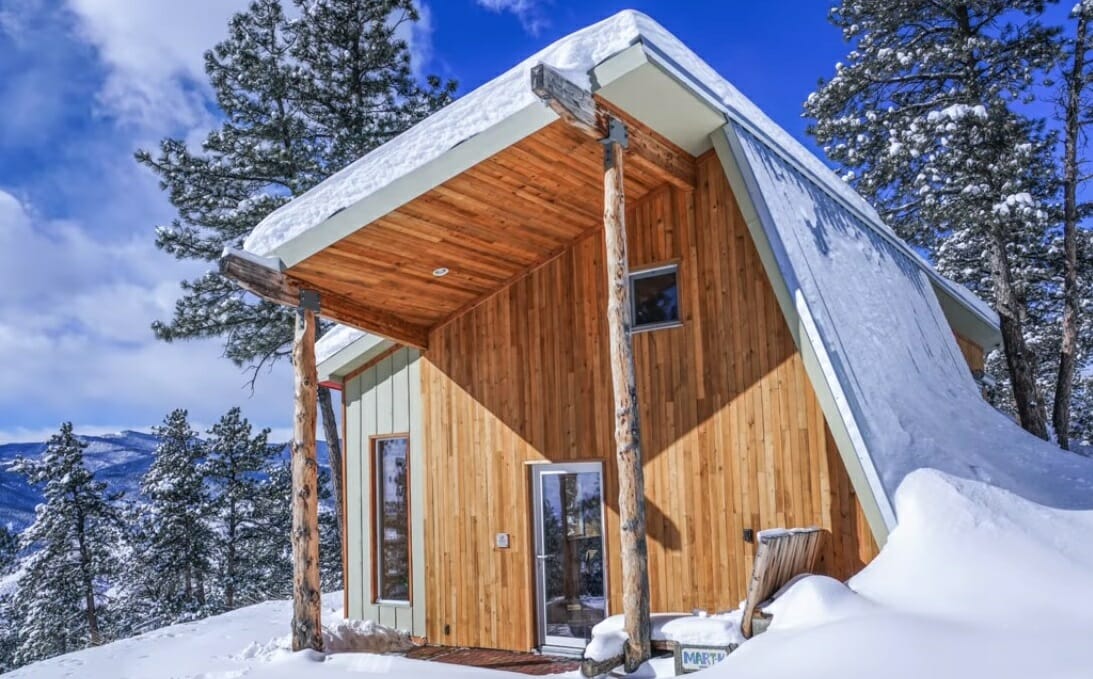
Located one hour north of Denver and offering sweeping mountain views, the off-grid project started 20 years ago when Michler bought what he calls “a solar shack” for $60,000. “It immediately fell apart, and I have been fixing it ever since,” he admits.


Michler is modest; he has rebuilt that shack and a former shed on the property into an impressive Passive House, which is an international term for a building that focuses on reducing energy consumption by as much as 90 percent. The passive heating design allows the house to stay warm – about 62 degrees – when it’s -10 degrees Fahrenheit.


Get Free Backup Electricity — That Works Even During Blackouts!


The idea for the Passive House does not come from builders, Michler explains, but from physicists. “This entire building is designed in a spread sheet,” he says, adding, “This house is essentially a thermal battery bank.”


Bright, inviting and warm enough inside to allow you to stand comfortably in front of a large pane window wearing a t-shirt during a harsh Colorado winter, Michler’s home features a simple wedge shape. Along with a southern exposure and a location nestled on a hillside, the home also is wedged between three trees, which offer it an energy-efficient canopy.


Inside, Michler says he “decided to erase any labels from rooms and make it as much a continuous space” as he could. “The idea of walls is counterproductive,” he explains. “They just make a small space smaller.”


Two children visiting the home during a recent video interview are drawn to a large second level net bed that works as a place to sleep or to play. From the net bed, the kids also climb into a high window ledge that beckons them with a commanding view of the surrounding landscape. “It almost has become a little clubhouse space up there,” Michler says as he watches them.


The home’s doors and windows are designed to be air-tight, and Michler says that when they are shut, the home will hold its temperature for days. “It’s like a big thermos,” he comments.


In the small, tidy kitchen, he has used equipment designed for boats, including the cooktop, the cutting board and the countertops. Flooring throughout the home is 80 percent plywood, a decision he says he was nervous about at first. He says the floor has held up well, however, and he points out how the different grains of the floor boards add character to the bedroom.


When Michler built his outside rainwater catch and filtration system, it was contrary to Colorado building laws. Although those rules have now been modified, Michler laments that restrictions ever existed against harnessing a valuable natural resource in the high desert.


Michler says living off-the-grid as he and his wife do is not for everybody, and he admits that some of his neighbors have given up and moved back to urban areas.


“You have to know yourself to be out here for any length of time,” he says. “But it is not just your relationship with yourself, but also with your landscape.”


“The forest is very dynamic. … There is a rawness in the landscape, and the inside (of the home) contains a certain level of rawness too.”


Would you like to live in this type of house? Share your thoughts in the section below: 

Thursday, December 21, 2017

The Family Who Dropped Out of Society for 42 Years — Without ANYONE Knowing

The Family Who Dropped Out of Society for 42 Years -- Without ANYONE Knowing


A modern movement toward self-reliance has inspired people to unplug from society and to live more simply, removed from the trappings of modern life. But how off-grid are they really? How long could they last completely isolated? Time itself can reveal any weakness or flaw in a person’s self-reliance.


There is a tale from the other side of the world that illustrates the concept of true off-grid living. It includes all of the important concepts for a true off-grid experience: wilderness, isolation, material scarcity, wild abundance and time.


No Hollywood movie would have to change a thing in the story of a remote family – the Lykovs — who cut the bonds of society and lived truly off the grid.


The story of the Lykov family begins in post-Bolshevik revolution Russia. As many studious historians are aware, Vladimir Lenin and his bloody band of Bolsheviks took command of Russia in November of 1917. Looking to fulfill the “dream” of a communist state, the Bolsheviks implemented all aspects of a planned government in what became known as the Soviet Union. One aspect of communism the Bolsheviks energetically pursued was the spreading of their atheist beliefs across the new nation. Religions of all kinds were harassed and persecuted, and religious practitioners were even murdered.


Plant A Full Acre Of Food With This Emergency Seed Bank!


It was in this setting a young man named Karp Lykov found himself. Karp was a member of the Old-Believers, a sect of Christianity that had been popular in Russia. Although Christians had a history of oppression in Russia, Karp had never experienced anything like Lenin’s reign of terror. One day while Karp was working on a government-controlled farm, a member of the new state’s armed police force executed his brother in front of his eyes. It was then that Karp committed himself to flee the oppressive government, at all costs.


The Family Who Dropped Out of Society for 42 Years -- Without ANYONE KnowingLeaving would not be easy. For one thing, Karp had a young wife and two children under the age of ten. For another, the Lykovs would face serious punishment for an attempted escape if captured by authorities. Finally, the area Karp would take his family, the Taiga, was some of the wildest land in the world. As one of the largest forests in the world, the Taiga had been known to swallow up people whole. It was the type of place you sent someone you wanted to get rid of. This immense forest was home to numerous creatures, but the main opponent of the Lykovs would be something less foreboding: cold. For nine full months a year, much of the Taiga is at risk of frost. It would challenge them in their attempt to raise crops from year to year.


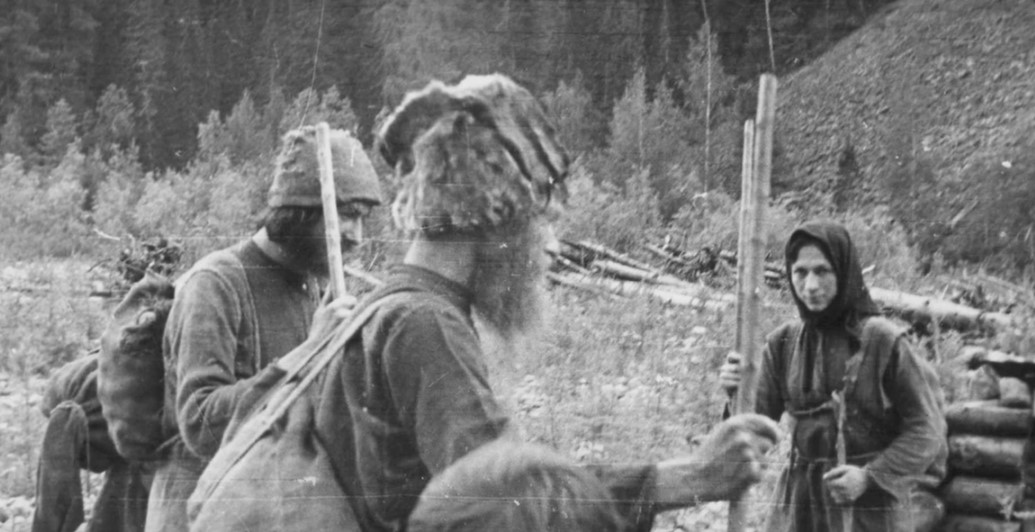
With the deck stacked against them, Karp and his young family dove headlong into their escape in 1936, fleeing to the forest to save their lives and religious beliefs. They were loaded down with what little they could carry: the clothes on their back, a handful of pots and pans, seeds for crops, a family Bible, and, strangely enough, the components of a spinning loom. Over time the family would build several shelters, each time pulling up roots and moving deeper into the reclusive wilderness. Eventually, they made their home in a remote mountaintop more than 150 miles from the nearest settlement.


As the family retreated ever deeper into the Taiga, they added more children to the mix. Soon, there would be two more Lykov kids — two who would not know the outside world until well into their lives. More children meant more mouths to feed, a problem constantly present.


The Lykovs survived mainly on the crops they raised which included rye, potatoes and seeds of hemp. The area proved to be a difficult place for cultivation, and one year the family lost all of their crops to a June frost. They then turned to the forest for their food. With an abundance of berries and nuts to gather, they were able to eat well during the summer and fall months, but as winter clenched the isolated family in its icy grip, things got bad — very bad.


Before the end of one particularly bad winter, the family was reduced to eating leather and bark to survive. This was the year Karp’s wife, Akulina, would choose to see her children fed rather than herself, and would die of starvation.


Of course, the Taiga did offer up countless varieties of creatures the Lykovs would have been able to eat. Reindeer, moose, beavers and a plethora of smaller creatures appeared to be ripe for the taking. But when they fled to the Taiga, the family had failed to take any sort of weapon with them. Not only had they not taken anything with them, but they also had never built weapons, such as a bow and arrow. Although the family did eat meat occasionally, their means of obtaining it were rather crude.


The Family Who Dropped Out of Society for 42 Years -- Without ANYONE KnowingFor most of their time living in isolation, the family would get meat by setting primitive traps — mainly pitfalls. Once their son Dmitry, who was born in the forest, reached maturity, he actually practiced an ancient hunting strategy called persistence hunting. When hunting, Dmitry would chase animals in the forest until they simply collapsed from exhaustion. Although not easy, this method has been proven to be a realistic way to obtain meat. However, meat would always be considered a luxury at the Lykov residence. In reality, their diet was a monotonous repetition of the same dishes.


Life continued much the same for the Lykov family each year they lived in isolation. They would do their best to store up food in the summer months, reach a point of near starvation in late winter, and, if they were lucky, they would repeat the process the next year. The family claimed to hold a meeting each year and vote to either eat up all the seed, or leave some for planting. In addition to their farming, the family would do their best to support their collapsing cabin, repair their tattered clothing with forest material, and try to find a way to replace their slowly deteriorating metal cookware.


World’s Smallest Solar Generator … Priced So Low Anyone Can Afford It!


Then, one day, life would forever change for the Lykov family. In 1978, a group of geologists employed by an oil company were scouting new lands by helicopter. As the group flew close over the treetops, they were astonished when they saw a settlement high on the mountainside. With no place to land the chopper, the team retreated back to the nearest town and prepared for an overland expedition. After days of walking through the thick brush, the team of geologists eventually relocated the site. They stumbled upon the Lykov family home and were greeted by the surprised Karp with a gruff: “Well, since you have come this far you might as well come in.” It had been 42 years since the family had fled into the forest.


Over the course of time, the geologists would come to learn the story of this isolated family. The two youngest family members, Dmitry and Agafia, would for the first time in their lives meet someone other than a family member. The Lykovs would hear of the world events they had missed, including World War II. Eventually, the Lykovs would learn of the technological advancements that had been made over the past four decades. As the family began their reconnection with the outside world, they struggled to incorporate new innovations into their strict religious beliefs. Many times they would marvel from a distance but not allow themselves the opportunity to partake fully in the conveniences.


Story continues below video


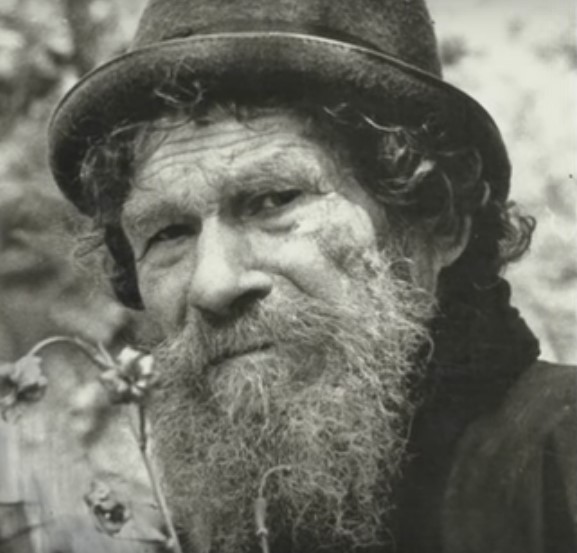
Today, all but the youngest family member, Agafia, have passed on. Well into her 70s, Agafia continues to live in her forest home. She has sporadic contact with the modern world and even ventures to town now and again. She prefers the clear water and clean air of the mountains, and spends much of her time as she was raised.


The story of the Lykov family is an amazing off-grid tale. Completely dependent only upon themselves, the family could not have been further from modernity. Their life was a mix of extreme hardship, self-reliance, and the freedom such a life affords. For someone looking to move off grid, it offers multiple lessons, and it can teach us much about living in isolation. Like so many people of the past, the Lykovs were able to pass the real test of self-reliance: the test of time.


What is your reaction to this story? Could you do what they did? Share it in the section below:


Bibliography


Chacko, R. (2014, October 4). Top 10 Largest Forests in the World. Retrieved May 31, 2016, from List Dose: http://listdose.com/top-10-largest-forests-in-the-world/


Dash, M. (2013, January 28). For 40 Years, This Russian Family Was Cut Off From All Human Contact, Unaware of World War II . Retrieved May 31, 2016, from Smithsonianmag.com: http://www.smithsonianmag.com/history/for-40-years-this-russian-family-was-cut-off-from-all-human-contact-unaware-of-world-war-ii-7354256/?no-ist


Eniscuola. (2016, May 31). Taiga biome. Retrieved May 31, 2016, from Eniscuola: http://www.eniscuola.net/en/argomento/taiga/taiga-biome/animals-of-the-taiga/


Fraizer, M. (2016, May 31). Good News, Endurance Runners; One Scientists Says We’re Not All Nuts. Retrieved May 31, 2016, from No Meat Athlete: http://www.nomeatathlete.com/lieberman-persistence-hunting/


History Channel. (2016, May 31). Russian Revolution. Retrieved May 31, 2016, from History Channel: http://www.history.com/topics/russian-revolution


Learn How To ‘Live Off The Land’ With Just Your Gun. Read More Here.

Thursday, November 16, 2017

How To Heat Water Off-Grid Without Electricity

How To Heat Water Off-Grid Without Electricity

Image source: Pixabay.com


I have on many occasions found myself without hot water. Power outages are the usual reason, but when the hot water heater goes out, there’s usually a few days before a new one can be installed. It’s an inconvenience, but little more in that case. But what if we had to go without hot water for weeks or months?


The simplest and perhaps most preliminary solution to producing hot water is to build a fire outside and heat a large pot of water over it. This is quite labor intensive, though, even if it will create hot water. You also can put a large pot of hot water on a wood-burning stove and get the same result. The vapor will add some humidity to the house, which is a good thing since the wood-burning stove is also drying out the air with the heat it produces.


Using a fire or wood stove is a great way to heat a few gallons of water. The issue is when you want 20 to 50 gallons of hot water over the course of a day. That needs some new considerations.


One solution for heating water when you don’t have a traditional hot water tank has been the addition of a 20-gallon water box (reservoir) on the side of a wood-burning cook stove in the kitchen. This is a great multi-purpose solution, as the stove provides heat for the house, heat for cooking and hot water. Unfortunately, it creates a bit of a problem during hot summers.


Get Out Of The Rat-Race And Make Money Off-Grid!


But all of the options for alternative water heating tend to produce radiant heat within the living space. And if it’s 90 degrees outside, you probably don’t want to produce a lot of extra heat. Here’s one solution: You could wait for the coolness of night to heat your water, and insulate the tank for the morning shower or shower right away.


To keep the heat out of their homes, many homesteaders a century ago had an out-building known as a summer kitchen. The idea was that any wood-burning appliances for cooking would be located outside in the summer kitchen, at least during the hot months.


wood-stove-endalldiseaseDOTcomThe summer kitchen was a hot place to work, but it kept the main house cool. It also provided a space for heating water. Often, a galvanized bathtub found its place in the summer kitchen due to its proximity to hot water. Dishes, once dirtied during meals in the main home, would be carried back to the summer kitchen to be washed in the sink. Many people also ate on the porch of the summer kitchen rather than ferrying plates and dishes back and forth for meals.


If you decide to use water that has been heated in a wood-burning cook stove or wood-fired stove, keep in mind it will be hot, hot, hot. In fact, the water is usually very close to the boiling point. There’s a few things you can do to temper the temperature, including adding a cold bucket of water to the top of the tank. But be very careful when tapping this hot water.


A thermometer that measures the water temperature is highly recommended. Some wood-fired cook stoves have this feature. If not, buy one. The recommended safe hot water temperature is 120 degrees Fahrenheit. If you’re above that (and you probably will be), then add cold water or let it cool down a bit.


In addition to stoves, there are water heaters that do not require gas or electricity to work. These also give off radiant heat so the winter/summer dilemma still stands. Most are wood-fired, although alternative burning fuels from peat moss to lower-grade softwoods can be used.


There also is the option on going solar. The best off-grid solution for solar hot water heating is a close-coupled system. This is a roof-top system where the water tank is on the roof above a set of solar panels. The water moves through tubes in the panel and is heated by the sun’s rays.


The benefit of the closed-loop system is that it requires no electric power for pumps. You can hand pump the water into the tank and as the water is heated, it rises into the tank. Gravity provides the water pressure. This system depends on sunlight to function and in extremely cold temperatures, you may find yourself with lukewarm water rather than hot.


There are many options for heating water off-grid. Do your research and ask other off-gridders what they use.


What advice would you add for heating water off-grid? Share it in the section below:


More Than 90 Percent Of Customers Won’t Get Their Money When There’s A “Run On The Banks.” Read More Here.

Monday, November 13, 2017

10 Wild, Off-Grid Foods You Can Forage For Each Fall

10 Wild, Off-Grid Foods You Can Forage For Each Fall

Image source: Pixabay.com


From backyard gardens to large-scale farms, fall is often viewed as harvest time. But “nature’s garden” is in full yield in the autumn, too, as the trees begin to lose their leaves and heavy frosts set in.


Following are a few of the highest-yielding, nutritious wild foods that are ready for harvest in the fall. You will need a good plant ID book to make sure you get the right plant. As with foraging at any time, do NOT eat anything you are not 100 percent certain is the correct plant.


Root Crops


Many plants begin to bring their energy into their roots in the fall to wait out the winter underground, in preparation for a growth explosion in the spring. Most root crops can either be dug up with a shovel, or pulled up after loosening the soil around them with the garden fork.


1. Burdock (Arctium species): a variety of burdock has been eaten in Japan for centuries, and with a delicious sweet flavor and a delightful crunchy texture, it’s well worth trying. Burdock should be harvested the fall of their first year (before they produce along central stock with flowers) and can be dried or eaten right away.


2. Chicory (Cichorium intybus): known as an excellent coffee substitute, chicory is best harvested once the top of the plant mostly dies, sending its energy to the roots. It can be roasted and ground into a powder for a delightful tea high in nutrients.


3. Dandelion (Taraxacum species): another potential coffee substitute, dandelion roots are known as a powerful medicine and can be roasted much the same way as chicory. Be careful not to confuse them with chicory, since the leaves look similar.


Nuts


Many nuts are available in the fall, and they are available from year to year under two categories: mast year nut producers, and annual producers. Mast year nuts produce nuts irregularly from year to year, with some years being “mast years” of high production, and other years yielding few or no nuts at all. Many nuts can be harvested simply by waiting until they fall to the ground, particularly after strong winds around the time they are ripe. One can put a tarp under the tree to catch the nuts during windy periods, knock the branches with a long stick, climb a ladder and shake the branches (or shake the whole tree if small enough), or get a good, solid throwing stick and chuck it at the nuts to dislodge them. Nuts keep longer once dried for two weeks either in a cotton sack (e.g. old pillow case), or on screens, and then roasted. You may also choose to purchase specialized “pickers” for your nuts to pick them up off the ground, which can be purchased online.


4. Acorns (Quercus species): With mast years every 2-3 years, acorns fall when they are ripe in early- to mid-fall, especially during wind events.


5. Walnuts (Juglans species): Irregular mast producers, walnuts may still produce at least some nuts during low-production years. They are both delectable and nutritious, though some species such as black walnut (Juglans nigra) are more difficult to shell, with relatively little nut meat, while others, such as English walnut (Juglans regia) have much bigger nuts with thinner shells. Depending on the species, they ripen throughout the fall. The hulls can be removed by stomping on them and rolling them with your feet, or they can be cut off with a knife by cutting a line around their diameter and removing by hand with a good, thick set of gloves (the hulls will stain your hands). You can then put them in a bucket with a lid, some gravel, and a bit of water, and shake the bucket vigorously to remove hull remnants, followed by a good rinse before drying (old pillow cases hung indoors away from sun work well). Dispose of the hulls by spreading them across the landscape away from gardens, as black walnuts especially can damage soil life and inhibit plant growth.


6. Hickories (Carya ovata, Carya laciniosa, Carya palida, Carya tomentosa, and Carya ovalis): Closely related to pecans, but often sweeter tasting, most hickories produce annually, ripening in the early fall, or late summer. Once dry, husks are easy to remove.


7. Pecans (Carya illinoinensis): Another irregular mast producer, they are usually ready in November, when they fall consistently from the trees. Some trees may have very small nuts that are difficult to remove from shells, though as with other hickories, husks are fairly easy to remove.


8. Hazelnuts (Corylus species): Ripening from late August through September, as with all nuts, you’ll have to beat the squirrels to hazels. Nuts can be found during mast years under the leaves and are easy to remove from the shell.


Other Fall Forage Crops


9. Apples (Malus domestica): There are many wild or untended apple trees growing throughout North America and elsewhere. Once you start looking in the fall, they shouldn’t be hard to spot in a good year. Similar to nuts, many apple trees don’t produce a heavy crop every year. Lower quality apples can be used to make apple chips (simply by cutting and dehydrating), or apple cider.


10. Hackberry / Sugarberry (Celtis species): There are several species of hackberry, many of them containing a delectable and sweet date flavored dark, light brown or orangish berry ready in mid to late fall. One way to harvest them is to wait until the leaves fall from the tree, put a tarp under the tree and shake the tree or branches vigorously. Due to their low moisture and high sugar content, the berries keep quite well without any processing and can be stored in paper bags or simply in a bowl or container that allows excess moisture to escape.


Although there are many other wild foods available for harvest in the fall, this list of higher-yielding foods is a good place to start. Other wild foods to look out for in the fall include rosehips, elderberries, watercress, amaranth seed, ground nut and many others. Fortunately, most plant ID books give a good indication as to the season that a given crop is available, so hopefully this will only be the start of your journey to find the best foods nature has to offer in your area.


If you have your own favorite fall forage crops you like to harvest in the fall, please share in the comments below!

Critical Questions You Better Answer Before Going Off-Grid

Questions You Better Answer Before Going Off-Grid

Image source: Pixabay.com


Going off-grid means different things to different folks. For some, it’s living a “normal” life without an electric bill. For others, it’s a dance of compromise with what you are willing to live without and what you won’t live without; making those things you deem necessary for your life run off power you generate yourself. And for still others, off-grid living is a couple of solar panels deep in the woods somewhere with just the bare minimums.


Whatever your version of off-grid living is, there are several key questions to ask before you take the plunge.


What is it that you want to accomplish, and what does your off-grid life look like?


This is truly the first step, before you look at pretty solar packages and rugged wind generators. Long before you start looking at wattages and discussing power storage, you need to determine just what you want from an off-grid life.


I’ll give you three very different examples:


The first, is my parents. When we were selling our house in Mississippi to move to Southern Oregon and go off-grid, they decided it was something they wanted to do, as well. My dad knew he wanted to be able to live a pretty normal life. He enjoys watching TV, my mom likes to sew and watch movies. They run a construction company from their house, and always have computers, scanners and printers working. They grow a garden and put up some of their own food, so they knew they’d need a freezer (or three). My mom very much likes modern conveniences and already had her eyes on a new Samsung side-by-side refrigerator, long before the final design for their new house was done. Dad knew they would have to save power where they could, so they went with wood heat; propane water heating, cooking and clothes dryer; LED and energy efficient lighting and appliances; and, of course, a diesel backup generator for those snowy winter days when the sky barely peaks out. They settled on a 4,500-watt system with a 40kw backup battery bank.


Next is us. Unlike my folks, we run a full homesteading operation here. We don’t mind minimums. We have no TV service of any kind and use our TV on those rare occasions that we feel like watching movies or old TV shows on DVD that we can pick up for cheap at the local Walmart. We have a very basic washing machine and no dryer of any kind. Our biggest splurge for household appliances is our super-efficient French door refrigerator, and two super-efficient freezers that we keep full enough and in an insulated building so that they don’t run much. Our main heat source is wood, and we use propane for backup heating, cooking and water heating.


We have two main barns with lights that get turned on for winter feeding. There are lights in the rabbit barns, as well. We also hatch poultry from April until October, so we run a full-sized cabinet incubator and up to two brooder pads. In the summer, we also run fans in the poultry and rabbit houses. In addition, we have a well with a 2hp pump that runs 2 hours a day from May until late September to water our garden. We also use the well to fill our cistern and a much smaller pump to take water into the house. When we sized our system, we wanted the very minimal usage of the diesel backup generator. We ended up with a 6,000-watt system and the same 40kw backup battery bank.


If you are thinking these first two are very large systems, you are right. So here is an example of going the absolute other direction. I met this young lady who lives about 15 miles from us. She lives in a camper that she built a roof over. She has a well that she runs with a 6,500-watt generator, and she pumps her water into a tank that she has hooked up to the camper. She can charge her camper battery bank with a 150-watt solar charger kit. Heating, water heating and cooking are all done with propane. Her battery system is modified from the original, and she uses four 6volt deep cycle RV batteries. When the snow gets deep and she can’t keep the panels clear, she simply charges up her batteries with the generator and if she’s careful, can go for several days.


No matter what you want your life to look like, it’s easiest to make it happen if you can fully define your version.


What is your current power usage? What do you have now that you can live without?


Whether you have an existing home you are taking off the grid or building a new home, it’s important to have a base starting point such as a current power bill. This gives you an idea of what you use right now with the appliances and gadgets you have currently. If you plan to live just as you do now, is it possible to generate the amount of power that you presently use, or are you going to have to modify your lifestyle a bit?


When we planned our solar, we set out our highest bills (one summer, one winter) to give us our starting point. We lived in a house with electric cooking, electric water heating and central heat/air, all of which we knew would not be feasible to support with a solar system. Then we went room by room and determined what we would need at the new house, what we needed that would have to convert to propane, and what we flat out could live without. There was also a short list of items we use every now and then, such as food dehydrators, clothes irons and waffle makers. We then looked at the power requirements of each item.


Next, we went through the drawings we’d done of our new property to determine if there were power needs there that we didn’t currently have. A well pump. Barn lighting. A bigger incubator and an extra brooder pad. All these things were figured out well before we looked at systems.


(To determine what the power usage is on appliances and gadgets, there are a number of places to look – owner’s manuals, product plates placed by the manufacturer, or any one of a number of websites.)


Does everyone in the household agree with the vision?


No matter what type of system you have, you need to make sure that everyone in the household is on the same page and understands that off-grid living is a change, regardless of system size. If you are going solar, then you already know that when there is no sun, less power is being generated. This means that you aren’t running the washing machine before bed, the kids aren’t up all-night binging on video games, and that non-essential devices are off.


Earlier this year our 18-year-old nephew moved in with us. He’d been here to visit a few times before and had stayed for a long weekend a couple months before making the move. We explained at length how the system worked, and why we have a lights-out-at-10 p.m. policy around here. He doesn’t own much, just a few clothes, a cell phone, a beat-up car, and a computer that he’ll need when he gets started at the local Community College this fall. He didn’t mind the power restrictions, and we figured we could make the computer work, so he moved in.


Within two weeks, we found out that he is also an avid gamer. As in, sit-in-front-of-the-computer-for-hours-on-end type gamer. And the simple desktop computer for school?  It’s a high-end gaming computer that draws 500 watts when it’s on! (For reference, my desktop computer uses around 125 watts.) Needless to say, it’s not a problem during summer days when we have power to spare, but we’ve already had the talk that he’s going to need a laptop for school usage, as we simply won’t be able to support the power on that big beast during the winter months and evenings that he needs to be studying. There was a surprising amount of whining and complaining, but he’s come around.


We would strongly suggest you make sure, on the front end, that everyone in the household understands exactly what off-grid living will mean to their daily life.


Can you install everything yourself, or are you going to have to hire out?


Depending on the size of your off-grid system, this can be a very big deal. If you plan a small system of a few panels or a small wind turbine, a small inverter and a couple of batteries, you may be more than capable of doing it yourself. Larger systems require a good understanding of what you are dealing with, as inverters and charge controllers can be very complex.


Beyond the electrical work required to install an off-grid system, you may require mechanical assembly and/or construction work. Even the smallest of solar arrays require some sort of racking assembly. Wind turbines require tall poles with ground tethers. You’ll need a dry place with good ventilation to house not only your inverters but also your battery bank.


We were fortunate that my father has spent his entire life in the construction industry and that my husband is a mechanical engineer by trade as well as being a car enthusiast in his spare time. Installation of our system required concrete work, rack construction, underground conduit installation, battery box construction and wiring. Lots and lots of wiring.


Even though we had the experience to put our system in, mistakes were still made. A wire was hooked up incorrectly that resulted in both of our charge controllers getting blown. It was our mistake and a fairly costly one — new controllers cost us an extra $1,000.


Can you maintain your system yourself?


For the most part, maintaining an off-grid system is pretty simple. However, when compared to an on-grid lifestyle there is much more to it. Not only do battery charge levels need to be monitored daily to ensure that there are no problems, but batteries themselves will need to be regularly maintained and even periodically replaced. Solar panels may need to be adjusted several times per year for maximum solar gain, cleared of snow in winter, or washed down during heavy pollen or if your area gets dusty during the latter part of summer. Wind power is also not without its maintenance, including checking connections and bolts, adjusting tension on guy wire, and checking blades for worn edges. If you are using a backup generator, there will be maintenance to do there as well – radiator coolant checks, oil changes, filters, plugs, etc.


It’s important to think through these items and be realistic with yourself.  If you don’t know how to do these things, can you learn, or is there someone nearby that can help you?


Final Thoughts


Going to an off-grid lifestyle is wonderful as long as you really think it through before you set out. After living off-grid for the last four years, I can say that there is a real sense of pride and self-reliance when you can meet all of your own power needs.


I’ve talked a lot about bigger systems, but depending on your lifestyle choices it is possible to live with just a few panels or a small turbine if you do your planning correctly. I’m going to leave you with my personal story of moving to an off-grid lifestyle.


For the first year of living at our homestead, I lived alone with no more power than a 150-watt kit and two 6v deep cycle batteries, and a couple of gas powered generators. I was able to get two cords of firewood delivered, and I split over half by myself, my husband doing the rest when he came to visit. I used the firewood to heat the house with our tiny woodstove, and occasionally heated my meals on it. I had propane lights, a propane range, and an old tiny propane refrigerator. When I needed to charge my phone, iPad, or my portable DVD player I ran a little 4,500-watt generator. For water, I had a 250-gallon carry tank on a trailer which I would fill from the well head and truck the 500 feet to the house to be emptied into a much larger cistern. I used a 7,500-watt generator to run the well pump. The deep cycle batteries I mentioned earlier ran an RV pump that ran water from the cistern to the house. On the days I needed to do laundry, I would wheel the 7,500-watt generator down from the well head to the house.


The hardest part was not the work of it all — it was the complete change from the convenient life we’d lived in Mississippi. I had to constantly monitor the battery levels of everything around me, and filling the cistern was at minimum a two-hour event. At night, the quiet was almost deafening. You really never notice the hum of all the electrical gadgets in your life until they are gone.


A year after moving, our house in Mississippi sold and my husband moved in. It was so late into the fall that we had to wait until the following spring to break ground on the shop that would house all our solar equipment and the area where the solar panel racking would be built. After 21 months we finally were able to put in a regular refrigerator, run normal household lights, and live – mostly — like regular people.


While we now live what most people would consider a “normal” life, we live more of a hybrid lifestyle. We have modern appliances, yet still are very conscious of the weather and power usage at all hours of the day. It’s just something you have to embrace, use power when you can make it, and stop using it when you can’t.  It becomes a skill to know when you can and can’t use anything connected to power, but it’s something you will learn living off-grid.


What advice would you add? Share your tips in the section below:

Thursday, September 21, 2017

Off-Grid Life In Alaska, With No Roads


For homesteaders Bryan and Laura Emerson, a trip to town doesn’t involve a quick drive in the family car. In fact, in their neck of the woods, nothing is quick. And they’re perfectly fine with that.


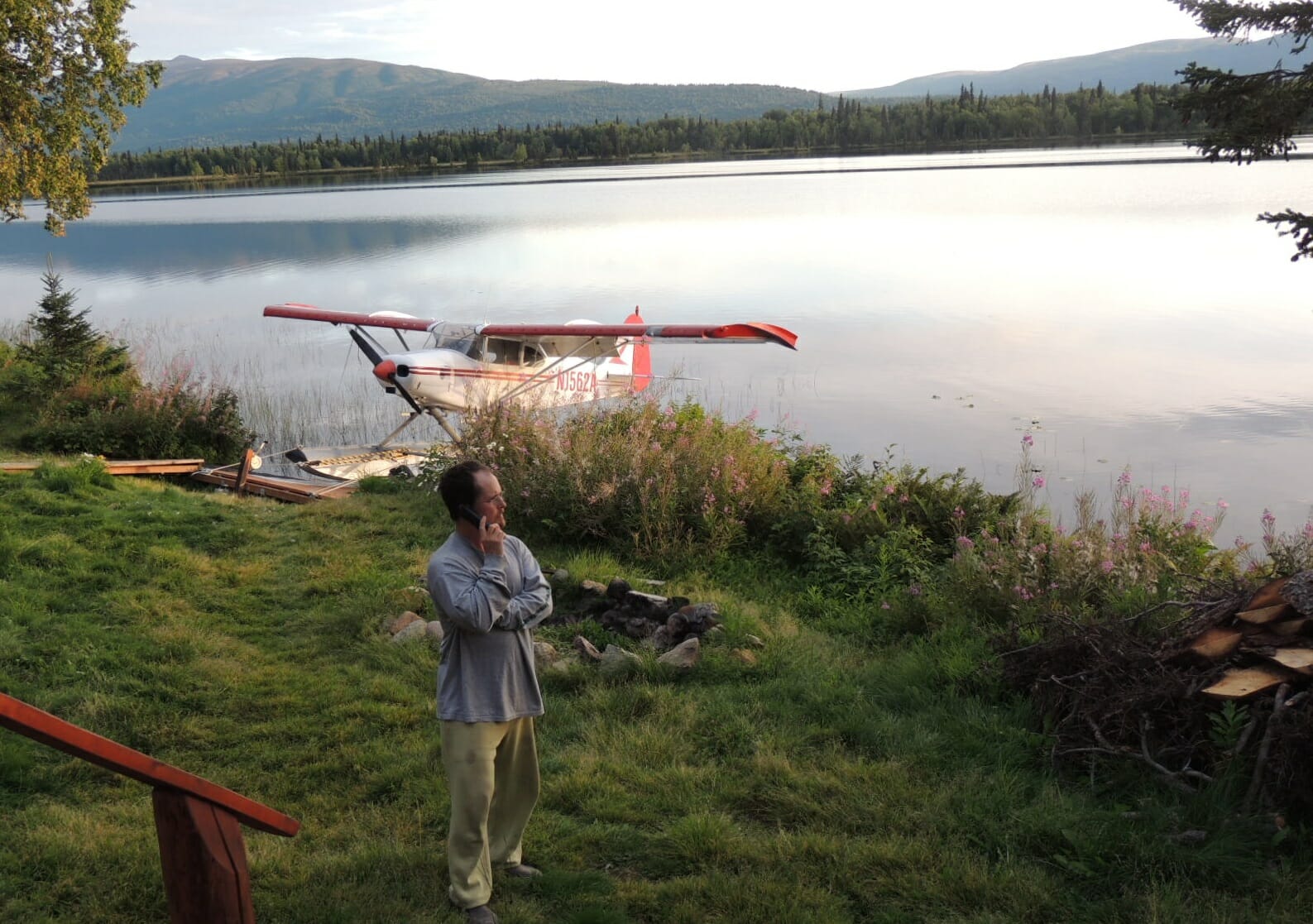
Bryan and Laura live on a lake in the bush of Alaska, where they are a 20-minute float plane trip to the nearest road. They’re also this week’s guests on Off The Grid Radio, and they tell us what it’s like to live 100 percent off-grid in the heart of America’s “Last Frontier” – in a location that gets 20 hours of sunlight.

They also share with us:


  • How they generate electricity and obtain water.

  • What they grow, store and eat in such a unique climate.

  • How they make money by telecommuting.

  • Why they don’t have indoor plumbing.

  • How Laura survived a frightening encounter with a bear … on their property.

  • Why they ditched the city life for the bush.

Finally, Bryan and Laura provide tips for people who are considering moving off-grid, even to Alaska. We were inspired by their story, and you will be, too!


Tuesday, September 19, 2017

In Florida it’s Illegal to Power Your Home with Solar Panels—Thanks to Lobbying

solar

With roughly 1.5 million Floridians initially without electricity from the damage inflicted on Florida’s energy infrastructure, many in the Sunshine State are now questioning why it’s so difficult for people to utilize solar energy.


The simple answer is that one of the major electrical suppliers in the state – Florida Power and Light (FPL) – has utilized a massive lobbying campaign, directed at state lawmakers, to create legal barriers to disallow people from powering their own homes with solar panels without being subject to power companies.


In fact, current Florida state law makes it illegal.


This is the definition of crony capitalism. Companies lobby government officials, who then vote in favor of the corporate position — often for a quid pro quo in the form of financial support for the officials’ reelection campaign.


Any solar panels erected on a home must be connected to the local electrical power grid.


So, if you want to build an off the grid home – it is illegal to install solar panels on your home.


Advertisment


Just ask Robert Tarr who, according to WFTV, spent more than $60,000 for a system of 32 solar panels for his roof. But even though his house can generate enough electricity to run indefinitely without being hooked to a power company, legally, he still has to be connected and pay the Leesburg Electric Department for power he doesn’t even need.


“So you can be completely free of the grid?”  Channel 9’s Jamie Holmes asked.


“Yes,” Tarr said.


“But they make you attach to the grid,” Holmes asked.


“Yes,” Tarr said. “I have a problem with it, OK? I think if I want to be totally independent of them, I should be allowed to be,” Tarr said.


READ MORE:  Court Rules Pointing Your Finger at a Cop is Illegal—Not Protected by 1st Amendment


If Tarr were to stop paying his electric bill, reports WFTV, he said Leesburg would shut off his power. City officials could also revoke his certificate of occupancy for not being hooked up to the system.


So, if this family wanted to defy the power company and remove his solar from the control of the power company, the government could revoke his certificate of occupancymaking it illegal for anyone to live in the home!


Rest assured that any attempt to resist one’s removal from said home would be met with police force and violent escalation.


The extreme crony capitalism at work in Florida is astounding, and nothing less than draconian.


With roof-mounted solar panels becoming an increasingly inexpensive means of producing cheap renewable energy, the fact that the state panders to the old energy dinosaurs to stifle consumer-friendly innovation is nothing less than infuriating.


In fact, Project Drawdown, which is a broad coalition of researchers, scientists, graduate students, PhDs, post-docs, policymakers, business leaders and activists that have assembled to find and present the best available information on climate solutions in order to describe their beneficial financial, social and environmental impact over the next thirty years has found that widespread solar use would save $3.5 trillion dollars and reduce carbon dioxide emissions by 24.6 billion tons over the next 30 years if utilized.


Ironically, solar panels would make for a completely self-sustaining method of energy production if the local electrical grid were to fail during a crisis — like a hurricane.


Make no mistake, the old energy oligarchy simply refuses to be cut out of potential profits, which is what happens when you no longer need to rely on them for power needs and possess the ability to power your own home.


READ MORE:  Child Sex Trafficking in the US is Exploding, Govt Admits They Aren’t Stopping It


Instead of owning their greedy intentions, companies like FPL, instead, attempt to rationalize their actions through absurd explanations.


“Operating your renewable system without the bi-directional meter can result in an inaccurate meter reading causing your bill to increase,” FPL claims, which essentially means that for proactively approaching your energy needs, it could result in a potential glitch in their system that will charge you more money on your electrical bill.


They also recommend that all homes powered by FPL, that have solar panels, be connected through the same electrical wiring, and “the [renewable] system must shut down when FPL’s grid shuts down in order to prevent dangerous back feed on FPL’s grid. This is required to protect FPL employees who may be working on the grid.”


Ironically, FPL is basically saying that their workers could potentially be electrocuted if they’re doing maintenance on the grid during an inadvertent or scheduled shutdown, while completely ignoring the fact that there would be NO risk to those workers if the home wasn’t legally required to be connected to the grid!


If Florida residents were not forced to have their solar panels connected to the electrical grid, which FPL lobbied state lawmakers to require, there would be absolutely no problem.


Aside from the clear environmental and security benefits of producing your own energy, becoming a leader in the solar industry would be a boon for the economy in the Sunshine State.


Sadly, it’s these crony capitalist policies that leave states like Florida in the dark.


Short-sighted policies like these have definitely not served the people of Florida, to which the 1.5 million Floridians without power can most certainly attest.


READ MORE:  Sheriff Who "Wrote the Book on DUI" Fails Every Sobriety Test in Hilarious Bodycam Footage


Please share this story to expose how governmental corruption picks the winners and losers and decimates a free market that could much better serve the people!