Showing posts with label tomato. Show all posts

Thursday, March 29, 2018

Tomato-Growing Tricks That Will Revolutionize Your Garden


Every gardener enjoys growing tomatoes, but not every gardener is good at it. That’s because tomatoes are one of nature’s more finicky plants. Without the right amount of heat, sunlight and fertilizer, they won’t produce fruit when summer arrives.


The good news is that there are steps you can take right now – during spring — to give you your best tomato crop ever!


On this week’s episode of Off The Grid Radio we talk to Craig LeHoullier, the author of Epic Tomatoes: How to Select And Grow The Best Varieties of All Time.


Craig tells us that the months of March, April and May are critical for a tomato crop. He also tells us:


  • Which seed-starting mistakes often doom tomato plants.

  • How to transplant tomatoes to ensure they flourish.

  • Why it’s essential to use mulch.

  • How much spacing between tomato plants is truly

  • Which type of fertilizers he recommends.


We also discuss watering, frost and more! Don’t miss this amazing show that will revolutionize how you grow tomatoes!


Monday, September 4, 2017

Kitchen Secrets That Extend The Life Of Fresh Tomatoes

Kitchen Secrets That Extend The Life Of Fresh Tomatoes

Image source: Pixabay.com


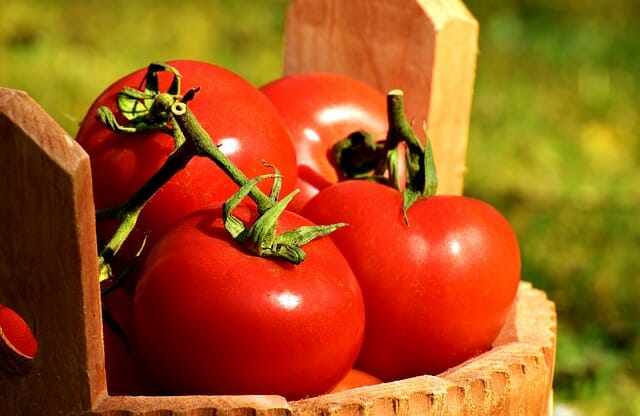
You may have heard that it’s not a good idea to store tomatoes in the fridge. And, in fact, the optimal storage temperature for tomatoes is 55-70 degrees Fahrenheit. Colder temps damage both the aroma molecules and the texture of tomatoes, which affects their palatability.


However, room temperature in many of our homes is higher than 55-70 degrees, particularly in the warm summer months when we’re picking garden-fresh tomatoes. Unless you’re fortunate enough to have a wine cooler or wine fridge (which, optimally, should be set to 55 degrees Fahrenheit), you need to pick between the lesser of the two evils: the too-cold fridge or the too-warm countertop.


This New All-Natural Fertilizer Doubles Garden Production!


The best thing to do is strike a balance. Start by checking for ripeness. When lightly squeezed, a perfectly ripe tomato should give very lightly to the touch. If it doesn’t give at all, it’s not ripe yet; if it’s quite soft, it’s overripe.


Underripe and ripe tomatoes are best kept on the countertop as long as possible. As well, it’s best to store them stem- or scar-side down. There are several websites that discuss the stem-side down storage method, and some sites have done their own experiments to prove that it increases shelf life. It does work, but everyone seems unsure of the science behind it. It’s speculated that there are one of two things going on.


First, while the skin of a tomato is effective at keeping out bacteria, cracks in the scar can let bacteria in. When a tomato is stored upside down, the liquid inside the fruit moves to the top of the tomato, which provides a sort of seal to the cracks in the scar and a barrier to bacteria. The other possibility is that storing a tomato upside down somehow affects the way ethylene gas is transmitted. Fruits naturally create ethylene, which aids in the ripening process. When the production or transmission of ethylene is slowed, the ripening process slows as well.


Tomatoes stored at room temperature should be checked regularly, particularly if your home is on the warm side. The warmer it is, the more quickly tomatoes will ripen and subsequently mold or rot. Any tomatoes that are past optimal ripeness should be tossed in the fridge. Some spots in the fridge are slightly warmer than others, such as on the top shelf and near the door, and those are the ideal spots for tomatoes. But, in the end, while they may lose some palatability in the fridge, they will definitely lose palatability if they start to go bad on the countertop. Bottom line: Refrigerate when necessary.


Do you have any advice for extending the life of tomatoes? Share your tips in the section below:

Monday, August 7, 2017

So, Your Tomato Plant Has Wilted Leaves? Here’s What To Do.

So, You

Image source: ucanr.edu


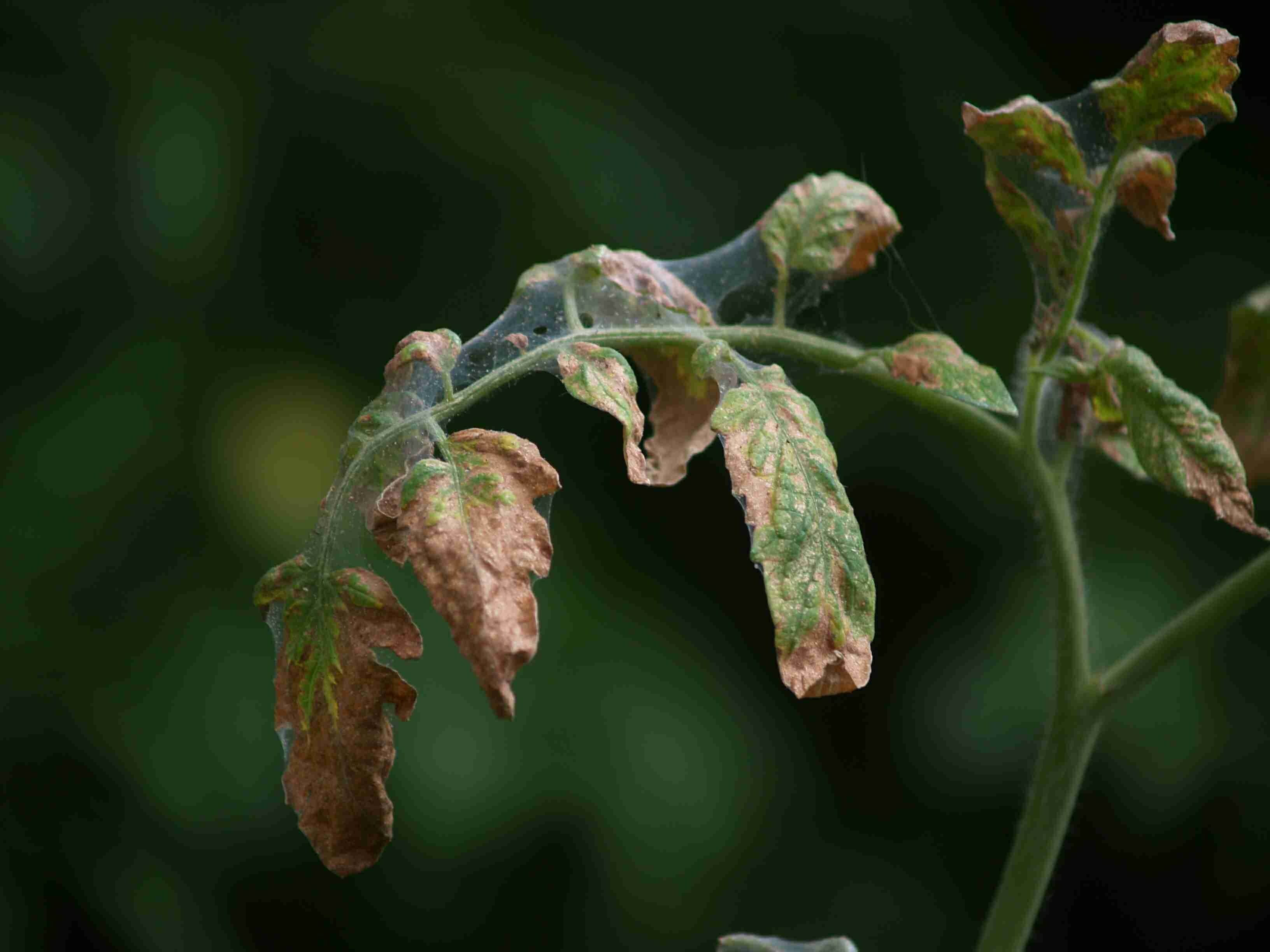
The leaves on a tomato plant are good indicators of the plant’s health. Tomato leaves can display all kinds of distress signals: yellowing, brown spots, purple edges and curling are all signs that the plant needs a little extra TLC. Wilted leaves mean the same.


Don’t be too concerned, though, if you spot wilted leaves during the hottest part of the day. The leaves just may be hot and languid (like all of us!). However, if the leaves remain wilted during the cooler evening or morning hours, your tomato plant is likely sending an SOS signal. Check for these issues:


Under Watering


A general rule is that mature, producing tomato plants need two inches of water per week. If you’re a stickler for following exact rules, set up a rain gauge and supplement any weekly rainfall with manual watering, as required. That said, the two-inch guideline may be insufficient at times. Extremely hot, dry and windy weather, or watering during the hottest part of the day, can increase evaporation and decrease moisture absorption by the soil. Sandy soils drain quickly and may not hold moisture long enough for your plants’ needs. Also, two inches per week is not sufficient for most container tomatoes.


This New All-Natural Fertilizer Doubles Garden Production!


It’s easy to check and see if there’s enough moisture in the soil. While the surface will usually be dry, soil 1-2 inches beneath the surface should feel damp. Stick your finger into the soil up to your knuckle; if the soil at the tip of your finger feels dry, your tomatoes need more water.


Fungal Diseases


If your soil seems adequately moist, and your plants seem to wilt more after being watered, they probably have a fungal disease such as verticillium wilt, fusarium wilt, or southern blight. Unfortunately, tomato plants infected with any of these need to be destroyed, to stop the fungi from spreading.


Verticillium Wilt and Fusarium Wilt


So, Your Tomato Plant Has Wilted Leaves? Here

Image source: Pixabay.com


Verticillium wilt and fusarium wilt are quite similar, and it can be difficult to tell which is infecting a plant. In both cases, the fungus lives in the soil, and the plant’s roots absorb it. As it infects the plant, it clogs the plant’s vascular system so that moisture can’t travel to the branches and leaves.


Both verticillium wilt and fusarium cause leaves to develop yellow spots, brown veins and wilt. Lower leaves show symptoms first. As the disease progresses, browned leaves dry up and fall off. The main difference between the two diseases is that fusarium wilt generally shows up on one side of a plant, while verticillium wilt moves more slowly, is less dramatic (noticeable), and isn’t restricted to one side.


Again, there is no cure for either of these diseases. It’s best to practice preventative measures including rotating crops, amending soil (when needed) so that it has adequate drainage, and choosing disease-resistant tomato varieties. Also, make sure to clean and sanitize all your garden tools (including tomato stakes and cages) if you suspect your plants have either of these diseases so that you don’t inadvertently transfer the fungi to a new bed. If you still end up with an infected plant, destroy it promptly and remove the surrounding soil.


Southern Blight


The initial symptoms of southern blight are quite similar to those of verticillium wilt and fusarium wilt: discolored leaves and wilt, starting at the base of the plant. However, once it progresses far enough, the plant collapses. You can determine whether it’s southern blight before your plant gets to that point; check for white hyphae or mycelia (soft, stringy, mold-type substances) around the plant’s lower stem, roots, and in the surrounding soil.


As with the other two fungal diseases, plants infected with southern blight cannot be treated.


Tomato Spotted Wilt Virus


Wilting is actually the last stage of tomato spotted wilt virus (TSWV); long before the plant starts to wilt, the rest of the plant will be sending out serious distress signals. Typically, plants infected with TSWV are stunted and pale, and often turn a bronze color. Leaves on these plants often have distinctive markings of circular or swirling patterns. Unlike other tomato diseases, TSWV first shows up in a plant’s top leaves.


TSWV is spread by small insects called thrips, which pierce plants in order to feed off them. As with fungal diseases, there is no way to stop TSWV from progressing once it sets in. Plants (and the thrips on them) should be destroyed. The best preventative measure is weed control, because thrips will feed on weeds until tastier plants are available to them.


The good news about TSWV is that it’s not transmitted through soil, and therefore there’s no need to remove soil when destroying plants.


Bacterial Wilt and Canker


Bacterial wilt is the one tomato disease where wilt is the predominant symptom. There is generally no discoloration of the leaves. The entire plant stays green, wilts and dies shortly afterward.


Bacterial wilt is most common in hot, humid regions, and particularly in soils that have a high pH. As with the other tomato diseases discussed here, there is no treatment for bacterial wilt. Diseased plants should be destroyed and preventative measures should be taken. Rotate crops, choose modern disease-resistant varieties, monitor soil pH (and adjust as necessary), and ensure generous air circulation by spacing plants widely and pruning indeterminate varieties.


Other Possibilities


Pests such as stalk borers, root knot nematodes, and aphids also can cause wilting, but they aren’t commonly attracted to tomato plants. However, if your plant displays symptoms that don’t seem to match any of the diseases listed above, it’s worth taking a close look for pests.


Also, the allelopathic properties of some plants can adversely affect tomatoes and cause wilting. Through allelopathy, plants leach their own natural chemicals into the soil, and those chemicals can affect nearby plants in both good and bad ways. Tomatoes are negatively impacted by black walnut and butternut trees and by sunflowers. If you have wilted tomato plants, in addition to checking for diseases and pests, take a look at what’s planted nearby.


What advice would you add? Share your thoughts in the section below:
Thursday, June 1, 2017

Tomato-Growing Mistakes Every Gardener Makes

Kim Jon Un


Tomatoes are the second most-consumed vegetable in the United States today, but just 200 years ago, people throughout the U.S. had not even heard of them. Many gardeners even thought they were poisonous.


So, how did the tomato transition from obscure to popular?


This week on Off The Grid Radio we’re discussing everything you didn’t know about tomatoes, including ways you can harvest better-looking and better-tasting ones – without yellow leaves! Our guest is Craig LeHoullier, the author of “Epic Tomatoes: How to Select And Grow The Best Varieties of All Time.”


Craig shares with us the most common mistakes made by gardeners when growing tomatoes.


He tells us the fascinating history but he also tells us:


  • Why some tomato varieties need pruned — and some do not.

  • How to stop tomato leaves from spotting and yellowing.

  • Why he prefers heirloom varieties over hybrids.

  • Which type of fertilizers work best for tomatoes.

  • Why tomatoes grown in buckets can be even healthier than ones grown in the ground.

Craig also tells us the easiest ways to stop fungus problems before they start. If you have a garden and you’re growing tomatoes, then this is one show you don’t want to miss!


Tuesday, May 23, 2017

8 Health Benefits Of Tomatoes You Probably Didn’t Know

8 Health Benefits Of Tomatoes You Probably Didn’t Know

Image source: Pixabay.com


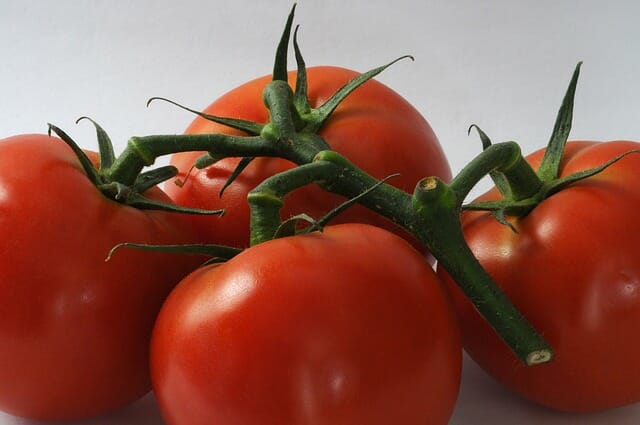
They are the pride of summer gardeners and the mainstay of many Italian dishes. They also add texture and flavor to sandwiches. People all over the world love tomatoes. In fact, contrary to what you might expect, China reigns as the top tomato producer with 34 tons each year.


Believed to have originated in Mexico, the tomato is the fruit of the plant with the botanical name Lycopersicon esculentum. Although they are most frequently recognized for their bright red color, tomatoes can come in yellow, orange, pink, green, purple, brown and even black. They also vary greatly in size and shape, from the large beefsteak to the tiny cherry size.


Although they are technically a fruit, tomatoes are often prepared and served as a vegetable. They have a slightly bitter and acidic taste that becomes rich and warm when cooked. However you choose to consume them, tomatoes are one of the world’s healthiest foods.


Fast, All-Natural Pain Relief With No Nasty Side Effects!


Here are seven health benefits tomatoes can provide.


1. Heart and blood health – Tomatoes are rich in potassium, which helps maintain your body’s nervous system and which is associated with a reduced risk of stroke. They’re also rich in iron, which is important for healthy blood. In addition, tomatoes are abundant sources of Vitamin K, which is necessary for blood clotting and for bleeding control.


The folic acid in tomatoes helps regulate your body’s homocysteine levels, which help lower your risk of heart disease.


The lycopene in tomatoes also offers protection against cardiovascular diseases. The regular consumption of tomatoes has been linked with lower levels of LDL (bad) cholesterol and of lower levels of triglycerides in the blood.


Consuming a tomato daily also reduces your risk of developing hypertension, or high blood pressure. As a vasodilator, potassium helps reduce the tension in blood vessels and arteries, helping to improve circulation and lowering the stress on the heart.


2. Vision – The rich content of Vitamin A in tomatoes contributes to eye health. As a powerful antioxidant, Vitamin A helps prevent night blindness and macular degeneration.


The lycopene, lutein and beta-carotene in tomatoes help protect your eyes from developing cataracts.


3. Digestion — Tomatoes are loaded with fiber and water, both of which can help you have regular bowel movements. Eating tomatoes helps prevent jaundice and works to remove toxins from the body.


4. Diabetes — The high fiber content of tomatoes is beneficial for people who have diabetes. A Journal of the American Medical Association study found that people who consumed tomatoes on a daily basis had a reduced risk of the oxidative stress associated with Type 2 diabetes.


Other research indicates that people with Type 1 diabetes who eat high-fiber diets have lower blood glucose levels, and people with Type 2 diabetes may experience improved blood sugar and insulin levels.


8 Health Benefits Of Tomatoes You Probably Didn’t Know

Image source: Pixabay.com


5. Skin – Eating tomatoes regularly also may help your skin. Vitamin C consumption is associated with protection from exposure to potential damage from sunlight, pollution and smoke. Your skin, hair and nails are all reliant on vitamin C to remain strong and healthy.


6. Urinary system – Because of the antioxidants they contain and their high-water content, tomatoes can help prevent urinary tract infections. The regular consumption of tomatoes also can help maintain a healthy gallbladder.


7. Cancer – A single tomato can provide you with 40 percent of your daily Vitamin C requirement. As a natural antioxidant, Vitamin C may help protect against certain forms of cancer. In addition, the lycopene in tomatoes may help prevent prostate cancer, stomach cancer, cervical cancer and pharynx and esophageal cancers.


Just 30 Grams Of This Survival Superfood Provides More Nutrition Than An Entire Meal!


The high presence of vitamin A in tomatoes can offer some protection against lung cancer. Additionally, tomatoes contain coumaric acid and chlorogenic acid, which can help protect the body from carcinogens produced from second-hand cigarette smoke.


8. Bone health — Tomatoes contain calcium and Vitamin K, both of which contribute to strong bones and bone tissue.


Of course, there always can be a case of too much of a good thing. People who have gastro-esophageal reflux disease (GERD) may experience heartburn and regurgitation after eating tomatoes, largely due to their high acidic content.


Also, tomatoes, especially cherry tomatoes, are high on the list of foods that frequently are sprayed with chemicals by non-organic farmers. Because of that, the Environmental Working Group suggests that you purchase organic tomatoes or grow your own tomatoes organically.


Are you wondering how you can add more tomatoes to your family’s diet? Here are a few ideas to get you started:


  • Make a Caprese salad with fresh tomato slices, mozzarella cheese and a drizzle of olive oil and balsamic vinegar. Top with fresh basil.

  • Spread smashed tomatoes on sandwiches instead of butter or mayo.

  • Scramble chopped tomatoes into eggs or use them to top an omelet.

  • Roast tomatoes in the oven along with potatoes or veggies.

  • Make your own fresh tomato sauce.

  • Stir-fry tomatoes on the stove.

  • Add sliced tomatoes to a grilled cheese sandwich.

  • Add fresh tomatoes to your next smoothie instead of water.

Have you discovered other ways tomatoes can benefit your health? Share your tips in the section below:

Thursday, April 20, 2017

7 Little-Known Tomato-Growing Tricks You Should Try This Year

7 Little-Known Tomato-Growing Tricks You Should Try

Image source: Pixabay.com


Tomatoes are one of those things that just about everyone – from the most novice of gardeners to the most experienced – likes to grow.


So, it’s no wonder that new varieties are constantly being bred and that everyone and their neighbor has advice on how to grow the biggest, juiciest and most delicious tomatoes on the block.


We have combed through the advice and found seven of the best tips for getting an amazing tomato harvest this year:


Tip No. 1: Choose indeterminate varieties


If you are growing tomatoes in a compact space such as an apartment balcony, then you may want to choose determinate tomatoes, as these plants are compact and will stop growing once fruit begins to appear.


But if you’ve got the space and you’re looking for a big yield, it is best to choose indeterminate varieties, as they will continue growing and producing fruit throughout the season.


Tip No. 2: Plant horizontally


Especially for the new gardener, this tip may sound counterintuitive. But whether you have bought a plant from a nursery or whether you are transplanting your own seedlings, tomatoes do better when they have been planted in the ground horizontally.


To do this, dig a shallow trench and lay the seedling on its side, covering up all but the top leaves. (Remember to strip off any leaves on the parts of the stem that you are burying.)


Following this advice will help your tomato plant develop a bigger root ball – and that means more tomatoes for you!


Tip No. 3: Side-dress with compost


Side-dressing is simply adding more nutrients (fertilizer or compost) around your plants. Once your plants start to flower, side-dress them with about two inches of compost and the next time it rains or when you water your plants, nutrients from the compost will be carried to the roots.


You can repeat this process every three weeks or so.


Tip No. 4: Use seaweed


7 Little-Known Tomato-Growing Tricks You Should Try

Image source: Pixabay.com


To be at their best, tomato plants require a lot of nutrients – and if you want to garden organically, then seaweed fertilizer is a good option. Seaweed contains nitrogen and many other important minerals such as iron, zinc and potassium. Fertilize your plants with a diluted seaweed or kelp solution every other week and it will help stimulate growth and fend off disease.


Seamazing: The Low-Cost Way To Re-mineralize Your Soil


Seaweed also can be used as a mulch near the bottom of your tomato plants. Keep in mind, however, that as it dries out it will shrink to about a quarter of its original size – so four inches of mulch will give you one inch once it has dried out. An advantage to using seaweed as a mulch is that because of its saltiness, it acts as a natural slug repellent.


Tip No. 5: Keep young plants warm


Tomato plants that are exposed to temperatures below 55 degrees Fahrenheit will not produce fruit. If you find you’ve planted your seedlings a bit too early, or if you get some surprise cool nighttime weather, protect your plants with row covers overnight until the weather warms up.


If you do not have row covers, you can improvise using some tomato cages and old blankets. Just be sure to uncover again in the morning.


Tip No. 6: Harvest regularly


The moment of truth in tomato gardening comes when the delicious fruit begins to ripen. Once it appears that you are close to getting a ripe tomato, check the vines every few days and harvest as necessary.


This will help your plants to produce higher yields because the plant’s energy will be focussed on producing new fruit rather than on tomatoes that are already ripe.


Tip No. 7: Rotate your crops


To help keep your plants free of disease, you should wait at least three years before planting them again in the same spot. Tomatoes can be rotated with unrelated crops like lettuce, beans and corn. They should not be rotated with other members of the nightshade family like potatoes, eggplants or peppers.


What tips would you add to our list? Share your thoughts in the section below:

Tuesday, November 1, 2016

The Old-Timer’s Secret Way To Remove Skunk Odor (Hint: It’s Not Tomato Juice)

The Old-Timer’s Way To Remove Skunk Odor (Hint: It’s Not Tomato Juice)

Image source: Pixabay.com


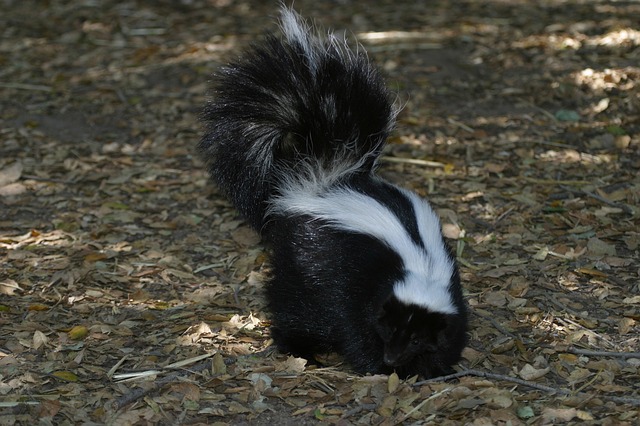
It’s nearly winter, which means skunk families will be moving in close to food supplies. This means your chicken coop, sheds and barn. With these stinky creatures so close, it’s a matter of time before the family dog gets sprayed or worse yet, the person who startles them. Knowing how to effectively remove skunk odor will come in handy.


When outside I’ve seen skunks just leaving the chicken yard. I always make sure to give them plenty of leeway, but sometimes the farm dog doesn’t!


Buddy was a chocolate lab we had several years ago. Bless his heart — he loved everything and everybody. We often found him loving up and protecting fawns, calves and rabbits. He even tried to love a skunk … once.


He saw it leaving the barn and went to check it out. Maybe he thought it was a cat. Anyway, he did his best “let’s be friends” routine but was only rewarded with a dastardly dose of skunk spray. I just couldn’t stop him in time.


Discover More Than 1,100 Homesteading Tips And Tricks!


Did I mention Buddy slept indoors? Well, I couldn’t wait for the smell to wear off, so I turned to the time-honored remedy of my family.


We’ve used raw, organic apple cider vinegar on our homestead for all kinds of things. This was the first time in many, many years we had to use it to remove skunk odor, but I was sure glad we keep it made and on hand for just such an occasion.


You can use straight apple cider vinegar (ACV) and rinse your dog well immediately. Be aware, though, that ACV may burn sensitive skin. If your dog has this problem, then you should use a dilution of two parts water to one part ACV. Be careful around the face, as it will burn the eyes and nose.


The Old-Timer’s Way To Remove Skunk Odor (Hint: It’s Not Tomato Juice)

Image source: Pixabay.com


Wear clothes you don’t mind getting dirty (and smelly). You can soak the clothes in white vinegar or ACV for a few hours and wash with hot water to remove the odor. It may take more than one soaking, depending on the how strong the oils from the spray are.


Wet your dog thoroughly before applying ACV or the ACV dilution. Work it through the hair and saturate to the skin. Let it sit on the dog for at least five minutes before rinsing well. If the dog was close enough to the skunk for the oils to be concentrated in the spray, you may have to repeat a second time.


Another Recipe


I like to learn everything I can from old-timers. I could sit and sip coffee all day while they share their experiences with me. One of my favorites, Mr. Ted, shared how he would remove skunk odor after I told him about Buddy’s run-in with the stinky-stripped scoundrel.


Here is his recipe:


Mix thoroughly in a jug or bucket:


  • 1 quart hydrogen peroxide – 3 percent or higher

  • ¼ cup baking soda

  • 1 teaspoon liquid dish soap

Wet your dog thoroughly, and then apply the mixture to saturate to the skin. Let it sit for at least five minutes and rinse well. You may have to repeat if the oils are concentrated.


Fast, All-Natural Pain Relief With No Nasty Side Effects!


As with ACV, be careful around the face. This solution has to be mixed just before you use it.


Remove Skunk Odor From Yourself


Both of these recipes for removing skunk odor will work on people and clothes. I’ve never been sprayed and hope to never be, but if I were, I would certainly use one of these to remove skunk odor from myself.


We’ve all been told to use tomato juice, lemon or orange juice. These don’t work as well. Tomato juice may be slightly effective, but it would take several baths to make any real difference. Can you imagine how much tomato juice it would take to coat a dog or cover a human body multiple times?  


I hope you never have to use either of these to remove skunk odor but if you do, at least you’ll be prepared and effective.


What recipes have you used to remove skunk odor? Share your tips in the section below:


hydrogen peroxide report