Showing posts with label bitter. Show all posts

Monday, September 25, 2017

How To Turn Bitter Acorns Into Delicious Nuts, Butter And Flour

How To Turn Bitter Acorns Into Delicious Nuts, Butter And Flour

Image source: Pixabay.com


A variety of oak trees across North America produce acorns that usually mature in early to late fall. The size and shapes vary — and so does the flavor. There are basically two types of acorns: bitter and sweet. What makes an acorn bitter is a chemical referred to as tannins, or tannic acid. Certain oaks, like red oaks, have the highest amounts of tannins, while burr oaks and white oaks have less.


Any acorn should be processed to leach out tannins, regardless of whether they are bitter or sweet. The fundamental process involves either a boiling water bath or cold-water bath to remove the tannic acid. This process can take a couple of days up to a week or more, depending on the amount of tannins in the acorns.


The Hot-Water Bath


To leach the tannins out of acorns quickly, the acorns are immersed in gently boiling water. Only brown mature acorns should be used. Green acorns won’t work, and have on off-taste. The mature acorns are typically found on the ground, while those still on the tree tend to be green. The caps are removed from the acorn and a slit is cut in the side of the acorn. Sometimes you can peel the skin off the acorn after cutting this slit, but usually they need to be boiled for a while before the skin can be easily removed.


Finally, A Backup Generator That Doesn’t Require Gasoline!


To determine when the acorns have been sufficiently soaked, a simple taste will do. If it tastes bitter, then continue the slow boil and change the water every couple of hours. You’re trying to get rid of the tannins and without this water change you’ll simply reintroduce the tannins into the acorns.


The Cold-Water Bath


Some people feel that the hot-water leaching process removes much of the flavor from the acorn. The alternative is a cold-water soak, but this will take much longer. The acorns are again prepared by removing the caps from the mature acorns and cutting the slits. The acorns are then soaked for days at a time with water changes occurring at least daily if not twice a day. Here again, a quick taste of the acorn will tell you when they have been sufficiently soaked.


Drying the Acorns


After any type of soaking, the acorns need to be dried. This can be done by putting them on a tray in the sun or gently roasting them in the oven at 225 degrees Fahrenheit. Once again, a taste test will tell you when the acorns are sufficiently dry.


Storing Acorns


The best way to store acorns after they are dried is in a canning jar in the refrigerator or a root cellar. The shelf life will vary from a week to months, depending on how well they have been dried and the variety. Keep an eye on them if you have stored them and if you see any sign of mold or notice a mildew smell, discard them.


Roasting Acorns


To roast acorns, I’ll usually give them a quick rinse in cold water and then roll them around in some salt. Place them on a baking sheet and roast at 350 degrees for one hour. Taste them after an hour until they suit your taste and have the texture you want.


Chopped Acorns


Chopped acorns can be used as a topping on desserts, incorporated into baked goods or tossed onto a salad for some added crunch. They can either be chopped on a cutting board with a knife or in a food processor. The size of the chop is up to you.


Acorn Butter


To make acorn butter, continue to chop until the acorns begin to develop a smooth consistency. This can take a while depending on the acorn variety and the amount of oil in the acorns. You can easily combine different varieties to make an acorn butter blend.


Acorn Flour


The best way to make acorn flour is to chop them fine and then run them through a flour mill. You could also try to use a food processor, but the acorns will need to be very dry or you’ll end up with another batch of acorn butter. If you want to make sure the acorns are extra dry, take the chopped acorns and roast them on a baking sheet in the oven at 225 degrees for a couple of hours. Toss them from time to time on the baking sheet to expose as much of the surface area to the heat. You could also put them on a paper towel in a food dehydrator to dry them out for flour making.


To bake with acorn flour, use it the same way you would use conventional flour but the addition of some regular flours like all-purpose flour or bread flour will help with the consistency and rise.


Competing With the Squirrels


When harvesting acorns, look for the acorns that have no split in the outer shell or any sign of insect damage. It’s okay if the caps have fallen off, but avoid the ones with splits in the shell or green ones. You’ll also have some competition from squirrels when it comes to finding acorns on the ground. Squirrels love acorns, but they also prefer the relative safety of a nearby tree. If you see an oak standing out in a field un-surrounded by other trees, your odds of beating the squirrels will improve. Typically, a squirrel won’t travel farther then 30 yards from the nearest tree. An isolated tree is less likely to have any visits from squirrels and the acorns will be plentiful.


How do you prepare and eat acorns? Share your tips in the section below:

Friday, July 28, 2017

The Delicious Edible Weed That Doesn’t Get Bitter, Is Packed With Vitamins, And Grows EVERYWHERE

The Edible Weed That Doesn’t Get Bitter, Is Packed With Vitamins, And Grows EVERYWHERE

Image source: Pixabay.com


We tend to take weeds for granted. We spray them, pull them out and either compost them or simply toss them in a field. Unfortunately, we’re often tossing away nature’s bounty.


We’ll pay a premium for spinach or kale but lose sight of the fact that many plants like dandelions, plantain and purslane have equal nutritional value.


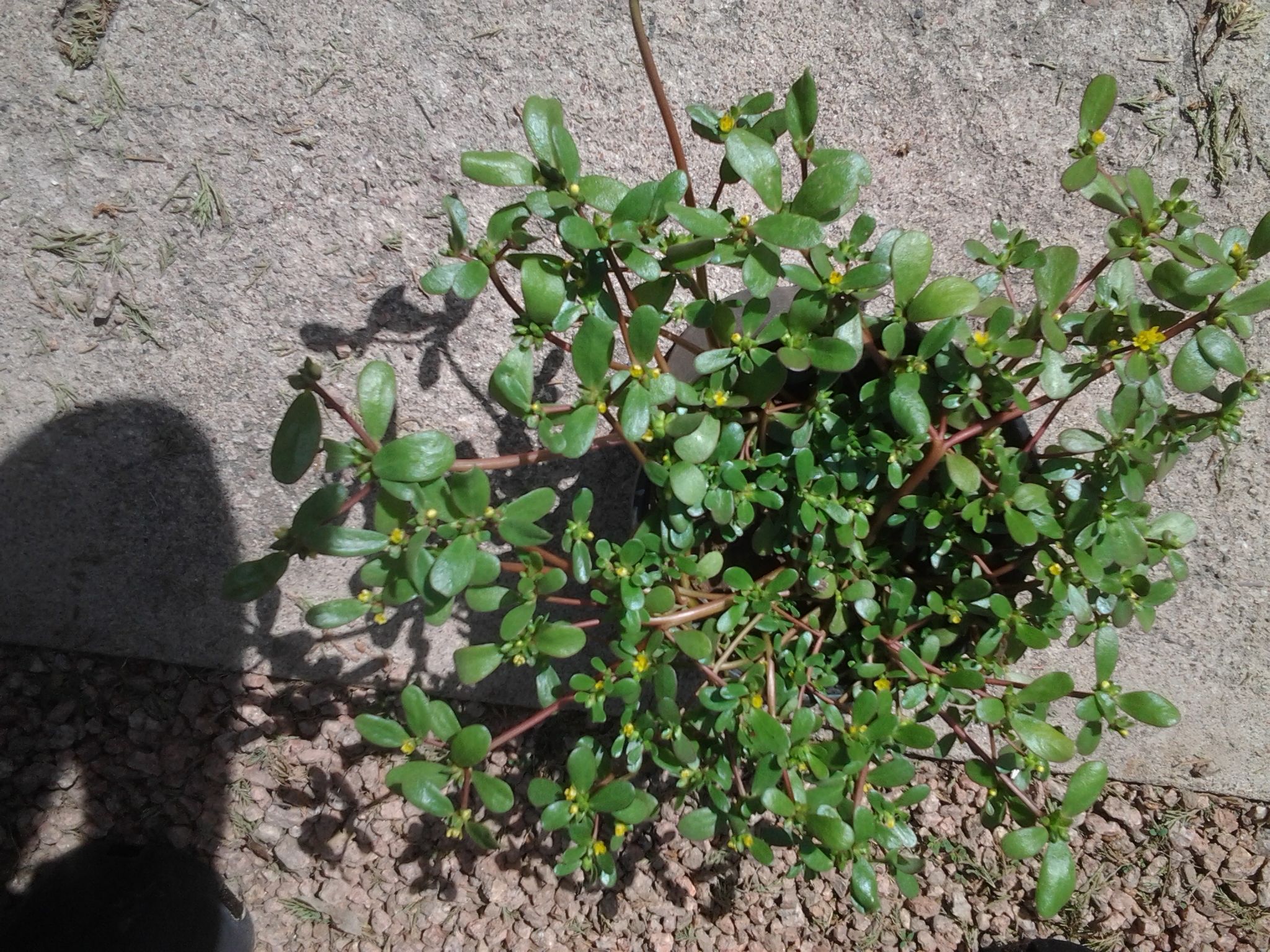
In fact, purslane not only equals the nutritional value of spinach and kale, but it also has a semi-sweet, salty and succulent flavor. Dandelion leaves and plantain leaves can acquire a bit of bitterness once they begin to flower or go to seed. Purslane is different.


That’s because purslane is a succulent plant. It is related to the cactus and absorbs water, which gives it a refreshing taste and flavor. Unlike the cactus it has no needles and when chilled makes a great addition to a tossed, green salad and will stand up to the boil of a soup or broth.


Just 30 Grams Of This Survival Superfood Provides More Nutrition Than An Entire Meal!


Purslane is high in omega-3 fatty acids and contains vitamins A, B, and C, and magnesium, calcium, potassium and iron. It’s also an excellent source of fiber.


Here are the official nutrition facts on a serving of purslane:


PrincipleNutrient ValuePercentage of RDA
Energy16 Kcal1.5%
Carbohydrates3.4 g3%
Protein1.30 g2%
Total Fat0.1 g0.5%
Cholesterol0 mg0%
Vitamins  
Folates12 µg3%
Niacin0.480 mg3%
Pantothenic acid0.036 mg1%
Pyridoxine0.073 mg5.5%
Riboflavin0.112 mg8.5%
Thiamin0.047 mg4%
Vitamin A1320 IU44%
Vitamin C21 mg35%
Electrolytes  
Sodium45 mg3%
Potassium494 mg10.5%
Minerals  
Calcium65 mg6.5%
Copper0.113 mg12.5%
Iron1.99 mg25%
Magnesium68 mg17%
Manganese0.303 mg13%
Phosphorus44 mg6%
Selenium0.9 µg2%
Zinc0.17 mg1.5%

Both the leaves and stems are edible, which also sets it apart from other “wild” weeds. I’ve even incorporated purslane leaves into deli salads like potato salad, egg salad and tuna salad to give a burst of freshness and flavor. You also can eat purslane on its own. It has a burst of flavor when chilled.


The Edible Weed That Doesn’t Get Bitter, Is Packed With Vitamins, And Grows EVERYWHERE

Image source: Wikipedia


Purslane grows close to the ground and needs to be washed and rinsed a couple of times. As a low-growing plant it tends to pick up a lot of dirt, dust and those ever-present bugs. Once you’ve washed and rinsed your purslane harvest, you can easily store it in the crisper in your refrigerator. It keeps fairly well in a plastic bag or tied into a bunch with a rubber band.


If you’ve never tried purslane, here are a few easy ways to enjoy it and some ideas about how to add it to many of the things you eat.


Purslane Salad


I usually toss a cup of chopped purslane into a chopped green salad and top it with an apple-cider vinaigrette of a ½-cup of oil, a cup of apple-cider vinegar and a tablespoon of water with about a half-teaspoon of salt and a half-teaspoon of pepper. You also can eat the purslane salad on its own if you can harvest enough of it.


Purslane Soup


Bring 4 cups of chicken broth to a boil and add a cup of noodles and when the noodles are done add a cup of chopped purslane leaves and stems for 2 minutes.


Bacon Fried Purslane


Fry 6 strips of bacon until crisp and then drain on paper towels. In the reserved drippings toss chopped purslane leaves and stems. Chop the bacon and top the purslane with the bacon bits.


Growing Purslane


Growing purslane is surprisingly easy. The seeds are simply cast on the top of dry soil, and they germinate quickly. Purslane cuttings of the stems also will develop roots when watered. It’s a tough plant and grows in the worst conditions, which is why it’s considered to be a weed by so many gardeners. But once you get to know purslane, your view of it surely will change.


What advice would you add on eating purslane? Share your tips in the section below:


Harness The Power Of Nature’s Most Remarkable Healer: Vinegar

Saturday, November 5, 2016

Scientists Develop a Milk Chocolate as Healthy as Dark Chocolate

A lot of people love dark chocolate, but let’s face it – the bitterness and lack of milky sweetness is sometimes a turn-off. What dark chocolate sometimes lacks in flavor, it makes up for in health benefits. But now scientists have come up with a way to make milk chocolate as healthy as its dark counterpart.


Researchers from the University of North Carolina took phenolic compounds from peanut skins, turned them into a sweet edible powder, and added them to milk chocolate to alter the health benefits of the product. [1]


Phenolic acids are what give dark chocolate its antioxidants. These antioxidants protect against cellular damage from the oxidative stress of free radicals. Oh, but we’re just getting started.  Nibbling on a piece of antioxidant-rich dark chocolate comes with some pretty sweet health perks, including:


  • Reduced signs of aging

  • Lower risk of Alzheimer’s, multiple sclerosis (MS), heart disease, and cancer

  • Stroke prevention

  • Decreased risk of colon cancer

  • Enhanced glucose (blood sugar) metabolism

  • Improved mood

  • Improved brain function

  • Fewer PMS issues

In the souped-up milk chocolate, researchers used the food additive maltodextrin to cut the bitter flavor from the peanut skins. The substance is typically derived from GMO corn. Tapioca maltodextrin is considered safer, but it’s harder to come by and rarely used by the food industry. The researchers didn’t specify which type of maltodextrin they used, but it’s safe to assume it was corn-derived. [2]


Used as a food filler, thickener, and preservative, the U.S. Food and Drug Administration (FDA) considers maltodextrin safe for human consumption. However, it is known to spike your blood sugar, so it’s not safe for people with diabetes or insulin resistance.


In all fairness, though, most commercially-made milk chocolate already contains maltodextrin.


Eighty people were given samples of the milk chocolate containing the compounds and regular milk chocolate, and the taste-testers couldn’t tell the difference, the authors wrote in the Journal of Food Science. [1]


The tests revealed that the amount of peanut skins needed to transform the chocolate was so minimal that people didn’t even notice their presence.


Lead author Lisa Dean said:


“If applied to commercial products, peanut skin extracts would allow consumers to enjoy mild tasting products and have exposure to compounds that have proven health benefits.”


Another perk is that it makes use of peanut skins that would otherwise be considered food waste.


Sources:


[1] Independent


[2] Newser


Storable Food


About Julie Fidler:


Author Image
Julie Fidler is a freelance writer, legal blogger, and the author of Adventures in Holy Matrimony: For Better or the Absolute Worst. She lives in Pennsylvania with her husband and two ridiculously spoiled cats. She occasionally pontificates on her blog.