Showing posts with label ancestors. Show all posts

Monday, January 22, 2018

Crazy-But-Smart Ways Our Ancestors Stayed Warm During Winter

Crazy-But-Smart Ways Our Ancestors Stayed Warm During Winter


For homesteaders, going outside in the cold to care for livestock or bring in firewood is just part of the life. Fortunately, it takes just a few minutes to put on coveralls, gloves, jackets and boots that are well-insulated without being bulky.


But for our ancestors who lived without the convenience of thermal underwear and even heated jackets, staying warm took a bit more effort and a lot more thought. Materials up until the 1970s were primarily naturally sourced (wool and cotton). It wasn’t until 1979 that the 3M company patented Thinsulate as a synthetic fiber insulation that became the inner layer to most commercial winter clothing.


For our ancestors, wool was the best fiber available due to its lower cost, better resistance to moisture and odor protection. Cotton was secondary to wool, because it loses insulation value and adds cold when fully soaked.


Dressing For The INDOORS


Our ancestors’ first rule of dressing for warmth has stayed the same throughout time: dressing in layers. For those in the early 19th Century all the way to the 1950s, this meant layers of linen, cotton, flannel and wool clothing.


Crazy-But-Smart Ways Our Ancestors Stayed Warm During WinterFor men of the times, even staying indoors usually meant long underwear made of white linen, socks and pants made of wool, and a long-sleeved shirt covered by a vest, sweater or another long-sleeved shirt of linen or flannel. Ladies and girls would wear knit hosiery, bloomers and linen shifts below dresses made of linens, flannels and wools. To add warmth, they could add wool socks or additional slips, and the usage of shawls and wraps was commonplace. Both men and women also wore shoes or house shoes to keep their feet off cold floors and also to prevent wear and tear on their socks and hosiery.


Outdoors: Feathers And Leaves?


Outdoor activities meant even more layers. Thicker socks, long coats, scarves, hats, caps and gloves were all useful in the fight to stay warm. Ladies could also wear hooded capes, wraps, mittens or ear muffs, to keep out the cold. Styles evolved over time, but the best for winter had overlapping flaps that blocked cold air from entering the front of a jacket and made it more difficult for air to navigate between layered clothing. Depending on how extreme the weather was, men would sometimes wear an extra pair of pants over their first pair. Anything to add an extra layer of protection from the elements. Farmers in the upper Midwest and Northeast were also know to stuff feathers, straw or even leaves in their pants and shirts for an extra bit of insulation.


Good footwear was also key to keeping warm when outdoors, and both men and women wore sturdy boots made of leather to keep their feet dry.


Coal When Traveling …


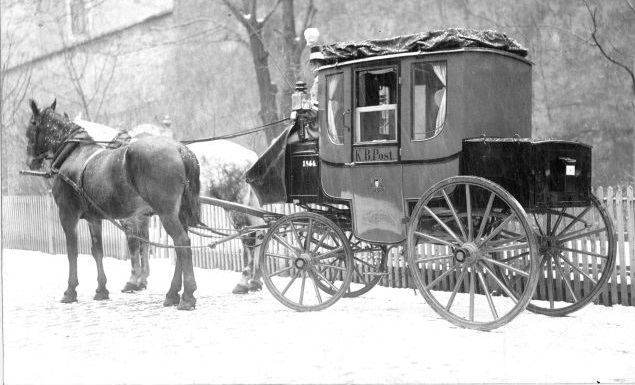
For our ancestors, even a trip into town during winter took careful planning to make sure everyone in the family stayed warm. When travelling by open sleigh, cart, carriage or wagon, not only did the passengers dress for the outdoors, but they would also bring quilts or blankets to tuck themselves in for an extra layer of protection. Families fortunate enough to be able to afford them, also used foot warmers heated with coal to keep feet warm during the cold, as well as umbrellas to protect them from rainy or snowy weather.


Sleeping Comfortably


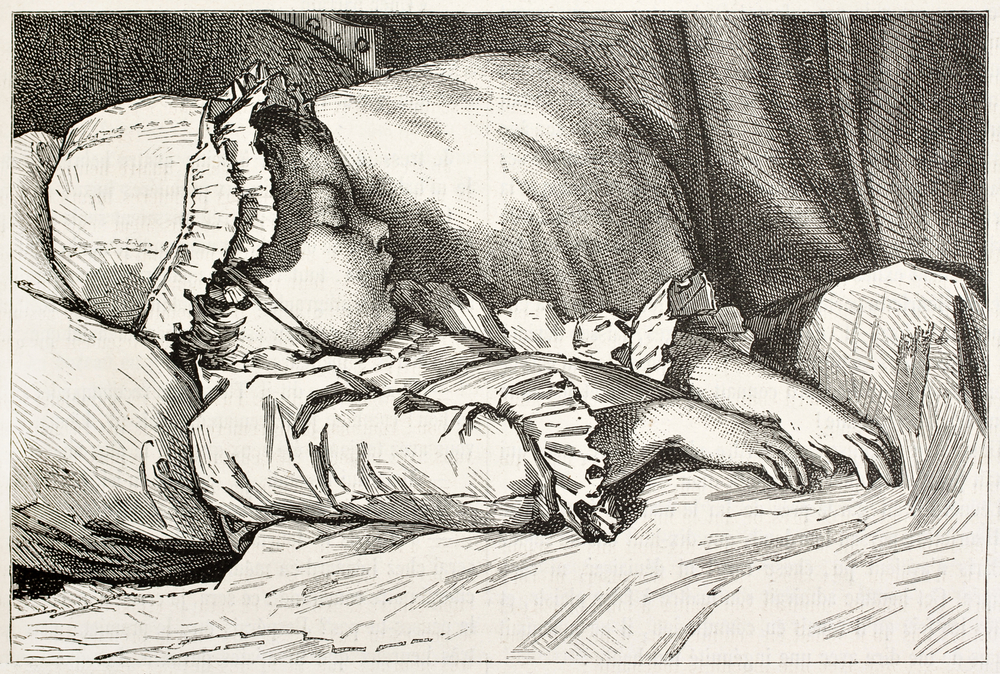
To sleep comfortably during cold weather, men and women both wore garments made of linen, flannel or cotton. Ladies usually wore night gowns, while men slept in long underwear or night shirts. Both men and women would wear a nightcap to conserve body heat, and possibly woolen socks, too. Extra quilts or blankets would also be layered on the bed to trap body heat.


Depending on the size of the family, members of the family may choose to sleep in the same room or even the same bed. It wasn’t uncommon for the children to share a bed or even for all the children to pile into one bed with their parents during the winter months to help conserve body heat.


In the late 1800s, pajamas became popular for men and boys, although women and girls stuck to the traditional night gown. It wasn’t until the early 20th century that ladies and girls also began to wear them.


Whether on the homestead doing chores or hibernating in the house trying to beat the cold, layering up has been the key to staying comfortable. In the foreseeable future, the same philosophy will most likely ring true regardless of the materials developed.


Do you know of other ways our ancestors stayed warm? Share your knowledge in the section below:

Saturday, October 28, 2017

Our Great-Grandparents Were Less Stressed. Here’s 10 Reasons Why.

Our Great-Grandparents Were Less Stressed. Here’s 10 Reasons Why.

“Family Grace.” Norman Rockwell


Life in the 21st century can get pretty hectic. Most people fill their days to the overflowing with jobs, commuting, kids’ activities, fitness goals, food preparation, home and garden maintenance, house chores, and more. Sometimes it almost feels like there is barely any time left to enjoy our families, and that can feel like a real loss.


If you are like me, you might wish you could just take a deep breath and slow things down a little. I am often inspired by the kind of life depicted in books and movies set in days gone by, and by stories told aloud about generations past – our grandparents and great-grandparents.


It seems that family life simply was different in the days of our ancestors, and that they even were less stressed. There are plenty of things they did back then that we do not do anymore, but maybe we should.


Let’s take a look:


1. Families ate meals together. Today’s helter-skelter schedules often make family mealtimes difficult to achieve, but just imagine the benefits of doing so. Spending time together, practicing social and conversational skills, and learning about one another’s passions and challenges might strengthen family bonds and help members grow as individuals.


2. Reading was a common pastime. Consider the benefits of reading — literature, pulp fiction, how-tos, classics, non-fiction, newspapers, westerns, mysteries, romances, memoirs and biographies — as an alternative to other forms of entertainment. Reading almost anything is useful for developing and maintaining language and critical thinking skills.


Discover 1,147 Tips & Tricks Of Successful Off-Grid Living!


3. Neighbors got to know neighbors. The people next door, down the block, the next farm over, and around the corner all have distinct personalities, strengths and quirks. We might become lifelong friends or we might keep them at arm’s length. They could turn out to be courteous and neighborly, or thorns in our side. But whatever they are like, we will never know if we do not give them more consideration than a cursory nod while we’re setting trash out by the curb once a week.


4. Families and friends played games together. A game of Monopoly, chess or crazy eights is a rewarding way to spend time with a loved one. Children learn about strategy, good sportsmanship and decision-making. Adults of all ages keep their wits sharp and their focusing abilities strong. And games are just plain fun!


5. People spent time with extended family. Getting to know a great aunt or a second cousin once removed is a great way to learn about family history and feel a sense of belongingness. Connecting with family members old and young enhances connectedness, instills familial pride, and creates valuable memories. Families are more geographically scattered than they were in days gone by, but that challenge can be offset by the ready accessibility of modern transportation.


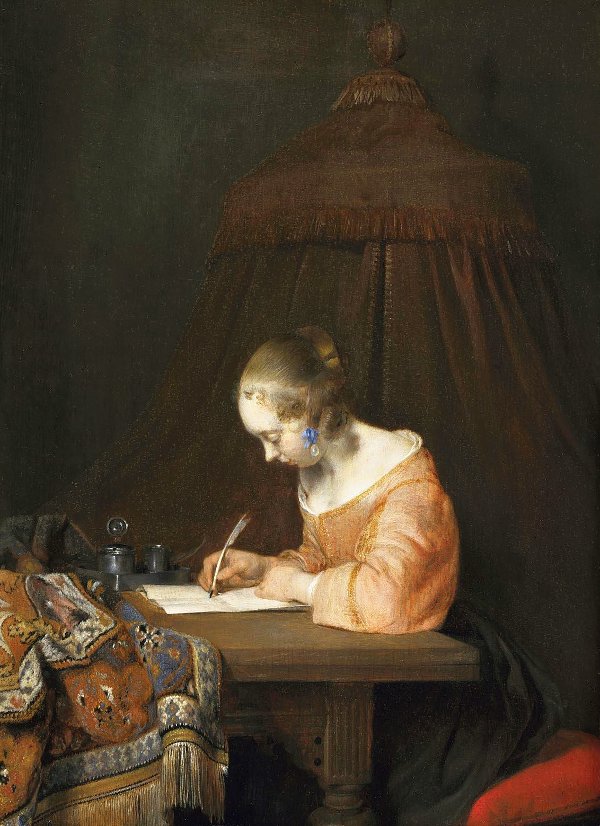
Artist: Gerrit ter Borch

Artist: Gerrit ter Borch


6. People wrote and received letters. Letter-writers of all ages could benefit from the practice of language arts, from spelling to composition to story-telling. How uplifting it would be to find something besides bills and junk mail in the mailbox, and what joyous anticipation in awaiting a reply from a cherished friend!


7. Families worked together. Group endeavors like raking leaves, tending a garden, washing dishes, cleaning the house, preparing meals, washing cars, caring for pets and livestock, and even doing errands all can turn into a win-win situation. Shared effort and goals can teach kids about the satisfaction of achievement and can give parents and older siblings the opportunity to serve as partners, leaders and mentors.


8. Active outdoor recreation took place in backyards and neighborhood parks. Long-distance destinations and cruise ships and theme parks are enjoyable. But in between those opportunities, it is an excellent idea to throw a ball or a Frisbee around on the lawn, play hopscotch on the sidewalk out front, ride bikes, play tag, fly kites and swing at badminton birdies.


9. Families were friends with whole families. When my mother and father went visiting, I went along. Sometimes the kids there were older or younger than me, but I made do. Looking back, I realize that the adults had to make do when their spouse’s best friend wasn’t married to their ideal friend, either. Of course, every family member should have the opportunity to spend time with their own choices of friends, but the social flexibility learned from spending time with a wide variety of people can be an enriching experience.


10. People talked face-to-face. In this day of social media and texting, imagine how refreshing a sit-down conversation now and then would be. Taking the time to focus on the person or people in the room, hearing their unique voices and accents and manners of speaking, seeing their body language, and sharing a physical presence, all adds up to a deeply personal method of communication with others.


We live in the modern age and cannot return to the days of old. Perhaps we would not even want to. But it might not be a bad idea to pull over into the slow lane every once in a while, try doing some of the things we do not do anymore, and enjoy life the way our ancestors once did.


What would you add to this list? Share your thoughts in the section below:


Harness The Power Of Nature’s Most Remarkable Healer: Vinegar

Wednesday, September 27, 2017

The 1800s Homemade Battery You May Need During A Collapse

The 1800s Homemade Battery You May Need During A Collapse


Ever wonder how our 19th-century ancestors maintained a strangely effective telegraph and telephone grid long before the days of highly efficient batteries? The short answer is that they did it through brute force and ingenuity. The long answer is something far more glorious, and even something the modern homesteader could draw inspiration from to create power for recharging small electronics or – in the event of a crisis — running low-power objects.


Now, don’t get me wrong: There is absolutely zero rational reason to recreate these old 19th-century batteries unless you have absolutely no other choice. You are best to stockpile modern-day batteries, solar chargers and survival gadgets, but there may come a time when any sort of cobbled-together battery is the best choice you can make.


The 1800s Homemade Battery You May Need During A Collapse

Image source: W1TP.com


Called a “crow’s foot” battery (or gravity battery) for the shape of its zinc electrodes, these batteries had a star-shaped copper base connected to a wire which created the positive voltage. The whole thing was installed in a large glass jar, full of copper sulfate as an electrolyte. Now so far, a clever prepper or survivalist should be able to scrounge the copper and zinc to make the electrodes, and the glass jar to put them in. But the copper sulfate solution may be harder to come by, although under the name “blue vitriol” it is sometimes sold to provide copper nutrients in animal feed and as an algae killer for pools. You may be able to scavenge that, or if you have access to about 6 volts DC, and sulfuric acid, there are means to make it through electrolysis. Clearly if you expect to survive through a societal collapse, it may be a rather good idea to either have a chemical stockpile before the government puts common chemicals on a watchlist, or make good friends with a chemist who knows how to make things from scratch.


Get Free Backup Electricity — That Works Even During Blackouts!


The 1800s Homemade Battery You May Need During A Collapse

The battery, with the parts separated. Image source: W1TP.com


But let us assume then that you’ve managed to come up with the ingredients for our ancestral battery. Just what can you do with it?


The early telegraph grid used batteries arranged in parallel, using a great many of these roughly 1.5- to 2-volt batteries to maintain the circuit. This array of batteries could be built on to provide sufficient amperage to transmit the telegraph, and later telephone signal over such distances as may be required. They were bulky, leaked electrolyte as they were discharged, and in general were somewhat messy. They were usually placed on a wooden table, with glass battery rest insulators underneath to provide insulation for the battery and also to catch some of the spilled electrolyte. All told, these batteries were crude, yet highly effective.


Coming back to the modern era, or an unpleasant future where you want to charge your small electronics or have some sort of power system for communication, creating these crude 19th century marvels will require dedication. But just what can you do with them?


Story continues below below


The 1800s Homemade Battery You May Need During A Collapse

Image source: MorseTelegraphClub.org


It really depends on how many you can make. Each battery is fairly low voltage and low amperage, and their output depends on the freshness and quality of the electrolyte as well as the quality of the electrodes. You will need a good mulitmeter to check voltage and amperage for each battery you manage to assemble. Personally, I think the primary value of these batteries is less in being able to charge up your pre-collapse iPhone (solar chargers do it much, much better) and more to run some sort of communication array.


Crazy Survival Gadget Makes Every Window A Powerful Solar Charger


If you get enough batteries going, you can connect them in series to run a low-power radio, or you can run them in parallel for your own telegraph or landline telephone system. They also have value in keeping low-draw LED lights on or as a supplemental source of power for other systems. Because of their large size, these batteries have a long life span, and if you are skilled enough to make them, you can salvage many valuable materials from them at the end of their life cycle to aid in making another battery.


These things are great if you have access to copper, zinc and sulfuric acid, and from there, the output of these batteries is limited only by your resources. I think they work best for providing low-voltage application in parallel, which could be used to maintain small electronics and rechargeable battery packs in a pinch, but I would focus most on using them to make your own communication grid as they were once intended.


The stark reality is that batteries are messy, and nothing can replace a stockpile of solar-powered products — or even a solar-powered generator. Still, it is good to be prepared for all circumstances. We have become culturally dependent on a myriad of electrical devices, and some of those devices can be crucial for communication during a collapse. If you have the ability to add obsolete skills to your skillset, then learning the batteries of the past may become a literal lifesaver.


What advice would you add? Share it in the section below: 


Are You Prepared For A Downed Grid? Read More Here.

Monday, August 28, 2017

You Wouldn’t Recognize The Poultry Your Great-Great Grandparents Raised

You Wouldn’t Recognize The Poultry Your Great-Great Grandparents Raised


For most homesteaders, having poultry is an important part of the lifestyle. We’ve all read the magazine articles about preserving our heritage poultry, and so we bring home flocks of gorgeous Rhode Island Reds and Welsh Harlequin ducks, trios of Royal Palm turkeys, and a pair or two of handsome Pilgrim Geese.


We enjoy our poultry flocks. After all, we are living like our forefathers, right? Well, maybe not.


What if I told you that most of the beautiful species of poultry we raise today weren’t even developed back when great-great granddaddy had his farm and worked the land?


For most of us, our great-great grandparents would have been living life in the 1800s. Whether your ancestors lived on farms or in town, pretty much everyone owned chickens. Dual-purpose chickens provided both eggs and meat, and for this reason most families of six had at least a dozen or more birds. Feeding your flock was mostly about free-ranging them in your yard and feeding them scraps. Occasionally, birds were supplemented with cracked corn, oats, barley or wheat.


Goose and duck flocks were managed in much the same way as chickens, and some breeds were developed to weed crops and orchards. Geese were raised for not only meat but also their feathers and down, which were used in pillows and mattresses. Duck owners enjoyed their meat as well as their eggs. Neither was widely raised until later in the century. In most areas of the country, ducks and geese were hunted rather than grown, most likely as a way to provide meat for the family without the time and expense of managing a flock. Duck meat has never really gained the popularity here that it has in Europe, due largely to the fact that chickens tend to be leaner and far more prolific.


Are Your Prepared For A Downed Grid? Get Backup Electricity Today!


For the farmer with larger fowl such as turkeys, the birds were primarily allowed to forage. Flocks were raised not only for meat, but also because of their remarkably large appetite for bugs. For this reason, they were often raised in orchards and in woodlots, where the birds also had space to roost in trees. During the winter, birds were supplemented with corn, oats, barley or wheat, much like chickens. Some old-timey turkey-raising manuals even suggest that farmers slaughter a hog as feed for their turkey flocks during the winter months as a way to provide extra fats and protein.


With turkeys being native to over half of the United States, there were plenty of small farms that preferred to hunt them rather than raise them. However, events such as the Mexican-American War and the Civil War impacted the wild populations of the Gould’s, Rio Grande and the Eastern Wild along the Southern United States.


The Breeds of Great-Great Grandaddy’s Day


Chickens


In the early 1800s, chickens were strictly viewed as a utilitarian bird. This meant that flocks largely consisted of crosses of the birds available at the time. One of the more common purebred birds was the Dominique, a dual-purpose bird with barred markings and a very good foraging ability. These handsome birds were often depicted in paintings from that era and are credited as being the oldest breed in America.


Immigrants to the New World brought along breeds such as the Hamburg and Polish, as well as crossed birds from their native countries. The Java also made its appearance in the early 1800s in the colors of black, white and mottled. From these birds of possible Asiatic descent, the Plymouth Rock was developed and made its first official appearance in 1835. English varieties such as the Dorking were imported into the United States around this same time, and by the 1850s “Hen Fever” had caught on to the point that even small farmers were venturing into new breeds. Some of these early imports included the Brahma, Cochin, Orpington, and later on, the Leghorn. By the end of the century many breeders, farmers and enthusiasts were tinkering with creating their own breeds, and we see the emergence of the Winnebago (modern-day Silver Laced Wyandotte), Jersey Giant, Buckeyes and Rhode Island Red.


For our ancestors, the importation and creation of new breeds created larger, often more robust animals that produced better meat and more eggs. Imports were expensive, and a common practice of those early days was to buy a rooster of imported blood and breed it into an established flock. Since hens were allowed to go broody and hatch their own chickens, it took a relatively short amount of time to completely change the landscape of chicken raising in the U.S.


Ducks


The first domesticated ducks in American are believed to have been the Aylesbury from England and the Huttegem from Belgium. While I could find very little about the Huttegem, the Aylesbury is still a very popular breed in England and is prized for its delicious meat and good egg laying ability. Both breeds were not uncommon in New England during the 1800s, and small farms throughout the Midwest usually had a combination of these breeds crossed with domesticated wild mallards.


In the early 1800s, several new duck breeds emerged, claiming to be bred from native species that were caught and domesticated. Most never gained popularity and they disappeared. One in particular endured — the Cayuga duck. The Cayuga’s wild beginnings are often disputed, however, with many believing it actually to be a descendant of the Lancashire Black, which was common on farms in Lancashire, England, into the 1860s. Regardless of its start, the Cayuga was named after the Cayuga region of New York, and the breed was popular in the North East due to its hardiness and its personable, easy nature.


As “Hen Fever” ramped up and chickens began to be imported, a few duck breeds also arrived. In 1850, the Rouen entered the U.S. by way of England, and small poultry keepers rushed to add these heavy weight ducks to their small flocks in an effort to increase meat yields.


The late 1800s saw the importation of the Blue Swedish Duck, and near the turn of the century the first Pekin (or Peking) White ducklings arrived. From here, the U.S. saw the development of many other duck breeds well into the 20th Century.


Geese


Domesticated geese came into America in the early days of the first European settlers. These birds were most likely descendants of the wild Greylag goose, and/or descendants of the domesticated Roman goose.


Beyond birds bred for the small farm or homestead, geese were being bred in large numbers to be used to weed the cotton fields of the South. Descended from unknown birds that arrived during colonial times, these birds became their own breed, the Cotton Patch. Regardless, in my research I could find no truly distinguished goose breeds listed until the arrival of the Bremens (the modern Embden) in the early 1800s. We do know that the Cotton Patch goose was already being utilized in the south by this time; they just hadn’t yet been developed into a true “breed.”


Following the Bremens, Toulouse arrived during the mid-century and became widely popular in the Midwest due to their heat tolerance. In the later part of the century we see the arrival of both the African and Chinese goose, which descend from the wild swan goose of Asia. While the Toulouse flourished in America, the Africans and Chinese didn’t really catch on until much, much later.


Turkeys 


Domesticated turkeys in the Americas have an interesting history. The original turkey breed in America (domesticated) and most widely raised is the Bronze. These birds are descended from varieties brought by the first Europeans, crossed with the wild Eastern Turkeys. The resulting animals displayed Hybrid Vigor — being hardier, taller and much heavier than either. Stock from these crosses was retained and resulted in the breed we know today as the Heritage Bronze.


Sometime during the 1700s, the ancestors of the Norfolk Black (also called the Black Spanish) arrived. These birds descended from turkeys taken from Mexico to Europe in the 1500s and brought back to American with the early European Settlers. The birds were then crossed into wild Eastern Turkeys to make it what it is today. While they enjoyed popularity for a time, the breed had more or less fallen out of favor by the mid-1800s.


The Black was used in developing what some consider to be the first truly American turkey, the Narragansett. Developed in Rhode Island from wild Easterns and Blacks, they were considered THE turkey of choice from the Midwest to the Mid-Atlantic from the 1700s until their decline around 1900. They were the first breed to be bred and standardized for commercial production, and were popular on small farms and homesteads for their mild dispositions, large size and prolific breeding. Farmers raising these birds during the early 1800s claimed that a flock of a dozen hens could produce a flock of 100-200 birds in a single year!


Sometime right before the 1800s, the Chocolate turkey arrived from France. These birds were not quite as large or as cold-tolerant as the Northeastern breeds, but they became very popular in the Southern United States prior to the Civil War. They were a popular sight on small holdings and plantations alike, but with the desperate times of the war flocks were devastated to such a degree that they never really made a comeback.


About the same time that the Chocolate was arriving, a new breed was finding favor in the Northeast — the Holland White. It’s interesting to note that the Holland is not a Dutch bird as the name suggests, and is actually a mutant strain of the Heritage Bronze. They quickly found favor for being a bit smaller than the other breeds available at the time, and with their white pin feathers they quickly developed into a commercial breed. They were not as popular with small farmers and homesteaders as the other breeds.


In the late 1800s, the Bourbon Red (or “Bourbon Butternut,” as it was originally known) was developed, and if your ancestors lived in Kentucky or Ohio as mine did, this was the breed they raised. The striking red birds with white tail and wing feathers became very popular for their good growth and large size. They have remained popular into the 21st Century.


It’s worth mentioning that the Jersey Buff was also available during the 1800s, though its exact emergence is difficult to pin down. We do know that it was used in the development of the Bourbon Red, but truly never gained popularity and was considered to be extinct by 1915.


What is plain when researching these breeds is that our forefathers relied on poultry that could withstand the climate they were being raised in and reproduce effectively there. Birds that could serve multiple purposes were far more preferred than anything that was just merely pretty, and efficient foragers with good growth rates were a must. Our great-great grandparents simply didn’t have the time, money or energy to expend on stock that didn’t offer a good return.


What would you add? Do you know what types of breeds your ancestors raised? Share your thoughts in the section below:

Saturday, August 19, 2017

Your Ancestors Didn’t Sleep The Way You Do

Your Ancestors Didn’t Sleep The Way You Do | woman-sleeping-in-bed | General Health Special Interests


Nobody questions the importance of getting enough sleep. At minimum, it’s essential for rejuvenating the mind and revitalizing the body. But, what is enough? And what does it look like? Many people find they wake during the night and wonder if they’re suffering from a sleep disorder or other health issue. While that could be totally possible, it’s also possible that sleep may not be an all-night thing. In fact, historical records, centuries-old literature, and ancient references to sleep are all revealing a whole new way we should be looking at how we slumber.


Segmented Sleep: More Normal Than You Realize


If waking up during the night is a frequent “problem” for you, you might wonder if you’re suffering from insomnia or sleep apnea. “Segmented sleep” is a seemingly irregular sleep pattern that may not be a disorder at all, but a natural biological response that we, in modern times, have forgotten.


English scholar Roger Ekirch cemented the idea that our ancestors used to naturally “practice” segmented sleep, using their middle-of-the-night waking hours to pray, meditate, or finish chores around the home. [1] Roger Ekirch found references to “first sleep” and “second sleep” in literature, legal documents, and even letters written before the Industrial Revolution. The in-between hour or hours were usually spent in prayer, and many find it to be one of the most relaxing periods. This may be because this middle period between first sleep and second sleep is around midnight where the brain produces prolactin, a hormone that supports a feeling of relaxation.


Before Reaching for That Sleeping Pill, Consider This


Our natural biorhythms are governed by exposure to light and darkness. Before the introduction of the lightbulb, almost everyone scheduled their day around the rising and setting of the sun. When the sun rose in the morning, so did humans, and when the sun hit the horizon in the evening, we more than likely went to sleep around the same time. Our brain produces serotonin in response to sunlight, and this neurotransmitter provides an energetic, wakeful feeling. [2] In contrast, when we’re exposed to darkness–meaning no artificial light whatsoever–our brain produces sleep-regulating melatonin. Computers, television screens, smartphones, tablets, and every other source of light in the evening hours is artificially extending our waking hours and interfering with our neurochemistry.


Because of this, it is possible that the practice of segmented sleep naturally fell away from public knowledge. We stay up longer, produce serotonin when we’re not supposed to, and eat less-than-ideal food. All of which could be the reason why we usually sleep throughout the night without waking and view this as normal. Even most medical professionals and sleep specialists have never heard of segmented sleep and aren’t trained to handle this natural occurrence. So if this is happening to you, do a little more research into segmented sleep and its possible benefits before you reach for a sleeping pill. You may be more in tune with your ancestral rhythms than most people.


Do you wake up in the middle of the night? What do you do during that time? We’d love to hear your thoughts and insight!


References:


  1. A. Roger Ekirch. Sleep We Have Lost: Pre-Industrial Slumber in the British Isles. Am Hist Rev. 2001;106(2):343-86.

  2. Simon N. Young. How to increase serotonin in the human brain without drugs. J Psychiatry Neurosci. 2007 Nov; 32(6): 394-399.

Tuesday, February 28, 2017

3 Forgotten Ways The Pioneers Built Fires Without Wood

3 Forgotten Ways The Pioneers Made Fires Without Wood

Image source: Library of Congress


I’m fortunate to call the windswept prairie of the Great Plains my home. If you get out of farm country, it’s just grass as far as you can see. In fact, there are still places nearly unchanged since pioneers first tried settling this area more than 100 years ago.


Although quiet and expansive, there are real challenges to living in the plains. This rings especially true for a person who pursues knowledge in woodcraft. One of the biggest barriers to settling the plains was the lack of timber. Historically, people all around the world have overwhelmingly depended on wood as a natural construction material. The lack of trees on the prairie was one of the biggest obstacles pioneers faced when they looked into the Great American Desert. Wood was, and is, such a central part of our life, especially when forging a living from the land. Lack of timber seemed to make settlement nearly impossible.


While most Americans during the mid-19th century looked at the prairie as an inhospitable land, there were already people living happily in this treeless expanse. An array of Native American societies were established, each developing strategies for living a life that depend on wood as little as possible. Adventurous mountain men and explorers had also learned these lessons the hard way. They, too, knew how to survive in a land devoid of such a pivotal resource. One thing everyone on the plains had to know was how to build a fire without using wood as a fire fuel.


The Life-Saving Water Filter That Purifies River Water!


Even today, we can take a page from their book and remember there are other excellent fire fuels besides wood. Here are three examples of resources you can burn when heavy timber may be in short supply:


1. Buffalo chips/cattle manure


Buffalo chips is a reference to the dried manure of buffalo that once dotted our grasslands. Once dubbed as “Plains oak”, buffalo chips were widely used as fire fuel for generations on the plains. When cattle were brought north, their manure also was collected for the same purpose. Both sources were a very common source of fuel, and actually offered several advantages to wood fires. For starters, in such a dry environment, buffalo chips don’t throw sparks like wood fires tend to do. Manure fuels smolder more than they actually burn. The smoldering actually helps control the fire, rather than constantly setting the prairie ablaze.


3 Forgotten Ways The Pioneers Made Fires Without Wood

Image source: Pixabay.com


This smoldering characteristic also made buffalo chips ideal for burning in tipis and other natural shelters. Another advantage of using a fuel “cut by the cows” was the saved labor. Rather than spending hours cutting and splitting wood, people living on the plains simply gathered and stacked the chips. In a region so difficult to make a living, this saved labor would have been nice.


2. Woody shrubs


Although there is a lack of trees on the Great Plains, there are locations with an abundance of woody shrubs. Most prolific in my area are sagebrush and yucca. At times, these sources of fuel came in especially handy. One mountain man, Osborne Russell, kept a journal of his experience depending on sagebrush for fire.


Russell and a few companion’s horses had been run off, and the group was on foot. Back in those days, being afoot on the prairie was akin to a death sentence. They headed for an army fort they that lay across a sagebrush sea more than a week’s march. While making their way across the barren land, they carried little more than their rifles and basic gear. No blankets, no food, and none of the small comforts their rough lives knew. As they traveled, they shot buffalo when they came upon them and used the hides to sleep on. While caught in his sagebrush sea, a mix of rain and snow moved in upon the group. Russell’s account of the incident leaves no debate that the trip was miserable. After many, many cold and wet miles, the group finally safely walked into an army fort and survived the ordeal.


Along the way, though, the group needed to build a fire each day. With no wood in sight, they turned to a nearly endless source of fuel in the sagebrush. Russell noted that at times these fires consisted of no fuel larger than thumb size. Needless to say, it kept them alive in poor conditions.


Just 30 Grams Of This Survival Superfood Provides More Nutrition Than An Entire Meal!


Sage and other woody shrubs should not be overlooked for their potential as a fuel source. As with buffalo chips, small shrubs offer the advantage of keeping a fire small. Again, in a place that is so dry and windy, keeping your fire small is important. An old mountain man adage was “the bigger the fire, the bigger the fool.” By keeping the fire small, they not only limited the chance of spreading fire, but they saved labor and decreased their chances of being seen by those who meant to do them harm.


3. Animal fat


A final alternative fire fuel people utilized is animal fat. In the past, animals like bear provided not only meat for the larder, but fire fuel, such as for burning lamps. If the pioneers or Native Americans happened to be in an area devoid of animal manure or shrubs, fat would have been a viable option.


In my own experience, I’ve used raccoon fat as a fuel source while building a campfire. I can testify to its ability to put out some heat. A word of caution, though: Unlike the previously mentioned fuels, fat burns extremely hot and very fast. Just toss a bit of raccoon fat on the fire and step back. It is best used in small amounts; otherwise your fire could easily get out of control. Have a bucket of dirt on hand. (With a grease fire, water only would heighten the problem.)


Do you have any fire-starting advice? Share your tips in the section below:


Discover The Secret To Saving Thousands At The Grocery Store. Read More Here.

Wednesday, February 22, 2017

The Cheap, Easy-To-Make Survival Lamp Your Great-Grandparents Used

The Cheap, Easy-To-Make Survival Lamp Your Great-Grandparents Used


Imagine you are sitting in a log cabin, or perhaps hunkered down in a lean-to or some other makeshift shelter in the woods. It’s dark, and you’d like more light than your fire provides so you can do some chores.


Maybe you are mending your socks, or sewing a button back in place, enjoying a meal, or just trying to do a little reading before bed. Or maybe you are in a survival situation, and have lost modern means of lighting, or the grid has gone down, and your rural homestead still needs lighting. Or maybe you just like the tools and skills of the past. Either way, it’s dark and you want some light. There are a number of traditional means of lighting your home or shelter, ranging from kerosene lamps, to wax or tallow candles, to the often-forgotten tallow lamp.


Illumination through combustion was the first way our ancestors fought off the darkness, starting with fires and torches, and reaching a point of refinement with pressurized white gas and propane before the electric light won out in the end.


Until petroleum refining took off in the mid-19th century, natural fats and oils provided that illumination. In the Middle East, olive oil was a popular illuminating oil, and at one time, whale oil lit the homes of the well-to-do and wealthy in Europe and America. However, by and large for the common person, candles provided that light. But hunters, natives and the very poor knew of another light that could be as simple as placing melted tallow (a rendered form of fat) in a shallow dish and setting it alight, or using a bit of cloth or porous fiber, string, twine, etc., to serve as a wick. It is a traditional method of lighting that has existed for thousands of years.


Get 100,000 Hours Of Emergency Backup Lighting!


These very simple lights can be made from material readily found in the wilderness, and a tablespoon or so of tallow has been shown to provide useful light for about 45 minutes, making it perfect for working on evening tasks before bed, or even just a few minutes with your Bible or another book. Like all simple tools, the tallow lamp can seem more complex than it really is to our modern mind, so let’s take a look at a common way of making them.


Seashells were one way of holding the tallow, but you also could do it with a piece of bark, a stone with a hollow in it, a small dish, or really anything capable of holding the tallow. For a wick, an inch or two of simple string or twine will suffice, as will a strip of scrap cloth.


Melt the tallow and pour it around your wick (it can be laying sideways if needed), or even press unmelted tallow or fat around the wick. You also can run the wick through a button that will hold it upright in the pool of tallow (a so-called button lamp) and make it a bit more efficient.


What you get with just a minute or two of work is a crude, but effective, lamp. This would not be suitable as your primary lighting source unless you had no other choice, but it becomes invaluable for the stranded hunter or in a total societal collapse. (It’s a great way to use up rancid or heavily used cooking fats, though.)


One of the biggest drawbacks to the tallow lamp, aside from the low levels of light it produces and the fact that it is both smoky and can put out an odor, is that it demands the use of edible fats. You can make lamps along these lines with any kind of natural oil, and as we all know (or should know) fats are very important in a survival situation. Fat consumption provides valuable caloric energy, so this puts tallow lamps strictly in the realm of something to use when you have a sufficient fat supply.


Making tallow lamps isn’t hard. While they are not the greatest source of light, they are more than sufficient for personal use, and are a useful tool when you have no other source of light.


Have you ever made a tallow lamp? Share your tips in the section below:


Harness The Power Of Nature’s Most Remarkable Healer: Vinegar

Friday, February 17, 2017

Strange Winter Tricks My Ancestors Used To Stay Warm

Strange Winter Tricks My Ancestors Used To Stay Warm


When winter rolls around, most of us simply curl up in front of the wood stove or fireplace, or even turn on our electric blankets, but what would you do if those things were suddenly gone?


If the worst-case scenario occurred, would you know the ways that our ancestors stayed warm during winter? During those times, we might not be able to have a fireplace or a cozy home to sit out the winter months. So this might be a good time to familiarize yourself with the old-fashioned ways people have used to stay warm when they were outside.


Instant Heaters


My mother, during the depression, often took a hot baked potato to school, worn inside her coat. This helped keep her warm on her wintery walks to school.


“The Big Book Of Off The Grid Secrets” — Every Homesteader Needs A Copy!


Other warming items, which are easily heated in a stove or in a pot of boiling water, would be hot water bottles, rocks, bricks, flat stones, potatoes and even shoes or underwear! My mother often said that, before she got dressed, she put her underwear and shoes right next to the wood burning stove on a cold, icy morning.


‘Crazy Layers’


Dressing in layers — but not the types of layers you and I use — was perhaps one of the best ways our ancestors stayed warm. They weren’t too picky about what it was, either. Layers of items create air pockets which keep heat in and cold out. Today, we have a great selection of fibers to choose from, so we can put on a couple pair of silk undergarments and a synthetic coat.


Before these materials were invented, however, some of our ancestors knew how to do what my grandmother called “crazy layers.” This means wool long John’s or undershirts and leggings, perhaps several pair. If you had them, you wore multiple pairs of pants or several petticoats (or slips). Stories in my family say that my great-grandfather only had two pairs of pants, so he would put them on, stuff the hems into his socks and boots, and then he stuffed chicken feathers in between the pants for insulation!


Most women wore several layers of clothing, a couple of scarves and hats, along with fur-lined gloves. It was not uncommon to see women wearing blankets tied about their neck or across the shoulders. This left their arms free to work, but helped to keep them warm.


Even More Unusual Ways to Stay Warm


Strange Winter Tricks My Ancestors Used To Stay WarmOf course, we all want to believe that the truly desperate fights for survival are behind us. However, since none of us can foresee the future, we should at least be aware of some of the extreme, or at least unusual, ways that our ancestors stayed warm when dire circumstances were more common.


Get 100,000 Hours Of Emergency Backup Lighting


Sleeping next to or under animals is a good way to stay warm if need be. Yes, it’s true that sleeping under a cow or next to a couple of goats or sheep might not smell great and might not be all that comfortable, but it will surely beat freezing to death.


Also, in a pinch, you can use some of nature’s own insulating materials, such as leaves, hay, feathers, hair (such as horse hair), straw, dried grass and even pine boughs to insulate your clothing, make a shelter and provide a dry floor for bedding.


Let’s not forget that there are other things to burn besides wood. If you want a fire but can’t find wood, remember that you can burn most dried animal manure (cow, horse and buffalo “chips” are great for this), as well as bird nests, straw, hay, charcoal (partially burned wood), paper, cloth, tires and leaves.


I don’t know about you, but after thinking about burning cow patties to stay warm, I am really grateful for my wood burning stove and electric blanket right now!


Do you know of other ways our ancestors stayed warm during winter? Share your thoughts in the section below:


Harness The Power Of Nature’s Most Remarkable Healer: Vinegar

Thursday, February 2, 2017

Lard: Your Great-Grandmother’s Secret To Better Skin, Naturally

Lard: Your Great-Grandmother’s Secret To Better Skin, Naturally

Image source: Epic Provisions


Before the birth of the industrial cosmetic industry, people found other ways to improve their skin. Perhaps they realized that after continually handling meat in the kitchen, the skin on their hands was softer and smoother. Or perhaps they were just feeling adventurous with the leftover biscuit grease.


Either way, people for centuries – especially women — have been using lard as a facial cream. Lard is pork fat that has been rendered down to a liquid. Not only does it act as an exceptional barrier for locking in moisture, but it is also high in the vitamins that help keep skin healthy.


While the idea of rubbing pork fat on your cheeks might seem off-putting, think about this: Nearly all commercial skincare products are already made with some sort of animal fat. And massaging lard into your skin isn’t the same as rubbing bacon on your face. In fact, lard is incredibly gentle on skin, since it is so close to human skin in its chemical makeup.


The Secret To Making Powerful Herbal Medicines, Right in Your Kitchen!


So before you call that 1-800 number to purchase a $50 bottle of Anti-Aging, Acne-Erasing Wonder Cream, give lard a chance. This humble pork product has been proven to:


  • Reduce fine lines and wrinkles.

  • Tone and firm for a more youthful look.

  • Even out color and reduce redness associated with rosacea.

  • Reduce dryness associated with conditions like eczema (or winter weather).

  • Even out texture for a smoother, softer feel.

  • Improve acne and reduce pores.

If you are truly looking for a healthy and sustainable fix for your skincare woes, lard has the power to do everything that bank-breaking bottle of Lancôme does, and for the same price you could buy about 20 gallons of it!


Here’s Why it Works


When it comes to cellular makeup, pig lard is incredibly close to human skin. It has a similar pH and is made up of saturated and monounsaturated fats. One fact that skincare experts know: Oil dissolves oil. Since lard is so similar to our own skin oils, it’s a match made in heaven. As a cleanser, lard is a gentle and natural way to rid your face of that nasty sebum buildup and the daily dirt in your pores.


Pigs are extremely efficient at processing sunlight and storing it as Vitamin D in their fat. Fortunately for us, we get to enjoy our four-footed friends’ hard work when we rub that fat on our faces. Vitamin D helps to minimize dark spots and lines, reduce acne, and promote collagen production. This D-rich lard comes from pastured hogs that have been exposed to sunlight, so be sure to keep this in mind if you purchase your lard. Lard is also rich in omega-3 fatty acids, Vitamin E and Vitamin A.


There’s only one ingredient in lard: lard. Think about that next time your read your lotion label. If you can’t pronounce the words on the label, then you probably shouldn’t be putting it on or in your body.


Though convenient, most store-bought lard is hydrogenated and may contain preservatives. If you are going for a completely natural lard fix and you can’t render your own lard, then the best place to go is to your local butcher or farmer’s market. And for about $1 you can enjoy healthy, radiant skin for months. I haven’t seen a deal that good on any late-night infomercials.


How to Use it


Night is the time for our bodies to rest and restore. After your nightly washing routine, towel dry your face and dab a tiny bit of lard onto your cheeks and forehead. Massage it in well all over your face and neck. In the morning, wipe it away with a warm cloth.


Though some notice an instant improvement in their skin’s look and feel, for many this isn’t a simple overnight fix. My advice to you: Be patient! Going to bed smelling just a bit like a sausage may be discouraging (unless you really love sausage), but the end result will be well worth it. Those who have taken on the lard challenge have noticed a reduction in the signs of aging, improvement in skin elasticity, more even skin texture and color, fewer occurrences of acne, and softer skin.


If you’re tired of spending an arm and a leg on expensive chemical night creams or if you’ve simply tried everything without positive results, then I encourage you to give this age-old all-natural porcine remedy a try.


Have you ever used lard as a lotion or skin-softener? Share your tips in the section below:  


If You Like All-Natural Home Remedies, You Need To Read Everything That Hydrogen Peroxide Can Do. Find Out More Here.

Friday, January 6, 2017

8 Weird Ways Your Ancestors Kept The Bed Warm During Winter

8 Weird Ways Your Ancestors Kept The Bed Warm During Winter

Image source: Wikigallery


Our ancestors’ homes usually were heated by wood-burning stoves. While any wood stove will keep a certain space warm, the ability to heat a whole house – particularly one that is two stories — diminished with distance and range.


Sitting next to a fire is nice when the weather outside is -30 degrees Fahrenheit, but if you’re sleeping upstairs you’re going to feel far less heat and far more cold.


While some homes had the luxury of a second story fireplaces, most did not. As a result, our ancestors had to improvise numerous solutions to stay warm at night.


Some of these solutions were simple and some more complex. Some were temporary, while others were more permanent. Many of these solutions were used in combination on particularly cold nights. Still, our ancestors found some unique and even weird ways to stay warm at night when sleeping.


1. The “grate.” Homeowners would cut a hole between the first and second floor and insert a grate that would allow the hot air from below to rise into the second floor. It was far from forced-air heating, but it did offer some relief.


2. The hot-bed pan. Another solution was to take hot coals from the fire and insert them into a covered pan on the end of a long wooden handle and rub it over a mattress before sleeping.


Be Prepared: Get The Ultimate In Portable Backup Power!


It brought some wood smoke into the bedroom briefly, but that was and still is common in any home heated by wood. The heat was temporary, yet it took the edge off a cold bed when first turning in.


8 Weird Ways Your Ancestors Kept The Bed Warm During Winter3. The “nightcap.” If you’ve ever slept in a cold tent during winter, then you know the need for a “nightcap.” This was a head covering that could be a knitted cap or, in Artic climates, a fur cap. When the weather outside is frightful, keeping your body warm is only half the battle. A stocking cap or “nightcap” made a big difference.


4. Layers on layers of insulation. Layering is a common concept for anyone in winter, and layers of sheets, blankets and quilts made a sleeping arrangement warm and warmer. Goose down quilts were a luxury and often a necessity on bitterly cold nights.


5. Sleep with the dog. The shared body heat from a pet can help keep a bed warm at night — and the dog appreciates it, too.


6. Night clothes beyond pajamas. Most pajamas are made from a thin, lightweight material that serve more as a modest way to sleep.


Christian Heroes For Christian Kids: These Amazing Stories Are Putting God Back Into History!


Our ancestors didn’t mess around. Their night clothes were often heavyweight combinations of wool and thick, cotton flannel.


7. Snuggling. Families often slept together in the same bed, especially on cold, winter nights. The human body radiates heat at an average of 98.6 degrees Fahrenheit, and a combination of people in the same bed allowed the body heat to be shared.


8. Hot iron. This is potentially dangerous, but hot pieces of iron were sometimes heated on the top of a wood-burning stove or in a fireplace and then placed into a metal bucket. The bucket was then brought to the bedroom and placed on the floor or even under the bed. The radiant heat from the hot iron lasted for hours and helped to bring some added heat to a cold bedroom.


Of course, when all else failed, it was likely that a family would sleep downstairs in closer proximity to a stove or fireplace. This was a somewhat radical move, but when temperatures plunged far below zero, it was sometimes the only alternative.


Do you know of other ways our ancestors kept their house warm at night during frigid temps? Let us know in the section below:


Harness The Power Of Nature’s Most Remarkable Healer: Vinegar

Monday, December 19, 2016

15 Free-But-Forgotten Ways Our Ancestors Stayed Warm During Winter

15 Free-But-Forgotten Ways Our Ancestors Stayed Warm During Winter

Artist: Thomas Birch


Staying warm was not always as simple as flipping a switch or nudging a thermostat. In the days of our ancestors, it also was not as easy as loading and starting a pellet stove. It involved even more than hauling firewood in from a dry shed and loading it into a state-of-the-art woodstove.


With what were often limited resources, our grandparents needed to use common sense and ingenuity to augment whatever they used as a primary heating system.


Here are some of the “free” things they did to keep warm:


1. Wear sweaters and warm clothing. There probably were not many folks going around all day in short sleeves in the dead of winter. Instead of bringing the indoor temperature high enough to dress the same all year ‘round, they added on layers during colder seasons.


2. Acclimatize to cooler temperatures. When my aunt relocated to Florida several years ago, she laughed at the sight of joggers wearing earmuffs at 50 degrees. But by the next year, she, too, felt cold at higher temperatures than she had while living up north. In the same manner as my aunt became accustomed to warmer weather, so, too, can most people get used to cooler indoor temperatures during winter.


3. Stay active. I have hiked many mountains in cool weather, wearing only shorts and a T-shirt in temperatures as low as in the 40s. But sitting indoors at my computer, I reach for a sweater as soon as it dips below 70. Our grandparents may have moved around both in- and out-of-doors more than we do now, if for no other reason than to accomplish daily living tasks which we no longer do today. This higher level of activity contributed to keeping them warmer.


Get Free Electricity — And Never Be Without Power!


4. Wrap up. When they did curl up on the couch with a good book or relax with a hobby, our grandparents likely made good use of afghans, shawls and lap quilts. Rather than heat the whole room, it made sense to use warm covers to retain body heat during sedentary intervals.


5. Be conscientious about trips in and out of the house. Every time a door is opened, heat escapes. By planning ahead and limiting the number of times the door is opened, people in our grandparents’ generation were able to retain indoor heat more efficiently.


6. Use the oven for indirect heat. It goes without saying that baking anything other than necessities is a better idea on a cool day than on a hot one. And after the baking is done, it is useful to leave the oven door ajar to allow the heat into the room.


15 Free-But-Forgotten Ways Our Ancestors Stayed Warm During Winter

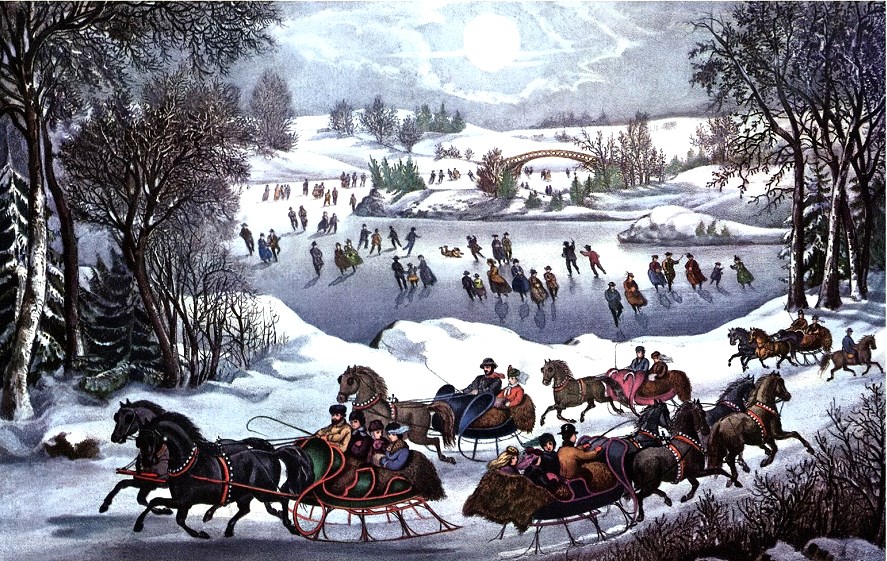
Artist: Currier and Ives


7. Close off unused rooms. Spare bedrooms, summer kitchens, utility rooms and entryways may not need to be heated all winter. The more square footage in a home, the more heat is required — and the harder it can be to stay warm. Closing doors and heat registers to non-essential space can be helpful. This is what our grandparents did.


8. Keep bedrooms cool and pile on extra blankets for sleeping. Many bedrooms do double duty as areas for homework, children’s play or hobbies. It might be worth considering to move these activities to common areas during cold weather, thereby saving heating costs while keeping the family warm in one or two rooms.


9. Use insulated curtains or hang blankets on windows. Staying warm in our grandparents’ time often included creating an extra barrier between themselves and outside, and window coverings were key.


10. Cover walls. Hanging heavy quilts along exterior walls can help keep rooms warmer. It not only provides additional insulation, but soft textiles create the illusion of warmth and comfort. Extra coverings over wall outlets can help minimize drafts, as well.


11. Place draft dodgers under doors. Creations made of yarn, fabric, rags, synthetic stuffing, or newspaper can help prevent air exchange and retain more warm air inside. These could be basic — just old hosiery stuffed with textile scraps — or as fancy as anyone wanted to make them.


12. Winterize windows with plastic. Windows which were particularly vulnerable to wind and cold and those in rarely used rooms could be easily covered with a sheet or two of clear plastic and tacked on using furring strips, adding an additional layer of insulation and helping to create a greenhouse effect inside the house.


13. Caulk or fill in around windows. Loose windows and frames allow warm air to leak out and cold air to flow in. Filling in gaps and cracks with a malleable material helped prevent heat loss and contributed to our grandparents staying warm.


14. Insulate the attic. Commercial insulation is probably the best idea for us today—despite its higher cost, it is super-efficient. But our grandparents had to do it with whatever they had—rags, woolens and even old newspaper could make a difference. It was important that they take care not to place anything combustible too close to a chimney, and that remains a crucial consideration for us today, too.


15. Bank around the house. Our grandparents used bales of hay or straw, bags of leaves, or other insulating materials around the outside of the house. Often in colder climates, they packed snow around the foundation to minimize transfer of heat.


By being intentional and diligent, our grandparents were able to thrive in the coldest of weather. And by following the lead of our ancestors, we all can stay a little warmer during winter.


What old-time advice would you add on staying warm during winter? Have you discovered new ways? Share your thoughts in the section below:


Are You Prepared For Extended Blackouts? Read More Here.